Some of the world’s most visited places have a dark side that most travel brochures skip right over. Behind the stunning views, ancient ruins, and breathtaking cliffs, there are stories of accidents, tragedies, and very real dangers.
That does not mean you should cancel your bucket list, but it does mean you should pack more than sunscreen. Here are 15 famous tourist attractions that come with a surprisingly deadly history.
Mount Everest, Nepal and Tibet
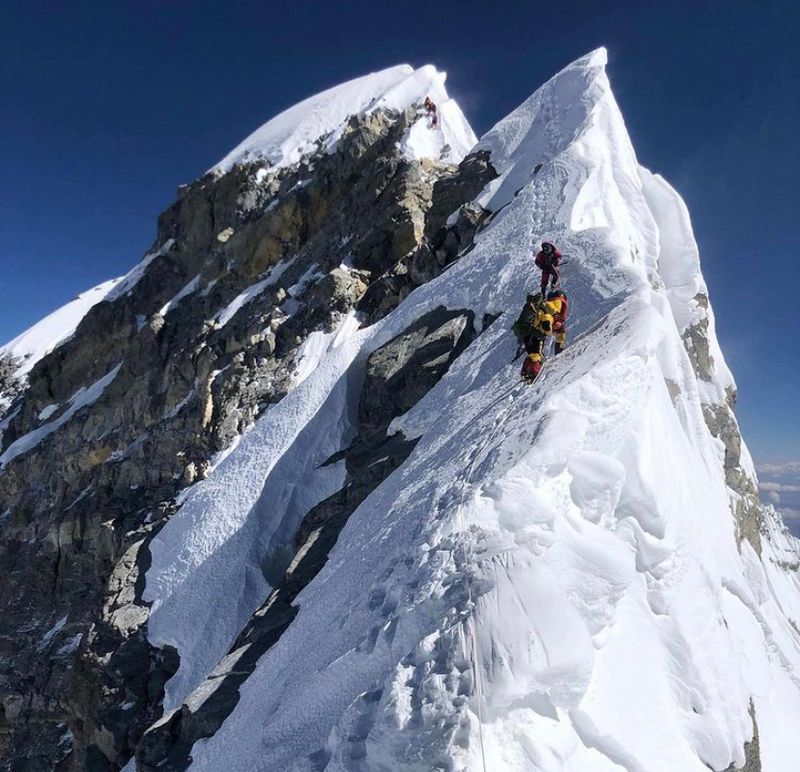
Over 300 people have died trying to reach the top of Mount Everest, and their bodies are still up there because the altitude makes recovery nearly impossible. The so-called “death zone” sits above 8,000 meters, where oxygen is so thin that the human body literally starts shutting down.
Frostbite, avalanches, and exhaustion are all part of the package.
I once read a detailed account of a solo climber who turned back just 200 meters from the summit because his fingers stopped working. That decision saved his life.
Everest attracts thousands of permit applications every year, and the crowded summit windows have made things even more unpredictable.
Permits cost tens of thousands of dollars, yet the mountain still claims lives each season. Everest is very much open for expeditions, but calling it a tourist attraction feels like a stretch.
It is more of a survival test with a very scenic backdrop.
Mont Blanc, France, Italy, and Switzerland
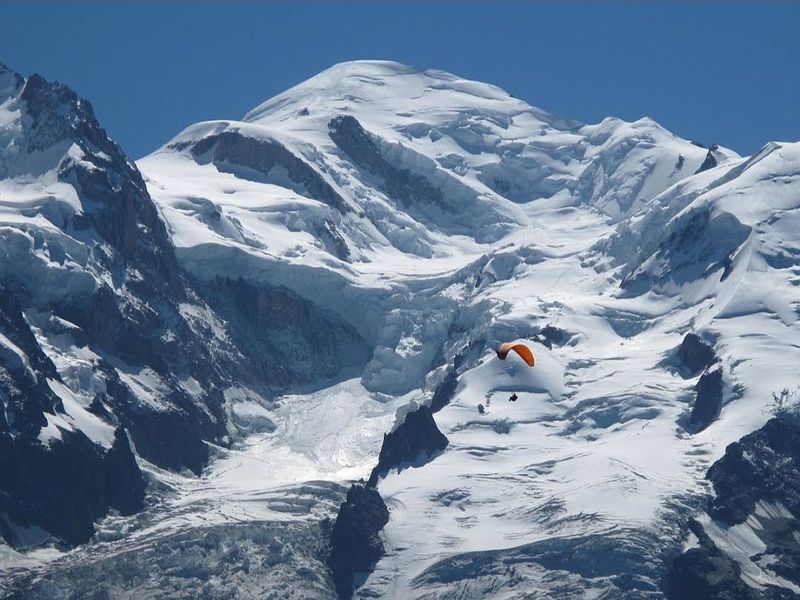
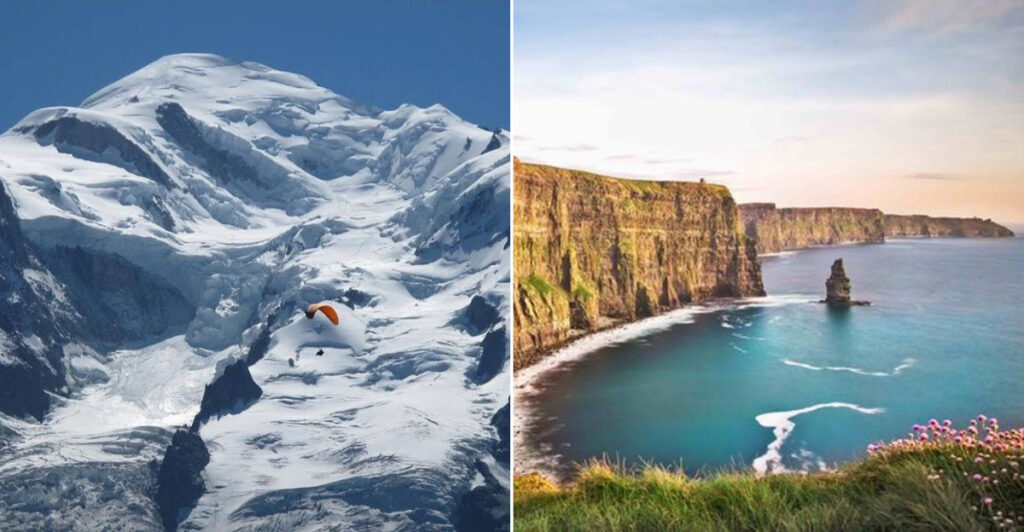
Mont Blanc sits at 4,808 meters and holds the title of Western Europe’s highest peak, which sounds impressive until you learn it is also one of the continent’s deadliest mountains. Around 100 people die on it every single year.
Rockfall, sudden storms, and collapsing glaciers are constant threats that catch underprepared climbers off guard.
The problem is not the mountain itself but the people who treat it like a weekend stroll. Many attempt the summit without proper gear, guides, or any real understanding of alpine conditions.
A clear morning can flip into a whiteout by noon.
Local authorities in Chamonix have repeatedly warned that the mountain is getting more dangerous as climate change destabilizes glaciers and increases rockfall. Guides are strongly recommended, and current local weather reports are not optional reading.
Mont Blanc is stunning, generous with its views, and completely unforgiving when you are not prepared for what it demands.
Grand Canyon National Park, Arizona
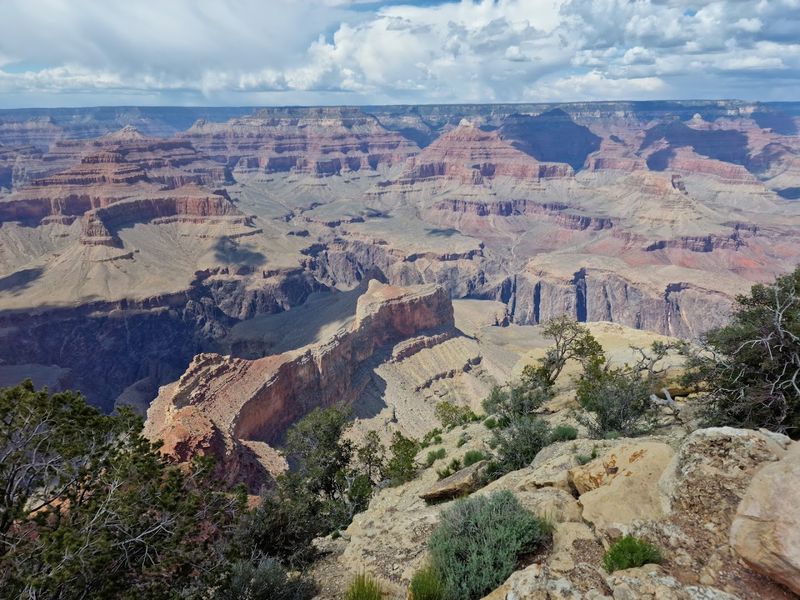
Every year, roughly 250 people require emergency rescues at the Grand Canyon, and not all of them make it out. Falls grab the most headlines, but heat exhaustion and dehydration are actually the biggest killers.
The canyon plays a cruel trick on hikers: going down feels easy, but the brutal climb back up happens during the hottest part of the day.
Rangers have a saying that gets repeated constantly: “Going down is optional, coming back up is mandatory.” Visitors regularly ignore signs warning them not to hike below the rim in summer heat, and the rescue helicopters stay busy because of it. Flash floods in the canyon can also appear with zero warning.
The park is open year-round, and millions visit without incident every year. The key is treating the canyon with respect rather than treating it like a theme park.
Bring more water than you think you need, start early, and turn around before your legs vote for a different plan.
Yosemite National Park, California
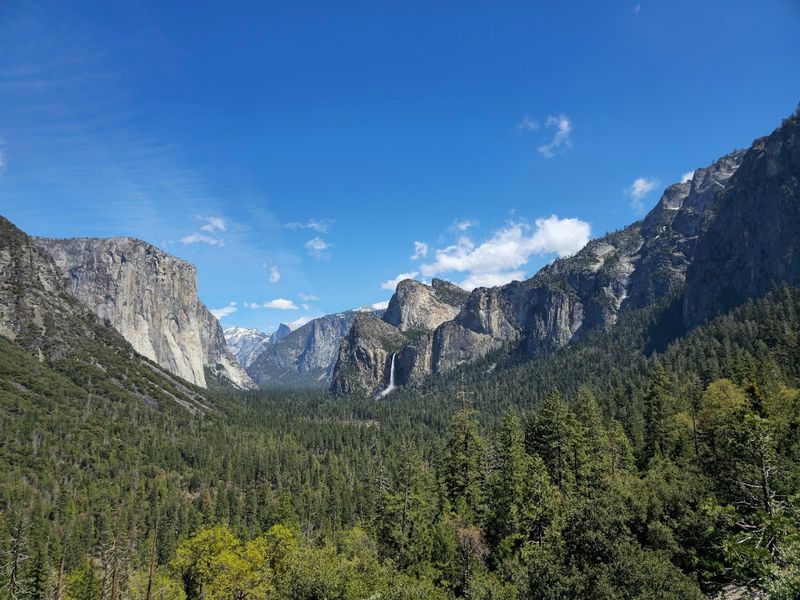
Yosemite has a beauty that makes people forget basic physics. The waterfalls are so mesmerizing that visitors wade into fast-moving water above them, and the granite walls look so solid that climbers sometimes underestimate the risks.
More than 1,000 people have died in the park since records began, covering everything from falls and drownings to rockslides.
Half Dome is the big one. The final 400 feet involve metal cables bolted into steep granite, and when those cables are wet, the fall rate goes up sharply.
The park now requires permits for that section, which helps with crowding but does not change the physics of a slippery rock face.
Vernal Fall is another notorious spot where strong currents have swept visitors over the edge despite warning signs everywhere. Yosemite is absolutely worth visiting, and most people leave with nothing but great photos.
Just do not be the person who steps over the barrier for a better angle.
Niagara Falls, United States and Canada
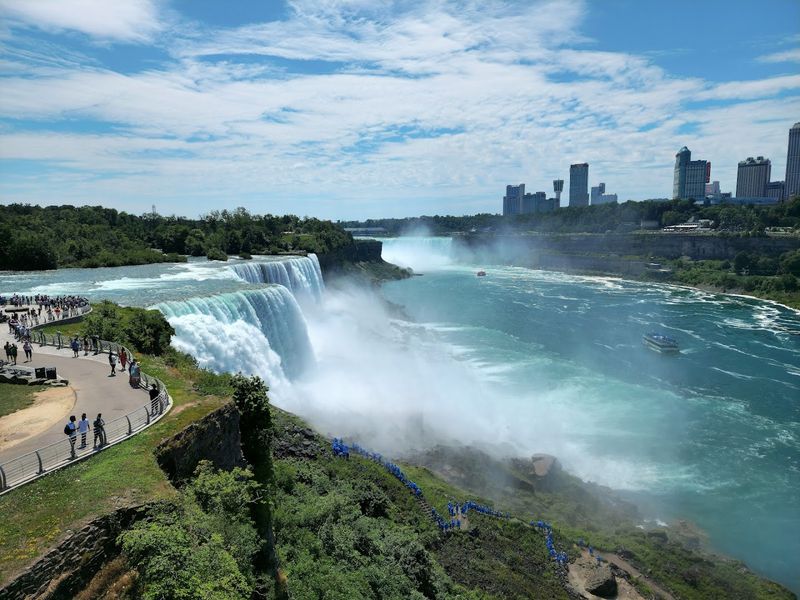
Niagara Falls moves about 168,000 cubic meters of water per minute. To put that another way: if you go over the edge, there is almost no scenario where the story ends well.
The falls are surrounded by gift shops, hotels, and casino lights, which creates a strange disconnect between how touristy the area feels and how genuinely lethal the water is.
Since the 1800s, daredevils have attempted to survive going over the falls in barrels and contraptions of varying creativity. Some made it.
Many did not. Accidents, intentional deaths, and the occasional tourist who gets too close to the barrier have all contributed to the falls’ grim history.
Both the American and Canadian sides have barriers and viewing platforms that make a safe visit completely achievable. Boat tours get you closer to the falls than most people expect.
The trick is respecting the water rather than assuming the guardrails are just decorative suggestions put there by overly cautious park officials.
Cliffs of Moher, Ireland
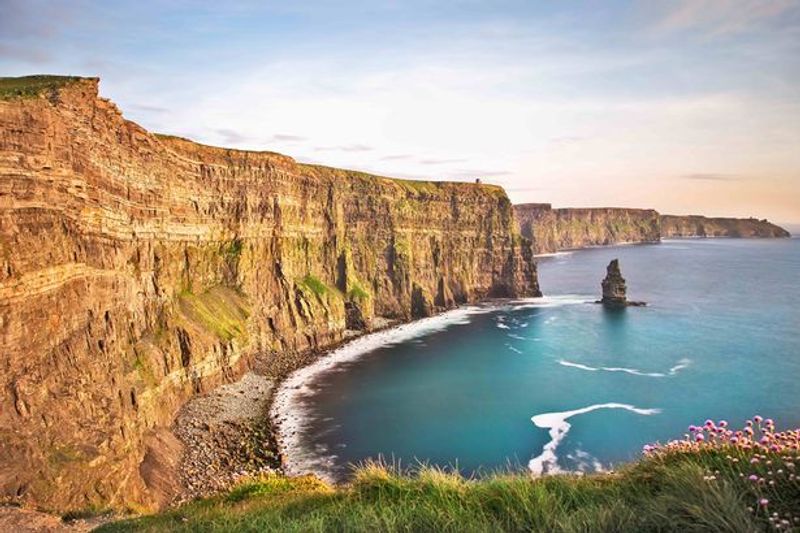
Standing at the Cliffs of Moher for the first time, the wind hits you before the view does. These cliffs drop over 200 meters straight into the Atlantic Ocean, and on a stormy day, the waves below look like they are in a completely different world.
They are one of Ireland’s most visited sites, pulling in over 1.5 million visitors a year.
Fatal falls have happened here, most often when visitors climb past the barriers to get a photo without the safety railing in the frame. The official paths and viewing platforms are well-maintained, but the temptation to step beyond them is real and has cost lives.
Some sections of the coastal path are closed or restricted depending on conditions.
The visitor center is modern, the views are genuinely world-class, and the experience is unforgettable when done safely. Stay on the marked paths, take the photo from behind the barrier, and let the cliffs be the dramatic ones.
You do not need to compete with them.
Angels Landing, Zion National Park, Utah
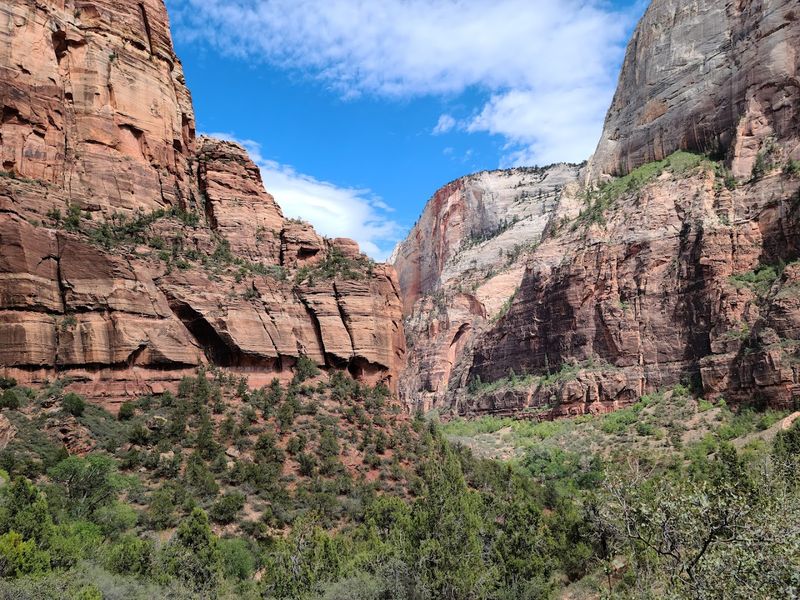
Angels Landing has one of the most accurate names in hiking. The final half mile involves a narrow sandstone ridge with a 1,500-foot drop on each side, and the only thing between you and the canyon floor is a set of chain handholds bolted into the rock.
It is genuinely one of the most exhilarating hikes in the United States, and also one of the most fatal.
At least eight people have died on the trail since 2004, and Zion National Park now requires permits specifically for the final section beyond Scout Lookout. The permit system helps manage crowds, because congestion on that narrow ridge makes an already risky hike significantly more dangerous.
Still, the hike remains very popular.
If heights make your knees feel like they are made of warm pudding, this hike is not the one to push through. The views from Scout Lookout are already spectacular.
Knowing your limits is not weakness; it is just smart trail management with better survival odds.
North Yungas Road, Bolivia
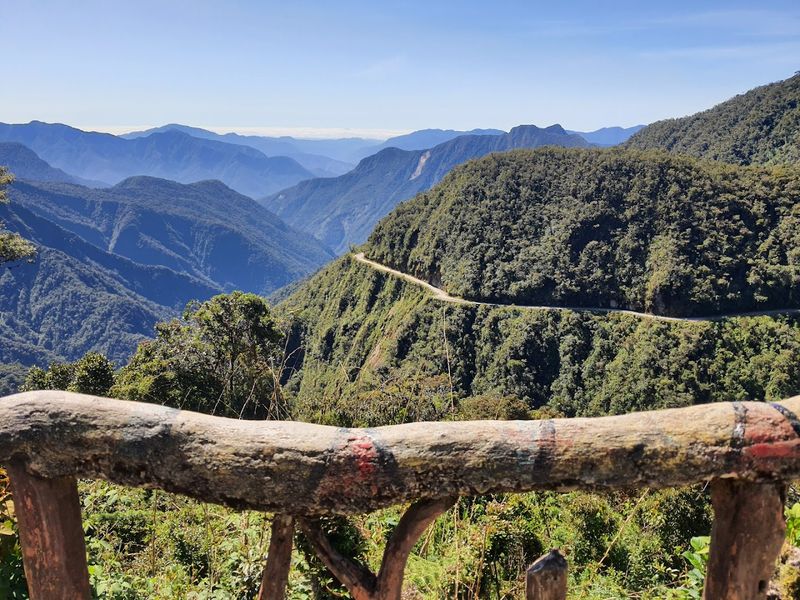
Bolivia’s North Yungas Road earned the nickname “Death Road” honestly. At its peak, the narrow single-lane track carved into the Andes claimed an estimated 200 to 300 lives per year, mostly from vehicles going over the edge into jungle ravines hundreds of meters below.
The road drops over 3,600 meters in about 64 kilometers, which means the scenery changes dramatically and so does your pulse rate.
A safer paved highway now handles most vehicle traffic, which has dramatically reduced fatalities for locals. But the old road did not close; it became a tourist attraction.
Thrill-seeking cyclists now pay for guided downhill bike tours along the same route, and yes, people still occasionally die doing it.
Reputable tour operators provide proper equipment, experienced guides, and safety briefings that are worth every minute of your attention. The road is genuinely spectacular, and the bike tour is a bucket-list experience for many adventure travelers.
Just wear the helmet. The road did not get its nickname through good PR.
Mount Washington, New Hampshire
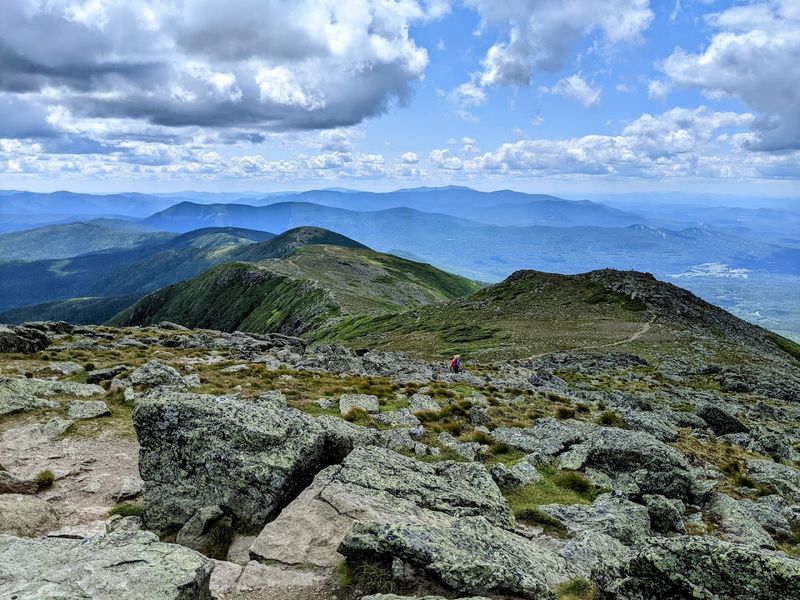
Mount Washington is only 1,917 meters tall, which sounds modest compared to the giants of the Himalayas. But the summit once recorded a wind speed of 372 kilometers per hour, a world record that stood for decades.
The mountain sits at the intersection of three major storm tracks, which means the weather can go from manageable to life-threatening faster than most people can put on a jacket.
More than 160 people have died on the mountain since records began in the 1800s. Hypothermia and exposure are the leading causes, not dramatic falls.
Hikers who set out in clear morning weather have been caught by sudden storms that turned trails into survival situations within hours.
Visitors can reach the summit by car on the Auto Road, by the cog railway, or on foot via several trails. The mountain is very much worth visiting, especially the summit observatory.
But if you are hiking up, check the weather report, tell someone your plan, and pack for the worst version of the day.
Pamplona Running of the Bulls, Spain
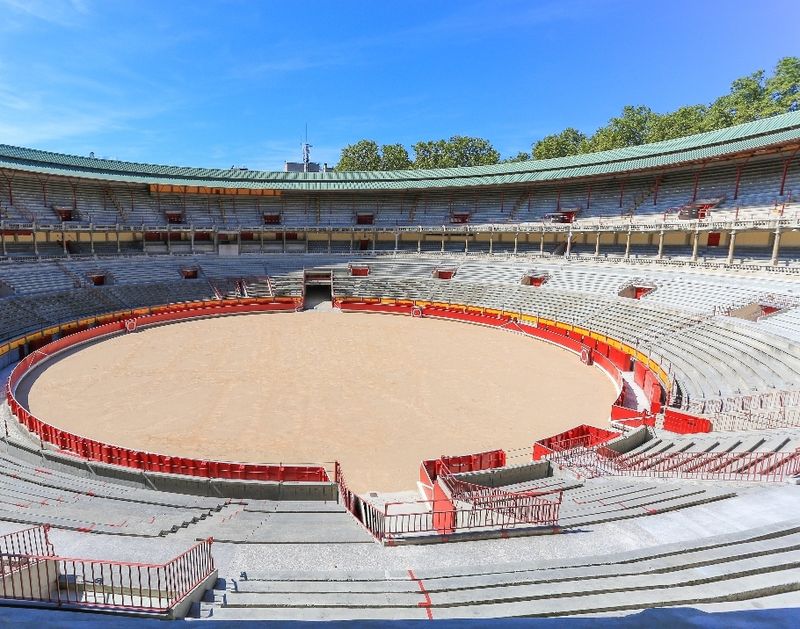
Every July, thousands of people voluntarily run through the streets of Pamplona with a group of bulls directly behind them. The run covers about 875 meters and lasts roughly three minutes, which sounds quick until you realize that a bull can run at 55 kilometers per hour and is not particularly interested in your personal safety.
Fifteen people have been killed in the event since official records started in 1910.
Hundreds more have been injured, including gorings, trampling, and falls on the cobblestones. The event is part of the San Fermin festival, a deeply rooted cultural tradition in Navarre that draws massive international crowds every year.
Spectators line the barricaded route and fill balconies overhead.
Watching the run from a balcony or behind the barriers is genuinely thrilling and significantly less likely to end with a horn in your ribcage. Participation is open to anyone who signs a waiver, but the waiver does not make the bulls smaller.
Respect the tradition, enjoy the festival, and maybe reconsider the running part.
Machu Picchu and the Inca Trail, Peru
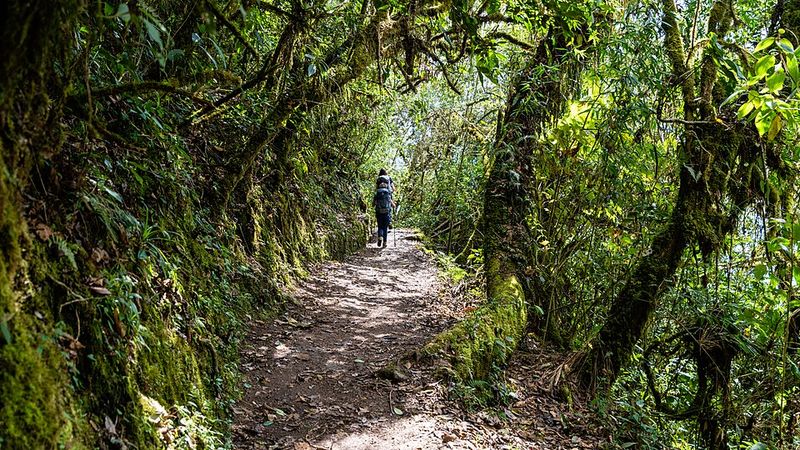
Machu Picchu sits at 2,430 meters above sea level and is surrounded by steep terraces, narrow paths, and cliff edges that look like they were designed by someone who had strong feelings about keeping tourists on their toes. The site draws over a million visitors per year, and most leave with nothing but stunning photos.
But fatal falls have occurred, particularly when visitors step beyond marked areas or lean too far over edges for a shot.
The Inca Trail leading to the site adds its own risks, including altitude sickness, slippery stone steps, and remote terrain where help is not always close. Peru now limits daily visitor numbers and requires guided treks on the Inca Trail, which has improved safety considerably.
Tickets sell out months in advance, so planning ahead is not optional. Stick to marked circuits inside the ruins, follow guide instructions, and save the daring poses for somewhere with a railing.
The ruins are extraordinary enough without testing the edge.
Horseshoe Bend, Arizona
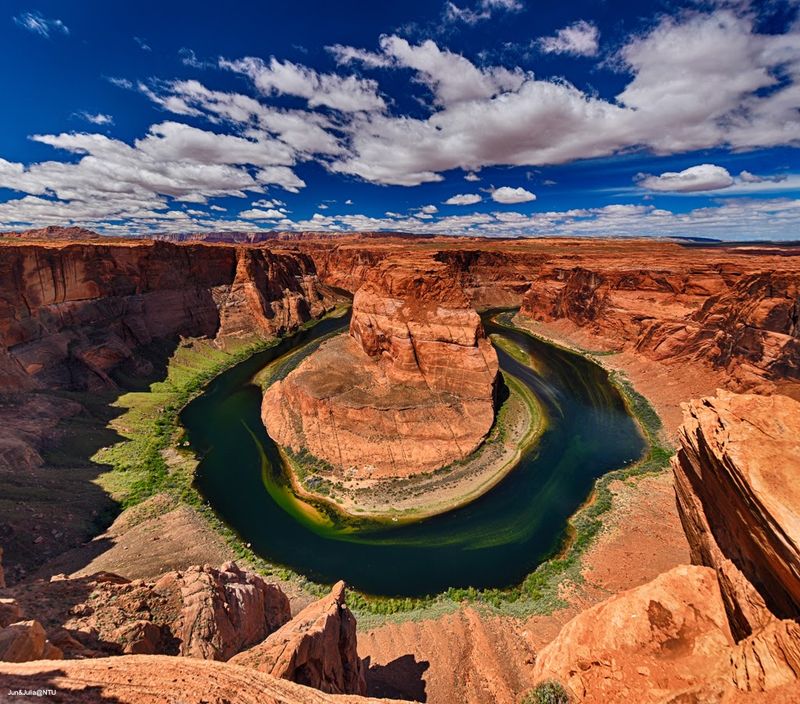
Horseshoe Bend looks like a screensaver, which is part of the problem. The Colorado River curves 300 meters below the overlook in a near-perfect horseshoe shape, and the view is so photogenic that visitors regularly forget they are standing on an unfenced cliff edge.
Fatal falls have happened here, and the site saw a sharp spike in incidents as social media made it globally famous almost overnight.
A viewing platform with railings was added in recent years, which has improved safety at the main overlook. But the platform does not cover every section of the rim, and the urge to find a better, less crowded angle has led people toward unprotected edges.
The drop is not gradual; it is immediate and vertical.
Horseshoe Bend is part of the Glen Canyon National Recreation Area and is free to visit, which adds to its popularity. Go early to avoid crowds, stay behind the barriers, and accept that the standard view is already one of the best in the American Southwest.
Hawaiʻi Volcanoes National Park, Hawaii
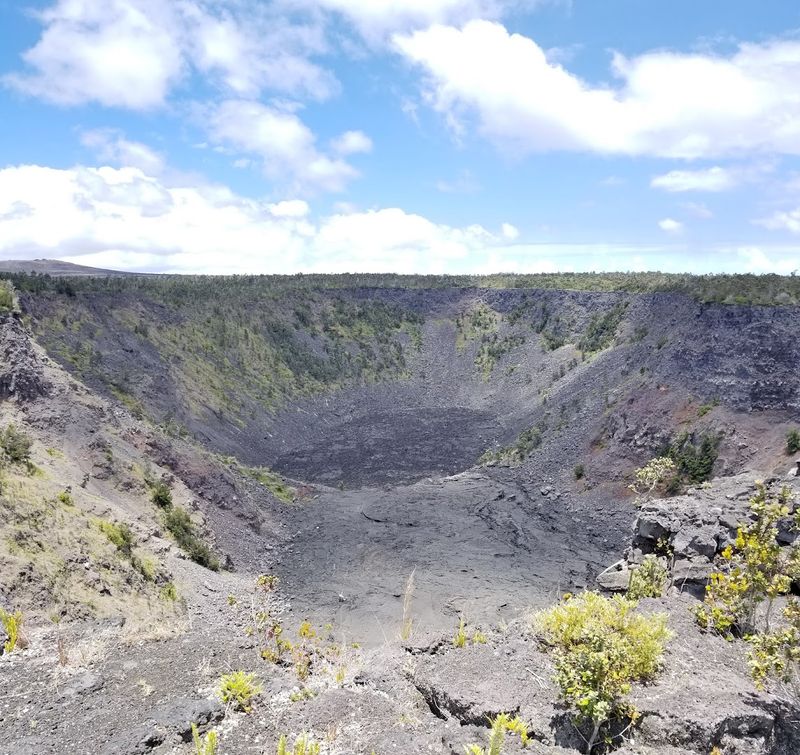
Not many national parks offer a live volcano as part of the experience. Hawaiʻi Volcanoes National Park is home to Kīlauea, one of the most active volcanoes on Earth, and visiting it feels like standing at the edge of the planet’s engine room.
The landscapes are unlike anything else in the United States, but the hazards are just as unique.
Volcanic gases, particularly sulfur dioxide, can reach dangerous concentrations in certain areas. Lava benches and coastal cliffs can collapse without warning.
Steam vents and cracks in the ground are not always visible until you are already standing on unstable terrain. Fatalities have occurred when visitors ignored closures or ventured into restricted zones.
The park is open most of the time, but conditions and closures shift quickly during eruption activity. Rangers post daily updates, and paying attention to those updates is genuinely important rather than optional.
The park is spectacular, the geology is mind-bending, and it is entirely possible to have an incredible visit while keeping all your limbs intact.
Table Mountain, South Africa
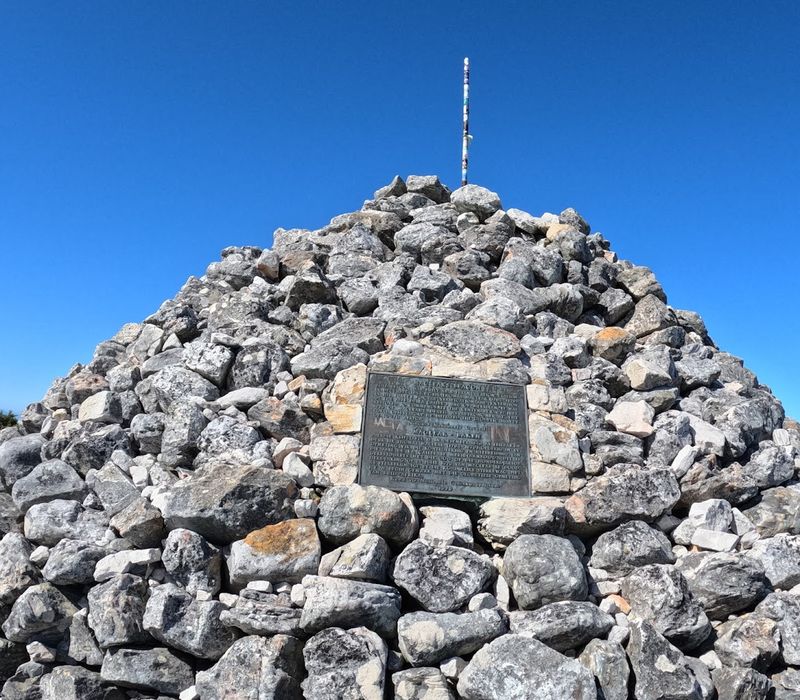
Table Mountain towers over Cape Town at 1,086 meters and is one of the most recognizable landmarks on the African continent. The cable car ride to the top is one of those experiences that earns its place on any travel list, offering views across the Cape Peninsula that stretch all the way to the ocean.
But the mountain has also seen its share of tragedies.
Fatal falls, exposure, and incidents involving solo hikers who underestimated changing conditions have all occurred here. The mountain is famous for creating its own weather, with a thick cloud layer called the “tablecloth” that can descend in minutes and reduce visibility to almost nothing.
Hikers who set out in sunshine have found themselves completely disoriented within the hour.
Table Mountain National Park is open and well-maintained, with marked trails and regular ranger patrols. The standard advice from local authorities is simple: do not hike alone, stick to marked routes, and check the weather before you start climbing.
It is excellent advice, and the mountain has a habit of proving why.
Blue Mountains National Park, Australia
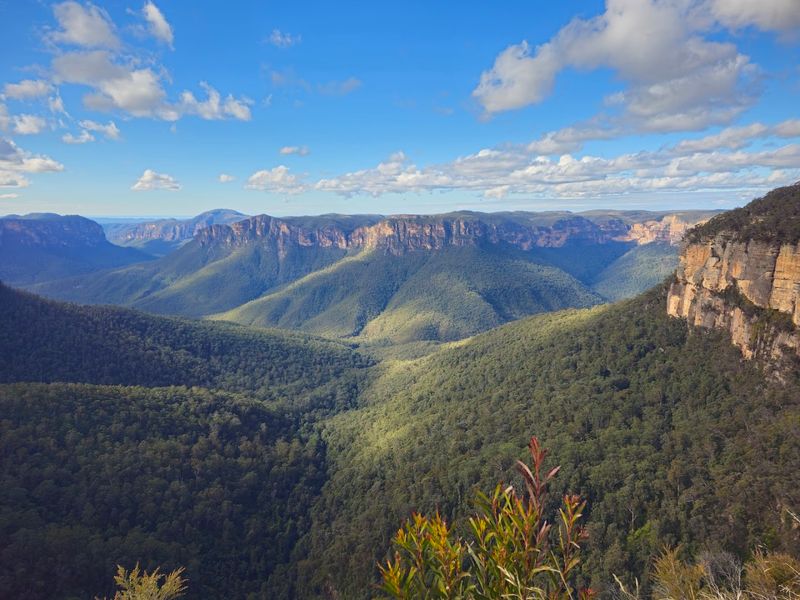
About 90 minutes west of Sydney, the Blue Mountains look like the kind of place you visit for a relaxing day out. The cliffs are dramatic, the eucalyptus forests stretch endlessly into the valley, and the Three Sisters rock formation at Echo Point draws enormous crowds.
It all looks very manageable until you realize just how rugged the terrain becomes once you step off the main lookouts.
Fatal falls, landslides, and missing-person incidents have occurred throughout the park, including on some of its most popular walking tracks. The trails vary wildly in difficulty, and some that look short on a map involve steep descents into gorges that take hours to climb back out of.
Remote sections have claimed lives when hikers underestimated distance, weather, or their own fitness.
The park is open year-round and is genuinely worth the trip from Sydney. Carry water, download offline maps, tell someone your route, and take the trail difficulty ratings seriously.
The Blue Mountains are beautiful, but they are real wilderness dressed up in a very approachable package.
Share this story