Some of the world’s most intriguing places are also among its most inaccessible. Whether protected for environmental conservation, national security, cultural preservation, or public safety, these destinations remain off-limits to ordinary travelers.
In many cases, entering without permission can result in hefty fines, arrest, or far worse. Note: Some of these places may allow limited access for authorized researchers, military personnel, or conservation staff, but they are not legally open to the general public.
North Sentinel Island, India
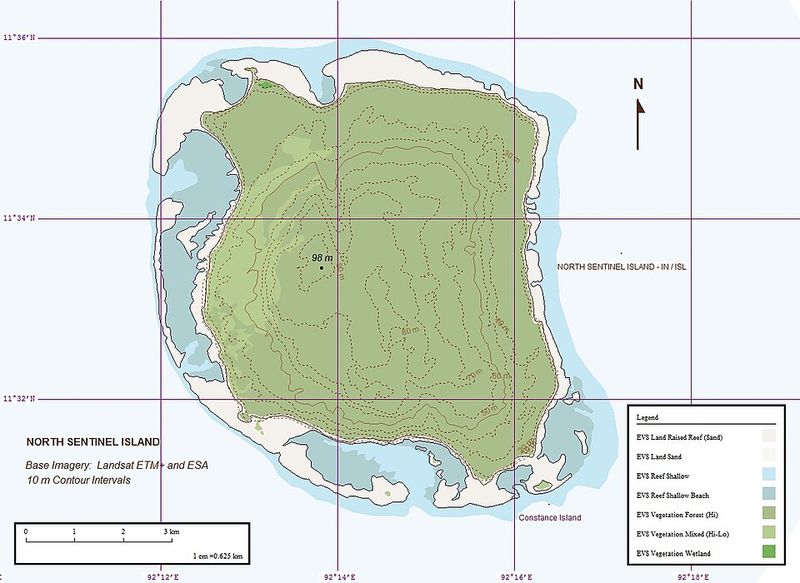
Imagine an island so isolated that its inhabitants have never had contact with the outside world. North Sentinel Island sits in the Bay of Bengal, and its residents, the Sentinelese people, have fiercely rejected every attempt at contact for thousands of years.
They are believed to be among the last truly uncontacted groups on Earth.
Indian law makes it illegal to approach within five nautical miles of the island. This rule exists for two important reasons: to protect the Sentinelese from outside diseases their immune systems cannot handle, and to protect visitors from the tribe’s well-documented hostility toward outsiders.
In 2018, an American missionary illegally traveled to the island and was killed. That incident reminded the world just how seriously both the tribe and the Indian government take this boundary.
Scientists estimate the population may be as small as a few dozen people, making their protection even more urgent. The island itself is lush, forested, and surrounded by coral reefs, making it hauntingly beautiful from a distance.
You can admire it from afar, but getting closer is both illegal and genuinely dangerous.
Area 51, Nevada, United States
Warning signs, motion sensors, and armed guards surround one of America’s most talked-about military bases. Area 51, officially known as the Nevada Test and Training Range, has been the center of UFO theories and government conspiracy stories for decades.
The U.S. government did not even publicly acknowledge its existence until 2013.
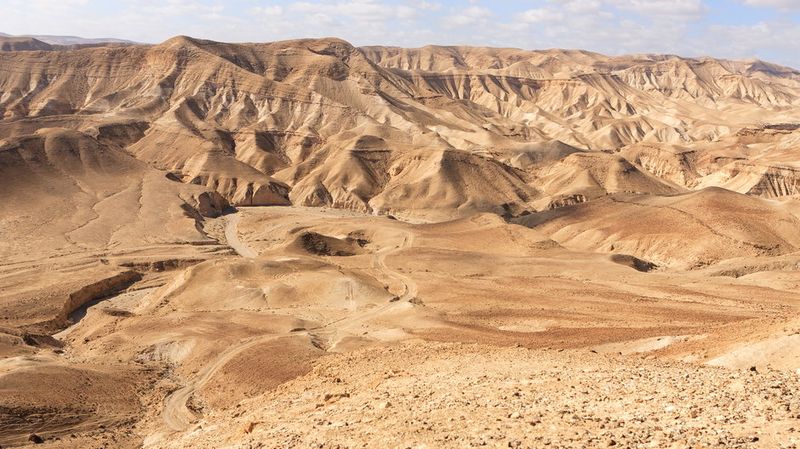
Located deep in the Nevada desert, the base is used for testing classified aircraft and experimental military technology. That secrecy is exactly what sparked so many alien rumors over the years.
Strange lights in the sky? Probably a prototype jet.
Probably.
Crossing the clearly marked boundary is a federal offense. Signs warn that the use of deadly force is authorized, and that is not a bluff.
In 2019, a viral social media campaign jokingly called people to storm Area 51, and authorities made it very clear that nobody would be getting through. Nearby towns like Rachel, Nevada, have actually turned the mystery into a tourism business, with alien-themed diners and gift shops.
You can get surprisingly close without breaking the law, but stepping past that fence line puts you in very serious legal trouble very quickly.
Ilha da Queimada Grande (Snake Island), Brazil
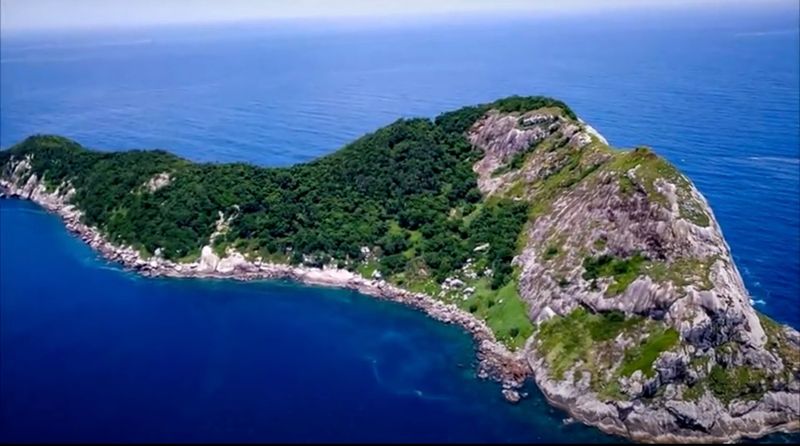
There is an island off the coast of Brazil where every rock, every branch, and every shadow might be hiding a snake. Ilha da Queimada Grande, better known as Snake Island, is home to an estimated 2,000 to 4,000 golden lancehead vipers, one of the most venomous snakes on the planet.
By some estimates, there is roughly one snake per square meter in certain areas.
The golden lancehead is critically endangered and found nowhere else on Earth. Its venom is powerful enough to cause severe tissue damage, organ failure, and death without rapid medical treatment.
Brazil’s government banned public access to protect both visitors and the snake population itself.
Only approved researchers with specific permits may visit, and even they go with extreme caution. The island sits about 33 kilometers off the coast of Sao Paulo state and covers just 43 hectares.
Legends about the island include a lighthouse keeper who was supposedly killed by snakes that slithered through his windows, though historians debate whether the story is true. Whether fact or folklore, it perfectly captures why Snake Island is one place where the wildlife truly runs the show.
Surtsey, Iceland
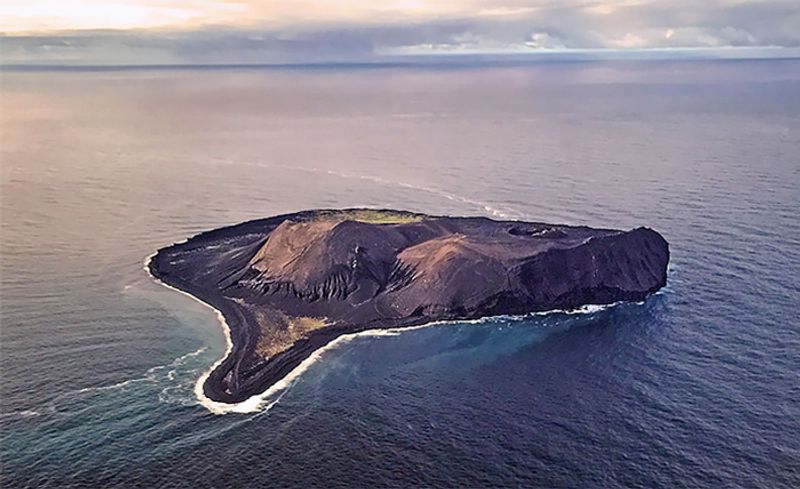
Picture watching a brand-new island rise out of the ocean. That is exactly what Icelandic fishermen witnessed in November 1963 when a volcanic eruption began beneath the North Atlantic and slowly built an entirely new landmass.
Surtsey, named after a Norse fire giant, is one of the youngest islands on Earth.
Since the eruptions stopped in 1967, scientists have used Surtsey as a living laboratory to study how life colonizes a completely barren environment. Plants, birds, insects, and even seals have gradually made it their home, all without any human interference.
That is precisely why tourists are not allowed anywhere near it.
UNESCO designated Surtsey a World Heritage Site in 2008, recognizing its extraordinary scientific value. Only a small number of approved researchers may visit, and they must follow strict rules to avoid accidentally introducing foreign seeds or organisms.
Even researchers are careful about what they wear and carry onto the island. The results of this long-running natural experiment have reshaped how scientists understand ecosystem development.
Surtsey is essentially a slow-motion nature documentary playing out in real time, and keeping humans away is the only way to keep the data clean and meaningful.
Lascaux Cave, France
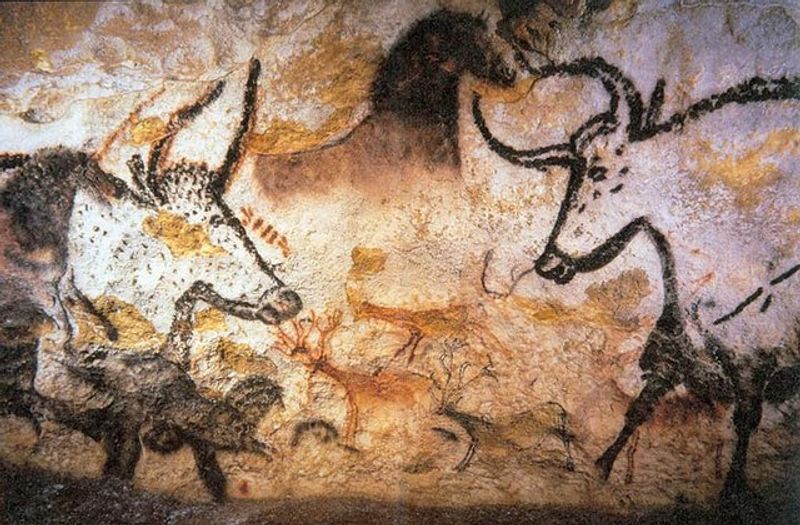
Somewhere beneath the hills of the Dordogne region in southwestern France, walls covered in 17,000-year-old paintings sit in carefully controlled silence. Lascaux Cave was discovered in 1940 by a group of teenagers and their dog, and it quickly became one of the most celebrated archaeological finds in history.
The paintings depict horses, bulls, deer, and abstract symbols with remarkable artistic skill.
For a while, tourists flooded in to see the real thing. Then scientists noticed a serious problem.
The carbon dioxide and moisture from thousands of visitors’ breath was causing mold and algae to grow on the ancient paintings, slowly destroying what had survived for millennia. The cave was closed to the public in 1963.
Today, access is restricted to a small number of researchers who monitor the cave’s fragile condition. Everyone else visits Lascaux IV, an extraordinarily detailed replica built nearby that replicates the original paintings with stunning accuracy.
It sounds like a consolation prize, but the replica is genuinely impressive and designed with modern technology to capture every brushstroke. The real cave, meanwhile, remains in a race against biological damage that scientists are still working to control.
Preserving it is a full-time scientific challenge.
Vatican Apostolic Archive, Vatican City
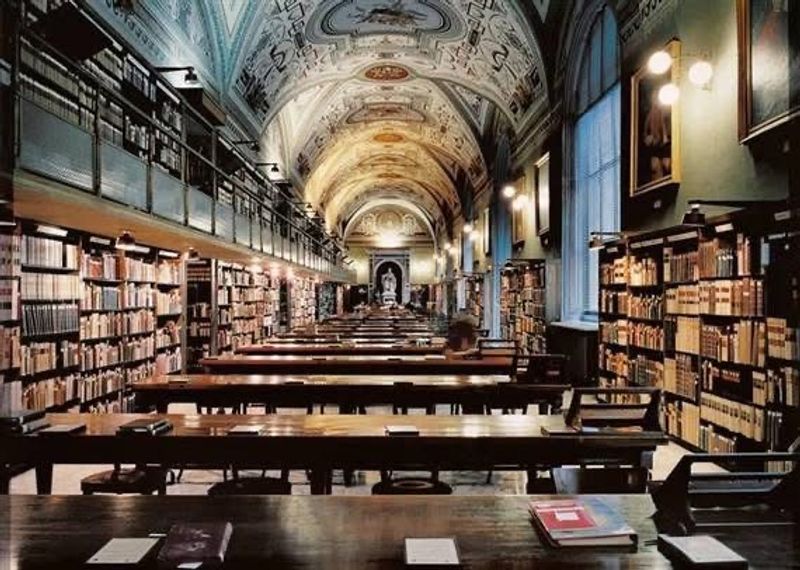
Centuries of secrets, scandals, and sacred documents are stored in a climate-controlled facility beneath Vatican City. The Vatican Apostolic Archive holds roughly 85 kilometers of shelving packed with letters, papal decrees, trial records, and diplomatic correspondence stretching back over a thousand years.
For a long time it was called the Secret Archives, though the word secret simply referred to it being private rather than mysterious.
Despite what Hollywood spy films might suggest, this is not a shadowy vault of hidden knowledge. Access is available to qualified scholars who apply through a formal process and demonstrate legitimate academic research needs.
Approved researchers can request specific documents but cannot simply browse freely through the collection.
Among the archive’s most famous holdings is a letter from King Henry VIII requesting an annulment from Catherine of Aragon, a request that Pope Clement VII famously refused. There are also records from the trial of Galileo and correspondence with figures like Mary Queen of Scots.
The archive was partially opened to researchers in 1881 by Pope Leo XIII, a decision considered bold for its time. Getting inside still requires credentials, patience, and an approved research proposal, making it one of history’s most exclusive reading rooms.
Qin Shi Huang’s Mausoleum, China
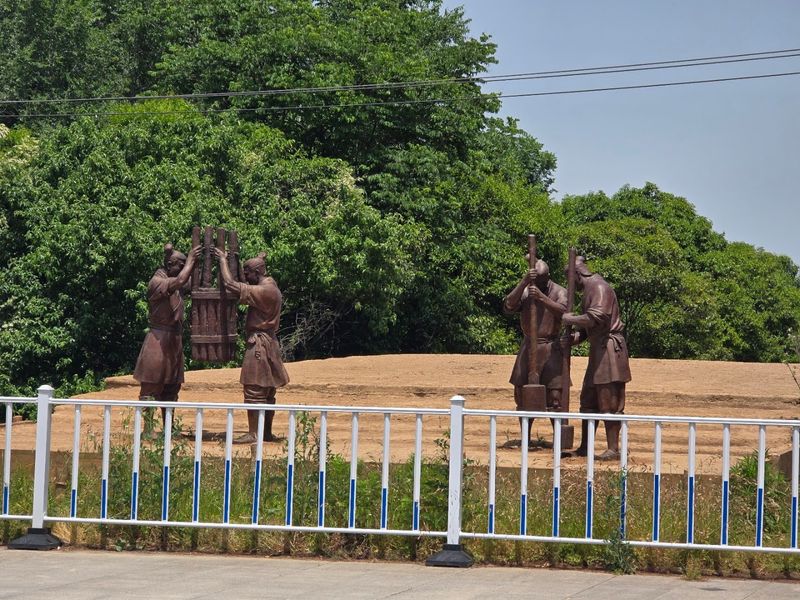
Buried beneath a large grass-covered hill in Shaanxi Province lies a tomb that archaeologists believe could be one of the greatest undiscovered treasures on Earth. Emperor Qin Shi Huang, the first emperor of unified China, was buried around 210 BCE with an extraordinary collection of riches, and ancient texts describe elaborate traps, rivers of mercury, and a miniature replica of his entire empire inside.
Soil samples taken near the mound have confirmed unusually high mercury levels, lending credibility to those ancient descriptions. Yet Chinese authorities have made a deliberate decision not to excavate the central tomb.
The reason is straightforward: current technology cannot adequately preserve what might be inside once it is exposed to air.
Millions of visitors come to see the famous Terracotta Army, which was discovered in 1974 by farmers digging a well nearby. Those thousands of life-sized clay soldiers were just the outer guard of the burial complex, not the tomb itself.
The actual mausoleum remains sealed, waiting for a future generation with better tools. It is a rare example of scientists choosing patience over curiosity, and honestly, that kind of restraint deserves some respect.
The hill sits quietly, keeping its secrets for now.
Poveglia Island, Italy
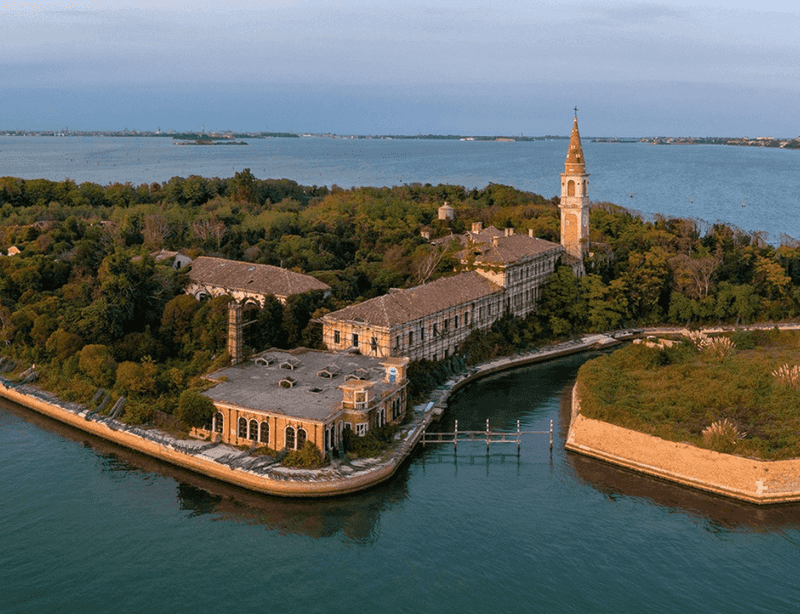
Few places carry a reputation quite as grim as this small island in the Venetian Lagoon. Poveglia has served as a quarantine station for plague victims, a dumping ground for the dead during the Black Death, and later a psychiatric hospital.
Historians estimate that over 100,000 people may have died on the island across different periods of history, though exact numbers are disputed.
The psychiatric hospital closed in 1968, and the island has been largely abandoned ever since. Its crumbling buildings, overgrown gardens, and eerie silence have made it a magnet for ghost hunters and urban explorers, but the Italian government keeps it firmly off-limits.
Entering without authorization is illegal, and the decaying structures pose genuine physical dangers to anyone who wanders inside.
In 2014, the Italian government briefly auctioned off a 99-year lease on part of the island with the intention of redeveloping it, but the deal fell through. Local activists have pushed for the island to be turned into a public park, which would be a remarkable transformation for such a troubled location.
For now, it remains one of the lagoon’s most haunting silhouettes, visible from passing boats but unreachable by anyone without special permission. Its history is genuinely difficult to shake.
Svalbard Global Seed Vault, Norway
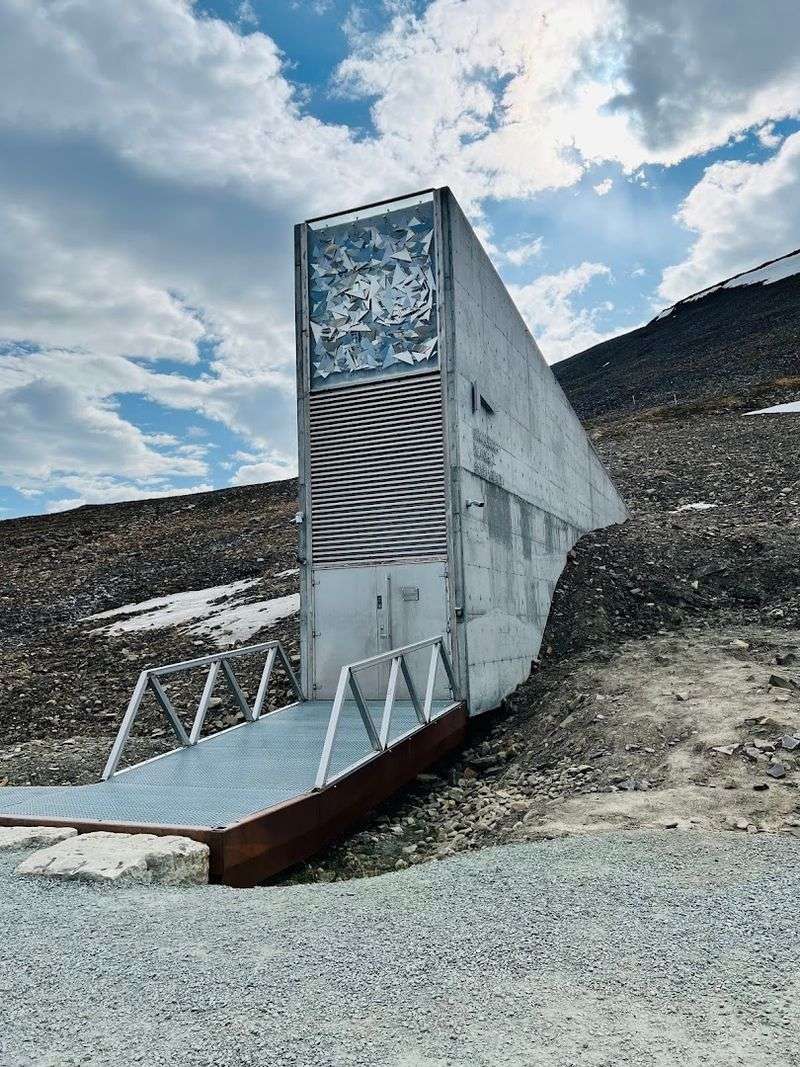
Tucked inside a frozen mountain on a remote Norwegian archipelago, this facility holds the backup plan for humanity’s food supply. The Svalbard Global Seed Vault opened in 2008 and currently stores over 1.3 million seed samples from nearly every country on Earth.
The idea is simple but powerful: if a catastrophe wiped out a crop species somewhere in the world, the seeds to restore it would be safely waiting here.
The vault sits about 130 meters inside a sandstone mountain on Spitsbergen island, chosen specifically because the permafrost keeps it naturally cold. Even if the refrigeration systems failed, the seeds would remain frozen for decades.
It was designed to survive earthquakes, nuclear war, and rising sea levels, earning its dramatic nickname, the Doomsday Vault.
Only authorized personnel from depositing countries and vault staff may enter the facility. There are no public tours, no visitor programs, and no exceptions for curious travelers.
The Norwegian government manages the structure, while the Global Crop Diversity Trust handles long-term funding. Seeds have already been withdrawn once, in 2015, when Syrian researchers needed samples after their national seed bank was destroyed by conflict.
That moment proved the vault was not just a symbolic gesture. It actually works.
Cheyenne Mountain Complex, Colorado, United States
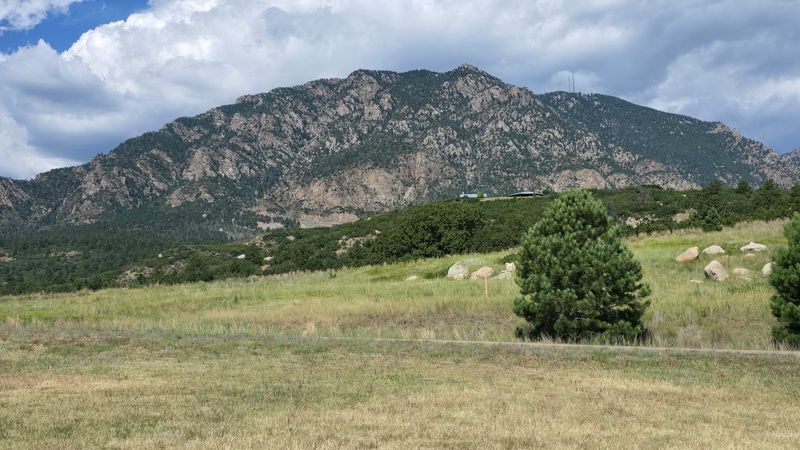
Built to survive a nuclear attack, this underground fortress inside a Colorado mountain has been protecting American defense operations since the Cold War. The Cheyenne Mountain Complex was constructed by carving out 4.5 acres of space inside solid granite and mounting the interior buildings on enormous steel springs to absorb the shock of a nuclear blast nearby.
It is engineering on a genuinely intimidating scale.
Originally home to NORAD, the North American Aerospace Defense Command, the complex monitors air and space threats to North America around the clock. It was put into a warm standby mode in 2006 but was reactivated in 2015 amid concerns about electromagnetic pulse threats from potential adversaries.
The mountain’s granite walls offer natural protection that modern above-ground facilities simply cannot match.
Public access is completely prohibited, and the surrounding area is under constant military surveillance. The complex is an active defense installation with real operational responsibilities, not a museum.
A few journalists and government officials have been granted limited access over the years for specific purposes, but regular civilians have no path inside. Films like WarGames made the mountain famous in pop culture, but no amount of movie nostalgia is going to get you past those blast doors.
Security there is absolutely serious.
Room 39, North Korea
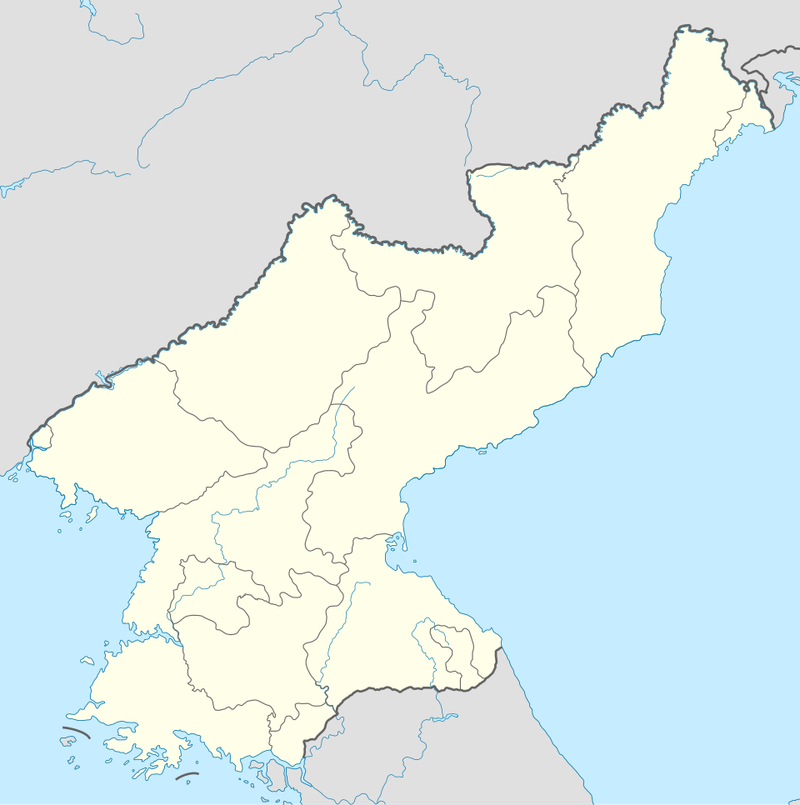
Nobody outside North Korea’s inner circle knows exactly where Room 39 is located, what it looks like, or how many people work inside it. What analysts and defectors have reported is that it functions as a secret government bureau responsible for generating foreign currency for North Korea’s ruling leadership.
It is believed to operate through a range of activities including counterfeiting, drug trafficking, and other illegal enterprises.
The organization is thought to have been established in the late 1970s under Kim Il-sung and has reportedly operated out of the Korea Workers Party headquarters in Pyongyang. Western governments and intelligence agencies have studied it for years, but hard verified information remains scarce.
That secrecy is entirely by design.
For ordinary travelers, North Korea itself is already one of the world’s most restricted destinations. Visitors who are allowed in must follow tightly controlled itineraries with government-assigned guides at all times.
Room 39 is obviously not on any approved tourist route. Even North Korean citizens have no access to it.
The organization represents the extreme end of government secrecy, existing in a country where information is already one of the most tightly controlled resources. Learning anything concrete about it is a challenge even for professional intelligence agencies with significant resources.
Inner Zones of Reactor 4, Chernobyl, Ukraine
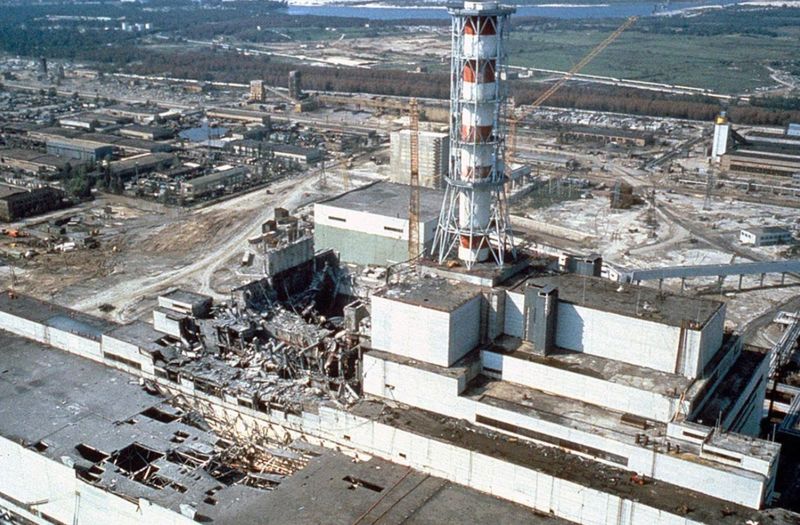
The explosion at Chernobyl’s Reactor 4 on April 26, 1986 released radiation levels that remain difficult to fully comprehend even today. The immediate area around the reactor is still so contaminated that even brief exposure carries measurable health risks.
A massive steel structure called the New Safe Confinement was completed in 2016 and slid over the remains of the reactor to contain ongoing radiation leaks.
Before Russia’s invasion of Ukraine disrupted tourism operations, guided tours of the broader Chernobyl Exclusion Zone were legally available and surprisingly popular. Visitors could walk through the ghost town of Pripyat and see the abandoned amusement park that became one of the world’s most photographed ruins.
But the inner zones closest to Reactor 4 have always been strictly off-limits to tourists.
Radiation levels inside the reactor building and directly beneath the confinement structure are still lethally high in certain spots. Workers who maintain the New Safe Confinement structure operate under strict time limits to minimize their exposure.
The exclusion zone itself has paradoxically become a thriving wildlife habitat, with wolves, lynx, and eagles reclaiming areas abandoned by humans. Nature’s resilience in the shadow of one of history’s worst nuclear disasters is both remarkable and deeply sobering to consider.
Gangkhar Puensum, Bhutan
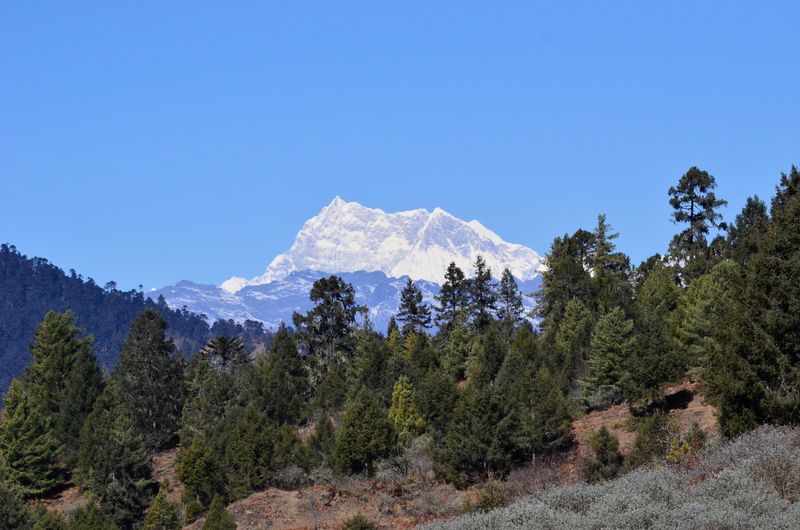
Standing at 7,570 meters above sea level, Gangkhar Puensum holds a record that no mountaineer has ever broken: it is the highest unclimbed mountain on Earth. While climbers have conquered every peak above it, including Everest dozens of times over, this Bhutanese giant remains completely untouched at its summit.
That is not because it is impossible to climb. It is because climbing it is illegal.
Bhutan banned all mountaineering on peaks above 6,000 meters in 2003, citing deep respect for local spiritual beliefs. Mountains in Bhutan are considered sacred, home to protective deities, and climbing them is seen as a desecration.
Before the ban, four expeditions attempted Gangkhar Puensum between 1983 and 1986 and all failed, partly due to poor maps and the mountain’s remote location.
The peak sits near the disputed border between Bhutan and China, which adds a layer of geopolitical complexity to any discussion about access. Bhutan is one of the world’s most selective tourism destinations in general, charging high daily fees and limiting visitor numbers to protect its culture and environment.
Gangkhar Puensum represents the perfect symbol of the country’s philosophy: some things are worth more untouched than conquered. That is a perspective many mountaineers find frustrating but quietly admire.
Ise Grand Shrine (Inner Sanctuary), Japan
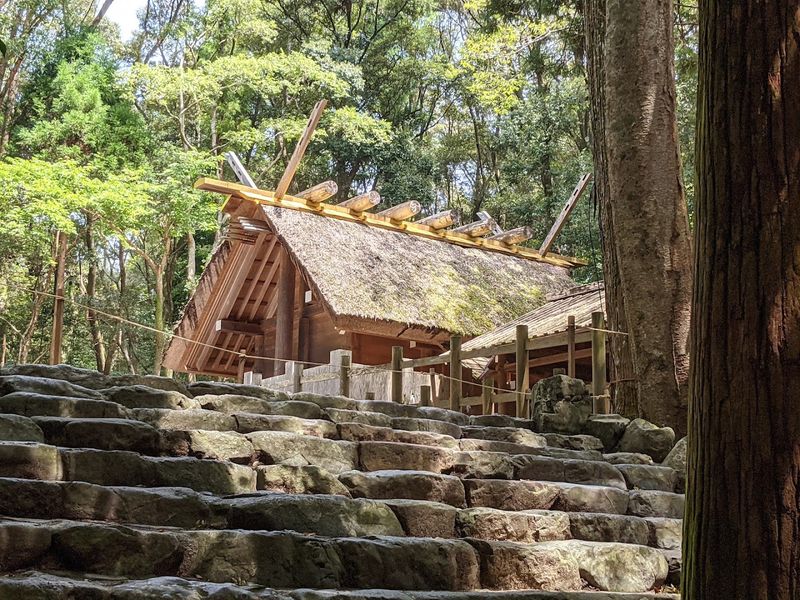
Every 20 years, the buildings of Japan’s most sacred Shinto shrine are completely demolished and rebuilt from scratch on an adjacent plot of land. This ritual, called Shikinen Sengu, has been practiced for over 1,300 years and represents the Shinto concept of renewal and impermanence.
The next rebuilding is scheduled for 2033, and the process involves hundreds of carpenters trained specifically for this purpose.
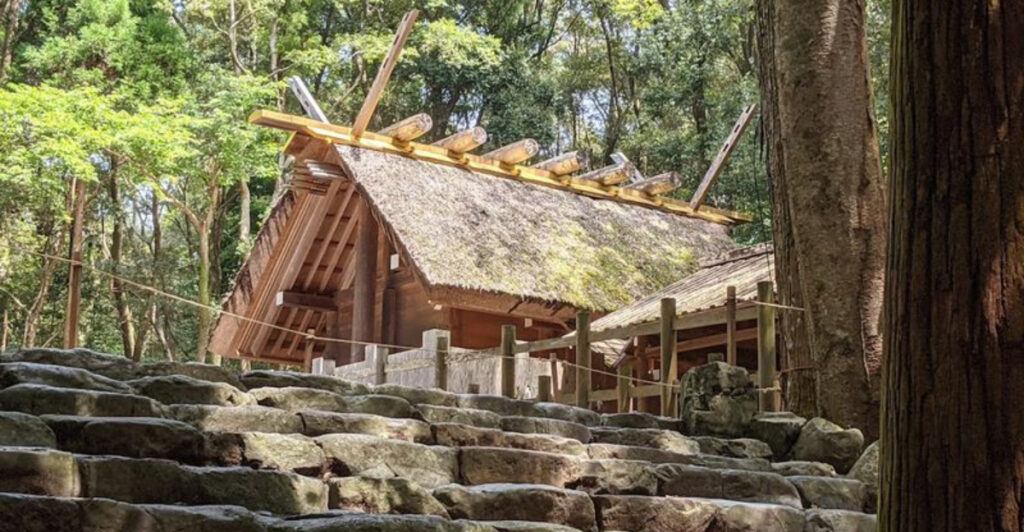
Ise Grand Shrine is actually a complex of over 200 buildings spread across two main sites. Visitors are welcome to walk the forested paths, cross the ancient wooden bridges, and stand at the outer gates.
But the innermost sanctuary, called Naiku, is reserved exclusively for Shinto priests and members of Japan’s Imperial Family. A thick curtain blocks the view for everyone else.
The shrine is dedicated to Amaterasu, the sun goddess and most important deity in the Shinto tradition. Imperial Family members make formal visits during significant national ceremonies, maintaining a connection between the shrine and Japan’s head of state that stretches back centuries.
Despite the restricted access, millions of visitors come each year and find the experience genuinely moving. The forested approach, the sound of the river, and the atmosphere of quiet reverence make it one of Japan’s most memorable spiritual destinations even from the outside.
Bohemian Grove, California, United States
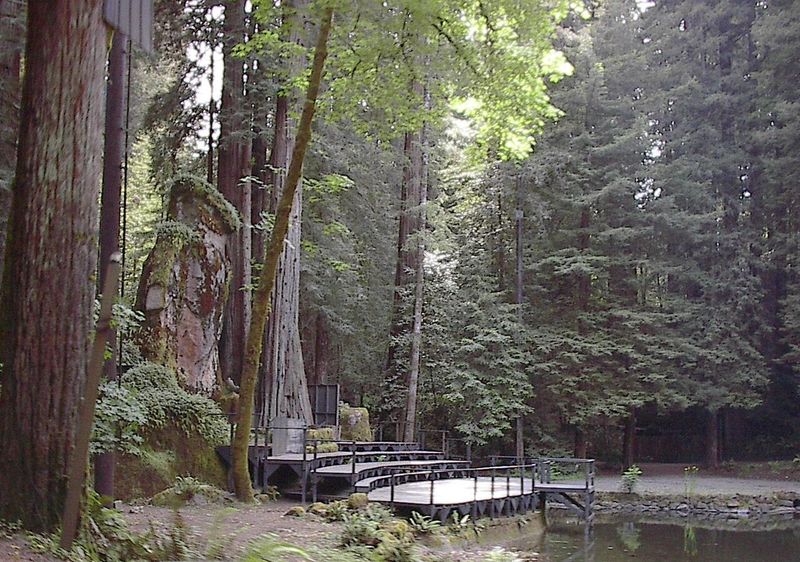
Every July, a private campground nestled among ancient California redwoods hosts one of the most exclusive gatherings in the world. Bohemian Grove, located near Monte Rio in Sonoma County, is the annual retreat of the Bohemian Club, a private men’s club founded in San Francisco in 1872.
Its members have included U.S. presidents, corporate executives, artists, and some of the most powerful figures in American public life.
The two-week retreat features theatrical performances, music, lakeside talks on policy topics, and reportedly a great deal of drinking around campfires. The opening ceremony, called the Cremation of Care, involves burning a wooden effigy beneath a large owl statue and has been the subject of intense speculation and conspiracy theories for decades.
The property spans roughly 2,700 acres and is protected by private security, fencing, and regular patrols. Journalists and activists have attempted to infiltrate the grove over the years with mixed results.
Journalist Alex Jones famously sneaked in and filmed the Cremation of Care ceremony in 2000. The club maintains that the event is simply a chance for powerful men to relax away from public life, though critics argue that informal policy discussions among such influential people deserve more transparency.
Whether it is sinister or just a very fancy summer camp remains genuinely debated.
Share this story