 Unearth The Voyage
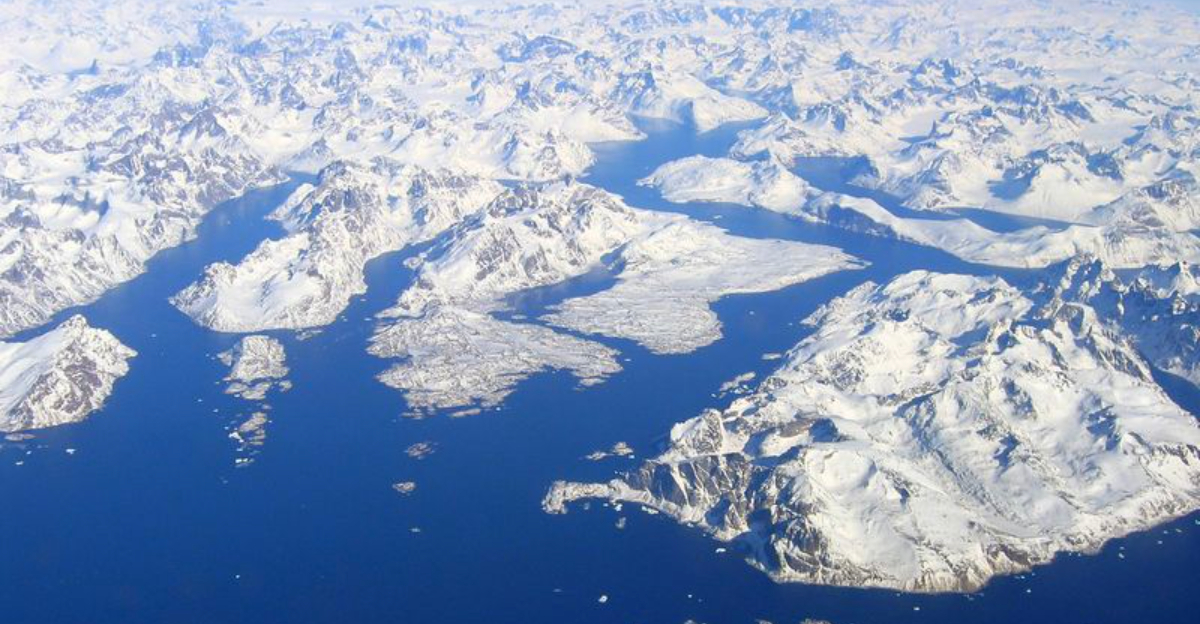
Greenland is bigger, wilder, and more surprising than most maps suggest. Its ice, culture, and far north light create a world that feels both timeless and urgent. Every fact here reveals a new layer, from ancient migrations to modern geopolitics.
Keep reading to see how this Arctic giant shapes history, science, and imagination.
Greenland Is the World’s Largest Island
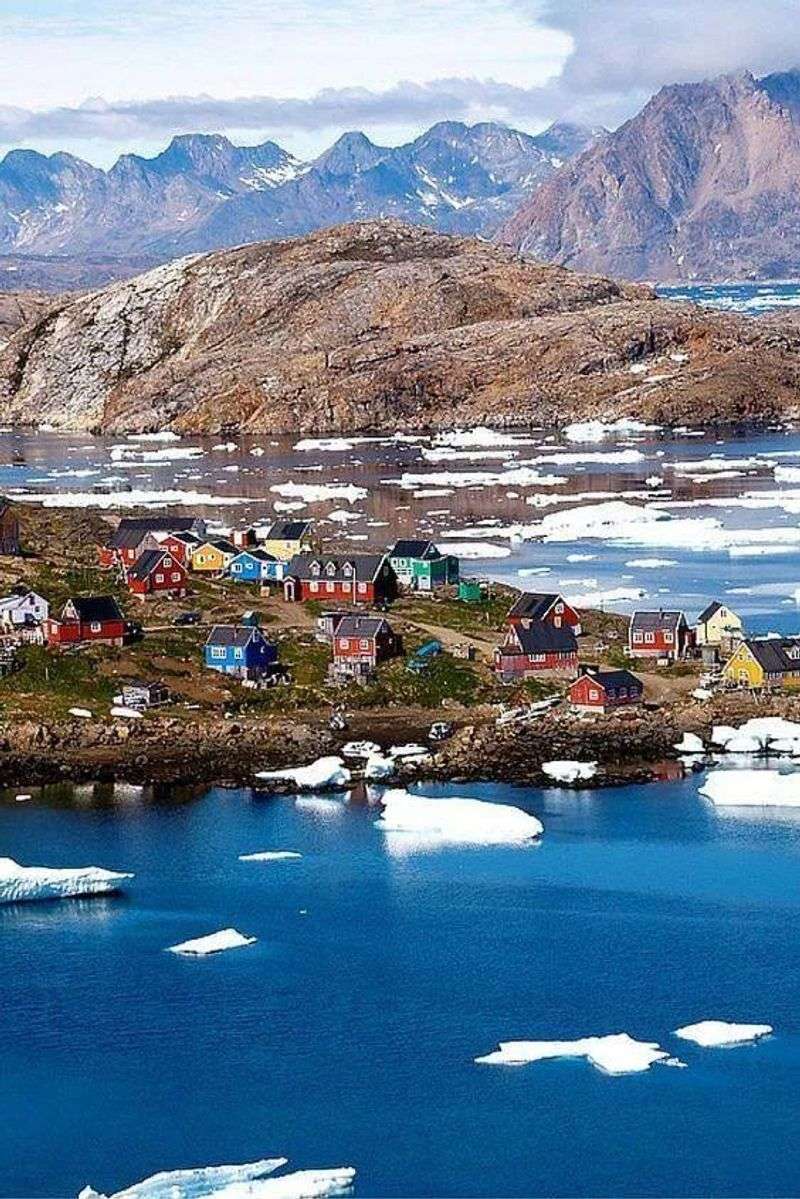
Greenland holds the crown as Earth’s largest island that is not a continent, stretching across roughly 2.16 million square kilometers. Its size surpasses Mexico and Saudi Arabia, yet the heart of the land is a frozen dome of ice. Habitable life clusters along a narrow ring of fjords and rocky coastlines, where colorful houses cling to slopes above icy bays.
This scale changes how maps and minds perceive the Arctic. Standard projections shrink or warp it, masking a landmass that influences weather, ocean circulation, and global attention. Pilots, scientists, and fishers navigate coasts studded with icebergs while inland ice remains largely impenetrable.
Despite the immense area, settlements are small and widely spaced, preserving a sense of vastness and silence. Boats and helicopters stitch communities together across blue fjords and jagged peninsulas. Stand on a harbor and the island’s enormity is not just a number, it is a horizon that keeps unfolding.
Most of Greenland Is Covered in Ice
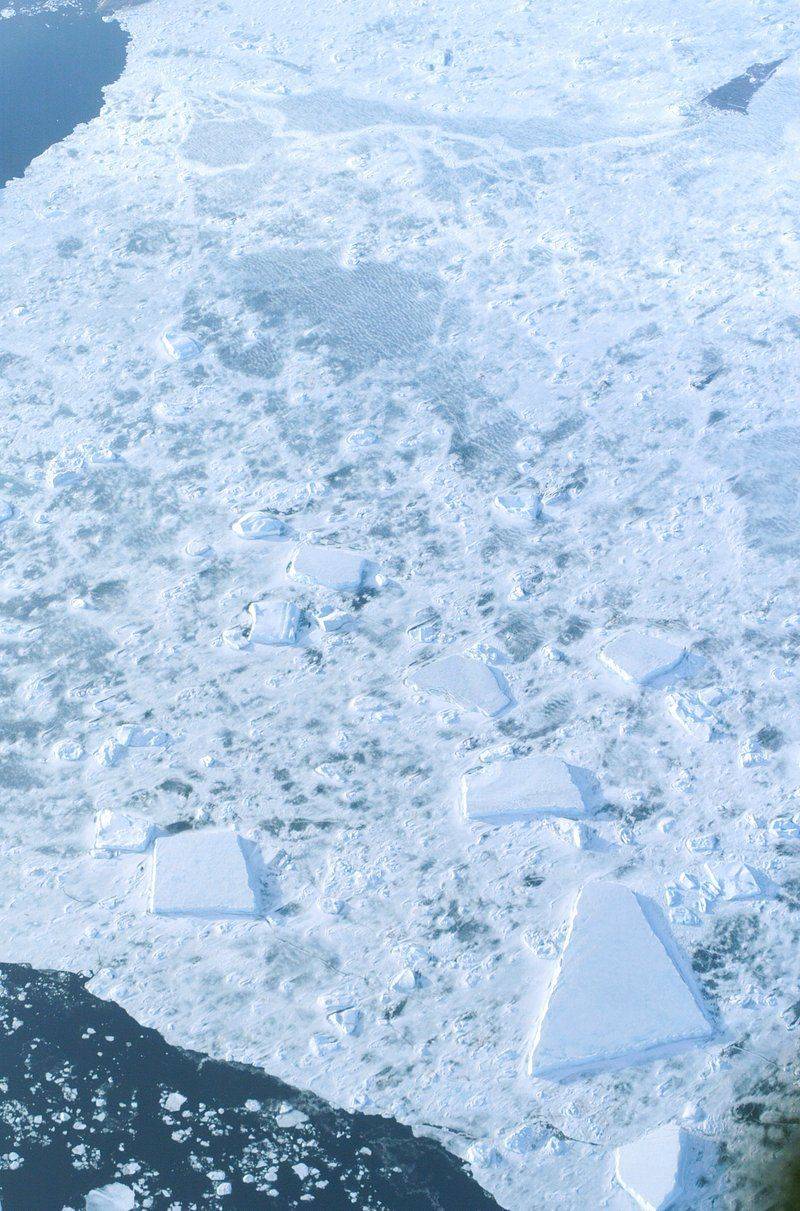
About 80 percent of Greenland lies beneath the Greenland Ice Sheet, a frozen cap second only to Antarctica. Its surface ripples with sastrugi, crevasses, and supraglacial lakes the color of turquoise glass. This icy weight presses ancient bedrock, hiding valleys and possible subglacial lakes that intrigue researchers.
The ice sheet stores a climate archive in layers of compacted snow, each year trapping dust, bubbles, and volcanic ash. Cores pulled from deep within tell stories of past temperatures and atmospheric shifts. When melt accelerates, it channels into moulins and rivers that roar unseen beneath the surface.
Along the margins, outlet glaciers calve into fjords, birthing icebergs that drift toward open seas. Seasonal melt does not just reshape coastlines, it nudges global sea levels. The interior remains a stark, white world where horizons blur and time feels suspended in the wind.
Harsh Climate, Stunning Natural Phenomena
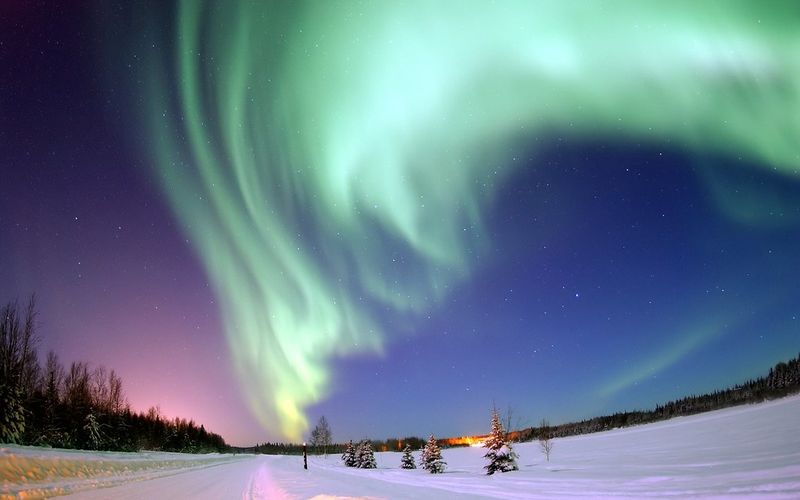
Greenland sits within the Arctic climate, with winters that bite and summers that stay cool and brief. In high latitudes, the midnight sun circles the sky for weeks, painting mountains in gold at 2 a.m. Winter flips the script, bringing polar night and a dome of stars that feels close enough to touch.
These extremes nurture the aurora borealis, ribbons of electric green and violet that ripple across frozen bays. Solar particles collide with atmospheric gases, turning physics into poetry. Ice crystals sparkle under moonlight while the sea steams in frigid air, creating ghostly fog.
Weather shifts quickly, demanding respect from travelers and residents alike. A calm morning can become whiteout within an hour. Through all seasons, the sky writes the day’s story, and the horizon answers with light.
It Wasn’t Always Called Greenland
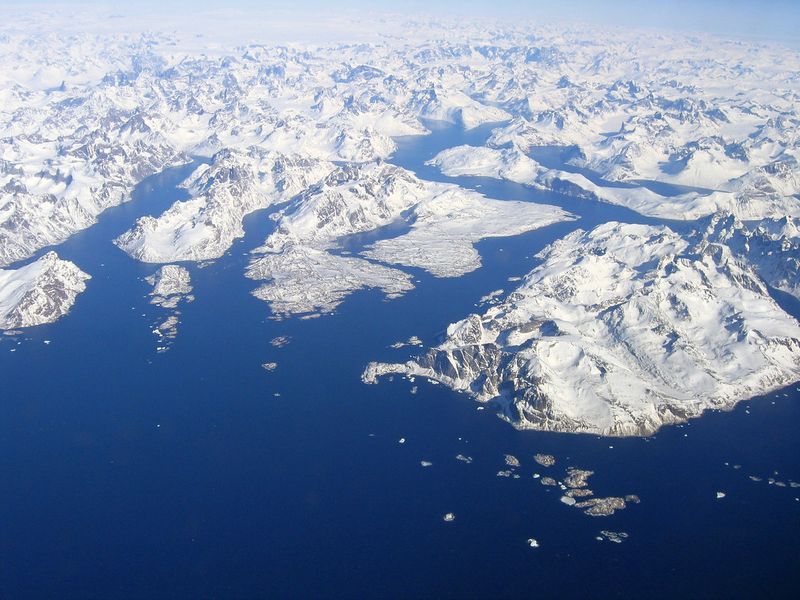
Erik the Red is credited with branding the land Greenland, a persuasive name meant to entice settlers. Marketing met migration as Viking longships probed fjords that were milder in certain coastal pockets. The name stuck even though ice rules most of the interior.
Paleoclimate evidence suggests earlier periods held greener valleys and tundra, especially along sheltered coasts. Pollen records, ancient soils, and wood remnants help sketch that past. The modern ice sheet arrived later, advancing and retreating as climates oscillated.
Today, the name feels like a wink at history and human optimism. It captures the tension between perception and reality that defines the Arctic. Stories travel faster than ice moves, but both carve deep marks over time.
One of the Least Densely Populated Places on Earth
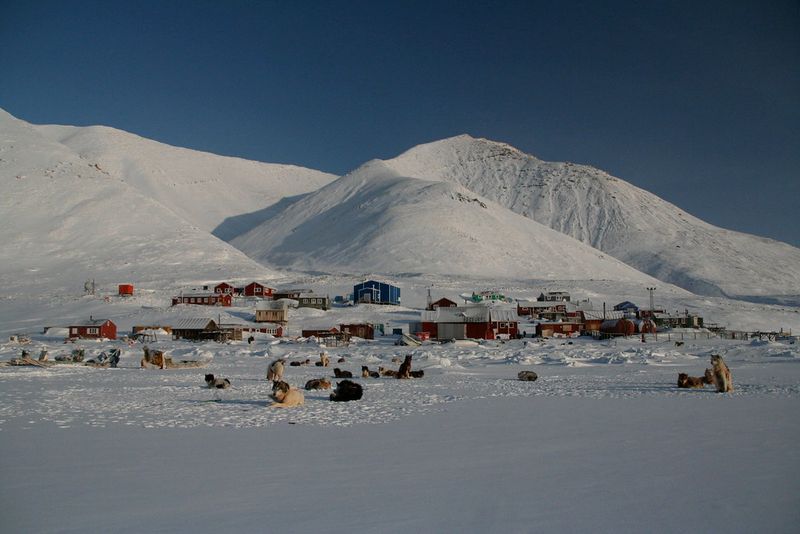
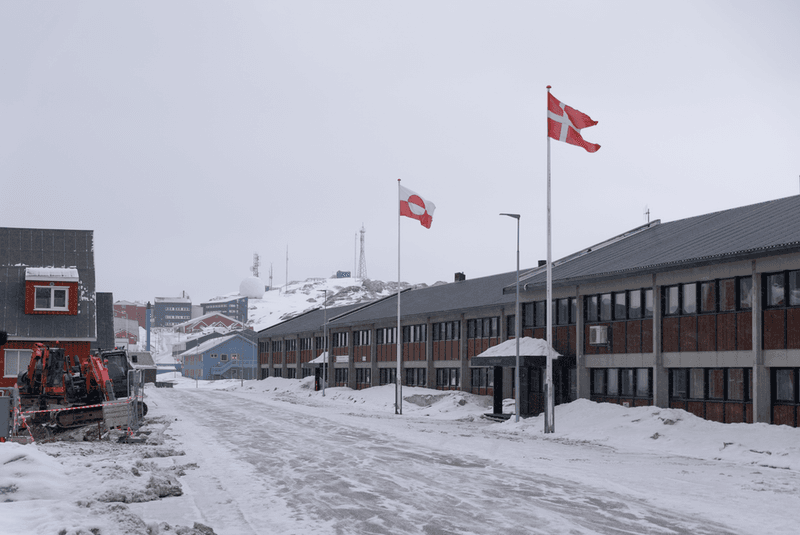
Fewer than 60,000 people call Greenland home across an area larger than many nations. Population clusters along the west coast, where fjords soften the climate and create natural harbors. The capital, Nuuk, anchors government, culture, and commerce with modern architecture against granite cliffs.
Between towns lies wilderness that seems endless. Planes hopscotch across airports cut into rock, linking communities that feel like islands. Small settlements maintain traditions while navigating modern services and digital connections.
Low density shapes everything from emergency care to education and food supply. Social networks grow strong because neighbors matter in rough weather and long winters. Space is not a luxury here, it is the default setting of daily life.
No Roads Between Towns – Travel Is Different Here
Greenland’s towns and settlements are not knitted together by highways. Mountains, fjords, glaciers, and permafrost make road building between communities impractical. Instead, mobility relies on planes, helicopters, boats, snowmobiles, and, in winter, dog sleds that glide over sea ice.
Local roads exist within towns, but long-distance travel follows the air and water. The Arctic becomes both highway and weather report, where wind, ice, and visibility set the schedule. Small airports and harbors serve as lifelines for mail, food, and medicine.
This network fosters a culture of planning and patience. Pilots read skies like maps, and sled drivers read snow like text. Travel becomes an encounter with landscape rather than a line on asphalt.
Home to the World’s Largest National Park
Northeast Greenland National Park spans about 972,000 square kilometers, making it the largest national park on the planet. It covers ice caps, nunataks, glaciers, and tundra valleys where wind etches snow into waves. There are no permanent residents, only seasonal patrols and scientists.
Wildlife moves quietly through this protected realm. Musk oxen graze on sparse vegetation, Arctic foxes trace tracks, and polar bears roam coastlines hunting seals. Silence is part of the ecosystem, broken by calving ice and migrating geese.
Access is limited and carefully managed to keep the landscape wild. Expeditions plan meticulously because help can be far away. The park’s scale reframes the idea of wilderness as something measured in horizons rather than trails.
Ancient Human History Goes Back Thousands of Years
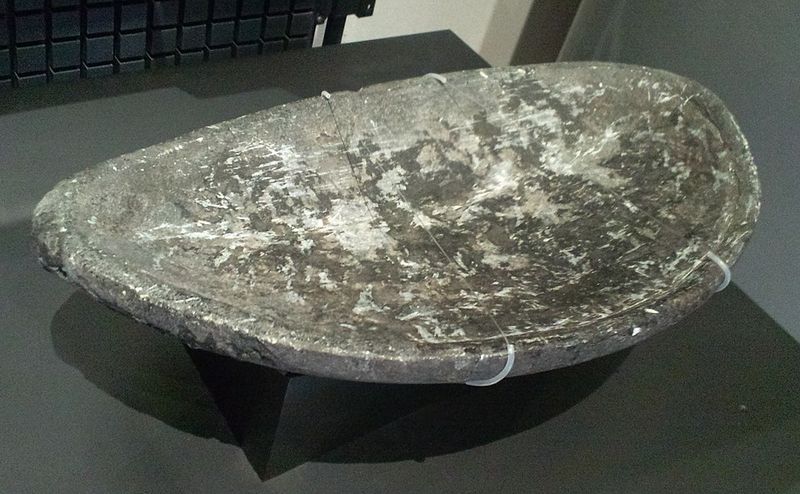
Human presence in Greenland reaches back more than 4,500 years. Paleo-Inuit cultures like the Saqqaq and Dorset left tent rings, tools, and traces along fjords and bays. Later, Norse settlers established farms in the south, while Inuit ancestors adapted superbly to sea ice and seasonal migrations.
Archaeology pieces together lifeways from bone, antler, and driftwood. Harpoon heads, lamp stones, and beads become voices across centuries. Each artifact maps choices that balanced risk, climate, and food.
Stories continue in today’s communities, where knowledge of land, weather, and wildlife passes through families. Modern science collaborates with local memory to read the past more clearly. History here is not a museum, it is a living shoreline.
Rich Inuit Culture and Traditions
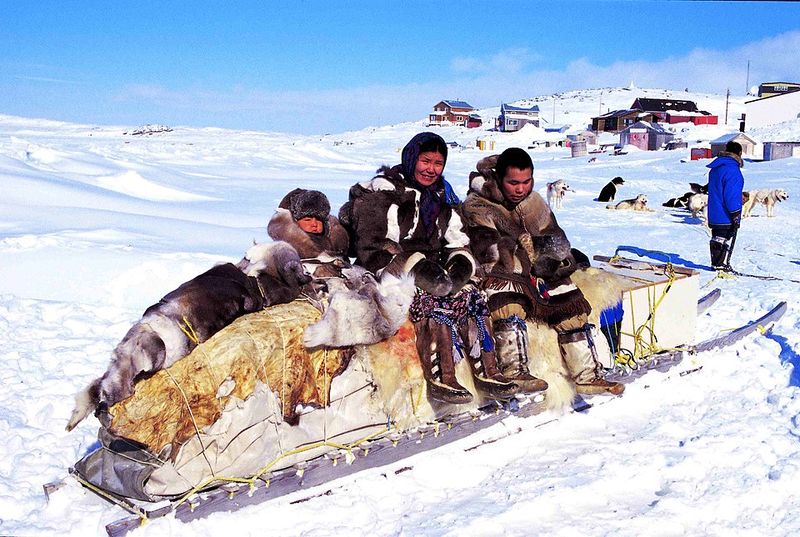
Inuit culture forms the heart of Greenlandic identity. Drum dancing, throat singing, and storytelling carry memory across generations. Subsistence practices like sealing and fishing connect homes to sea and seasons.
Craftsmanship thrives in beadwork, carving, and sewing warm clothing suited to shifting weather. Language anchors worldview, with place names that record ice, currents, and animal habits. Modern music, art, and film remix traditions with contemporary voices.
Festivals and everyday gatherings reflect resilience and humor. Learning moves from classroom to shoreline, from workshop to sled track. Culture evolves without losing the pulse of community and land.
Autonomous Within the Kingdom of Denmark
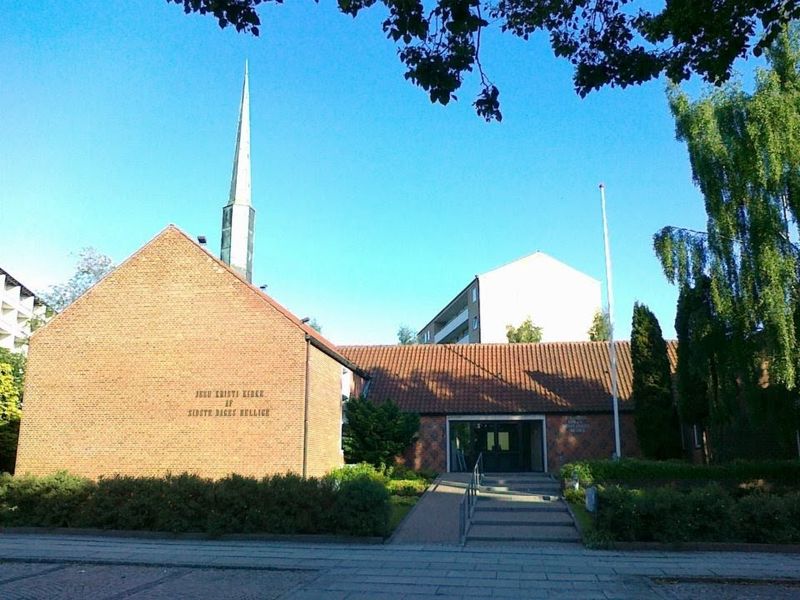
Greenland is an autonomous territory within the Kingdom of Denmark, with its own parliament and government in Nuuk. Home Rule arrived in 1979, followed by Self Rule in 2009, expanding control over internal affairs. Denmark retains responsibility for defense, currency, and foreign policy.
Decision making now increasingly reflects local priorities in education, health, and natural resource management. Public debates weigh cultural values, environment, and economic opportunity. Self governance is an ongoing process rather than a fixed destination.
Discussions about greater independence surface regularly, tied to revenues, fisheries, and potential minerals. Community voices and youth perspectives shape the conversation’s future. The political landscape mirrors the geographic one, wide and evolving.
Strategic Geopolitical Importance
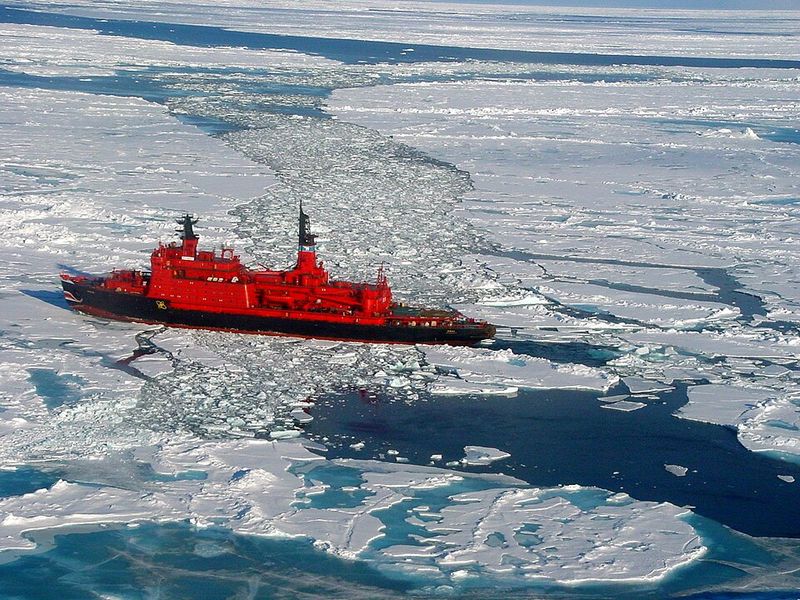
As Arctic sea ice thins, new shipping possibilities draw eyes toward Greenland’s coasts. The island sits near potential northern routes that could shorten global trade distances in some seasons. Airfields and deep fjords add logistical appeal to a changing map.
Mineral prospects, including rare earth elements and critical metals, heighten strategic interest. Governments and companies weigh investment against environmental safeguards and community benefits. Diplomacy grows busier across the North Atlantic and Arctic councils.
Geography, resources, and climate make Greenland central to debates about security and sustainability. Strategic choices today will echo across supply chains and ecosystems. The Arctic is not remote in consequence, only in mileage.
A Key Indicator of Climate Change
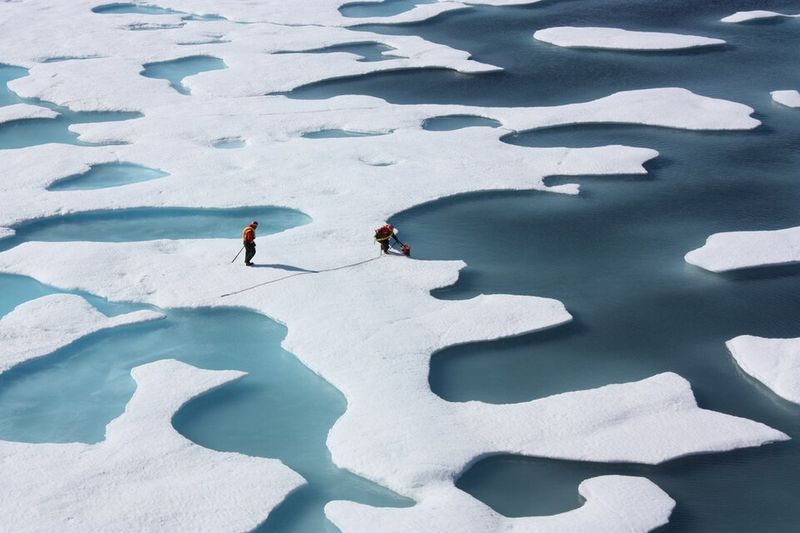
Greenland’s ice reacts sensitively to warming air and ocean temperatures, making it a climate bellwether. Melt seasons are lengthening in many regions, with surface streams plunging into moulins. Calving fronts release icebergs at tidewater glaciers that are retreating in several fjords.
Scientists measure mass balance using satellites, GPS stakes, and radar. Data reveal trends in thinning, flow speeds, and meltwater routing. These signals feed global models that estimate sea level rise and coastal risk.
Every summer’s outcome matters far beyond the Arctic Circle. When Greenland loses ice, the oceans remember. The island’s cryosphere writes a ledger that coastal cities will read for generations.
Stunning Arctic Wildlife
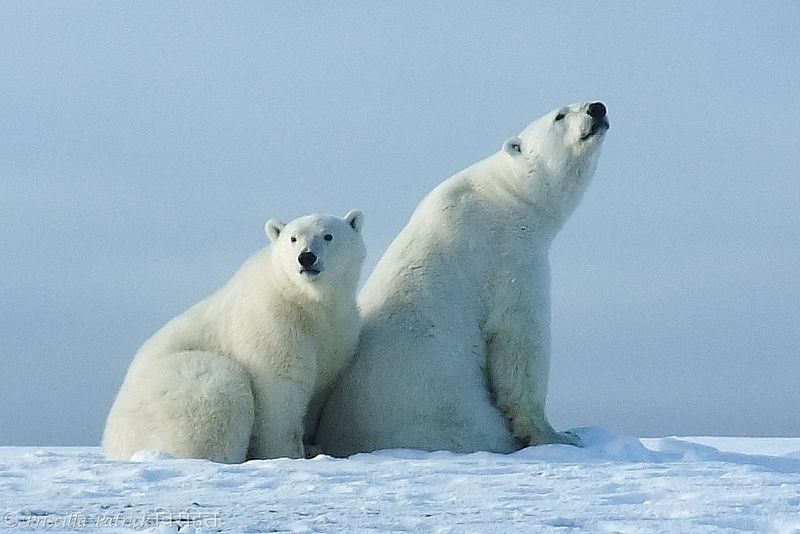
Wildlife in Greenland endures and thrives in elemental conditions. Polar bears patrol sea ice, seals surface by breathing holes, and whales cruise fjords rich with seasonal plankton. Musk oxen graze long-fibered coats across tundra bursts of summer green.
Bird cliffs erupt with puffins, kittiwakes, and guillemots, while Arctic foxes shadow nests and shorelines. Migration defines the calendar, with timing tuned to ice, daylight, and food. Quiet moments hold drama, like a narwhal’s tusk slicing silver water.
Conservation efforts track populations and protect habitats vital to survival. Indigenous knowledge adds nuance to scientific surveys and management. The wild here is not empty, it is attentive.
Cultural National Day Celebrations
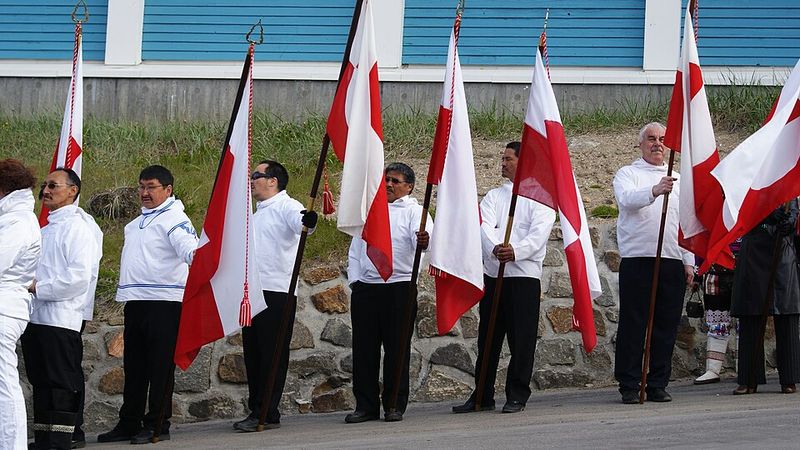
Greenland National Day falls on June 21, the summer solstice. Communities gather for flag raising, choir singing, drum dancing, and speeches. National dress brightens streets as families share food and stories.
The date honors identity and evolving self governance. Elders and youth stand together in sunlight that barely sets, connecting past and future. Local pride resonates from coastal villages to the capital’s waterfront.
Celebrations extend across the diaspora, linking Greenlanders worldwide. Traditions adapt while carrying familiar rhythms of song and friendship. It is a day when warmth outshines the chill of latitude.
A Paradise of Icebergs, Fjords, and Natural Beauty
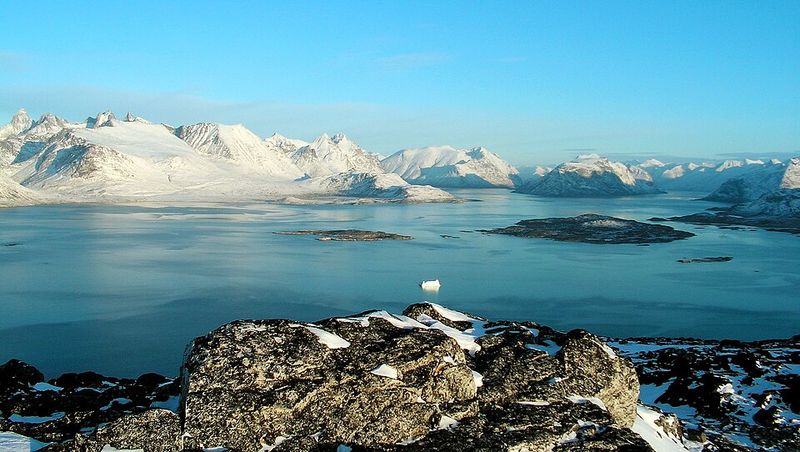
Greenland’s scenery can feel otherworldly: serrated mountains, deep fjords, and ice the size of cathedrals. Ilulissat Icefjord, a UNESCO World Heritage site, launches armadas of icebergs into Disko Bay. Light slides over facets of blue, white, and shadow as tides guide these floating sculptures.
Hikers trace routes along rocky spines where lichens paint quiet color. Kayaks skim mirror water between bergy bits, listening for the low groan of ice. Cliffs drop into water so clear that kelp forests sway like banners.
Beauty here is kinetic, shaped by weather, tide, and season. A view in morning sun becomes a different world by evening mist. The landscape never repeats itself, it only performs variations.



