Australia is one of those places that surprises nearly everyone who visits for the first time. From its unusual wildlife and massive landscapes to its reversed seasons and record-breaking natural wonders, the country has a way of defying expectations at every turn.
Whether you are planning a trip or simply curious about life down under, these fascinating facts about Australia are sure to leave you amazed.
1. The Seasons Are Reversed
Imagine opening your Christmas presents while sweating in the summer heat. That is exactly what happens in Australia, where the seasons are completely flipped compared to the Northern Hemisphere.
December, January, and February are the hottest months of the year, making Christmas a full-on summer celebration.
Winter arrives between June and August, which often surprises visitors expecting warm weather year-round. Snow even falls in some southern regions during these months.
The reversal happens because Australia sits in the Southern Hemisphere, where Earth’s tilt works in the opposite direction from countries like the United States or the United Kingdom.
Many tourists plan their visits expecting one type of weather and find something entirely different. Checking the season before packing is essential.
Australians have built an entire culture around outdoor summer holidays in December, including beach barbecues and outdoor cricket matches on Christmas Day.
2. The Sun Feels Stronger
Stepping outside in Australia without sunscreen can be a painful mistake. UV radiation levels here are among the highest on the planet, and unprotected skin can burn in as little as 15 minutes on a clear summer day.
The country’s location close to the equator, combined with a thinner ozone layer over parts of the Southern Hemisphere, makes sunlight noticeably more intense.
Australia has one of the world’s highest rates of skin cancer, which is why sun safety is taken very seriously. Locals grow up learning the “Slip, Slop, Slap” rule: slip on a shirt, slop on sunscreen, and slap on a hat.
Many schools even ban students from playing outside without hats during peak UV hours.
Visitors from cloudier countries are often caught off guard by how quickly the sun affects them. Sunscreen, sunglasses, and protective clothing are not optional here.
They are genuinely necessary survival tools for enjoying the outdoors.
3. There Are More Kangaroos Than People
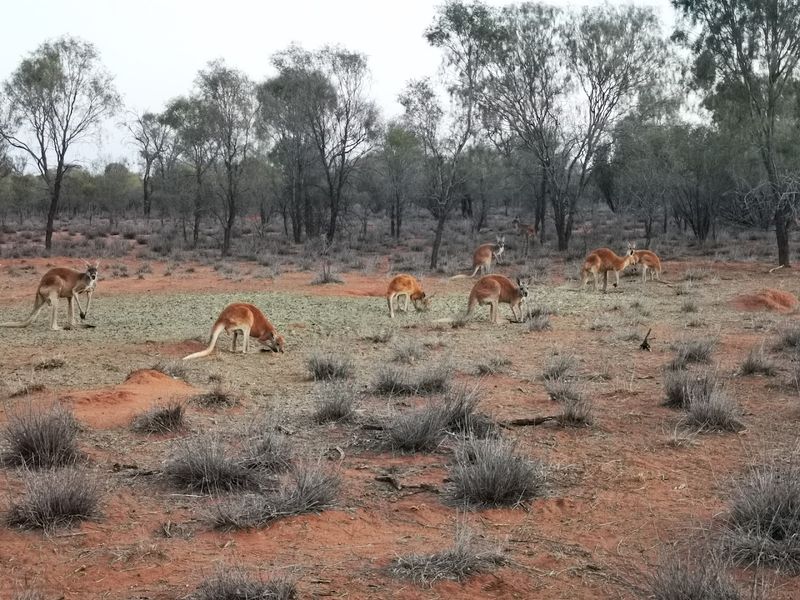
Australia’s human population sits at around 26 million people, but the kangaroo population is estimated to be over 50 million. That means there are roughly two kangaroos for every person living in the country.
For many visitors, spotting a wild kangaroo hopping across a field or even a suburban road is an unforgettable experience.
Kangaroos are not kept in zoos or wildlife parks alone. They roam freely across the countryside, particularly in rural and semi-rural areas.
Some regions even post road signs warning drivers to watch for kangaroos, especially at dawn and dusk when the animals are most active.
These iconic marsupials are deeply tied to Australian identity. They even appear on the national coat of arms alongside the emu.
Interestingly, both animals were chosen in part because neither can walk backward, symbolizing a nation always moving forward.
4. It’s Bigger Than Most People Realize
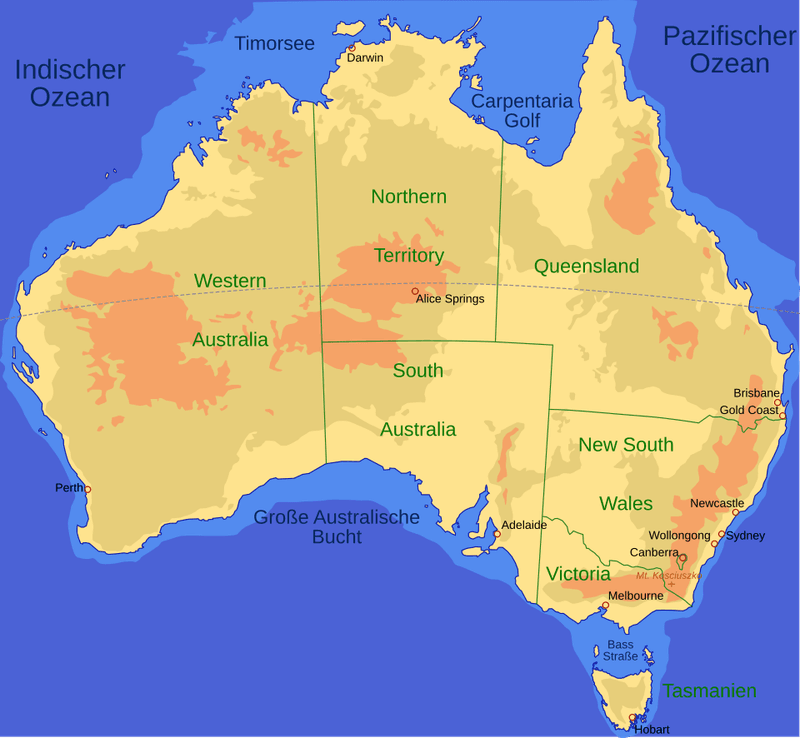
Australia covers approximately 7.7 million square kilometers, making it the sixth-largest country in the world by land area. To put that in perspective, it is roughly the same size as the continental United States, yet it has only about 8% of the U.S. population.
Many first-time visitors underestimate just how enormous the country actually is.
Driving between major cities can take days, not hours. The distance from Sydney to Perth, for example, is over 4,000 kilometers.
Flying is the practical choice for most long-distance travel within Australia, and even then, flights between cities can take four to five hours.
Despite its vast size, the population is highly concentrated. Most Australians live within a narrow coastal strip, leaving enormous stretches of the interior almost entirely empty.
The sheer scale of the country is something that maps rarely capture until you are actually trying to cross it.
5. The Outback Is Truly Massive
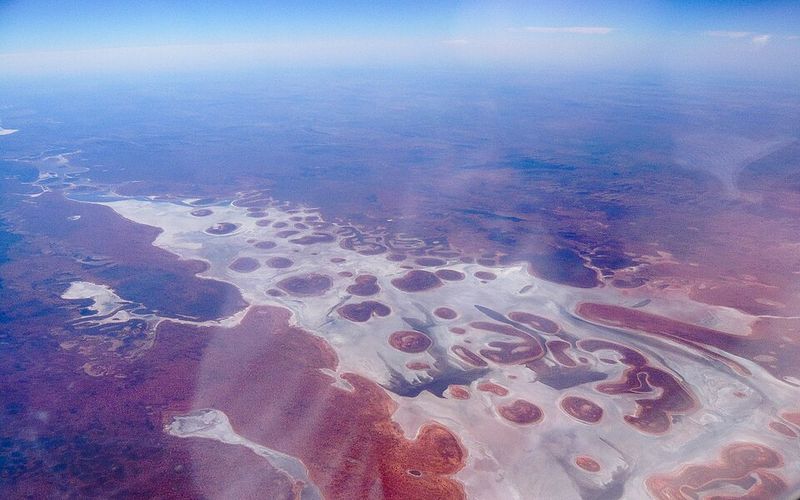
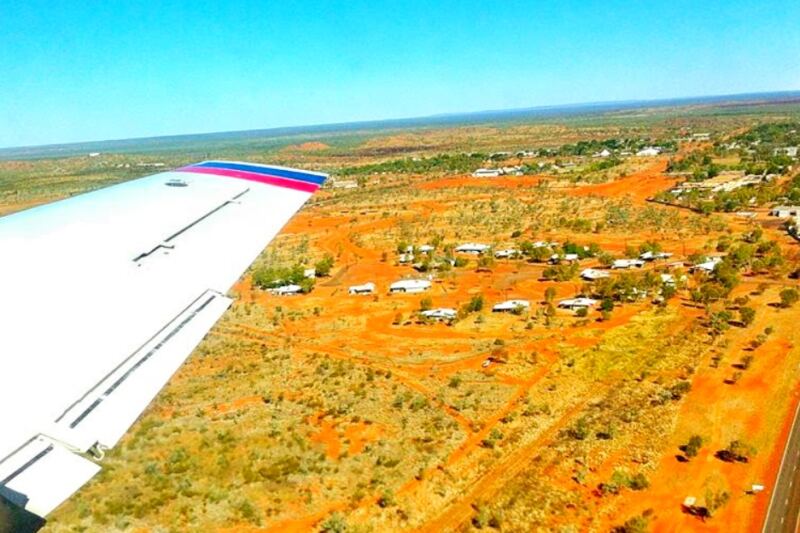
The Australian Outback is one of the most remote and arid regions on Earth. Covering a huge portion of the country’s interior, it is a landscape of red dirt, scrubby bushes, and endless flat plains that stretch as far as the eye can see.
Some towns in the Outback are hundreds of miles apart, with nothing but open road between them.
Temperatures in the Outback can swing dramatically, reaching above 45 degrees Celsius in summer and dropping below freezing at night in winter. Access to water, fuel, and medical care is limited, so travelers must prepare carefully before venturing into this region.
Locals who live there develop a remarkable self-reliance out of necessity.
Despite its harshness, the Outback holds extraordinary beauty. Uluru, the famous sandstone monolith sacred to the Anangu people, rises dramatically from the flat desert floor.
Millions of visitors travel to see it each year, and most describe the experience as genuinely humbling.
6. Wildlife Is Everywhere
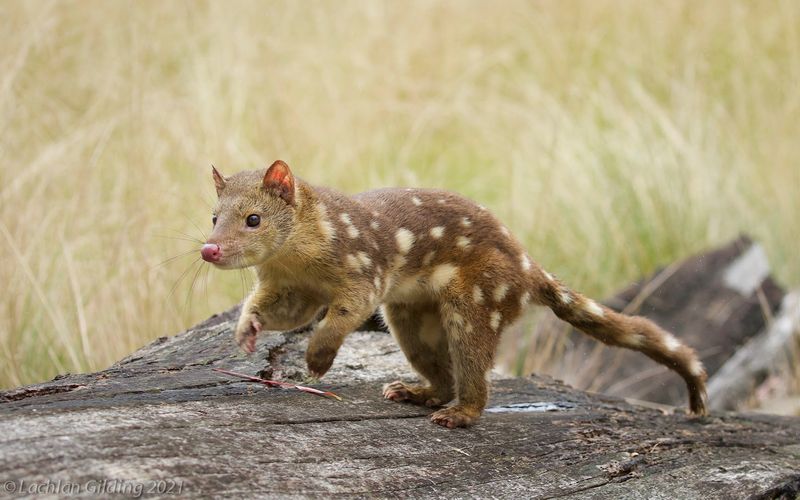
One of the first things visitors notice about Australia is how casually wildlife shows up in everyday life. Colorful parrots and cockatoos screech from power lines in the suburbs.
Possums rustle through backyard trees at night. Even the occasional koala clings to a eucalyptus tree in someone’s front yard in certain regions.
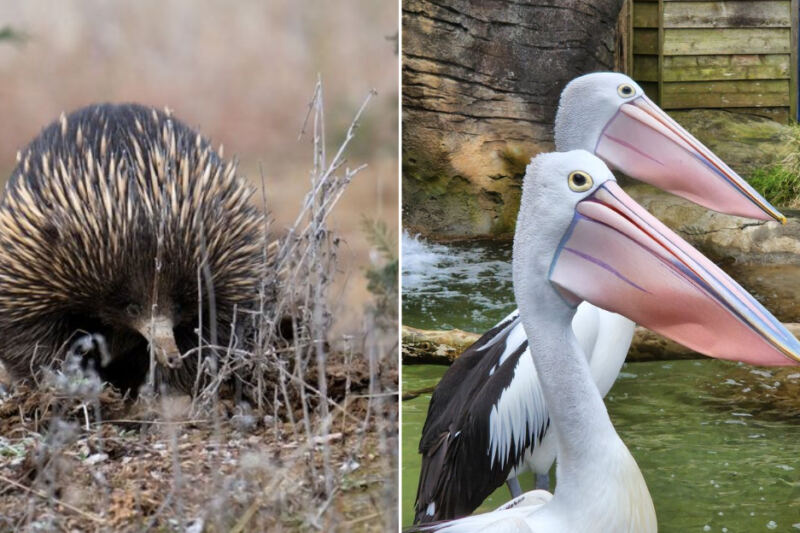
Australia is home to some of the world’s most unique animals, many of which exist nowhere else on Earth. The platypus, wombat, echidna, and Tasmanian devil are all native to this continent.
Scientists believe Australia’s long isolation from other landmasses allowed its wildlife to evolve in completely distinctive directions.
Not all of the wildlife is warm and cuddly, though. Australia is also home to several of the world’s most venomous snakes and spiders.
Visitors are often warned to shake out shoes before putting them on, a habit that locals follow instinctively without a second thought.
7. The Great Barrier Reef Can Be Seen from Space
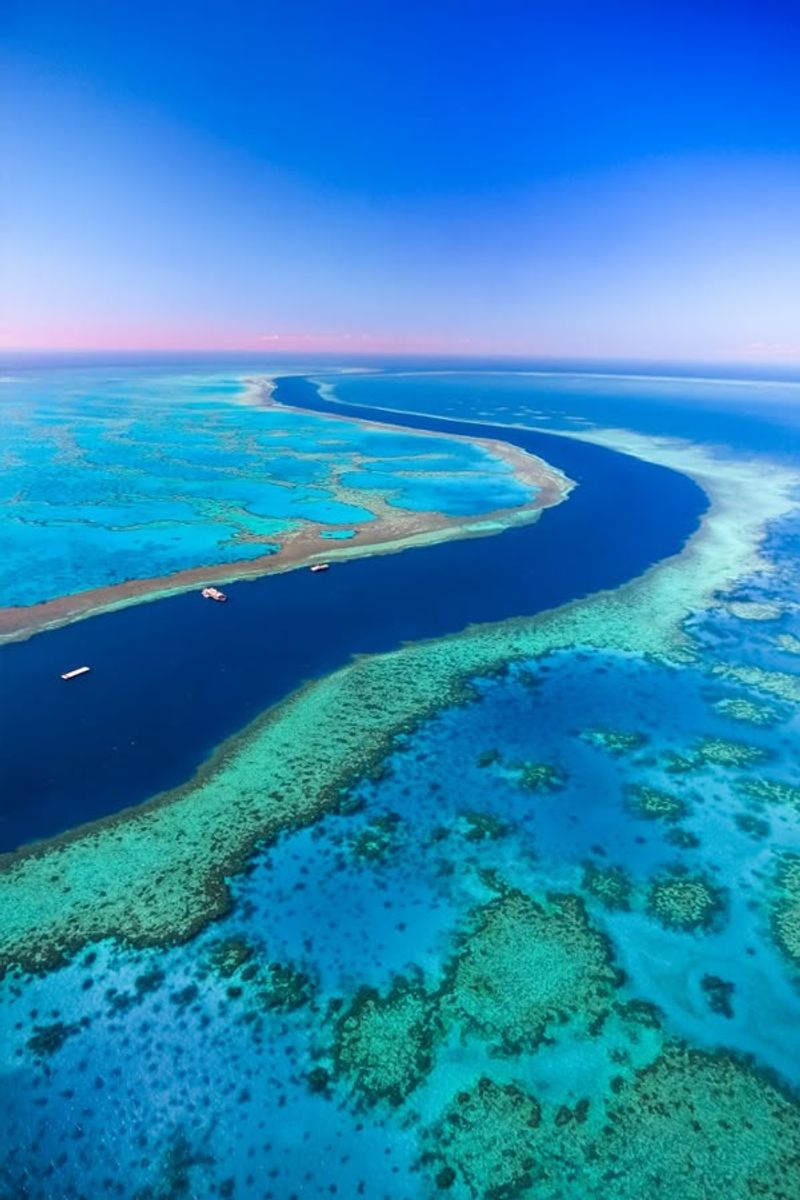
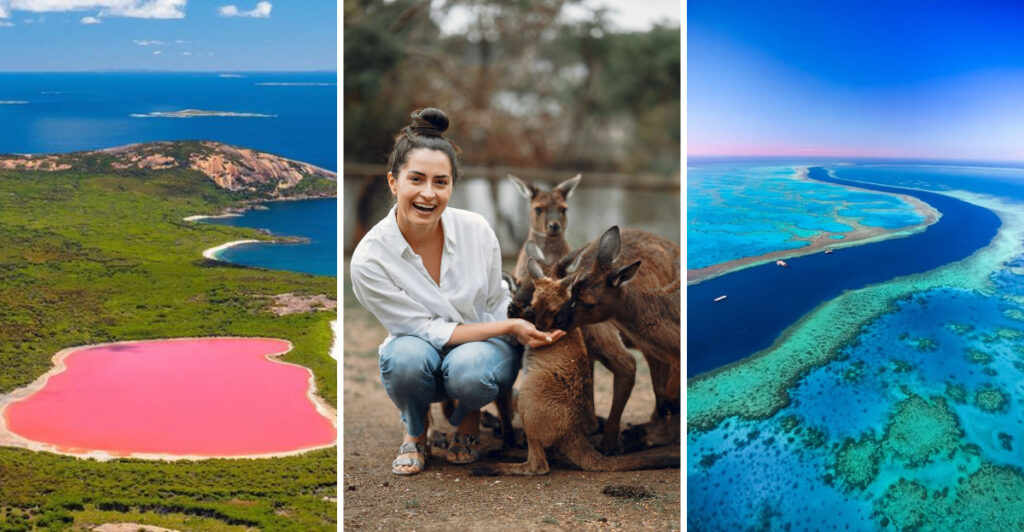
Stretching over 2,300 kilometers along the northeastern coast of Queensland, the Great Barrier Reef is the largest coral reef system on the planet. It is so enormous that astronauts can see it from space with the naked eye, which puts its scale into perspective in a way that no map quite can.
The reef is home to an astonishing variety of marine life, including over 1,500 species of fish, 4,000 types of mollusk, and hundreds of coral species. Snorkeling or diving here feels like swimming through a living, breathing underwater city.
The colors and biodiversity are unlike anything most people have ever seen.
Sadly, the reef faces serious threats from climate change, rising ocean temperatures, and coral bleaching. Conservation efforts are ongoing, and the Australian government has committed significant resources to protecting it.
Visiting responsibly, by choosing eco-certified tour operators, helps ensure future generations can experience this natural wonder.
8. Australia Has Pink Lakes
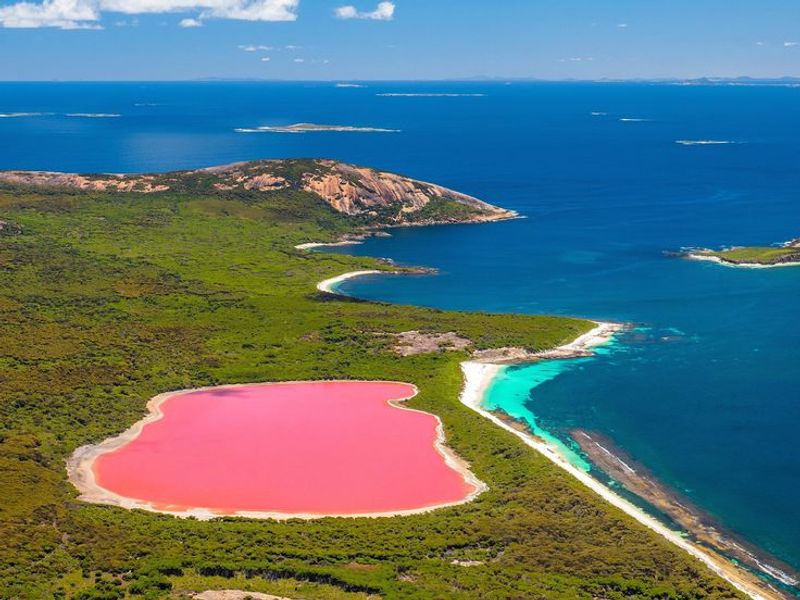
Australia is home to several lakes that glow a vivid, almost unreal shade of pink. The most famous is Lake Hillier in Western Australia, which sits on Middle Island and looks like a giant bubble gum pool when viewed from above.
Scientists attribute the striking color to a combination of algae, halophilic bacteria, and high salt content thriving in the water.
Unlike some other pink lakes around the world, Lake Hillier retains its color even when water is taken out and placed in a container. The exact biological processes responsible are still being studied.
What makes it even more surreal is that the lake sits right next to the deep blue Southern Ocean, creating a stunning color contrast visible from the air.
Several other pink lakes exist across Australia, including Lake MacDonnell in South Australia. Most are best viewed from aircraft or elevated viewpoints.
They are a quirky reminder that Australia’s natural world is full of genuinely unexpected surprises.
9. The Country Has Thousands of Beaches
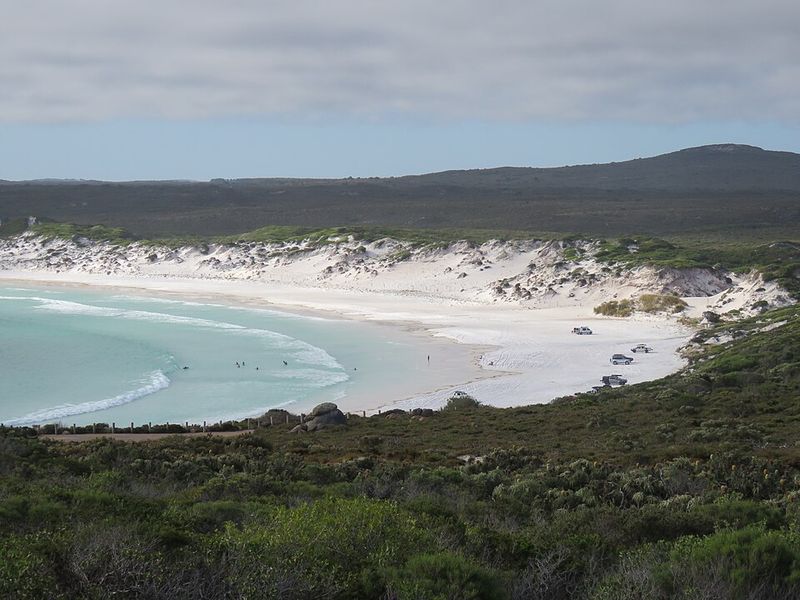
Australia is estimated to have over 10,000 individual beaches spread across its coastline. If you visited a new beach every single day, it would take more than 27 years to see them all.
That number alone makes Australia one of the most beach-rich countries on Earth.
What makes this even more impressive is the variety. Some beaches have powdery white sand and calm, crystal-clear water perfect for swimming.
Others feature dramatic red cliffs, crashing surf, or remote stretches that remain completely untouched by tourism. The famous Whitehaven Beach in Queensland is regularly ranked among the finest beaches in the world.
Even with 10,000 beaches available, some of the most beautiful ones remain remarkably quiet and uncrowded. Because the population is concentrated in a few urban centers, many coastal stretches see very few visitors at all.
For beach lovers, Australia feels like a destination that could never be fully explored in a single lifetime.
10. Some Roads Are Incredibly Long and Straight
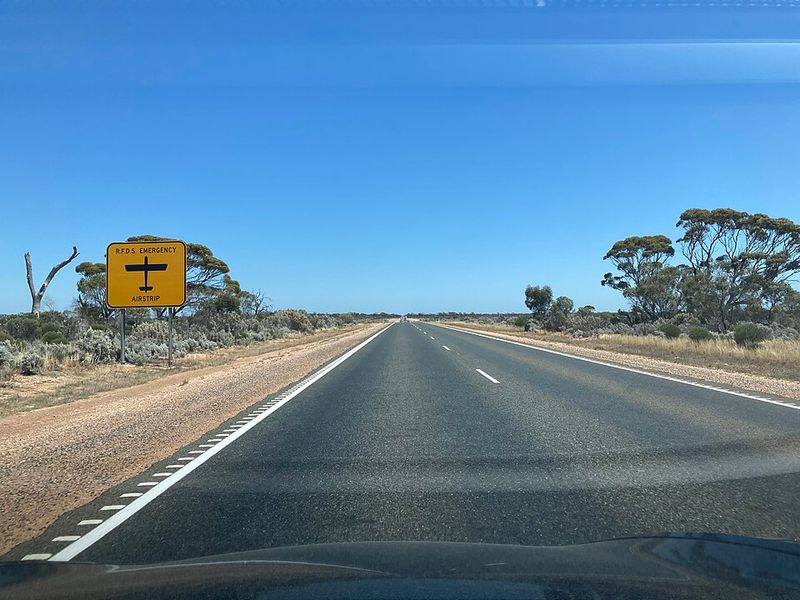
The Eyre Highway crosses the Nullarbor Plain in southern Australia and includes one of the longest straight stretches of road in the world. A single straight section runs for approximately 146.6 kilometers without a single bend or curve.
Drivers have described the experience as hypnotic and even slightly unnerving, with nothing but flat, featureless landscape on both sides.
The word “Nullarbor” comes from Latin meaning “no tree,” which accurately describes the barren, treeless plain the road crosses. Fuel stations are spaced many kilometers apart, so running low on petrol out here is not a minor inconvenience.
Travelers are strongly advised to fill up at every opportunity and carry extra water.
Despite its emptiness, the Nullarbor crossing has become a bucket-list road trip for adventure seekers. The sheer monotony of the landscape is oddly compelling, and the sense of scale it gives you about Australia’s interior is something no guidebook can fully prepare you for.
11. Coffee Culture Is Serious Business

Ask any seasoned traveler and they will tell you: Australia has some of the best coffee in the world. Cities like Melbourne and Sydney have thriving specialty cafe scenes that rival anything found in Europe or North America.
The flat white, a smooth espresso drink with velvety steamed milk, was actually popularized in Australia before spreading globally.
Australians take their coffee seriously. Ordering a large drip coffee or a basic instant brew at a cafe here would raise eyebrows.
Most cafes use high-quality single-origin beans and employ trained baristas who treat the craft with genuine pride. The standards are simply higher than what many visitors are used to at home.
International chains that dominate the coffee market in other countries have struggled to gain traction in Australia. Several major chains have even pulled out of the market entirely because Australians preferred their local cafes.
For coffee enthusiasts, a trip to Australia is practically a pilgrimage.
12. Australian English Has Unique Slang
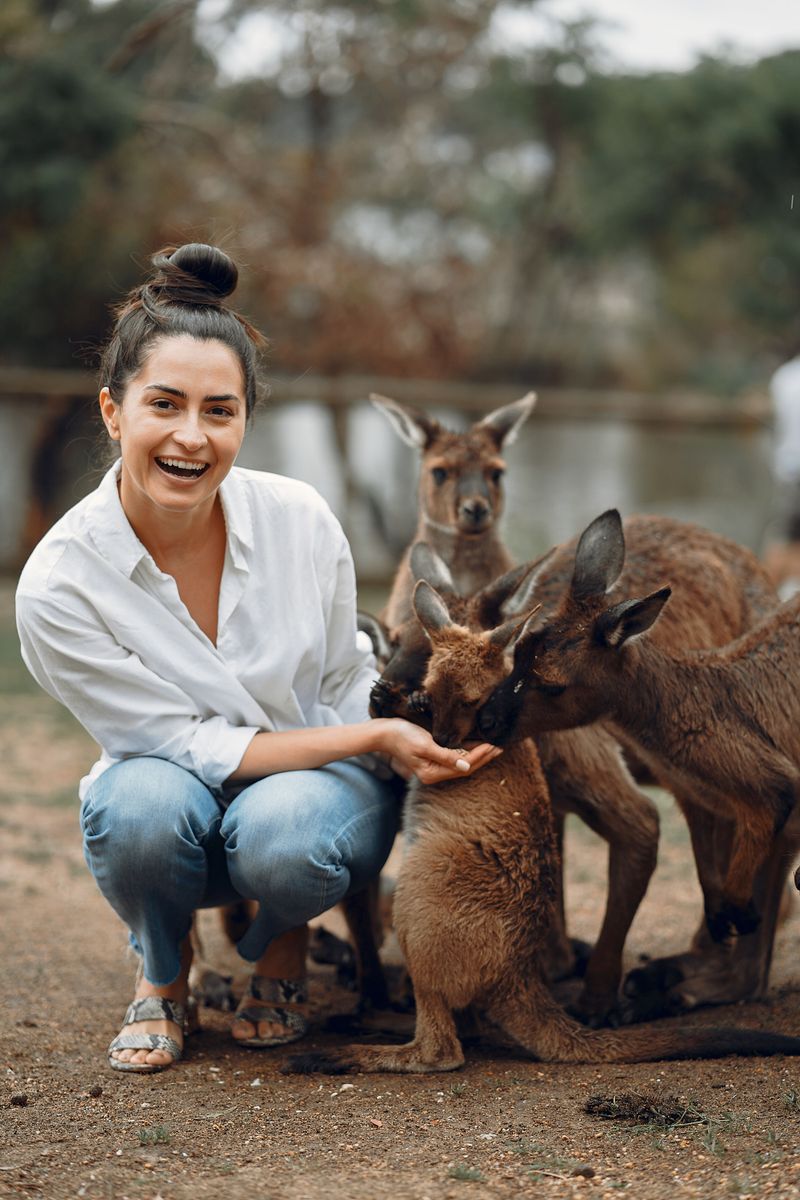
Spending a day in Australia without encountering at least a handful of unfamiliar words is nearly impossible. Australian English is packed with colorful slang that can leave even fluent English speakers scratching their heads. “Arvo” means afternoon, “brekkie” is breakfast, and “servo” refers to a petrol station. “Thongs” are flip-flops, not underwear, which has caused more than a few awkward moments for tourists.
The slang developed over centuries as a mix of British English, Indigenous Australian languages, and the creative shortening habits Australians seem to genuinely enjoy. Almost everything gets abbreviated. “Afternoon” becomes “arvo,” “biscuit” becomes “biccy,” and “sunglasses” become “sunnies.” It is a linguistic quirk that feels both charming and slightly baffling.
Learning a few key phrases before visiting can save a lot of confusion. Australians are generally happy to explain their slang to curious visitors and often find it amusing when tourists encounter a word they have never heard before.
The language is part of what makes Australian culture so distinct.
13. The Fences Are Enormous
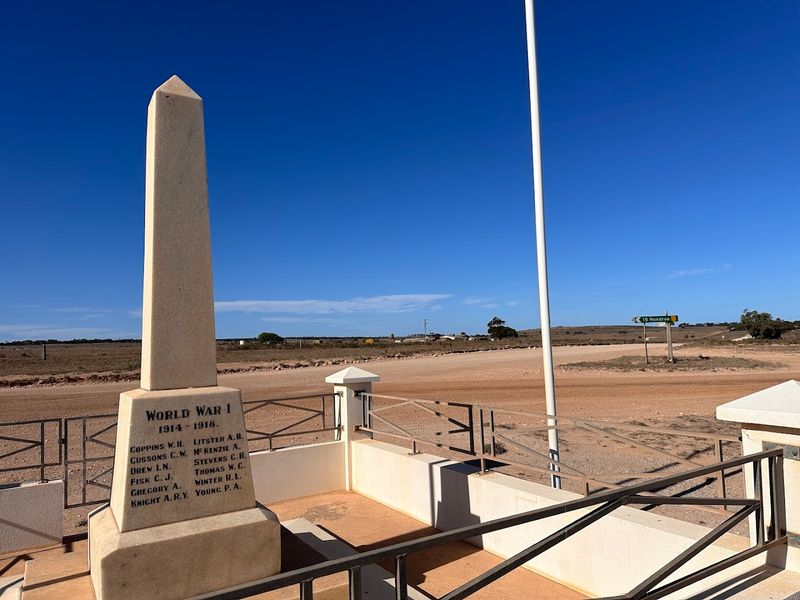
Australia is home to one of the longest fences on Earth. The Dingo Fence, also known as the Dog Fence, stretches over 5,600 kilometers across southeastern Australia.
Built originally in the 1880s and extended over time, its purpose is to keep wild dingoes away from sheep grazing lands in the south. Maintaining it is a full-time job for teams of workers who patrol and repair it regularly.
The scale of the fence is genuinely hard to picture. For comparison, the Great Wall of China is approximately 21,000 kilometers long in total, but the Dingo Fence is still among the longest continuous fences in the world.
It crosses some of the most remote and inhospitable terrain in Australia.
The fence has been largely effective at protecting livestock, and the contrast in animal populations on either side is noticeable. Sheep farming regions south of the fence have far fewer dingo-related losses.
It stands as a remarkable example of how Australians have adapted to the challenges of managing such a vast landscape.
14. Snow Exists in Australia
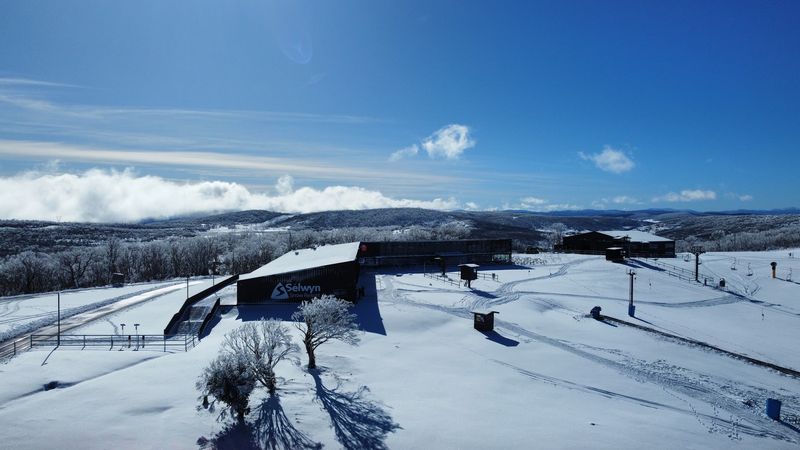
Many people picture nothing but blazing heat and desert when they think of Australia, so learning that the country has a functional ski industry often comes as a genuine shock. The Australian Alps, located in New South Wales and Victoria, receive consistent snowfall during the winter months of June through August.
Ski resorts like Perisher and Thredbo attract thousands of visitors each winter season.
The snowfields are not as expansive as those found in the European or Canadian Alps, but they are real and reliably snowy enough to support multiple ski runs and snowboarding terrain. Mount Kosciuszko, Australia’s highest peak at 2,228 meters, sits within this alpine region and is blanketed in snow each winter.
For Australians living in coastal cities, a trip to the snow is an exciting seasonal tradition. International visitors are often delighted to discover that Australia offers skiing, surfing, and desert adventures all within the same country, sometimes within a few hours’ drive of each other.
15. Most Australians Live Near the Coast
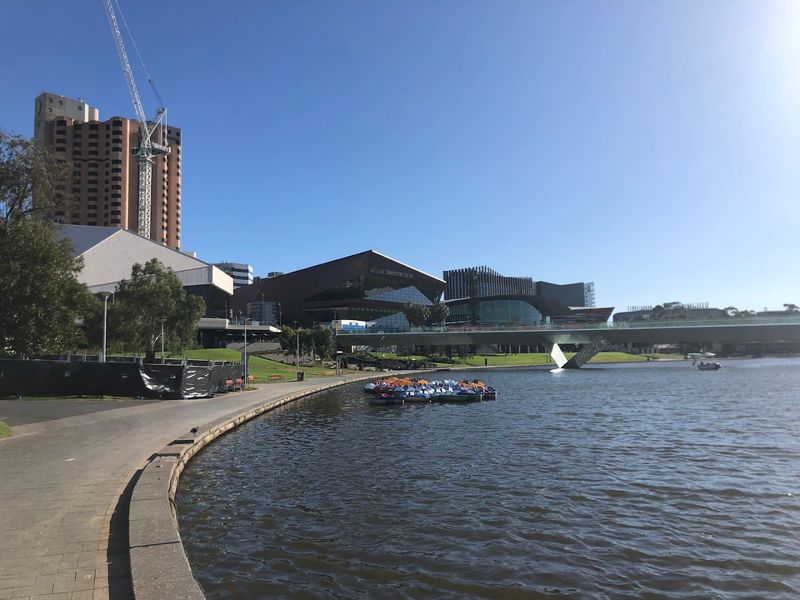
Around 85% of Australians live within roughly 50 kilometers of the ocean. For a country with such an enormous interior, that is a striking statistic.
The vast central and western regions of the continent are largely uninhabited, leaving millions of square kilometers of land with almost no permanent residents at all.
The reasons for this coastal concentration are practical. The interior is extremely dry and difficult to farm, with limited freshwater sources.
The coast offers better climate conditions, more fertile land, and easier access to trade and commerce. Australia’s largest cities, including Sydney, Melbourne, Brisbane, Perth, and Adelaide, all sit on or very near the coast.
This clustering creates a fascinating contrast between two very different Australias. One is the busy, modern, cosmopolitan world of coastal cities.
The other is the vast, ancient, and largely silent interior that most Australians themselves rarely visit. Both versions of the country are equally real, and equally worth knowing about.
Share this story