 Unearth The Voyage
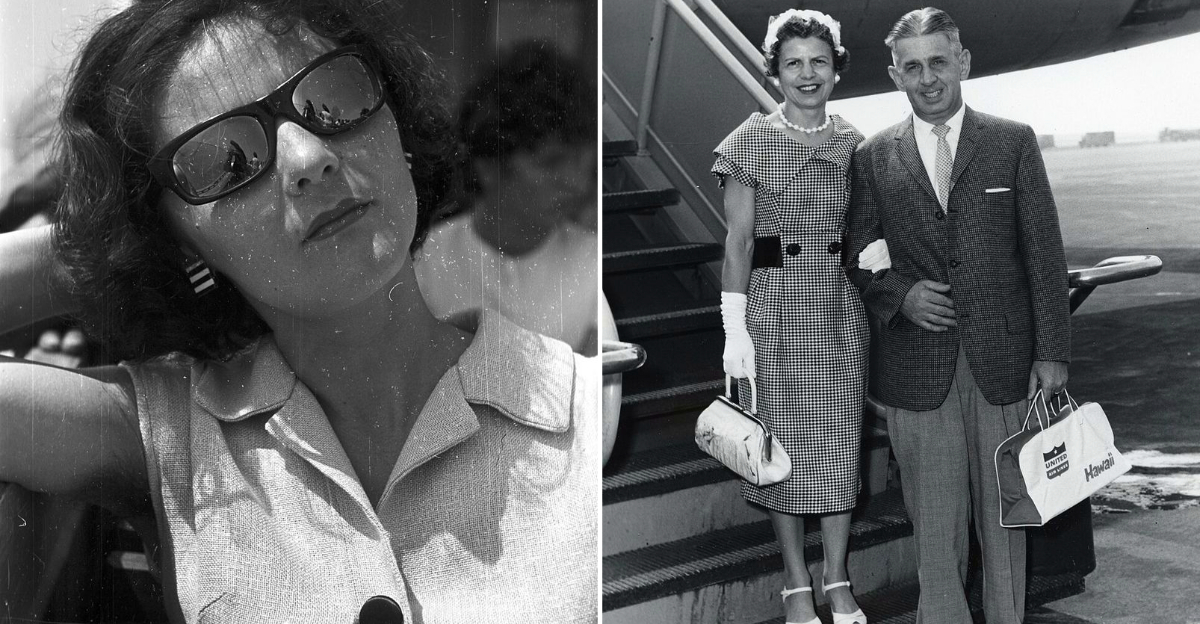
Fashion in 1969 ran on guidelines that tried to keep wardrobes tidy while society was rewriting the script on work, school, and public life. Magazines still printed etiquette charts, yet college campuses, televised counterculture, and new fabrics were tugging outfits in freer directions.
You will see how rules about hats, hosiery, neckties, and color pairings once shaped daily routines, and why technology, shifting workplaces, and fresh attitudes eventually erased them. Keep reading to pick up specific dates, industry shifts, and cultural signals that explain how strict dress codes gave way to the open mix you enjoy now.
1. Never Leave the House Without a Hat
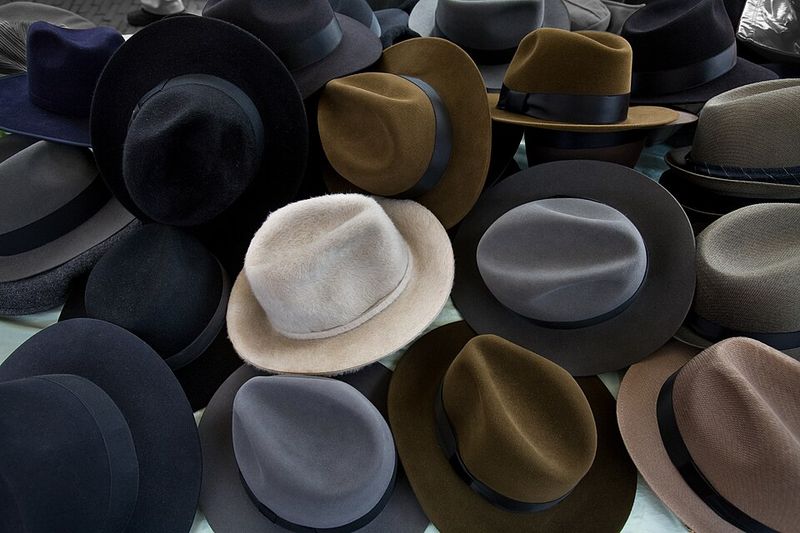
Look at any 1969 street photo and you will spot the quiet authority of a brim. Headwear still signaled good manners in banks, theaters, and offices, even as youth culture challenged everything else.
Men leaned on fedoras or trilbies, while women rotated pillboxes, cloches, and veils learned from earlier decades.
Magazines advised removing hats indoors but insisted they completed a respectable silhouette outdoors. Department stores sold coordinated hat sets with coats, and manufacturers like Stetson advertised durability over trend.
Yet long hair, campus protests, and looser office codes quietly made hat racks less crowded.
Today you can treat hats as weather tools or personality accents without social penalty. If you love a bold beret or a vintage fedora, wear it with sneakers, denim, or a hoodie.
The old rule collapsed because politeness moved from dress codes to behavior, and individuality won the day. Milliners adapted by focusing on weddings, racing events, and niche craft markets, not daily commutes.
That shift turned the hat from obligation into option, which suits contemporary wardrobes better.
2. Dresses Were Expected for Most Formal Occasions
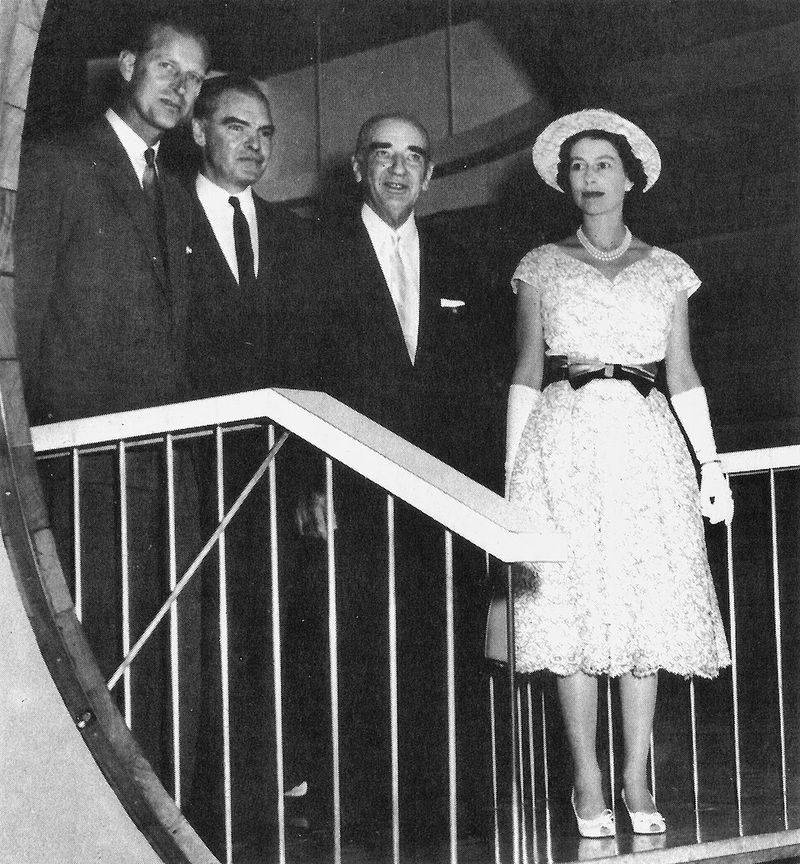
Picture a formal invitation in 1969 and imagine the unspoken line that read dresses preferred. Social clubs, church gatherings, and charity dinners leaned on etiquette columns that coded femininity through hemlines and hosiery.
Even as hemlines rose, the garment category itself rarely changed.
Pants at formal events sparked debate, though Yves Saint Laurent’s 1966 Le Smoking had already set a precedent. Adoption was slow in conservative regions, where hosts and ushers sometimes enforced expectations at the door.
Department stores sold coordinated dress sets with matching coats, reflecting a ritual of seasonal wardrobes.
Now you can choose a pantsuit, wide-leg tailoring, or a jumpsuit for the same occasions without side-eye. Photography trends, air travel, and dual-income households rewarded comfort that still looked sharp.
Designers refined tuxedo-inspired tailoring for women, and workplaces mirrored that shift, erasing venue-by-venue resistance. If elegance is the aim, cut and fit do the talking.
You select structure, not gendered categories, and the event stays focused on purpose rather than policing silhouettes.
3. Men Should Always Wear a Tie in Public
Neckties as Public Credentials
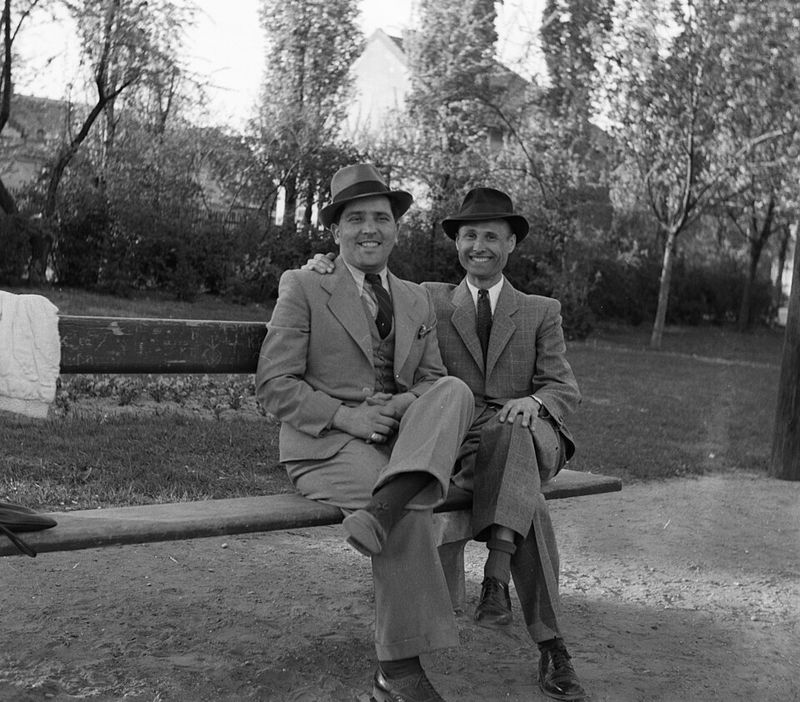
The tie functioned like a portable credential in 1969, especially inside banks, airports, and civic buildings. Many offices kept spare ties on hooks for visitors, with managers equating bare collars to lax standards.
Narrow silhouettes from the mid decade met wider late decade cuts, but the accessory itself still read required.
Newspapers published dress code letters, and some restaurants refused service to men without ties after 6 p.m. Meanwhile, California tech corridors, college towns, and creative agencies began experimenting with knit ties, turtlenecks, or no tie at all.
The split forecast today’s spectrum.
Modern workplaces moved to business casual, then hybrid schedules that value output over collars. You can pair an open Oxford with tailored trousers and still pass every meeting test.
Formal moments remain, yet they are signposted rather than universal. The rule faded with changing management styles, knowledge work, and a retail shift toward separates.
A tie is now punctuation, not grammar, which leaves you free to choose clarity, emphasis, or none at all.
4. White Was Only for Summer
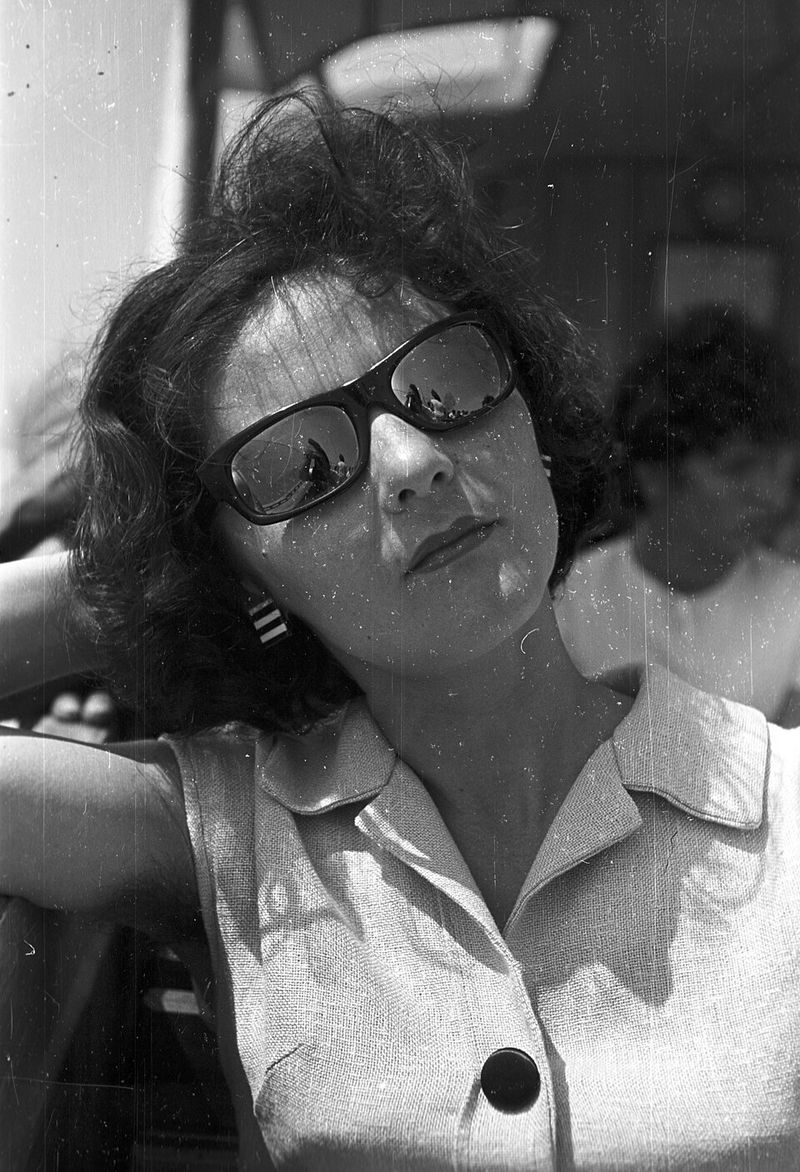
The calendar used to tell your closet what to do, and white after Labor Day topped the list. Social registers and department store ads nudged customers toward summer whites, then to earthier palettes as September arrived.
Fabric weight mattered less than a ritual that signaled class fluency.
By the late 1960s, practical realities challenged the script. Air conditioning controlled interiors, stain-resistant synthetics entered wardrobes, and editors began praising winter whites in wool and tweed.
Photographers loved the contrast against gray sidewalks, and the taboo softened.
Today you can wear ivory denim, cream suiting, or optic-white sneakers in January without comment. The shift reflects technology, not rebellion alone, as laundries improved and fibers held brightness longer.
You gain a broader palette that respects fabric, not a date on a planner. If the outfit reads intentional, seasonless whites look polished year round.
This rule’s quiet retirement proves that climate control, marketing, and urban living can outweigh inherited etiquette.
5. Shoes Had to Match the Handbag
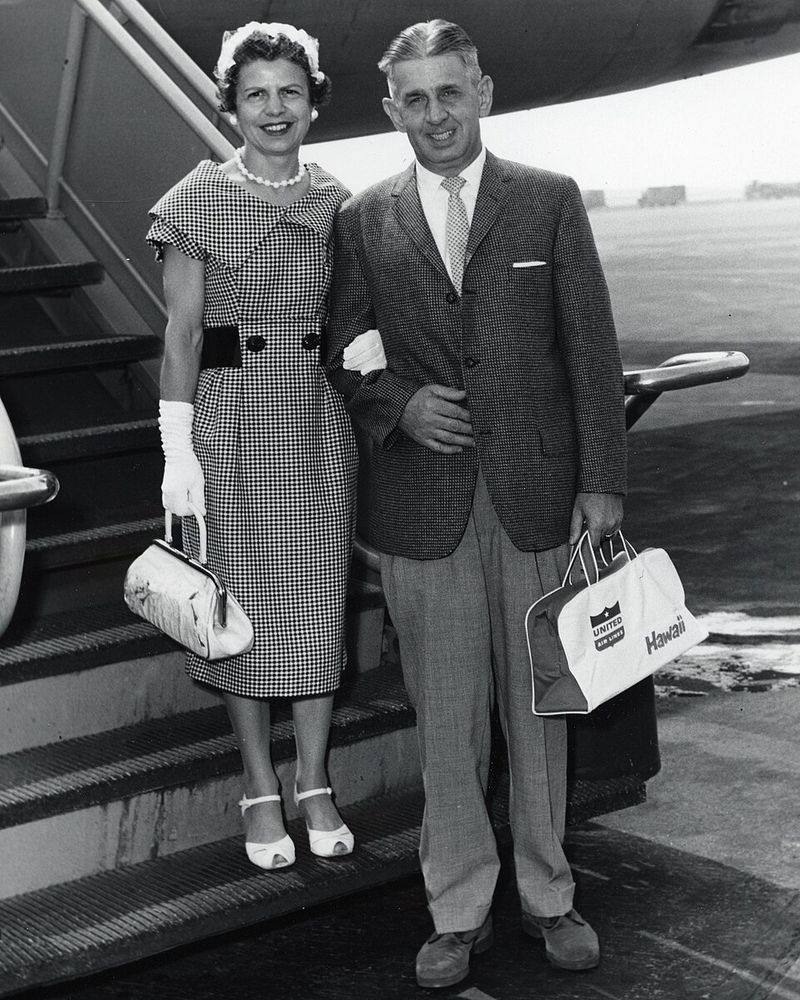
Matching handbag and shoes once broadcast that you studied the handbook. Retail floors in 1969 arranged patent pumps beside identical clutches, promoting sets as the shortcut to polish.
Color cards and swatch books backed the habit, helping shoppers find exact shades of navy, bone, or burgundy.
As fashion loosened, editors began praising contrast accents and texture play. Youth-driven boutiques mixed suede with canvas and threw in wooden bangles for good measure.
The goal shifted from compliance to composition, and coordination lost its monopoly on taste.
Now you can wear caramel boots with a cobalt tote and look purposeful. You balance proportion, silhouette, and mood, not rigid color twins.
Social media styling tips reward experimentation, while manufacturers release seasonal capsules that invite mixing. When everything matches, it feels retro by choice rather than required.
You decide whether harmony comes from hue, material, or shape, and the outfit reads modern either way.
6. Men’s Hair Had to Stay Short
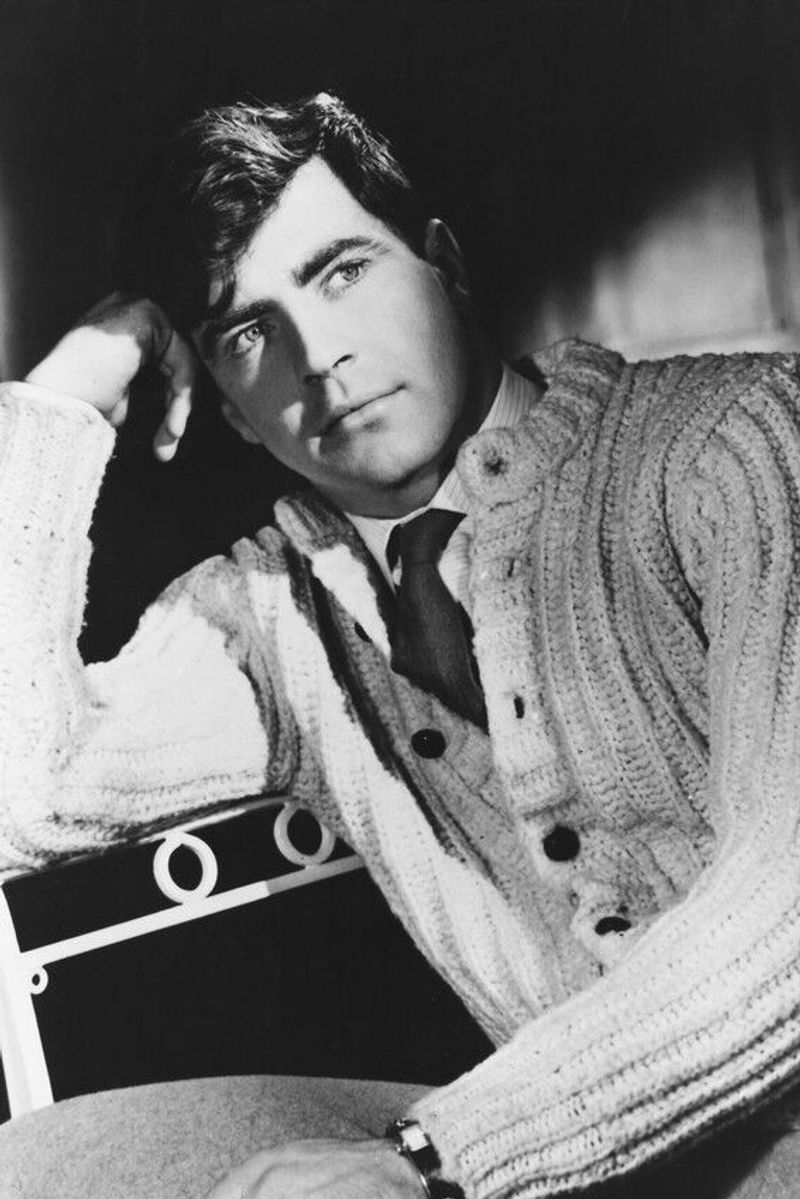
Length measured conformity as cleanly as a ruler in 1969. Many schools and offices kept written grooming rules, with administrators sending students home for sideburns or collar-length hair.
Court cases popped up as teenagers argued that policy targeted identity, not hygiene.
Popular music and media made longer hair mainstream, yet institutional practices lagged. Barbers posted charts, while HR manuals referenced safety or professionalism to justify cuts.
By the early 1970s, enforcement eased in creative and technical fields, and the rest followed.
Today you can wear curls, fades, braids, or shoulder-length waves in most workplaces without a memo. Industry norms now prioritize results and workplace safety over uniformity.
You maintain grooming for practicality, not to satisfy a single template of respectability. This evolution tracked civil rights conversations, generational authority shifts, and the rise of sectors where innovation trumped sameness.
Hair became personal style rather than permission slip, and policies finally adjusted.
7. Gloves Completed a Proper Outfit
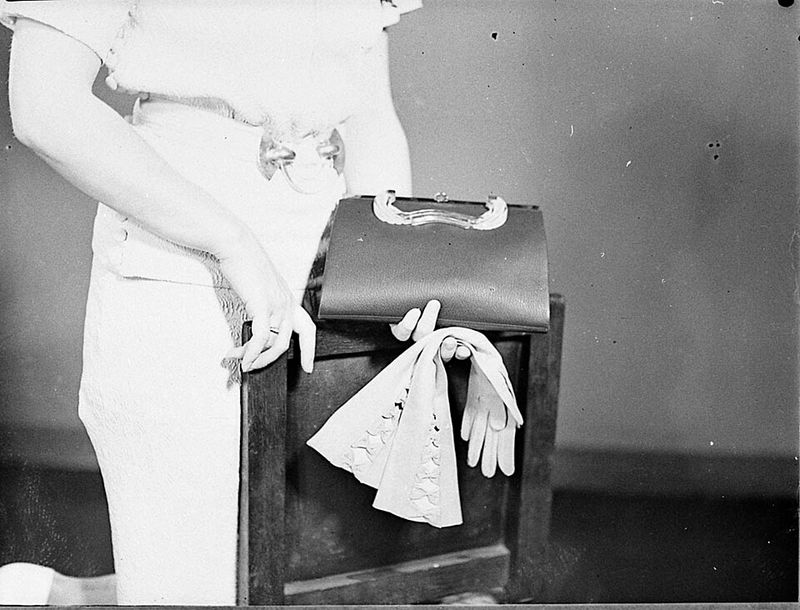
Short wrist gloves once served as the closing note of dressy daytime looks. In 1969 they still appeared at churches, teas, and civic ceremonies, echoing rules that dated to earlier decades.
Magazines showed exact lengths to match sleeves and hemlines, translating propriety into inches.
As ready-to-wear modernized, gloves drifted from everyday rotation to occasion wear. Youth culture favored unstructured cardigans and denim jackets that made gloves feel ceremonial.
Retailers reduced shelf space, and home laundry made bare hands seem simpler.
Now gloves enter wardrobes mainly for warmth, weddings, or costume-forward events. You might try satin opera gloves with minimal gowns as a deliberate reference rather than a mandate.
The decline came from shifting transportation, new hygiene expectations, and the disappearance of strict calling rituals. Elegance lives on in tailoring and posture, not in an accessory checklist.
Wear them if they spark joy, skip them if they complicate the exit.
8. Denim Was Only for Casual Work
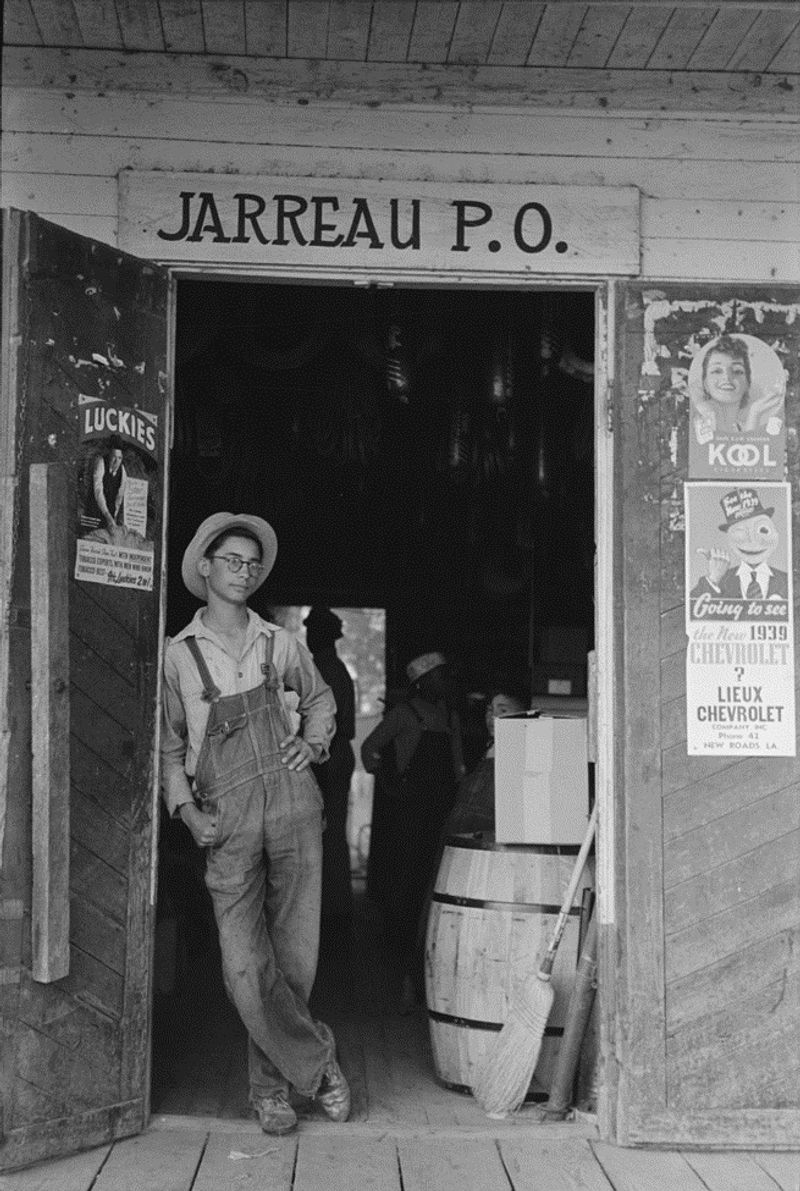
Denim started the decade as a uniform for labor and leisure, not dining rooms. In 1969 many restaurants and clubs posted signs frowning on jeans, treating them as chore clothes.
Students adopted them for durability and price, linking denim to protest and practicality.
Manufacturers spotted demand and improved fits, rivets, and washes, while boutiques styled jeans with blazers. The 1970s carried the baton with designer labels, setting up denim for boardrooms decades later.
Media coverage normalized the fabric beyond classrooms and garages.
Today you can wear dark selvedge with loafers to dinner or high-rise denim under sharp coats. The rule collapsed under comfort, textile innovation, and the democratic appeal of a garment that suits every age.
You treat fabric weight and wash as signals rather than permissions. When denim looks intentional, it moves anywhere.
That path from utility to ubiquity explains why the old frowns feel oddly out of place now.
9. Women Should Avoid Wearing Pants to the Office
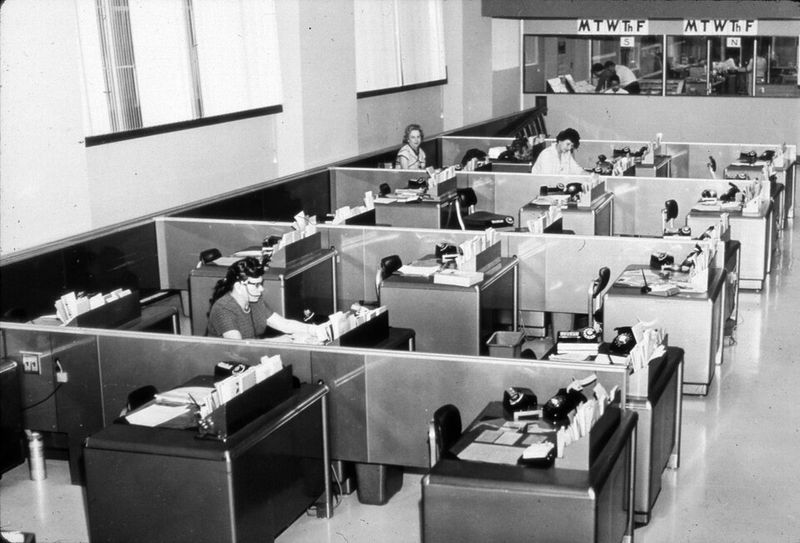
The office once treated trousers as a policy violation, not a garment choice. In 1969 many personnel manuals specified skirts for women, linking professionalism to a narrow interpretation of femininity.
Women who wore coordinated pantsuits sometimes brought a spare skirt in case of supervisor pushback.
Legal challenges and shifting labor demographics changed the weather. Title VII cases, union negotiations, and pragmatic winter commutes chipped away at the ban.
By the early 1970s, more companies updated manuals to allow pantsuits with tailored jackets.
Now you can build a week of looks around trousers, culottes, or jumpsuits without asking permission. The metric is fit, fabric, and context, not gendered categories.
Offices lean on guidelines that consider task and client expectations, freeing daily choices. Your commute, calendar, and climate inform the outfit, and credibility travels with the work.
That is a healthier hierarchy than the old skirt test.
10. Bright Colors Were Often Reserved for Youth
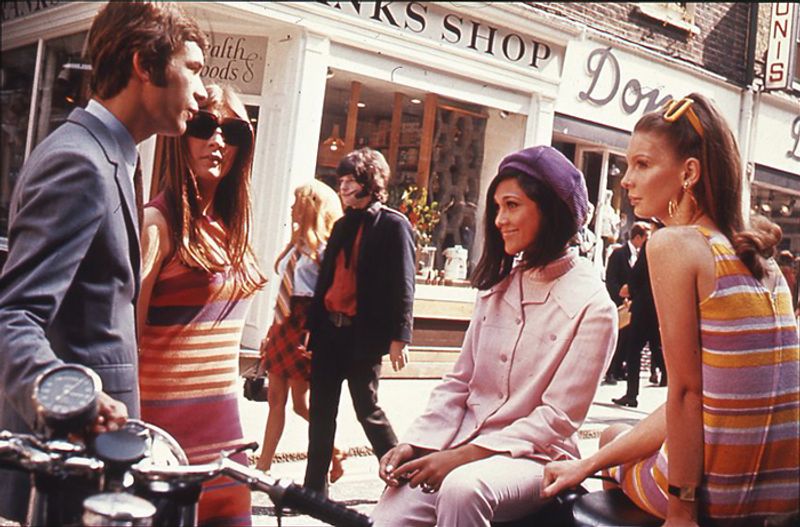
Vivid palettes announced youth affiliation in 1969, riding poster art, album covers, and mass-market dyes. Older consumers were steered toward taupe, navy, and olive, with retailers arranging departments by age assumptions.
Catalogs reinforced the split with safer hues in mature sections.
As decades turned, fitness culture, travel, and televised sportswear normalized brights for every age. Fabric technology improved colorfastness, and global retail made bold options widely available.
Designers began proposing saturated coats and sneakers to customers long past graduation photos.
Today you can wear citrus knitwear at sixty and look current. The rule dissolved because color communicates mood and personality better than birth year.
When the cut flatters and the combination is deliberate, saturation reads modern rather than juvenile. You get a larger expressive toolkit and a closet that spans seasons.
That flexibility mirrors lives that no longer follow a single path or palette.
11. Men Rarely Wore Jewelry

Wristwatches and wedding bands once set the boundary for men’s adornment. In 1969 many offices discouraged necklaces, and schools frowned on bracelets as distractions.
Magazines portrayed extra jewelry as flashy, linking restraint to respectability.
Music, film, and international sports shifted that lens. From medallions to signet rings, public figures normalized variety, and retailers created men’s jewelry counters.
By the 1980s, hip-hop and pop culture expanded the range further, and today’s minimal chains sit comfortably beside bold pieces.
Now you can rotate signets, cuffs, and pendants based on outfit and setting. The etiquette focuses on proportion and context, not prohibition.
If your role is client-facing, you choose subtler pieces, but expression is never off-limits. This evolution reflects broader acceptance of personal style across genders and industries.
You are free to treat jewelry as punctuation or headline, and neither choice reads rebellious.
12. Outfits Needed to Be Carefully Coordinated
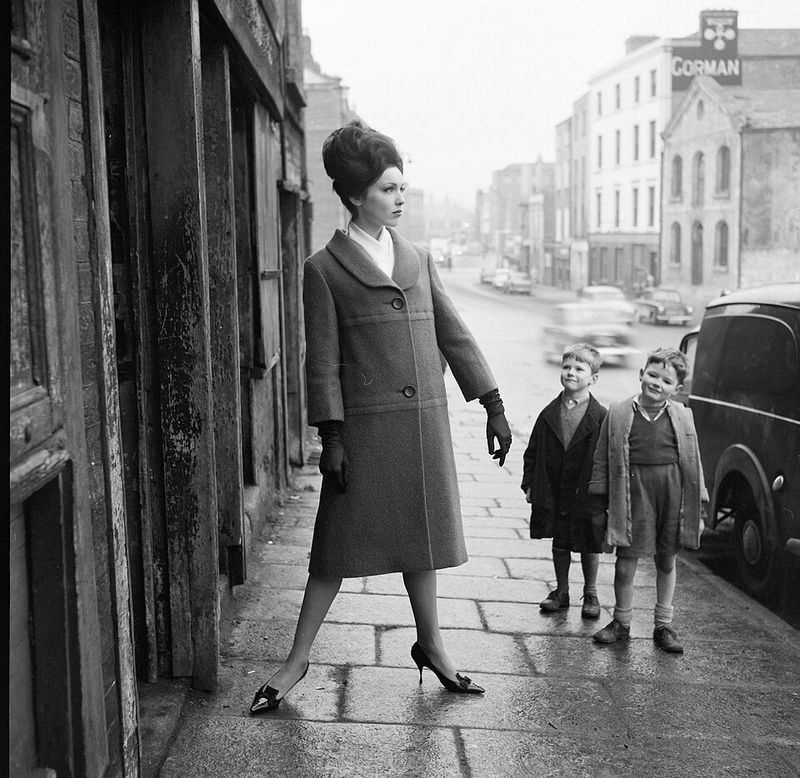
Head-to-toe coordination felt like a certificate of taste in 1969. Pattern mixing was filed under mistakes, and style guides mapped precise relationships among ties, belts, and jackets.
Department stores sold full looks on one hanger so you could buy assurance.
Runway experiments, street style photography, and global travel loosened the grid. Designers taught contrast through scale rather than strict sameness, and high-low dressing became a point of pride.
Consumers learned to read visual balance instead of rulebooks.
Now you can clash checks with florals if proportions align, or pair track jackets with tailored trousers. The result succeeds when shapes, color intensity, and texture create a conversation.
You are curator, not copyist, and coordination became one tool among many. That shift lets wardrobes stretch across work, errands, and celebration without costume changes.
The rule did its job for a while, then retired gracefully.
13. Fashion Had Clear “Rules”
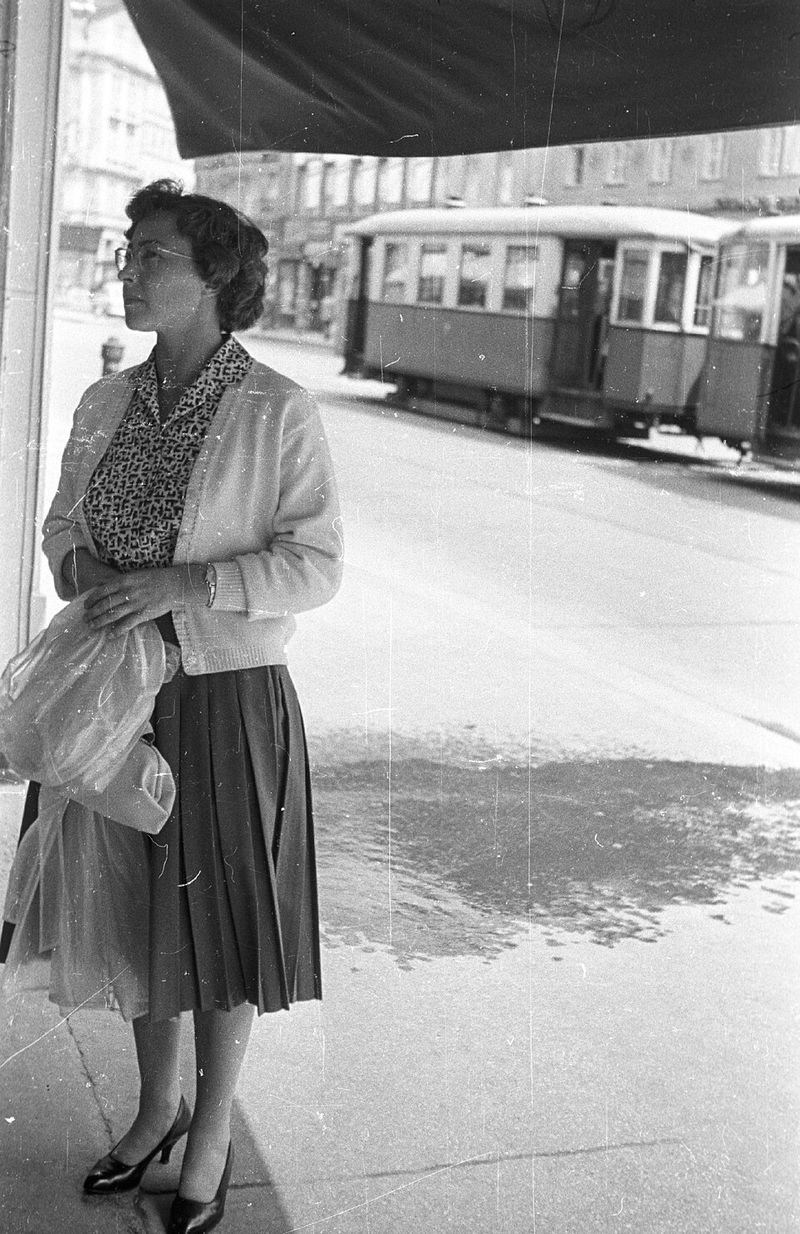
Fashion once resembled a civics course, with chapters on hemlines, hosiery, and collars. In 1969 you could open a magazine and see diagrams that translated manners into clothes.
Communities policed norms gently but persistently through invitations, school codes, and store policies.
As media fragmented and workplaces diversified, a single rulebook lost authority. Synthetic fabrics, casual Fridays, and global influences multiplied options while reducing gatekeeping.
Designers proposed guidelines instead of laws, and consumers personalized rather than conformed.
Today you build outfits that fit your body, calendar, and values, then refine them with feedback from mirrors and meetings. The gains include comfort, inclusion, and longevity, as clothes serve lives rather than the reverse.
You still respect context, yet expression leads the way. That is the real shift.
The story of 1969’s strictness explains why modern style feels open, iterative, and yours to navigate.
14. Always Wear a Slip Under Your Dress
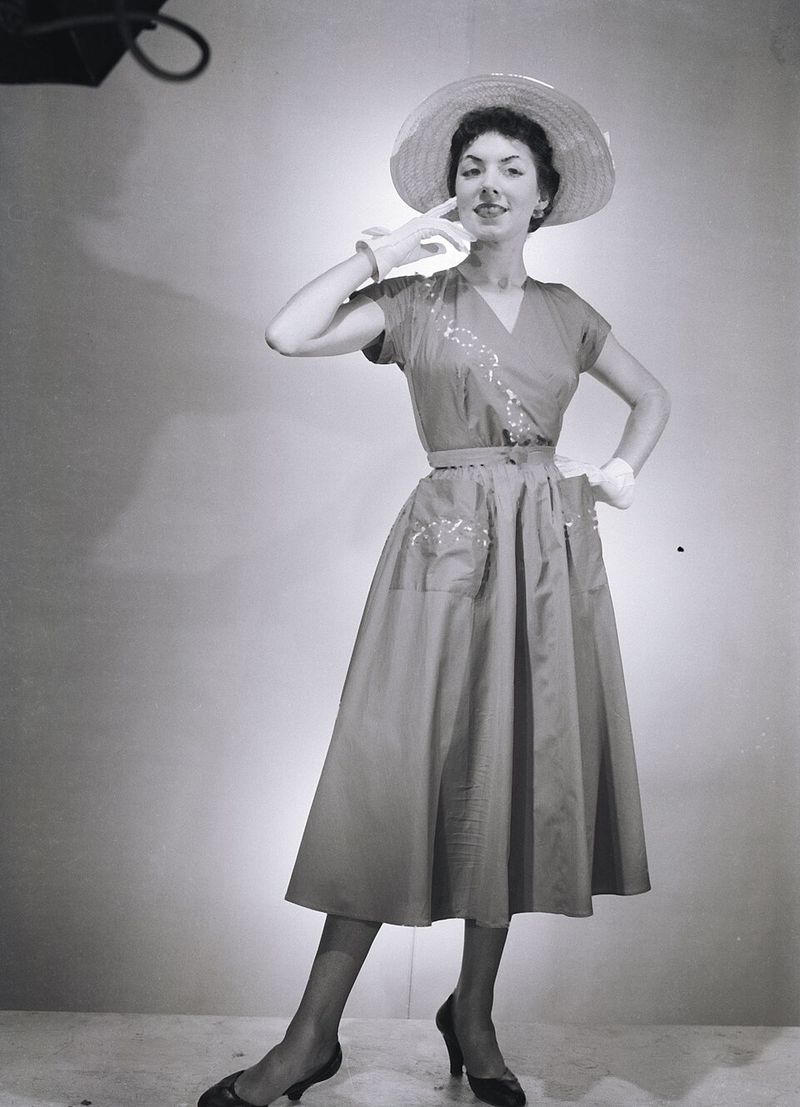
Undergarments once played referee between fabric and public view. In 1969 a slip promised opacity and smoother drape under lightweight dresses, and sales associates treated it as essential.
Many garments lacked built-in linings, so the extra layer solved cling and transparency.
As textiles advanced, designers added linings, stretch, and thicker knits that managed silhouette on their own. Wash-and-wear care labels simplified routines, and minidress cuts made some slips impractical.
By the 1990s, shapewear and fabric engineering finished the job once assigned to a satin tube.
Now you decide case by case. Sheer pieces can still benefit, but most dresses handle themselves, and your comfort sets the rule.
If you prefer minimal layers, you skip it without commentary. That outcome reflects design progress as much as shifting modesty standards.
Clothes now integrate solutions, so your drawer holds options rather than obligations.
15. Always Wear Pantyhose with Skirts or Dresses
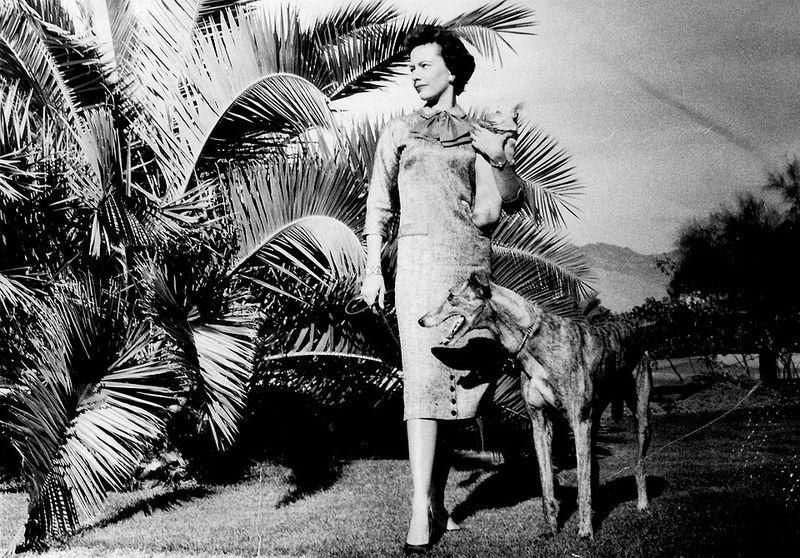
Pantyhose once marked professionalism as clearly as a name badge. In 1969 offices expected even summer hosiery, with laddered pairs replaced from desk drawers.
Packaging promised flawless tone and support, reinforcing the sense of obligation.
Air-conditioned buildings, changing HR policies, and the rise of open-toe shoes weakened the mandate. Editorial shoots showed bare legs with structured blazers, and the look read intentional rather than unfinished.
Comfort and cost pushed the trend along.
Today you choose tights for warmth, texture, or color, not for permission to enter a meeting. Dress codes reference neat appearance rather than hosiery specifically.
You get to calibrate based on climate, skin comfort, and outfit balance. The shift proved that polish comes from fit and finish, not a single nylon layer.
Pantyhose remain a tool, but the tool does not run the office anymore.



