 Unearth The Voyage
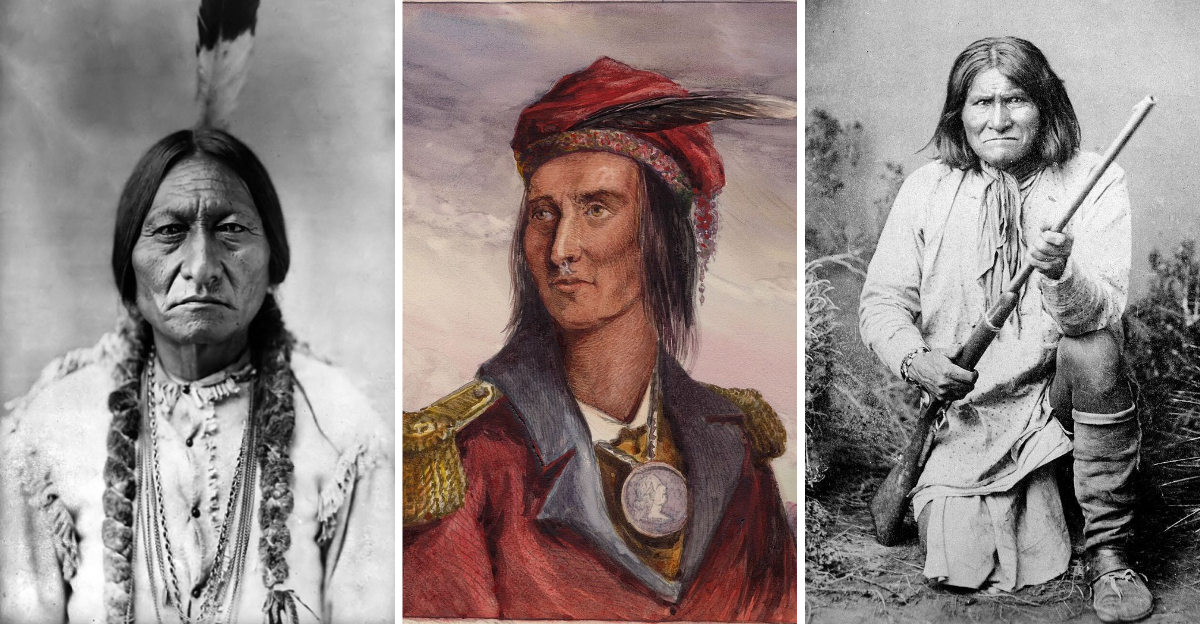
The Wild West was shaped by some of the most courageous and skilled warriors in history. Native American leaders and fighters defended their lands, families, and ways of life against overwhelming odds.
Their stories are ones of bravery, strategy, and deep devotion to their people. From the deserts of the Southwest to the plains of the Midwest, these 15 warriors left a mark on American history that will never be forgotten.
1. Geronimo (Apache)
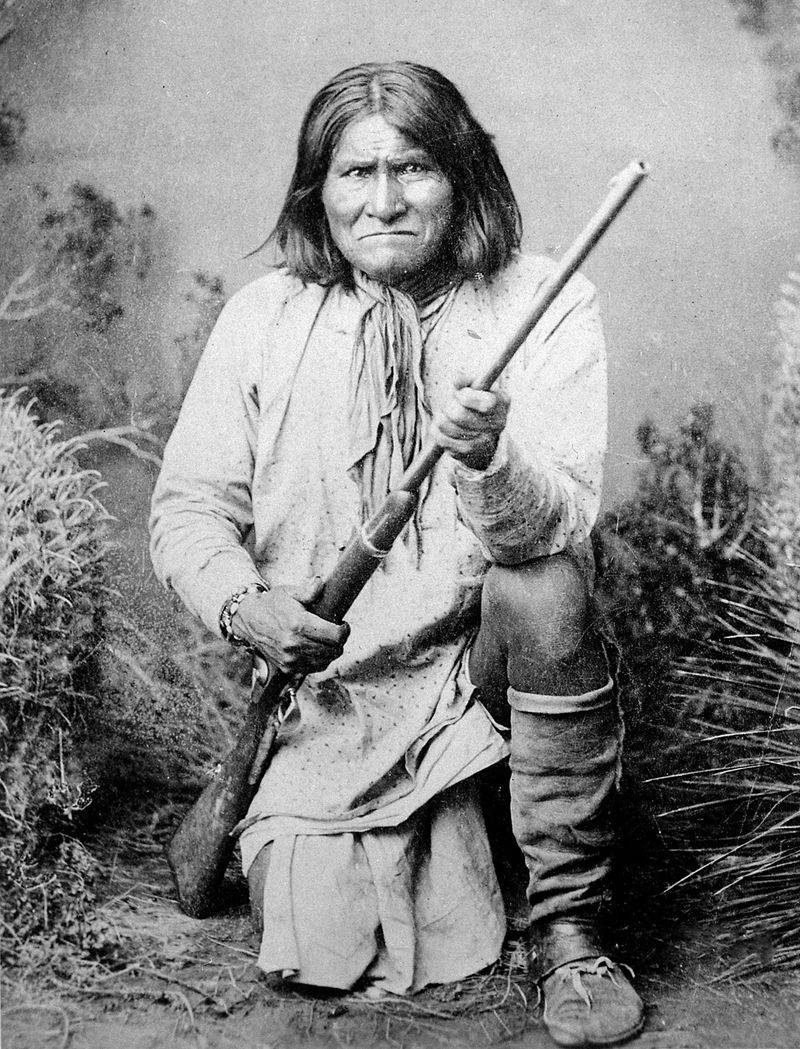
Few names in American history carry as much weight as Geronimo. Born around 1829 in what is now New Mexico, he became one of the most relentless resistance fighters the U.S. military ever faced.
His ability to vanish into the rugged terrain of the Southwest made him nearly impossible to capture.
Geronimo led small bands of Apache warriors against both U.S. and Mexican forces for decades. At one point, over 5,000 soldiers were deployed just to track him and fewer than 40 followers.
That fact alone tells you everything about his tactical brilliance.
He was finally forced to surrender in 1886 but was never truly defeated in spirit. Geronimo spent his later years as a prisoner of war, yet he became a celebrated figure at national events.
His name became a battle cry used by soldiers for generations after his death in 1909.
2. Sitting Bull (Hunkpapa Lakota Sioux)
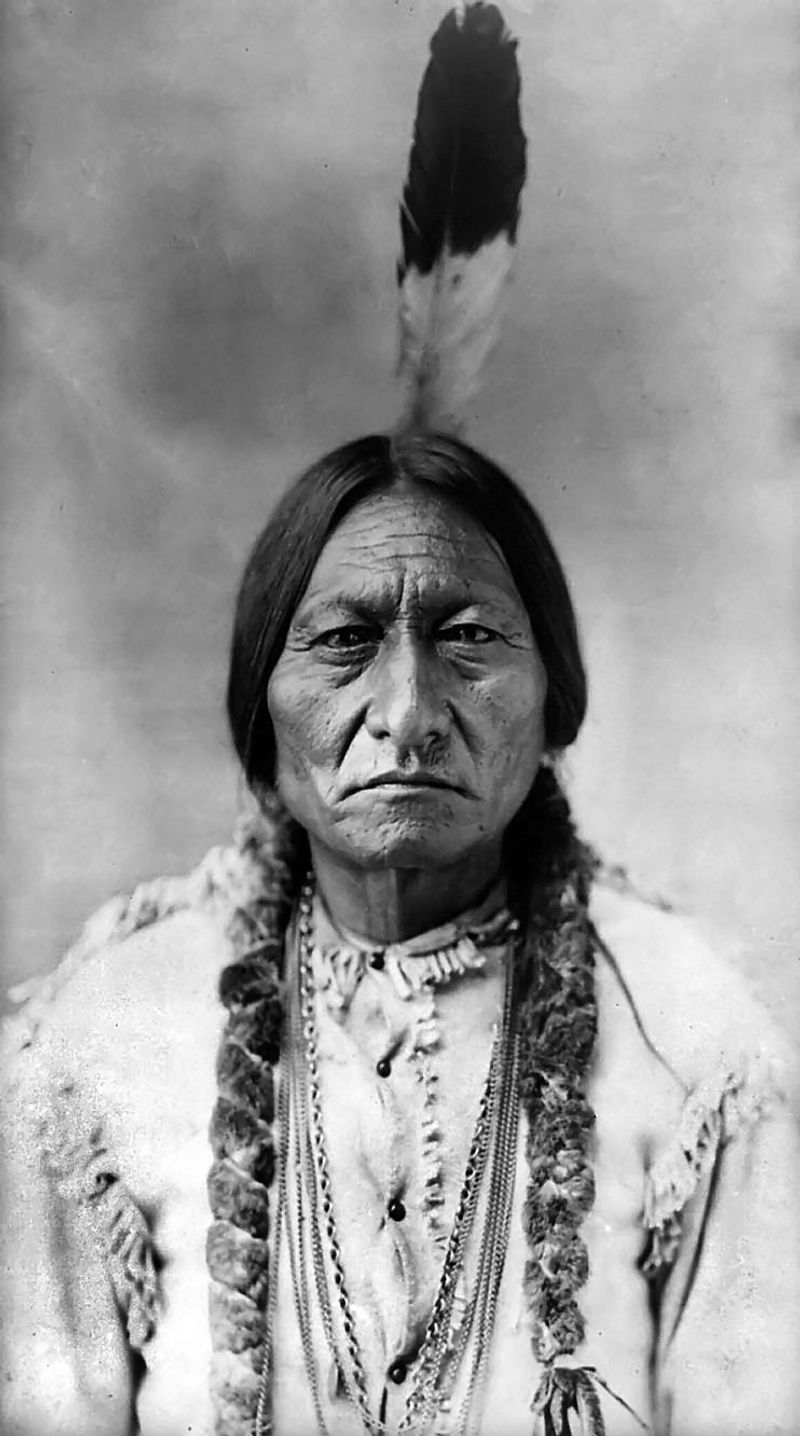
Sitting Bull was more than a warrior. He was a holy man, a poet, and a visionary who united multiple Lakota bands under one cause.
His spiritual leadership gave his people the strength to face one of the most powerful armies in the world.
His greatest moment came at the Battle of Little Bighorn in June 1876. Sitting Bull had a vision of soldiers falling from the sky like grasshoppers, which he shared before the battle.
That vision helped inspire warriors to fight with extraordinary force, resulting in a stunning defeat of General Custer’s forces.
After years of resistance, he eventually surrendered in 1881 and later joined Buffalo Bill’s Wild West Show. Even in captivity, he retained enormous respect from both Native and non-Native people.
Sitting Bull was killed in 1890 during a botched arrest attempt, but his legacy endures as a symbol of proud resistance.
3. Crazy Horse (Oglala Lakota Sioux)
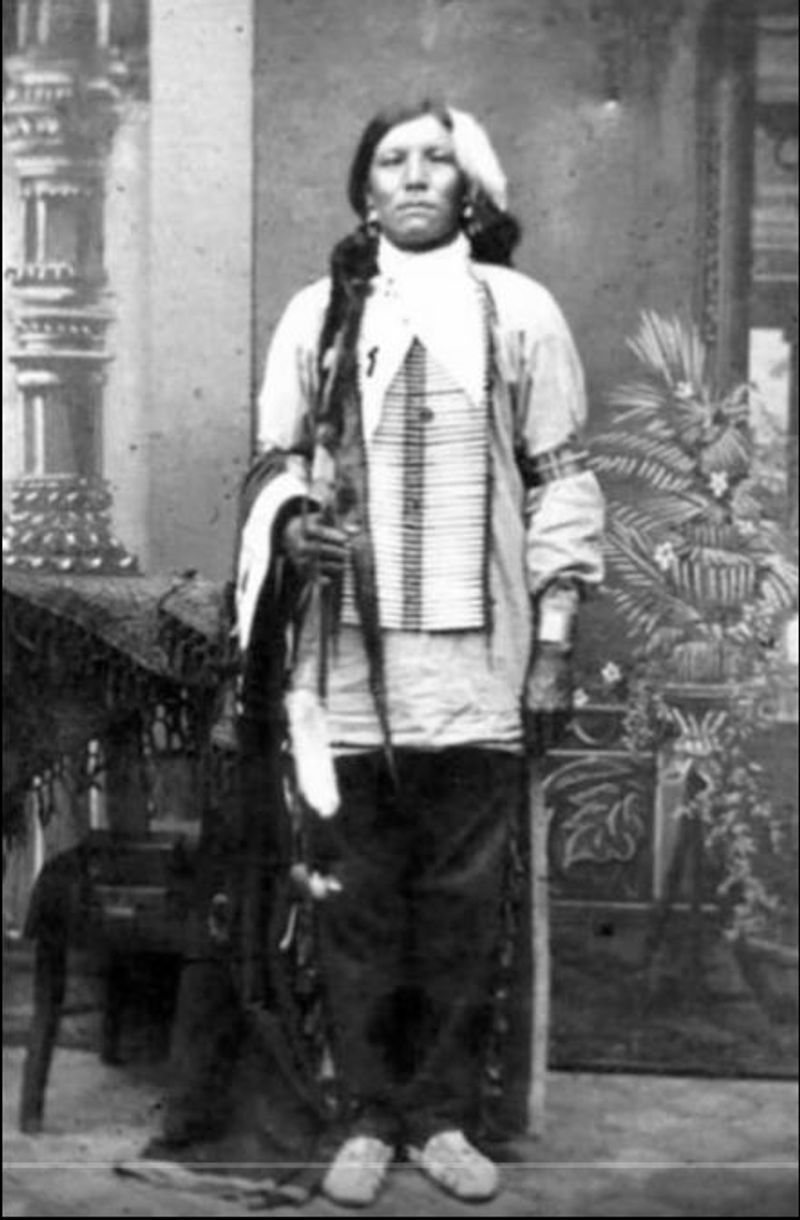
No photograph of Crazy Horse is known to exist, yet his legend burns brighter than almost any figure from the Wild West era. He was described by those who knew him as quiet, intense, and completely fearless in battle.
Warriors followed him not because he demanded it, but because they believed in him.
At the Battle of Little Bighorn, Crazy Horse led a flanking charge that helped overwhelm and defeat Lieutenant Colonel George Custer’s 7th Cavalry. His tactical instincts were sharp and instinctive, often catching enemies off guard with unexpected movements.
He never signed a treaty he believed was unjust and refused to live by rules that stripped his people of dignity. Crazy Horse surrendered in May 1877 and was killed just months later under disputed circumstances at Fort Robinson.
A massive mountain carving in South Dakota now honors his memory and enduring spirit.
4. Chief Joseph (Nez Perce)
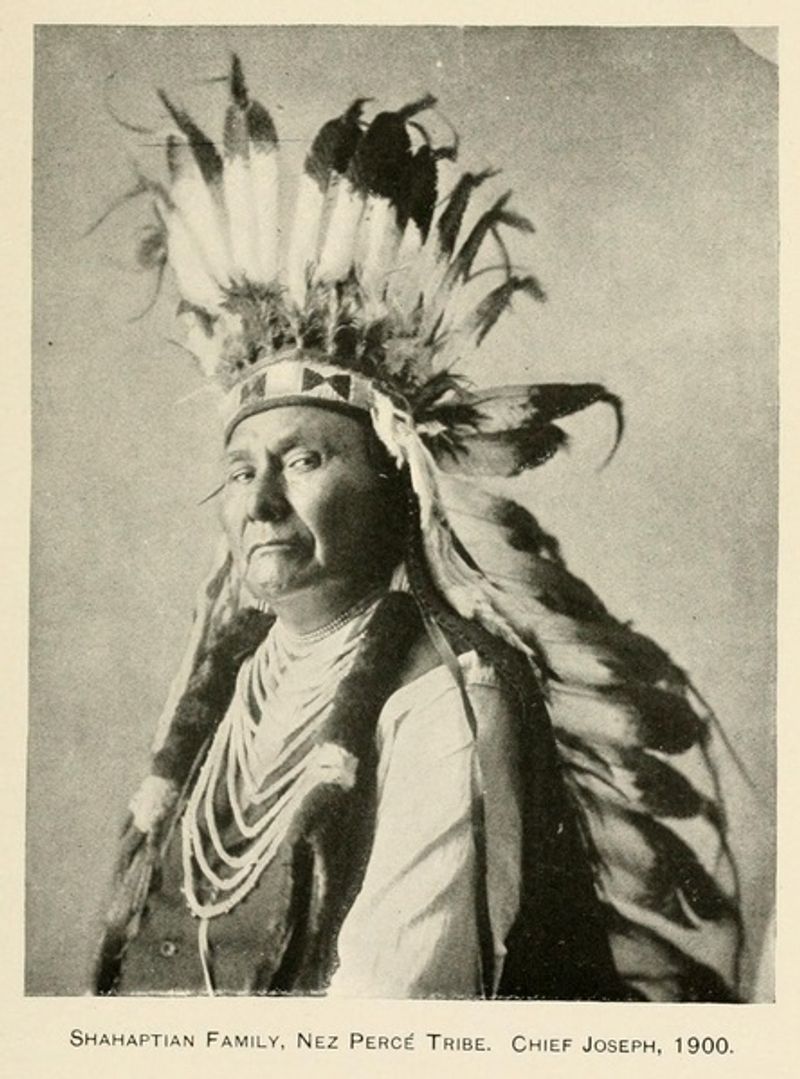
Chief Joseph never wanted to be a war leader. He was a man of peace who preferred negotiation over conflict.
But when the U.S. government tried to force the Nez Perce off their ancestral lands in the Wallowa Valley, he had no choice but to lead his people to safety.
What followed in 1877 was one of the most remarkable military retreats in American history. Chief Joseph led around 800 men, women, and children on a 1,400-mile journey through rugged mountains and plains toward Canada.
The U.S. Army chased them the entire way, yet his warriors repeatedly outmaneuvered trained soldiers.
Just 40 miles from the Canadian border, exhausted and outnumbered, Chief Joseph surrendered with one of the most moving speeches ever recorded: “I will fight no more forever.” His dignity in defeat earned him widespread respect. He spent the rest of his life advocating for his people’s rights.
5. Red Cloud (Oglala Lakota Sioux)
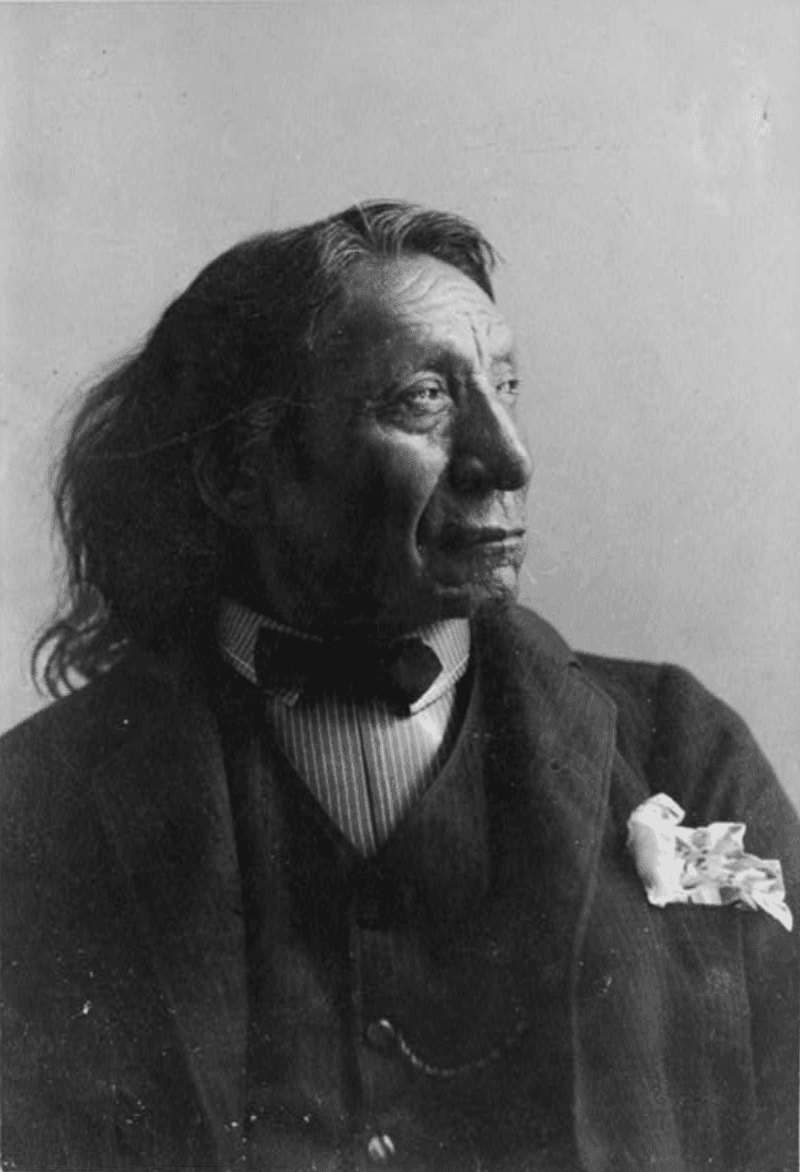
Red Cloud holds a distinction that very few Native leaders ever achieved: he won his war. Red Cloud’s War, fought from 1866 to 1868, forced the U.S. government to abandon its forts along the Bozeman Trail in Powder River country.
That was a major military and political victory.
His strategy was patient and calculated. Rather than engaging in large open battles, he organized raids and ambushes that made the forts impossible to maintain.
The most devastating blow came at the Fetterman Fight in 1866, where 80 U.S. soldiers were killed in a carefully planned ambush.
The Fort Laramie Treaty of 1868 gave the Lakota the Black Hills and recognized their territorial rights. Red Cloud later chose diplomacy over continued warfare, visiting Washington D.C. and speaking directly to U.S. leaders.
His life showed that Native leaders could be both fierce warriors and skilled negotiators.
6. Cochise (Chiricahua Apache)
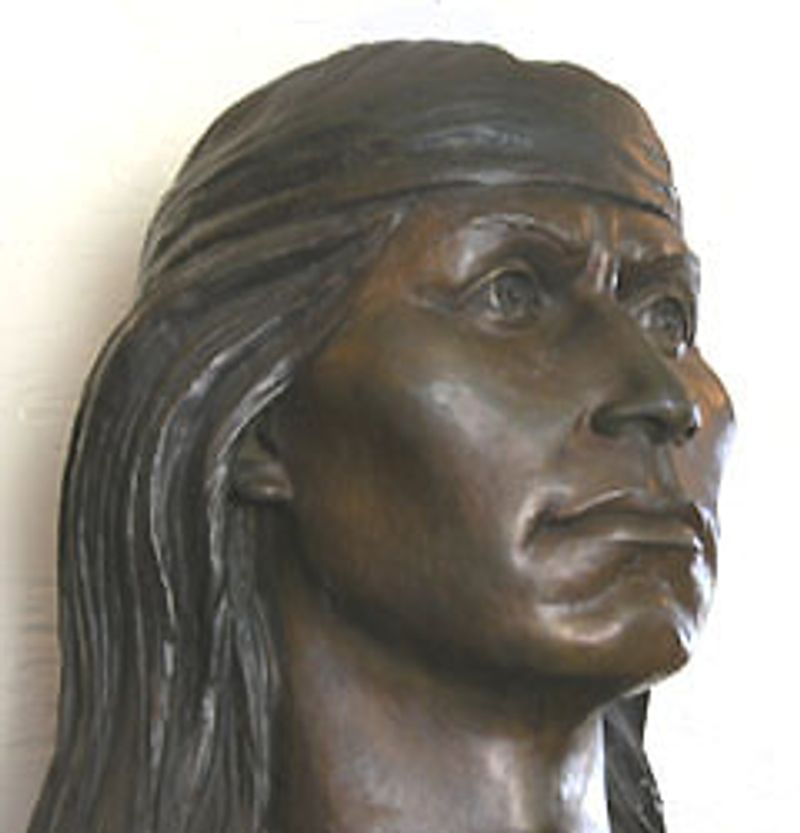
Cochise was a man of principle who was pushed into war by a terrible injustice. In 1861, U.S.
Army Lieutenant George Bascom falsely accused him of kidnapping and attacked his camp under a flag of truce. Cochise barely escaped with his life, and the conflict that followed lasted over a decade.
He proved to be one of the most skilled guerrilla commanders the Apache ever produced. Using the Dragoon and Dos Cabezas mountain ranges as natural fortresses, he launched raids across Arizona and New Mexico that the military struggled to counter.
His knowledge of the terrain gave him a consistent edge.
Peace finally came in 1872 when General Oliver Howard negotiated a treaty that gave the Chiricahua Apache their own reservation. Cochise agreed, partly out of respect for his friend Tom Jeffords.
He died peacefully in 1874, one of the few Apache leaders to end his resistance on his own terms.
7. Quanah Parker (Comanche)
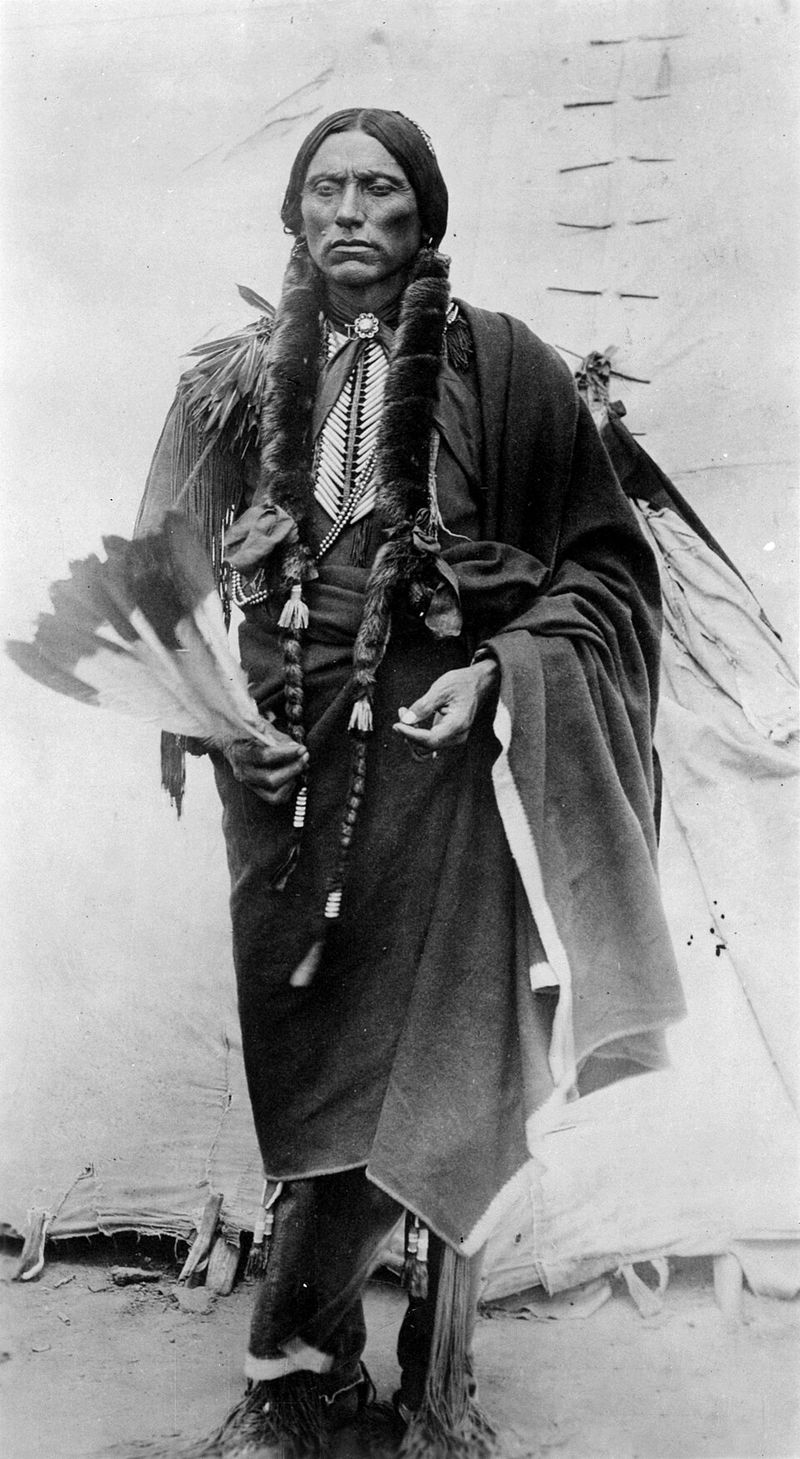
Quanah Parker lived two extraordinary lives in one lifetime. Born around 1845 to a Comanche chief and Cynthia Ann Parker, a white woman who had been raised by the Comanche, he carried two worlds inside him from the very start.
That dual heritage would eventually define his legacy.
As a young war chief, he was fierce and unyielding. He led the Quahadi band of Comanche in raids across Texas and refused to settle on a reservation.
His warriors were among the last free-roaming Comanche, and the U.S. military spent years trying to subdue them during the Red River War of 1874.
After his final surrender in 1875, Quanah transformed himself into a political leader and businessman. He negotiated grazing leases for Comanche lands, built a large home, and met with President Theodore Roosevelt.
Few figures in Western history navigated cultural change with as much intelligence and resilience as Quanah Parker.
8. Tecumseh (Shawnee)
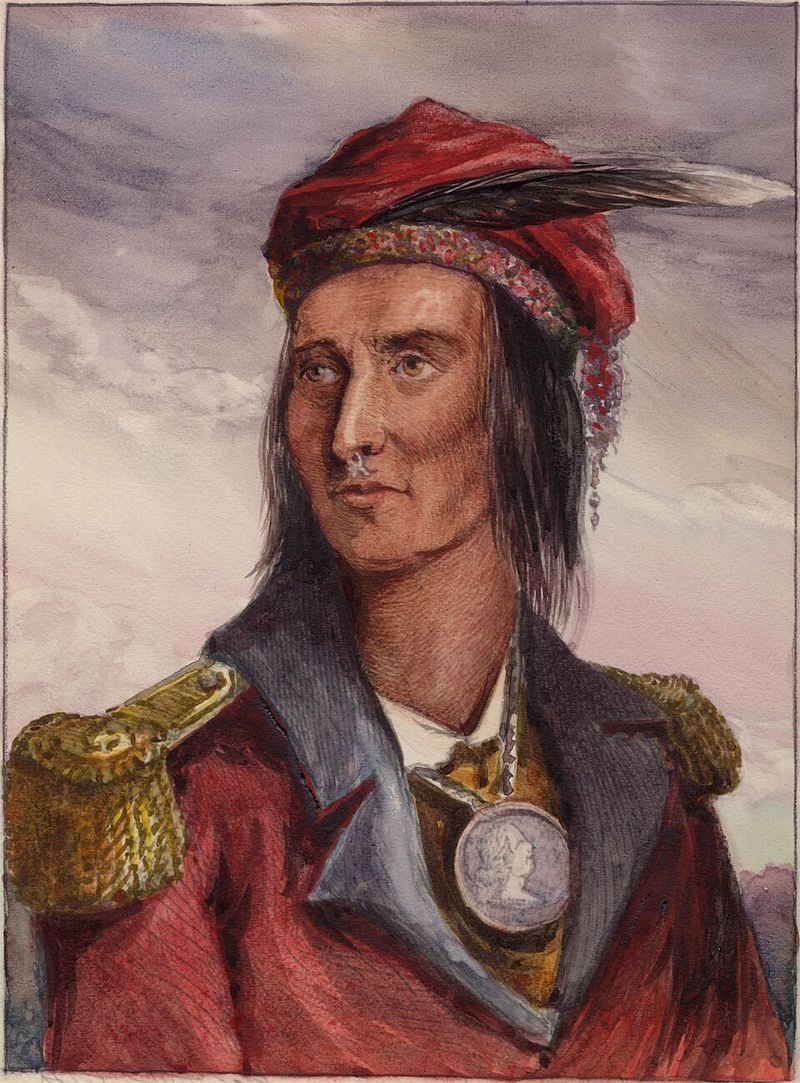
Tecumseh had a dream that stretched across the entire continent. He believed that Native nations could only survive if they stood together, and he spent years traveling thousands of miles to build the largest Native confederacy North America had ever seen.
His vision was bold, his speeches were electrifying, and his courage was unquestioned.
Though his story predates the classic Wild West era, his influence echoed through every Native resistance movement that followed. He allied with the British during the War of 1812 and helped capture Fort Detroit with a brilliant bluff that convinced the American commander he was outnumbered.
Tecumseh was killed at the Battle of the Thames in 1813, and with him died the dream of a unified Native nation. Yet his legacy never faded.
He is remembered in both American and Canadian history as one of the most gifted military and political minds of his era.
9. Roman Nose (Cheyenne)
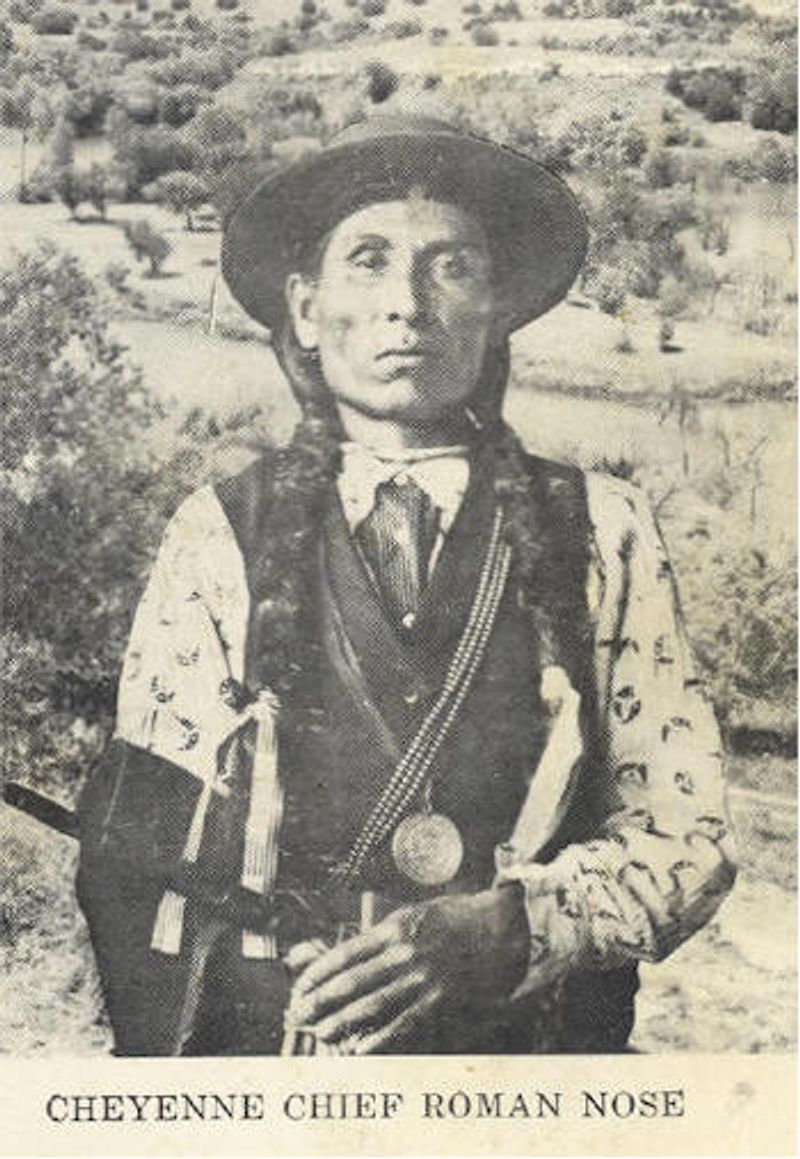
Roman Nose was the kind of warrior that legends are built around. Tall, powerfully built, and completely fearless, he charged into battle wearing a magnificent war bonnet that he believed made him bulletproof.
His presence on the battlefield inspired his fellow Cheyenne warriors and struck fear into their enemies.
He fought in several key engagements during the Plains Wars of the 1860s, including raids along the Platte River Road. Roman Nose was known for riding along the front lines of enemy soldiers, daring them to shoot him, and walking away unharmed time after time.
His luck ran out at the Battle of Beecher Island in September 1868. He had been told that eating food handled with metal utensils would break the protective power of his war bonnet, and he knew the medicine had been compromised before the fight.
He rode into battle anyway and was killed, choosing honor over survival.
10. Victorio (Apache)
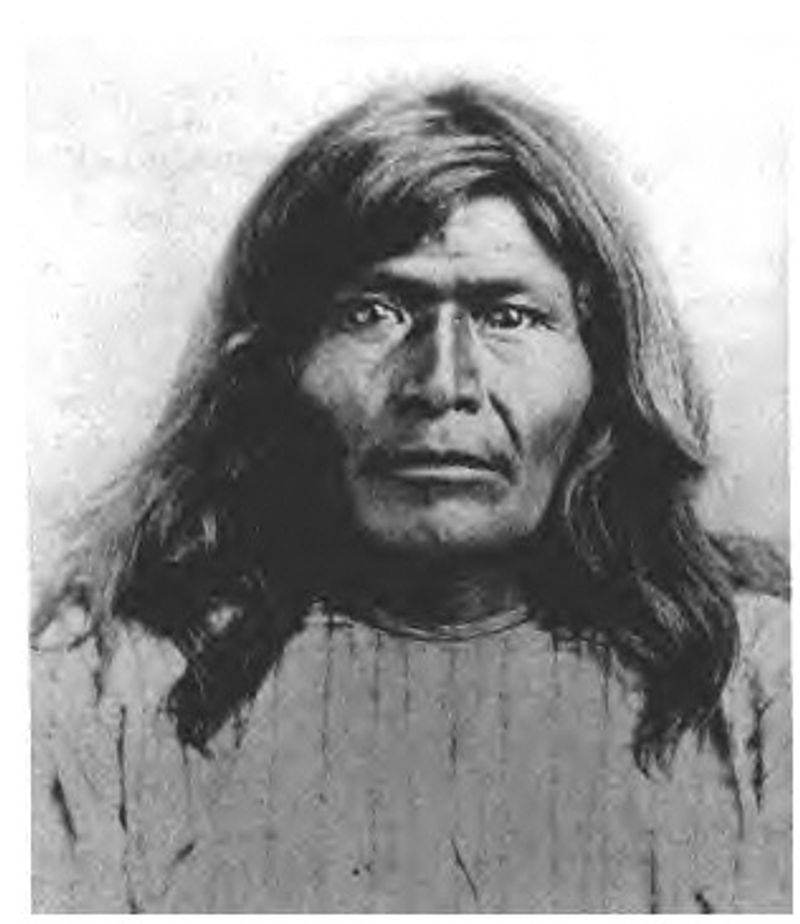
Victorio was a military genius who made the U.S. Army look slow and clumsy for years.
As leader of the Warm Springs Apache, he refused to accept the harsh conditions of the San Carlos Reservation in Arizona and broke out in 1877. What followed was one of the most impressive resistance campaigns the Southwest ever saw.
From 1879 to 1880, Victorio led his warriors on a series of raids across New Mexico, Texas, and northern Mexico. He used the terrain masterfully, setting ambushes in canyon passes and disappearing into mountain ranges before soldiers could respond.
His forces were small but moved with stunning speed and precision.
Both the U.S. and Mexican armies pursued him relentlessly. He was finally killed in October 1880 at the Battle of Tres Castillos in Mexico, reportedly surrounded by Mexican forces.
Many historians consider Victorio among the most tactically gifted commanders of the Apache resistance, a warrior who was never truly defeated in the field.
11. Mangas Coloradas (Apache)
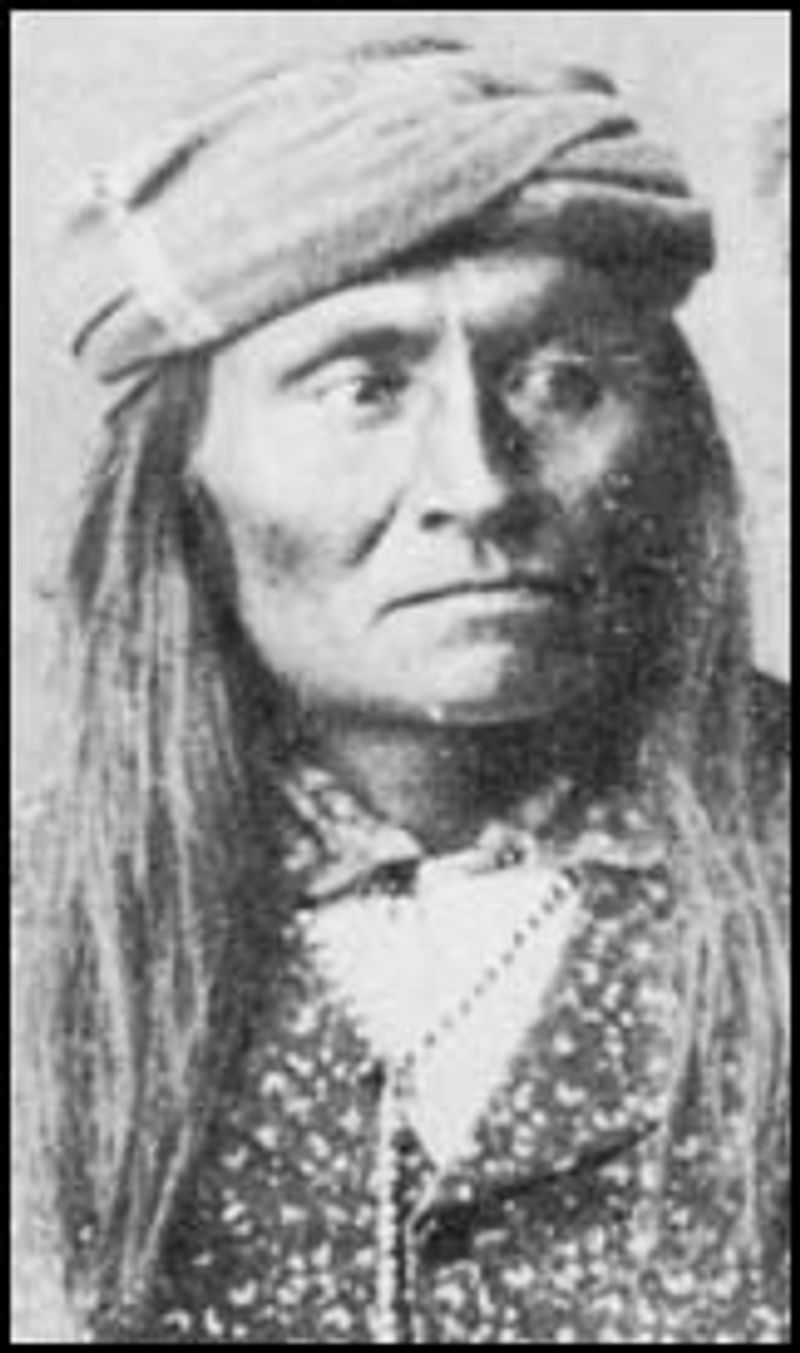
Standing well over six feet tall in an era when most men were considerably shorter, Mangas Coloradas was an imposing figure in every sense. His name translates to “Red Sleeves” in Spanish, reportedly earned after an early battle.
He led the Mimbreno Apache in the Southwest and was one of the most influential Native leaders of the mid-1800s.
Mangas Coloradas was skilled at building alliances, uniting different Apache bands under a shared cause against both Mexican and American expansion. He fought alongside Cochise and helped coordinate some of the most effective resistance campaigns in Arizona and New Mexico during the 1850s and 1860s.
His life ended in betrayal. In 1863, he agreed to peace talks under a flag of truce and was captured by U.S. soldiers.
He was murdered that same night while in custody, with soldiers claiming he was trying to escape. His death deepened Apache distrust of the U.S. government and fueled years of continued resistance.
12. Gall (Hunkpapa Lakota Sioux)
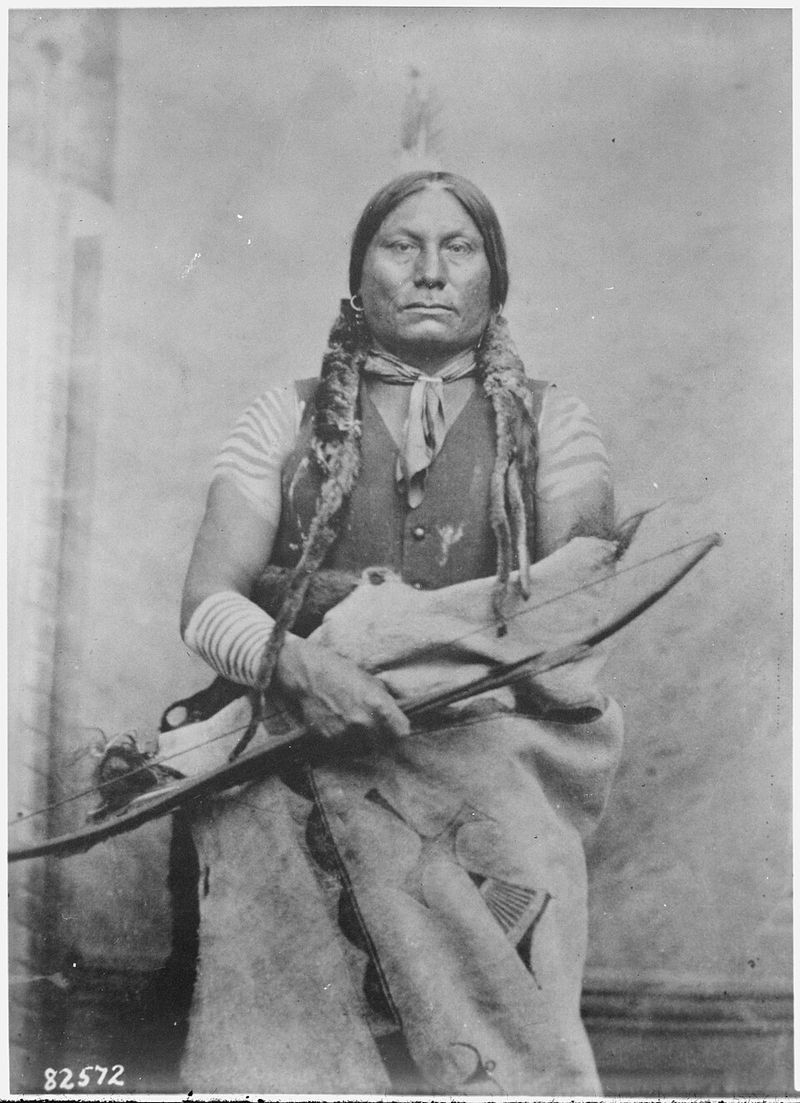
Gall earned his reputation the hard way. Orphaned as a child, he was taken in by Sitting Bull and grew up to become one of the most powerful war chiefs among the Hunkpapa Lakota.
His rise from poverty to prominence made his leadership all the more respected among his people.
At the Battle of Little Bighorn in June 1876, Gall played a central tactical role. After U.S. soldiers killed two of his wives and three of his children early in the fighting, he led a devastating counterattack that overwhelmed Major Marcus Reno’s forces and helped collapse the entire military formation.
His grief and fury that day were described by witnesses as terrifying.
After the battle, Gall fled to Canada with Sitting Bull but eventually returned and settled on the Standing Rock Reservation. He later became a judge and worked within the system to help his people.
His transformation from warrior to statesman showed remarkable adaptability and depth of character.
13. Black Kettle (Southern Cheyenne)
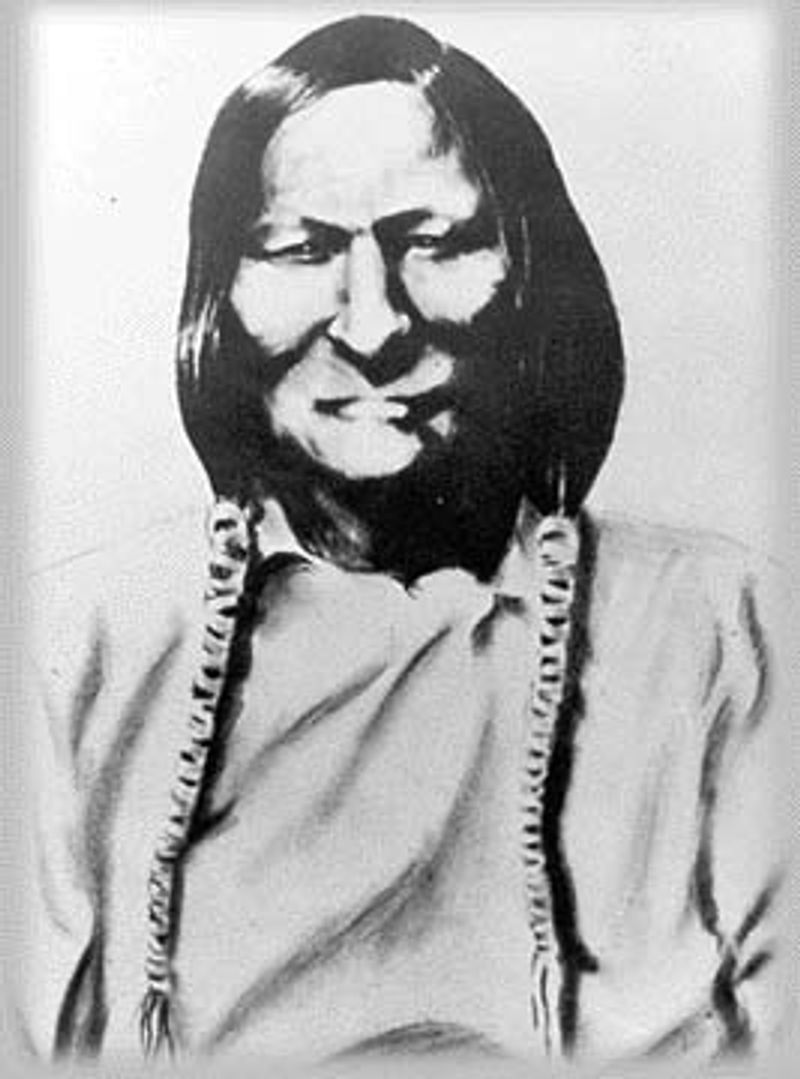
Black Kettle wanted peace more than anything. As a chief of the Southern Cheyenne, he signed multiple treaties and flew both an American flag and a white flag over his camp to show his goodwill toward the United States.
Tragically, those flags did not protect him or his people.
In November 1864, Colonel John Chivington led a surprise attack on Black Kettle’s peaceful village at Sand Creek, Colorado. More than 150 Cheyenne, mostly women, children, and elderly people, were killed in what became known as the Sand Creek Massacre.
Black Kettle survived but lost faith in U.S. promises.
He still pursued peace and signed the Medicine Lodge Treaty in 1867. But in November 1868, General George Custer attacked his village again on the Washita River, and this time Black Kettle was killed.
His story is a painful reminder that peace-seeking did not guarantee safety for Native people during this era.
14. Satanta (Kiowa)
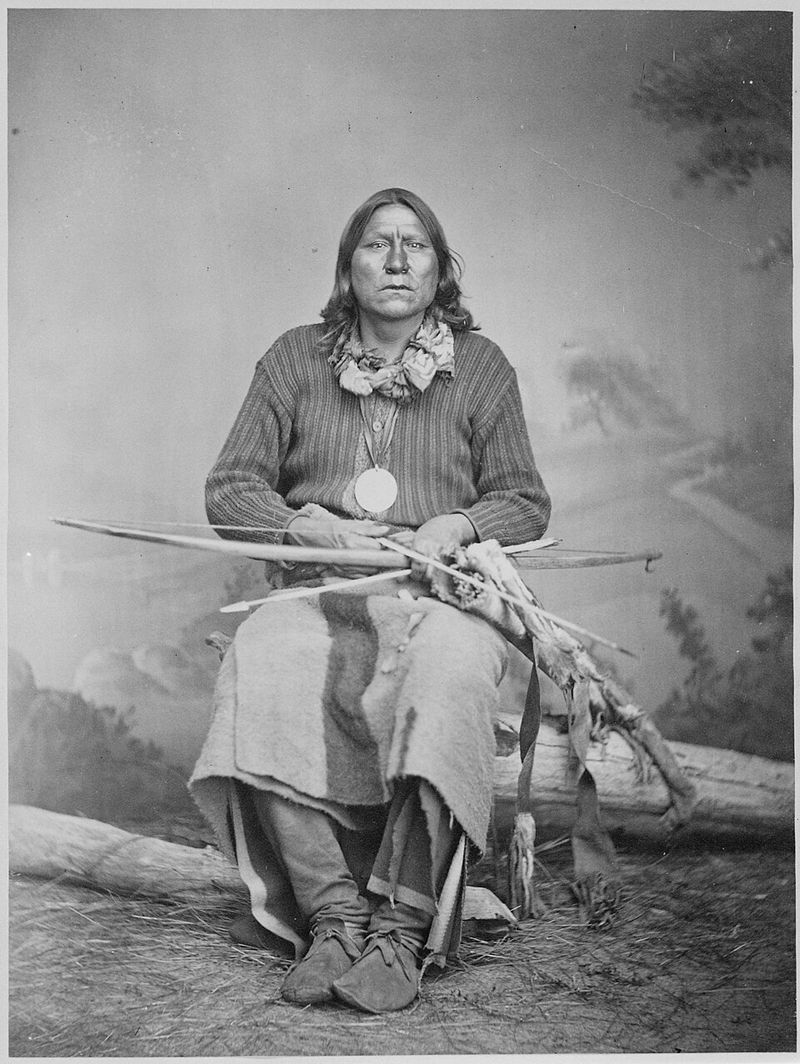
Satanta was called the Orator of the Plains, and anyone who heard him speak understood why. His words were powerful, direct, and deeply moving.
He could hold a council spellbound, and he used that gift to argue passionately for Kiowa freedom and sovereignty at a time when both were under serious threat.
On the battlefield, he matched his words with action. He led raids across Texas and Kansas during the late 1860s and early 1870s, striking with speed and disappearing before the Army could respond.
The Warren Wagon Train Raid of 1871 was among his most daring operations, and he was later arrested for it after boldly admitting his role to General William Sherman.
Satanta was imprisoned, released, then imprisoned again following the Red River War in 1874. He died in 1878 after reportedly throwing himself from a prison hospital window.
His refusal to quietly accept confinement was entirely in character for a man who lived loudly and fiercely until the very end.
15. Lozen (Apache)
Lozen broke every expectation of her time. Born into the Warm Springs Apache, she chose the path of a warrior rather than the traditional role expected of women in her community.
Her brother Victorio called her “a shield to her people,” which was one of the highest honors an Apache warrior could receive.
She was believed to have a spiritual gift that allowed her to sense the direction and distance of enemies by raising her arms in prayer. Whether or not that power was literal, her battlefield instincts were so sharp that warriors trusted her judgment completely.
She rode alongside Victorio during his entire resistance campaign.
After Victorio’s death, Lozen continued fighting with other Apache leaders, eventually joining Geronimo’s band. She was captured with him in 1886 and sent to a prisoner of war camp in Alabama, where she died of tuberculosis in 1889.
Her story is only now receiving the recognition it has always deserved.



