 Unearth The Voyage
Florida is home to some of the most jaw-dropping underwater scenery on the planet, and you do not need to travel to a tropical island to find it. From the crystal-clear springs of North Florida to the vibrant coral reefs of the Keys, snorkeling here is an adventure unlike anything else.
Whether you are a first-timer or a seasoned explorer, these 15 spots will make you want to grab your mask and fins immediately.
1. John Pennekamp Coral Reef State Park (Key Largo)
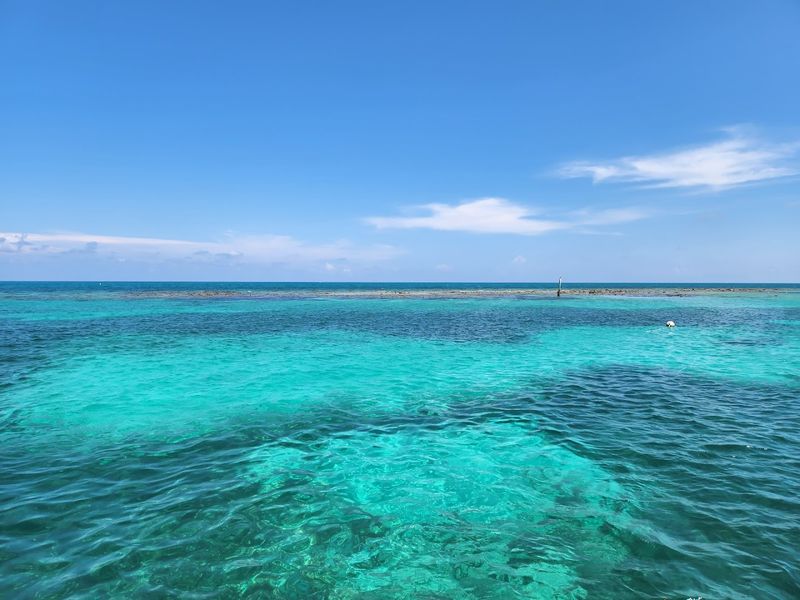
Back in 1960, John Pennekamp became the first underwater state park in the entire United States, and it has been wowing snorkelers ever since. The coral reefs here are packed with parrotfish, angelfish, and sergeant majors darting through formations that look like something out of a nature documentary.
You genuinely have to see it to believe it.
The star attraction is the Christ of the Abyss statue, a bronze figure standing about 25 feet below the surface. Snorkelers swim around it while fish weave in and out like it has always been their home.
It is eerie, beautiful, and unforgettable all at once.
Guided snorkel tours leave regularly from the park marina, making it easy to explore without any prior experience. Water visibility here often reaches 40 feet, so every colorful detail pops.
Bring an underwater camera because your phone photos simply will not do this place justice.
2. Dry Tortugas National Park (Near Key West)
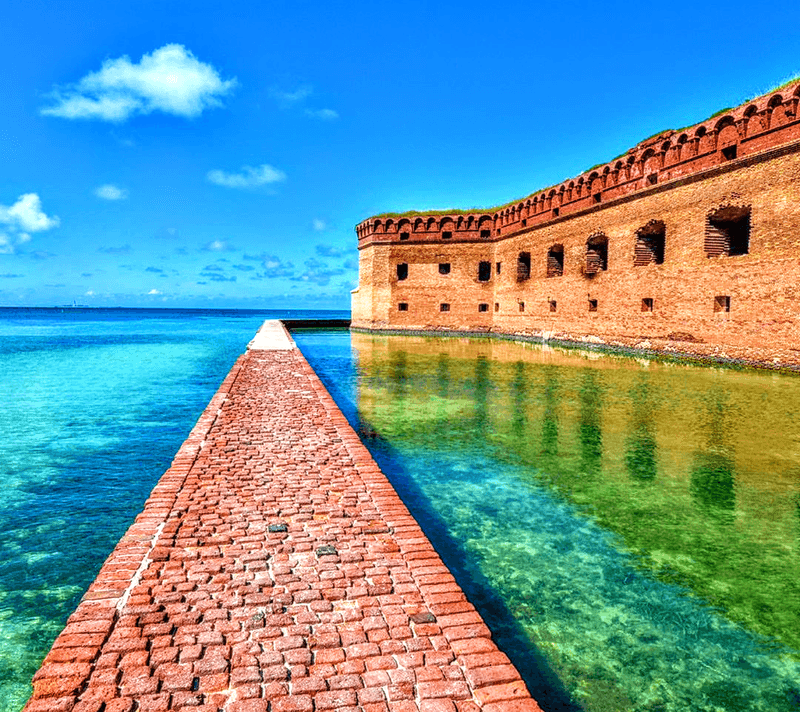
Seventy miles west of Key West, with no road to get there, Dry Tortugas is the kind of place that rewards the determined traveler. You reach it by seaplane or ferry, and the moment you slip into the water, you understand exactly why people make the trip.
The coral reefs here are some of the healthiest in all of Florida.
The park is 99% water, which means there is no shortage of places to explore with a snorkel. Moray eels, spotted eagle rays, and sea turtles are regular sightings around the reef systems.
Fort Jefferson, a massive 19th-century military fortress, looms above the surface while an entirely different world thrives below it.
Because access is limited and no development surrounds the area, the marine ecosystem stays remarkably pristine. Visibility can stretch past 60 feet on a calm day.
Pack everything you need since there are no convenience stores out here on the open water.
3. Bahia Honda State Park (Big Pine Key)
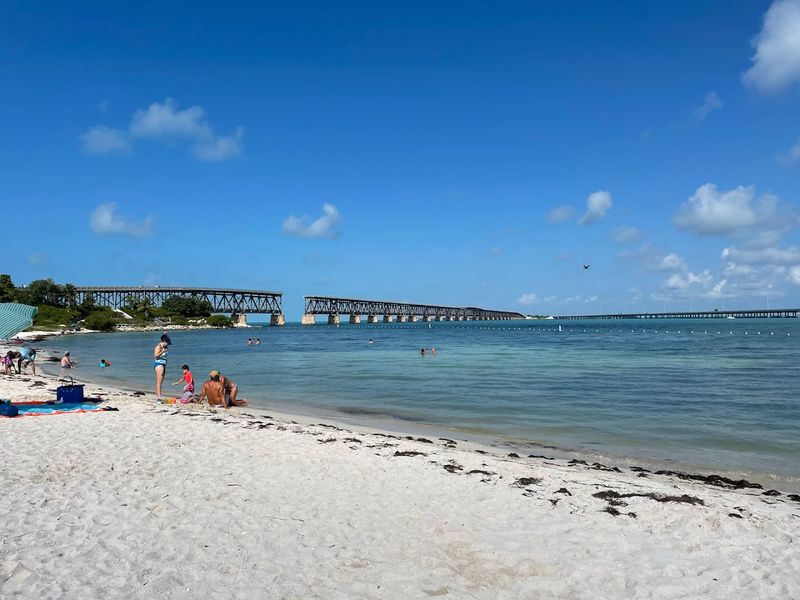
Calm, shallow, and absolutely loaded with marine life, Bahia Honda State Park sits in the middle of the Florida Keys like a hidden gem that somehow never gets old. The reefs here sit close to shore, so you do not need a boat to reach the good stuff.
Just wade in, float face down, and prepare to be amazed.
Parrotfish crunch away at coral, barracuda hover in the current, and angelfish drift past in brilliant blues and yellows. The water clarity is consistently excellent, especially in the morning before afternoon winds pick up.
Kids and beginners feel right at home here because the depth stays manageable and currents are minimal.
The park also has one of the most scenic beaches in the Keys, so you can snorkel in the morning and relax on white sand in the afternoon. Rental gear is available on-site, which makes planning your visit extremely simple.
Reserve your campsite early because this park fills up fast.
4. Blue Heron Bridge (Phil Foster Park, Riviera Beach)
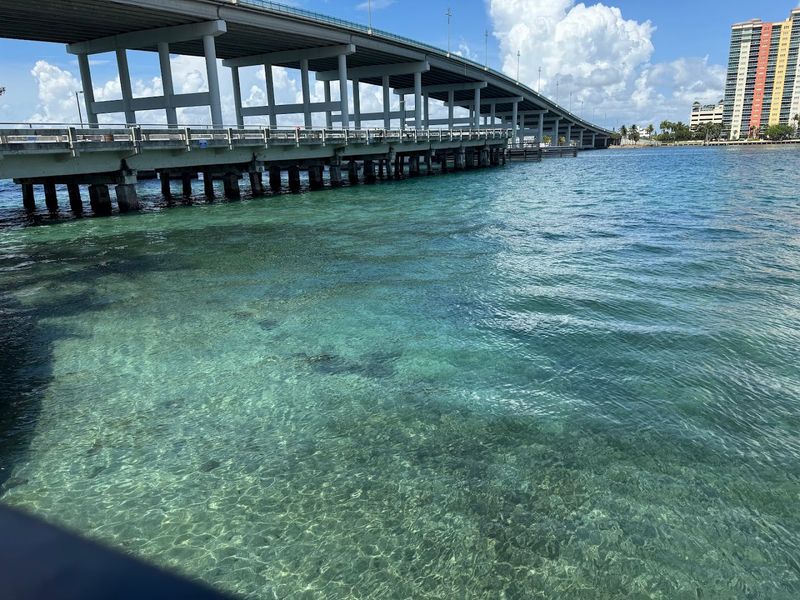
Snorkelers call Blue Heron Bridge one of the best shore dives in the entire world, and that claim is not an exaggeration. The bridge pilings and artificial reef structures have become a magnet for marine creatures that most people only see in aquariums.
Seahorses cling to sea grass, octopuses change color on the sandy bottom, and rays glide past like living shadows.
The best time to visit is around slack tide, when the current pauses and visibility peaks. During those windows, the water can be almost supernaturally clear, revealing a wild underwater community just a few feet below the surface.
You can easily spend two hours exploring without covering even half the site.
This spot is completely free to access through Phil Foster Park, which makes it one of the best snorkeling bargains in Florida. Parking fills up on weekends, so arriving early is smart.
Wear reef-safe sunscreen and watch where you step to protect the fragile habitat beneath you.
5. Peanut Island Snorkeling Lagoon (Palm Beach)
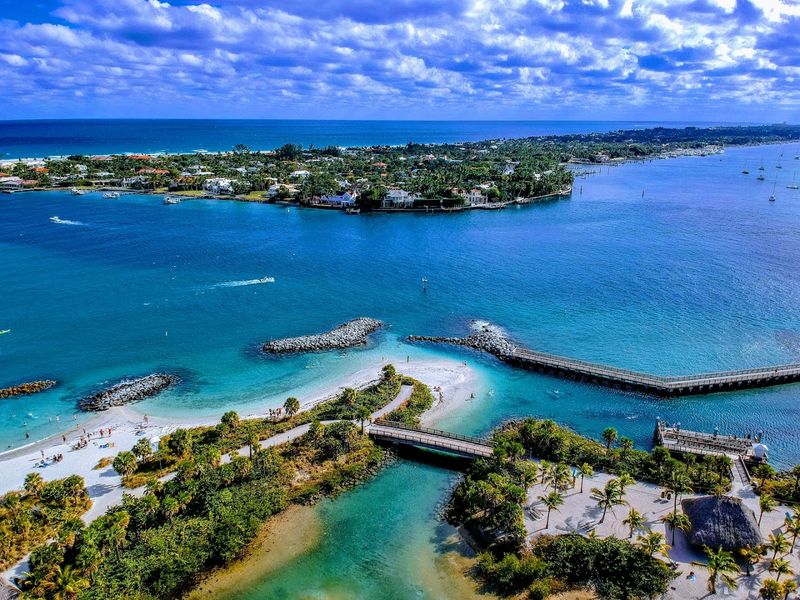
Shaped like its name and surrounded by calm, shallow water, Peanut Island delivers a snorkeling experience that feels almost too easy to be this rewarding. The protected lagoon keeps waves small and visibility high, making it a top pick for beginners and families with younger kids.
Sea turtles, stingrays, and schools of snapper are common guests in these waters.
Getting there requires a short water taxi ride from Riviera Beach Marina, which adds a fun little adventure before you even hit the water. Once you arrive, the rocky shoreline creates natural habitat for an impressive variety of reef fish.
Snorkeling here feels more like floating through a living aquarium than swimming in the ocean.
The island also has a small beach and picnic area, so bring lunch and make a full day of it. Weekdays are noticeably quieter than weekends.
Always check water conditions before heading out since wind can occasionally reduce visibility in the lagoon.
6. Biscayne National Park (Near Miami)
Sitting just south of Miami, Biscayne National Park is a surprise even to longtime Florida residents who have never ventured past the highway. About 95% of the park lies underwater, protecting coral reefs, mangrove shorelines, and a fascinating collection of shipwrecks.
It is one of the largest marine parks in the entire National Park System.
The Maritime Heritage Trail connects six historic shipwrecks that snorkelers can explore with underwater markers guiding the way. Parrotfish, queen angelfish, and spiny lobsters are common sightings around the reef structures.
The variety of habitats packed into one park makes every visit feel different from the last.
Access requires a boat since there are no roads into the water portions of the park. Tours depart from Dante Fascell Visitor Center in Homestead, and rangers on board share fascinating history about the area.
Snorkeling here feels like exploring a secret world that most Miami visitors never know exists.
7. Devil’s Den Spring (Williston)
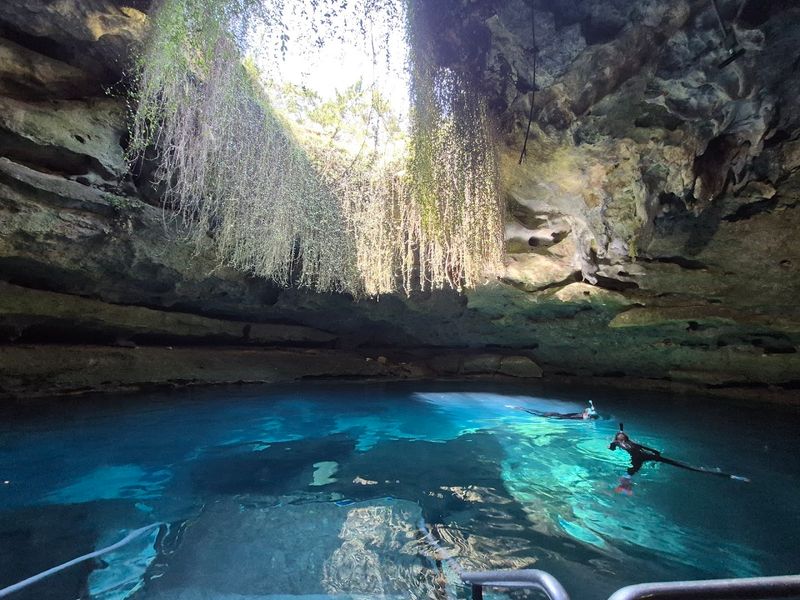
Sunlight pours through a jagged hole in the earth, lighting up water so clear it looks like liquid glass, and that is your first glimpse of Devil’s Den. This prehistoric underground spring sits inside a collapsed cave, creating one of the most otherworldly snorkeling environments anywhere in Florida.
The water temperature stays at a steady 68 degrees year-round, which feels refreshing in summer and downright warm in winter.
Ancient fossils of mammoths, giant sloths, and early horses have been found in the sediment here, giving the site a serious cool factor beyond just the visuals. Freshwater fish dart through the crystal-clear water while snorkelers float above limestone formations that took thousands of years to develop.
The cave walls drip with ferns and moss, adding to the prehistoric atmosphere.
Reservations are required, and visitor numbers are limited to protect the spring. Wetsuits are recommended since 68 degrees feels chilly after a while.
This is truly one of the most unique snorkeling experiences Florida has to offer.
8. Sombrero Reef (Marathon)
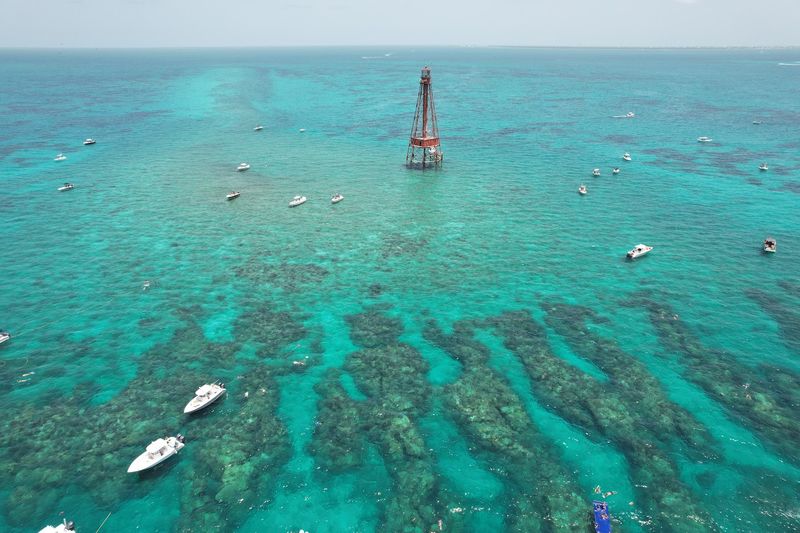
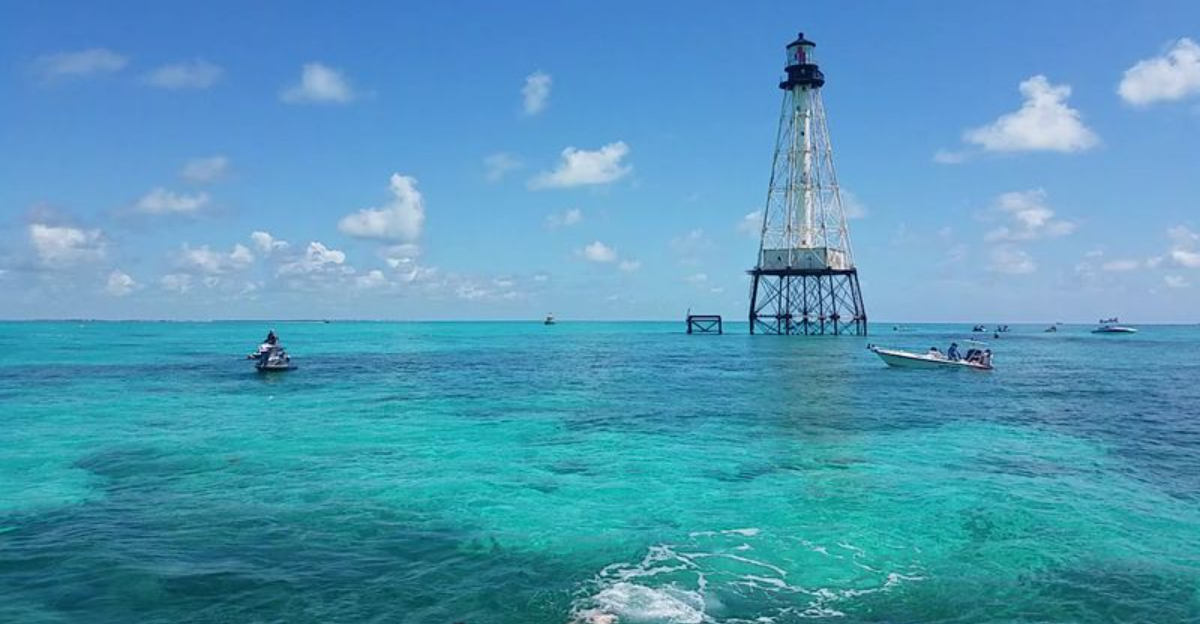
Named after the distinctive lighthouse that marks its location, Sombrero Reef is one of the most celebrated snorkeling destinations in all of the Florida Keys. The coral formations here are massive, some rising several feet off the ocean floor and creating natural caves and overhangs that shelter an enormous variety of marine life.
Spotting a sea turtle resting on the reef is practically guaranteed on a good day.
Nurse sharks patrol the sandy patches between coral heads while parrotfish and wrasses dart in and out of crevices. The reef sits in relatively shallow water, making it accessible for snorkelers of all experience levels.
Visibility regularly exceeds 30 feet, especially during the calmer months between November and April.
Boat tours from Marathon depart regularly for Sombrero Reef, and most operators provide gear rental. Mooring buoys are available so boats do not anchor and damage the coral.
Always stay horizontal while snorkeling to avoid accidentally kicking and breaking fragile reef structures.
9. Alligator Reef (Islamorada)
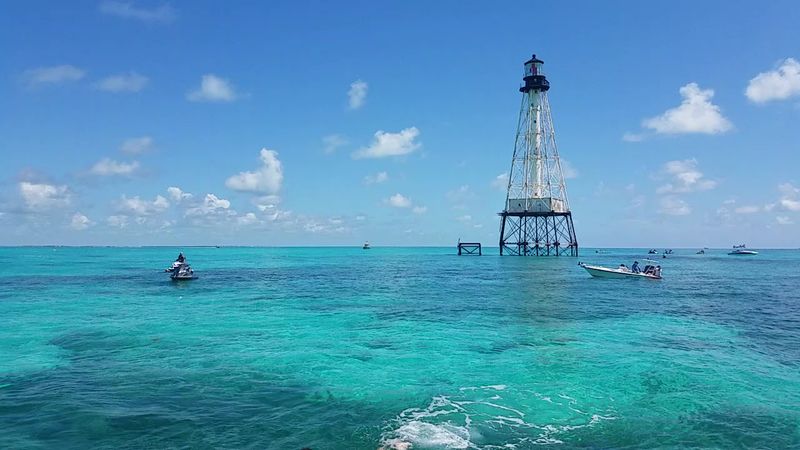
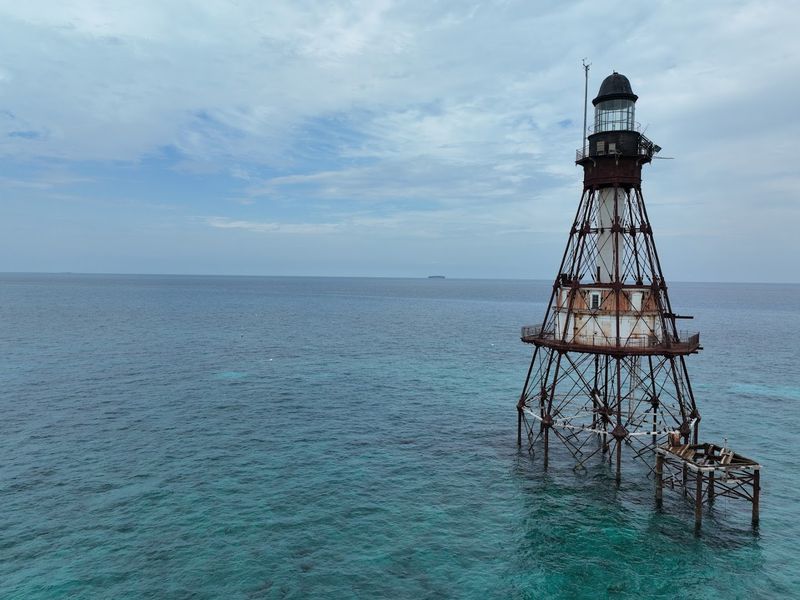
Named after the USS Alligator, a Navy schooner that wrecked here in 1822, this reef has been building its marine reputation for two centuries. An offshore lighthouse now marks the spot where the ship went down, and the reef that grew around it is nothing short of spectacular.
Nurse sharks rest on the sandy bottom like they own the place, completely unbothered by curious snorkelers above.
Parrotfish, French angelfish, and sea turtles are regular faces at Alligator Reef. The coral variety here is impressive, with brain corals, elkhorn formations, and sea fans all competing for space.
Snorkeling over the reef feels like hovering above a packed city where every resident has a role to play.
The reef sits about four miles offshore, so a boat trip is necessary. Many Islamorada outfitters offer half-day snorkel tours that stop at multiple reef sites.
Arriving early in the day means calmer conditions and better light for spotting marine life below the surface.
10. Fort Zachary Taylor Historic State Park (Key West)
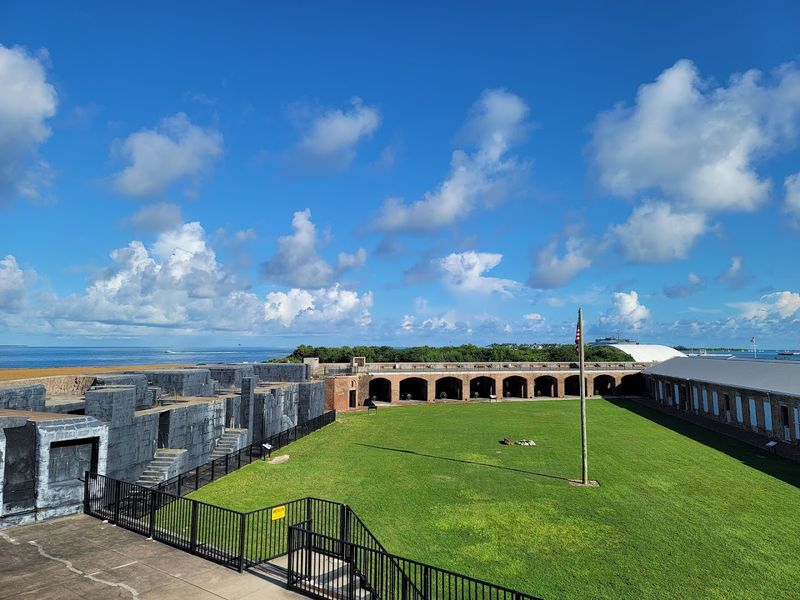
Most people visit Key West for the nightlife and sunsets, but Fort Zachary Taylor State Park offers something far more refreshing. The rocky shoreline here acts as a natural reef, attracting a surprising variety of fish species within easy swimming distance of the beach.
No boat required, no tour needed, just grab your mask and walk into the water.
Yellowtail snapper, blue tang, and sergeant major fish are common sightings along the rocky edges. The water clarity is typically excellent, and the shallow depth makes it easy to observe fish behavior without straining.
Sea turtles occasionally cruise through the area, especially during morning hours when boat traffic is low.
Admission to the park covers both the historic Civil War era fort and beach access, making it great value for a full day out. Gear rentals are available near the beach entrance.
Arrive before 10 a.m. on weekends to secure a good parking spot before the crowds arrive.
11. Coral Cove Park (Jupiter)
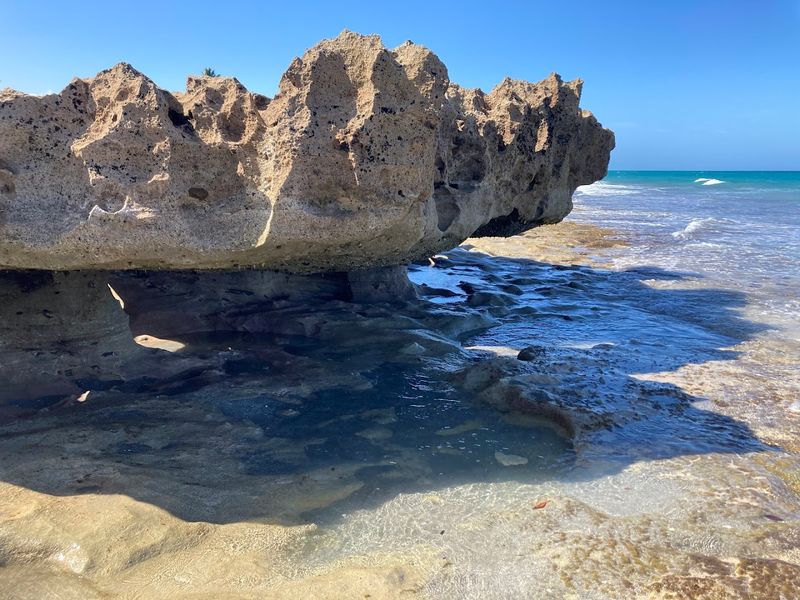
Tucked along the Jupiter coastline, Coral Cove Park punches well above its weight as a snorkeling destination. The natural coquina rock formations just offshore create a reef-like environment packed with marine life that would make a marine biologist giddy.
Nurse sharks rest in the crevices, moray eels peek out from ledges, and sea turtles occasionally pass through like royalty.
The site is particularly popular with underwater photographers because the rock formations create dramatic backdrops for shots of fish and invertebrates. Visibility varies with tidal conditions, but calm mornings typically offer the clearest water.
The shallow depth means even nervous first-timers feel comfortable floating over the reef.
Coral Cove is a county park with free beach access, though parking fees apply. The snorkeling area sits very close to shore, so long swims are unnecessary.
Bring your own gear since there are no rental facilities on-site, and always check the surf report before visiting.
12. Bathtub Reef Beach (Hutchinson Island)
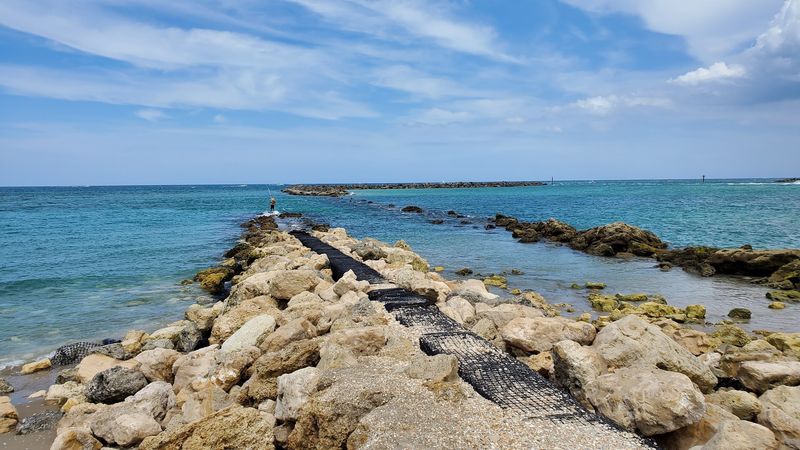
The name alone should tell you something about how calm and welcoming this spot is. A natural reef running parallel to the shore acts like a wall, blocking ocean swells and creating a sheltered pool of warm, clear water perfect for snorkeling.
Kids absolutely love it here because the conditions feel more like a giant bathtub than an open ocean.
Tropical fish weave through the reef openings, spiny lobsters hide under ledges, and sea turtles occasionally pop up to breathe right next to startled snorkelers. The reef is close enough to shore that even hesitant swimmers feel confident exploring it.
Snorkeling here at low tide reveals the most marine life activity along the reef edge.
Hutchinson Island is a quieter alternative to more crowded South Florida beaches, which adds to the appeal. Parking is available at the county beach access.
Reef-safe sunscreen is strongly encouraged here since the natural reef is sensitive and worth protecting for future visitors.
13. Ginnie Springs (High Springs)
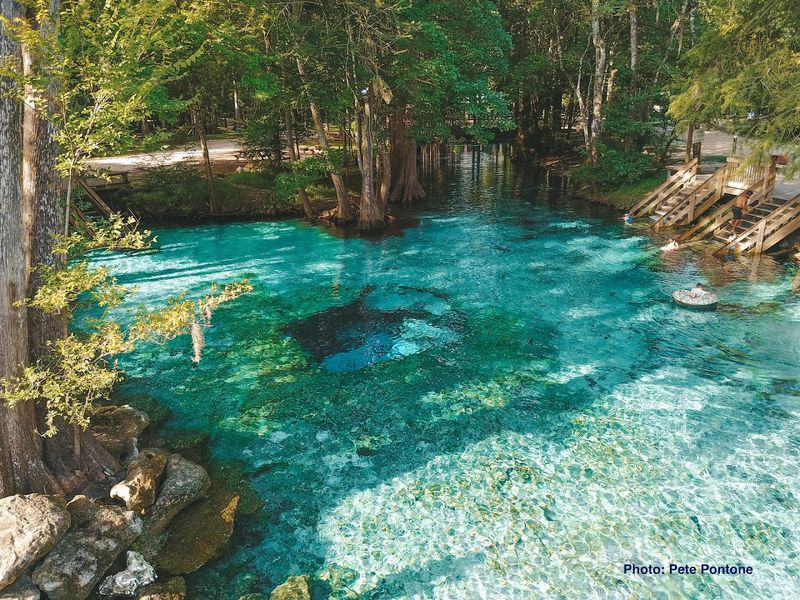
Water this clear in nature feels almost illegal. Ginnie Springs pumps out millions of gallons of 72-degree freshwater daily, creating visibility so sharp you can read a label 30 feet away without squinting.
Snorkelers float through turquoise water above limestone formations while freshwater fish dart around them like living confetti.
Seven individual springs feed into the Santa Fe River here, each with its own character and depth. The main spring boil is a popular snorkeling spot, but exploring the cave entrances nearby is where things get truly spectacular.
Light plays through the water in beams that make the whole scene look like a fantasy film set.
Ginnie Springs is a privately operated park, so there is an admission fee, but the facilities are well maintained and include camping, restrooms, and gear rental. Weekends get crowded during summer, so a midweek visit delivers a far more peaceful experience.
Wetsuits are worth bringing since 72 degrees feels refreshing at first but cool after extended snorkeling.
14. Crystal River (Kings Bay)
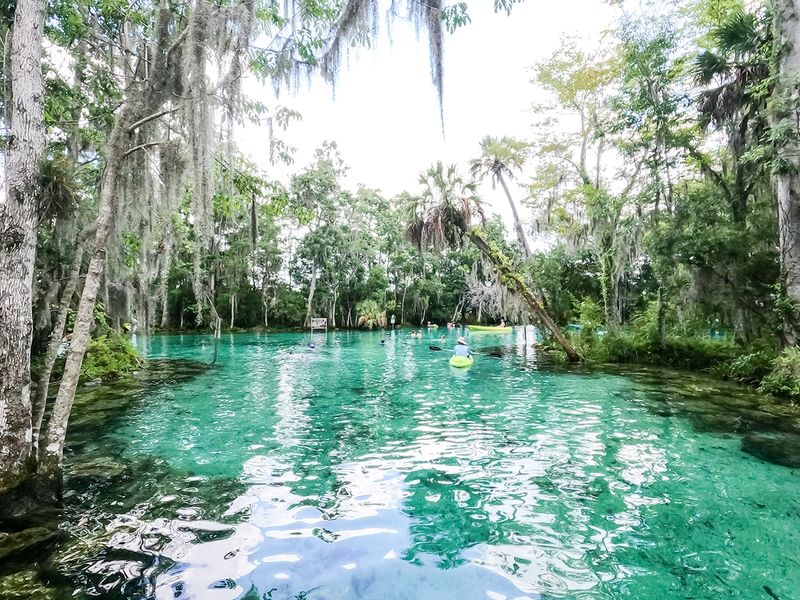
Crystal River holds a distinction that almost no other place on earth can claim: it is one of the only spots where you can legally snorkel with wild manatees. During winter months, hundreds of West Indian manatees gather in the warm spring waters of Kings Bay, and snorkelers float quietly among them in an experience that borders on magical.
Watching a 1,000-pound animal drift peacefully just inches away is something you never forget.
The springs maintain a constant 72-degree temperature, which is exactly why manatees seek them out when Gulf waters cool down. Guided tours are the best way to experience the manatees responsibly, with captains who know where the animals gather and how to approach without causing stress.
Rules require passive observation, meaning you float still and let the manatees come to you.
Tours typically run from November through March when manatee numbers peak. Wetsuits are provided by most tour operators.
Booking well in advance is essential since these tours sell out weeks ahead during peak season.
15. Destin Jetties (Emerald Coast)
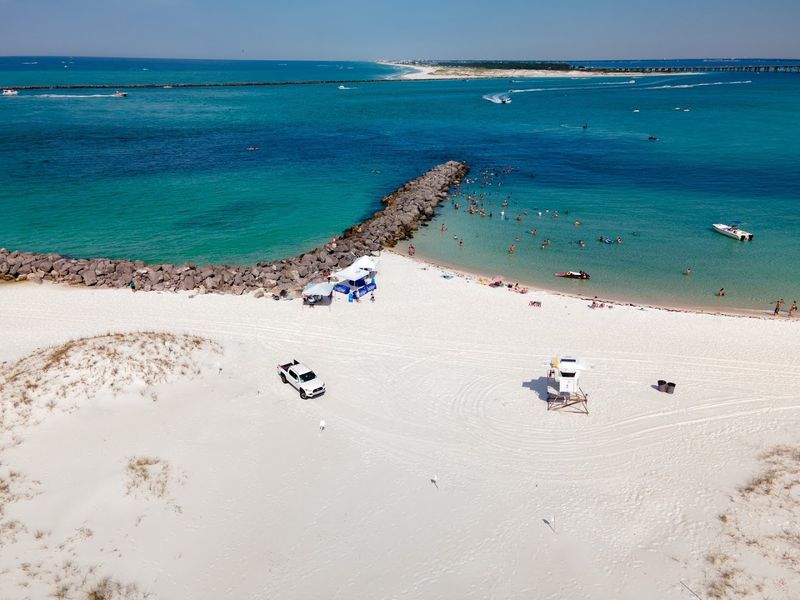
That famous emerald-green color of Destin’s water is not a filter or a tourism gimmick. The unique white quartz sand that lines the Emerald Coast reflects sunlight in a way that turns the Gulf of Mexico into something resembling a Caribbean postcard.
Snorkeling around the East and West Jetties puts you right in the middle of all that beauty, with marine life to match.
The jetty rocks create an artificial reef ecosystem where sheepshead, flounder, and spadefish hang out in the shadows. Crabs pick through barnacles on the rock faces while the occasional sea turtle cruises past the structure.
The water depth near the jetties ranges from shallow to moderately deep, offering options for snorkelers at different comfort levels.
Charter boats and snorkel tours operate out of Destin Harbor regularly. Calm summer mornings offer the best visibility before afternoon winds stir things up.
Destin also has snorkeling accessible from the beach near Henderson Beach State Park for those who prefer staying close to shore.



