 Unearth The Voyage
April in Florida is basically nature’s green light for gardeners. The soil is warm, the sun is generous, and the conditions are just right for planting flower seeds that will explode into color all summer long.
Whether you have a big backyard or a few containers on a patio, starting the right seeds now can transform your outdoor space into a buzzing, blooming paradise. Here are 15 flower seeds worth planting this April for a garden that stays vibrant through Florida’s hottest months.
1. Zinnias – Fast-growing, heat-loving, and bloom nonstop with minimal care
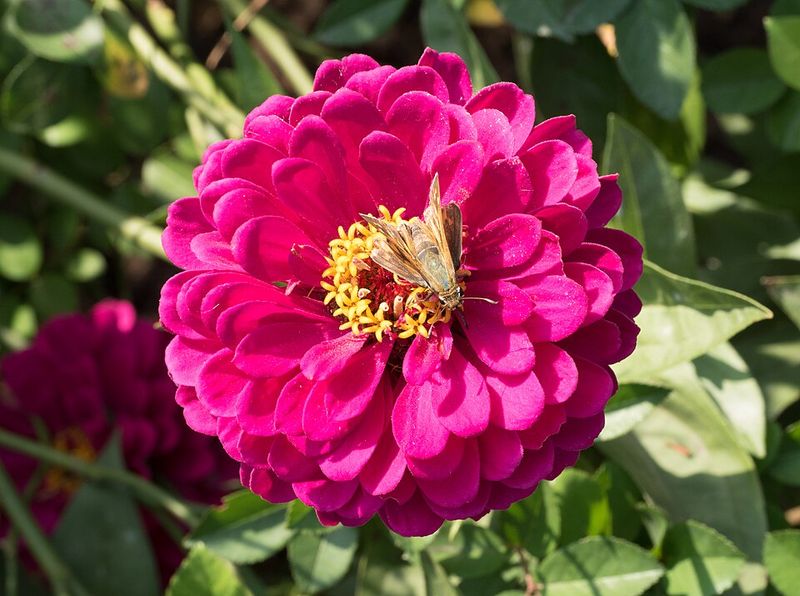
Few flowers earn their keep quite like zinnias do. These cheerful bloomers go from seed to flower in as little as six to eight weeks, making them the speedsters of the flower garden.
Plant them in a sunny spot and watch the magic happen.
Zinnias love Florida’s heat and actually perform better as temperatures climb. They come in nearly every color imaginable, from deep burgundy to neon orange, so you can mix and match to your heart’s content.
Deadheading spent blooms encourages even more flowers to pop up.
Sow seeds directly into the ground after the last cool spell in April. Space them about six inches apart and water regularly until they get established.
Once they settle in, zinnias are surprisingly self-sufficient. Butterflies absolutely flock to them, turning your garden into a lively outdoor show all season long.
2. Cosmos – Thrive in poor soil and handle Florida heat beautifully
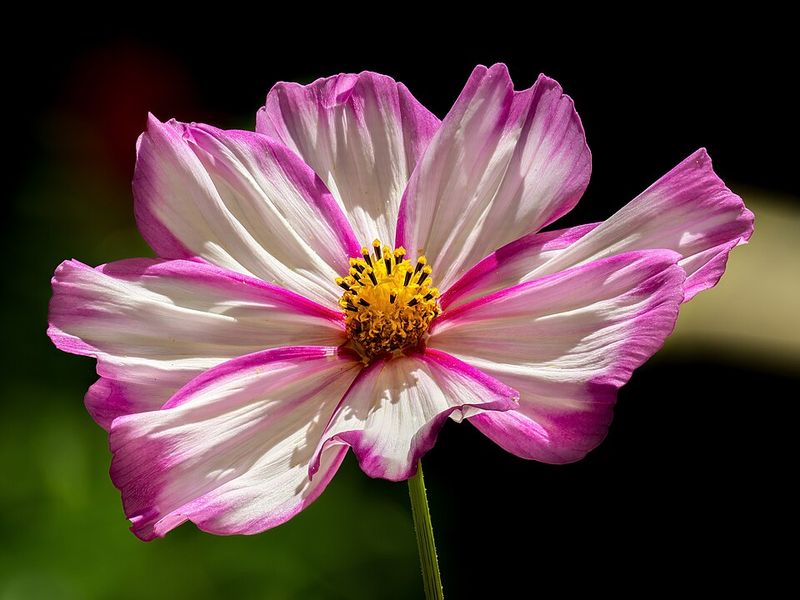
Here is a flower that actually prefers to be ignored. Cosmos thrive in poor, dry soil and will sulk if you over-fertilize them.
Give them too much love and you will get lots of leafy green growth but very few blooms.
These airy, daisy-like flowers come in shades of pink, white, magenta, and bicolor varieties. Their feathery foliage adds a soft, delicate texture to any garden bed, creating a wildflower look that feels effortlessly pretty.
They grow tall, often reaching three to four feet, so plant them toward the back of a border.
Scatter seeds directly in a sunny spot in April and barely cover them with soil. Cosmos germinate quickly and start blooming within about seven weeks.
They self-seed freely too, meaning you may get a surprise second wave of blooms later in the season without lifting a finger.
3. Sunflowers – Perfect for direct sowing; love full sun and warm soil
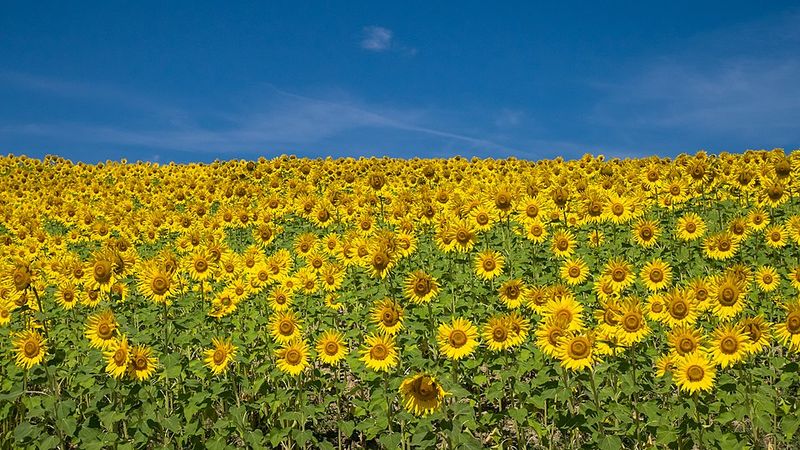
Nothing says summer quite like a row of bold, towering sunflowers catching the morning light. April is the sweet spot for direct sowing in Florida because the soil is warm enough for fast, reliable germination.
Push a seed about an inch deep and step back.
Sunflowers come in more varieties than most people realize. You can grow classic giants that reach ten feet tall, or choose dwarf types that stay compact and work beautifully in containers.
Multi-branching varieties produce dozens of smaller blooms on one plant, giving you more bang for your seed packet.
Full sun is non-negotiable for sunflowers. They need at least six to eight hours of direct sunlight daily to perform their best.
Water deeply but infrequently once established. Birds love the seeds, so if you want to harvest them yourself, keep an eye out as the flower heads begin to dry and droop.
4. Marigolds – Excellent for pest control and constant summer color
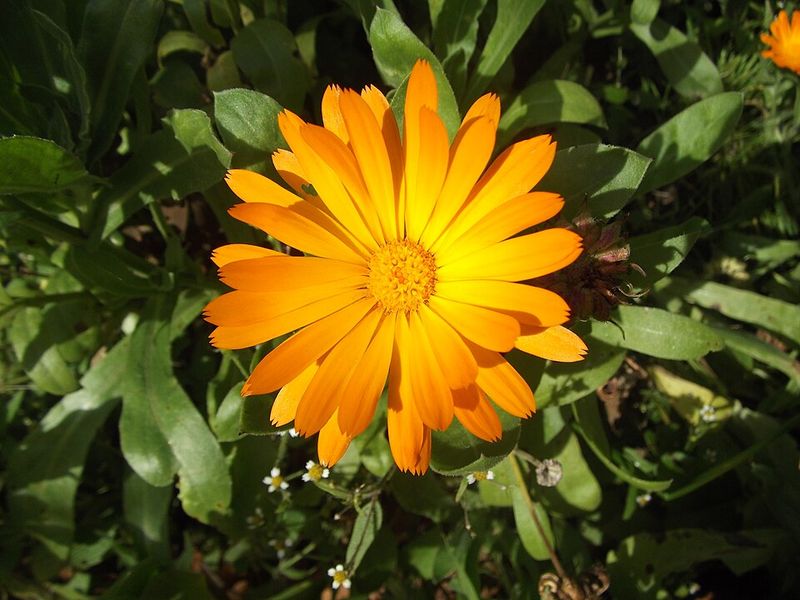
Marigolds are the multitaskers of the flower world. Not only do they pump out bold orange and yellow blooms all summer long, but they also release a scent from their roots and foliage that confuses and deters common garden pests.
Planting them near tomatoes or peppers is a classic gardening move for good reason.
French marigolds stay compact and bushy, while African marigolds grow taller with bigger, pom-pom-style blooms. Both types handle Florida’s heat and humidity without complaint.
They are also one of the easiest flowers to grow from seed, germinating in just five to seven days under warm conditions.
Sow seeds directly in April in a sunny garden bed. Thin seedlings to about eight inches apart once they sprout.
Keep spent flowers picked off to encourage continuous blooming. Marigolds are low-maintenance, long-lasting, and genuinely useful in the garden, a rare combination that makes them hard to skip.
5. Celosia (Cockscomb) – Loves humidity and adds bold texture
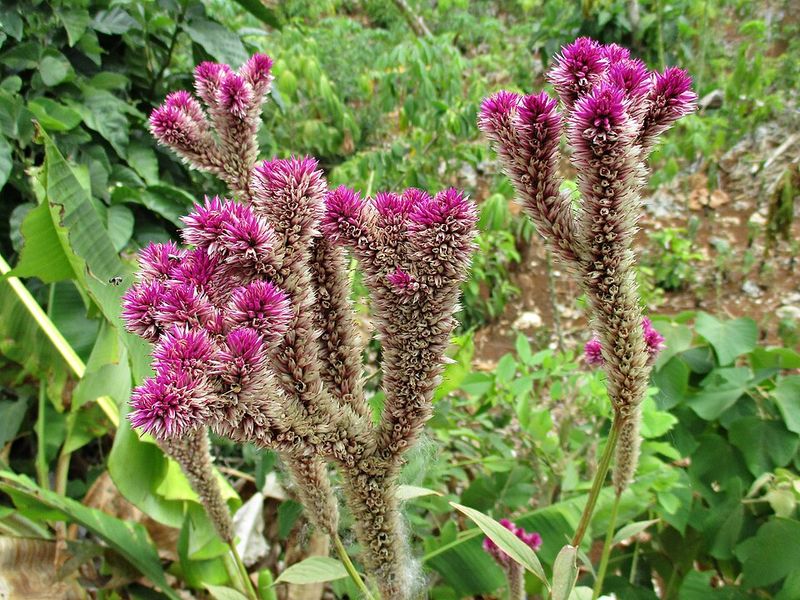
Celosia looks like someone turned the volume all the way up on a garden flower. The crested cockscomb types produce velvety, brain-shaped blooms in electric shades of red, orange, pink, and yellow that hold their color for months.
They are genuinely eye-catching from across the yard.
Florida’s humidity, which defeats so many other flowers, is actually something celosia thrives in. It loves warm, moist air and will grow vigorously through the summer months when other plants are struggling.
The plume varieties have feathery, flame-like flower spikes that add a completely different texture to garden beds.
Start seeds indoors about four weeks before transplanting, or sow directly outdoors in April once nighttime temperatures stay above 60 degrees. Celosia prefers well-drained soil and full sun.
These blooms also dry beautifully, keeping their color long after the growing season ends, making them a favorite for dried flower arrangements too.
6. Portulaca (Moss Rose) – Drought-tolerant and ideal for hot, sandy soils
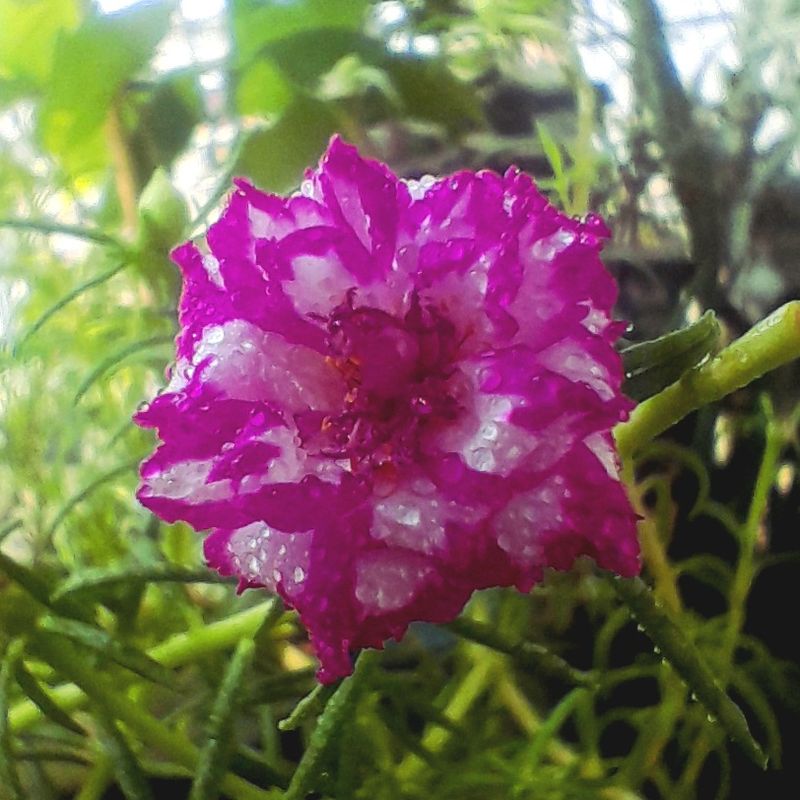
Sandy, dry soil that makes most flowers miserable is basically a five-star resort for portulaca. This low-growing succulent flower thrives in exactly the conditions that challenge Florida gardeners the most.
The blooms open wide in the sunshine and close at night, giving the garden a fresh look every single morning.
Portulaca produces jewel-toned flowers in shades of red, pink, orange, yellow, and white. The petals have a silky, almost luminous quality that makes them stand out even in intense midday sun.
Plants spread outward and stay low, making them excellent ground cover for dry, exposed areas.
Scatter seeds over bare soil in April and press them lightly into the surface. They need light to germinate, so do not cover them deeply.
Once established, portulaca needs almost no supplemental watering. It is the perfect flower for gardeners who want big color payoff with very little fuss or maintenance required.
7. Gomphrena (Globe Amaranth) – Handles heat and drought like a pro
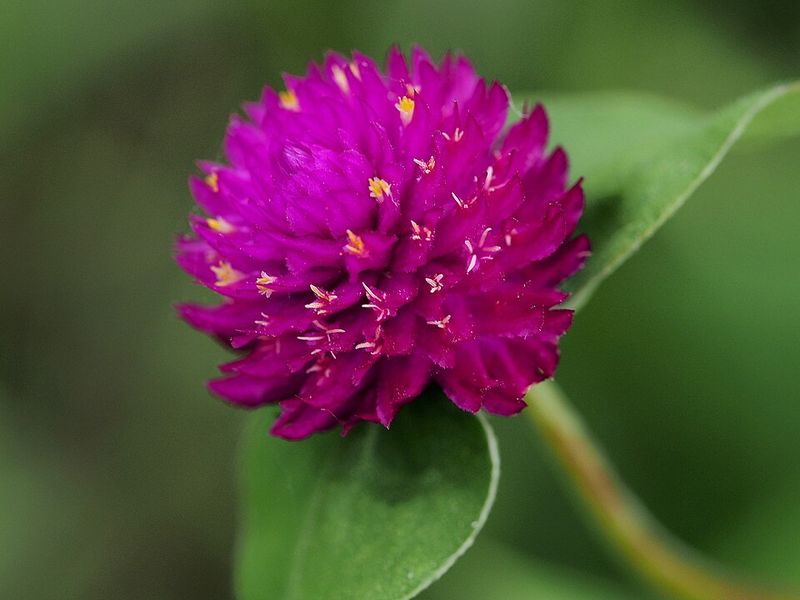
Gomphrena might be the toughest flower you have never tried growing. Its round, clover-like blooms in purple, magenta, pink, and white sit on sturdy stems and hold their color even in the most brutal Florida heat.
Humidity does not faze it. Dry spells do not rattle it.
It just keeps blooming.
This plant is a pollinator magnet, drawing in bees and butterflies from the moment it starts flowering. The blooms also dry exceptionally well without losing their vibrant color, which makes gomphrena popular for both fresh and dried floral arrangements.
It is a two-for-one deal in every seed packet.
Sow seeds in April in a sunny location with well-draining soil. Soaking seeds overnight before planting can speed up germination.
Space plants about twelve inches apart to allow good airflow. Once established, gomphrena is remarkably self-sufficient and will bloom continuously from late spring right through the fall season.
8. Vinca (Periwinkle) – One of the best flowers for Florida’s intense heat
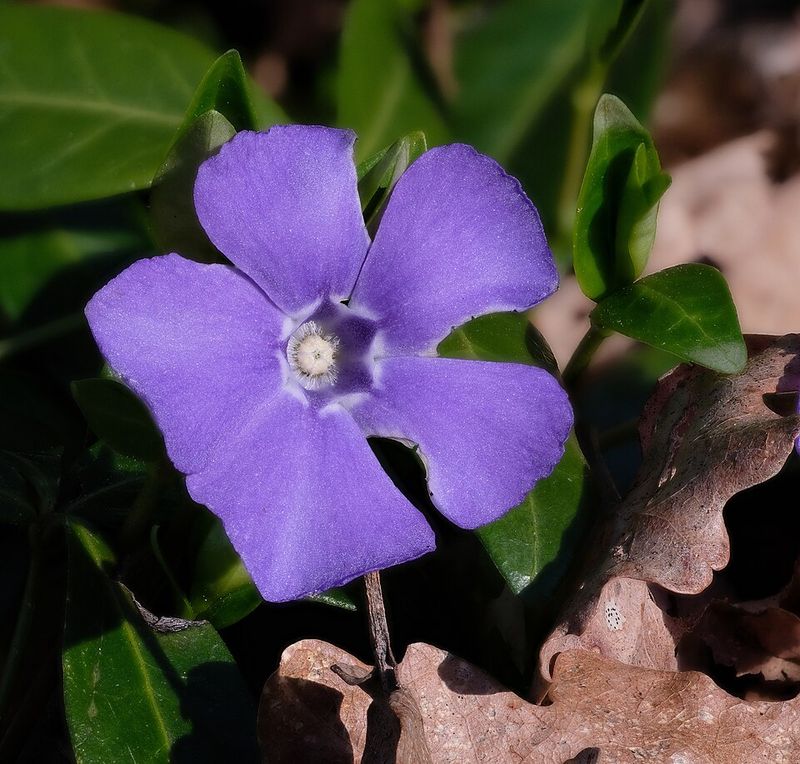
Walk through any Florida neighborhood in July and you will almost certainly spot vincas holding strong while everything else wilts. These glossy-leafed plants with cheerful five-petal flowers were practically engineered for Florida summers.
Heat, humidity, and full sun are not obstacles for vincas, they are the ideal growing conditions.
Vinca comes in shades of pink, red, lavender, white, and bicolor options with contrasting eyes at the center of each bloom. The plants grow into tidy, mounded shapes about twelve to eighteen inches tall.
They work equally well in garden beds, containers, and window boxes, giving you a lot of flexibility in how you use them.
Start seeds indoors about ten to twelve weeks before your transplant date, as vinca is slow to germinate. Keep the soil consistently warm and moist during germination.
Once plants are established in the garden, they become quite drought-tolerant and will bloom nonstop through even the steamiest Florida summer without needing much attention.
9. Coreopsis – Florida’s state wildflower; easy and resilient
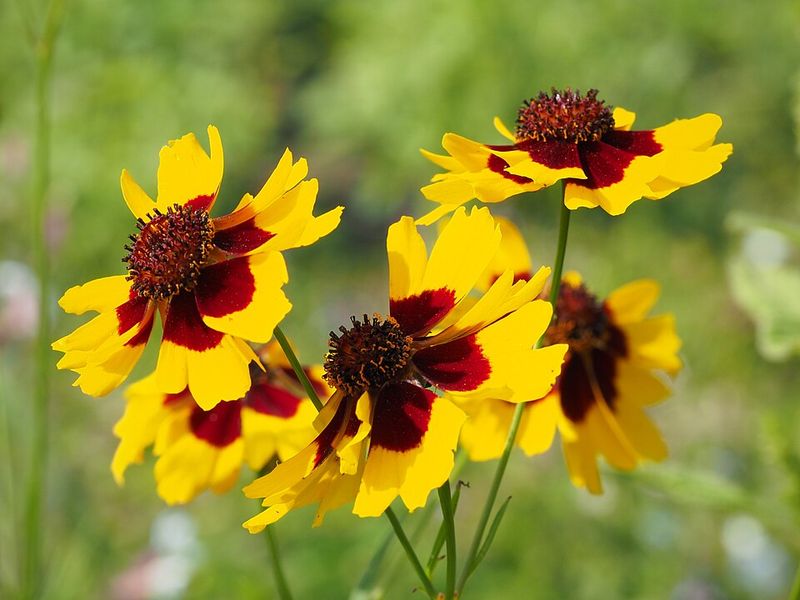
Florida picked coreopsis as its official state wildflower for a very good reason. This sunny, golden-yellow flower grows wild across roadsides and meadows throughout the state, proving just how well it handles the local climate.
It asks for almost nothing and gives back an incredible amount of color.
Coreopsis produces cheerful, daisy-like blooms on slender stems that sway gracefully in a breeze. The plants bloom heavily in spring and fall, with lighter flowering through the summer heat.
They attract a wide variety of native bees, butterflies, and other beneficial insects, making them a genuine asset to any pollinator-friendly garden.
Scatter seeds over prepared soil in April and press them in lightly. Coreopsis prefers well-drained, even sandy soil and full sun.
It actually resents overly rich or wet soil, so skip the heavy fertilizing. Once established, it is remarkably drought-tolerant and may even self-seed, returning to your garden year after year without any extra effort.
10. Gaillardia (Blanket Flower) – Thrives in heat and poor soil conditions
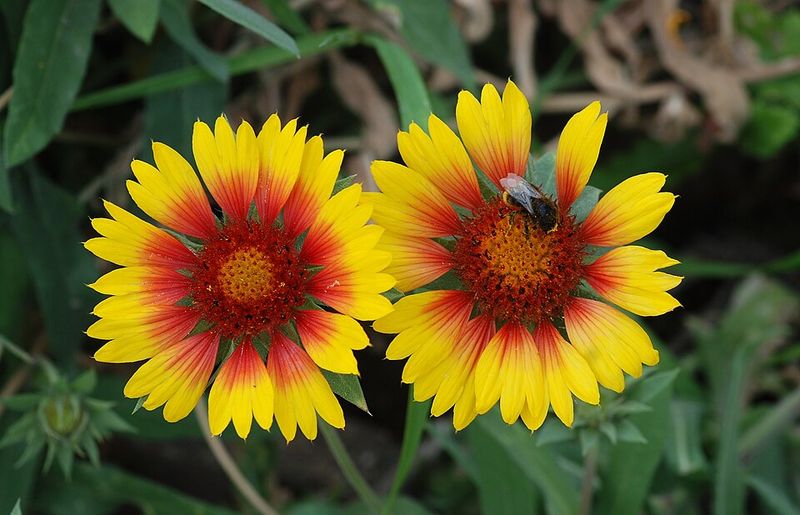
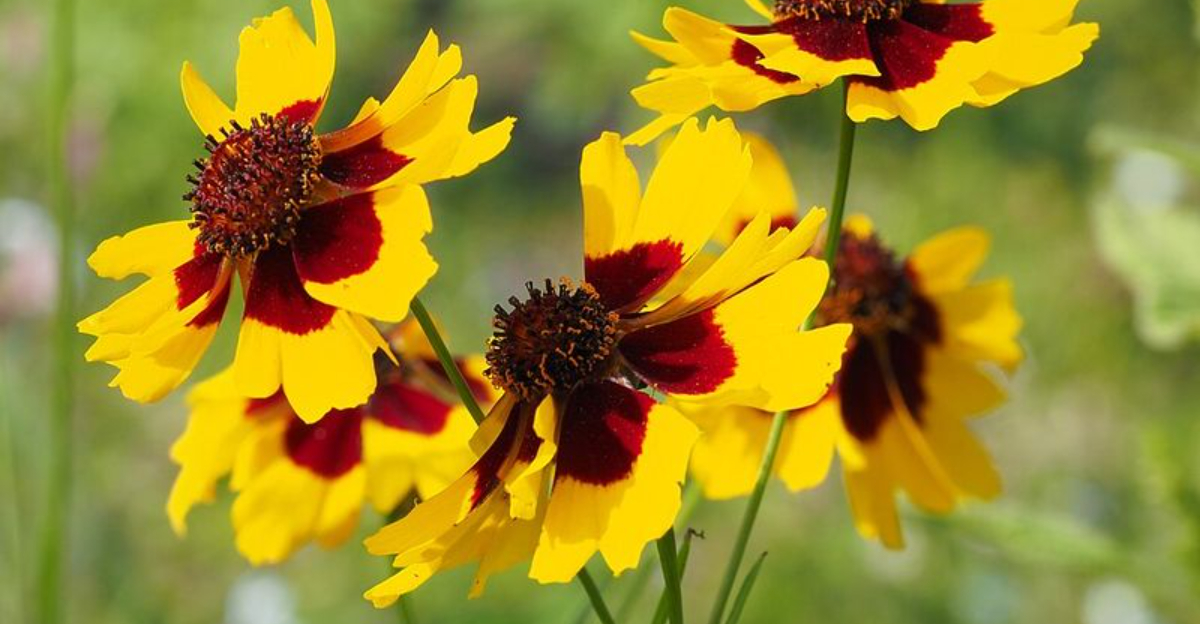
Gaillardia earned the nickname blanket flower because its bold, red-and-yellow blooms resemble the colorful patterns on Native American blankets. It is one of the showiest wildflowers you can grow from seed, and it performs spectacularly well in exactly the kind of hot, dry, poor soil conditions that Florida gardeners often deal with.
Each flower head is a burst of warm color, usually featuring deep red petals tipped in yellow with a richly textured center. The plants grow about one to two feet tall and spread outward, creating a carpet of color in the garden.
Pollinators absolutely love gaillardia, and it blooms for months without much encouragement.
Sow seeds directly in a sunny, well-drained spot in April. Avoid overwatering, as gaillardia is prone to root rot in soggy soil.
Deadheading spent blooms extends the flowering season considerably. This is a tough, sun-loving plant that rewards low-maintenance gardeners with a surprisingly long and vibrant season of color.
11. Balsam (Impatiens balsamina) – Old-fashioned favorite that loves warmth
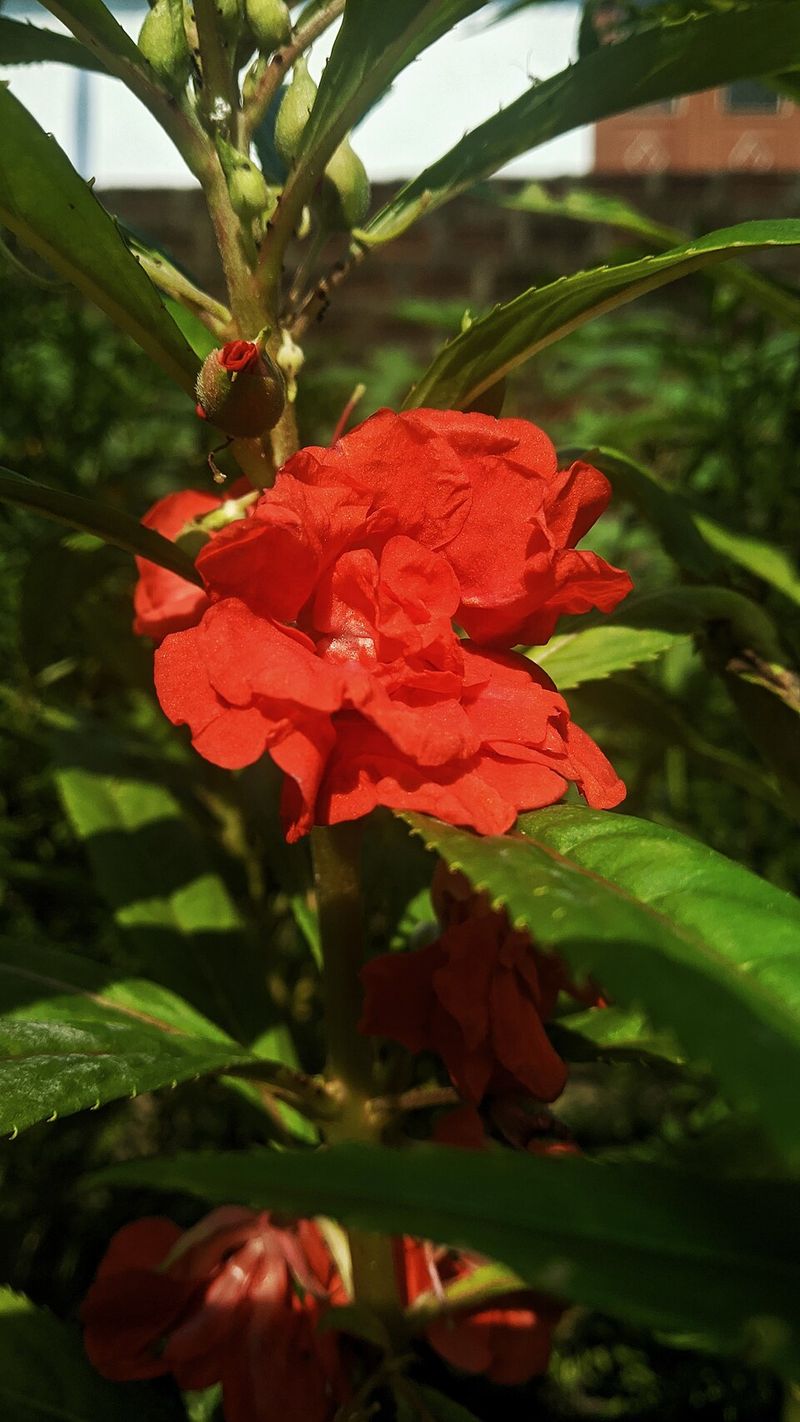
Balsam is the kind of flower your grandmother probably grew, and honestly, grandma was onto something. This old-fashioned annual produces double, camellia-like blooms tucked right against the stem among the leaves, giving it a charming, cottage-garden look that feels refreshingly different from modern garden trends.
Unlike its cousin the common impatiens, balsam actually enjoys warmth and can handle more sun. It thrives in Florida’s spring and summer heat, producing blooms in shades of pink, red, white, lavender, and coral.
The plants grow upright, reaching about one to two feet tall, making them great for borders and shaded garden paths.
Start seeds indoors in early April or sow directly outside once temperatures are consistently warm. Balsam germinates quickly in warm soil and starts blooming within about eight weeks.
It self-seeds generously, so once you plant it, you may find cheerful volunteers popping up in your garden for several seasons to come.
12. Tithonia (Mexican Sunflower) – Attracts pollinators and thrives in heat
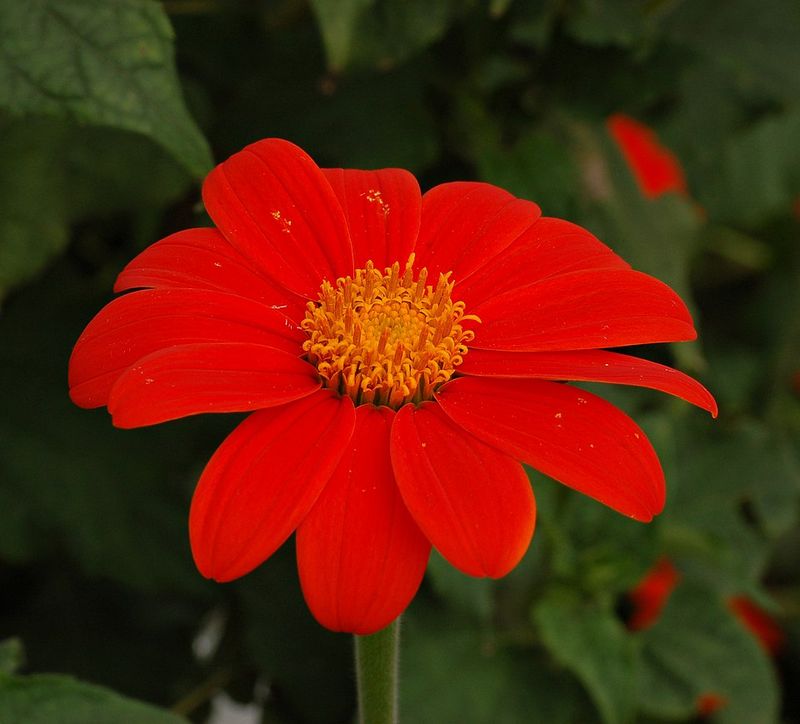
If you want to turn your garden into a butterfly buffet, tithonia is your answer. This tall, vigorous plant produces vivid orange blooms that look like small sunflowers, and it seems to have a supernatural ability to attract monarchs, swallowtails, and bumblebees from seemingly out of nowhere.
It is genuinely thrilling to watch.
Tithonia can reach six feet tall or more in Florida’s long, warm growing season, so give it plenty of space and plant it where it will not shade smaller neighbors. The blooms are produced on long, sturdy stems, making them excellent for cutting and bringing indoors.
The velvety orange petals stay fresh in a vase for several days.
Sow seeds directly outdoors in April in full sun. Tithonia grows quickly and does not like having its roots disturbed, so direct sowing is preferred over transplanting.
Water regularly until established, then back off. It handles drought and heat remarkably well once it gets going, requiring very little intervention from the gardener.
13. Salvia (Annual varieties) – Great for hummingbirds and heat-tolerant
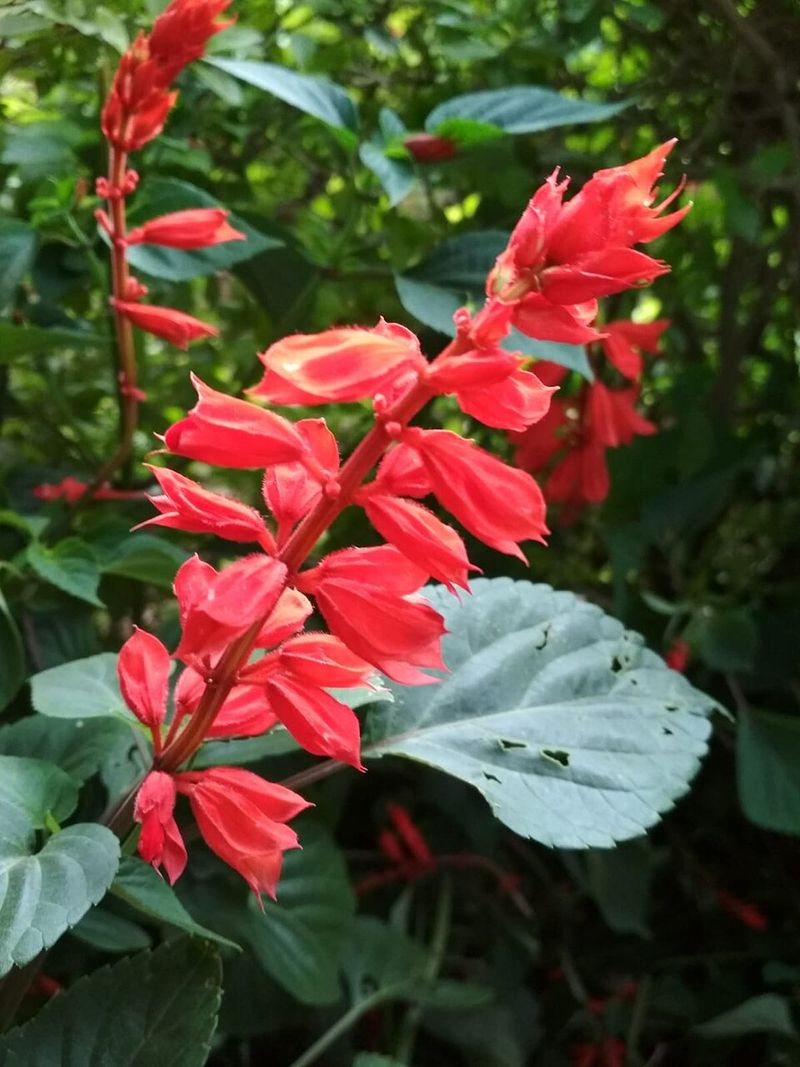
The moment annual salvia starts blooming, hummingbirds show up like they received a personal invitation. The tubular, nectar-rich flowers on tall spikes are perfectly shaped for hummingbird feeding, and watching these tiny birds hover and dart around a patch of red salvia is one of gardening’s genuine pleasures.
Plant it near a window for the best views.
Annual salvia comes in fiery red, electric blue, purple, salmon, and white. The plants are upright and bushy, growing about one to two feet tall, and they bloom reliably from late spring through fall in Florida’s warm climate.
They are also remarkably resistant to pests and disease, making them easy to maintain through the season.
Start seeds indoors eight to ten weeks before transplanting, as salvia is slow to germinate. It needs warmth and light to sprout, so use a heat mat if possible.
Once in the ground in a sunny spot, salvia takes off quickly. Regular deadheading keeps the blooms coming and the hummingbirds returning all season long.
14. Cleome (Spider Flower) – Tall, dramatic blooms that handle humidity
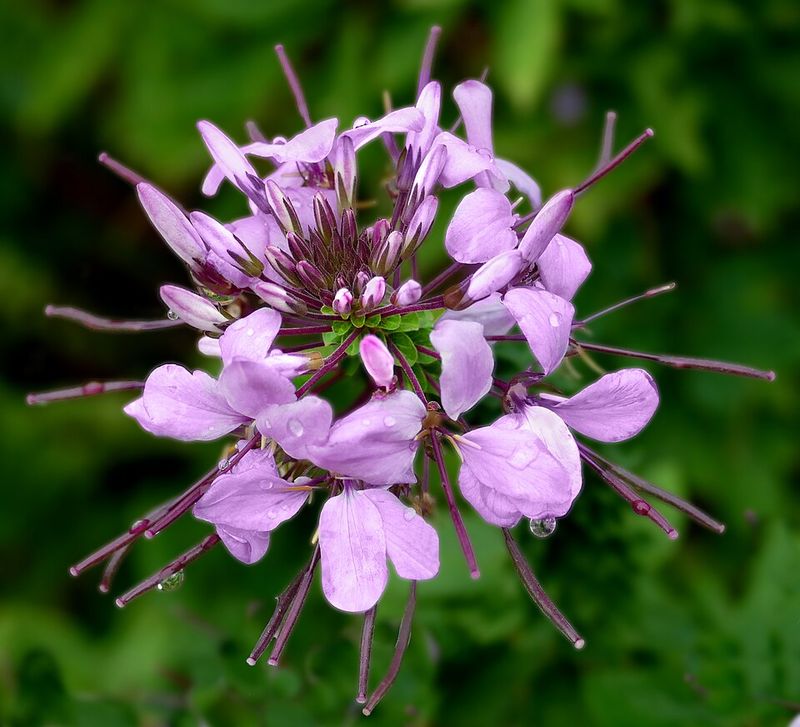
Cleome is the drama queen of the annual flower world, and it owns that title with confidence. Growing up to five feet tall, it produces large, airy flower heads in shades of pink, purple, and white, with long, spidery stamens that give it an exotic, almost tropical appearance perfectly suited to Florida’s lush summer aesthetic.
The plants bloom from late spring through fall and handle Florida’s humidity without missing a beat. They self-seed so freely that many gardeners consider them a once-and-done planting.
Once you grow cleome, it tends to return on its own year after year, spreading gradually to fill empty spaces in the garden.
Sow seeds directly outdoors in April, pressing them lightly into the soil surface since they need light to germinate. Cleome prefers full sun to light shade and well-drained soil.
The foliage has a slightly sticky texture and a musky scent that some people find off-putting up close, but the stunning blooms more than make up for it.
15. Ageratum – Compact, fluffy blooms that do well in warm climates
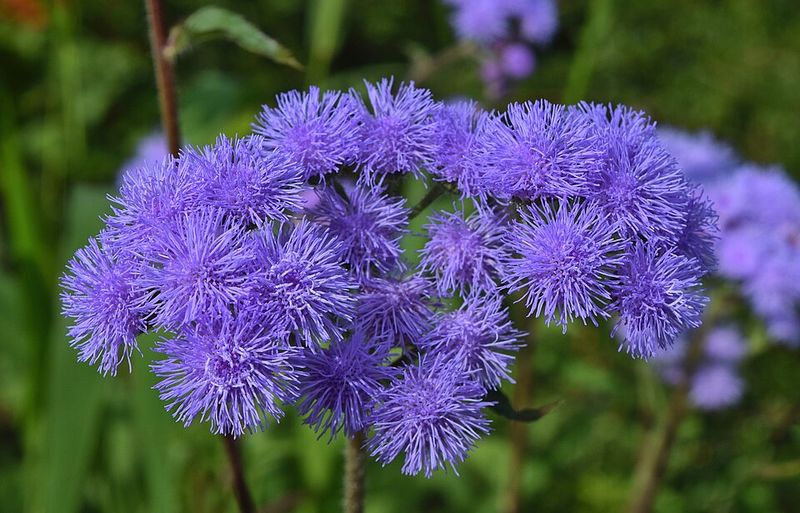
Ageratum’s powder-puff blooms in shades of blue, purple, and white have a soft, almost fuzzy texture that looks completely unique in a garden bed. Blue flowers are surprisingly rare in the gardening world, which makes ageratum an especially valuable addition to any Florida garden looking for cool color contrast against all that hot-colored summer foliage.
These compact plants stay low, typically reaching just six to twelve inches tall, which makes them perfect for edging garden borders, filling containers, or tucking in front of taller plants. They bloom continuously through warm weather and attract butterflies and beneficial insects with their nectar-rich flowers throughout the season.
Start seeds indoors six to eight weeks before transplanting in April. Ageratum seeds need light to germinate, so press them onto the soil surface without covering them.
After transplanting into a sunny or partly shaded spot, keep the soil consistently moist. Pinching back young plants encourages a fuller, bushier shape and even more of those charming fluffy blooms.



