 Unearth The Voyage
Food travel is no longer just a bonus – it’s the whole point of the trip. In 2026, a new wave of destinations is putting their kitchens front and center, from ancient medinas to alpine villages and sun-drenched coastlines.
Whether you’re a taco-on-a-street-corner traveler or a tasting-menu devotee, this list has something to make your stomach (and your passport) very happy. These are the 15 food destinations shaping where curious eaters are headed next year.
Boston, USA
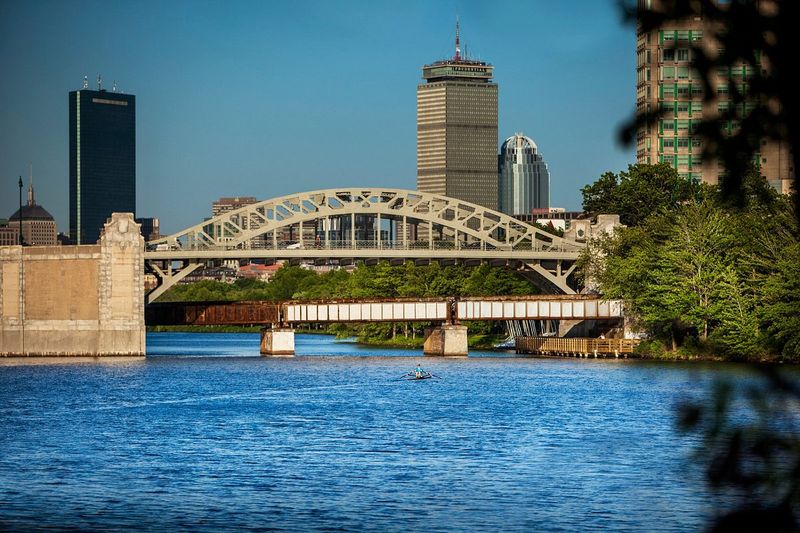
Boston has quietly been doing the most, and food lovers are finally catching on. The city’s restaurant scene in 2026 is more globally minded than ever, with chefs pulling flavors from every corner of the world and planting them firmly in New England soil.
Neighborhoods like Chinatown, East Boston, and Jamaica Plain are serving up serious plates without the fancy price tags. I stumbled into a tiny Vietnamese spot in Dorchester last year and completely forgot I was in Massachusetts for about 45 minutes.
The chef-driven movement here isn’t just about fine dining — it’s about smart, intentional cooking at every level. New spots keep opening while old-school clam chowder joints hold their ground.
Boston rewards the curious eater who’s willing to hop between neighborhoods without a strict plan. Bring comfortable shoes and a flexible appetite.
Crete, Greece
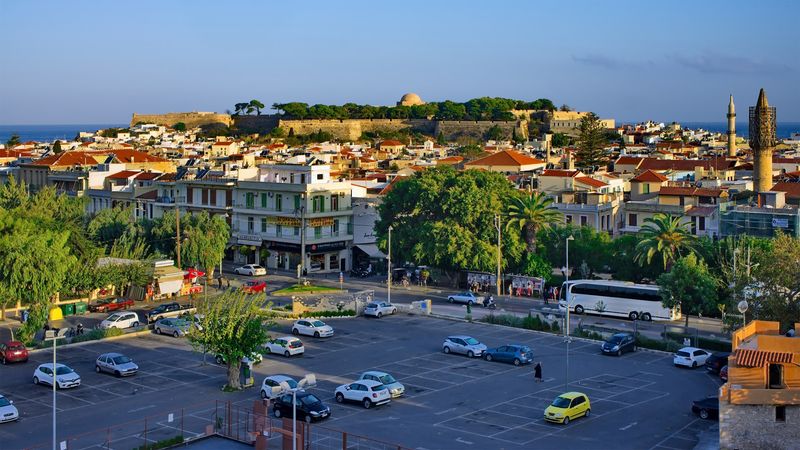
Crete doesn’t just feed you — it makes a case for an entirely different way of eating. The island’s food culture is rooted in centuries of farming, fishing, and a deep respect for local ingredients that most modern restaurants only pretend to have.
Dakos is the dish everyone talks about first: a barley rusk piled with ripe tomatoes, crumbled cheese, and good olive oil. It sounds simple.
It ruins you for other food.
Local produce on the island is genuinely exceptional — olive oil, herbs, honey, and cheeses that never make it off the island. Cretan cuisine made major waves on 2026 travel lists, and honestly, the recognition is overdue.
Markets in Heraklion and Chania are worth a full morning on their own. Go slow, eat often, and don’t skip the local wine.
Fès, Morocco

Fès smells like a recipe before you even find the kitchen. The medina is one of the world’s best-preserved medieval cities, and its food scene is woven directly into the architecture — tagine smoke drifting through alleyways, bread being carried to communal ovens on wooden boards.
Condé Nast Traveler flagged Fès for 2026, and markets here are a full-contact sport in the best way. Spice stalls, pastilla vendors, and slow-cooked street food make every turn a decision you didn’t know you needed to make.
Moroccan cooking in Fès is technically complex and deeply traditional. Preserved lemons, ras el hanout, and slow-braised meats show up in ways that feel genuinely ancient rather than trendy.
A cooking class in a riad here is worth every dirham. Come with curiosity and leave with a shopping bag full of spices you’ll actually use.
Hong Kong

Hong Kong operates on a different food clock entirely. Breakfast is a thing, lunch is a thing, afternoon snacks are a thing, and dinner is just when the real decisions begin.
The city runs on eating, and it shows.
Condé Nast Traveler’s 2026 list includes Hong Kong for good reason — the range here is genuinely unmatched. Michelin-starred dim sum sits two blocks from a $3 wonton noodle shop that’s been open since the 1960s, and both are worth your time.
Dai pai dong stalls, roast goose specialists, pineapple buns fresh from the oven — Hong Kong doesn’t ask you to choose a lane. Every neighborhood has its own food personality.
Sham Shui Po for budget eats, Central for chef-driven spots, Mong Kok for the chaotic, glorious street food experience. Snack aggressively.
Save room for dinner anyway.
Medellín, Colombia
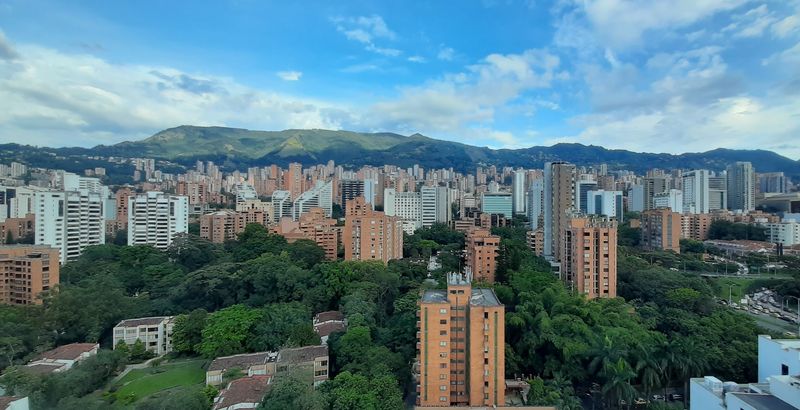
Medellín has been the city on everyone’s lips for a few years now, and the food scene is finally getting the credit it deserves. Time Out named it a top food destination for 2026, specifically calling out its affordability — which is genuinely refreshing in an era of $24 cocktails.
Colombian cuisine here goes well beyond bandeja paisa, though that hearty platter of beans, rice, chicharrón, and egg is never a bad call. The city’s chefs are blending traditional Colombian flavors with sharper, more global techniques without losing the soul of the cooking.
Eating out in Medellín is cheap enough to try three places in one afternoon without any financial guilt whatsoever. Mercado del Rio packs dozens of food vendors under one roof, making it a great starting point.
Street arepas are non-negotiable. The mango con sal carts alone justify the flight.
Seville, Spain
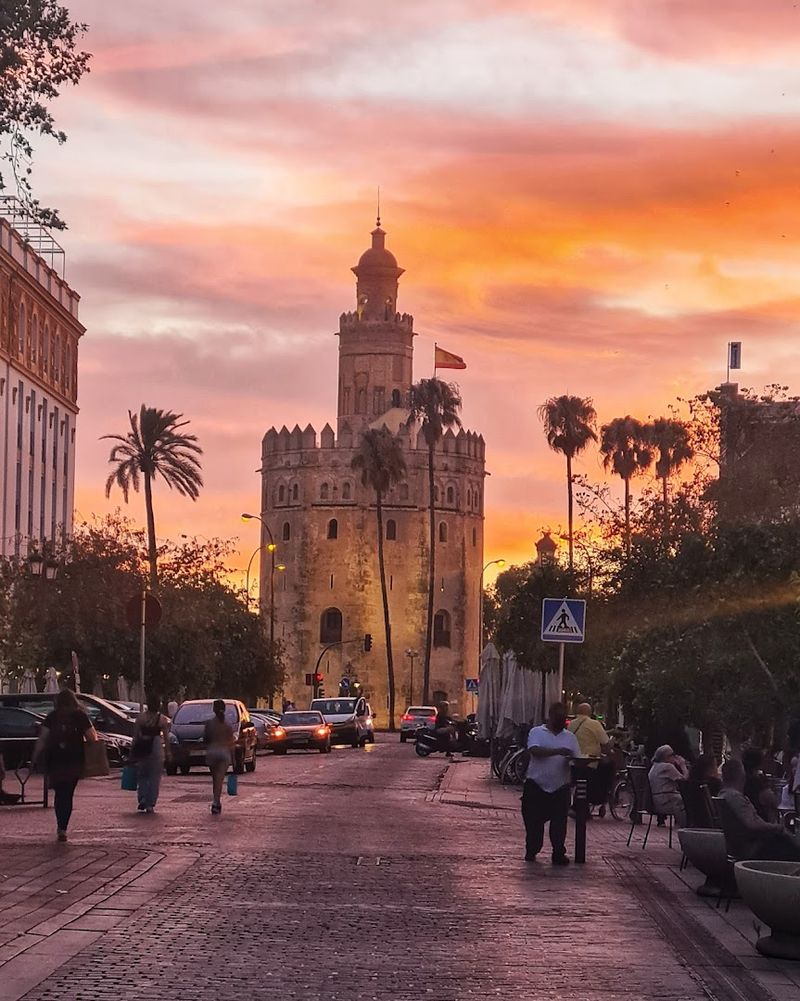
Seville is basically a city designed by someone who loved food, late nights, and the concept of never sitting down for too long. The tapas culture here is real, ritualistic, and absolutely addictive once you understand the rhythm.
Condé Nast Traveler added Seville to its 2026 list, which surprised absolutely nobody who has ever spent a Thursday evening grazing through the Triana neighborhood with a glass of fino sherry and zero plans.
Small plates, big flavors, and bars that don’t fill up until 10 p.m. — this city runs on a schedule that rewards the patient and punishes early diners. Jamón, fresh seafood, montaditos, and fried fish are everywhere and consistently excellent.
The trick is to keep moving. One bar for drinks, another for croquetas, another for the slow-cooked pork.
Repeat until satisfied, which may take several evenings.
Prince Edward County, Canada
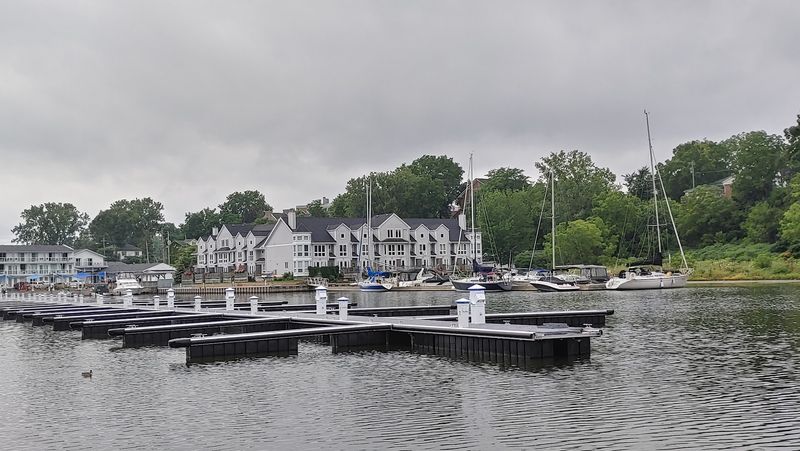
Prince Edward County is what happens when a farming community and a wine region decide to take food very, very seriously. Located in Ontario, this quiet stretch of countryside punches well above its weight when it comes to quality eating and drinking.
Condé Nast Traveler named it one of the top places to eat in 2026, which tracks for anyone who has spent a weekend here hopping between small wineries, farm stands, and restaurants that source almost everything locally. The pace is slow.
That’s the whole point.
The County, as locals call it, has an impressive concentration of natural wine producers, cheesemakers, and chefs who moved here specifically to cook with ingredients grown nearby. It’s the kind of place where the menu changes because the farmer called.
Weekends book up fast in summer, so plan ahead. The bottles alone are worth the drive.
Venice, Italy
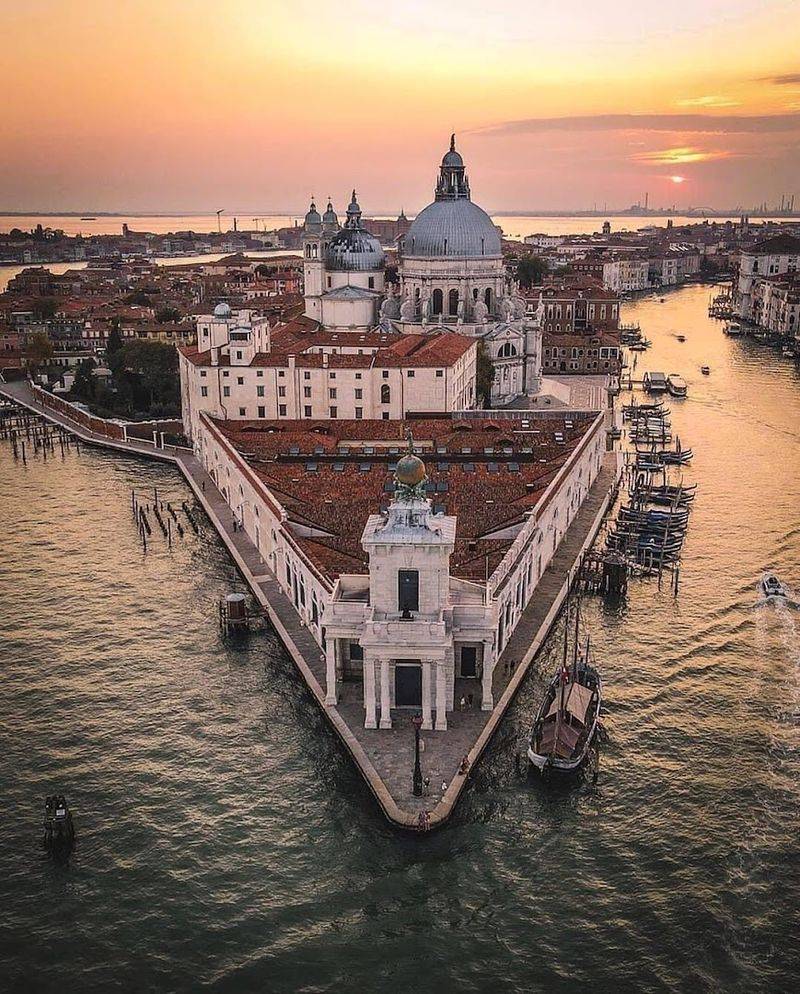
Venice has a reputation for tourist traps, but the 2026 food story here is more interesting than that. The MICHELIN Guide flagged Venice this year partly because of a wave of luxury hotel openings bringing serious, internationally recognized chefs to the city.
That kind of investment tends to raise the bar across the board, and Venice is no exception. Beyond the hotel restaurants, the city’s cicchetti culture — small bites eaten standing at a bacaro wine bar — is one of the most underrated food experiences in all of Italy.
Fresh seafood, risotto al nero di seppia, and soft-shell crab from the lagoon are the local specialties worth tracking down. Skip the restaurants with laminated picture menus near the major landmarks.
A short walk into Cannaregio or Castello reveals a completely different city. The best meals in Venice often happen by accident, which is very on-brand for the place.
The Dolomites, Italy

Alpine cooking used to mean hearty and filling, full stop. The Dolomites in 2026 are rewriting that assumption in a serious way, with MICHELIN pointing to increasingly ambitious cooking across the region that goes well beyond warming up after a ski run.
Chefs here are working with foraged ingredients, local dairy, and mountain herbs in ways that feel genuinely creative rather than gimmicky. The region is also hosting the 2026 Winter Olympics, which is bringing a fresh wave of international attention and culinary investment to an area that was already doing impressive things.
Canederli, speck, and polenta are the traditional anchors of Dolomite cooking — honest, filling, and deeply satisfying after a day outdoors. But newer restaurants are pushing the cuisine into more refined territory without losing the mountain soul.
Book ahead for the better spots. The competition for tables is getting real, Olympics or not.
Amalfi Coast, Italy
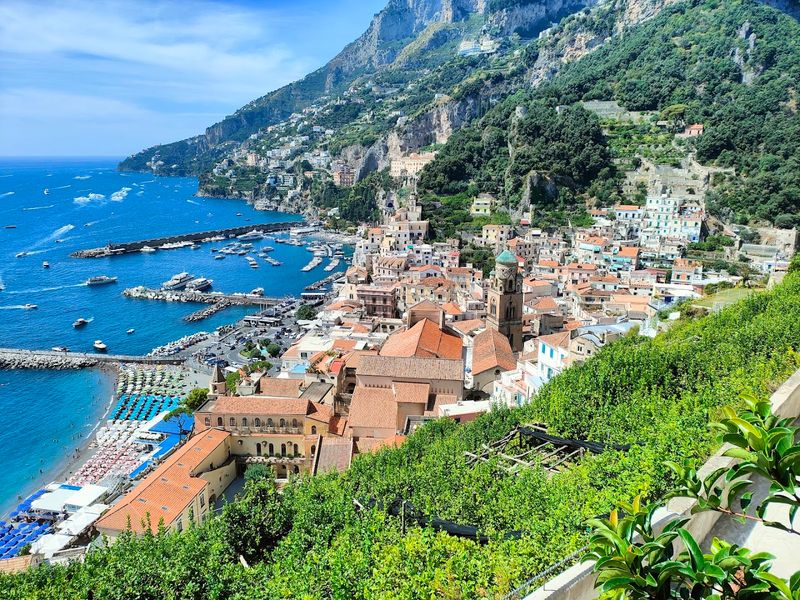
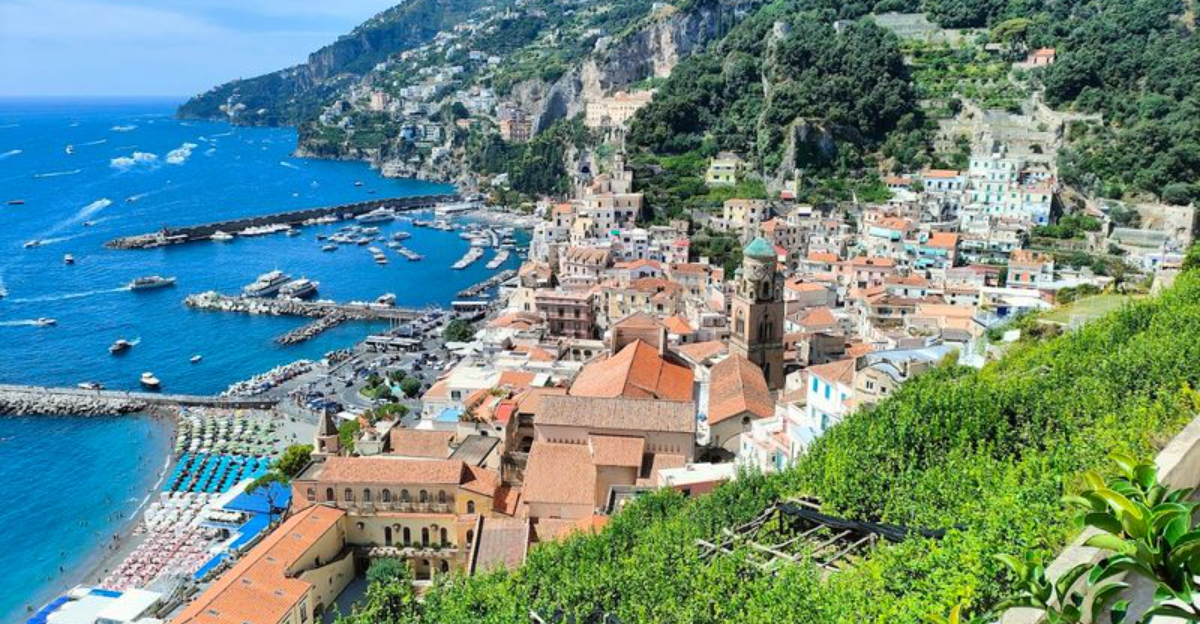
The Amalfi Coast has always been beautiful enough to distract you from the food, which is a shame because the food is excellent. MICHELIN’s 2026 picks include this stretch of coastline, partly driven by new luxury developments bringing ambitious chefs to a region already blessed with great ingredients.
Lemon everything is not a cliché here — it’s a lifestyle. The sfusato amalfitano lemon is a protected variety grown on cliff terraces, and it shows up in pasta, limoncello, seafood dishes, and desserts in ways that genuinely justify the hype.
Fresh anchovies, mozzarella di bufala, pasta alle vongole, and grilled fish with local capers are the coastal staples that keep visitors coming back. The views don’t hurt either, though at this point the Amalfi Coast barely needs the endorsement.
MICHELIN’s attention just confirms what regulars already knew. Reserve a cliffside table.
Order the pasta. Stare at the water.
Wrocław, Poland
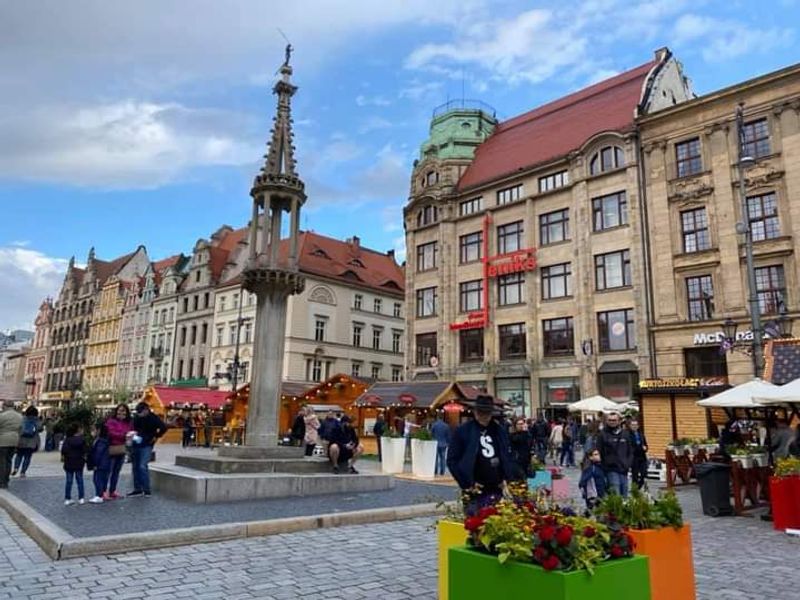
Wrocław is the kind of city that food travelers are discovering just before everyone else catches on — which means now is exactly the right time to go. MICHELIN added it to the 2026 list, and the city has been quietly building a food scene that’s both rooted in Polish tradition and genuinely forward-looking.
Pierogi are non-negotiable, obviously. But Wrocław’s restaurant culture goes well beyond the classics, with young chefs reworking Polish ingredients through a modern European lens without apologizing for either influence.
The food hall scene here is thriving, and the craft beer situation is unexpectedly excellent.
The city’s market square is one of the most beautiful in Central Europe, which makes it a great base for eating your way through the surrounding streets. Prices are low, portions are generous, and the welcome is warm.
Go before the travel magazines make it impossible to get a reservation without planning six months ahead.
Cappadocia, Türkiye

Most people book a trip to Cappadocia for the hot air balloons and the cave hotels. MICHELIN’s 2026 list is making a strong case that the food deserves equal billing, which is a genuinely exciting shift for a region that’s been coasting on scenery for years.
Cappadocian cuisine is quietly impressive. Testi kebab — meat and vegetables slow-cooked inside a sealed clay pot that’s cracked open at the table — is the dish worth building an evening around.
Local pottery isn’t just decorative here; it’s functional and delicious.
The region also produces its own wine from ancient volcanic soils, which pairs surprisingly well with the local meze tradition. Restaurants carved into cave walls add a theatrical element that somehow doesn’t feel gimmicky.
Culinary attention is arriving alongside growing tourism infrastructure, and the combination is pulling in chefs with serious ambitions. The food scene here is only getting started.
The Philippines
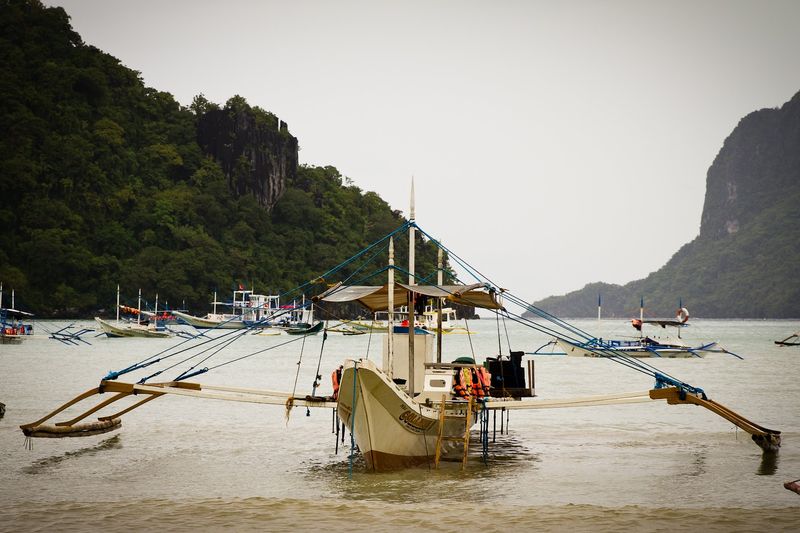
Filipino food has been on the verge of its global moment for years, and MICHELIN’s 2026 flag suggests that moment has officially arrived. The guide pointed specifically to Manila and Cebu as the epicenters of what’s shaping up to be a serious culinary breakthrough.
The cuisine itself is a fascinating mix of Malay, Spanish, Chinese, and American influences that somehow adds up to something entirely its own. Sinigang’s sour tamarind broth, kare-kare’s peanut-rich stew, and the legendary lechon — a whole roasted pig with crackling skin — are all worth the trip on their own.
What makes the Philippines exciting right now is the generation of Filipino chefs who are reframing their own cuisine with pride and precision, pushing back against the idea that it was ever anything less than world-class. Cebu’s food scene is particularly buzzy.
Manila’s restaurant culture is expanding fast. The Philippines is no longer a footnote on any food list.
Route 66, USA

Route 66 turns 100 in 2026, and MICHELIN is marking the centennial by highlighting a culinary revival happening along the length of America’s most iconic road. This isn’t just about nostalgia — it’s about diners, barbecue joints, and regional American cooking getting a well-deserved second look.
The road runs from Chicago to Santa Monica, passing through eight states and dozens of food cultures that rarely get lumped together but absolutely should be. Oklahoma onion burgers, New Mexico green chile everything, Texas barbecue, and California farm stands are all part of the same road trip story.
Classic Americana roadside food has a reputation for being basic, but the best stops along Route 66 are anything but. Some of these diners have been perfecting the same recipes since the 1950s.
That’s not a gimmick — that’s institutional knowledge. Road trip playlists are optional.
The pie is not.
Florida, USA
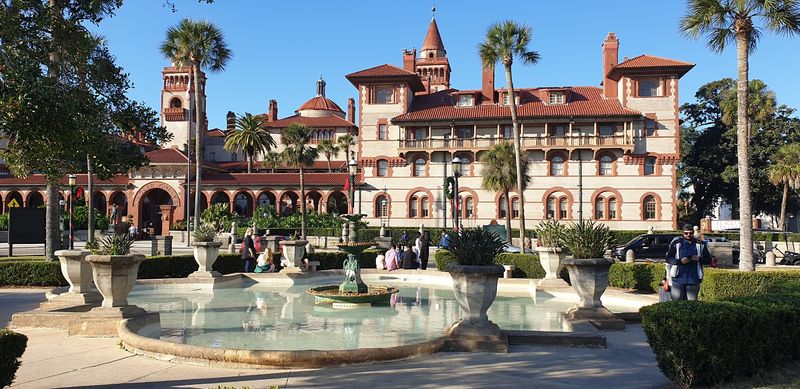
Florida has always had great food — the stone crab alone is a legitimate reason to book a flight — but MICHELIN’s 2026 expansion to statewide coverage is turning up the volume on a scene that’s been underestimated for years.
Miami’s food culture gets most of the attention, but the MICHELIN statewide push means cities like Tampa, Orlando, and St. Augustine are getting serious culinary scrutiny for the first time. That kind of spotlight tends to accelerate everything: new openings, bolder menus, more ambitious chefs.
Florida’s food identity is genuinely diverse — Cuban sandwiches in Tampa, fresh Gulf seafood along the Panhandle, Caribbean-influenced cooking in Miami, and a farm-to-table movement quietly growing in the north. The state doesn’t have one food story; it has about fifteen running simultaneously.
MICHELIN catching up to that reality in 2026 is overdue. Florida has been cooking.
The world is just now paying attention.



