A grocery list can tell you more about history than a museum label, especially when ordinary foods start acting like collectibles. From railroads and refrigeration to climate pressure, global demand, crop disease, and changing labor costs, the path from cheap staple to special-occasion purchase is rarely random.
The funny part is that many items now treated with reverence once filled lunch pails, market stalls, boardinghouse tables, and pantry shelves without anyone making a fuss. Keep reading and you will see how economics, technology, fashion, and plain old scarcity turned everyday bites into modern luxuries.
1. Lobster
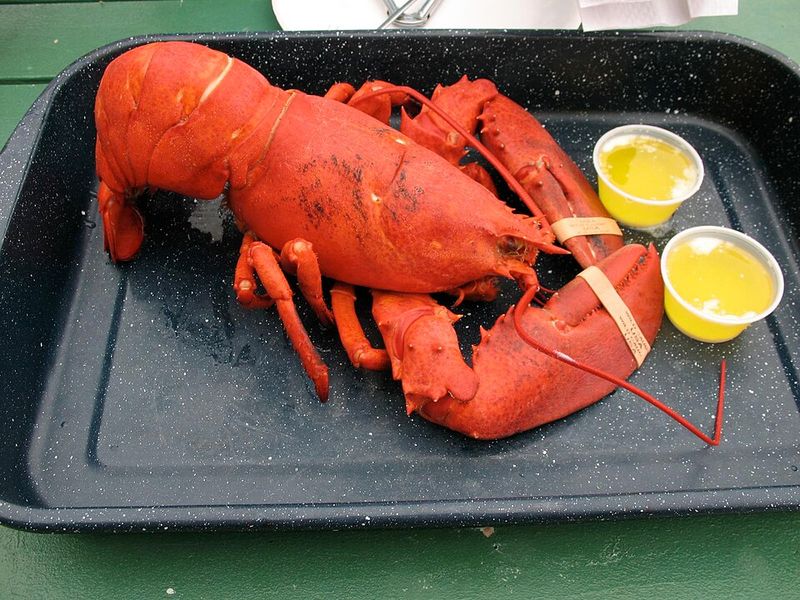
Few status symbols have staged a comeback as dramatic as the creature once tossed into fields for fertilizer.
In colonial New England, lobster was so plentiful that storms could leave piles along the shore, and households associated it with poverty rather than celebration. Servants, apprentices, and prisoners ate it often enough that some accounts describe complaints about too much lobster in institutional meals.
The reversal began during the 1800s, when canning and railroads carried lobster far beyond coastal towns. Inland diners met it without the old stigma, while tourists in Maine and New York restaurants helped turn it into a fashionable order.
Scarcity followed demand, and bigger catches no longer seemed endless.
Today, strict regulations, fuel costs, bait prices, careful transport, and global appetite all push prices upward. You are not just paying for dinner, but for a long supply chain and a reputation that history accidentally polished.
2. Oysters
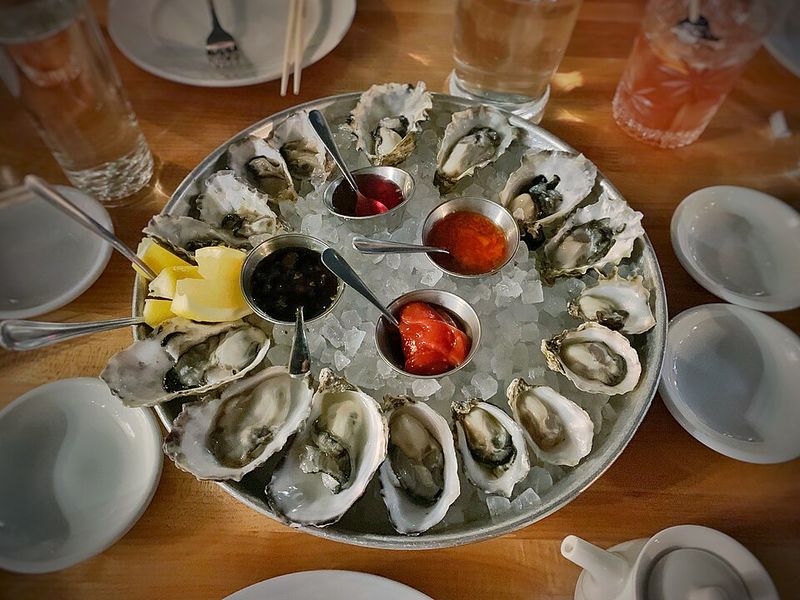
A century ago, the city snack you grabbed on a busy corner might have come in a shell.
In the 1800s, oysters were cheap, abundant street food in places like New York, London, and Baltimore. Oyster cellars, carts, and saloons served workers, travelers, and families because local beds produced enormous quantities near expanding cities.
That everyday abundance did not last. Overharvesting reduced natural reefs, while industrial pollution and sewage made many urban waterways unsafe for shellfish gathering.
By the early 20th century, regulations, closures, and depleted beds changed oysters from common fare into something more controlled and costly.
Modern oyster farming has helped rebuild supply, but the process requires clean water, permits, monitoring, labor, and careful shipping. Restaurants also market oysters by region and variety, giving them the vocabulary of a luxury purchase.
You can still find casual oyster spots, but the old penny-oyster world belongs to history, not the happy hour menu.
3. Beef
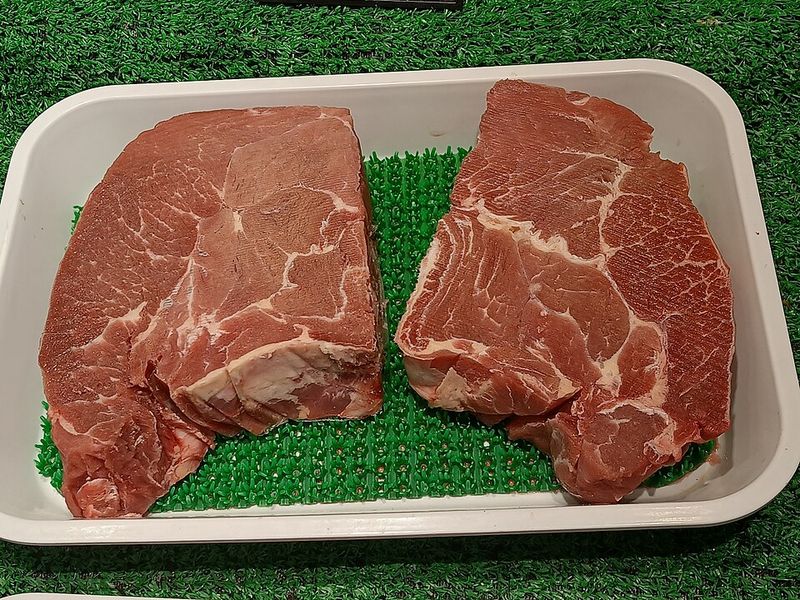
The Sunday roast once carried less financial suspense than a modern supermarket meat case.
For much of the 20th century, beef held a steady place in American, British, Australian, and Argentine home cooking. Expanding ranching, refrigerated railcars, packing plants, and supermarket distribution made steaks, stews, burgers, and roasts familiar weekly options for many families.
Costs have climbed because cattle require land, feed, water, veterinary care, processing, refrigeration, and transport. Droughts can raise feed prices, while labor shortages and energy costs ripple through slaughterhouses and distribution networks.
Global demand also matters, especially as growing middle classes in different regions buy more beef than previous generations did.
Culture has shifted too. Diners increasingly sort beef by breed, cut, aging method, grass-fed status, and local sourcing, which creates premium tiers where plain dinner once stood.
You can still build affordable meals around ground beef, but many cuts now feel like planned purchases rather than routine staples.
4. Butter

Nothing says grocery math quite like watching a basic baking ingredient behave like jewelry.
Butter was once a dependable household staple because many rural families made it from their own cream, while urban shoppers bought it through local dairies. By the early 20th century, creameries, refrigeration, and standardized packaging made butter a regular part of cooking, baking, toast, and school lunches.
Its price now reflects pressure across the dairy chain. Milk production depends on feed, fuel, labor, veterinary care, processing plants, cold storage, and transport.
When cream supplies tighten or demand rises for baked goods, restaurants, and premium dairy products, butter prices can climb quickly.
There is also a cultural twist. After decades of margarine competing for space, butter returned to favor through baking shows, restaurant cooking, and interest in traditional ingredients.
That comeback gave a humble block new cachet. You may still use it daily, but you probably notice the receipt more than your grandmother did.
5. Eggs
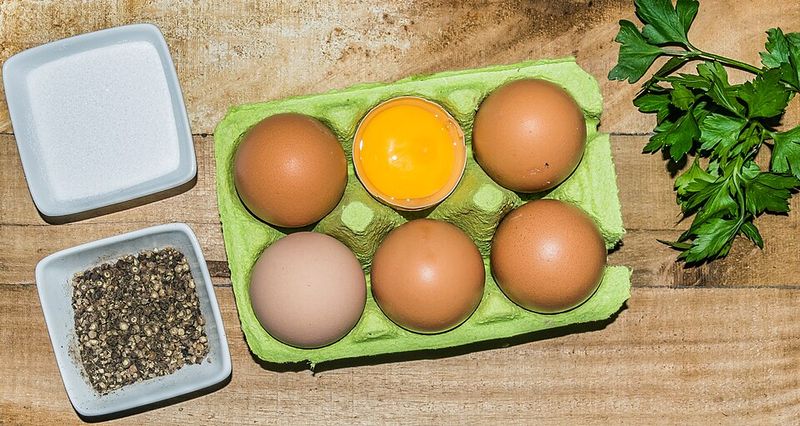
The humble egg has lately developed the nerve of a stock market ticker.
For generations, eggs were among the cheapest and most flexible proteins in the kitchen. Backyard hens, local farms, and later large-scale poultry operations kept them available for breakfast plates, lunch counters, baking, holiday dishes, and quick dinners.
Industrial production made eggs remarkably efficient, but it also tied prices to concentrated systems. Feed costs, transportation, packaging, labor, and biosecurity all matter.
Disease outbreaks among laying flocks can sharply reduce supply, and rebuilding those flocks takes time because hens cannot be replaced overnight like items on a shelf.
Consumer preferences have added more layers. Cage-free, pasture-raised, organic, omega-enhanced, and local eggs often carry higher production costs and stronger branding.
Even standard cartons can jump when supply tightens. You may still think of eggs as basic, but recent price swings have reminded shoppers that the cheapest protein crown is not guaranteed.
6. Fresh Fish
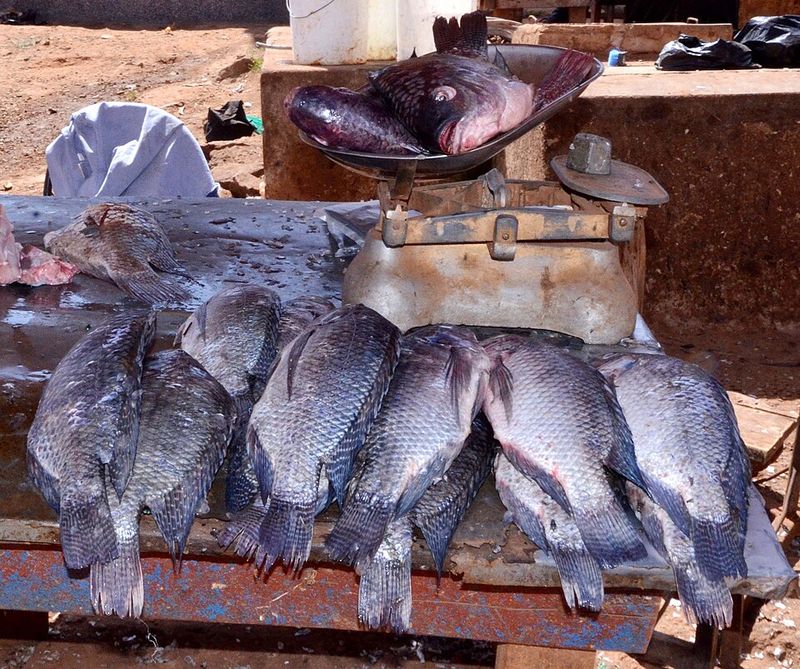
There was a time when living near the water meant dinner could be practical, not posh.
Coastal communities once relied on fresh fish as an affordable staple because local fleets supplied nearby markets directly. Cod, herring, sardines, mackerel, and other species fed working families, preserved well, and shaped regional cooking from the North Atlantic to the Mediterranean and Pacific coasts.
Modern seafood economics are more complicated. Overfishing reduced many wild stocks, while regulations now limit catches to protect future supply.
Boats face higher fuel, equipment, insurance, and labor costs. Fish also needs rapid chilling, inspection, transport, and careful handling, which adds expense before it reaches your counter.
Global demand has turned local species into international commodities. A fish landed in one port may be processed elsewhere and sold to buyers across continents.
Aquaculture helps, but it brings feed, water-quality, and certification costs. Fresh fish remains everyday food in some regions, yet elsewhere it has become a deliberate splurge.
7. Cheese
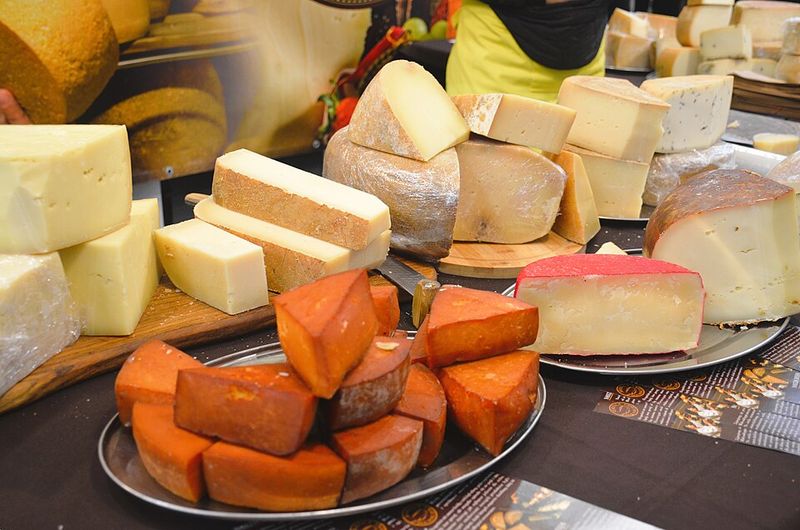
The lunchbox slice and the fancy board now live in the same economic drama.
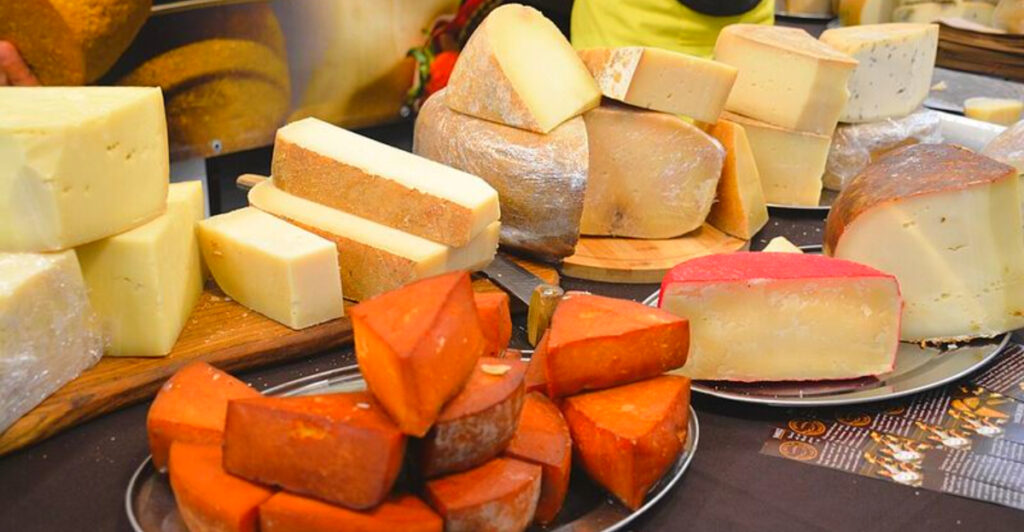
Cheese began as a practical preservation method, turning perishable milk into food that could travel, age, and feed households through lean seasons. In Europe and later in industrialized markets, factory production made cheddar, Swiss, processed slices, and cream cheese everyday refrigerator residents.
Prices rise when milk costs rise, and milk depends on feed, energy, labor, herd health, processing, packaging, and refrigeration. Aging also ties up inventory for months or years, so producers must finance storage before a wheel is ever sold.
Smaller cheesemakers face extra costs for skilled labor, inspections, and distribution.
At the same time, food culture upgraded cheese’s image. Restaurant boards, farmers markets, imported labels, and regional naming protections taught shoppers to care about origin and method.
Even ordinary blocks can feel pricier now. You can still make a grilled cheese, but the cheese aisle has learned boutique manners.
8. Olive Oil
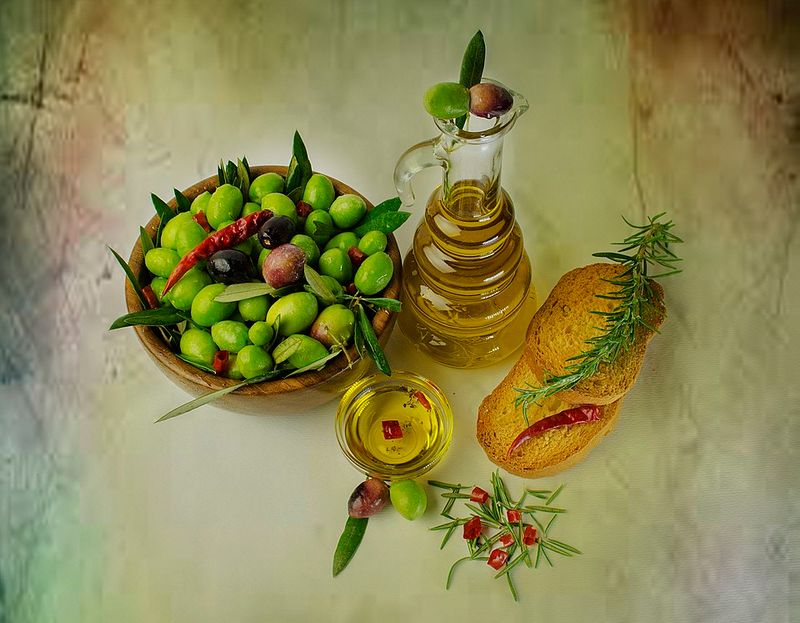
A pantry bottle with ancient roots has become one of the clearest receipts for climate stress.
Olive oil has anchored Mediterranean cooking for centuries, used in homes across Greece, Italy, Spain, North Africa, and the Levant. It was never merely fashionable there.
It was a practical fat connected to agriculture, trade, religious customs, preservation, and regional identity.
Recent price increases come from a mix of poor harvests, drought, heat, pests, and higher production costs. Olive trees can be resilient, but severe weather during key growing periods reduces yields.
Pressing, bottling, certification, glass, shipping, and currency changes add more pressure before bottles reach global shelves.
Demand has expanded far beyond traditional producing regions. Health research, cooking media, and restaurant trends turned extra virgin olive oil into a worldwide pantry goal.
That popularity leaves less cushion when harvests falter. You may still drizzle it casually, but the price tag now carries the story of weather, land, and global taste.
9. Coffee

The daily cup used to ask only for pocket change and a few minutes of attention.
Coffee became a mass habit through colonial trade, urban cafes, diners, workplace breaks, instant coffee, and home drip machines. By the mid-20th century, many households treated it as an automatic purchase, not a carefully calculated indulgence.
Its supply is unusually vulnerable because coffee grows best in specific climates, often at particular elevations. Heat, irregular rainfall, plant diseases, and pests can reduce harvests in major producing countries.
Farmers also face rising fertilizer, labor, financing, and transport costs, while small producers may struggle to absorb bad seasons.
Demand keeps expanding, helped by cafe culture, specialty roasting, ready-to-drink products, and consumers willing to pay for origin labels. The cheap diner refill still exists, but the broader market has changed.
When you buy coffee now, you are buying into a global chain where weather reports, shipping routes, and taste trends all show up at checkout.
10. Chocolate
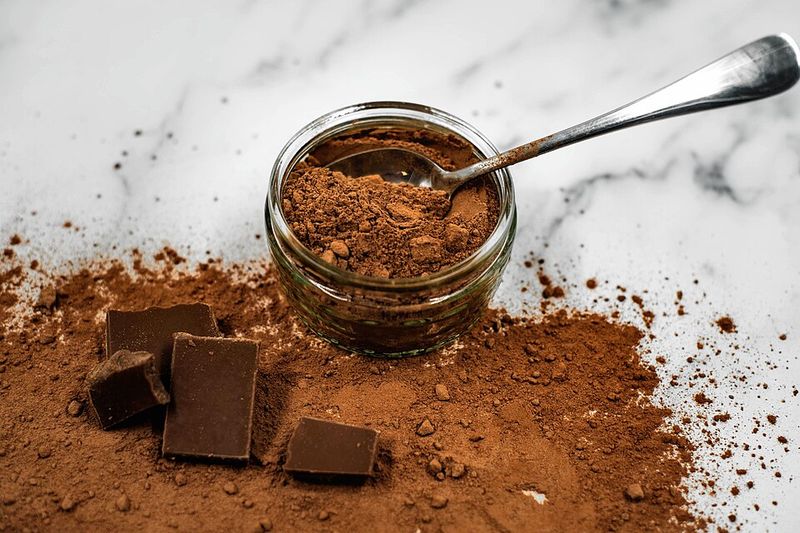
The candy aisle has been quietly taking economics classes, and chocolate is passing with honors.
Chocolate moved from elite beverage to mass-market treat after industrial advances in the 19th century made cocoa processing, conching, molding, and sugar blending more efficient. By the 20th century, chocolate bars, baking squares, boxed candies, and drink mixes became affordable pleasures in many countries.
Cocoa production, however, depends heavily on specific tropical regions, especially in West Africa. Weather swings, crop disease, aging trees, fertilizer costs, and farm labor challenges can reduce supply.
Processing, sugar, dairy, packaging, shipping, and energy costs also influence the final price of even familiar supermarket brands.
Meanwhile, demand for premium dark chocolate, single-origin bars, ethical sourcing, and higher cocoa percentages has changed expectations. Companies now compete on traceability and quality, not just sweetness and price.
You can still find a basic bar, but chocolate no longer feels immune to the forces that turn simple treats into budget decisions.
11. Avocados
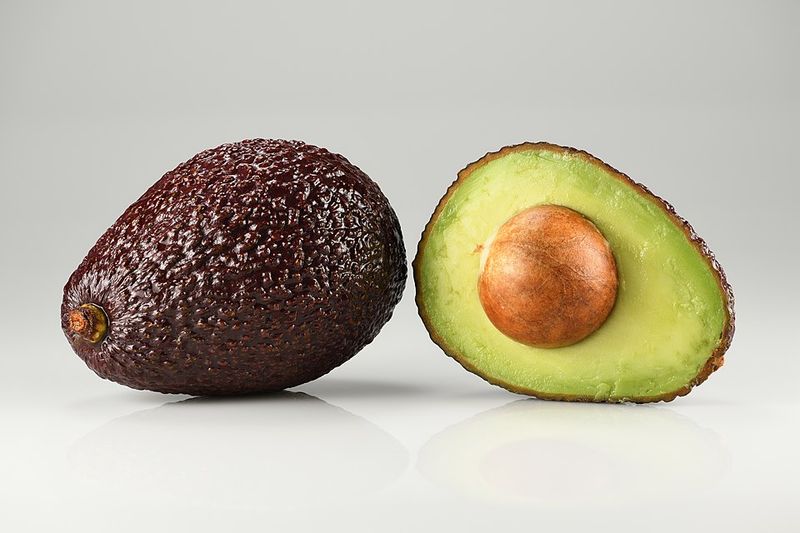
Some fruits get famous slowly, then suddenly require their own line in your budget.
Avocados were long everyday ingredients in producing regions such as Mexico, Central America, and parts of California, where local supply made them familiar rather than fashionable. In many other markets, they remained seasonal, regional, or mildly exotic until late 20th-century distribution improved.
The boom came through health trends, restaurant menus, supermarket ripening programs, and global marketing. Brunch culture helped, but so did better logistics that allowed ripe fruit to arrive in places far from orchards.
Demand rose faster than many consumers realized.
Growing avocados is land, water, and labor intensive, and supply can be affected by weather, transport disruptions, border delays, and crop cycles. Because ripe fruit has a narrow retail window, waste also factors into pricing.
What once felt like a simple local add-on now travels through a competitive international market. You are paying for popularity, timing, and a fruit that refuses to wait politely.
12. Rice (Certain Varieties)
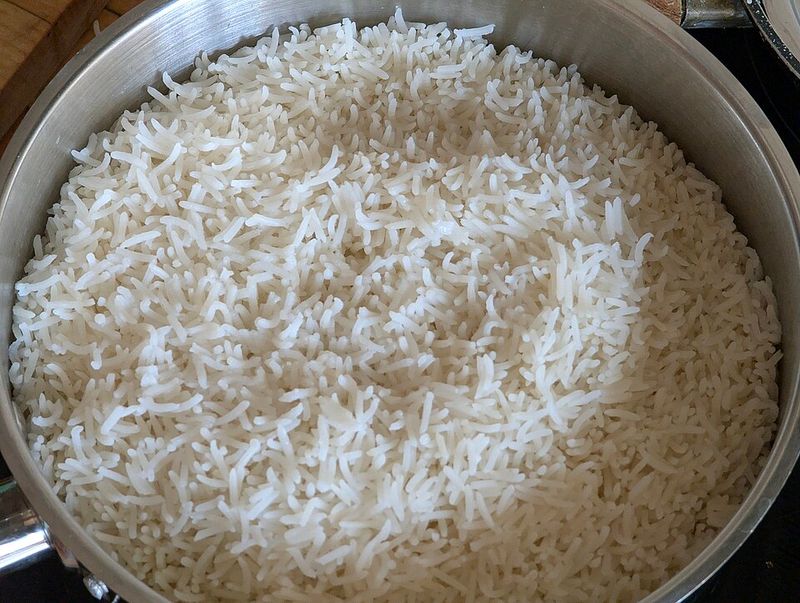
Even the world’s most dependable staple has developed a premium section with attitude.
Rice remains essential for billions of people, but not all rice sits in the same price category. Varieties such as basmati and jasmine carry regional identities, specific growing conditions, fragrance standards, aging practices, and export reputations that separate them from bulk commodity rice.
Basmati is closely linked to regions of India and Pakistan, while jasmine is strongly associated with Thailand and neighboring areas. Weather, water availability, fertilizer, fuel, labor, milling, storage, and shipping all affect prices.
Export restrictions or weak harvests can quickly raise costs in countries that depend on imports.
Consumer demand has also changed. Home cooks now seek restaurant-style grains, regional authenticity, and recognizable labels rather than whatever bag is cheapest.
Premium rice may still be affordable compared with many foods, but the gap is noticeable. You can fill a bowl simply, yet certain varieties now carry the economics of geography and branding.
13. Bread (Artisan & Even Basic in Some Areas)
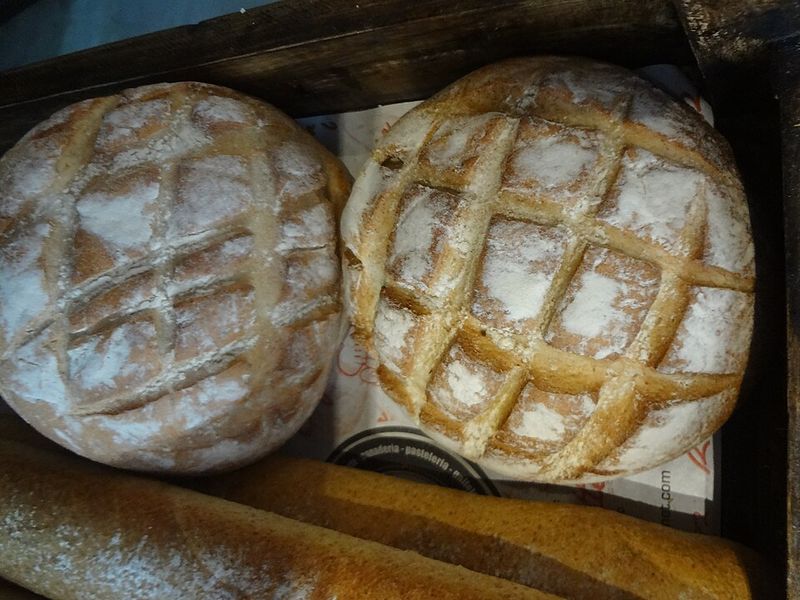
The food most associated with affordability has started asking complicated questions at checkout.
Bread has been a daily staple across cultures because grain could be stored, milled, baked, and shared at scale. Industrial bakeries in the 20th century made sliced loaves cheap, consistent, and widely available, while government grain policies and supermarket systems helped keep basic bread within reach.
Costs now stack up from the field to the bakery shelf. Wheat prices respond to weather, fertilizer, fuel, transport, milling, packaging, and global trade conditions.
Bakeries also face higher electricity or gas bills, rent, wages, and delivery expenses. Even a basic loaf carries more inputs than its plain appearance suggests.
Artisan bread adds another layer. Long fermentation, specialty flours, smaller batches, skilled bakers, and local sourcing create higher prices by design.
Food culture has made sourdough and country loaves desirable rather than merely practical. You can still buy standard bread, but the category no longer feels universally cheap.
14. Honey
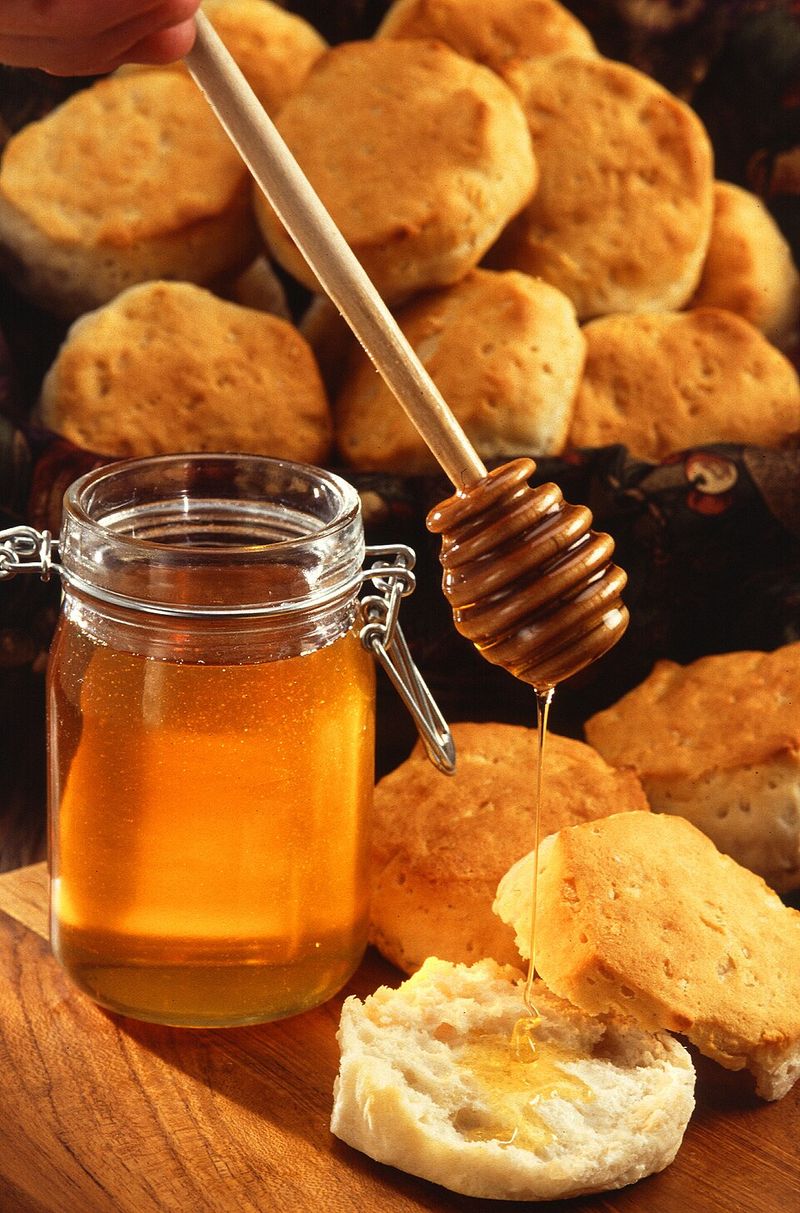
The sweetener once scooped from local hives now arrives with the price of ecological paperwork.
Honey has served as food, medicine, preservative, and trade good for thousands of years. Before cheap refined sugar became widespread, it was one of the most important sweeteners in many regions.
Rural households often bought or produced it locally, making it familiar rather than rare.
Modern honey production faces pressures that shoppers rarely see. Beekeepers manage hive health, parasites, changing forage availability, weather, equipment, transport, and land access.
Declines in pollinator habitats and challenges such as colony stress make reliable production harder. Moving hives for crop pollination can also add costs.
There is another complication: authenticity. Real honey competes with cheaper blends and mislabeled products, so reputable producers often invest in testing, traceability, and careful labeling.
Raw, local, varietal, and organic honeys command premiums. You may still stir it into tea, but a good jar now reflects agriculture, ecology, and trust.
15. Fresh Produce (Out-of-Season)
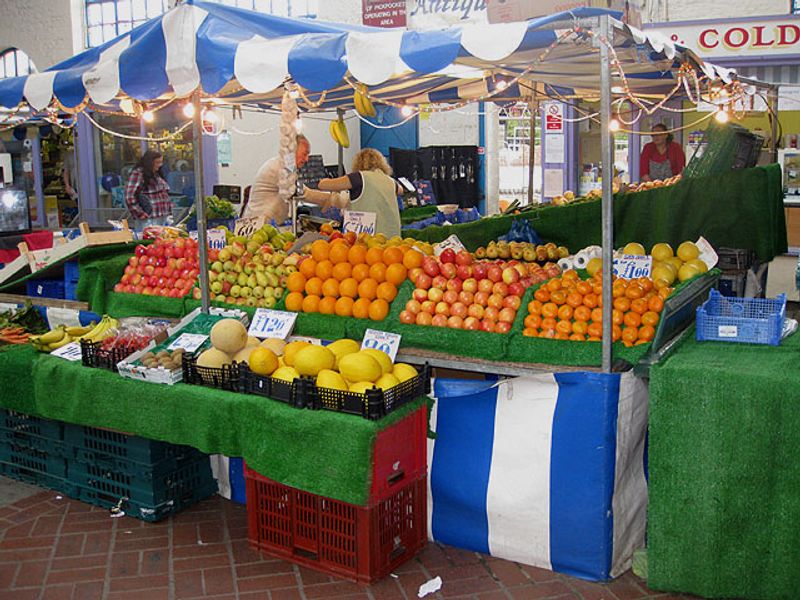
January strawberries are convenient, but history would like you to check the receipt.
For most households before modern refrigeration and rapid transport, fruits and vegetables followed strict local seasons. People ate what nearby farms produced, preserved surplus through canning or drying, and accepted that certain items disappeared for months.
Cheap abundance usually arrived only when harvests were local and heavy.
Year-round produce changed with refrigerated trucks, air freight, plastic packaging, greenhouse growing, and global trade agreements. These systems let shoppers buy berries, tomatoes, asparagus, or grapes far from their natural local window.
Convenience, however, carries costs in energy, labor, irrigation, shipping, storage, and spoilage.
Climate and weather disruptions can make off-season items even pricier. A freeze, flood, heat wave, or transport delay in one growing region may affect shelves thousands of miles away.
You get variety whenever you want it, but the bargain often belongs to the season. Out-of-season freshness is less magic than logistics with a premium.
Share this story