History tends to remember the empires, kings, and conquerors, but many of the cities that once stood at the center of global trade and political power have faded into obscurity. Some were abandoned after invasions, others declined when trade routes shifted, and a few were swallowed by deserts or jungles.
Their ruins are fascinating reminders of how quickly fortunes can change. Get ready to explore fifteen cities that were once the beating hearts of entire civilizations.
Persepolis — Iran
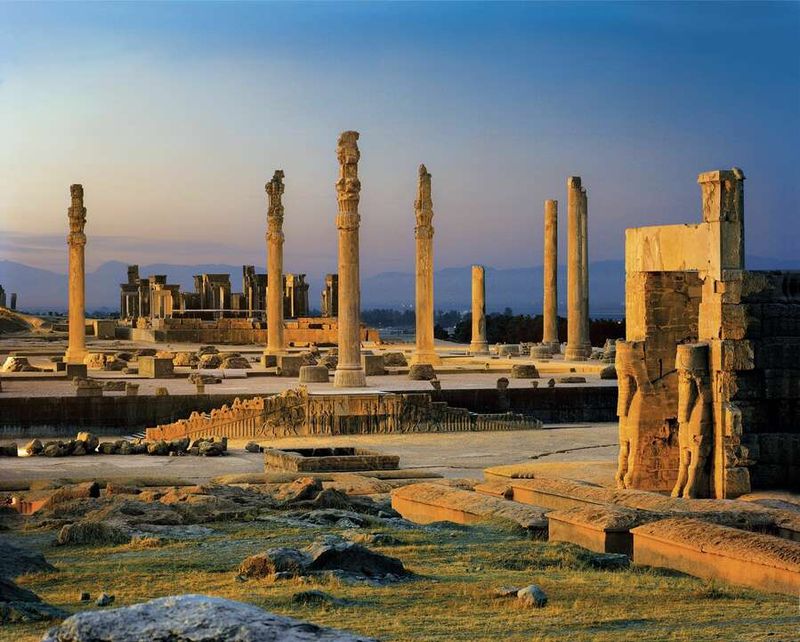
Imagine walking up a grand staircase lined with stone carvings of soldiers, horses, and tribute-bearers stretching as far as the eye can see. That was everyday life at Persepolis, the ceremonial capital of the Achaemenid Empire, founded by Darius I around 518 BC.
It was not just a city but a statement. Every carved wall whispered: we are powerful, we are rich, and we are here to stay.
Persian kings hosted enormous New Year celebrations here called Nowruz, where delegations from across the empire arrived bearing gifts. The sheer scale of the palaces was meant to overwhelm visitors on purpose.
Towering columns, gilded rooms, and intricate stonework made foreign ambassadors feel small by design.
Then came Alexander the Great in 330 BC. He burned a significant portion of the city, possibly in revenge for the Persian burning of Athens.
Some historians think it was a drunken accident. Either way, Persepolis never recovered.
Today, its sandstone ruins in southern Iran are a UNESCO World Heritage Site and one of archaeology’s most breathtaking open-air museums, still radiating the ambition of an empire that once stretched from Egypt to India.
Carthage — Tunisia
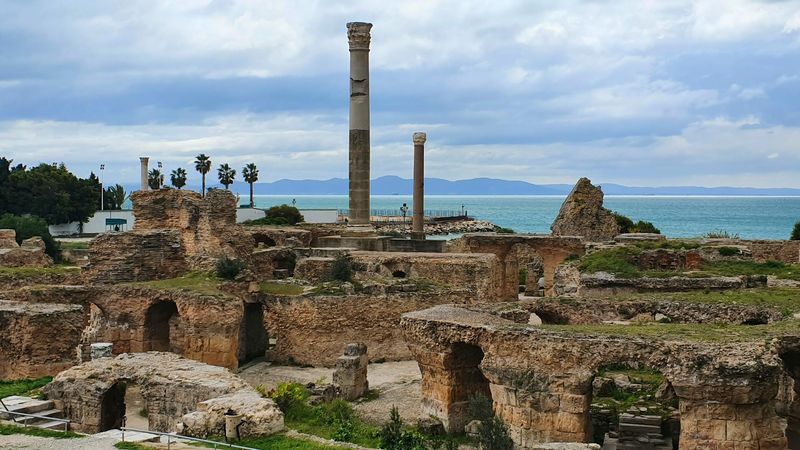
Before Rome became the dominant power of the Mediterranean world, another city was already running the show. Carthage, founded by Phoenician settlers around 814 BC on the coast of modern-day Tunisia, built its fortune on sea trade.
Its merchant ships crisscrossed the Mediterranean carrying purple dye, silver, tin, and slaves, making it fabulously wealthy.
The city fielded a formidable military, famously led by the general Hannibal Barca, who marched elephants over the Alps to attack Rome from the north. That bold move stunned the Roman world.
For a brief, terrifying moment, Rome thought its days were numbered.
Rome eventually struck back with brutal efficiency. After three Punic Wars, Roman forces under Scipio Aemilianus razed Carthage completely in 146 BC.
According to legend, they salted the earth so nothing would grow again, though historians debate whether that actually happened. The Romans later rebuilt a new city on the same site, which itself became a thriving colonial capital.
Today, scattered ruins near modern Tunis and a small but impressive museum preserve the memory of a civilization that once made the entire ancient world nervous.
Great Zimbabwe — Zimbabwe
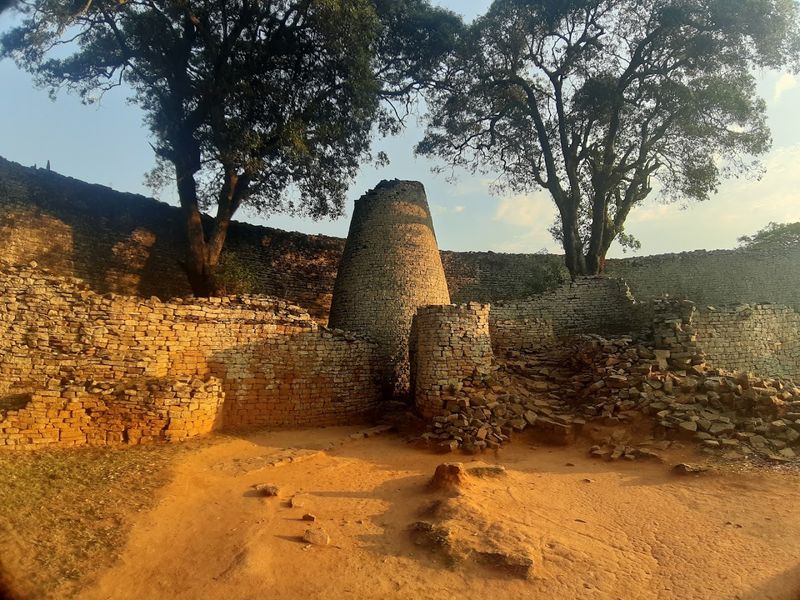
No mortar was used to build these walls, and yet they have stood for nearly a thousand years. Great Zimbabwe, located in the southeastern part of modern-day Zimbabwe, was constructed entirely from dry-stacked granite blocks fitted together with extraordinary precision.
At its height between the 11th and 15th centuries, it was the capital of a powerful Shona kingdom that controlled gold and ivory trade routes stretching to the East African coast.
The city likely housed around 18,000 people at its peak, making it one of the largest urban centers in sub-Saharan Africa at the time. Merchants from as far as China and Persia traded goods here.
Porcelain fragments from China have been found among the ruins, proving just how far the city’s commercial reach extended.
When European explorers first encountered the ruins in the 19th century, some refused to believe Africans had built them. That shameful denial was eventually corrected by archaeology and common sense.
The site gave the modern nation of Zimbabwe its name, a tribute to the enduring legacy of its medieval builders. Today, the Great Enclosure and its iconic conical tower remain Africa’s largest ancient stone structure south of the Sahara.
Palmyra — Syria
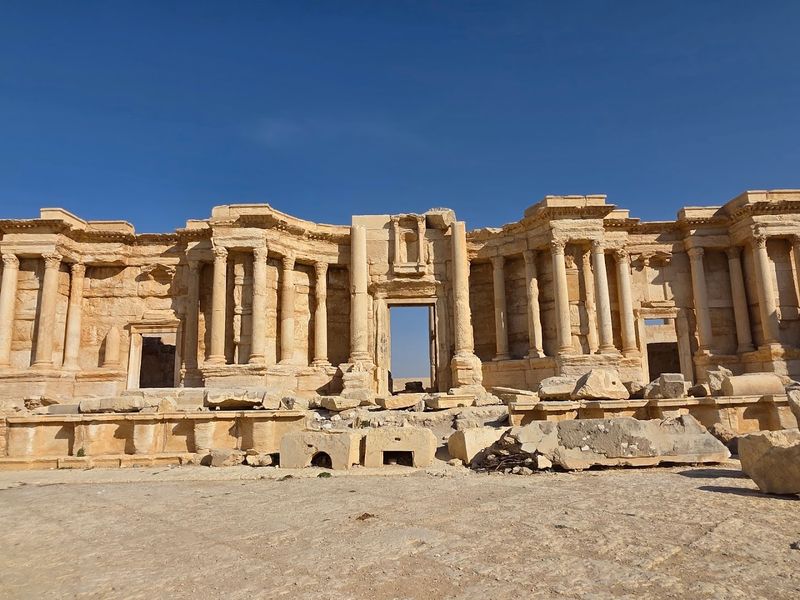
Rising from the middle of a Syrian desert, Palmyra had absolutely no business being one of the ancient world’s most glamorous cities, and yet there it was. Its survival depended on a single precious resource: water from a natural oasis.
That water made it the perfect rest stop for caravans traveling between the Roman Empire and the kingdoms of the East, and rest stops, as any highway traveler knows, can make serious money.
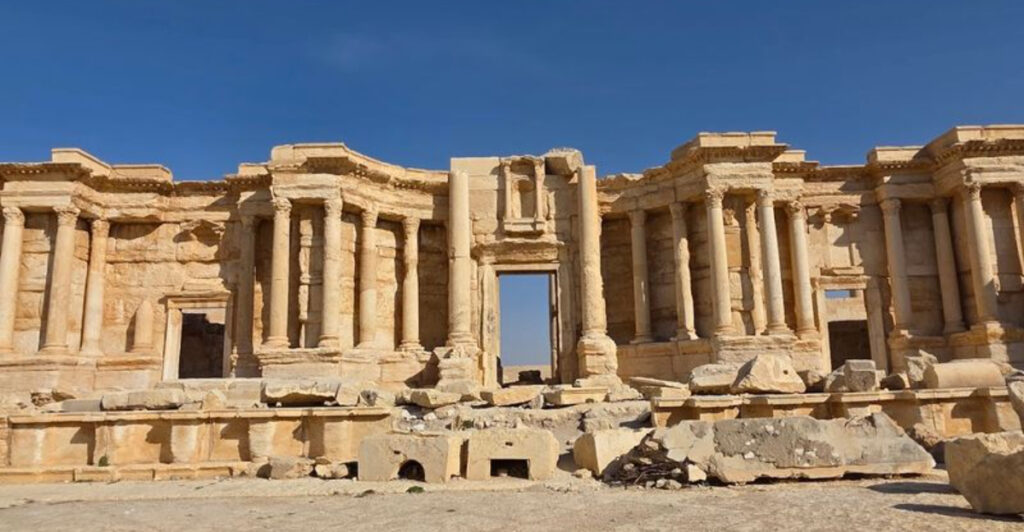
By the 1st century AD, Palmyra had grown into a sophisticated city of colonnaded streets, grand temples, and ornate tombs. Its most famous ruler, Queen Zenobia, was one of antiquity’s most extraordinary figures.
She conquered Egypt and much of the Roman East before Emperor Aurelian defeated and captured her around 272 AD.
After Zenobia’s defeat, Palmyra’s power was broken and never fully restored. Earthquakes, neglect, and centuries of sand slowly buried its grandeur.
In 2015, the Islamic State destroyed several irreplaceable monuments, including the Temple of Bel and the iconic Arch of Triumph. What survives is still stunning.
Thousands of columns still rise from the desert floor, standing as ghostly witnesses to a city that once dared to challenge Rome.
Merv — Turkmenistan
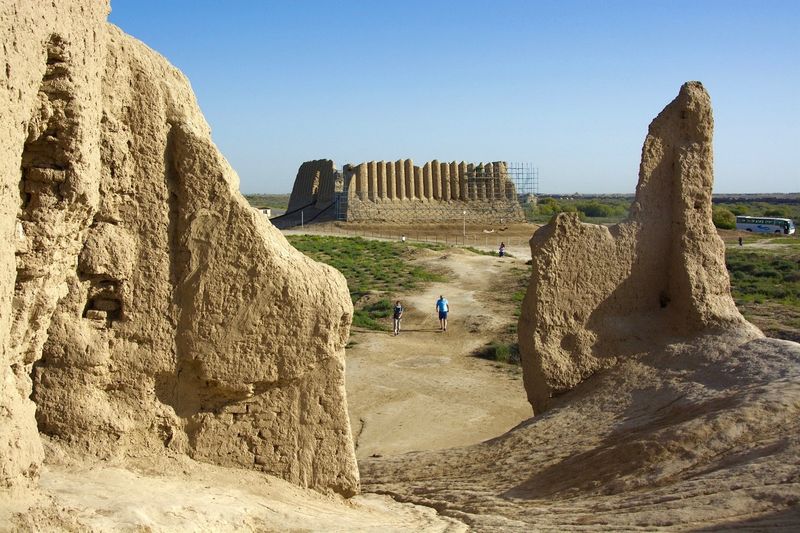
At its 12th-century peak, Merv may have been the largest city on Earth, home to an estimated one million people. That is a staggering number even by modern standards.
Situated in present-day Turkmenistan along the Silk Road, it was a place where Chinese silk, Indian spices, Persian poetry, and Central Asian horses all changed hands. Scholars came here to study, merchants came to profit, and rulers came to show off.
The city boasted grand mosques, elaborate irrigation systems, and libraries that were the envy of the medieval world. Several distinct cities were actually built on top of one another over centuries, each layer representing a different dynasty and a different era of prosperity.
Archaeologists today describe it as one of the most complex urban sites in Central Asia.
Then the Mongols arrived in 1221. Under Tolui, son of Genghis Khan, the city was systematically destroyed and its population massacred in what historians consider one of the deadliest single events of the medieval period.
Merv never recovered. The ruins that remain, scattered across a dry Turkmen plain, are now a UNESCO World Heritage Site.
They stand quietly where caravans once rumbled and scholars once argued late into the night.
Ctesiphon — Iraq
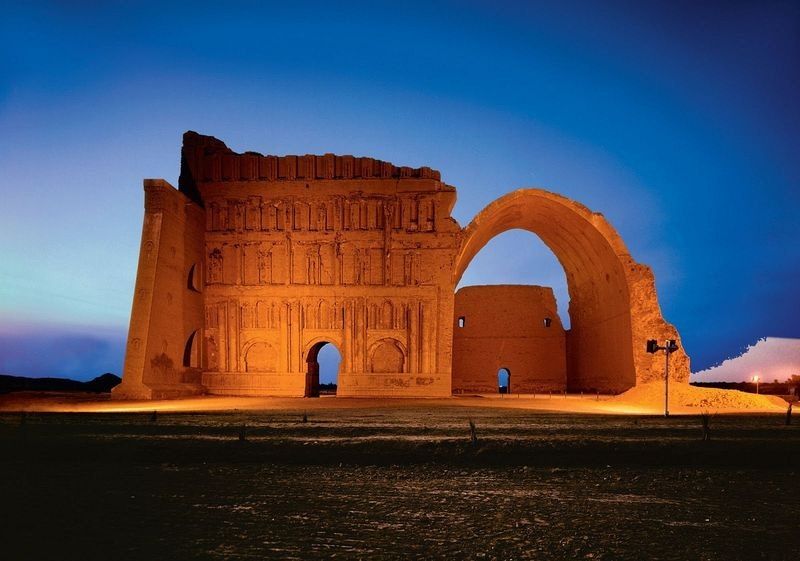
The Taq Kasra is the largest single-span brick arch ever built in the ancient world, and it has been standing in the Iraqi desert for roughly 1,600 years. That arch is almost all that remains of Ctesiphon, once the magnificent capital of both the Parthian and Sasanian empires.
For centuries, it was arguably the richest city in the world, sitting at the crossroads of trade routes connecting Rome, India, and China.
At its height, Ctesiphon’s royal palace complex was so vast and so opulent that visiting ambassadors reportedly struggled to describe it without sounding like they were exaggerating. The Sasanian kings who ruled here commanded armies, collected taxes from an enormous empire, and patronized arts and scholarship on a grand scale.
The city’s population likely exceeded half a million people.
Arab Muslim forces captured Ctesiphon in 637 AD, ending Sasanian rule and shifting the region’s political center permanently. The city gradually emptied as the new capital of Baghdad was built nearby in the 8th century.
Its bricks were literally recycled to build other structures. Today, the Taq Kasra stands alone in the flat Iraqi landscape, a single breathtaking relic of an empire most people have completely forgotten.
Ani — Türkiye
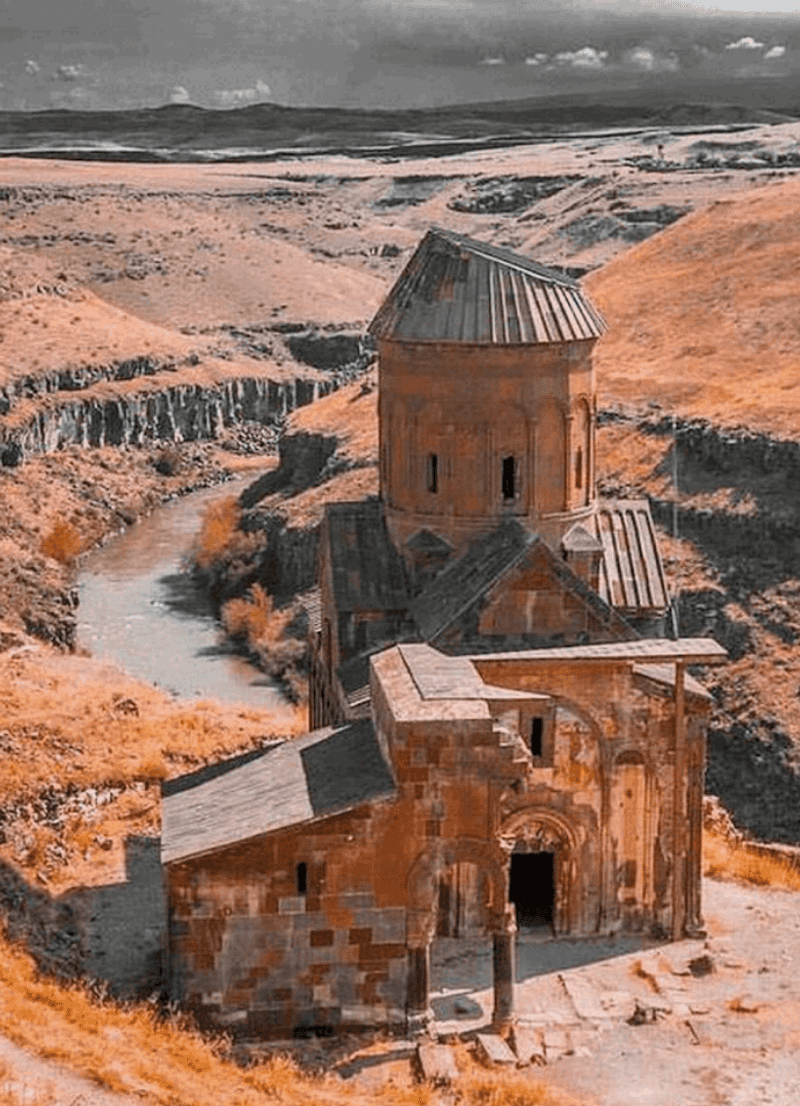
Perched dramatically on a plateau above a deep river gorge in eastern Turkey, Ani was once so prosperous and so beautiful that medieval travelers called it the City of 1001 Churches. That might be a slight exaggeration, but the sentiment was real.
Around the year 1000 AD, Ani was the capital of the Bagratid Armenian kingdom and one of the most sophisticated cities in the entire medieval world.
Its population rivaled that of Constantinople and Cairo. Skilled Armenian architects built soaring churches with elegant stonework that influenced Byzantine and later Gothic design.
Merchants trading along routes connecting Persia, Byzantium, and Central Asia kept its markets humming with activity and its treasury well stocked.
Then the blows came in quick succession. The Byzantines took it, then the Seljuk Turks, then the Mongols, and finally a devastating earthquake in 1319 that broke what was left.
Each conquest stripped away another layer of its former glory. Trade routes shifted, and nobody bothered to rebuild.
Ani was simply abandoned, left to the wind and grass. Today, its ruins sit right on the Turkish-Armenian border, hauntingly preserved yet almost entirely unvisited, which somehow makes the whole place feel even more melancholy.
Leptis Magna — Libya
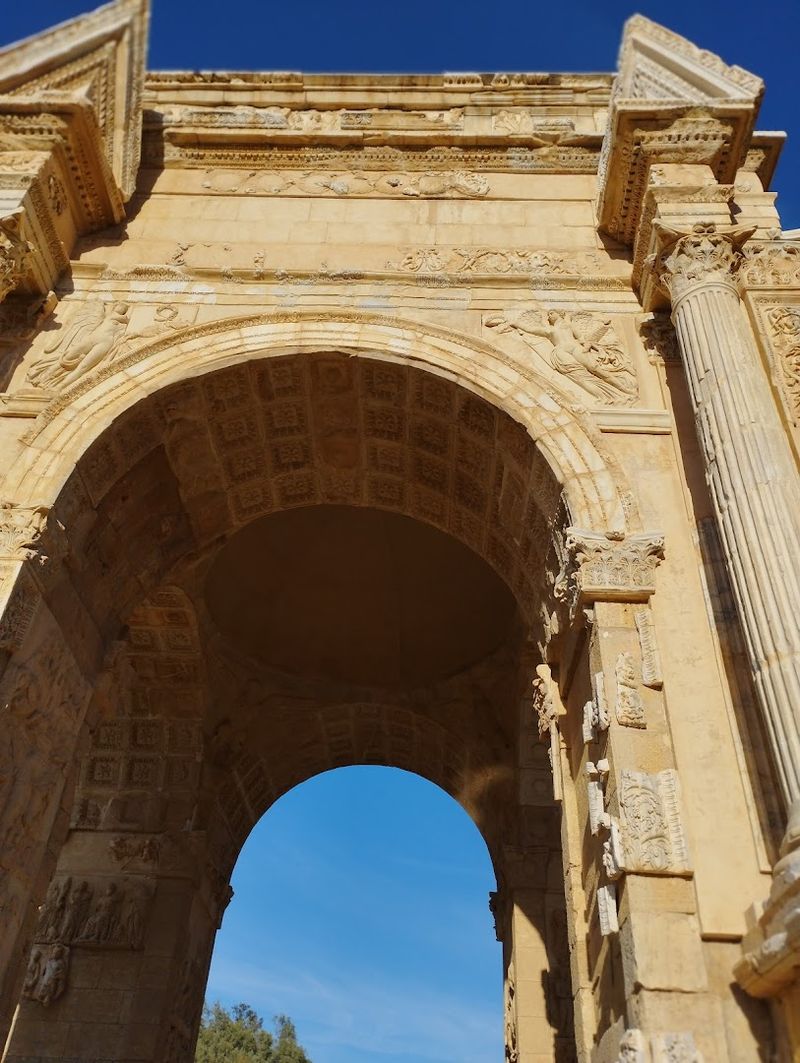
Some cities get lucky with their patrons, and Leptis Magna hit the jackpot. When Septimius Severus, a native son of this North African city, became Roman Emperor in 193 AD, he poured imperial money back into his hometown like a proud homecoming king with an unlimited budget.
The result was one of the most spectacular Roman cities in the entire empire, complete with a massive forum, a triumphal arch, a colonnaded street, and a harbor that could handle serious commercial traffic.
Even before Severus, Leptis Magna was already wealthy. Its location on the Libyan coast made it a major exporter of olive oil, grain, and wild animals destined for Roman arenas.
The city’s elite families were cultured, well-connected, and extremely comfortable.
After the Western Roman Empire collapsed and trade routes shifted, the city slowly declined. Sand drifted in from the Sahara and buried entire neighborhoods, which turned out to be an accidental preservation miracle.
When archaeologists began excavating in the 20th century, they found marble columns, intricate mosaics, and carved reliefs in remarkable condition. Leptis Magna is arguably the best-preserved Roman city in the world, and most people have never even heard of it, which feels like a genuine injustice.
Babylon — Iraq
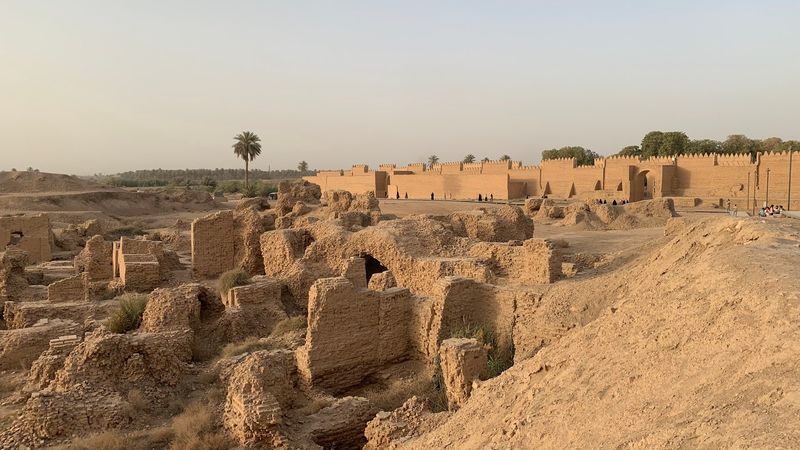
Few cities in human history carry as much mythological weight as Babylon. The name alone conjures images of hanging gardens, towering ziggurats, and kings so powerful they rewrote the laws of civilization, literally.
Located along the Euphrates River in modern Iraq, Babylon was the political and cultural capital of Mesopotamia during the reign of Nebuchadnezzar II in the 6th century BC, and it was genuinely extraordinary.
The city was enclosed by massive double walls wide enough for chariots to turn around on top. The Ishtar Gate, covered in brilliant blue glazed tiles decorated with lions, bulls, and dragons, was one of the ancient world’s most jaw-dropping entrances.
Babylon also housed one of history’s earliest codified legal systems, the Code of Hammurabi, carved in stone for all to read.
The Hanging Gardens, reportedly built by Nebuchadnezzar for his homesick wife, remain one of the Seven Wonders of the Ancient World, though archaeologists have never definitively located them. Babylon passed through Persian, Greek, and Parthian hands before gradually declining.
Today, the site near the town of Hillah in Iraq contains reconstructed walls and scattered ruins, plus a Saddam Hussein-era palace that sits awkwardly on top of the ancient foundations.
Mohenjo-daro — Pakistan
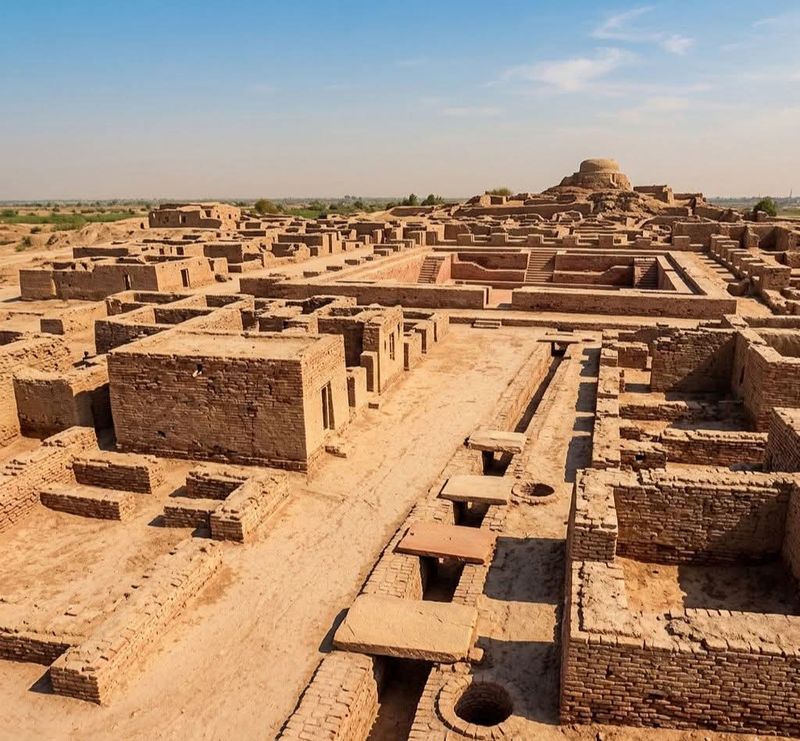
Over four thousand years ago, while most of the world was still figuring out basic urban planning, the people of Mohenjo-daro had already built a city with straight streets, multi-story brick houses, and a sewage system more sophisticated than anything in ancient Europe. Located in the Indus Valley of modern-day Pakistan, this city was one of the largest urban settlements of its time, home to perhaps 40,000 people at its peak around 2500 BC.
The Great Bath, a large public pool likely used for ritual cleansing, still sits at the heart of the ruins. Standardized bricks were used throughout the city, suggesting centralized planning on a remarkable scale.
Yet no royal palace, no grand temple, and no obvious ruler’s tomb has ever been found, which makes archaeologists genuinely puzzled about how the place was actually governed.
The Indus script carved on small seals and tablets has never been deciphered, which means Mohenjo-daro has kept its deepest secrets locked away for millennia. Around 1900 BC, the city was abandoned for reasons still debated: climate change, river flooding, disease, or invasion.
The mystery is part of what makes it so compelling. Walking through its ancient lanes today feels less like a history lesson and more like an unsolved riddle.
Hattusa — Türkiye
Most people know ancient Egypt and ancient Greece, but the Hittites, who built their capital at Hattusa in north-central Turkey around 1600 BC, were every bit as powerful and arguably more interesting. They were the first civilization to master iron-working on a large scale and the first to sign a formal peace treaty, with Egypt after the Battle of Kadesh around 1274 BC.
That treaty, remarkably, still survives and a copy hangs at the United Nations in New York.
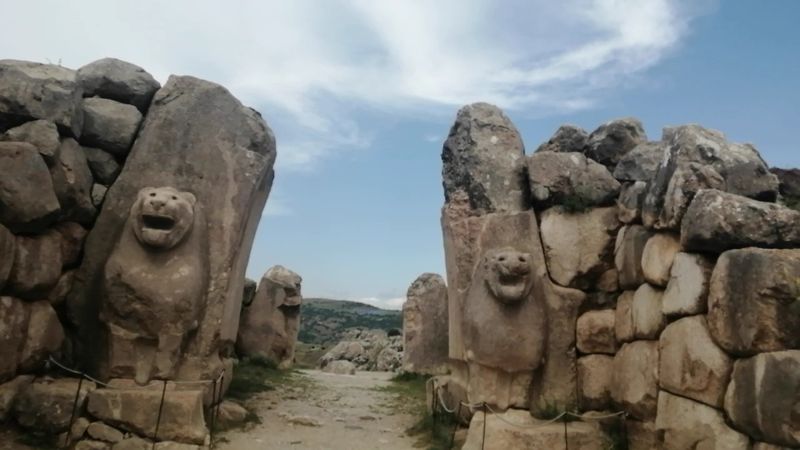
Hattusa was a heavily fortified city sprawled across rocky hills, protected by massive stone walls stretching nearly six kilometers. Its gates were flanked by enormous carved lions and sphinxes, making it clear to any approaching visitor that this was not a city to be trifled with.
Inside, royal archives stored thousands of clay tablets written in cuneiform, covering everything from diplomatic correspondence to religious rituals.
The Hittite Empire collapsed suddenly around 1200 BC as part of the mysterious Bronze Age Collapse that brought down nearly every major civilization in the eastern Mediterranean. Hattusa was burned and abandoned.
Today, the UNESCO-listed ruins near the Turkish village of Boghazkoy are surprisingly vast and atmospheric, especially when you realize how little most people know about the empire that built them.
Petra — Jordan
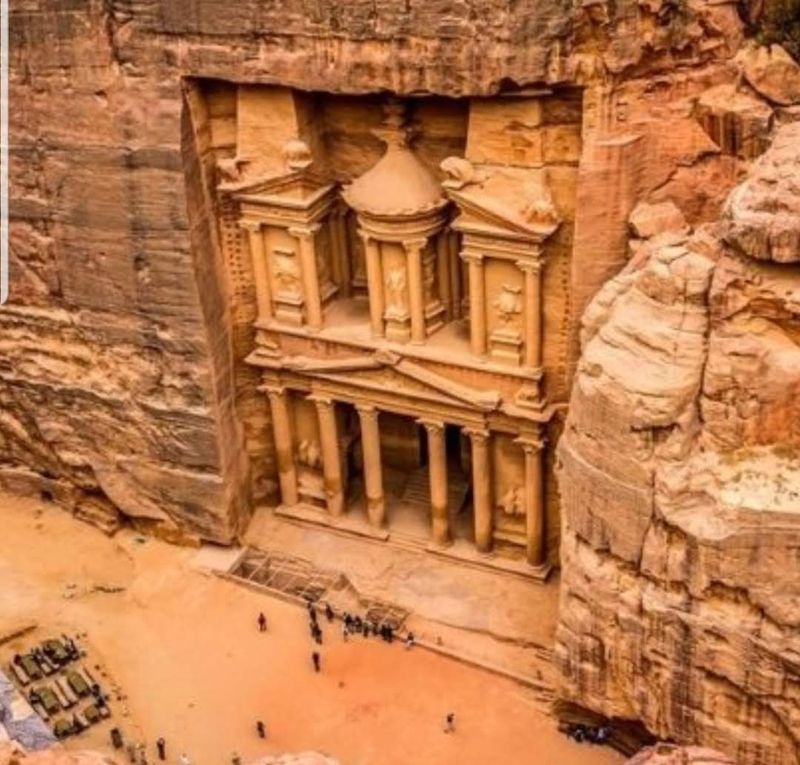
Carved directly into rose-red sandstone cliffs in the Jordanian desert, Petra is the kind of place that makes people stop mid-sentence and just stare. The Nabataeans, a once-nomadic Arab people, built this city starting around the 4th century BC and turned it into one of the ancient world’s most profitable trading hubs.
Frankincense, myrrh, spices, silk, and copper all passed through its narrow canyon entrance, the Siq, on their way between Arabia, Egypt, and the Mediterranean.
The city’s most iconic structure, the Treasury or Al-Khazneh, was actually a royal tomb, not a bank. Its perfectly proportioned facade, carved from a single cliff face, is so dramatic that it became a backdrop in Indiana Jones and the Last Crusade, which introduced it to a whole new generation of admirers.
Rome annexed Petra in 106 AD, and while the city continued under Roman rule, its commercial importance slowly declined as sea trade routes bypassed it. A devastating earthquake in 363 AD damaged much of the water system, and the population drifted away.
The city was largely forgotten to the Western world until Swiss explorer Johann Ludwig Burckhardt rediscovered it in 1812. Today it draws over a million visitors annually and still manages to feel utterly otherworldly.
Angkor Thom — Cambodia
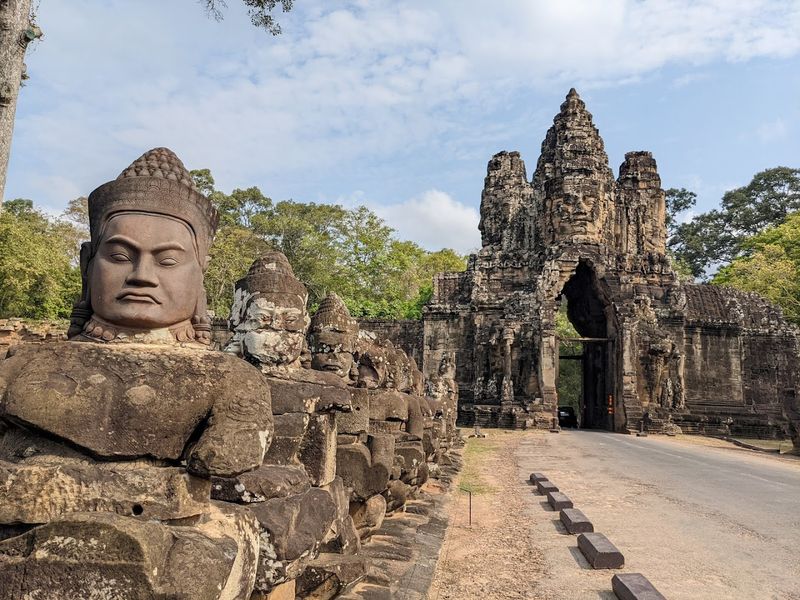
Giant stone faces peer out from jungle-covered towers in every direction, each one wearing an expression of serene, slightly unsettling calm. That is the experience of visiting Angkor Thom, the last great capital of the Khmer Empire in northwestern Cambodia.
Built by King Jayavarman VII at the end of the 12th century, it enclosed a city of temples, palaces, and boulevards within walls stretching over three kilometers on each side.
At its height, the greater Angkor region may have housed up to one million people, making it the largest pre-industrial urban complex on Earth. The Khmer Empire’s wealth came from rice agriculture, made possible by an extraordinary network of reservoirs and canals that kept crops growing year-round.
Engineering and faith were inseparable here: temples were also water management statements.
The empire gradually weakened through a combination of war with the Thai Ayutthaya Kingdom, environmental stress on its water systems, and possible climate shifts. By the 15th century, the capital was moved south to near modern Phnom Penh, and Angkor Thom was slowly reclaimed by jungle.
Today, it forms part of the Angkor Archaeological Park, a UNESCO site that draws millions of visitors and remains one of the most awe-inspiring places on the planet.
Khami — Zimbabwe
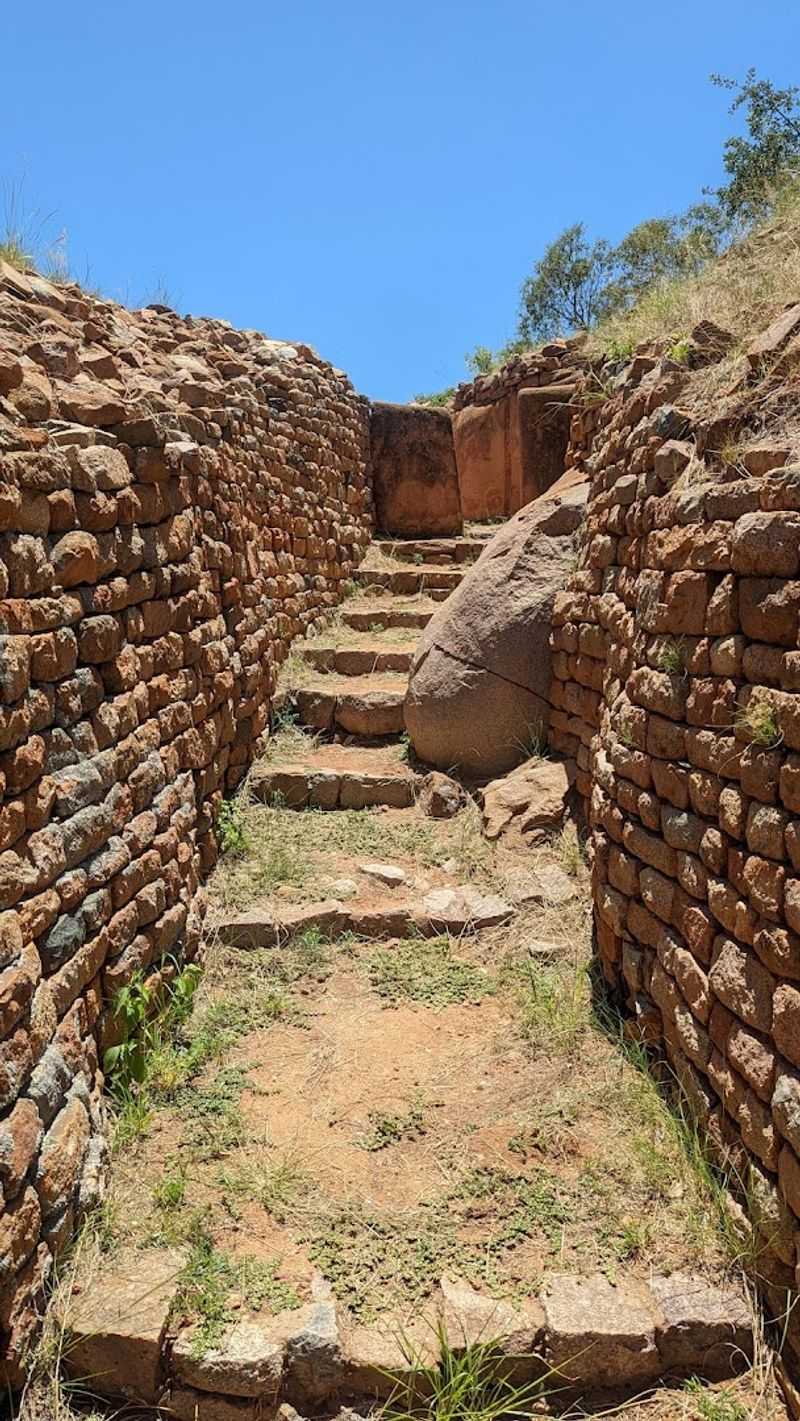
When Great Zimbabwe declined in the 15th century, power did not simply vanish from the region. It shifted west to Khami, the new capital of the Kingdom of Butua, located near modern-day Bulawayo in Zimbabwe.
The people who built it, the Torwa dynasty, inherited the dry-stone building tradition of their predecessors and refined it further, adding decorative geometric patterns to the terrace walls that are genuinely beautiful up close.
Khami sat at the center of a regional trade network connected to the Swahili coast, and artifacts found at the site include Chinese porcelain, European glass beads, and copper objects, evidence of a city plugged into global commerce long before Europeans arrived in the interior of Africa. The hilltop platforms where the elite lived were separated from the lower sections of the city, suggesting a carefully organized social hierarchy.
Portuguese contact in the 16th century disrupted regional trade networks, and the Rozvi Kingdom eventually replaced the Torwa as the dominant power. Khami was abandoned and burned around the mid-17th century.
Today it is a UNESCO World Heritage Site, though it receives far fewer visitors than Great Zimbabwe despite its remarkable walls and fascinating history. That relative obscurity makes a visit feel almost like a private audience with the past.
Nineveh — Iraq
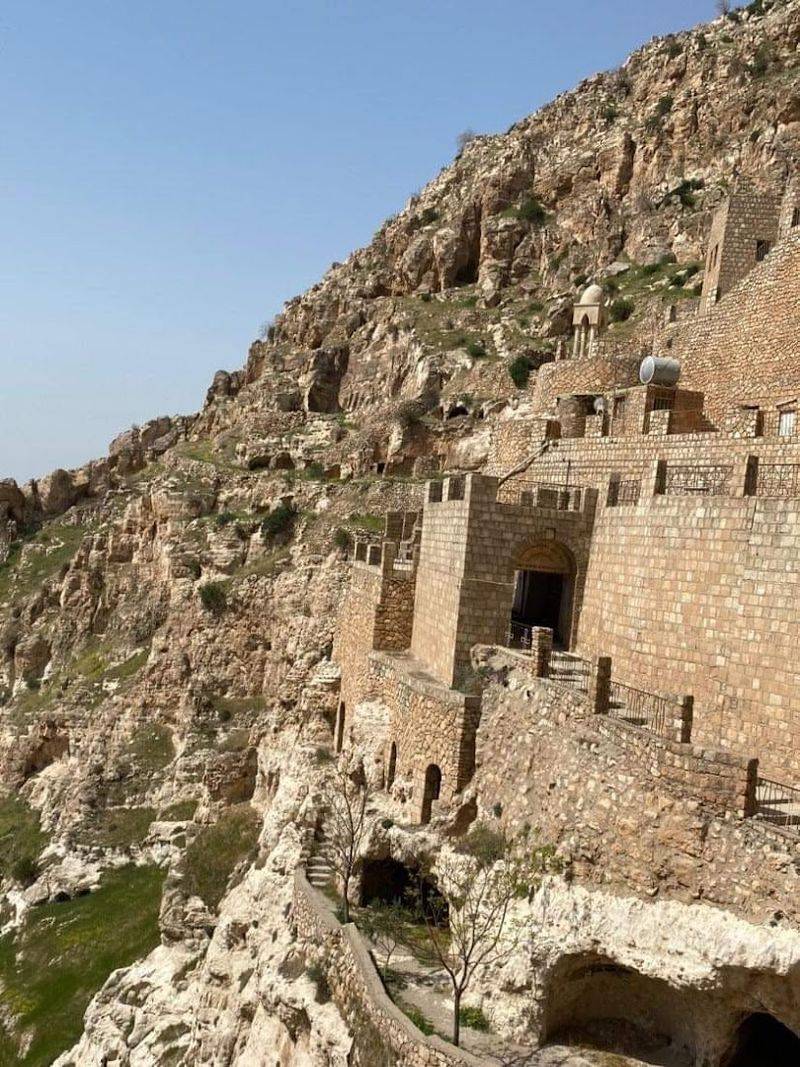
At its 7th-century BC peak, Nineveh was the largest city on Earth, full stop. The capital of the Assyrian Empire stretched along the eastern bank of the Tigris River near modern-day Mosul in Iraq, and it was a place of staggering ambition.
King Sennacherib, who ruled from here, boasted that he had built a palace without rival, and excavations suggest he was not entirely wrong. Stone reliefs depicting battles, lion hunts, and royal ceremonies covered the walls of the royal complex at Nineveh in extraordinary detail.
The city also housed one of the ancient world’s great libraries, assembled by King Ashurbanipal. Tens of thousands of clay tablets containing epic literature, scientific observations, and religious texts were stored here.
The Epic of Gilgamesh, one of humanity’s oldest written stories, survived because of Ashurbanipal’s obsessive collecting habit.
The city’s fall came fast and hard. A coalition of Babylonians, Medes, and Scythians besieged and destroyed Nineveh in 612 BC.
The Assyrian Empire, which had terrorized the ancient Near East for centuries, collapsed within a few years. The prophet Nahum had predicted the city’s destruction, and when it came, neighboring peoples reportedly celebrated.
Today, the ruins sit within the suburbs of modern Mosul, a city that has seen its own share of historic upheaval in recent decades.
Share this story