 Unearth The Voyage
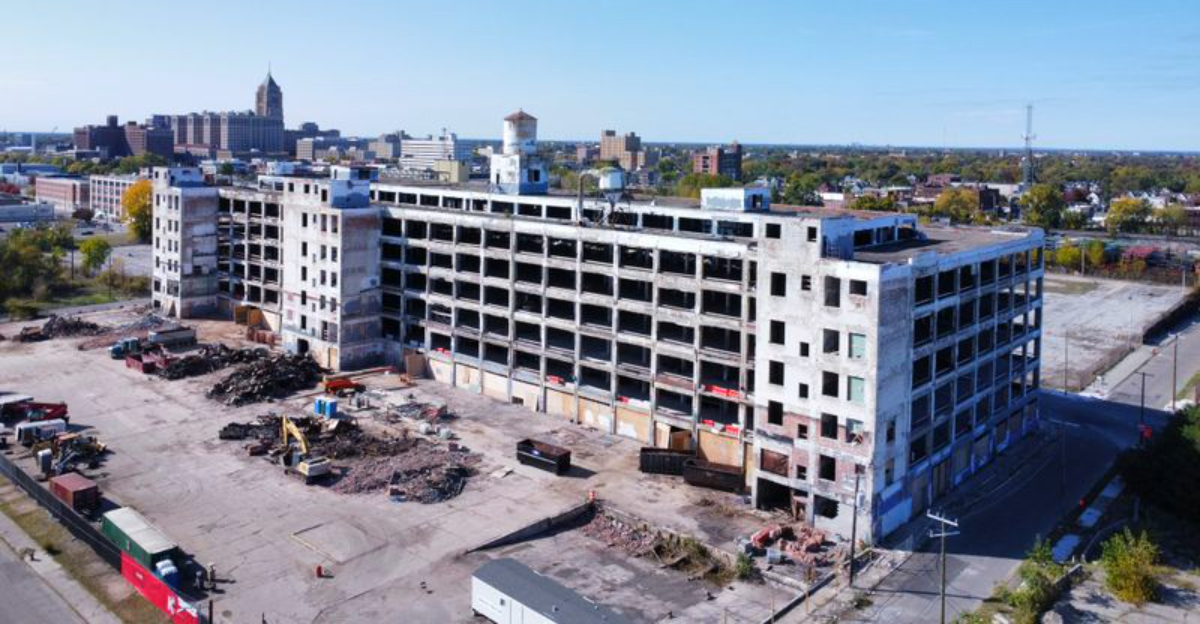
America once ran on the thrum of furnaces, looms, and assembly lines that built our cities and armed our wars. Many of those industrial giants now sit quiet, their brick shells and steel bones whispering what they made and who they employed. Walk through these sites and you feel the grit, the pride, and the tough choices that reshaped entire towns. If you love hidden history and real stories, this tour will pull you in and keep you exploring.
1. Bethlehem Steel Plant – Pennsylvania
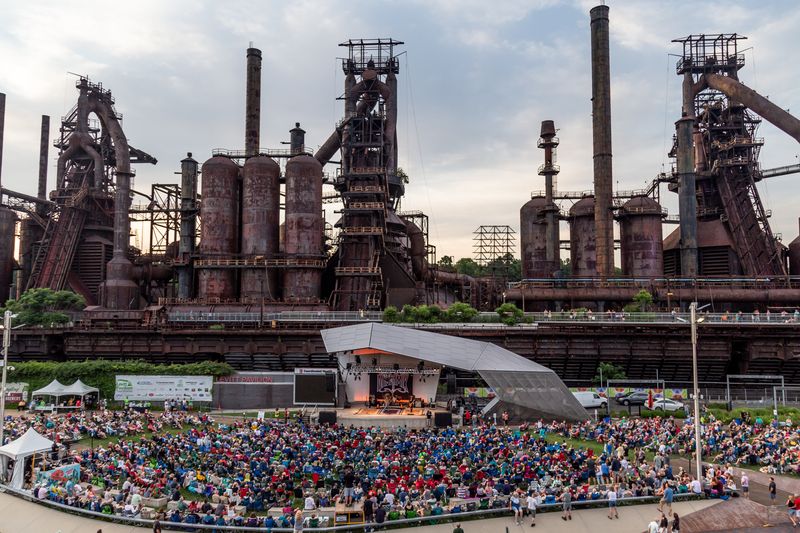
You are standing where bridges, skyscrapers, and warships began. The hulking furnaces of Bethlehem Steel tower ahead, their ladders frozen mid climb, like a paused heartbeat. The wind slides through torn sheet metal, and you can almost hear riveters working shifts that never seemed to end. This place helped stitch America together, one beam at a time.
Walk closer and read the scars. Wartime demand roared here, then globalization, cost pressures, and new technologies turned the tide. By the 1990s, jobs disappeared, families followed opportunities elsewhere, and the plant finally closed in 1995. Now the stacks frame concerts and tours, a living classroom for grit and reinvention.
Look at the scale and remember the hands. Steel made possible the skyline you admire and the ships that guarded our shores. Places like this are more than ruins. They are blueprints for resilience.
2. Packard Motor Car Company – Detroit, Michigan
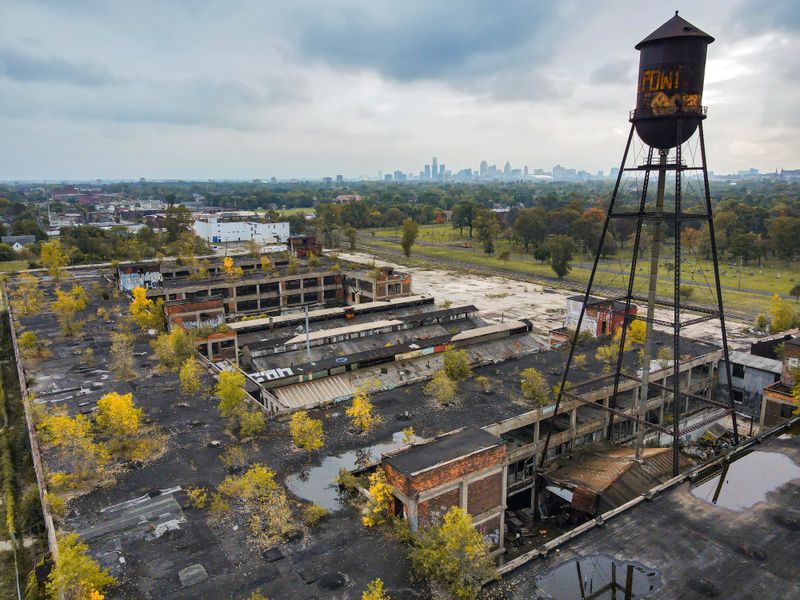
In Detroit’s east side, the Packard plant stretches like a concrete coastline. You can picture polished cars sliding off the line, chrome winking under bright shop lights. Today, shafts of sunlight pierce broken windows, falling on dust, bricks, and stubborn weeds. The hum of excellence has quieted, but the story still echoes.
Packard once built luxury and pride, then met headwinds from competition, labor shifts, and changing tastes. The factory’s vastness became a burden, its upkeep a cost nobody could carry. As production stopped, the complex crumbled into haunting beauty. Explorers wander through cavernous bays, photographing the skeleton of innovation.
It is tempting to see only decay. Look harder and you notice blueprints for renewal, even if the path is messy. The city that birthed mobility is still experimenting, still fighting. You feel it here, where ambition has not fully left.
3. Sloss Furnaces – Birmingham, Alabama
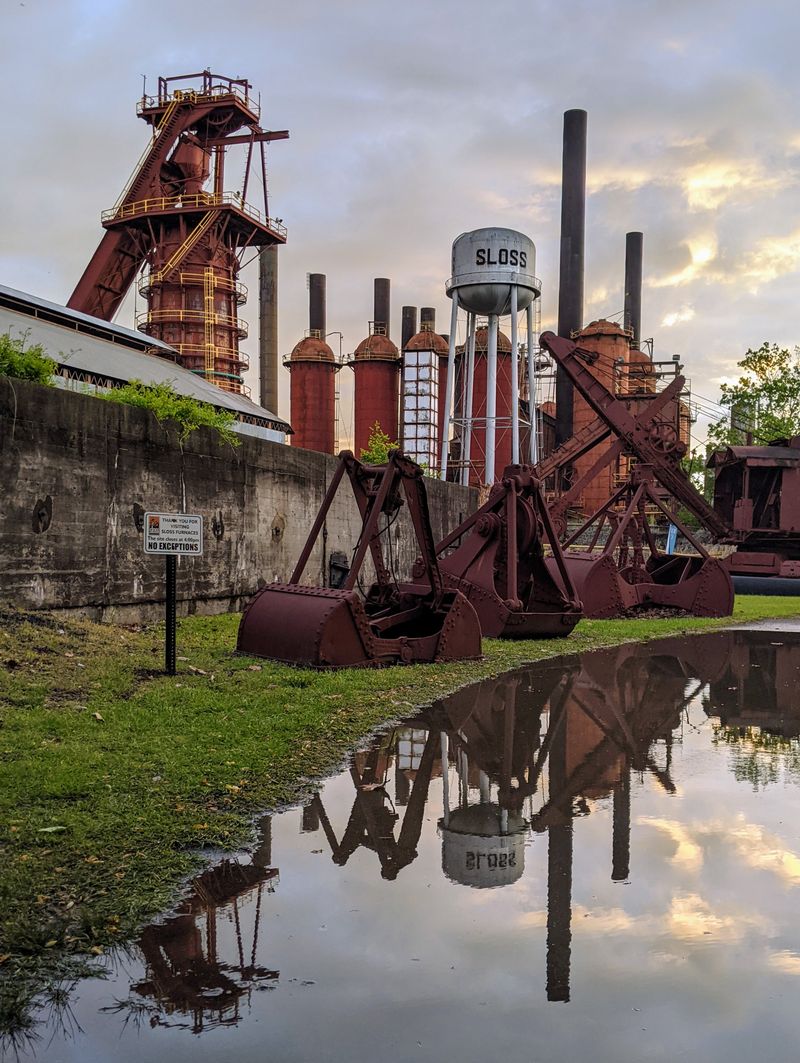
Sloss Furnaces wears its rust like a badge. You wander through pipes, catwalks, and stoves, imagining coke and limestone feeding a fiery belly. Birmingham’s boom needed iron, and Sloss delivered pig iron by the ton. The clank of tongs and the flare of molten metal must have felt like a second sun.
Here, growth demanded sweat, and communities were reshaped shift by shift. Environmental costs piled up, and new processes outpaced old furnaces. When the blast quieted, preservationists stepped in, saving a maze of machinery that still teaches how prosperity was forged. Stand under the stacks and you feel a pulse returning.
Now it is tours, festivals, and steel history told in plain language. You can almost smell the heat and hear crews calling over the roar. Sloss proves industrial heritage can be both honest and inviting. Come ready to listen.
4. Fisher Body Plant 21 – Detroit, Michigan
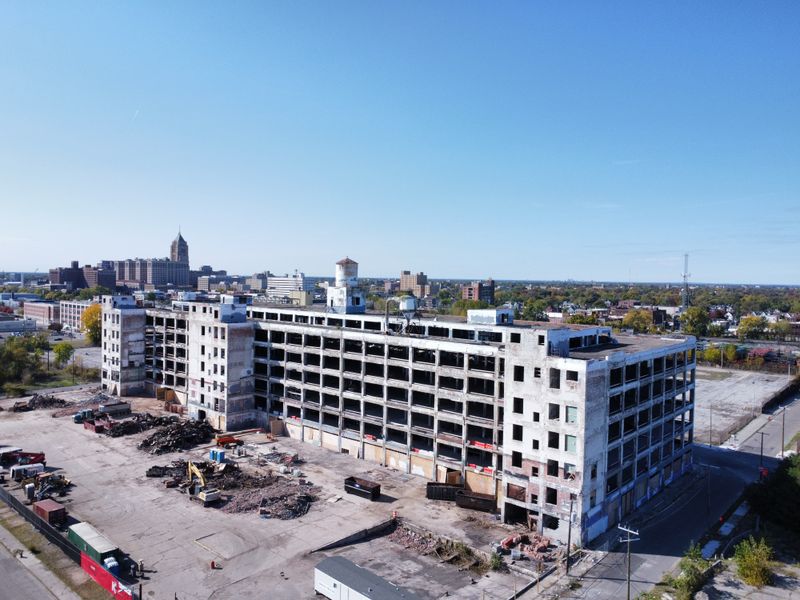
Fisher Body 21 once gave General Motors its shape. Metal stamped, welded, and painted here became the outer skin of dreams on wheels. Now light pours through cracked windows across a checkerboard of oil stains and glass. You sense the choreography that kept bodies moving with seconds to spare.
The plant’s purpose faded as production shifted and automation demanded different spaces. What remains is a cathedral of industry, columns and beams soaring over quiet floors. Graffiti marks today’s signatures, layered atop the past. It is messy and oddly tender.
Factories like this taught America how to scale craft. When they close, cities must relearn how to make room for new work. You can feel Detroit practicing that lesson again and again. Standing here, you root for transformation, and maybe you imagine fresh tools humming where echoes now linger.
5. Riverside Cotton Mills (Dan River Mills) – Danville, Virginia
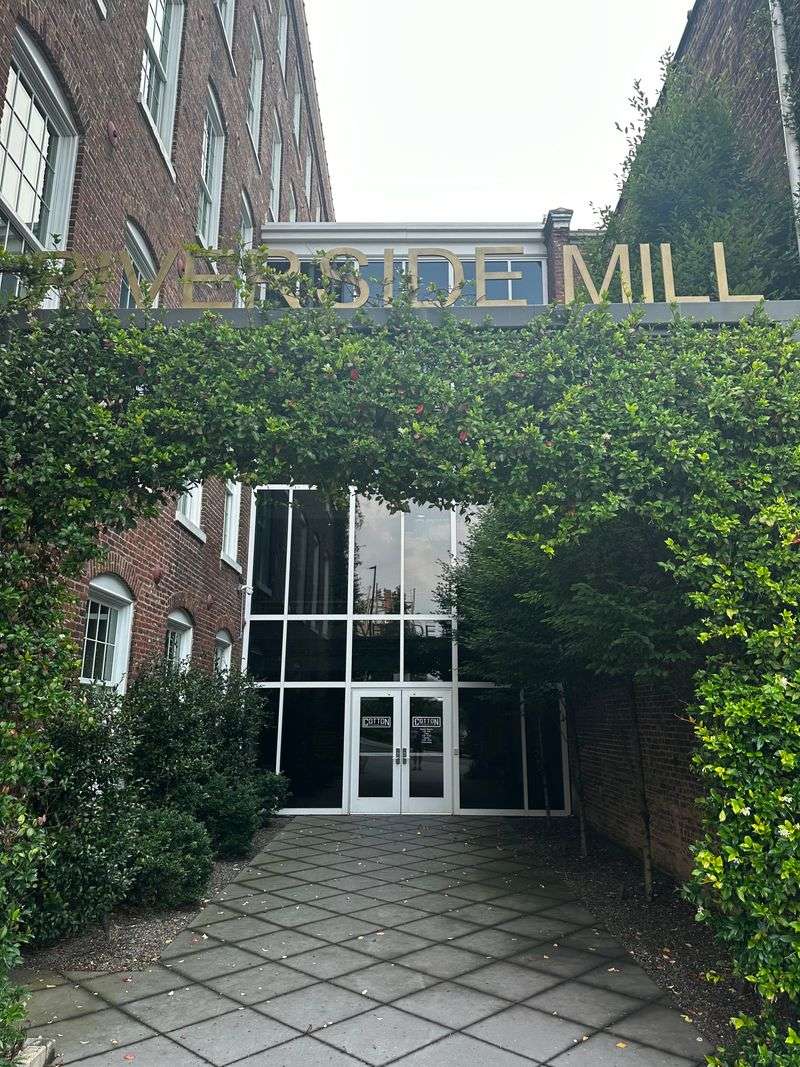
Dan River Mills once wrapped America in sheets and workwear. The complex sprawled along the river, its weave rooms running hot and loud. You picture lunch pails, shift whistles, and a town synced to production schedules. The mill paid mortgages, sponsored teams, and shaped identities with each finished bolt.
When the global economy tilted, orders drifted overseas, and margins thinned. The looms slowed, then stopped, leaving silence where cloth once flowed like water. Families felt the change in grocery lists and school plans. Parts of the site now wait, others have been cleared.
Still, memory lingers in brick and river mist. You stand by the gate and understand how work can anchor a place. The story does not end with closure. It continues in small businesses, training centers, and in the pride that refuses to unravel.
6. Washburn “Mill City” Flour Mill – Minneapolis, Minnesota
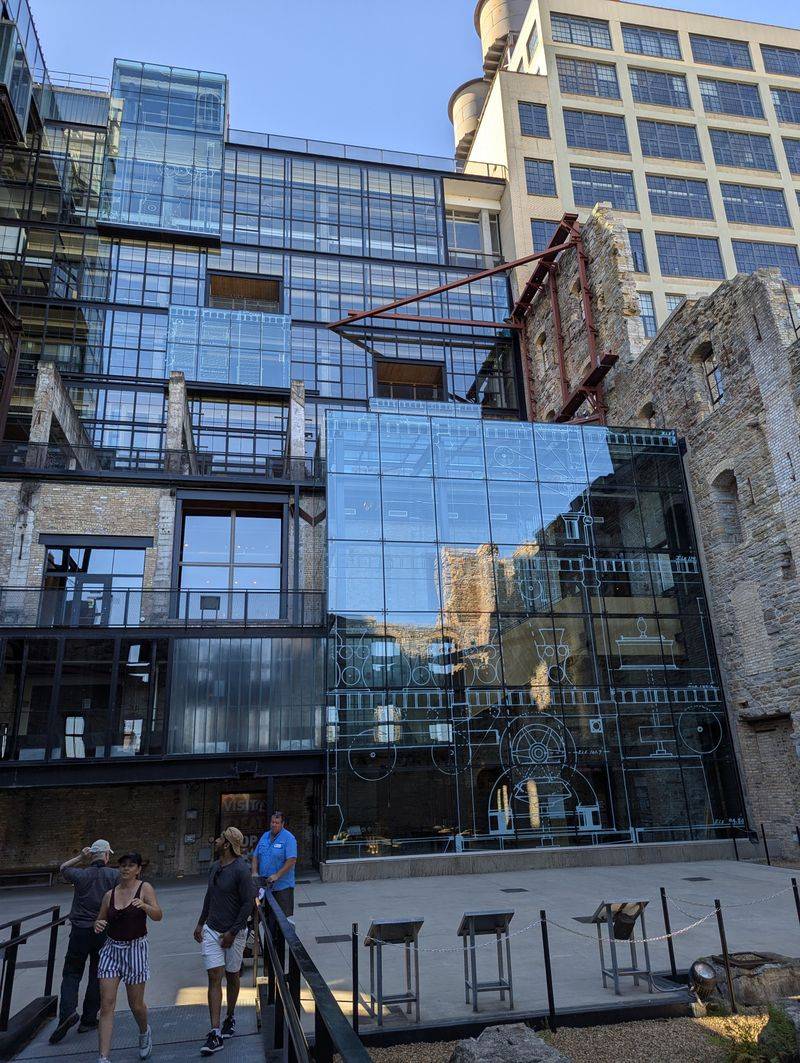
Flour once thundered through Washburn’s mill, turning prairie wheat into global bread. The building’s bones remain, open to sky and story, a museum that lets you touch the gears of prosperity. You feel the river’s push, the grain dust, the careful choreography of grindstones. Minneapolis earned the name Mill City right here.
Industrial accidents taught hard lessons, then innovation lifted output. Competition moved on, and the city diversified beyond milling. Today the ruins frame exhibits, catwalks, and views that explain how food empires rise. It is both ruin and classroom, honest and hopeful.
As you wander, you notice how heritage and modern life share space. Apartments, trails, and restaurants cluster around the mill’s silhouette. This blend says you can honor the past without freezing it. Come curious and leave hungry for stories, and maybe actual bread from nearby bakeries.
7. Tredegar Iron Works — Richmond, Virginia

Tredegar forged cannons and rails, feeding both commerce and conflict. Its riverfront site still tells a layered story, from antebellum ambition to Civil War urgency. You can trace the outlines of foundries and shops, then step into exhibits that face the past directly. The air carries grit and reflection in equal measure.
After the war, industrial competition and changing markets trimmed its reach. The complex shrank, but the imprint remained on Richmond’s skyline and memory. Preservation turned decline into access, giving you a walkable map of iron’s impact. It is humbling and necessary.
Listen for echoes of hammer strikes and management decisions. They shaped neighborhoods, wages, and opportunity. Standing here, you grasp how technology and policy steer whole cities. Tredegar invites that bigger view, asking you to hold pride and reckoning in the same hand.
8. Lowell Mills – Lowell, Massachusetts
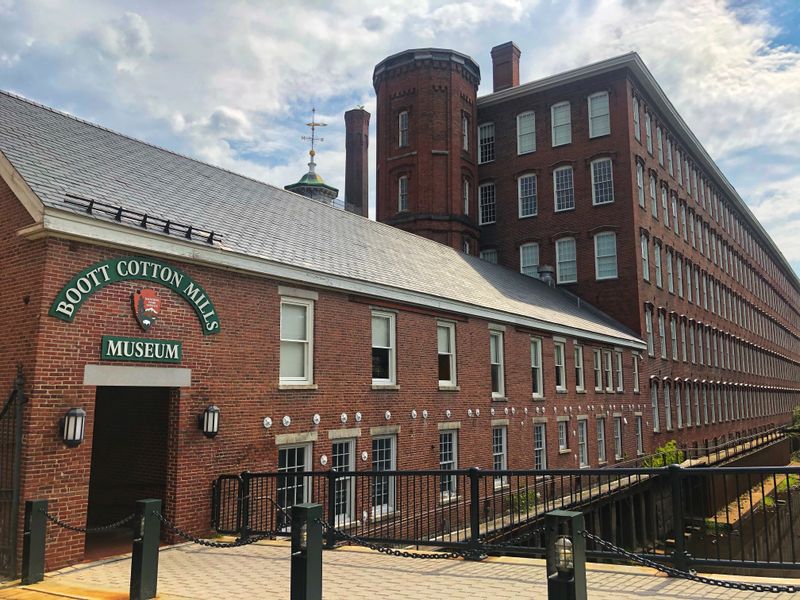
Lowell is where water turned into wages. The canals flicker, and you imagine turbines waking looms across entire blocks. Mill girls lived in boardinghouses, wrote letters, and organized for change, all while fabric poured from fast machines. The city became a laboratory for American industry and labor.
As technology spread and markets shifted, the edge dulled. Mills closed or moved, and the hum eased into quiet streets. The National Historical Park now stitches the story together. You step through working exhibits and feel the pull of belts and wheels.
It is impossible not to compare past and present. How we treat workers still determines what we build and keep. Lowell shows that prosperity is a choice backed by systems and courage. Walk the towpaths and listen. The water still talks.
9. Ford River Rouge Complex – Dearborn, Michigan
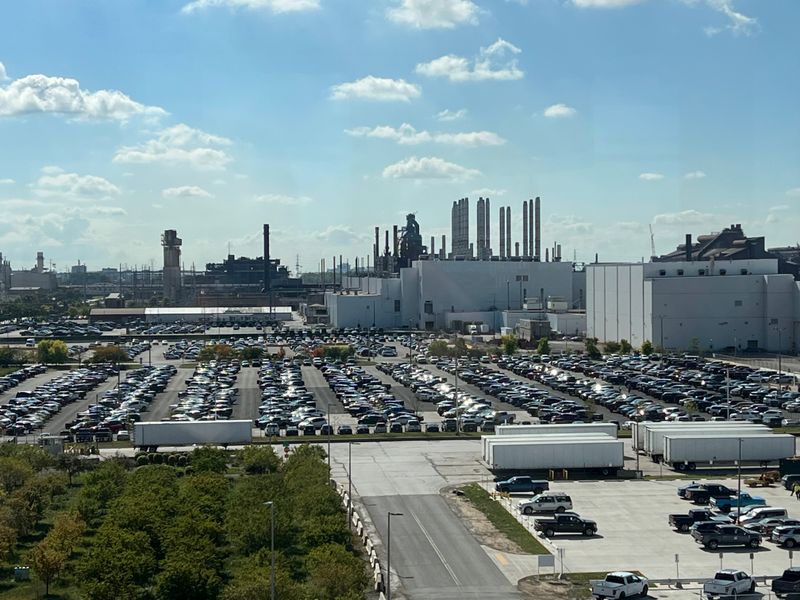
River Rouge was the factory as universe, raw ore in one end and finished cars out the other. You feel the ambition baked into every conveyor and crane. Trains, ships, and trucks knitted together a choreography that made mass production real. It was bold, disciplined, and astonishing.
Time demanded cleaner processes and smarter layouts. Parts of the complex adapted, while others faded into history. Today you can tour active lines and peer into the past, sometimes from a green roof that signals a new ethic. It is industry learning to breathe differently.
Standing there, you see how design can shape society. Shorter lead times, better jobs, safer air. The lesson is not nostalgia. It is about using scale with care, keeping innovation human centered and communities in focus. Rouge still teaches that.
10. Columbus Historic Riverfront Industrial District – Georgia

Along the Chattahoochee, mills spun cotton into livelihoods. The river powered turbines while brick walls held the heat of long shifts. You can walk the riverfront and feel how production shaped streets, schools, and small routines. It is a landscape of enterprise and effort.
When textile markets shifted, payrolls thinned and buildings slipped into vacancy. The community answered with restoration, rafting waves, and mixed use spaces that invite new energy. Old floors now carry startups and studios. It is a second act with honest roots.
You sense continuity in the water’s constant push. Work evolves, but place still matters. Columbus proves industrial heritage can spark outdoor fun and fresh business at once. Bring comfortable shoes and time to linger. The river will guide your pace.
11. Remington Arms Factory (Bridgeport) – Connecticut

Remington’s Bridgeport plant once loaded the nation’s magazines. Precision and pace ruled every bench, where cartridges lined up like obedient brass soldiers. The clock tower kept time the way war often does, urgently. You can feel that urgency still, humming in the rafters.
As contracts waned and operations consolidated, sections emptied and later faced demolition or reuse. The neighborhood adapted in increments, repurposing where possible and saying goodbye where not. It is complicated, and honest about the weight of armaments. You leave thoughtful, not triumphant.
Factories like this show how technology and policy intertwine. Skilled labor made reliability real, and accountability mattered. Walking the site reminds you that tools can defend or destroy, and communities carry both realities. Bridgeport keeps moving, stitching new work into an old frame.
12. Portland Cement Plant (San Antonio, Texas)
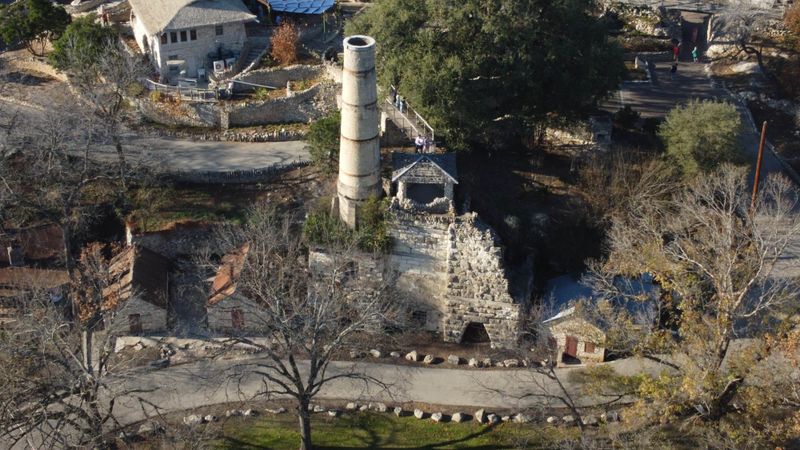
Cement from this plant hardened schools, roads, and homes across South Texas. You picture rotary kilns turning, limestone feeding the flame, and powder shipping out by rail. The site sits sun baked, its silhouettes crisp against a wide sky. Dust settles on everything, including memory.
Modern plants outpaced this place with cleaner lines and tighter controls. Demand never vanished, but efficiency moved elsewhere. What remains are weathered foundations and a few lonely structures. They tell a quieter story about materials we rarely notice but always rely on.
Stand near the quarry wall and run your hand along rock that became cities. Infrastructure is not glamorous, but it is freedom to move, learn, and gather. You feel grateful, and a little humbled. San Antonio’s growth still echoes those kilns with every sidewalk poured.
13. Lonaconing Silk Mill – Maryland
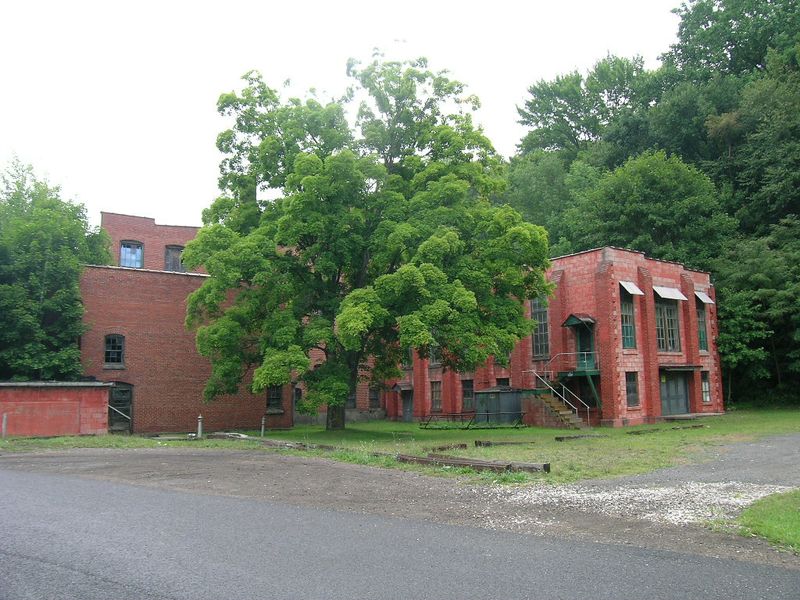
Lonaconing is a time capsule of thread and patience. Inside, looms and spindles sit exactly where workers left them, dust softening every edge. You step lightly, as if you might interrupt a shift on break. It is tender, almost private.
The mill was part of a vibrant textile chain that unraveled under new costs and global production. Doors closed, but nothing was stripped. That absence of cleanup turned into a gift for history lovers. You can read the past in half finished bobbins and handwritten notes.
Visits feel like whispers. Respect the space, take your photos, and consider the cadence of careful hands. Silk is delicate, and so are the livelihoods that once depended on it. This mill preserves both, quietly insisting that small places count.
14. Cornwall Iron Furnace – Pennsylvania
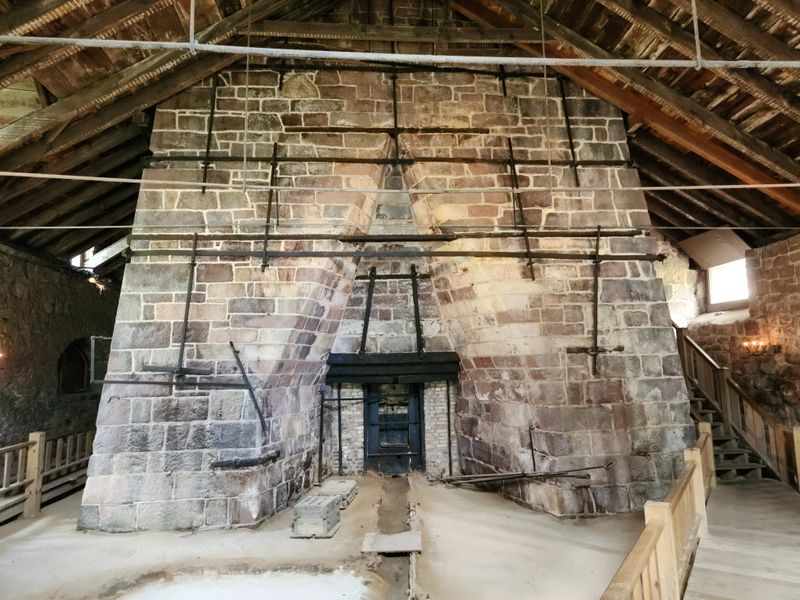
Cornwall fired early America’s ambitions with charcoal and ore. The stone furnace stands solid, a monument to pre steel ingenuity. You can trace the casting floor and picture molten iron snaking into sand molds. It is centuries old, yet accessible.
From 1742 to 1883, this site supplied tools, stoves, and more, before new methods took the lead. When change arrived, the community protected the furnace rather than erase it. Tours now translate old craft into plain terms. You leave with heat in your imagination.
Look closely at the water systems and bellows. They remind you that power existed before power lines. Cornwall ties industry to landscape, forests to furnaces, and people to both. It is a gentle lesson carried by heavy stone, patient and clear.
15. Dan River Mill No. 8 – Danville, Virginia
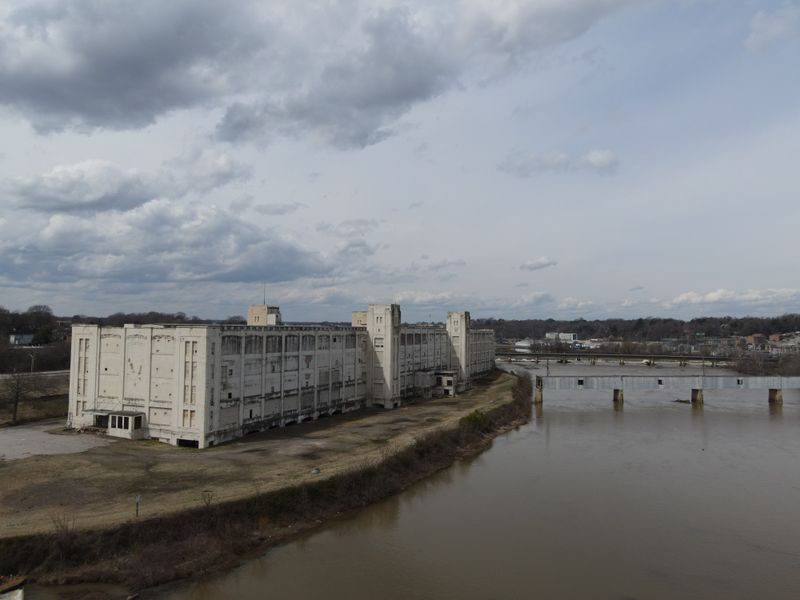
Mill No. 8 was a giant among giants, a heartbeat within Dan River’s broader complex. You imagine warps stretching down endless aisles, mechanics tuning frames, and supervisors checking counts. The size alone tells you how central textiles were to Danville. Whole careers unfolded under this roof.
When closures rolled through, this building’s doors closed too. Some sections found temporary uses, others sat waiting. The town’s story pivoted toward health care, logistics, and small tech. Progress is uneven, but visible.
Standing outside, you sense the social fabric that mills wove. Paychecks, parades, and basketball teams all sprang from this economy. Memory does not pay rent, but it inspires purpose. Mill No. 8 still points forward, asking what new threads we will spin.



