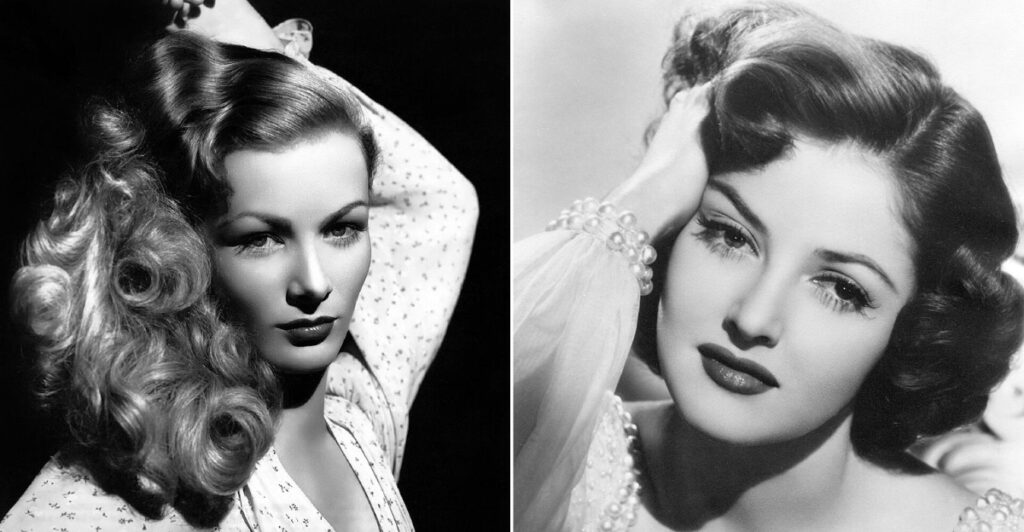
Hollywood has always been brilliant at making stars and even better at forgetting them. Behind the glamour and the golden age publicity shots were real women with real talent, whose careers were cut short by studios, scandals, or just plain bad luck.
I got hooked on classic film years ago and kept stumbling across names that deserved far more than a footnote. These 15 actresses had stories worth telling, and it is long past time someone told them properly.
Ann Dvorak: The Pre-Code Firecracker Who Walked Away From the Machine
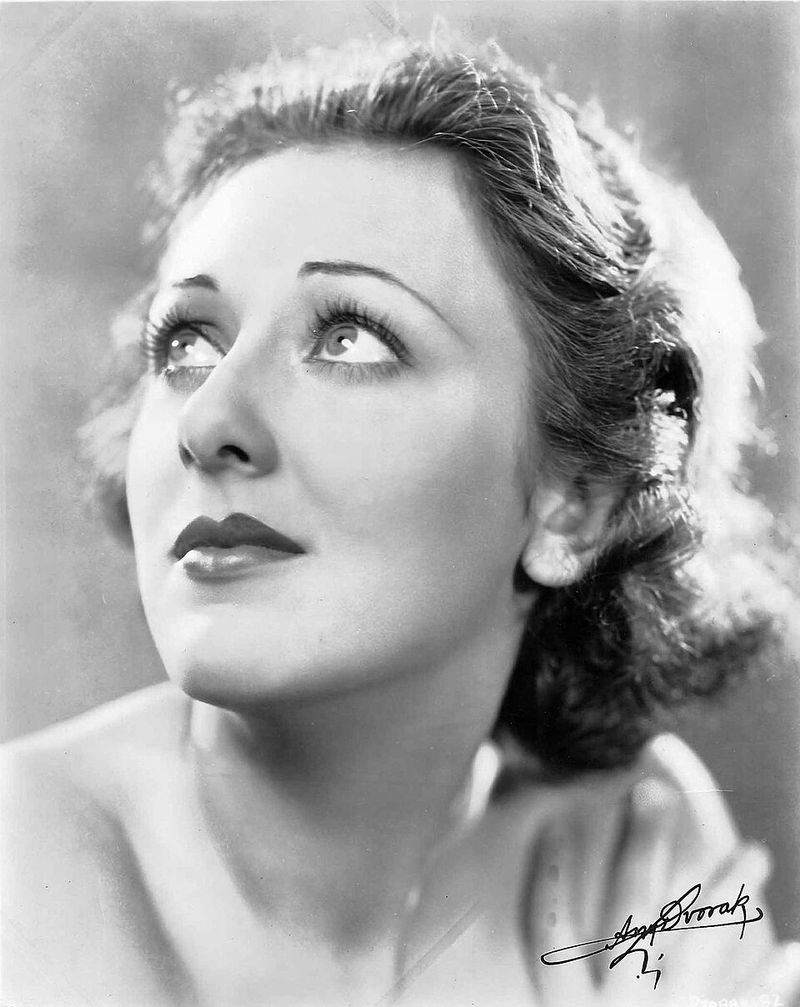
Ann Dvorak brought a raw, electric energy to early 1930s Hollywood that most actresses simply did not dare attempt. Her work in Scarface crackled with intensity, and her haunting turn in Three on a Match, alongside Joan Blondell and a young Bette Davis, proved she was no background player.
Warner Bros. saw her potential clearly, but Dvorak had zero interest in being quietly managed by a studio machine. At the peak of her momentum, she left for Europe with her husband, which caused serious conflict with the studio and stalled her career at the worst possible time.
Hollywood never quite forgave her for choosing a life on her own terms. She kept acting, but the industry had already moved on.
Classic film fans now call her one of the great “what if” actresses of the Pre-Code era, which honestly feels like the right title for her.
Gail Russell: The Dreamy Beauty Who Never Wanted Stardom
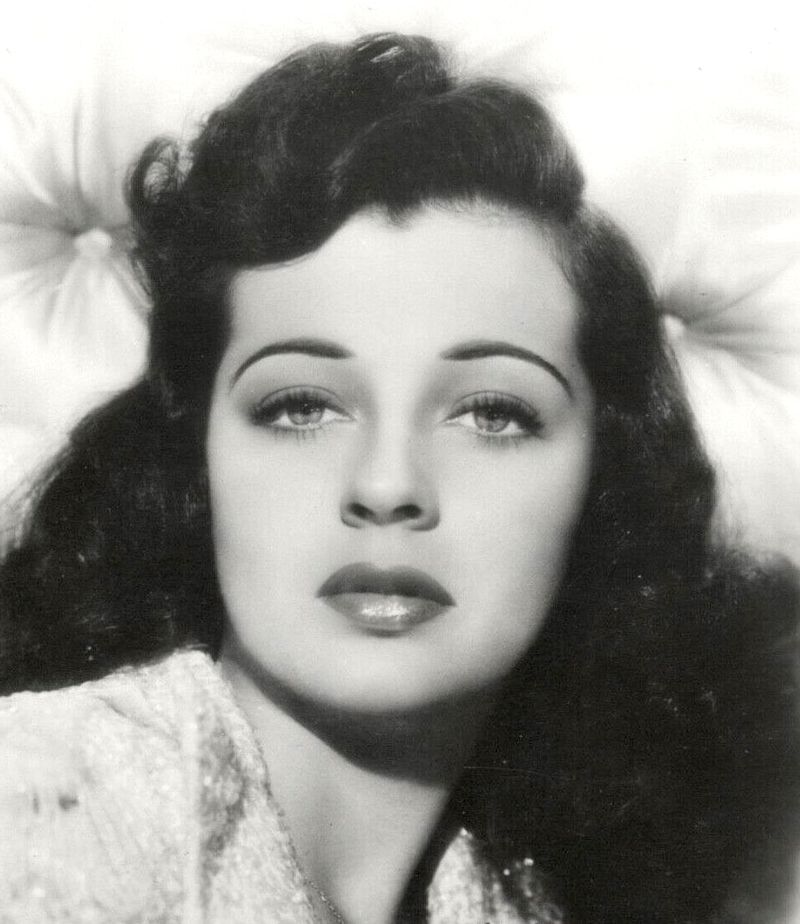
Paramount discovered Gail Russell while she was still a teenager, drawn entirely by her striking, almost otherworldly looks. But here is the twist nobody talks about: Russell was deeply shy, anxious, and reportedly terrified of the whole acting process.
That vulnerability, oddly enough, made her unforgettable in The Uninvited, one of the most atmospheric ghost stories the 1940s ever produced.
She appeared opposite John Wayne in Angel and the Badman, but fame was not something she ever wanted or handled easily. The pressure piled up, her personal struggles worsened, and the studio offered protection that was more like a contract than actual care.
Russell died in 1961 at only 36. Her story remains one of Old Hollywood’s most sobering reminders that being chosen by a studio and being supported by one were two very different things.
Some careers end before they ever really begin.
Susan Peters: The MGM Hopeful Whose Career Changed Overnight
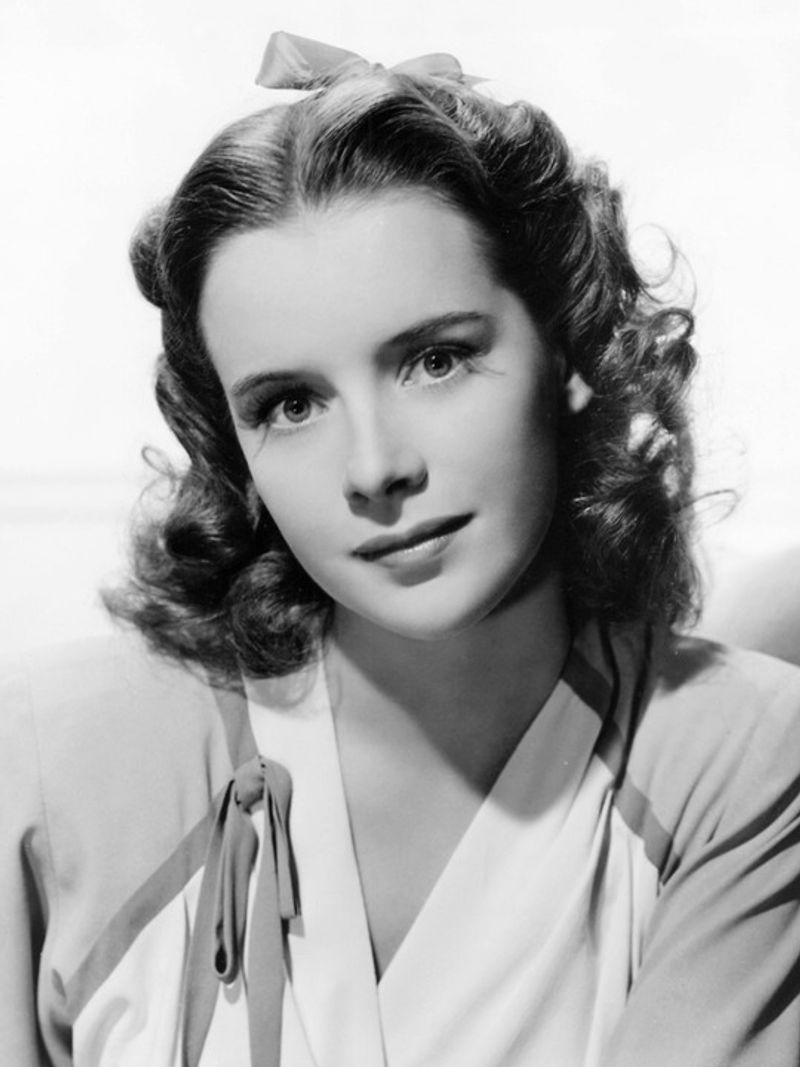
Susan Peters earned an Academy Award nomination for Best Supporting Actress for her work in Random Harvest, and MGM had every reason to believe she was heading somewhere extraordinary. Her dramatic instincts were sharp, her screen presence undeniable, and her timing felt effortless.
Then 1945 arrived and changed everything. A hunting accident left Peters paralyzed from the waist down, and Hollywood, with its notoriously short imagination, largely moved on without her.
She bravely tried to continue, even starring in The Sign of the Ram from a wheelchair, but the industry had no real blueprint for building roles around an actress with a disability.
Peters died in 1952 at just 31. Her career feels painfully unfinished in a way that is hard to shake.
Watching Random Harvest today, knowing what came next, adds a weight to her performance that makes it even harder to forget her name.
Peg Entwistle: The Actress Reduced to a Hollywood Legend
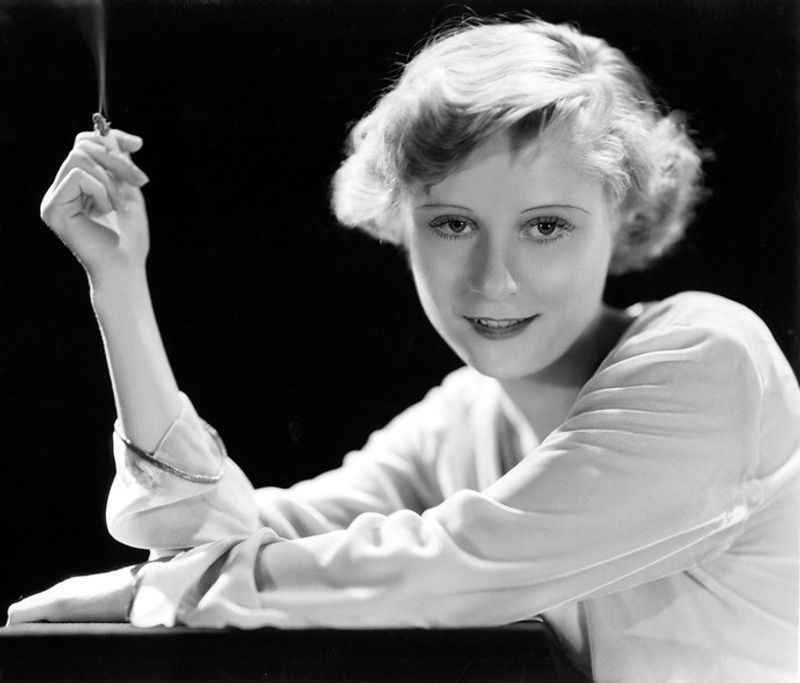
Most people only know Peg Entwistle as a tragic headline, but she was so much more than that before the myth swallowed the woman. She built a real stage career and performed on Broadway, arriving in Los Angeles with genuine training and legitimate ambition behind her.
Her only film, Thirteen Women, was released after her death in 1932, and a significant portion of her role had reportedly already been cut. That same year, Entwistle died after jumping from the “H” of the Hollywoodland sign.
The story became a symbol so powerful it practically buried the actual person underneath it.
What gets lost in the retelling is that there was a skilled actress here, not just a cautionary tale. Peg Entwistle deserves to be remembered as someone who had talent, drive, and a career worth examining, not just a name attached to Hollywood’s most famous piece of real estate.
Frances Farmer: The Rebel Hollywood Could Not Control
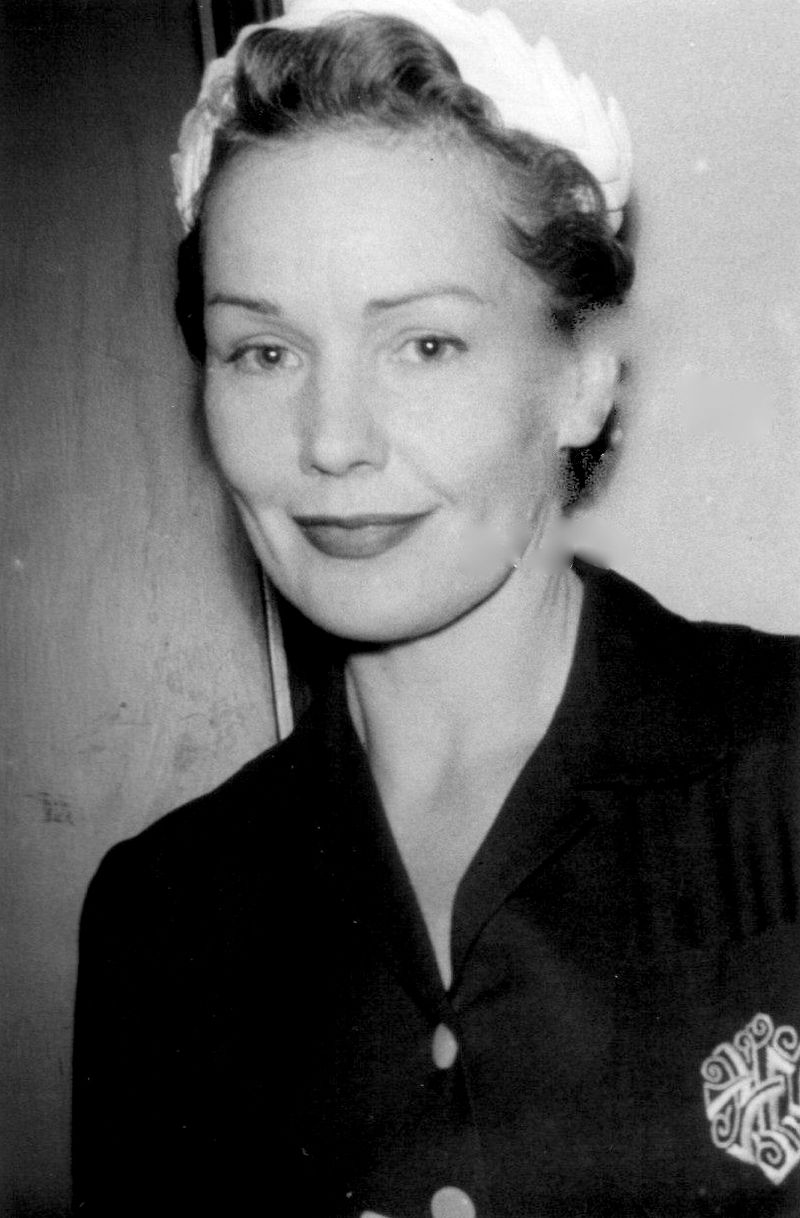
Frances Farmer walked into Hollywood with beauty, brains, and a stubbornness that the studio system genuinely did not know what to do with. She signed with Paramount and appeared in Come and Get It and Rhythm on the Range, but resisted every attempt to smooth her into a conventional glamour girl with remarkable consistency.
Her later life became entangled in mental health struggles, legal trouble, family conflict, and institutionalization. Some of the darker myths surrounding her story have been exaggerated over the years, but even the documented truth is deeply unsettling.
Calling Farmer simply “difficult,” as Hollywood loved to label women who pushed back, was a lazy and convenient way to dismiss someone genuinely talented. She did not fail to fit the system.
The system was built too small for her. Watching her performances today, that becomes almost painfully obvious within the first few minutes of screen time.
Barbara Payton: The Blonde Bombshell Whose Fall Became Tabloid Sport
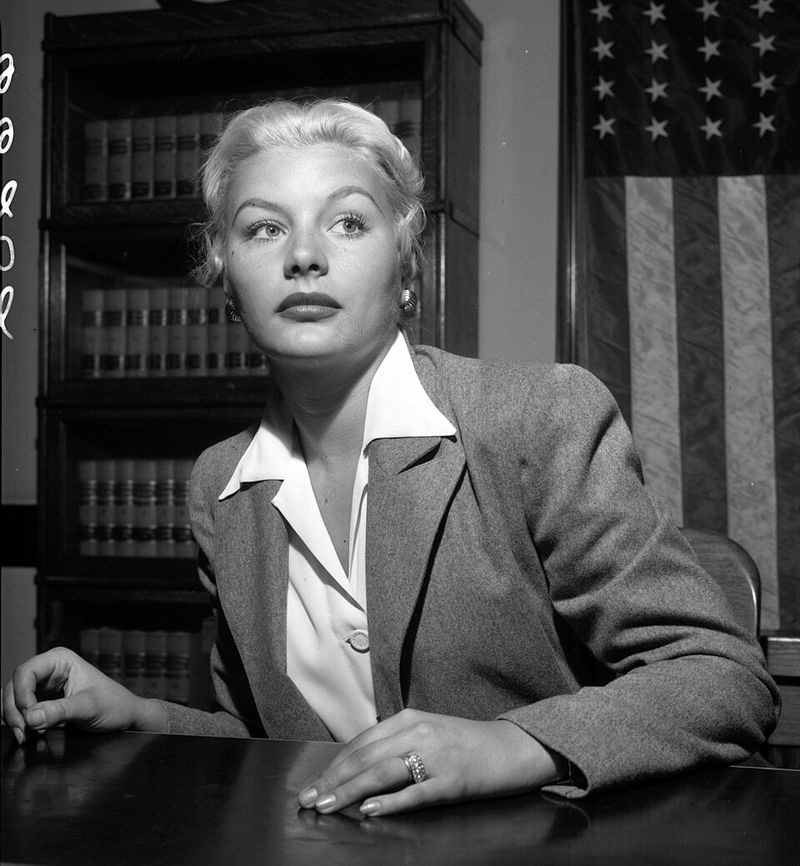
Barbara Payton had the kind of screen presence that made cameras very happy. She starred opposite James Cagney in Kiss Tomorrow Goodbye and looked every inch the major star her early publicity promised.
Then Hollywood gossip columns discovered her personal life and decided that was far more interesting than her actual work.
Her romances and scandals became front-page entertainment, and once the industry branded her as trouble, the roles dried up with startling speed. Payton’s later years were marked by poverty and real hardship, and she died in 1967 at only 39.
The tabloid version of her story was repeated so often it became the only version most people knew.
Behind the sensational headlines was a woman whose talent got buried beneath layers of public judgment and industry abandonment. Her career was not destroyed by her choices alone.
Hollywood helped dismantle it and then watched from a comfortable distance while it burned.
Lizabeth Scott: The Smoky-Voiced Queen of Noir
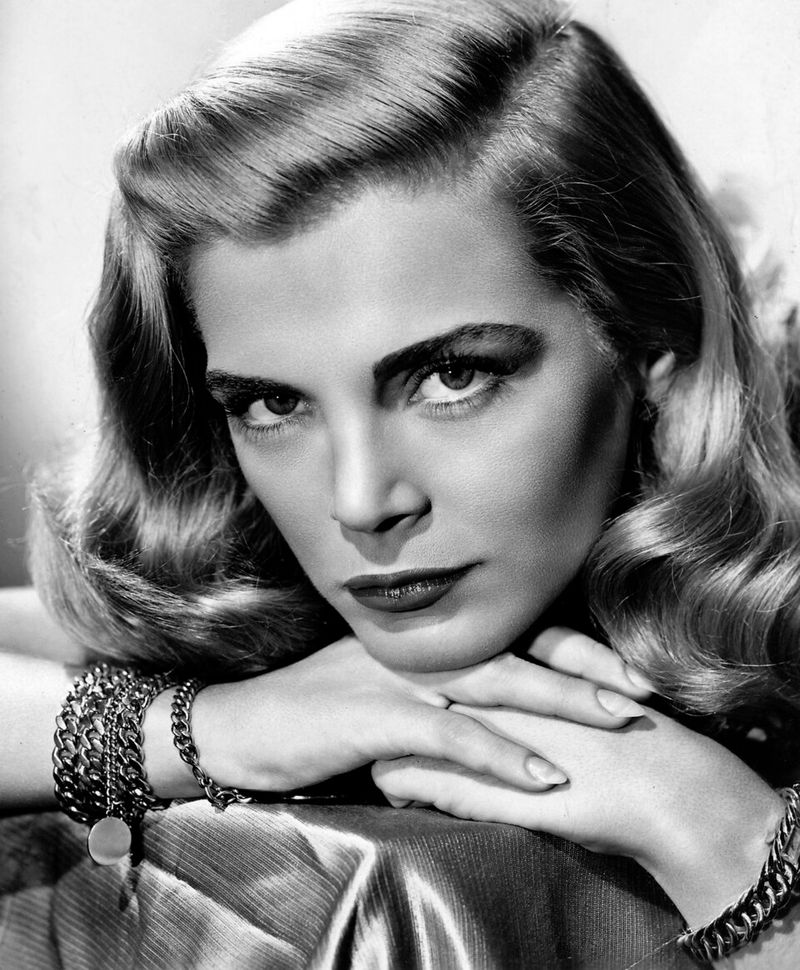
Nobody had a voice quite like Lizabeth Scott. Low, husky, and effortlessly cool, it became one of the most recognizable sounds in postwar crime cinema.
She appeared in Dead Reckoning, Too Late for Tears, and The Strange Love of Martha Ivers, building a body of work that noir fans still return to with genuine enthusiasm.
Her film career lasted roughly 13 years, which sounds short until you count the number of genuinely excellent movies she made during that stretch. The constant comparisons to Lauren Bacall probably hurt more than they helped, because Hollywood rarely had patience for two actresses working the same archetype at the same time.
Scott never became a household name beyond dedicated classic film circles, but within noir, she is essential. Her performances hold up beautifully, and revisiting them today makes the question of why she faded feel more frustrating than ever.
The genre needed her more than it admitted.
Marie McDonald: “The Body” Who Wanted to Be More Than a Nickname
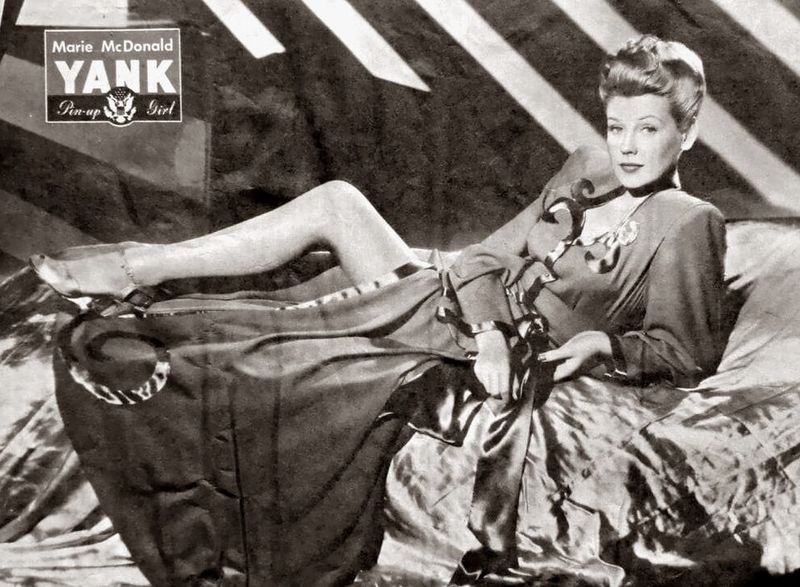
Marie McDonald got saddled with the nickname “The Body” early in her career, and from that point forward, the publicity machine never really let her be anything else. She worked as an actress and singer, became a popular World War II pin-up, and appeared in films throughout the 1940s and 1950s with a charm that deserved far more serious attention.
The problem was simple: Hollywood had already decided what she was for. Her looks dominated every conversation about her, while her actual abilities as a performer were treated like a footnote.
McDonald wanted to be taken seriously, which was apparently a radical request at the time.
She died in 1965 at 42, leaving behind a career that reads like a textbook case of a woman marketed as an image and then blamed when the image stopped selling. Her story is frustratingly familiar, which is exactly why it is worth revisiting with fresh eyes and a bit more fairness.
Linda Darnell: The Fox Beauty Who Deserved More Credit
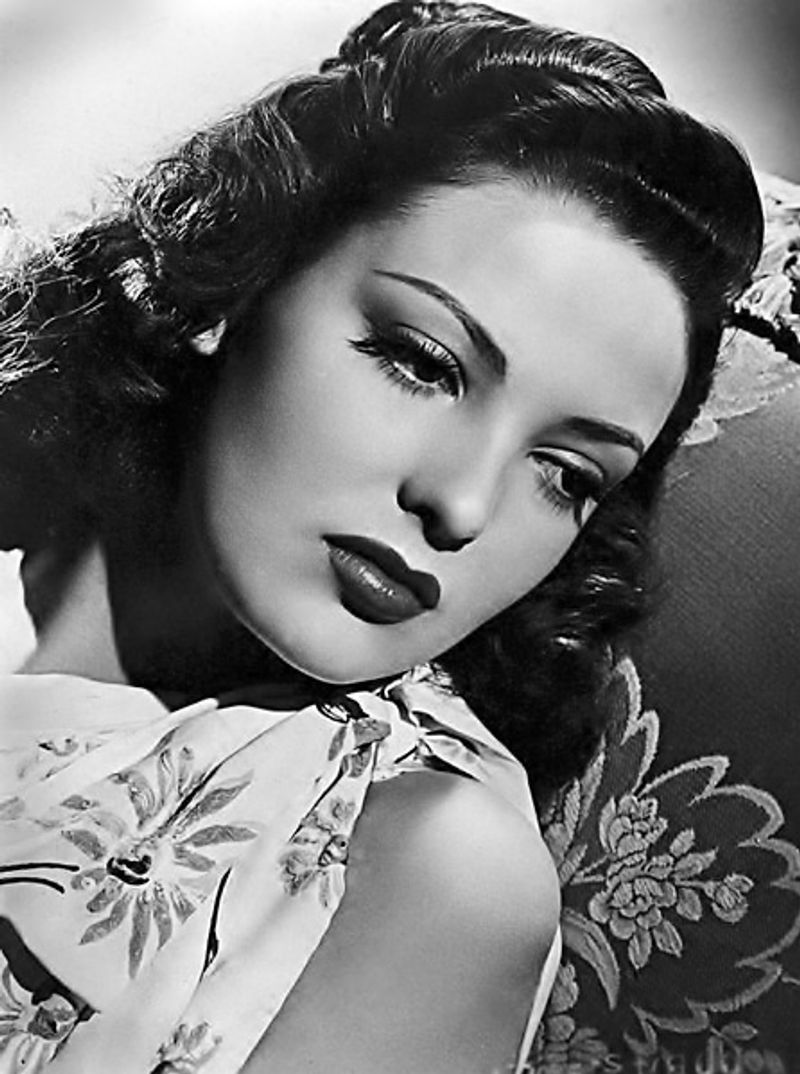
Linda Darnell started working in films as a teenager and became one of 20th Century Fox’s most reliable leading ladies. She appeared in The Mark of Zorro, Forever Amber, Unfaithfully Yours, and A Letter to Three Wives, a lineup that would make most careers look impressive by any standard.
The frustrating part is how often she got cast purely for her looks when her best performances showed real wit, intelligence, and emotional depth that the studio never seemed particularly interested in developing. Fox had a habit of using her beauty as a selling point and leaving her actual range mostly unexplored.
Darnell died from burns after a house fire in 1965, at only 41. Compared to other stars of her era, her name has faded more than it should have.
Watching Unfaithfully Yours today, it is genuinely hard to understand why she was not considered one of the greats.
Martha Vickers: The Scene-Stealer From The Big Sleep
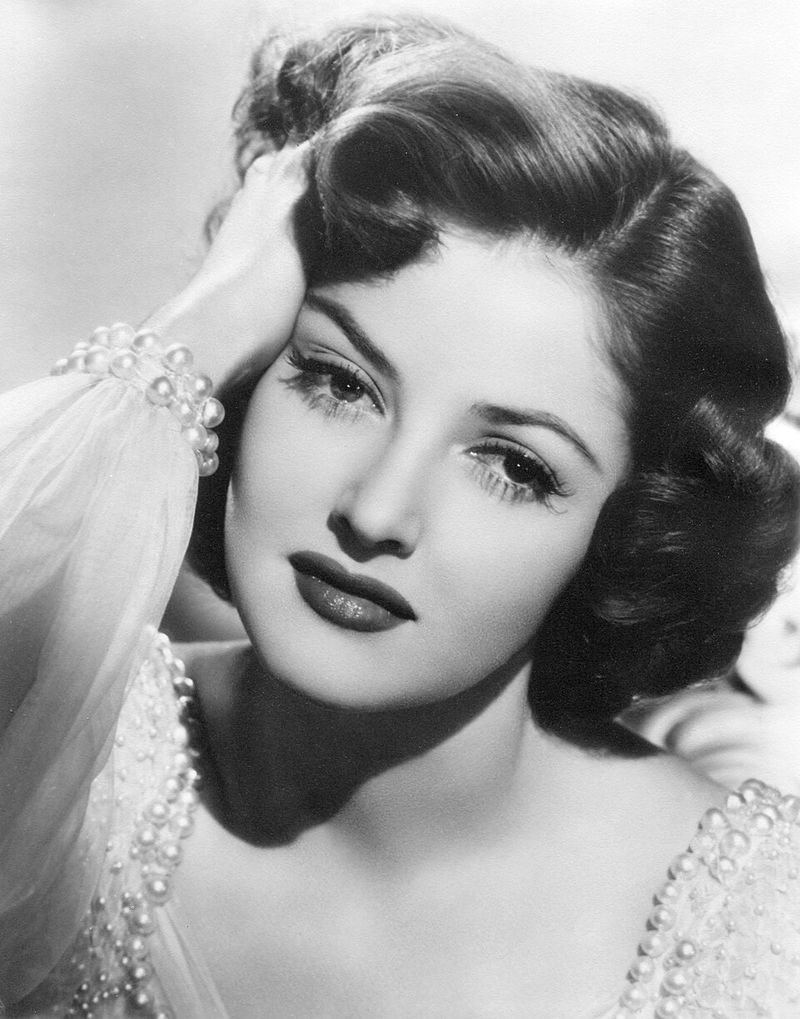
Acting opposite Humphrey Bogart and Lauren Bacall in The Big Sleep was not exactly a low-pressure assignment, yet Martha Vickers walked into those scenes and made them hers. Her portrayal of Carmen Sternwood was so vivid, so genuinely strange and magnetic, that audiences could not look away from her even when Bogart was in the same shot.
It seemed like a launching pad. Instead, it turned out to be the peak.
Her film career never quite reached that same height again, and Hollywood failed to build anything lasting around the talent she had so clearly demonstrated.
Vickers died in 1971 at 46. Classic film fans still ask the obvious question after watching The Big Sleep: why was she not given more?
The answer, frustratingly, seems to be that nobody tried hard enough to find out what else she could do. That feels like a genuine missed opportunity.
Dorothy Comingore: The Citizen Kane Actress Blacklisted Out of Hollywood
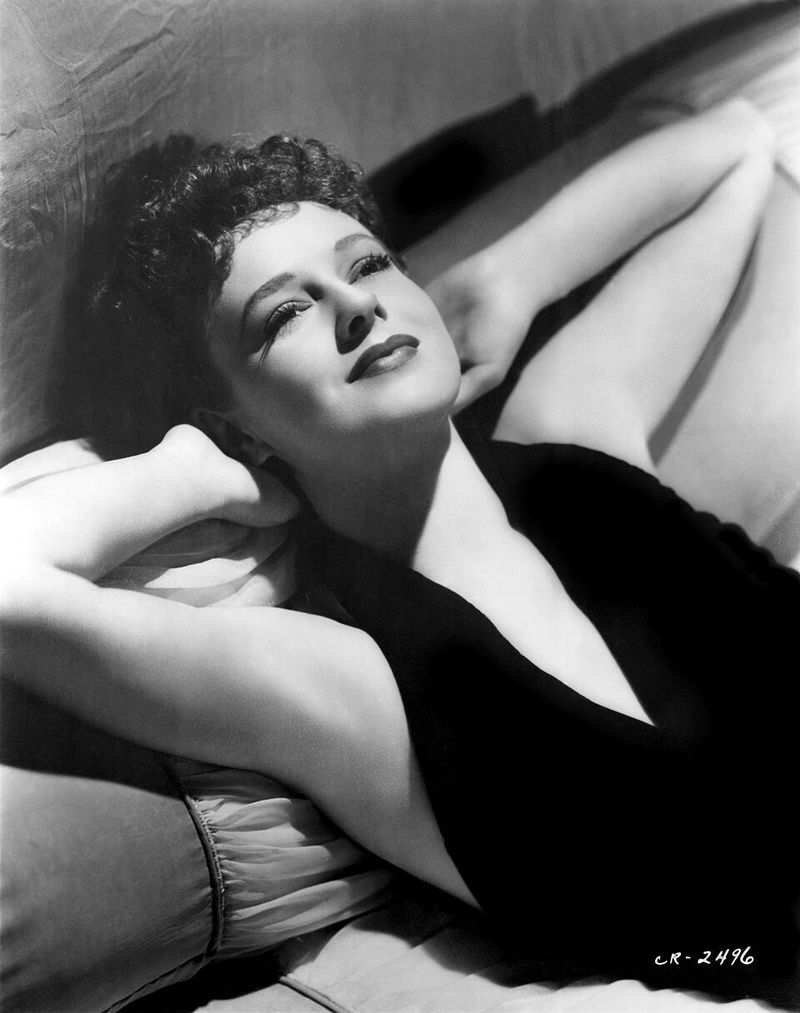
Dorothy Comingore delivered one of the most quietly devastating performances in Citizen Kane, a film already packed with technical brilliance and outsized ambition. As Susan Alexander Kane, she made a character who could have been a caricature feel genuinely heartbreaking, which is no small achievement in any era of filmmaking.
Then the Hollywood blacklist arrived and dismantled her career with brutal efficiency. After being called before the House Un-American Activities Committee, Comingore refused to cooperate in the way the industry demanded, and her film work largely disappeared as a result.
For most viewers today, she remains simply “the actress from Citizen Kane,” which undersells both her performance and her story. Her experience is a sharp reminder that one of Hollywood’s darkest chapters did not just silence political voices.
It erased careers, rewrote histories, and left real talent with nowhere left to go. Her name deserves to be remembered in full.
Jean Seberg: The American Face of the French New Wave
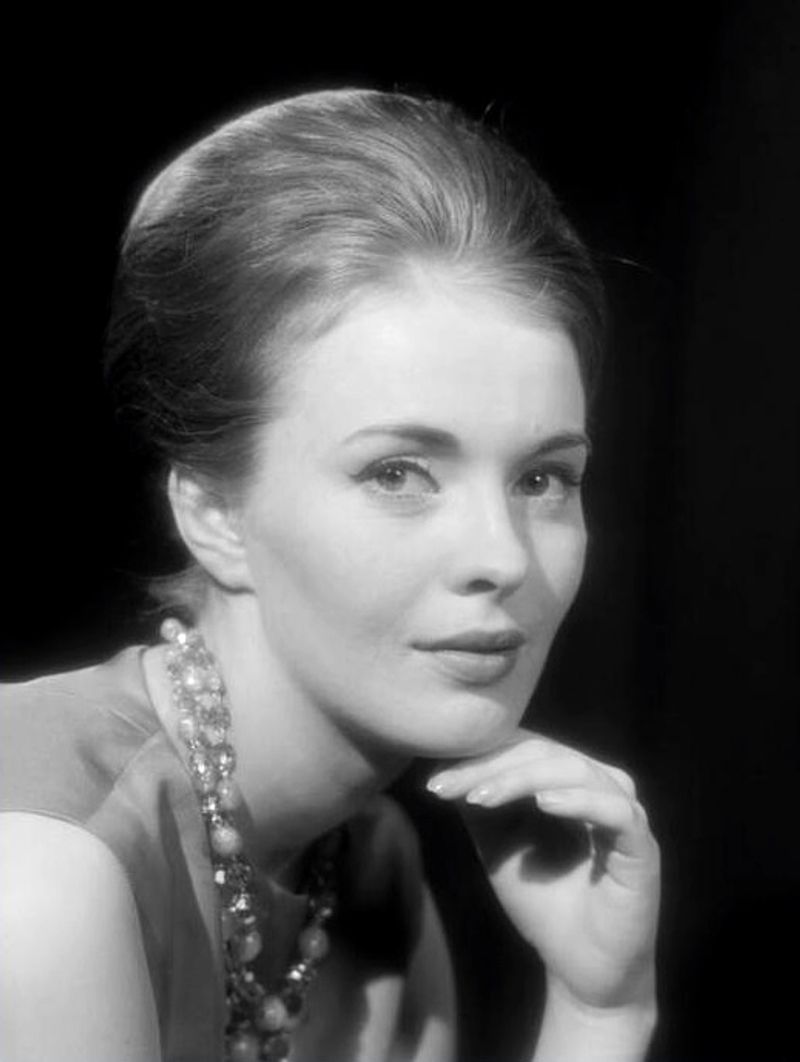
Jean Seberg’s short haircut and striped shirt in Breathless became one of cinema’s most copied images almost immediately after the film came out. She started her career in Hollywood under director Otto Preminger, then found genuine international fame in France through Jean-Luc Godard’s groundbreaking 1960 film, which is a career trajectory that still sounds remarkable today.
But Seberg’s life was far more complicated than her iconic image suggested. Her support for civil rights causes and the Black Panther Party made her a target of FBI surveillance and deliberate smear campaigns that damaged her reputation and her mental health in ways that were calculated and cruel.
She died in 1979 at 40. Cinephiles remember and celebrate her, but mainstream Hollywood never fully reckoned with what was done to her.
Her story sits at the crossroads of cinema history and political persecution, and both sides of it deserve honest attention.
Pier Angeli: The European Ingenue Hollywood Typecast
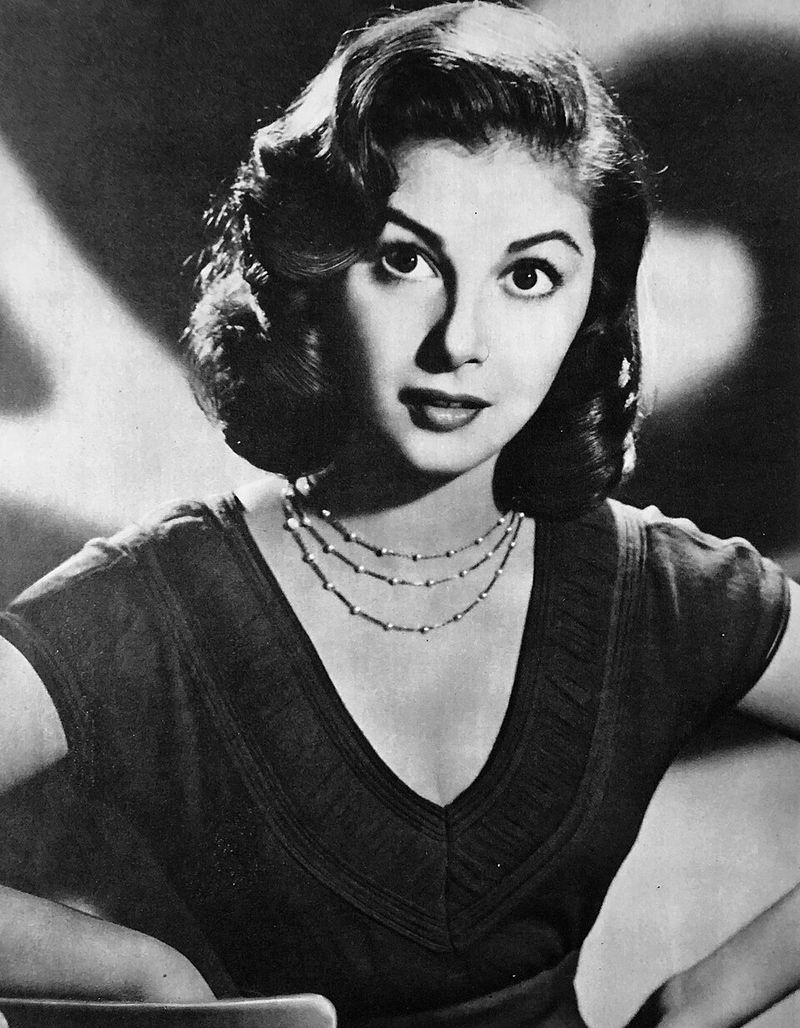
Pier Angeli arrived in Hollywood after early success in Italy and won a Golden Globe for Teresa, which was a genuinely promising start to what should have been a long and varied career. MGM promptly decided she was a delicate European beauty and promoted her almost exclusively on that basis, which turned out to be a remarkably limiting decision.
She appeared in The Light Touch, The Story of Three Loves, and Somebody Up There Likes Me, but the studio kept casting her as the fragile romantic figure regardless of what her actual range suggested she could do. Foreign actresses in Hollywood frequently found themselves trapped in exactly this kind of narrow typecasting.
Angeli continued working in Europe after her Hollywood career stalled, but she died in 1971 at 39. Her promise was always bigger than the roles she was handed, and that gap between potential and opportunity is what makes her story linger long after the credits roll.
Carol Lynley: The Teen Star Who Slipped Through the Cracks
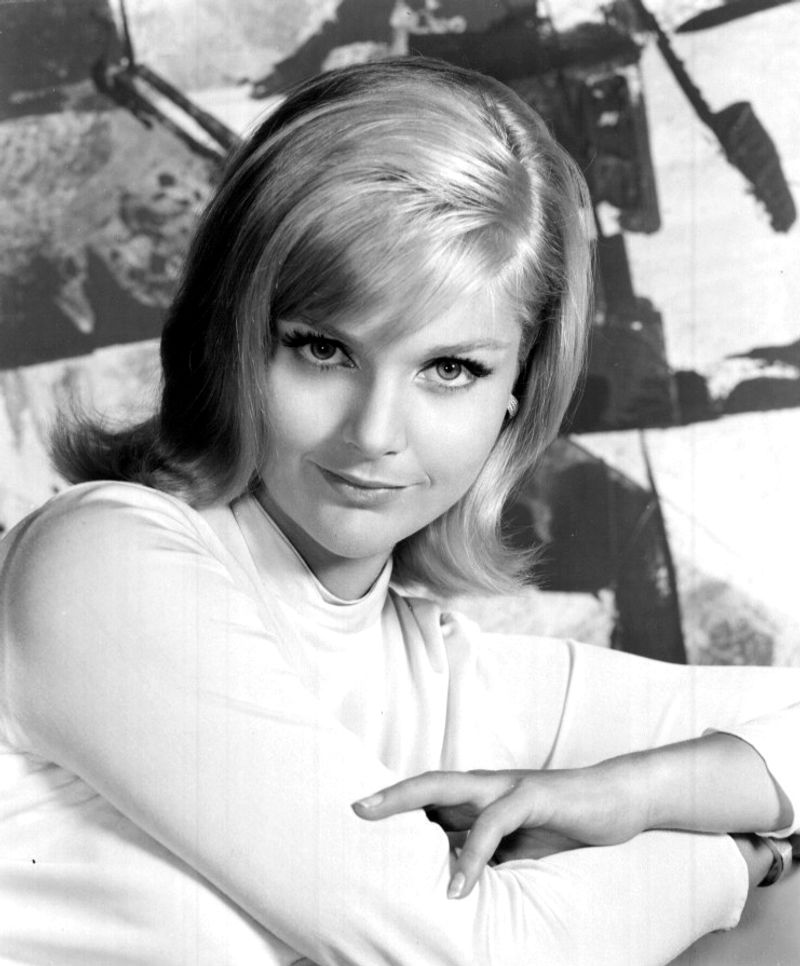
Carol Lynley started as a child model, transitioned into acting as a teenager, and earned real attention for Blue Denim before going on to appear in Bunny Lake Is Missing and later becoming widely recognizable from The Poseidon Adventure. For a stretch there, she looked like exactly the kind of fresh, emotionally instinctive actress that Hollywood needed more of.
She had the looks, the timing, and the range to become a lasting A-list name. But Hollywood’s attention is famously fickle, and Lynley found herself slowly edged out of the spotlight before anyone officially announced she was leaving it.
She kept working steadily for decades, particularly in television, but her early promise is rarely part of the conversation today. Watching her earlier film work makes the omission feel strange.
Carol Lynley slipped through the cracks not because she lacked talent, but because the industry stopped paying close enough attention at exactly the wrong moment.
Veronica Lake: The Icon Whose Image Became a Trap
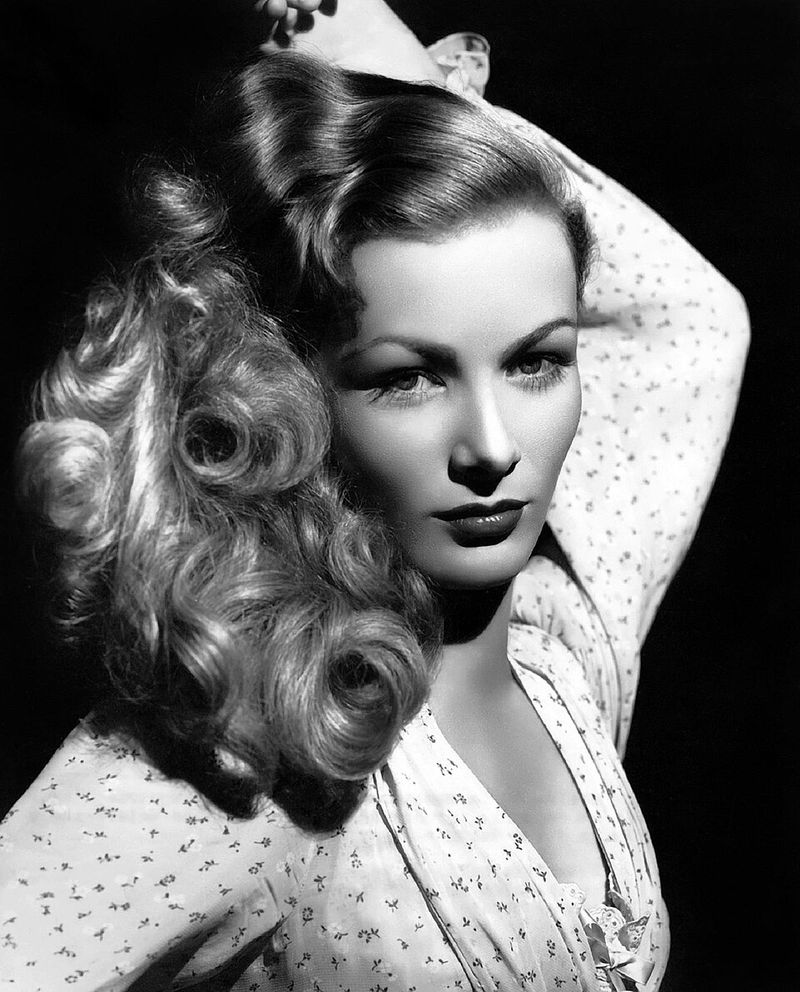
Veronica Lake’s peek-a-boo hairstyle was so famous during World War II that the U.S. government asked her to change it, concerned that female factory workers were copying the look and getting their hair caught in machinery. That is the kind of cultural impact most actors only dream about, and Lake achieved it before she was 25.
She was genuinely excellent in Sullivan’s Travels, I Married a Witch, and her noir pairings with Alan Ladd, showing a sharp comic timing and cool screen presence that her publicity rarely bothered to highlight. By the late 1940s, Hollywood had already started moving on from the image it had spent years aggressively selling.
Lake died in 1973 at 50. Her hairstyle is still referenced constantly, but the real Veronica Lake, funny, versatile, and far more interesting than her pin-up image suggested, tends to get lost underneath it.
She deserved better than becoming her own haircut.
Share this story