Not every great American road trip has to come with a steep entrance fee. Some of the most breathtaking national parks in the country are completely free to enter, and they cover everything from ancient forests and glacier fields to coral reefs and underground cave systems.
Whether you are planning a family trip, a solo adventure, or just looking for a reason to finally hit the road, this list proves that free does not mean ordinary. These 15 parks span the entire country, and every single one of them offers the kind of scenery and experience that stays with you long after you get home.
Great Smoky Mountains National Park Still Has No Entrance Fee
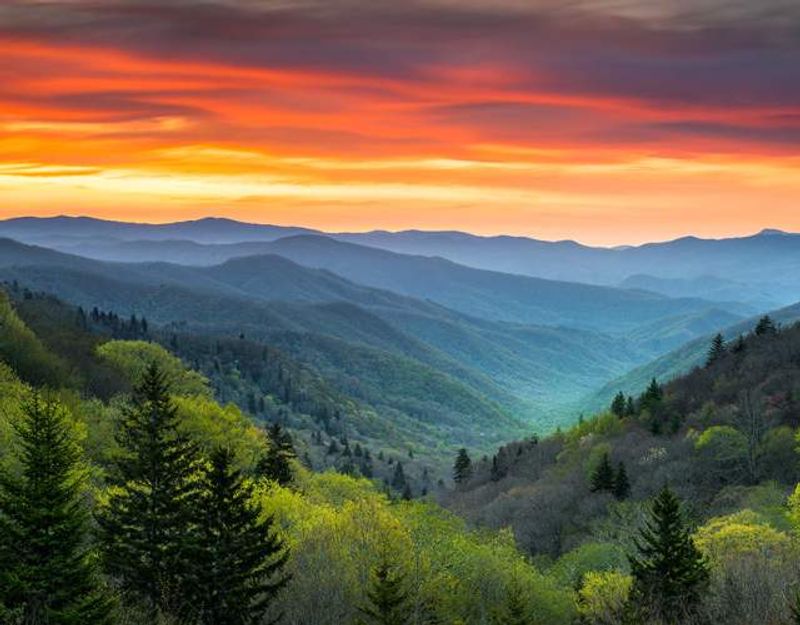
Great Smoky Mountains National Park draws more visitors than any other national park in the country, and it still does not charge an entrance fee. That combination is pretty rare, and it is a big part of why millions of people make the trip every year.
The park stretches across the Tennessee and North Carolina border, covering more than 520,000 acres of forested ridges, mountain streams, and wildlife habitat. Black bears, white-tailed deer, and wild turkey are commonly spotted throughout the park.
One important detail to plan around: while entry itself is free, vehicles parked for longer than 15 minutes now require a parking tag. Tags cost $5 per day, $15 per week, or $40 annually.
It is a small cost, but it is worth knowing before you arrive. Clingmans Dome, Cades Cove, and Laurel Falls are among the most popular stops inside the park.
This Ohio National Park Has Waterfalls, Canal Trails, And Free Entry
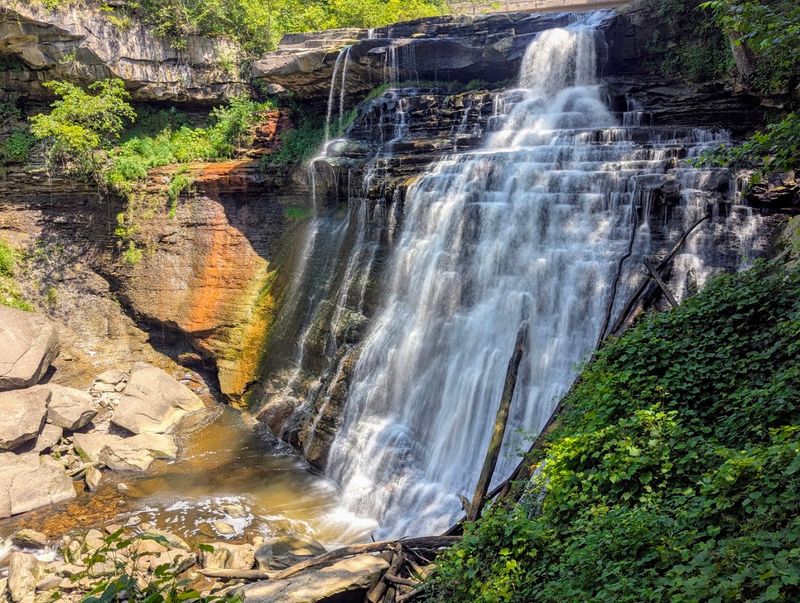
Cuyahoga Valley National Park sits between Cleveland and Akron, making it one of the most accessible free national parks in the entire country. No entrance fee, no parking pass requirement, and no reservations needed just to show up and explore.
The park follows the Cuyahoga River through forests, open farmland, and rolling hills that feel genuinely removed from the surrounding urban areas. The Ohio and Erie Canal Towpath Trail runs through the heart of the park and stretches for nearly 20 miles within park boundaries, making it popular with hikers, cyclists, and joggers year-round.
Brandywine Falls is one of the most photographed spots in the park, dropping 65 feet over layered shale and sandstone. The Cuyahoga Valley Scenic Railroad also operates seasonal excursions through the park, which is a nice option if you want to cover ground without doing all the hiking yourself.
This Free South Carolina Park Protects One Of America’s Great Old-Growth Forests
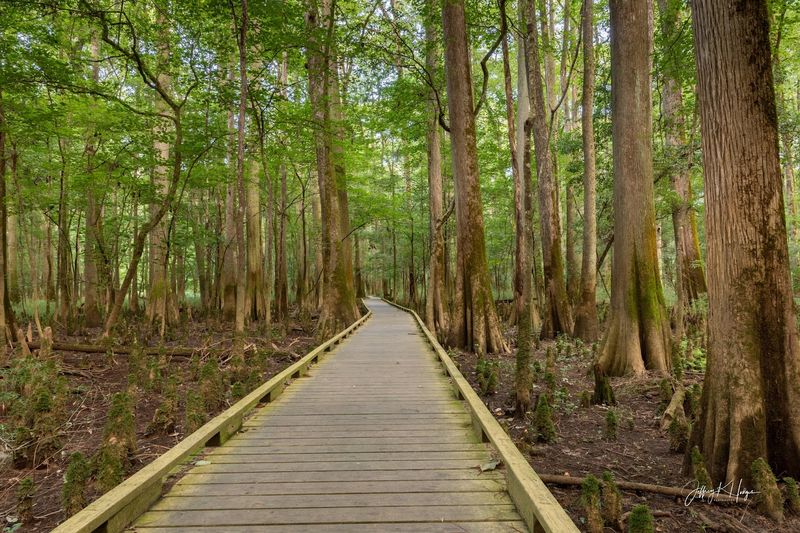
Congaree National Park is one of the least visited national parks in the eastern United States, which makes it one of the more surprising entries on a bucket-list. The park protects the largest intact expanse of old-growth bottomland hardwood forest remaining in the southeastern United States, and entry is completely free year-round.
The trees here are genuinely massive. Several species found inside Congaree hold state and national height records, including loblolly pine, overcup oak, and water hickory.
The park is also a designated International Biosphere Reserve and a Wilderness Area.
A 2.4-mile elevated boardwalk loop makes the floodplain accessible without requiring waders or serious hiking gear. The Cedar Creek canoe trail offers a slower way to move through the forest by water.
Firefly viewing events in late May and early June, when synchronous fireflies light up the forest floor, draw visitors from across the country each season.
This Free Florida National Park Is Mostly Water, Reefs, And Islands
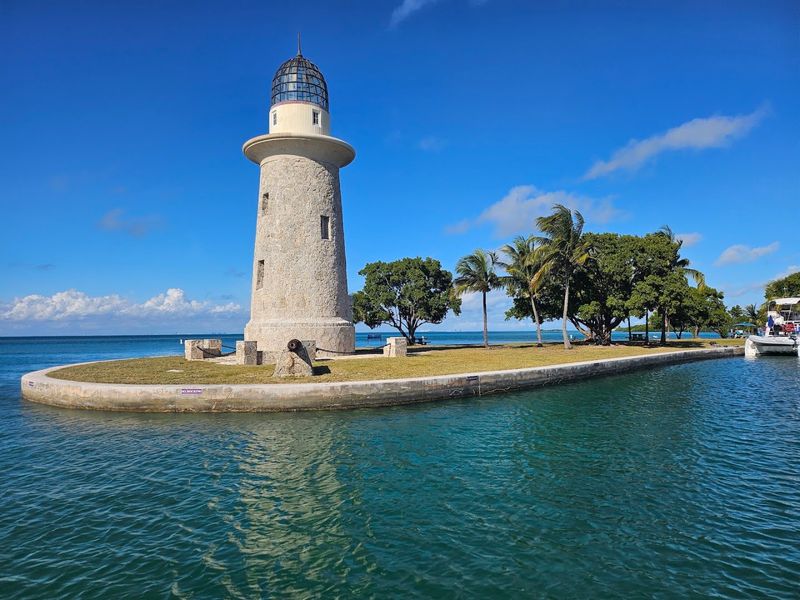
About 95 percent of Biscayne National Park is underwater, which makes it unlike almost any other park on this list. The park covers 172,000 acres of protected aquamarine water, coral reef, mangrove shoreline, and island habitat, and it sits just south of Miami with no entrance fee required.
The main visitor center is on the mainland at Convoy Point, where you can get information, book tours, and arrange transportation to the islands and reefs. Without a private or rented boat, most of the park is only accessible through concessionaire-run trips, including glass-bottom boat tours, snorkeling trips, and island transport to Elliott Key and Boca Chita Key.
The park also contains a stretch of shipwreck history along the Maritime Heritage Trail, where six historic wrecks are marked for snorkelers and divers. Camping is available on the islands, though reservations and fees apply for those overnight stays.
Walk Among The World’s Tallest Trees Without Paying A Park Entrance Fee
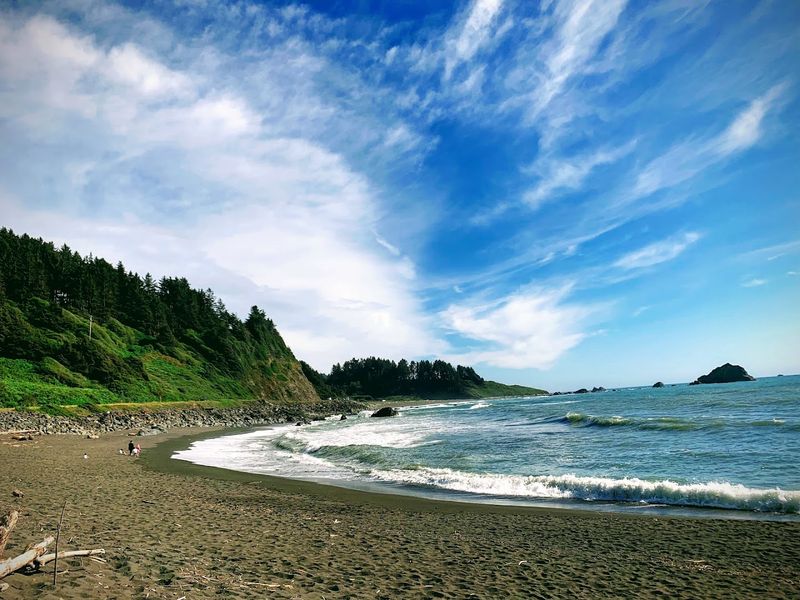
Coastal redwoods are the tallest trees on Earth, and you can walk among them without paying a national park entrance fee. Redwood National and State Parks, which include three cooperating California state parks, do not require an entry pass for driving the scenic roads or accessing the national park sections.
The park system stretches along more than 40 miles of Northern California coastline, protecting about 45 percent of all remaining old-growth coastal redwood forest. Tall Trees Grove, Fern Canyon, and the Lady Bird Johnson Grove are among the most popular destinations inside the park.
A few day-use areas within the state park sections may still collect fees, so it is worth checking ahead for specific spots like Prairie Creek Redwoods State Park. The Newton B.
Drury Scenic Parkway is a free 10-mile drive through old-growth redwood forest that requires no fees or reservations and is one of the best free drives in California.
This Rugged Washington Mountain Park Has Alpine Scenery And No Entry Fee
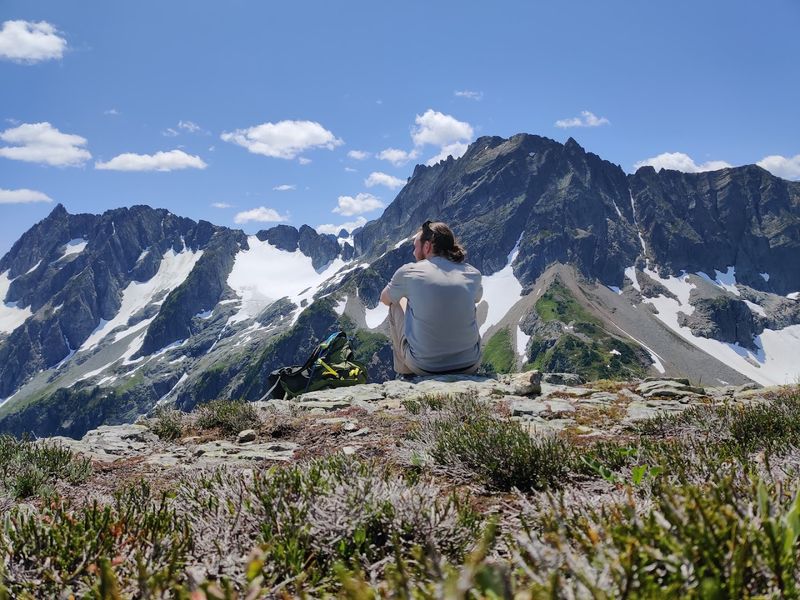
North Cascades National Park is sometimes called the American Alps, and for good reason. The park contains more glaciers than any other area in the contiguous United States outside of Alaska, and it charges nothing to enter.
The park feels noticeably wilder than many of the more developed national parks. There are no lodges inside the main park unit, minimal services along most of the road corridors, and large stretches of designated wilderness that see very few visitors each season.
That remoteness is part of the appeal for hikers and backpackers who want genuine alpine solitude.
Highway 20, also called the North Cascades Highway, passes through the park and offers some of the most dramatic mountain scenery in the Pacific Northwest. The road typically closes in late fall due to snow and reopens in spring.
Diablo Lake, with its striking blue-green water, is one of the most photographed roadside stops in the entire park corridor.
This Free West Virginia Park Has Canyons, Whitewater, And Bridge Views
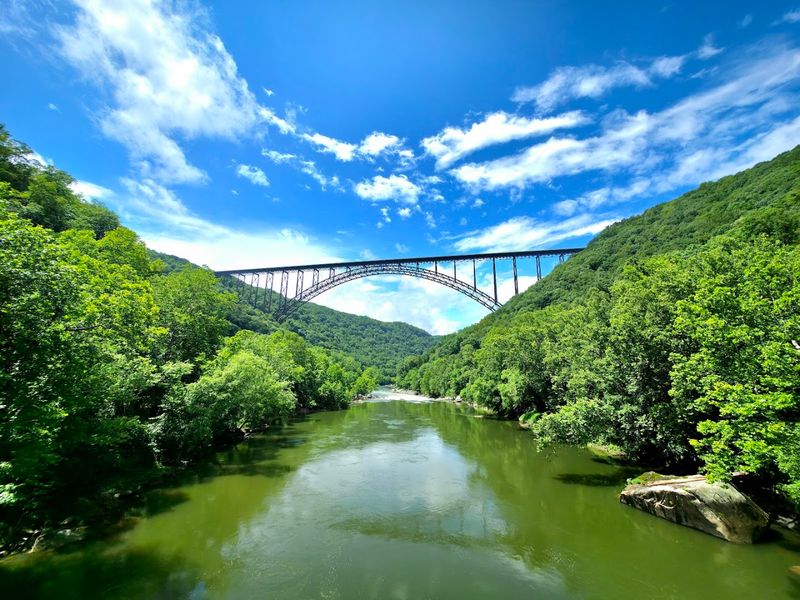
New River Gorge became a national park in December 2020, making it one of the newest additions to the national park system. It is also one of the few that is completely free to enter year-round, with no entrance fee or pass required at any point of access.
The park protects more than 70,000 acres along the New River, which is actually one of the oldest rivers in North America despite its name. The gorge runs deep, with canyon walls reaching over 1,000 feet in some sections, and the river itself draws whitewater rafters from across the country during the warmer months.
The New River Gorge Bridge is one of the longest steel arch bridges in the world, and the view from Grandview Overlook puts the full scale of the canyon into perspective. Bridge Day, held each October, is one of the largest single-day outdoor festivals in the eastern United States and draws enormous crowds to the gorge each fall.
This Kentucky Park Is Free To Enter, Even If Cave Tours Cost Extra
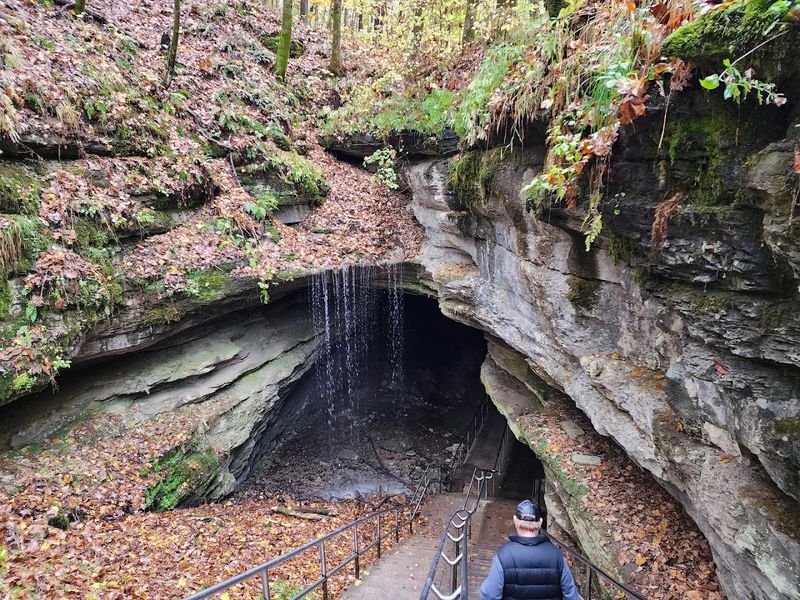
Mammoth Cave holds the title of the world’s longest known cave system, with more than 400 explored miles of underground passages mapped so far. The park itself is free to enter, and the above-ground experience alone is worth the visit even before you consider going underground.
The surface park includes forests, river valleys, and more than 70 miles of hiking and horseback trails. The Green and Nolin rivers run through the park, and backcountry camping is available for those who want to stay overnight in the forest.
Cave tours do require paid tickets, and they sell out regularly, especially during summer weekends. Tours range from short introductory walks to longer, more physically demanding historic routes that go deeper into the cave system.
Booking tickets well in advance through the Recreation.gov reservation system is strongly recommended if cave access is part of your plan. The visitor center is open daily and provides good orientation for both underground and surface exploration.
This Urban National Park Has Historic Bathhouses And No Entrance Fee
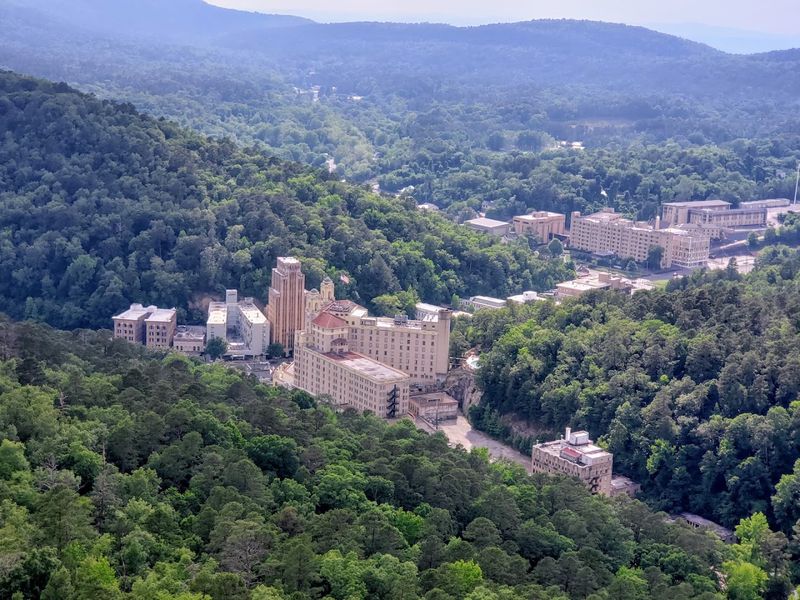
Hot Springs National Park is one of the most unusual entries in the entire national park system. It sits inside a working city, surrounds a historic downtown district, and protects thermal springs that have been drawing visitors since the 1800s.
Entry is completely free.
Bathhouse Row is the centerpiece of the park, a stretch of eight ornate bathhouse buildings constructed in the early 20th century along Central Avenue. The Fordyce Bathhouse now serves as the park visitor center and is free to tour.
The Buckstaff Bathhouse and Quapaw Baths and Spa still operate as working bathhouses, offering thermal water treatments for a fee.
Beyond the historic district, the park has forested trails on the surrounding mountain slopes, scenic overlooks, and access to the natural hot spring water at the display springs and jug fountains. The combination of architectural history, natural geology, and urban accessibility makes Hot Springs feel unlike any other national park experience on this list.
This South Dakota Park Combines Prairie Wildlife With A Free Entrance
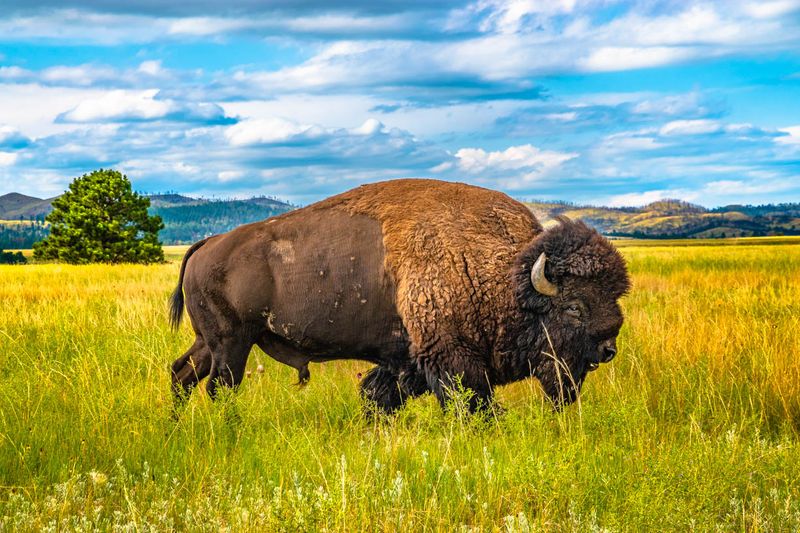
Wind Cave National Park offers two very different experiences within one free park. Above ground, the park protects a rare mixed-grass prairie and ponderosa pine forest ecosystem where bison, elk, pronghorn, coyote, and prairie dogs all live in a relatively natural state.
Below ground is one of the most complex cave systems ever discovered.
The cave is known for its boxwork formations, a calcite fin structure that covers the cave walls and is found in greater density here than anywhere else on Earth. Cave tours are ticketed and can sell out during peak summer weekends, so advance reservations through Recreation.gov are a smart move.
The park sits in the southern Black Hills, which puts it close to several other major South Dakota destinations including Jewel Cave National Monument, Custer State Park, and Mount Rushmore. Wind Cave itself is free to enter, and the wildlife driving loop through the prairie section is one of the better free bison-viewing experiences in the country.
This Lake-Filled Minnesota Park Is Free To Enter Year-Round
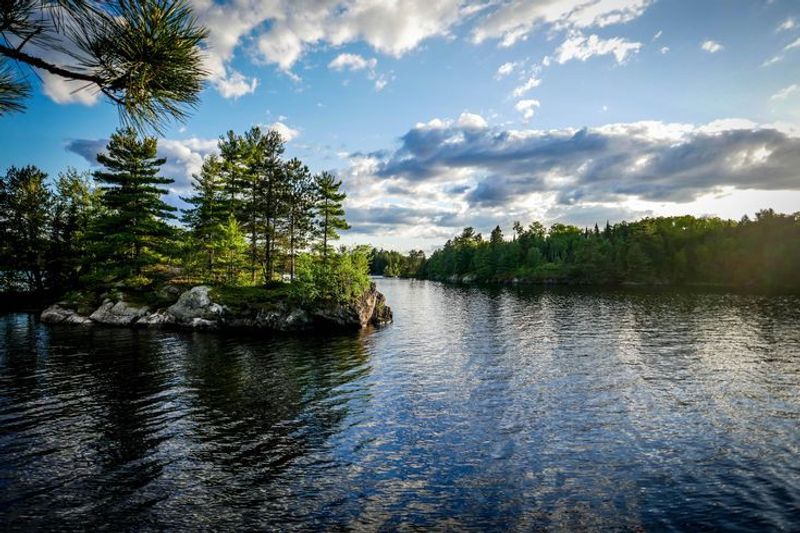
Voyageurs National Park is defined by water. The park sits along the Minnesota-Canada border and is built around a network of four large lakes and more than 500 smaller interior lakes, making boat travel the primary way to experience most of the park.
Entry is free year-round, with no entrance fee or pass required.
The four main access points are Rainy Lake, Kabetogama Lake, Ash River, and Crane Lake, each with a visitor contact station and boat launch. In winter, the frozen lakes become snowmobile corridors and ice fishing destinations, giving the park a completely different character from its summer self.
Camping in the park requires a permit and fee, and boat tours and rentals cost extra, but simply arriving and exploring the shoreline areas around each visitor center is free. The park is also one of the better places in the lower 48 states to see the northern lights on clear nights during fall and winter months.
This Island National Park Is Free To Enter, But Getting There Takes Planning
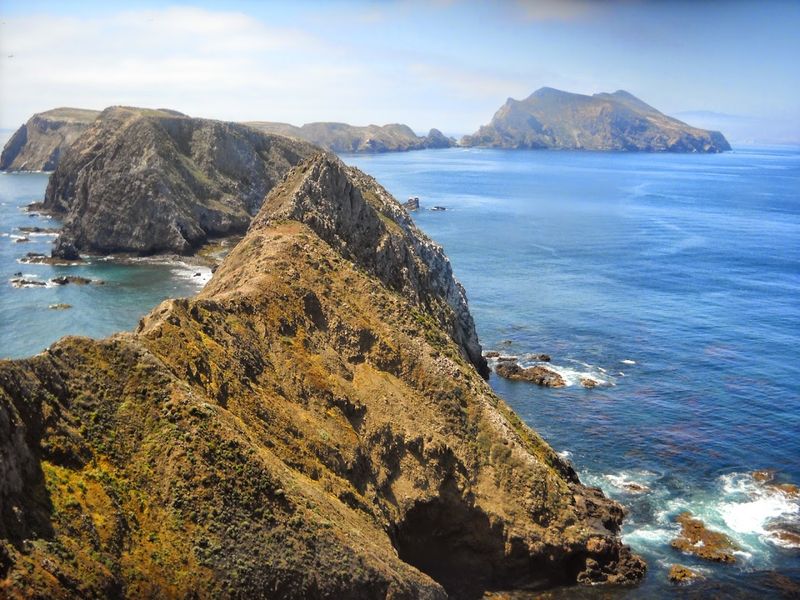
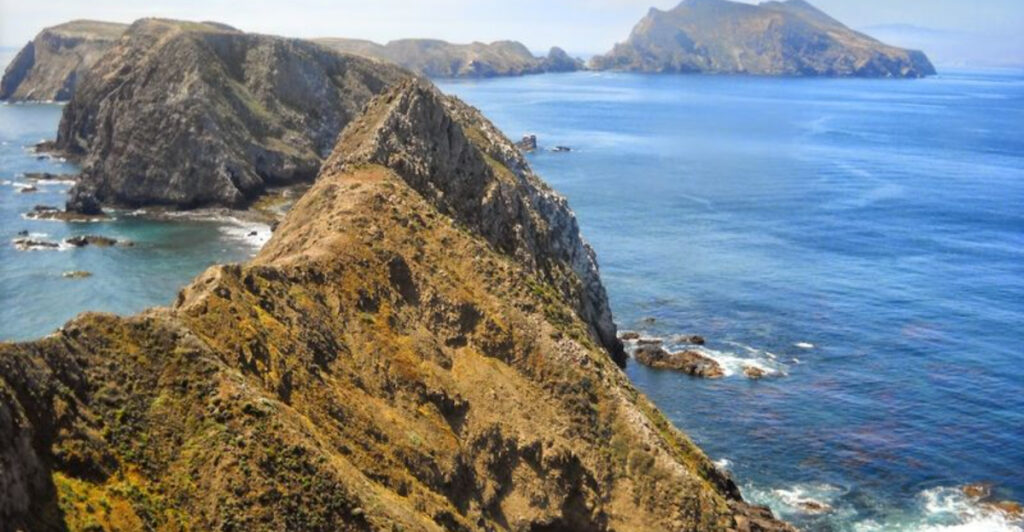
Channel Islands National Park protects five islands off the Southern California coast, along with a mile of surrounding ocean around each one. There is no entrance fee, but the islands are only reachable by concessionaire boat, small plane, or private watercraft, which means transportation costs are part of the equation.
Island Packers Cruises operates boat service from Ventura and Oxnard to the islands, with Santa Cruz Island being the most frequently visited. The crossing takes about an hour and allows day trips or overnight camping stays.
Anacapa, Santa Rosa, Santa Barbara, and San Miguel islands are also accessible but require more advance planning.
The islands are home to species found nowhere else on Earth, including the island fox, which was nearly gone two decades ago and has since recovered to healthy numbers. Sea caves, tide pools, snorkeling, and hiking trails with coastal views fill out the experience.
The visitor center in Ventura is free and a good first stop before booking any island transportation.
This Caribbean National Park Has Beaches, Trails, Reefs, And Free Entry
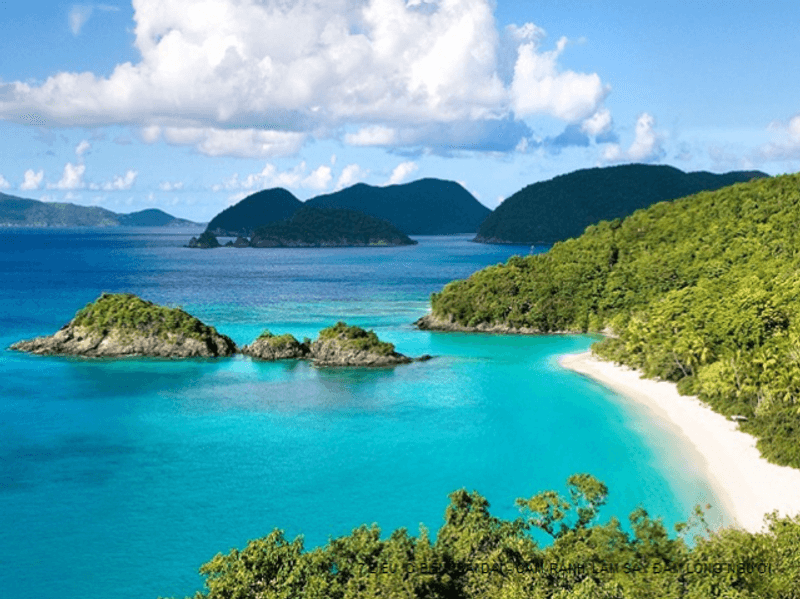
Virgin Islands National Park covers about 60 percent of the island of St. John in the U.S. Virgin Islands, along with 5,650 acres of surrounding ocean.
Entry is free, and the park packs an impressive range of experiences into a relatively compact area.
Trunk Bay is one of the most photographed beaches in the Caribbean and includes an underwater snorkeling trail marked with plaques identifying coral and marine life. Cinnamon Bay, Maho Bay, and Hawksnest Bay are other popular beach stops within the park, each with a slightly different feel and varying levels of facilities.
Beyond the beaches, the park has more than 20 miles of hiking trails that pass through dry tropical forest, past historic sugar plantation ruins, and up to ridge-top overlooks with views across the British Virgin Islands. Taino petroglyphs at Reef Bay are accessible by trail or guided boat trip, adding an archaeological layer to what is already a standout national park experience.
This Alaska Glacier Park Has No Entrance Fee And Huge Wild Scenery
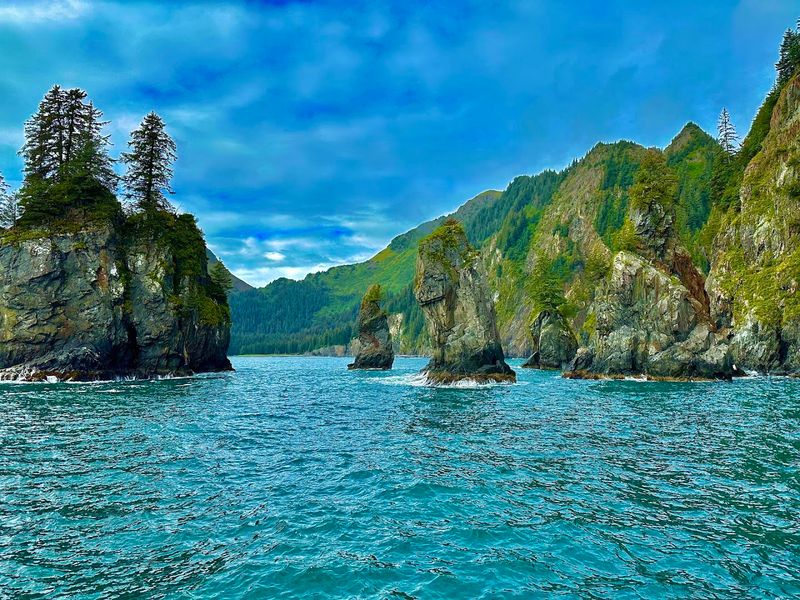
Kenai Fjords National Park sits on the Kenai Peninsula in south-central Alaska, and it packs some of the most dramatic coastal scenery in North America into a park that charges no entrance fee. The park is named for the deep fjords carved by glaciers along its coastline, and it protects nearly 40 active glaciers along with the massive Harding Icefield.
Exit Glacier, located near the town of Seward, is the only part of the park accessible by road and is the most visited section. A trail system leads up to the glacier face and onto a more strenuous route toward the icefield overlook.
Interpretive signs along the lower trail mark where the glacier edge stood in previous decades, illustrating measurable change over time.
Boat tours departing from Seward travel into the fjords and along the coastline, offering views of tidewater glaciers, sea otters, orcas, humpback whales, puffins, and Steller sea lions. Tour costs vary, but the park itself remains free to access at any point of entry.
America’s Largest National Park Is Free To Enter
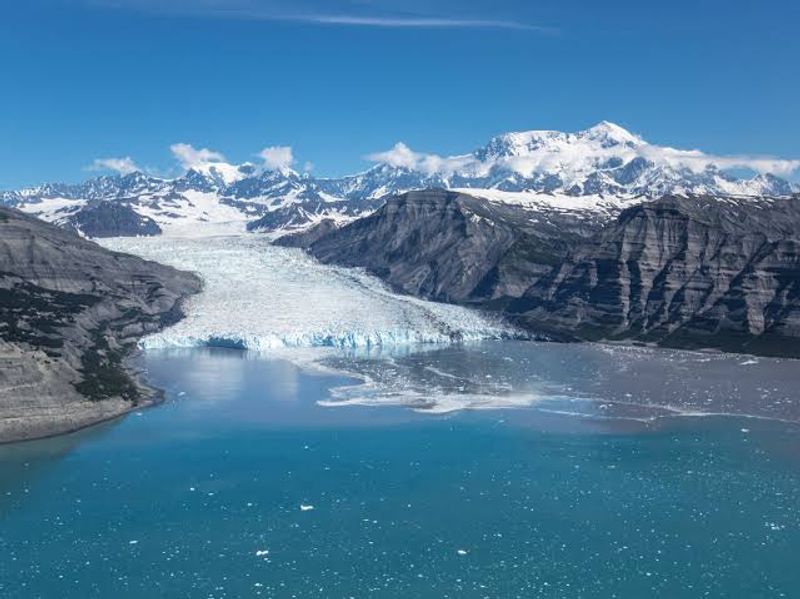
At 13.2 million acres, Wrangell-St. Elias is larger than the entire country of Switzerland. It is the biggest national park in the United States by a wide margin, and it does not charge a single dollar to enter.
There are no entry gates on either of its two park roads.
The Nabesna Road and McCarthy Road are the two main access routes into the park, both unpaved and requiring high-clearance vehicles for portions of the drive. McCarthy is a small community inside the park that serves as a base for glacier hikes, flightseeing tours, and visits to the historic Kennecott Mines, a National Historic Landmark.
The park contains nine of the sixteen highest peaks in the United States, along with some of the largest non-polar glaciers on Earth. Most services inside the park are seasonal, running roughly from late May through early September.
The scale of the landscape here is genuinely hard to describe, and the lack of crowds makes the experience feel even more open and unfiltered.
Share this story