 Unearth The Voyage
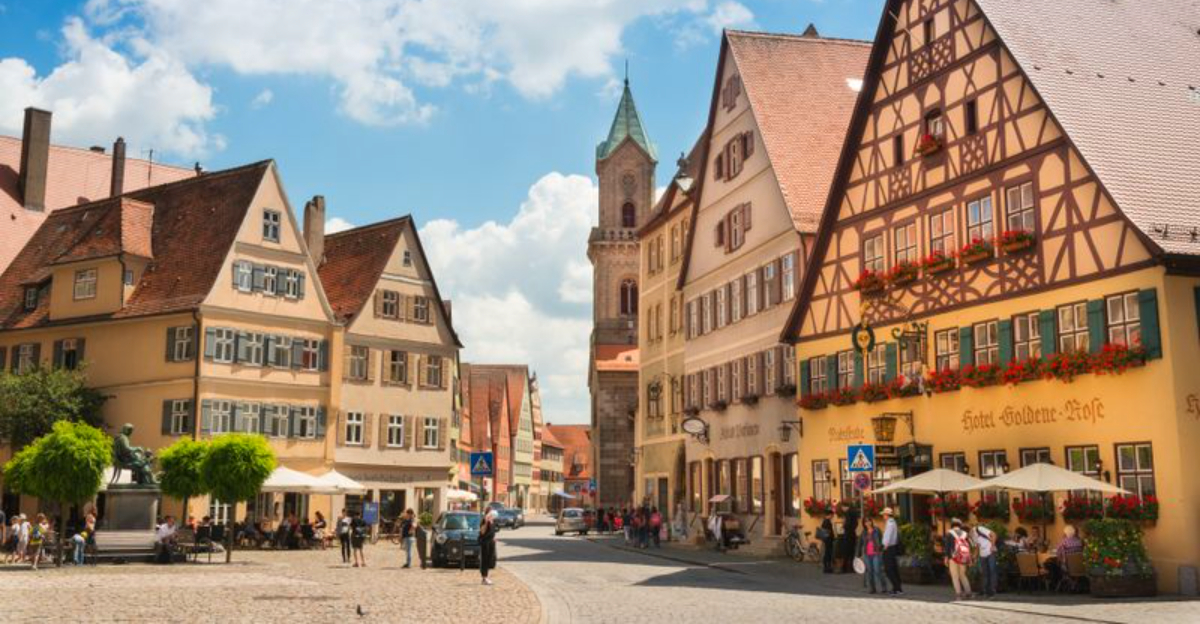
Germany’s countryside hides some of Europe’s most enchanting treasures — small towns where cobblestone streets wind past half-timbered houses and medieval towers still stand guard over ancient squares. These places offer more than pretty postcards; they’re living museums where centuries of history blend seamlessly with everyday life.
Whether perched along winding rivers, nestled in forested valleys, or crowned by castle ruins, each town tells its own story through architecture, culture, and timeless beauty that feels almost magical.
Rothenburg ob der Tauber — Bavaria’s Fairytale Heart
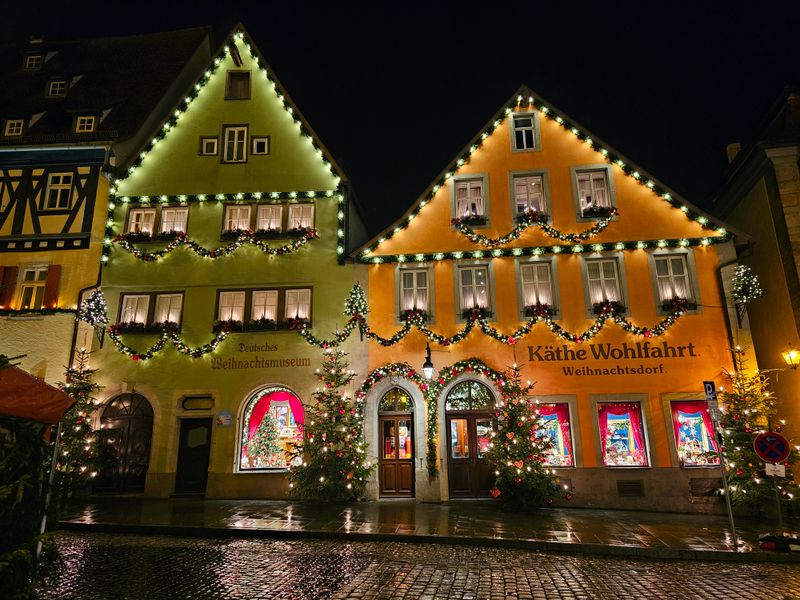
Step through the gates of Rothenburg ob der Tauber and you’ll swear you’ve walked straight into a medieval storybook. This quintessential Bavarian town captivates with perfectly preserved walls, winding cobblestone lanes, and iconic half-timbered houses that lean gently over narrow streets.
Every corner whispers tales of merchants, knights, and centuries-old traditions. Plönlein stands as the town’s most photographed landmark — a crooked corner house flanked by twin towers that frame the street like a theatrical stage.
Walking the ramparts offers stunning views across terracotta rooftops and the rolling countryside beyond. Night watchman tours add an extra layer of historic immersion, bringing old legends to life under flickering lanterns.
The town rewards slow wanderers who pause to admire hand-painted shop signs, explore hidden courtyards, and sample local pastries in cozy bakeries. Christmas markets here transform the already magical streets into a winter wonderland that draws visitors from around the globe.
Rothenburg’s timeless beauty isn’t manufactured for tourists — it’s the real deal, a living monument to Germany’s medieval past that continues to enchant every traveler lucky enough to discover it.
Bamberg — UNESCO-Listed Medieval Masterpiece
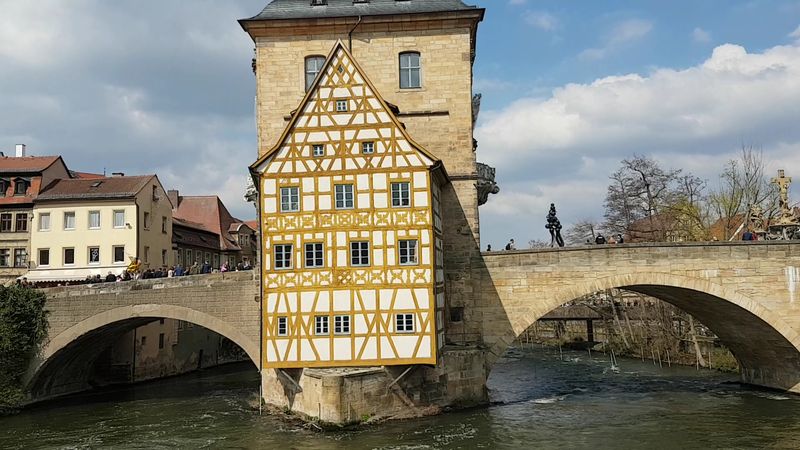
Bamberg sits proudly in upper Franconia like a jewel box overflowing with architectural treasures. More than 2,400 historic timber buildings line graceful canals, earning this town its UNESCO World Heritage status and a reputation as one of Germany’s best-preserved medieval cities.
The entire old town feels like an open-air museum where history lives and breathes. What sets Bamberg apart is its famous old town hall, perched impossibly on an island in the Regnitz River.
Legend says the bishop refused to grant land for the building, so clever citizens simply built their own island instead. The cathedral’s soaring spires dominate the skyline, their Gothic elegance dating back to the 9th century.
Beyond stunning architecture, Bamberg claims fame as a beer lover’s paradise — home to unique Rauchbier, a smoky brew unlike anything you’ll taste elsewhere. Local breweries have perfected their craft over generations, and sampling their creations in historic taverns adds flavor to your exploration.
Wander the narrow streets at dusk when golden light bathes ancient facades, and you’ll understand why Bamberg captures hearts so completely.
Cochem — Riverside Charm on the Moselle
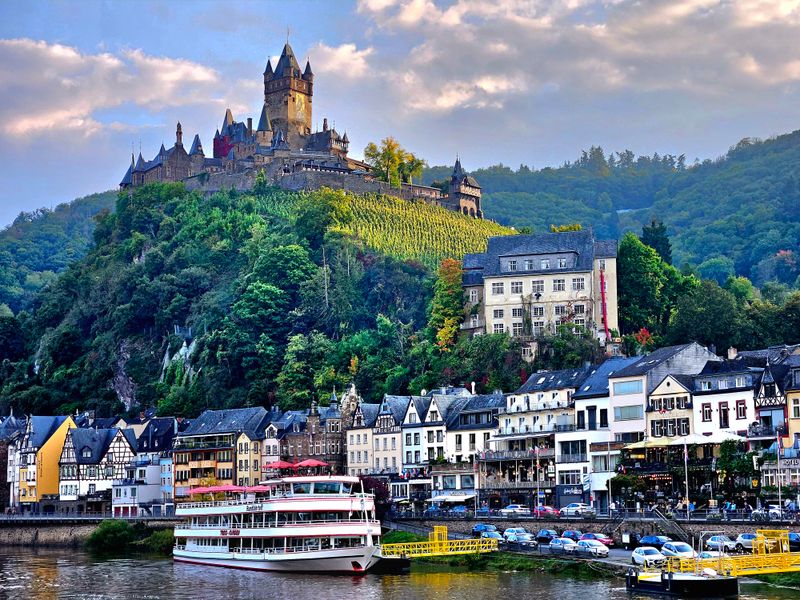
Cochem unfolds like a watercolor painting along the scenic Moselle River, where vineyard-covered slopes rise dramatically behind pastel facades that shimmer in the water’s reflection. The imposing Reichsburg Castle crowns the hilltop, its medieval towers watching over winding river bends and terraced vineyards that produce some of Germany’s finest Riesling wines.
The old quarter invites leisurely exploration with its compact layout and pedestrian-friendly streets. Cafés spill onto cobblestone squares where locals gather over coffee and cake, while wine taverns offer tastings of regional vintages that capture the terroir in every glass.
Waterside promenades provide perfect spots for sunset watching as riverboats glide past. Castle tours reveal centuries of history and reward climbers with panoramic views that stretch across the river valley.
Market days bring the town square to life with vendors selling everything from fresh produce to handmade crafts. Cochem’s relaxed pace makes it an ideal escape from urban bustle — a place where time slows down and simple pleasures take center stage.
The combination of natural beauty, historic architecture, and world-class wine culture creates an experience that lingers long after you’ve returned home.
Quedlinburg — Historic Streets and Half-Timbered Magic
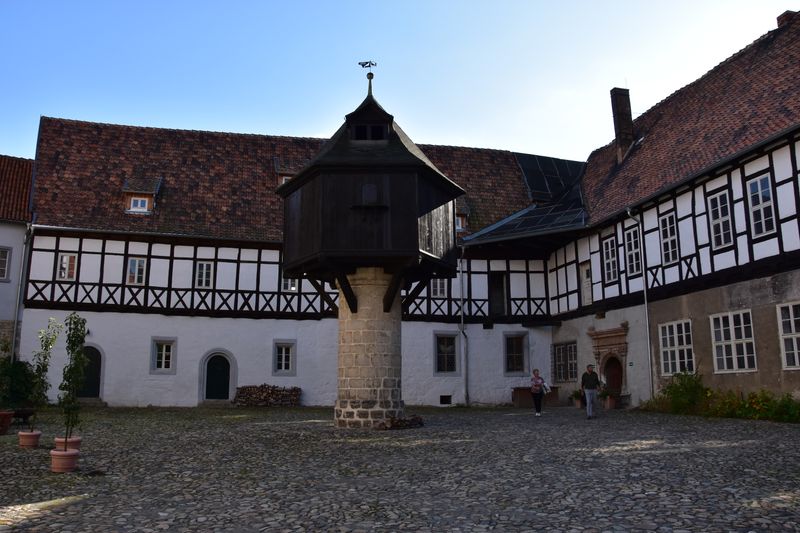
More than 1,300 medieval half-timbered houses crowd Quedlinburg’s UNESCO-listed streets, creating one of Europe’s most impressive collections of historic timber architecture. Each building tells a different story through carved beams, painted facades, and centuries-old craftsmanship that modern construction simply cannot replicate.
Walking here feels like traveling through a living history book. Castle Hill rises above the old town, its cobbled streets winding between ancient structures, intimate squares, and hidden courtyards that reward curious explorers.
Small museums scattered throughout recount regional history, from medieval trade guilds to Renaissance culture. Panoramic views from historic ramparts stretch across terracotta rooftops toward distant hills.
The town square bustles with daily life as locals shop at traditional bakeries and gather in cafés that have served the community for generations. Spring brings flower boxes that burst with color against dark timber frames, while winter snow transforms the medieval streets into a Christmas card scene.
Quedlinburg’s storybook ambiance never feels manufactured — this is authentic heritage preserved through community pride and careful restoration. Every alleyway invites discovery, every corner reveals another architectural gem, making this Saxon town a standout treasure among Germany’s charming small settlements.
Dinkelsbühl — Wall-Encircled Bavarian Gem
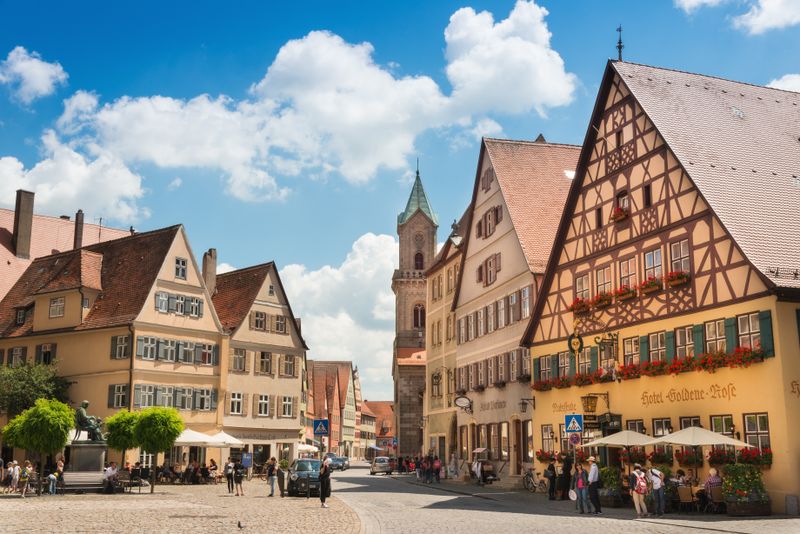
Original medieval walls embrace Dinkelsbühl in a protective circle, their watchtowers standing sentinel as they have for centuries. Part of the famed Romantic Road route, this Bavarian town delivers fairy-tale charm without overwhelming tourist crowds.
The central square opens gracefully to reveal a Gothic cathedral, colorful half-timbered houses, and quaint cafés where locals outnumber visitors. Historic guild houses sit comfortably beside family-run bakeries and artisan shops, creating a living community rather than an open-air museum.
The relaxed rhythm of daily life unfolds naturally — children play in cobblestone squares, merchants arrange window displays, and church bells mark the passing hours. Walking the ramparts offers elevated views across terracotta rooftops and into private gardens tucked behind ancient walls.
Unlike larger tourist destinations, Dinkelsbühl maintains its village-like character and authentic atmosphere. Summer evenings bring residents outdoors to socialize over ice cream and local beer, welcoming travelers into their community rather than keeping them at arm’s length.
The town’s annual festivals celebrate regional traditions with genuine enthusiasm rather than staged performances. This combination of accessible beauty, preserved architecture, and warm hospitality makes Dinkelsbühl a refreshing alternative to more crowded stops along the Romantic Road.
Bacharach — Fairytale on the Rhine
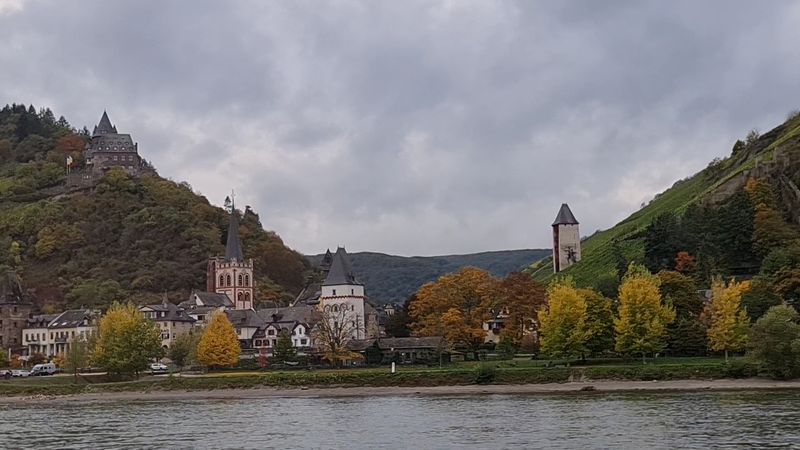
Bacharach perches like a precious gem on a dramatic bend of the Rhine River, framed by steep vineyard slopes and punctuated by Gothic church towers that pierce the sky. Timbered houses cascade down toward the waterfront, their colorful facades creating a scene so picturesque that artists and photographers have captured it for centuries.
This is the archetypal Rhine Valley town that postcards try to imitate. Narrow alleys wind through the old town, leading to hidden wine cellars where vintners have aged local Riesling for generations.
Ancient ramparts invite leisurely walks with river views at every turn. Gothic towers greet explorers around unexpected corners, their weathered stones holding centuries of Rhine Valley history.
River cruises offer classic perspectives of town and water together, revealing how perfectly Bacharach nestles into its natural setting. Market squares buzz with activity during festivals when locals celebrate their wine heritage with tastings and traditional music.
The combination of dramatic landscape, preserved architecture, and living wine culture creates an experience that feels both timeless and immediate. Whether you arrive by boat, car, or train, Bacharach delivers that magical Rhine Valley moment travelers dream about — where history, nature, and culture converge in perfect harmony.
Görlitz — Architectural Tapestry Through Ages
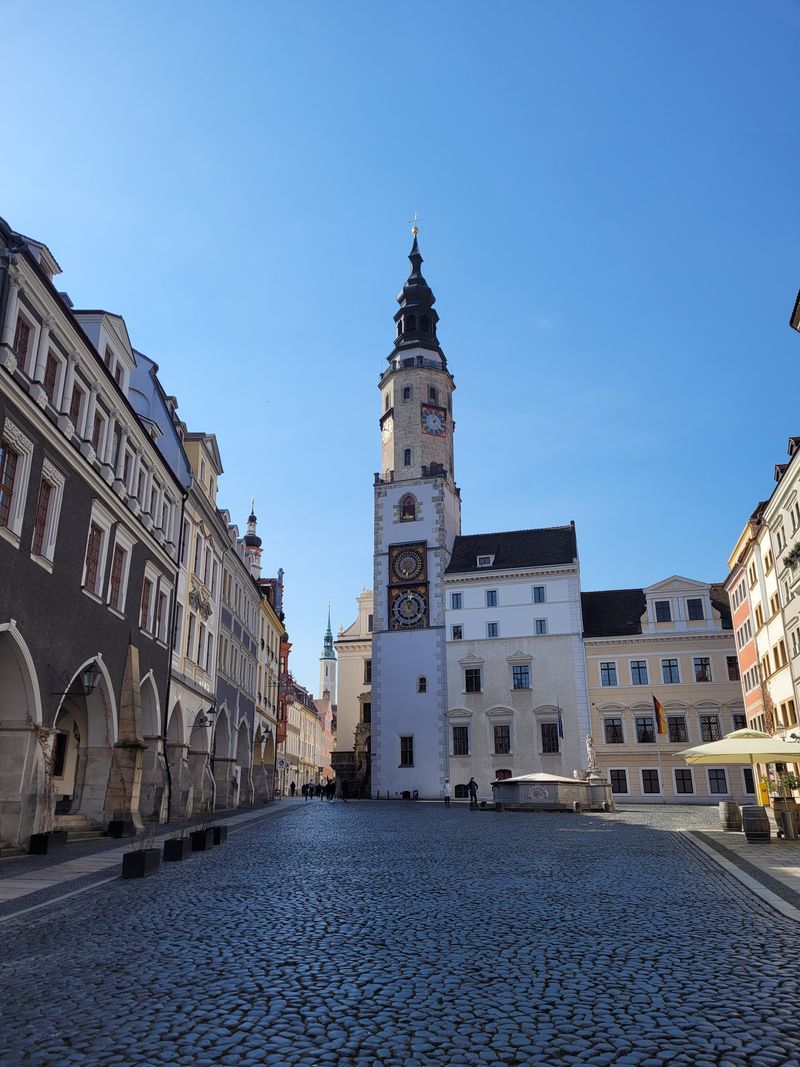
Görlitz straddles the Polish border like a living museum of European architectural styles, its compact center showcasing Gothic, Renaissance, Baroque, and Art Nouveau buildings in remarkable concentration. Film directors have repeatedly chosen these streets as movie backdrops because the preserved old-world character needs no digital enhancement.
Walking here means traveling through centuries of design evolution in just a few blocks. Ornate town halls anchor grand plazas where café tables invite lingering over coffee and conversation.
Quiet side lanes reveal architectural details that reward attentive observers — carved stone doorways, wrought-iron balconies, and painted facades that span artistic movements. The town’s cultural heritage feels rich and genuine rather than staged for tourism.
Görlitz suffered less war damage than many German cities, allowing original structures to survive intact through turbulent decades. This fortunate history means visitors encounter authentic craftsmanship and civic pride expressed through architecture.
Department stores designed in Art Nouveau splendor stand near Renaissance merchant houses, creating visual conversations across centuries. The town’s position on the border adds international flavor while preserving distinctly German character.
For architecture enthusiasts and history lovers, Görlitz offers a deep dive into European building traditions without the crowds that pack more famous destinations.
Monschau — Eifel Region’s Picture-Perfect Village
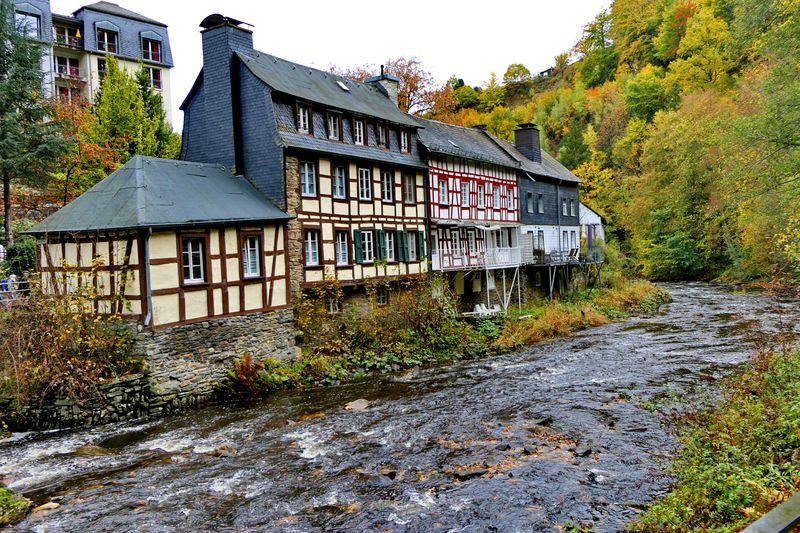
Tucked into forested Eifel hills near the Belgian border, Monschau unfolds along a gentle river that babbles through its heart. Half-timbered houses climb steep hillsides, their slate roofs and dark wooden beams creating striking patterns against whitewashed walls.
Cobbled lanes too narrow for modern traffic wind between buildings that have sheltered families for centuries. Small museums recount the town’s cloth-manufacturing heritage when Monschau’s textiles earned international recognition.
Historic mills still stand along the riverbank, their water wheels frozen in time. Cafés and bakeries make lingering easy, especially when sampling local mustard — a regional specialty that adds unexpected flavor to traditional dishes.
The town’s relaxed pace attracts nature lovers who use Monschau as a base for hiking forested trails that crisscross the Eifel National Park. Autumn brings spectacular foliage that frames the village in gold and crimson, while winter snow transforms it into a cozy retreat.
Monschau’s postcard-ready appearance never feels contrived because this remains a working community where locals go about daily life amid the beauty. The combination of natural setting, preserved architecture, and authentic atmosphere makes this Eifel village a beloved destination for those seeking Germany’s quieter, more intimate charms away from major tourist routes.
Meersburg — Lakeside Medieval Beauty
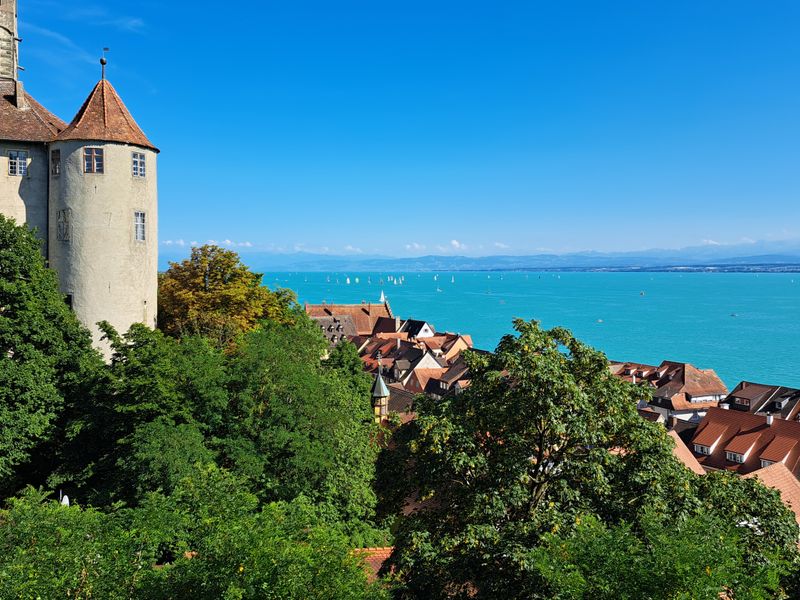
Meersburg rises dramatically above Lake Constance, its medieval castle walls commanding views across shimmering waters toward distant Alpine peaks. Vine-covered slopes cascade down to the lakefront, producing wines that benefit from the unique microclimate created by Europe’s third-largest lake.
The old town’s narrow lanes meander past stone gatehouses and forgotten courtyards where flowers spill from window boxes. Germany’s oldest continuously inhabited castle crowns the upper town, its rooms and ramparts offering panoramic lake-to-mountain views that feel almost dreamlike.
Lower town streets lead to waterfront promenades where cafés serve fresh fish caught from the lake that morning. Ferries connect Meersburg to other lakeside communities, making boat trips an integral part of the experience.
Summer brings outdoor concerts and wine festivals that celebrate regional vintages, while mild winters keep the town accessible year-round. The combination of castle history, vineyard culture, and lakeside setting creates a unique atmosphere that distinguishes Meersburg from inland medieval towns.
Sunset transforms the lake into liquid gold, painting castle walls in warm light that photographers capture from countless angles. This is southern German charm enhanced by natural beauty, where historic architecture and stunning landscapes complement each other perfectly in a setting that feels both intimate and grand.
Alsfeld — Renaissance Timber Elegance
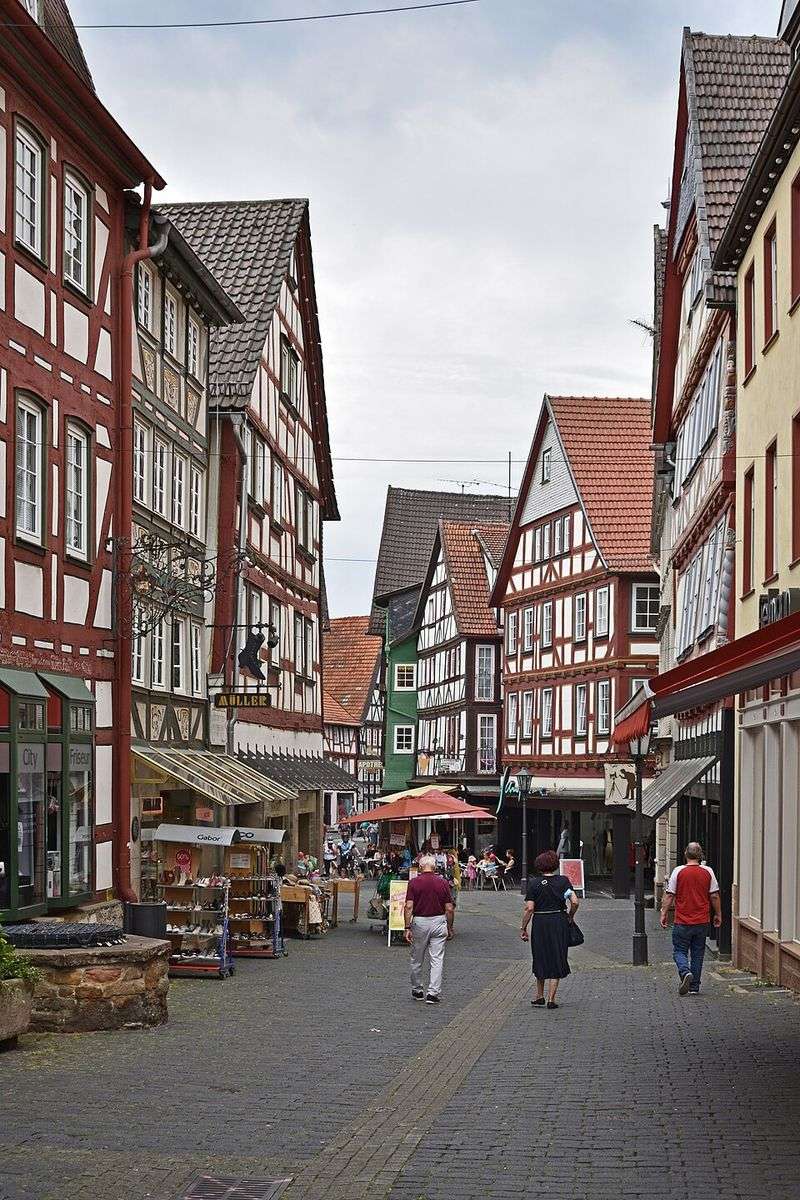
Alsfeld’s marketplace centers on one of Germany’s most photographed town halls, a stunning example of Renaissance timber architecture with intricate carvings and projecting upper stories that seem to defy gravity. This Hessian village preserves half-timbered elegance across centuries, each building displaying the master craftsmanship of medieval and Renaissance builders.
Walking these streets means admiring an outdoor gallery of timber construction techniques. Quaint shops and traditional cafés line the marketplace, inviting visitors to pause and absorb the atmosphere over coffee and local specialties.
Many buildings feature painted decorations and carved details that reveal the wealth and pride of past merchants. The town’s compact size makes exploration easy, with major sights clustered within comfortable walking distance.
Alsfeld maintains its small-town character while welcoming visitors with genuine warmth rather than tourist-industry polish. Local festivals bring residents into the streets to celebrate regional traditions with music, food, and traditional costumes.
The town’s location along the German Fairy Tale Route adds storybook associations that enhance its already considerable charm. Spring and summer fill window boxes with colorful blooms that contrast beautifully with dark timber frames, while Christmas markets transform the marketplace into a winter wonderland.
For lovers of Renaissance architecture and authentic German small-town life, Alsfeld delivers both in generous measure.
Hann. Münden — Where Rivers and History Meet
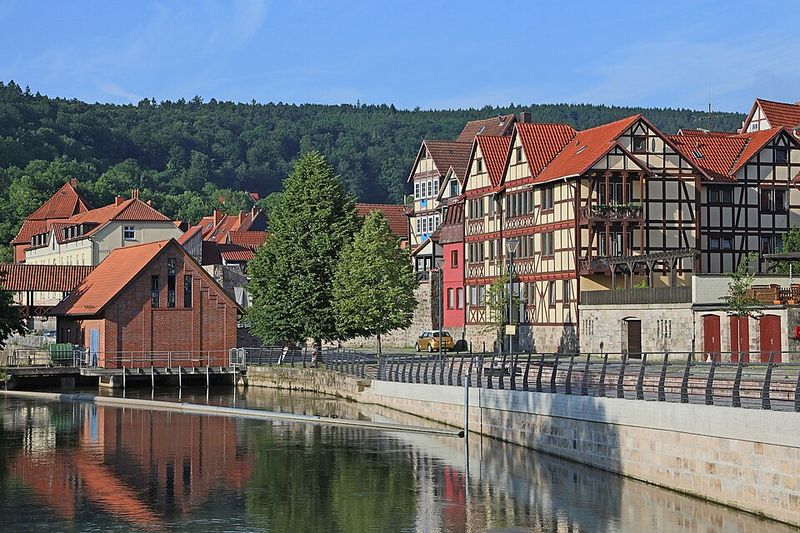
At the precise point where the Fulda and Werra rivers merge to form the Weser, Hann. Münden spreads across the confluence with hundreds of half-timbered houses that date back centuries.
Water defines this town’s character — flowing past medieval facades, reflecting historic bridges, and providing the transportation routes that built prosperity through generations. Every cobblestone seems to echo tales of river traders and medieval commerce.
The town center preserves more than 700 timber-framed buildings, their varied styles spanning Gothic through Baroque periods. Walking tours reveal architectural evolution through carved beam patterns, window designs, and construction techniques.
River promenades offer peaceful spots for watching boat traffic and feeding swans that glide between the currents. Dr. Alexander von Humboldt once declared Hann.
Münden among the world’s seven most beautifully situated towns, and modern visitors understand why. The combination of natural setting and preserved architecture creates scenes that painters have captured for generations.
Local museums recount the town’s role in river trade networks that connected northern and central Germany. Cafés along the waterfront serve regional specialties while providing front-row seats to the rivers’ meeting point.
This Lower Saxon gem rewards travelers seeking authentic heritage and natural beauty without tourist crowds overwhelming the experience.
Gengenbach — Black Forest Fairytale
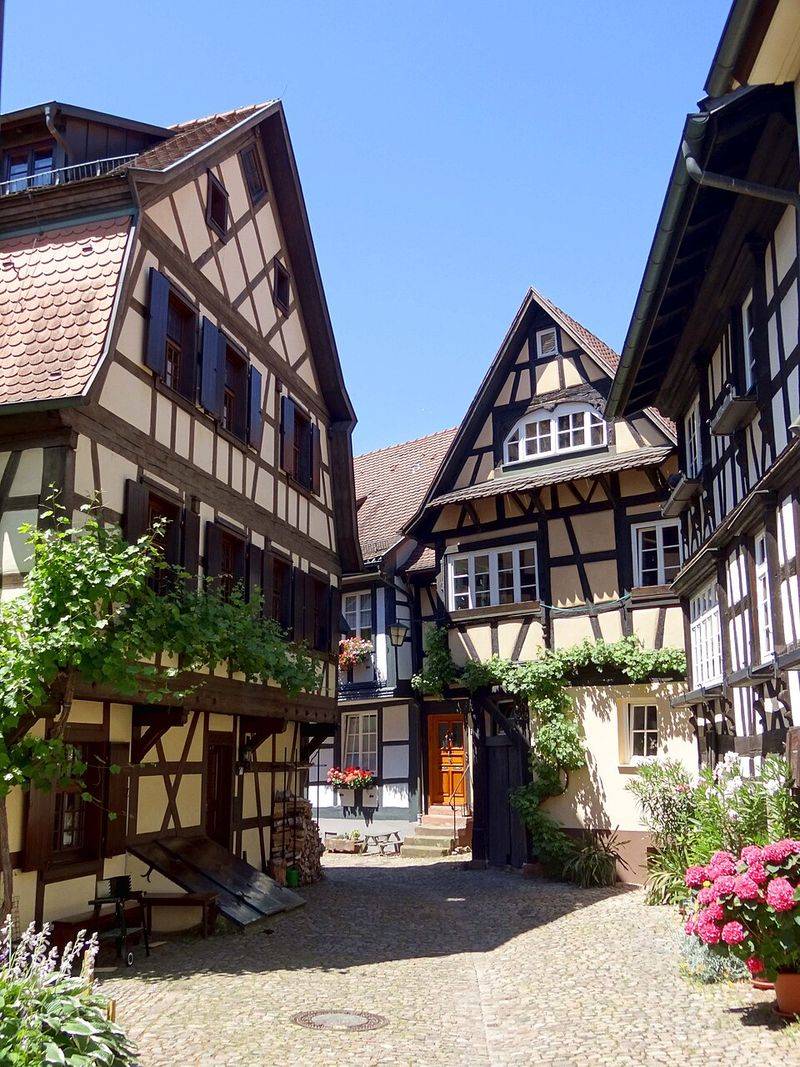
Gengenbach nestles in the lower Kinzig valley of the Black Forest, radiating storybook charm through flowery half-timbered homes, narrow lanes, and riverside promenades shaded by ancient trees. This town’s colorful buildings seem almost too perfect, their painted facades and flower-laden balconies creating scenes that belong on chocolate boxes.
Yet this beauty is lived-in and genuine, not manufactured for cameras. The surrounding Black Forest provides a dramatic backdrop of forested hills that invite hiking, cycling, and nature exploration.
Trails lead from town into woodland paths where sunlight filters through towering pines and streams cascade over moss-covered rocks. Returning to town means rewarding yourself with Black Forest cake in traditional cafés where recipes have passed through generations.
Gengenbach gained international fame as the world’s largest advent calendar when the entire town hall facade transforms into a holiday countdown each December. Summer brings open-air concerts and wine festivals that celebrate regional culture with infectious enthusiasm.
The town’s peaceful pace and manageable size make it perfect for travelers seeking Black Forest charm without resort-town commercialization. Local shops sell regional crafts, from cuckoo clocks to hand-carved wooden toys, connecting visitors to traditional artisan skills that define this region’s cultural heritage beyond the fairy-tale architecture.
Füssen — Gateway to Castles and Alpine Views
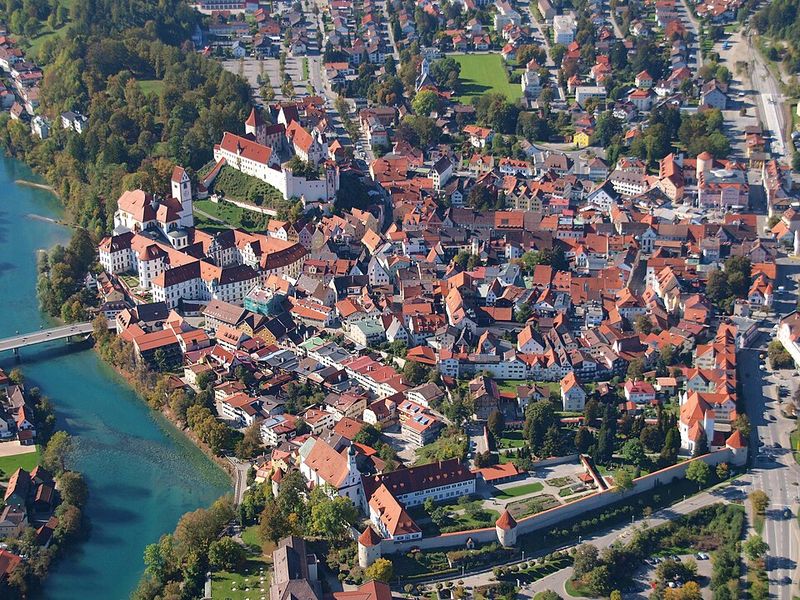
Füssen may be small, but its location in the Alpine foothills near Neuschwanstein Castle gives it outsize appeal for travelers seeking mountain magic. The old town surprises visitors with its own considerable charms — frescoed façades depicting religious and historical scenes, gentle lanes that wind toward lakeside views, and mountain trails that begin right at the town’s edge.
This isn’t just a castle gateway; it’s a destination worthy of exploration. Historic buildings reveal Füssen’s past as an important stop on the trade route between Italy and northern Europe.
The High Castle overlooks the town with commanding views, while St. Mang’s Abbey showcases Baroque splendor in its ornate interiors. Cobblestone streets lead to cafés where you can rest weary feet after castle visits while planning your next Alpine adventure.
Nearby lakes offer swimming, boating, and shoreline walks with mountain reflections that photographers dream about. The Romantic Road officially ends here, making Füssen a fitting conclusion to one of Germany’s most scenic touring routes.
Winter transforms the area into a snow-covered wonderland perfect for skiing and sledding, while summer hiking reveals wildflower meadows and panoramic vistas. This Alpine treasure combines cultural depth with natural majesty in a compact package that keeps visitors returning season after season.
Wismar — Hanseatic Port Beauty
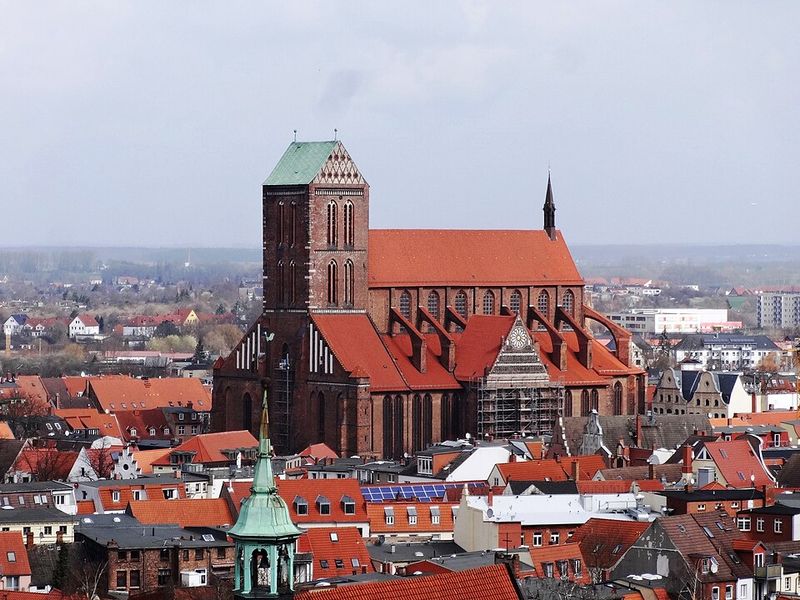
Wismar spreads along the Baltic coast as a quintessential Hanseatic port town where brick Gothic architecture dominates historic squares and a working harbor keeps maritime traditions alive. Elegant façades reveal the wealth that flowed through this medieval trading hub when Hanseatic merchants connected northern European markets.
Walking the old town means discovering layers of maritime history expressed through buildings that have weathered centuries of Baltic storms. The massive market square ranks among Germany’s largest, surrounded by gabled merchant houses and the ornate Wasserkunst, a Dutch Renaissance fountain that has supplied the town since 1602.
Church ruins stand as haunting reminders of wartime destruction, preserved as memorials rather than rebuilt. The harbor bustles with fishing boats, ferries, and pleasure craft that continue Wismar’s seafaring legacy.
UNESCO recognition protects Wismar’s historic core, ensuring that modern development respects centuries of architectural heritage. Fish restaurants along the waterfront serve fresh Baltic catches prepared according to regional recipes.
The town’s relaxed atmosphere contrasts with busier Baltic destinations, offering authentic northern German coastal culture without overwhelming tourist infrastructure. Summer brings sailing regattas and harbor festivals, while winter’s crisp sea air clears the mind during bracing waterfront walks.
Wismar rewards travelers seeking maritime history, brick Gothic beauty, and genuine port-town character along Germany’s northern coast.
Lindau — Lake Constance Island Town
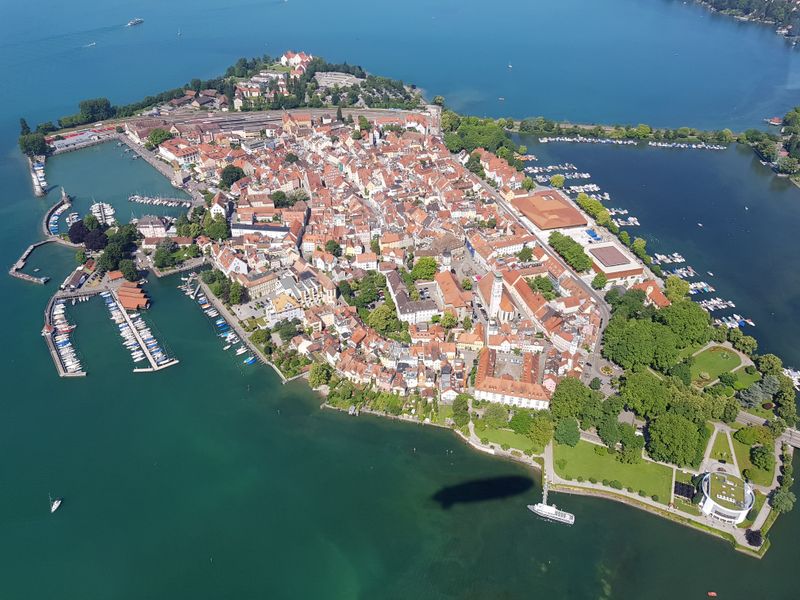
Lindau occupies a charming island in Lake Constance, connected to the mainland by bridges but feeling delightfully set apart. Medieval towers and colorful façades anchor the historic core, while the old harbor entrance features Bavaria’s only lighthouse alongside a stone lion that guards the water passage.
Lakeside promenades invite leisurely strolls with Alpine views rippling across the water toward Austria and Switzerland. The island’s compact size makes exploration a pleasure, with cafés, boutiques, and historic buildings clustered along pedestrian lanes.
Harbor-front restaurants serve fresh lake fish while providing front-row seats to sunset shows that paint mountains and water in spectacular colors. The town hall’s painted exterior depicts historical scenes in vivid detail, showcasing the artistic traditions that flourished here.
Summer transforms Lindau into a lakeside resort where sailing, swimming, and waterfront dining define the daily rhythm. Ferries connect the island to other Lake Constance communities, making day trips easy and rewarding.
The combination of island setting, Alpine backdrop, and preserved medieval core creates a unique atmosphere that distinguishes Lindau from mainland towns. This is southern German charm enhanced by natural splendor, where historic architecture and stunning landscapes merge into a storybook locale that captures hearts with its blend of intimacy and grandeur along one of Europe’s most beautiful lakes.



