The 1960s was a decade that completely rewrote the rules of glamour, fashion, and beauty. From mod miniskirts to Hollywood elegance, women in this era became style legends that we still talk about today.
I grew up flipping through my grandmother’s old magazines, and even then, the women on those pages had a magnetic pull that felt impossible to ignore. These 15 women did not just follow trends, they created them.
Twiggy: The Mod Model Who Changed Beauty Standards
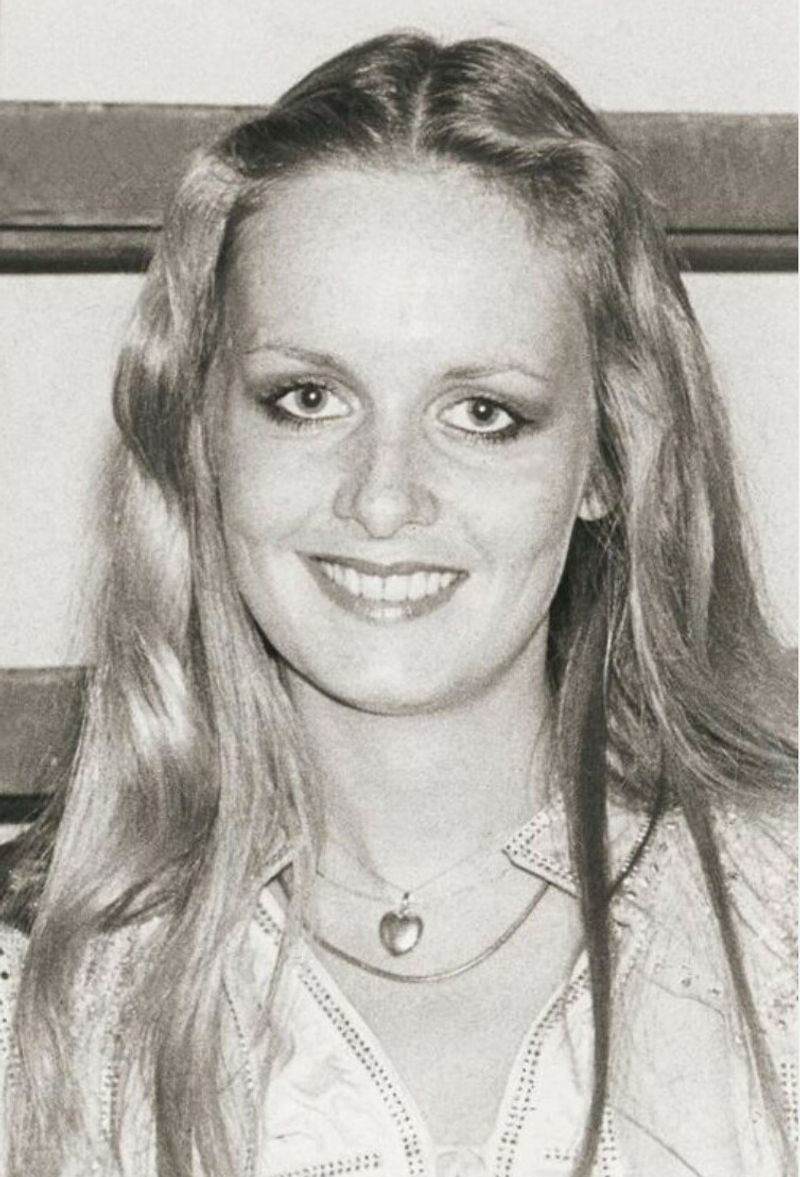
Nobody rocked a pixie cut quite like Twiggy did in 1966. Born Lesley Lawson in London, she went from a local salon regular to the face of an entire decade almost overnight.
Her cropped hair and doe-like painted lashes were unlike anything fashion had ever celebrated before.
Twiggy proved that beauty did not have to mean curves or classic Hollywood polish. She was all angles, energy, and attitude, and the world absolutely loved her for it.
Designers scrambled to dress her, and magazines could not print her face fast enough.
Her mod style, featuring bold geometric prints, short hemlines, and flat shoes, became the uniform of a generation. She once said she never felt like a beauty, which only made fans love her more.
Twiggy did not just model clothes. She modeled a whole new way of seeing what a woman could look like.
Brigitte Bardot: The French Star Who Made Effortless Glamour Iconic
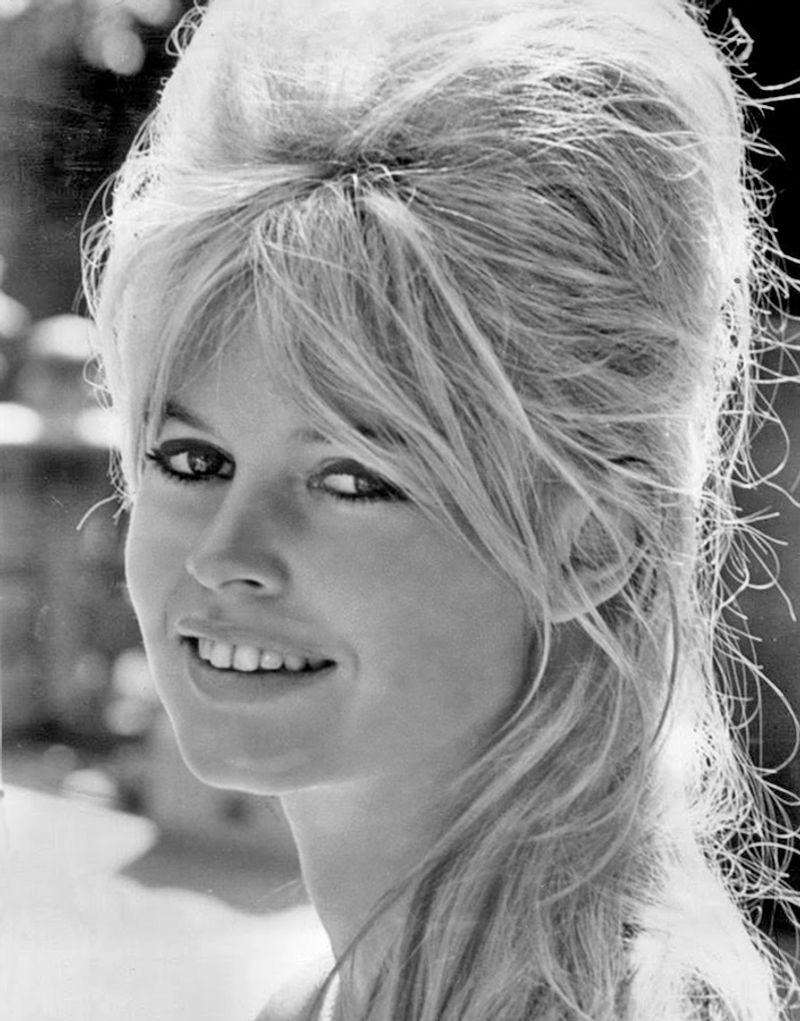
Brigitte Bardot made looking good seem completely accidental, which was honestly the most impressive trick of all. Her tousled blonde hair and smoky eyes suggested she had just woken up looking fabulous, and somehow that worked better than any perfectly styled Hollywood look.
French women had long been celebrated for their chic style, but Bardot took that idea and turned it into a global obsession. Her influence stretched from fashion runways to everyday wardrobes across Europe and America.
The cat-eye liner she wore became one of the most copied makeup looks in history.
Off screen, her love of Saint-Tropez helped turn the sleepy French village into an international hotspot. She was as much a cultural force as she was a film star.
Bardot retired from acting in 1973 to focus on animal rights, but her style legacy has never stopped inspiring designers and beauty lovers alike.
Marilyn Monroe: The Hollywood Icon Whose Legacy Carried Into the 1960s
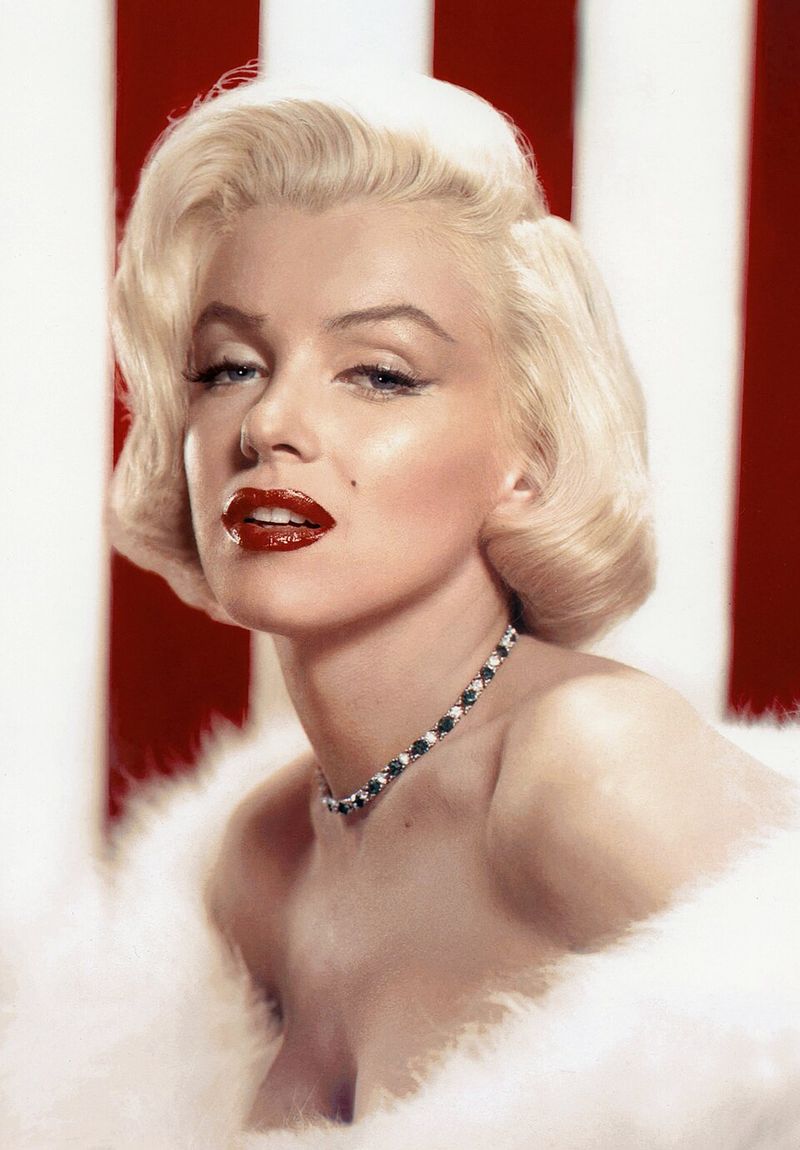
Marilyn Monroe singing Happy Birthday to President Kennedy in 1962 remains one of the most talked-about moments in American pop culture history. That single performance, in a skin-tight sparkling gown, summed up everything her image stood for: beauty, boldness, and just a hint of danger.
Her biggest films came in the 1950s, but the early 1960s kept her front and center in public life. Her personal struggles were as widely discussed as her performances, which only deepened the fascination people had with her.
When she passed away in August 1962, the world genuinely stopped. Tributes poured in from every corner of the globe, and her image became even more powerful in death than it had been in life.
Andy Warhol famously turned her face into pop art shortly after. Monroe was not just a movie star.
She was a mirror that reflected an entire era’s hopes and contradictions.
Elizabeth Taylor: The Star Who Embodied Old Hollywood Luxury
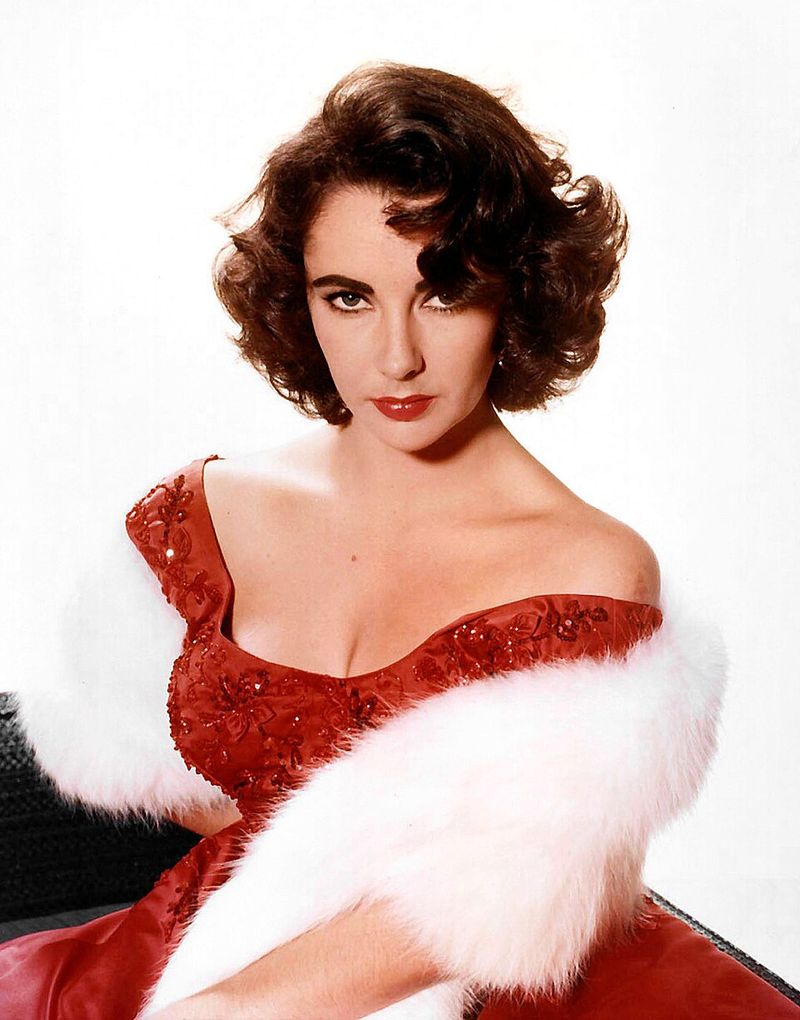
Elizabeth Taylor wore diamonds like most people wear sunscreen: daily, generously, and with complete commitment. Her role as Cleopatra in 1963 was one of the most expensive films ever made at the time, and Taylor’s wardrobe alone featured 65 custom costumes that reportedly cost a fortune.
Her violet eyes were so unusual that many people assumed they were a camera trick. They were absolutely real, and they became one of the most talked-about features in Hollywood history.
Taylor understood that glamour was a full-time job, and she never clocked out.
Beyond the jewels and the costumes, she was a genuinely skilled actress who won two Academy Awards. Her personal life, including eight marriages to seven husbands, kept tabloids busy for decades.
Taylor was larger than life in every possible way. She proved that real star power has nothing to do with playing it safe and everything to do with being completely, unapologetically yourself.
Catherine Deneuve: The Face of Elegant French Cinema
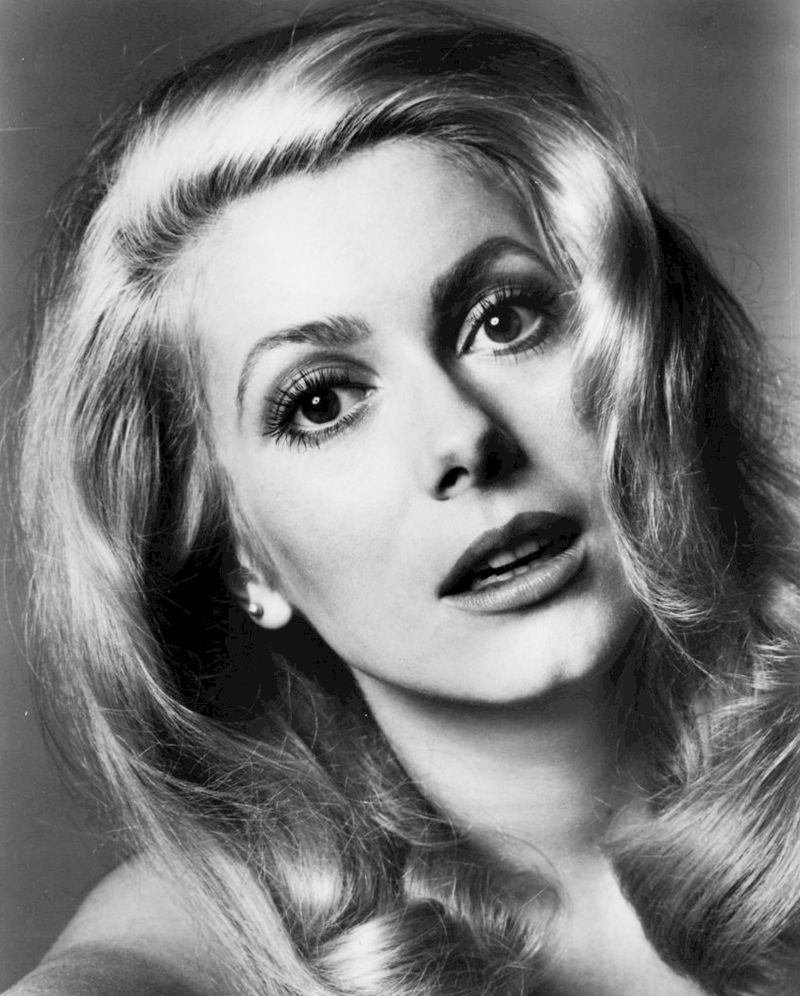
Cool, polished, and almost impossibly elegant, Catherine Deneuve became the unofficial face of France during the 1960s. She was literally chosen as the model for Marianne, the national symbol of France, which is about as official a style endorsement as a country can give.
Her 1964 film The Umbrellas of Cherbourg is a masterpiece of color and emotion, and Deneuve wore every frame of it like a walking fashion editorial. Then came Belle de Jour in 1967, where her understated wardrobe, designed by Yves Saint Laurent, became as celebrated as the film itself.
What made Deneuve stand apart was her ability to look effortlessly refined without ever appearing to try too hard. She had no use for flashy excess.
Her style was about precision, quality, and quiet confidence. Decades later, she remains one of the few actresses whose influence on both fashion and film has genuinely never faded.
Raquel Welch: The Screen Star Who Redefined Bombshell Glamour
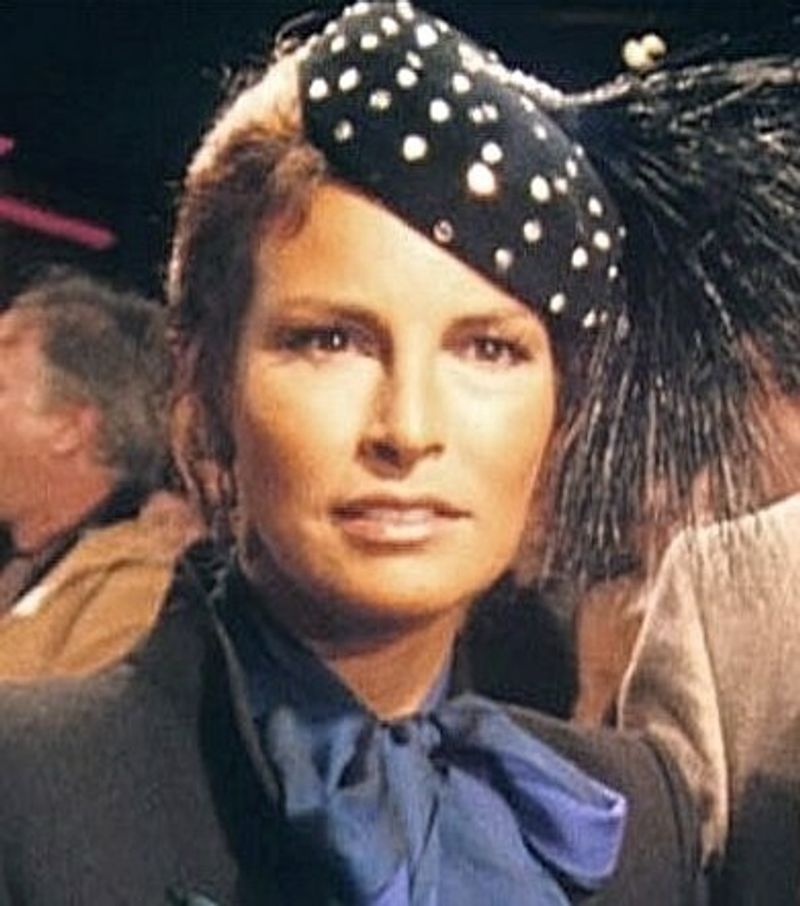
One fur bikini. That is genuinely all it took for Raquel Welch to become one of the most recognized faces on the planet.
Her poster from One Million Years B.C. sold millions of copies worldwide and became a cultural touchstone that outlasted the film itself by decades.
Welch was not just a pretty face propped up by a costume department. She was a trained dancer, a disciplined performer, and a savvy businesswoman who understood her own brand better than most executives twice her age.
That combination of brains and beauty made her genuinely unstoppable.
Her glamour had a physical strength to it that was new for the era. Previous bombshells had been soft and yielding.
Welch looked like she could win a wrestling match and still look incredible doing it. She brought confidence to the forefront of what it meant to be a screen goddess, and the 1960s was better for it.
Jean Shrimpton: The Supermodel Who Helped Define Swinging London
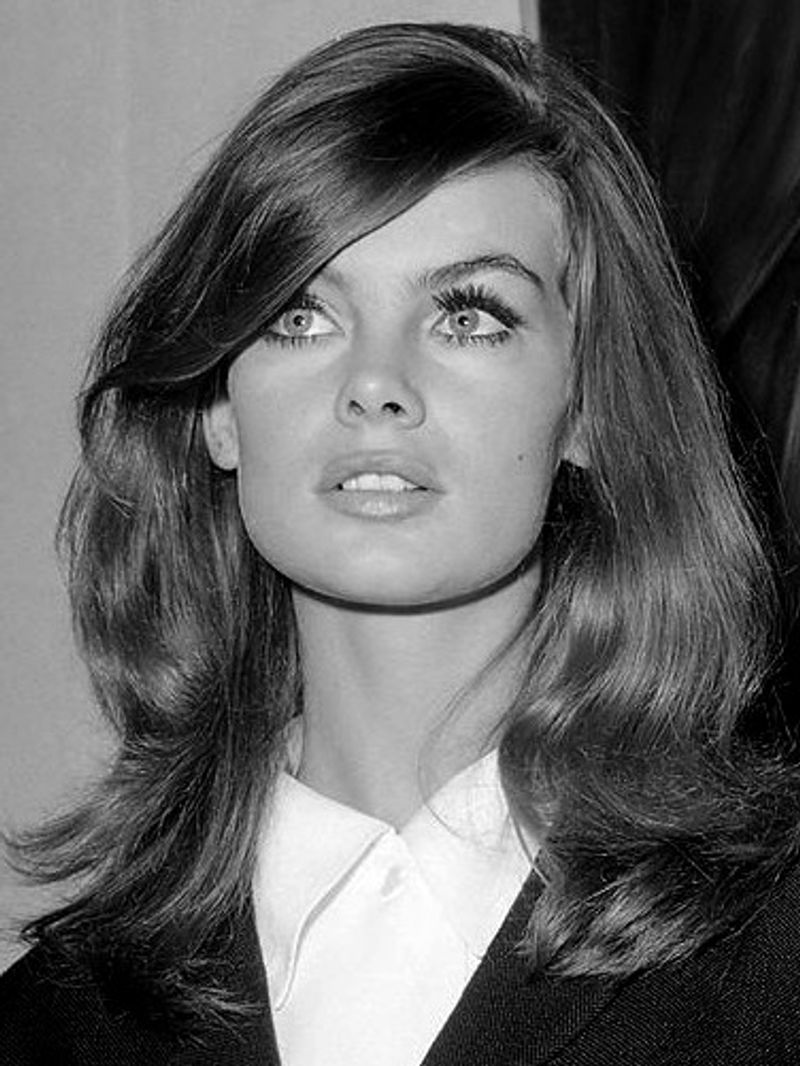
Jean Shrimpton once showed up to a Melbourne Cup horse race wearing a minidress four inches above the knee with no hat, no gloves, and no stockings, and the entire country lost its mind. She was not trying to cause a scandal.
She just had better style instincts than everyone in the room.
Photographer David Bailey shot Shrimpton throughout the early 1960s, and together they created some of the most iconic fashion imagery of the decade. Their working relationship helped define the look of Swinging London before that term even existed.
Unlike models before her, Shrimpton did not look untouchable or theatrical. She looked like a real person who happened to be extraordinarily beautiful, which made her instantly relatable and wildly influential.
Girls across Britain and America copied her natural, low-key style. She helped push fashion away from stiff formality and toward the kind of easy, youthful energy that the 1960s became famous for worldwide.
Sophia Loren: The Italian Actress With Timeless Star Power
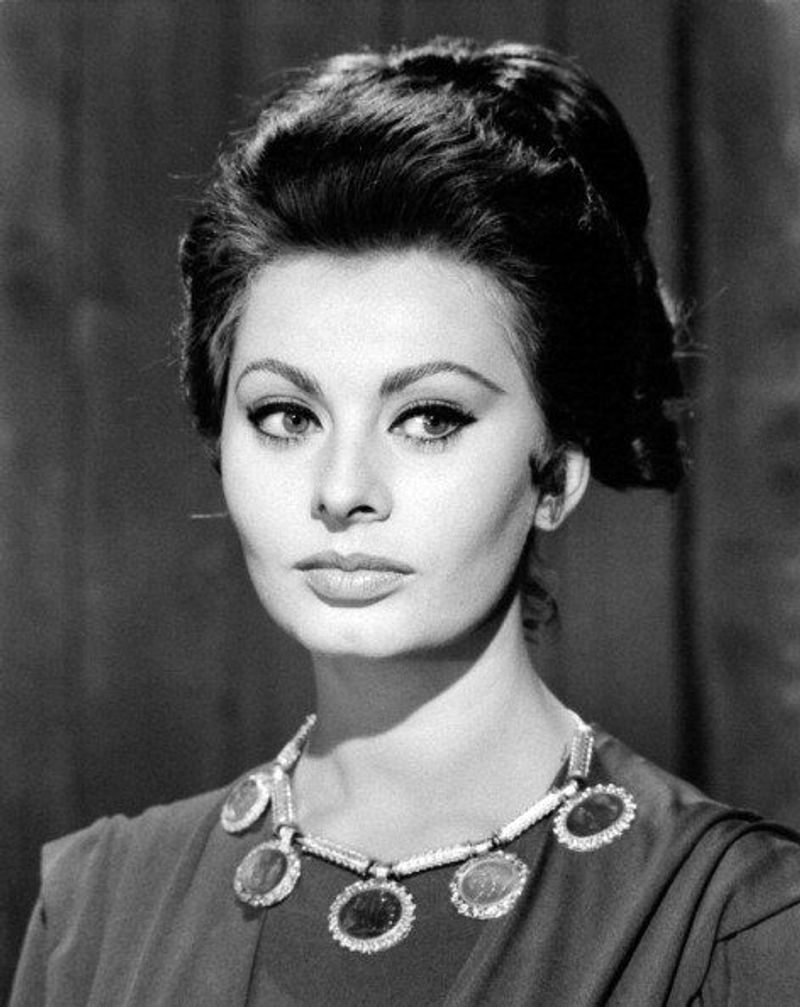
Sophia Loren once said that everything she was, she owed to spaghetti, and honestly, that quote tells you everything you need to know about her personality. She was warm, funny, grounded, and completely uninterested in pretending to be anything other than exactly who she was.
Her Oscar win for Two Women in 1962 made history. She became the first actress to win an Academy Award for a foreign-language performance, which was a genuinely enormous deal at a time when Hollywood dominated every conversation about film.
Loren’s beauty had depth and character that went beyond classical perfection. Her face told stories before she even opened her mouth.
Italian directors loved her, Hollywood pursued her, and audiences on every continent adored her. She carried herself with a confidence that was neither arrogant nor accidental.
It came from hard work, a difficult childhood, and an unshakeable belief in her own worth. That combination never goes out of style.
Ursula Andress: The Bond Girl Who Created a Cinematic Fashion Moment
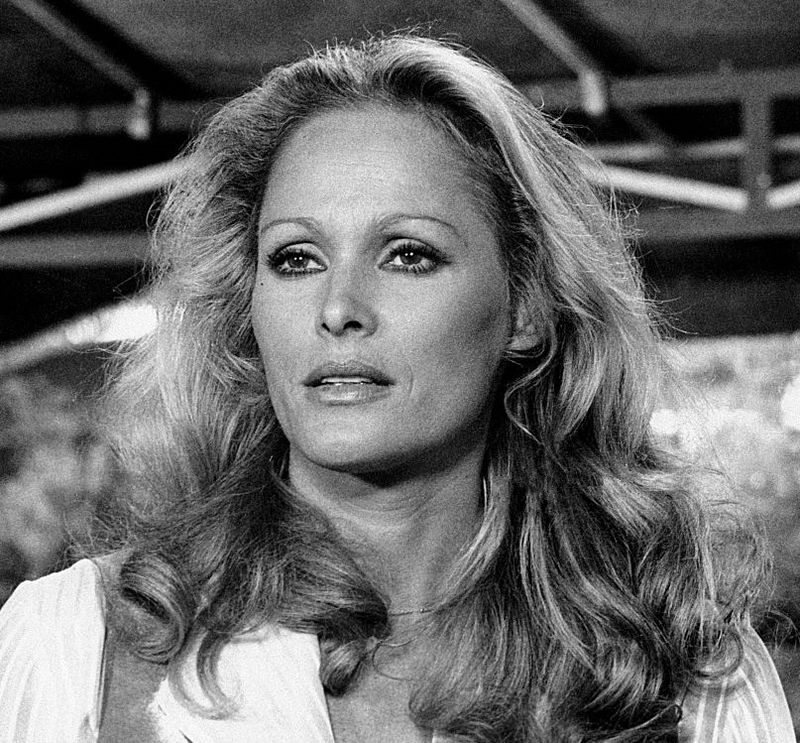
That white bikini scene changed cinema forever. When Ursula Andress walked out of the ocean in Dr. No in 1962, audiences were not prepared for how iconic that moment would become.
The bikini itself sold at auction decades later for over 35,000 pounds, which tells you everything about its lasting cultural weight.
Andress was Swiss-born but radiated a sun-drenched Mediterranean energy that made her perfect for the role of Honey Ryder. Her confidence in front of the camera was absolute, and that assurance translated directly into one of the most unforgettable entrances in film history.
The Bond girl template she established shaped casting decisions for decades afterward. Producers wanted that specific combination of beauty, boldness, and ease that Andress had delivered so effortlessly.
She went on to appear in numerous other films throughout the 1960s, but nothing ever quite matched the cultural thunderbolt of that first appearance. Some moments simply belong to their actress forever.
Tina Louise: The Television Star Who Brought Glamour to Sitcoms
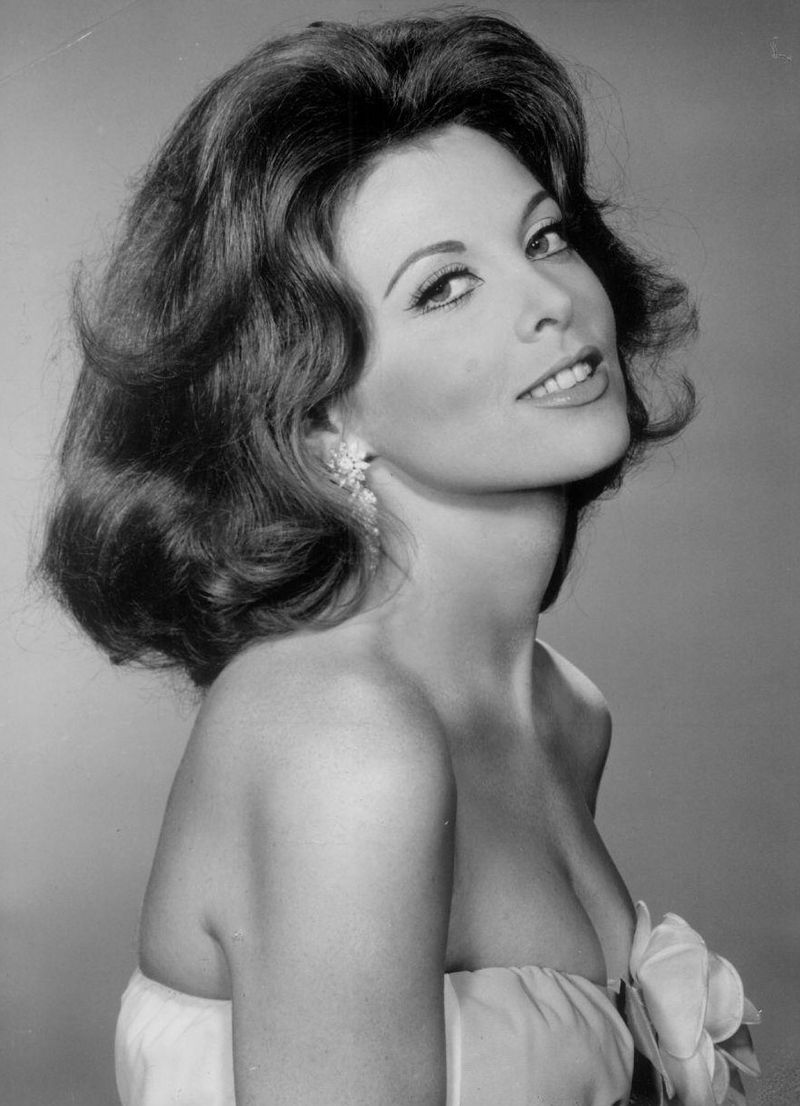
Stranded on a desert island and still dressed like she was heading to a film premiere, Ginger Grant was television’s most glamorous castaway. Tina Louise played her on Gilligan’s Island from 1964 to 1967, and every episode she appeared in felt like a master class in how to bring old Hollywood sparkle to a completely absurd situation.
Louise had actually trained as a serious actress and even appeared on Broadway before the show made her a household name. The Ginger role was a double-edged sword: it brought her massive fame but also typecast her in ways she found frustrating for years afterward.
What she brought to the character was genuine skill. Making a comedy role feel effortlessly glamorous requires real timing and self-awareness.
Louise had both in abundance. She proved that television, often dismissed as lesser than film in the 1960s, could absolutely deliver star-quality charisma every single week right in your living room.
Julie Christie: The Free-Spirited Star of 1960s Cinema
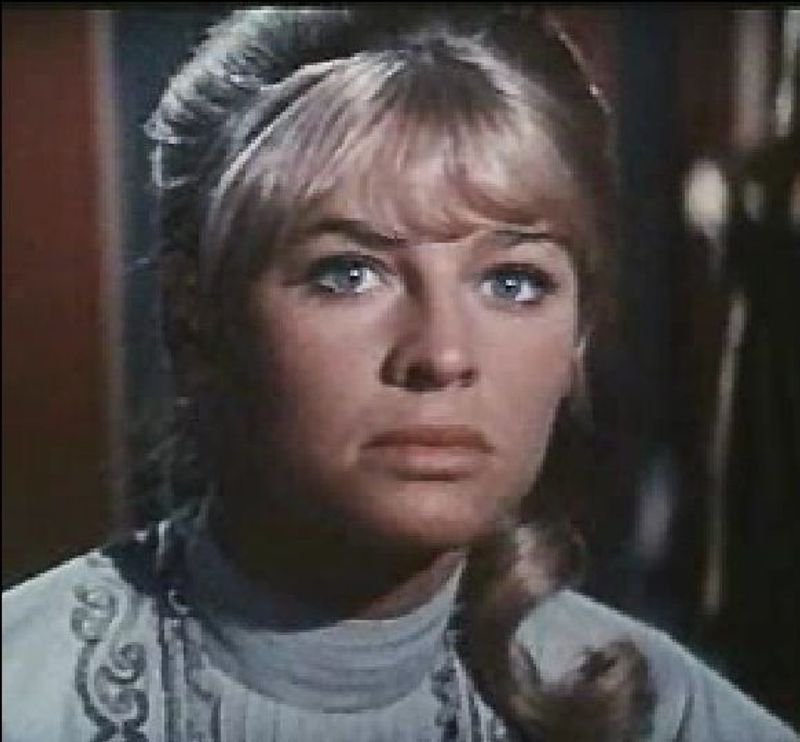
Julie Christie winning the Best Actress Oscar for Darling in 1966 felt like a signal that Hollywood was finally ready to celebrate a new kind of female star. She was not glamorous in the traditional pearls-and-evening-gown sense.
She was modern, slightly unpredictable, and deeply interesting to watch.
Her role in Doctor Zhivago the same year showed she could handle sweeping romantic epic storytelling just as well as she handled gritty contemporary drama. That range was rare, and it made her one of the most sought-after actresses of the decade.
Christie was also notably political and outspoken, which was not always welcomed in the entertainment industry at the time. She did not care much for the Hollywood machine and made no secret of it.
That independence only added to her appeal for audiences who were tired of perfectly packaged stars. She represented a new kind of cinematic glamour: one rooted in intelligence, authenticity, and a refreshing disregard for playing it safe.
Claudia Cardinale: The European Star With Magnetic Screen Presence
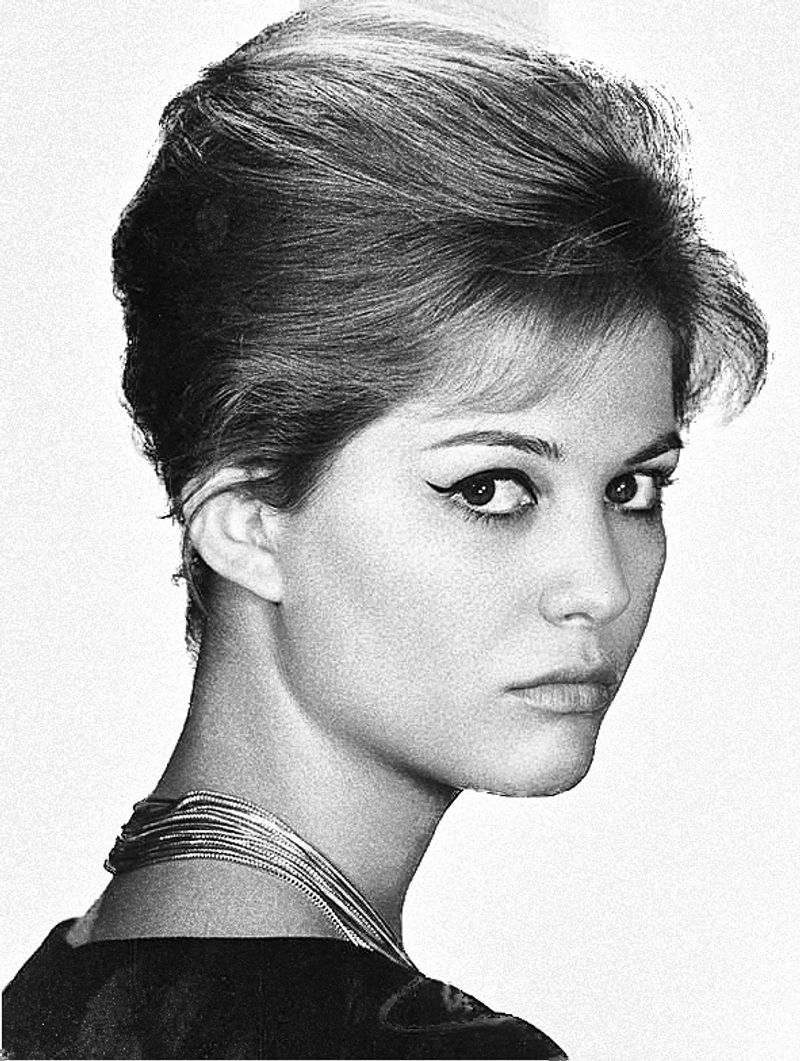
Claudia Cardinale had a quality that directors kept trying to describe and never quite managed to capture in words. Federico Fellini cast her in 8 and a half in 1963, Luchino Visconti put her in The Leopard the same year, and Sergio Leone cast her in Once Upon a Time in the West in 1968.
When three of cinema’s greatest directors all want you in the same decade, the word for that is unmissable.
Born in Tunisia to Sicilian parents, Cardinale carried a warmth and earthiness that set her apart from cooler European stars of the era. She was approachable and magnetic at the same time, which is a genuinely difficult combination to pull off.
Her style was rich and sensual without being overdone. She wore clothes beautifully but never let fashion overshadow her personality.
Cardinale proved that real screen presence is not about perfection. It is about making every single person watching feel like you are performing just for them.
Diana Ross: The Motown Star Who Made Music Glamorous
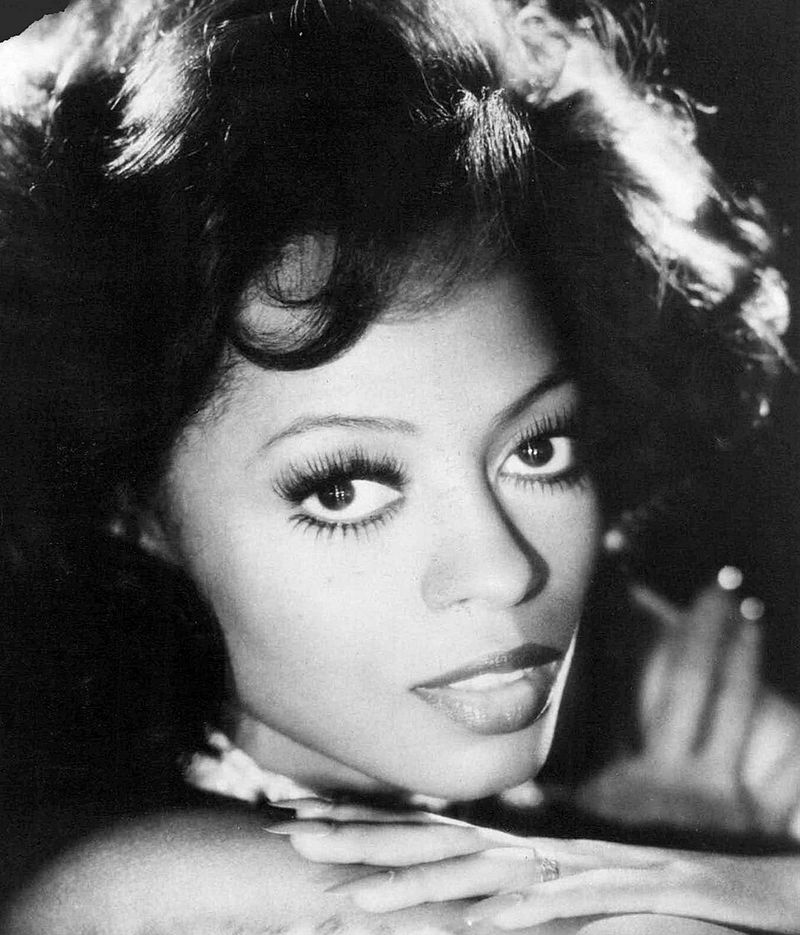
The Supremes did not just perform music. They delivered an entire visual experience every time they stepped on stage, and Diana Ross was the dazzling center of it all.
Berry Gordy understood that Motown needed to sell polish and aspiration alongside the songs, and Ross embodied that vision with breathtaking precision.
Her gowns were stunning, her hair was always immaculate, and her stage presence could fill any room she walked into. Ross and The Supremes appeared on The Ed Sullivan Show a record-breaking twelve times, which meant millions of Americans watched her perform in their living rooms throughout the decade.
What made her truly special was that the glamour never felt like a mask. Ross wore it like a second skin.
She was ambitious, disciplined, and fiercely talented, and those qualities powered everything else. She proved that Black women deserved to be front and center in mainstream American entertainment, dressed in the finest gowns, commanding the biggest stages.
Farrah Fawcett: The Late-1960s Beauty Who Became a 1970s Icon
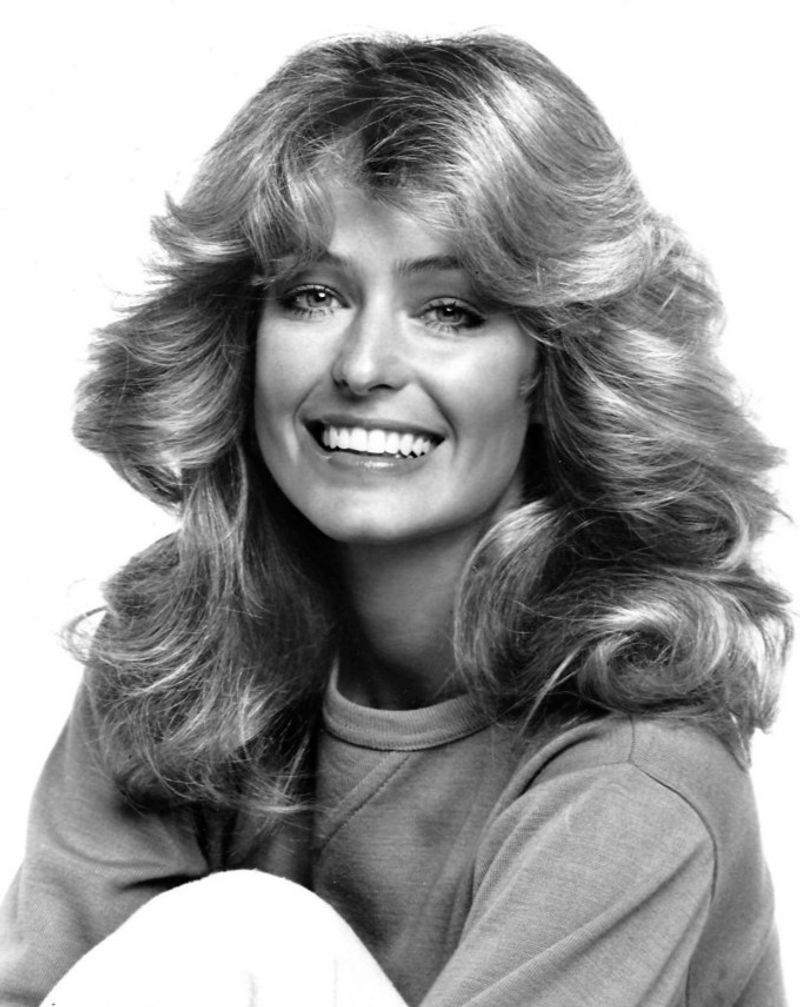
Farrah Fawcett was the kind of natural beauty that made the whole idea of trying too hard seem completely pointless. Her early career in the late 1960s was built on commercials and small television roles, but even then, that radiant California energy was impossible to miss.
She had not yet become the cultural phenomenon she would be by the mid-1970s, but the late 1960s were where the foundation was quietly being laid. The sunny, effortless look she embodied was a direct response to the heavier, more theatrical glamour that had dominated earlier in the decade.
Fawcett represented a shift in beauty standards toward something more natural, warm, and accessible. You did not need diamonds or dramatic eye makeup to be beautiful.
Sometimes a great smile and good hair were enough. That philosophy resonated with a generation ready to shed some of the formality of the past.
She was a bridge between two very different beauty eras, and she crossed it with remarkable grace.
Mia Farrow: The Actress Whose Pixie Cut Became a Style Statement
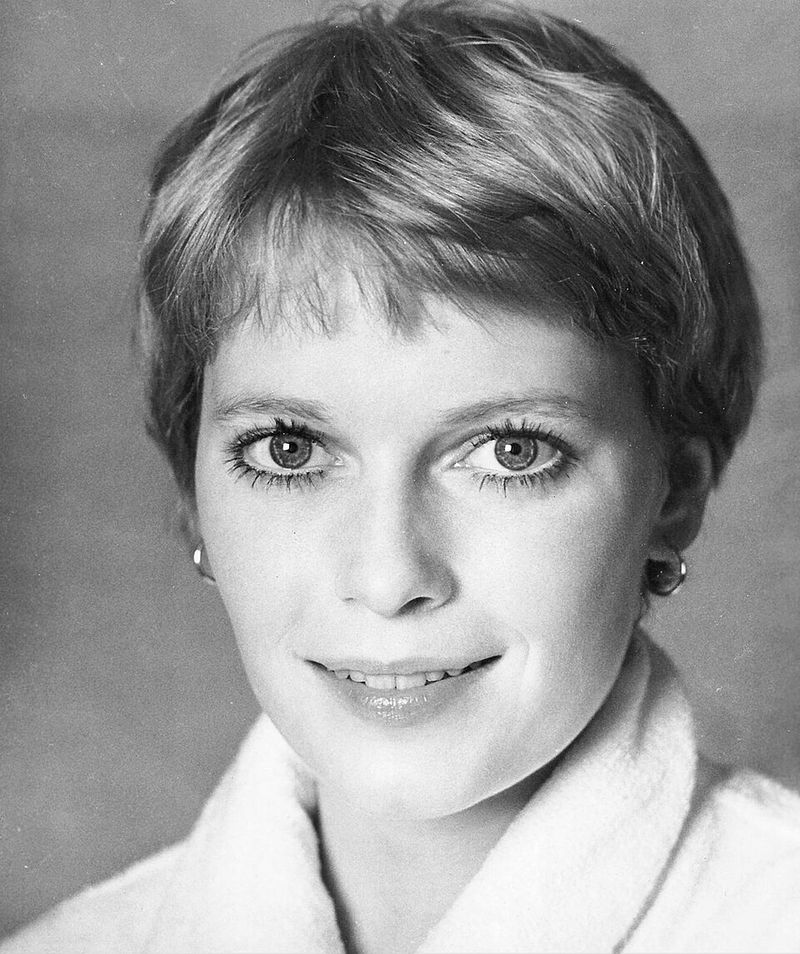
When Mia Farrow cut her hair into a pixie for Rosemary’s Baby in 1968, her then-husband Frank Sinatra reportedly filed for divorce partly over it. Whether that story is fully accurate or not, the fact that a haircut could cause that much drama tells you exactly how powerful her image was.
Farrow had already made waves on the television series Peyton Place before her film career took off. Her delicate, almost otherworldly beauty was unlike anything Hollywood had been promoting, and it connected deeply with audiences who were tired of conventional glamour.
The pixie cut she wore became one of the most imitated hairstyles of the decade, second only to Twiggy’s crop in its cultural reach. Farrow wore vulnerability and strength simultaneously, which made her riveting to watch.
She was proof that unconventional choices, in both style and career, could create a legacy that outlasts anything safe or predictable. Her look still inspires haircut decisions today.
Share this story