
Every day, billions of people eat food that was grown, harvested, processed, or exported from another country. A surprisingly small group of agricultural giants controls much of the world’s food trade, supplying everything from wheat and rice to beef, dairy, and fresh produce.
These nations don’t just feed themselves — they help keep the rest of the world from going hungry. Get ready to meet the countries quietly powering your plate.
United States

Walk into almost any grocery store on Earth, and chances are something on the shelf came from American soil. The United States is the world’s largest agricultural exporter by value, and that title didn’t come easy.
Decades of innovation, massive land resources, and cutting-edge farming technology have built one of the most productive food systems ever seen.
Corn and soybeans lead the charge, with enormous harvests shipped to Asia, Europe, and Latin America every year. American wheat keeps bakeries running from Egypt to Japan.
Livestock operations produce beef, pork, and poultry at a scale that supplies both domestic consumers and international buyers.
Beyond raw crops, the U.S. food-processing industry turns raw ingredients into packaged goods sold in nearly every country. California alone grows over a third of the nation’s vegetables and nearly two-thirds of its fruits and nuts.
From the fertile Midwest plains to California’s sunny valleys, American farms are genuinely feeding the world, one shipment at a time.
Brazil

Brazil didn’t always sit at the top of the global food trade — but over the past few decades, it has pulled off one of agriculture’s greatest comeback stories. Today, it leads the planet in soybean exports and ranks among the top suppliers of beef, poultry, sugar, and orange juice.
That’s a seriously impressive menu.
The country’s Cerrado region, a vast tropical savanna, was once considered too dry and acidic for farming. Scientists and farmers worked together to transform it into one of the most productive agricultural zones on Earth.
That transformation changed global food markets forever.
Brazilian beef reaches tables across Asia, Europe, and the Middle East, while its poultry exports help feed populations in dozens of countries. Sugar from Brazil sweetens products worldwide, and its orange juice dominates global markets.
With a growing appetite for efficiency and sustainability, Brazil continues expanding its agricultural reach. It is a true giant that shows no signs of slowing down anytime soon.
Netherlands

Squeezed into a country smaller than West Virginia, the Netherlands somehow manages to be the second-largest agricultural exporter in the world by value. That fact alone deserves a standing ovation.
Dutch farmers have turned limited land into maximum output through sheer ingenuity and world-class technology.
Towering glass greenhouses stretch across the Dutch countryside, growing tomatoes, peppers, cucumbers, and flowers year-round regardless of the weather outside. These high-tech growing facilities use a fraction of the water that traditional farms require, making them impressively efficient.
Dutch dairy farms produce some of the finest milk and cheese exported globally.
Flowers are another massive export — roughly half of all cut flowers traded globally pass through Dutch auction houses. The Netherlands also serves as a critical logistics hub, with the Port of Rotterdam acting as Europe’s busiest shipping gateway.
Fresh produce, dairy, and processed foods flow outward to every corner of the continent and beyond. For a small nation, the Netherlands punches so far above its weight that it has practically redefined what modern agriculture can look like.
Canada

Canada’s Prairie provinces hold a secret weapon: some of the most fertile soil on the planet. Stretching across Manitoba, Saskatchewan, and Alberta, these golden flatlands produce staggering amounts of wheat, canola, barley, and oats that feed markets far beyond North America.
Saskatchewan alone grows more wheat than most entire countries.
Canola is one of Canada’s proudest agricultural achievements. Developed by Canadian scientists in the 1970s, this low-acid cooking oil has become a kitchen staple worldwide.
Canada supplies a huge share of the global canola market, and its pulse crops — lentils, chickpeas, and dry peas — are essential protein sources for populations across South Asia and Africa.
Canada’s cold climate actually works in its favor, reducing the spread of pests and diseases that trouble farms in warmer regions. The country also exports significant quantities of beef, pork, and seafood, rounding out an already impressive agricultural portfolio.
With vast land, clean water, and skilled farmers, Canada quietly keeps grocery stores stocked from Southeast Asia to the Middle East without making much fuss about it.
France

France takes food seriously — almost personally. As Europe’s largest agricultural producer and one of its biggest exporters, France brings centuries of farming tradition together with modern efficiency to feed millions well beyond its borders.
The French countryside is practically a working museum of agricultural excellence.
Wheat grown in the wide plains of Beauce supplies bakeries and pasta manufacturers across Europe and North Africa. French dairy products, from creamy camembert to rich butter, are prized worldwide and exported in massive quantities.
Wine, of course, is a whole category unto itself — French vineyards supply some of the most sought-after bottles on the planet.
Livestock farming adds beef, poultry, and pork to France’s export lineup, while sugar beets grown in the north contribute to global sweetener supplies. France also exports significant amounts of processed foods and beverages, blending artisan quality with industrial scale.
European neighbors rely heavily on French agricultural output, and countries in Africa and Asia import French grain and dairy products regularly. For a country so passionate about cuisine, it makes perfect sense that France would also be passionate about feeding everyone else.
Germany

Germany might be more famous for its cars and engineering, but its food industry is quietly one of the most powerful export machines on Earth. Ranked among the world’s top agricultural trading nations, Germany blends serious farming with an even more serious food-processing sector to produce a staggering variety of exported goods.
Dairy products are a cornerstone of German exports — milk, cheese, butter, and yogurt flow from German farms to buyers across Europe and beyond. Meat processing is another giant pillar, with German pork and beef products reaching markets in Asia, the Americas, and the Middle East.
Beverages, including beer and mineral water, add billions more to the export tally.
German efficiency extends straight into the food supply chain. Sophisticated logistics networks, strict quality standards, and heavy investment in food technology keep German products competitive globally.
Processed foods, confectionery, and bakery goods made in Germany appear on supermarket shelves from Tokyo to Toronto. Germany also imports large amounts of raw agricultural goods, processes them, and re-exports finished products — a model that multiplies the country’s influence throughout global food markets considerably.
Australia

Australia is enormous, sun-baked, and surprisingly great at feeding the world. Covering a continent, it has the land to match its agricultural ambitions, with vast stations running millions of beef cattle and sheep across the outback while fertile coastal regions grow wheat, barley, sugar, and an impressive variety of fruits and vegetables.
Asian markets are Australia’s most important agricultural customers. Japan, South Korea, China, and Southeast Asian nations rely on Australian beef, dairy, and grain to supplement their own food supplies.
When droughts or supply disruptions hit other exporting countries, Australia often steps in as a critical backup supplier for the region.
Australian wheat is particularly prized for its quality and consistency, making it a favorite among millers in the Middle East and Asia. The country is also a significant exporter of wool, wine, and seafood, rounding out a diverse agricultural portfolio.
Climate change and periodic droughts do create real challenges for Australian farmers, but innovation in water management and drought-resistant crops keeps production resilient. Australia’s sheer geographic scale gives it a natural advantage that few other food-exporting nations can easily replicate.
Argentina

Few places on Earth grow food as naturally as Argentina’s Pampas. This vast, incredibly fertile grassland stretches across central Argentina, producing some of the world’s finest beef and some of its most abundant grain harvests.
Argentina’s agricultural identity runs as deep as the rich black soil beneath the Pampas itself.
Soybeans are Argentina’s biggest export crop, with massive quantities shipped to China, Europe, and beyond for use in animal feed and cooking oil. Corn and wheat follow closely, supplying grain markets across Latin America, Asia, and Africa.
Argentine beef carries a legendary reputation for flavor, driven by cattle that roam freely on natural grass rather than feedlots.
Sunflower oil, honey, and citrus fruits round out an already impressive agricultural export portfolio. Argentina consistently ranks among the world’s top five food-exporting nations, a remarkable achievement for a country of its size.
Despite ongoing economic challenges, Argentine farmers continue to produce at extraordinary levels, driven by fertile land, a favorable climate, and generations of agricultural knowledge passed down through farming families. When the world needs grain or quality beef, Argentina almost always answers the call reliably.
China

China feeds more people than any other country on Earth — over 1.4 billion of them — and still manages to export enormous quantities of food to global markets. That balancing act requires one of the most massive and complex agricultural systems ever assembled by any civilization in human history.
Fruits and vegetables are China’s biggest export categories, with garlic, apples, mushrooms, and leafy greens shipped across Asia and beyond. Seafood exports are equally impressive, with Chinese fish farms and fishing fleets supplying markets from Europe to North America.
Processed food products made in China appear in supermarkets worldwide under countless brand names.
China is also the world’s largest producer of pork, rice, wheat, and tea, though most of that output stays domestic. What does reach export markets carries significant weight in global commodity pricing.
Chinese agricultural investment has expanded internationally too, with Chinese companies buying farmland and food businesses in Africa, South America, and Australia. As China’s middle class grows and dietary preferences shift toward more protein-rich foods, its influence on global food supply chains will only deepen further in coming decades.
India
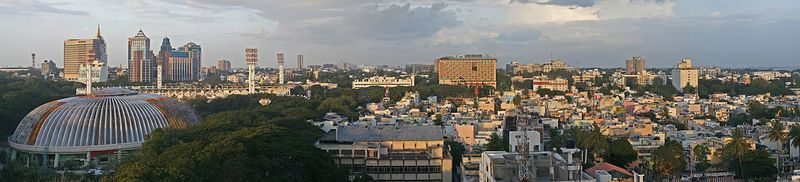
Spice traders from ancient civilizations risked ocean voyages just to get their hands on what India grows naturally. Thousands of years later, India remains the world’s largest producer and exporter of spices, and its agricultural reach extends far beyond pepper and turmeric.
India’s farming sector is genuinely one of the largest on the planet.
Rice is a cornerstone of Indian agricultural exports, with basmati rice in particular commanding premium prices in Middle Eastern, European, and North American markets. India is also the world’s top exporter of buffalo meat and a leading supplier of cotton, tea, coffee, and fresh produce.
Sugar exports from India rival those of Brazil in significant years.
Over 60 percent of India’s population works in agriculture, making it not just an economic sector but a way of life for hundreds of millions of families. Government investment in irrigation, crop science, and rural infrastructure has gradually boosted yields and export capacity.
African and Southeast Asian nations depend heavily on Indian rice and pulses during food shortages. With its agricultural diversity and sheer scale, India remains a critical stabilizing force in the global food supply system.
Thailand

Thailand smells like jasmine rice, fresh lemongrass, and the ocean — and for good reason. This Southeast Asian nation has spent decades building one of the most impressive food export empires in the world, shipping rice, seafood, tropical fruits, and processed foods to customers on every inhabited continent.
Thai jasmine rice is considered among the finest varieties grown anywhere, winning international quality awards year after year. The country consistently ranks as one of the world’s top rice exporters, supplying markets in Africa, the Middle East, and Asia.
Seafood is equally important, with Thai shrimp, tuna, and fish products processed and canned for global distribution.
Processed foods are a growing strength for Thailand’s agricultural economy. Canned pineapple, coconut milk, curry pastes, and packaged snacks made in Thailand appear in supermarkets from London to Los Angeles.
The country has invested heavily in food safety standards and processing technology to meet international buyer requirements. Tropical fruits like durian, mangosteen, and longan have built loyal followings in Chinese and Southeast Asian markets.
Thailand’s combination of agricultural diversity and food-processing expertise makes it a uniquely versatile and reliable player in global food trade.
New Zealand

New Zealand produces food on a scale that seems almost impossible for a country with fewer than five million people. Sitting at the bottom of the Pacific, this small island nation has turned its clean air, abundant rainfall, and green pastures into a global reputation for premium dairy and meat products that customers around the world genuinely trust.
Dairy is the crown jewel of New Zealand’s agricultural exports. Fonterra, the country’s massive dairy cooperative, is one of the world’s largest exporters of milk powder, butter, and cheese.
New Zealand dairy products are especially valued in China and Southeast Asia, where they command premium prices for their perceived quality and safety standards.
Lamb and beef from New Zealand are equally celebrated internationally, with grass-fed production methods appealing to health-conscious consumers in Europe, North America, and Japan. Kiwifruit, apples, and wine round out a diverse export portfolio that consistently punches above its weight.
New Zealand’s geographic isolation has actually helped its agriculture by keeping many crop diseases and pests at bay. The result is a clean, reliable food supply that global buyers return to again and again with confidence.
Indonesia

Indonesia holds a title that directly affects what billions of people eat every day: it is the world’s largest producer and exporter of palm oil. That single commodity shows up in an astonishing range of products, from cooking oils and margarine to chocolate, shampoo, and instant noodles.
Indonesia’s agricultural footprint is everywhere, even when you can’t see it.
Coffee is another major export, with Indonesian varieties like Sumatra Mandheling and Java Arabica prized by specialty coffee roasters worldwide. Cocoa beans from Indonesia supply chocolate manufacturers across Europe and North America.
Rubber, spices, and tropical hardwoods add further depth to the country’s agricultural export portfolio.
Indonesia’s geography works in its favor — spread across thousands of islands near the equator, it enjoys year-round warmth and rainfall that supports continuous crop production. Aquaculture and fisheries also contribute significantly, with Indonesian shrimp and tuna reaching global markets in large quantities.
Sustainability has become a growing focus, as palm oil production has historically been linked to deforestation. Indonesian government and industry initiatives are working to certify more sustainable production methods, responding to increasing pressure from international buyers and environmental organizations worldwide.
Ukraine

Ukraine’s black soil, called chernozem, is so rich and dark that it almost looks like chocolate cake — and it grows crops just as impressively as it looks. Known as the breadbasket of Europe, Ukraine sits on some of the most fertile farmland on Earth and has historically been one of the world’s most critical suppliers of wheat, corn, and sunflower oil.
Sunflower oil is perhaps Ukraine’s most dominant export commodity, with the country supplying roughly half of the world’s total. Wheat and corn exports reach North Africa, the Middle East, and Asia in enormous volumes, making Ukrainian harvests a major factor in global food prices every single year.
When Ukrainian exports are disrupted, food prices rise worldwide almost immediately.
The devastating conflict that began in 2022 severely disrupted Ukrainian agricultural exports and sent shockwaves through global grain markets, highlighting just how dependent the world had become on Ukrainian production. Despite extraordinary challenges, Ukrainian farmers have continued working their fields with remarkable determination.
International organizations and trading partners have worked to restore export corridors, recognizing that Ukrainian grain is not a luxury but a necessity for food security in many vulnerable countries around the world.
Vietnam
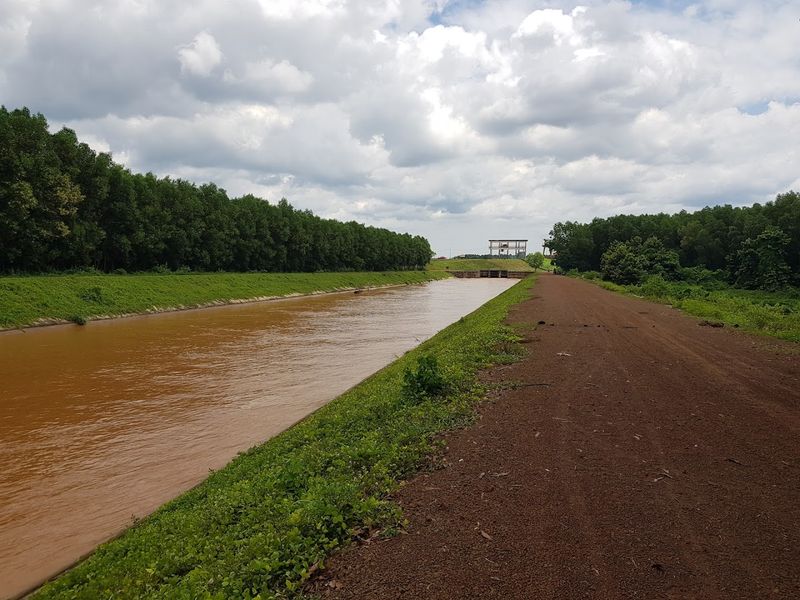
Forty years ago, Vietnam struggled to feed its own population. Today, it ranks among the world’s top exporters of rice, coffee, seafood, and pepper — a transformation so dramatic that agricultural economists still study it as a model of what smart policy and hard work can achieve.
Vietnam’s rise as a food powerhouse is genuinely one of agriculture’s great success stories.
The Mekong Delta, Vietnam’s southern agricultural heartland, produces rice harvests that supply markets across Asia, Africa, and the Middle East. Vietnamese Robusta coffee is essential to the global instant coffee industry, with Vietnam ranking second worldwide in total coffee exports.
Shrimp and pangasius fish from Vietnamese aquaculture farms reach supermarkets and restaurants in Europe, the United States, and Japan.
Cashew nuts are another Vietnamese specialty — the country is the world’s largest exporter of processed cashews, supplying snack markets globally. Black pepper, dragon fruit, and fresh vegetables round out a remarkably diverse agricultural export lineup.
Government investment in irrigation infrastructure, crop research, and trade agreements has helped Vietnamese farmers access new markets steadily. Vietnam proves that with the right combination of natural resources, policy support, and farming determination, even a small country can feed the world in surprisingly big ways.
Share this story