 Unearth The Voyage
The Pacific Northwest coastline is breathtaking, with dramatic cliffs, hidden sea caves, and powerful waves that draw millions of visitors every year. But beauty here comes with serious risks. When high tide rolls in, some of the region’s most stunning spots transform into deadly traps where sneaker waves, unstable cliffs, and frigid water have claimed lives. Locals know which places to admire from a distance, and now you will too.
1. Thor’s Well (Cape Perpetua, OR)
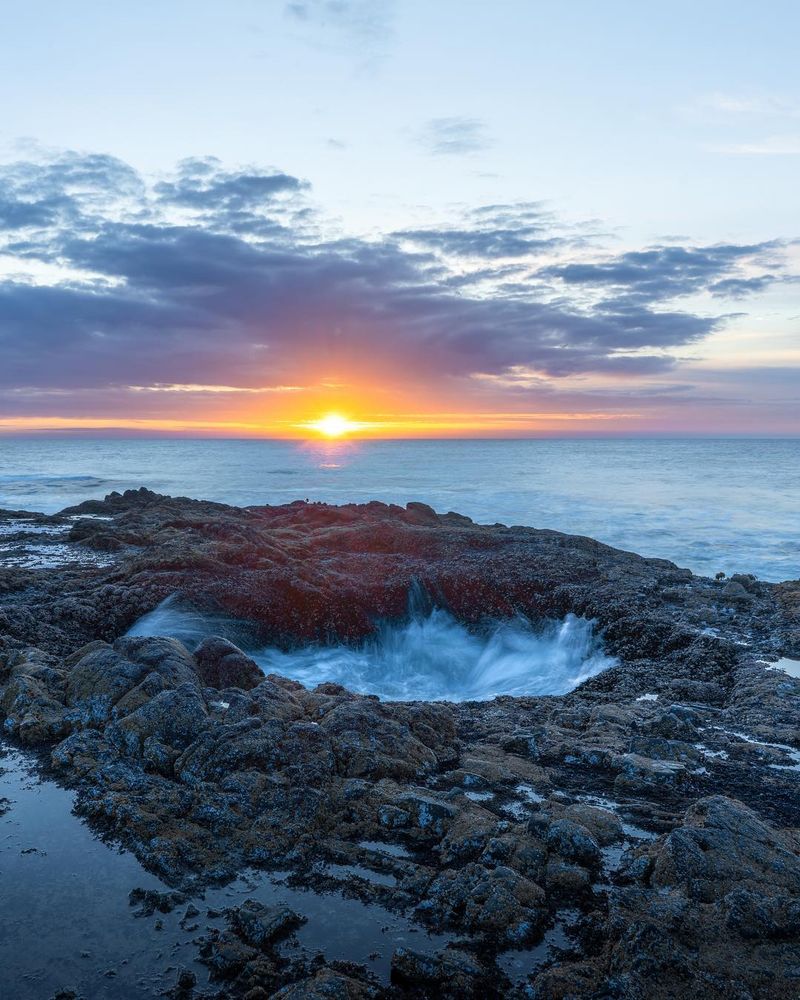
Cape Perpetua’s most photographed feature looks like a bottomless pit swallowing the Pacific Ocean. Water roars into the rocky bowl and explodes skyward in spectacular plumes. Photographers chase the perfect shot, but the surrounding rock becomes lethally slippery when wet.
A man drowned here in September 2025 when conditions made ground recovery impossible for responders. Sneaker waves arrive without warning, and one slip means being pulled into churning, freezing water with no escape. The rock shelf offers no handholds.
Admire Thor’s Well from the designated trail, staying well back from any wet surfaces. Cape Perpetua’s elevated viewpoints provide stunning vistas without the danger.
2. Devil’s Churn (Yachats, OR)
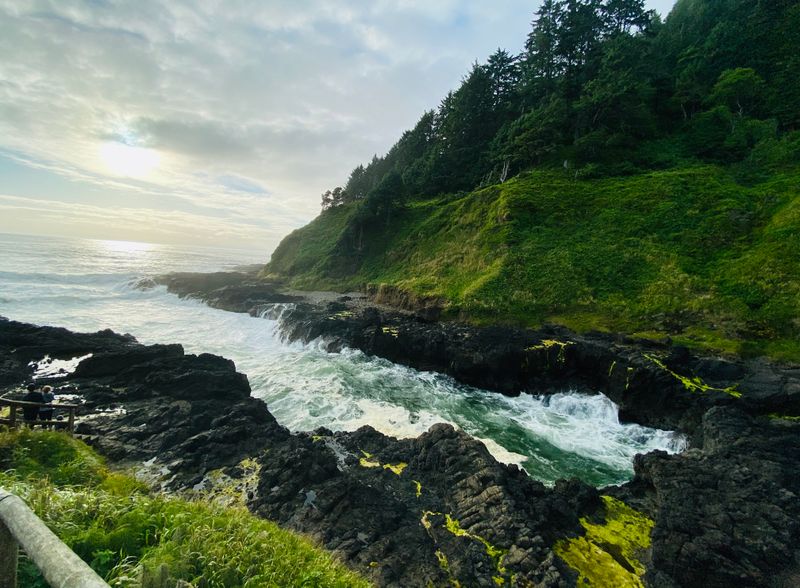
Devil’s Churn lives up to its name when swells compress into the tight passage, creating violent surges that shoot upward like geysers. The spectacle draws crowds, but the rocks flanking the chasm become kill zones during high tide.
Sneaker waves knock people off their feet and sweep them into the churning channel with no chance of self-rescue. Multiple injuries and at least one recent fatality highlight the danger. Railings exist for good reason.
Watch safely from behind barriers or head to Cape Perpetua Visitor Center’s deck for excellent views.
3. Cape Kiwanda Sandstone Cliffs & “Fragile Area” (Pacific City, OR)
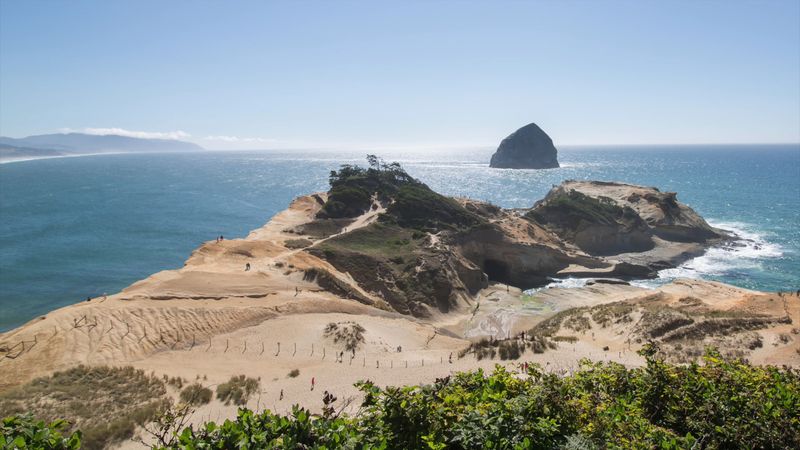
Golden sandstone towers above Pacific City’s beach, sculpted by wind and waves into Instagram-worthy formations. But this rock crumbles like stale cake. Beyond the safety fences, the cliff edge can collapse without warning, sending people plummeting onto rocks and surf below.
One visitor died in 2023 after crossing barriers to get closer to the edge. The sandstone offers no structural integrity. What looks solid can give way under your weight or from natural erosion happening that very moment.
Danger signs and fences mark the fragile zones for your protection. Enjoy Haystack Rock views from beach level instead, where falling rocks are the only worry.
4. Rialto Beach & Olympic NP Surf Zone (WA)
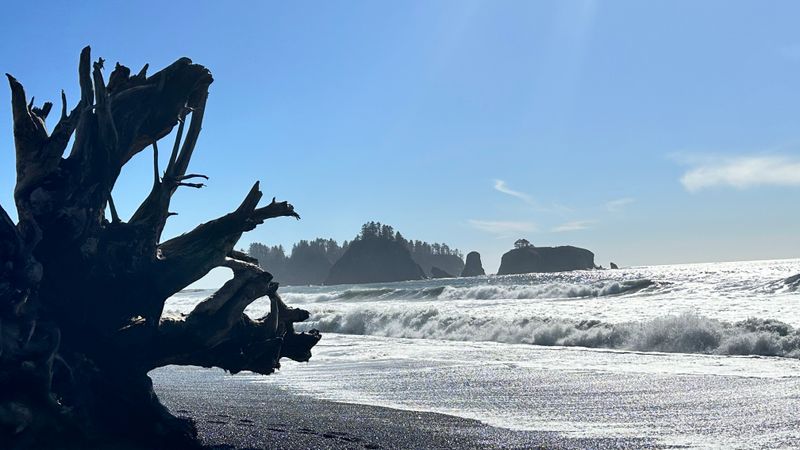
Hole-in-the-Wall draws hikers to Rialto Beach’s wild shoreline, where sea stacks rise from tide pools and driftwood creates natural sculptures. The scene feels peaceful until a sneaker wave rolls in. These rogue swells arrive much larger and farther up the beach than previous waves, catching people completely off guard.
A hiker was swept into the ocean in September 2023 and later recovered. Drift logs become battering rams in the surf, crushing anyone caught between wood and water. Turning your back on the Pacific here is a potentially fatal mistake.
Visit during low tide and maintain distance from the waterline.
5. North Jetty, Ocean Shores (WA)
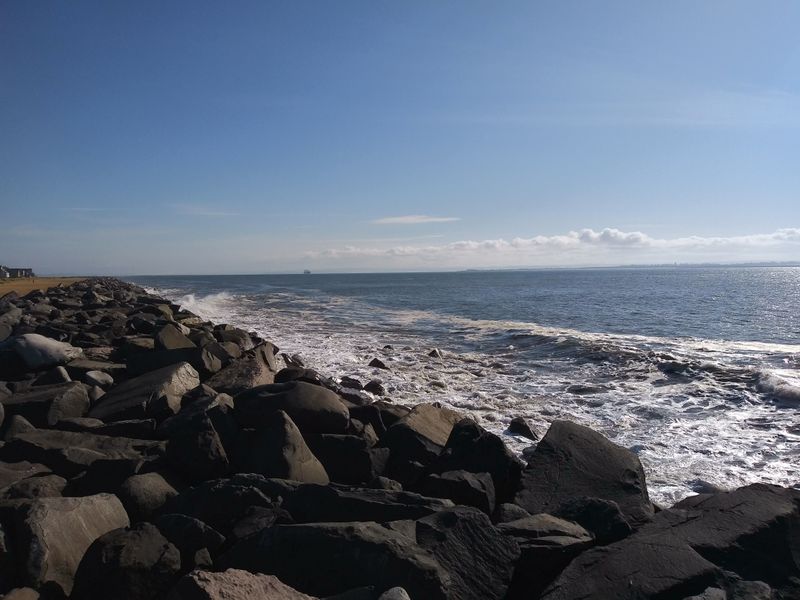
Storm watchers flock to this rock barrier when winter swells hammer the coast. Waves explode against the jetty in white fury, sending spray dozens of feet into the air. The drama makes for incredible photos, but the rocks themselves become a gauntlet of moving water and rolling logs.
Waves regularly sweep over the entire structure during surf events, and driftwood logs roll unpredictably, crushing legs and sweeping people into frigid water. Local and state advisories specifically warn people to stay off the rocks when conditions deteriorate.
Park in the pullouts and watch the show from your vehicle or solid ground.
6. Columbia River Bar / Cape Disappointment (WA–OR)
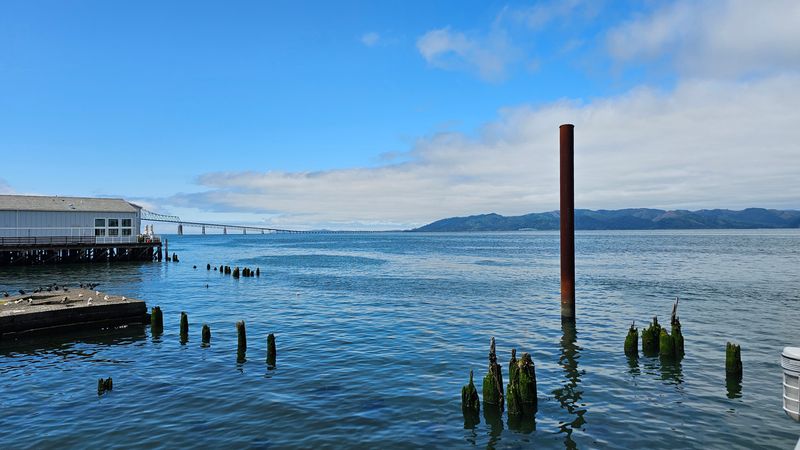
Where the Columbia River meets the Pacific, powerful currents collide in a chaos of standing waves, shifting sandbars, and unpredictable swells. Mariners call this stretch the Graveyard of the Pacific, a title earned through hundreds of shipwrecks and regular Coast Guard rescues.
A fatal capsizing occurred in July 2024, and another mariner went missing in November 2025. Even experienced boaters with proper equipment face serious danger here. The bar’s conditions change rapidly, creating ship-killing waves in minutes.
Appreciate this maritime graveyard from shore only. Waikiki Beach viewpoint and the lighthouse lookouts offer safe vantage points for watching the bar’s power.
7. Palouse Falls (SE Washington)
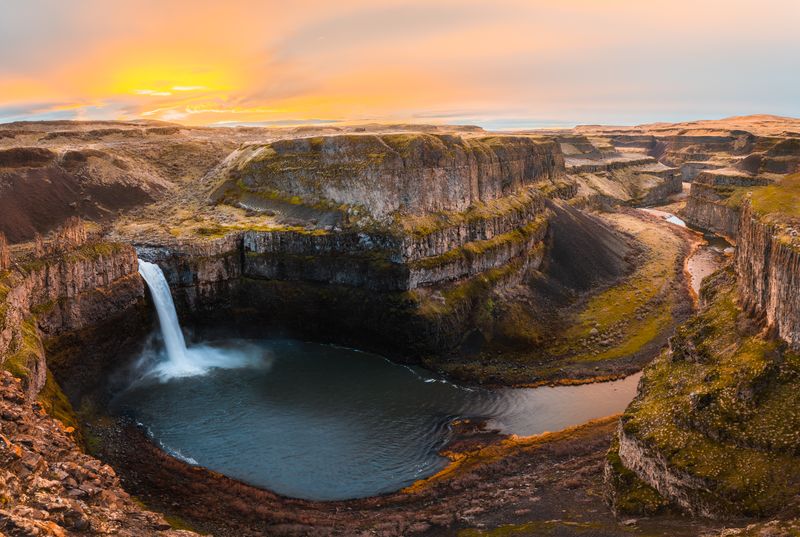
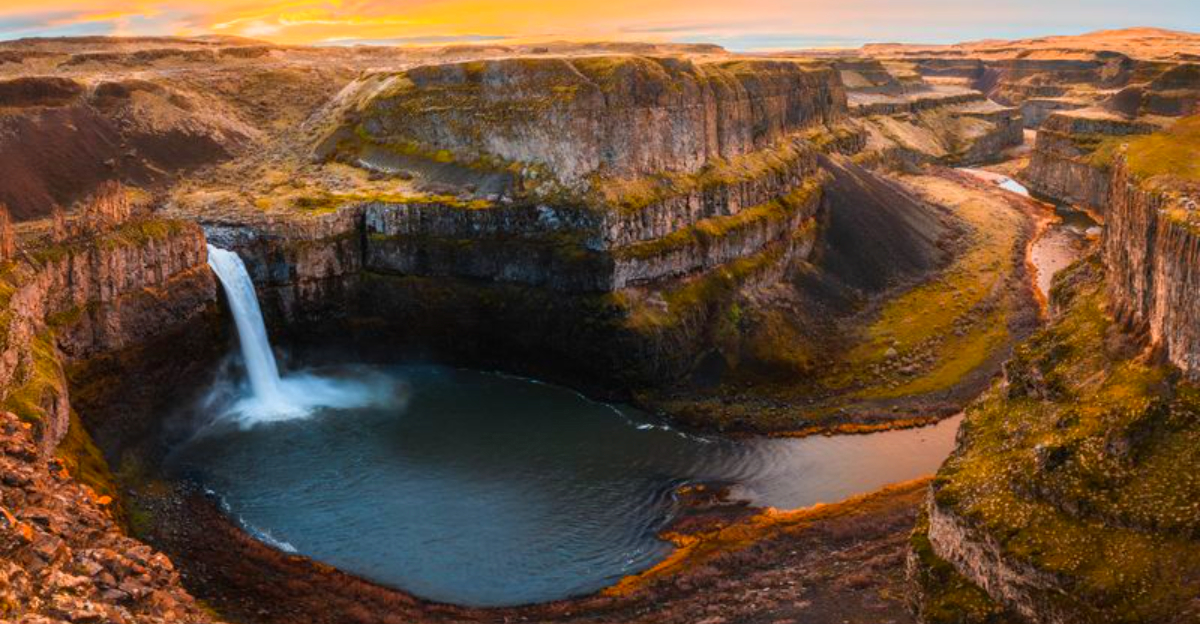
A ribbon of water drops nearly 200 feet into a basalt amphitheater carved over millennia. Palouse Falls ranks among Washington’s most stunning natural features, but its beauty proved deadly when visitors ventured beyond designated trails seeking better views or access to the plunge pool.
After multiple deaths and serious injuries, Washington State Parks permanently closed the plunge pool, Castle Rock, and all cliff routes. The closures aren’t suggestions. Unstable rock, slippery surfaces, and sheer drops create an environment where one wrong step ends in tragedy.
Main viewpoints remain open and provide spectacular perspectives. Stay inside fenced overlooks and alive.
8. Mount St. Helens Rim & Cornices (WA)
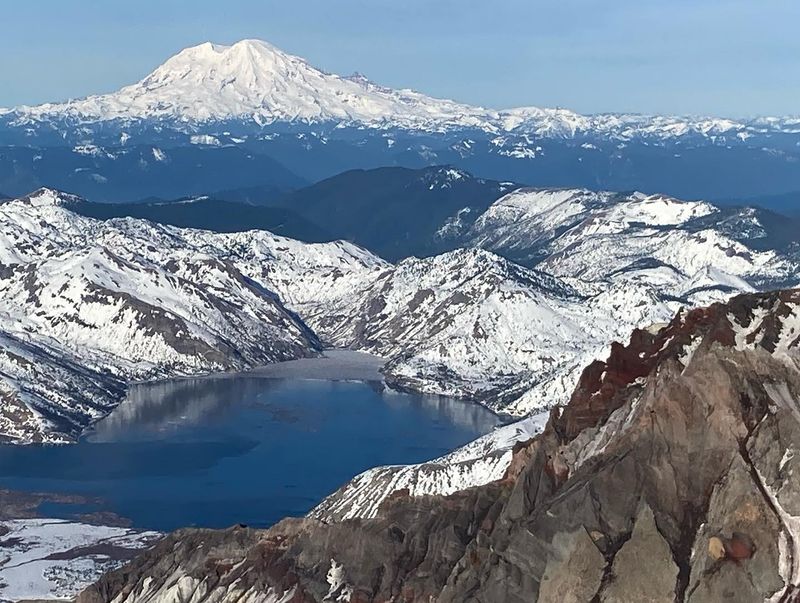
The crater rim offers views into Mount St. Helens’ volcanic heart, but winter transforms the edge into a death trap. Snow builds outward beyond solid ground, creating cornices that look like safe terrain but are actually horizontal avalanches waiting to happen.
A highly experienced climber died in March 2024 after a cornice collapsed beneath him, sending him tumbling into the crater. These snow shelves offer no warning before breaking. You can’t see where solid ground ends and unsupported snow begins, especially in flat light or whiteout conditions.
Keep far back from any snowy edges and check Northwest Avalanche Center forecasts before climbing.
9. Mount Rainier High Country (WA)
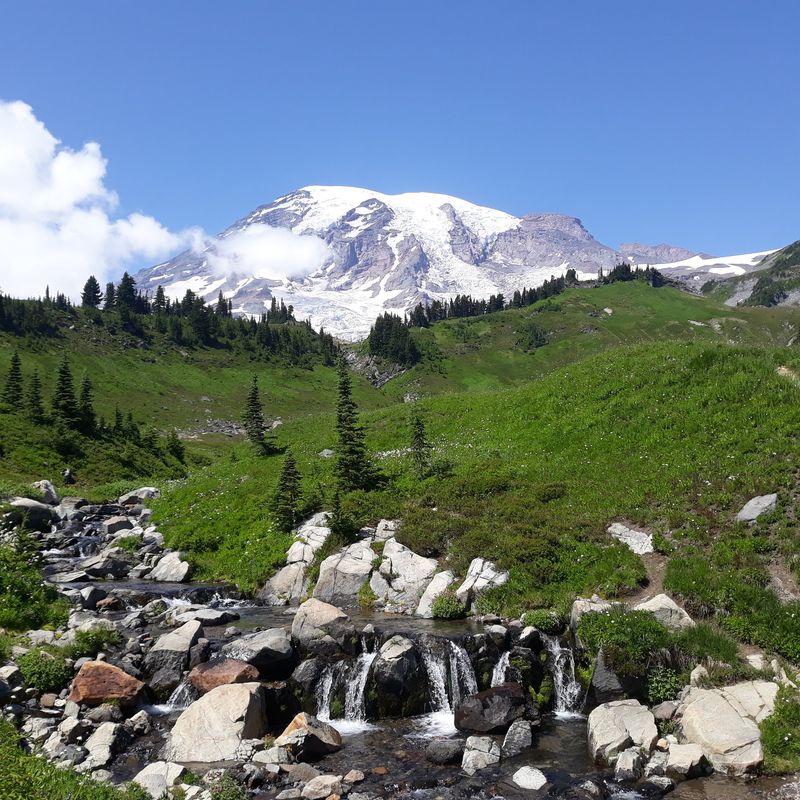
Washington’s iconic volcano draws climbers and hikers into an alpine environment that has claimed hundreds of lives over more than a century. Mount Rainier remains one of America’s deadliest national parks, not because it’s inherently evil, but because people underestimate its hazards.
Sudden weather changes trap climbers in whiteouts. Glaciers hide crevasses under thin snow bridges. Routes that seem straightforward become mazes in fog. Both climbing and non-climbing incidents contribute to the death toll, which includes experienced mountaineers and casual day hikers who wandered too far.
Join guided climbs or stick to front-country trails within your skill level and physical limits.
10. Tamolitch “Blue Pool” (McKenzie River, OR)
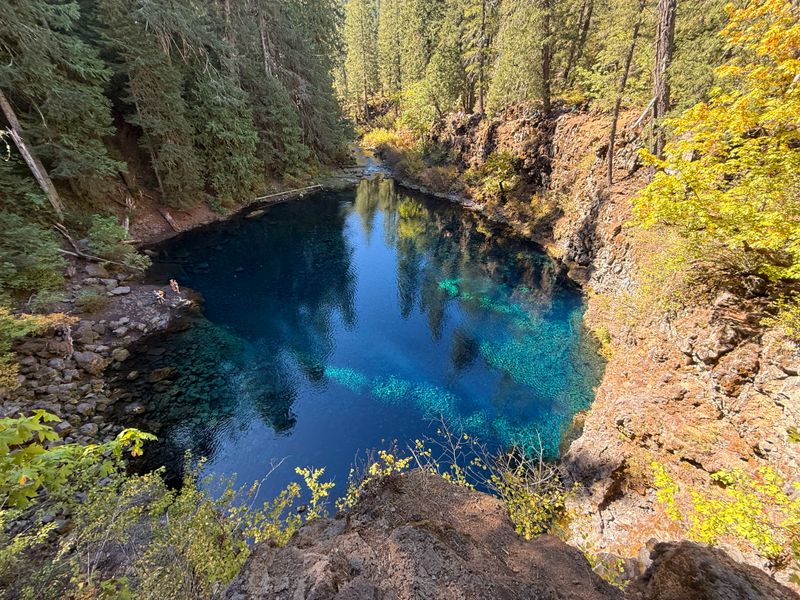
A turquoise jewel glows in the forest where the McKenzie River resurfaces after flowing underground through lava tubes. The Blue Pool’s otherworldly color makes it irresistible on hot days, but jumping in triggers cold-shock response in water that hovers near freezing year-round.
Your body gasps involuntarily when hitting water this cold, inhaling liquid into your lungs. The thirty-foot depth offers no shallow areas for recovery. Frequent rescues and injuries prompted officials to prohibit swimming, though enforcement remains challenging in this remote location.
Photograph the pool’s incredible color from the bank. Your Instagram feed doesn’t need a drowning story.
11. Crater Lake Cleetwood Cove “Jumping Rock” (OR)
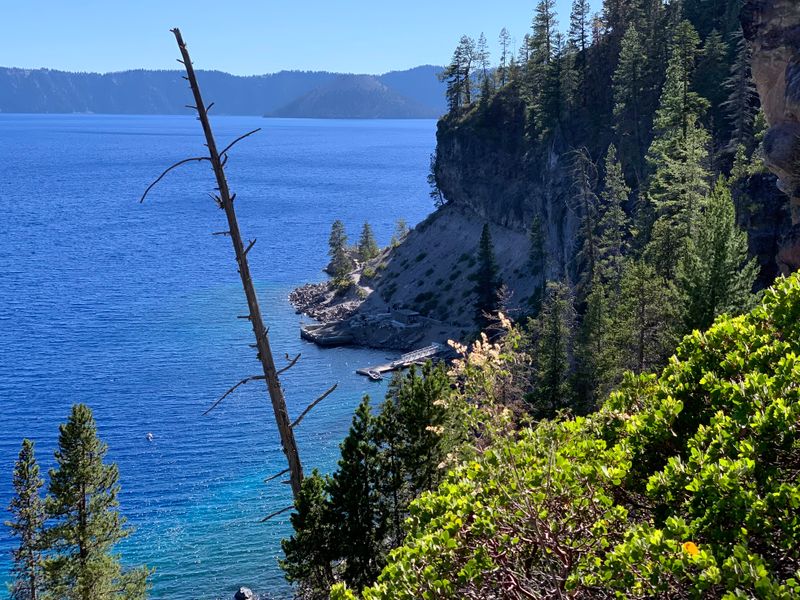
Crater Lake’s impossible blue water looks refreshing after the steep hike down to Cleetwood Cove, the only legal shore access. Some visitors leap from rocks into the deepest lake in the United States, but that water averages just thirty-eight degrees Fahrenheit.
Cold-shock drowning has claimed at least one cliff jumper here. Your muscles seize in water this cold, making swimming nearly impossible even for strong swimmers. The shock triggers involuntary gasping that can flood your lungs before you surface.
Park safety materials stress these hazards repeatedly. Enjoy rim viewpoints and boat tours when operating. Cleetwood Cove faces rehabilitation closure in 2026-2027 anyway.
12. Deception Pass (Whidbey/Fidalgo, WA)
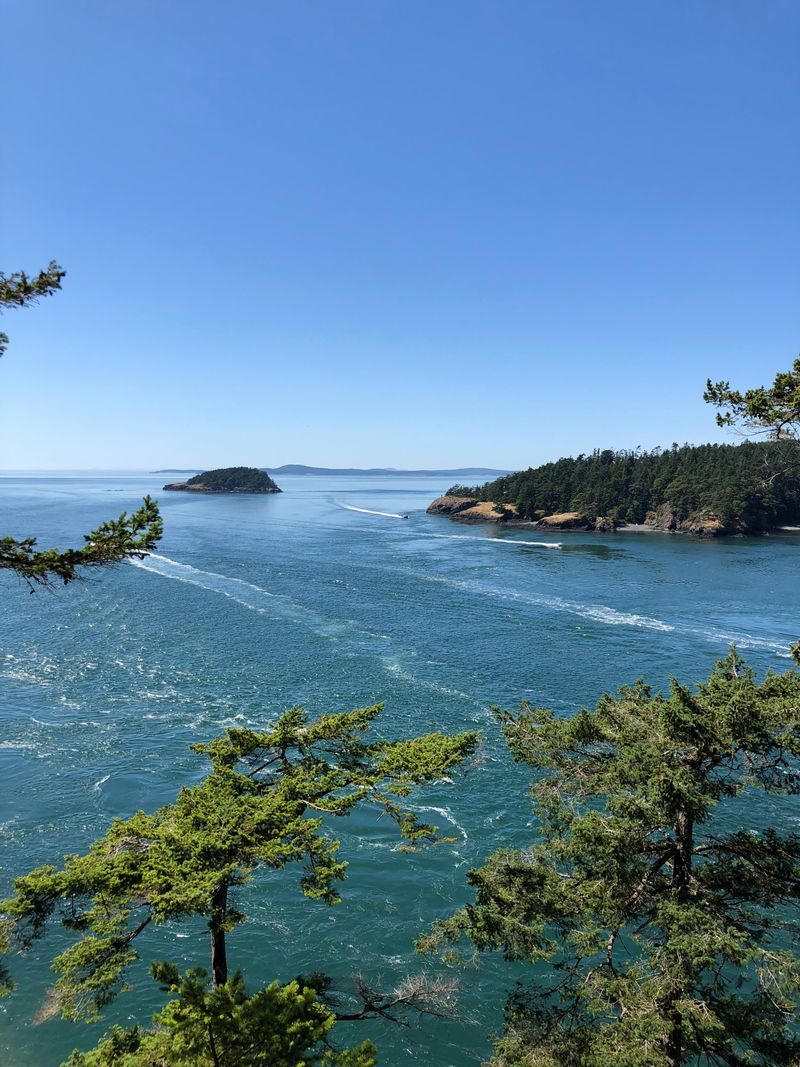
A narrow throat of water connects Puget Sound to the Strait of Juan de Fuca, creating tidal flows that rip through Deception Pass like a river rapid. Whirlpools spin on the surface when tides change. The iconic bridge offers stunning views, but the water below is no place for casual recreation.
Cold temperatures combine with powerful currents to create conditions that overwhelm even strong swimmers and experienced paddlers. Getting swept through the pass means being tumbled in turbulent water with no way to reach shore.
Admire the scenery from the bridge walkway. Enter these waters only with appropriate training and favorable conditions.
13. Devil’s Punchbowl State Natural Area (Otter Rock, OR)
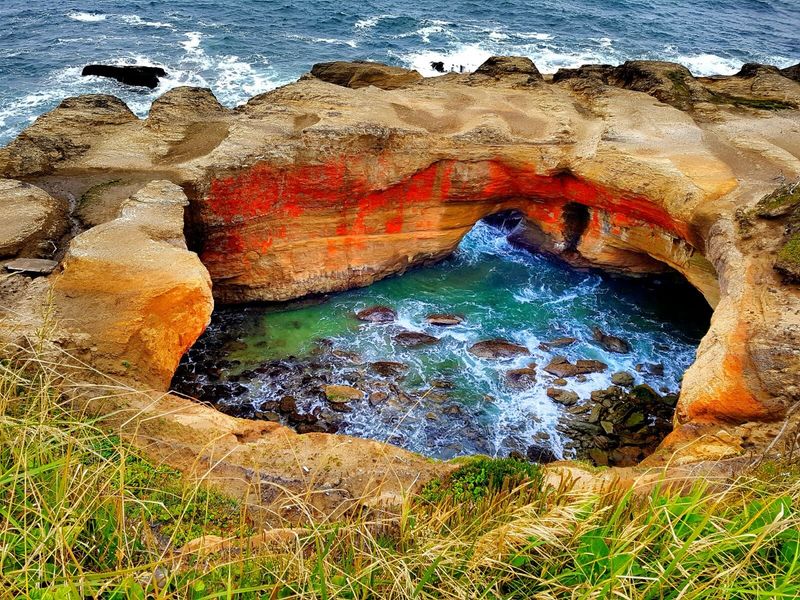
A collapsed sea cave creates a rocky amphitheater where waves crash and foam boils during high tide. Devil’s Punchbowl earned its name from the cauldron-like churning that happens when swells pour into the bowl and explode upward in white spray.
Waves don’t stay contained in the bowl. They sweep across surrounding ledges without warning, knocking people off their feet and dragging them into the maelstrom. The rock offers few handholds, and the turbulent water makes rescue nearly impossible.
Signed trails lead to safe viewing areas on high ground. The upper viewpoint provides excellent perspectives, and nearby waysides offer additional photo opportunities without the risk.
14. Yaquina Head Outstanding Natural Area (Newport, OR)
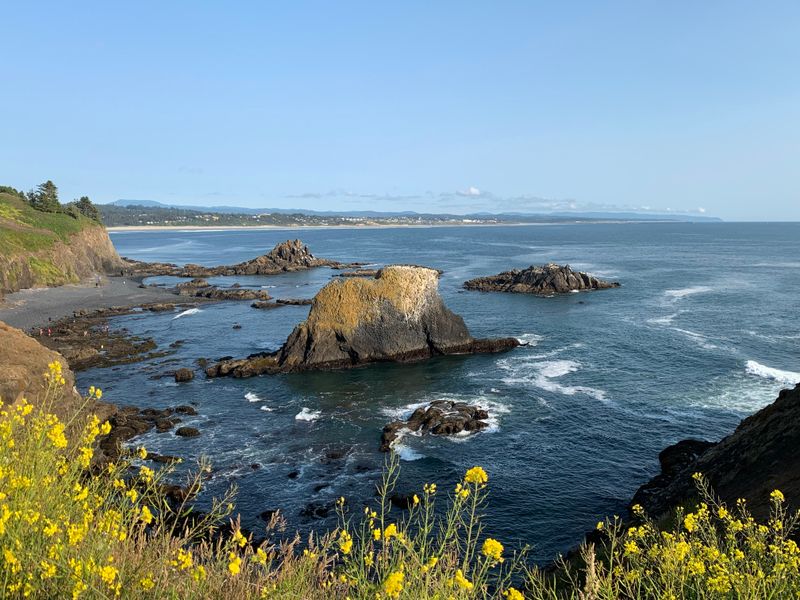
Oregon’s tallest lighthouse stands watch over incredible tidepools teeming with sea stars, anemones, and crabs. Yaquina Head draws families eager to explore these natural aquariums at the base of dramatic basalt cliffs. But the Bureau of Land Management issues clear warnings about the hazards here.
Large waves surge over rocks without warning, and basalt becomes glass-slick when wet. Steep cliffs offer no easy escape routes if you get trapped by rising tide. Children need constant supervision, and everyone needs to watch the ocean constantly rather than focusing only on tidepools.
Check tide tables before visiting and never turn your back on the Pacific.
15. Indian Beach, Ecola State Park (Cannon Beach, OR)
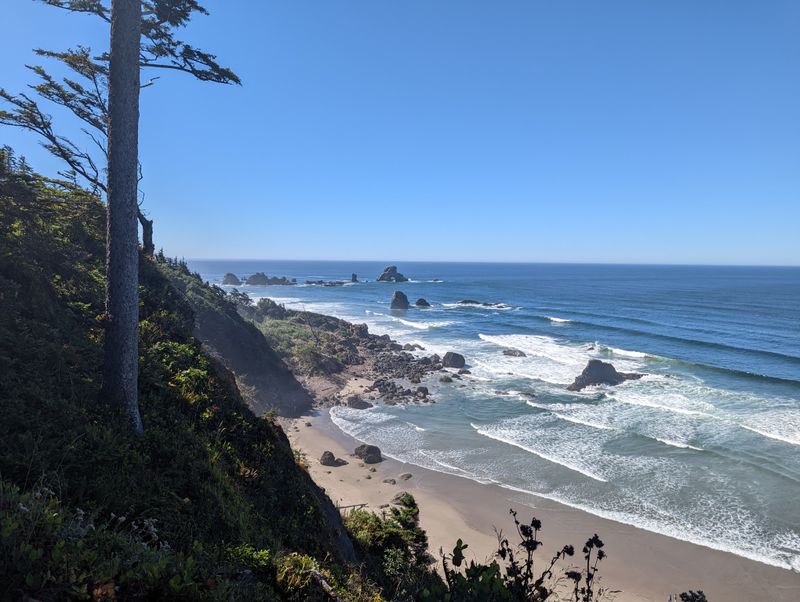
Surfers love Indian Beach for its consistent waves and stunning setting beneath forested headlands. The cove looks relatively protected, making it popular with families and casual beachgoers. But strong rip currents flow through this beach, pulling swimmers away from shore faster than they can swim back.
Recent rescues highlight risks that aren’t immediately obvious from the parking area. Rocky outcrops create complex water flows that change with tide and swell direction. What works for experienced surfers with boards and wetsuits can quickly overwhelm swimmers in street clothes.
Unless you’re experienced in Pacific surf conditions, stay onshore and away from rocky areas where waves surge unpredictably.



