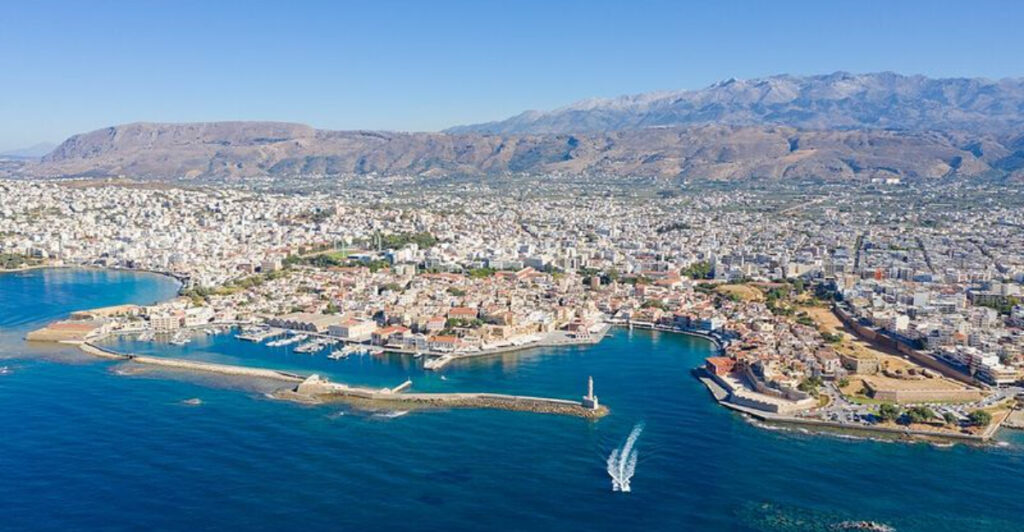
Greece is not just a place for sunsets and swimming. Every region, island, and mountain village has its own food story, and most travelers only scratch the surface.
I spent years thinking Greek food meant souvlaki and salad, until a trip to Crete completely changed my understanding of what this country puts on a plate. These destinations are worth slowing down for, fork in hand.
Sifnos
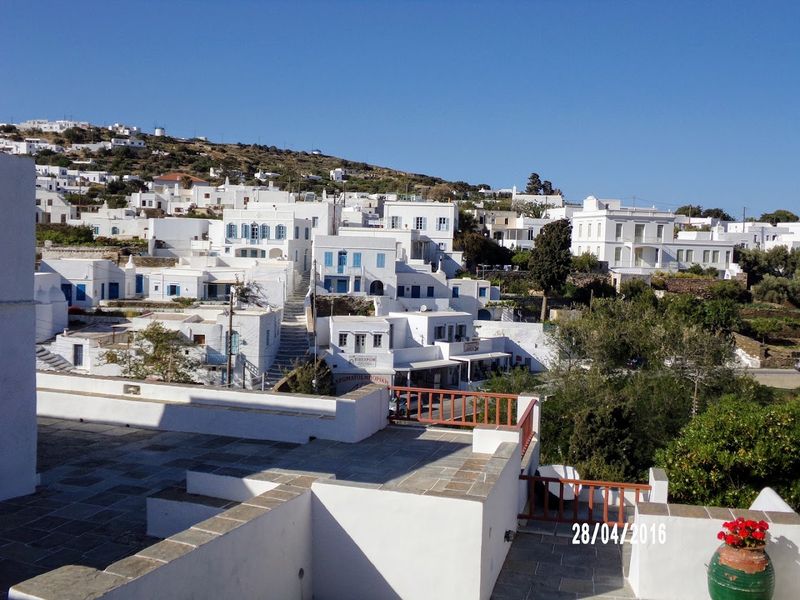
Sifnos punches well above its weight in the food department. This small Cycladic island is famous for clay-pot cooking, and the dish everyone talks about is revithada, a slow-cooked chickpea soup that bakes overnight in a sealed pot and arrives at the table tasting like patience paid off.
The island is also tied to Nikolaos Tselementes, one of the most influential figures in modern Greek culinary history. His name alone gives Sifnos a kind of food credibility that most islands would envy.
Mastelo, a lamb or goat dish slow-cooked in wine, is another reason to visit. Add chickpea fritters, local honey sweets, and a food scene that takes itself seriously without being pretentious, and you have one of the Aegean’s most rewarding eating stops.
Sifnos rewards the curious traveler who goes beyond the beach towel.
Naxos
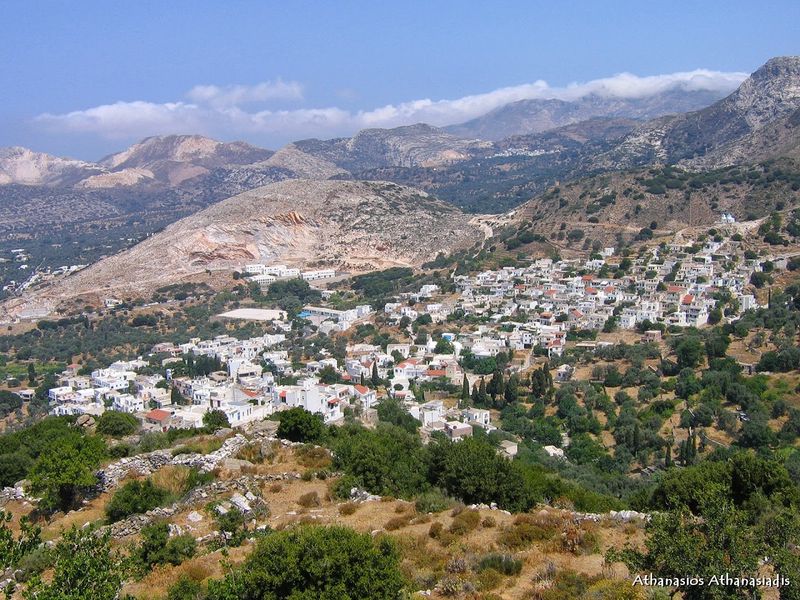
Naxos is the largest of the Cyclades and arguably the most self-sufficient. The island grows, raises, and produces an impressive range of local food, and residents are not shy about telling you exactly why their ingredients are better than anywhere else.
They are usually right.
The cheeses are a major draw. Graviera, arseniko, and xinotiro all carry PDO status, meaning they are protected and produced according to strict local standards.
Pair them with the island’s famous potatoes, which have a loyal following among chefs across Greece, and you already have a meal worth planning a trip around.
Citron liqueur, known as kitron, is made only on Naxos and comes in three strengths. It is sweet, slightly herbal, and completely unique to the island.
I tried all three versions in one sitting, which was ambitious but educational. Naxos rewards travelers who take their cheese seriously.
Thessaloniki
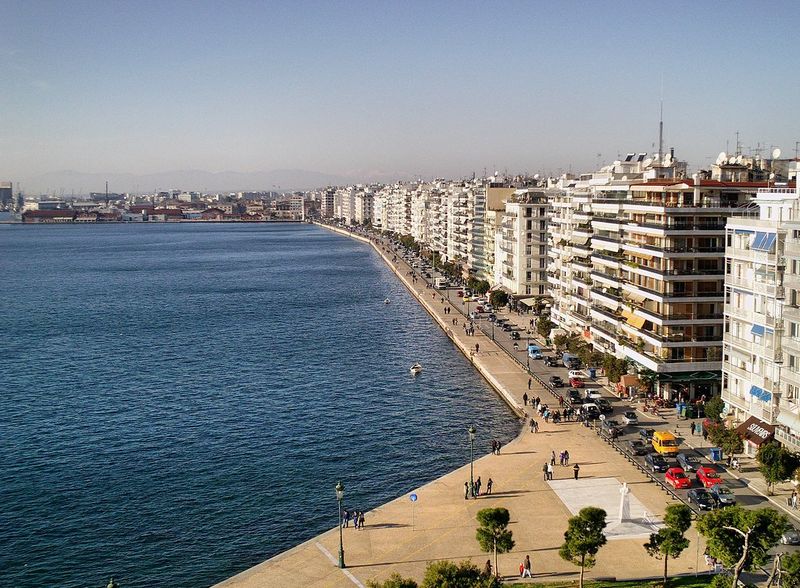
Greece’s second city has a first-class food culture. Thessaloniki eats differently from Athens, with a richer Ottoman and Jewish culinary heritage layered into everyday dishes, markets, and pastry shops that have been running for generations.
Bougatsa is the morning ritual here. Flaky pastry filled with semolina cream, dusted with powdered sugar and cinnamon, served hot from bakeries that open before sunrise.
Koulouri, the sesame-crusted bread ring sold by street vendors, is the city’s edible logo.
Beyond breakfast, Thessaloniki shines in its meze culture and late-night eating habits. Markets like Kapani and Modiano are worth visiting just to look, smell, and inevitably buy more than you planned.
The city runs on food from morning coffee to midnight snacks, and every stop in between has something worth trying. Thessaloniki is not just a food city.
It is a food lifestyle.
Crete
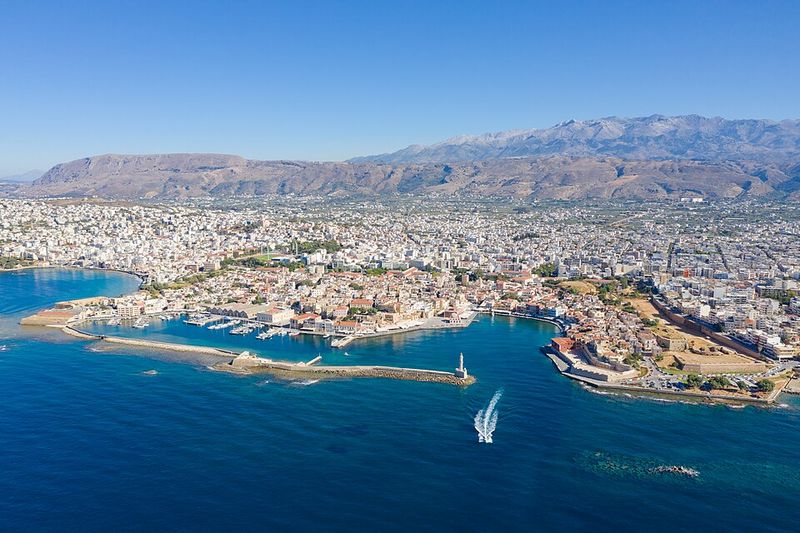
Crete does not do fast food, and honestly, good for it. The island’s cuisine is one of the oldest and most studied in the Mediterranean, built on olive oil, wild greens, and seasonal produce that locals have been using for centuries.
Dakos, gamopilafo, snails cooked in rosemary, cured meats, and vegetable pies are just a few reasons to stay longer than a week. The cheeses alone, from graviera to anthotyros, could fill a dedicated tasting tour.
Cretan raki is not just a drink. It is a ritual, poured freely and often paired with whatever the kitchen has left over.
Native wines are also gaining serious recognition. If you only visit one Greek island for food, make it Crete and clear your schedule.
Kalamata and Messinia
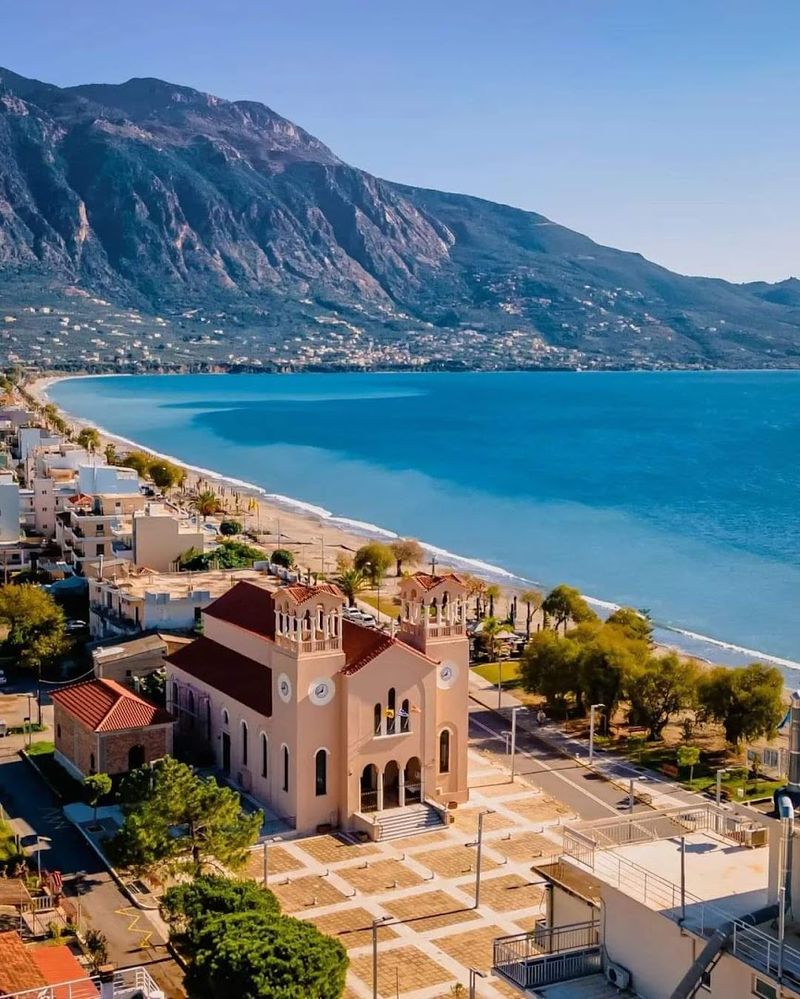
Most people know Kalamata from the olive jar in their fridge. The real thing, eaten fresh or cured the traditional way in this corner of the Peloponnese, is a completely different experience and one worth traveling for.
Messinia is one of the most fertile regions in Greece. Olive oil here is produced in extraordinary quantities and quality, and local varieties have won international awards that the region is quietly proud of.
Figs, raisins, citrus, grapes, and herbs round out a pantry that local cooks have been drawing from for centuries.
The cheeses of Messinia are less famous than those of other regions but are absolutely worth seeking out at local markets and farm shops. This is the kind of place where food is not a tourist attraction but simply a way of life.
Come with an empty bag and leave with it full.
Pelion and Volos
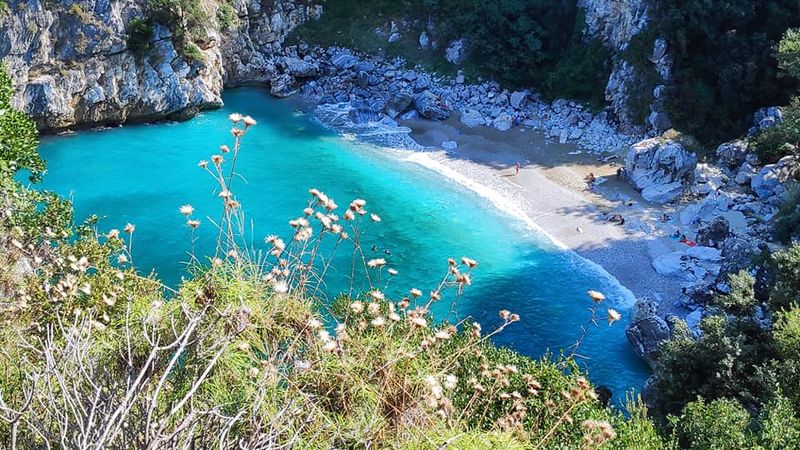
Pelion is the kind of place that makes you wonder why you ever went anywhere else. The mountain peninsula above Volos offers two completely different food worlds within a short drive of each other, which is an excellent deal by any standard.
In the mountain villages, food is hearty and seasonal. Pies filled with wild greens, preserves made from local fruits, roasted meats, and dishes that have been cooked the same way for generations.
It is comfort food with altitude.
Down in Volos, the tsipouradika are the main event. These small tavernas serve tsipouro, a strong distilled spirit, alongside an ever-changing parade of seafood meze.
The rule is simple: order tsipouro, get meze. Order more tsipouro, get more meze.
It is one of Greece’s most enjoyable eating rituals and dangerously easy to repeat. Volos locals have perfected the art of the long lunch.
Santorini
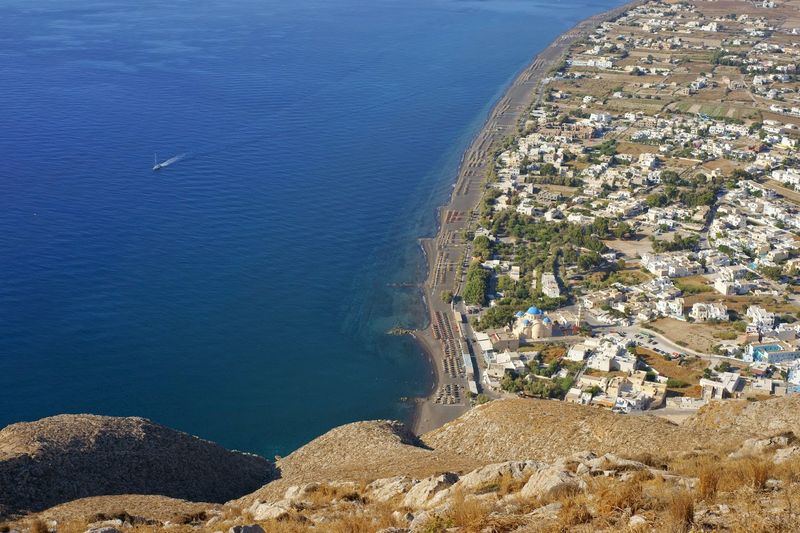
Santorini’s volcanic soil is not just a geological curiosity. It is the reason the island’s produce tastes unlike anything grown in ordinary ground.
The fava here is a protected product, made from small yellow split peas that have been cultivated on the island for over 3,500 years. That is a serious head start.
Cherry tomatoes grown in Santorini are intensely sweet and slightly chewy because the dry, windy conditions concentrate their flavor. White eggplant and capers round out a local pantry that is small but remarkably distinctive.
These are ingredients that chefs travel specifically to source.
Assyrtiko wine, grown in the island’s basket-trained vines, is one of Greece’s most celebrated whites. Vinsanto, the sweet dessert wine made from sun-dried grapes, is liquid history in a glass.
Santorini is more than a backdrop for photos. It is a genuinely interesting food destination with serious depth.
Tinos
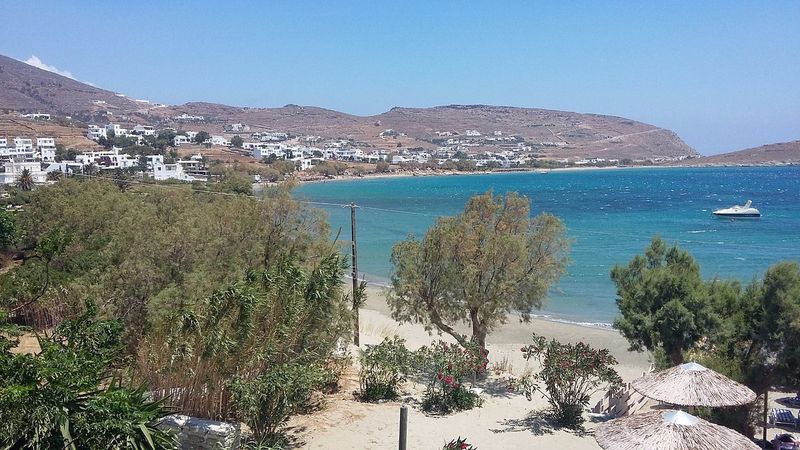
Tinos has been doing the farm-to-table thing long before it became a hashtag. The island has built a food identity rooted in genuine local production, village traditions, and a commitment to quality that has attracted chefs and food writers from across Europe.
Artichokes from Tinos are a seasonal obsession, cooked in dozens of ways and celebrated at local festivals. The island’s cheeses, including kopanisti, a sharp and pungent spread, are produced in small quantities and highly sought after by people who know what they are looking for.
Culinary festivals and food events have become a regular part of the island’s calendar, drawing visitors who come specifically to eat rather than just to swim. Few Cycladic islands have made food such a central part of their identity.
Tinos proves that you do not need to be the biggest island to have the most interesting table. Small but mighty, as they say.
Corfu
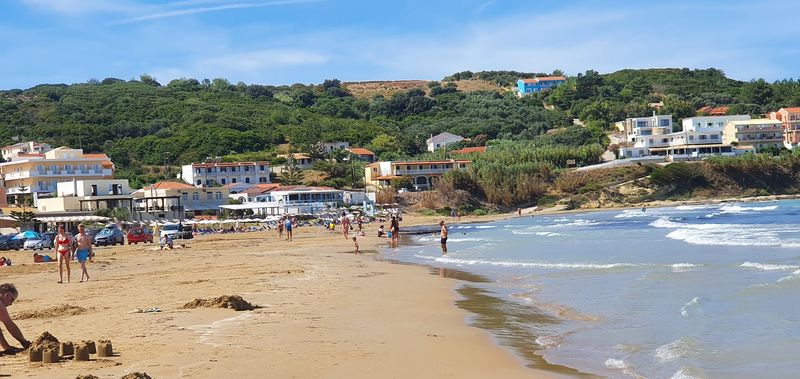
Corfu tastes like nowhere else in Greece, and that is entirely the point. Centuries of Venetian rule left a deep culinary mark on the island, and the result is a food culture that feels slightly Italian, slightly Greek, and completely its own thing.
Pastitsada is the island’s signature dish, a slow-cooked beef or rooster stew served over thick pasta with a rich spiced tomato sauce. Sofrito, thin veal slices cooked in white wine and garlic, is another Venetian legacy that Corfu has made entirely its own.
Bourdeto, a spicy fish stew, rounds out the holy trinity of Corfiot cooking.
Kumquat products, from liqueurs to preserves, are a local specialty that surprises most visitors who did not expect tiny citrus to be a regional icon. Local olive oil and wines add to a food scene that rewards slow exploration.
Corfu is best tasted over many meals, not just one.
Lesvos

Lesvos takes ouzo seriously, and it has every right to. The island produces some of Greece’s most respected ouzo brands, and drinking it here, poured slowly over ice alongside a plate of cured fish, is a fundamentally different experience from ordering it as a tourist novelty somewhere else.
The island’s seafood culture is outstanding. Cured anchovies from Lesvos are a regional specialty with a loyal following among food lovers who seek them out specifically.
Sardines, scallops, and grilled octopus fill out menus at waterfront tavernas that have been feeding fishermen and travelers for decades.
Olive oil from Lesvos is among the finest in Greece, produced from Kolovi and Adramyttini varieties that thrive in the island’s climate. Dairy products, including local cheeses, complete a food profile that is rich, varied, and deeply satisfying.
Lesvos is the kind of place that makes you rethink what a Greek island meal can be.
Chios
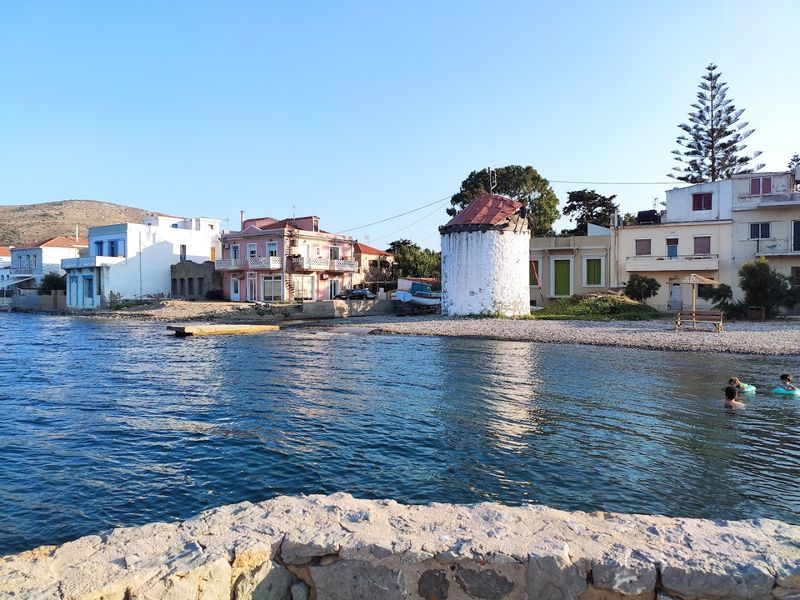
Chios has something no other place on earth can offer: mastiha. This aromatic resin, harvested from mastic trees in the island’s southern villages, is one of the most distinctive food ingredients in the world and has been traded since ancient times.
The trees only produce it here, which makes Chios genuinely irreplaceable.
Mastiha shows up in everything from chewing gum to liqueur, from ice cream to savory sauces. The village of Pyrgi, with its geometric black and white patterned buildings, sits at the heart of mastic country and is worth visiting for both its architecture and its local products.
Beyond mastiha, Chios has a solid food scene with local sweets, tangerine products, and a taverna culture that rewards curious eaters. The island is often overlooked in favor of flashier destinations, which means those who do visit get a more authentic and less crowded experience.
Chios is a genuinely special stop.
Ikaria
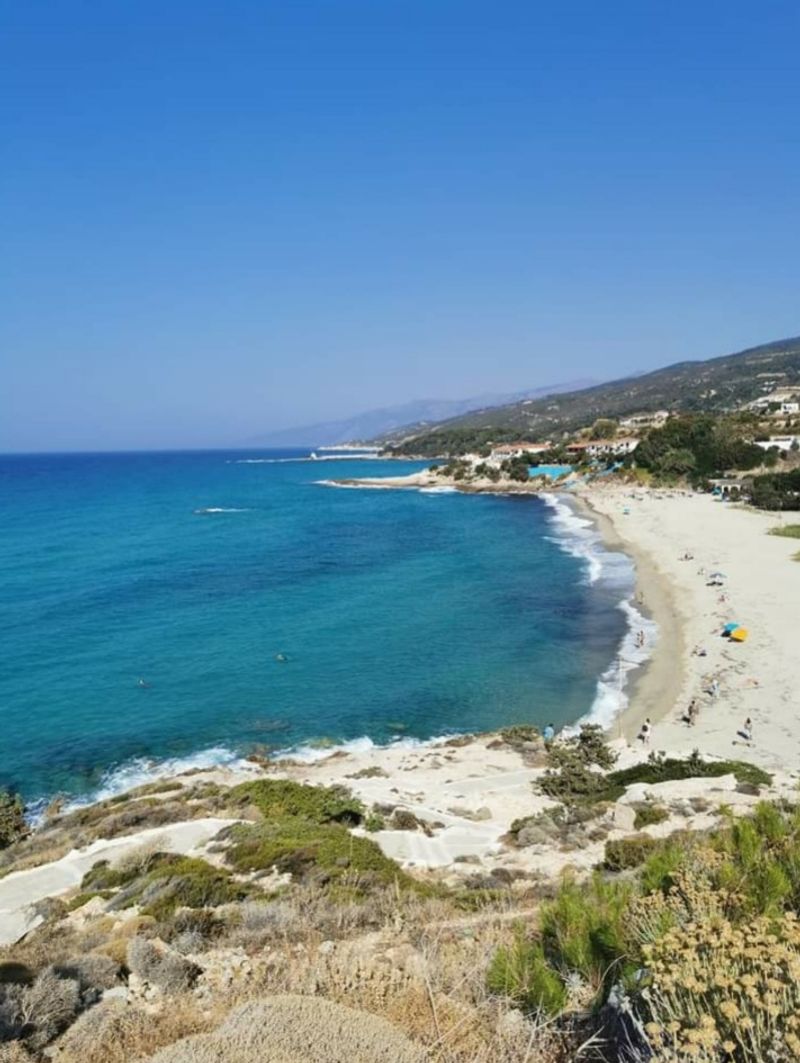
Ikaria has become famous for longevity, and food is a big part of the reason why. The island consistently appears in studies about long-lived populations, and locals credit slow meals, simple ingredients, and the habit of eating together as key factors.
Science and tradition agree here, which is a pleasant change.
The diet is plant-forward without being trendy about it. Legumes, wild greens, herbs, olive oil, and goat products form the backbone of everyday eating.
Honey from Ikaria is particularly prized, with a strong, complex flavor that reflects the island’s diverse wild vegetation.
Local wine, made in small quantities and often shared freely among neighbors, is part of the social fabric rather than a commercial product. Meals here are slow by design.
Nobody is rushing anywhere, and the food reflects that unhurried approach. Visiting Ikaria for its food culture means accepting that lunch might last three hours, which is not a complaint.
Rhodes
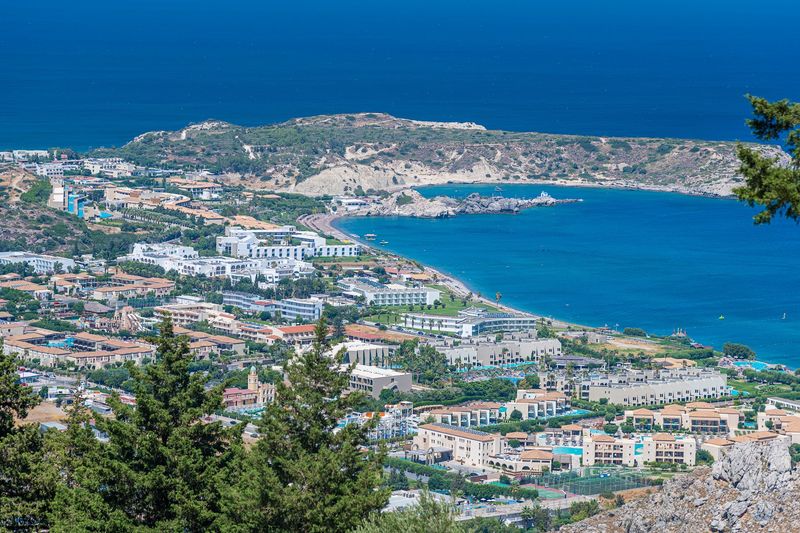
Rhodes is one of Greece’s most visited islands, which means most people pass through it rather than actually eat their way through it. That is a mistake worth correcting on your next visit, because the island has a food identity that goes well beyond tourist menus.
Pitaroudia are savory chickpea and tomato fritters that show up at local tables and markets across the island. Melekouni, a traditional sweet made from honey and sesame seeds, is given at weddings and is one of those foods that feels like it holds actual cultural weight in your hand.
Local honey from Rhodes is aromatic and varied, reflecting the island’s rich flora. Village cooking across the interior offers slow-roasted meats, herb-heavy dishes, and meze spreads that rarely make it onto restaurant menus near the beach.
The food of Rhodes is hiding in plain sight, and finding it is genuinely rewarding. Ask locals, not hotel concierges.
Zagori and Epirus
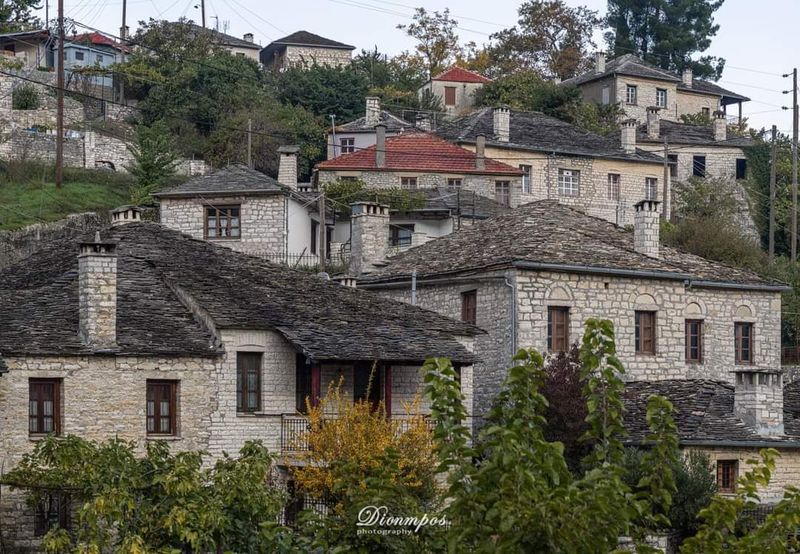
Epirus is pie country, and it takes that title very seriously. The region has dozens of pie varieties, from spinach and cheese to meat and offal, all wrapped in hand-stretched pastry made by people who have been doing it their whole lives.
Watching a Zagorian grandmother stretch phyllo is a masterclass in confidence.
The terrain shapes everything here. High mountains, cold winters, and a pastoral tradition built around sheep and goats mean that dairy products are exceptional.
Feta from Epirus is some of the best in Greece, and local butter, milk, and aged cheeses are worth seeking out at village shops.
Slow-cooked meats, wild mushrooms, and foraged herbs round out a mountain food culture that is hearty, honest, and deeply satisfying. Zagori’s stone villages and dramatic landscapes make the backdrop extraordinary, but the food is the real reason to linger.
Come hungry, leave in a food coma, and plan a return trip immediately.
Syros

Syros is the kind of island that surprises people who show up expecting just another Cycladic stopover. The capital, Ermoupoli, has a grand neoclassical elegance and a food scene that punches well above its size, anchored by products that locals have been making and exporting for generations.
San Michali cheese is a hard, salty, intensely flavored PDO cheese that is used in cooking and eaten on its own with equal enthusiasm. Loukoumi, the Syros version of Turkish delight, is made in small confectionery shops that have been running since the 19th century and is often the first thing visitors buy and the thing they miss most when they leave.
Halvadopita, a nougat-style sweet packed with almonds, is another local specialty worth tracking down. Capers, wild fennel pie, and fresh seafood complete a food profile that is more varied than the island’s small size suggests.
Syros is proof that great food does not require a big island.
Share this story