 Unearth The Voyage
Greece has always been a dream destination for travelers around the world, and 2026 is the perfect year to finally make that dream come true. From ancient ruins that whisper stories of gods and heroes to islands with crystal-clear waters and sunsets that paint the sky in impossible colors, Greece offers something magical for everyone.
Whether you’re a history buff, a beach lover, or someone who just wants to wander through charming villages and taste incredible food, this Mediterranean paradise has it all waiting for you.
Santorini — Iconic Sunsets & Volcanic Views
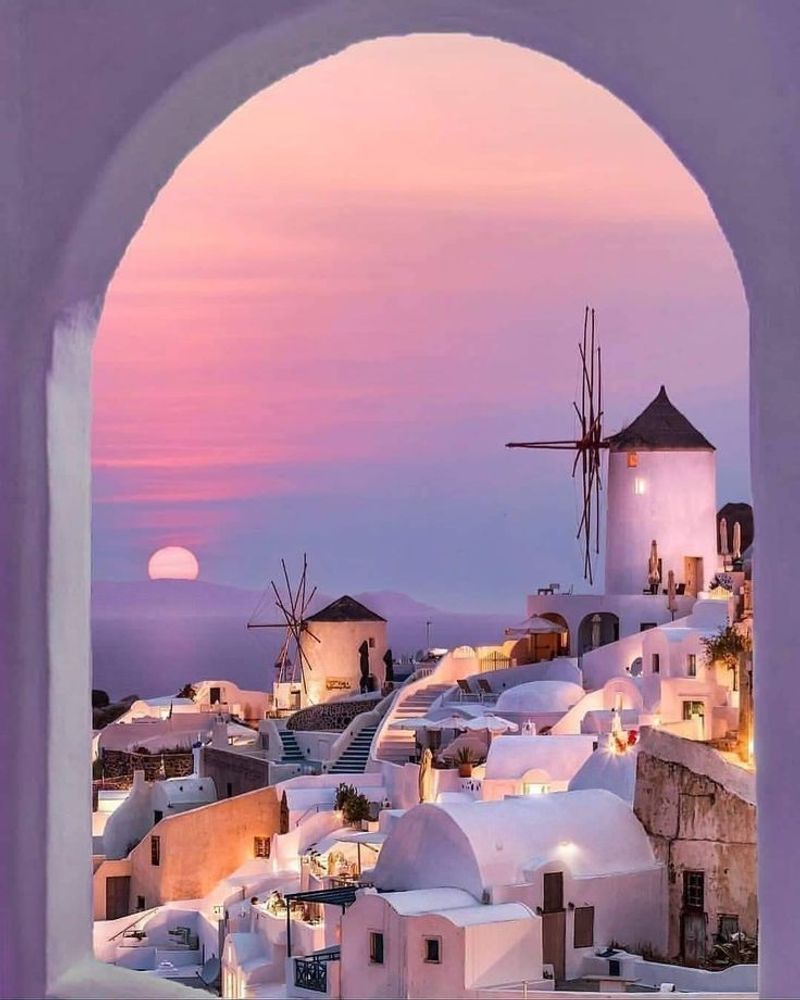
Perched dramatically atop a volcanic caldera, Santorini’s whitewashed villages look like something straight out of a fantasy novel. The island became world-famous for its jaw-dropping sunsets, especially those viewed from the village of Oia, where the sky explodes in shades of orange, pink, and purple every evening.
But there’s so much more to this volcanic wonder than just Instagram-worthy views. History lovers should head to Akrotiri, an ancient Bronze Age city preserved under volcanic ash, often called the “Minoan Pompeii.” Walking through these ruins gives you a rare glimpse into life thousands of years ago, frozen in time by nature’s fury.
The island’s unique volcanic soil also produces some exceptional wines, and visiting a local winery for a tasting session is a must-do experience. Santorini’s beaches are unlike any other, with black, red, and white sands created by volcanic activity over millennia.
From cliff-side infinity pools to seaside tavernas serving fresh seafood, every corner of this island feels special. Whether you’re honeymooning, celebrating an anniversary, or just treating yourself to beauty, Santorini delivers unforgettable moments at every turn.
Crete — Island of Legends, Beaches, and Ancient Palaces
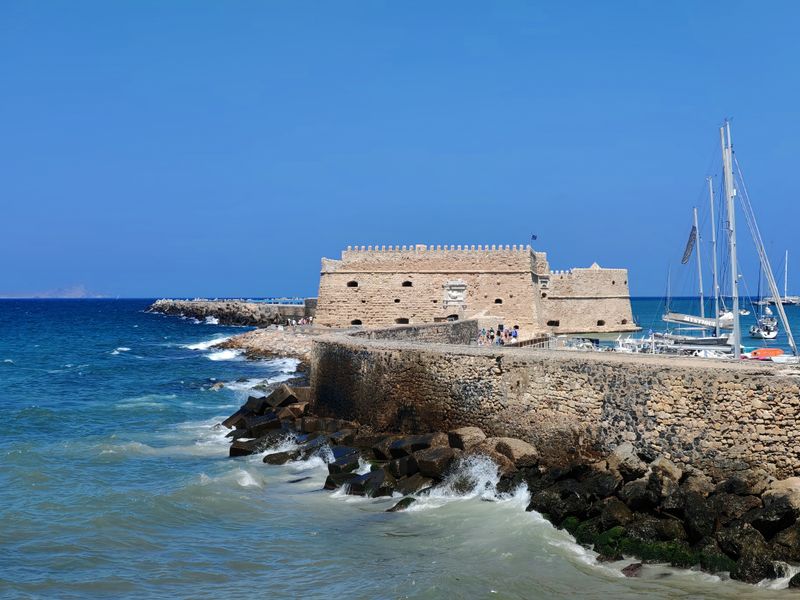
Greece’s largest island packs more variety into one destination than most entire countries. Crete stretches across myths and millennia, home to the legendary Palace of Knossos where the Minotaur supposedly lurked in its labyrinth.
Exploring these ancient Minoan ruins feels like stepping into a storybook, with colorful frescoes and massive columns that have stood for thousands of years. Nature lovers can tackle the Samaria Gorge, one of Europe’s longest canyons, where a challenging hike through dramatic cliffs rewards you with stunning mountain scenery.
The island’s coastline is equally impressive, featuring Elafonissi Beach with its pink-tinted sand and shallow turquoise waters that seem almost tropical. Balos Lagoon offers another postcard-perfect spot where white sand meets impossibly blue water.
Cretan food deserves its own vacation—think dakos topped with juicy tomatoes and creamy cheese, slow-roasted lamb seasoned with mountain herbs, and honey drizzled over warm loukoumades. Local villages tucked into the mountains preserve traditions that have lasted centuries.
With multiple airports and ferry connections, Crete fits perfectly into any Greek adventure, offering cultural richness and natural beauty in equal measure.
Athens — Cradle of Western Civilization
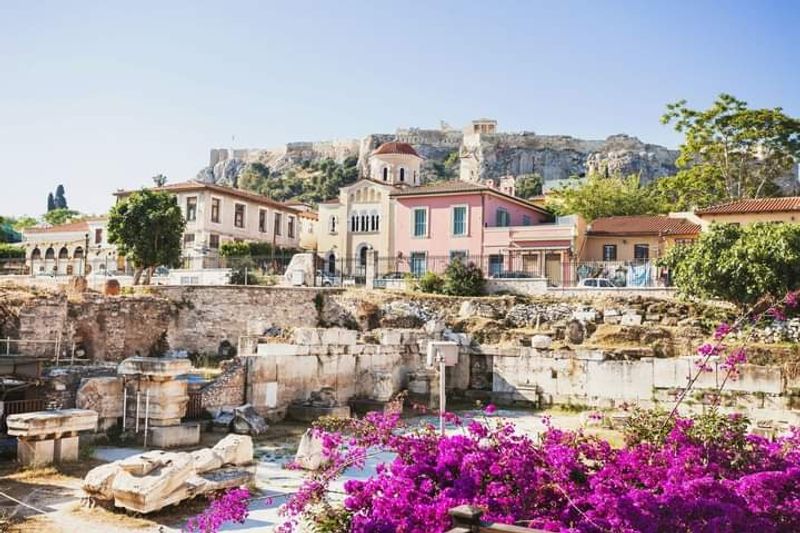
Standing beneath the Parthenon, you can practically hear history echoing through the marble columns. Athens isn’t just a city—it’s where democracy was born, where philosophy flourished, and where the foundations of Western civilization were laid stone by stone.
The Acropolis dominates the skyline, a constant reminder that you’re walking streets that ancient Greeks walked thousands of years ago. The Acropolis Museum brings context to these ancient wonders with beautifully displayed artifacts and interactive exhibits that make history come alive.
Down below, the Plaka neighborhood winds through narrow cobblestone streets lined with cafés, shops selling handmade jewelry, and tavernas where you can feast on moussaka and souvlaki. Monastiraki’s flea market buzzes with energy, offering everything from antiques to street food.
Modern Athens surprises visitors with its vibrant street art scene, rooftop bars with Acropolis views, and a food culture that goes way beyond gyros. The city serves as the perfect gateway to the Greek islands, with ports and airports connecting you to paradise.
Spending a few days here before or after island-hopping gives you the complete Greek experience—ancient and modern, historical and hip, all rolled into one unforgettable capital.
Meteora — Monasteries Suspended in Time
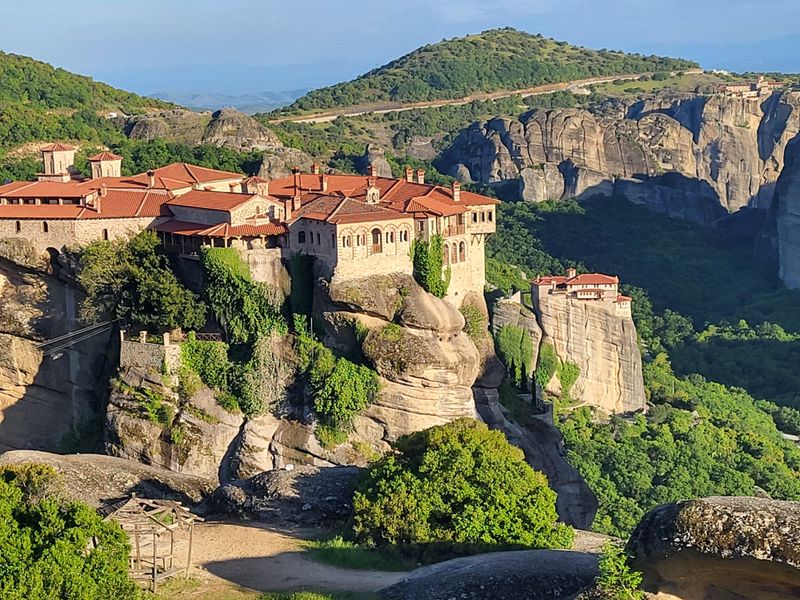
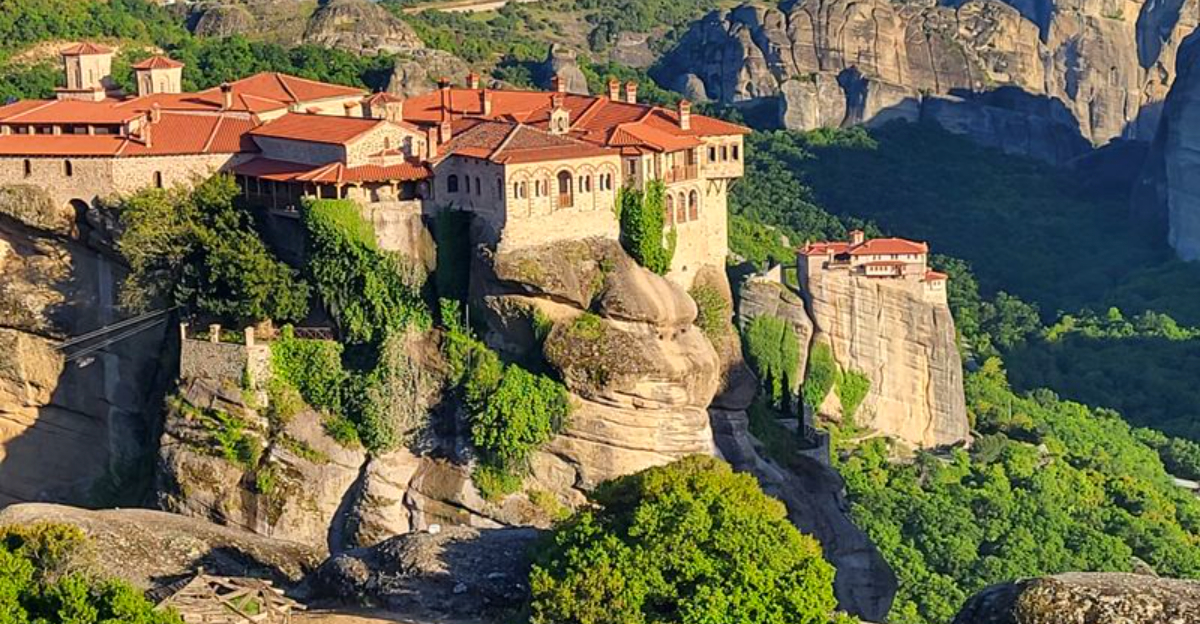
Massive rock pillars rise vertically from the plain like giant fingers reaching toward heaven, each topped with monasteries that seem to defy gravity. Meteora ranks among the most surreal landscapes in all of Europe, and seeing these structures in person feels almost impossible.
Monks built these retreats centuries ago, hauling materials up sheer cliffs using ropes and baskets, seeking isolation and spiritual connection. Six monasteries remain active today and welcome visitors who make the journey to central Greece.
Inside, you’ll find Byzantine frescoes, ancient manuscripts, and a profound sense of peace that comes from being perched so high above the world. The views from these clifftop sanctuaries stretch for miles across valleys and mountains, especially magical during sunrise when mist clings to the rocks.
Hiking trails connect the monasteries, offering panorama after panorama that photographers dream about. The golden hour transforms the stone pillars into glowing towers of orange and amber, creating one of the most dramatic sunsets you’ll ever witness.
Meteora feels like another planet, a place where nature and human determination created something truly extraordinary. Budget at least a full day here, though two days lets you explore at a more relaxed pace and catch both sunrise and sunset.
Nafplio — Romantic History on the Peloponnese Coast
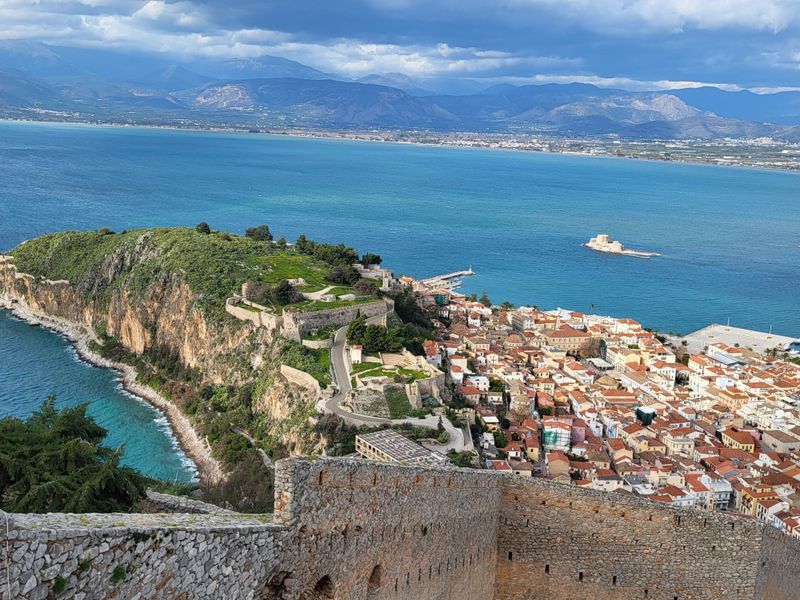
Cobblestone streets wind past neoclassical mansions painted in warm Mediterranean colors, while bougainvillea cascades from balconies overhead. Nafplio served as Greece’s first capital after independence, and that historical importance shows in every elegant building and fortress wall.
Yet despite its significance, this seaside town maintains an intimate, unhurried atmosphere that larger cities have lost. The climb to Palamidi Fortress requires tackling 999 steps, but every one is worth it for the sweeping views of the Argolic Gulf and the town spread below.
Venetian architecture dominates the old town, a reminder of the various empires that controlled this strategic port over centuries. Bourtzi Castle sits on a tiny island in the harbor, accessible by boat and perfect for sunset photos.
Arvanitia Beach offers a quick escape from sightseeing, where you can swim in clear waters with the fortress as your backdrop. The waterfront promenade comes alive in the evenings when locals and visitors stroll past cafés and restaurants serving fresh seafood.
Nafplio feels like a hidden treasure that hasn’t been overrun by mass tourism yet, offering authentic Greek charm mixed with layers of fascinating history around every corner.
Corfu — Lush Ionian Elegance & Venetian Legacy
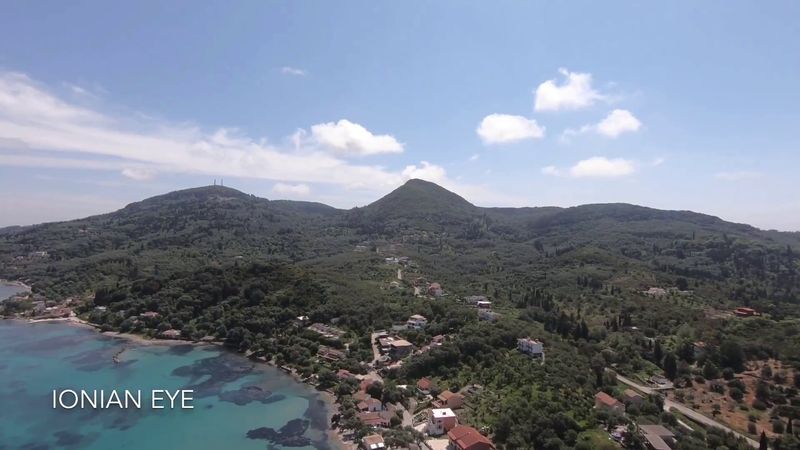
Unlike the bare, sun-bleached islands of the Cyclades, Corfu explodes with greenery—cypress trees, olive groves, and wildflowers create a lush landscape that feels almost tropical. This Ionian island absorbed influences from Venetians, French, and British rulers over centuries, creating a unique cultural blend you won’t find elsewhere in Greece.
The Old Town earned UNESCO World Heritage status for its remarkably preserved architecture and winding alleyways. Pastel-colored buildings line elegant squares where locals gather for coffee and conversation, while fortresses stand guard over the harbor as they have for hundreds of years.
Byzantine churches hide frescoes and icons that art historians travel across continents to study. The Liston arcade, modeled after Paris’s Rue de Rivoli, brings a touch of French sophistication to this Greek island.
Corfu’s coastline offers countless beaches and coves, from popular stretches with water sports to hidden bays accessible only by boat. Paleokastritsa’s turquoise waters and dramatic cliffs create one of the most photographed spots on the island.
Gardiki Castle on the southwest coast combines medieval ruins with ocean panoramas, perfect for history buffs who also love scenic views. The island’s size makes it easy to explore different areas each day while returning to a home base.
Zakynthos — Navagio Beach & Ionian Beauty
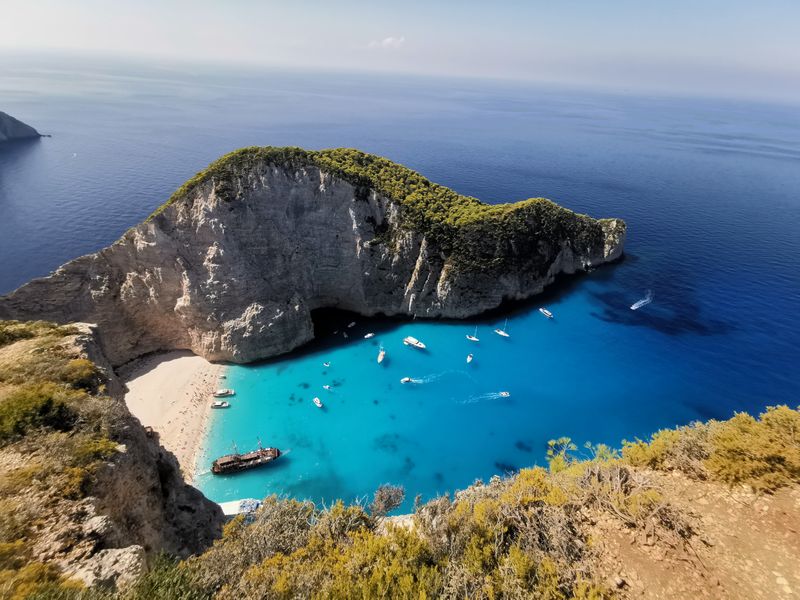
A rusted shipwreck rests on impossibly white sand, surrounded by limestone cliffs that plunge into electric-blue water—this is Navagio Beach, one of the most photographed spots in all of Greece. The dramatic cove became famous worldwide, appearing on countless travel posters and social media feeds, yet somehow the reality exceeds the hype.
Boats ferry visitors from the main port, though viewing from the clifftop lookout above provides an equally stunning perspective. Zakynthos offers much more than just its famous shipwreck.
The island serves as a protected nesting ground for loggerhead sea turtles, and responsible boat tours let you observe these gentle creatures in their natural habitat. The Blue Caves on the northern coast create ethereal light effects as sun reflects off the water into limestone caverns, best experienced in the morning when illumination is brightest.
Winding coastal roads reveal hidden coves and beaches around nearly every turn, from organized beach clubs to quiet stretches where you might have the sand almost to yourself. Traditional mountain villages inland preserve authentic island life away from the tourist zones.
Sunset at Cape Skinari transforms the Ionian Sea into liquid gold, while tavernas serve fresh catch and local wine as the sky changes colors overhead.
Naxos — Authentic Cycladic Culture & Beaches
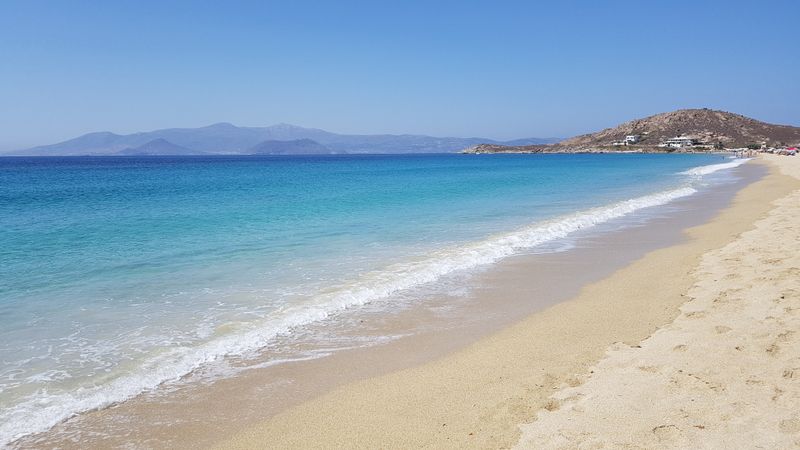
While other Cycladic islands became tourist magnets, Naxos quietly maintained its authentic character and traditional way of life. The massive marble Portara—an ancient temple doorway—frames the harbor, standing as a monument to unfinished ambitions from thousands of years ago.
This is Greece’s largest Cycladic island, big enough to offer variety but still maintaining that intimate island feeling throughout. Inland villages like Apiranthos and Halki showcase pastoral life that has changed little over generations, with locals still producing traditional crafts and farming the fertile valleys.
The island’s mountainous interior provides hiking opportunities and cooler temperatures during summer heat. Ancient ruins dot the landscape, from Venetian kastros to Byzantine churches filled with centuries-old frescoes.
Naxos’s beaches stretch for miles along the western coast, offering golden sand and water sports without the crowds found on more famous islands. Agios Prokopios and Plaka Beach consistently rank among Greece’s best, with shallow turquoise waters perfect for families.
Foodies appreciate the island’s agricultural bounty—local cheeses like graviera, famous Naxian potatoes, and kitro, a citrus liqueur made nowhere else. The relaxed pace and authentic atmosphere make Naxos perfect for travelers who want real Greek island life rather than a resort experience.
Tinos — Tranquil Island Charm & Village Artistry
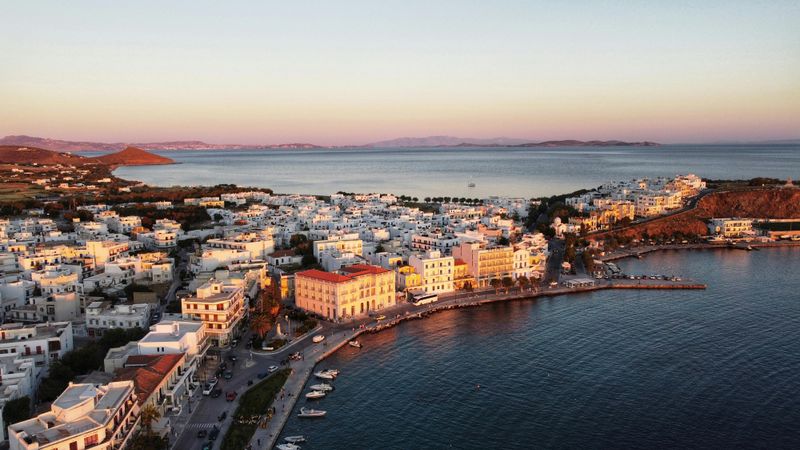
Sitting in Mykonos’s shadow has kept Tinos blissfully quiet and authentic, attracting travelers who value substance over scene. This Cycladic island built its reputation on marble craftsmanship and artistic heritage, with villages like Pyrgos producing sculptors whose work graces buildings across Greece.
Walking through these mountain settlements feels like stepping back several decades, where traditional life continues largely unchanged by modern tourism. Dovecotes dot the hillsides—over 600 ornate structures that farmers built centuries ago, now serving as distinctive landmarks and photo subjects.
The Church of Panagia Evangelistria draws Greek pilgrims year-round, creating a spiritual atmosphere rare among the party-focused Cyclades. Hiking trails crisscross the island, connecting villages and offering coastal views that rival any in the archipelago.
Beaches here tend toward the quieter side, with clear waters and a local crowd rather than international party scenes. Kolymbithra Beach on the north coast offers two protected bays with golden sand and tavernas serving fresh fish.
The island’s artistic spirit extends beyond marble, with galleries, workshops, and festivals celebrating creativity. Tinos rewards slow travel—rent a car to explore mountain roads, stop at family-run tavernas, and discover why Greeks themselves vacation here when they want authentic island charm away from tourist crowds.
Delphi — Oracle of Ancient Greece
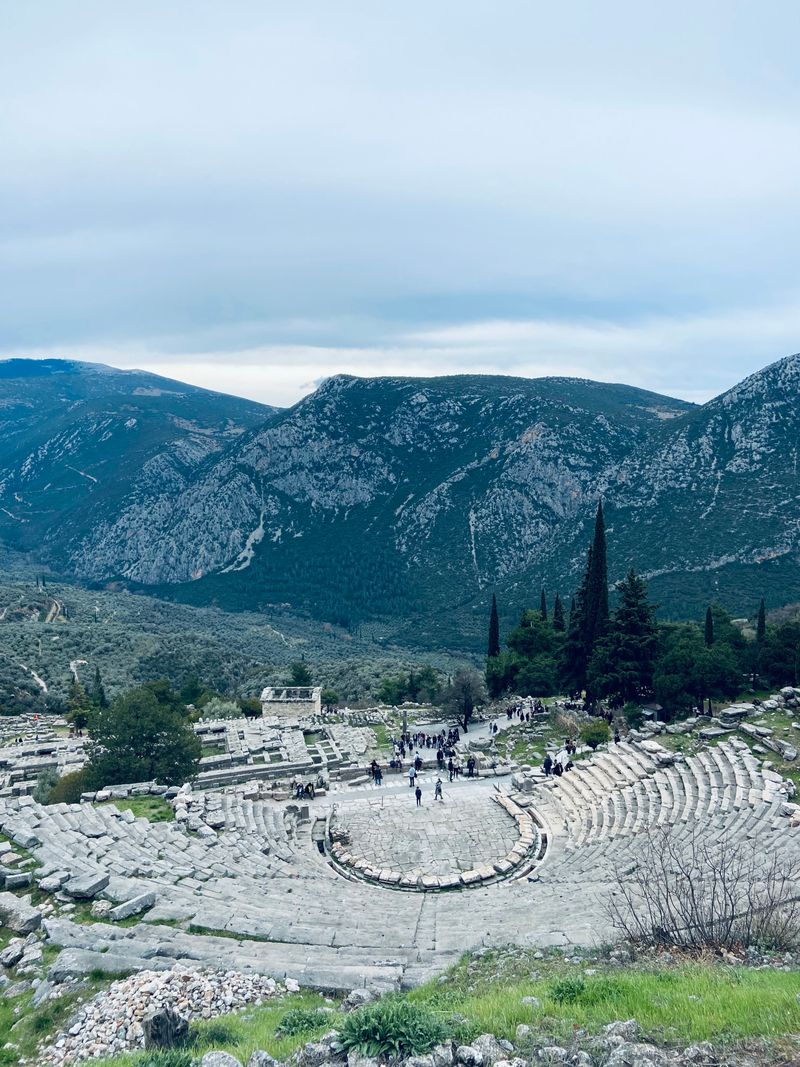
Ancient Greeks believed this mountainside sanctuary marked the center of the world, and standing among the ruins, you can understand why they felt that way. Delphi’s dramatic setting on the slopes of Mount Parnassus combines archaeological wonder with natural beauty that takes your breath away.
The Temple of Apollo once housed the famous oracle whose prophecies influenced wars, colonization, and personal decisions across the ancient Mediterranean world. Walking the Sacred Way past treasuries built by competing city-states, you climb toward the temple where priestesses delivered cryptic messages from the gods.
The ancient theater still hosts occasional performances, its stone seats offering views across the valley that haven’t changed in millennia. Above the main sanctuary, the stadium where Pythian Games were held stretches along the mountainside, remarkably intact after thousands of years.
The on-site museum displays incredible artifacts recovered from the sanctuary, including the famous Charioteer bronze statue and intricate friezes that once decorated the treasuries. Spring brings wildflowers that carpet the surrounding hills, while winter sometimes dusts the peaks with snow.
Located about two hours from Athens, Delphi makes an excellent day trip or overnight excursion, offering a profound connection to ancient Greek religion and culture in one of the most scenic archaeological sites anywhere.
Rhodes — Medieval Streets & Sun-Soaked Shores
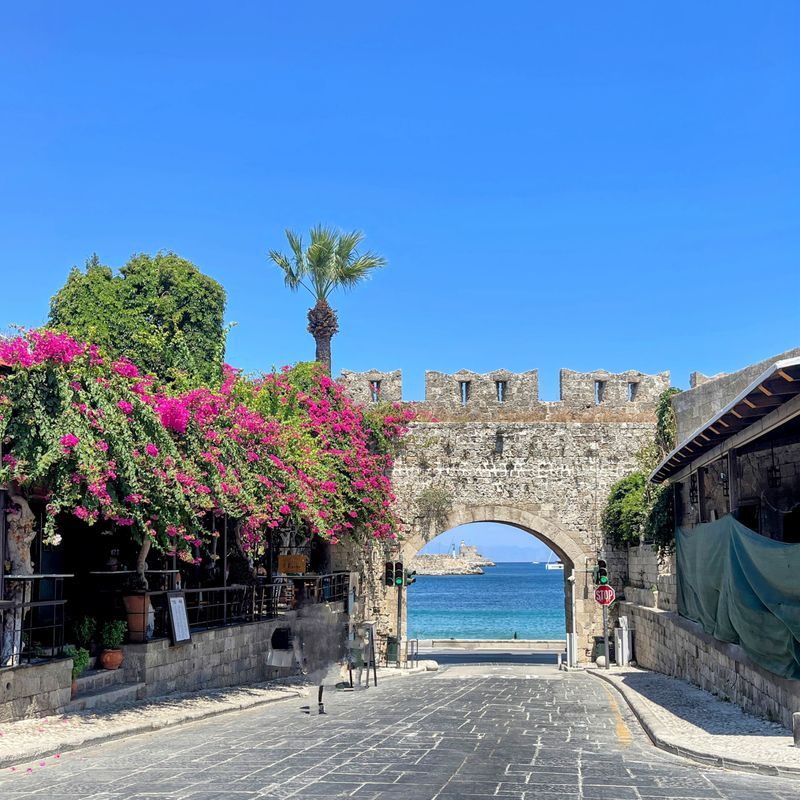
Medieval fortress walls enclose a living city where people actually reside within cobblestone streets that Knights of St. John walked centuries ago. Rhodes Old Town ranks among the best-preserved medieval settlements in Europe, its massive fortifications and Gothic architecture transporting visitors straight back to the Crusader era.
Yet step outside these ancient walls and you’ll find a modern Greek island with golden beaches and lively resort areas. The Palace of the Grand Master dominates the old town, its imposing towers and elaborate mosaics showcasing the wealth and power these knights once wielded.
Wandering the Street of the Knights feels like walking through a historical film set, except everything is authentically ancient. Beyond medieval history, Rhodes offers Greek and Roman ruins, including the ancient Acropolis of Lindos perched dramatically above a bay.
The island’s beaches stretch along both coasts, offering everything from organized beach clubs to quiet coves accessible by boat. Prasonisi at the southern tip attracts windsurfers where the Aegean and Mediterranean seas meet.
Tavernas serve fresh seafood and local specialties, while the island’s size means you can explore ancient ruins in the morning and lounge on the beach by afternoon. Rhodes combines multiple vacation styles into one convenient package—history, beaches, nightlife, and authentic Greek culture all within easy reach.
Pelion Peninsula — Mountain-to-Sea Magic
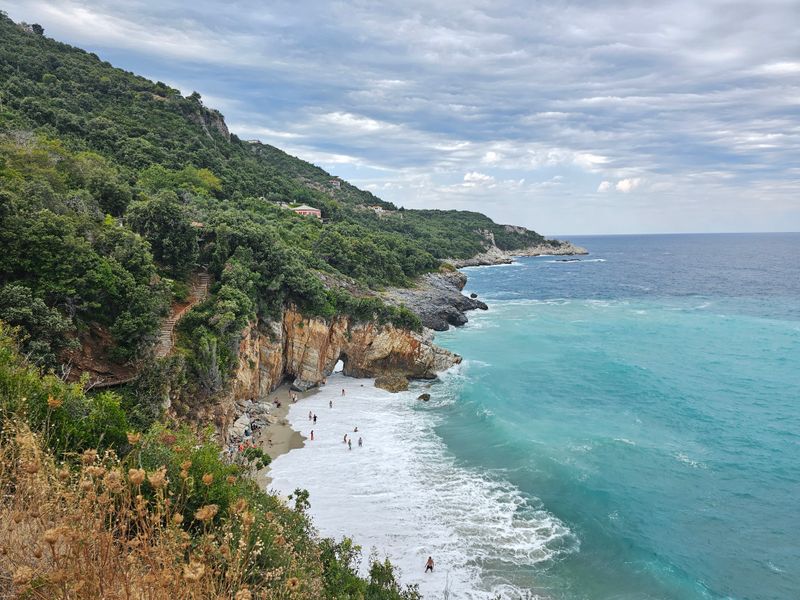
Where mountain forests meet Aegean beaches, the Pelion Peninsula creates a landscape so varied it feels like several destinations merged into one. According to mythology, this was the summer residence of the Greek gods and home to the wise centaur Chiron who taught heroes like Achilles.
Modern visitors quickly understand why immortals would choose this spot—the natural beauty borders on divine. Traditional villages cling to mountainsides, connected by cobblestone paths and stone bridges that have served travelers for centuries.
Makrinitsa earned the nickname “balcony of Pelion” for its spectacular views overlooking the Pagasetic Gulf, while Tsagarada’s enormous plane tree has shaded the village square for over a thousand years. These settlements preserve architectural traditions with stone mansions, slate roofs, and fountains fed by mountain springs.
Descend from the mountains and you’ll find beaches like Mylopotamos and Fakistra, where clear water laps against pebble shores beneath green hillsides—a stark contrast to the bare islands. Hiking trails wind through forests of beech, oak, and chestnut trees, past abandoned monasteries and scenic viewpoints.
Local tavernas serve mountain specialties like wild boar and mushrooms alongside fresh seafood, reflecting the peninsula’s dual nature. Pelion offers a completely different Greek experience from the islands, perfect for travelers who want variety and natural beauty.
Chalkidiki — Three-Fingered Coastline & Hidden Coves
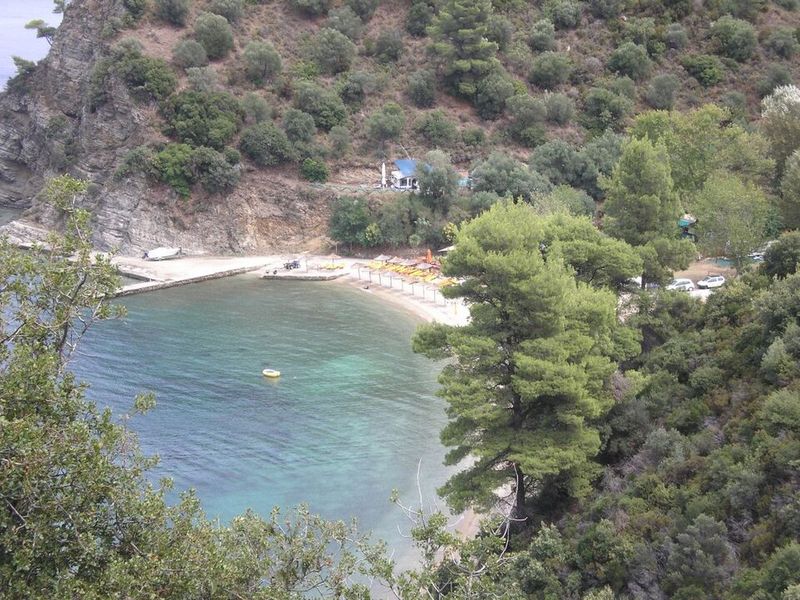
Northern Greece’s distinctive three-pronged peninsula juts into the Aegean like a hand reaching into turquoise water. Chalkidiki’s unique geography creates hundreds of beaches and coves, each peninsula offering its own character and attractions.
Pine forests grow right down to sandy shores, creating that perfect combination of greenery and seaside that defines Mediterranean paradise. Kassandra, the western finger, attracts visitors with organized beaches, resorts, and nightlife, making it the liveliest of the three.
Sithonia in the middle maintains a quieter, more natural atmosphere with hidden coves accessible by boat or hiking trail—this is where Greeks themselves vacation when they want pristine beaches without crowds. The eastern peninsula, Mount Athos, remains an autonomous monastic state where only men with special permits can visit, adding an air of mystery to the region.
Crystal-clear water makes snorkeling a joy, while coastal villages serve fresh seafood at waterfront tavernas where locals still outnumber tourists. The region stays less internationally famous than the islands, meaning better prices and more authentic experiences.
Thessaloniki sits just an hour away, offering urban culture and nightlife to complement beach days. Chalkidiki works perfectly for travelers who want Greek beaches and culture without the ferry rides and island-hopping logistics.
Hydra — Car-Free Island Serenity
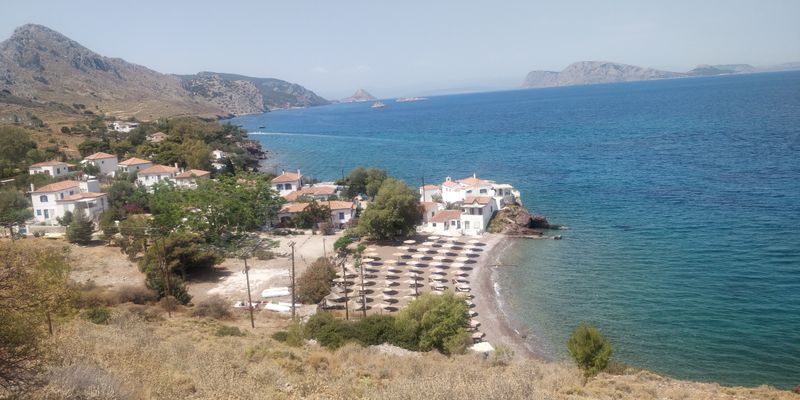
No cars, no motorcycles, no noise—just the clip-clop of donkey hooves on stone streets and the gentle lap of waves against the harbor. Hydra preserved its tranquil character by banning motorized vehicles entirely, creating an atmosphere that feels suspended in a more peaceful era.
Elegant stone mansions rise up the hillside from the crescent-shaped port, their architecture reflecting the wealth this island once commanded as a maritime power. Artists and writers discovered Hydra decades ago, drawn by the special light and creative atmosphere that still permeates the island.
Galleries showcase contemporary art alongside traditional crafts, while cafés and restaurants line the waterfront where locals and visitors mingle. The lack of sandy beaches doesn’t deter swimmers—instead, people dive from smooth rocks into crystal-clear water, or take water taxis to more secluded swimming spots around the coast.
Hiking trails wind up the hillside to monasteries with panoramic views across the Saronic Gulf toward the Peloponnese. The island stays refreshingly quiet even during summer, attracting a more sophisticated crowd seeking culture and calm rather than party scenes.
Day-trippers arrive from Athens, but staying overnight lets you experience the island’s magic when the crowds depart and Hydra returns to its peaceful rhythm. This is Greece at its most refined and serene.
Monemvasia — Fortress Town Frozen in Time
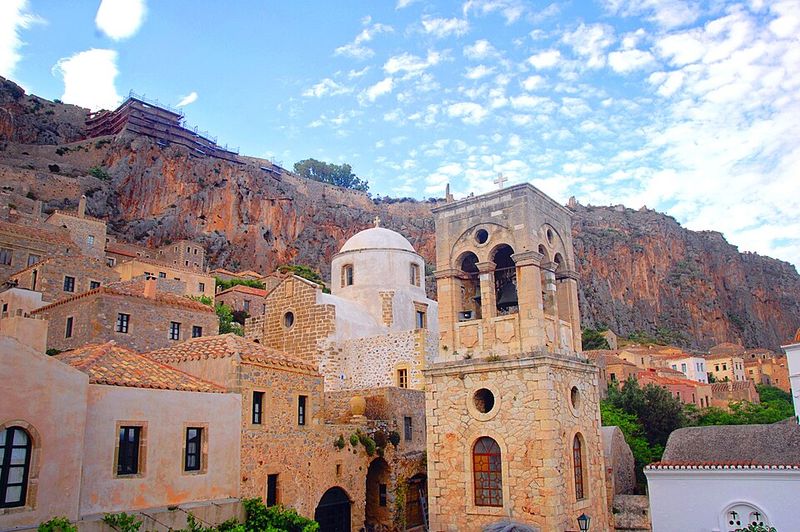
Connected to the mainland by a single narrow causeway, this medieval fortress town rises from a massive rock in the sea like something from a fantasy novel. Monemvasia’s name means “single entrance,” and that one gateway leads into a labyrinth of Byzantine churches, stone houses, and winding alleys where time seems to have stopped centuries ago.
The entire town hides behind fortress walls, invisible from the mainland until you pass through the entrance tunnel. Founded in the 6th century as a refuge from invading Slavs, Monemvasia became an important Byzantine stronghold and trading port.
Walking the cobblestone streets feels like exploring a living museum, with tavernas and boutique hotels occupying restored medieval buildings. The Church of Elkomenos Christos contains beautiful frescoes, while the Agia Sophia church perched on the upper town offers breathtaking views across the sea.
Climb to the upper fortress for panoramic views that stretch to the horizon, where the Mediterranean shimmers in shades of blue and turquoise. The lower town comes alive in the evenings when restaurants serve fresh seafood and local wine on terraces overlooking the water.
Monemvasia combines romantic atmosphere with genuine historical significance, offering one of Greece’s most unique overnight experiences. The town’s compact size means you can explore thoroughly in a day, but staying overnight lets you experience the magic after day-trippers leave.



