 Unearth The Voyage
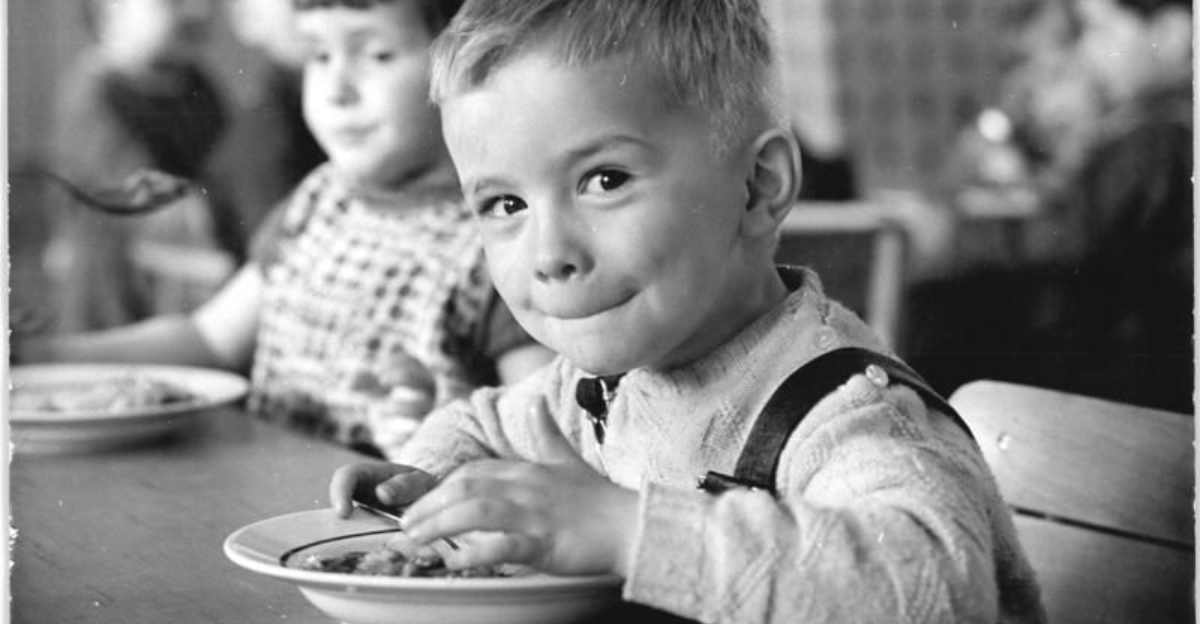
There are meals we eat, and then there are meals we remember. The kind that show up in family stories. The kind that lived on your plate long after the table was cleared. These dishes weren’t just about flavor – they were about moments: a grandparent teaching you how to stir just right, the smell of something baking on a lazy Sunday, or the clatter of serving spoons at a holiday table that felt like it could last forever.
These heirloom recipes didn’t need fancy ingredients or perfect plating. They carried love, repetition, and that unmistakable feeling of home.
Whether passed down in handwritten notes or recreated from memory, they’ve stuck with us – because they were always more than food. Let’s revisit 15 classic dishes that do more than satisfy hunger – they bring you back.
Apple Pie
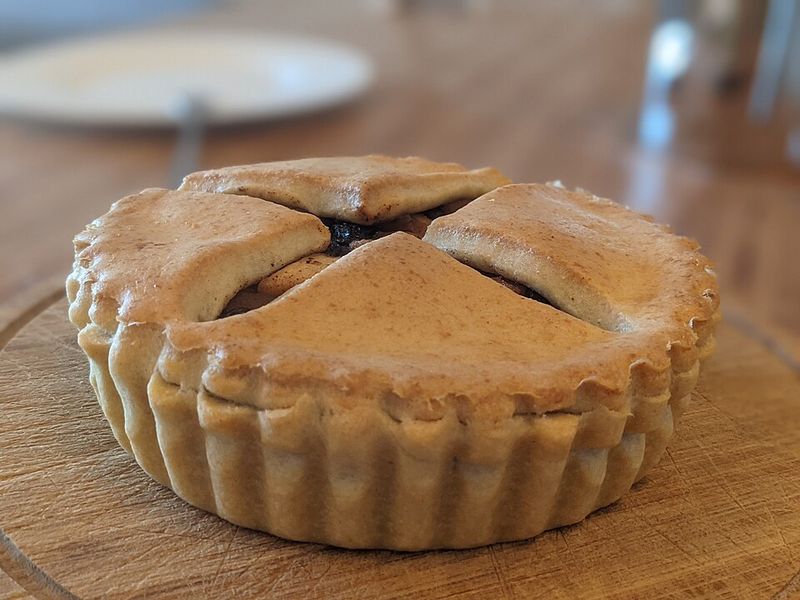
Apple pie holds a reputation as a classic for good reason. Its foundation is a crisp, tender crust filled with a mix of sweet and tart apples. The spices – typically cinnamon, sometimes a touch of nutmeg – bring depth to every bite. For many families, apple pie was the dish that marked holidays, special dinners, or visits from loved ones.
The recipe was often handed down, with careful notes on how much sugar or which apples worked best. Some families debate the merits of lattice versus full top crust. Others argue fiercely over whether a slice should be served with ice cream or whipped cream. What most people agree on is that serving apple pie feels like a declaration: you matter, and this meal matters, too. It’s a dessert that doesn’t rush – the sweetness and spice unfold gradually, the way memories do.
Chicken and Dumplings
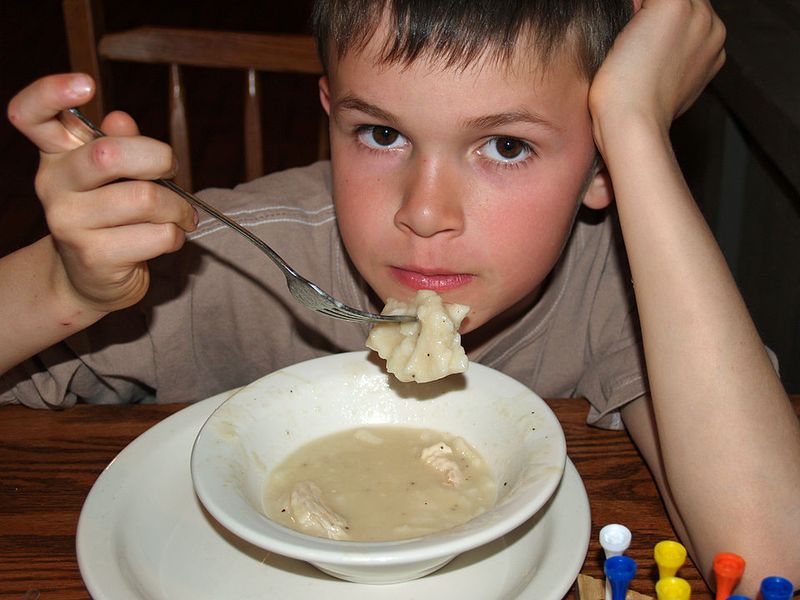
Chicken and dumplings is one of those dishes that lives in memory long after dinner is finished. It starts with rich, slow‑cooked broth made from simmering chicken with basic vegetables like carrots, celery, and onions. The dumplings are added directly to the simmering liquid, where they cook until tender. The result is comfort in a bowl – warm, filling, and reassuring.
For many families, this dish was served on weekends or when someone needed care. It taught patience at the stove because the dumplings only turn out right when you let them cook gently. People often remember who taught them to roll the dough or how much salt to add. When it’s set before you, it quiets restless appetites and draws the family to the table. Each bowl feels like a reminder that someone took the time to slow down, focus, and make something meant to be shared.
Banana Bread
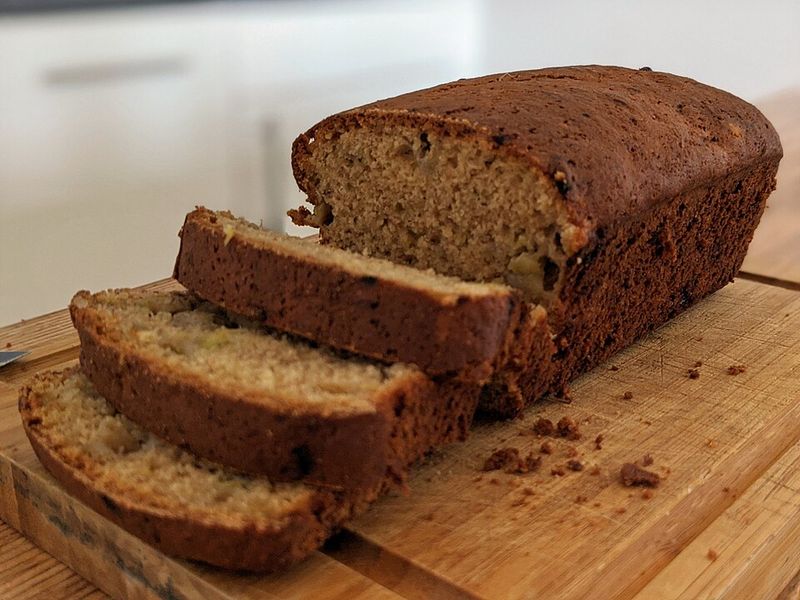
Banana bread became a household staple because it turned something ordinary – overly ripe bananas – into something special. The sweetness of the bananas combines with brown sugar and vanilla to create a batter that fills the kitchen with a toasty scent as it bakes. Many families added their own twist: nuts for crunch, chocolate chips for sweetness, or even spices like cinnamon for warmth.
What makes banana bread memorable isn’t just how it tastes, but when it appeared. It was the first baked good kids learned to help with, under the guidance of parents or grandparents. Mornings with cartoons on in the background and warm slices waiting on a plate are common recollections. Some people remember muffins instead of loaf bread. Others recall offering slices to neighbors or teachers. Regardless of shape, the comfort of banana bread stays in mind because it was simple, everyday kindness made edible.
Fried Chicken
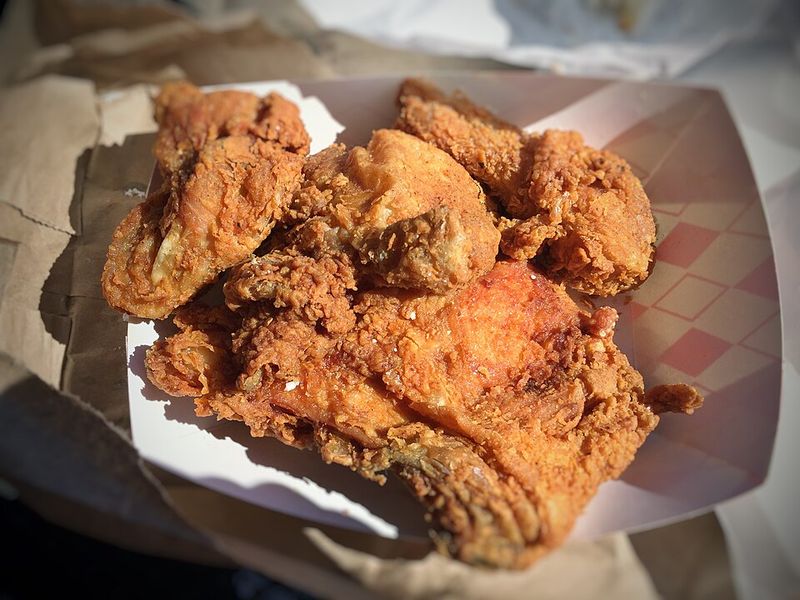
Fried chicken carries echoes of family Sundays, potlucks, and celebrations where everyone had to try at least one piece. The process begins with a soaked marinade – often buttermilk – that tenderizes and seasons the chicken before it’s coated in a seasoned flour mixture. When it hits hot oil, the outside crisps into a crust that contrasts with juicy, flavorful meat. Fried chicken teaches patience at the fryer and respect for careful timing. It’s not a dish rushed.
In many homes, someone held the role of “chicken fryer,” the one trusted to keep the oil at the right heat and judge exactly when the pieces were perfectly done. Passing plates around the table wasn’t quiet – there were always voices commenting on the crunch, the flavor, and who got the drumstick. Fried chicken became more than food; it became ritual – the dish that signaled full bellies, laughter, and dinner conversations that lingered long after the last piece was eaten.
Buttermilk Biscuits
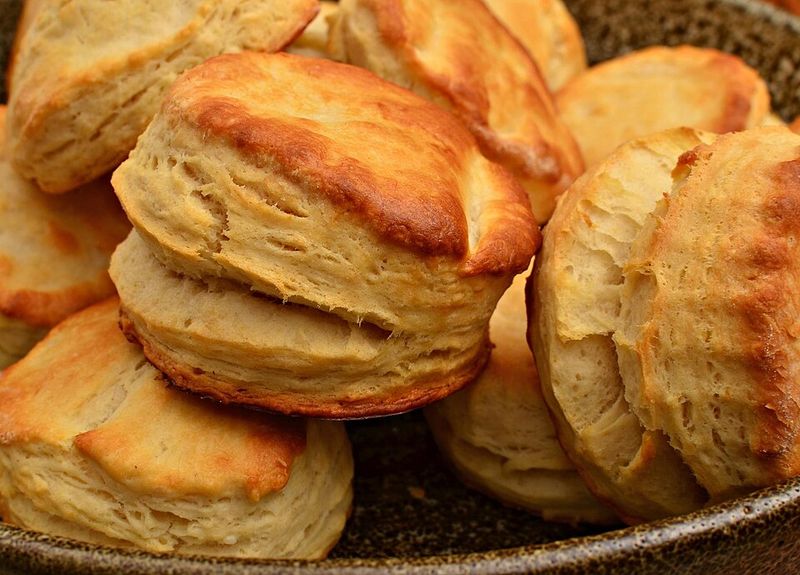
Buttermilk biscuits carry a legacy of simplicity elevated to something memorable. The ingredients are straightforward – flour, cold butter, and tangy buttermilk – but the technique matters. Gentle handling creates layers that separate as the biscuits bake, giving them a tender, flaky texture.
Many families have longstanding habits about how biscuits should be eaten: split warm with butter melting into the layers, slathered with jam, or served alongside gravy during weekend breakfasts. In some households, the act of making biscuits is as important as eating them. A parent or grandparent might have demonstrated the proper way to fold the dough or assess when biscuits have been worked just enough.
These small lessons tend to stick – they become part of how gatherings feel familiar and welcoming. People remember the smell on mornings when family members were reluctant to get out of bed, or the sound of a biscuit being torn open before school. Buttermilk biscuits symbolized care, routine, and a table where people were encouraged to linger and share stories.
Baked Ziti or Lasagna
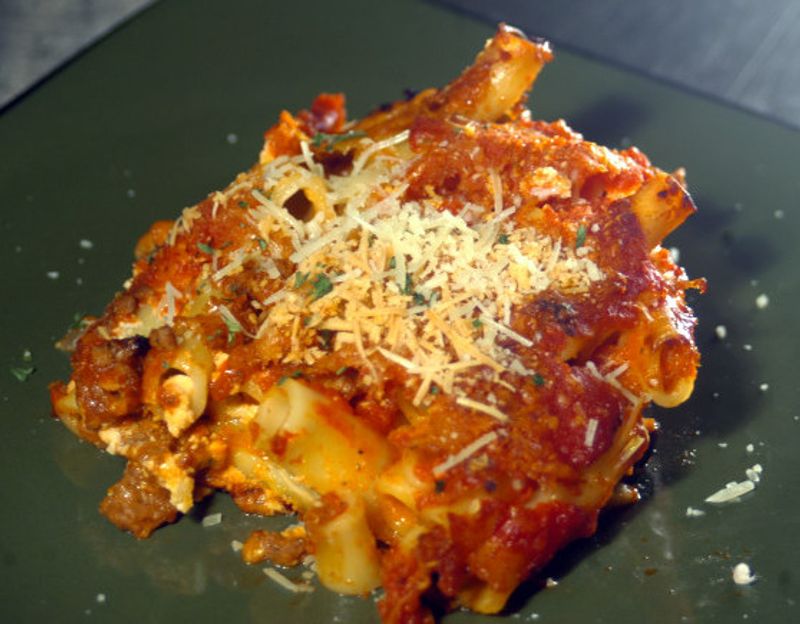
Baked ziti and lasagna are dishes many people associate with celebrations, big families, and full tables. The preparation takes time – boiling pasta, layering it with sauce, cheese, and sometimes meat – but the effort feels worthwhile once it’s released from the oven. Whether it’s the stretchy cheese, rich tomato sauce, or the way everybody seems to want the edge pieces first, this kind of baked pasta became shorthand for occasions when everyone came together.
Different households have strong opinions about sauce seasonings, proper amounts of ricotta, or inclusion of ground meat. Some serve these dishes at birthdays, others at block parties or holiday meals.
What people remember most is how the dish punctuated occasions with laughter, second helpings, and ongoing conversations. When someone says “this tastes like home,” it’s often because dishes like baked ziti or lasagna were staples of the gatherings that defined childhood and young adulthood – meals that seemed too big for just one person, and meant to be shared freely.
Rice Pudding
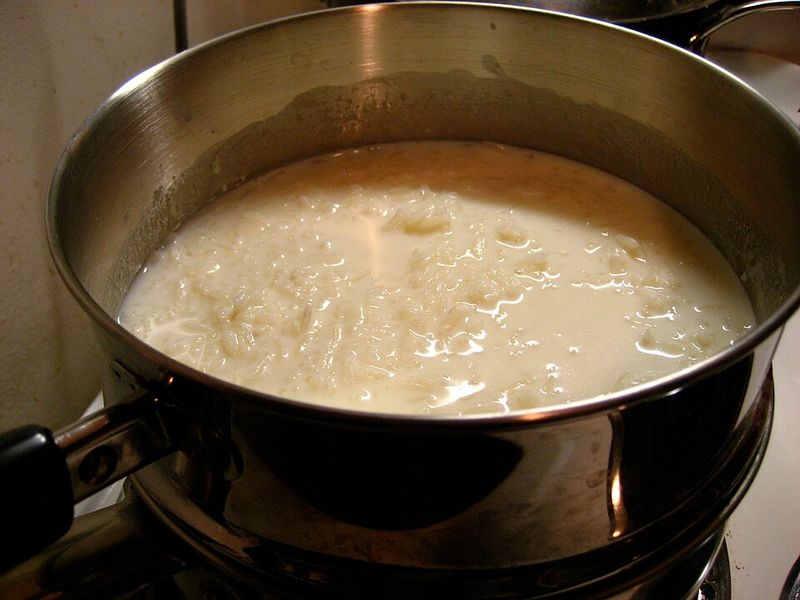
Rice pudding might seem humble, but it carries memories of gentler meals and simple comfort. Made from cooked rice, milk, and a touch of sugar, it becomes thick and soothing as it simmers. Some people remember it with cinnamon sprinkled on top, others with raisins mixed in based on family preference.
What makes rice pudding memorable for so many is how often it appeared during quiet evenings or after school. It wasn’t flashy, but its texture and warmth made it feel like care made edible. Many adults recall being reminded with a gentle nudge to slow down while eating it, as a parent encouraged them to savor each spoonful.
Some families skewer between serving it warm or chilled, sparking debate at the table on the “best” way to eat it. In either case, rice pudding became part of routines where comfort was the main ingredient – the kind of dish that sticks in memory because it was there often and without pretense.
Pot Roast
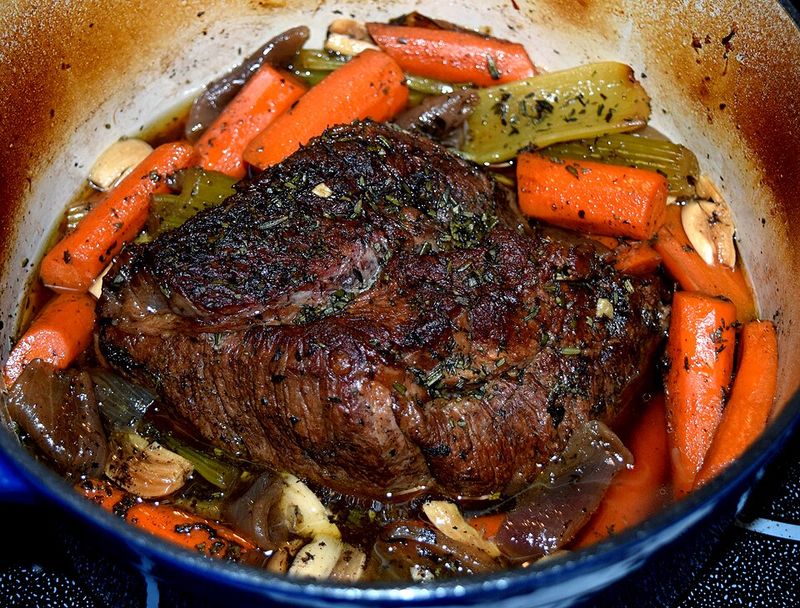
Pot roast became a cornerstone of long, deliberate meals where the kitchen smelled of slow cooking for hours on end. Raw beef, often browned first, went into a large pot with carrots, potatoes, onions, and seasonings. Then it cooked slowly until both meat and vegetables were tender enough to break apart with a fork. Families often served pot roast at gatherings that encouraged lingering – holidays, Sundays, or visits from relatives who didn’t live nearby.
There’s a memory many share of someone at the table slicing the roast so its juices spread across the plate, with others eager to mop those juices up with bread or mashed potatoes. Pot roast taught the value of time in cooking – dishes that can’t be rushed – and the payoff when people gather around a table meant for sharing and conversation. It is the dish people recall when describing comfort, warmth, and the kind of meal where seconds are expected and welcomed.
Jell-O Mold Desserts

Jell‑O mold desserts became iconic in many households because they were fun, unusual, and somehow always present at gatherings where everyone was invited. Made from flavored gelatin mixed with other add‑ins like fruit or marshmallows, these desserts took time to set before they could be served. Some families included ingredients others found odd, like cottage cheese or chunks of fruit, which sparked playful debate about what “belongs” in the mold.
The process of unmolding often required patience and a bit of technique – the kind that only household veterans mastered. Eating this dessert was a shared experience because of the anticipation involved; everyone wanted to see how the mold turned out and where their slice came from. At potlucks, church functions, or family reunions, Jell‑O molds became markers of community gatherings.
They remind people of laughter over quirky combinations and the sense that food can be both practical and whimsical. Long after childhood, many adults recall these desserts with nostalgia because they represent a time when gatherings felt open, extended, and full of familiar faces.
Goulash
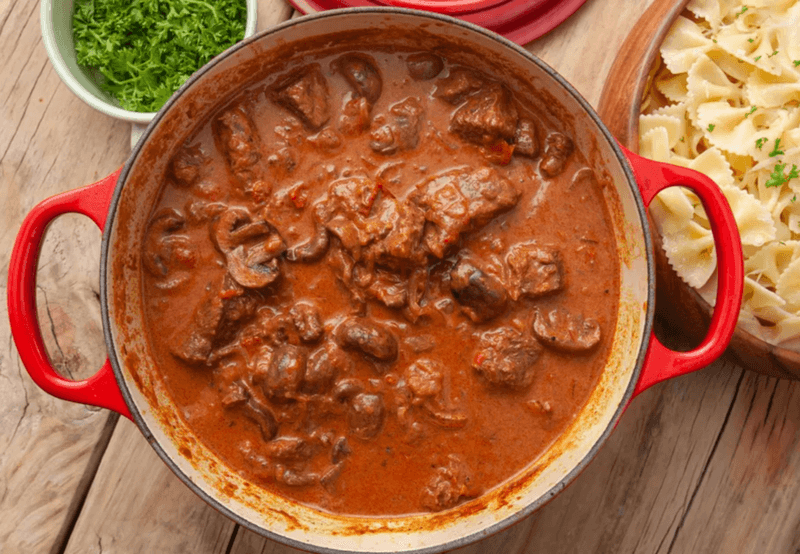
Goulash stands out as a reliable family dinner – straightforward to make yet consistently satisfying. Ground beef or sometimes another protein cooks with onions and tomatoes in one pot, and elbow macaroni or another pasta shape is added so it soaks up the sauce. A bit of paprika or other seasonings gives it warmth without complexity.
What makes goulash memorable isn’t just the flavors, but the context in which it often appeared: weeknights when parents were busy, schedules were tight, and dinner needed to be both quick and filling. Leftovers were almost always better the next day, which cemented goulash as a dependable favorite.
Some families added grated cheese on top, others served pickles alongside it, and those small variations became points of pride. Goulash became synonymous with comfort that didn’t require fuss – meals eaten at the kitchen table with conversations about school, work, and plans for tomorrow. It’s remembered not as a grand dish but as a reliable one that fed bodies and anchored routines.
Green Bean Casserole
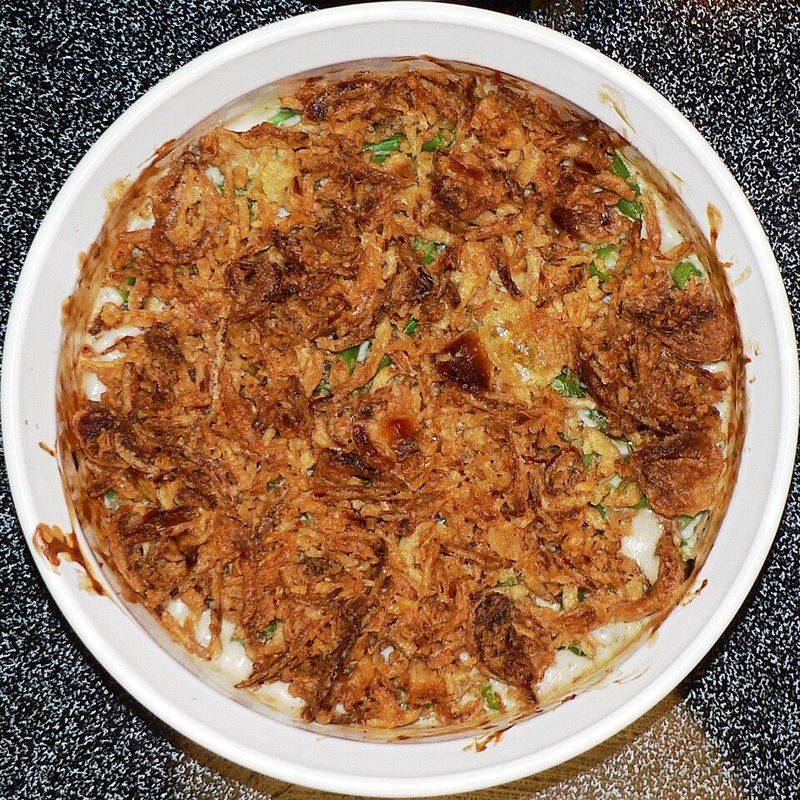
Green bean casserole became a hallmark of holiday meals and family dinners where everyone gathered around the table. It combines tender green beans with a creamy mushroom sauce, topped with crispy fried onions that add a satisfying texture.
Simple in ingredients but rich in comfort, this casserole became something people expected during certain times of year. In many households, it was the dish guests eyed first because it was familiar and reliable. People remember scooping generous portions and racing for the crunchy topping on each serving.
Its presence at celebrations often made it less about novelty and more about continuity – the comfort of a dish that always shows up. Some family members claimed the edges were the best, others fought over drumsticks first. What stayed constant was how every spoonful reminded people of nights filled with shared stories, second helpings, and the reassurance that certain dishes signify coming together.
Cornbread
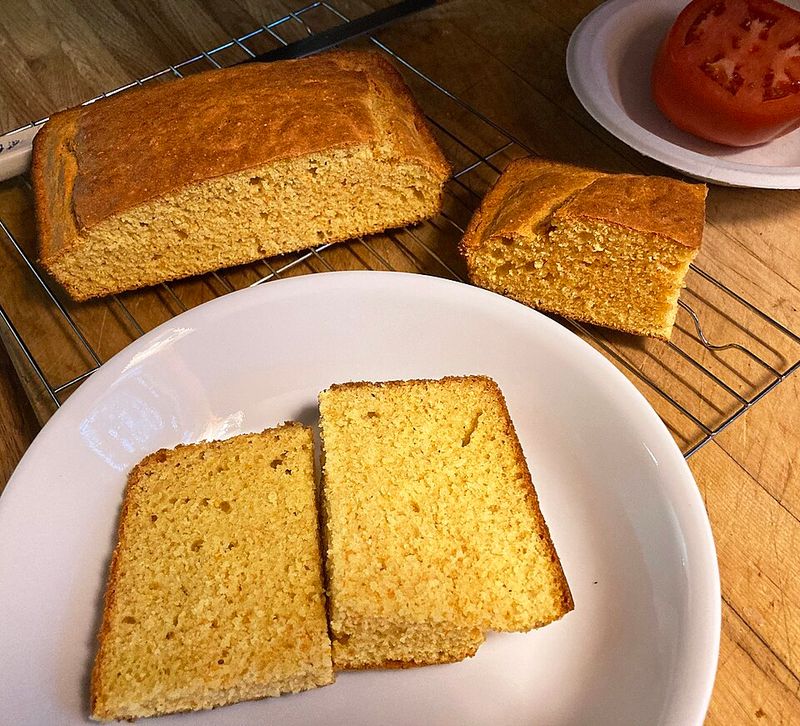
Cornbread earned its place at tables alongside chili, stews, and hearty dinners because it’s both versatile and satisfying. Made from simple ingredients, it baked up with a slightly sweet crumb or, in some families, a more savory profile. Because it was often baked in a hot skillet, the edges developed a distinct texture that people learned to appreciate.
For many, cornbread became synonymous with comfort meals – something served without ceremony but welcomed eagerly. It was common at potlucks, backyard dinners, and meals where conversation lasted longer than the food itself.
Some families passed down specific cornbread recipes; others argued endlessly about whether it should be sweet or savory. And no matter the preference, people recall how cornbread paired with butter, honey, or a good stew made a simple dinner feel complete. Crumbs on plates and fingers sticking with sticky honey are parts of the memory that linger because this was food shared without rush or pretense.
Macaroni and Cheese (Baked)
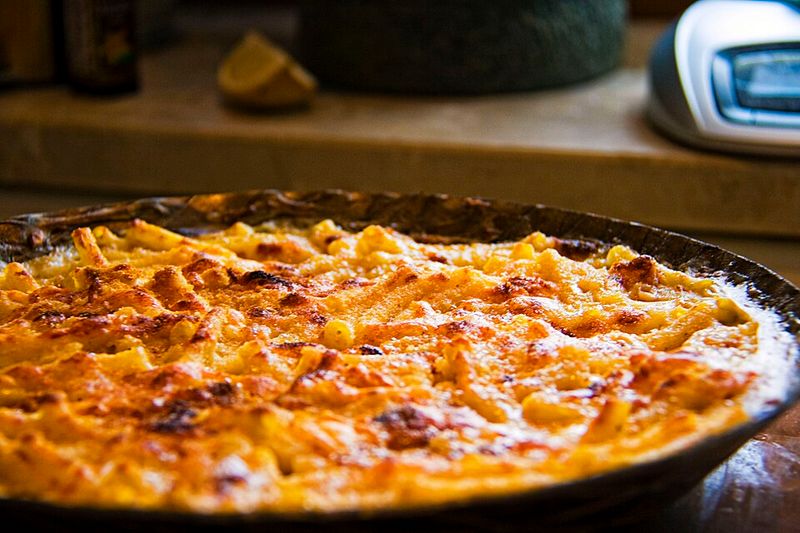
Baked macaroni and cheese turned an everyday favorite into something worth savoring. The basic components – pasta and cheese sauce – were familiar from boxed dinners, but when made from scratch and baked, it became richer and more memorable. The sauce clung to each noodle, and the breadcrumb topping developed a satisfying crunch that balanced the creamy interior.
Families often reserved this version for weekends, gatherings, or times when they wanted something a bit more special than the quick boxed variety. Some people recall arguments about who gets the first corner piece with the extra crust, while others remember sneaking bites before dinner was officially served. It became a dish that pleased crowds because everyone had their own favorite part.
Leftover macaroni and cheese wasn’t just reheated; it was a treat – sometimes eaten cold, sometimes warmed again with anticipation. This dish became part of traditions simply because it brought people together around a table in a way that felt comforting and inclusive.
Sweet Potato Pie
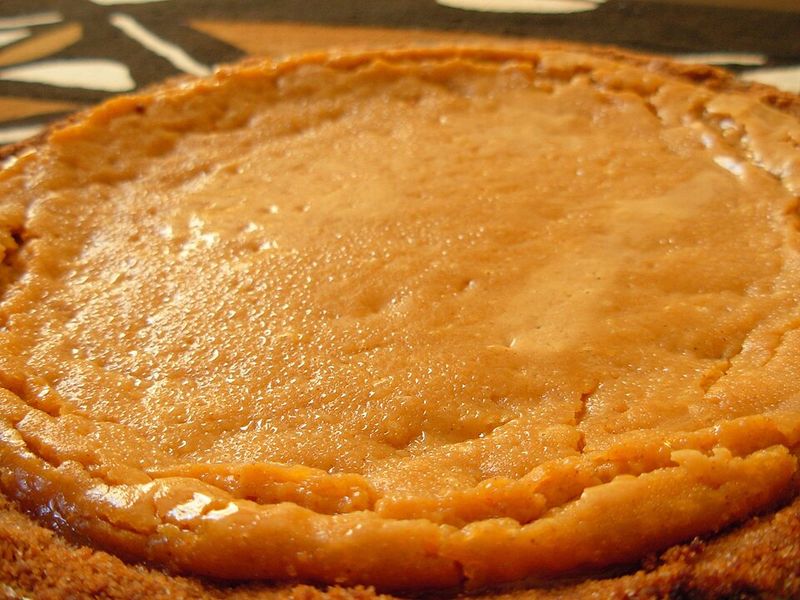
Sweet potato pie became a fixture at family dinners and holiday meals because of its deep, sweet flavor and hearty texture. Made from cooked, whipped sweet potatoes blended with spices like cinnamon and nutmeg, the filling rested in a flaky crust that balanced earthiness with sweetness. For many people, this pie wasn’t just dessert – it was a taste that represented heritage, celebration, and care.
Families often discussed the right balance of spices or debated whether whipped cream was necessary. Some claimed it stood alone best; others insisted it needed a topping. Regardless, sweet potato pie became a recurring choice for gatherings where people wanted dessert to feel meaningful.
People remember forks cutting through the tender filling, conversations continuing long after plates were cleared, and that calm sense of satisfaction that follows a meal well shared. This dish holds memories of warmth and belonging because it appeared during moments when connection was as important as the food itself.
Tuna Noodle Casserole
Tuna noodle casserole became a practical comfort meal in many households because it used simple pantry staples – noodles, canned tuna, peas, and a creamy sauce – to make a dish that fed the family without fuss. Families often chose different toppings: some preferred crushed crackers for a salty contrast, others insisted on potato chips for texture. These small choices became part of the story of who made the casserole and how they liked it.
Tuna noodle casserole wasn’t fancy, but it became dependable – a midweek meal that parents relied on when time was short and everyone needed something filling. Baking it until the edges bubbled and the topping turned golden created a meal that was satisfying and hearty.
People remember plates dishing out generous portions, leftovers that vanished quickly the next day, and the sense that this casserole could be trusted to calm hungry appetites. Its simplicity made it memorable because it was familiar, consistent, and part of routines where food met need without ceremony.



