 Unearth The Voyage
Barcelona is famous for the Sagrada Familia, Park Güell, and Las Ramblas — but the city has so much more waiting to be discovered. Tucked between its winding streets and hillside neighborhoods are places that most tourists never find.
These hidden spots tell a richer, more personal story about what Barcelona truly is. Pack your curiosity and comfortable shoes, because this city rewards those who wander off the beaten path.
Bunkers del Carmel
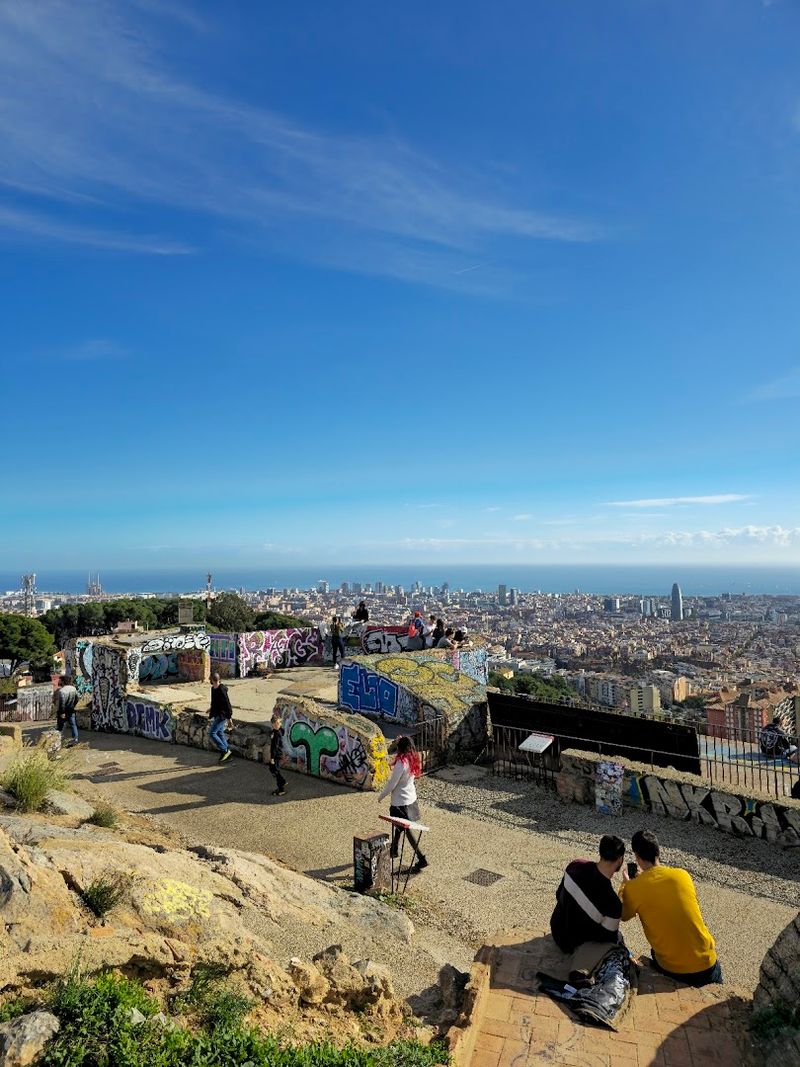
Sunset here hits differently. Perched on the highest hill of the Carmel neighborhood, Bunkers del Carmel gives you a full 360-degree view of Barcelona that no rooftop bar or fancy hotel can match.
The ruins beneath your feet were once anti-aircraft gun stations built during the Spanish Civil War in the late 1930s — history and beauty wrapped into one unforgettable spot.
Locals love coming here with friends, blankets, and snacks to watch the sun melt into the sea. You will not find souvenir stands or ticket booths.
Just open sky, fresh air, and the whole city laid out below you like a living map.
Getting here takes some effort — there is a moderate uphill walk involved — but every step is worth it. Go about an hour before sunset and bring water.
On clear days, you can even spot the Montserrat mountains far in the distance. This is Barcelona stripped of all its tourist polish, and honestly, it is more beautiful for it.
Recinte Modernista de Sant Pau
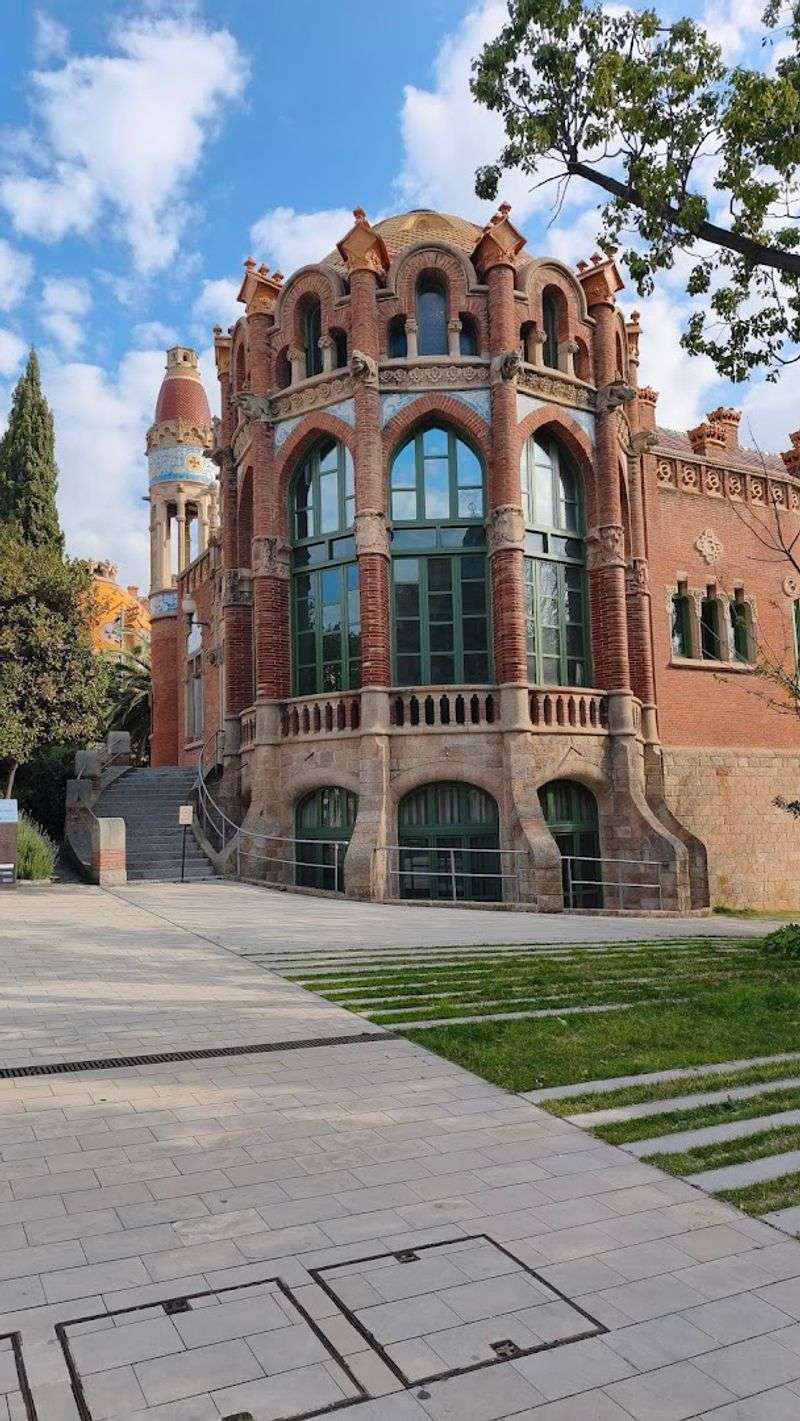
What if a hospital looked more like a palace? That was exactly the vision of architect Lluís Domènech i Montaner when he designed this extraordinary complex between 1902 and 1930.
Recinte Modernista de Sant Pau was a fully functioning hospital for decades, yet its colorful mosaics, sculpted facades, and garden-connected pavilions made it feel closer to a dream than a medical facility.
UNESCO recognized it as a World Heritage Site, placing it in the same category as Gaudí’s most celebrated works. Yet somehow, far fewer tourists make the trip here.
That means you can actually stop, breathe, and admire the intricate details without bumping into crowds every five seconds.
The complex sits just a short walk from the Sagrada Familia, making it an easy addition to your itinerary. Guided tours are available and well worth taking — the stories behind each pavilion are fascinating.
Architecture fans will want to bring a proper camera. Even if buildings are not usually your thing, the sheer beauty of this place has a way of changing minds quickly.
Palau de la Música Catalana
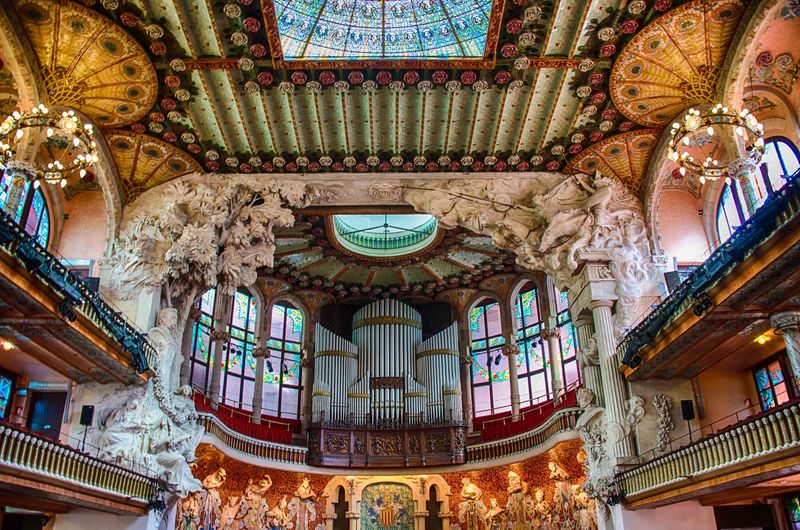
Stepping inside the Palau de la Música Catalana feels like walking into a living jewel box. Designed by Lluís Domènech i Montaner and completed in 1908, this concert hall is draped in stained glass, sculpted stone, and ceramic mosaics that seem to glow from every surface.
Natural light pours through the central skylight during daytime concerts, creating an atmosphere that is almost impossible to describe in words.
Many visitors stroll past it on their way to other landmarks without realizing what they are missing. Booking a guided daytime tour is a great option, but attending an actual live performance takes the experience to a completely different level.
The acoustics are legendary, and the music feels amplified by the beauty surrounding you.
Tickets for performances are surprisingly affordable, especially compared to major concert halls in other European cities. The venue hosts everything from classical music to flamenco evenings.
Check the schedule before your trip and try to book in advance — popular shows sell out fast. Once you have heard music performed here, ordinary concert halls will feel a little ordinary by comparison.
Parc del Laberint d’Horta
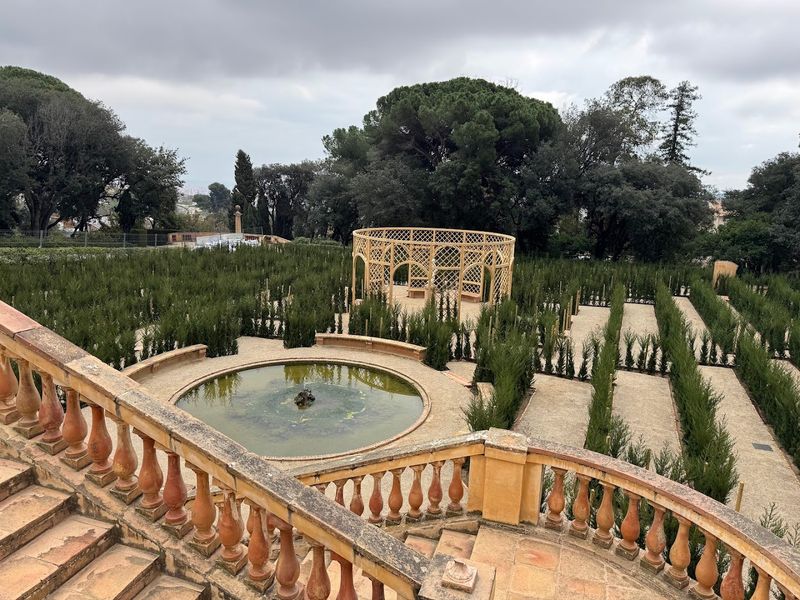
Somewhere in the Horta-Guinardó neighborhood, Barcelona is hiding a fairytale. Parc del Laberint d’Horta is the oldest surviving park in the city, dating back to 1791, and its centerpiece is a beautifully maintained hedge maze made from towering cypress trees.
Children absolutely love it, but adults get just as lost — sometimes literally.
Unlike the ever-popular Parc Güell, this park draws a fraction of the visitors despite being genuinely spectacular. On weekday mornings especially, you might feel like you have the whole place to yourself.
The grounds also include romantic neoclassical pavilions, water channels, and shaded walkways that beg to be explored slowly.
Entry is very affordable, making it one of the best-value experiences in the city. Dogs are not allowed on weekends, which actually keeps the atmosphere calm and pleasant.
Bring a picnic, wear comfortable shoes, and allow at least two hours to wander properly. The maze itself is not enormous, but the surrounding gardens deserve just as much attention.
For families traveling with kids, this park is genuinely one of Barcelona’s most underrated and rewarding stops.
Casa Vicens
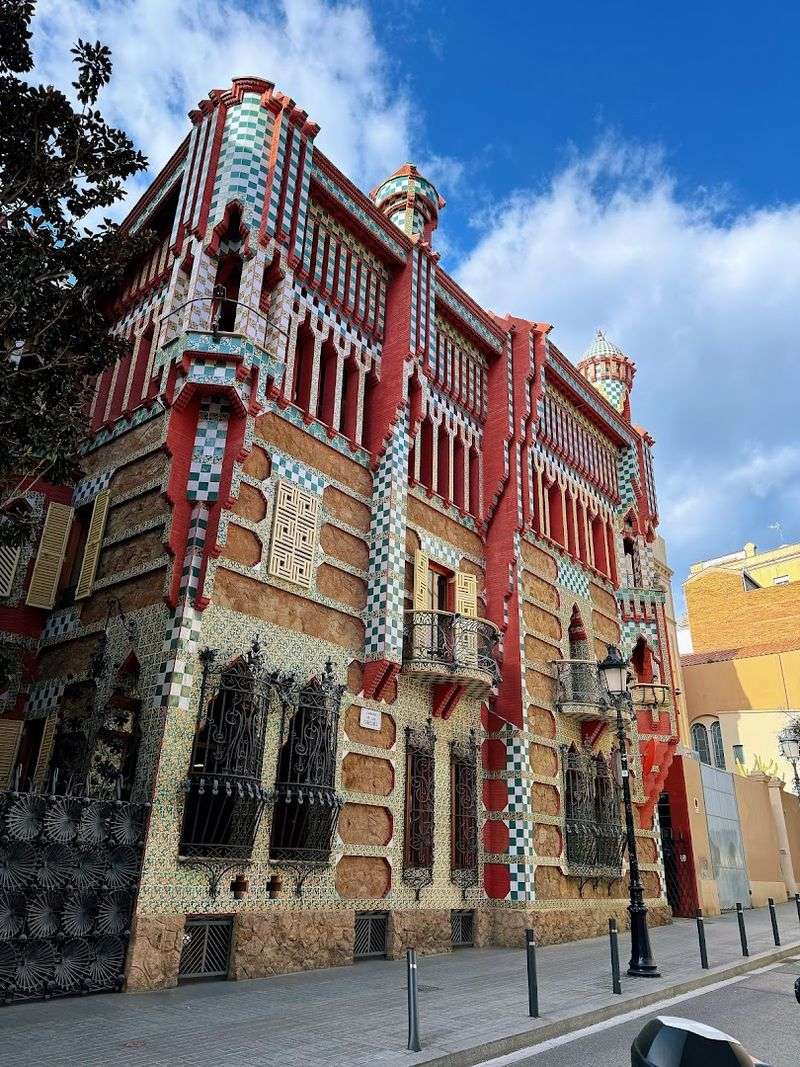
Every great artist has a beginning, and for Antoni Gaudí, it was Casa Vicens. Built between 1883 and 1885 as a summer home for a tile merchant, this house was Gaudí’s first major architectural commission — and he absolutely swung for the fences.
The exterior is covered in bold geometric tiles inspired by Moorish and Oriental design, which was completely unlike anything else being built in Barcelona at the time.
While Casa Batlló and Casa Milà attract massive lines and premium ticket prices, Casa Vicens sits quietly in the Gràcia neighborhood with far more manageable crowds. You can actually take your time here, which makes a huge difference when you are trying to absorb the details Gaudí packed into every surface.
The interior opened to the public in 2017 after years of private ownership, so it still feels like a relatively fresh discovery even for regular Barcelona visitors. Exhibits inside explain how this early project planted the seeds for everything Gaudí would later create.
If you are already planning to visit his famous works, adding Casa Vicens to the list gives the whole story a satisfying beginning.
Carrer de Petritxol
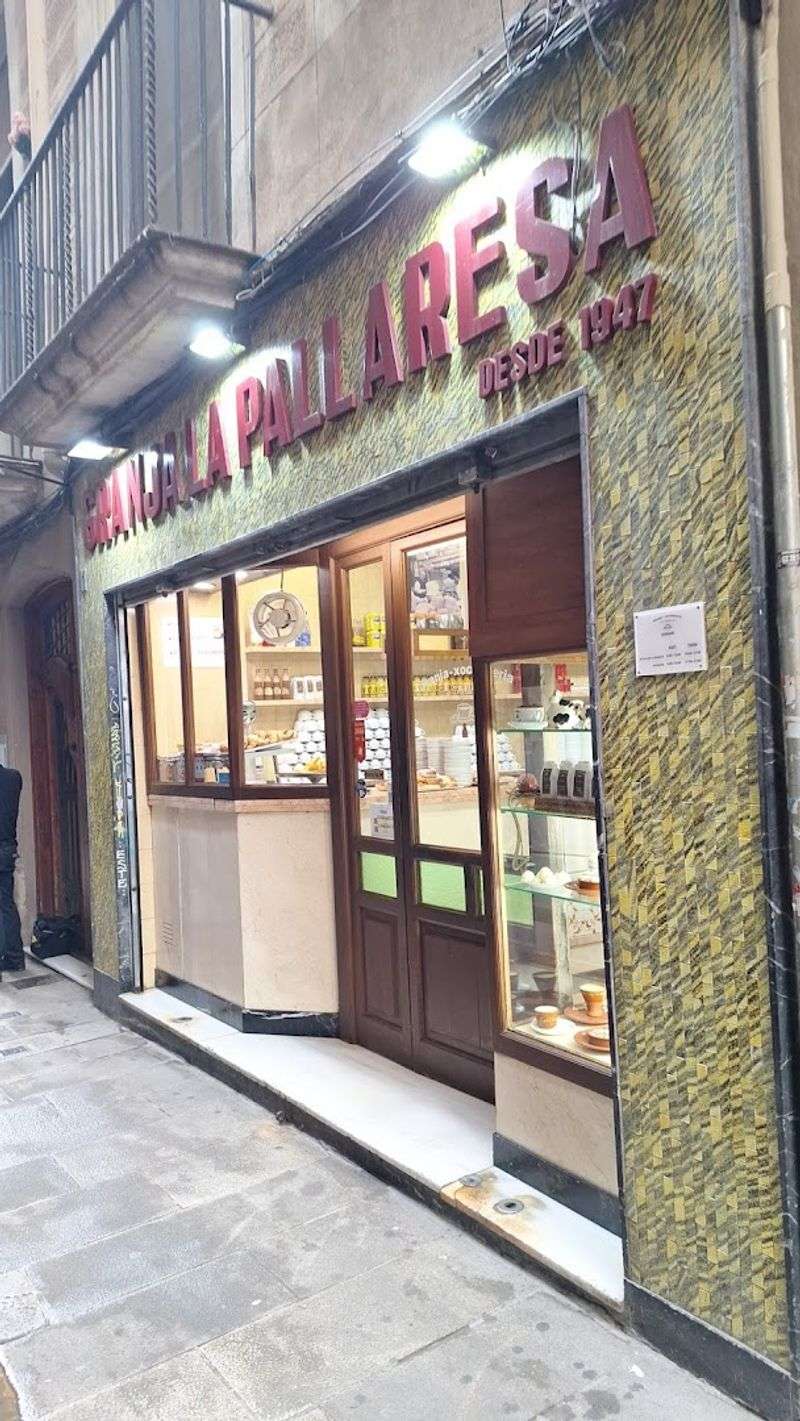
Few streets in Barcelona smell as good as this one. Carrer de Petritxol is a narrow, cobblestone lane tucked inside the Gothic Quarter, and it has been the city’s unofficial chocolate headquarters for centuries.
The famous Granja La Pallaresa has been serving thick hot chocolate with churros here since 1947, and the queue outside most mornings tells you everything you need to know about how good it is.
Beyond the chocolate shops, the street has a wonderful lived-in charm. Art galleries, small bookstores, and cozy cafés line the walls, and locals mix naturally with the handful of tourists who find their way here.
The pace slows down noticeably once you turn onto this street, which feels like a small miracle in a city that moves fast.
Petritxol is only about 100 meters long, so it is easy to walk the whole thing in minutes. But rushing through would be a mistake.
Order something warm, find a spot to sit, and watch the neighborhood go about its day. This street does not need a famous landmark to justify a visit — the atmosphere alone is worth the detour.
Plaça de Sant Felip Neri
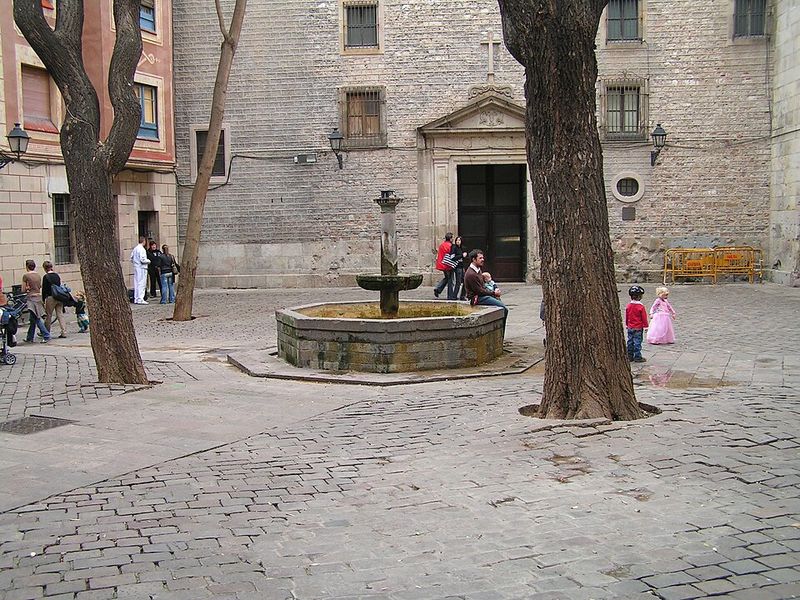
You can still see the bullet holes in the walls. Plaça de Sant Felip Neri is one of the most quietly emotional places in all of Barcelona, tucked so deep into the Gothic Quarter that many visitors never stumble upon it.
During the Spanish Civil War, a bomb killed over 40 people here — mostly children who had taken shelter nearby. The scars on the stone walls have been left untouched as a silent memorial.
Despite its heavy history, the square carries a surprisingly peaceful energy today. A small fountain sits at the center, cats sometimes doze in the afternoon sun, and the sound of the city feels muffled and distant.
A few small cafés and a shoemaker’s shop line the edges, giving the place an unhurried, neighborhood feel.
The square appears briefly in the film Perfume and has been used in several other productions, drawn by its timeless, almost medieval atmosphere. Visit in the late morning when the light filters gently through the surrounding buildings.
Bring nothing but your eyes and a willingness to sit quietly for a few minutes. Some places speak louder in silence than any tour guide ever could.
Santa Caterina Market
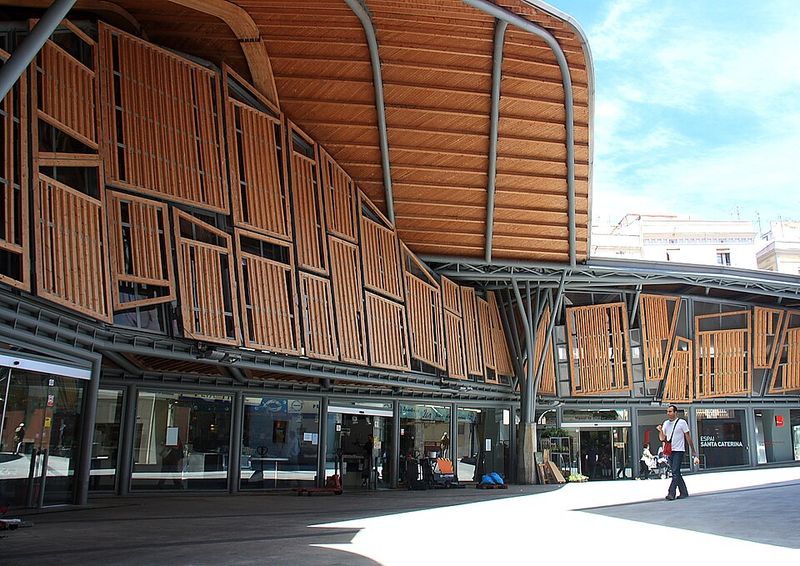
La Boqueria gets all the Instagram attention, but Santa Caterina is where Barcelona actually shops. Built on the site of a demolished Gothic convent, this neighborhood market was redesigned in 2005 by architect Enric Miralles, who gave it one of the most jaw-dropping roofs in the city.
The wavy mosaic ceiling made of over 325,000 hand-glazed ceramic tiles in vivid oranges, yellows, and greens is genuinely stunning from any angle.
Inside, the stalls are run by local vendors who sell fresh produce, fish, meat, and specialty foods to the people who actually live in the surrounding Barri de Sant Pere neighborhood. Prices are fair, the quality is high, and no one is trying to upsell you a refrigerator magnet.
It feels like the real Barcelona in a way that more tourist-heavy markets simply do not.
Go on a weekday morning for the full experience. Grab a coffee from one of the small bars inside, wander the stalls slowly, and pick up ingredients for a picnic.
The market closes in the early afternoon, so arriving late means missing the best energy of the day. This is one of those places that locals are quietly glad tourists have not fully discovered yet.
Temple of Augustus
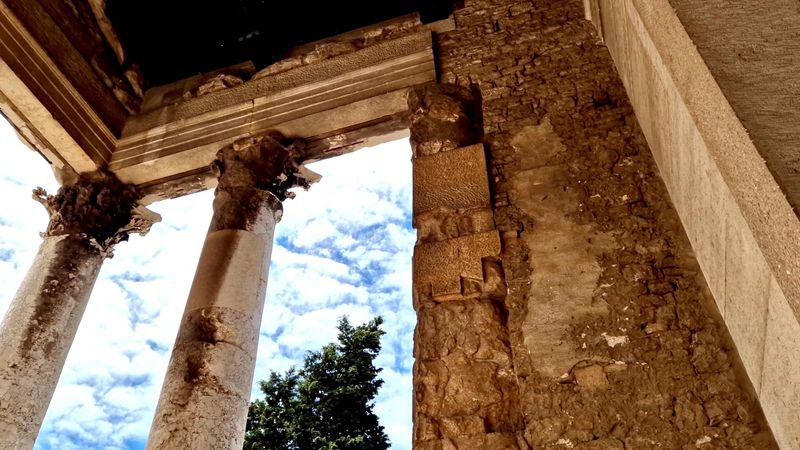
Hidden inside a medieval courtyard in the heart of the Gothic Quarter, four enormous Roman columns stand as if time simply forgot to move them. The Temple of Augustus was built in the first century BC to honor the Roman Emperor Augustus, making these columns over 2,000 years old.
They are tucked inside the Centre Excursionista de Catalunya building — which means most people walk past the entrance without ever knowing what is behind it.
Entry is free, which makes the experience feel even more surreal. You follow a narrow hallway, step through a doorway, and suddenly you are face to face with ancient history that predates Barcelona’s famous Gothic architecture by over a thousand years.
The columns stand nearly 9 meters tall and are remarkably well-preserved.
The space is small and visits are usually short, but the impact is lasting. Combine it with a walk through the surrounding Roman ruins that are scattered around the Gothic Quarter for a fuller picture of just how ancient this city really is.
There are no crowds, no ticket lines, and no noise. Just stone, silence, and the strange feeling of standing inside two thousand years of history at once.
Jardins de Mossèn Costa i Llobera
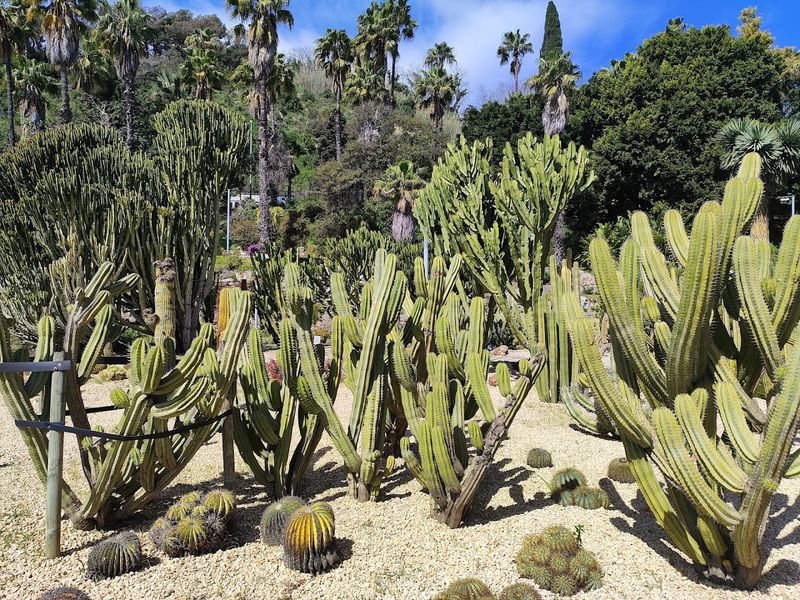
Cacti are not usually described as breathtaking — but give these gardens a chance to change your mind. Perched on the southern slope of Montjuïc hill, the Jardins de Mossèn Costa i Llobera are home to one of the most impressive collections of cacti and succulent plants in all of Europe.
Some of the specimens here are enormous, reaching heights that make them look more like sculptures than plants.
The sea views from the terraced paths are spectacular, with the Mediterranean stretching out below and cargo ships drifting slowly across the horizon. Because this garden sits away from the main Montjuïc attractions, it receives a fraction of the foot traffic that the castle or the Olympic Stadium draws.
Mornings here are especially quiet and pleasant.
The gardens are free to enter and open most of the year, making them an easy and rewarding stop if you are already exploring the Montjuïc area. Wear shoes with grip since the paths can be steep in sections.
Photography enthusiasts will have a field day — the combination of dramatic plant shapes, warm light, and sea backdrop creates compositions that look almost too good to be real. Barcelona surprises you in the best ways when you wander beyond the obvious.
Torre Bellesguard
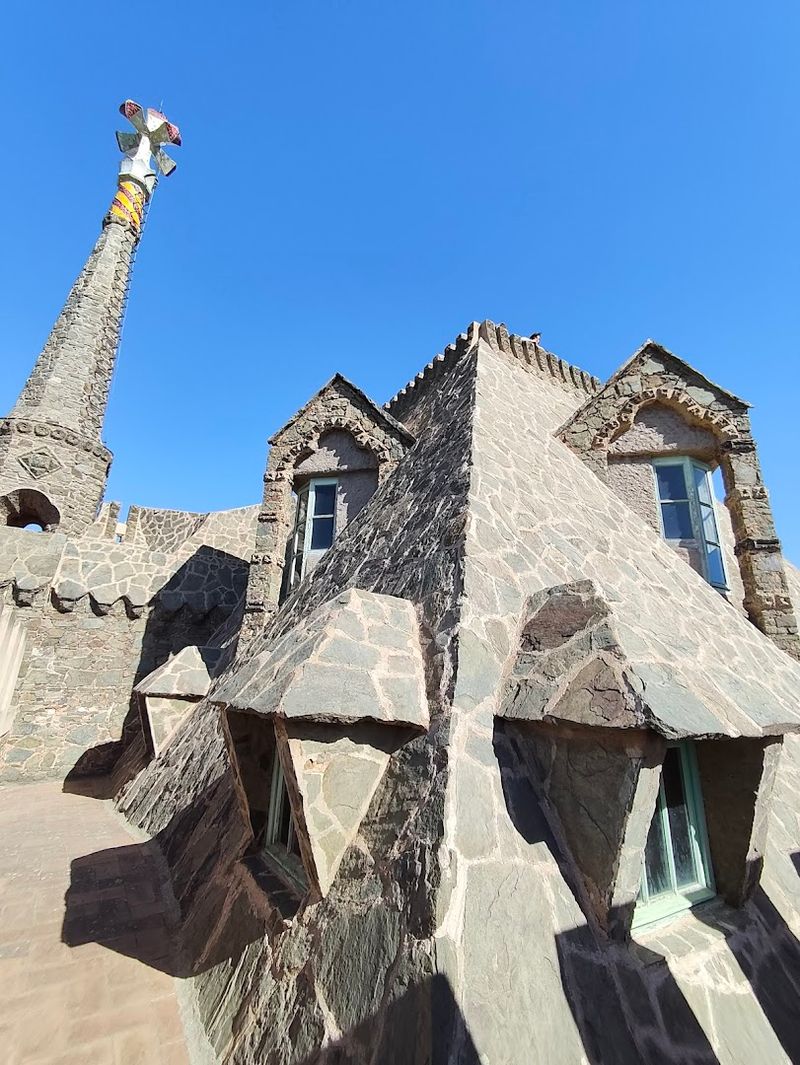
Most people know Gaudí for curves — so Torre Bellesguard comes as a genuine surprise. This lesser-known masterpiece, built between 1900 and 1909, looks almost medieval at first glance.
Gaudí designed it with straight lines, stone walls, and pointed arches that pay tribute to a 15th-century royal palace that once stood on the same site. The result is a building that feels like it belongs to two completely different eras at once.
Because it sits in the quiet residential neighborhood of Sant Gervasi, far from the tourist circuit, most visitors to Barcelona never make it here. That is a genuine shame, because the interior is filled with the kind of obsessive structural detail that makes Gaudí’s work so endlessly fascinating.
The undercroft alone — a low vaulted space of brick arches — is worth the trip.
Guided tours are available and run regularly throughout the day. The house is still privately owned by the Guilera family, which gives the whole experience a more intimate, personal quality than larger Gaudí sites.
Combine a visit here with a walk through the surrounding residential streets, which offer a completely different and quieter side of Barcelona that most tourists never get to see.
Montjuïc Cemetery
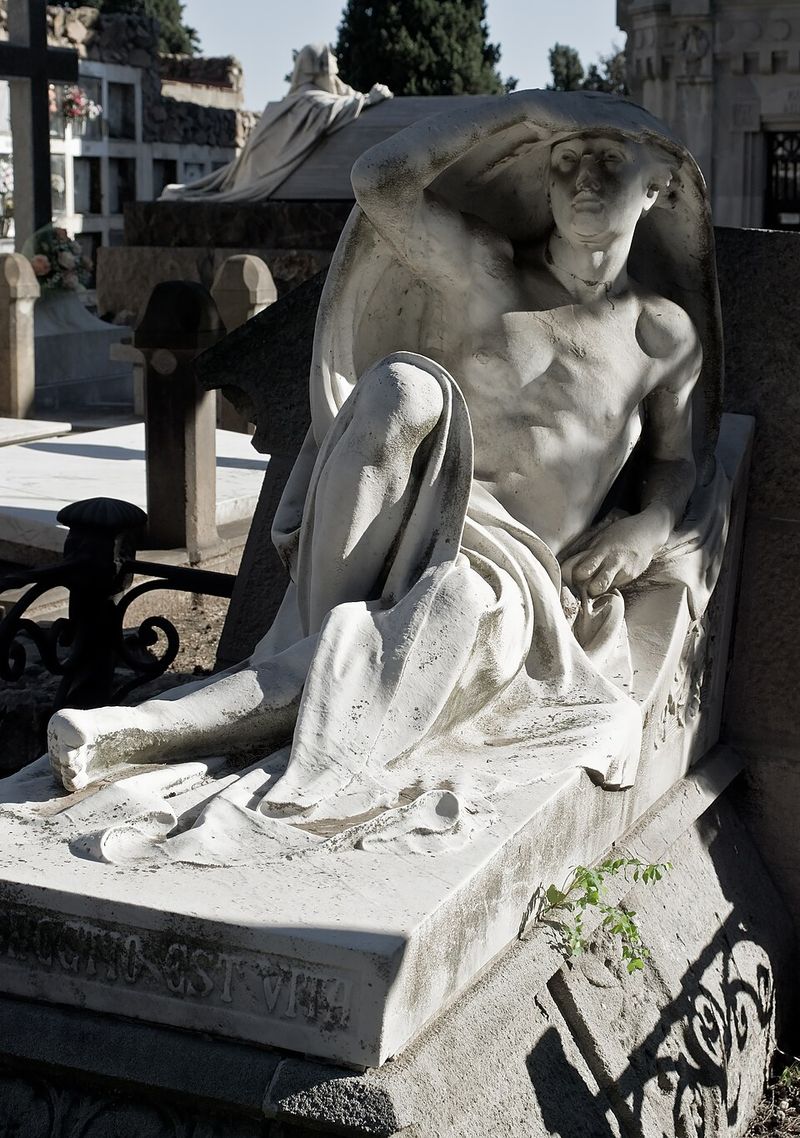
Cemeteries rarely make travel bucket lists, but Montjuïc Cemetery is not your average resting place. Opened in 1883 and carved into the hillside below Montjuïc castle, it is essentially an open-air museum of funerary art.
Elaborate marble mausoleums, life-size bronze sculptures, and intricate carved reliefs line the wide avenues, created by some of the most talented artists and architects of their era.
The views from the upper sections of the cemetery are genuinely stunning — the city spreads out below, and on clear days the sea glimmers in the distance. It sounds strange to call a cemetery scenic, but this one absolutely is.
Many of Barcelona’s most important historical figures are buried here, and walking through feels like flipping through chapters of the city’s history.
Entry is free, and the grounds are open to visitors during regular hours. Respectful tourism is welcomed and even encouraged — the cemetery association has published self-guided walking routes to help visitors find the most significant monuments.
Go in the late afternoon when the light is warm and long shadows fall across the stonework. It is one of those rare places that manages to feel both solemn and genuinely beautiful at the same time.
Ciutadella Park Greenhouses
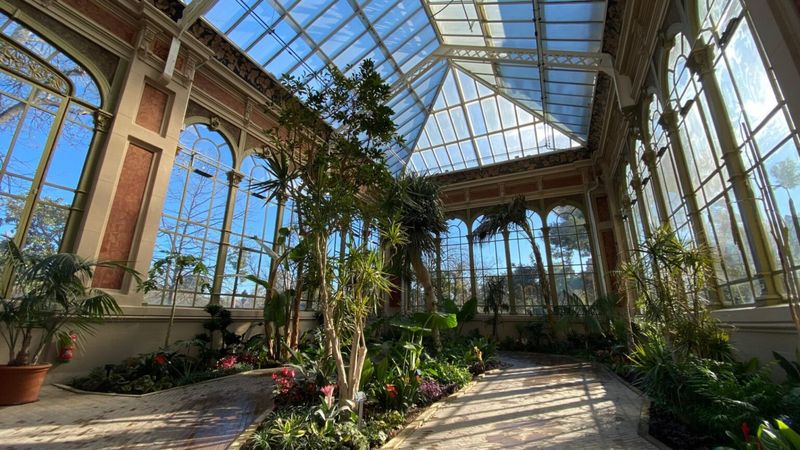
Everyone comes to Ciutadella Park for the lake, the waterfall, and the weekend market — but the greenhouses sitting quietly near the park’s center are almost always overlooked. Built in the late 19th century as part of the Universal Exhibition of 1888, the Hivernacle and Umbracle are two of the most elegant iron-and-glass structures in Barcelona.
The Hivernacle in particular, with its soaring arched roof and potted palms, has the feeling of a Victorian dream.
The Hivernacle occasionally hosts concerts and evening events, which transform it into one of the most atmospheric venues in the city. Even on an ordinary afternoon, stepping inside feels like entering a different world — quieter, greener, and considerably cooler on a hot Barcelona summer day.
The Umbracle next door is a long, open brick structure filled with native Catalan plants and shaded by a slatted wooden roof. Stray cats tend to nap between the plant beds, which somehow adds to the charm rather than detracting from it.
Both structures are free to enter. Next time you visit Ciutadella, give yourself an extra 30 minutes to explore beyond the lake and you will leave with a completely different impression of the park.
The “World Begins With Every Kiss” Mural
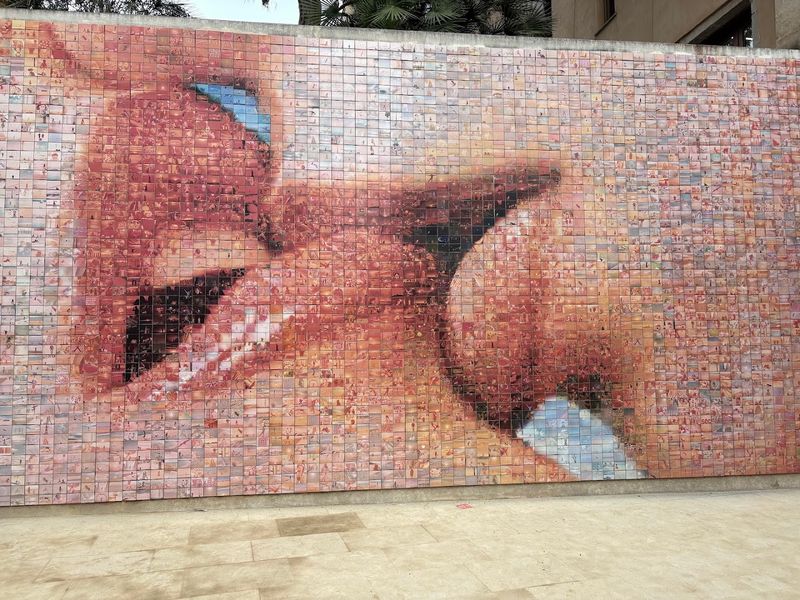
From a distance, it looks like a massive, colorful painting of two people kissing. Step closer, and the image dissolves into thousands of tiny photographs — portraits of real Barcelona residents submitted by the public.
Joan Fontcuberta created this remarkable mosaic mural in 2014 for La Caixa Foundation, and it covers an entire building facade near the Ciutadella Park area. The concept is as clever as it is moving: a city, literally built from the faces of its people.
Most visitors to Barcelona never see it. There are no signs directing you there, no ticket booth, and no gift shop.
It exists simply on a wall, waiting for those who happen to walk past or seek it out deliberately. That quiet, unpretentious existence is a big part of what makes it so memorable.
The mural is best appreciated in two stages: first from far away to see the full kissing image, then up close to study the individual faces. Bring a zoom lens if you have one.
The building is located on Passeig de Picasso, making it a natural stop if you are already exploring the Born or Ciutadella areas. It is one of those artworks that stays with you long after you have left the city.
Mercat dels Encants
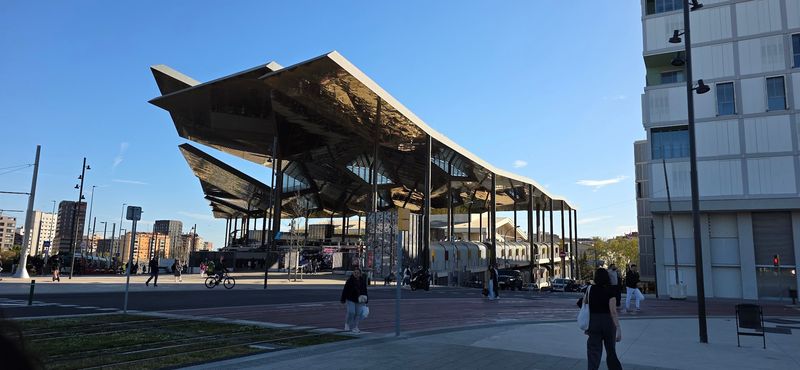
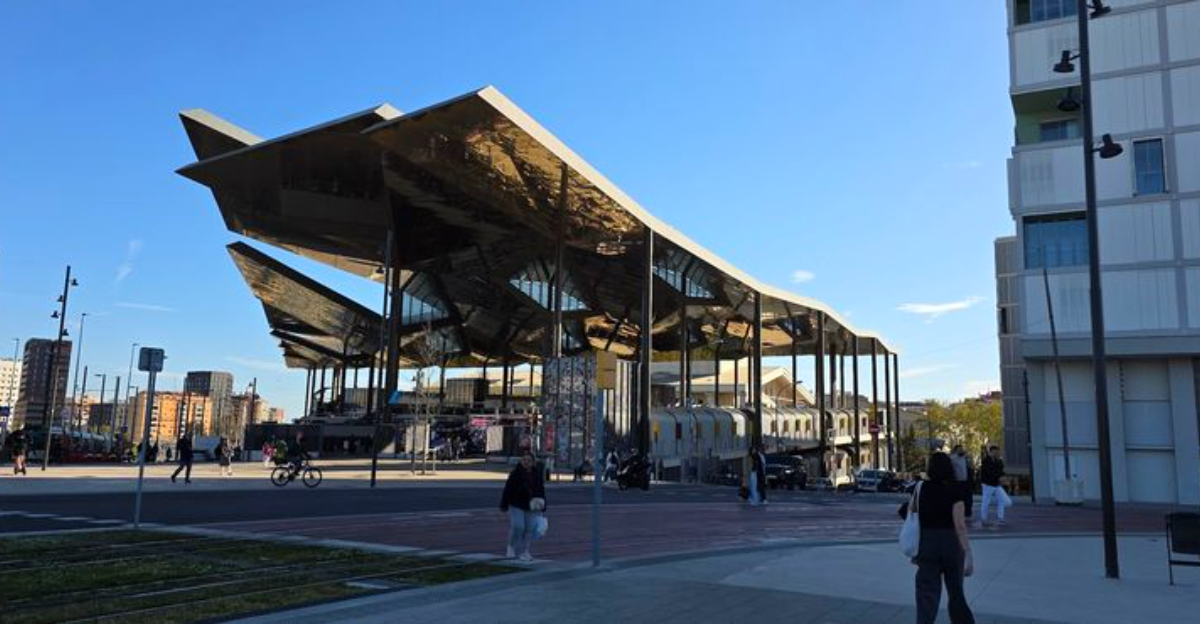
Forget everything you think you know about flea markets. Mercat dels Encants, located near the Glòries area in the Eixample district, is one of the oldest flea markets in Europe — with records tracing its origins back to the 14th century.
But its current home, unveiled in 2013, is anything but old-fashioned. A spectacular mirrored steel canopy floats above the entire market, reflecting the stalls, the shoppers, and the Barcelona skyline in a dizzying, kaleidoscopic effect.
Under that extraordinary roof, you will find everything from vintage vinyl records and antique furniture to second-hand electronics and handmade crafts. Serious collectors arrive early on Monday, Wednesday, Friday, and Saturday mornings when the best finds are still available.
Bargaining is expected and part of the fun — nobody pays the first price asked.
Even if you have zero intention of buying anything, the market is worth visiting just for the visual experience. The mirrored canopy changes constantly with the light, and the mix of vendors, locals, and curious tourists creates an energy that feels uniquely Barcelona.
Street food stalls nearby make it easy to turn a browse into a proper outing. This is one of those places that feels alive in a way that no shopping mall ever could.



