 Unearth The Voyage
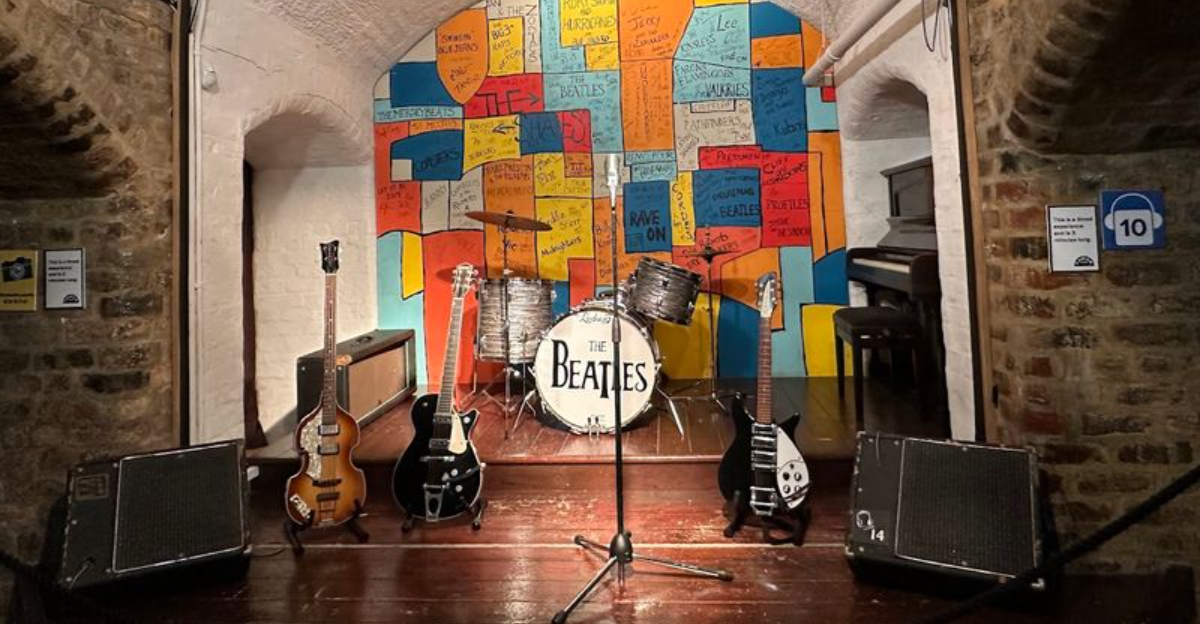
The Beatles left behind one of the most celebrated catalogs in music history, but not every great song made it onto the radio. Beyond the chart-toppers and greatest hits compilations, there is a whole world of underappreciated tracks waiting to be discovered.
These songs showcase the band’s true range, creativity, and musical genius. If you think you know The Beatles, these 15 hidden gems might just change your mind.
1. Hey Bulldog (1969)
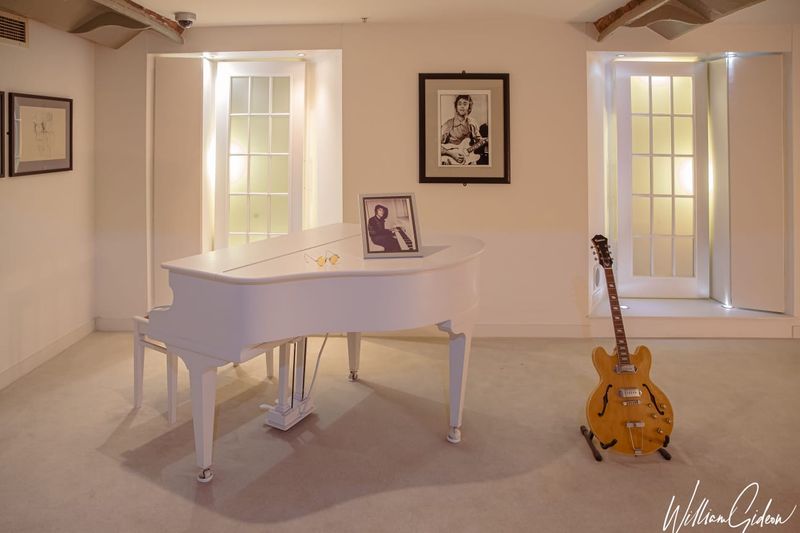
Buried inside the Yellow Submarine soundtrack, “Hey Bulldog” is one of John Lennon’s most raw and electrifying rock performances. The song was recorded in a single session in February 1968, and the energy in the studio was electric from start to finish.
Most casual listeners never even knew it existed.
The track opens with a thunderous piano riff that grabs you immediately. Lennon’s vocals are sharp and confident, and the rhythm section drives the song forward with unstoppable momentum.
George Harrison’s guitar work adds a gritty texture that sets it apart from the band’s more polished singles.
What truly makes this track special is the spontaneous studio banter at the end, where Lennon and McCartney trade playful barks and howls. That unscripted moment captures a side of The Beatles that fans rarely got to hear.
Pure, unfiltered fun from four musicians at their creative peak.
2. It’s All Too Much (1969)
George Harrison wrote “It’s All Too Much” as a pure celebration of love and expanded consciousness, and the result is one of the most gloriously over-the-top tracks in the entire Beatles catalog. Clocking in at over six minutes, it refuses to be rushed.
Harrison was clearly in a space where limitations felt irrelevant.
The song features swirling, feedback-drenched guitars layered over a hypnotic organ groove that feels almost trance-like. Brass instruments punch through the mix unexpectedly, adding a bold contrast to the dreamy atmosphere.
Every element seems designed to overwhelm the senses in the best possible way.
Despite its brilliance, the track rarely appears on mainstream Beatles playlists. It got tucked away on an animated film soundtrack, which kept it from reaching the audience it deserved.
Fans who discover it often describe the experience as stumbling onto a secret treasure hidden in plain sight for decades.
3. Rain (1966)
Released as the B-side to “Paperback Writer,” “Rain” is arguably one of the most forward-thinking recordings The Beatles ever made. John Lennon reportedly came home from the studio late one night and accidentally played back a tape in reverse, immediately falling in love with the sound.
That happy accident became one of rock history’s most iconic studio experiments.
The song features backward vocals layered into the outro, a technique that was virtually unheard of at the time. Ringo Starr’s drumming on this track is widely considered among his finest work, with a loose, thundering groove that anchors the swirling guitars above it.
Music producers and engineers still study “Rain” today as a landmark in studio innovation. For a B-side, it carries an astonishing amount of ambition and craft.
True Beatles fans treat it with the same reverence as any of the band’s most celebrated album tracks.
4. I’m Only Sleeping (1966)
Few songs in rock history capture the feeling of not wanting to get out of bed quite like “I’m Only Sleeping.” John Lennon wrote this dreamy Revolver track as a genuine ode to rest, daydreaming, and the blurry space between waking and sleep. It feels personal in a way that many Beatles songs do not.
The production is remarkably inventive. George Harrison recorded his guitar parts and then the tape was physically reversed, creating a backwards solo effect that sounds both alien and oddly soothing.
The whole track seems to float rather than drive forward.
Lennon’s vocal delivery is perfectly lazy and effortless, matching the song’s theme in a way that feels completely authentic. Listeners who discover this track often return to it on quiet mornings when the world feels like too much.
It is a small masterpiece of mood and atmosphere tucked quietly inside one of rock’s greatest albums.
5. And Your Bird Can Sing (1966)
Sandwiched between bigger Revolver highlights, “And Your Bird Can Sing” often gets skipped by listeners in a hurry. That is a genuine shame, because the twin-lead guitar interplay between George Harrison and Paul McCartney on this track is absolutely stunning.
The two guitars chase each other through the melody with a precision that sounds almost impossible to pull off live.
Lennon wrote the song, but the guitar arrangement steals the show entirely. The intro alone is one of the most joyful and technically impressive moments on any Beatles record.
Everything moves quickly and confidently, like the band was having the time of their lives.
The song clocks in at just under two minutes, which might be part of why it gets overlooked. Short does not mean minor, though.
Every second is packed with energy, craft, and personality. Guitarists who study this track often describe the twin-lead lines as a masterclass in harmonic guitar writing.
6. You Won’t See Me (1965)
Paul McCartney wrote “You Won’t See Me” during a difficult period in his relationship with actress Jane Asher, and that emotional undercurrent gives the song a weight that casual listeners might miss. Buried in the middle of Rubber Soul, it rarely gets the attention it deserves despite being one of McCartney’s most soulful early performances.
The track draws heavily from Motown influences, particularly the smooth, rolling bassline that McCartney plays with remarkable confidence. The three-part harmonies from John, Paul, and George are warm and perfectly stacked, giving the song a richness that feels almost orchestral despite the minimal arrangement.
Mal Evans, the band’s road manager, plays a single organ note held for the duration of the track as a background texture. That tiny, quirky detail is exactly the kind of thing that makes Beatles deep cuts so endlessly fascinating.
There is always something new to notice on every listen.
7. Long, Long, Long (1968)
Closing out the first side of The White Album, “Long, Long, Long” arrives like a whisper after hours of noise. George Harrison wrote the song as a spiritual meditation, reportedly inspired by his renewed devotion to God following his time studying with Maharishi Mahesh Yogi.
The result is one of the most quietly devastating tracks in the Beatles catalog.
The song barely rises above a murmur for most of its length. Harrison’s acoustic guitar is delicate, McCartney’s organ adds a haunting undertone, and the drums stay almost entirely restrained.
Then, near the end, a wine bottle on top of the Leslie speaker begins rattling mysteriously, creating an eerie, unplanned sound that the band chose to keep.
That accidental rattle feels like the perfect ending to a song about searching for something beyond the ordinary world. Fans who discover this track late often describe it as one of those rare songs that genuinely moves them.
Quiet beauty at its most powerful.
8. I’ve Just Seen a Face (1965)
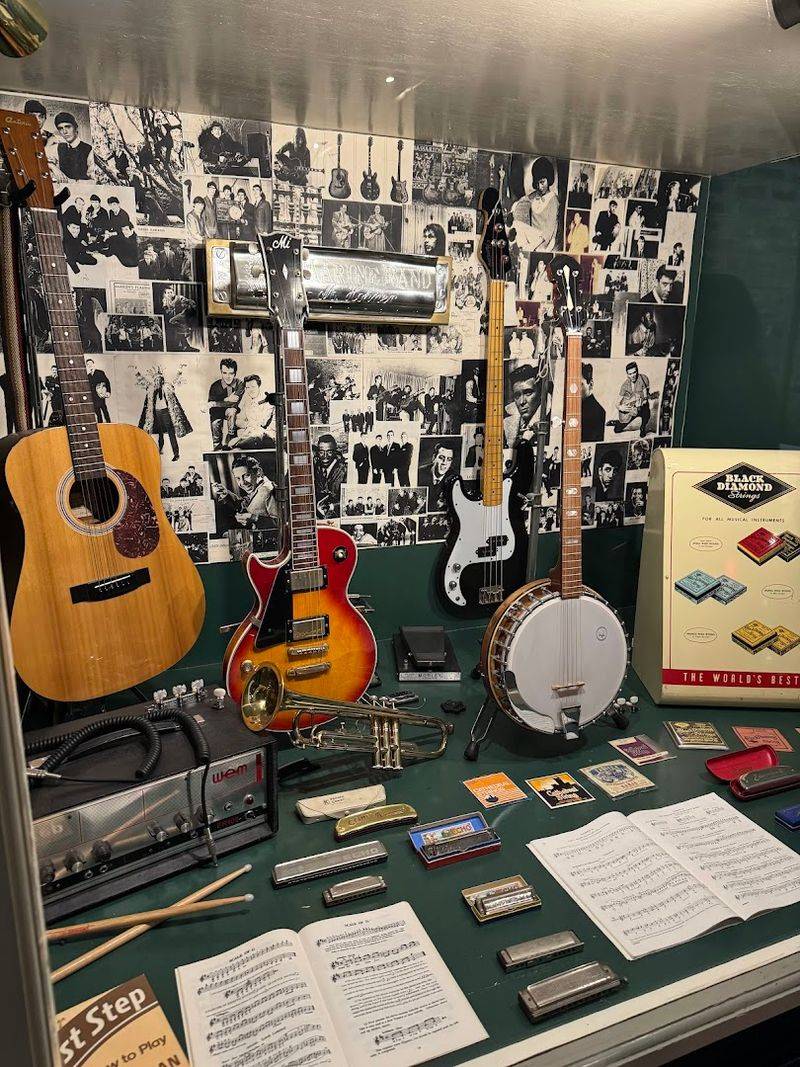
There is something almost breathless about “I’ve Just Seen a Face” that makes it impossible to sit still while listening. McCartney wrote this folk-influenced gem for the Help! album, and it tumbles forward at a pace that feels completely unstoppable.
The acoustic guitar strumming is relentless in the best possible way.
The song predates the American folk rock explosion by nearly a year, which makes its sound feel remarkably ahead of its time. Bob Dylan and the Byrds were heading in a similar direction, but McCartney arrived there with a purely pop sensibility that kept the song accessible and joyful.
It became a favorite on the North American version of the Rubber Soul album.
Lyrically, the song captures the giddy, disorienting feeling of falling for someone unexpectedly. McCartney sells every word with genuine enthusiasm.
Fans of acoustic-driven songwriting consistently rank this as one of his most underappreciated performances from the mid-1960s.
9. For No One (1966)
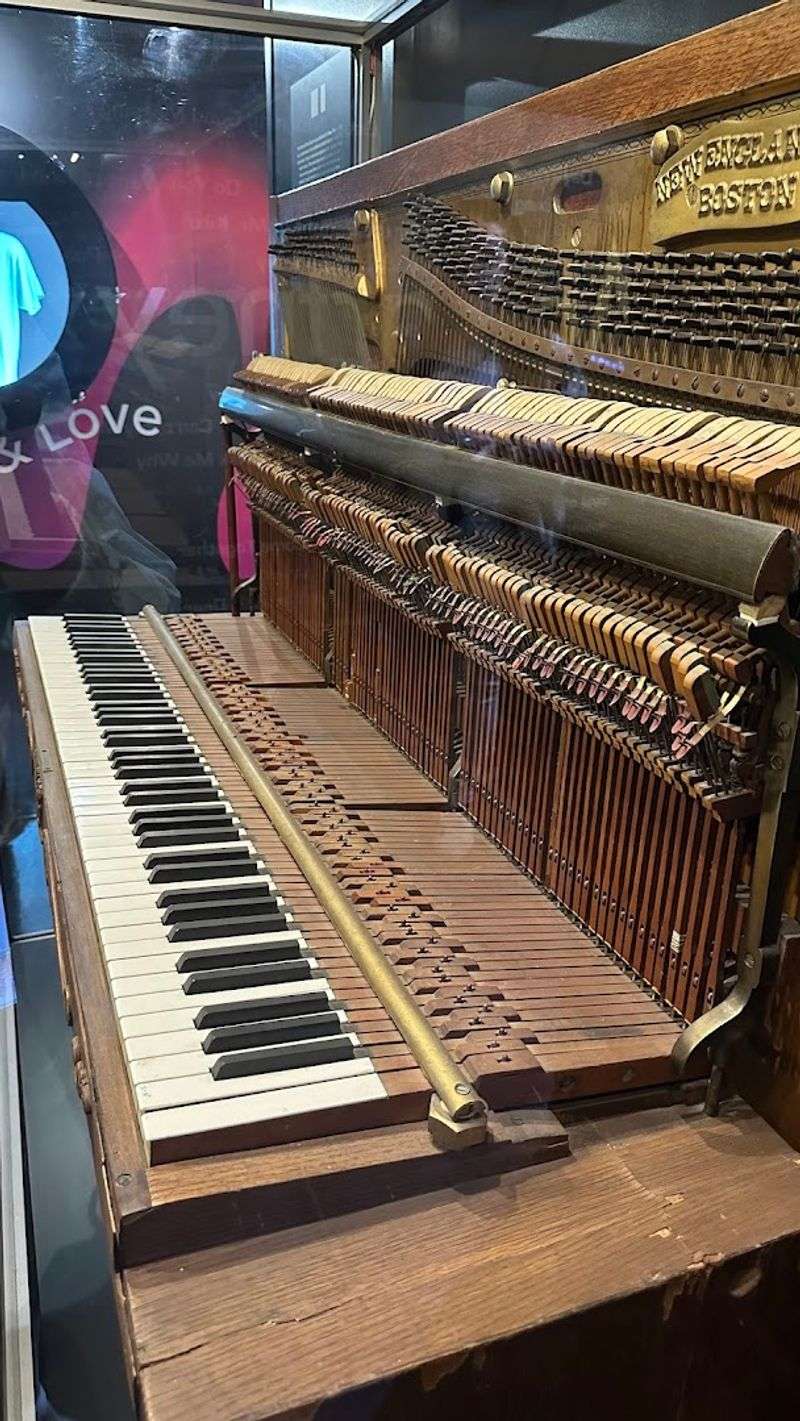
“For No One” is the kind of song that sneaks up on you slowly and then hits hard when you least expect it. McCartney wrote it while on a ski holiday in Switzerland, channeling the pain of a relationship quietly falling apart.
The emotional restraint in the writing makes it far more devastating than any dramatic breakup anthem could ever be.
The arrangement is strikingly sparse. A clavichord, bass, drums, and a single French horn solo performed by session musician Alan Civil form the entire sonic landscape.
Civil’s horn solo is widely considered one of the most beautiful moments in any Beatles recording, landing with a melancholy that words cannot fully describe.
McCartney sings the whole song without a trace of self-pity, which somehow makes the sadness land even harder. Critics and musicians frequently cite this track as proof that McCartney was one of the finest songwriters of his generation.
A masterclass in saying everything by holding back.
10. Savoy Truffle (1968)
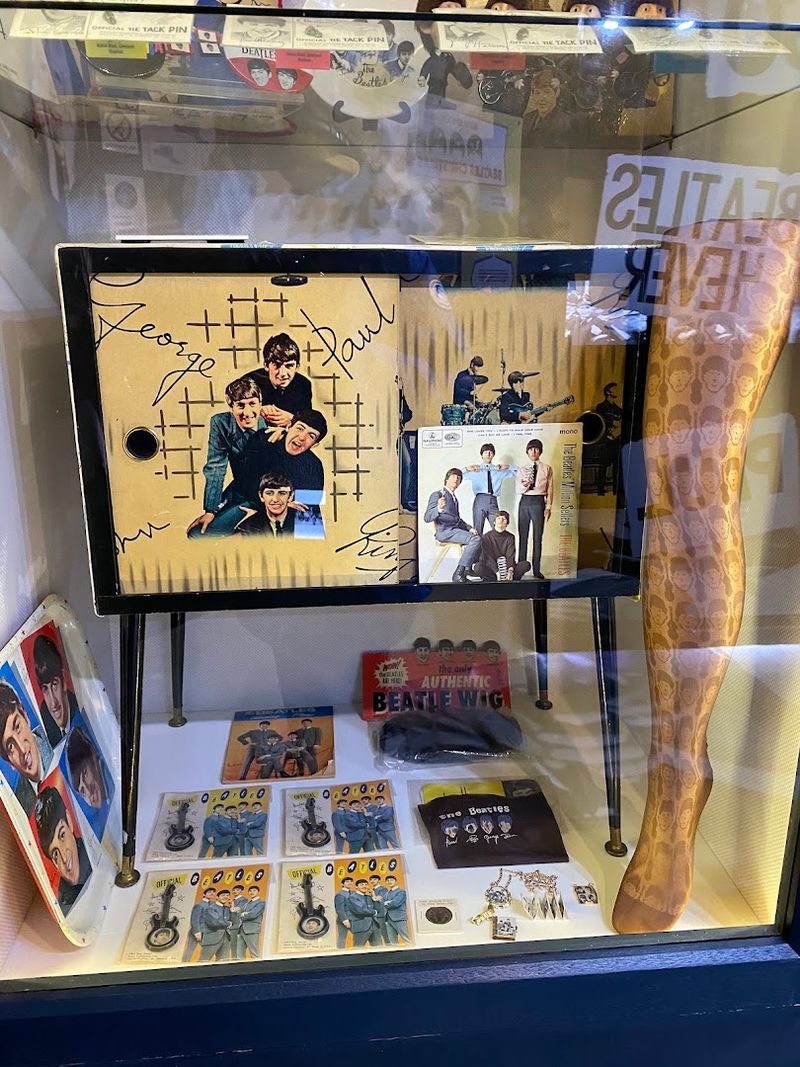
George Harrison wrote “Savoy Truffle” after watching his friend Eric Clapton work his way through a box of Good News chocolates, unable to stop despite knowing the sugar was damaging his teeth. The song takes those chocolate flavors listed on the box and turns them into a funky, brass-driven meditation on indulgence and consequence.
It is one of the quirkiest origin stories in rock history.
The track features a punchy horn arrangement that gives it a harder, more aggressive edge than most White Album material. Harrison’s vocals are confident and slightly sarcastic, perfectly matching the dry humor embedded in the lyrics.
The whole thing moves with an infectious swagger.
Producer Chris Thomas ran the brass instruments through a distortion unit to give the sound extra bite, which was an unconventional choice that paid off brilliantly. Fans who discover “Savoy Truffle” late often become obsessed with it immediately.
It is funky, funny, and surprisingly sophisticated all at once.
11. The Night Before (1965)
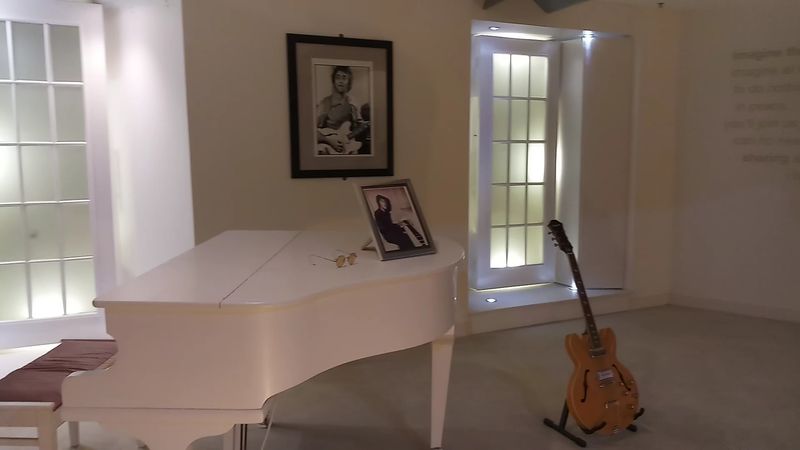
Opening the second side of the Help! soundtrack, “The Night Before” arrives with a punch of energy that most listeners speed past on their way to more familiar tracks. McCartney wrote and sang this one, and his vocal performance is sharp, confident, and full of personality.
The song has the feel of a live performance even in its studio version.
John Lennon plays an electric piano throughout, giving the track a slightly harder, more mechanical texture than the band’s typical guitar-driven sound. The rhythm section is tight and driving, and the harmonies during the chorus are clean and satisfying.
Everything clicks into place with professional ease.
What makes this song especially worth revisiting is how well it holds up decades later. It sounds fresh, punchy, and fun without a single wasted moment.
Fans who overlook it in favor of “Help!” or “Ticket to Ride” are genuinely missing one of McCartney’s most purely enjoyable pop performances from the mid-1960s.
12. Yes It Is (1965)
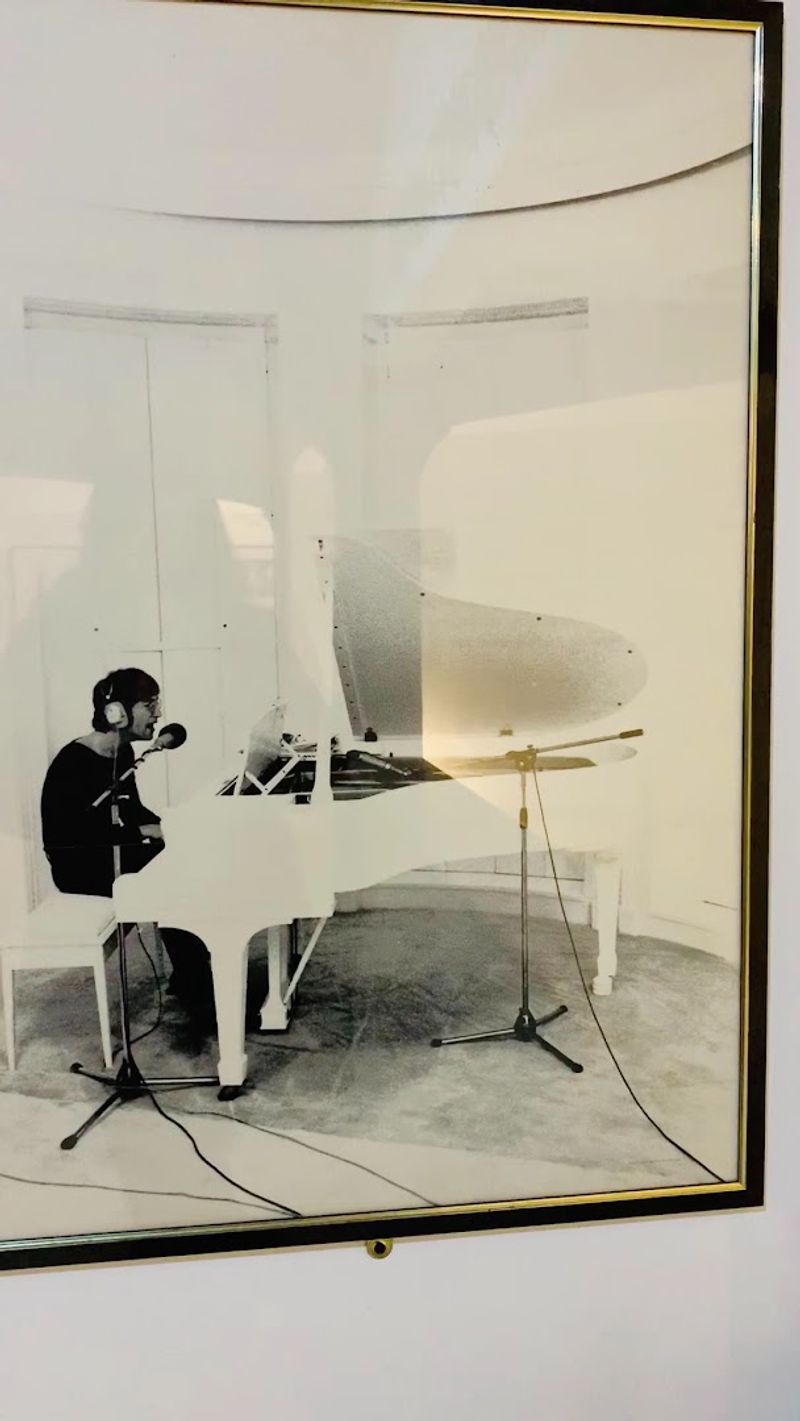
Released as the B-side to “Ticket to Ride,” “Yes It Is” is one of the most harmonically sophisticated ballads Lennon ever wrote. The three-part vocal harmonies from John, Paul, and George are layered with a richness that rivals anything on their official albums.
It is the kind of song that makes you wonder why it was considered a throwaway B-side at all.
Lennon himself was reportedly not entirely happy with the finished recording, but most fans and critics strongly disagree with that self-assessment. The song features volume pedal guitar work from Harrison that creates a soft, shimmering effect underneath the vocals.
The combination is genuinely beautiful.
Lyrically, the track revisits similar emotional territory to “This Boy,” exploring longing and loss with a maturity beyond the band’s years. Listeners who discover it often play it on repeat for days.
Proof that even the flip sides of Beatles singles could carry real emotional weight.
13. I Call Your Name (1964)
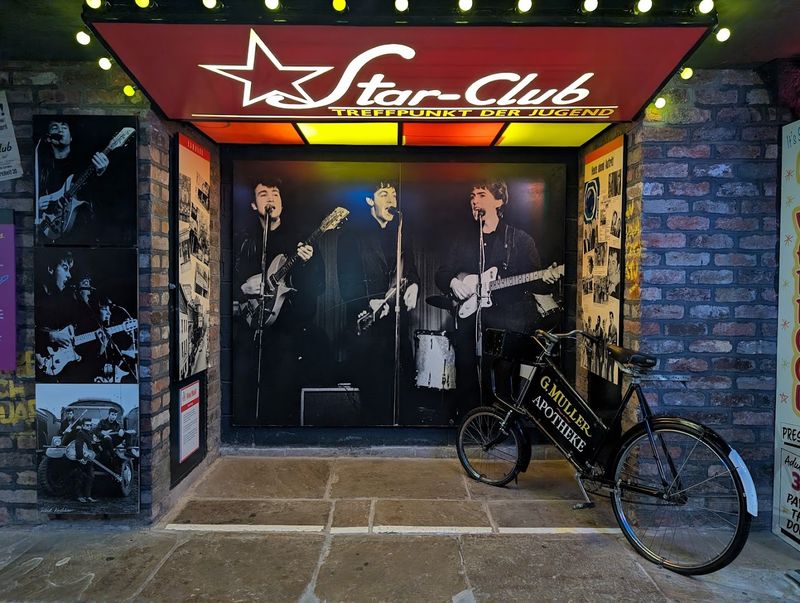
“I Call Your Name” starts like a standard early Beatles rocker and then does something completely unexpected halfway through: it breaks into a ska-influenced middle section that sounds like nothing else the band recorded in 1964. That rhythmic shift feels almost mischievous, like the band daring listeners to keep up.
It works brilliantly every single time.
Lennon wrote the song before Beatlemania even began, originally offering it to fellow Liverpool act Billy J. Kramer.
When The Beatles recorded their own version, they transformed it with harder guitars and that unforgettable ska bridge that gives the track its unique personality.
The vocal performance from Lennon is urgent and slightly raw, which suits the emotional restlessness of the lyrics perfectly. Fans who explore the band’s early catalog often describe this as the moment they realized how adventurous The Beatles were even before they became global superstars.
A small but genuinely bold musical statement.
14. Mother Nature’s Son (1968)
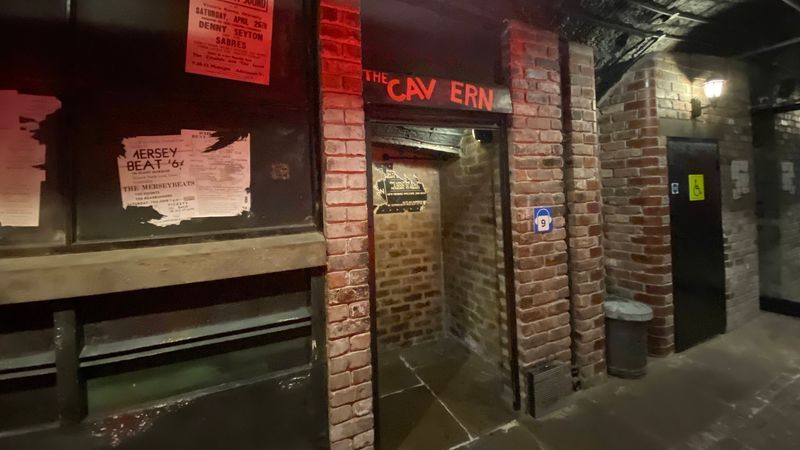
Paul McCartney wrote “Mother Nature’s Son” while studying Transcendental Meditation with Maharishi Mahesh Yogi in Rishikesh, India, inspired by a lecture about living in harmony with the natural world. The song has a delicate, almost fragile quality that feels genuinely rare in the Beatles catalog.
McCartney recorded most of it alone, late at night in the studio.
The arrangement features gentle acoustic guitar, soft brass instruments, and timpani drums placed unusually far from the microphone to create a distant, atmospheric effect. Every production choice seems designed to keep the song feeling light and unhurried.
Nothing overpowers the quiet intimacy at its center.
McCartney’s vocal is warm and unguarded, sounding more personal than his typical polished pop performances. Fans of acoustic songwriting often point to this track as one of his most purely honest moments on record.
Simple, beautiful, and completely free of the commercial calculation that shaped many of the band’s bigger releases.
15. Baby You’re a Rich Man (1967)
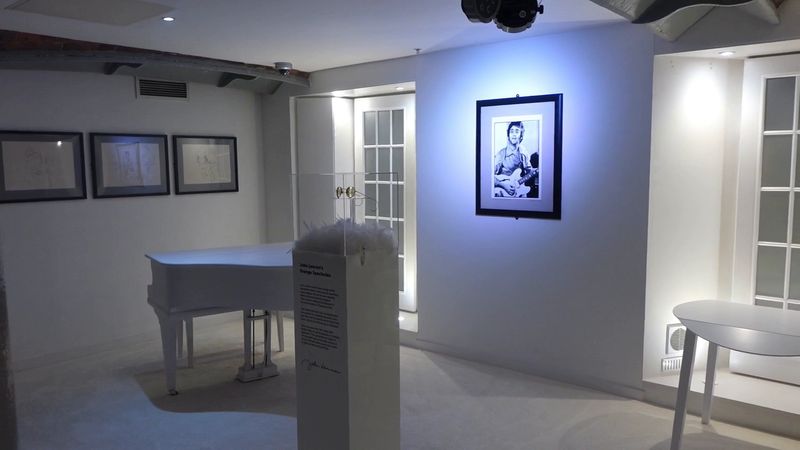
Cobbled together from two separate song fragments by Lennon and McCartney, “Baby You’re a Rich Man” has a slightly odd, patchwork quality that somehow becomes its greatest strength. The song was recorded the same month as the Sgt.
Pepper sessions wrapped up, capturing the band at peak confidence and creative restlessness. It feels like an experiment that succeeded beyond anyone’s expectations.
The opening instrument is a clavioline, an early electronic keyboard that produces a reedy, slightly nasal sound unlike anything else in the Beatles catalog. Lennon plays it with a hypnotic, snake-charmer quality that immediately signals this song is going somewhere unusual.
The groove that follows is loose and almost trance-like.
Lyrically, the song plays with ideas about wealth, identity, and self-perception in ways that feel surprisingly complex for a single B-side. Fans who love the Sgt.
Pepper era but want something stranger and less polished consistently point to this track as an essential and deeply underrated listen.



