 Unearth The Voyage
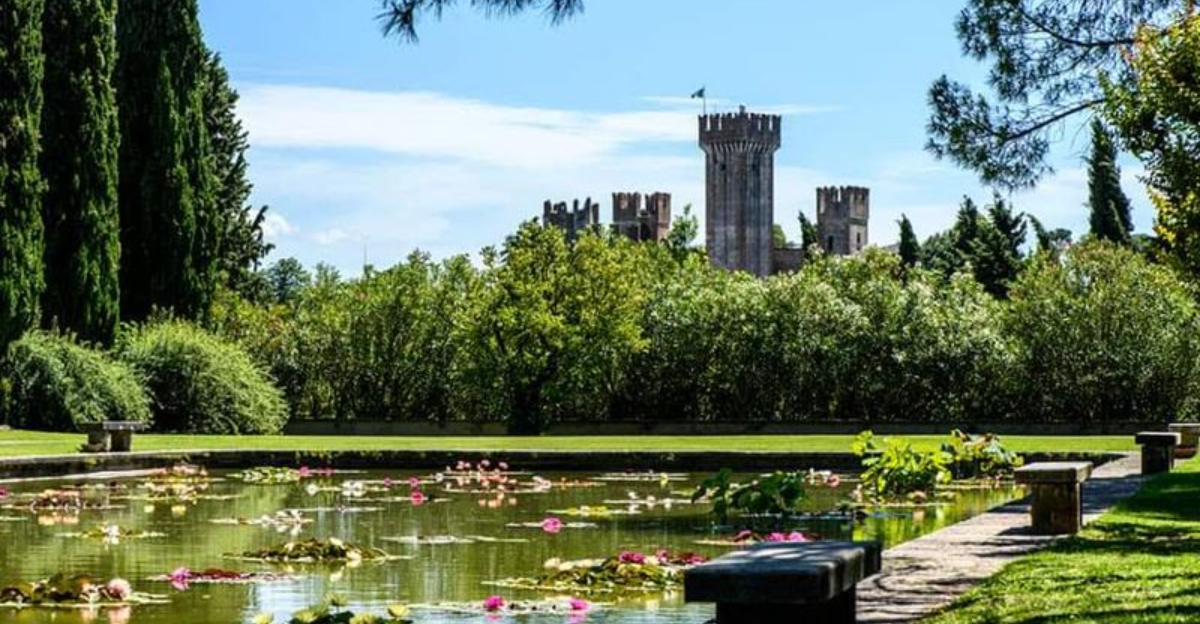
Veneto stretches far beyond Venice’s canals and Verona’s balconies. Tucked between rolling vineyards, medieval hilltops, and quiet river valleys are destinations that reveal Italy’s soul without the tourist crowds.
These hidden gems blend world-class wines, centuries-old culture, and landscapes so stunning they’ve earned UNESCO recognition, yet remain wonderfully undiscovered by most travelers.
Conegliano & Valdobbiadene Prosecco Hills — UNESCO Wine Landscape
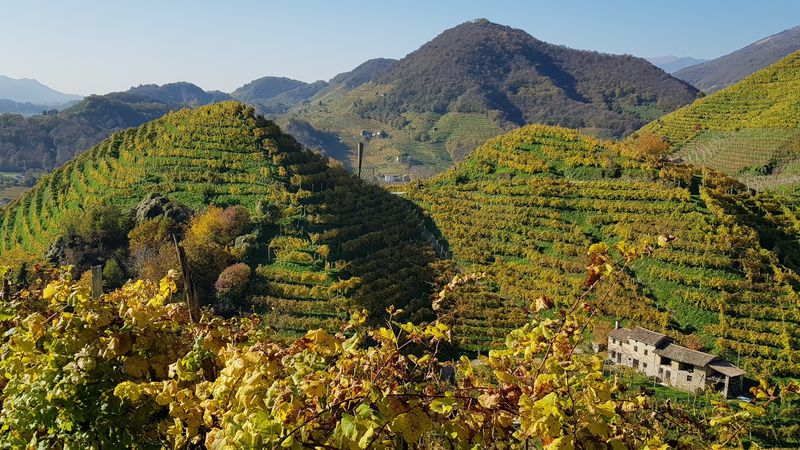
Few landscapes marry beauty and flavor quite like these UNESCO-protected hills where Prosecco Superiore was born. Vine-covered ridges ripple across the Treviso province in patterns that took centuries to perfect, creating a patchwork so striking that travelers often stop mid-drive just to stare.
La Strada del Prosecco winds through this terroir, connecting family cellars where you can sip Cartizze Brut on terraces overlooking endless green waves. The route isn’t just about bubbles—it passes through villages like Pieve di Soligo and Follina, where frescoed churches and ancient castles add cultural depth to every tasting.
What makes this region special is how authentically rural it remains despite global fame. Winemakers still greet visitors personally, explaining how steep slopes and cool breezes shape their sparkling wines.
You’ll find yourself lingering longer than planned, watching sunsets paint the ridges gold while clinking glasses with locals who’ve tended these vines for generations.
Plan visits during harvest season when the hills buzz with activity, or come in spring when wildflowers carpet the vineyard edges and every view deserves a postcard.
Soave — Medieval Village and Renowned White Wines
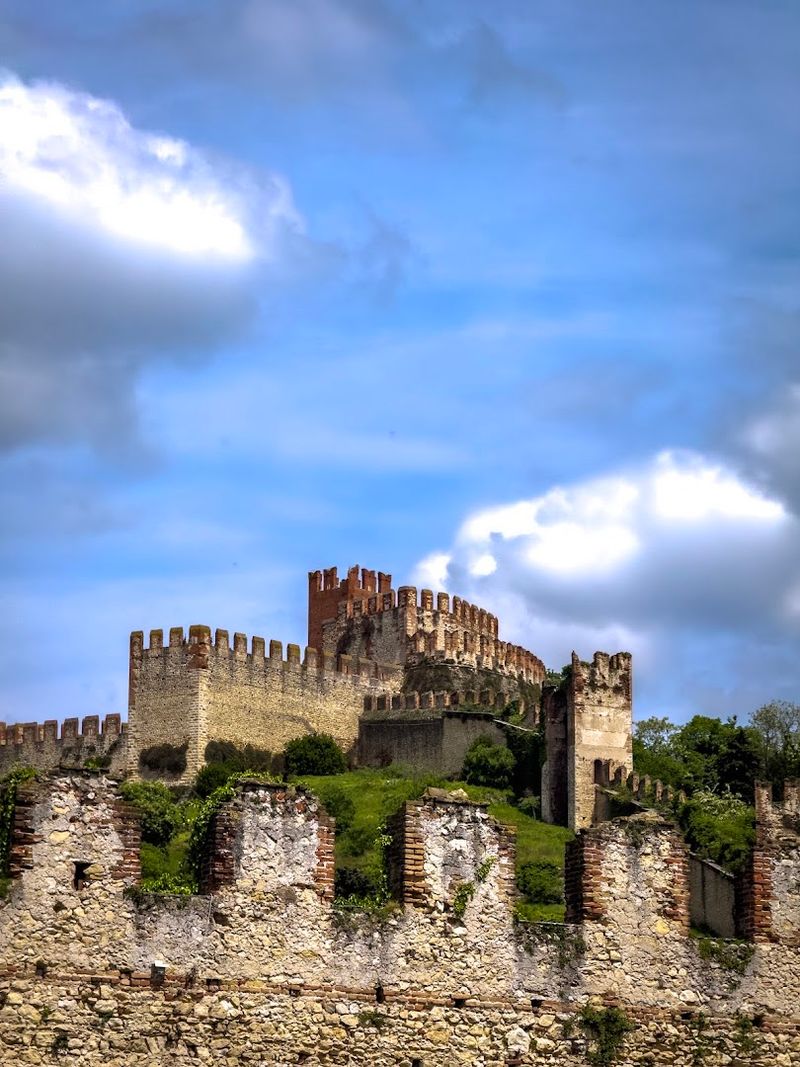
Castle walls crown this village like a stone tiara, visible from kilometers across the Veneto plain. Soave Castle isn’t just for show—walking its battlements offers sweeping views over vineyards that produce some of Italy’s most underrated white wines.
The Garganega grape thrives here, yielding crisp, aromatic whites that locals pair with everything from risotto to grilled fish. Unlike flashier wine regions, Soave keeps things refreshingly low-key.
Tasting rooms occupy medieval buildings where vaulted ceilings echo with centuries of winemaking history, and vintners explain terroir without pretension.
Cobblestone lanes lead past shuttered houses painted in faded ochre and rose, creating that timeless Italian atmosphere travel magazines try desperately to capture. Small enotecas (wine bars) tucked into ancient archways serve local vintages alongside aged cheeses, letting you taste how this village’s geography shapes every sip.
Visit midweek when tour buses skip it entirely, leaving you free to explore fortress towers and vineyard trails without crowds. The combination of medieval architecture and world-class wine culture makes Soave feel like a secret even Italians sometimes forget to share.
Cison di Valmarino — Hilltop Fortress and Prosecco Views
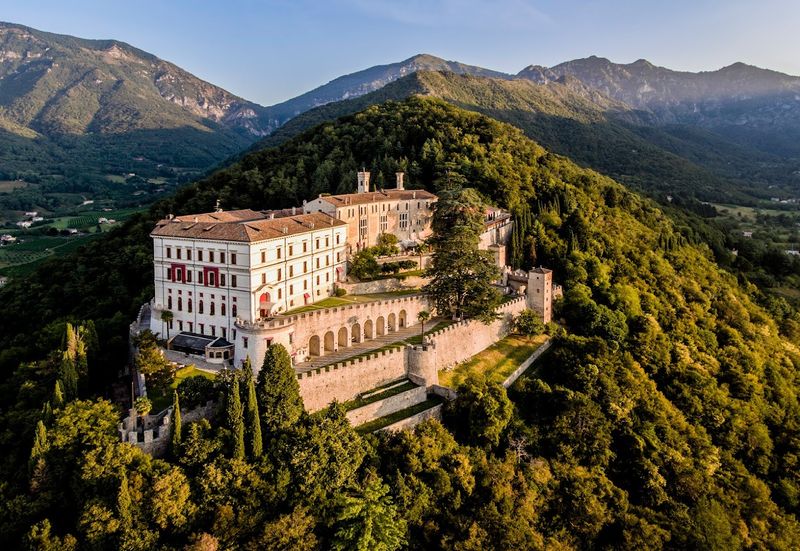
CastelBrando looms over this hilltop village like something from a fantasy novel, one of northern Italy’s largest fortified complexes and utterly commanding. The medieval fortress now houses a hotel and museum, but even if you don’t stay overnight, its terrace views justify the uphill walk—vineyards and mountains stretch toward distant horizons in every direction.
Cison’s narrow alleys wind between stone houses where artisan shops sell handmade ceramics and local honey. There’s a gentleness here despite the imposing castle, a pace that invites wandering without agenda.
Olive groves frame the lower slopes, and nearby vineyards produce Prosecco that locals swear tastes better when sipped where the grapes were grown.
Traditional osterie serve regional dishes in dining rooms with beamed ceilings and fireplaces big enough to roast whole animals. Pair house wine with polenta and mushrooms while chatting with proprietors who remember when tourists were rare.
The village earned recognition as one of Italy’s most beautiful, yet remains wonderfully uncommercialized.
Spring and autumn bring the best weather for exploring castle grounds and vineyard trails. Bring comfortable shoes—the cobblestones are authentic, which means charmingly uneven.
Arquà Petrarca — Poet’s Village in the Euganean Hills
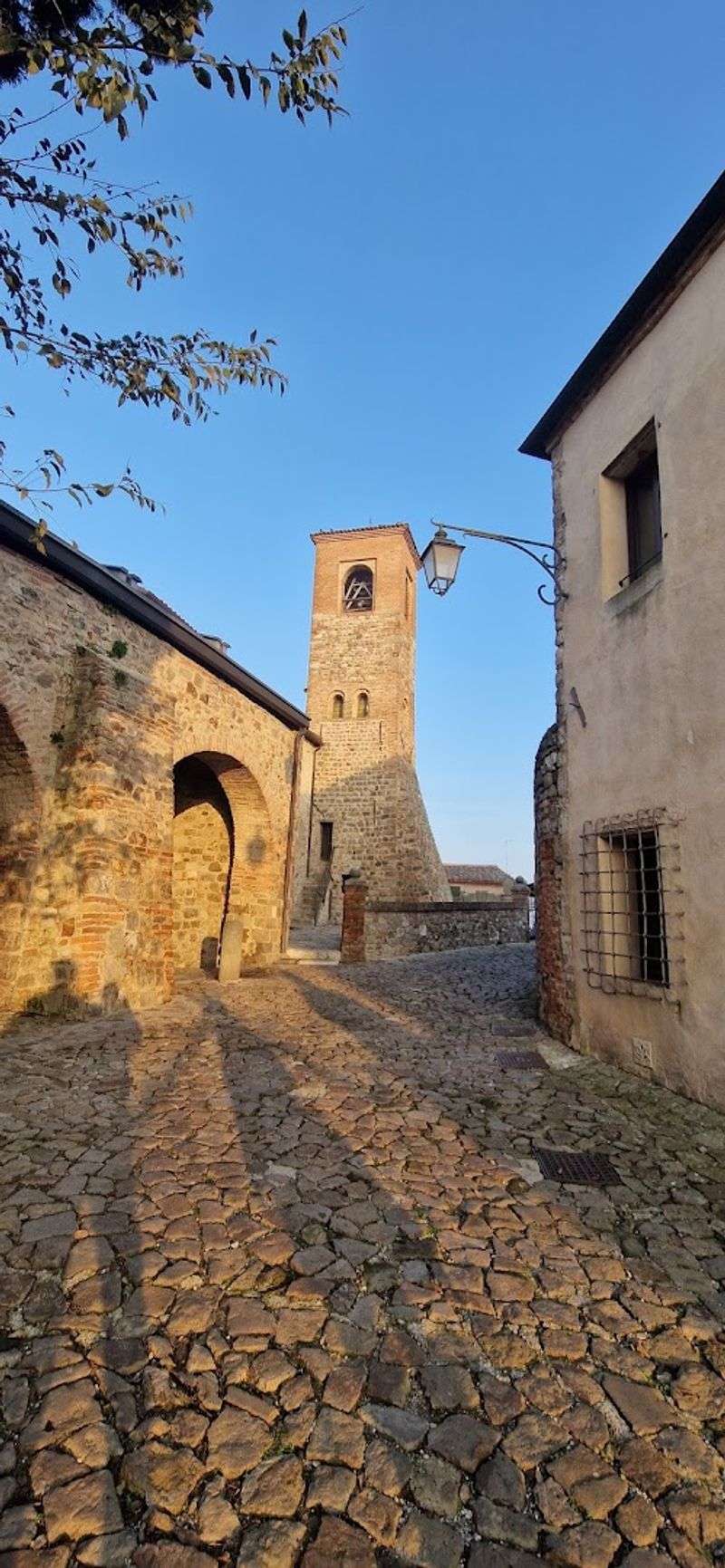
Francesco Petrarch chose this village for his final years, and wandering its quiet lanes reveals why the great poet found inspiration here. His house survives as a museum filled with manuscripts and period furnishings, offering glimpses into 14th-century literary life while views from the windows showcase the same rolling hills that inspired his verses.
Arquà Petrarca drapes across a hillside where vineyards and olive groves create a patchwork of greens and silvers. Stone buildings wear their age gracefully, with flower boxes softening weathered facades and cats napping on sun-warmed steps.
The village stays small enough to explore in an hour, yet atmospheric enough to linger all afternoon.
Local producers offer tastings of Colli Euganei wines and pressed olive oils, explaining how volcanic soil gives their products distinctive character. Hiking trails connect to neighboring villages through landscapes where Roman roads once carried legions, now overgrown with wildflowers and perfect for peaceful walks.
Cultural events occasionally fill the main square with music and poetry readings, continuing traditions Petrarch himself might recognize. Visit during weekdays for maximum tranquility, when you might have entire cobblestone streets to yourself and the only sounds are church bells and birdsong.
Bassano del Grappa — Grappa, Ceramics & River Views
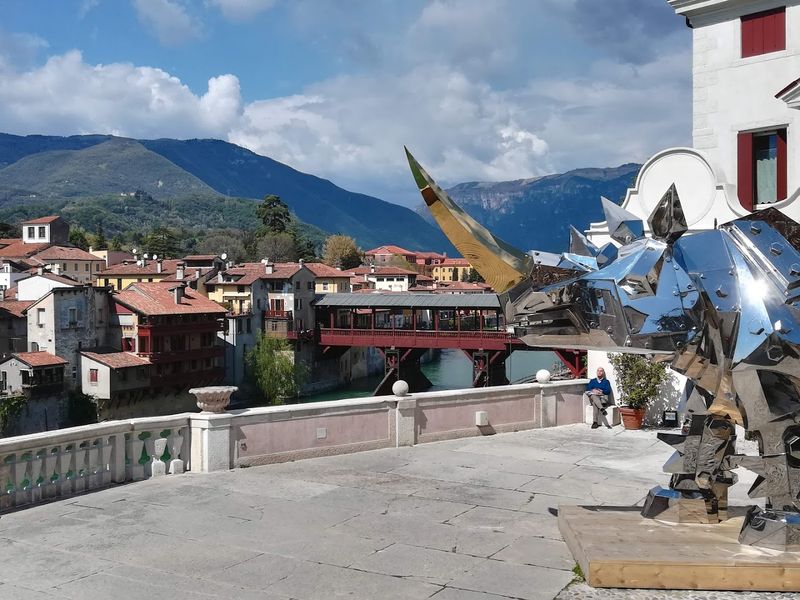
Palladio’s covered bridge stretches across the Brenta River like a wooden ribbon, rebuilt multiple times after floods yet always faithful to the original Renaissance design. Walking its planks has become a Bassano ritual, especially at sunset when the current catches the light and mountains glow pink beyond the town.
This is grappa’s spiritual home, where distilleries transform grape pomace into Italy’s most distinctive spirit. Historic bars along the bridge serve tastings in tiny glasses, and the tradition is to sip slowly while watching the river flow.
The town’s other claim to fame—hand-painted ceramics—fills shop windows with colorful majolica that’s been crafted here since the Renaissance.
Beyond the bridge, Bassano’s historic center unfolds in elegant piazzas and arcaded streets where cafes spill onto cobblestones. The combination of craft traditions, mountain scenery, and riverside atmosphere creates a uniquely appealing blend.
Local restaurants pair grappa-infused dishes with regional wines, proving the spirit works as well in cooking as in glasses.
Market days bring farmers selling mountain cheeses and wild mushrooms, perfect for assembling picnics to enjoy along the riverbank. The town balances tourist appeal with authentic local life remarkably well.
Asolo — “The Pearl of the Treviso Hills”
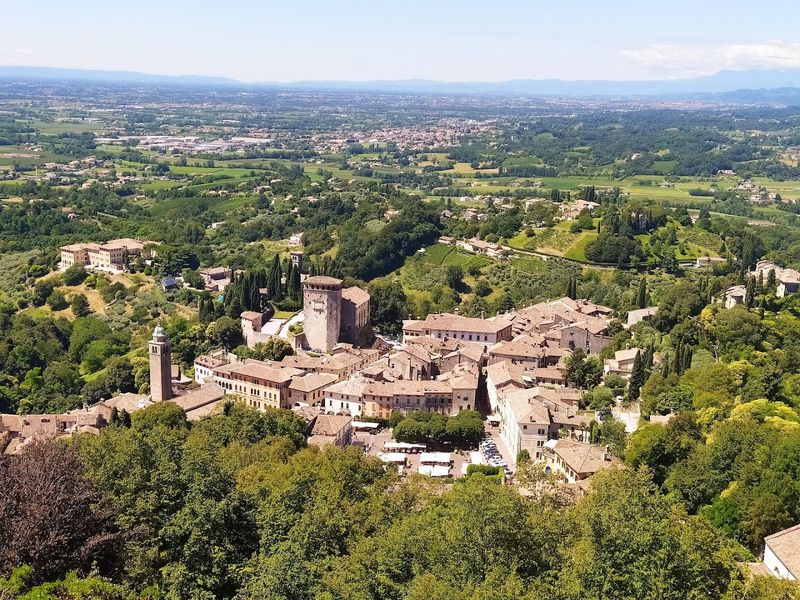
Writers and artists have swooned over Asolo’s hundred horizons for centuries, and standing on any of its elevated terraces reveals why. The Venetian plain spreads below in a tapestry of fields and villages, while mountains frame distant edges—views that inspired everyone from Robert Browning to Freya Stark to call this place magical.
The town itself wears elegance lightly, with palaces and villas that speak of aristocratic past without feeling stuffy. A medieval fortress crowns the highest point, its walls enclosing gardens where you can picnic surrounded by history.
Narrow streets connect sun-dappled piazzas where locals gather for aperitivo and conversation flows as easily as the local wine.
Surrounding vineyards and olive groves supply restaurants that take farm-to-table seriously, serving whatever’s freshest that morning alongside wines from nearby hillsides. The pace here encourages lingering—over meals, over views, over afternoon strolls that somehow stretch into evening without anyone noticing.
Boutique shops sell antiques and local crafts without tourist-trap pricing, and several villas offer cooking classes where you’ll learn regional recipes while gazing at those famous horizons. Weekends bring day-trippers from Venice, but midweek Asolo returns to sleepy perfection.
Montagnana — Medieval Walls & Prosciutto Culture
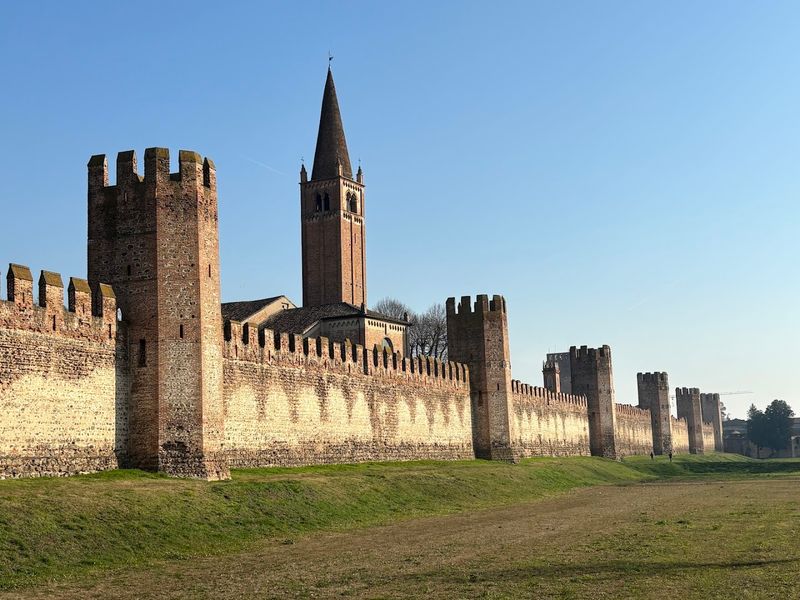
Walking Montagnana’s perimeter means circling nearly two kilometers of intact medieval walls—among Italy’s most complete fortifications and astonishingly well-preserved. Twenty-four towers punctuate the circuit, and climbing their stairs rewards you with views across a town that seems barely changed since the 1300s.
Inside the walls, time moves differently. The 14th-century cathedral dominates a central piazza where markets have operated for seven centuries, and narrow streets reveal Gothic palaces and frescoed churches at every turn.
There’s a completeness to Montagnana’s medieval character that few Italian towns match, making it feel like stepping into a history book.
Food culture here centers on Prosciutto Veneto Berico-Euganeo, cured using traditional methods and aged in cellars beneath ancient buildings. Local salumerie slice it paper-thin for tasting, explaining how the region’s climate creates its distinctive sweetness.
Pair it with local wines in trattorias where recipes haven’t changed in generations.
The annual Palio dei Colombi brings medieval pageantry to life each September, with costumed processions and historical reenactments filling the streets. Even without festivals, Montagnana’s architectural integrity and culinary traditions create an immersive experience that reveals authentic Veneto life behind fortress walls.
Polesine Area — Rivers, Rustic Towns & Delta Nature
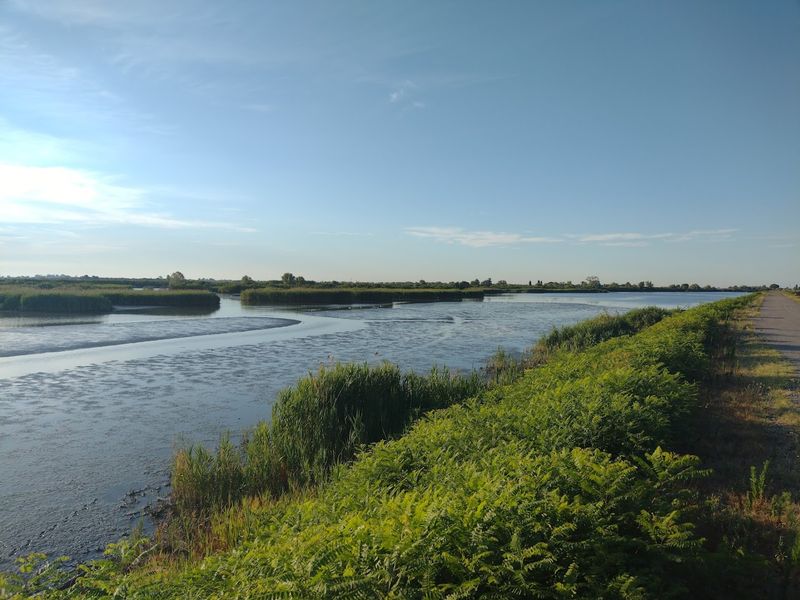
Most travelers speed past Polesine en route to somewhere else, missing landscapes where rivers and wetlands create a world apart from typical Italian tourism. The Po and its tributaries dominate this flat countryside, their channels threading between farmland and villages that seem untouched by modern hurry.
This is cycling country—flat roads follow canals and levees through scenery that rewards slow travel. Birdwatchers flock here for wetland species rarely seen elsewhere in Italy, and the quiet allows nature observation impossible in busier regions.
Small towns preserve rural traditions, with weekly markets selling produce grown in the delta’s fertile soil.
Trattorie serve hearty regional fare that reflects agricultural abundance—risottos thick with seasonal vegetables, freshwater fish from local waters, and wines produced by small estates that rarely export beyond the province. Conversations with locals reveal pride in this overlooked corner of Veneto, where life follows rhythms set by rivers and harvests.
The landscape’s flatness creates big skies and long views, especially beautiful at dawn and dusk when light transforms ordinary scenes into something painterly. It’s not dramatic in conventional ways, but Polesine’s gentle rusticity offers respite from Italy’s more celebrated destinations.
Riviera del Brenta — Venetian Villas & Canal Cruising
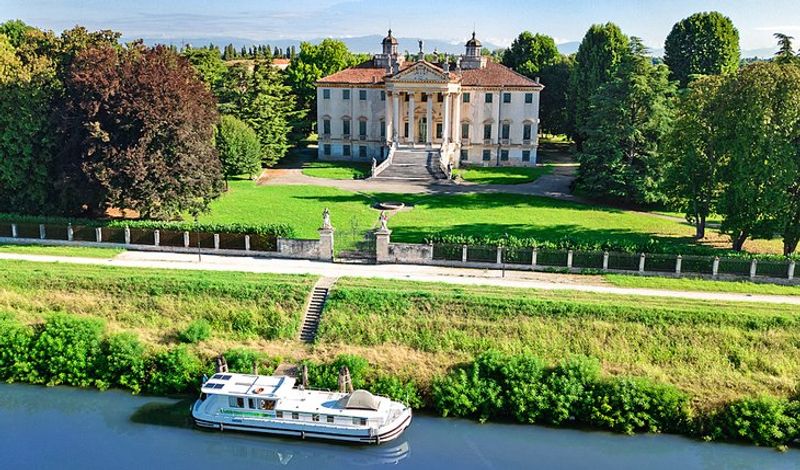
Venetian nobility built summer retreats along this canal when the city grew too hot and crowded, creating a string of architectural gems that rival anything in Venice itself. Villa Pisani and Villa Widmann showcase the extravagance—frescoed ballrooms, landscaped gardens, and salons decorated by masters like Tiepolo.
The Brenta Canal connects these estates like pearls on a string, and boat cruises remain the most atmospheric way to experience them. Gliding past manicured lawns and neoclassical facades recreates how aristocrats once traveled, minus the powdered wigs.
Many villas open for tours revealing opulent interiors where Venetian society once gathered for summer entertainment.
Small towns along the route—Stra, Dolo, Mira—preserve their historic character with canal-side walks and traditional osterie serving regional specialties. The combination of architectural grandeur and countryside setting creates unique appeal, blending cultural richness with pastoral calm.
Wine bars and restaurants occupy converted boathouses and villa dependencies, offering tastings of local vintages alongside cicchetti that showcase Venetian culinary traditions. Spring brings gardens to peak bloom, while autumn colors frame the villas in gold and rust.
Either season beats summer crowds while maintaining perfect weather for canal-side exploration.
Parco Giardino Sigurtà — Verdant Legendary Gardens
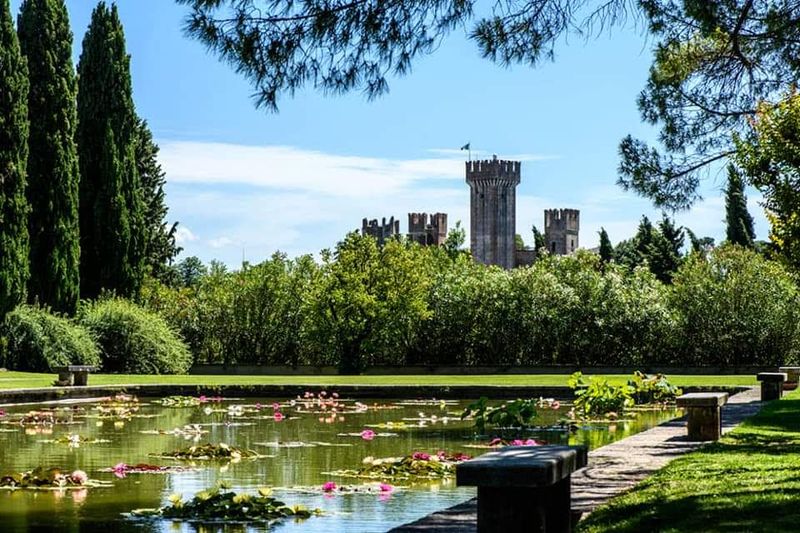
Sixty hectares of designed landscape unfold beyond Valeggio sul Mincio in what international garden experts consistently rank among Europe’s most beautiful parks. Sigurtà isn’t wilderness—it’s nature choreographed across rolling meadows, woodland groves, and floral displays that change with seasons.
Spring transforms the park into a tulip spectacle, with millions of blooms creating waves of color across the lawns. Summer brings rose gardens at peak fragrance, while autumn paints the tree collections in golds and crimsons.
Even winter has appeal, when frost outlines bare branches and the landscape takes on serene simplicity.
Paths wind through varied environments—formal gardens give way to naturalistic meadows, which transition into shaded groves perfect for summer picnics. The scale allows real exploration rather than quick tours, with benches positioned at viewpoints where you can rest and absorb the beauty.
Families spread blankets on the lawns while couples stroll hand-in-hand along tree-lined avenues.
The park’s proximity to Valeggio means you can combine garden visits with village exploration and regional dining. Electric carts are available for those who prefer not to walk the extensive grounds, though hiking the paths reveals details you’d miss at faster speeds.
It’s pastoral perfection, carefully maintained yet feeling utterly natural.
Castello San Salvatore — Historic Hilltop Fortress
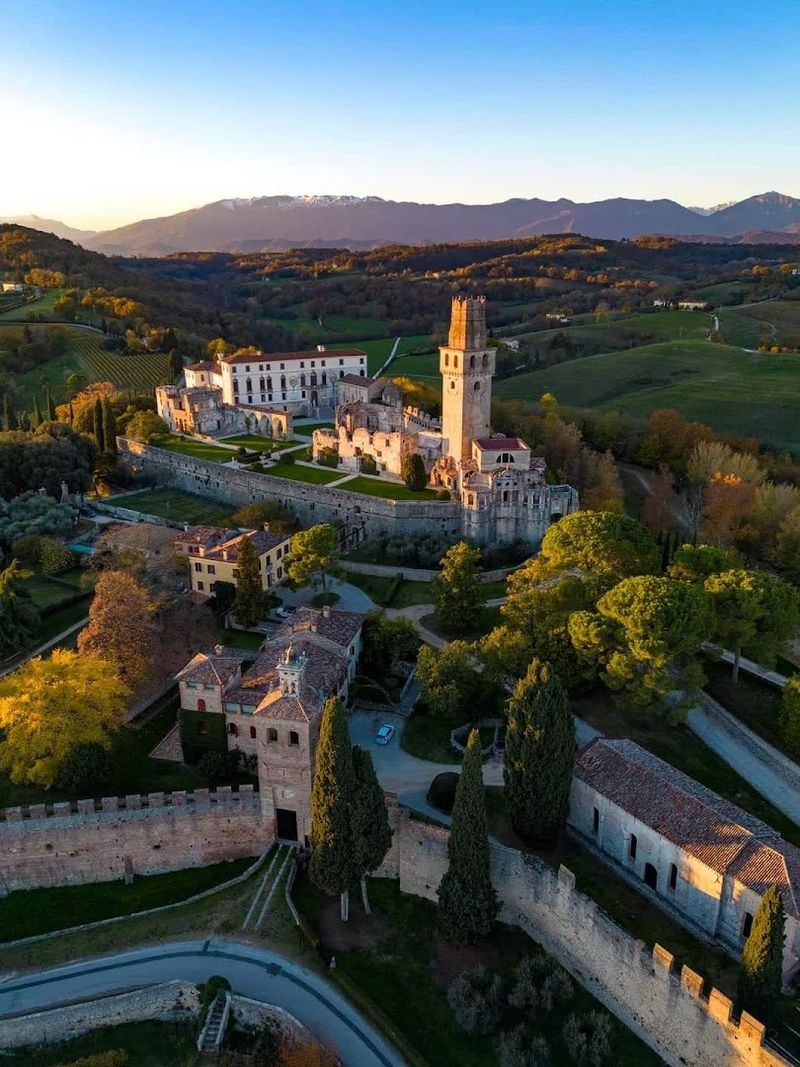
Stone towers rise above Susegana like sentinels watching over Prosecco country, part of a 13th-century fortress that’s weathered seven hundred years remarkably intact. Castello San Salvatore rewards the uphill approach with terrace views that sweep across vineyard-covered slopes toward distant Alpine peaks.
The castle hosts cultural events throughout the year—art exhibitions in medieval halls, concerts in courtyards where acoustics amplify every note, and historical reenactments that bring the fortress’s military past to vivid life. Even without special programming, exploring the towers and walls offers tangible connection to medieval Veneto.
Vineyards climb right to the castle’s base, and several nearby wineries welcome visitors for tastings with fortress views as backdrop. The combination of heritage architecture and wine culture creates appeal for both history buffs and oenophiles, often within the same traveling party.
Sunset visits prove especially memorable when golden light washes the stone walls and the valley below dissolves into purple shadows. The site remains less crowded than more famous Veneto castles, allowing unhurried exploration and photography without crowds photobombing your shots.
Local guides sometimes offer specialized tours explaining the fortress’s strategic importance in regional conflicts that shaped northern Italy’s history.
Villa Spineda Loredan — Palladian Villa & Legacy
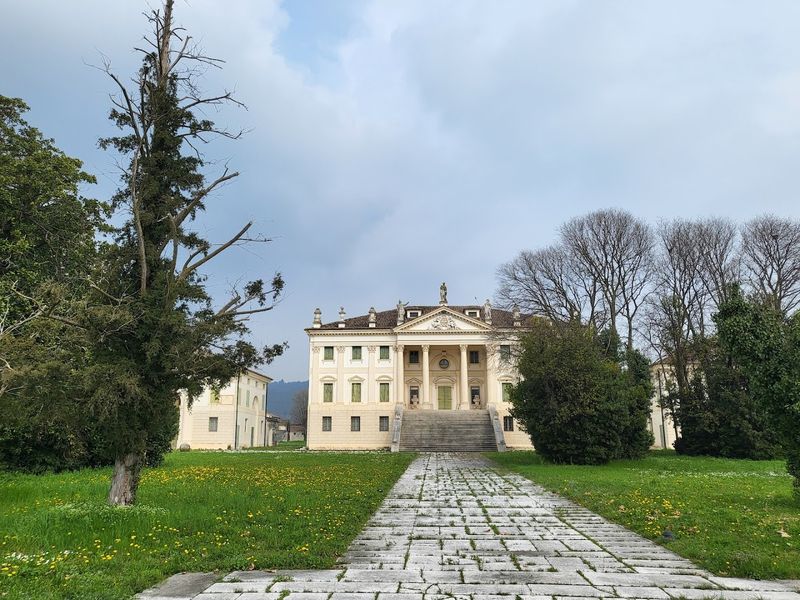
Palladian proportions and 18th-century grandeur define this estate rising from vineyards near Volpago del Montello. Villa Spineda Loredan embodies the architectural principles that made Palladio famous—symmetry, classical columns, and harmonious relationship with surrounding landscape.
Frescoed interiors reveal how Venetian nobility lived when they retreated from city life, with painted ceilings depicting mythological scenes and salons furnished in period elegance. The villa functioned as both residence and agricultural center, with wine cellars and storage rooms supporting the estate’s farming operations.
That dual purpose—beauty and productivity—characterizes Veneto’s villa culture.
Gardens extend from the main building in geometric patterns softened by centuries of growth, where original orchards have been replanted and vineyard rows march toward distant tree lines. Walking the grounds connects visitors to agrarian heritage that shaped this region’s prosperity.
The villa occasionally opens for tours and cultural events, though access remains more limited than at more famous estates—making visits feel privileged when they happen. Its location in wine country means you can combine architectural appreciation with tastings at neighboring wineries, many producing Montello reds from vineyards visible from the villa’s windows.
It’s aristocratic history still rooted in the land that sustained it.
Valeggio sul Mincio — Historic Town & Gastronomy
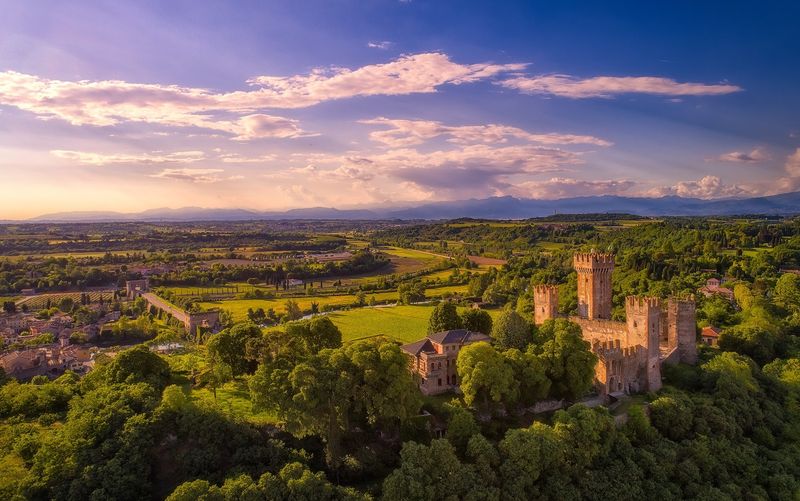
Scaliger Castle ruins crown the hill above this town where the Mincio River flows toward Lake Garda, creating scenery that mixes medieval drama with natural beauty. The fortress once guarded crucial river crossings, and climbing to its remaining towers offers panoramic rewards—lake waters glinting in one direction, rolling countryside in the other.
Valeggio’s culinary fame centers on tortellini, specifically a local variation called “nodo d’amore” (love knot) that restaurants serve with butter and sage or in rich broths. The town takes its pasta seriously, with annual festivals celebrating the tradition and restaurants competing to offer the most authentic versions.
Pair them with local wines and you’ve captured Valeggio’s essence on a plate.
The historic center preserves medieval and Renaissance architecture along streets that lead to the river, where mills once powered the local economy. Proximity to Parco Giardino Sigurtà makes Valeggio an ideal base for combining nature walks with cultural exploration and serious eating.
Lakeside areas nearby offer swimming and water sports during summer, while the town itself maintains appeal year-round with its blend of history, gastronomy, and scenic setting. It’s authentically Italian without trying too hard, where locals outnumber tourists even during peak season.
Euganean Hills — Volcanic Landscape & Spa Retreats
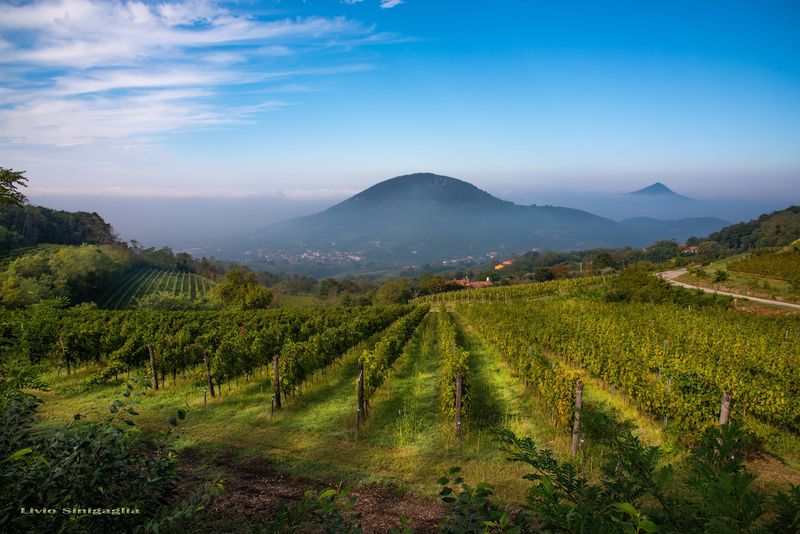
Ancient volcanic peaks rise unexpectedly from the Veneto plain like green islands in a sea of farmland. The Euganean Hills surprise with their sudden verticality, their slopes terraced with vineyards and olive groves that thrive in volcanic soil left by eruptions millions of years ago.
Thermal springs bubble up throughout these hills, feeding spa towns like Abano Terme where Romans once soaked in the same healing waters. Modern wellness centers offer treatments ranging from mud therapy to thermal pools, all utilizing mineral-rich springs that emerge naturally heated.
It’s restorative tourism with geological credibility.
Between spa sessions, hiking and cycling trails crisscross the hills through landscapes where medieval villages perch on summits and vineyards produce distinctive wines. Local reds and whites carry volcanic minerality that sommeliers can taste, making this a legitimate wine destination beyond its wellness reputation.
The combination of outdoor recreation, cultural heritage, and therapeutic relaxation creates unique appeal. You can hike to a hilltop castle in the morning, taste volcanic-soil wines at lunch, and soak in thermal waters by evening—all within a compact area.
Spring and autumn offer ideal weather for active exploration, while winter spa visits provide cozy refuge from northern Italian cold.
Valpolicella Wine Country — Amarone & Ridge Views
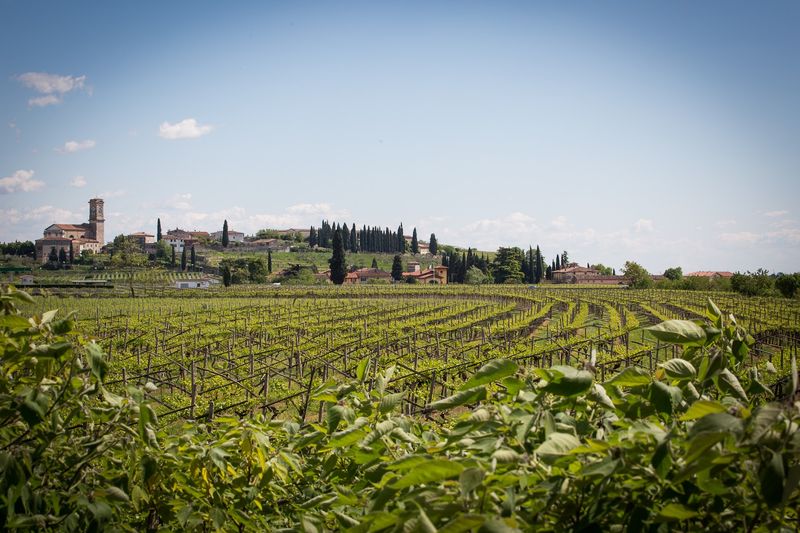
Limestone ridges northwest of Verona hold some of Italy’s most prestigious vineyards, where grapes become Amarone della Valpolicella—a wine so rich and complex it’s often called “the king of Italian reds.” The appassimento process dries harvested grapes for months, concentrating sugars and flavors into wines of extraordinary depth.
Visiting Valpolicella means exploring historic cantine where this tradition continues, often in cellars centuries old. Villa Mosconi Bertani combines aristocratic architecture with deep winemaking heritage, offering tours that reveal both.
Smaller estates in villages like Fumane and Negrar provide intimate tastings where winemakers personally explain their craft.
The landscape itself captivates—vine-covered slopes rise in waves toward the Alps, stone farmhouses dot the ridges, and cypress trees punctuate the scenery like exclamation points. It’s classically Italian yet distinctly Veronese, with its own microclimate and geological character shaping everything grown here.
Beyond Amarone, the region produces excellent Valpolicella Ripasso and sweet Recioto, giving wine lovers plenty to explore. Restaurants pair local vintages with regional dishes—risotto all’Amarone being the signature preparation.
Visit during harvest when the air smells of fermenting grapes and the hills buzz with activity, or come in spring when wildflowers carpet the vineyard edges.



