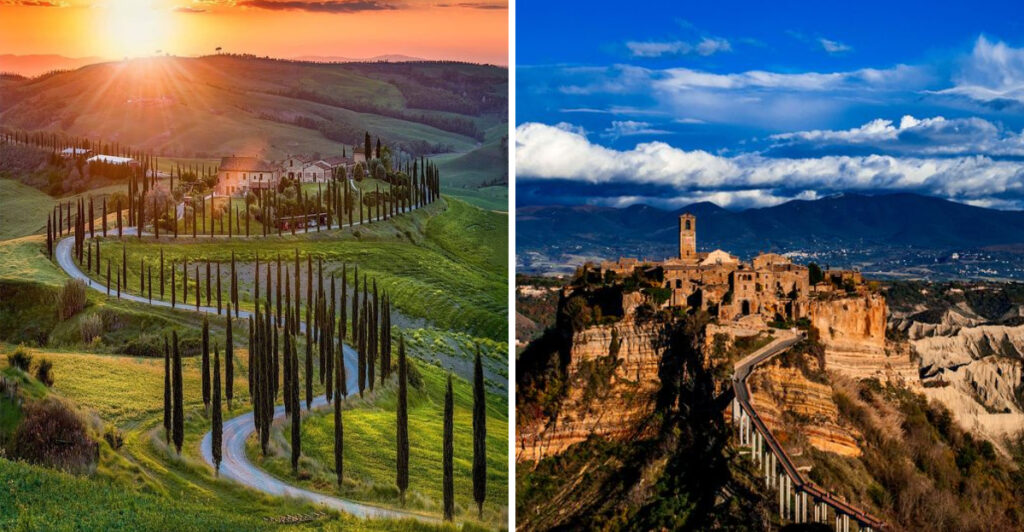
Italy has a way of surprising even the most seasoned travelers. Beyond the famous cities and postcard-perfect coastlines, there are quiet hilltop villages, glittering lake islands, and ancient cave towns waiting to be discovered.
These lesser-known spots offer just as much beauty, history, and flavor as the big-name destinations. Pack your bags and get ready to fall in love with a side of Italy most tourists never see.
Civita di Bagnoregio
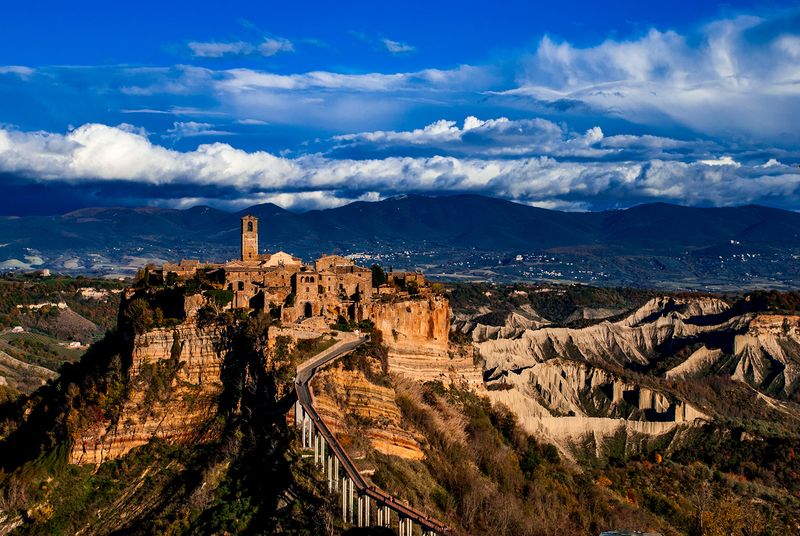
Imagine walking across a narrow bridge knowing the ancient village ahead has been slowly crumbling for centuries. Civita di Bagnoregio earns its dramatic nickname, “The Dying City,” because the volcanic rock beneath it keeps eroding year after year.
Only a single pedestrian bridge connects it to the outside world, which makes arriving feel like stepping into another era entirely.
The village itself is home to just a handful of permanent residents, giving it a wonderfully quiet and almost ghost-town atmosphere. Stone-paved streets wind between centuries-old buildings draped with flowers, and cats nap lazily on sun-warmed walls.
Every corner reveals a stunning view over the surrounding Calanchi valleys, those eerie, clay-eroded ravines that look like they belong on another planet.
Visiting in the early morning or late afternoon is the smartest move, since tour groups thin out and the golden light makes everything look magical. There is a small entrance fee to cross the bridge, which helps fund preservation efforts.
Civita di Bagnoregio is proof that sometimes the most extraordinary places are also the most fragile, and that makes them worth protecting.
Matera
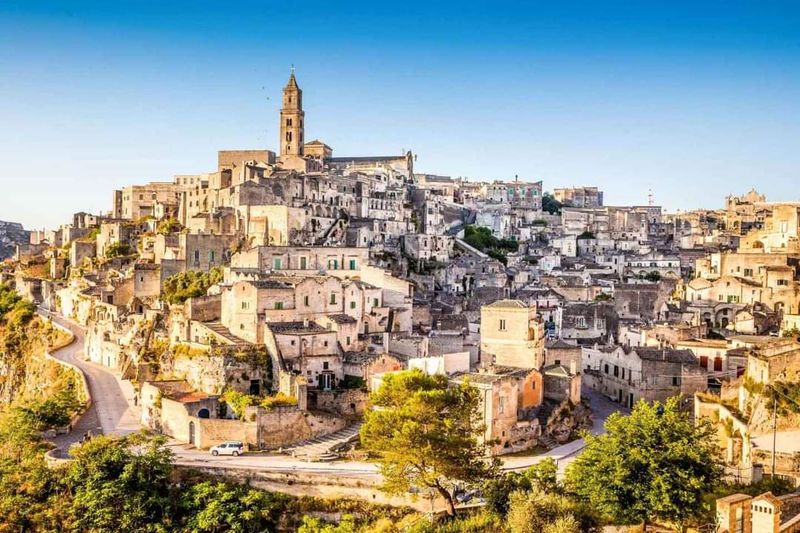
Few places on Earth can honestly claim to have been continuously inhabited for over nine thousand years, but Matera pulls it off without breaking a sweat. Carved directly into the rocky ravines of Basilicata, the Sassi districts are a labyrinth of cave homes, rock-cut churches, and narrow staircases that seem to defy gravity.
Walking through them feels less like sightseeing and more like time travel.
For decades, the Italian government actually relocated residents out of the Sassi, considering the caves too primitive for modern living. Today, those same caves have been transformed into boutique hotels, restaurants, and galleries, creating one of the most unique hospitality scenes in all of Europe.
Staying overnight inside a converted cave is an experience that is genuinely hard to top.
Matera served as the filming location for several major movies, including a James Bond film, which gives you a sense of just how cinematic this place looks in real life. The best views come from the opposite ravine at sunset, when the ancient city glows amber and gold.
Even as tourism grows, Matera still carries an untamed, almost mystical energy that keeps visitors coming back.
Alberobello
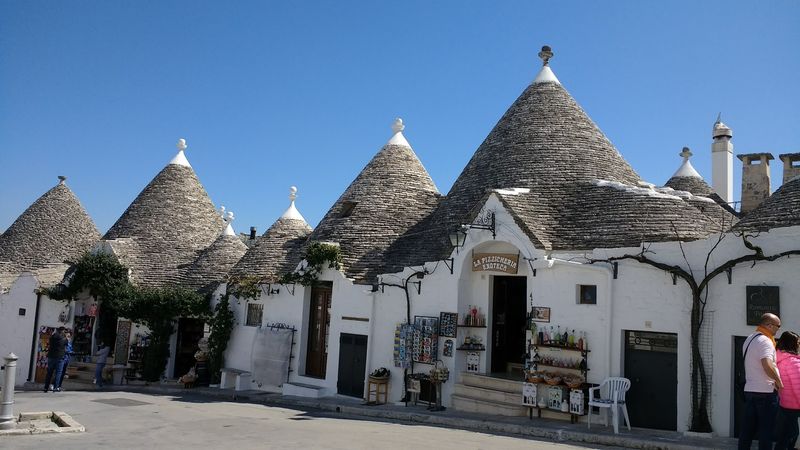
Someone clearly forgot to tell Alberobello that normal houses have flat or sloped roofs, because this Puglian town went entirely its own way. The trulli, those iconic whitewashed stone huts topped with conical grey roofs, cover entire hillsides and create a skyline that looks borrowed straight from a storybook.
There are over fifteen hundred of them clustered in the UNESCO-listed districts of Rione Monti and Aia Piccola.
What makes trulli even more fascinating is the clever reason they were built this way. Legend says that under certain tax laws, buildings with mortar were taxed, so locals built dry-stone structures they could quickly dismantle when inspectors came calling.
Whether or not that story is entirely true, it makes for a wonderfully cheeky piece of local history.
Many trulli have been converted into shops selling local olive oil, wine, ceramics, and handmade goods, so browsing through town doubles as excellent souvenir shopping. Others have become cozy guesthouses where you can actually sleep under a conical roof.
Visiting in spring or autumn keeps the crowds manageable and the temperatures pleasant. Alberobello is one of those rare places where the architecture alone is enough to make your jaw drop repeatedly.
Lucca
Lucca keeps one of the best-kept secrets in Tuscany tucked right on top of its head. The city is encircled by a completely intact Renaissance wall, and unlike most historic fortifications that you can only look at, this one has been converted into a wide, tree-lined promenade perfect for cycling or strolling.
Locals use it daily, which gives the whole experience a refreshingly un-touristy feel.
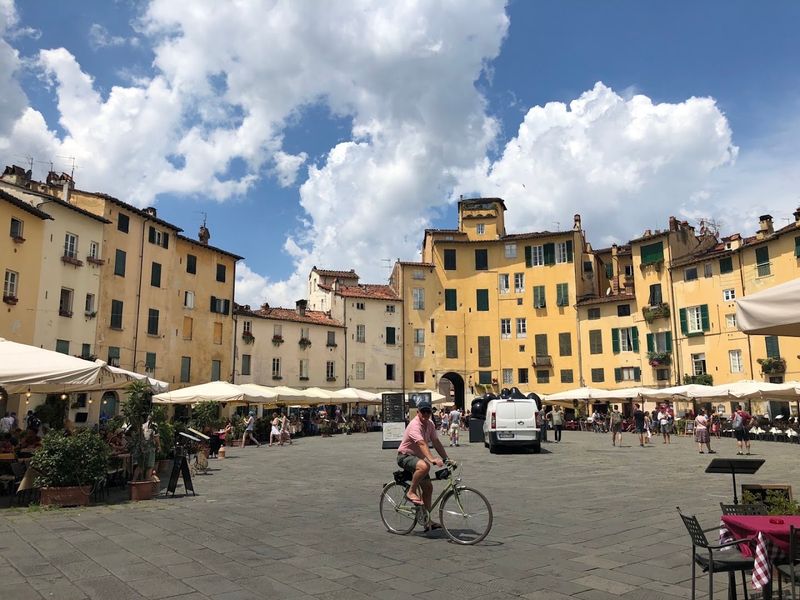
Inside the walls, Lucca is a wonderfully compact maze of Roman-era streets, Romanesque churches, and elegant piazzas. The Piazza dell’Anfiteatro is a particular highlight, an oval public square built directly on the foundations of an ancient Roman amphitheater, with buildings curving around the perimeter in a perfect ellipse.
It is the kind of urban detail that makes architecture nerds absolutely giddy.
Lucca also happens to be the birthplace of opera composer Giacomo Puccini, and the city celebrates that heritage with enthusiasm. Bike rentals are widely available and cheap, making it the ideal city to explore on two wheels.
Unlike Florence, which can feel overwhelming in peak season, Lucca moves at a gentler pace that invites you to linger over a long lunch and a glass of local Colline Lucchesi wine.
Orvieto
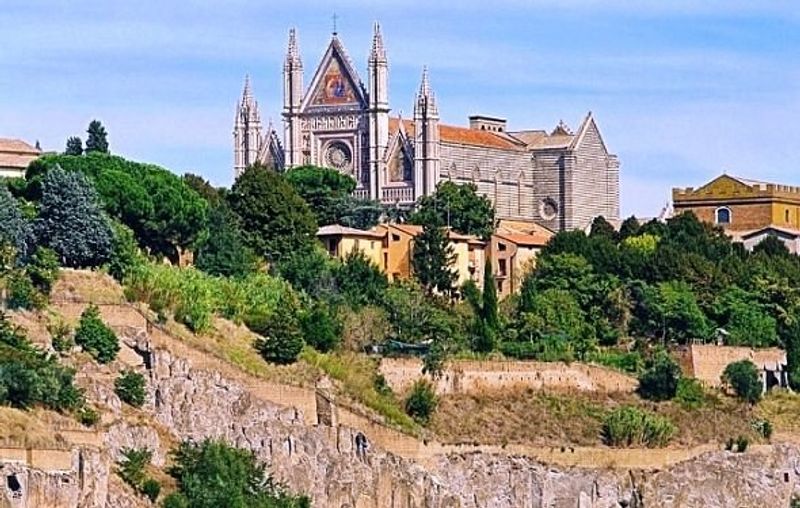
Orvieto announces itself dramatically, rising straight up from a flat volcanic plateau above the Umbrian countryside like a city that decided gravity was optional. The first thing most visitors notice is the cathedral, and for good reason.
The Duomo di Orvieto is considered one of the finest examples of Italian Gothic architecture in existence, its facade glittering with golden mosaics, marble reliefs, and intricate carvings that took three centuries to complete.
Below street level, Orvieto hides an entirely different world. The Orvieto Underground tour takes visitors through a network of caves, tunnels, and ancient Etruscan chambers carved directly into the tufa rock beneath the city.
Pigeon coops, old wells, and olive presses have been discovered down there, offering a surprisingly intimate look at how residents lived across different centuries.
The local white wine, Orvieto Classico, is produced from vineyards spread across the surrounding valley and pairs beautifully with the region’s earthy cuisine. Getting to the top of the plateau is half the fun, since a funicular railway connects the lower town to the historic center.
Orvieto rewards slow exploration, and the panoramic views from the city walls over the valley below are absolutely worth every step.
Ascoli Piceno
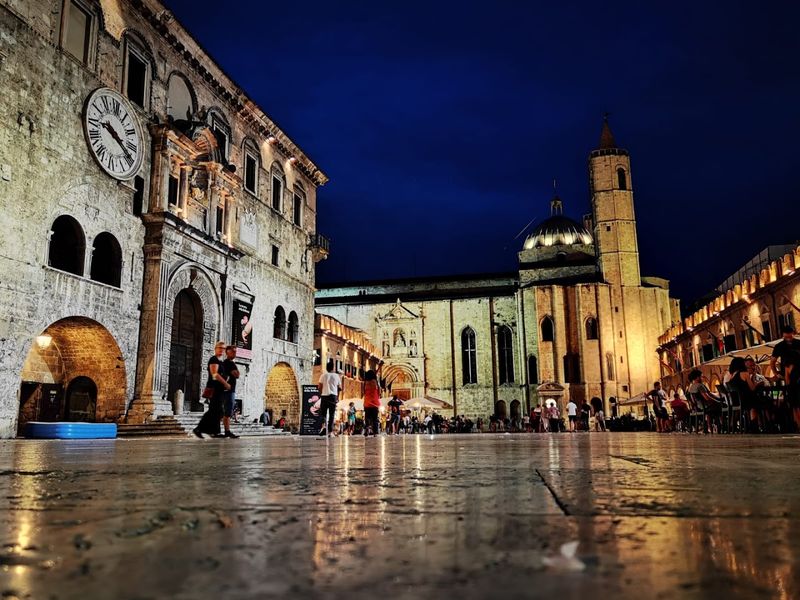
Locals in Ascoli Piceno have a saying that their city is the most beautiful in the world, and after spending an afternoon in the Piazza del Popolo, it becomes surprisingly hard to argue with them. This grand central square is paved entirely in travertine marble and lined with elegant arcaded buildings, making it one of the most visually striking public spaces in all of central Italy.
Yet remarkably, very few international tourists ever find their way here.
The city sits in the Le Marche region, tucked between mountains and the Adriatic coast, and its history stretches back to the ancient Piceni people. Medieval towers still punctuate the skyline, and the historic center is compact enough to explore entirely on foot in a single day.
Architecture fans will find Roman bridges, Romanesque churches, and Renaissance palaces all within easy walking distance of each other.
Food lovers, take note: Ascoli Piceno is the birthplace of olive ascolane, fried green olives stuffed with seasoned meat that are genuinely addictive. Every bar and restaurant in town serves them, and no two recipes are exactly alike.
The city hosts a colorful medieval jousting festival called the Quintana twice a year, which draws enthusiastic crowds in spectacular historical costumes.
Trieste
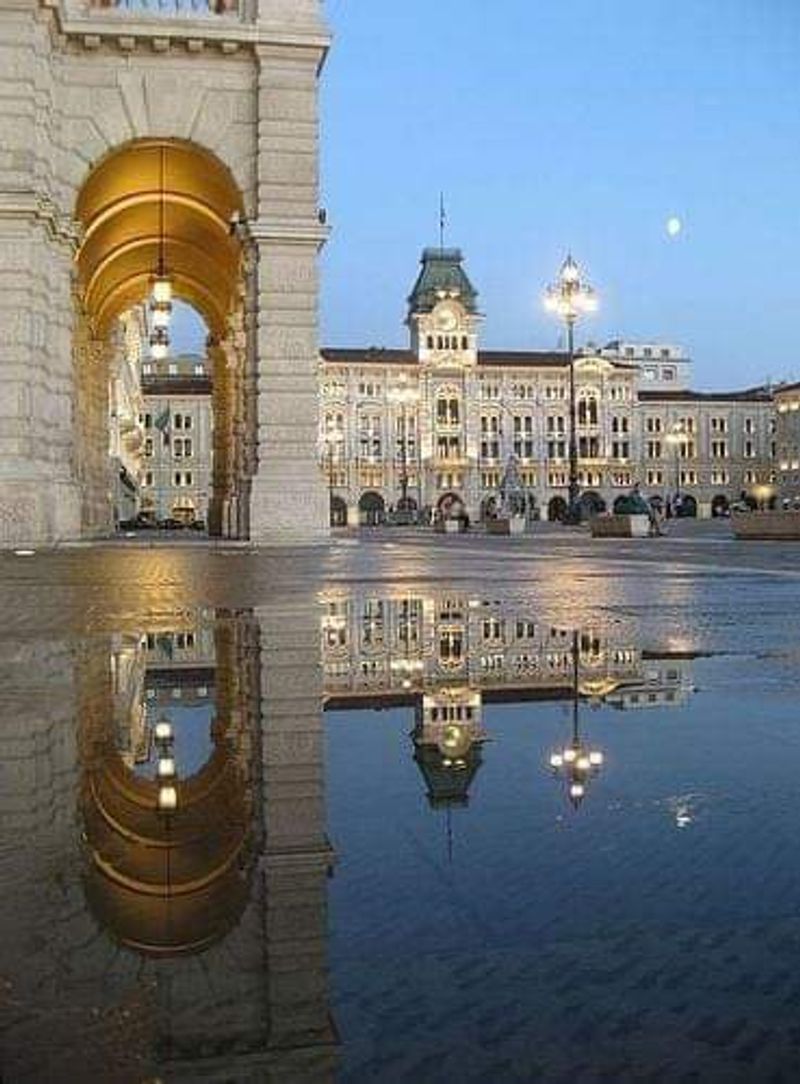
Trieste sits at a fascinating crossroads where Italy, Austria, and Slovenia all blur together into something entirely its own. For centuries it served as the main seaport of the Habsburg Empire, and that Central European influence still shows up everywhere, from the grand neoclassical architecture to the long-established coffee culture that predates even the espresso bar tradition found elsewhere in Italy.
Walking through the city center feels like being in Vienna with an Adriatic view.
The Piazza Unita d’Italia is one of Europe’s largest seafront squares, flanked by imposing Habsburg buildings and opening directly onto the Gulf of Trieste. On clear days, the light bouncing off the water and the surrounding limestone plateau creates a luminous atmosphere unlike anything found in the more famous Italian cities.
The nearby Miramare Castle, a white fairy-tale fortress perched above the sea, adds another layer of romance to the whole experience.
Trieste also carries serious literary credentials, having been home to James Joyce, who wrote much of Ulysses there, and Italo Svevo, one of Italy’s greatest novelists. The city’s historic cafes, some operating since the 1800s, are perfect spots to read, people-watch, and sip one of the many local coffee variations that Triestinos take very seriously indeed.
Mantua (Mantova)
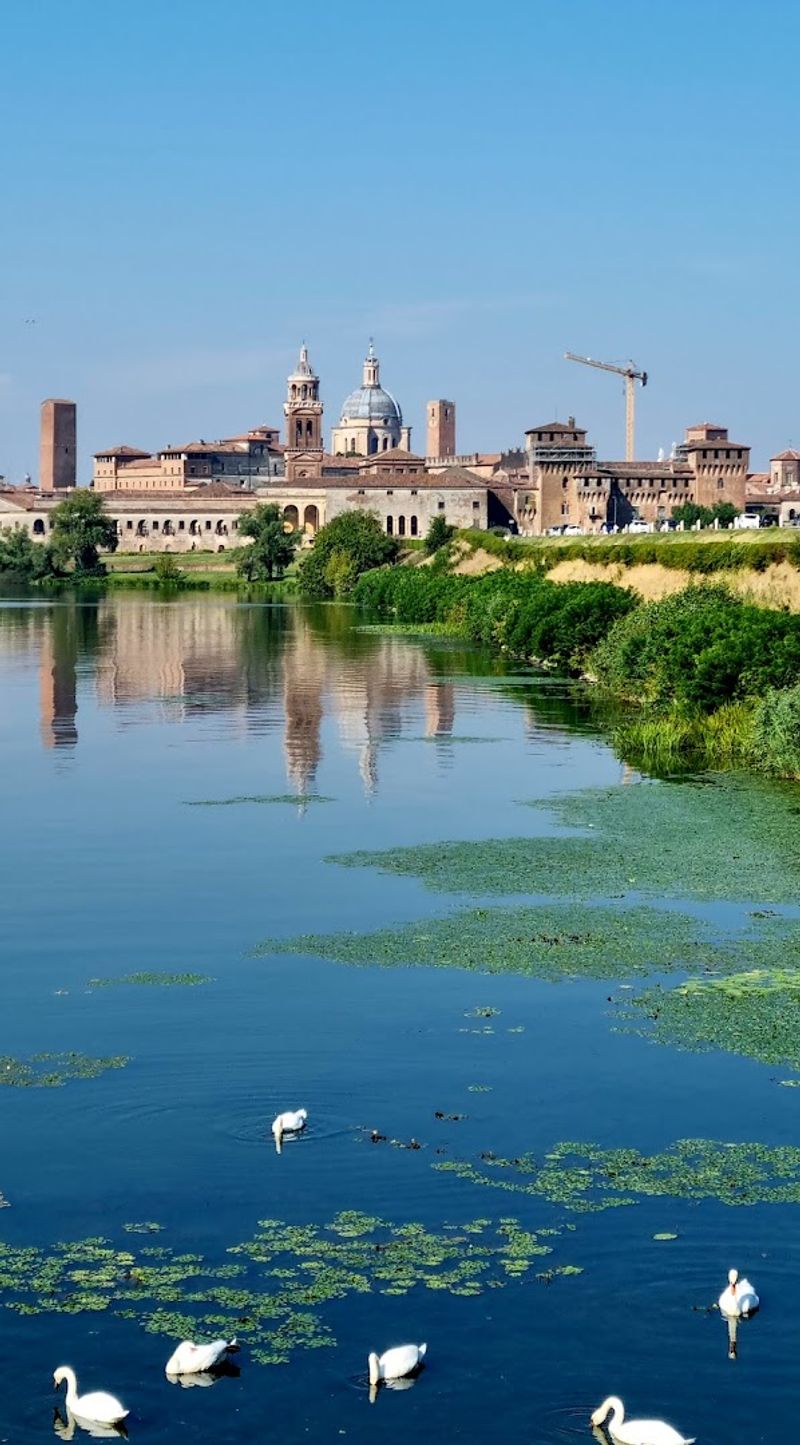
Three lakes wrap around Mantua like a protective moat, giving this Lombardy city a romantic, almost floating quality that has inspired poets and painters for centuries. Shakespeare set Romeo and Juliet partly here, and once you see the city rising above its shimmering lakes on a misty morning, the inspiration makes perfect sense.
Despite its extraordinary beauty and history, Mantua consistently flies under the radar compared to nearby Verona and Milan.
The Gonzaga family ruled Mantua for centuries and filled it with spectacular art and architecture. Their Palazzo Ducale is a labyrinthine complex of over five hundred rooms, and its Camera degli Sposi contains breathtaking Renaissance frescoes by Andrea Mantegna that are considered among the finest painted works of the fifteenth century.
The Palazzo Te, a summer pleasure palace on the edge of the city, features equally jaw-dropping illusionistic ceiling paintings by Giulio Romano.
Mantua’s cuisine reflects its position between the Po River plains and the surrounding lakes, with dishes like tortelli di zucca, pumpkin-filled pasta served with butter and sage, that are unlike anything found elsewhere in Italy. The city is compact and easily walkable, and cycling around the lake paths at sunset is a genuinely lovely way to end a day of sightseeing.
Monte Isola
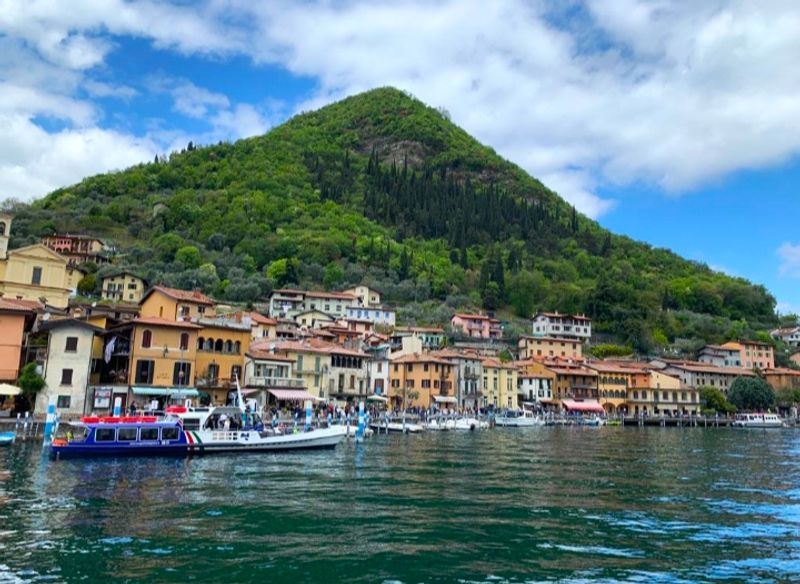
No cars, no traffic noise, no exhaust fumes. Monte Isola, rising from the middle of Lake Iseo in Lombardy, operates on a refreshingly different set of rules from the rest of Italy.
As Europe’s largest inhabited lake island, it covers about sixteen square kilometers and is home to around eighteen hundred permanent residents who get around by foot, bicycle, or the small electric vehicles used for deliveries. The silence alone feels like a luxury.
The island is dotted with small fishing villages, each with its own character and lakeside charm. Peschiera Maraglio is the main landing point and offers excellent seafood restaurants where the catch comes straight from the surrounding lake.
Hiking paths wind uphill through chestnut forests to the Sanctuary of the Madonna della Ceriola at the summit, rewarding the climb with panoramic views across Lake Iseo and the surrounding Alpine foothills.
Monte Isola gained international attention in 2016 when artist Christo wrapped the lake’s smaller neighboring islands and floating piers in bright orange fabric, drawing enormous crowds. The island itself returned to its peaceful rhythms afterward, and that tranquility is now its greatest attraction.
Ferries connect Monte Isola to the lakeside towns of Sulzano and Sale Marasino, making it an easy and deeply rewarding day trip.
Val d’Orcia
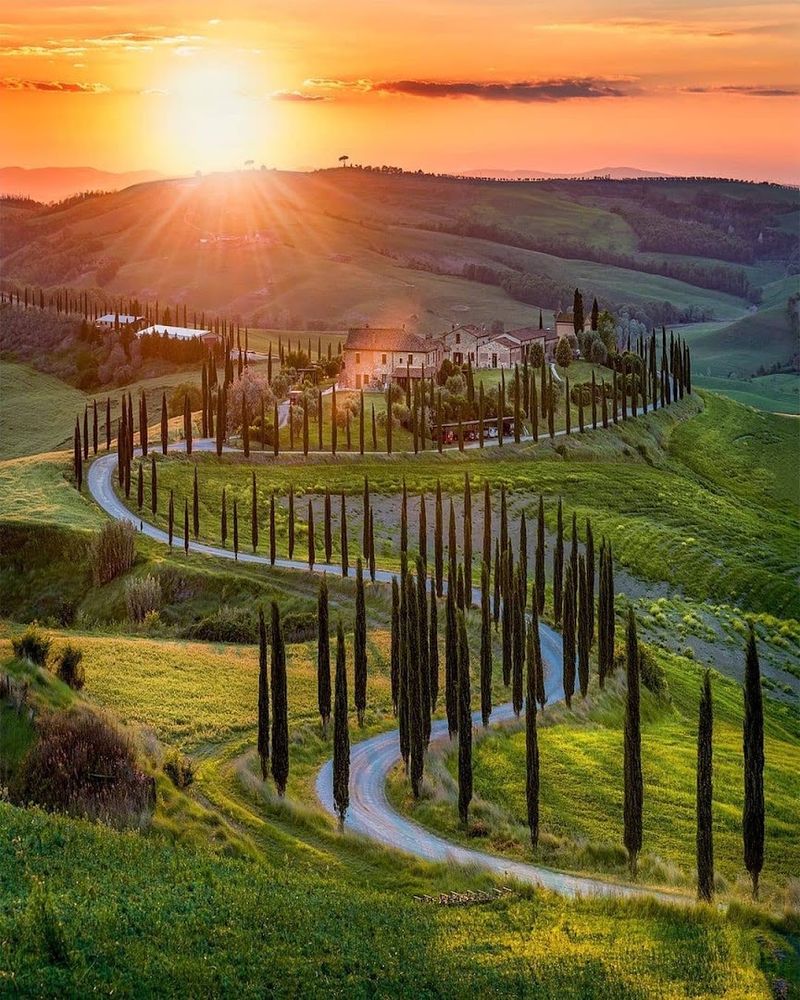
Every photograph you have ever seen of the classic Tuscan countryside was probably taken somewhere in the Val d’Orcia. This UNESCO-listed valley in southern Tuscany is the real-life version of those rolling green hills, cypress-lined roads, and honey-colored farmhouses that show up on calendars, screensavers, and travel magazine covers around the world.
Seeing it in person for the first time produces a genuinely surreal feeling, like walking into a painting.
The valley is anchored by several extraordinary medieval towns. Pienza was redesigned during the Renaissance as an ideal city and is a joy to wander, while Montalcino perches above vineyards producing Brunello, one of Italy’s most celebrated red wines.
San Quirico d’Orcia and Bagno Vignoni, a village built around a steaming thermal pool, add further layers of charm to the region.
Spring is the most spectacular season to visit, when the fields turn vivid green and red poppies dot the roadsides. Autumn brings harvest season and the warm amber tones of changing vineyards.
Renting a car is the best way to explore, since many of the most stunning viewpoints sit along unpaved country roads known as strade bianche. Slow down, pull over often, and resist the urge to rush anywhere.
Cetara
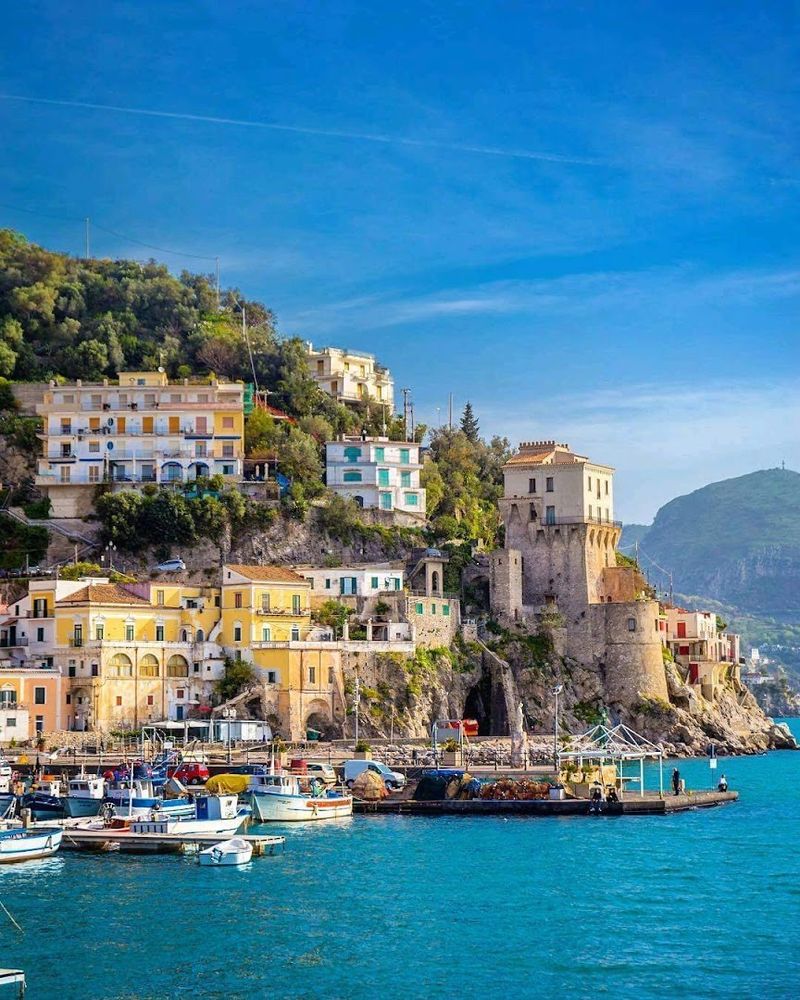
While the rest of the Amalfi Coast performs for the cameras, Cetara quietly gets on with being an actual fishing village. Colorful wooden boats are pulled up on the narrow beach each morning, and the smell of fresh catch drifts through streets where locals outnumber tourists by a comfortable margin.
It is the kind of place where the restaurant owner is also the fisherman who caught your lunch, and that connection to the sea feels completely genuine.
Cetara is particularly famous for colatura di alici, a pungent, amber-colored anchovy sauce that has been produced here since medieval times. It is the Italian cousin of ancient Roman garum, drizzled sparingly over pasta, vegetables, and salads to add a deep, savory punch.
Picking up a small bottle to take home is essentially mandatory, and local shops stock it in every size imaginable.
The village is tucked into a narrow cove between dramatic cliffs, giving it a sheltered, almost secret quality that the bigger Amalfi towns have long since lost to mass tourism. The beach is small but genuinely swimmable, and the seafood restaurants lining the waterfront are outstanding without being overpriced.
Cetara is what the Amalfi Coast used to feel like before everyone discovered it.
Spoleto
Spoleto stacks history so efficiently that you can walk from a Roman theater to a medieval fortress to a Romanesque cathedral in under twenty minutes. This compact Umbrian city has been inhabited since at least the Bronze Age, and each era left something impressive behind.
The Romans built temples and an amphitheater. The medieval period contributed towers, churches, and the spectacular Ponte delle Torri aqueduct bridge, which leaps across a forested gorge on ten massive arches.
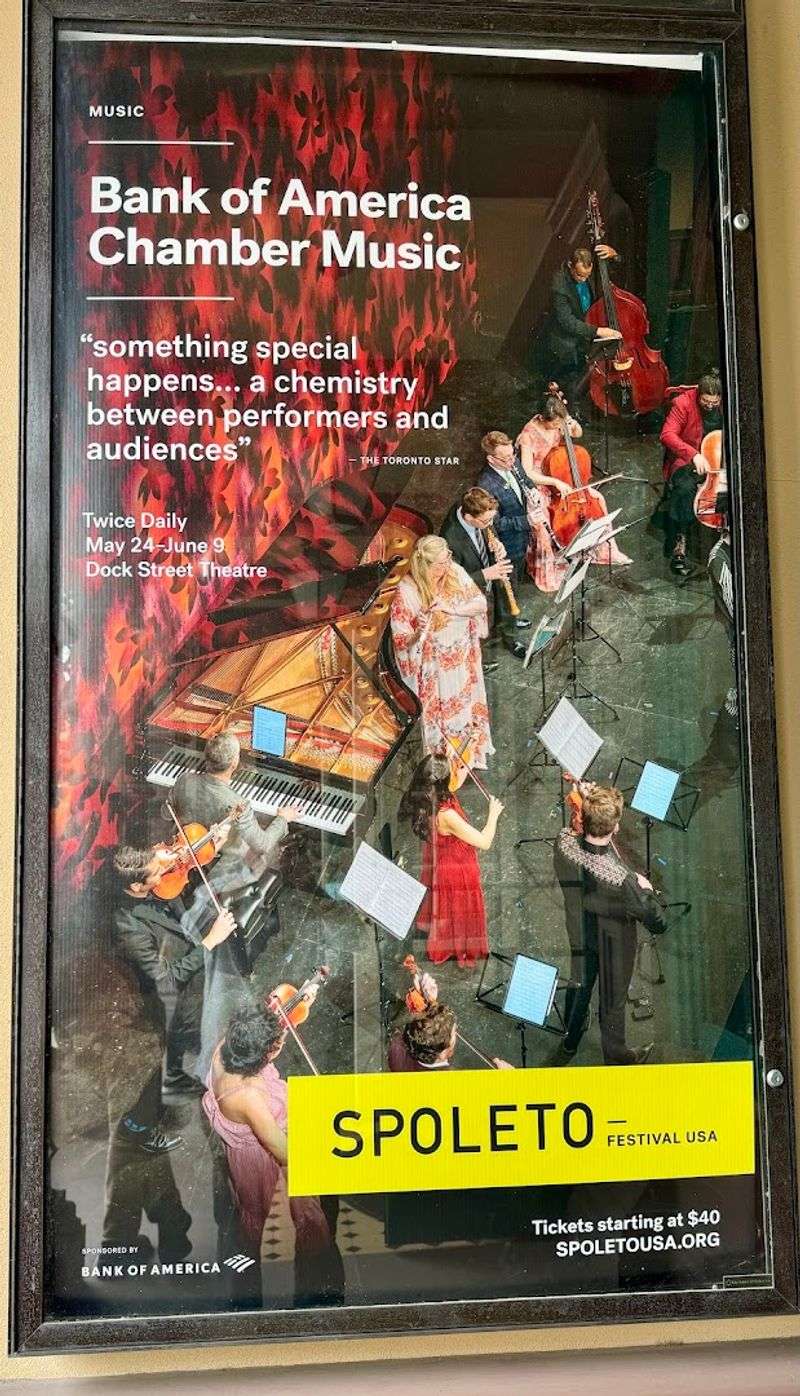
Every summer, Spoleto hosts the Festival dei Due Mondi, or Festival of Two Worlds, one of Italy’s most prestigious performing arts events. Opera, ballet, theater, and contemporary art take over the city’s historic venues for several weeks, attracting world-class performers and enthusiastic audiences.
Even outside festival season, Spoleto’s cultural calendar stays lively with concerts, exhibitions, and events staged in its remarkable historic spaces.
The food scene is deeply rooted in Umbrian tradition, with black truffles, lentils from nearby Castelluccio, and locally pressed olive oil starring on most menus. The surrounding countryside is gorgeous for walking, with trails connecting Spoleto to smaller villages and nature reserves.
For a city with this much going on, Spoleto remains astonishingly relaxed and crowd-free compared to its more famous Umbrian neighbor, Assisi.
Rasiglia
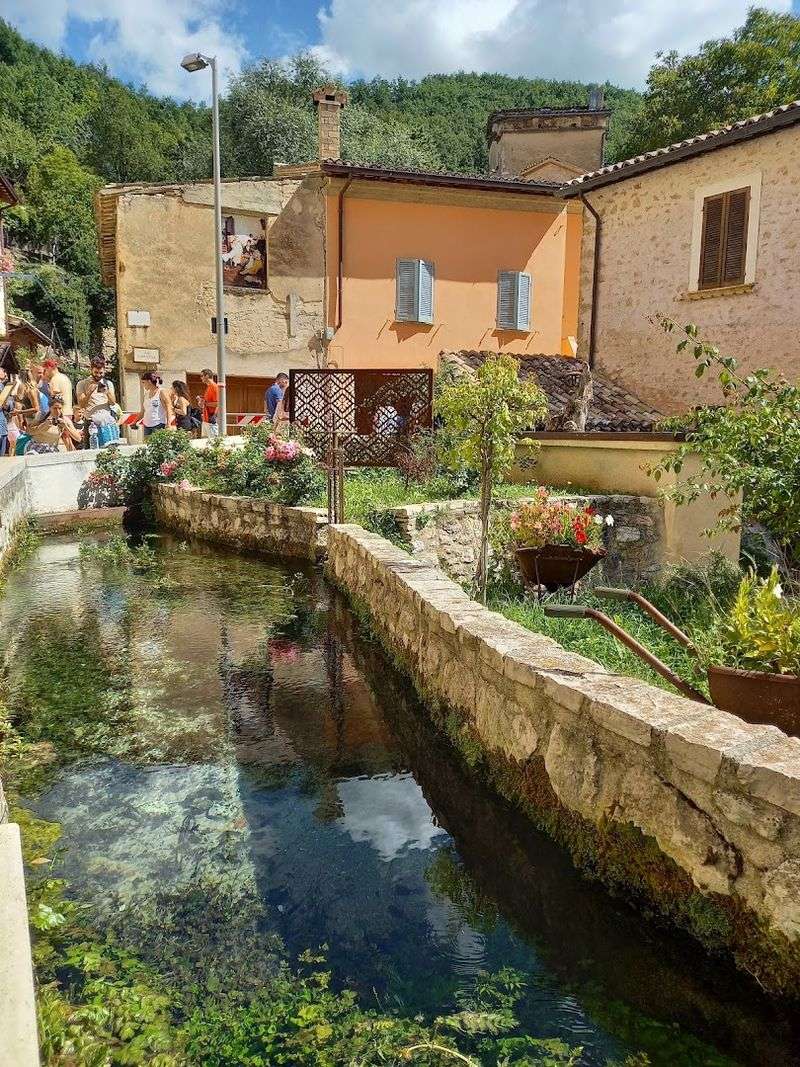
Water runs through Rasiglia the way blood runs through veins: constantly, quietly, and absolutely essential to everything. This tiny Umbrian hamlet near Foligno is laced with crystal-clear streams that bubble up from natural springs and flow directly through the stone streets, under arched bridges, and alongside old mill buildings that once powered the local textile industry.
The effect is so charming it genuinely stops people in their tracks.
Rasiglia is genuinely small, with only a handful of permanent residents, which makes the nickname “Venice of Umbria” feel slightly generous but entirely understandable. The streams are remarkably clean and transparent, fed by the Menotre River springs, and their sound creates a constant gentle backdrop that makes wandering through the village feel wonderfully peaceful.
Old watermills have been partially restored, giving visitors a glimpse into the village’s working past.
Because Rasiglia sits off the main tourist trail, it attracts mostly Italian visitors and curious travelers who have done their research well. There are no large hotels or souvenir shops, just a couple of small eateries and the village itself.
Spring and early summer are the best times to visit, when surrounding hillsides turn green and the water levels run high. Rasiglia is the definition of a hidden gem that genuinely deserves to stay that way.
Abruzzo National Park
Bears live here. Real, wild, shaggy Marsican brown bears roam the forests of Abruzzo National Park, and that fact alone sets this place apart from virtually every other destination in Italy.
Established in 1923, the park is one of Europe’s oldest and most successful wildlife reserves, sheltering not only bears but also Apennine wolves, Marsican chamois, golden eagles, and dozens of other species that have largely vanished from the rest of the continent.
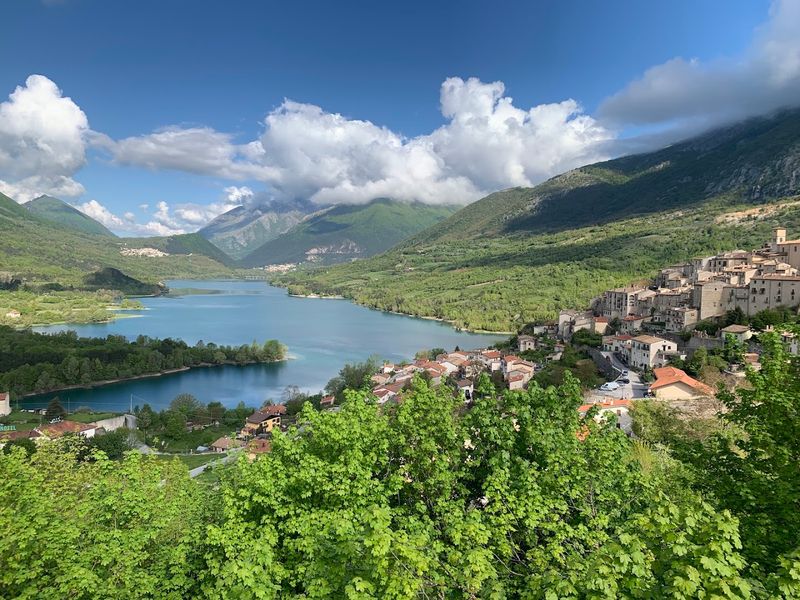
The park covers over fifty thousand hectares of mountains, beech forests, rivers, and high meadows in central Italy, straddling the regions of Abruzzo, Lazio, and Molise. Medieval villages dot the park’s interior, including Pescasseroli and Civitella Alfedena, where small museums explain local wildlife and conservation efforts.
Hiking trails range from gentle lakeside walks to challenging mountain routes that reward serious trekkers with sweeping ridge-top views.
Autumn is a spectacular time to visit, when the beech forests turn brilliant shades of copper and gold and wildlife activity increases before winter sets in. The park enforces strict rules about off-trail behavior and wildlife interaction, which is precisely why it has been so successful at preserving its remarkable ecosystem.
For nature lovers tired of crowds and craving genuine wilderness, Abruzzo National Park delivers something Italy rarely advertises but absolutely excels at.
Friuli Venezia Giulia
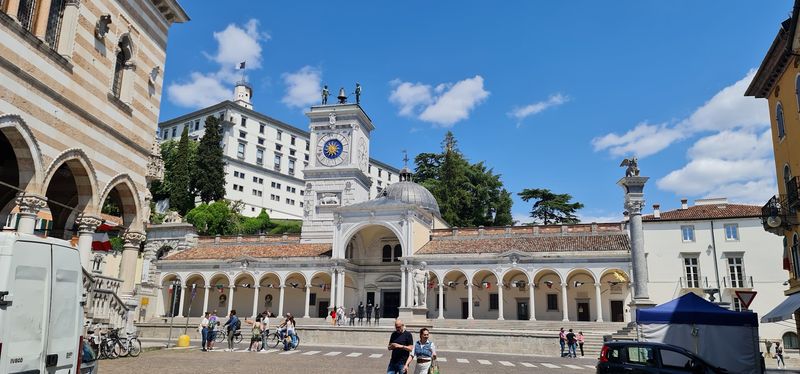
Italy’s most underrated region does not bother competing with Tuscany or the Amalfi Coast, and honestly, it does not need to. Friuli Venezia Giulia sits in the northeastern corner of the country, bordering Austria and Slovenia, and its identity is a genuinely fascinating mix of Italian warmth, Central European precision, and Slavic cultural influence.
The result is a region that feels like three countries folded into one, with food, architecture, and wine to match.
The wine here is exceptional and largely unknown outside specialist circles. The Collio and Colli Orientali del Friuli zones produce some of Italy’s finest white wines from varieties like Friulano, Ribolla Gialla, and Malvasia Istriana.
Local restaurants serve outstanding dishes that blend Italian and Mitteleuropean traditions, from delicate pasta to hearty goulash-influenced stews, often paired with wines poured with great local pride.
Beyond the vineyards, the region offers medieval towns like Cividale del Friuli, a UNESCO World Heritage site with Lombard-era treasures, plus the dramatic Julian Alps for hiking and skiing, and Adriatic beaches around Grado and Lignano. The regional capital Udine is elegant and lively without being overwhelmed by tourists.
Friuli Venezia Giulia rewards curious travelers who enjoy discovering places before everyone else does.
Share this story