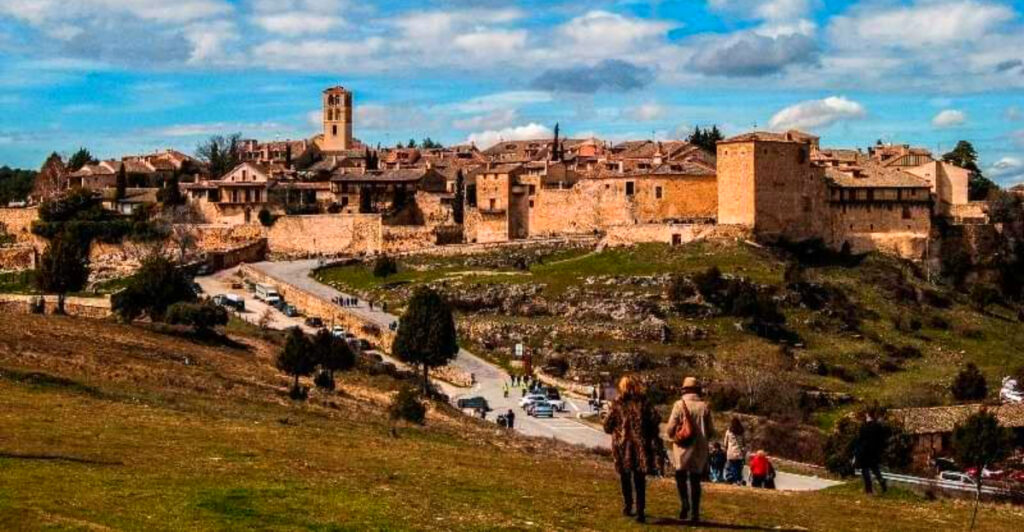
Spain is full of surprises, and not all of them are found in Barcelona or Madrid. Tucked away in mountain ranges, perched on cliff edges, and hidden behind ancient stone walls, there are dozens of Spanish towns that seem to have quietly refused to join the modern world.
Some of these places still have cobblestone streets too narrow for cars, medieval churches that doubled as fortresses, and town squares where the biggest news of the week is who won the Sunday chess match. This article takes you through 15 of the most extraordinary hidden towns in Spain, each one preserving a slice of history that feels almost too good to be true.
Whether you are planning a trip or just daydreaming at your desk, these places will make you seriously reconsider your next vacation destination.
1. Morella, Castellón, Valencian Community
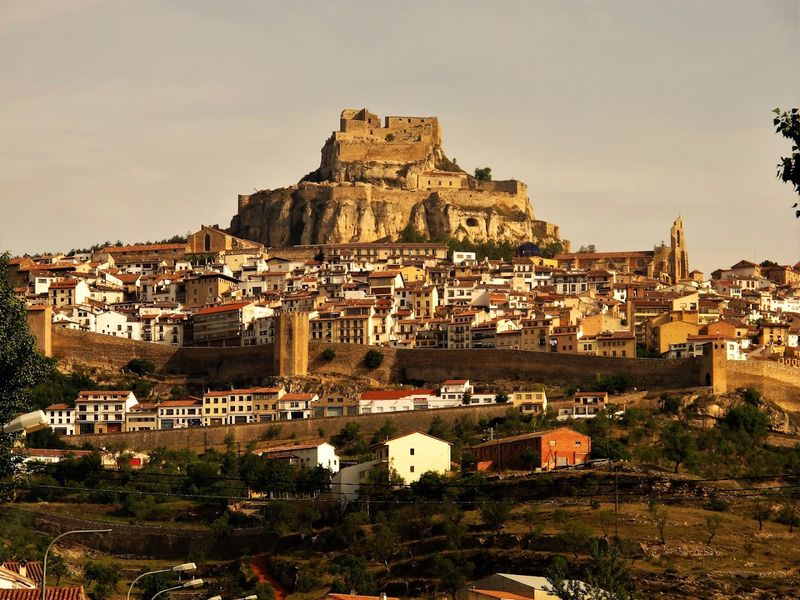
Crowning a steep rocky outcrop in the province of Castellón, Morella is the kind of town that makes you wonder how anyone managed to build it in the first place.
The entire town is enclosed by a 2.5-kilometer medieval wall that has survived more than seven centuries without much complaint. Inside those walls, you will find Gothic churches, narrow stone alleyways, and a castle at the very top that was once considered one of the most strategically important fortresses in eastern Spain.
Morella has a population of fewer than 2,500 people today, which gives it a refreshingly unhurried pace. The town also hosts a famous international puppet festival every two years, drawing visitors who are genuinely surprised to find such cultural energy this far off the tourist trail.
2. Alquézar, Huesca, Aragon
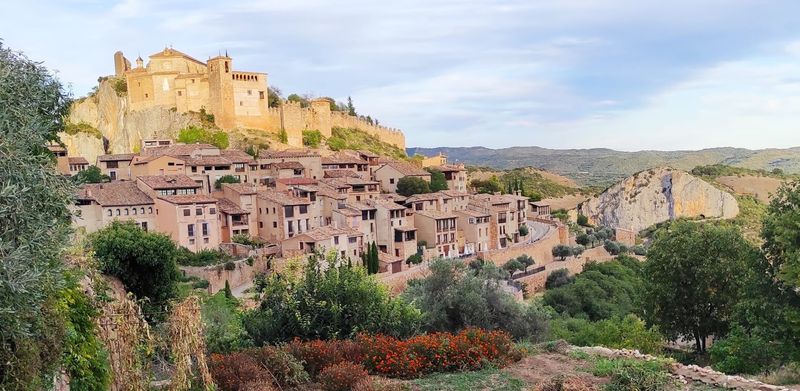
Alquézar sits above the Vero River canyon like it has been there forever, which, for all practical purposes, it has.
The village dates back to the 9th century when the Moors built a fortress here to control the surrounding territory. That original fortress was later converted into a Romanesque collegiate church, and today visitors can walk through both the sacred and the strategic layers of the same site.
Beyond the church, Alquézar serves as a practical base for exploring the Sierra de Guara natural park, which surrounds it with dramatic canyon landscapes. The village itself is compact enough to cover on foot in a couple of hours, but the surrounding terrain can keep outdoor enthusiasts busy for days.
Its combination of cultural heritage and natural access makes it one of Aragon’s most quietly rewarding destinations.
3. Mogarraz, Salamanca, Castile and León
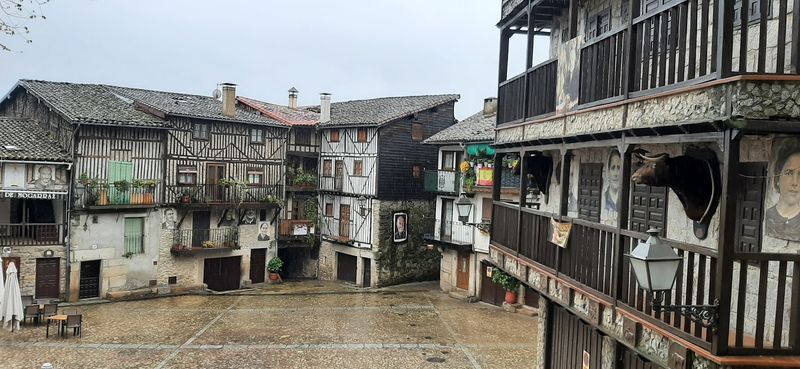
Mogarraz might be the only village in Spain where the buildings themselves are a portrait gallery.
Since 2012, an artist named Florencio Maíllo has been painting portraits of former residents directly onto the facades of houses throughout the village, based on old identity card photographs. The result is a permanent open-air exhibition of faces that gives the cobblestone streets an unusually personal atmosphere.
Beyond the portraits, Mogarraz is a well-preserved example of traditional Salamancan architecture, with timber-framed houses featuring carved wooden balconies that date back several centuries. The village sits within the Sierra de Francia natural park, which keeps the surrounding landscape largely untouched.
4. Sigüenza, Guadalajara, Castilla-La Mancha
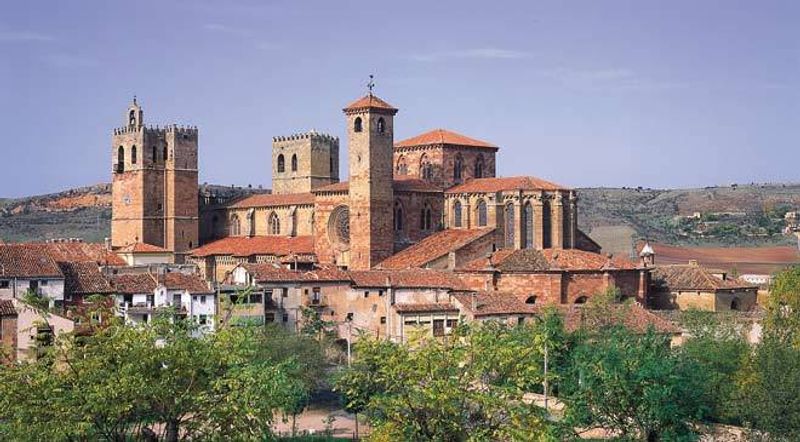
A cathedral, a castle, and a medieval street plan that has barely changed in 900 years. Sigüenza is not messing around with its history.
The town served as a key defensive point during the Middle Ages, and its imposing Romanesque cathedral was begun in the 12th century. Inside the cathedral, you will find the famous tomb of El Doncel, a carved marble effigy of a young nobleman that art historians consistently rank among the finest funerary sculptures in Spain.
The castle above the town has been converted into a parador, meaning you can actually sleep inside a medieval fortress and have breakfast with a view of the surrounding plains. Sigüenza also has a well-organized historic center that is walkable and clearly signposted, making it one of the more accessible medieval towns on this list for first-time visitors.
5. Pedraza, Segovia, Castile and León
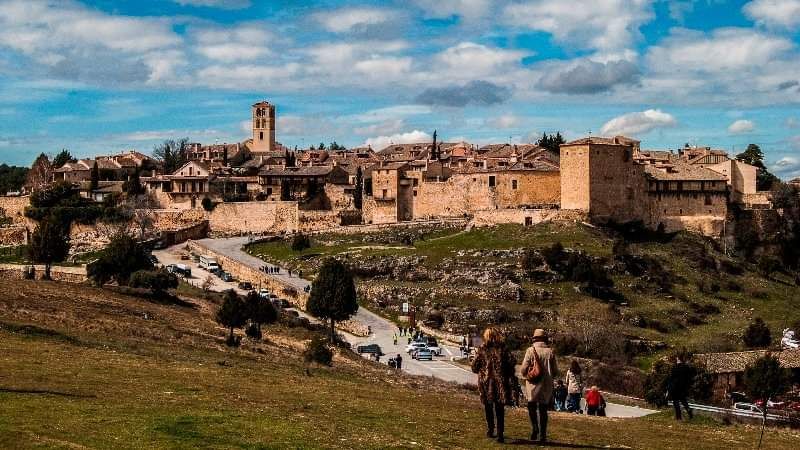
There is only one road in and one road out of Pedraza, and that single gate has been controlling who enters since the Middle Ages.
Declared a historic artistic site back in 1951, this small village in Segovia province has managed to keep modern architecture completely out of its main square. The Plaza Mayor looks almost identical to how it appeared centuries ago, lined with stone arcades and wooden balconies that have never been replaced with aluminum or glass.
The village is also home to a castle that once held Francis I of France as a prisoner after the Battle of Pavia in 1525. History enthusiasts will find that detail particularly satisfying.
Pedraza holds a popular candlelit concert series each summer that transforms the entire village into an open-air stage after dark.
6. Sos del Rey Católico, Zaragoza, Aragon
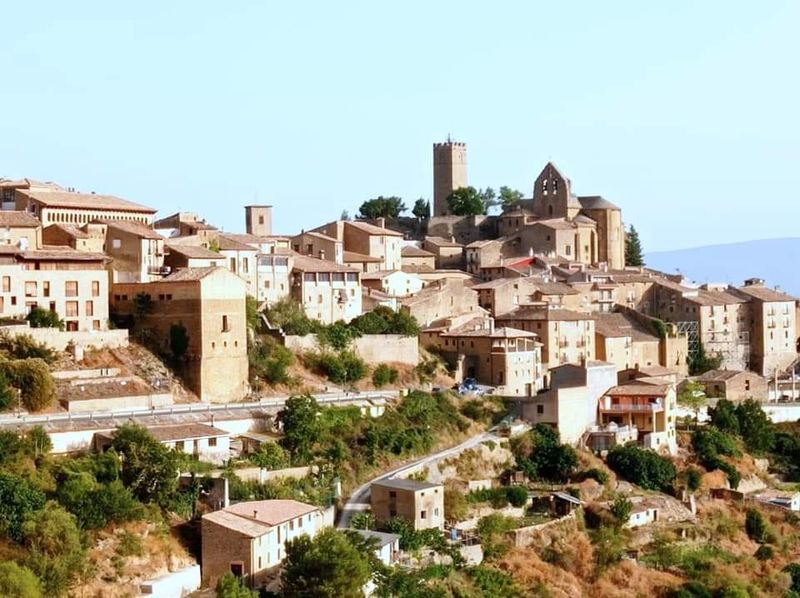
The name alone tells you this place takes its royal history seriously. Sos del Rey Católico is the birthplace of Ferdinand II of Aragon, the king who, alongside Isabella of Castile, unified Spain and funded Columbus’s first voyage.
The village preserves that medieval hilltop character with remarkable consistency. Stone streets run steeply between tightly packed buildings, the Romanesque church of San Esteban dominates the skyline, and the old palace where Ferdinand was born in 1452 still stands and is open to visitors.
What makes Sos particularly interesting is how complete it feels. There are no jarring modern additions breaking the visual rhythm of the town.
The entire historic center operates almost like a living museum, except with actual residents going about their daily lives, which makes the experience feel far more genuine than a reconstructed heritage site.
7. Mirambel, Teruel, Aragon
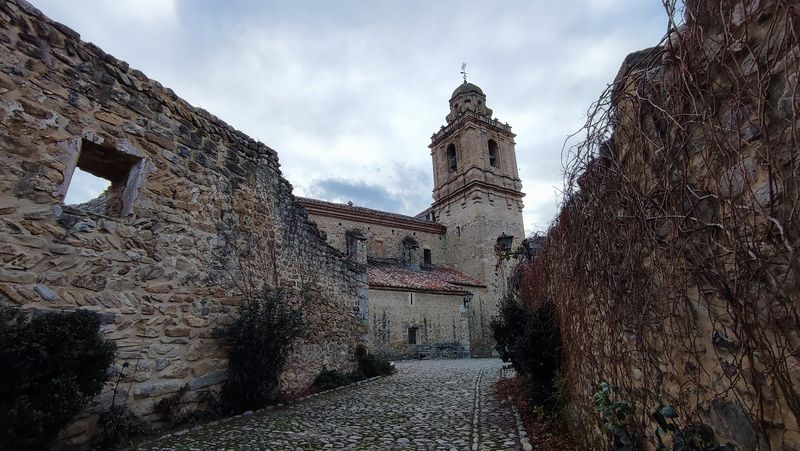
Mirambel has been called one of the best-preserved medieval villages in Spain so many times that the residents have probably stopped being surprised by the compliment.
Located in the Maestrazgo region of Teruel, this tiny village of fewer than 150 people is enclosed within medieval walls that remain almost entirely intact. The stone doorways are carved with coats of arms, the streets are paved with original cobblestones, and the town gate still stands at the entrance as if waiting to check your credentials.
Mirambel was used as a filming location for the 1986 film “Camorra” by Francesco Rosi, which gives it an unexpected connection to international cinema. The village has also received recognition from heritage organizations across Europe.
Despite all that attention, it remains genuinely quiet and unhurried, which is perhaps its greatest achievement.
8. Laguardia, Álava, Basque Country
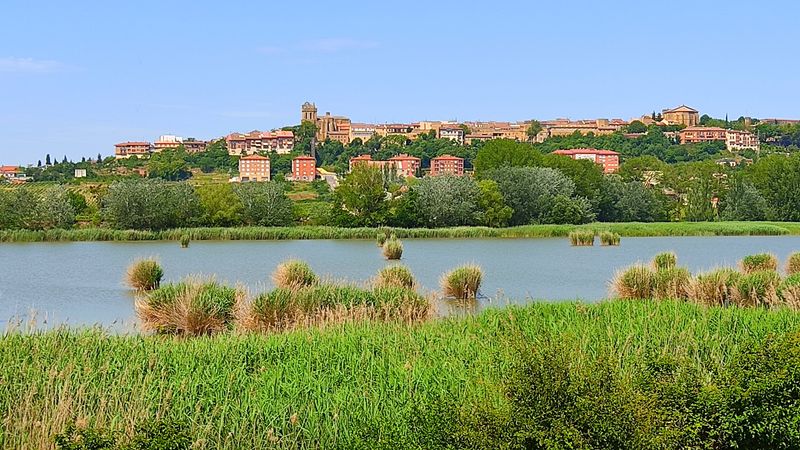
Laguardia sits on a ridge above the La Rioja Alavesa wine region, completely enclosed by medieval walls and looking out over a landscape of vineyards that stretch in every direction.
The town was founded in the 10th century as a defensive settlement, and its layout still reflects that original military logic. The streets run in a tight oval pattern inside the walls, with towers positioned at regular intervals.
One of the most fascinating features of Laguardia is what lies beneath it: a network of underground cellars carved directly into the rock, some dating back to the 12th century.
The historic center is entirely pedestrianized, and the main gate, the Puerta de Santa Maria, is one of the best-preserved medieval town gates in northern Spain. Laguardia also holds a medieval market each year that draws visitors from across the Basque Country.
9. Covarrubias, Burgos, Castile and León
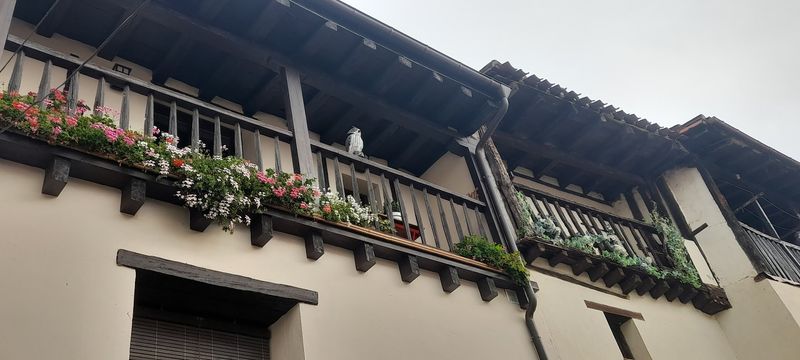
Covarrubias sits quietly along the Arlanza River, looking like a town that decided centuries ago that change was overrated and has stuck to that position ever since.
The village is one of the oldest in the province of Burgos, with a history stretching back to the early Middle Ages. Its 10th-century tower, the Torre de Fernán González, once served as a prison and is named after the count who effectively created the independent County of Castile.
The architecture throughout the village is a mix of half-timbered houses, stone buildings, and arcaded squares that have changed very little since the 15th century. The Collegiate Church of Saints Cosmas and Damian holds royal tombs and an impressive collection of Flemish tapestries.
Covarrubias is consistently overlooked by tourists heading to Burgos city, which makes it all the more rewarding for those who make the detour.
10. Valldemossa, Mallorca, Balearic Islands
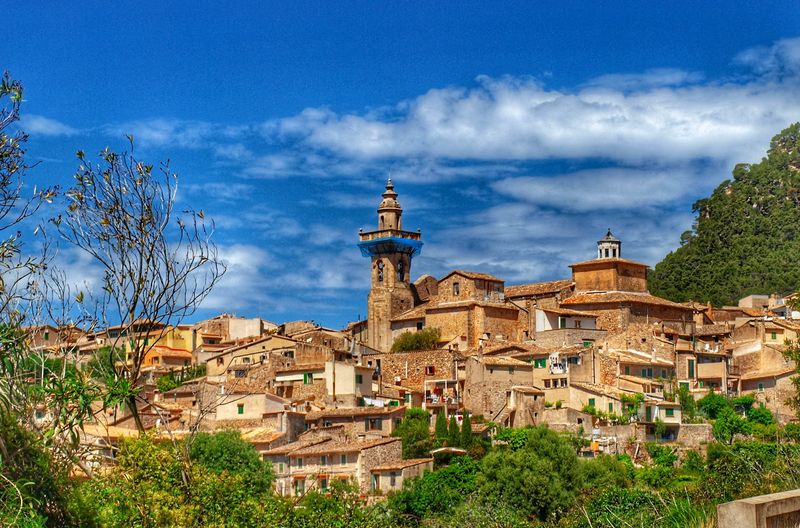
Most people think of Mallorca as a beach destination, which means they completely miss one of the most historically rich villages on the entire island.
Valldemossa sits in the Tramuntana mountains at an elevation of around 425 meters, surrounded by olive groves and pine forests rather than sand and sea. The village is best known for its Royal Carthusian Monastery, where composer Frédéric Chopin and writer George Sand spent the winter of 1838 to 1839.
Their stay was not entirely pleasant, but it produced a book and a set of musical compositions that made the village internationally famous.
The stone streets of Valldemossa are lined with flower-filled doorways, and the village has maintained a strong sense of local identity despite its popularity. The monastery is open to visitors and contains original furnishings from Chopin’s stay, including his piano.
11. Peñaranda de Duero, Burgos, Castile and León
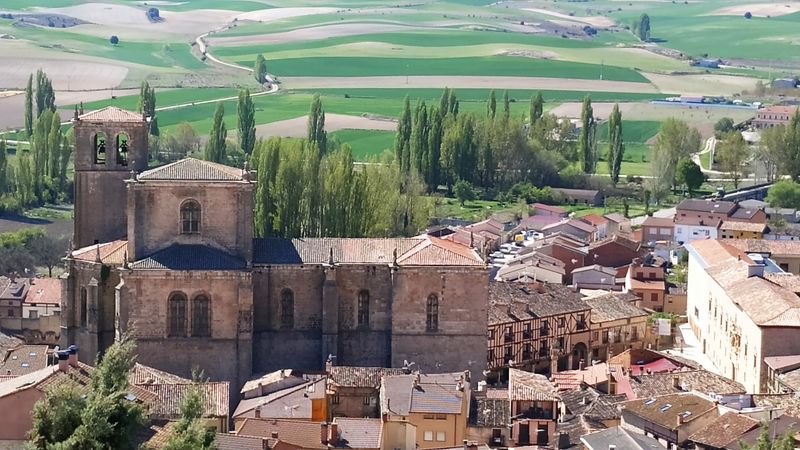
Not every medieval town in Spain gets a Renaissance palace thrown in as a bonus, but Peñaranda de Duero manages it without breaking a sweat.
The village is anchored by the Palacio de Avellaneda, a 16th-century Renaissance palace considered one of the finest examples of that architectural style in all of Castile. The main square, the Plaza Mayor, is lined with stone arcades and has retained its original layout since the 15th century.
Above the village stand the ruins of a medieval castle, offering views across the Duero valley that make the short climb entirely worth it. The village has fewer than 600 residents and sees a fraction of the visitors that nearby Burgos city attracts.
That low profile is part of the appeal.
12. Calaceite, Teruel, Aragon
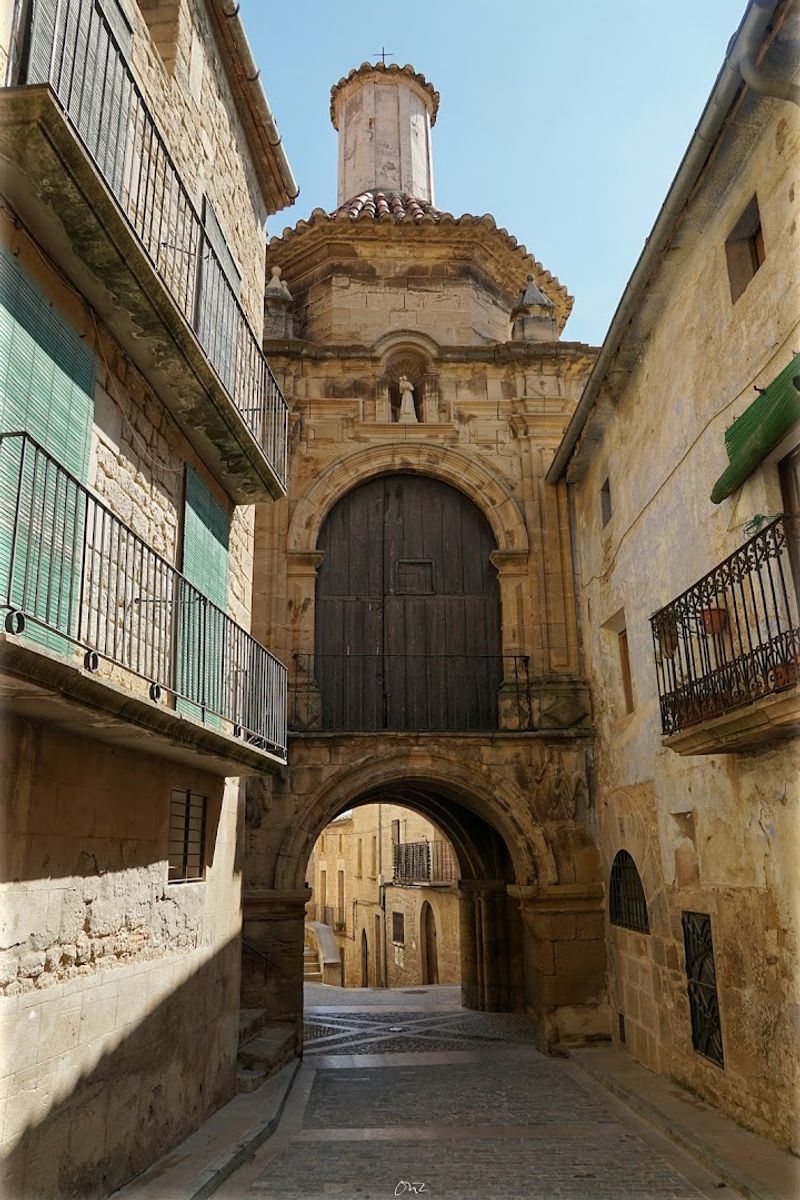
Calaceite is the kind of place that architects visit and then spend the rest of the trip quietly envious of everyone who gets to live there.
The village sits on a hilltop in the Matarraña region of Teruel and is built almost entirely from the golden limestone that gives the area its distinctive warm appearance. The main square, the Plaza de España, is surrounded by baroque-style buildings with stone arcades and has been recognized as one of the most beautiful village squares in Aragon.
The surrounding Matarraña region is sometimes called the Catalonia of Aragon because of its linguistic and cultural ties to the neighboring region. Calaceite also sits near a significant Iberian archaeological site, adding a layer of pre-Roman history to an already layered destination.
13. Ujué, Navarre
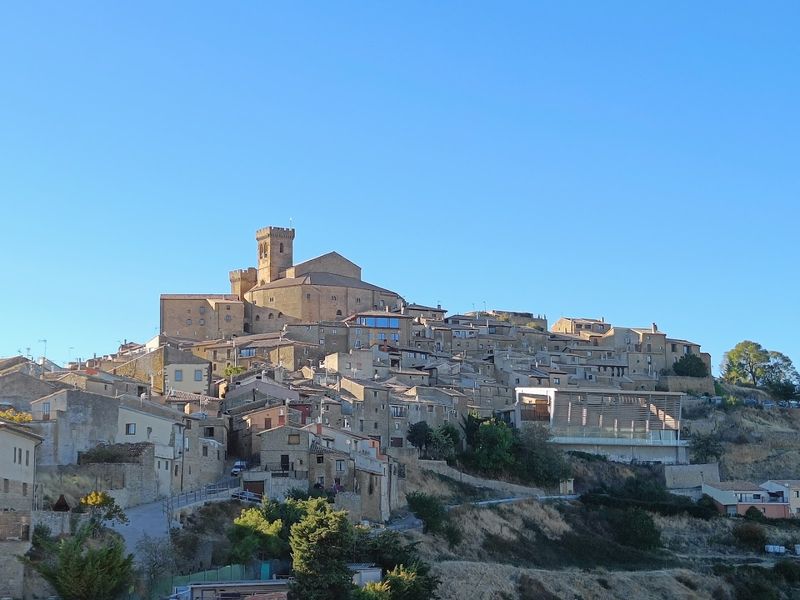
From a distance, Ujué looks less like a village and more like a church that decided to grow a town around itself as an afterthought.
The fortified church of Santa María de Ujué dominates the hilltop and was built between the 11th and 14th centuries, combining Romanesque and Gothic elements in a structure that also served as a defensive tower. Inside, the church preserves a 12th-century silver-plated statue of the Virgin that has been the object of pilgrimage for centuries.
Every year on the Sunday after St. Mark’s Day, thousands of pilgrims walk to Ujué from the nearby town of Tafalla in a procession that has continued without interruption since the Middle Ages. The village itself has fewer than 200 permanent residents, and its steep stone streets have barely changed since the medieval period.
Few places in Navarre feel this genuinely unchanged.
14. Maderuelo, Segovia, Castile and León
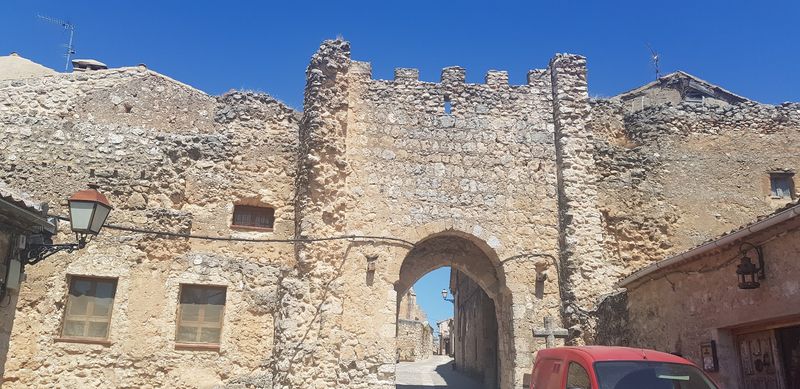
Maderuelo has a dramatic backstory that most villages can only dream about. In the 1960s, the construction of the Linares reservoir partially flooded the surrounding valley, turning the medieval town into a peninsula surrounded on three sides by water.
That accidental transformation has given Maderuelo one of the most unusual settings of any historic town in Spain. The medieval walls still run along the edge of the promontory, and the view from inside the village looking out over the reservoir is genuinely striking.
The town is also notable for its Romanesque frescoes, originally from the hermitage of Santa Cruz, which were removed in 1947 and are now displayed in the Prado Museum in Madrid. A reproduction of those frescoes has been installed in the original hermitage for visitors.
15. Castellfollit de la Roca, Girona, Catalonia
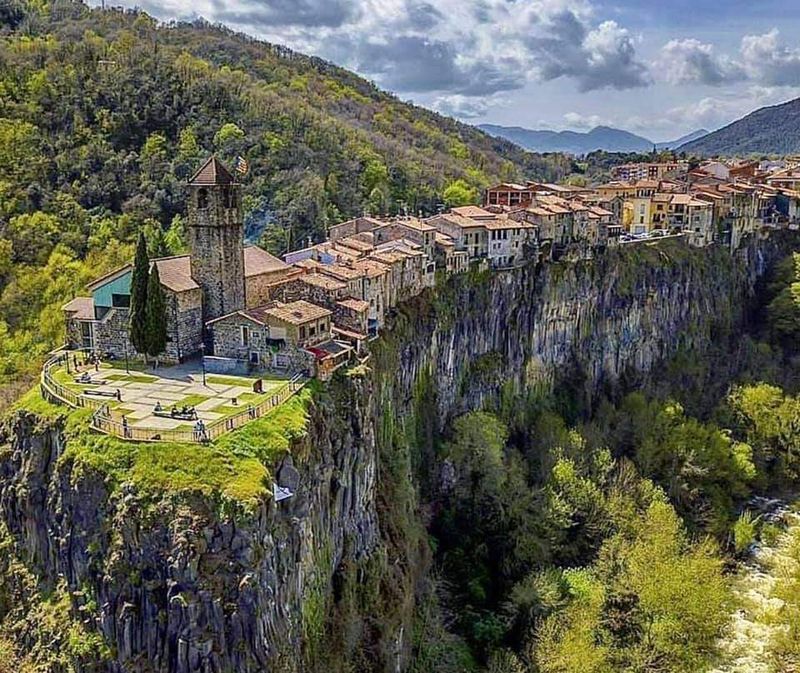
Castellfollit de la Roca occupies a basaltic cliff just 50 meters wide and nearly a kilometer long, which makes urban planning there a genuinely creative challenge.
The cliff itself was formed by two ancient lava flows from the volcanic zone of La Garrotxa, and the village has been built directly on top of it. Houses at the edge of the cliff sit at the very rim, with walls that drop straight down to the rivers below.
The visual effect from the valley floor is dramatic and completely unlike anything else in Catalonia.
The village has a small museum dedicated to local sausage-making traditions, which is a very grounded contrast to the geological spectacle outside. The surrounding La Garrotxa Volcanic Zone Natural Park contains more than 40 volcanic cones and is one of the best-preserved volcanic landscapes in western Europe, making Castellfollit an excellent base for exploring it.
Share this story