Istanbul is a city where two continents meet, and every corner tells a story thousands of years old. From towering minarets to underground cisterns, the city holds some of the most breathtaking monuments ever built by human hands.
It has been the heart of three mighty empires, and that rich history is still very much alive in its streets, markets, and mosques. Whether you love history, architecture, food, or just wandering through colorful neighborhoods, Istanbul has something to make your jaw drop.
Hagia Sophia
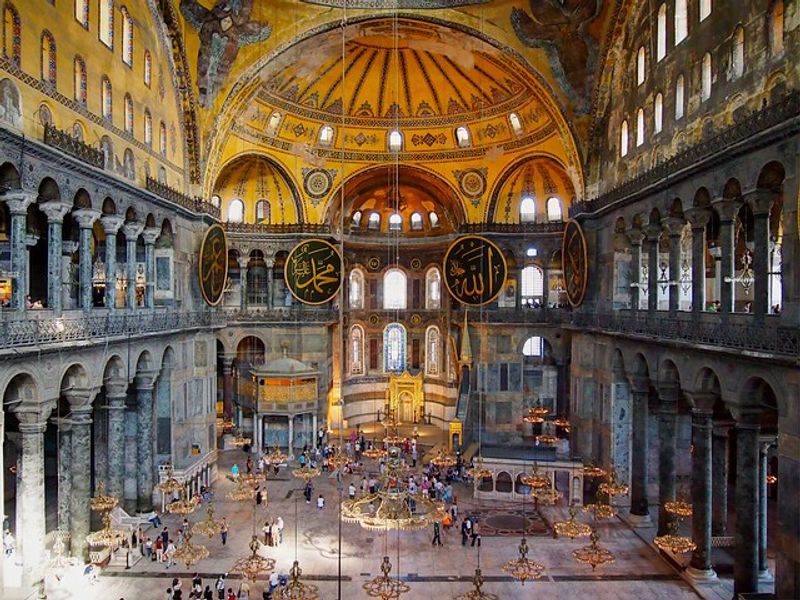
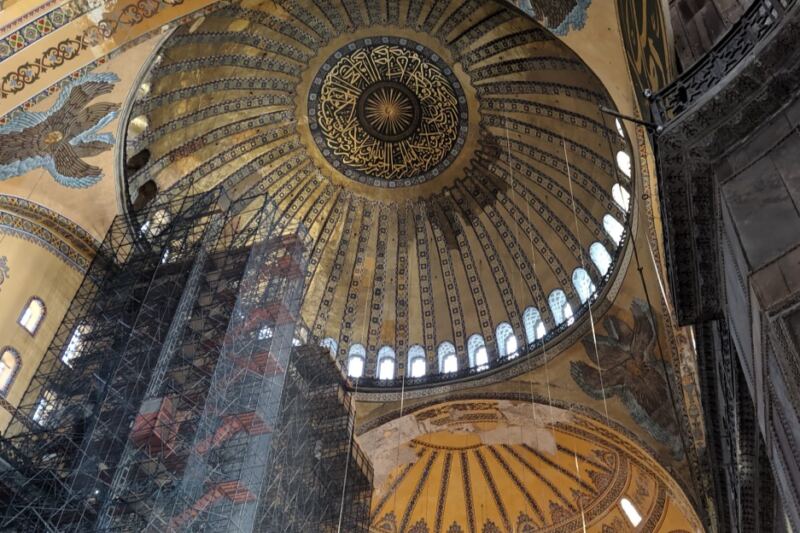
Few buildings on Earth have lived as many lives as Hagia Sophia. When Emperor Justinian completed it in 537 AD, it was the largest cathedral in the world, and it held that record for nearly a thousand years.
Standing beneath its massive dome for the first time is a moment visitors rarely forget.
The building started as a Byzantine Christian cathedral, was converted into an Ottoman mosque in 1453, became a museum in 1934, and was turned back into a working mosque in 2020. Each chapter of its life left behind layers of art, calligraphy, and mosaic that you can still see today.
The golden mosaics of Byzantine saints peek out beside enormous Islamic medallions bearing the names of Allah and the Prophet Muhammad.
Hagia Sophia is not just a tourist attraction. It is a living symbol of how Istanbul has absorbed, blended, and preserved the cultures of every civilization that called it home.
Visitors are welcome outside of prayer times, and entrance to the main hall is free. Wear modest clothing and remove your shoes before stepping inside, as a sign of respect for worshippers.
Topkapi Palace
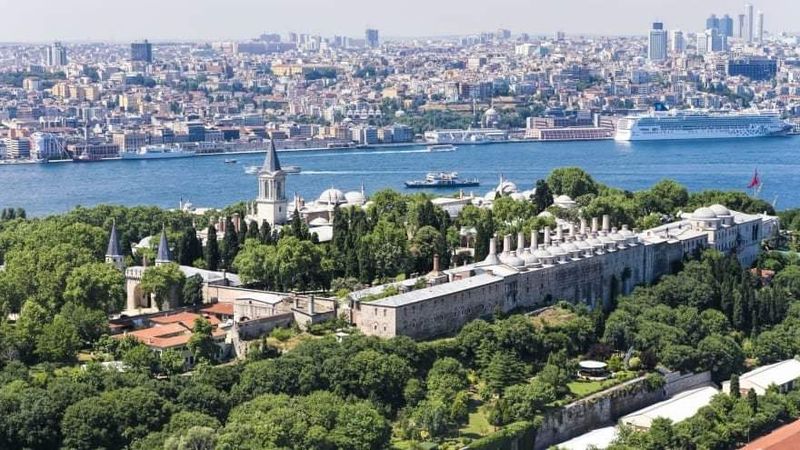
Imagine running an empire from a single hilltop complex for nearly four hundred years. That is exactly what the Ottoman sultans did from Topkapi Palace, which served as the nerve center of one of history’s most powerful empires from the 15th century all the way to the 19th.
Today it is a museum, and one of the most visited in the world.
The palace is enormous, spread across four main courtyards filled with tiled pavilions, lush gardens, and grand halls. Inside, you can see the imperial treasury, which holds jaw-dropping jewels including the famous Spoonmaker’s Diamond, one of the largest diamonds ever found.
Sacred relics kept in the palace include the cloak and sword believed to have belonged to the Prophet Muhammad, drawing Muslim pilgrims from around the globe.
The Harem section of the palace is especially fascinating. This was where the sultan’s family lived, guarded and largely cut off from the outside world.
Hundreds of rooms housed wives, concubines, and servants, all navigating the complex politics of palace life. Budget at least half a day for Topkapi.
There is simply too much to absorb in a quick visit.
Blue Mosque (Sultan Ahmed Mosque)
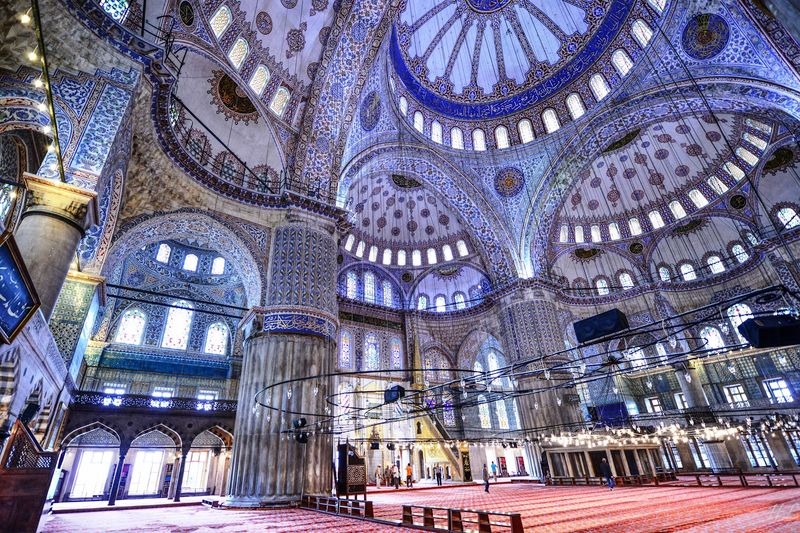
The Blue Mosque earned its nickname not from its exterior but from the roughly 20,000 hand-painted blue Iznik tiles that cover its interior walls. Step inside and the color wraps around you like a cool, glittering cave.
It is one of those rare buildings that genuinely looks better in person than in any photograph.
Built between 1609 and 1616 by Sultan Ahmed I, the mosque caused a stir when it was completed because it has six minarets instead of the usual four. Critics said only the mosque in Mecca should have six minarets.
The sultan reportedly solved the problem by funding a seventh minaret for the mosque in Mecca. Problem solved, controversy ended.
Unlike many historic mosques that function mainly as tourist sites, the Blue Mosque remains an active place of worship. It closes to visitors during the five daily prayer times, so plan your visit around the schedule posted at the entrance.
Women should bring a scarf to cover their hair, and everyone must remove their shoes. Admission is free, which makes it one of the best deals in a city full of world-class sights.
Arriving early in the morning means smaller crowds and better light for photos.
Basilica Cistern
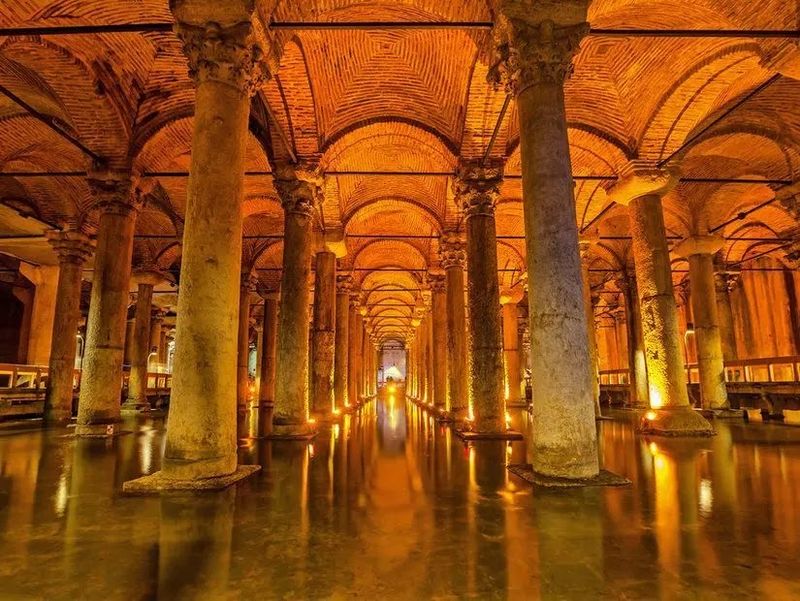
Right beneath the busy streets of Sultanahmet, a hidden world waits in the dark. The Basilica Cistern is an underground reservoir built in the 6th century by Emperor Justinian, and walking into it feels like stepping into a fantasy film set.
Soft lights reflect off the still water while hundreds of marble columns rise around you like a forest frozen in time.
The cistern could hold up to 100,000 tons of water, supplying the palaces and buildings of Byzantine Constantinople. It was largely forgotten after the Ottoman conquest and rediscovered in the 16th century when a local scholar noticed that residents were collecting fish and water by lowering buckets through holes in their floors.
That is one way to find a hidden wonder.
Two column bases carved into the shape of Medusa heads are among the most photographed features. One head is placed sideways and the other upside down.
Historians debate why, with theories ranging from pure practicality to deliberate symbolism. The cistern recently underwent renovations and reopened with improved lighting and walkways.
It is cooler underground than street level, making it a welcome escape on hot summer days. Entry requires a ticket, and the experience is absolutely worth it.
Grand Bazaar
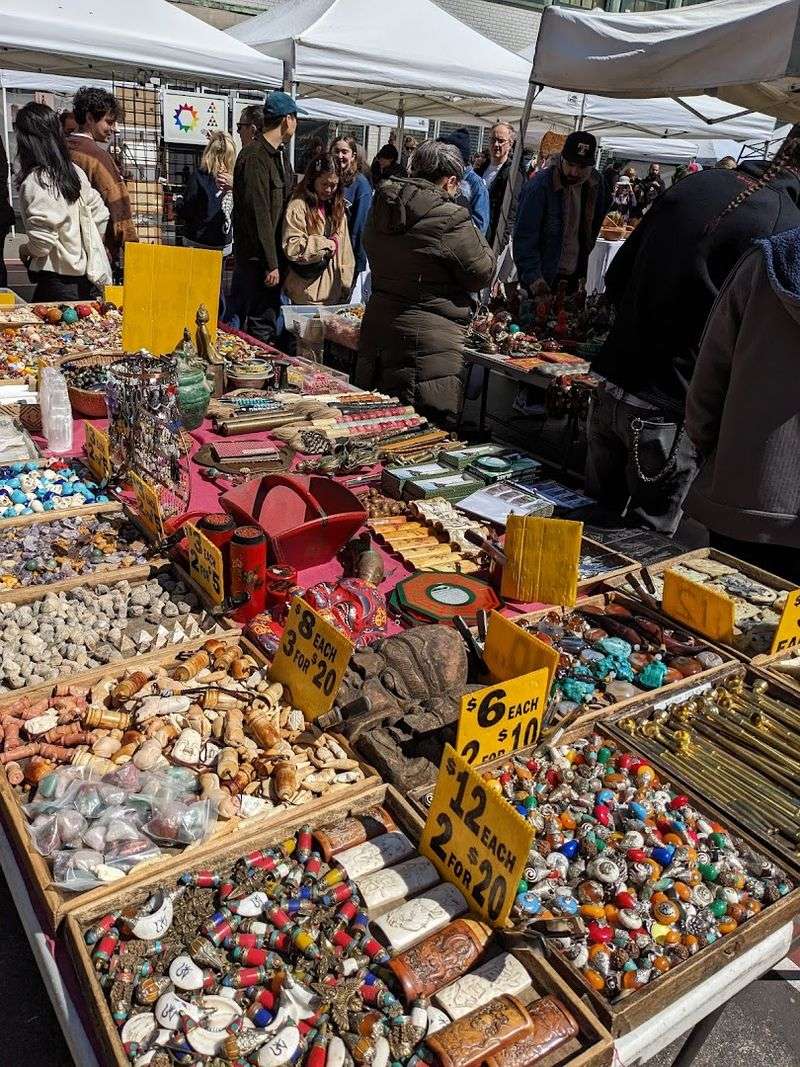
With over 4,000 shops packed under one roof, the Grand Bazaar is basically a small city dedicated entirely to shopping. Built in 1455 shortly after the Ottoman conquest of Constantinople, it is one of the oldest and largest covered markets in the world.
Getting slightly lost inside is not just likely, it is practically part of the experience.
The bazaar is organized into sections, each traditionally dedicated to a specific trade. You will find streets of gold jewelry, lanes of leather goods, rows of hand-painted ceramics, and stalls piled high with colorful textiles.
Carpet dealers are known for their persistence and their skill at making you feel like a lifelong friend within minutes of meeting you.
Bargaining is expected and part of the fun. Start lower than the price you are willing to pay and enjoy the back-and-forth.
Shopkeepers often offer tea during negotiations, a tradition that makes the whole process feel surprisingly relaxed. The bazaar is open Monday through Saturday and draws around 300,000 visitors on busy days.
Go early to beat the crowds. Even if you do not buy a single thing, the atmosphere, the colors, and the sheer energy of the place make it a must-visit stop on any Istanbul itinerary.
Spice Bazaar
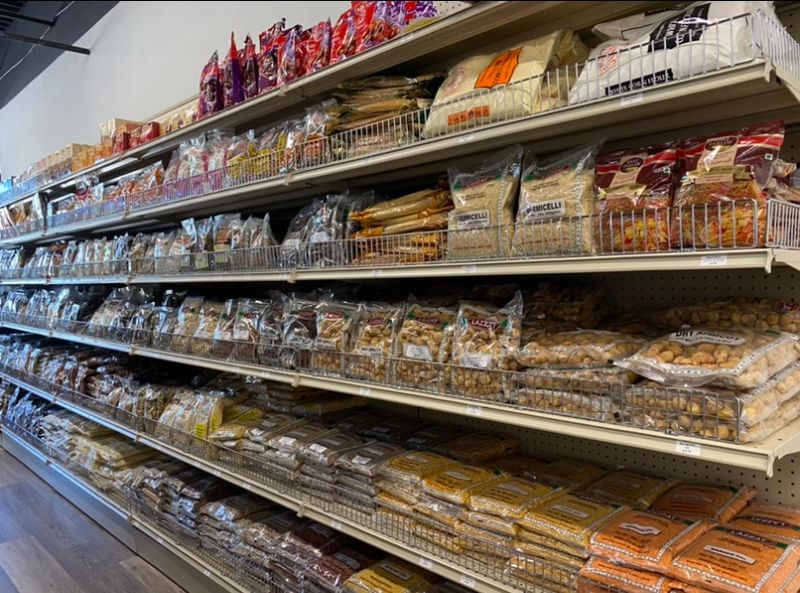
Your nose will know you have arrived before your eyes do. The Spice Bazaar, also called the Egyptian Bazaar, hits you with a wall of fragrance the moment you walk through its arched entrance.
Saffron, cinnamon, sumac, dried rose petals, and mountains of Turkish delight all compete for your attention in the most delicious way possible.
Built in 1664 as part of a mosque complex, the bazaar was originally funded by trade taxes on goods arriving from Egypt, which is how it got its other name. Back in the Ottoman era, this was where merchants traded exotic spices, medicinal herbs, and rare ingredients from across the known world.
Today it still buzzes with that same mercantile energy, though now the clientele includes as many tourists as locals.
Beyond spices, you will find dried fruits, nuts, specialty teas, herbal remedies, and local cheeses. The vendors are enthusiastic and will happily let you taste before you buy.
Turkish delight comes in dozens of flavors here, and buying a small box makes a great gift. The bazaar is smaller and easier to navigate than the Grand Bazaar, making it a good starting point if large crowds feel overwhelming.
It sits right beside the Galata Bridge, so combining both into one outing is easy.
Galata Tower
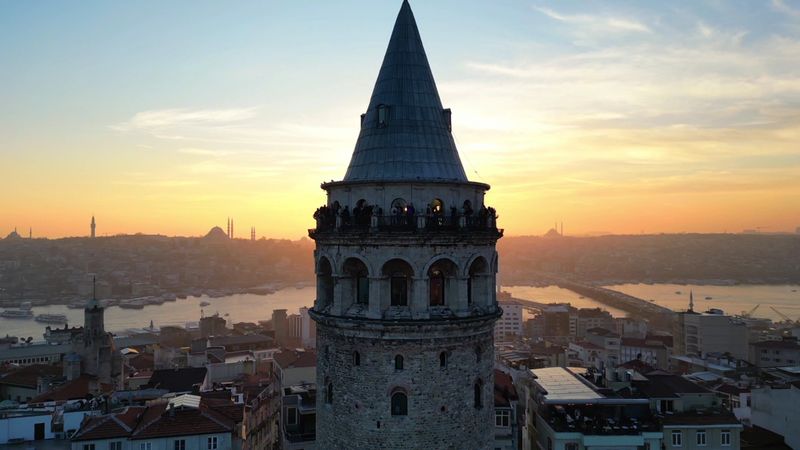
Standing 67 meters tall and built in 1348 by Genoese merchants, Galata Tower has been watching over Istanbul for nearly seven centuries. It has served as a watchtower, a fire lookout, an observatory, and according to one popular legend, the launch pad for history’s first human flight attempt.
A 17th-century scholar named Hezarfen Ahmed Celebi supposedly strapped on wings and glided from the tower across the Bosphorus. Whether that story is fully true is debated, but it makes for a great tale.
The tower sits in the lively Galata neighborhood, surrounded by cafes, music shops, and steep cobblestone lanes. Climbing to the observation deck at the top rewards you with one of the best 360-degree views in all of Istanbul.
On a clear day you can see the Bosphorus, the Golden Horn, the old city skyline, and the green hills stretching into Asia.
Entry requires a ticket, and the line can get long during peak tourist season. Booking online in advance saves time and frustration.
The neighborhood around the tower is worth exploring on its own. Galata is full of independent bookshops, antique dealers, and excellent coffee spots that make the area feel refreshingly local compared to the heavily touristed Sultanahmet district nearby.
Suleymaniye Mosque
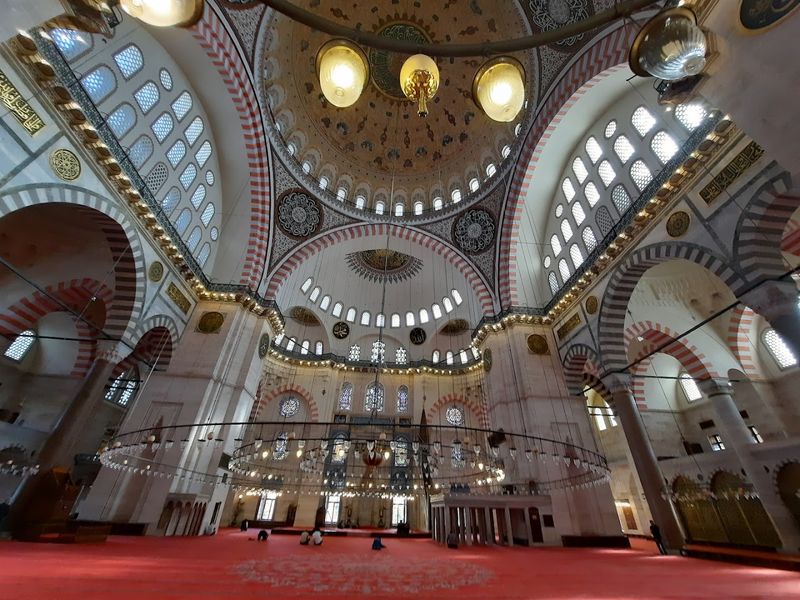
Mimar Sinan was the greatest architect of the Ottoman Empire, and many historians argue he was one of the greatest architects who ever lived. The Suleymaniye Mosque, completed in 1558, is often considered his finest work in Istanbul, a breathtaking statement in stone that has anchored the city’s skyline for over four and a half centuries.
Commissioned by Sultan Suleiman the Magnificent, the mosque sits on one of Istanbul’s seven hills and commands views in every direction. The interior is a masterclass in proportion and light.
Sinan designed the windows and dome to work together so that natural light fills the prayer hall in a way that feels almost magical, even on overcast days.
The complex surrounding the mosque is equally impressive. It originally included a hospital, schools, a caravanserai, a hamam, and soup kitchens feeding the poor.
The tombs of Sultan Suleiman and his famous wife Hurrem Sultan, known in the West as Roxelana, are located in the garden behind the mosque. The Suleymaniye is less crowded than the Blue Mosque on most days, which means you can take your time, find a quiet corner, and truly appreciate the scale and beauty of one of the world’s great buildings.
The Hippodrome of Constantinople
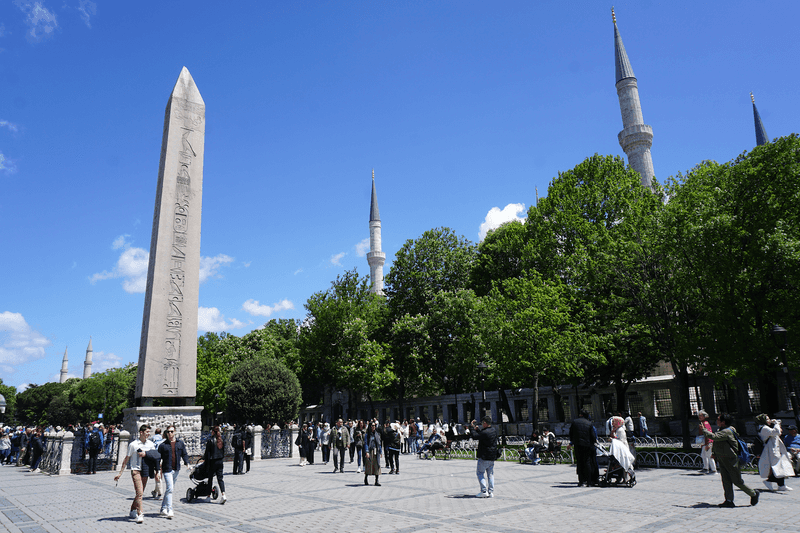
For over a thousand years, the Hippodrome of Constantinople was the loudest, most chaotic, most politically charged place in the entire Byzantine world. Chariot races held here could draw 100,000 screaming fans, and the rivalries between racing teams were so intense they sometimes erupted into full-scale riots that shook the empire.
Today the site is a peaceful open square called Sultanahmet Square, but the ancient monuments still standing here are extraordinary.
Three remarkable structures survive from antiquity. The Obelisk of Theodosius is an ancient Egyptian monument from around 1450 BC, brought to Constantinople in the 4th century AD.
Its carved base shows Emperor Theodosius watching the races from the royal box. The Serpent Column, originally from the Temple of Apollo in Delphi, is over 2,500 years old and has traveled further than most tourists.
The Walled Obelisk stands at the southern end of the former track, its original bronze plates long stripped away. Walking the length of the square, it is possible to trace the outline of the ancient racetrack beneath the modern pavement.
The Hippodrome sits directly between the Blue Mosque and Hagia Sophia, making it a natural stop on any walking tour of the historic peninsula. Best of all, entry is completely free.
Bosphorus Strait
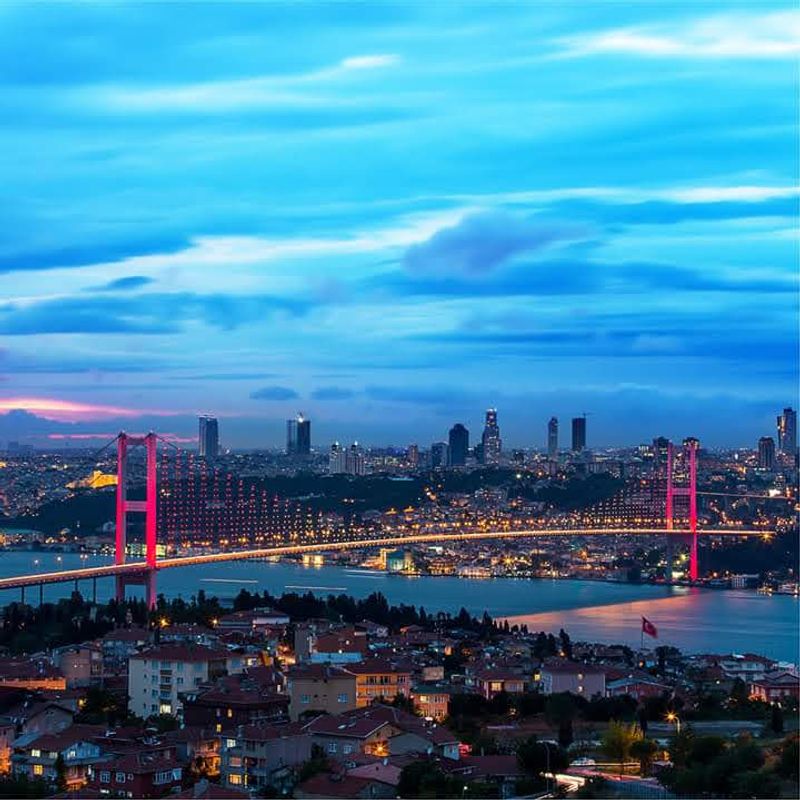
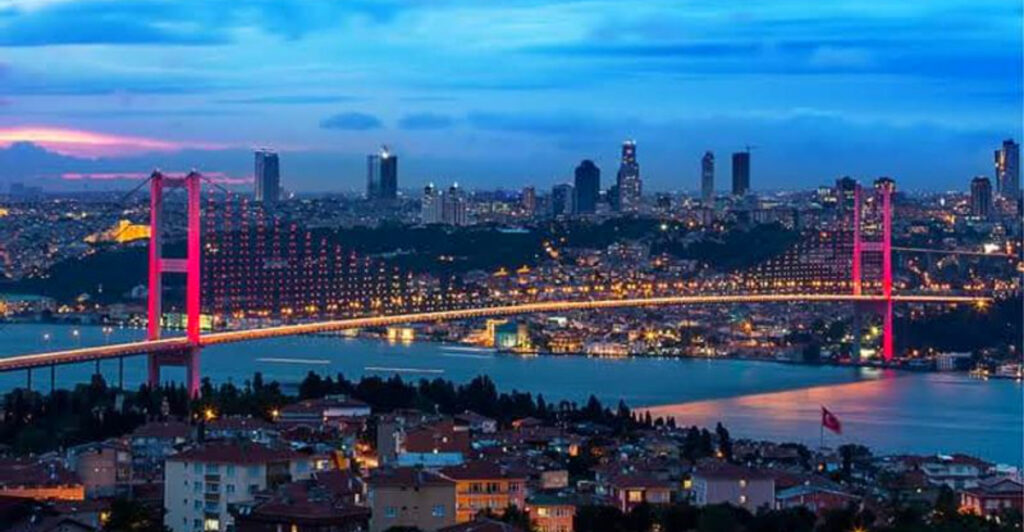
The Bosphorus is the only strait in the world that connects two continents, and Istanbul wraps around both of its shores. Standing on a ferry as it cuts through the water, with Europe on your left and Asia on your right, is one of those genuinely rare travel experiences that lives up to every expectation.
The view from the water is simply unlike anything else.
Along the European shore, wooden waterfront mansions called yalis cling to the hillsides, many of them centuries old and painted in faded pastels. Ottoman-era fortresses guard the narrowest points of the strait.
On the Asian side, quieter neighborhoods and fish restaurants line the waterfront, offering a slower pace compared to the energy of the European city center.
Taking a Bosphorus cruise is one of the best ways to see Istanbul from a fresh angle. Options range from the affordable public ferry run by Istanbul Sea Lines to private guided boat tours.
The public ferry is a favorite among budget travelers and locals alike. Sunrise and sunset are the most spectacular times to be on the water, when the minarets and domes of the old city glow against the changing sky.
Bring a camera, find a good spot on deck, and just watch the city unfold around you.
Dolmabahce Palace
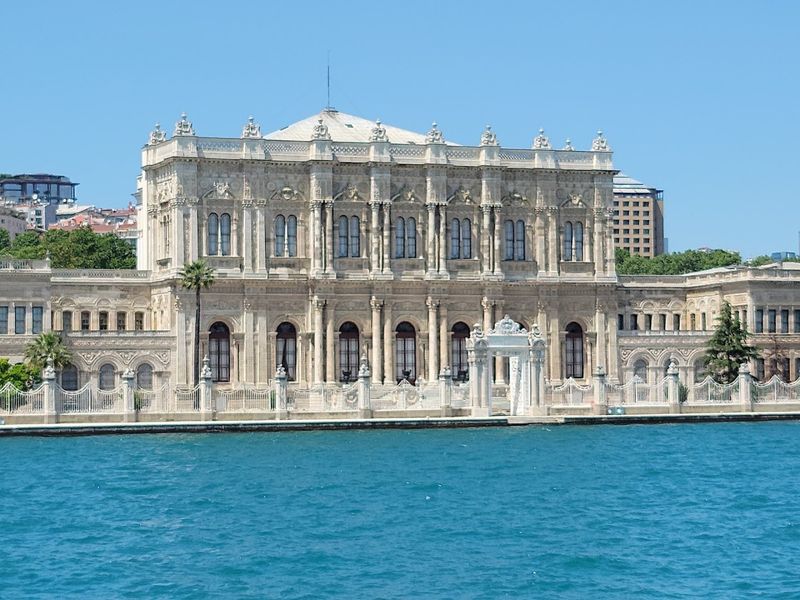
Topkapi Palace was built to project power through grandeur and mystery. Dolmabahce Palace, completed in 1856, was built to impress European royalty on their own terms.
Sultan Abdulmecid I wanted a residence that rivaled Versailles, and he largely succeeded. The result is a 285-room palace dripping in crystal, gold leaf, and imported marble that stretches for 600 meters along the Bosphorus waterfront.
The numbers inside are staggering. The palace contains 14 tons of gold used in its ceilings alone, and its collection of crystal chandeliers is among the finest in the world.
The largest chandelier in the main ceremonial hall weighs 4.5 tons and was a gift from Queen Victoria of England. Walking beneath it while looking up is a slightly nerve-wracking experience.
Mustafa Kemal Ataturk, the founder of modern Turkey, spent his final days in Dolmabahce and died there in 1938. His bedroom is preserved exactly as it was on the day he passed, and all the clocks in the palace are stopped at 9:05 AM, the moment of his death.
Visiting requires joining a guided tour, which covers different sections of the palace separately. Book tickets in advance during summer, as daily visitor numbers are strictly limited to protect the interiors.
Balat
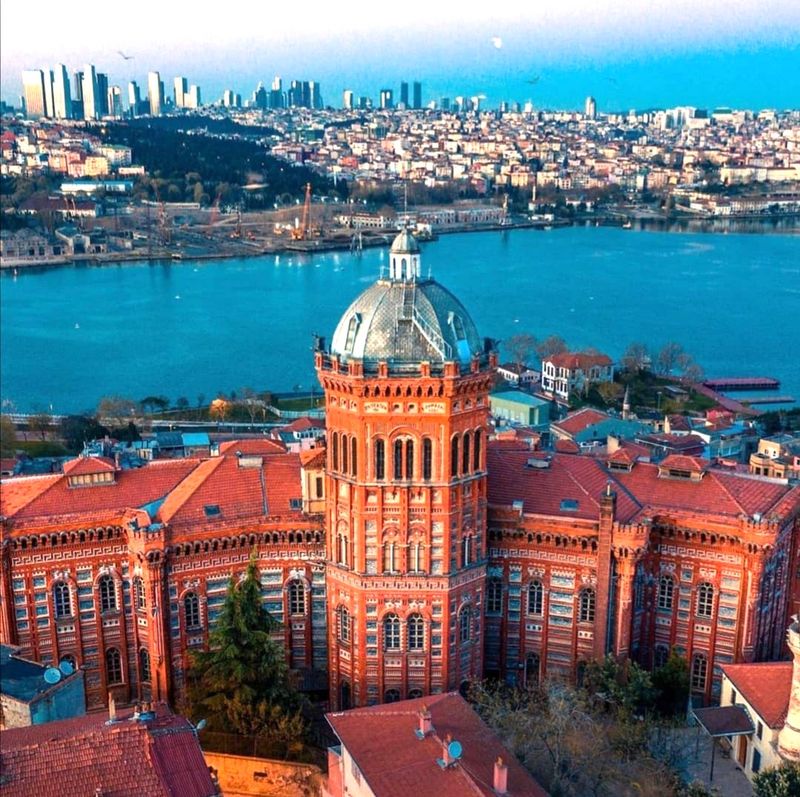
Paint-peeled walls in mustard yellow, dusty rose, and faded turquoise line the steep cobblestone lanes of Balat, one of Istanbul’s oldest and most photogenic neighborhoods. For centuries this district on the Golden Horn was home to the city’s Jewish community, and its streets still hold synagogues, Greek Orthodox churches, and Armenian churches standing within walking distance of each other.
That kind of layered, multicultural history is rare anywhere in the world.
Balat fell into serious neglect during the 20th century, but a wave of young artists, cafe owners, and small guesthouse operators has brought it back to life over the past two decades. Today it sits in a fascinating middle state, genuinely historic and lived-in, but with excellent coffee shops and boutique studios tucked into its crumbling corners.
Street art appears on old walls without erasing what came before.
The neighborhood is best explored on foot with no fixed plan. Wander uphill from the waterfront, peek into doorways, and follow the sound of neighborhood life.
The Ahrida Synagogue, one of the oldest in Istanbul, is located here and occasionally open for visits. Nearby Fener, the adjacent Greek quarter, is worth combining into the same walk.
Sunday mornings are especially atmospheric, when the neighborhood is quiet and the golden light hits those colorful facades perfectly.
Istanbul Archaeology Museums
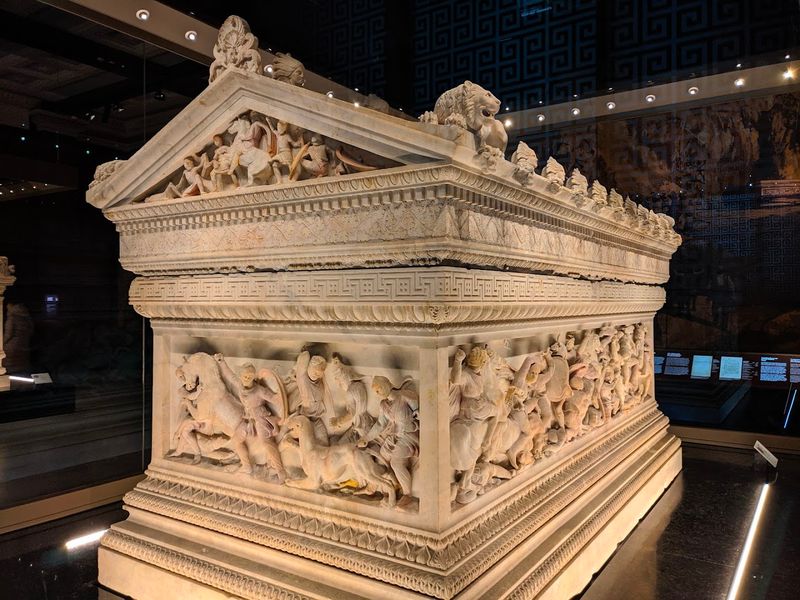
Most people walking past the Istanbul Archaeology Museums on their way to Topkapi Palace have no idea what they are missing. This complex of three separate museums holds over one million artifacts spanning thousands of years of human civilization, making it one of the most important archaeological collections anywhere on the planet.
The star attraction is the Alexander Sarcophagus, a 4th-century BC marble masterpiece carved with battle scenes of such detail and beauty that it stops visitors cold.
Despite its name, the sarcophagus is not believed to have held Alexander the Great himself. It belonged to a Phoenician king who was clearly a major fan.
The carved figures still show traces of original paint, which gives a hint of how vivid ancient sculpture once looked before centuries of weathering stripped away the color.
The complex also includes the Museum of the Ancient Orient, which houses artifacts from ancient Mesopotamia, Egypt, and Anatolia, including one of the oldest known peace treaties in human history, the Treaty of Kadesh from 1259 BC. The Tiled Kiosk, the oldest surviving non-religious Ottoman building in Istanbul, rounds out the complex.
Entry is included in the Museum Pass Istanbul, which makes combining this visit with other major sites both convenient and affordable. Arrive early, as the crowds build quickly after mid-morning.
Istiklal Avenue and Beyoglu
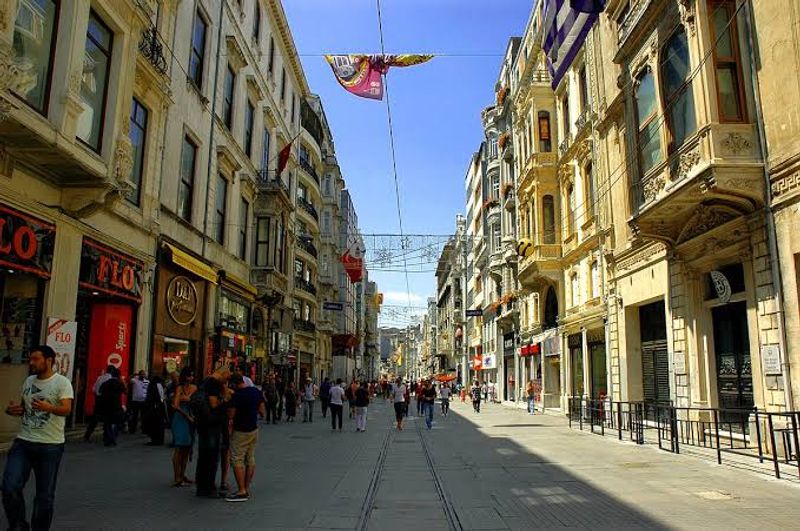
A vintage red tram crawls through one of the world’s busiest pedestrian streets, dodging crowds of shoppers, street musicians, and tourists who barely notice it coming. That scene on Istiklal Avenue pretty much captures the whole energy of Beyoglu, Istanbul’s most vibrant and cosmopolitan district.
This is the part of the city that never really slows down.
Istiklal Avenue stretches for about 1.4 kilometers through the heart of Beyoglu, lined with 19th-century European-style apartment buildings that now house everything from international brands to tiny independent record shops. Side streets branch off in every direction into neighborhoods full of art galleries, live music venues, rooftop bars, and restaurants serving food from every corner of Turkey and the world.
Beyoglu has been the city’s cultural engine for well over a century. The famous Pera Palace Hotel, which opened in 1892 to accommodate passengers arriving on the Orient Express, still operates here and is worth a look even if you are not staying.
The district is also home to the Istanbul Modern art museum, which moved into a stunning new building on the Bosphorus waterfront in 2023. Whether you come for the shopping, the food, the nightlife, or the architecture, Beyoglu delivers.
Evening is the best time to experience it at full volume.
Traditional Turkish Hammams
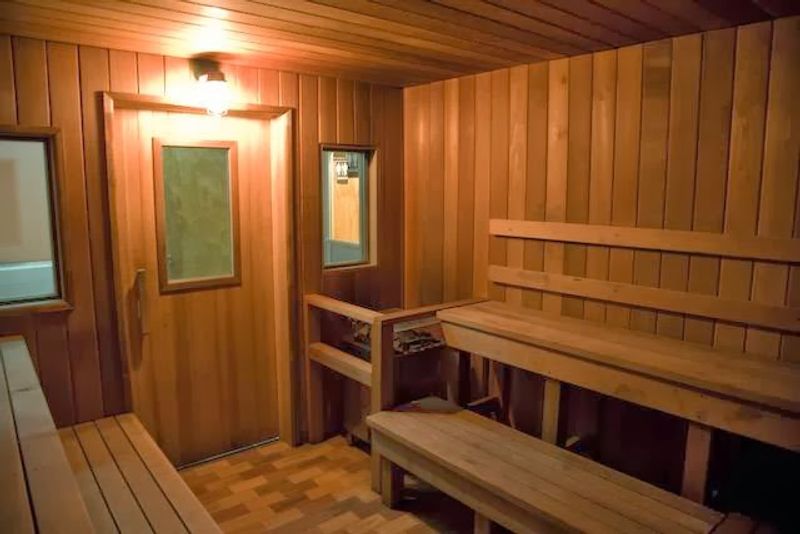
Going to a hammam is not just about getting clean. It is a ritual that Ottoman Turks took seriously enough to build hundreds of public bathhouses across their empire, each one an architectural statement as much as a practical facility.
The tradition stretches back over five centuries, and stepping into a well-preserved hammam today feels like a genuine connection to daily life in old Istanbul.
The experience follows a comforting routine. You begin in a warm room to open your pores, then move to the hot marble platform at the center, called the gobektasi, where an attendant scrubs away dead skin with a coarse mitt called a kese.
The amount of grime that comes off is both alarming and deeply satisfying. A foam massage follows, leaving you feeling lighter than you have in years.
Istanbul has dozens of historic hammams still in operation. The Cagaloglu Hamami, built in 1741, is one of the most famous and has hosted guests ranging from Franz Liszt to Florence Nightingale.
The Cinili Hamam and the Suleymaniye Hamami are other beautifully restored options. Prices vary widely, so check the menu before agreeing to any services.
Going mid-week and mid-morning generally means a quieter, more relaxed experience. First-timers should not be shy about asking the attendants to explain the process before starting.
Share this story