Before highways, chain stores, and two-day shipping, daily life ran on fields, fences, and a long list of chores that never checked the clock. These preserved farms let you see how early Americans organized work, raised food, tested new ideas, and built entire communities around agriculture.
Some are polished estates with ambitious plans, while others show the stubborn practicality of ordinary families who made every acre count. Keep reading, and you will move from colonial plots to 19th-century barns, meeting interpreters, heirloom crops, working animals, and a surprising amount of ingenuity along the way.
1. Shelburne Farms (Shelburne, Vermont, 1886)
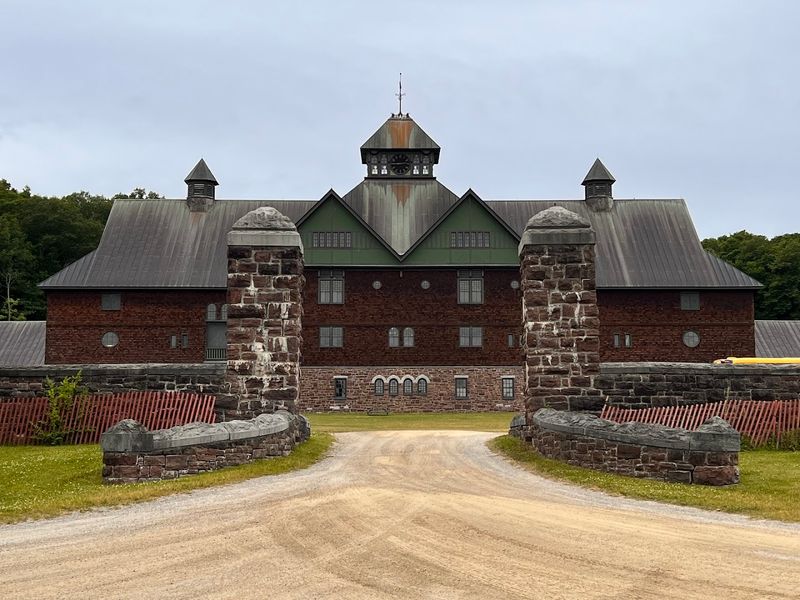
This farm arrives with flair, because Shelburne Farms was never meant to be a plain patch of pasture. Created in 1886 as a model agricultural estate, it still carries that big-idea energy while welcoming modern visitors into a working landscape.
You can explore barns, gardens, trails, and formal buildings that reveal how wealth, design, and farming once teamed up with unusual ambition. The property now focuses heavily on education and sustainability, so the visit is not just about admiring old structures but seeing how historic land can stay useful.
What makes the place especially memorable is the contrast between polished estate planning and everyday farm routines that keep it grounded. You get a glimpse of livestock care, land stewardship, and agricultural teaching, all set within a remarkably preserved setting.
It feels less like a frozen museum and more like a smart conversation between the 19th century and the present, with excellent views as a bonus.
2. Mount Vernon Estate Farm (Virginia, 18th century)
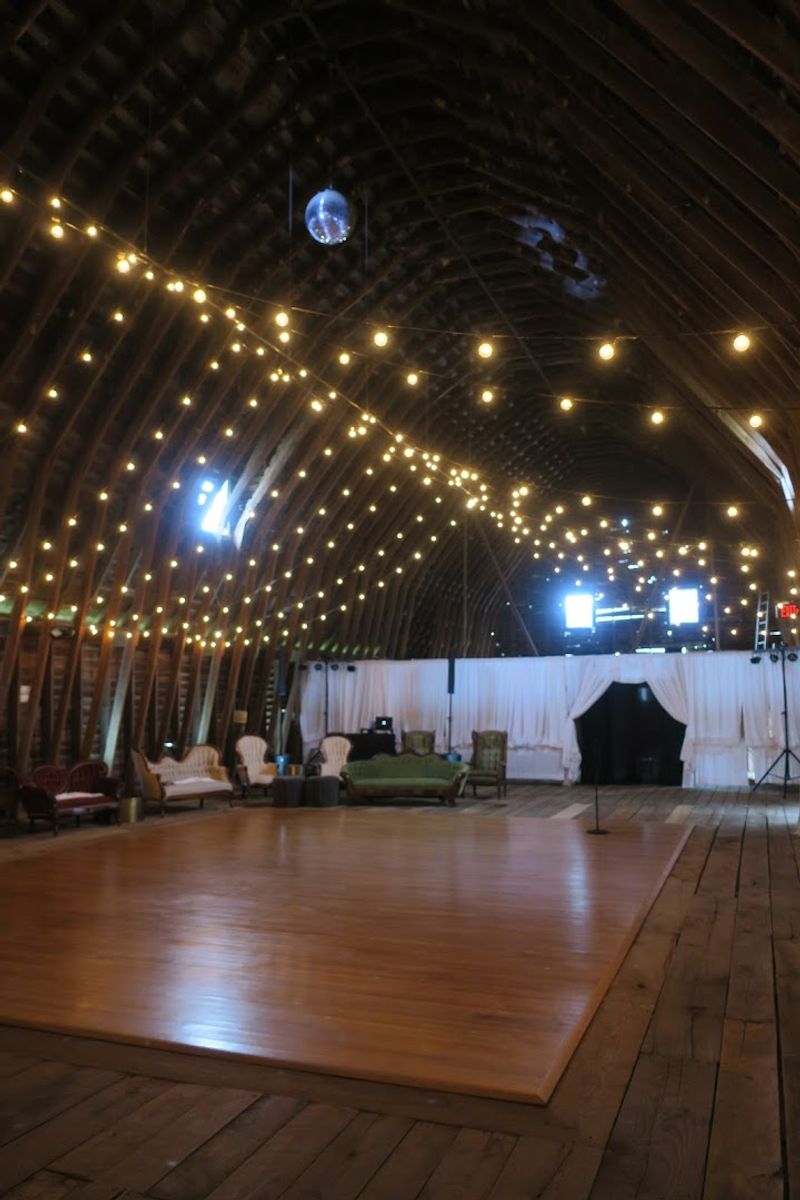
George Washington did not treat farming as background decoration, and this site proves it quickly. Mount Vernon Estate Farm shows the agricultural side of the estate, highlighting experimentation, planning, and the serious attention Washington gave to improving productivity.
Visitors can learn how crop rotation, field management, and livestock fit into his broader interest in practical innovation. The farm interprets the estate as a working operation rather than a polished mansion with grass around it, which makes the history feel more complete.
That shift in focus matters, because early America depended on people who treated agriculture as both livelihood and problem-solving exercise. You get to see how a large Virginia farm functioned, how labor was organized, and why new methods mattered in the 18th century.
The result is a more useful understanding of the estate and of the country taking shape around it. There is also something satisfying about seeing a famous figure brought back to earth through fences, fields, and farm plans instead of endless portraits and formal rooms.
3. Conner Prairie (Fishers, Indiana, 1800s era)
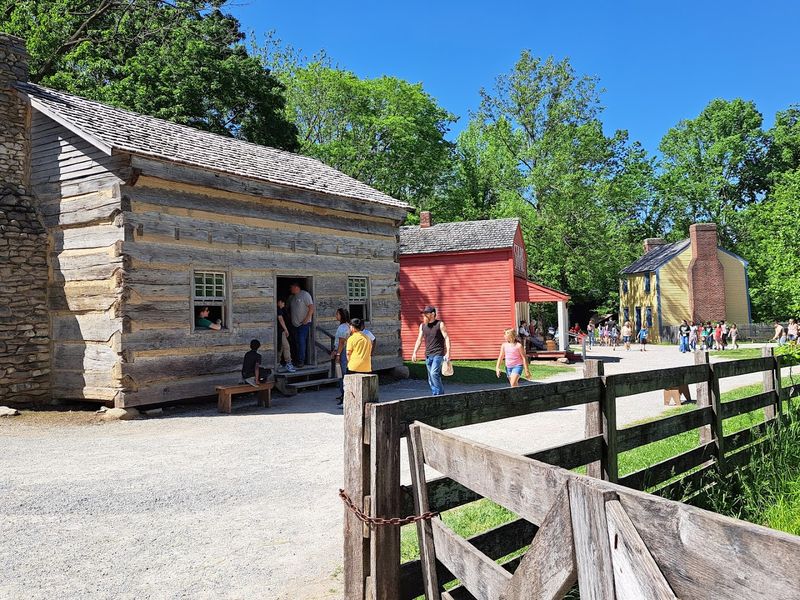
Conner Prairie knows that history behaves better when it has chores to do. Its working farm invites you into daily life in the early 19th century, where practical tasks shaped everything from meals to family routines.
Interpreters demonstrate how farming households managed livestock, planted fields, used tools, and kept a property functioning through constant work. Because the site is interactive, you are not stuck peering at objects behind glass and pretending that counts as immersion.
The farm fits into the larger history park, so your visit connects agriculture with community life, trade, and frontier settlement in a useful way. Buildings, equipment, and demonstrations show how much coordination ordinary life required before machines simplified the schedule.
It is a strong reminder that farms were busy systems, not quiet backdrops. Conner Prairie also balances education with enough personality to keep things lively, which is harder than it sounds.
You come away with clearer facts, a better sense of timing and labor, and maybe a little gratitude for modern laundry machines.
4. Genesee Country Village & Museum (Mumford, New York, 19th century)
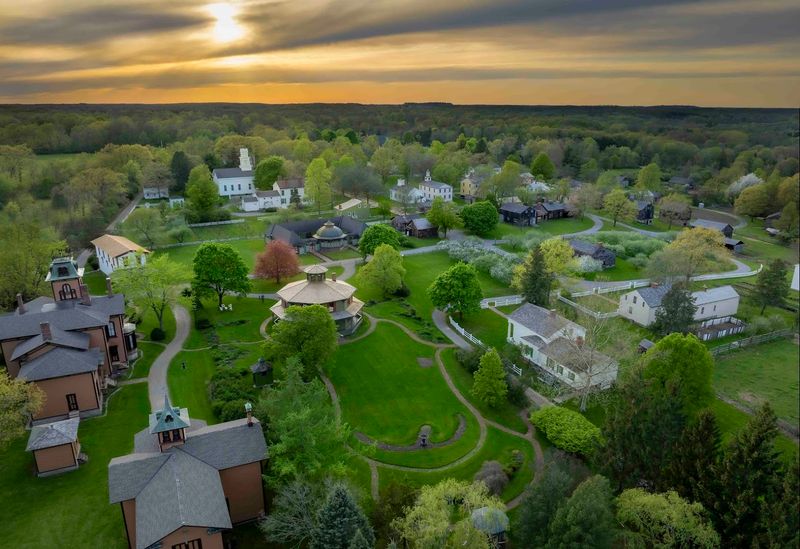
Big museums can blur together, but this one earns its acreage. Genesee Country Village & Museum includes historic farms that show how agriculture shaped daily life in 19th-century New York with impressive regional detail.
Because the museum is so large, you can compare different farm layouts, buildings, and work patterns instead of seeing one tidy example and calling it a day. That scale helps explain how communities adapted to land, climate, and local needs across a broad area.
The farm spaces are especially useful for understanding that rural history was never one-size-fits-all. Visitors can examine barns, fields, livestock areas, and domestic work zones while learning how families combined labor, skill, and timing to keep everything moving.
The broader village context adds even more value, linking farming to blacksmithing, trade, transportation, and household production. By the end, early America looks less like a collection of quaint scenes and more like a network of hard-working systems.
It is a smart stop for anyone who wants a wider view, not just a postcard version of the past.
5. Old Sturbridge Village Freeman Farm (Sturbridge, Massachusetts, 1790s era)
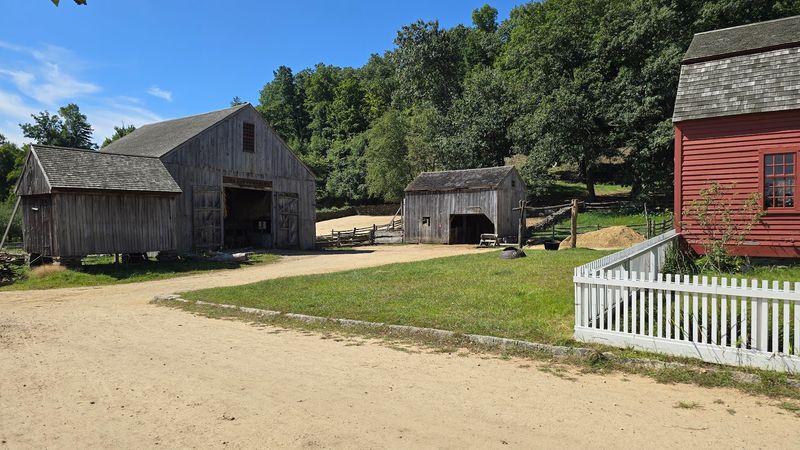
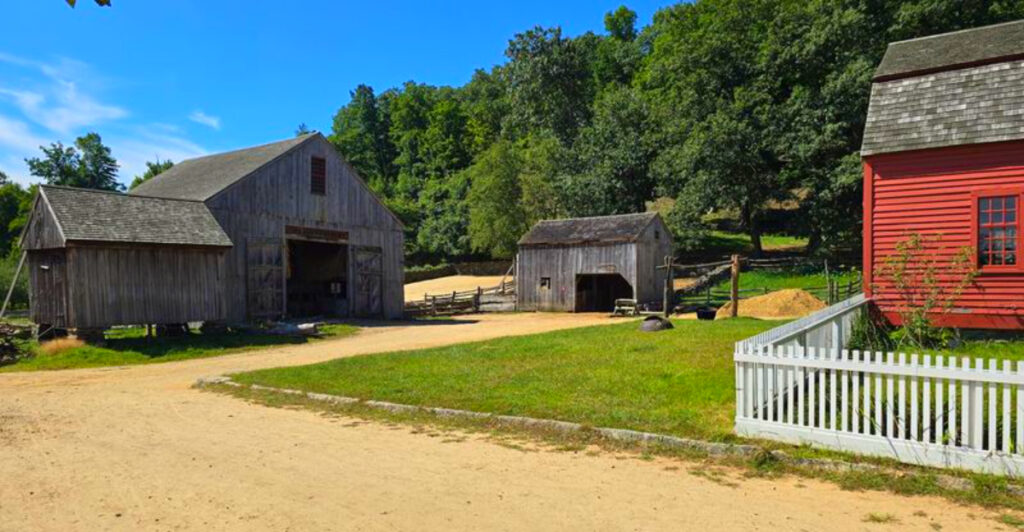
History gets its boots muddy here, and that is part of the fun. The Freeman Farm at Old Sturbridge Village recreates rural New England life from the 1790s with a level of detail that makes textbooks look a little lazy.
Costumed interpreters handle chores, explain tools, and show how households balanced planting, livestock, cooking, and repair work without modern shortcuts. Instead of a single building with labels, you get a fuller picture of how a farm operated as both workplace and home.
The setting helps connect everyday labor to bigger themes like regional trade, family structure, and seasonal routines. Fields, barns, fenced areas, and domestic spaces work together to show that early farming demanded planning as much as muscle.
You are not just hearing that people worked hard; you can actually watch the systems that kept a farm running. That practical focus gives the site its staying power, and it makes early America feel less distant, more organized, and occasionally impressively stubborn.
6. Hancock Shaker Village (Pittsfield, Massachusetts, 18th century)
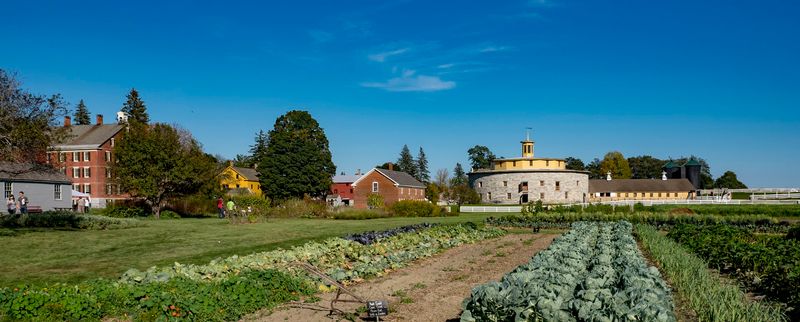
Order and efficiency steal the show at Hancock Shaker Village. This preserved Shaker community presents farming as part of a carefully organized way of life, where innovation, shared labor, and tidy planning all worked together.
The site is well known for its architecture, including the striking round barn, but the agricultural story is just as compelling. Visitors can see how the Shakers approached land use, livestock care, tools, and food production with unusual discipline and practical intelligence.
That communal structure makes the village stand out from family-centered farm sites, because the entire setup reflects collective decision-making. Instead of focusing on one household managing one property, Hancock shows what farming looked like when a religious community shaped both work and daily habits.
The result is clear, organized, and surprisingly modern in its attention to process. You leave with a better grasp of how belief, design, and agriculture can reinforce one another without turning into abstract theory.
Also, any place that can make barn design feel like a headliner deserves a little credit for showmanship, even if the Shakers probably would have declined the compliment.
7. Colonial Williamsburg Farms (Virginia, 18th century)
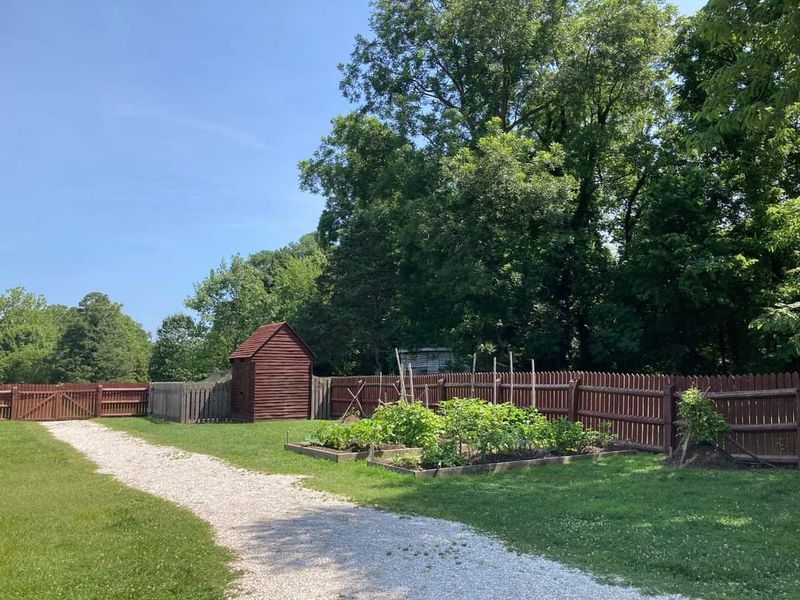
Colonial Williamsburg is not all politics, powdered wigs, and formal buildings. Its scattered farm sites bring colonial agriculture into focus, showing how fields, livestock, and practical labor supported the larger town that visitors usually come to see.
These farms use period tools, traditional methods, and heirloom crops to explain what production looked like in 18th-century Virginia. That approach adds welcome realism, because a colonial capital did not function on debate alone; someone had to grow the food and manage the land.
The agricultural interpretation also helps break up the polished feel that historic districts can sometimes have. Here, the story expands beyond public life and into the work routines that kept households and communities supplied.
Visitors can better understand seasonal cycles, crop choices, labor demands, and the connections between town and countryside. Rather than treating farming as a side note, Williamsburg gives it a visible role in the colonial system.
That makes the experience richer and more grounded. It is also a useful reminder that even the most famous historic streets once depended on muddy boots and full carts.
8. The Farmer’s Museum (Cooperstown, New York, 19th century)
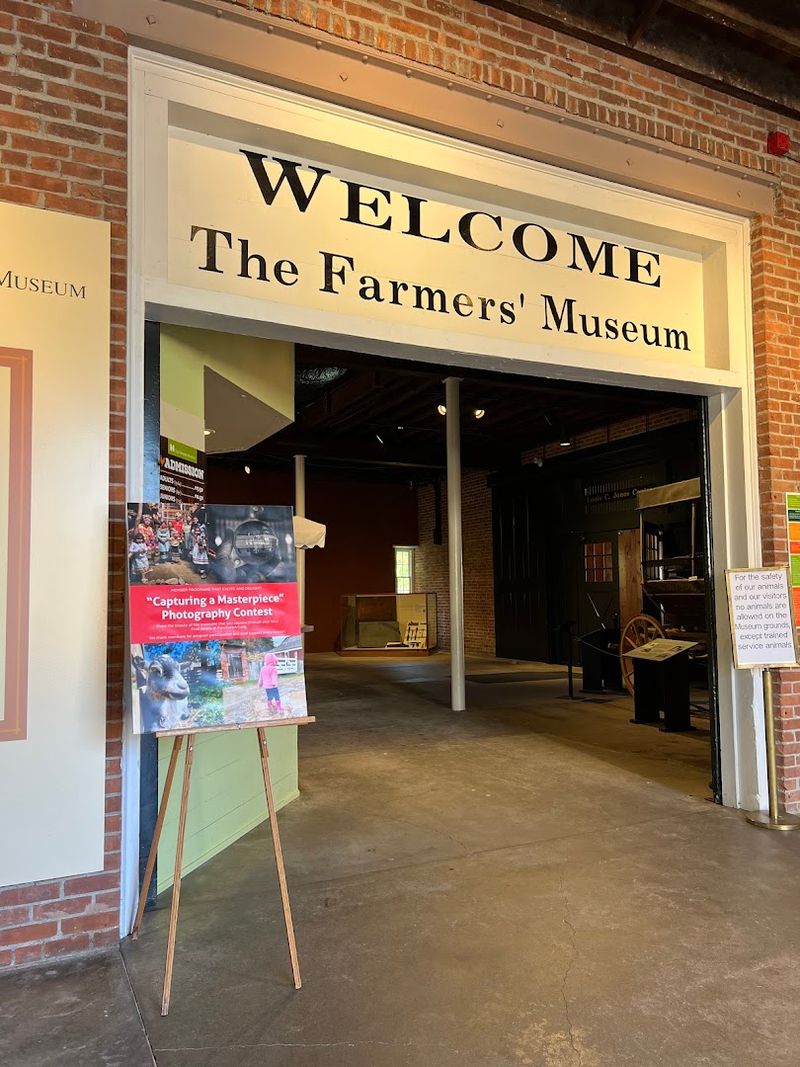
The name is wonderfully direct, and the place follows through. The Farmer’s Museum in Cooperstown gives visitors a solid look at 19th-century rural traditions through working fields, barns, livestock, and practical demonstrations.
Its strength lies in showing how farming connected to everyday community life, not just isolated chores on an empty landscape. You can trace links between production, storage, transportation, household work, and the local economy without needing a lecture that lasts longer than the crops.
That balance makes the museum approachable for casual visitors and rewarding for history fans who want specifics. The agricultural areas are paired with village elements, helping explain how rural Americans built interdependent systems instead of living as separate little worlds.
Livestock, equipment, and farm structures give the experience substance, while interpretation keeps the history easy to follow. You come away understanding that a farm was part business, part home, part workshop, and entirely demanding.
Cooperstown may attract attention for other reasons, but this museum earns its own audience by making agricultural history clear, concrete, and unexpectedly entertaining.
9. Living History Farms (Urbandale, Iowa, 1700s–1900s)
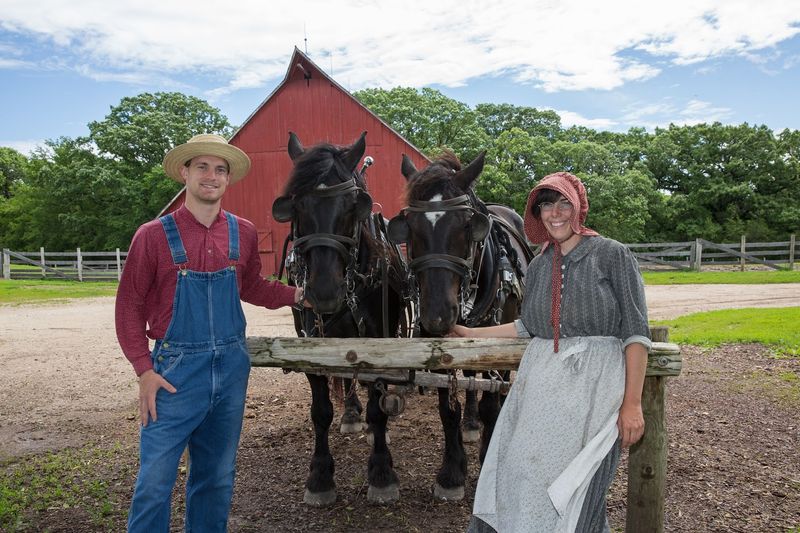
Three time periods in one visit is a neat trick, and Living History Farms pulls it off. This Iowa museum spans centuries of agricultural change, letting you compare Native American methods, pioneer farming, and horse-powered operations in one large open-air setting.
That structure is the big draw, because it turns history into a sequence instead of a single snapshot. Visitors can see how land use, tools, crops, transportation, and labor changed over time, and how each system reflected a different set of priorities and possibilities.
The site includes a 1700 Ioway farm, an 1850 pioneer farm, and a 1900 horse-powered farm, so the contrasts are easy to follow. Rather than hearing vague claims about progress, you can observe how techniques evolved and what older methods still accomplished effectively.
Interpreters help connect the dots without flattening the differences between cultures or periods. It is one of the best places for understanding agricultural change as a real process with tradeoffs, not a simple march toward convenience.
Also, after comparing centuries of farm labor, your to-do list may suddenly seem impressively manageable.
10. Hale Farm & Village (Bath, Ohio, 19th century)
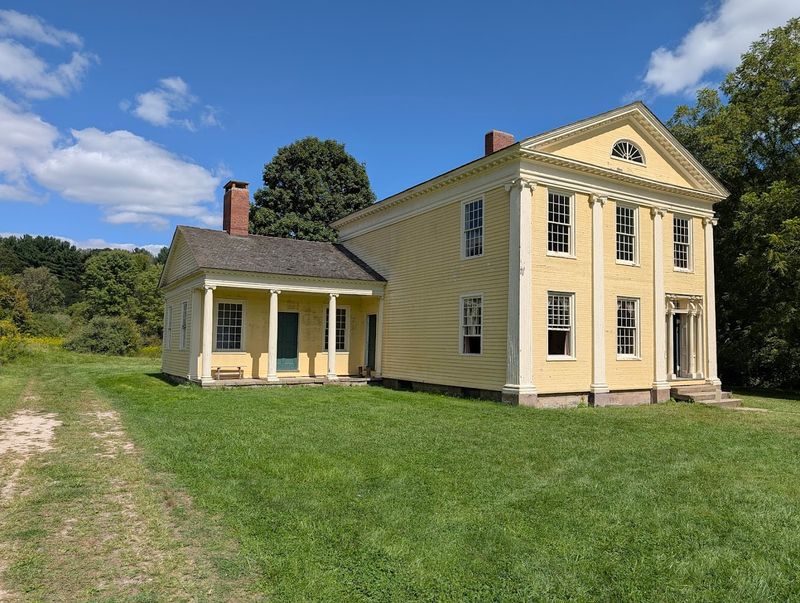
Hale Farm & Village turns the Western Reserve into something more than a regional footnote. This restored Ohio community combines farming with blacksmithing, domestic crafts, and village life, showing how rural households relied on a whole network of skills.
The farm setting helps explain food production, animal care, and land management, while nearby demonstrations reveal the trades that supported agricultural communities. That broader setup makes the place especially effective, because a farm rarely operated without tools, repairs, textiles, and plenty of practical know-how.
You can watch history spread across several kinds of work instead of being boxed into one storyline. Buildings and interpreters create a believable sense of how a 19th-century community functioned day to day, with farming at the center but not acting alone.
The result feels layered rather than staged. Visitors leave with a stronger grasp of how local economies worked before industrial convenience shortened every process.
It is also refreshing to visit a site that understands one important truth about the past: nobody got very far without someone fixing a tool, tending an animal, or making useful things from scratch.
11. Sauder Village (Archbold, Ohio, 1800s era)
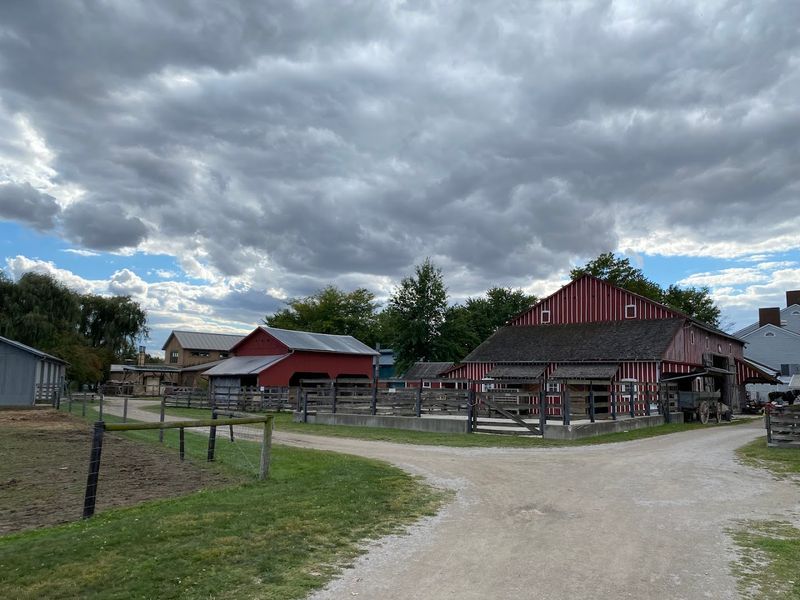
Midwestern farm life gets a lively stage at Sauder Village. The historic village includes a working farm that highlights the routines, tasks, and practical choices that shaped settler life in the 1800s.
Visitors can explore how households organized labor across the day, from crop work and animal care to cooking, maintenance, and the endless business of keeping a property useful. Because the farm sits within a broader village setting, it also shows how agriculture connected to shops, trades, and community habits.
That wider context keeps the story from shrinking into nostalgia. You are not just looking at a barn and guessing what happened there; you see how farm production supported a settlement and how settlers adapted to Midwestern conditions with limited conveniences.
Interpreters and preserved structures help make the routines understandable without overcomplicating them. Sauder Village is especially good for visitors who want a friendly, accessible introduction to historic farming with enough detail to stay interesting.
It proves that ordinary work can be the real headliner, especially when the ordinary involved far more planning, stamina, and ingenuity than most modern schedules ever demand.
12. Coggeshall Farm Museum (Bristol, Rhode Island, 18th century)
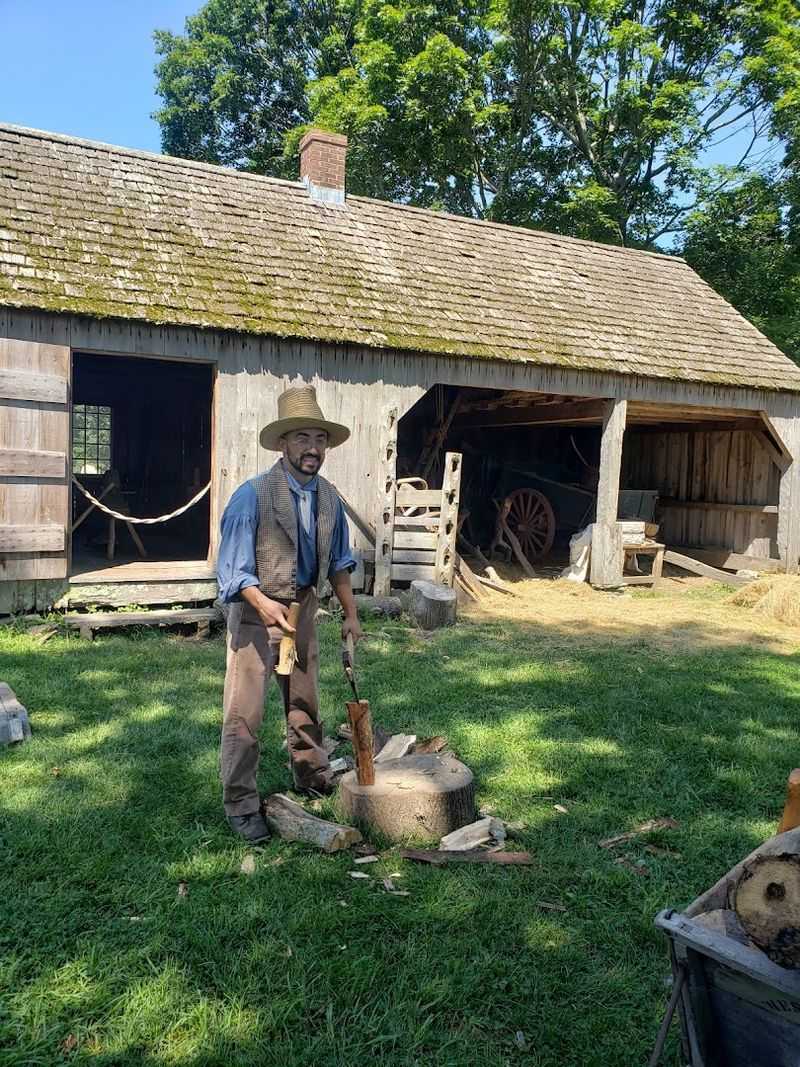
This farm skips grandeur and goes straight to the hard math of survival. Coggeshall Farm Museum interprets an 18th-century coastal tenant farm, focusing on the practical challenges faced by people working land they did not own.
That angle gives the site real character, because tenant farming tells a different story from elite estates and polished showplaces. Visitors learn how colonial families managed crops, livestock, tools, and household tasks while dealing with limited resources and the demands of a landlord-based system.
The coastal setting also adds regional specificity, showing how environment and economics shaped agricultural choices in New England. Interpreters demonstrate daily work in a way that keeps the experience grounded and easy to follow, with attention on routine decisions rather than dramatic mythmaking.
You get a clearer picture of colonial agriculture as something uneven, demanding, and deeply tied to class and opportunity. That makes the visit especially useful if you want early American history with fewer fancy curtains and more honest logistics.
It is a reminder that the past was often built by people making careful decisions with very little margin for waste.
13. Historic Cold Spring Village (Cape May, New Jersey, 1800s)
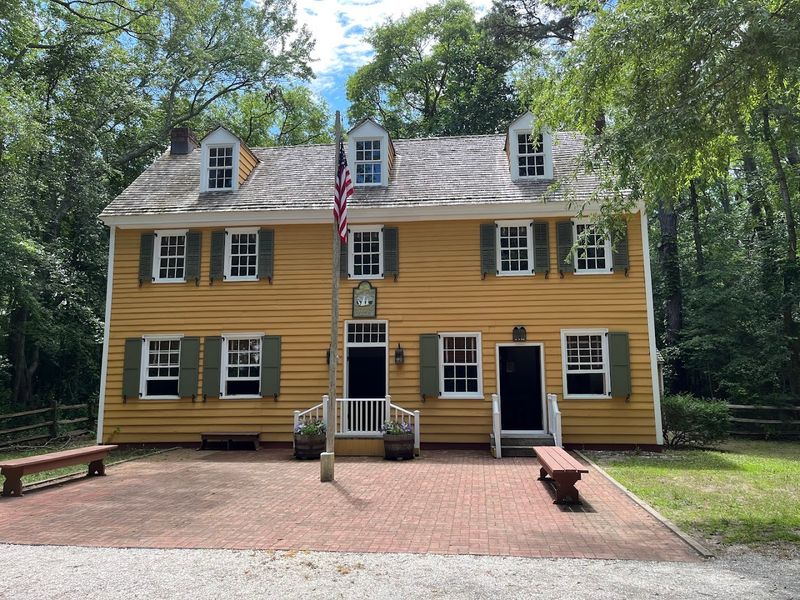
Historic Cold Spring Village serves up 19th-century rural life with plenty of range. Its open-air museum includes a farm that reflects early American routines in southern New Jersey, complete with heritage livestock and working agricultural spaces.
The farm fits naturally into the larger village, where houses, shops, and craft areas show how communities depended on agriculture without existing only for it. That mix gives visitors a more accurate picture of rural life, where farming was central but always linked to trade, domestic work, and local exchange.
One of the pleasures here is seeing how regional history gets specific instead of generic. Buildings, animals, and demonstrations help explain what local farm life looked like in the 1800s and how households managed daily demands.
The site is approachable, family-friendly, and informative without trying too hard to be theatrical. You can move at your own pace and still come away with clear ideas about labor, land use, and community structure.
Cold Spring Village also has a nice talent for making practical history feel lively, which is no small achievement when the subject includes fences, feed, and a truly heroic amount of repetitive work.
14. Stratford Hall Plantation Farm (Virginia, 18th century)
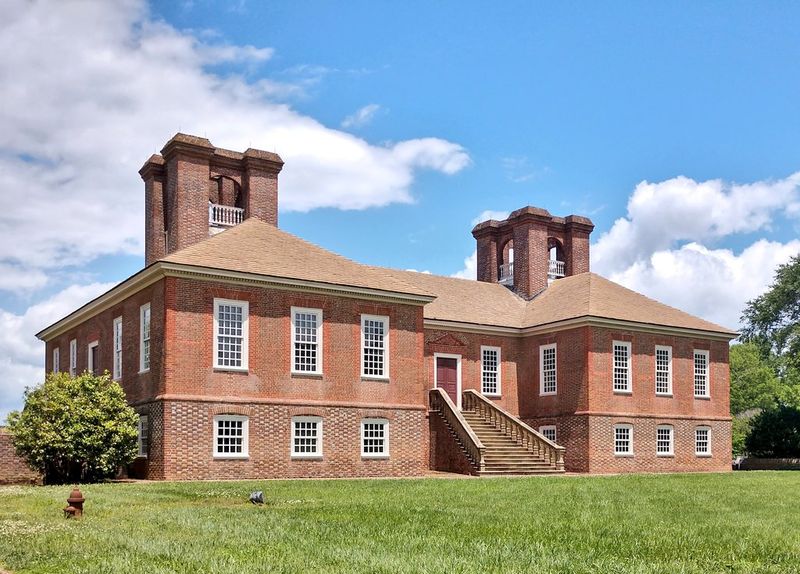
Scale is the first thing that lands here, because Stratford Hall was built to operate big. Its plantation farm interpretation shows how a large 18th-century Virginia estate functioned through organized agriculture, extensive grounds, and carefully managed production.
Visitors can examine reconstructed farming operations that reveal the complexity behind estate life. Instead of focusing only on the main house, the site helps explain how fields, outbuildings, labor systems, and supply networks worked together to support a substantial property.
That broader view is essential for understanding what plantation agriculture actually involved in practical terms. You get a stronger sense of layout, workflow, and the administrative side of running a large farm in early America.
The site also encourages visitors to think about the difference between appearance and operation, because grand estates depended on a great deal of ordinary work happening beyond the formal rooms. Stratford Hall is valuable precisely because it widens the frame.
It reminds you that agricultural history is often hidden behind architecture, and that the real story frequently lives in the spaces where planning, production, and daily labor met.
15. Casey Farm (Saunderstown, Rhode Island, 18th century)
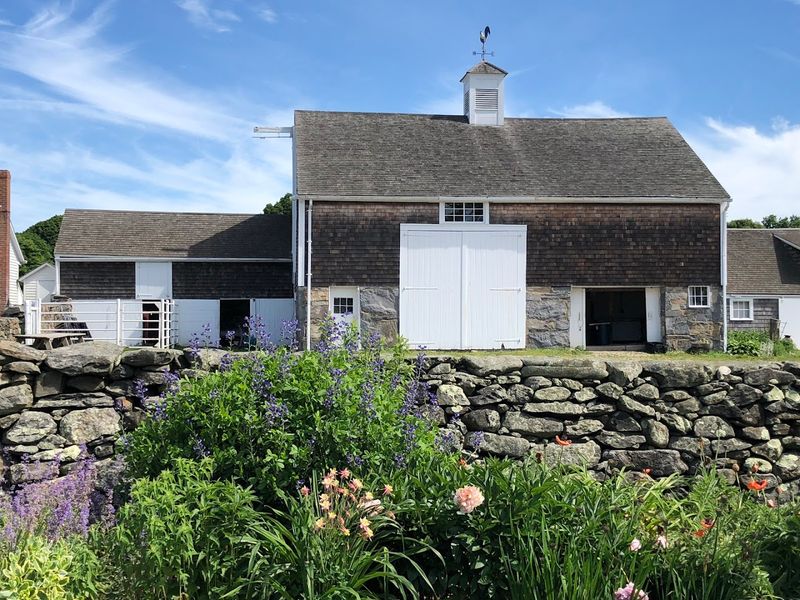
Casey Farm has the rare advantage of being historic and still productively busy. This 18th-century Rhode Island farm connects modern visitors to centuries-old agricultural traditions through an active landscape, seasonal programs, and a strong sense of continuity.
Because it remains a working farm, the site avoids the frozen-in-time feeling that some historic properties struggle with. You can see how preserved buildings and long-established land use patterns still support public education, farming activity, and community engagement in the present.
That living connection is what makes Casey Farm especially rewarding. Rather than treating history as something sealed off behind ropes, it shows how old agricultural spaces can keep teaching through use.
Visitors gain insight into colonial-era farming traditions, regional crops, and the long arc of New England rural life, all without losing sight of current relevance. Seasonal markets and programs help bridge that gap in a practical, welcoming way.
The result is less a history lecture and more a useful conversation across time, held in fields that have seen plenty already and somehow still have more to say than many much newer places.
Share this story