Marriage has always been a powerful force in history, shaping kingdoms, wars, and the fates of entire nations. Some of history’s most powerful rulers and leaders made romantic choices that ended up costing them far more than they bargained for.
From lost thrones to lost lives, these marriages changed the course of history in ways nobody could have predicted. Here are 15 historical figures whose choice of spouse led to dramatic and often devastating consequences.
1. Mark Antony and Cleopatra VII
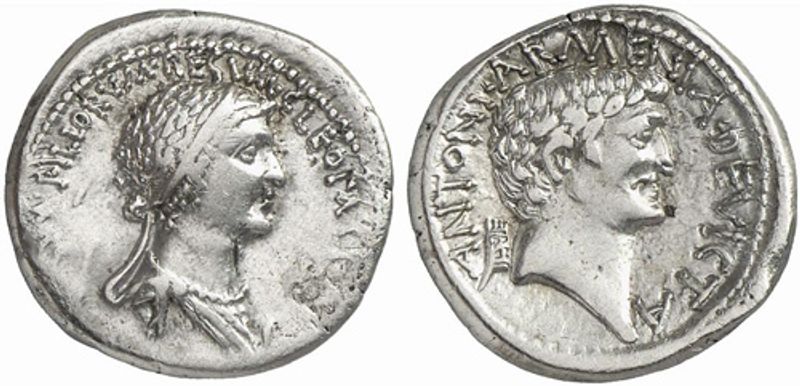
Few love stories in history have ended quite as catastrophically as the one between Roman general Mark Antony and Egyptian queen Cleopatra VII. Their relationship was more than romantic; it was a political powder keg that eventually exploded across the entire Mediterranean world.
Octavian, Antony’s rival in Rome, used the relationship as propaganda, painting Antony as a traitor who had abandoned Roman values for a foreign queen. Romans were deeply suspicious of Cleopatra’s influence, and that suspicion became a weapon.
After their combined forces suffered a crushing defeat at the Battle of Actium in 31 BCE, there was no road back. Antony took his own life, and Cleopatra followed shortly after.
What began as one of history’s most passionate alliances ended in total ruin, costing Antony his power, his reputation, and ultimately his life.
2. King Henry VIII and Anne Boleyn
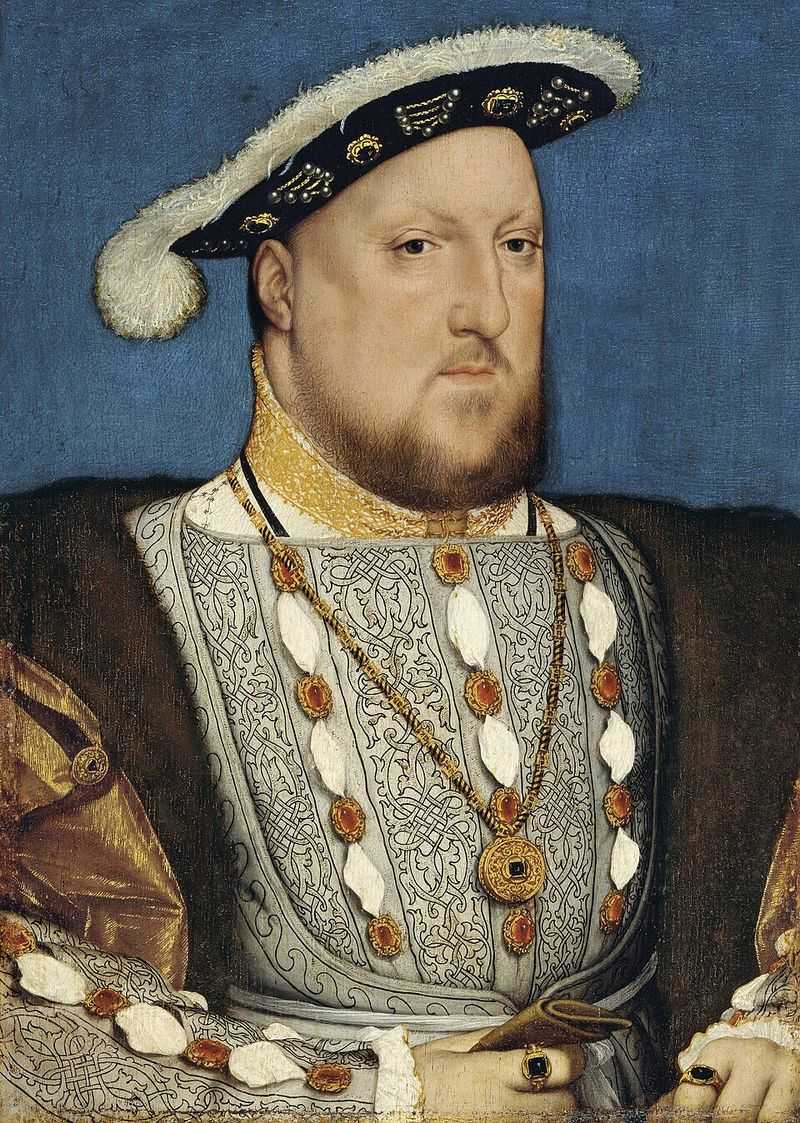
Henry VIII wanted Anne Boleyn so badly that he was willing to tear an entire church apart to have her. When the Pope refused to grant him a divorce from his first wife, Catherine of Aragon, Henry simply created his own church, breaking England away from Rome in the process.
The English Reformation that followed reshaped the country’s religion, politics, and culture for generations. Monasteries were dissolved, religious conflicts erupted, and England was never quite the same again.
All of this happened largely because one king could not take no for an answer.
Ironically, the marriage Henry sacrificed so much for lasted only three years. Anne failed to produce a male heir, fell out of royal favor, and was accused of treason and adultery.
She was executed in 1536, leaving Henry to face the full weight of the chaos he had created.
3. Mary, Queen of Scots, and Lord Darnley
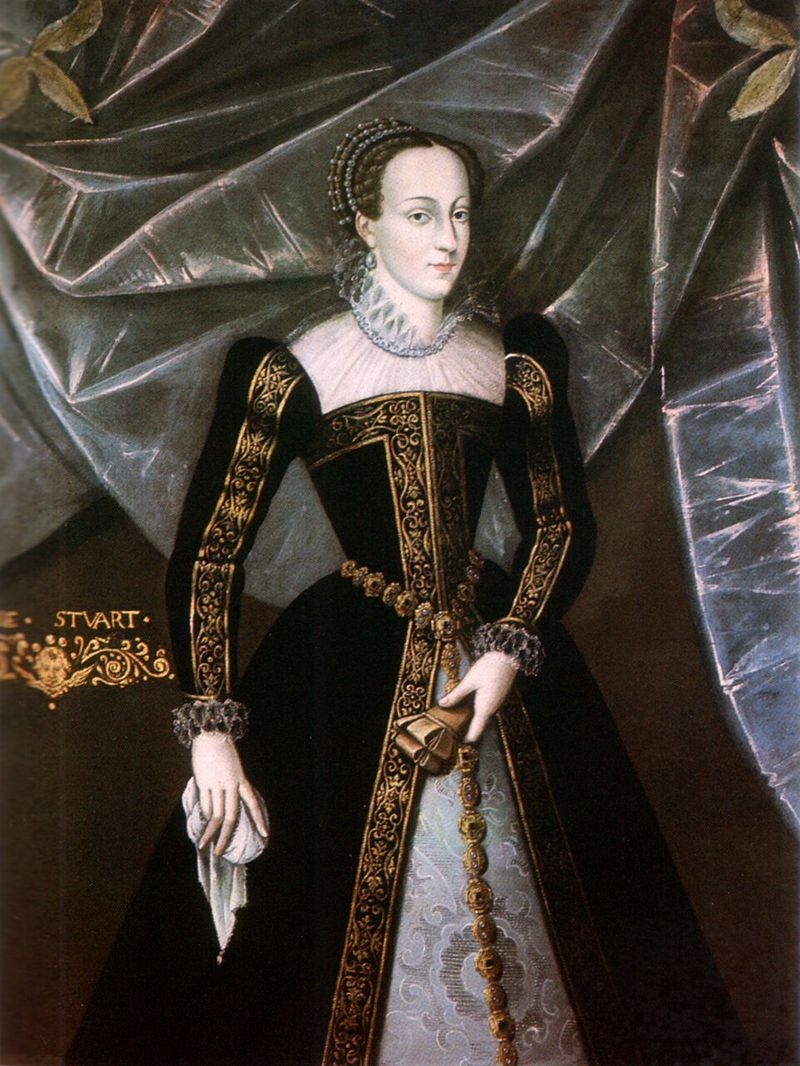
Mary, Queen of Scots, had options when it came to choosing a husband, and many advisors urged caution. She chose Henry Stuart, Lord Darnley, largely based on personal attraction, a decision that set off a chain of disasters she never fully recovered from.
Darnley turned out to be jealous, politically reckless, and deeply unpopular. He played a role in the brutal murder of Mary’s secretary, David Rizzio, which horrified the Scottish court.
Then Darnley himself was murdered under mysterious circumstances, and suspicion immediately fell on Mary.
Making matters worse, Mary quickly married the Earl of Bothwell, a man widely suspected of arranging Darnley’s death. Scottish nobles revolted.
Mary was forced to abdicate her throne and eventually fled to England, where her cousin Queen Elizabeth I had her imprisoned. She was executed in 1587, never having recovered from the fallout of that first disastrous marriage.
4. Napoleon Bonaparte and Marie Louise of Austria
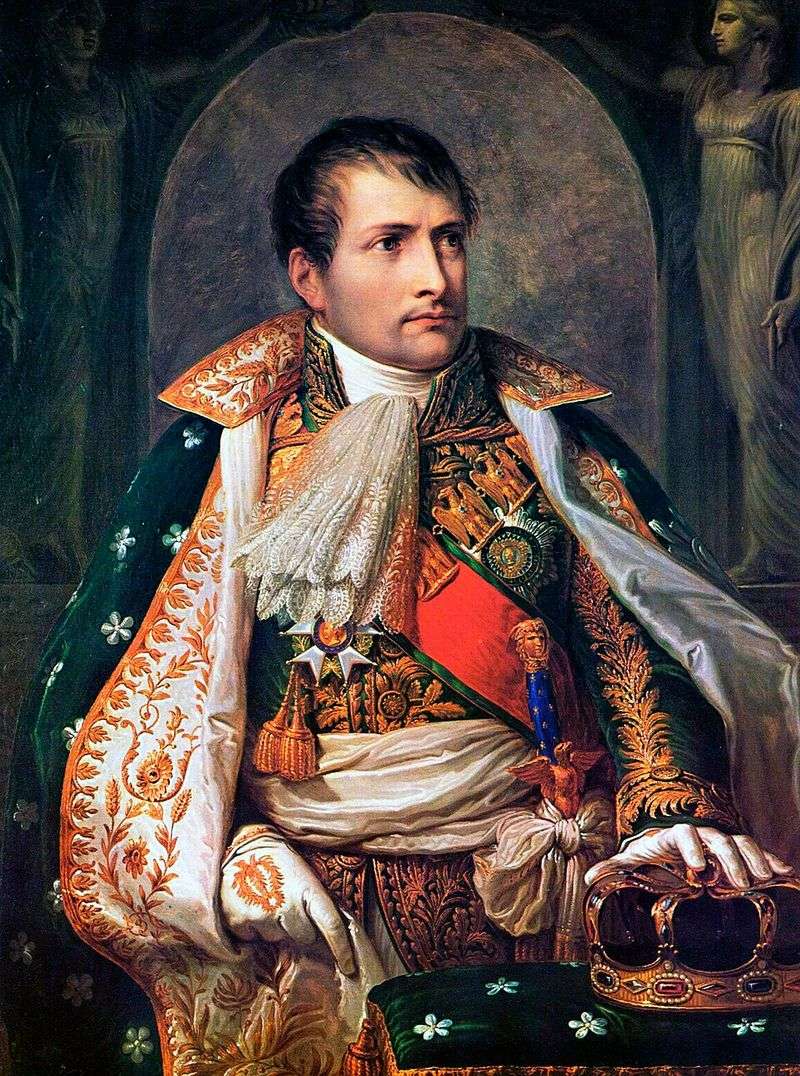
Napoleon divorced his beloved first wife, Josephine, because she had not given him an heir. His second marriage to the young Austrian archduchess Marie Louise was entirely strategic, designed to cement an alliance with Austria and secure the Bonaparte dynasty’s future.
For a time, it seemed to work. Marie Louise gave Napoleon a son, and the alliance with Austria appeared solid.
But when Napoleon’s empire began collapsing under the weight of military defeats and political pressure, Austria’s loyalty evaporated almost instantly.
Marie Louise never joined Napoleon during his exile on Elba or Saint Helena. She returned to Austria, eventually remarried, and built a separate life entirely.
Napoleon had given up a wife who genuinely loved him in exchange for a political arrangement that offered no loyalty when he needed it most. The cold calculation of that second marriage ultimately left him completely alone.
5. King Edward VIII and Wallis Simpson
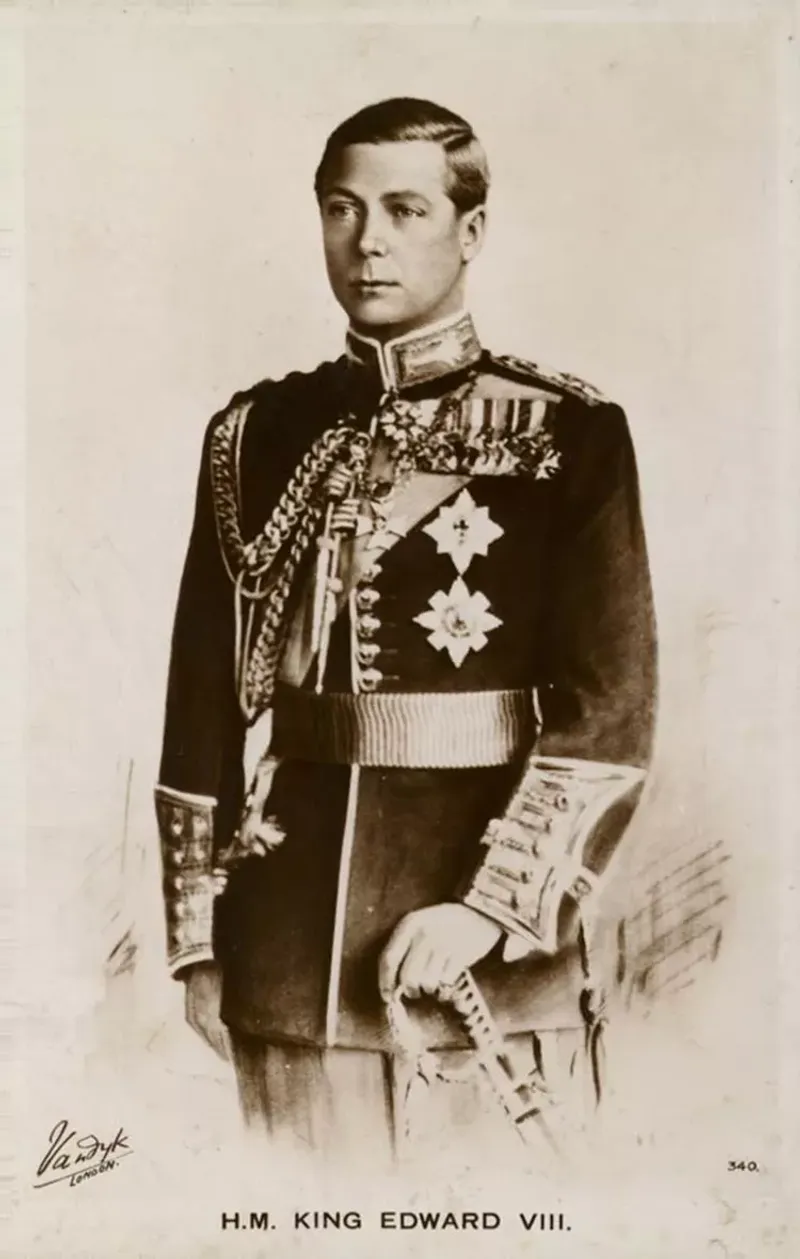
Edward VIII became king in January 1936 and abdicated by December of the same year. That has to be one of the shortest and most dramatic royal reigns in British history, and it all came down to one woman: Wallis Simpson, an American divorcee who had already been married twice.
The British government, the Church of England, and much of the Commonwealth flatly refused to accept Wallis as queen. Edward faced a stark choice: the throne or the woman he loved.
He chose Wallis, announcing his abdication in a famous radio broadcast that stunned the world.
The couple married in 1937 and spent much of their lives in comfortable but largely powerless exile in France. Edward was given the title Duke of Windsor but was kept at arm’s length from royal duties for the rest of his life.
He traded one of the most powerful positions in the world for a relationship that the establishment never fully accepted.
6. Tsar Nicholas II and Alexandra Feodorovna
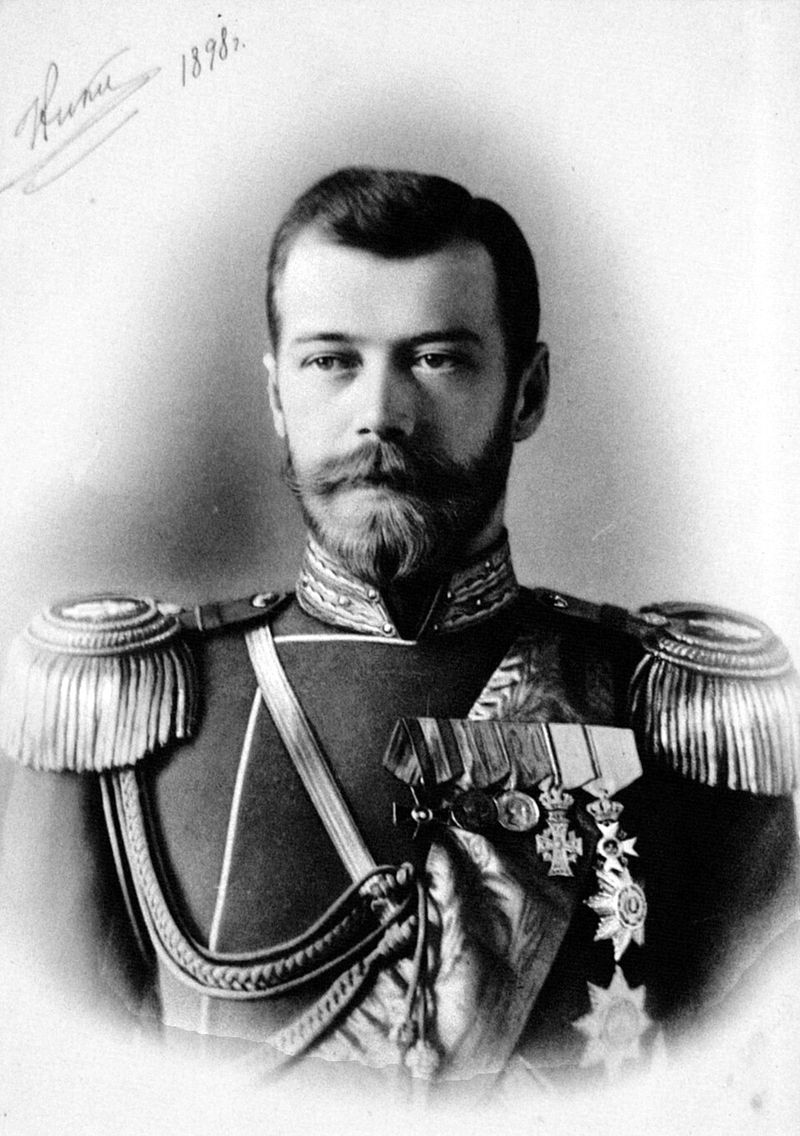
Nicholas II and Alexandra were genuinely devoted to each other, which made their story all the more tragic. Their deep personal bond, however, did not translate into good governance, and Alexandra’s influence over state affairs became a serious problem for the Russian Empire.
Alexandra placed enormous trust in Grigori Rasputin, a controversial mystic she believed could help her hemophiliac son Alexei. Rasputin’s growing presence at court horrified Russian nobles and the general public alike.
Stories of his influence over the empress spread rapidly, fueling rumors and resentment.
During World War I, while Nicholas commanded troops at the front, Alexandra effectively managed government affairs at home, often guided by Rasputin’s advice. The results were widely seen as disastrous.
Public faith in the monarchy collapsed. Revolution followed in 1917, and by 1918, Nicholas, Alexandra, and their five children had all been executed by Bolshevik forces.
7. King Louis XVI and Marie Antoinette
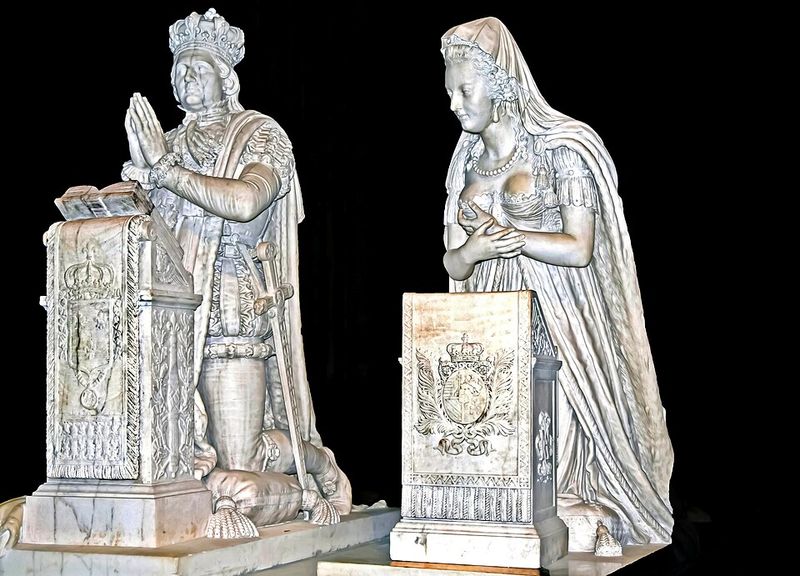
Marie Antoinette arrived in France as a teenager from Austria, married to a king who was awkward and indecisive. She responded to the rigid formality of Versailles by throwing herself into fashion, parties, and lavish spending, earning the nickname Madame Deficit among the French people.
Whether or not she was truly as extravagant as her reputation suggested, the image stuck. As France descended into financial crisis and social unrest, Marie Antoinette became a living symbol of royal excess.
Her Austrian origins made her even more suspect in the eyes of French revolutionaries who already distrusted the monarchy.
Louis XVI was not a cruel king, but he was an ineffective one, and his inability to manage the crisis allowed it to spiral out of control. Both Louis and Marie Antoinette were eventually arrested, tried, and guillotined during the Reign of Terror.
Their marriage had become a symbol of everything the revolution sought to destroy.
8. Ivan the Terrible and Maria Nagaya
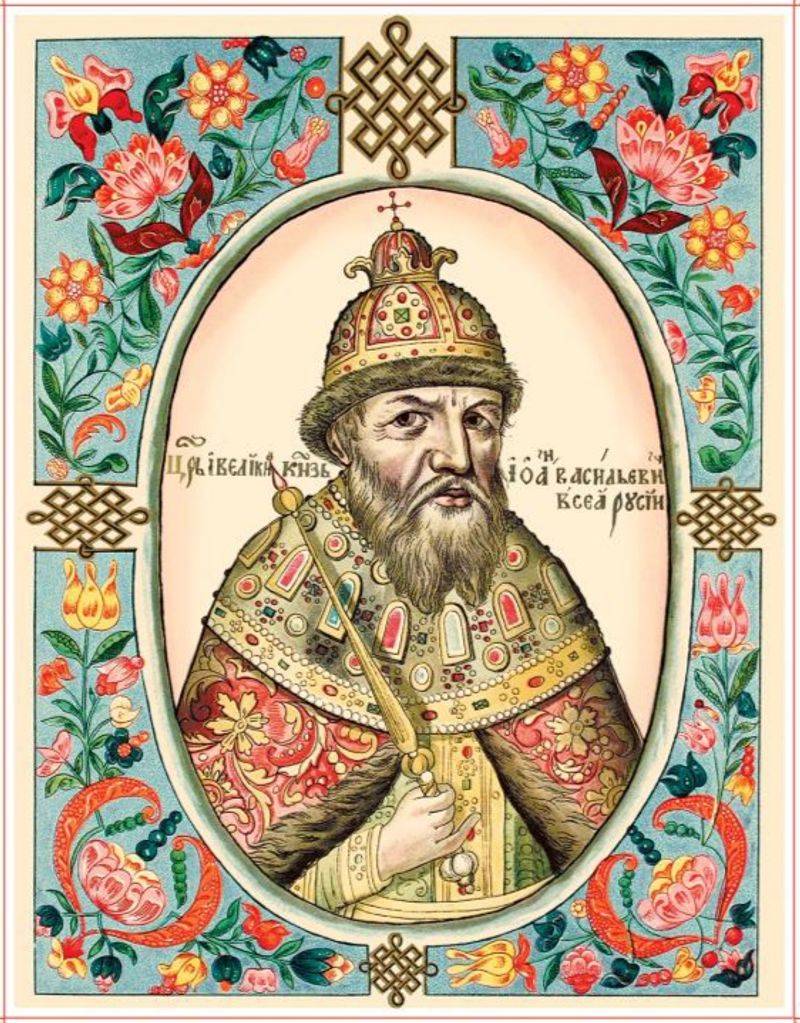
Ivan the Terrible was already known for his brutal and erratic behavior long before his seventh and final marriage to Maria Nagaya in 1580. That marriage, however, created problems that would haunt Russia for decades after his death in 1584.
Maria gave Ivan a son named Dmitry, but because the marriage was technically outside the limits of what the Russian Orthodox Church permitted, Dmitry’s legitimacy was questionable from the start. When Ivan died, Dmitry was sidelined from succession and sent to live in the town of Uglich, where he died under mysterious circumstances in 1591.
The uncertainty surrounding Dmitry’s death and legitimacy helped trigger the Time of Troubles, a catastrophic period of famine, civil war, foreign invasion, and political chaos that nearly destroyed Russia as a state. Multiple pretenders claimed to be the real Dmitry, prolonging the instability.
Ivan’s final marital choice left a wound in Russian history that took years to heal.
9. King John of England and Isabella of Angouleme
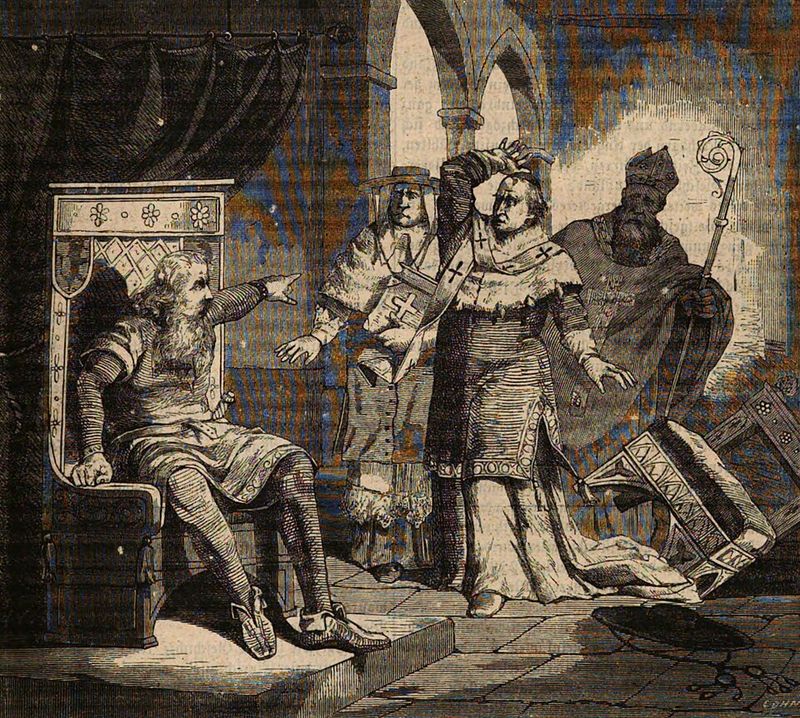
King John of England made a bold romantic move in 1200 when he married Isabella of Angouleme, a young French noblewoman who had already been promised to Hugh IX of Lusignan, a powerful French lord. It was the kind of decision that might seem romantic in a story but proved catastrophic in real politics.
Hugh and his family were furious. They appealed to King Philip II of France, who used the dispute as a legal justification to seize John’s French territories.
John lost Normandy, Anjou, Maine, and other vast lands that English kings had held for generations.
The territorial losses weakened John’s authority and fueled resentment among English barons who were already frustrated with his leadership. That resentment eventually boiled over into rebellion and forced John to sign the Magna Carta in 1215.
One impulsive marriage helped set in motion one of the most consequential constitutional moments in English history.
10. King George IV and Caroline of Brunswick
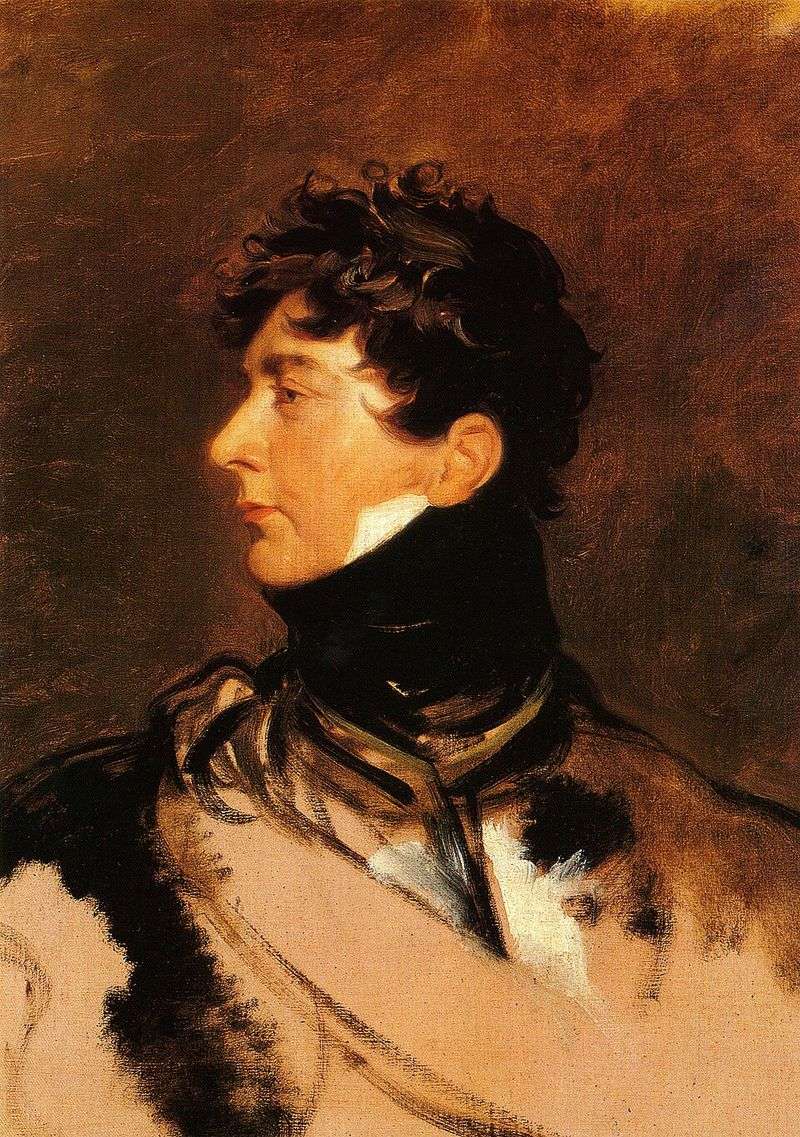
George IV and Caroline of Brunswick reportedly disliked each other almost instantly upon meeting for the first time, which did not bode well for their arranged marriage in 1795. George was said to have asked for a glass of brandy after their introduction, and things only went downhill from there.
The couple separated almost immediately after their daughter Charlotte was born. For years, George tried to prevent Caroline from having any role in public life, even attempting to block her from attending his coronation in 1821 by having the doors of Westminster Abbey physically locked against her.
George pushed for a formal divorce, and the resulting legal proceedings, known as the Bill of Pains and Penalties, became a public spectacle that humiliated the monarchy. The British public largely sympathized with Caroline, making George look vindictive and weak.
Caroline died just weeks after the coronation, but the damage to the crown’s reputation had already been done.
11. Emperor Claudius and Agrippina the Younger
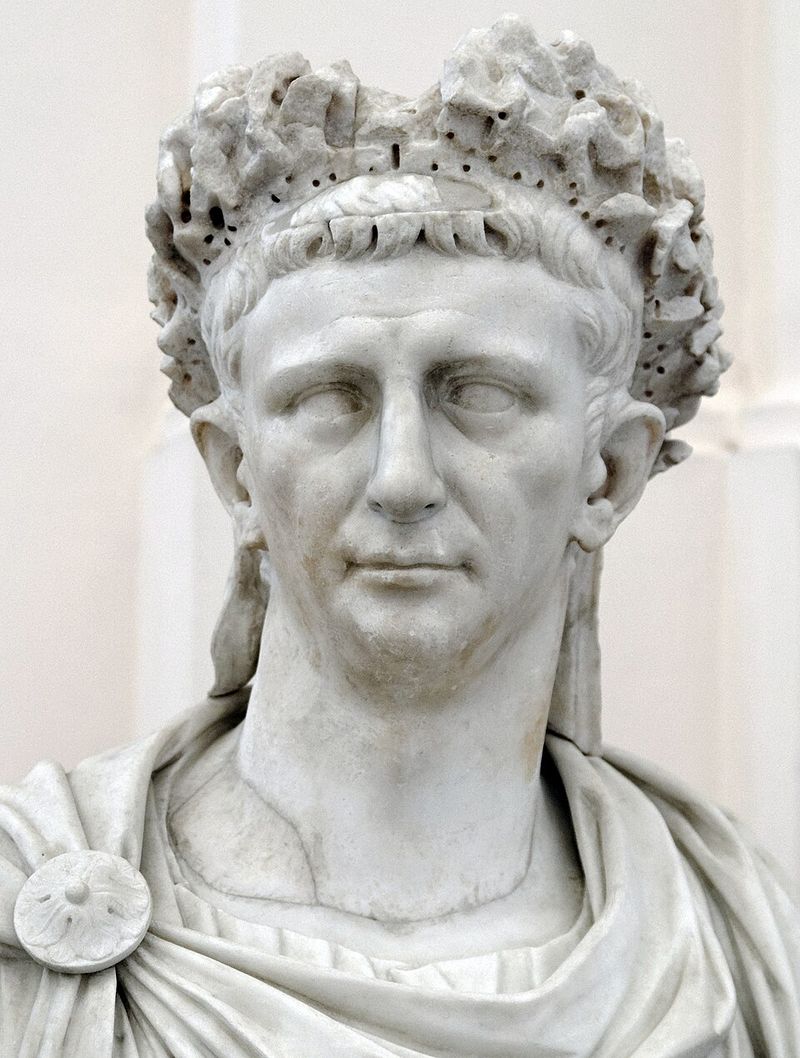
Claudius became Roman emperor largely by accident, surviving the chaos of Caligula’s reign by being overlooked as harmless. His fourth marriage, to his own niece Agrippina the Younger, was a calculated move on her part from the very beginning.
Agrippina was one of the most politically ambitious women in Roman history. She convinced Claudius to adopt her son from a previous marriage, a boy named Nero, positioning him ahead of Claudius’s own biological son Britannicus in the line of succession.
Ancient sources describe her maneuvering with a mixture of admiration and horror.
According to Roman historians including Tacitus and Suetonius, Agrippina poisoned Claudius with a plate of mushrooms in 54 CE to speed up Nero’s rise to power, though modern historians debate how reliable those accounts are. Whether or not the poisoning happened, Claudius’s choice of wife effectively ended his dynasty and unleashed one of Rome’s most destructive emperors on the world.
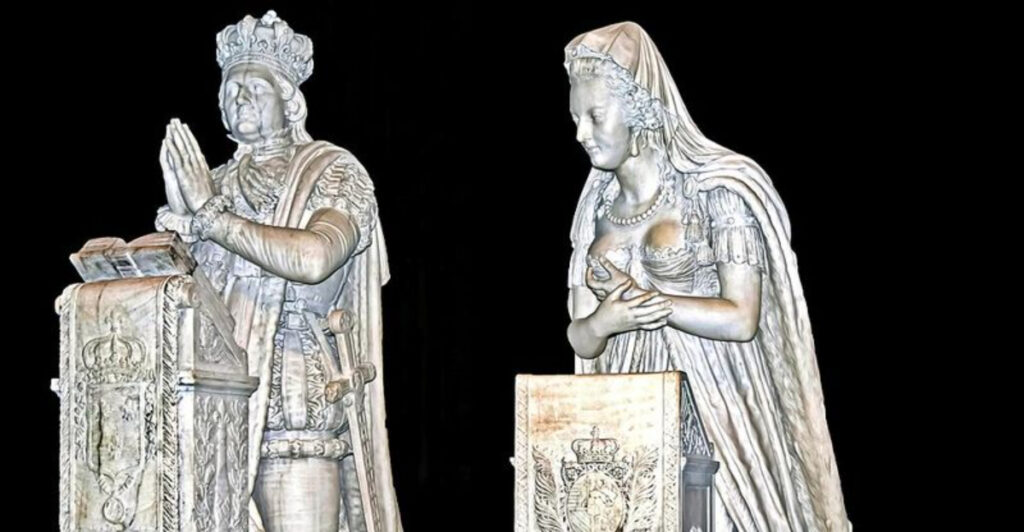
12. Ferdinand II of Aragon and Germaine de Foix
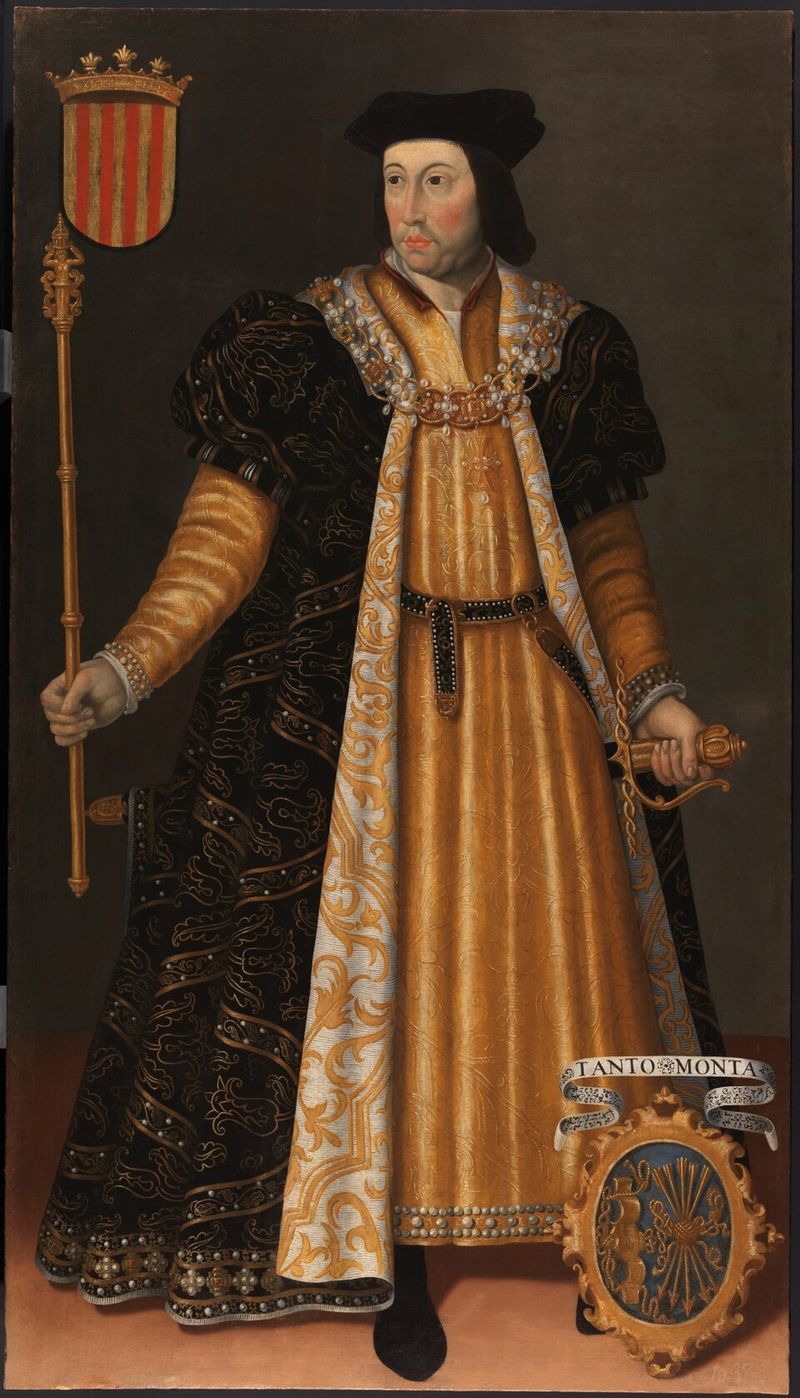
Ferdinand II of Aragon is best remembered as the husband of Queen Isabella I, the partnership that unified Spain and funded Christopher Columbus’s voyages. After Isabella died in 1504, Ferdinand made a second marriage that nearly undid everything the two monarchs had built together.
His new wife, Germaine de Foix, was a French noblewoman and the niece of King Louis XII of France. The marriage was partly a diplomatic arrangement, but it came with a dangerous clause: if Germaine produced a male heir, Aragon would pass to that child, potentially separating it from Castile once again.
Germaine did give birth to a son in 1509, but the infant died within hours. Had the child survived, the unified Spain that Ferdinand and Isabella had so carefully constructed might have been split apart just a decade after their deaths.
The second marriage was a gamble that came dangerously close to unraveling a nation.
13. King Ahab and Jezebel
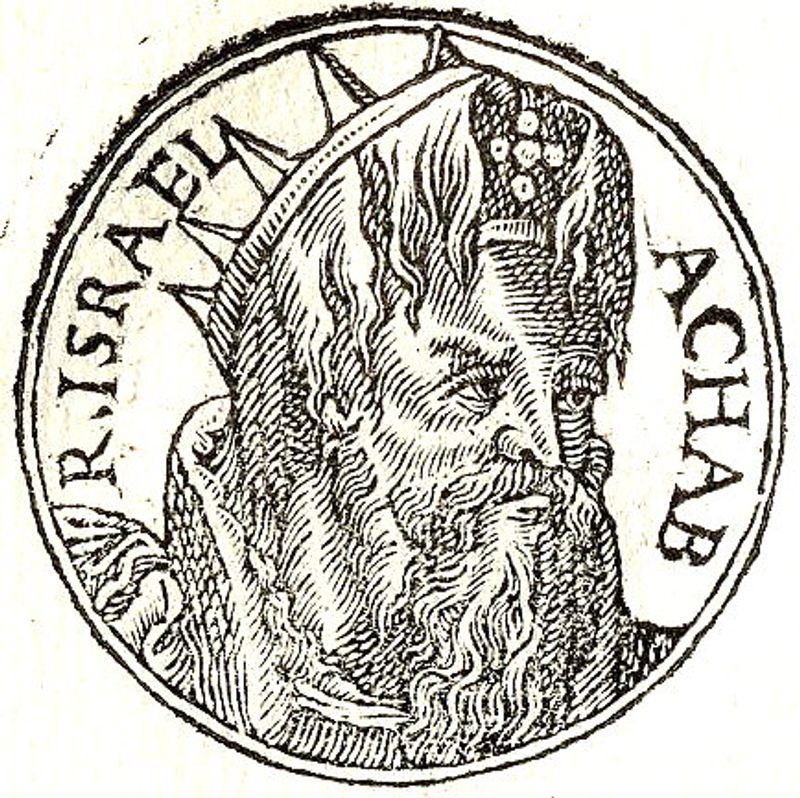
King Ahab of Israel married Jezebel, a Phoenician princess from Sidon, as part of a political alliance around the 9th century BCE. What followed, according to the Hebrew Bible, was one of the most religiously and politically turbulent reigns in Israelite history.
Jezebel brought her own religious traditions with her, including the worship of the god Baal. She reportedly persecuted prophets of the Israelite God and pushed Ahab to adopt Phoenician religious practices, which put the royal couple on a direct collision course with the prophet Elijah and much of the Israelite population.
The conflict went beyond religion. The story of Naboth’s vineyard, in which Jezebel orchestrated a man’s execution so Ahab could seize his land, became a symbol of corrupt royal power.
Ahab’s dynasty did not last long after his death in battle. Jezebel herself met a violent end, and her name became a lasting byword for wickedness and manipulation in Western culture.
14. Ptolemy XIII and Cleopatra VII
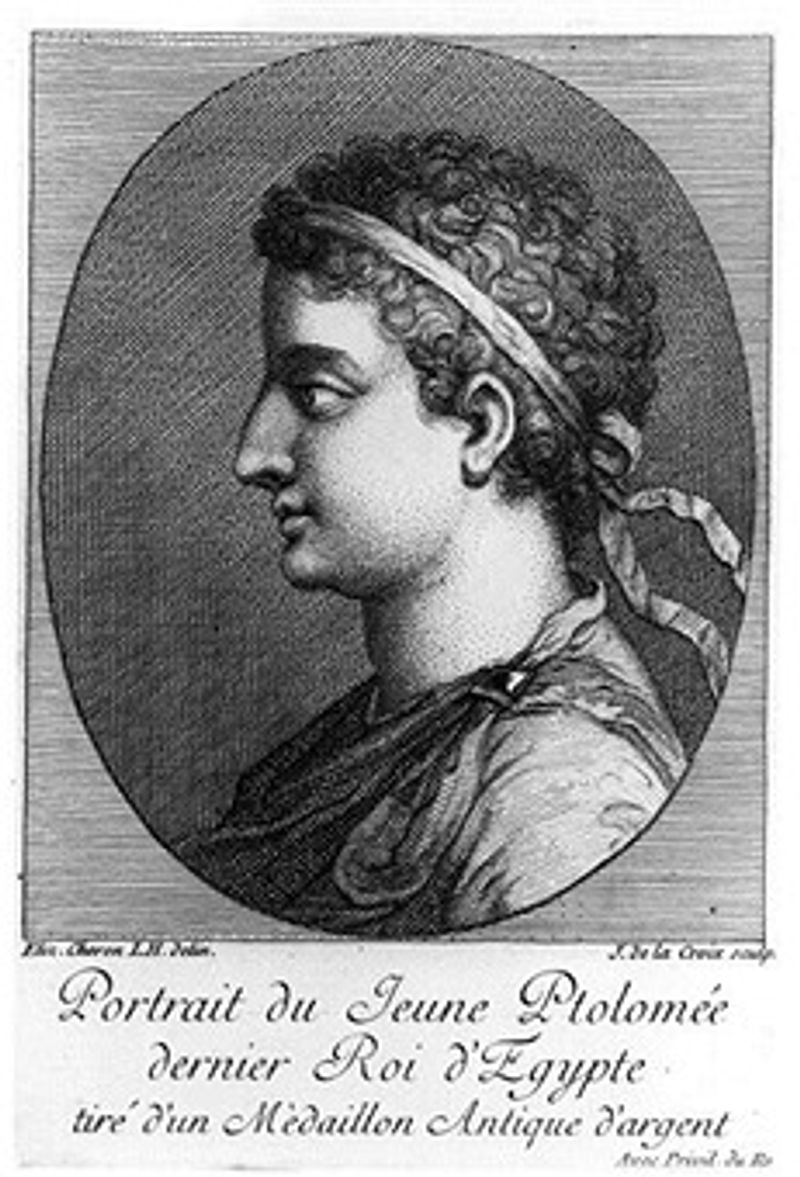
Ancient Egyptian royal custom required siblings to marry each other to keep power within the ruling family. Ptolemy XIII followed this tradition by marrying his older sister Cleopatra VII, but their shared throne quickly became a battlefield rather than a partnership.
Ptolemy’s advisors pushed him to assert dominance over his more capable and politically savvy sister. Cleopatra was eventually driven out of Egypt and forced into exile, but she was far from finished.
She famously arranged a secret meeting with Julius Caesar, who had arrived in Alexandria with Roman military backing, and won his support.
With Caesar’s help, Cleopatra defeated her brother’s forces. Ptolemy XIII drowned in the Nile while fleeing the battle in 47 BCE, still a teenager.
His decision to challenge rather than cooperate with Cleopatra cost him his throne, his freedom, and his life, making him one of history’s youngest cautionary tales about choosing the wrong political partner.
15. Emperor Nero and Poppaea Sabina
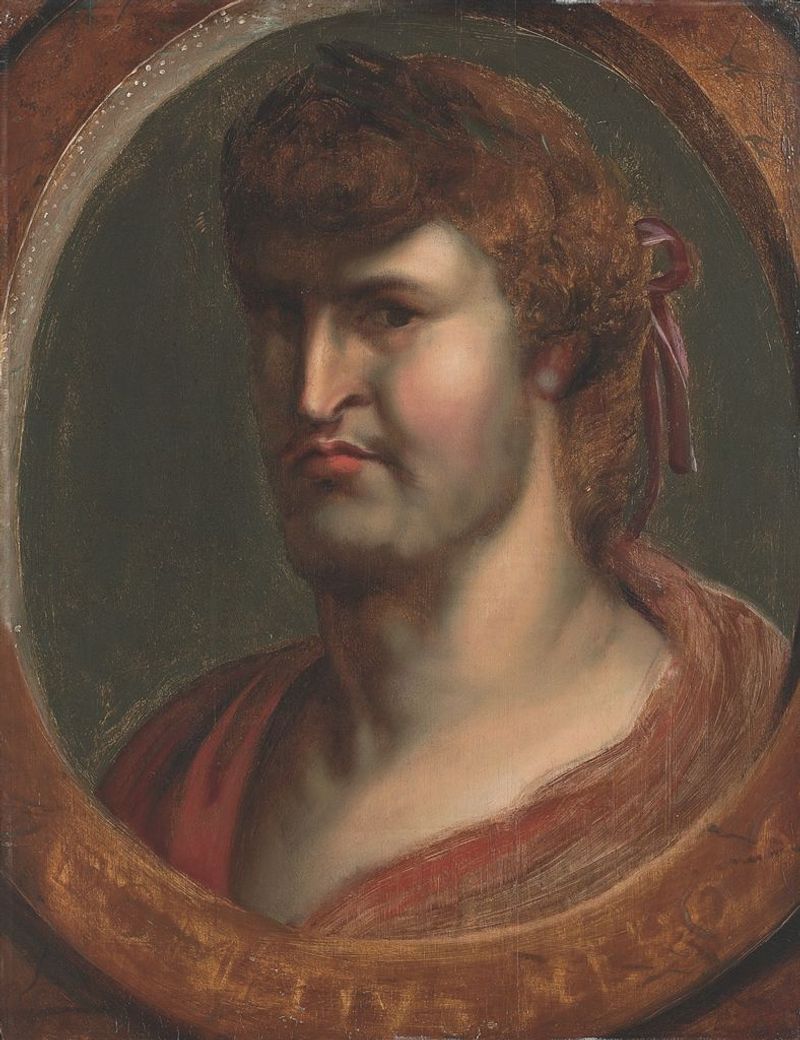
Nero’s relationship with Poppaea Sabina began as an affair while both were still married to other people. Poppaea was described by the Roman historian Tacitus as brilliant, beautiful, and utterly ruthless.
She reportedly encouraged Nero to have his own mother, Agrippina, killed in 59 CE so that their relationship could proceed without interference.
Nero divorced his first wife Octavia and married Poppaea in 62 CE. Ancient accounts describe Poppaea as a powerful influence over the emperor during this period, though how much direct political control she exercised is debated by historians.
What is clear is that Nero’s behavior became increasingly erratic and cruel during their time together.
Ancient sources, including Tacitus and Suetonius, claim that Nero kicked Poppaea to death while she was pregnant in 65 CE, though some historians question the details. Regardless, her death marked a turning point.
Public and elite support for Nero continued to crumble, and by 68 CE he had been declared an enemy of the state, fleeing Rome before taking his own life.
Share this story