 Unearth The Voyage
History is full of great leaders, thinkers, and artists who changed the world in remarkable ways. But sometimes, even the most legendary figures met their end in ways that were completely unexpected and, honestly, a little hard to believe.
From overeating desserts to tripping over a beard, these stories remind us that life can be unpredictable no matter who you are. Get ready to discover some of the strangest, most avoidable deaths in all of recorded history.
1. Aeschylus: Death by Falling Turtle
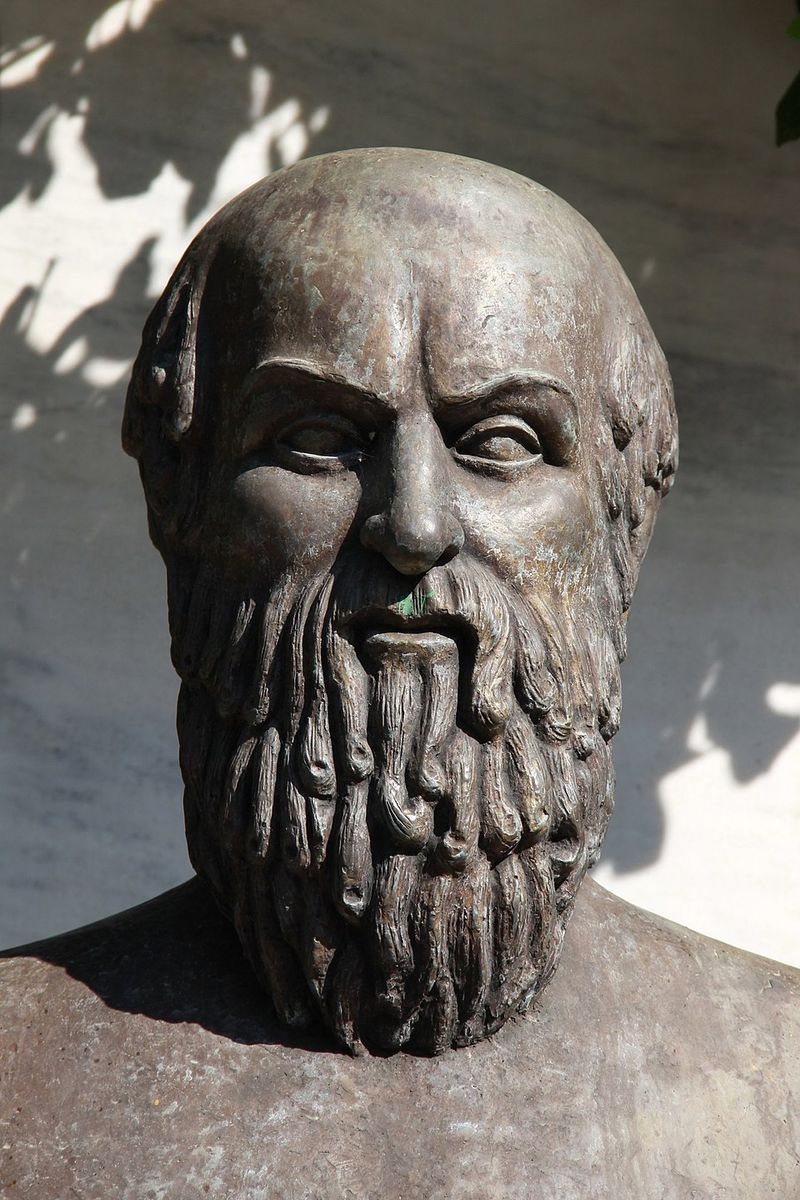
Aeschylus was one of ancient Greece’s greatest playwrights, credited with creating some of the earliest forms of theatrical drama. He survived wars and wrote timeless tragedies.
Yet his death, around 455 BCE, was anything but dramatic in the heroic sense.
According to the ancient story, an eagle flying overhead mistook his bald head for a rock. Eagles sometimes drop tortoises from great heights to crack open their shells.
Unfortunately for Aeschylus, the bird made a very costly mistake.
The tortoise came crashing down and struck him fatally on the head. Some historians question whether this story is entirely accurate, but it has been repeated for centuries.
Regardless of the full truth, it remains one of history’s most unusual and memorable deaths. Few people can say they were taken out by an eagle’s lunch delivery gone wrong.
2. Tycho Brahe: A Banquet He Could Not Leave
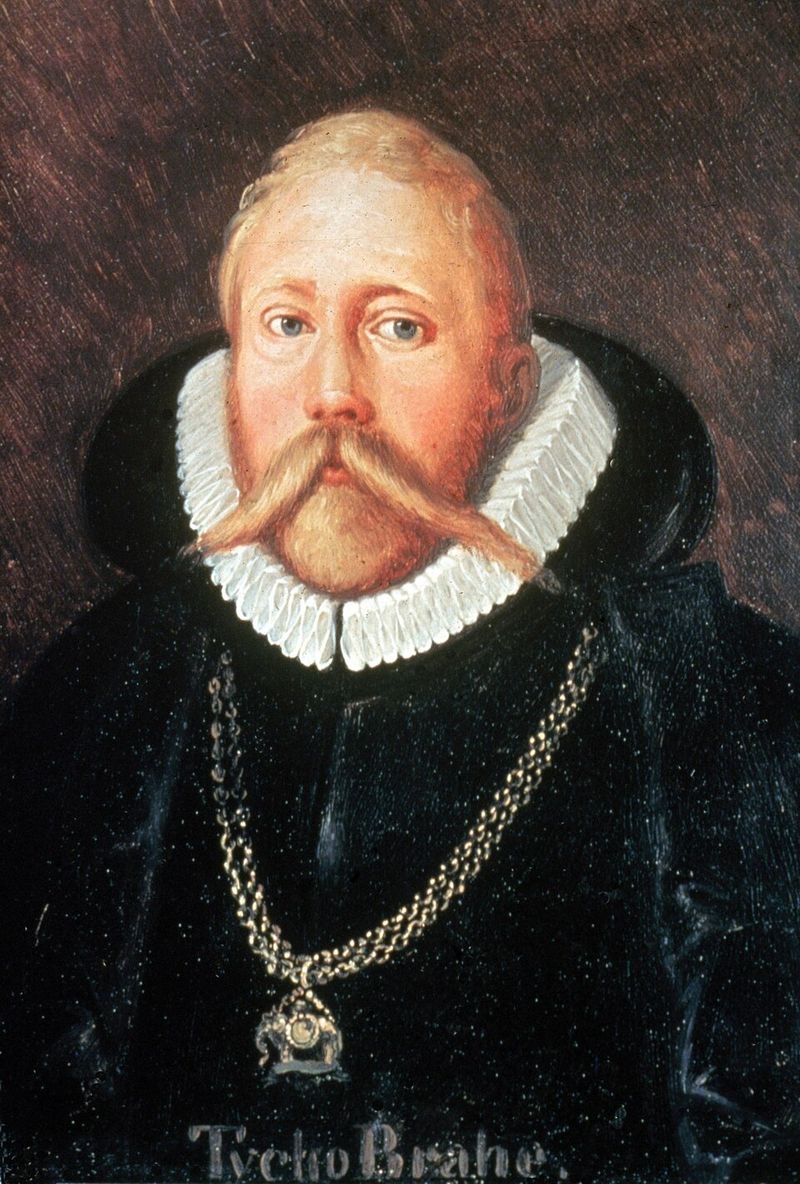
Tycho Brahe was a brilliant 16th-century Danish astronomer whose detailed observations of the stars helped shape modern science. He had a metal nose, a pet elk, and a reputation for throwing extravagant parties.
His death, however, came from one of those very parties.
In 1601, Brahe attended a royal banquet in Prague. Social customs of the time made it deeply rude to leave the table before the host.
So Brahe stayed seated, even as his bladder reached a dangerous limit.
By the time he returned home, it was too late. He developed a severe urinary infection that proved fatal within days.
Some modern researchers have even suggested he may have been poisoned with mercury, though the bladder theory remains widely accepted. Either way, the cost of good manners turned out to be extraordinarily high for Tycho Brahe.
3. Attila the Hun: A Nosebleed on His Wedding Night
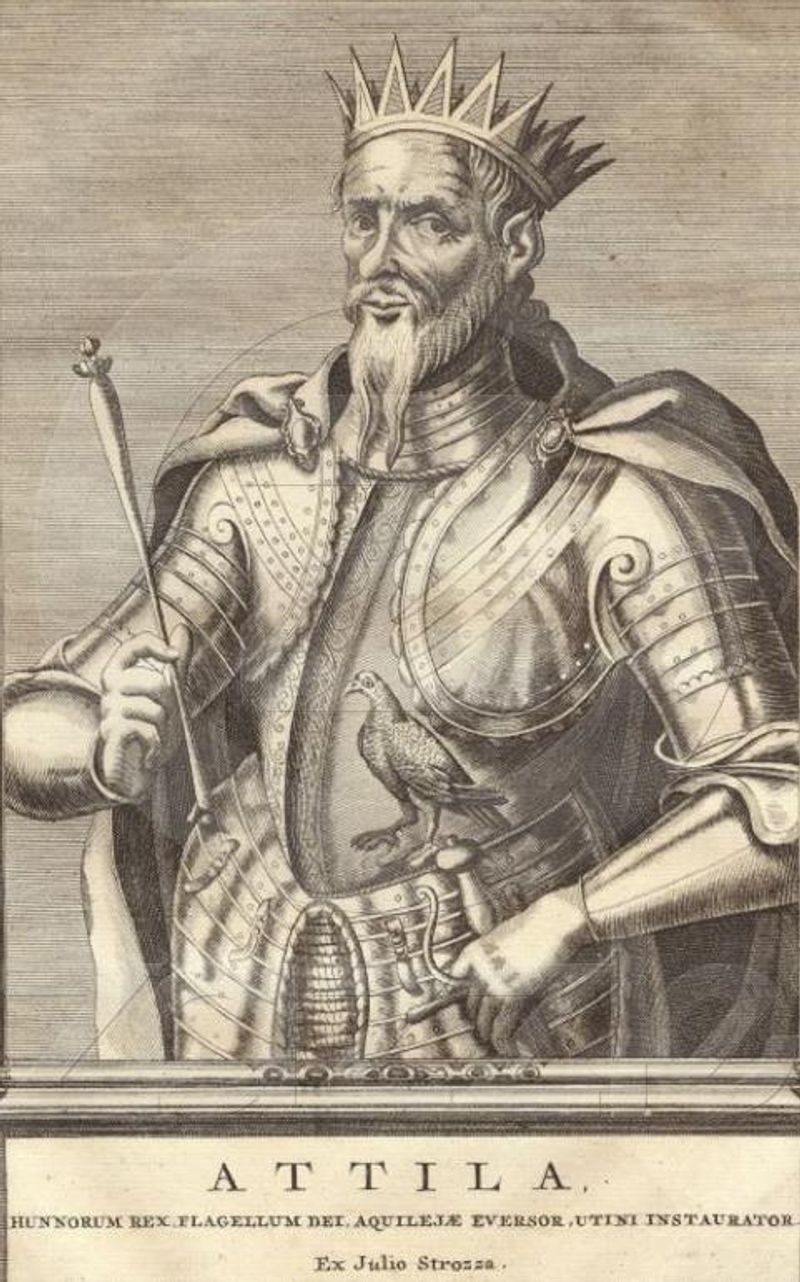
Attila the Hun was one of the most feared conquerors in history. He terrorized Europe and the Roman Empire for years, earning the nickname “Scourge of God.” His enemies trembled at the mention of his name.
So it is almost unbelievable how he actually died.
In 453 CE, on his wedding night after marrying a woman named Ildico, Attila suffered a severe nosebleed while he slept. Because he had been drinking heavily, he could not wake up.
He choked on the blood and died before morning.
His guards found him the next day, and his new bride was weeping nearby. The man who had brought entire kingdoms to their knees was brought down by something as ordinary as a nosebleed.
It is one of history’s greatest ironies that such a fierce warrior met such a quiet, almost accidental end.
4. King Alexander of Greece: Bitten by a Monkey
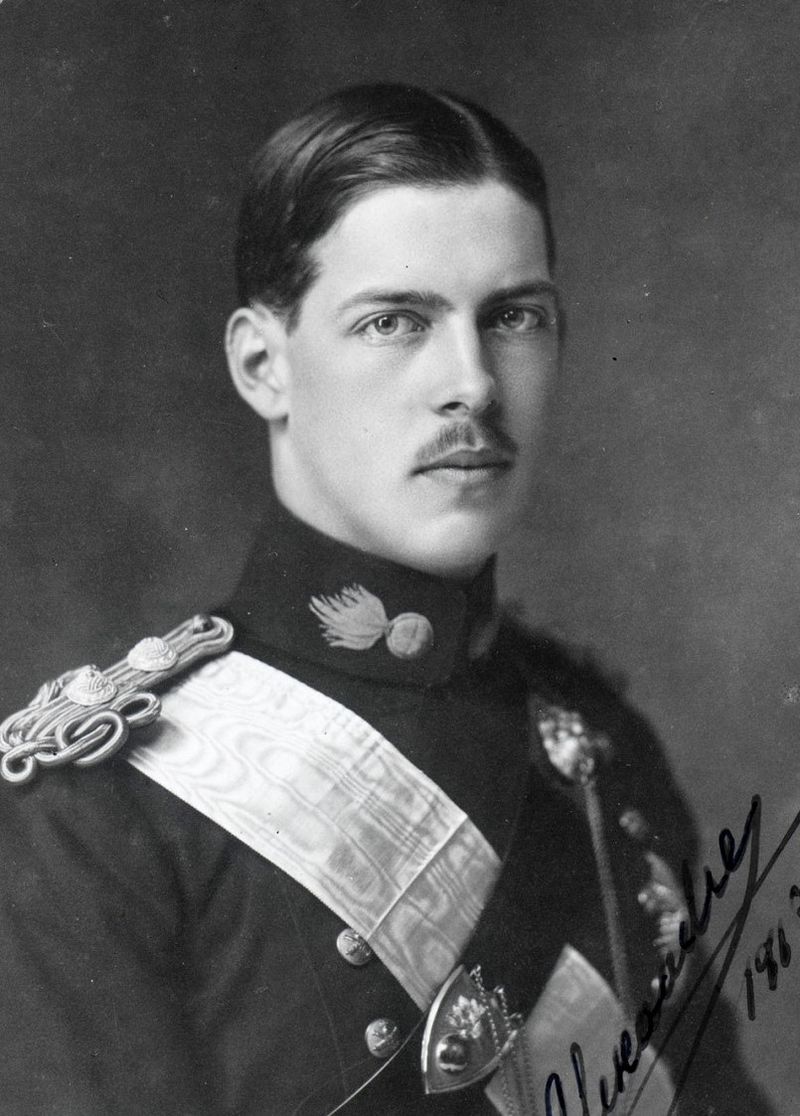
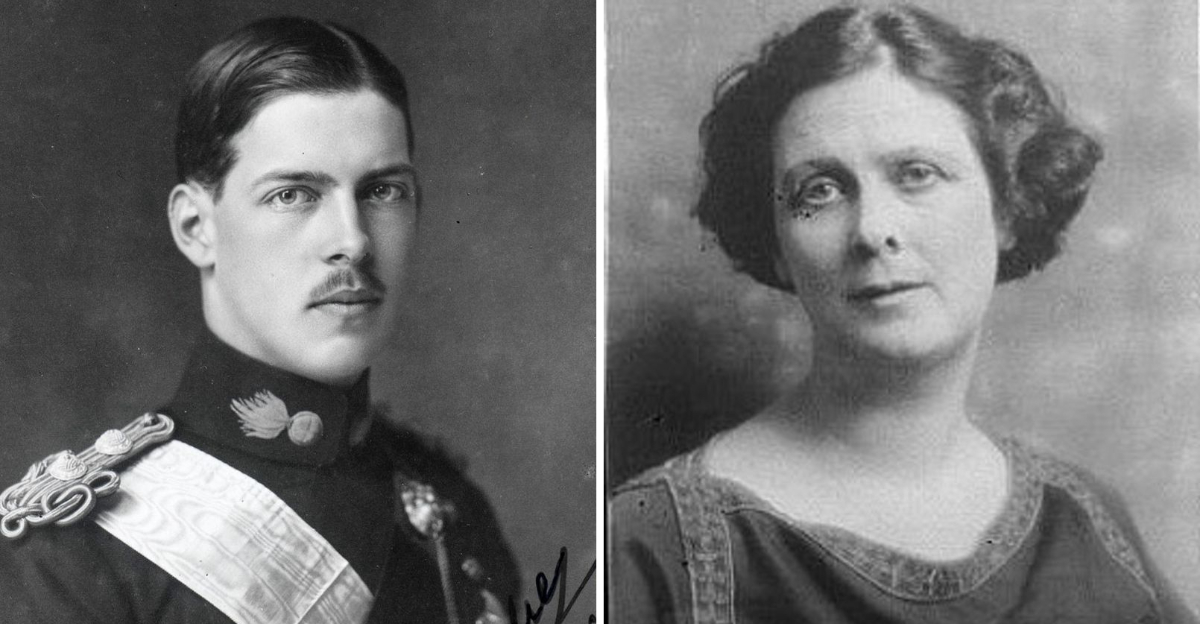
King Alexander of Greece had a relatively short reign, but his death in 1920 may have had some of the biggest political consequences of the 20th century. It all started with a walk in the palace gardens and a very aggressive monkey.
Alexander’s pet monkey got into a fight with another monkey on the grounds. When he tried to break up the scuffle, both monkeys turned on him and bit him on the leg.
The wounds became infected, and despite treatment, gangrene set in rapidly.
Alexander died just weeks later at only 27 years old. His death triggered a chain of political events that led Greece back into war with Turkey, resulting in massive loss of life.
British Prime Minister Winston Churchill famously noted that over a million people died because of that monkey bite. Few animals have had such an outsized impact on world history.
5. Isadora Duncan: The Scarf That Killed a Legend
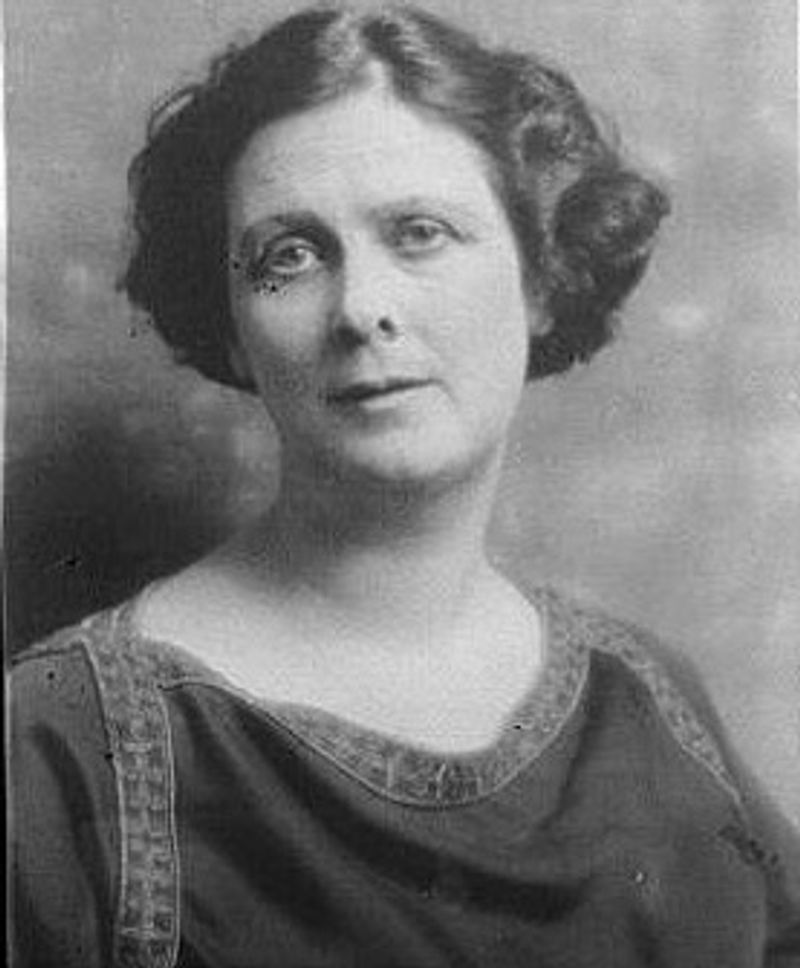
Isadora Duncan was a trailblazing American dancer who revolutionized modern dance in the early 20th century. She was bold, creative, and known for her dramatic sense of style, including her love of long, flowing silk scarves.
That love of fashion would ultimately cost her her life.
In 1927, Duncan was riding in an open-top car in Nice, France. Her long scarf, draped loosely around her neck, caught in the rear wheel of the vehicle.
The scarf tightened instantly, breaking her neck and killing her almost immediately.
Her last words were reportedly, “Farewell, my friends, I am going to glory.” The tragic irony is that the very accessory that had become part of her artistic identity became the instrument of her death. Duncan’s story has since become a cautionary tale about the unexpected dangers that can hide in everyday objects.
6. Adolf Frederick of Sweden: Death by Dessert
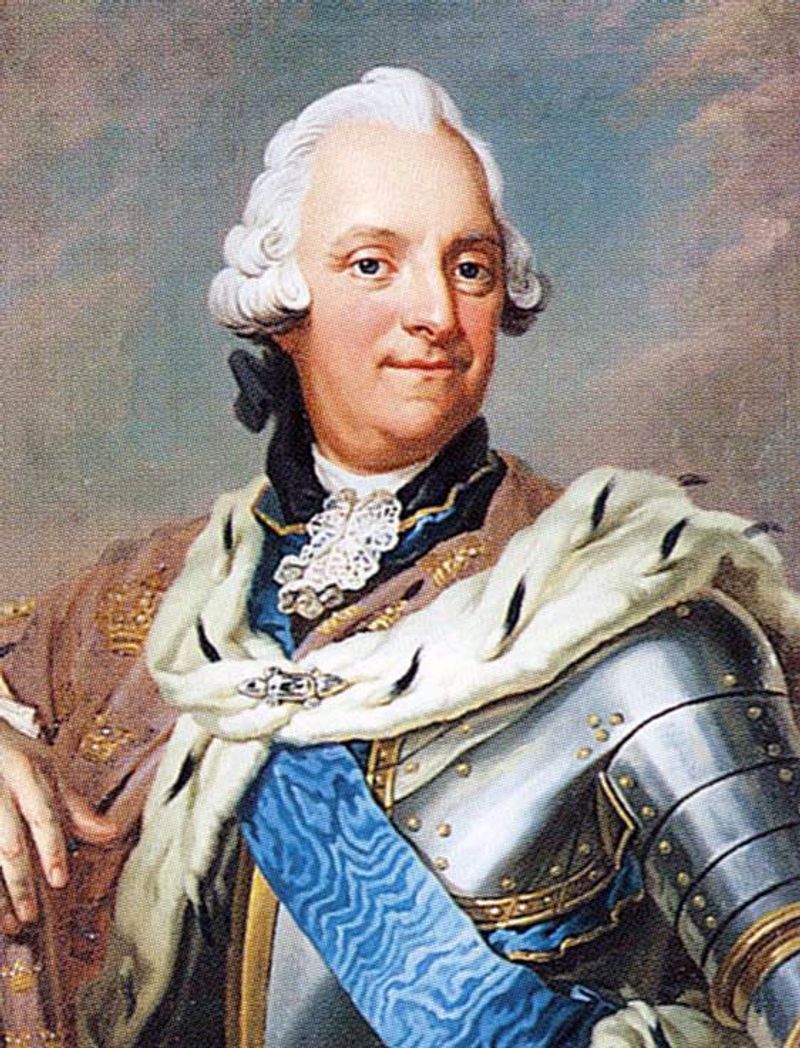
King Adolf Frederick of Sweden ruled from 1751 until 1771, and while he was not considered a particularly powerful monarch, his death certainly made him memorable. He is often remembered in Sweden simply as “the king who ate himself to death.”
On February 12, 1771, Adolf Frederick sat down to a royal feast. His meal reportedly included lobster, caviar, sauerkraut, smoked herring, and champagne.
For dessert, he ate an extraordinary 14 servings of semla, a traditional Swedish cream-filled pastry served in hot milk.
Shortly after the meal, he suffered severe digestive problems and died. Doctors at the time attributed his death to digestion-related complications.
Today, Swedish schoolchildren still learn about him as a somewhat humorous historical footnote. His story is a vivid reminder that even royalty is not immune to the very ordinary consequences of overindulgence.
7. Hans Steininger: Tripped by His Own Beard
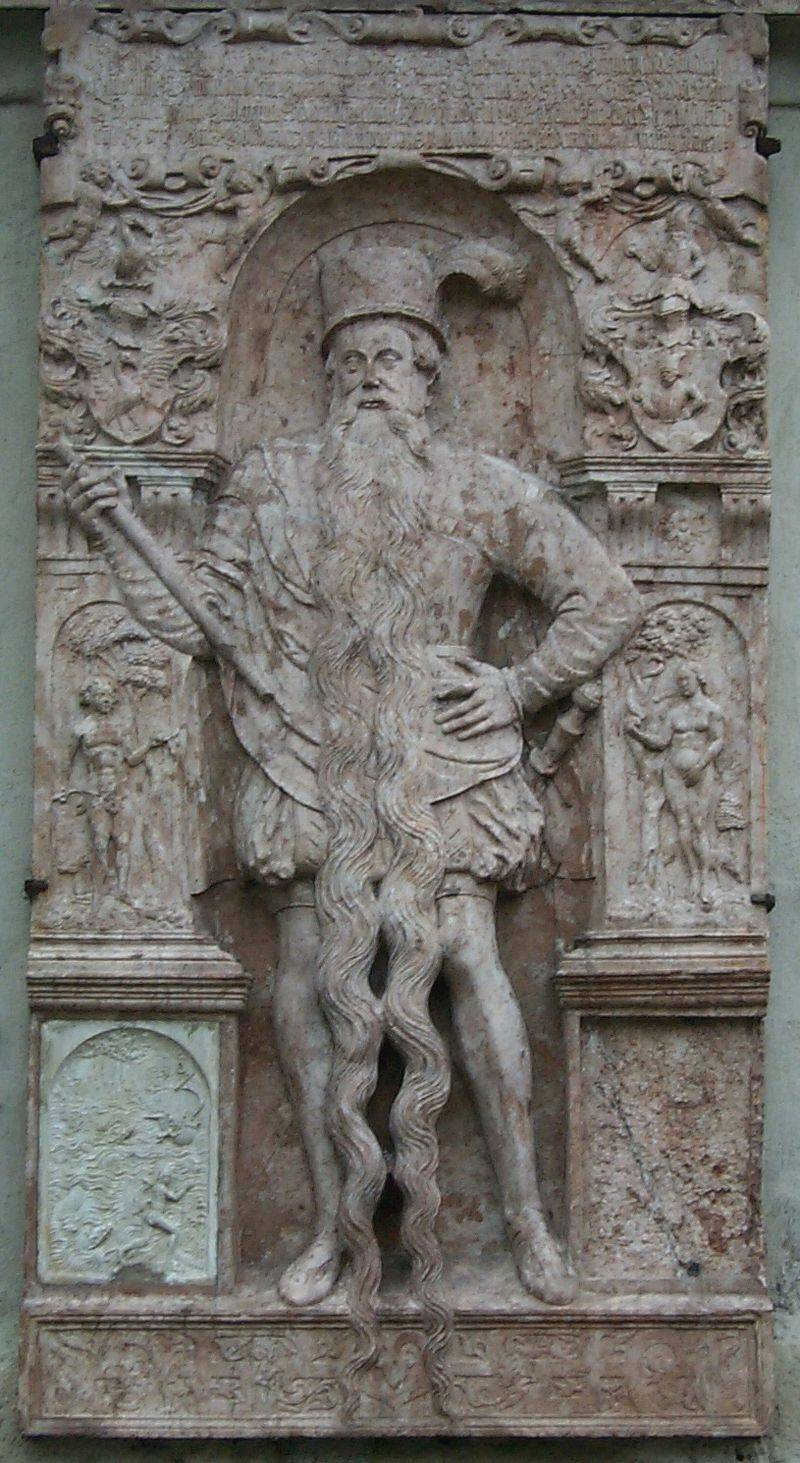
Hans Steininger was the mayor of Brunn, Austria, in the 16th century, and he was famous for one very distinctive feature: his beard. It reportedly measured over four feet long, making it one of the longest beards ever recorded.
He was so proud of it that he usually kept it rolled up in a special leather pouch tucked into his coat.
In 1567, a fire broke out in the town and people scrambled in panic. In the rush and confusion, Steininger forgot to tuck his beard away.
He stepped on it, lost his balance, tumbled down a flight of stairs, and broke his neck.
After his death, the famous beard was preserved and is still on display in a museum in Brunn, which is now called Brno in the Czech Republic. His beard outlived him by several centuries, which is either impressive or deeply ironic depending on how you look at it.
8. Basil Brown: Too Much of a Good Thing
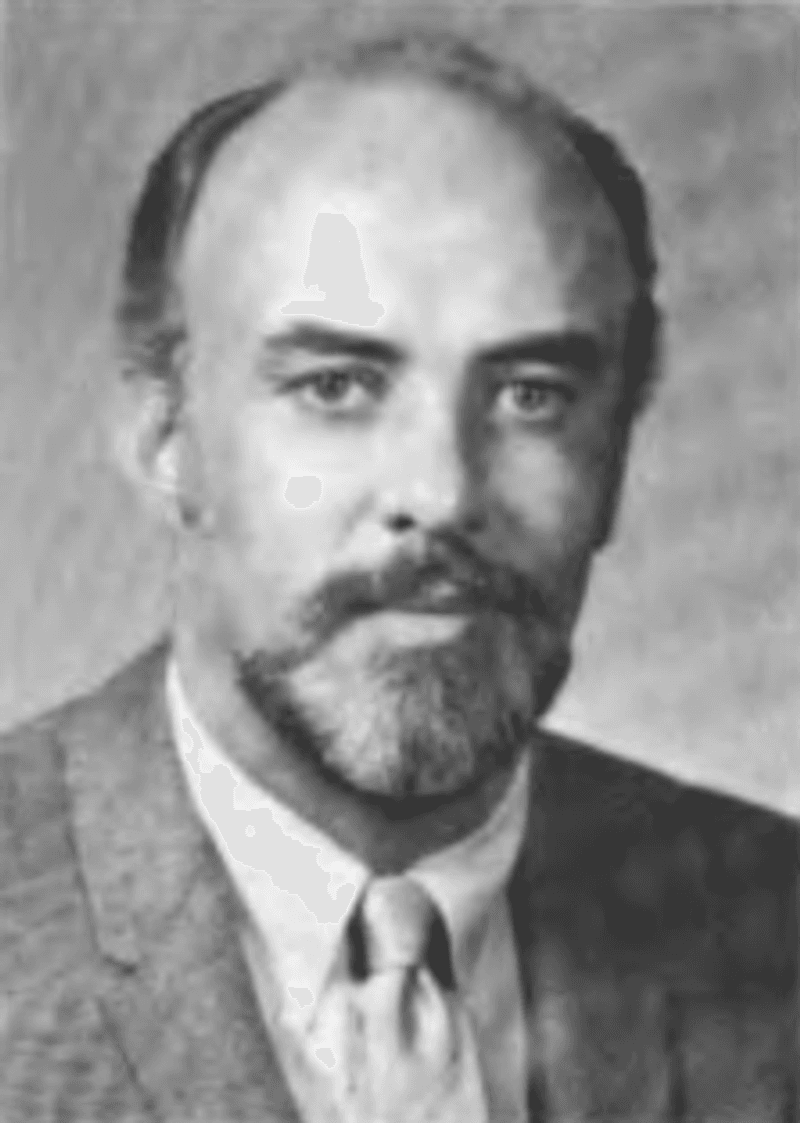
Basil Brown was a British health food fanatic who firmly believed that consuming large amounts of vitamins and natural juices would keep him in perfect health. He was so committed to this belief that he took it to a dangerous extreme.
In 1974, Brown consumed about ten gallons of carrot juice over ten days. He also took large doses of vitamin A supplements, far exceeding what the human body can safely process.
The result was a severe case of hypervitaminosis A, or vitamin A toxicity, which caused serious liver damage.
He died at just 48 years old. His skin had reportedly turned a deep orange color from the excessive carotene in the carrot juice.
His story became a well-known medical case study about the dangers of over-supplementation. Even things considered healthy can become harmful when taken far beyond reasonable limits.
9. Jean-Baptiste Lully: Conducting Himself to Death

Jean-Baptiste Lully was the most powerful composer in the French court of King Louis XIV. He composed operas, ballets, and grand musical celebrations for royalty.
In the 1600s, conductors did not use a small baton like they do today. Instead, they beat time by striking a large wooden staff on the floor.
In January 1687, Lully was conducting a performance celebrating the king’s recovery from illness. In his enthusiasm, he accidentally brought the heavy staff down hard on his own foot instead of the floor.
The wound became infected, and gangrene developed.
Doctors recommended amputation to save his life, but Lully refused, reportedly not wanting to give up dancing. The gangrene spread, and he died a few months later.
He literally conducted himself into an early grave, which is both a tragic and strangely poetic end for a man who lived for music.
10. Harry Houdini: The Punch That Ended a Legend
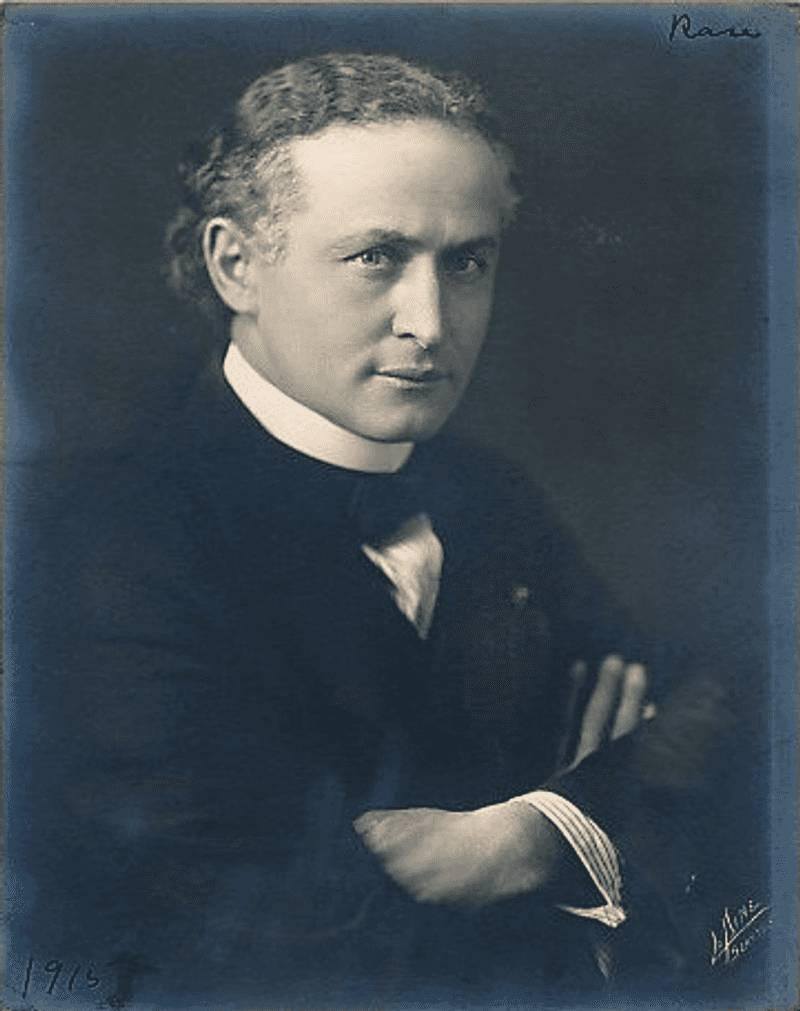
Harry Houdini was the world’s most famous escape artist and illusionist. He spent his career defying death in front of huge crowds, escaping from locked boxes, chains, and even being buried alive.
Yet in the end, his death came not from one of his daring stunts but from a simple backstage encounter.
In October 1926, a college student named J. Gordon Whitehead visited Houdini backstage and asked if it was true that he could withstand any punch to the stomach.
Before Houdini had a chance to properly prepare himself, the student punched him several times in the abdomen.
Houdini had an undiagnosed appendicitis at the time, and the blows ruptured his appendix. He continued performing for days despite severe pain, which made things much worse.
He died on October 31, 1926, Halloween. The man who escaped everything could not escape a ruptured appendix.
11. Francis Bacon: Frozen Chicken Science Gone Wrong

Francis Bacon was one of England’s greatest thinkers, often called the father of the scientific method. He believed in testing ideas through direct experimentation rather than just theorizing, which was revolutionary for the early 1600s.
Ironically, one of those experiments led directly to his death.
In the spring of 1626, Bacon was riding through the snow near London when he had an idea. He wanted to test whether cold temperatures could preserve meat.
He stopped his carriage, bought a chicken, and began stuffing it with snow to see if it would slow decay.
While conducting the experiment in freezing conditions, Bacon became severely chilled. He developed pneumonia and died just days later.
He never got to see the results of his chicken experiment. His death was a strange but fitting end for a man who believed that knowledge was worth any personal sacrifice.
12. Draco of Athens: Buried in Appreciation
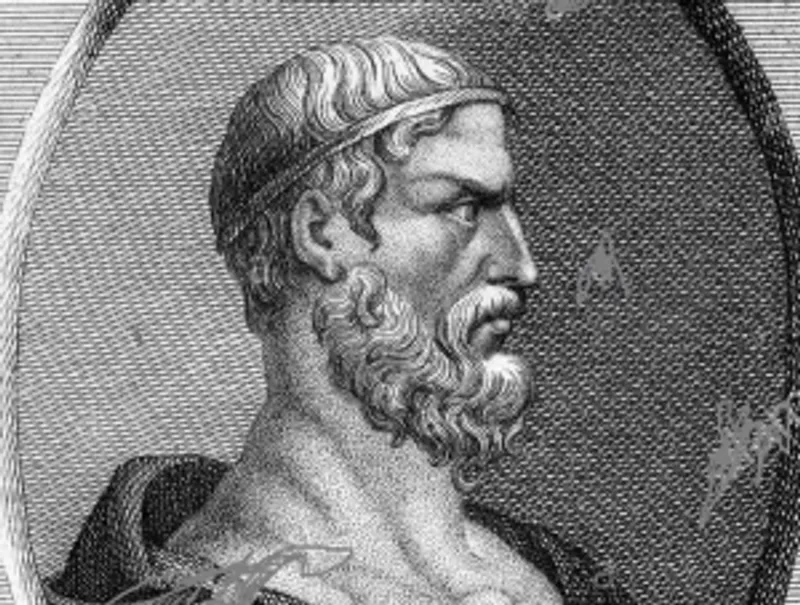
Draco was one of ancient Athens’ first known lawmakers, famous for creating a strict legal code around 621 BCE. His laws were so harsh that the word “draconian” still exists today to describe overly severe rules.
But his death, according to ancient accounts, was the complete opposite of harsh.
The story goes that Draco was attending a theater performance on the island of Aegina when the crowd showed their appreciation in a very enthusiastic way. Athenians had a tradition of throwing their hats and cloaks onto a person they admired as a sign of honor and respect.
The crowd loved Draco so much that they showered him with such an overwhelming pile of clothing and gifts that he was smothered underneath them and died. Whether or not the story is entirely true, historians have repeated it for centuries.
Being loved to death is a uniquely strange fate for history’s harshest lawmaker.
13. George Plantagenet: Drowned in a Barrel of Wine
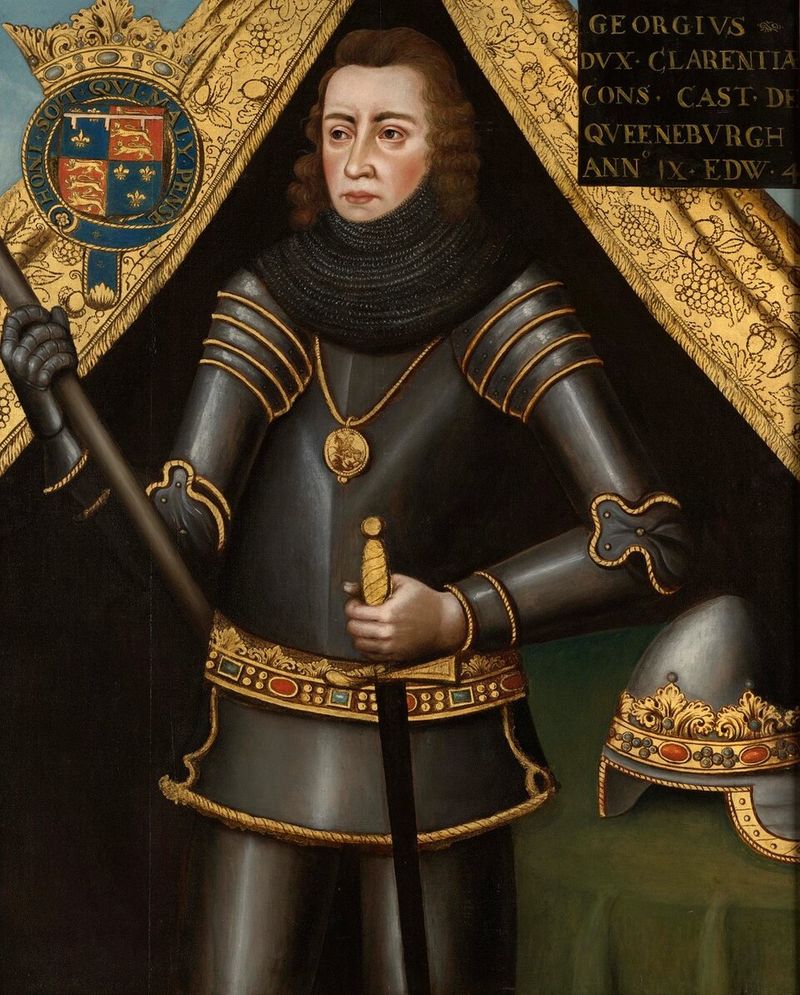
George Plantagenet, Duke of Clarence, was the brother of King Edward IV of England. He had a complicated and turbulent relationship with the royal family, switching sides multiple times during the Wars of the Roses.
His loyalty was always questionable, and eventually, it cost him everything.
In 1478, George was convicted of treason and sentenced to death. According to historical accounts, including writings from the time, he was given an unusual choice in how he would die.
He reportedly chose to be drowned in a barrel of Malmsey wine, which was a sweet wine he particularly enjoyed.
Whether this is fully accurate remains debated by historians, but it was widely reported at the time and has been referenced in literature ever since, including in Shakespeare’s play Richard III. It is either a darkly comic end or a final act of defiance.
Either way, it is unforgettable.
14. Chrysippus: Laughed Himself to Death
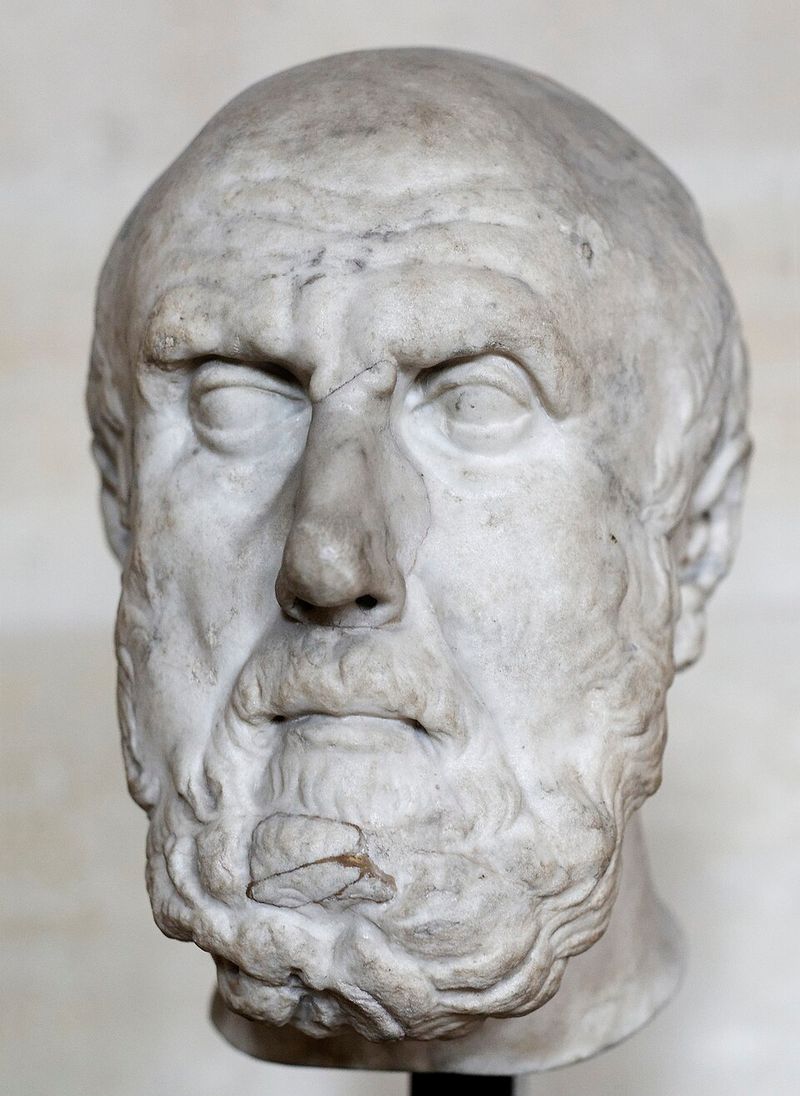
Chrysippus was a highly respected Stoic philosopher in ancient Greece, known for his sharp logic and serious approach to life and ethics. He wrote hundreds of works and was considered one of the most important thinkers of his era.
His death, however, was anything but serious.
According to the ancient writer Diogenes Laertius, Chrysippus died around 206 BCE after watching a donkey eat figs from his table. He found the sight so hilarious that he reportedly called for wine to wash them down with, then laughed so hard and so long that he eventually died.
Some accounts suggest he may have simply had too much wine and the laughter was a contributing factor rather than the sole cause. Either way, dying from uncontrollable laughter is one of the most joyful exits in recorded history.
For a man who spent his life studying Stoic self-control, it is a wonderfully ironic ending.
15. Allan Pinkerton: Brought Down by a Bitten Tongue
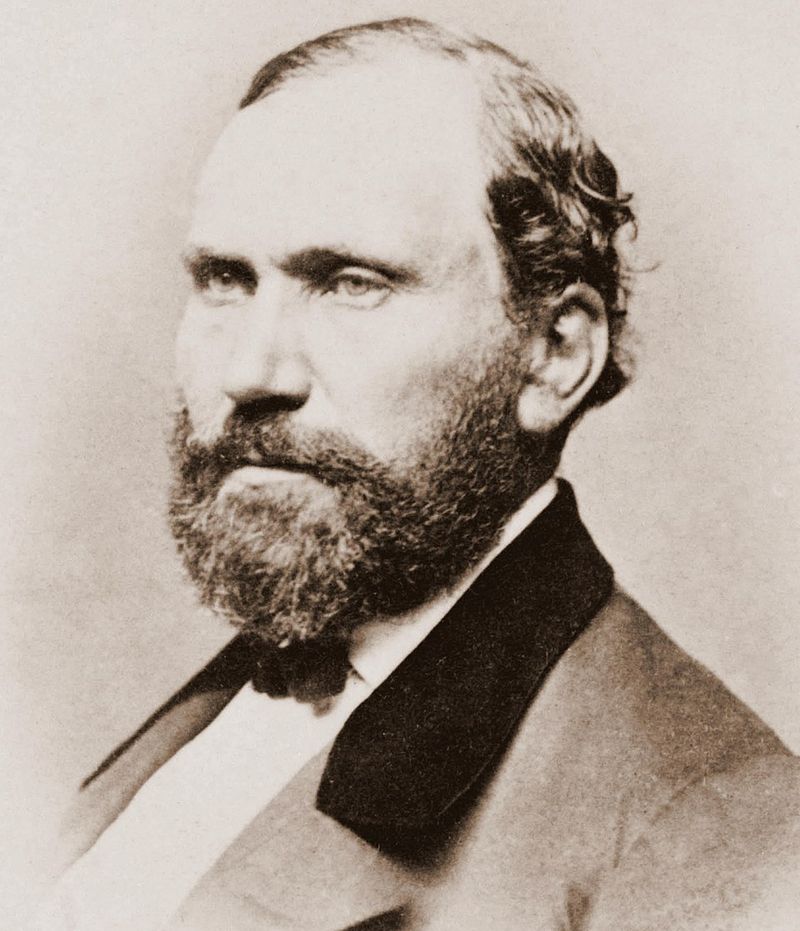
Allan Pinkerton founded the famous Pinkerton National Detective Agency in the 1850s and was one of America’s most legendary lawmen. He helped foil an assassination plot against President Lincoln and built a detective empire that shaped American law enforcement for generations.
His end, though, was remarkably undramatic.
In 1884, Pinkerton was taking a walk in Chicago when he stumbled on the pavement and accidentally bit his tongue. The bite itself was minor, but the wound became infected.
In the days before antibiotics, even small infections could turn deadly with alarming speed.
The infection spread, and Pinkerton died shortly after from complications. He was 64 years old.
The man who had chased outlaws, built a surveillance network across the country, and survived the dangers of the Civil War era was ultimately undone by a sidewalk stumble. Sometimes the smallest accidents carry the biggest consequences.



