Throughout history, certain individuals stood out not just for their power or achievements, but for their extraordinary physical appearance. Their looks became legendary, inspiring art, wars, poems, and entire empires.
From ancient Egypt to 20th-century royal courts, beauty has always played a fascinating role in shaping history. These 15 historical figures were celebrated across cultures and centuries for their remarkable looks and magnetic presence.
1. Cleopatra VII
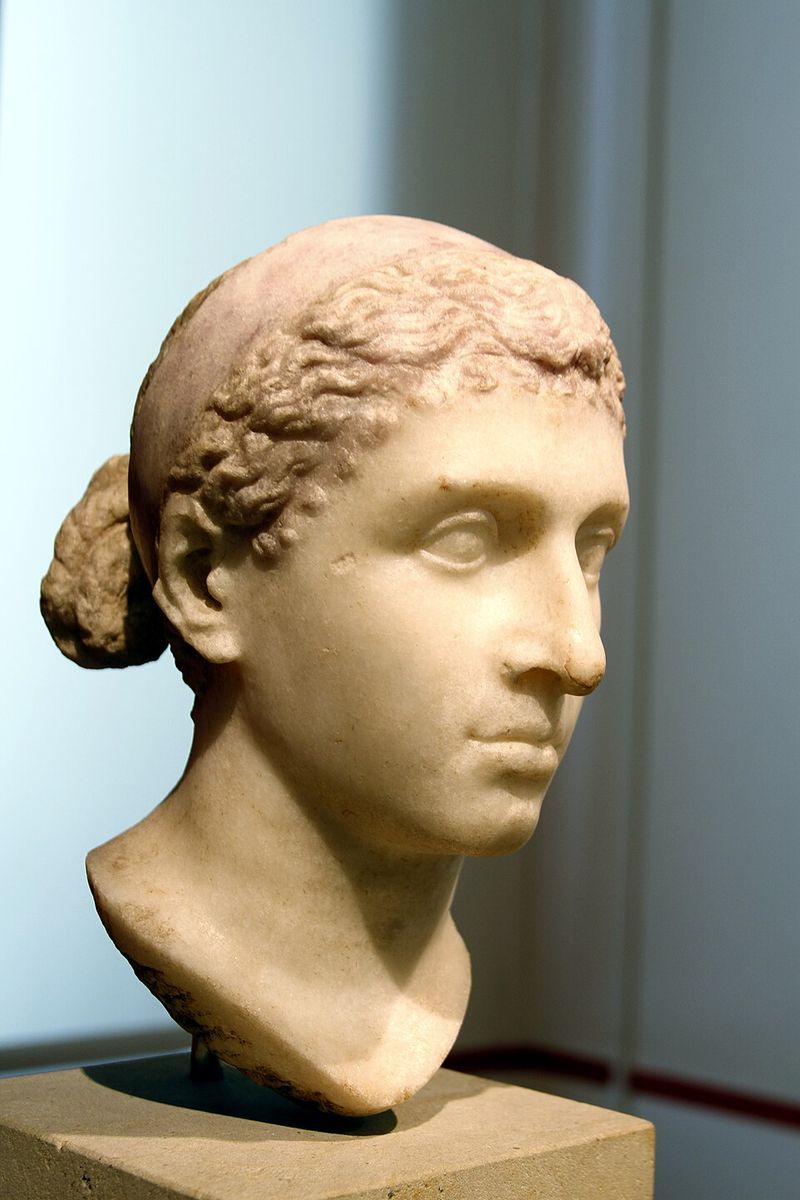
Few names in history carry as much allure as Cleopatra VII. The last active ruler of ancient Egypt was not just a political genius but a woman whose beauty and charm reportedly left some of the most powerful men in the ancient world completely spellbound.
Julius Caesar and Mark Antony both fell under her influence, and historians believe her appeal went far beyond physical looks.
Ancient writers described her voice as musical and her conversation as deeply captivating. She spoke nine languages, which added to her magnetic personality.
The Greek historian Plutarch wrote that being in her presence felt irresistible.
Cleopatra used her appearance strategically, dressing in elaborate costumes and staging theatrical entrances to project power. Her beauty was a political tool as much as a personal gift, making her one of history’s most fascinating and complex figures.
2. Helen of Troy
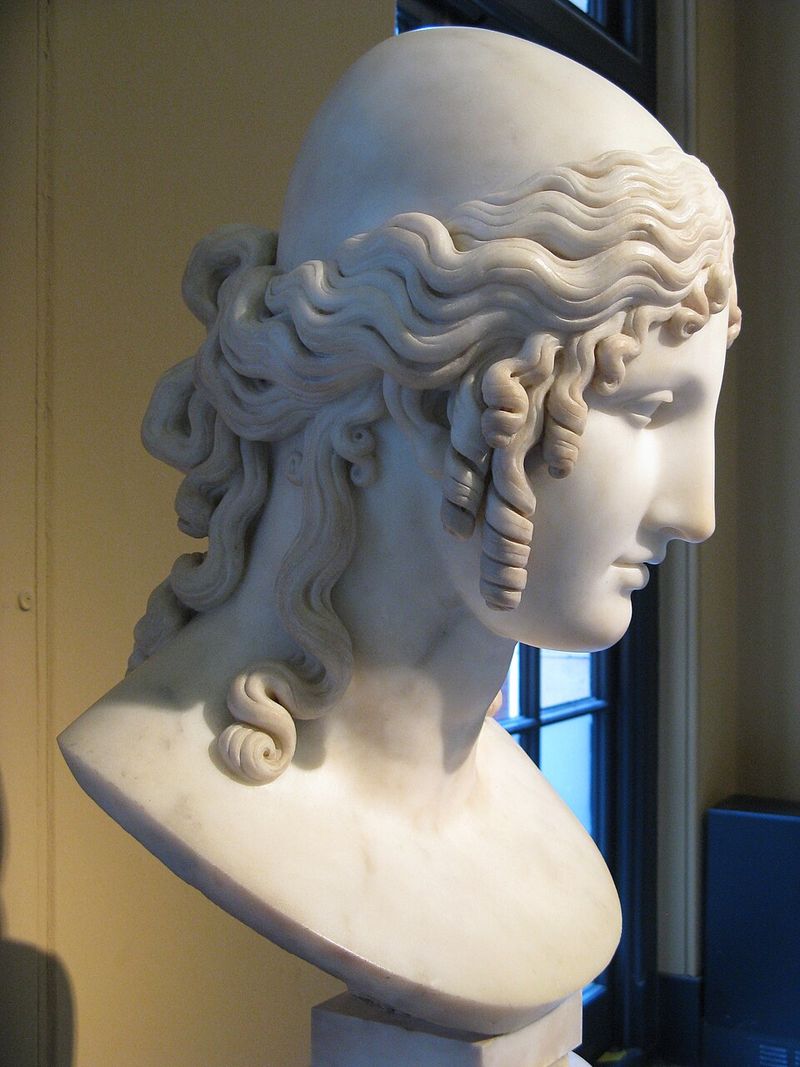
“The face that launched a thousand ships” is one of the most famous phrases in all of literature, and it belongs entirely to Helen of Troy. According to Greek mythology, her breathtaking beauty triggered the decade-long Trojan War when she left her husband Menelaus to be with the Trojan prince Paris.
Whether Helen was a real person or purely a mythological creation remains debated among historians. What is undeniable is that her story has endured for nearly three thousand years, appearing in Homer’s Iliad and inspiring countless artworks, plays, and films.
Ancient poets described her as so beautiful that even the elderly men of Troy admitted she was worth fighting over. Her name became a symbol of beauty so powerful it could change the course of nations.
Few figures, real or mythological, have ever captured human imagination quite like Helen.
3. Nefertiti
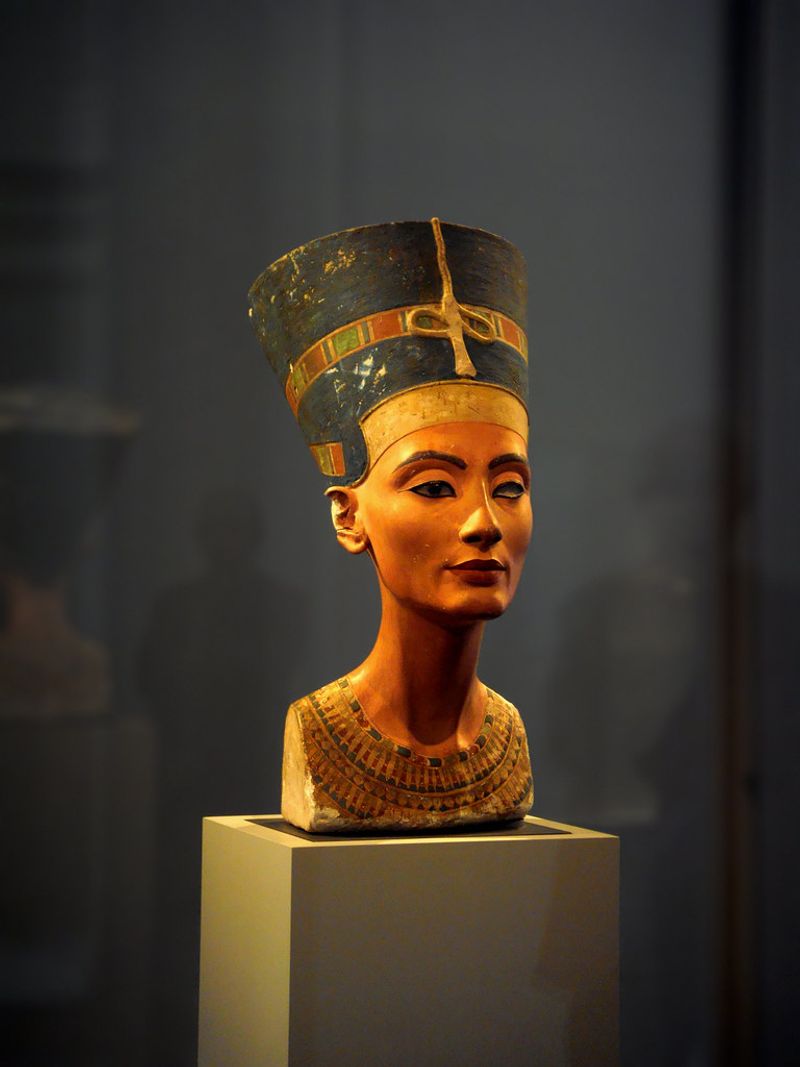
When a limestone bust of Nefertiti was unearthed in Egypt in 1912, the world was stunned. The sculpture, now housed in Berlin’s Neues Museum, shows a woman of extraordinary symmetry and elegance, with high cheekbones, a graceful neck, and a serene expression that still feels modern today.
Nefertiti ruled alongside Pharaoh Akhenaten around 1370 BCE and was considered one of the most powerful women in the ancient world. Her name literally translates to “the beautiful one has come,” suggesting her appearance was celebrated even during her lifetime.
Scholars believe she may have co-ruled Egypt as pharaoh after her husband’s death, making her beauty only one part of a much larger story. Still, her famous bust remains the most recognizable face from ancient Egypt, proving that true elegance truly does stand the test of time.
4. Empress Elisabeth of Austria
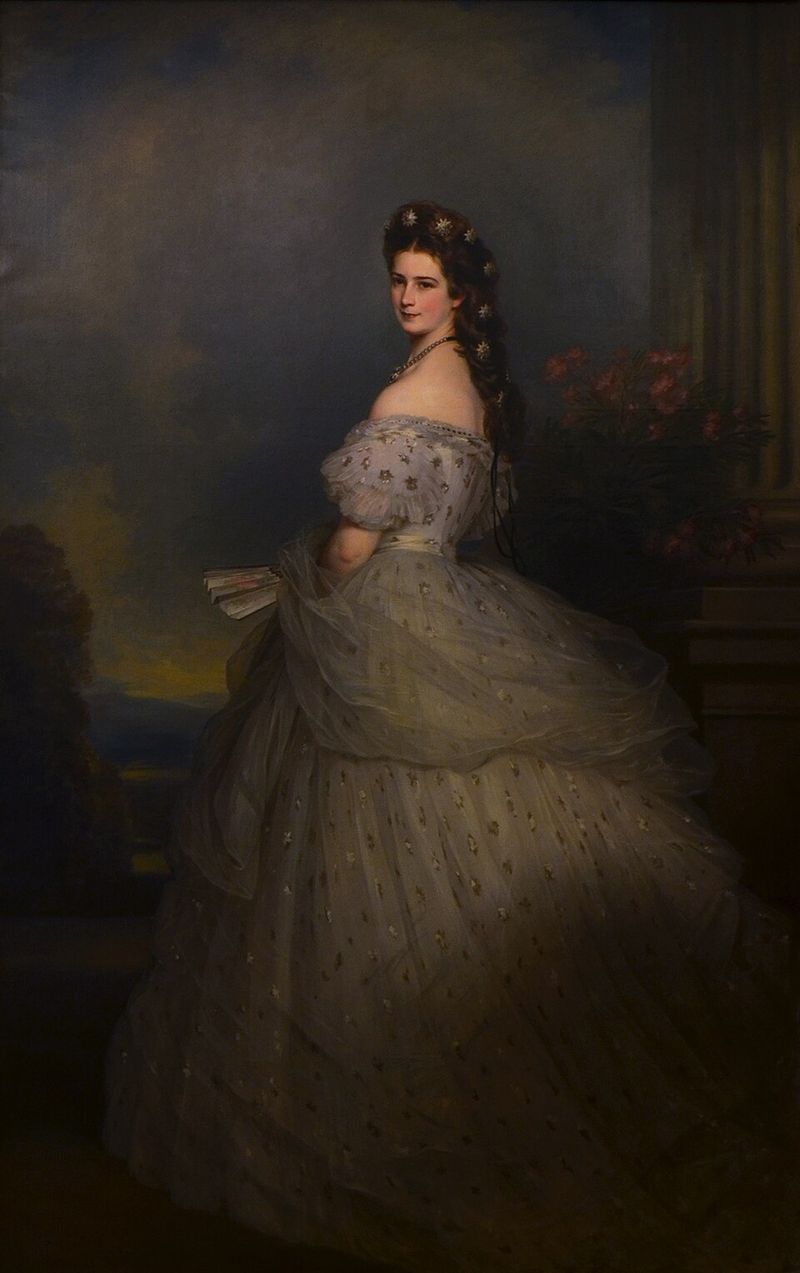
Empress Elisabeth of Austria, affectionately called Sisi, was considered one of the most beautiful women in Europe during the 19th century. Her floor-length chestnut hair, tiny waist, and tall, graceful figure made her the subject of admiration wherever she traveled.
Portraits and photographs from her era still draw gasps today.
Sisi was obsessive about maintaining her appearance. She followed strict diets, exercised daily, and spent hours each week caring for her legendary hair.
She reportedly refused to be photographed after age 32 because she wanted the world to remember her at her most beautiful.
Despite her stunning looks, Sisi was deeply unhappy in the rigid Austrian court. She craved freedom and adventure, often escaping royal duties to travel.
Her tragic assassination in 1898 cut short the life of a woman who had become a living symbol of European elegance and royal beauty.
5. Mata Hari
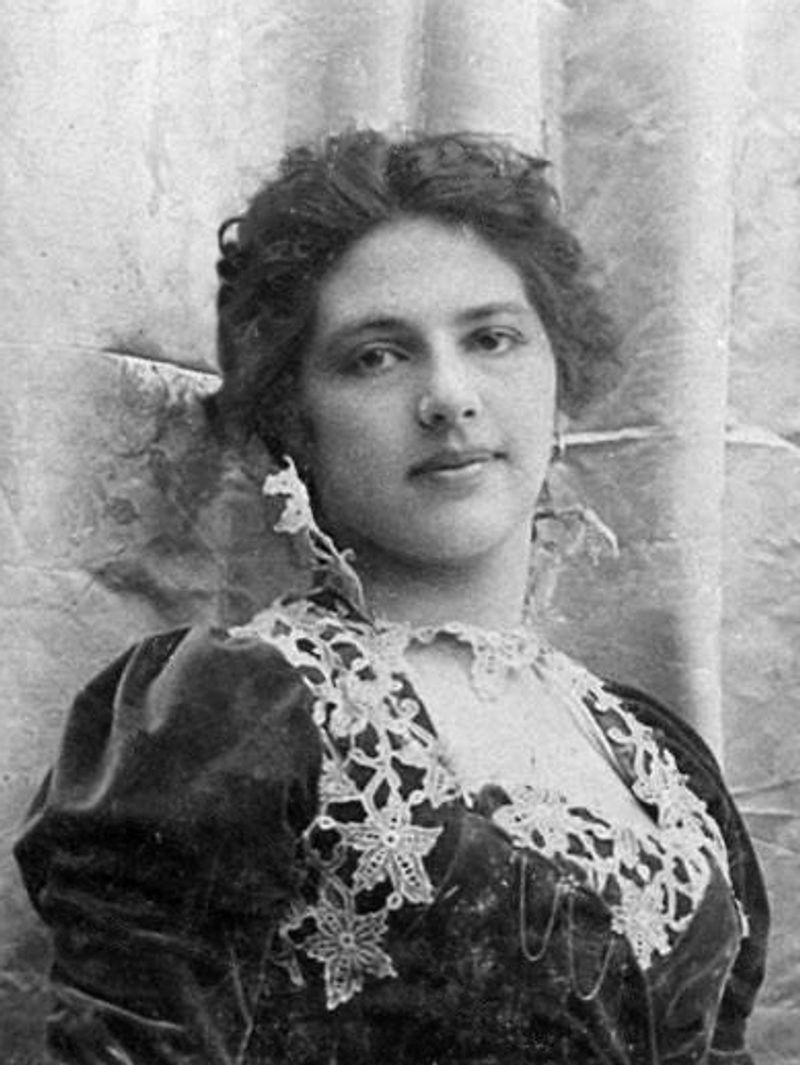
Born Margaretha Zelle in the Netherlands in 1876, Mata Hari reinvented herself as an exotic dancer and became the most talked-about performer in pre-World War I Europe. Her beauty, confidence, and theatrical presence made her a sensation in Paris, where she performed for sold-out crowds of aristocrats and military officers.
She claimed to be a Javanese princess trained in sacred temple dances, a story that added layers of mystery to her already captivating persona. Her dark eyes, graceful movements, and bold personality set her apart from any performer of her era.
Mata Hari was eventually arrested and executed in 1917, accused of being a spy for Germany, though many historians question whether she was truly guilty. Her story blends beauty, ambition, and tragedy in a way that has kept people fascinated for over a century.
She remains an enduring symbol of dangerous glamour.
6. Diane de Poitiers
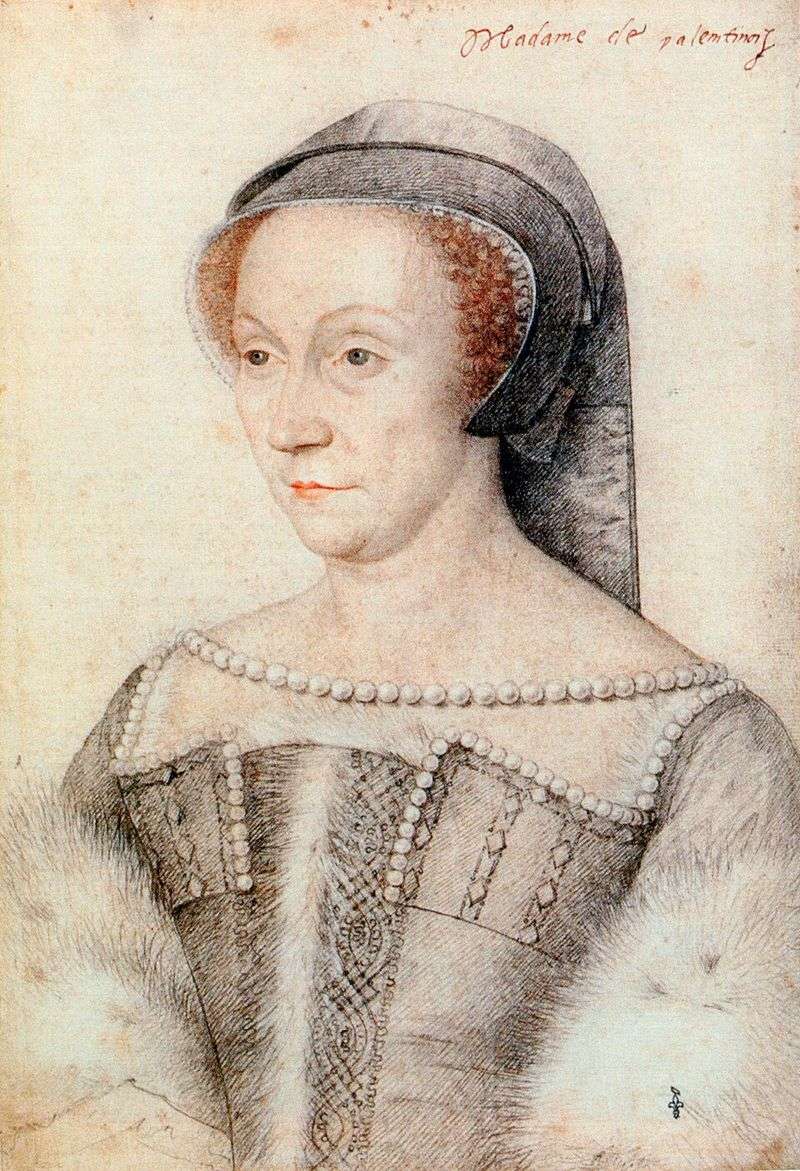
At an age when most noblewomen of her era had faded from public attention, Diane de Poitiers was still being celebrated as one of the most beautiful women in France. Born in 1499, she became the beloved mistress of King Henry II, who was nearly 20 years her junior, a fact that astonished the entire French court.
Contemporaries marveled at how she maintained her youthful appearance well into her fifties. Diane followed disciplined daily routines that included cold water baths, regular horseback riding, and careful diet habits, practices remarkably ahead of her time.
Painters and poets dedicated their finest works to her. The famous sculptor Jean Goujon used her as inspiration for his goddess figures.
Even Catherine de Medici, the queen who deeply resented her, reportedly acknowledged Diane’s extraordinary beauty. Her legacy proves that confidence and self-care can be just as powerful as youth itself.
7. Simonetta Vespucci
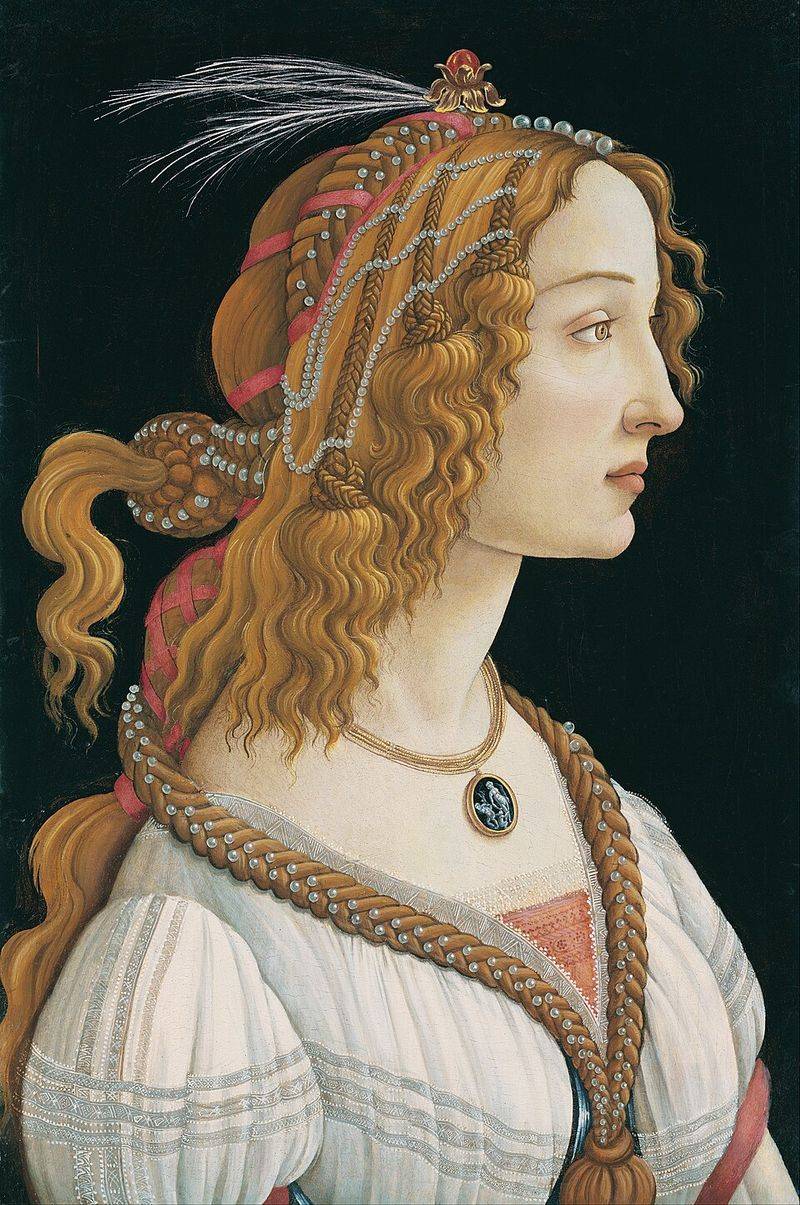
Simonetta Vespucci was the kind of beauty that inspired entire artistic movements. Born around 1453 in Genoa, Italy, she became the most celebrated woman in Renaissance Florence, admired by nobles, artists, and poets alike.
Even the powerful Lorenzo de Medici was said to have been enchanted by her.
Sandro Botticelli, one of the greatest painters of the Renaissance, was so captivated by Simonetta that he reportedly used her face as the model for Venus in his masterpiece “The Birth of Venus.” Art historians believe she also appears in his famous painting “Primavera.”
Tragically, Simonetta died of tuberculosis at just 22 years old. The city of Florence mourned publicly, and Botticelli reportedly requested to be buried near her tomb when he died decades later.
Her brief life left an impression so deep that her face still graces museum walls around the world today.
8. Roxelana (Hurrem Sultan)
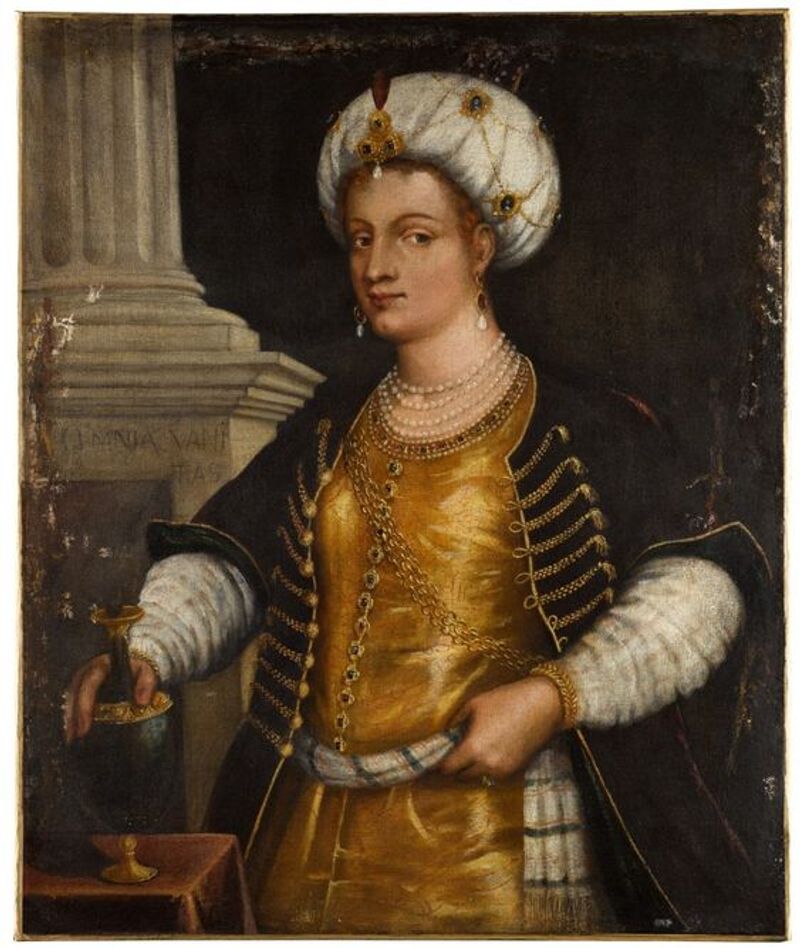
Hurrem Sultan’s story is one of the most remarkable in all of Ottoman history. Born in what is now Ukraine, she was captured and brought to the imperial harem as a slave girl.
Within a few years, she had completely captured the heart of Sultan Suleiman the Magnificent, one of the most powerful rulers on earth.
Contemporary accounts described her as having a lively, playful energy alongside genuine physical beauty. She was known for her red hair, bright eyes, and an irresistible charm that made her stand out among hundreds of women in the palace.
Suleiman was so devoted to her that he broke centuries of Ottoman tradition by officially marrying her.
She rose from slave to legal wife, becoming one of the most politically influential women in the empire’s history. Her beauty opened doors, but her sharp intelligence and strategic thinking kept them open for decades.
9. Yang Guifei
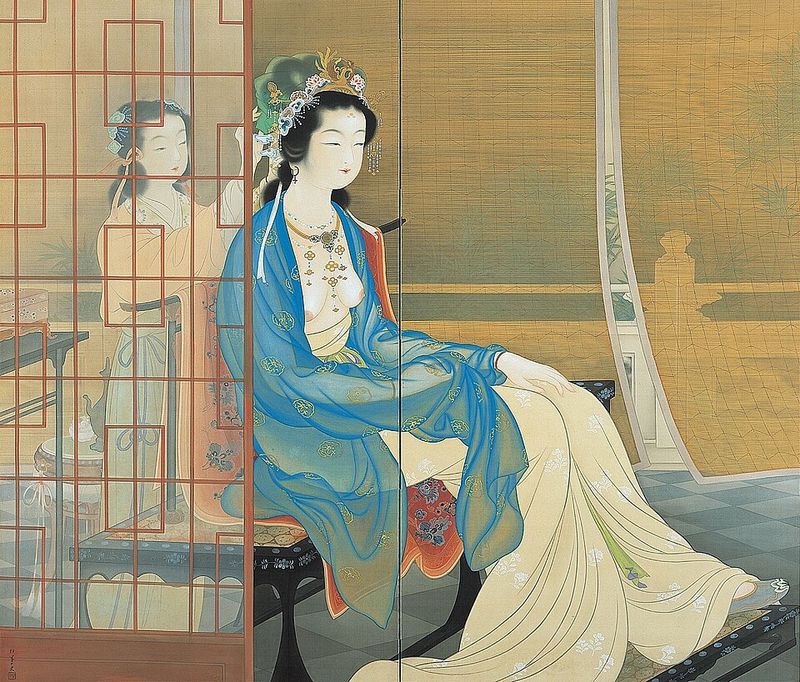
Yang Guifei holds a permanent place among China’s legendary Four Beauties, a group of women whose extraordinary looks were said to have the power to move heaven and earth. Born Yang Yuhuan around 719 CE, she became the beloved consort of Emperor Xuanzong of the Tang dynasty, one of China’s most celebrated rulers.
Chinese poets described her beauty using vivid imagery, saying her presence made flowers bow their heads in shame. The famous Tang poet Bai Juyi wrote a long poem called “Song of Everlasting Regret” dedicated entirely to her story, and it remains one of the most beloved poems in Chinese literary history.
Her relationship with the emperor was so consuming that some historians blame his neglect of royal duties partly on his devotion to her. Yang Guifei died during a military rebellion in 756 CE, and her memory has been honored in Chinese culture ever since.
10. Marie Antoinette
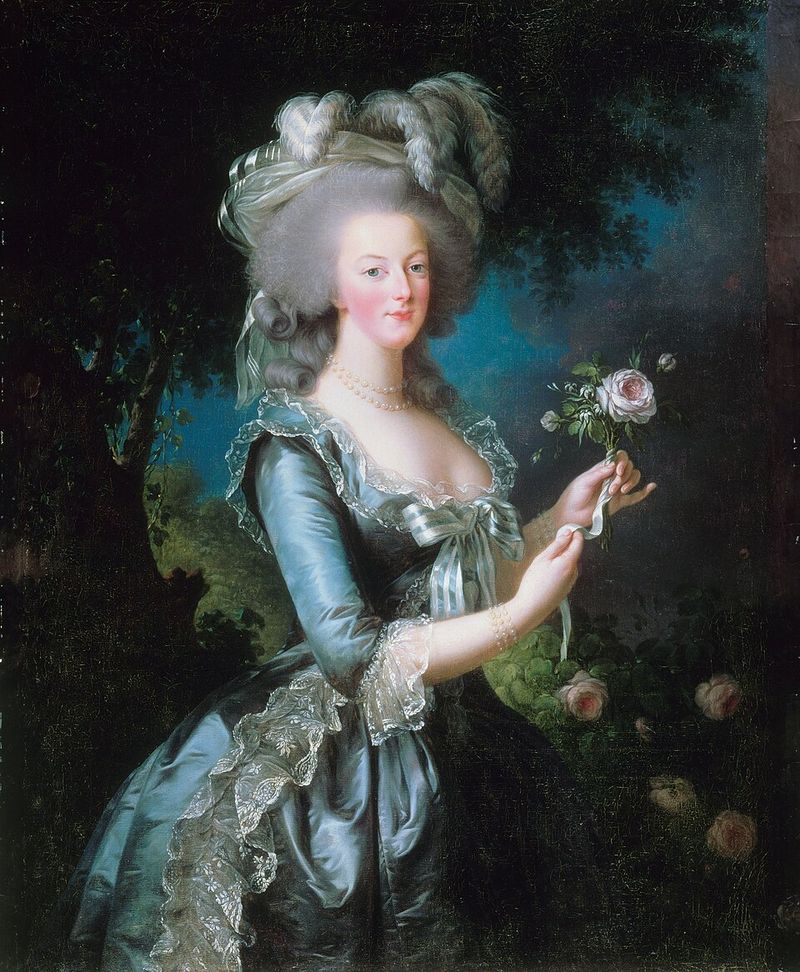
Marie Antoinette arrived at the French court as a teenage bride from Austria, and from the very beginning, her appearance drew widespread admiration. Contemporaries described her as tall, graceful, and radiantly fair, with an elegant bearing that made her look born to be queen even before she wore the crown.
She became the ultimate fashion icon of her era, influencing hairstyles, fabrics, and clothing trends across Europe. Her elaborate powdered wigs and extravagant gowns set standards that designers and courtiers rushed to imitate.
Portraits by the painter Elisabeth Vigee Le Brun captured her luminous beauty for posterity.
Of course, her story ended in tragedy with the French Revolution and her execution in 1793. But beyond the politics and controversy, Marie Antoinette remains one of history’s most visually iconic figures.
Her image still appears on fashion magazine covers and museum exhibitions centuries after her death.
11. Josephine Bonaparte
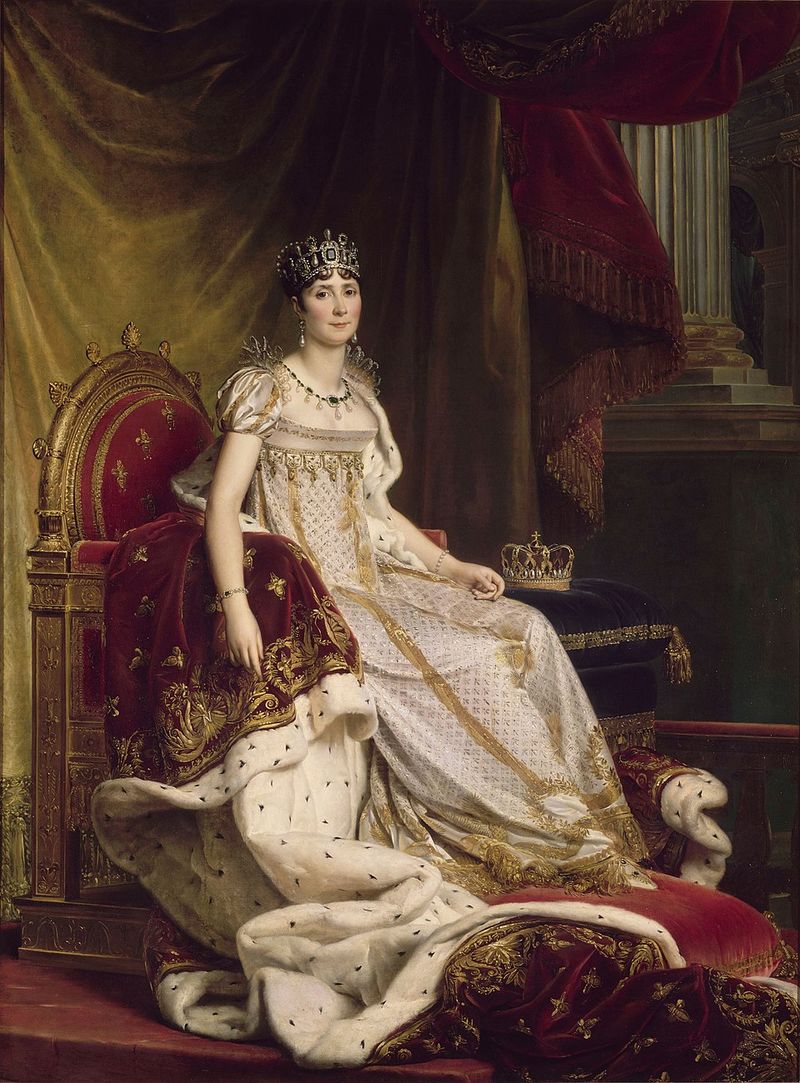
Napoleon Bonaparte famously said that Josephine was the one thing in his life he could never fully control. Born Marie Josepne Rose Tascher de la Pagerie on the Caribbean island of Martinique in 1763, she arrived in Paris carrying an exotic elegance that set her completely apart from French society women of the time.
Her dark curls, warm olive complexion, and graceful figure turned heads wherever she went. But it was her effortless charm and social intelligence that truly made her irresistible.
She knew exactly how to move through a room, how to make every person feel noticed, and how to make powerful men feel captivated.
Napoleon wrote her hundreds of passionate letters during military campaigns, many of which survive today. Even after their divorce, he reportedly never stopped loving her.
Josephine’s sophistication and natural elegance helped define the refined aesthetic of the Napoleonic era in French culture.
12. Lord Byron
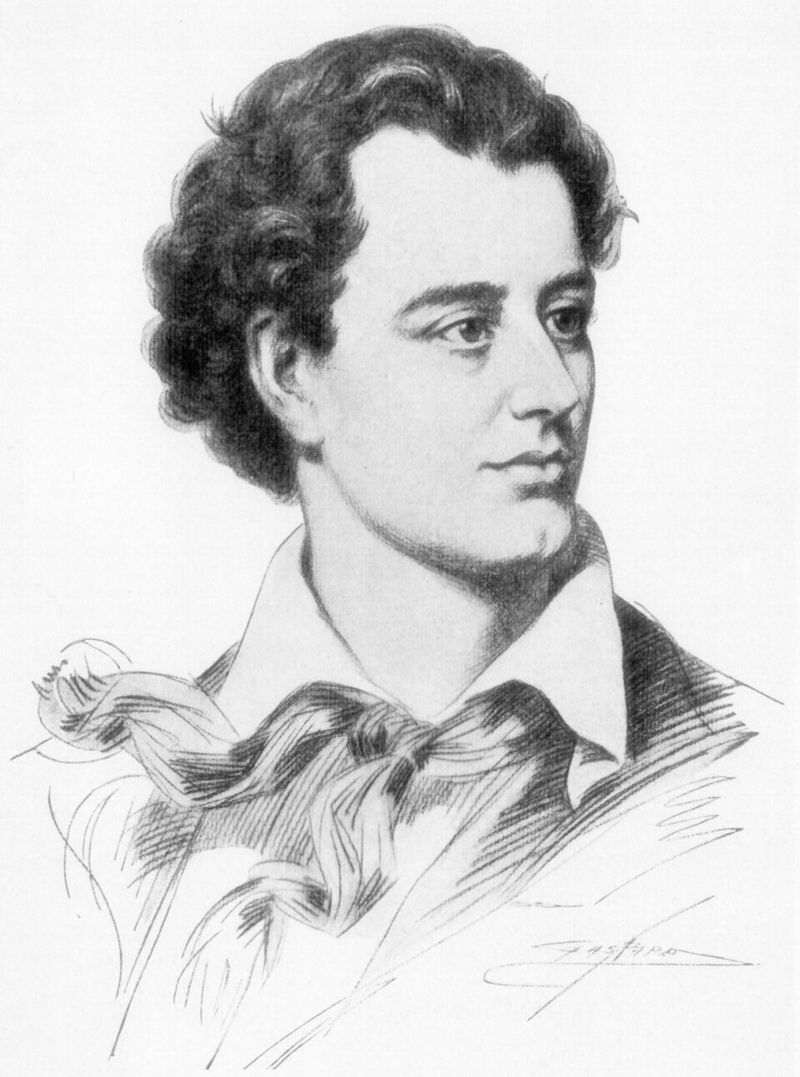
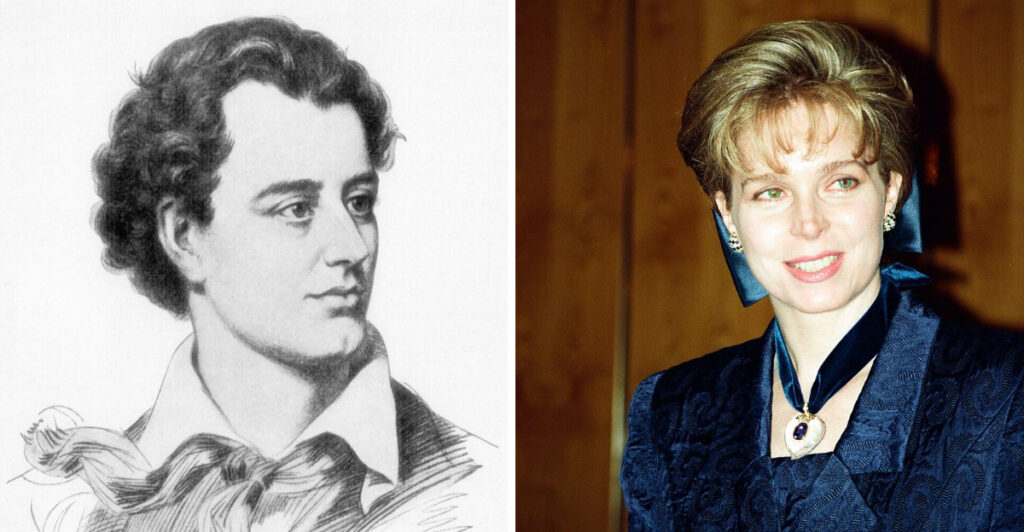
Lord Byron was described by his contemporaries as almost dangerously handsome. The Romantic poet, born George Gordon Byron in 1788, had dark wavy hair, piercing eyes, and a brooding, melancholy expression that women across England and Europe found completely irresistible.
One admirer famously called him “mad, bad, and dangerous to know.”
His good looks combined with his literary genius created a kind of celebrity culture that the modern world would easily recognize. Fan letters poured in from strangers, aristocratic women pursued him openly, and his face was reproduced in portraits and miniatures sold throughout Europe.
Byron was also self-conscious about his weight and reportedly went to extreme lengths to stay slim, believing his appearance was tied to his public image. He died young at 36 while fighting for Greek independence, cementing his legend as history’s original brooding, beautiful romantic hero whose looks matched his passionate poetry perfectly.
13. Pocahontas
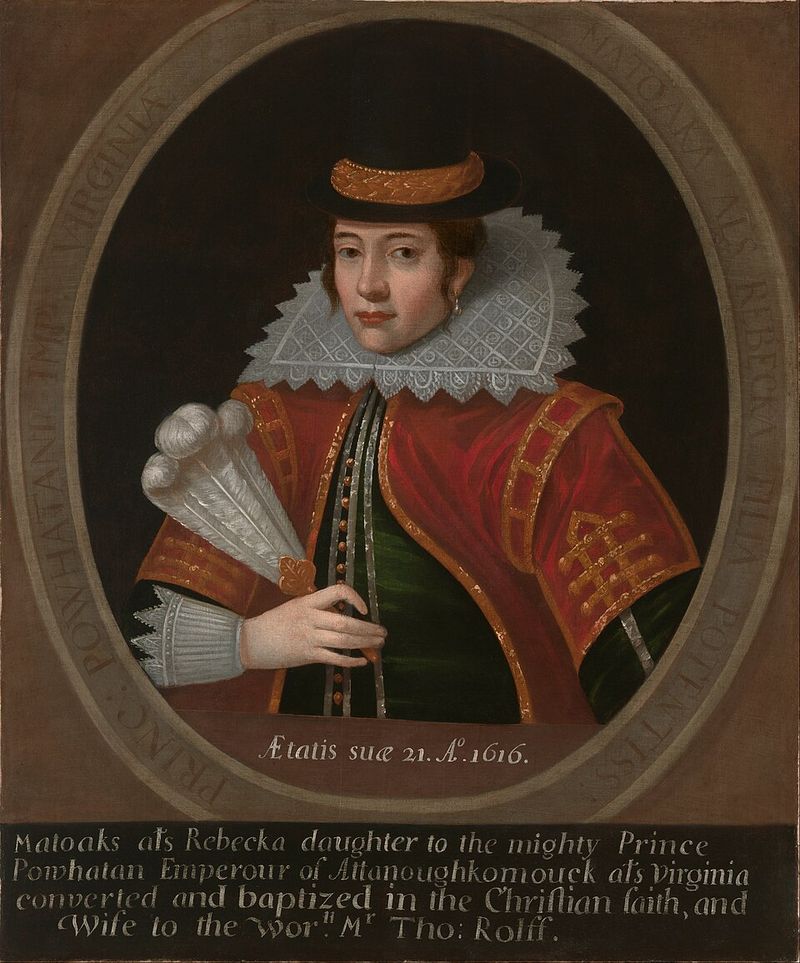
Pocahontas, born around 1596 as Amonute of the Powhatan Confederacy in present-day Virginia, was described by English colonists as striking in both appearance and personality. Her dark eyes, graceful presence, and confident energy left a strong impression on the settlers who encountered her at Jamestown in the early 1600s.
When she later traveled to England in 1616 after converting to Christianity and marrying tobacco planter John Rolfe, she was presented at the court of King James I. English society was captivated by her.
Artists painted her portrait, and she became the talk of London’s social circles.
The famous portrait of her in English clothing still survives today, showing a young woman of quiet dignity and undeniable presence. Pocahontas died in England at just 21 years old, leaving behind a story that has been romanticized, debated, and retold in countless forms across four centuries of American history.
14. Grace O’Malley
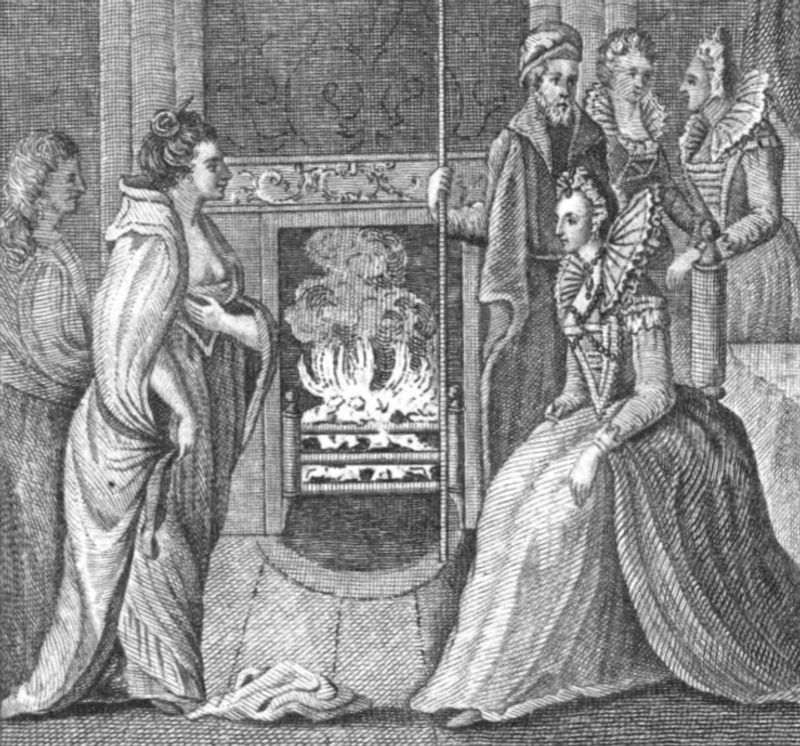
Grace O’Malley, known in Irish as Grainne Mhaol, was not the kind of woman anyone easily forgot. Born around 1530 along the rugged west coast of Ireland, she commanded fleets of ships, led armed men into battle, and negotiated directly with Queen Elizabeth I of England as an equal, all extraordinary feats for a woman of her era.
Contemporary accounts described her as physically striking with a commanding presence that could silence a room. Her bold confidence and fearless energy gave her an undeniable magnetism that went hand in hand with her reported good looks.
She was the kind of woman whose beauty and power were impossible to separate.
Stories of Grace O’Malley have been passed down through Irish folklore for nearly 500 years. She remains a beloved national figure in Ireland, celebrated as a symbol of strength, independence, and fierce feminine energy.
Her legend grows stronger with every generation that discovers her remarkable story.
15. Queen Noor of Jordan

Queen Noor of Jordan brought a rare combination of classic elegance and modern intelligence to the world stage. Born Lisa Najeeb Halaby in Washington D.C. in 1951, she was an American architect who met King Hussein of Jordan and married him in 1978, becoming one of the most internationally recognized royal figures of the late 20th century.
Her tall, blonde, blue-eyed appearance alongside her Harvard-educated poise made her a fixture in international media coverage. Magazines and newspapers around the world praised her timeless elegance and natural grace.
She carried herself with a warm dignity that earned admiration from people across cultural and political divides.
Beyond her appearance, Queen Noor became a passionate advocate for humanitarian causes, education, and Middle East peace efforts. She continues that work today.
Her story is a reminder that lasting beauty is rooted as much in purpose and character as in any physical quality a person might possess.
Share this story