History loves a bold hero, but what about the leaders who hesitated, retreated, or simply looked the other way? Sometimes caution is wisdom, but other times it just looks a whole lot like cowardice.
The line between the two can be razor-thin, and history’s judges have not always been kind. These 15 historical figures found themselves on the wrong side of that line, at least in the eyes of their contemporaries and historians who came after.
General Charles Lee
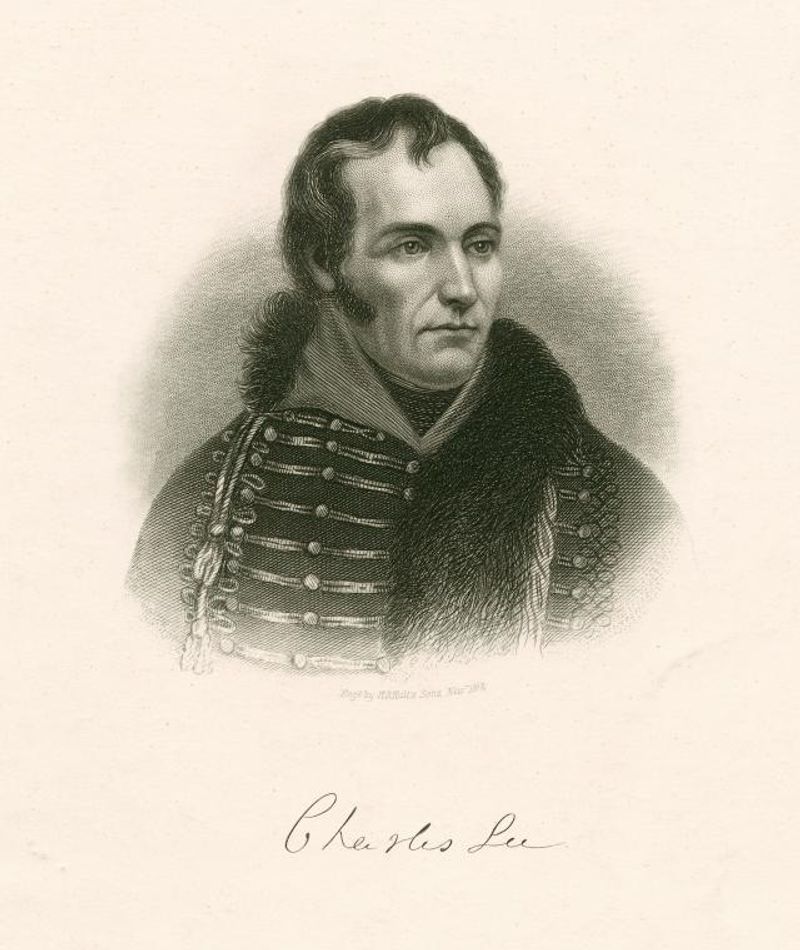
At the Battle of Monmouth in 1778, General Charles Lee ordered a retreat so puzzling that George Washington reportedly lost his temper on the spot. Washington was not a man known for public outbursts, so you know it was bad.
Lee had been given command of a major attack against the British. Instead of pressing forward, he turned his troops around without a clear reason.
Washington rode up, found chaos, and took command himself.
Lee later claimed he was being tactically smart. His critics called it something far less flattering.
He was court-martialed and suspended from command.
What makes Lee fascinating is that he genuinely believed he was right. He wrote defensive letters until his dying day.
His caution may have had some military logic, but the timing, the battlefield, and the optics made it look like he simply lost his nerve when the moment mattered most.
Benedict Arnold
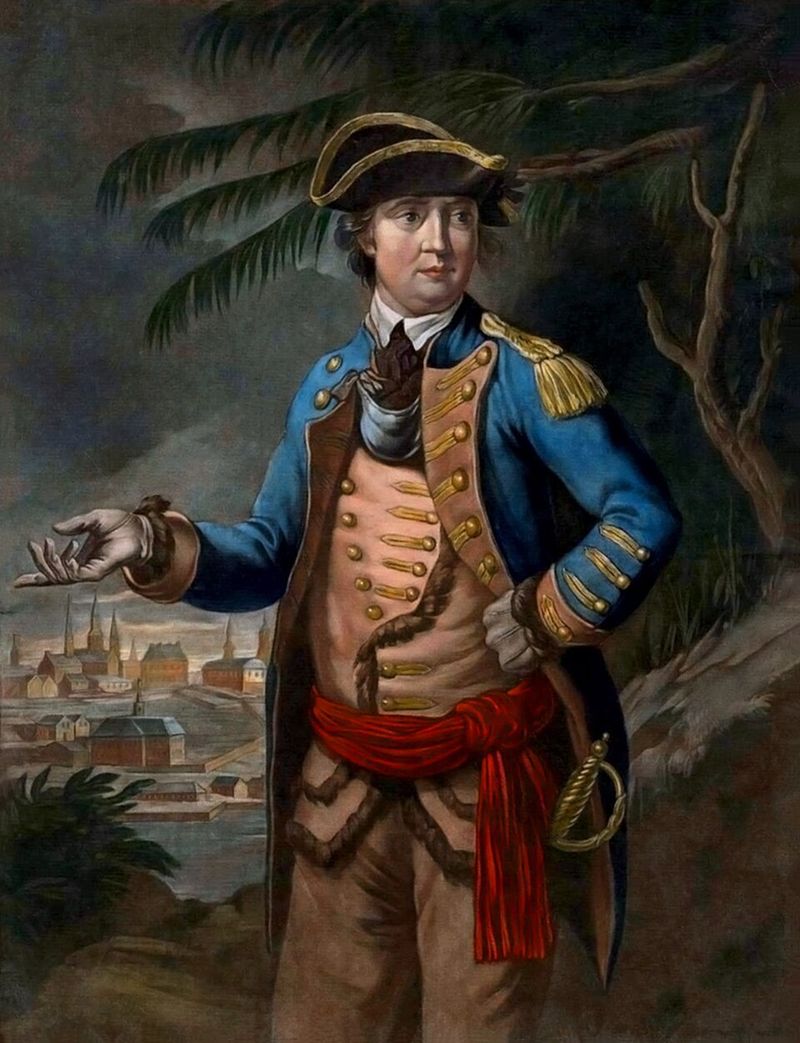
Benedict Arnold is the name Americans use when they want to call someone a traitor, and honestly, the shoe fits. But here is the twist: before he switched sides, Arnold was one of the most aggressive and effective commanders in the Continental Army.
So what happened? Arnold felt passed over for promotions, disrespected, and financially ruined by the war effort.
His caution kicked in, but it was not battlefield caution. It was personal survival instinct dressed up as grievance.
He secretly negotiated with the British to hand over West Point. When the plot was discovered, he fled to the British side and spent the rest of his life in a kind of permanent awkward limbo.
The British never fully trusted him either. Arnold spent his final years in relative obscurity, a man who gambled everything on self-preservation and ended up losing far more than he ever saved.
King John of England
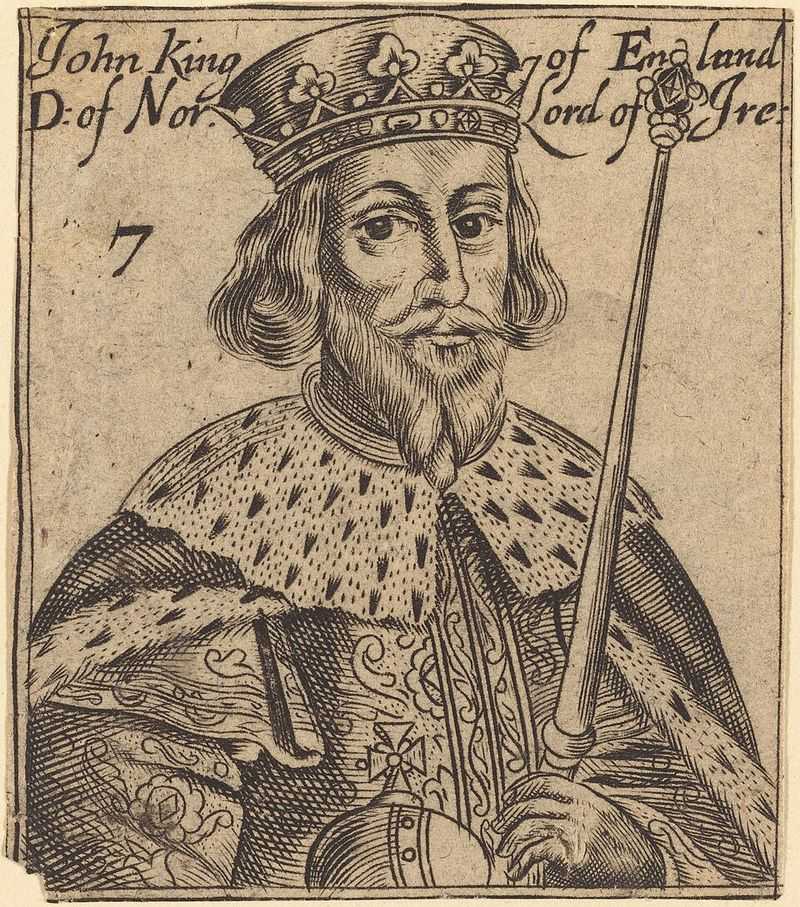
King John of England had a talent for making enemies and a matching talent for running away from problems. He lost so many territories in France that he earned the nickname Softsword, which is not exactly the medieval equivalent of a five-star review.
John’s caution on the battlefield was legendary for all the wrong reasons. He avoided direct military confrontation repeatedly, preferring negotiation, delay, or outright retreat.
His barons eventually had enough and forced him to sign the Magna Carta in 1215.
Historians still debate whether John was strategically cautious or genuinely afraid. Some argue he understood his limitations.
Others point out that he lost Normandy, Anjou, and most of the Angevin Empire through a combination of indecision and inaction.
I once read that John was actually quite intelligent. Smart enough to know when he was outmatched, perhaps, but not brave enough to fight anyway.
That gap between knowing and doing cost him everything.
Edward II of England
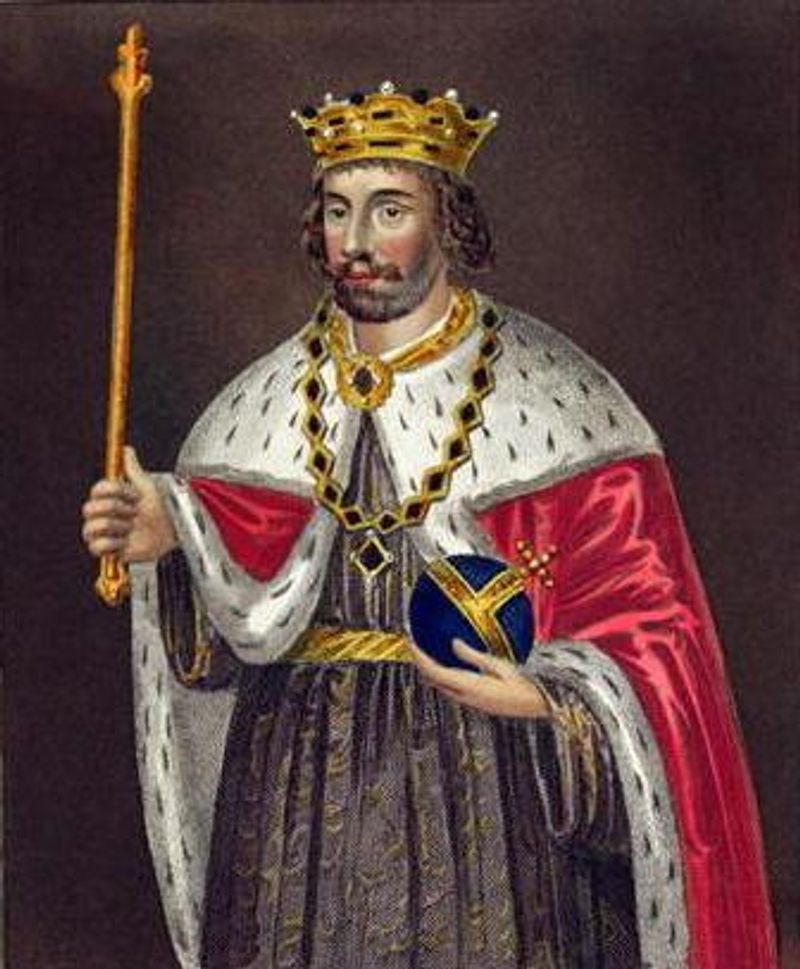
Edward II of England had some very large shoes to fill. His father, Edward I, was known as the Hammer of the Scots.
Edward II was more like the pillow of the Scots, soft and not particularly threatening.
At the Battle of Bannockburn in 1314, Edward commanded a massive English army against Robert the Bruce. The English had superior numbers.
Edward still managed to lose spectacularly, and then fled the battlefield before the fighting was even finished.
His retreat was so hasty that he barely escaped capture. He abandoned his army mid-battle, which did not exactly inspire loyalty among the English nobility.
Edward’s caution extended to his entire reign. He preferred the company of favorites over the business of governing, which infuriated his barons.
His story ended badly, as cautious kings who alienate everyone usually find out the hard way. He was eventually deposed and died under mysterious, grim circumstances in Berkeley Castle.
Emperor Nero
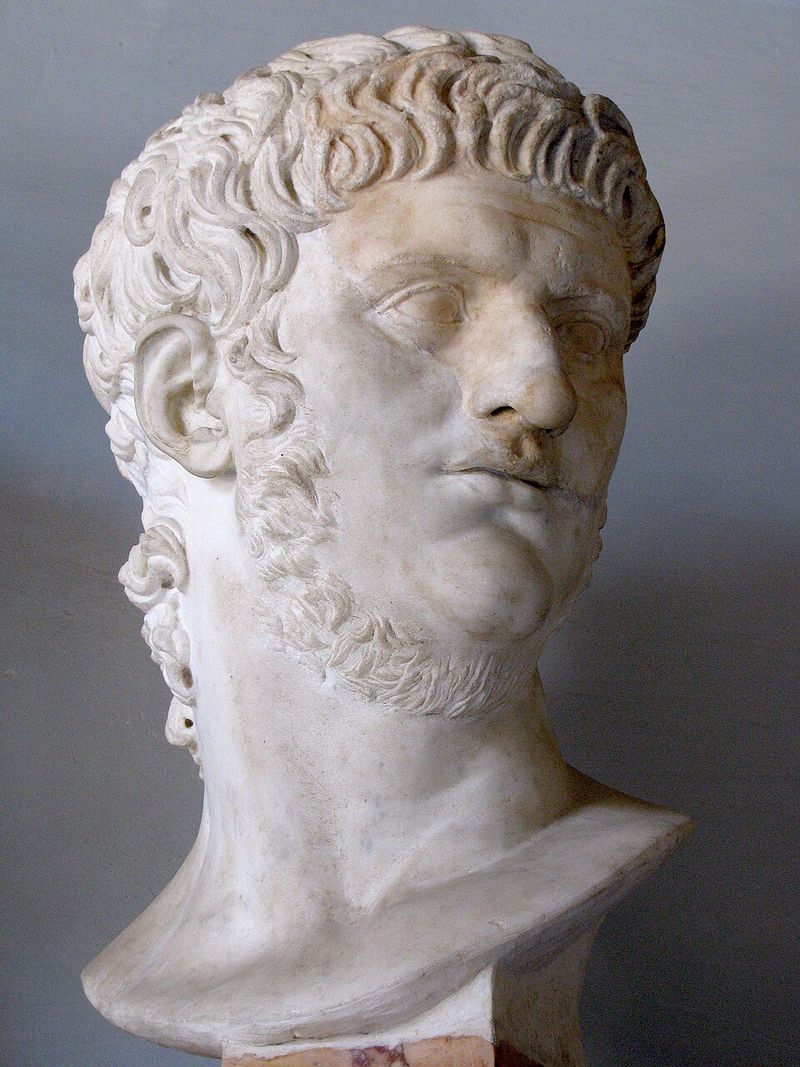
Nero is famous for allegedly fiddling while Rome burned, but his most cowardly moment came at the very end of his reign. When a military revolt finally turned against him in 68 AD, Nero’s response was to panic, weep, and wander around his palace asking people to kill him.
Nobody volunteered. His guards had abandoned him.
His advisors had fled. Nero reportedly ran to a villa outside Rome, dug a shallow grave, and spent time crying next to it before finally asking a servant to help him die.
His last words were reportedly, “What an artist dies in me!” which is either deeply poetic or spectacularly tone-deaf, depending on your mood.
Nero had spent years executing rivals, persecuting Christians, and spending Rome’s treasury on himself. Yet when real danger arrived, the man who terrorized millions could not face his own end with even a fraction of the courage he demanded from others.
History noticed.
Emperor Commodus
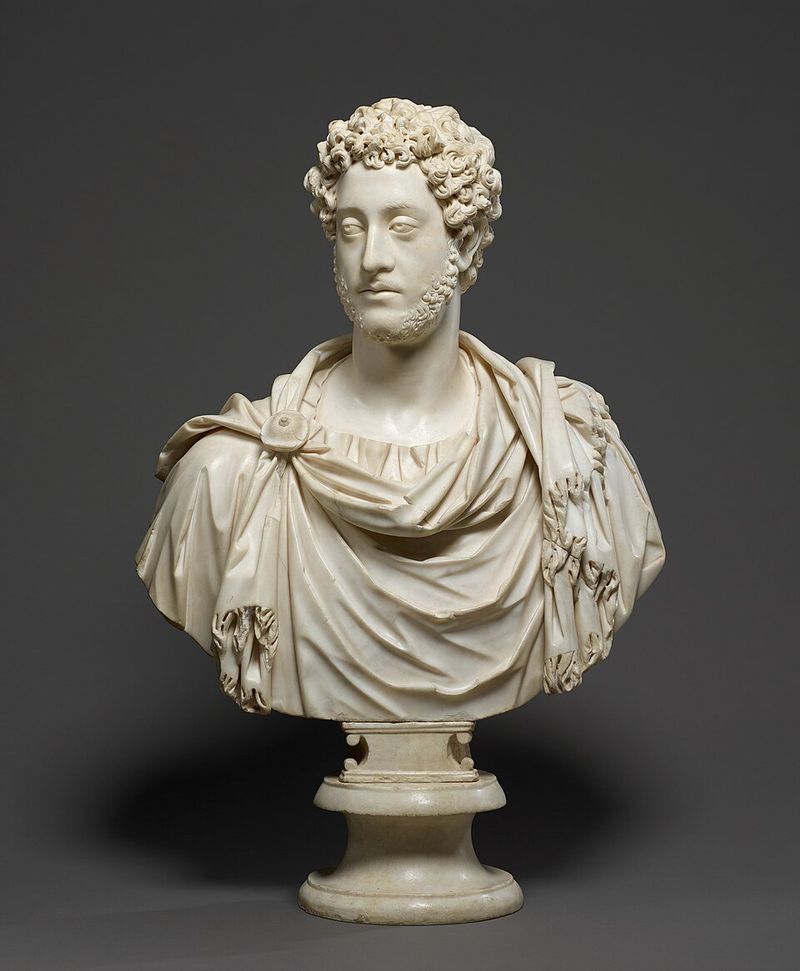
Commodus decided early in his reign that military campaigns were not really his thing. When his father Marcus Aurelius died in 180 AD, Commodus quickly negotiated peace with the Germanic tribes and headed back to Rome.
His generals were furious.
Marcus Aurelius had been fighting a long, grinding war on the northern frontier. Commodus essentially packed it up, took a deal, and declared victory.
He then spent the next decade fighting in the gladiatorial arena instead of on actual battlefields.
Yes, he fought as a gladiator. In rigged fights.
Against opponents who were not allowed to hurt him. He called himself the Roman Hercules and renamed Rome after himself, which tells you something about his grip on reality.
His caution about real warfare was matched only by his enthusiasm for fake warfare. Commodus was eventually strangled in his bath by a wrestler, which is the sort of ending that feels historically appropriate for a man who preferred performance to genuine leadership.
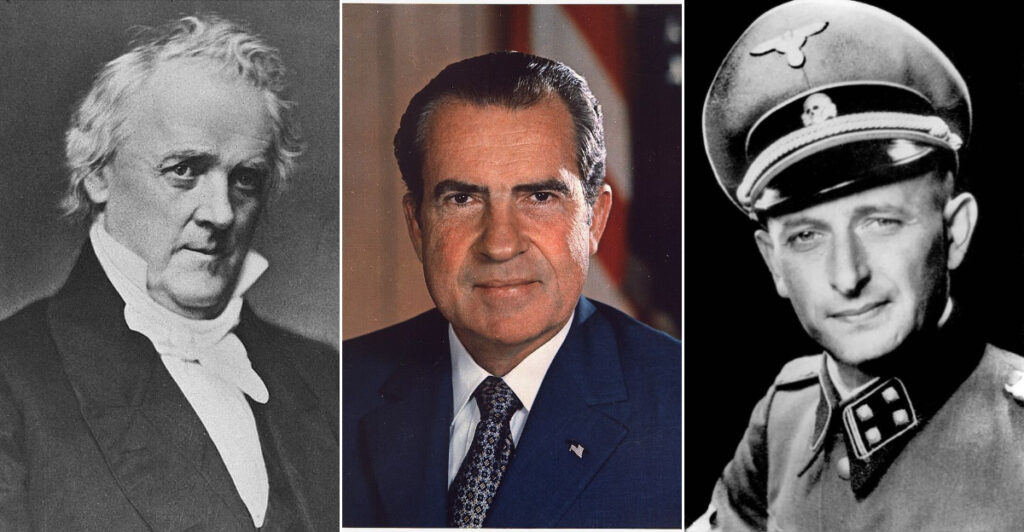
Adolf Eichmann
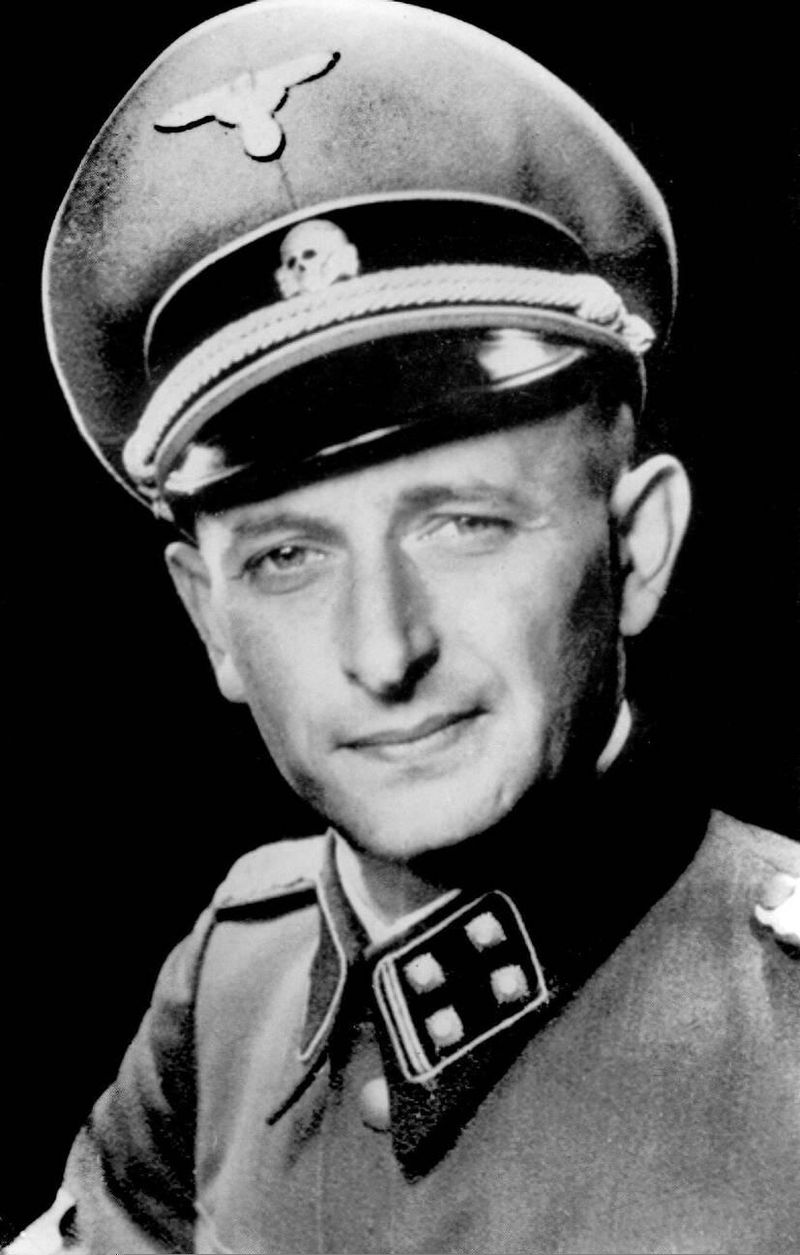
Adolf Eichmann was one of the key architects of the Holocaust, responsible for the logistics of transporting millions of Jewish people to their deaths. When World War II ended, he did not face justice bravely.
He ran.
Eichmann fled to Argentina under a false name and lived quietly in Buenos Aires for years. He was not hiding dramatically.
He was working at a Mercedes-Benz factory and living in a modest house. Bureaucratic to the end.
Israeli Mossad agents captured him in 1960 and brought him to trial in Jerusalem. His defense was the most chilling kind of cowardice: he claimed he was just following orders.
He presented himself as a small cog in a large machine, a man with no personal responsibility for monstrous acts.
The court did not agree. Eichmann was convicted and executed in 1962.
His refusal to own his choices, before, during, and after the war, remains one of history’s most disturbing examples of moral cowardice dressed up as bureaucratic duty.
Vidkun Quisling
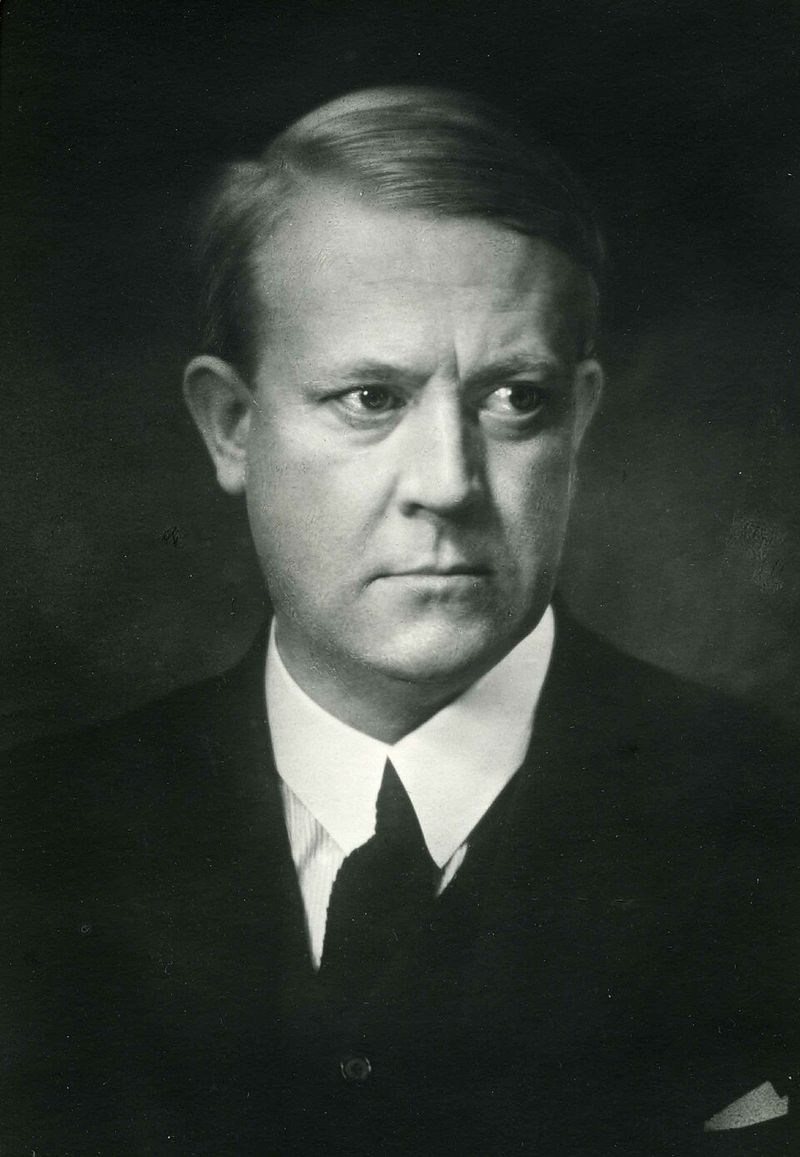
Vidkun Quisling handed Norway over to the Nazis so smoothly that his name became a common word. A quisling now means a traitor who collaborates with an occupying enemy.
That is a special kind of historical legacy.
When Germany invaded Norway in April 1940, Quisling went on national radio and declared himself the new head of government, without any real authority or popular support. The Germans were actually annoyed by his premature announcement.
Even the Nazis found him embarrassing.
He spent the occupation years as a puppet leader, enthusiastically helping the Germans deport Norwegian Jews and persecute resistance members. He seemed to genuinely believe he was doing Norway a favor.
After Germany’s defeat, Quisling was arrested, tried, and executed by firing squad in 1945. He showed no remorse.
His caution about standing up to the German invasion was dressed up as pragmatism, but history stripped away that disguise pretty quickly and left the word that still carries his shame.
Louis XVI of France
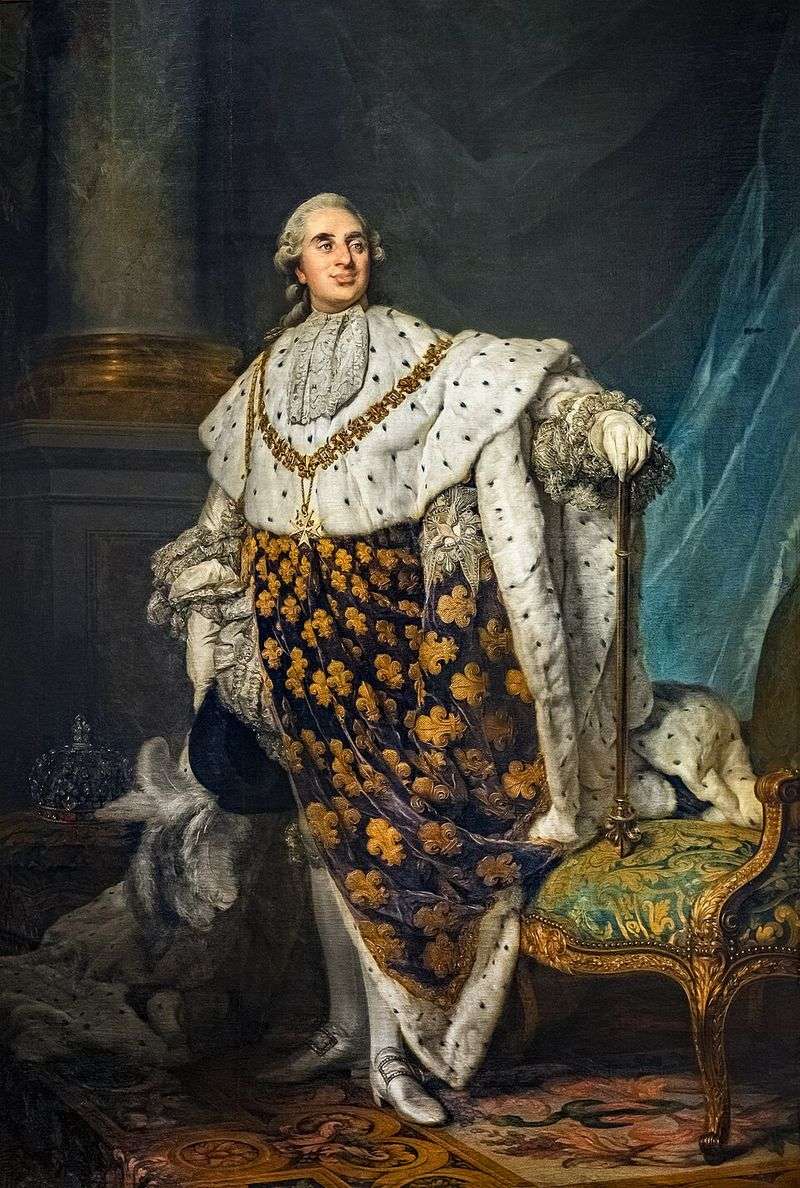
Louis XVI was a man who genuinely could not make up his mind, and that indecision helped trigger one of the most violent revolutions in history. He was not cruel.
He was not stupid. He was just catastrophically unable to act decisively when it mattered.
When the French Revolution began building steam in 1789, Louis had multiple chances to either reform meaningfully or take firm control. He kept doing neither.
He would agree to concessions, then quietly try to reverse them, which satisfied nobody and angered everybody.
His most famous act of caution was the Flight to Varennes in 1791. He and his family tried to secretly flee France.
They were recognized at a small town, captured, and brought back to Paris in humiliation. The attempt destroyed whatever trust remained between the king and his people.
Louis was guillotined in January 1793. His caution was not cowardice in the traditional sense, but his endless hesitation between boldness and submission cost him his crown, his credibility, and ultimately his head.
Wilhelm II, German Emperor
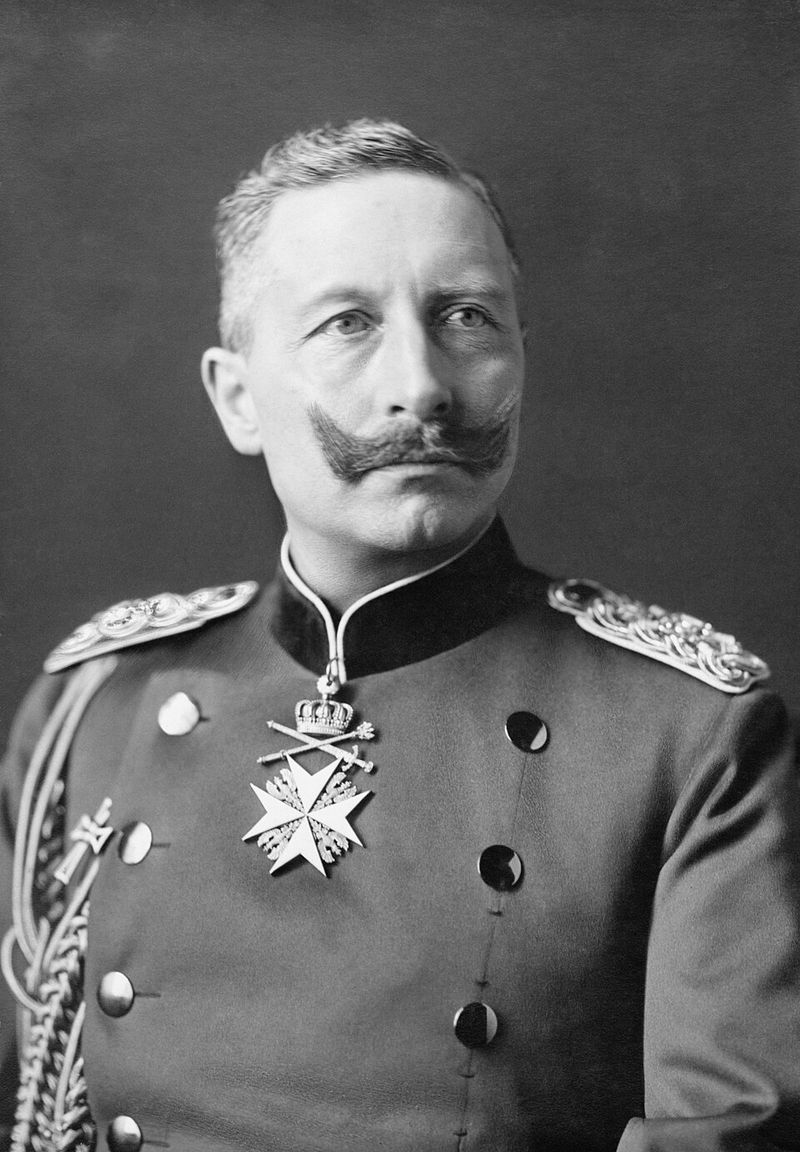
Kaiser Wilhelm II spent decades posturing as a fierce military leader, rattling sabers and making aggressive speeches about German power. When World War I finally collapsed around him in November 1918, he fled to the Netherlands and abdicated from a safe distance.
His generals and advisors had been running the war for years while Wilhelm played at leadership. When defeat became undeniable, he did not stay to face his people or take responsibility.
He simply left.
Wilhelm lived in comfortable Dutch exile until 1941, occasionally writing self-justifying memoirs blaming everyone else for the war. He reportedly celebrated the fall of France in 1940, which gives you a clear picture of his character.
The man who had pushed Europe toward catastrophic war with his aggressive foreign policy and ego-driven diplomacy could not find the courage to face the consequences. He died in exile at 82, having never acknowledged his role in the deaths of millions.
History’s report card was not generous.
Henry VI of England
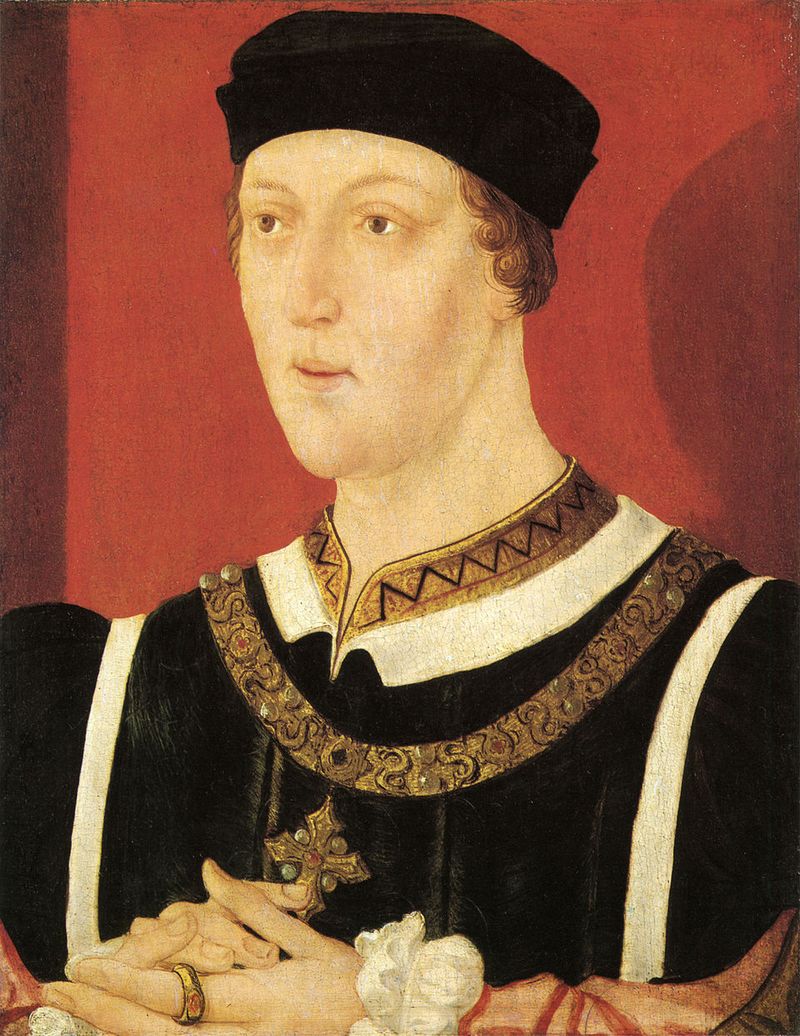
Henry VI of England inherited two kingdoms as a baby and managed to lose both of them as an adult, which is a genuinely impressive achievement in the wrong direction. He was pious, gentle, and deeply unsuited to medieval kingship.
During the Wars of the Roses, Henry was repeatedly captured, restored, and captured again. His caution on the battlefield was less strategy and more genuine inability to function as a military leader.
He reportedly fainted or went into a mental stupor during crises.
At the Battle of Northampton in 1460, Henry sat in his tent while his army fought around him. His commanders were killed.
He was captured. He seemed almost relieved.
Henry spent years as a prisoner in the Tower of London, apparently content to pray and read. His gentleness was genuine, but medieval England needed a king who could fight, negotiate, and intimidate.
Henry could do none of those things. He was murdered in the Tower in 1471.
Czar Nicholas II of Russia
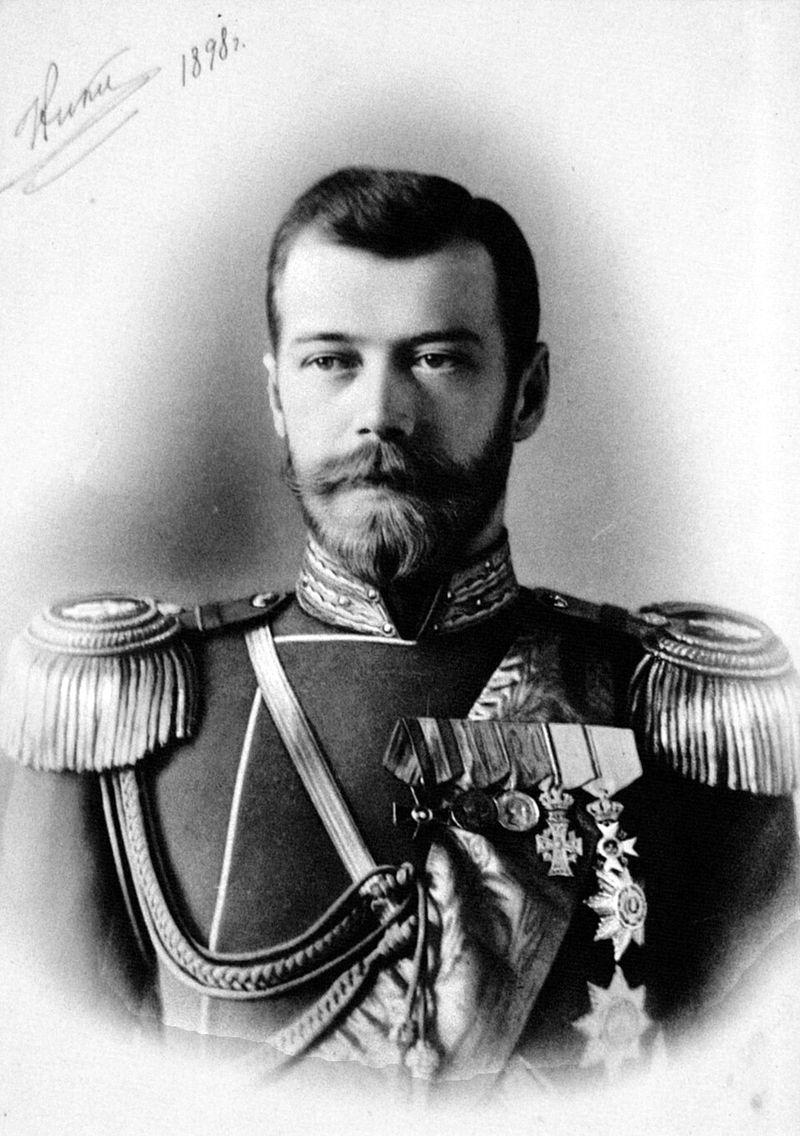
Nicholas II was a devoted family man and a genuinely kind person by personal accounts. He was also catastrophically wrong for the job of ruling the largest country on Earth during one of history’s most turbulent periods.
When revolution began building in Russia, Nicholas responded with a combination of repression and reluctant reform that satisfied nobody. He dismissed elected parliaments, reversed concessions, and relied on advisors who told him what he wanted to hear.
His decision to personally take command of Russian forces in World War I was especially disastrous. He had no real military experience.
Every Russian defeat now had his name directly attached to it.
When the February Revolution of 1917 finally forced his abdication, Nicholas did not fight or flee strategically. He simply signed the paperwork and hoped for the best.
He was arrested with his family and executed in July 1918. His caution and passivity in the face of crisis sealed the fate of his entire dynasty.
Richard Nixon
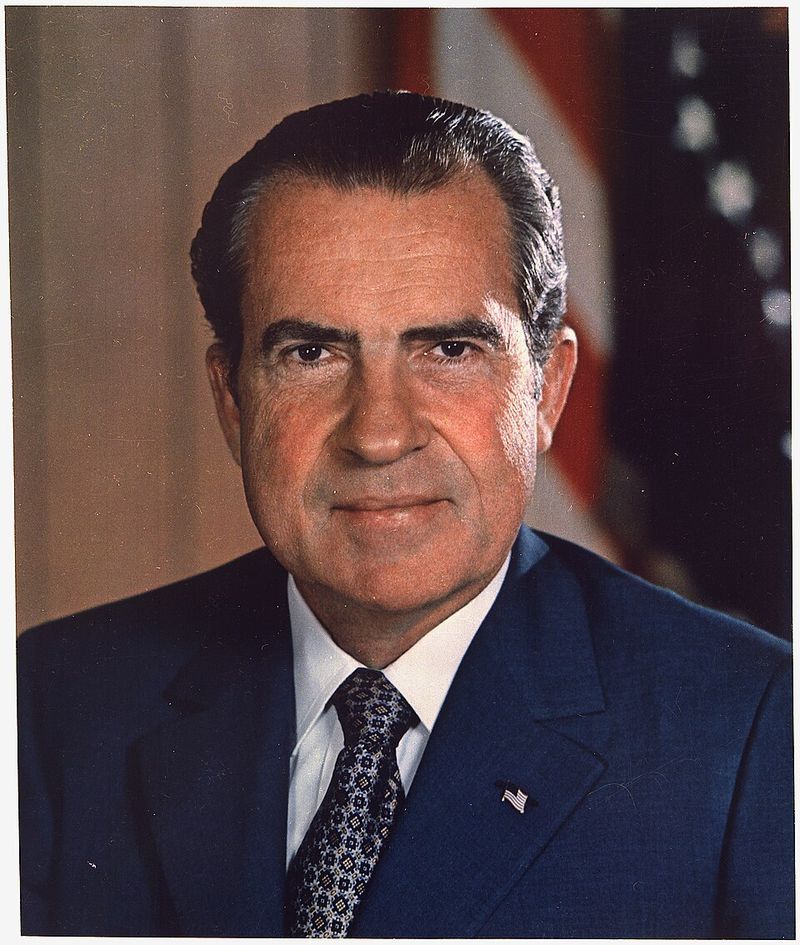
Richard Nixon won the 1972 presidential election by one of the largest margins in American history. He did not need to cheat.
He cheated anyway, and then spent two years lying about it, which is a special kind of self-inflicted catastrophe.
The Watergate scandal began with a break-in at the Democratic National Committee headquarters that Nixon’s campaign operatives organized. Nixon did not order the break-in directly, but he absolutely ordered the cover-up.
That distinction cost him everything.
For nearly two years, Nixon denied, deflected, and destroyed evidence. He fired the special prosecutor investigating him in what became known as the Saturday Night Massacre.
He released edited transcripts of White House tapes with crucial gaps.
When it became clear that impeachment was inevitable, Nixon resigned in August 1974. He was the first American president to do so.
His caution about admitting wrongdoing early, when it might have been survivable, turned a political embarrassment into a constitutional crisis that defined his entire legacy.
King Edward VIII
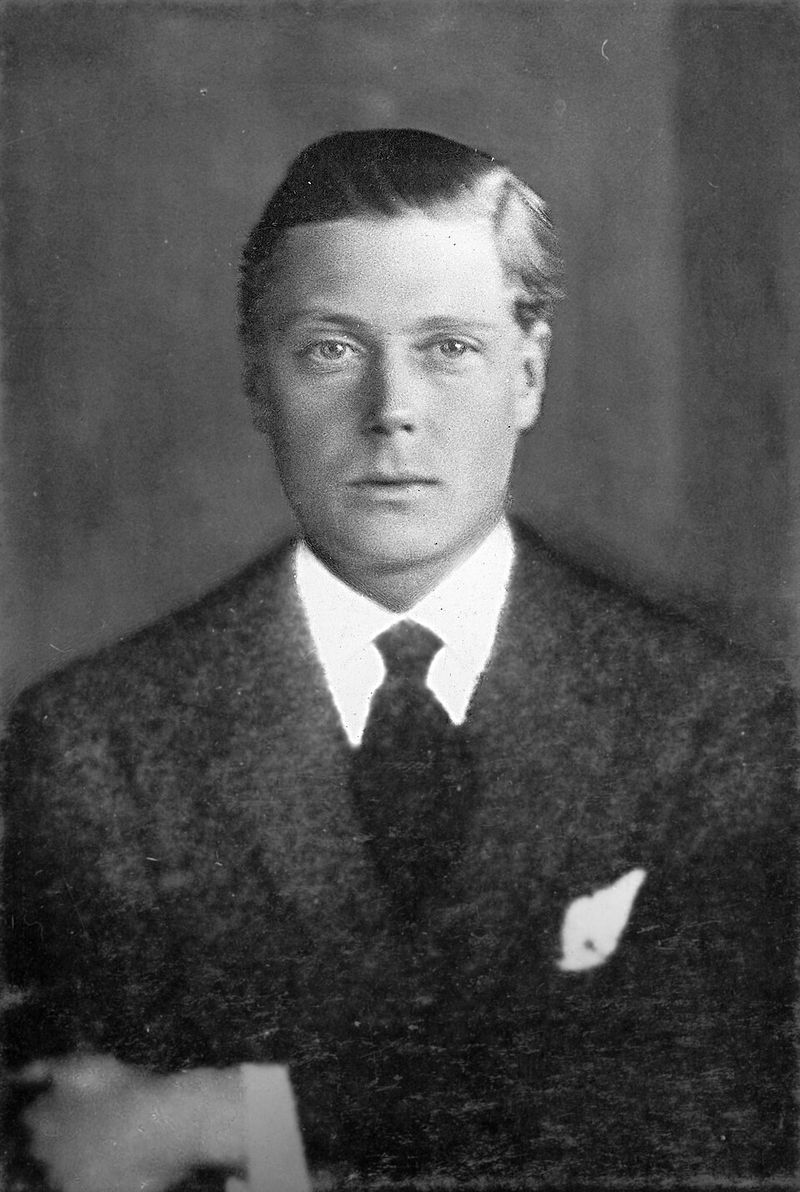
King Edward VIII was king of the British Empire for less than a year before deciding that the throne was less important than marrying Wallis Simpson, an American divorcee. The abdication itself was not cowardly.
What came after was more complicated.
During World War II, Edward and Wallis spent time in neutral Spain and Portugal, where they were suspected of having sympathetic conversations with Nazi officials. German documents captured after the war suggested the Nazis believed Edward might be installed as a puppet king if they won.
Edward denied everything. The British government quietly shipped him off to the Bahamas as governor, far from Europe and any temptation or opportunity.
His caution about confronting the Nazi question directly, his reluctance to publicly and forcefully condemn fascism when it mattered, left a permanent shadow over his reputation. He spent the rest of his life in comfortable exile, insisting he was misunderstood.
History has remained skeptical, and not quietly so.
James Buchanan
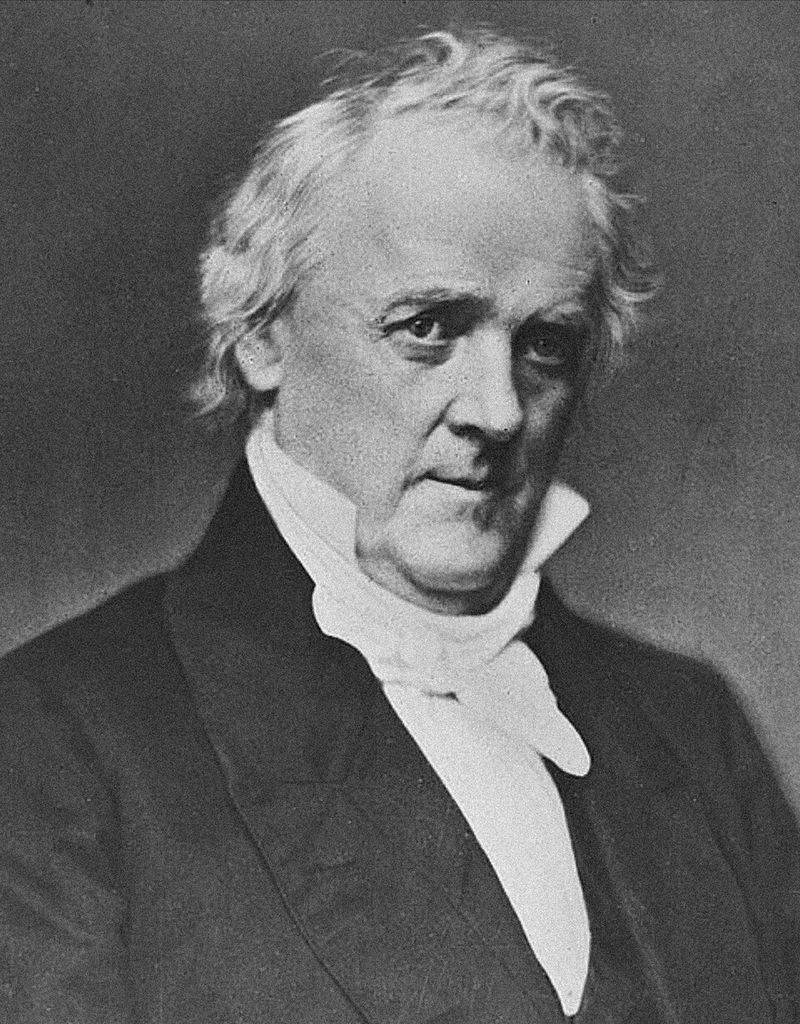
James Buchanan had the misfortune of being president immediately before Abraham Lincoln, which means history judged him against one of the greatest leaders America ever produced. That comparison was not kind.
As the Southern states began seceding in 1860 and 1861, Buchanan did essentially nothing. He argued that secession was illegal but also that the federal government had no power to stop it.
That is the political equivalent of saying the house is on fire but refusing to call the fire department.
Buchanan believed that doing nothing was the safest path. He wanted to hand the crisis to his successor without making things worse.
He succeeded only in making things much worse.
By the time Lincoln took office, several states had already left the Union and Confederate forces were organizing. Buchanan’s caution allowed a manageable political crisis to become a civil war that killed 600,000 people.
His presidential ranking consistently sits near the very bottom of every historical list, and few historians argue he deserves better.
Share this story