Not every Hollywood star rockets to fame straight out of drama school. Some of the most beloved actors spent years grinding through small roles, bit parts, and near-misses before landing the role that changed everything.
I remember watching Die Hard as a kid and having no idea Alan Rickman had been a stage legend for years before that film. These 15 stars prove that patience, persistence, and raw talent always find their moment eventually.
Alan Rickman Became a Movie Icon With Die Hard
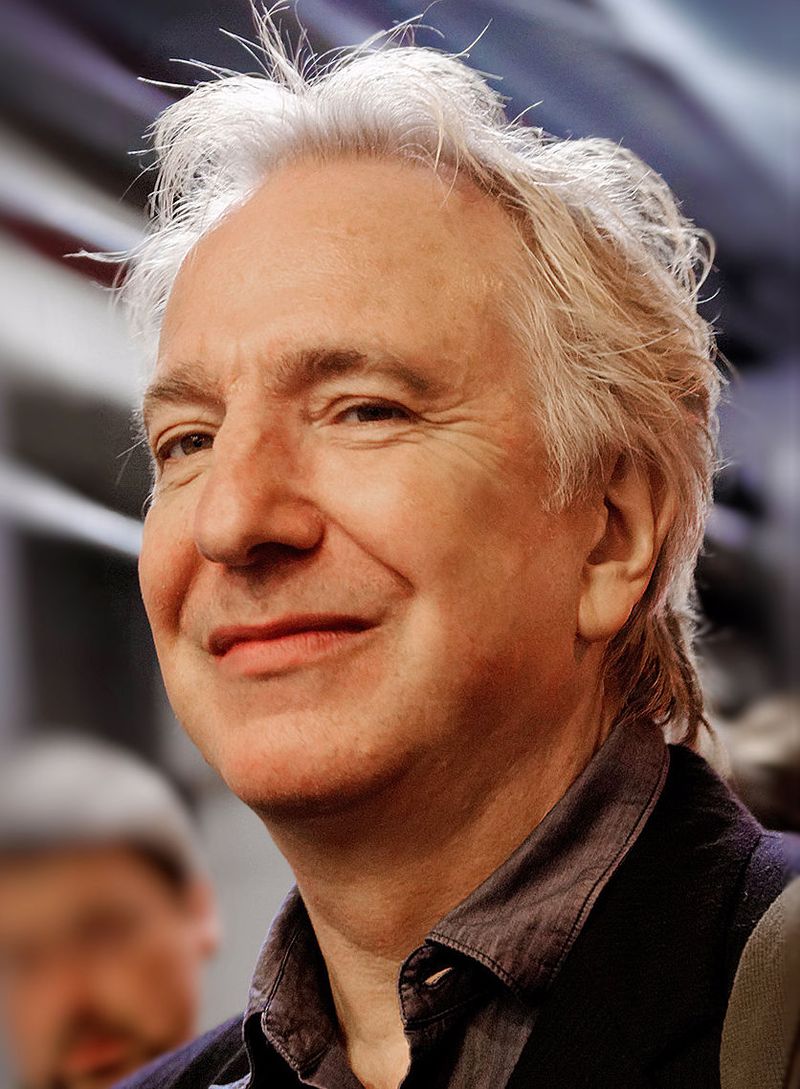
Nobody walks into a movie and owns every single scene the way Alan Rickman did in Die Hard. Before Hollywood came calling, Rickman had spent years perfecting his craft on the British stage, building a reputation that film studios somehow kept overlooking.
Then 1988 arrived, and so did Hans Gruber.
His calm, ice-cold delivery made Gruber one of cinema’s most chilling villains. Rickman was already 41 when the film released, which in Hollywood terms practically qualifies as ancient history.
Yet he made the whole thing look effortless.
What makes his story genuinely inspiring is that he never chased fame. He just kept working, sharpening his skills, waiting for the right door to open.
When it finally did, he walked through it with the confidence of someone who had been ready for years. Rickman proved that real talent does not expire.
It just waits for the right script.
Judi Dench Reached Global Fame Through James Bond
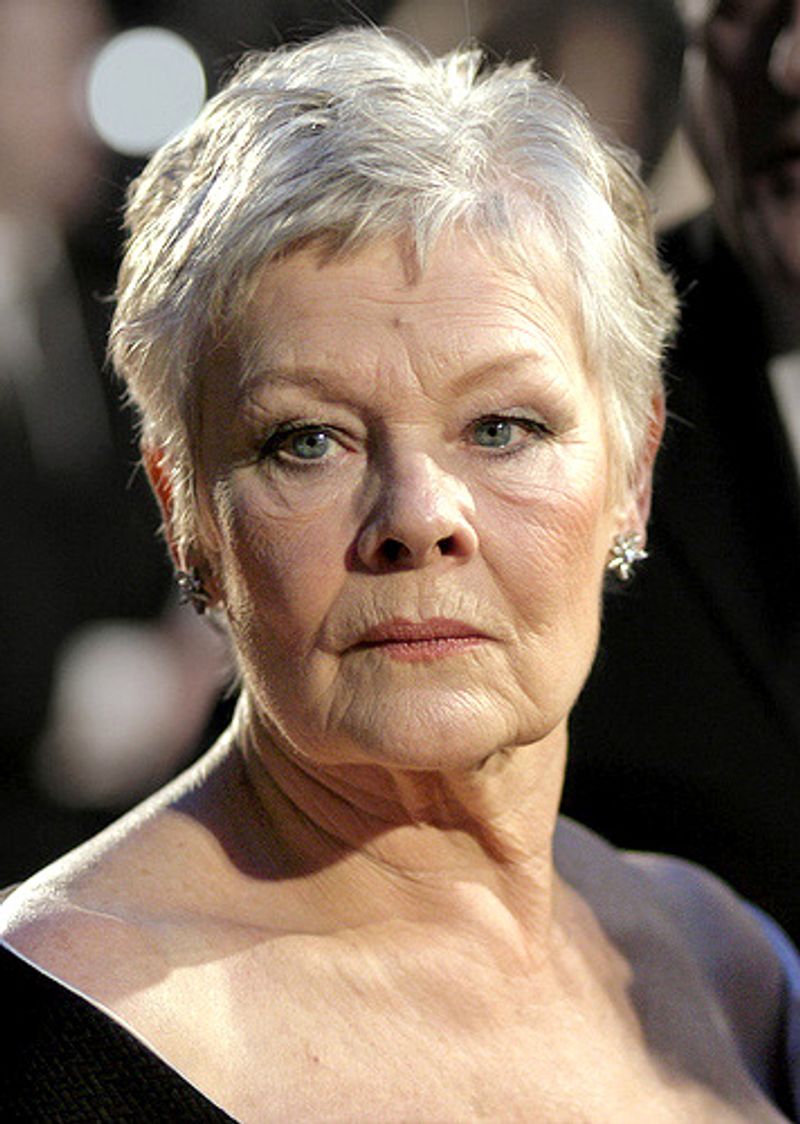
Judi Dench had already collected a cabinet full of awards before most American audiences could pick her out of a lineup. Decades of theater, television, and acclaimed British films had earned her enormous respect at home, but global superstardom?
That was still waiting in the wings.
Then GoldenEye arrived in 1995, and suddenly the whole world was paying attention. Her portrayal of M was sharp, commanding, and completely unforgettable.
She did not play the role as a background figure. She owned every room she entered.
What I find fascinating about Dench is that her authority on screen comes from somewhere deeply earned. Years of stage work gave her a stillness that cameras absolutely love.
She never needed to shout to be heard. Her career is a masterclass in the idea that experience, not youth, is what truly commands an audience’s respect.
Bond films were lucky to have her.
Maggie Smith Found a New Generation of Fans With Harry Potter
By the time Maggie Smith put on Professor McGonagall’s robes, she had already won two Academy Awards and starred in some of Britain’s most celebrated productions. She was, in short, already a legend.
But legends can always find new fans.
The Harry Potter series introduced her to millions of children who had never seen The Prime of Miss Jean Brodie and honestly did not care. To them, she was simply the sharp-tongued, fiercely loyal head of Gryffindor house.
And she was absolutely perfect in the role.
Her dry humor and unshakeable dignity gave McGonagall a warmth that the books hinted at but the films made unmistakably real. Smith never phoned it in, not once across eight films.
That kind of professionalism is rare and worth celebrating. Her story is a reminder that great actors do not fade.
They just find fresh audiences who are lucky enough to discover them.
Morgan Freeman’s Breakthrough Came After Years of Work
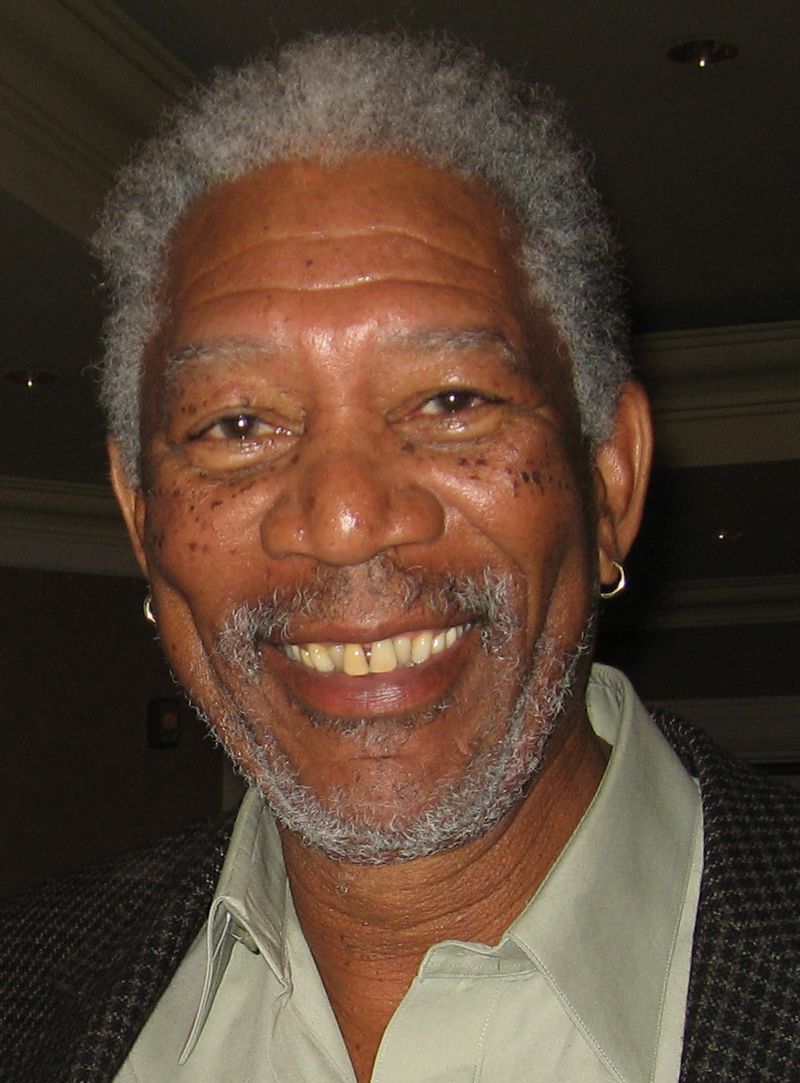
Morgan Freeman’s voice is so recognizable that half the world probably assumes he was born famous. The reality is far more interesting and far more hard-won.
Freeman spent decades doing solid, respected work in theater and television before Hollywood finally started paying serious attention.
Street Smart in 1987 changed the conversation. His performance earned him his first Academy Award nomination and turned industry heads in a way years of steady work had not quite managed.
From there, the roles kept getting bigger and better.
Freeman’s patience during those quiet years is the part of his story that deserves more attention. He never chased trends or tried to fit a mold that was not his.
He simply kept showing up and delivering, trusting that the work would eventually speak for itself. Spoiler: it did.
His career is proof that some talents are so distinctive and so deep that the industry eventually has no choice but to recognize them.
Steve Buscemi Turned Unconventional Into Unforgettable

Hollywood has a type, and Steve Buscemi is not it. That is exactly what makes him so brilliant.
While studios were busy casting chiseled leading men, Buscemi was quietly becoming the most interesting person in every single frame he appeared in.
His early work in independent films built a reputation for raw, unfiltered energy that bigger productions simply could not replicate. Reservoir Dogs and Fargo cemented him as someone audiences actively looked for, not just noticed.
That is a rare and valuable thing.
Buscemi’s career is a love letter to character actors everywhere. He showed that you do not need conventional good looks or a blockbuster vehicle to become a household name.
What you need is a specific, undeniable presence that nobody else can copy. He had that in abundance.
His nervous intensity and razor-sharp timing created performances that stuck in your memory long after the credits rolled. Unconventional?
Sure. Unforgettable?
Absolutely.
Bryan Cranston Reinvented Himself With Breaking Bad
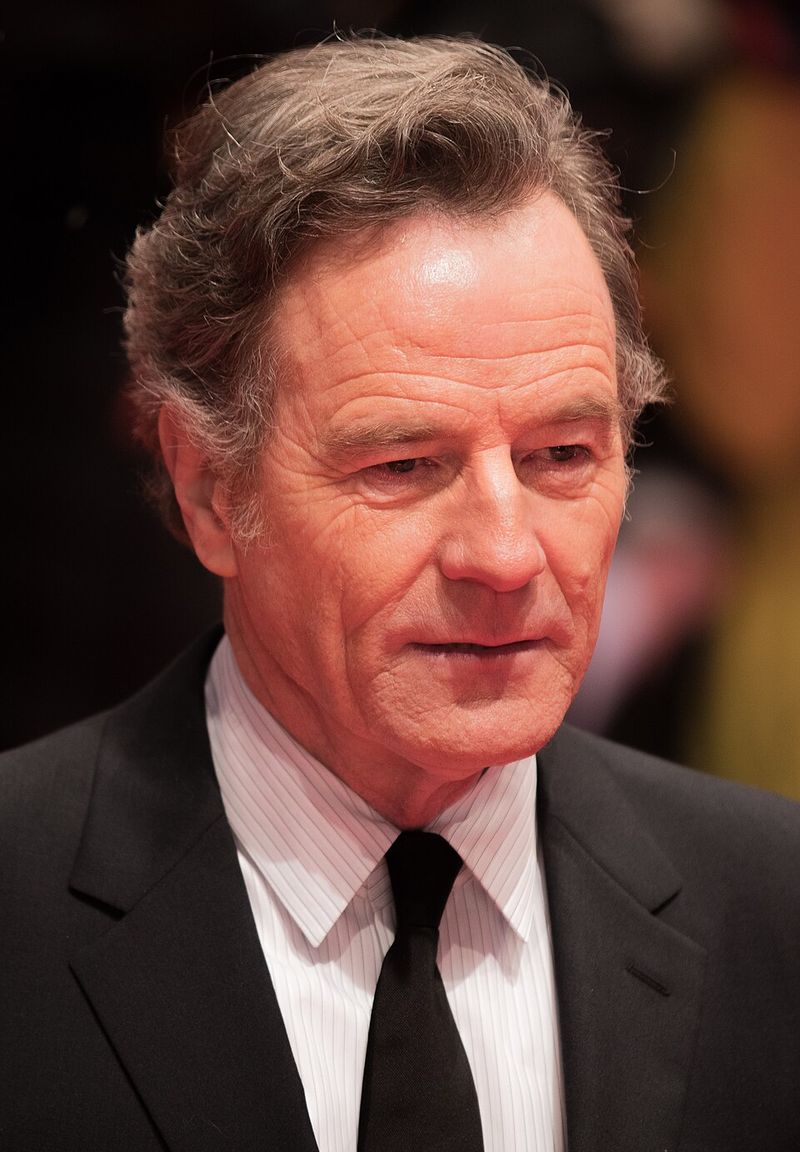
For years, Bryan Cranston was Hal, the lovably goofy dad from Malcolm in the Middle. People laughed with him, not at him, and the show was genuinely great.
But nobody was predicting that this man would soon become one of the most terrifying characters in television history.
Breaking Bad flipped the script entirely. As Walter White, Cranston delivered a performance so layered and so controlled that critics ran out of superlatives within the first season.
He was funny, terrifying, sympathetic, and monstrous, sometimes all in the same episode.
What makes his transformation so compelling is that it was not accidental. Cranston had been quietly developing his dramatic chops for years, waiting for a role worthy of the full range he possessed.
Walter White was that role. His career reinvention stands as one of television’s greatest second acts, proving that the best performers are never truly finished surprising you.
Hal would not approve, but Walter White absolutely would.
Melissa McCarthy Became a Comedy Powerhouse With Bridesmaids
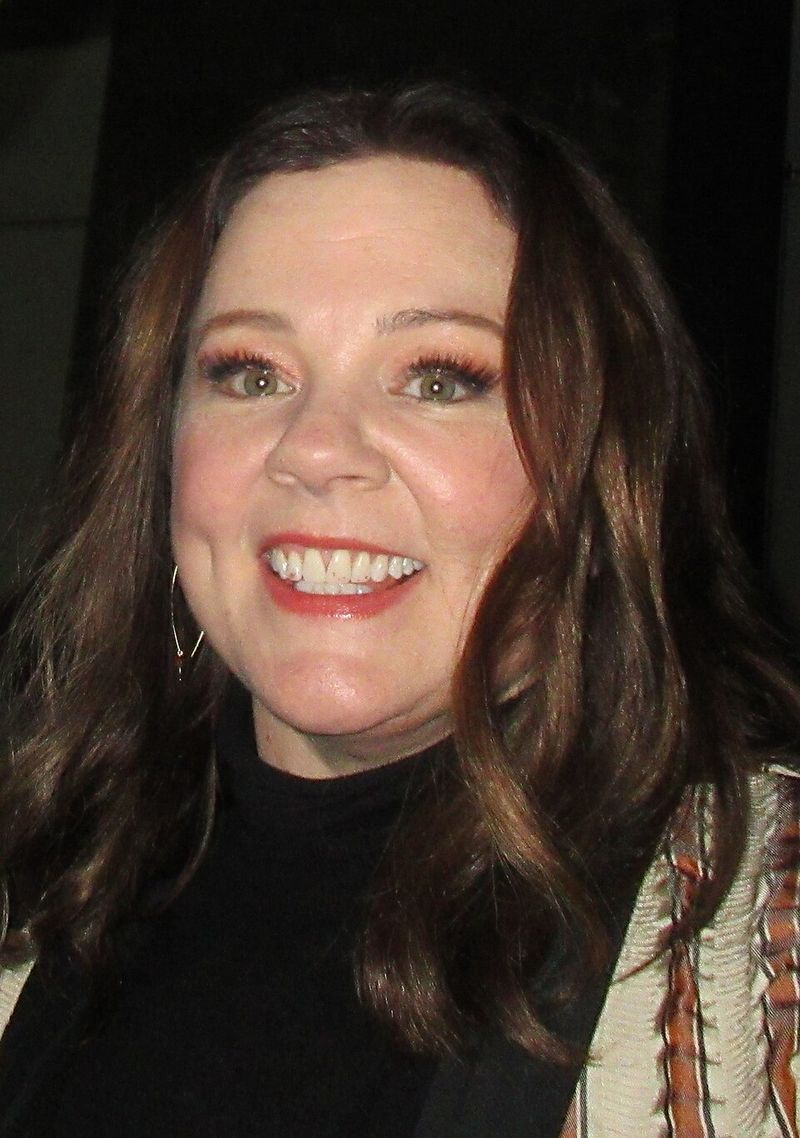
Bridesmaids did not just launch Melissa McCarthy into the stratosphere. It introduced audiences to a comedy force that had been waiting for the right stage.
McCarthy had already done solid television work, but nothing quite prepared viewers for what she brought to that film.
Her performance as Megan was fearless. She threw herself into every scene with a commitment that went way beyond what the script asked for, and the result was something genuinely electric.
She earned an Academy Award nomination for a comedy role, which almost never happens.
The thing about McCarthy is that she makes everything look easy, which is the hardest trick in comedy. Her timing, her physicality, and her ability to find the human heart inside ridiculous situations set her apart.
After Bridesmaids, Hollywood finally understood what she was capable of. The rest of her career has been spent proving, repeatedly and hilariously, that the first impression was not a fluke.
Not even close.
Betty White Enjoyed a Remarkable Late-Career Resurgence
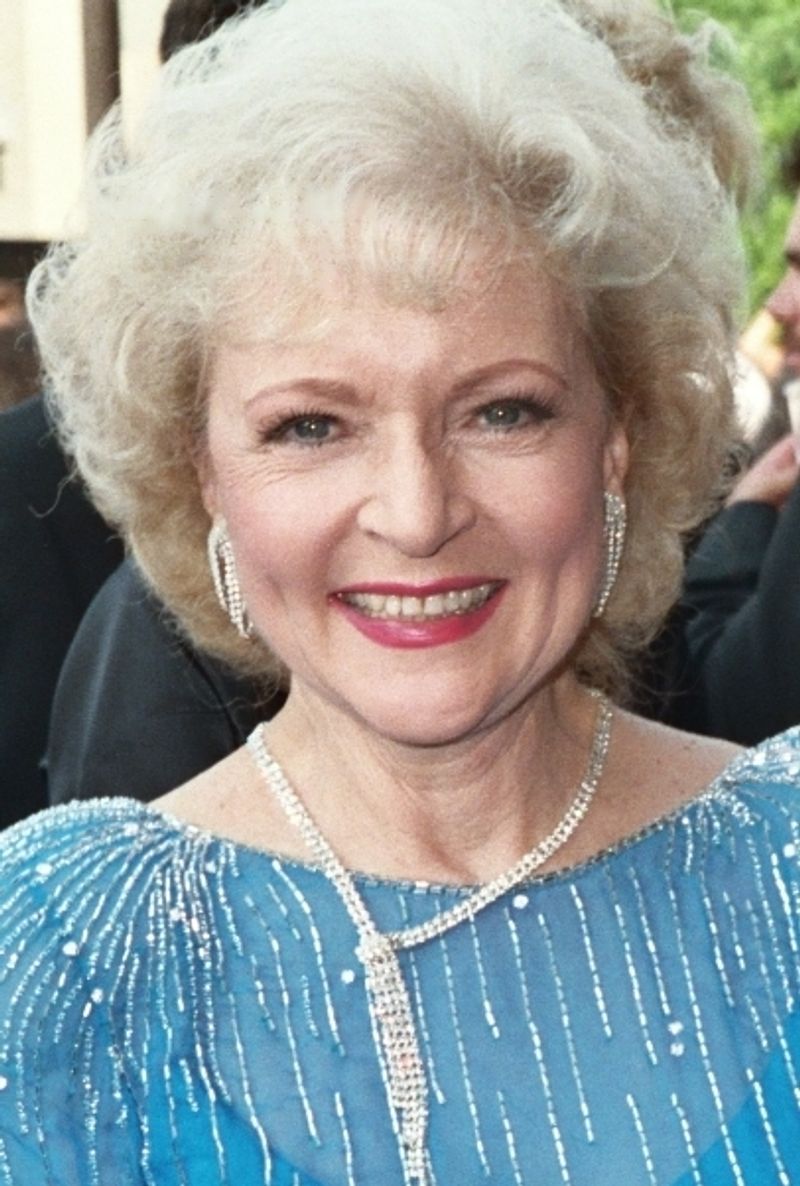
Betty White had already been famous for decades when the internet decided to make her even more famous. A grassroots Facebook campaign convinced Saturday Night Live to invite her to host in 2010, and what followed was one of the most joyful television moments in recent memory.
White was 88 years old and sharper than most hosts half her age. Her comic timing was flawless.
Her willingness to poke fun at herself was endearing. The whole thing felt like a victory lap for someone who had never actually stopped running.
Her resurgence proved something important about genuine talent: it does not need a comeback because it never really leaves. White had been beloved for generations, but this moment introduced her to an entirely new audience of younger fans who suddenly could not get enough of her.
That kind of cross-generational appeal is incredibly rare. Betty White did not just age gracefully.
She aged legendarily.
Samuel L. Jackson Became Internationally Recognized With Pulp Fiction
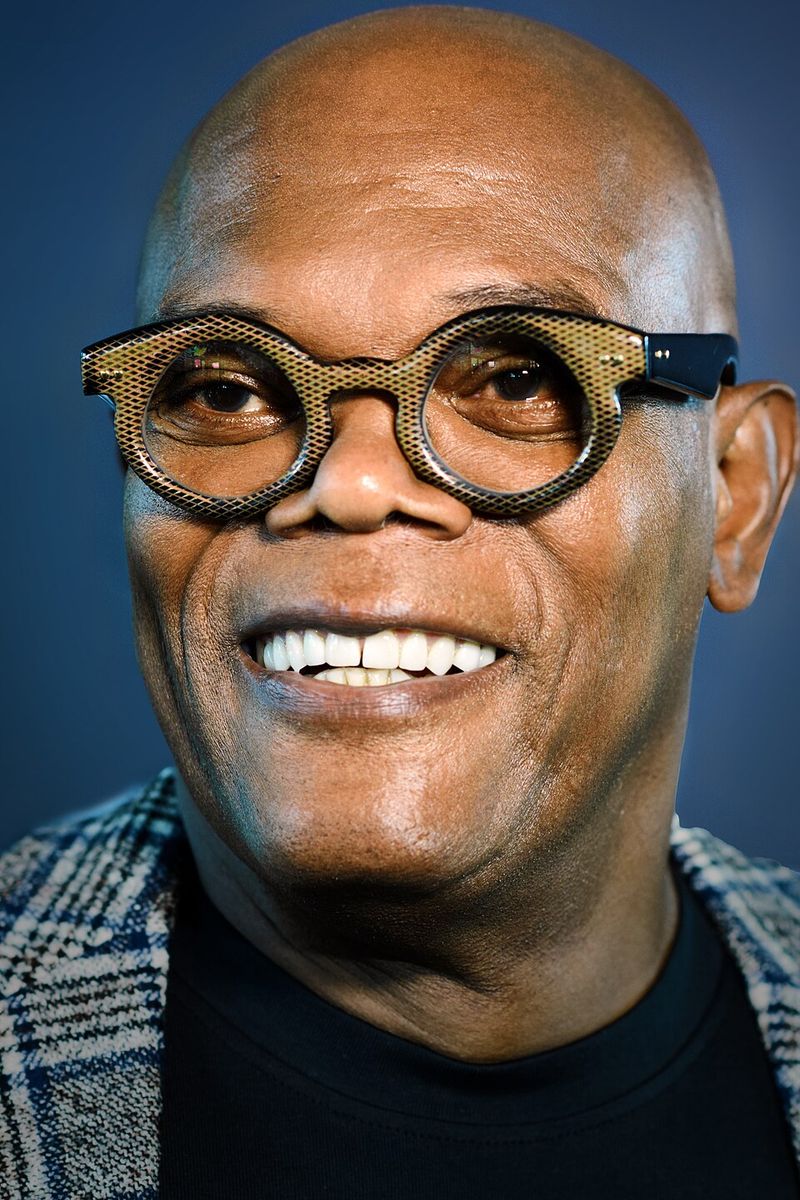
Samuel L. Jackson had been acting since the 1970s.
He had the credits, the skills, and the dedication. What he did not yet have was a role that let the entire world see exactly what he was made of.
Then Quentin Tarantino handed him a briefcase and a Bible quote.
Jules Winnfield in Pulp Fiction is one of the most magnetic screen performances of the 1990s. Jackson brought a terrifying intelligence to the role that made every scene feel dangerous, even the ones with cheeseburgers.
His performance earned him a BAFTA and an Oscar nomination, and more importantly, it made him impossible to ignore.
After Pulp Fiction, the floodgates opened. Jackson became one of the most prolific and recognizable actors alive, racking up an extraordinary number of film credits.
His story is a reminder that years of grinding can build a foundation strong enough to support something truly explosive when the right role finally arrives. And it always arrives.
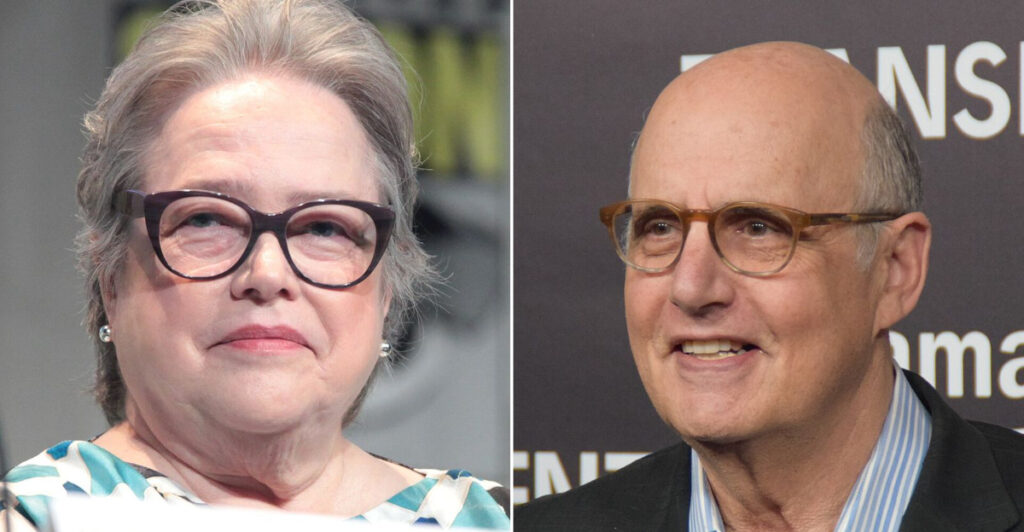
Kathy Bates Became a Star With Misery
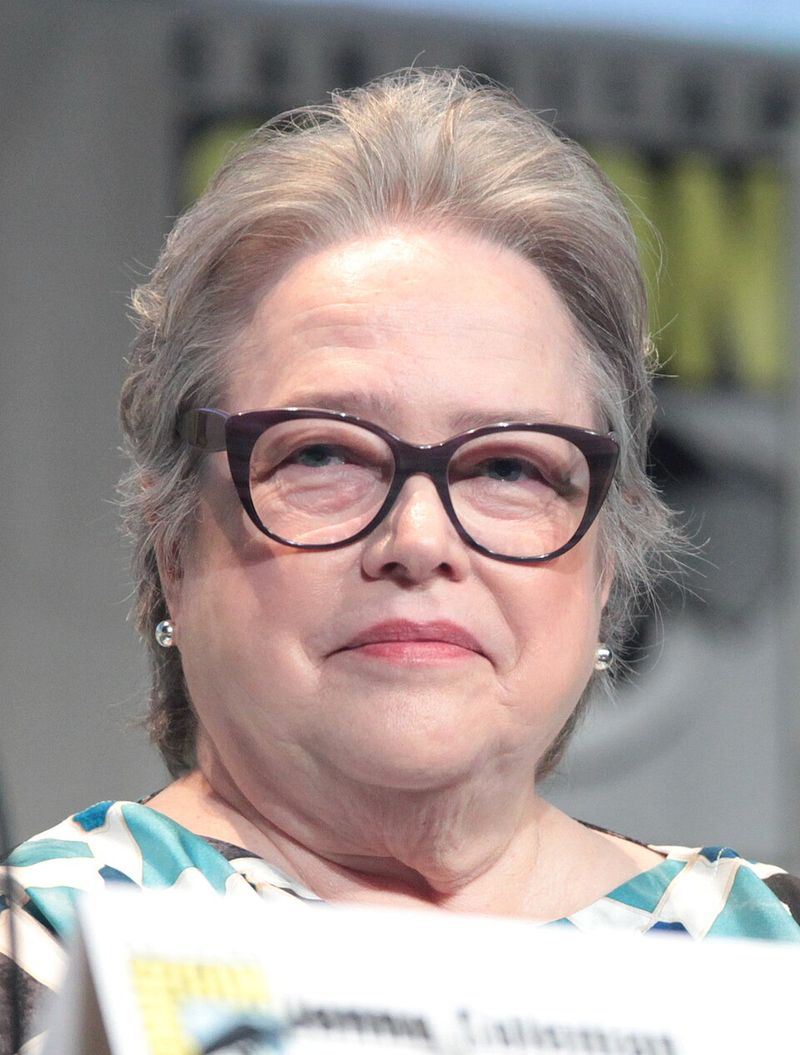
Before Misery, Kathy Bates had done plenty of solid work that earned critical respect without quite breaking through to mainstream fame. Then Rob Reiner cast her as Annie Wilkes, and the entire industry sat up and paid attention.
Fast.
Her performance was genuinely unnerving. She played obsession, delusion, and menace with a terrifying naturalism that made the horror feel completely real.
The sledgehammer scene alone cemented her place in film history. She won the Academy Award for Best Actress, becoming one of the few horror-adjacent performances ever to achieve that distinction.
What strikes me most about Bates is how fully she committed to a role that many actors might have played more safely. She went all in, no vanity, no hesitation.
That kind of fearless dedication is exactly what separates good actors from great ones. Misery proved that she had been great all along.
Hollywood just needed a Stephen King novel to finally notice.
Octavia Spencer Broke Through With The Help
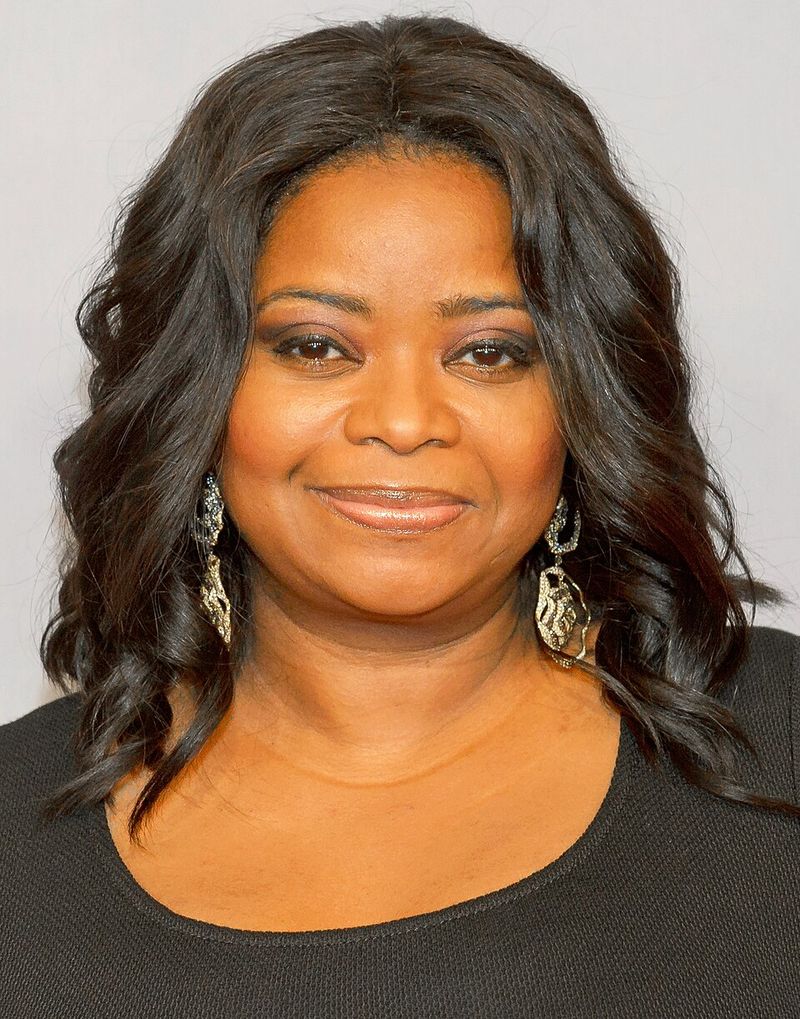
Years of smaller roles taught Octavia Spencer something invaluable: how to make every single moment count, no matter how brief the screen time. When The Help arrived in 2011, she was ready to make a lot of moments count in a very big way.
Her portrayal of Minny Jackson was funny, fierce, and deeply moving all at once. Spencer brought a humanity to the role that elevated every scene she appeared in.
The Academy agreed, awarding her the Oscar for Best Supporting Actress. Hollywood suddenly could not book her fast enough.
Spencer’s path to recognition was long, but it was never wasted. Each small role added something to her toolkit, sharpening instincts that eventually produced a performance nobody could overlook.
Her story is one of the most straightforward arguments for persistence in the entire industry. Keep showing up.
Keep delivering. The right role will eventually find you, and when it does, you will be absolutely ready for it.
Melissa Leo Earned Major Recognition Through Gritty, Powerful Roles
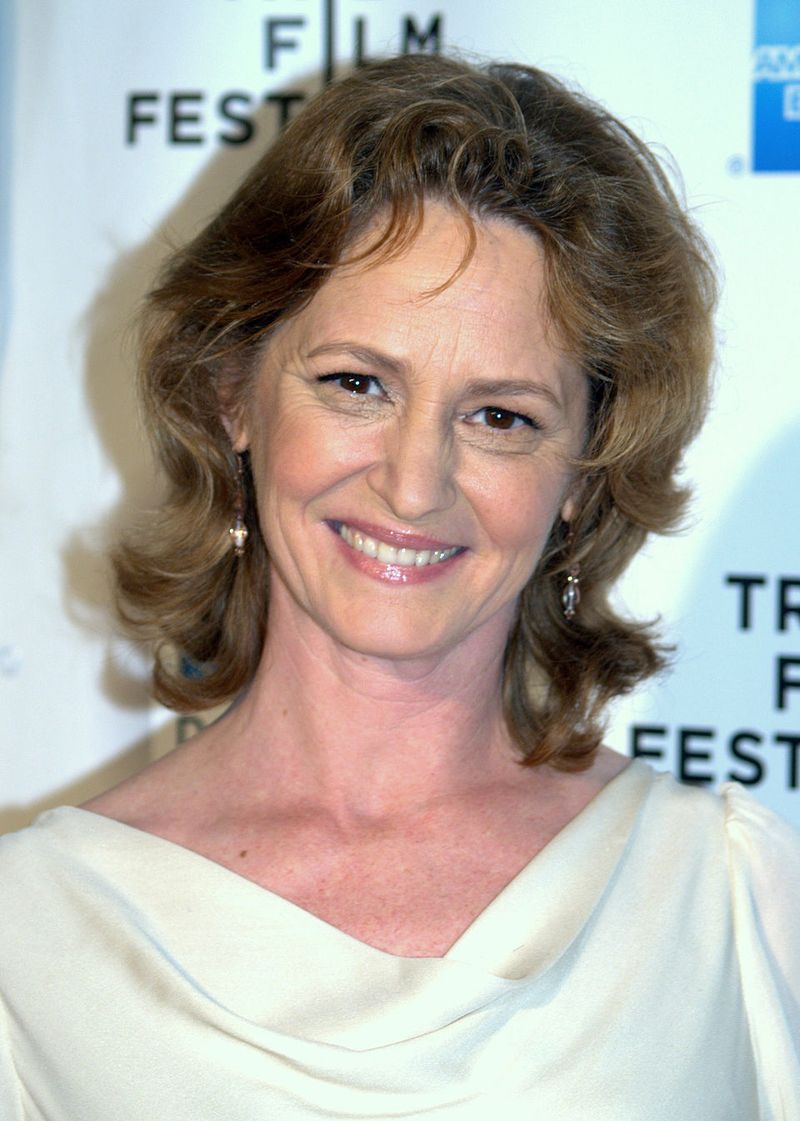
Quiet dedication is an underrated superpower in Hollywood, and Melissa Leo spent years proving exactly that. While flashier names grabbed headlines, she was busy delivering some of the most emotionally honest performances in American cinema, waiting patiently for the industry to catch up.
Frozen River in 2008 brought her serious critical attention and an Oscar nomination. Then The Fighter in 2010 delivered the win.
Her role as Alice Ward was raw, complicated, and completely riveting. She did not play the character to be liked.
She played her to be true.
Leo’s career resists the typical Hollywood narrative of overnight success. Her story is slower, messier, and ultimately more satisfying because of it.
She built her reputation brick by brick through sheer commitment to craft. When the spotlight finally found her, it landed on someone who had been doing extraordinary work for a very long time.
That kind of recognition, earned rather than granted, tends to stick.
Jeffrey Tambor Became a Household Name Through Television Comedy
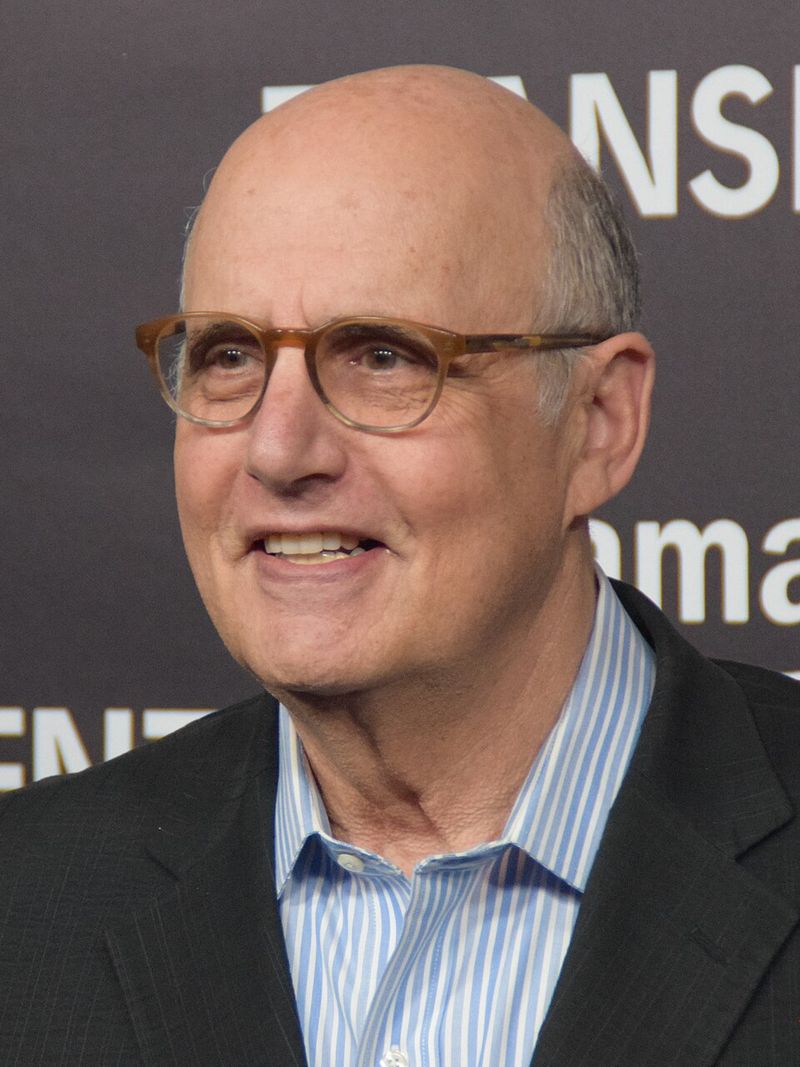
Jeffrey Tambor had decades of solid television and film work under his belt before Arrested Development turned him into a comedic institution. He had the skills the whole time.
He just needed a role as gloriously absurd as George Bluth Sr. to showcase all of them at once.
George Bluth is a masterpiece of comic construction: pompous, delusional, cowardly, and oddly lovable. Tambor played every note perfectly.
His gift for deadpan delivery and his ability to make enormous selfishness somehow funny elevated every episode he appeared in.
Arrested Development was a cult hit rather than a mainstream blockbuster, but its influence on comedy cannot be overstated. Tambor’s performance became a reference point for a generation of comedy writers and actors.
His career proves that the right ensemble, with the right writing, can turn a veteran actor into something genuinely iconic. Sometimes the best vehicles for real talent are the ones nobody expected to matter quite so much.
Frances McDormand Became an Oscar-Winning Force With Fargo
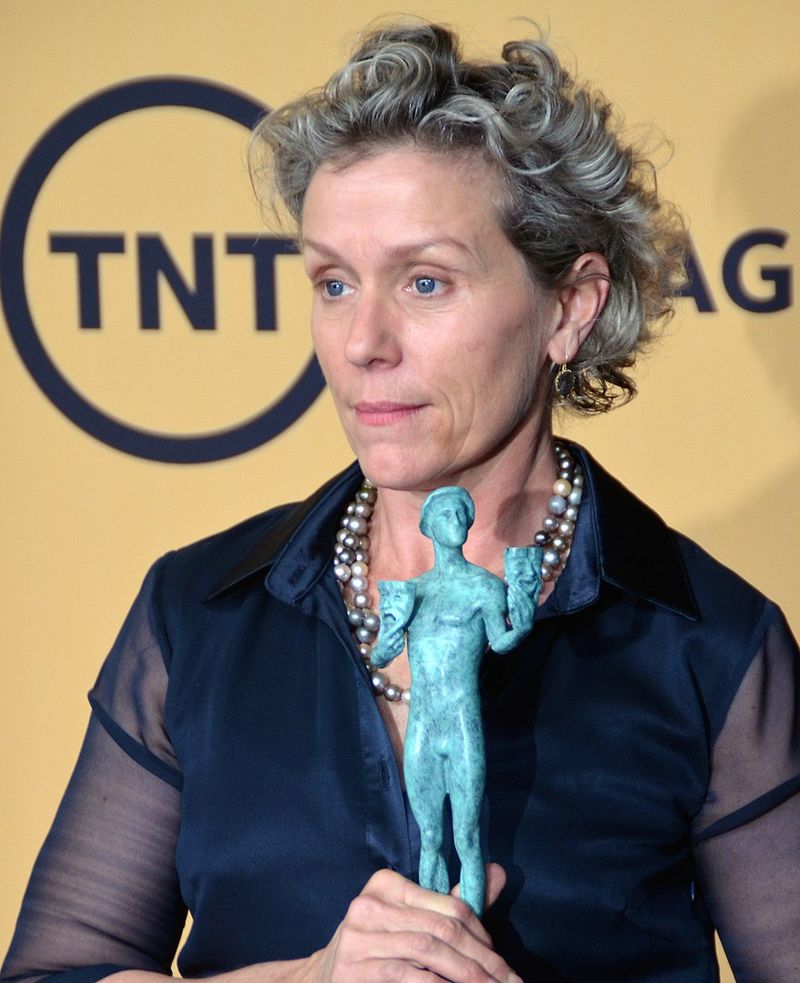
There is something wonderfully subversive about Frances McDormand’s career. In an industry obsessed with glamour, she built her reputation on characters who are messy, complicated, and completely, refreshingly real.
Marge Gunderson in Fargo was the role that made the world take notice.
Marge is pregnant, cheerful, and methodically brilliant. She solves crimes while discussing breakfast.
McDormand played her with such warmth and quiet intelligence that audiences fell completely in love. The Academy Award for Best Actress in 1997 felt less like a surprise and more like an overdue acknowledgment.
What sets McDormand apart is her total lack of interest in being conventionally appealing on screen. She is interested in being truthful, and that commitment creates performances of extraordinary depth.
Fargo launched a second chapter of her career that eventually included multiple Oscars and a reputation as one of the finest actors of her generation. Restraint, it turns out, can be the most powerful tool in the room.
Alan Arkin Won New Acclaim With Little Miss Sunshine
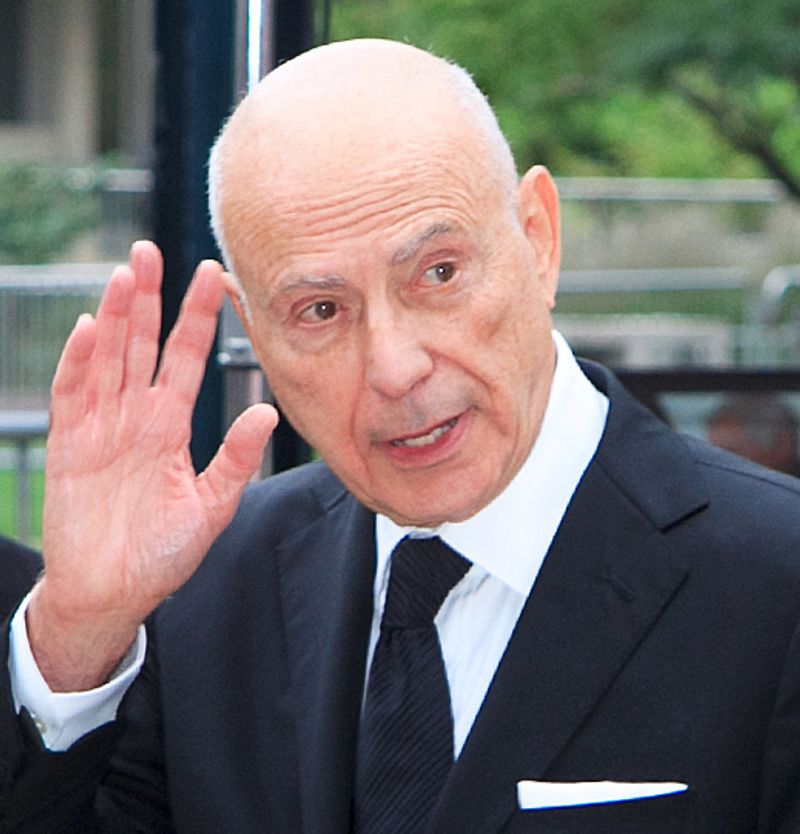
Alan Arkin had been working in Hollywood since the 1960s. He had an Oscar nomination from 1966 for The Russians Are Coming.
He had decades of acclaimed work across film, television, and stage. And then Little Miss Sunshine came along and introduced him to an entirely new audience who had no idea what they had been missing.
His role as the foul-mouthed, hilariously blunt grandfather was a total joy. Arkin played it with perfect comic instincts, finding the warmth underneath the outrageousness without ever softening the edges.
He won the Academy Award for Best Supporting Actor in 2007 at the age of 72.
His win was celebrated as a comeback, but Arkin himself would probably argue he never went anywhere. He just kept doing the work.
Little Miss Sunshine gave a new generation the chance to discover a performer who had been brilliant all along. Some careers are not slow burns.
They are long games, and Arkin played his magnificently.
Share this story