Before the fame, the red carpets, and the blockbuster roles, some of Hollywood’s biggest names traded in their scripts for dog tags. It turns out that quite a few of our favorite stars spent time in uniform, serving their country with the same dedication they later brought to the screen.
From World War II heroes to post-9/11 enlistees, these celebrities prove that real courage isn’t just something you perform. Get ready to see some familiar faces in a whole new light.
Jimmy Stewart – U.S. Army Air Forces
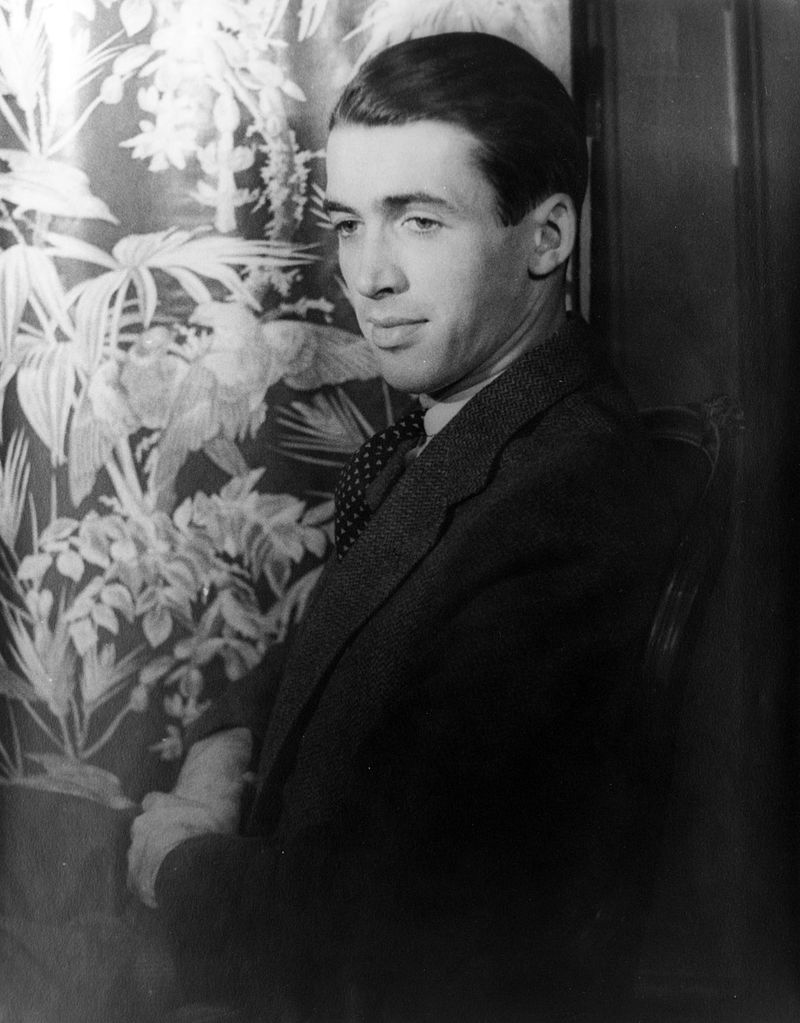
Forget the charming small-town guy from the movies for a second, because Jimmy Stewart was an absolute wartime legend. He flew 20 combat missions over Nazi-occupied Europe during World War II, logging over 2,000 hours of flight time.
That’s not a movie script, that’s just Tuesday for Jimmy.
Stewart took his military career so seriously that he eventually rose to the rank of brigadier general in the Air Force Reserve, making him one of the highest-ranking actors in Hollywood history. He reportedly refused to use his celebrity status for easy assignments.
What’s remarkable is that Stewart rarely talked about his service, calling it a personal matter rather than a publicity stunt. He once said he was just doing what any American would do.
Honestly, Jimmy, most of us would have called in sick.
Clint Eastwood – U.S. Army
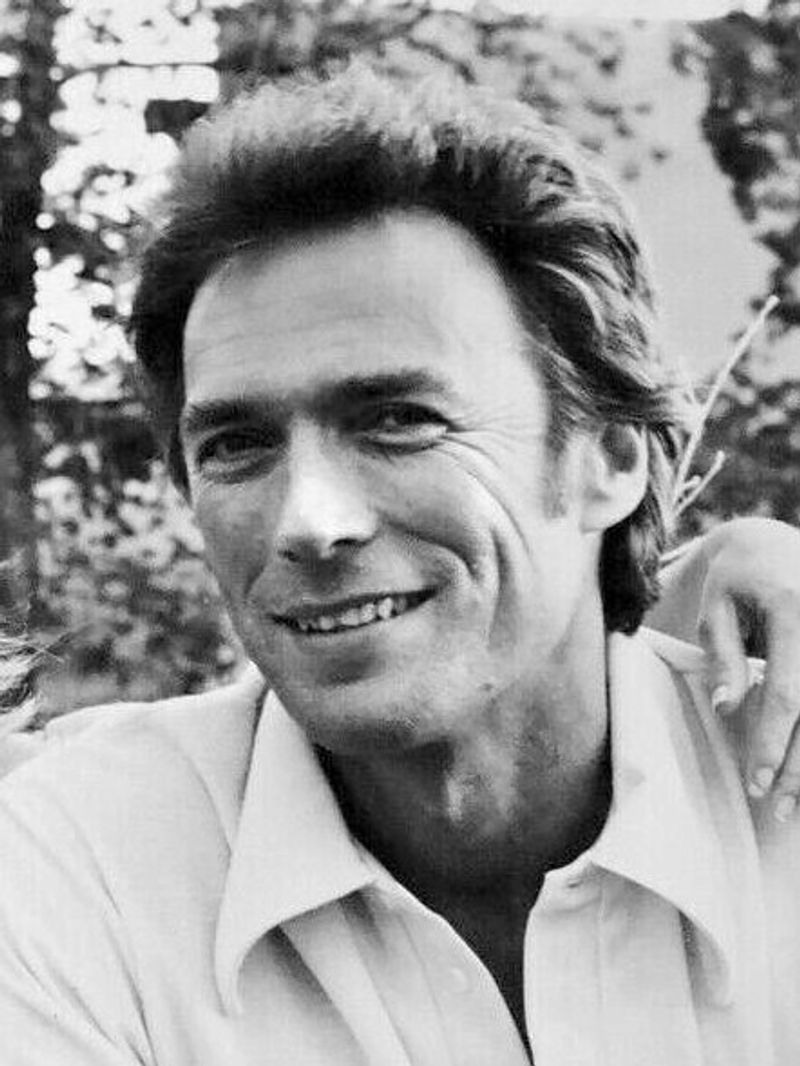
Before Clint Eastwood was squinting at outlaws and delivering one-liners that made movie history, he was splashing around at Fort Ord, California, teaching soldiers how to swim. Yes, the toughest man in Hollywood was a swimming instructor.
Let that sink in.
Eastwood was drafted during the Korean War era in 1951. He never saw combat, but his time at Fort Ord introduced him to some of the actors and directors who would later help launch his career.
So in a weird way, the Army accidentally created one of cinema’s greatest icons.
He’s spoken fondly of his military days, crediting the experience with teaching him discipline and focus. Those are qualities that clearly stuck around, given the dozens of critically acclaimed films he’s directed.
Not bad for a guy who started out yelling “kick harder” at a swimming pool.
Elvis Presley – U.S. Army
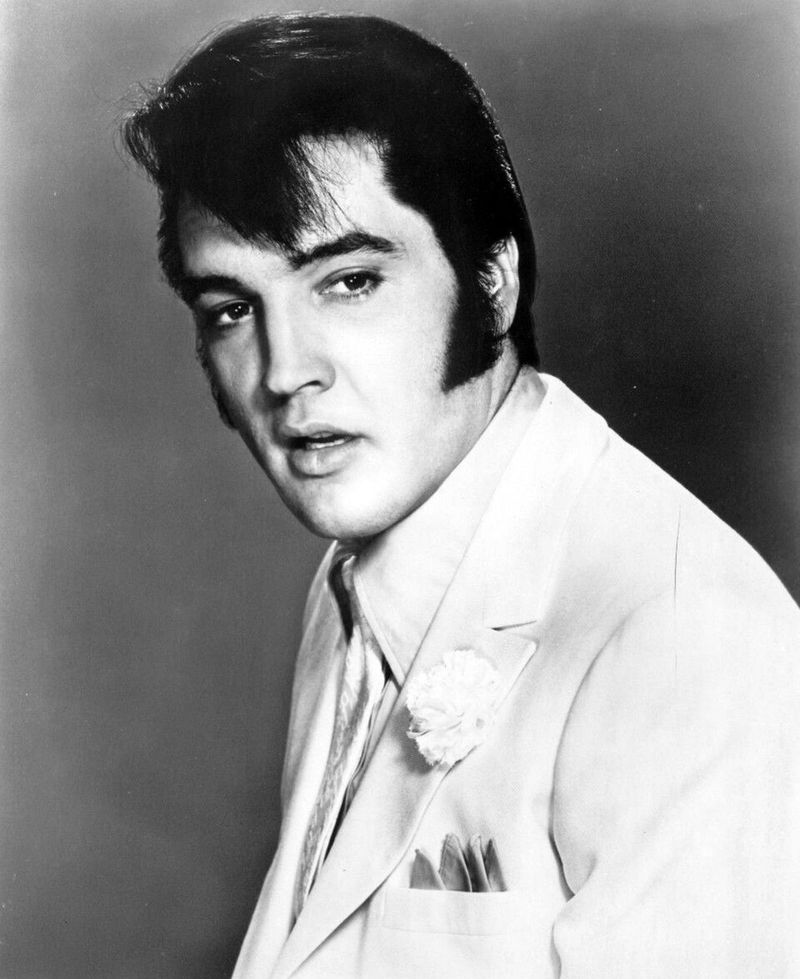
Imagine being the biggest rock star on the planet and then getting a draft notice in the mail. That’s exactly what happened to Elvis Presley in 1958, and instead of pulling strings to avoid service, he showed up and served just like everyone else.
Elvis was stationed in Friedberg, Germany, where he served as a jeep driver and scout. He kept a low profile, lived off-base, and even met Priscilla Beaulieu, the woman he would later marry.
Not a bad side effect of military service, honestly.
His decision to serve without seeking special treatment earned him enormous respect from fans and fellow soldiers alike. The Army offered him an entertainment role, but he turned it down flat.
Elvis wanted to be a regular soldier, and by all accounts, he was a pretty good one. Thank you, thank you very much.
Adam Driver – U.S. Marine Corps
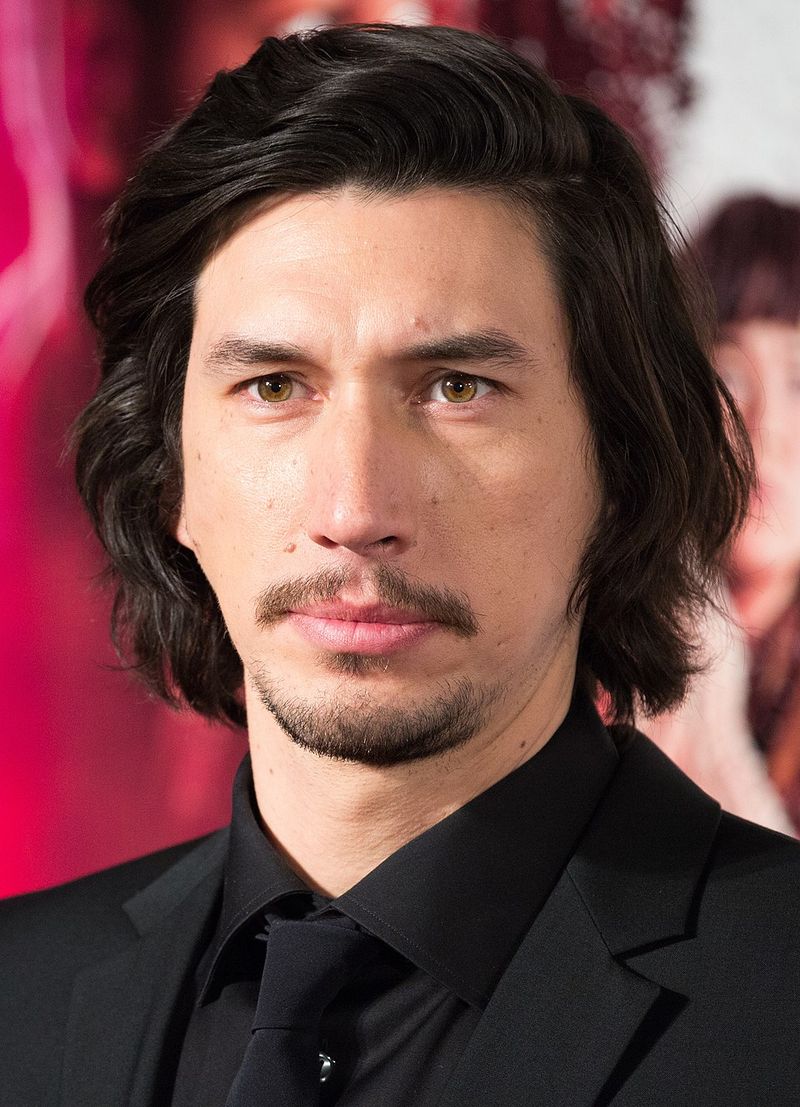
Most people know Adam Driver as Kylo Ren, the brooding villain of the Star Wars sequel trilogy, but his real-life story involves a level of toughness that even Darth Vader might respect. After the September 11 attacks, Driver enlisted in the Marine Corps out of a genuine desire to serve his country.
He trained hard and was preparing for deployment to Iraq when a mountain biking accident fractured his sternum and ended his military career. He was medically discharged after nearly three years of service, a moment he described as heartbreaking.
Driver channeled that experience into his acting, founding the organization Arts in the Armed Forces to bring theater to military communities worldwide. His military background gives his on-screen intensity a grounded, lived-in quality that you simply can’t fake.
Turns out the Force was always strong with this one.
Morgan Freeman – U.S. Air Force
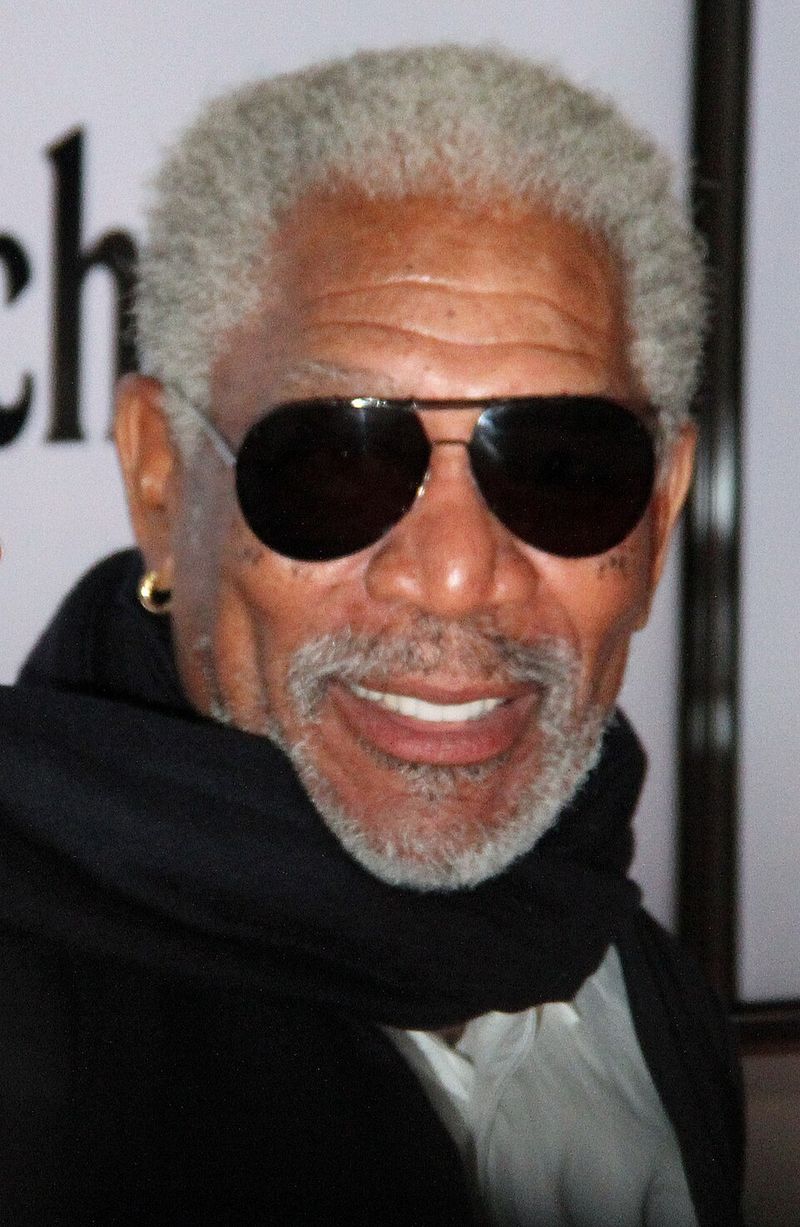
Morgan Freeman has one of the most recognizable voices in the world, so it’s almost poetic that his military career involved listening very carefully. Freeman joined the Air Force in 1955 with dreams of becoming a fighter pilot, only to discover that the reality of military service had other plans for him.
Instead of soaring through the skies, he was assigned as a radar technician, tracking aircraft from the ground. He reportedly found the work deeply unfulfilling compared to his dream of flying.
After four years, he left the service and turned his attention to acting.
Freeman has said the experience taught him an important life lesson: sometimes what you want and what you get are very different things, and that’s okay. He took that wisdom straight to Hollywood and built one of the most respected careers in film history.
The radar missed out on a legend.
Chuck Norris – U.S. Air Force
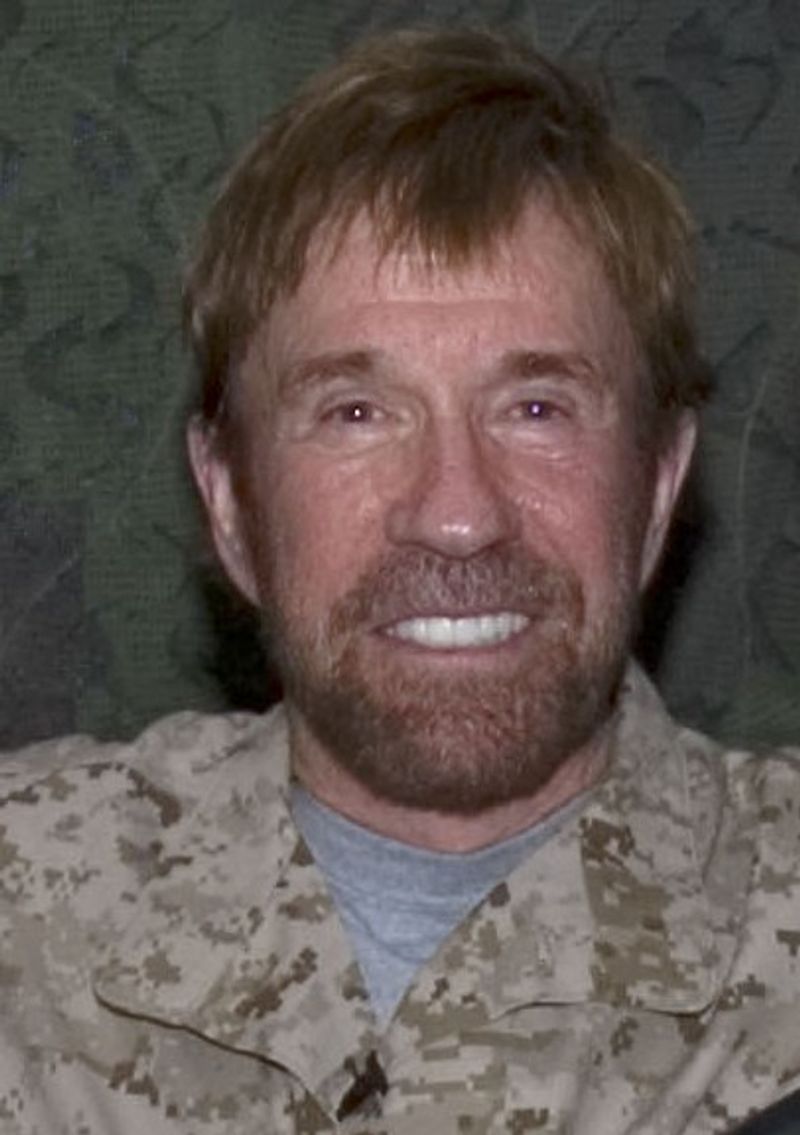
Chuck Norris jokes are a genre unto themselves, but his military service is no laughing matter. Norris enlisted in the Air Force in 1958 and was stationed at Osan Air Base in South Korea, where his life changed in a way nobody could have predicted.
It was there that Norris discovered Tang Soo Do, a Korean martial art, and became obsessed with training. He earned his black belt while still in uniform, which is exactly the kind of origin story you’d expect from the man who later became a martial arts icon.
After leaving the military, he continued training and eventually founded his own discipline called Chun Kuk Do. Without that Air Force posting in Korea, there might never have been a Walker, Texas Ranger.
So technically, the U.S. Air Force is responsible for one of the most unstoppable forces in entertainment history.
Gene Hackman – U.S. Marines
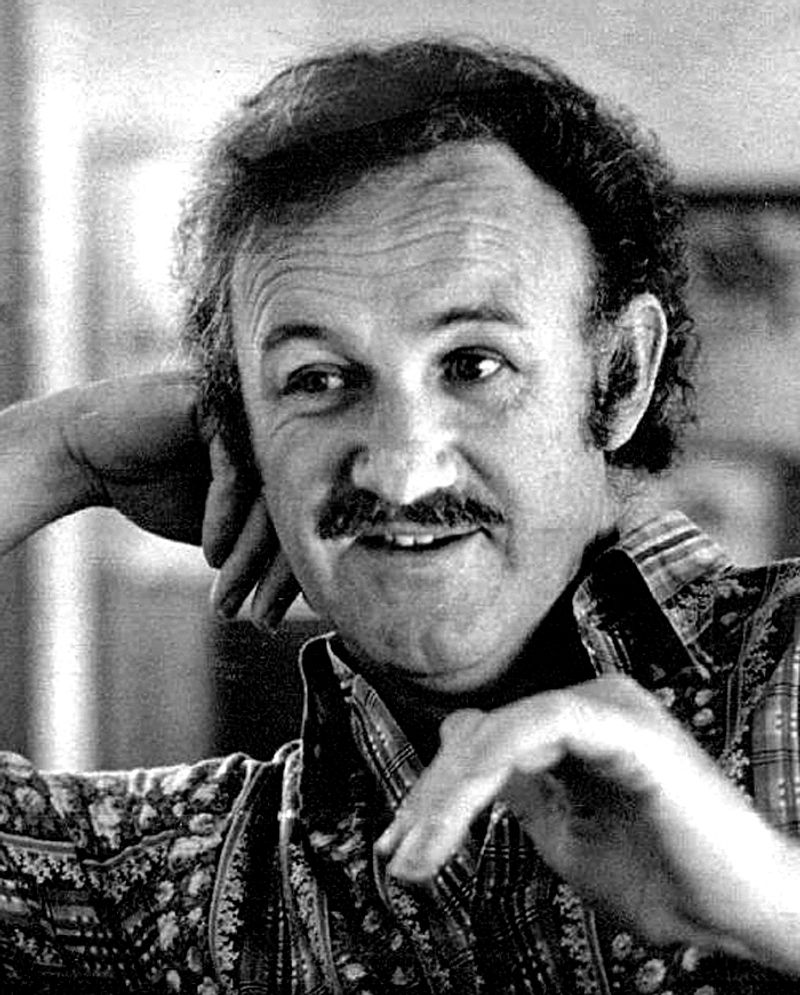
Gene Hackman lied about his age to join the Marines at just 16 years old. That level of boldness might explain why he later played so many intense, no-nonsense characters on screen.
The man came pre-loaded with grit.
He served for four and a half years as a field radio operator, a role that required sharp focus and nerves of steel. After his discharge, he struggled for years before finally breaking through in Hollywood, earning two Academy Awards along the way.
Hackman rarely discussed his military service in interviews, but those who knew him said it fundamentally shaped his work ethic and his ability to stay cool under pressure. Spending years as a radio operator in the Marines tends to do that to a person.
Next time you watch him in The French Connection, remember he started out fibbing his way into a recruitment office.
Mel Brooks – U.S. Army
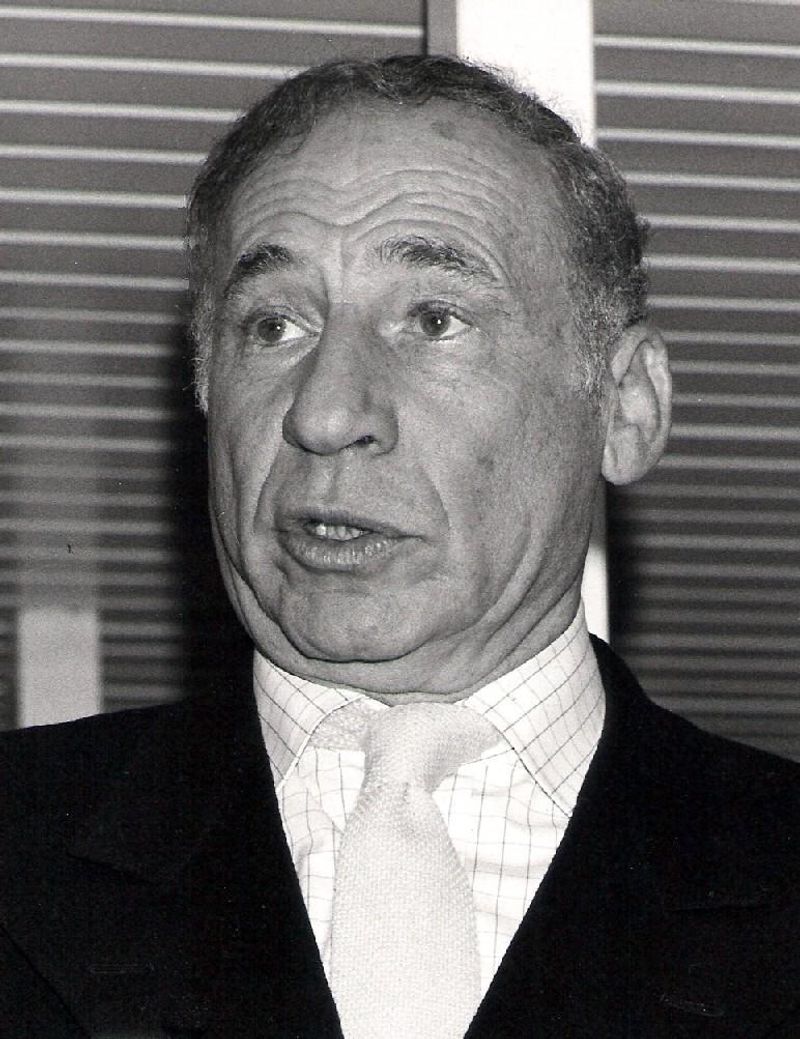
Nobody makes the world laugh quite like Mel Brooks, but before the jokes came the war. Brooks served in the U.S.
Army during World War II and was present at the Battle of the Bulge, one of the most brutal engagements of the entire conflict. Comedy, it turns out, was his coping mechanism.
He reportedly used humor to entertain fellow soldiers even during the darkest moments of the war. Brooks later said that laughter was the only weapon he had against the horror of combat, and he wielded it brilliantly.
That wartime experience deeply informed his career, including his decision to make The Producers, a comedy about Nazis. He believed that ridicule was the most powerful way to defeat hatred.
From foxholes to film sets, Mel Brooks has always known exactly how to use a good punchline. The man never wasted a single laugh.
Paul Newman – U.S. Navy
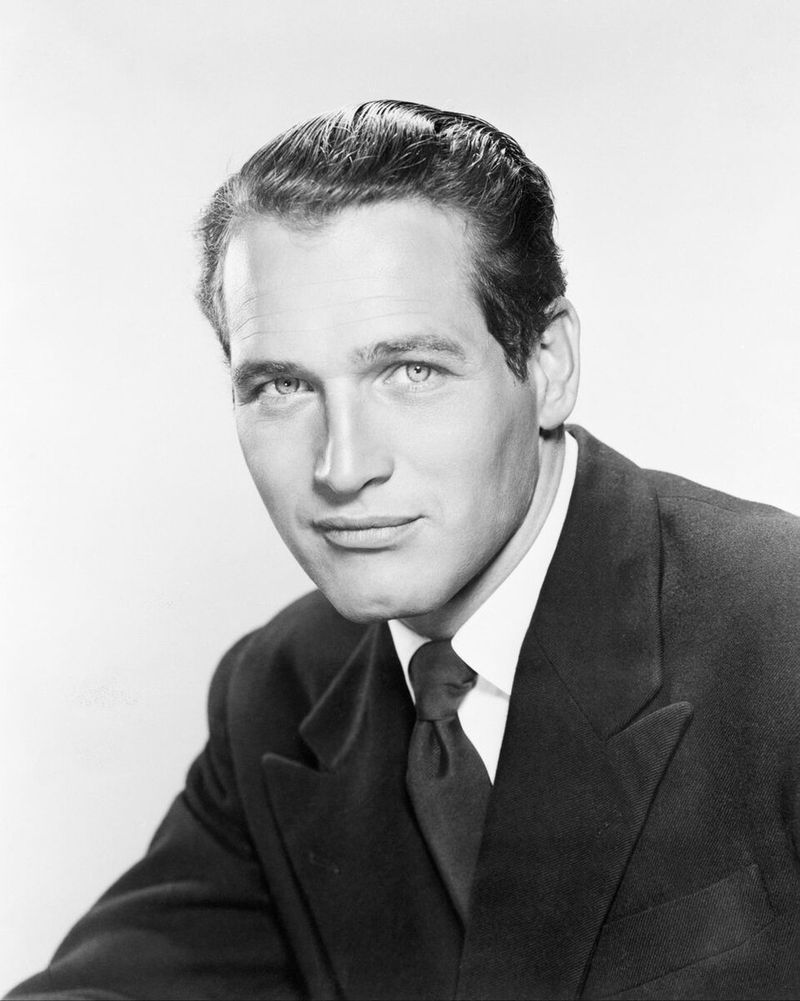
Those piercing blue eyes didn’t just captivate moviegoers; they scanned the Pacific skies as Paul Newman served as a radioman and rear gunner during World War II. Newman enlisted in the Navy in 1943 and was trained as an aviator, though a quirk of fate kept him from flying combat missions.
His pilot training was cut short after it was discovered that he was colorblind, which disqualified him from becoming a pilot. Instead, he was reassigned to torpedo bomber crews in the Pacific theater, where he served with distinction.
After the war, Newman used the GI Bill to study drama at Yale, launching one of the most celebrated acting careers in Hollywood history. Without the Navy, there might have been no Cool Hand Luke, no Butch Cassidy, and no legendary salad dressing empire.
The Pacific’s loss was definitely cinema’s gain.
Clark Gable – U.S. Army Air Forces
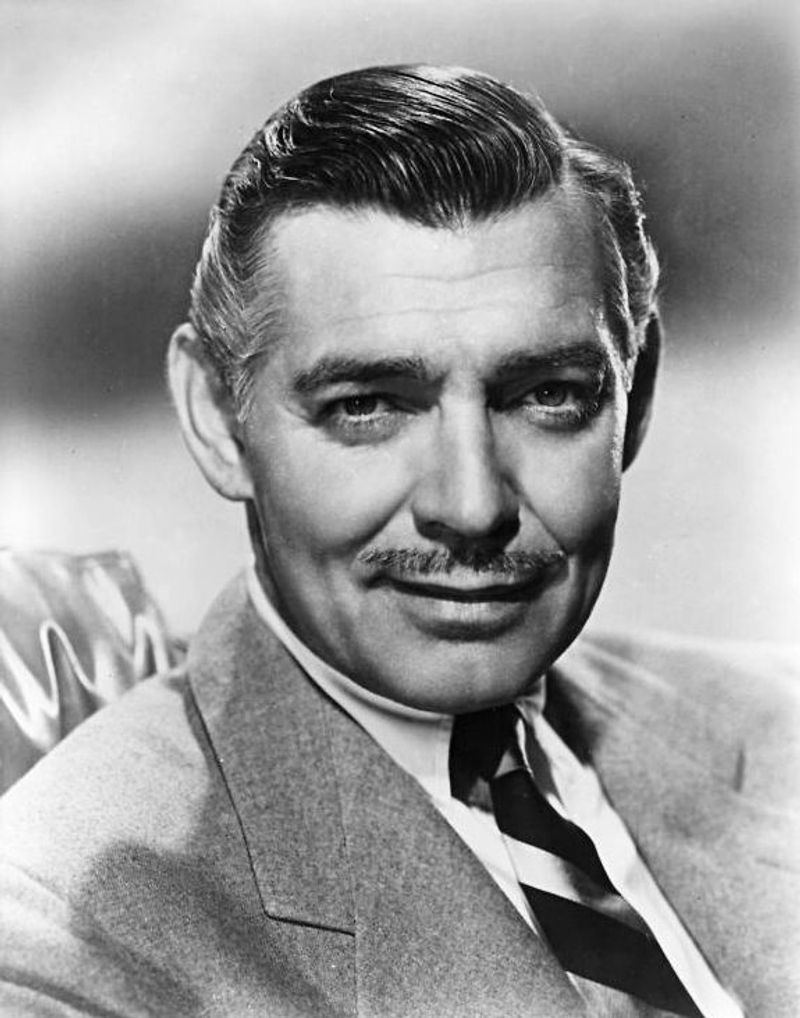
Clark Gable was already the King of Hollywood when he walked into a recruitment office after the death of his wife, Carole Lombard, who had died in a plane crash while on a war bond tour. His enlistment was personal, patriotic, and deeply brave.
Gable flew five combat missions over Europe as a gunner and observer, completing a documentary film project on aerial gunnery that the Air Forces actually used for training purposes. Hitler reportedly offered a reward for his capture, which is either terrifying or the ultimate celebrity endorsement.
He earned the Air Medal and Distinguished Flying Cross before returning to Hollywood, forever changed by what he had witnessed. Gable never used his fame to seek a comfortable desk job.
He flew into danger with everyone else. The King of Hollywood earned that title in more ways than one.
Drew Carey – U.S. Marine Corps Reserve
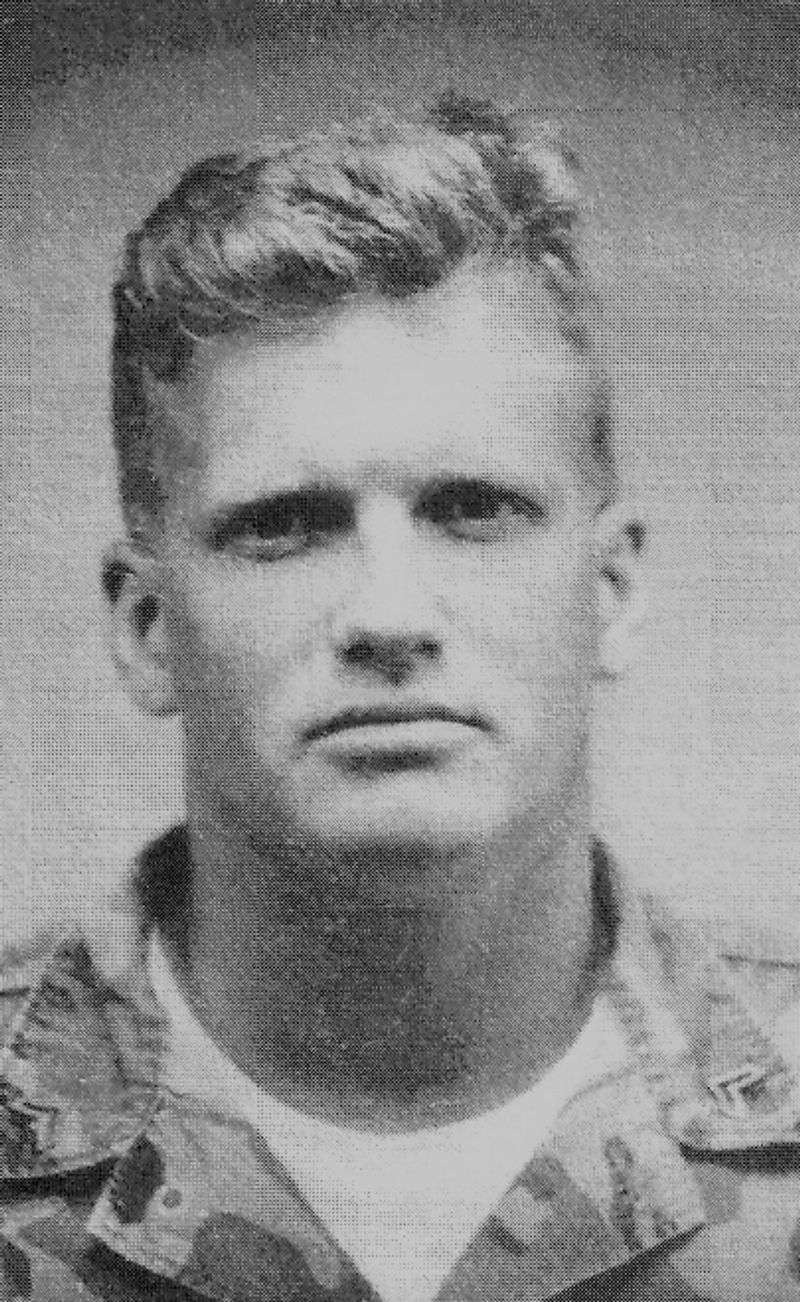
Before Drew Carey was hosting The Price Is Right and cracking jokes on his own sitcom, he was lugging a radio through Marine Reserve training and learning the art of field communications. Carey served six years in the Marine Corps Reserve as a field radio operator, which is about as far from a game show stage as you can get.
He enlisted after struggling to find direction in his early adult life, and the Marines gave him exactly the structure and confidence he needed. Carey has spoken warmly about his time in the Reserve, crediting it with instilling a sense of discipline that carried him through the cutthroat world of stand-up comedy.
His military service also explains why he handles live TV with such unflappable calm. When you’ve trained with the Marines, a malfunctioning teleprompter is hardly a crisis.
Come on down, indeed.
Ice-T – U.S. Army
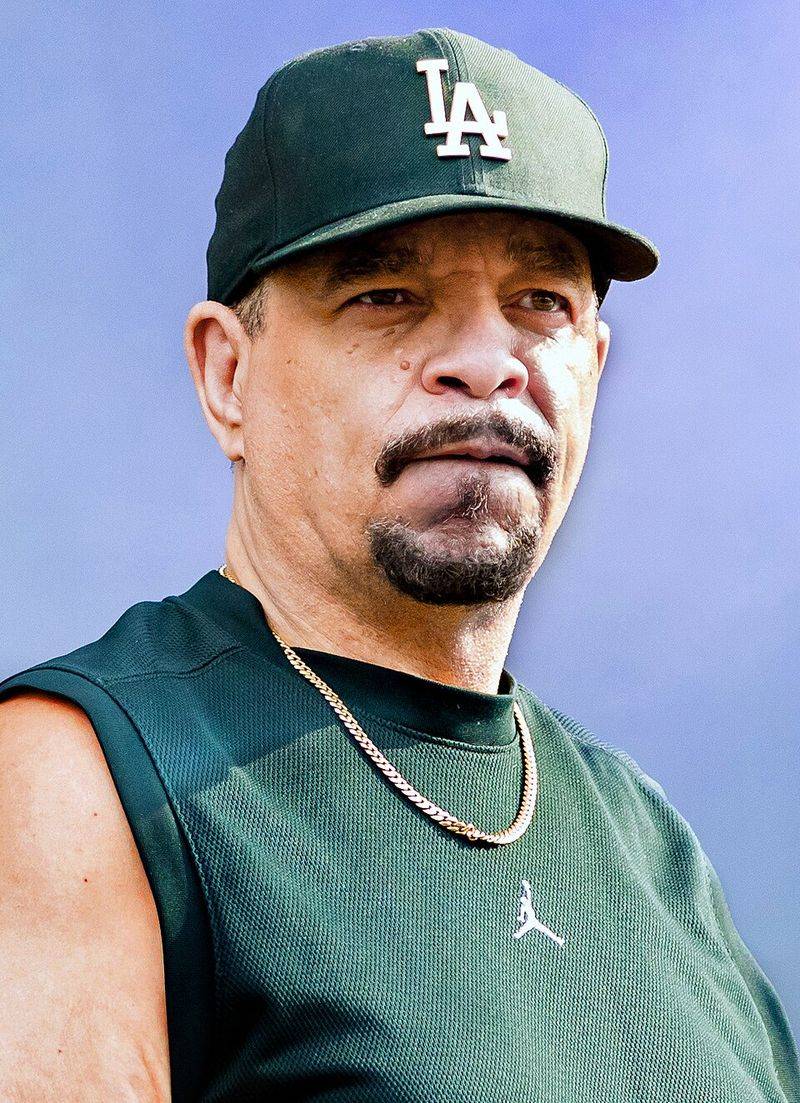
Long before Ice-T was playing Detective Fin Tutuola on Law and Order: SVU or dropping hardcore rap albums, he was Private Tracy Lauren Marrow of the United States Army. Ice-T enlisted in the early 1980s and served four years, including time with the 25th Infantry Division in Hawaii.
Military life wasn’t exactly a smooth ride for him. He had a daughter young and needed a steady income, which led him to enlist.
The structure of Army life, combined with his experiences in the streets before service, gave him the raw material for his future music career.
He’s credited the Army with teaching him how to survive and stay focused under pressure. The discipline he picked up in uniform helped him navigate an entertainment industry that chews up and spits out far less resilient people.
From Army fatigues to gold records, Ice-T never stopped grinding.
James Earl Jones – U.S. Army
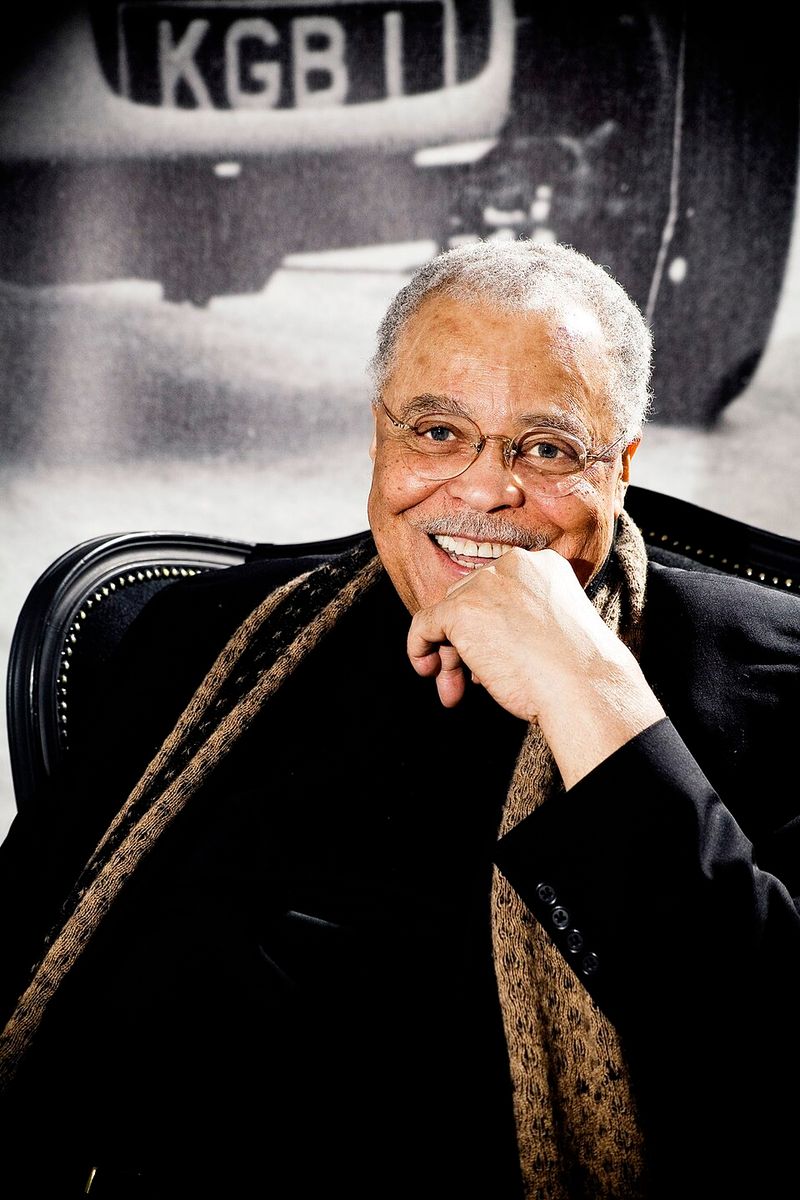
The voice that made Darth Vader genuinely terrifying and Mufasa genuinely moving belongs to a man who once commanded real troops. James Earl Jones participated in ROTC at the University of Michigan and was commissioned as an officer during the Korean War era, serving in the Army’s Cold Stream Guards unit in Colorado.
Jones has described his military experience as transformative, particularly for helping him overcome a severe stutter that had plagued him through childhood. The focus and discipline required in the Army helped him develop control over his voice in ways that speech therapy alone could not.
Think about that for a moment: one of the most celebrated voices in entertainment history was shaped, in part, by military service. Without the Army, Darth Vader might have sounded very different indeed.
The Force works in mysterious ways, and apparently some of them involve ROTC drills.
Bea Arthur – U.S. Marine Corps Women’s Reserve
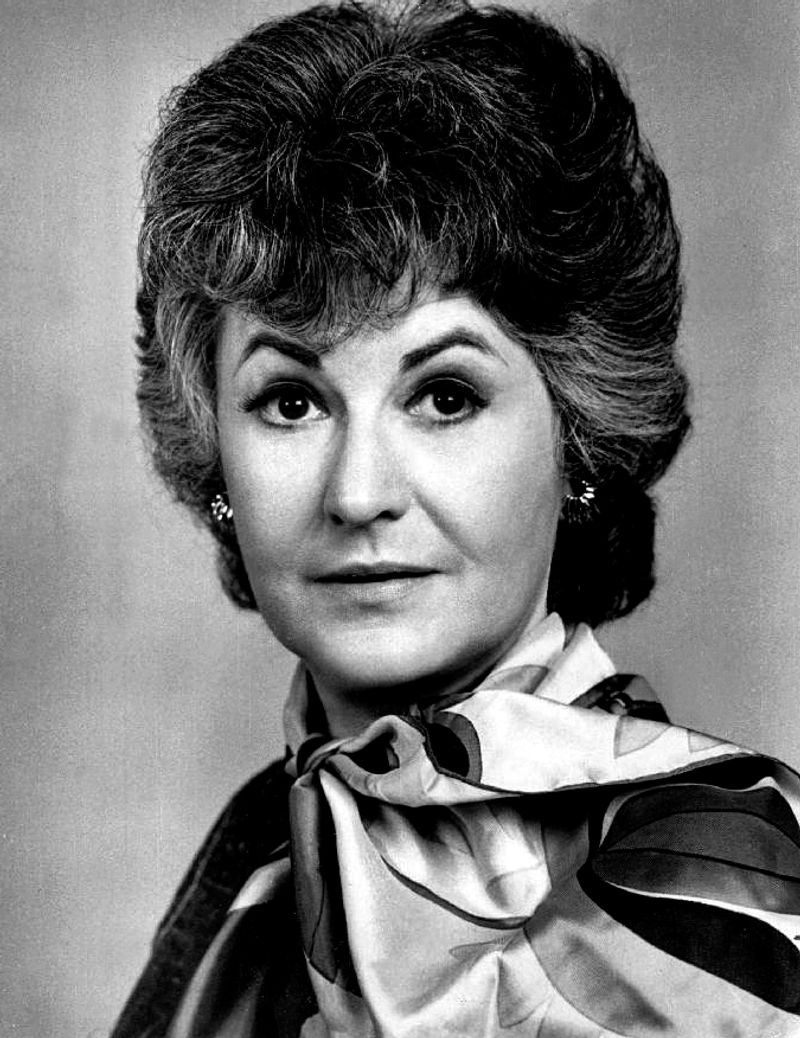
Golden Girls fans know Bea Arthur as the sharp-tongued Dorothy Zbornak, but decades before she was trading witty barbs in Miami, she was serving her country in the Marine Corps Women’s Reserve during World War II. And she wasn’t doing anything dainty about it either.
Arthur served as a typist, a truck driver, and a dispatcher, taking on whatever role was needed. She enlisted in 1943 and served until 1945, reportedly fibbing about her age on her enlistment forms, which suggests she was always a woman who played by her own rules.
Records also show she listed her civilian occupation as “stenographer” though she had bigger ambitions than that. Her military service gave her a toughness and self-assurance that would define her entire career.
Honestly, anyone who drove military trucks and then spent decades dominating television deserves every single one of their awards.
Jimi Hendrix – U.S. Army
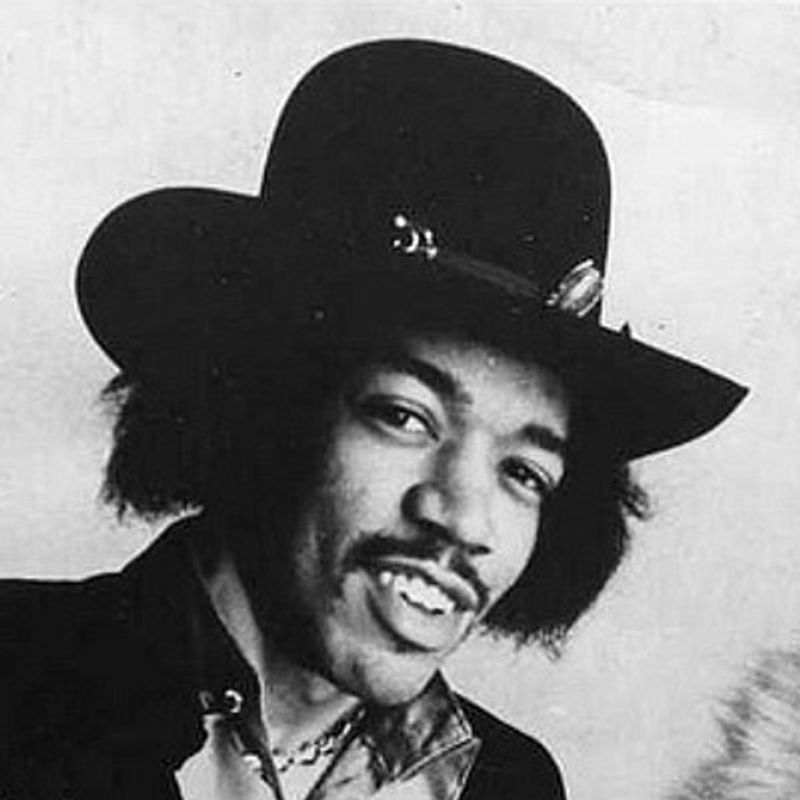
Before Jimi Hendrix set his guitar on fire at Woodstock and rewrote the rules of rock music, he was jumping out of perfectly good airplanes as a paratrooper with the 101st Airborne Division. Yes, the man who bent strings like nobody else first bent the rules of gravity on a regular basis.
Hendrix enlisted in 1961 and completed over 25 jumps, earning his Screaming Eagles patch. His commanding officer, however, was less than thrilled with him.
Hendrix was reportedly always distracted, constantly playing an imaginary guitar during downtime and sneaking his real one into the barracks.
He was discharged in 1962 after the Army determined he was, and this is a direct quote from his file, “unsuitable for military service.” He then went on to become one of the greatest musicians who ever lived. Sometimes unsuitable for one thing means absolutely perfect for another.
Share this story