Iceland has a habit of hiding its best places just past the well-worn tourist trail. The Golden Circle is great, no argument there, but the country has so much more going on if you are willing to take a different road.
From remote fjords to volcanic valleys and colorful fjord towns, Iceland rewards curious travelers who go a little further. These 15 places prove that the real magic starts where the tour buses stop.
Snæfellsnes Peninsula: Moodier, Wilder, More Cinematic
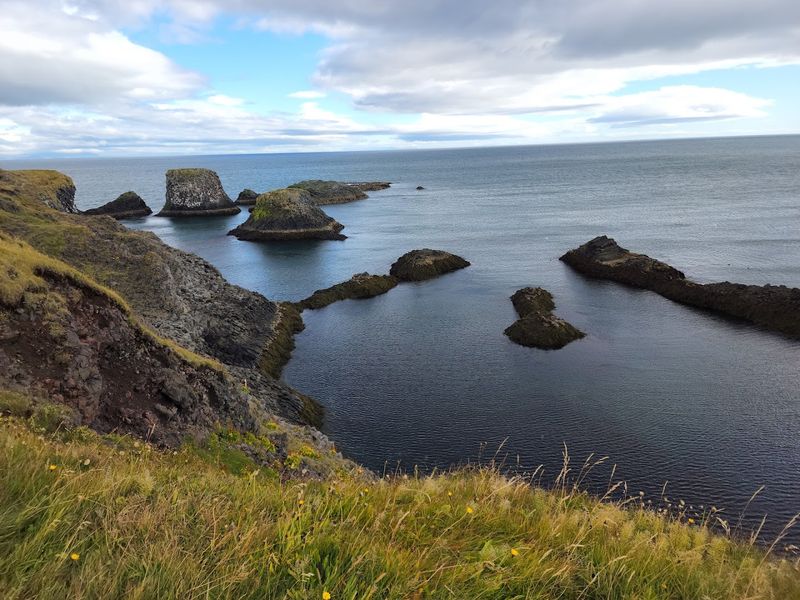
Jules Verne used Snæfellsjökull as the entrance to the center of the Earth in his famous novel, and honestly, that tracks. This West Iceland peninsula has a dramatic, slightly eerie atmosphere that the Golden Circle just cannot match.
Black lava fields, fishing villages, towering sea cliffs, and a glacier-capped volcano all share one long, winding road.
Snæfellsjökull National Park covers around 170 square kilometers at the western tip. That means you get ocean, mountains, lava, and local folklore without crossing the whole country.
I spent two days here and still felt like I had only scratched the surface.
The best approach is to drive the full loop slowly, stopping at Arnarstapi, Djúpalónssandur beach, and the lighthouse at Malarrif. Pack snacks, charge your camera, and leave your schedule flexible.
Weather on the peninsula shifts fast, and that unpredictability is honestly part of the charm.
The Westfjords: Where Iceland Gets Seriously Remote
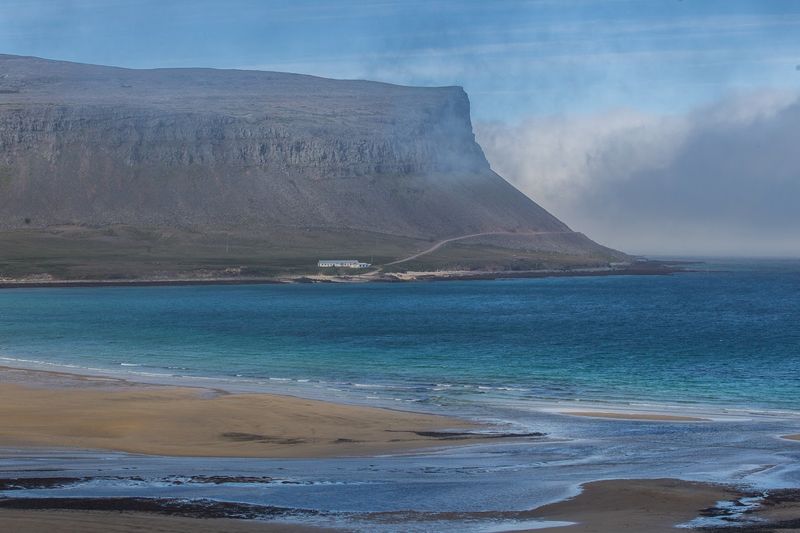
Getting to the Westfjords takes effort, and that is exactly the point. This northwestern corner of Iceland is not set up for quick day trips, and the roads will remind you of that fact.
What you get in return is fjord scenery, absolute quiet, and the feeling that you have actually gone somewhere most people skipped.
Visit Iceland calls the Westfjords one of the country’s best kept secrets, and for once, that is not just marketing copy. The region has steep mountains plunging into deep fjords, tiny fishing villages, and waterfalls that appear around every bend.
Very few tour buses make it out here.
Plan for at least two or three days to do it properly. Roads can be slow and occasionally unpaved, especially in winter.
But if you want Iceland to feel genuinely untouched rather than curated for tourism, the Westfjords deliver in a way nothing else quite does.
Dynjandi: The Waterfall Worth Every Bumpy Road
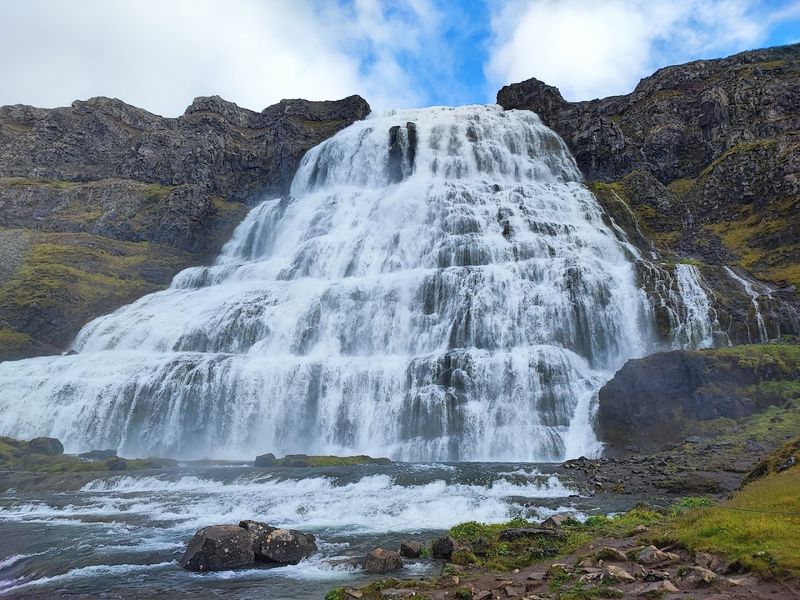
Dynjandi does not fall so much as it fans out. Unlike the single dramatic plunge of most famous waterfalls, this one spreads wide as it descends, creating a layered white veil effect across the mountainside.
It is genuinely one of the most unusual waterfalls in Iceland, which is saying something in a country absolutely stacked with them.
The walk up involves passing several smaller falls before the main cascade fills your view. That gradual approach makes the arrival feel earned rather than instant.
No platform, no crowds, no gift shop right at the base. Just water, rock, and the sound of something enormous happening nearby.
Getting here means committing to the Westfjords drive, and road conditions can get rough in winter. Always check current road status before heading out.
But for travelers who make the trip, Dynjandi tends to become the waterfall they talk about for years after returning home.
The Diamond Circle: North Iceland’s Bigger, Bolder Loop
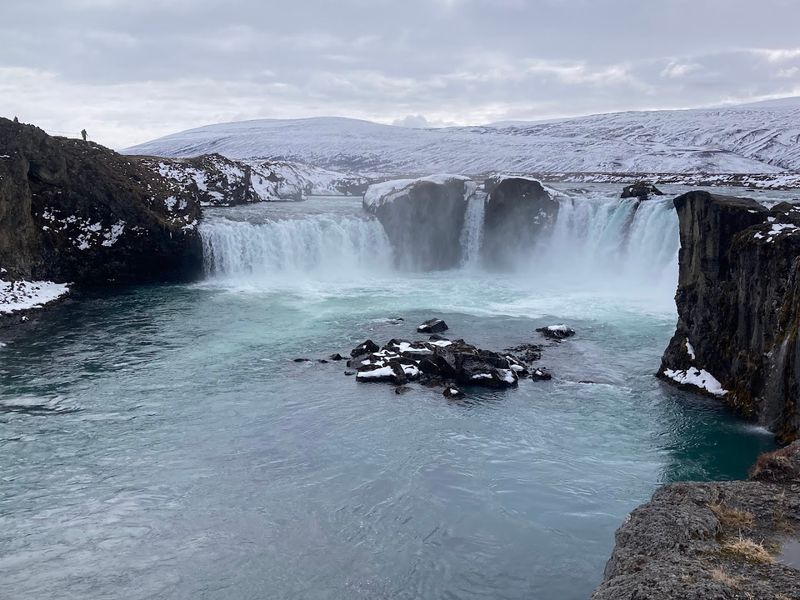
The Golden Circle covers about 300 kilometers and takes most people a single long day. The Diamond Circle covers a similar distance but feels like a completely different country.
North Iceland has a rawer, more volcanic energy, and this 250-kilometer route captures it well.
The loop connects Lake Mývatn, Goðafoss waterfall, Dettifoss, Ásbyrgi Canyon, and Húsavík. That means geothermal weirdness, Europe’s most powerful waterfall, an ancient horseshoe canyon, and whale-watching access all on one route.
The Golden Circle has nothing quite like Dettifoss, which is genuinely thunderous up close.
Spreading the Diamond Circle over two days makes a noticeable difference. You get time to actually hike around Mývatn, take a proper boat tour in Húsavík, and stand at Dettifoss without rushing back before dark.
Akureyri makes a solid base if you want a real town to return to each evening.
Ásbyrgi Canyon: Iceland’s Hidden Horseshoe
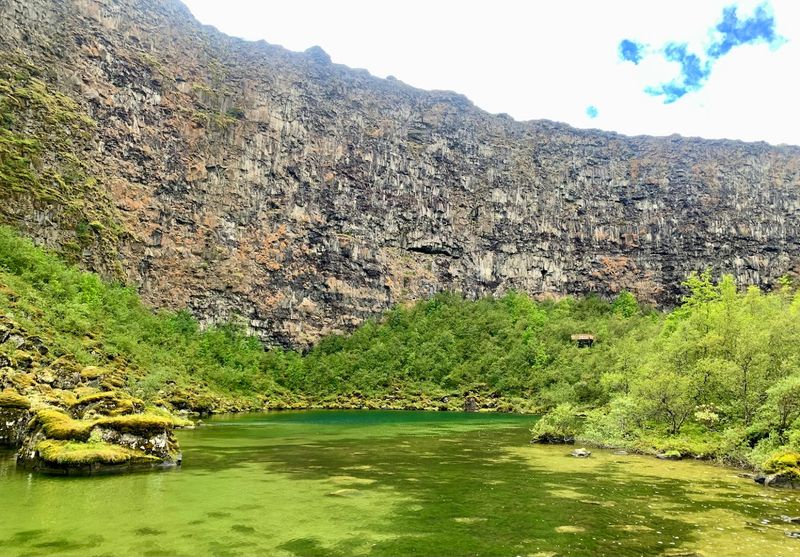
Most Iceland photos show lava fields and open coastlines. Ásbyrgi looks like neither of those things. This horseshoe-shaped canyon in North Iceland has vertical cliffs, birch trees, walking paths, and a sheltered calm that feels almost out of place in such a rugged country.
Norse mythology claims it was formed by Odin’s eight-legged horse, Sleipnir, stepping on the earth. Geology says glacial flooding.
Both versions are pretty compelling.
The canyon is part of Vatnajökull National Park’s northern territory. The visitor center at the entrance covers the geology of the Jökulsárgljúfur canyon system and gives good context for what you are walking through.
Short trails through the canyon floor are easy enough for most visitors. There is also a small pond called Botnstjörn tucked inside the horseshoe.
After the open exposure of lava fields and cliff coastlines, Ásbyrgi feels genuinely sheltered and a little secret. That contrast alone makes it worth the detour.
Húsavík: Whales, Harbor Views, and Zero Rush
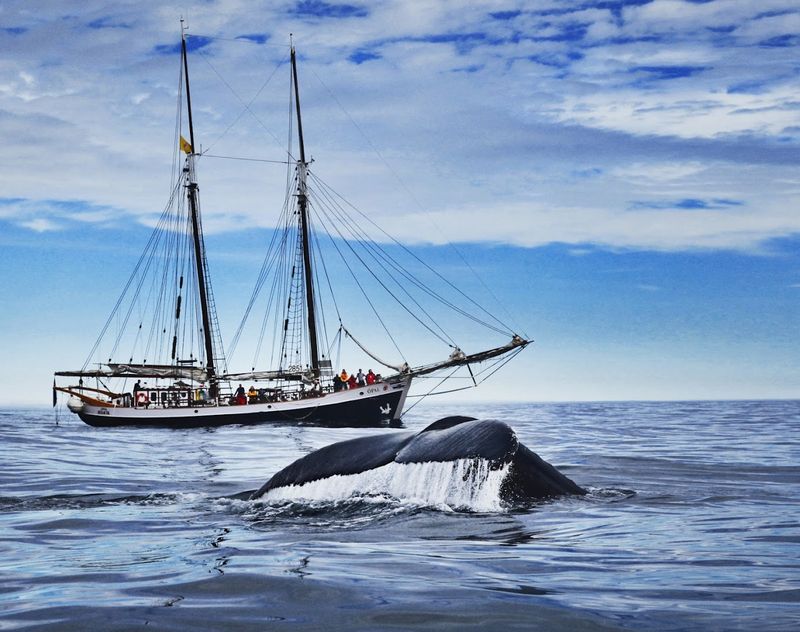
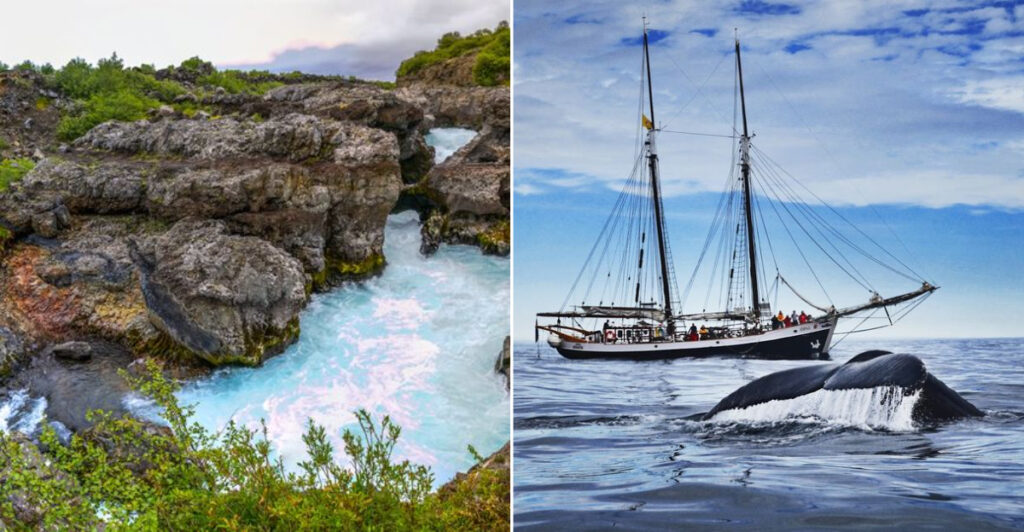
Húsavík has become famous for whale watching, and that reputation is fully deserved. Humpbacks show up regularly in the bay, and the boat tours here have a long track record.
But whale watching is only one reason to base yourself in this harbor town. The surrounding area packs in an impressive amount of landscape within easy driving distance.
Lake Mývatn, Ásbyrgi Canyon, Krafla Caldera, and Goðafoss are all within an hour of town. That makes Húsavík one of the most practical bases for exploring the Diamond Circle without rushing.
After a full day of geothermal weirdness and volcanic craters, a quiet harbor town feels like exactly the right place to land.
The town also has geothermal sea pools if you want to soak after a long drive. It is small enough to feel relaxed but well-equipped enough to be genuinely comfortable.
Nights here tend to be quiet in the best possible way.
The Eastfjords: Slow Roads and Local Rhythm
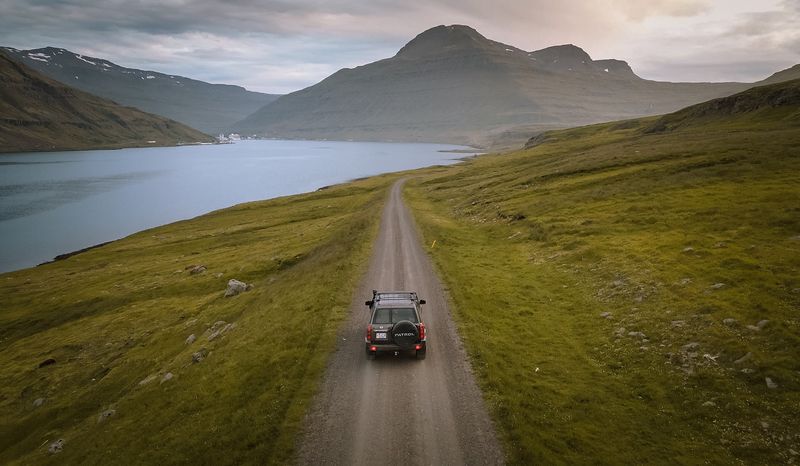
The Eastfjords do not have one flagship attraction pulling everyone in the same direction. Instead, this region works through accumulation.
Fjord roads, mountain passes, small harbor towns with corrugated metal houses painted in faded blues and reds, and a pace of life that has nothing to do with tour schedules.
Getting here takes time from Reykjavík, which is partly why it stays quieter than the south and west. That distance is also what makes it feel genuinely local.
You are not visiting Iceland’s highlights so much as passing through places where people actually live and work year-round.
The drive between towns is consistently scenic. Roads hug fjord edges, climb over mountain passes, and occasionally surprise you with a waterfall visible from the car window.
If your travel style leans toward wandering rather than ticking off sights, the Eastfjords will feel like the most honest version of Iceland you have found so far.
Seyðisfjörður: The Town That Earned Its Own Postcard
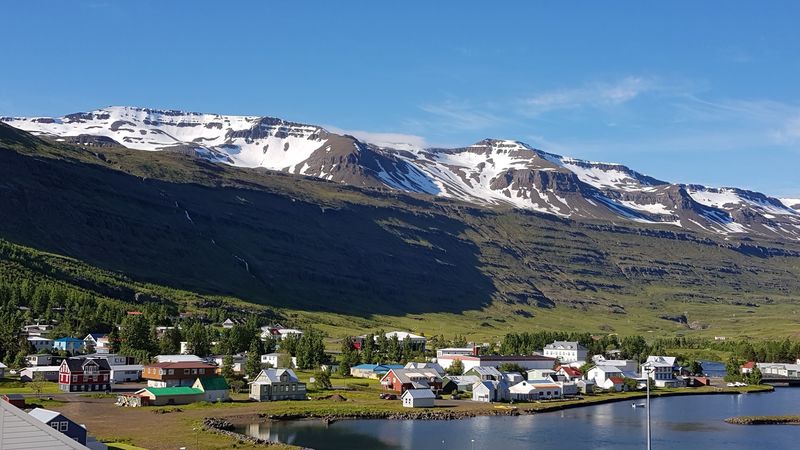
Seyðisfjörður sits at the end of a fjord like a painting someone forgot to finish. The approach road drops through hairpin bends with waterfalls on both sides, and the town itself has colorful buildings, a famous blue church, and a creative community that draws artists and travelers in equal measure.
The local information center is genuinely helpful here because the best parts of Seyðisfjörður are the smaller ones: nearby walks, viewpoints, the old technical museum, and the handful of cafes worth lingering in. This is not a place to rush through for a photo and leave.
I stayed two nights and spent an afternoon walking up to a viewpoint above the town. The fjord below, the mountains surrounding it, and the complete absence of tour-bus crowds made it one of the quieter highlights of my Iceland trip.
If you have time for only one Eastfjords stop, make it this one.
Hraunfossar and Barnafoss: Waterfalls That Break the Rules
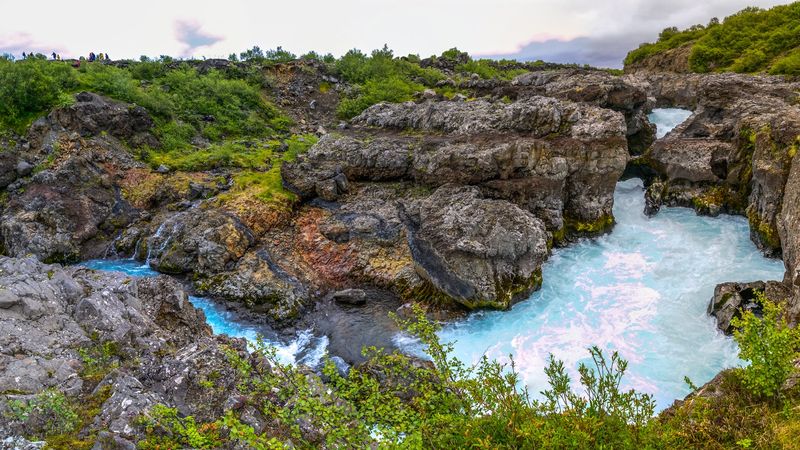
Hraunfossar breaks the standard Icelandic waterfall formula in the best way. Instead of plunging from a cliff, the water seeps and streams out through a lava field, emerging in dozens of small rivulets along a stretch of riverbank.
The result looks almost impossible, like the earth itself is leaking.
Right next door, Barnafoss is the more traditionally dramatic of the pair, with a narrow, powerful rush of water through a rocky gorge. Together they make a genuinely unusual double stop.
Visit Iceland groups them among West Iceland’s most distinctive natural features, and that assessment holds up.
Both falls are part of the Silver Circle area, which makes them easy to combine with other West Iceland stops. The walk between the two is short and well-marked.
If you are staying in or near Reykjavík and want waterfalls that feel different from Seljalandsfoss and Skógafoss, this is your answer.
Heimaey Island: Volcano, Puffins, and Island Logic
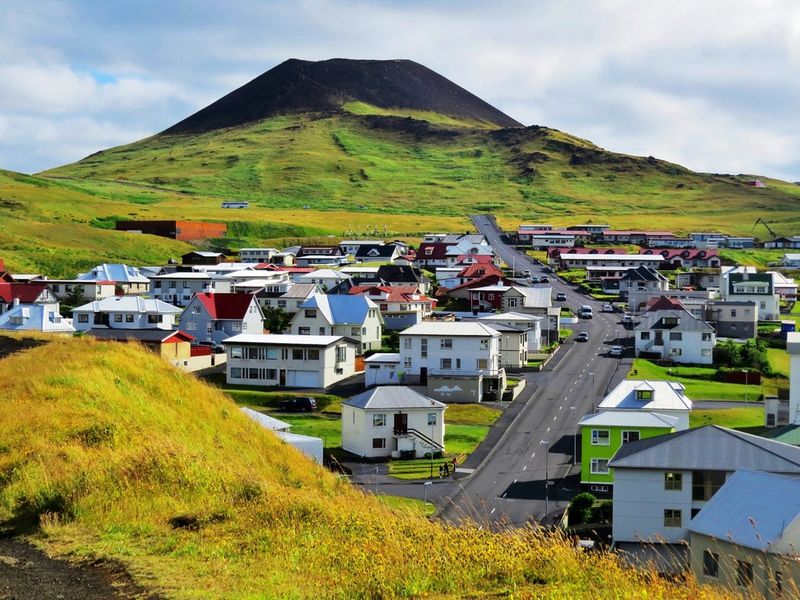
In 1973, a volcanic eruption started without warning on Heimaey and lasted five months. The lava buried hundreds of homes and came close to blocking the harbor entirely.
Residents were evacuated overnight. The island survived, the harbor stayed open, and the town was rebuilt.
That story alone makes Heimaey worth the ferry ride.
The Eldheimar museum tells the eruption story through excavated homes and firsthand accounts. Outside the museum, you can walk up Eldfell crater, watch puffins nest in cliff burrows, and explore a harbor town that has rebuilt its identity around resilience and fishing culture.
The ferry from Landeyjarhöfn takes about 35 minutes, which is short enough to make a day trip possible. But Heimaey rewards an overnight stay.
The island has its own rhythm, its own humor about surviving a volcanic eruption, and scenery that feels completely separate from mainland Iceland. It is compact, memorable, and genuinely unlike anything else on this list.
Vatnsnes Peninsula: Seals, Sea Stacks, and Coastal Silence
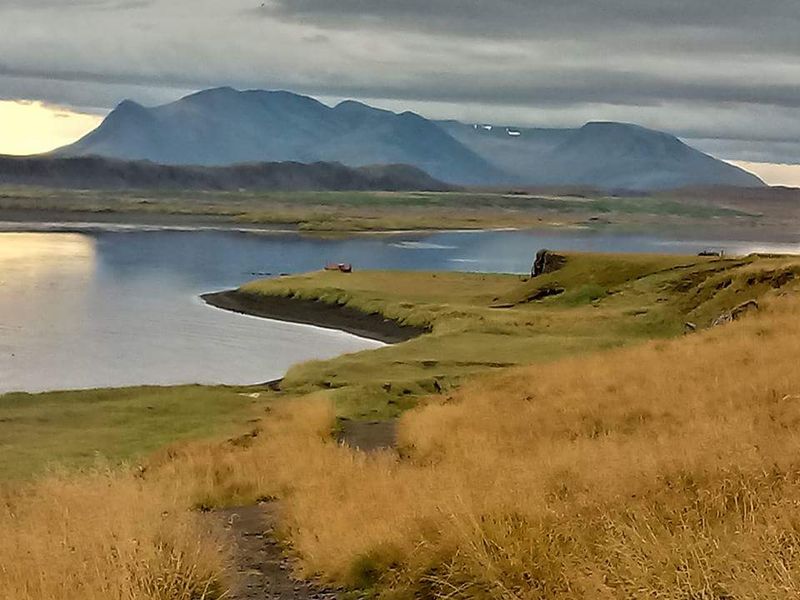
Hvítserkur is the main draw here, a basalt sea stack that rises from the water in a shape that looks convincingly like a dragon, rhino, or elephant depending on your angle and imagination. It is one of those landmarks that photographs well but hits differently when you are standing next to it at low tide with the wind going sideways.
Vatnsnes Peninsula is also one of Iceland’s best spots for seal watching. Harbor seals haul out on the beaches in decent numbers, and with a bit of patience and a quiet approach, you can get surprisingly close.
Wildlife plus weird geology in one quiet coastal loop is a pretty solid deal.
Visit Iceland notes that Vatnsnes is either the start or end of the Arctic Coast Way, so it fits naturally into a longer northern road trip. The drive around the peninsula is short enough to complete in a few hours, making it an easy and rewarding detour from the Ring Road.
The Arctic Coast Way: Iceland’s Edge, Unfiltered
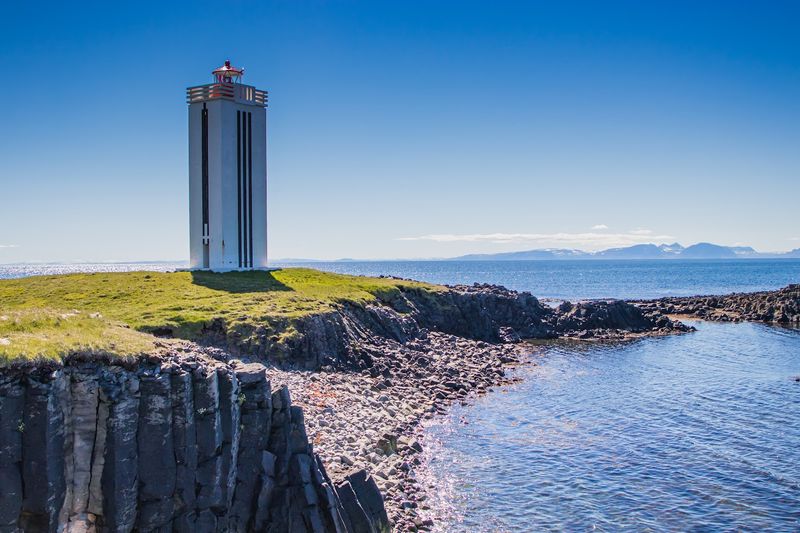
The Arctic Coast Way opened in 2019 and connects Iceland’s entire northern coastline through small towns, peninsulas, and landscapes that rarely show up on travel highlight reels. It is not a single attraction.
It is a commitment to going further than most people bother.
The route passes through places like Vatnsnes, Skagafjörður, Siglufjörður, and the Tröllaskagi Peninsula. Each stretch has its own character: seal colonies, herring history, mountain tunnels, fjord villages, and occasional stretches where you genuinely feel like you are at the edge of the inhabited world.
This is the kind of road trip where the detours become the point. You stop because a fishing harbor looks interesting, not because an app told you to.
The Arctic Coast Way suits travelers who have already done the obvious routes and want Iceland to surprise them again. Pack enough days, keep the tank full, and resist the urge to rush.
Landmannalaugar: Highlands That Look Like Another Planet
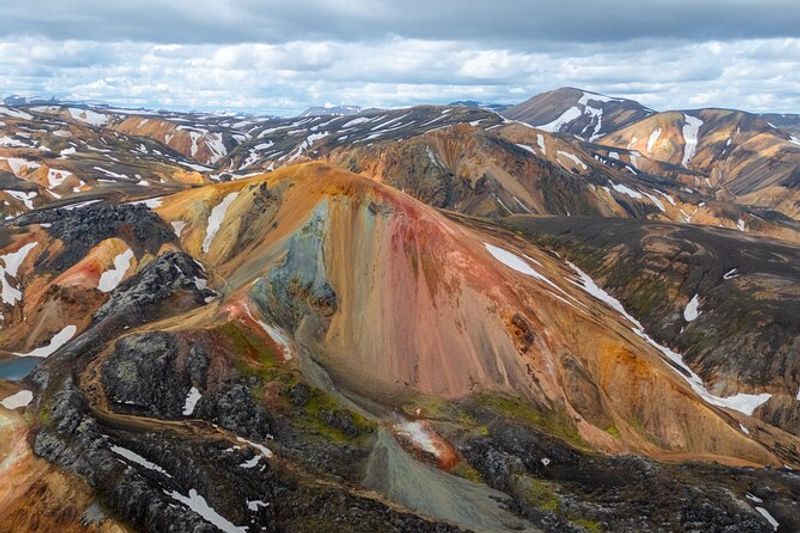
Landmannalaugar is where Iceland stops pretending to be subtle. The rhyolite mountains here come in green, red, orange, yellow, and purple, and no filter is needed to make them look dramatic.
Add a natural hot spring, a lava field from a 1477 eruption, and the start of the famous Laugavegur trail, and you have one of the most distinctive landscapes in the entire country.
Access is the honest conversation. This is a Highland destination requiring F-road driving, which means a genuine 4×4, not a standard rental.
Off-road driving is illegal and causes serious damage. Highland buses run from Reykjavík in summer and are a genuinely good option if you do not have the right vehicle.
Hut and camping facilities are available on-site through the Icelandic Mountain Guides and Ferðafélag Íslands. Always check road conditions before departing.
The Highland season is short, typically June through September. Getting there takes planning, but Landmannalaugar earns every bit of that effort.
Þórsmörk: The Valley That Rewards the Stubborn Traveler
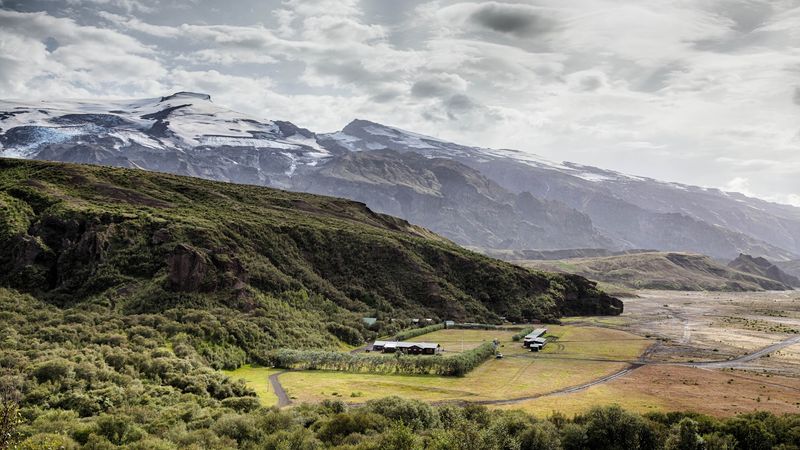
Þórsmörk sits between three glaciers and keeps most casual visitors out through sheer access difficulty. River crossings, rough Highland tracks, and unpredictable conditions mean you either arrive by super-jeep, Highland bus, or on foot via the Laugavegur trail.
That barrier is also its greatest gift: the valley stays genuinely wild.
Inside, green ridges rise above braided rivers, glacier tongues hang nearby, and hiking trails branch in multiple directions. Volcano Huts operates a hut and camping setup in the valley and lists trail options ranging from easy walks to multi-day connections with the Fimmvörðuháls route.
Do not attempt this in a standard rental car. The river crossings are not symbolic obstacles; they are the real thing.
Guided super-jeep tours and Highland buses run regularly in summer and take the vehicle stress out of the equation. Once you are in the valley, everything slows down in the best possible way. Þórsmörk earns its mythical reputation completely.
The Silver Circle: The Smarter Day Trip from Reykjavík
Not every Iceland detour needs to involve a three-hour drive and a 4×4. The Silver Circle covers the Borgarfjörður area in West Iceland and packs a solid day trip into a manageable loop.
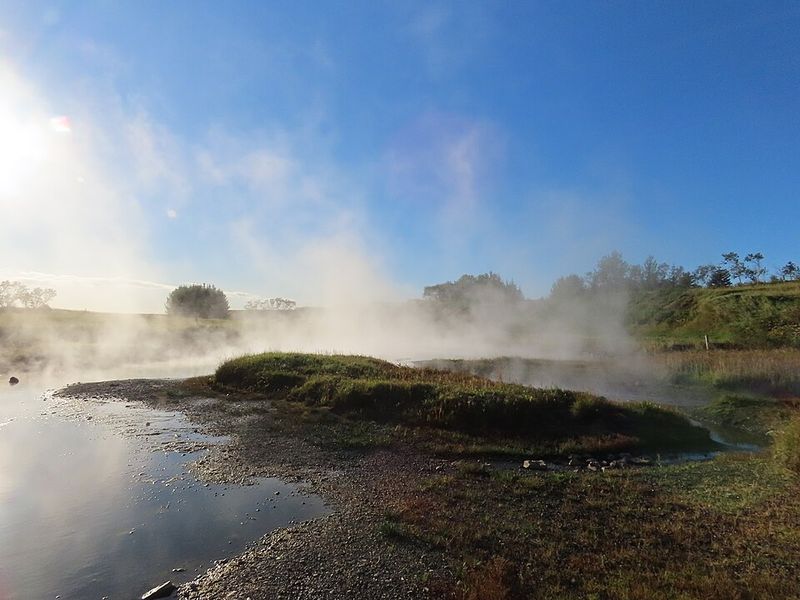
Hraunfossar and Barnafoss waterfalls, Deildartunguhver hot spring, Víðgelmir lava cave, and Reykholt historical site all sit within the circuit.
Visit Iceland describes it as a scenic West Iceland day trip combining waterfalls, hot springs, lava caves, and Viking history. That description is accurate and undersells it slightly.
Deildartunguhver is Europe’s highest-flow hot spring, and Víðgelmir is one of the largest lava caves in the world. These are not minor footnotes.
For travelers who have already done the Golden Circle and want something different without a major logistical commitment, the Silver Circle is the most practical swap on this list. It runs in the opposite direction from Reykjavík, the roads are paved, and you can be back in the city by evening without feeling like you rushed anything.
Share this story