Canada is a country so massive and so wildly beautiful that it could take a lifetime to explore it all. From thundering waterfalls and glowing turquoise lakes to charming old cities and jaw-dropping mountain drives, there is no shortage of places that will leave you completely speechless.
Whether you are a thrill-seeker, a nature lover, a history buff, or just someone who appreciates a really good view, Canada has something waiting for you. Pack your bags, because these 15 iconic destinations belong on every serious bucket list.
Niagara Falls, Ontario
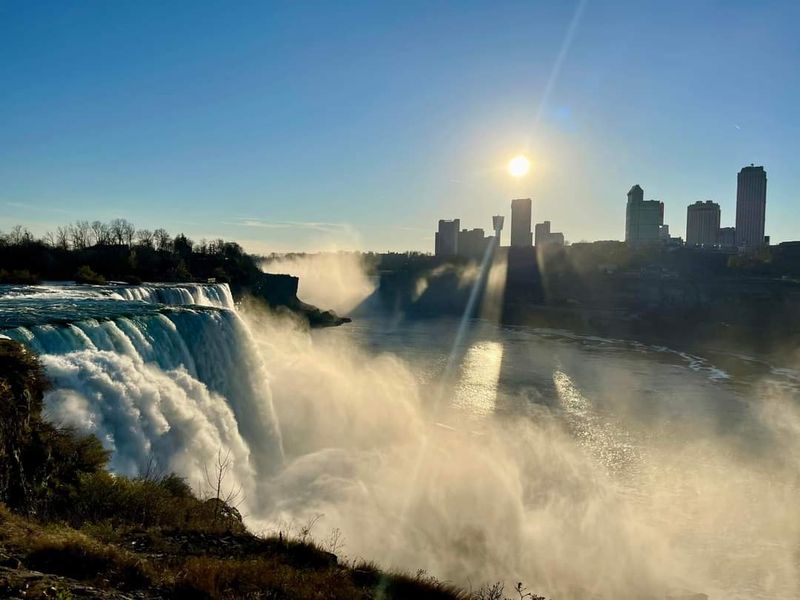
Over six million liters of water crash over the edge every single second at Niagara Falls, making it one of the most powerful waterfalls on the planet. That staggering fact alone is enough to stop you in your tracks.
The Canadian side offers the best views, hands down, with the iconic Horseshoe Falls stretching wide and wild before your eyes.
Getting close is all part of the fun. The famous Hornblower boat tour takes you right into the mist, and trust us, a rain poncho will not be enough.
You will feel the thunder in your chest before you even see the falls.
Beyond the water, the surrounding area is packed with attractions, restaurants, and parks. Niagara Falls is equally magical at night when colorful lights illuminate the cascades.
Whether this is your first visit or your fifth, the sheer scale of it never gets old. Budget at least half a day to soak it all in properly.
Banff National Park, Alberta
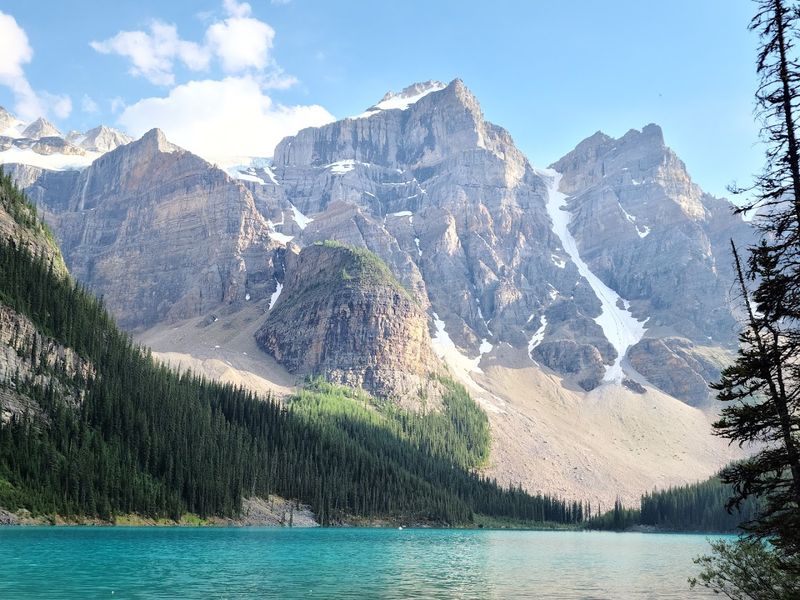
Somewhere between the jagged mountain peaks and the impossibly blue lakes of Banff National Park, you start to wonder if this place is actually real. Established in 1885, it holds the title of Canada’s oldest national park and still manages to look like it was designed by someone with an unlimited special effects budget.
Moraine Lake and Lake Louise are the two crown jewels here, and their vivid turquoise color comes from glacial rock flour suspended in the water. Photographers camp out before sunrise just to catch the perfect shot.
Wildlife sightings are common too, so keep your eyes open for elk, bears, and bighorn sheep.
Summer brings incredible hiking trails and scenic gondola rides. Winter transforms the park into a ski paradise with world-class slopes at Sunshine Village and Lake Louise Ski Resort.
No matter the season, Banff delivers a jaw-dropping experience that feels completely removed from everyday life. Plan to spend at least three days here if you want to scratch the surface.
CN Tower, Toronto, Ontario
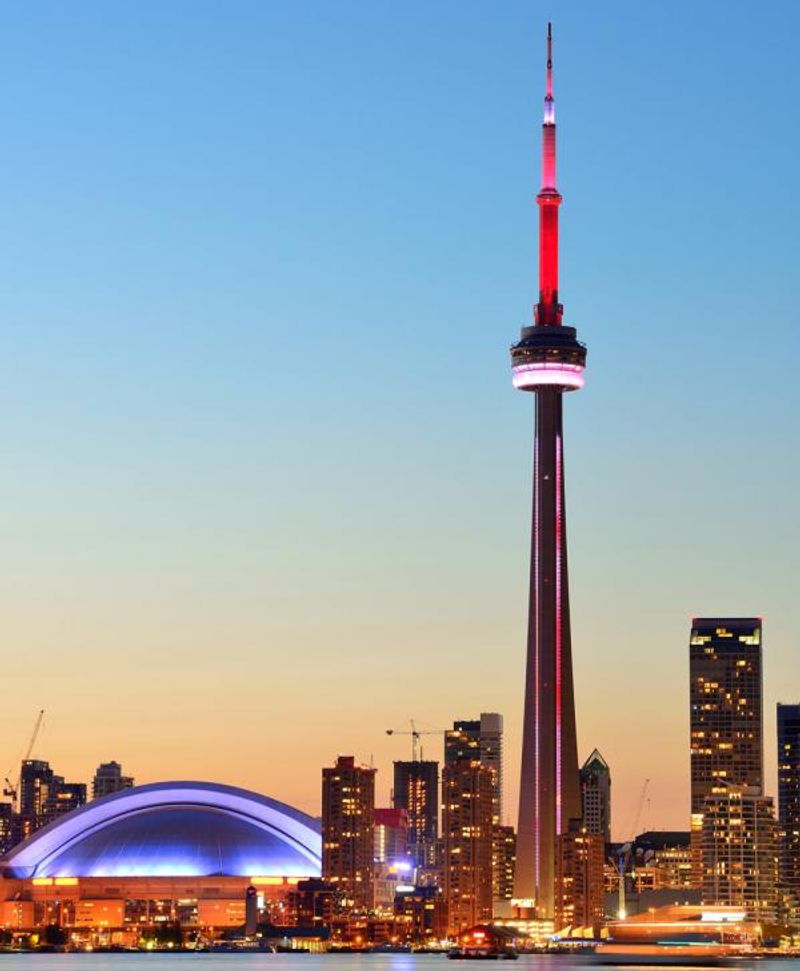
For 32 years, the CN Tower held the record as the world’s tallest freestanding structure, and even after giving up that title, it has lost absolutely none of its wow factor. Rising 553 meters above downtown Toronto, this glass and concrete giant is visible from nearly everywhere in the city.
It is basically Toronto’s way of saying hello from a very long distance.
The observation deck offers panoramic views stretching all the way to Niagara Falls on a clear day. For those who like their thrills with a side of vertigo, the glass floor section lets you look straight down at the streets far below.
Brave enough for more? The EdgeWalk lets you stroll along the outside of the tower with nothing but a harness between you and the open sky.
Inside, the 360 Restaurant rotates slowly so you get a full city view over dinner, which is one of the cooler dining experiences you will find anywhere in Canada. Tickets sell out fast during peak season, so booking ahead is a smart move.
The CN Tower is genuinely unmissable when visiting Toronto.
Quebec City Old Town, Quebec
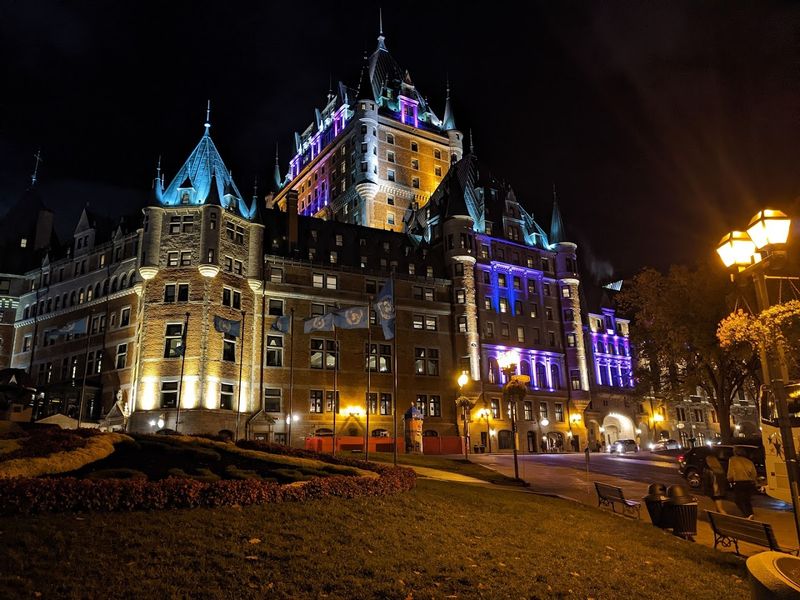
Walking through Old Quebec City feels less like tourism and more like time travel. The narrow cobblestone streets, centuries-old stone buildings, and towering fortified walls make it the only walled city north of Mexico, a fact that earned it a well-deserved UNESCO World Heritage Site designation back in 1985.
The Chateau Frontenac is the crown jewel of the skyline, a fairytale castle of a hotel that has been standing proudly since 1893. Even if you are not staying there, walking past it at sunset while the St. Lawrence River glitters below is an experience that sticks with you.
The whole neighborhood has a romantic, old-world energy that feels completely unique in North America.
Petit-Champlain is the oldest commercial street in North America, packed with boutiques, galleries, and cozy cafes. During winter, the Quebec Winter Carnival transforms the city into a wonderland of ice sculptures and outdoor fun.
Summer brings festivals, outdoor dining, and street performers to every corner. Old Quebec City is the kind of place that makes you want to slow down and stay just a little longer.
Vancouver and Stanley Park, British Columbia
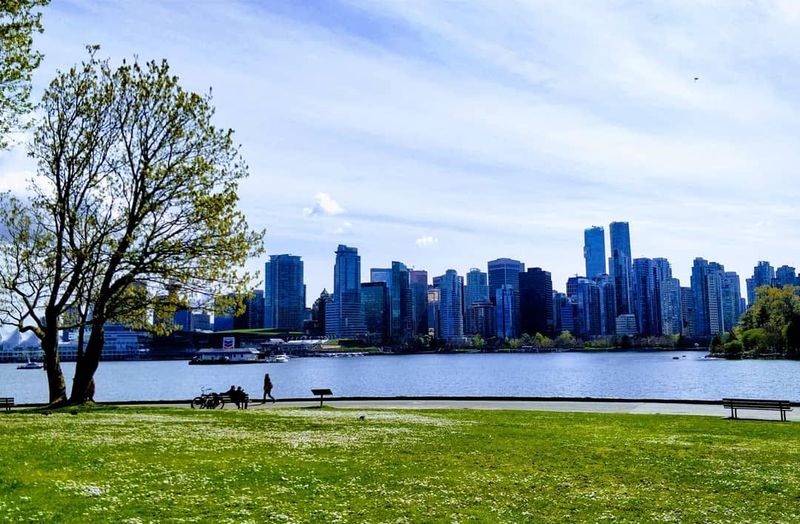
Very few cities in the world can offer a morning ski run, an afternoon beach stroll, and a sunset kayak session all within the same zip code, but Vancouver pulls it off without even breaking a sweat. Backed by the Coast Mountains and hugged by the Pacific Ocean, this city is a natural playground dressed up in urban cool.
Stanley Park is the beating green heart of Vancouver, covering over 400 hectares right next to downtown. The seawall path that circles the park is one of the most popular walks and bike rides in all of Canada.
Ancient cedar trees, quiet forest trails, and stunning ocean views all exist within a short walk of busy city streets.
Beyond the park, Vancouver offers world-class food, vibrant neighborhoods like Gastown and Granville Island, and a cultural scene that punches well above its weight. The city has a relaxed but energetic vibe that makes it easy to fall in love with quickly.
Bring comfortable walking shoes, an appetite, and a camera with extra storage. Vancouver is one of those cities that looks good from every angle.
Jasper National Park, Alberta
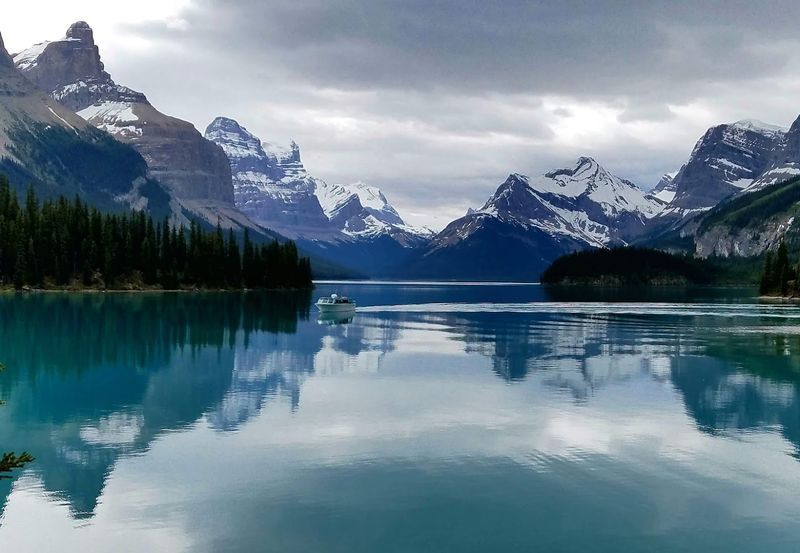
Jasper National Park holds a secret that most people do not know about until they visit: the night sky here is one of the darkest and most spectacular on Earth. As the world’s second largest Dark Sky Preserve, Jasper offers stargazing experiences that will make you feel wonderfully small.
On a clear night, the Milky Way stretches across the sky like a glowing river.
During the day, the park is equally breathtaking. Glaciers, canyons, hot springs, and roaming wildlife fill the landscape in every direction.
Maligne Lake and the Spirit Island viewpoint are among the most photographed spots in the entire country, and rightfully so. The colors and reflections on that lake are almost surreal.
Jasper tends to feel less crowded than its neighbor Banff, which gives it a wilder, more untamed energy that many visitors actually prefer. Wildlife encounters here are common, from caribou and wolves to black bears and mountain goats.
Whether you are hiking in summer or snowshoeing in winter, Jasper rewards every traveler who makes the trip. It is the kind of place that quietly becomes a favorite.
Peggy’s Cove, Nova Scotia
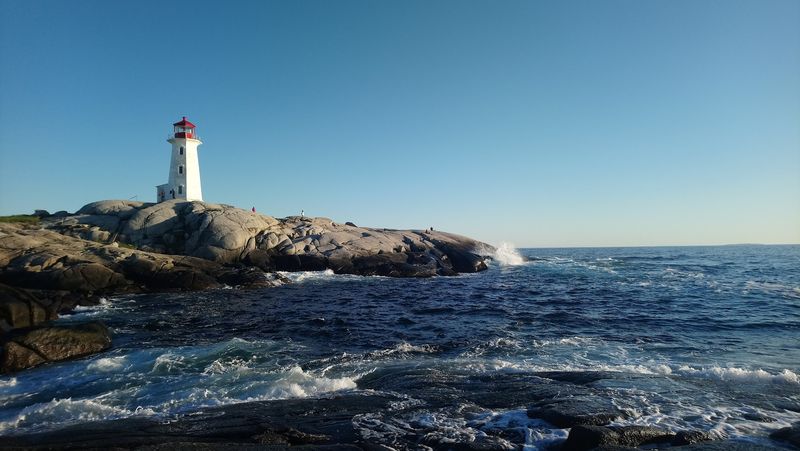
Perched on a slab of ancient granite at the edge of the Atlantic Ocean, the Peggy’s Cove lighthouse is possibly the most photographed lighthouse in Canada. It has appeared on postcards, stamps, and magazine covers so many times that seeing it in person almost feels like meeting a celebrity.
And just like a celebrity, it looks even better in real life.
The surrounding landscape is raw and dramatic. Massive smooth boulders roll down to the churning sea, and the wind off the ocean carries the smell of salt and fish.
The tiny fishing village nearby still operates as a working community, with colorful lobster traps stacked along the docks and small boats bobbing in the harbor.
Getting there from Halifax takes about 45 minutes by car, making it a very doable day trip. Visit in the early morning if you want the place to yourself before the tour buses arrive.
Wear sturdy shoes because those rocks get slippery when wet, and the park signs warning about waves are very serious. Peggy’s Cove is beautiful, rugged, and completely unforgettable.
Nova Scotia should be proud.
Lake Louise, Alberta
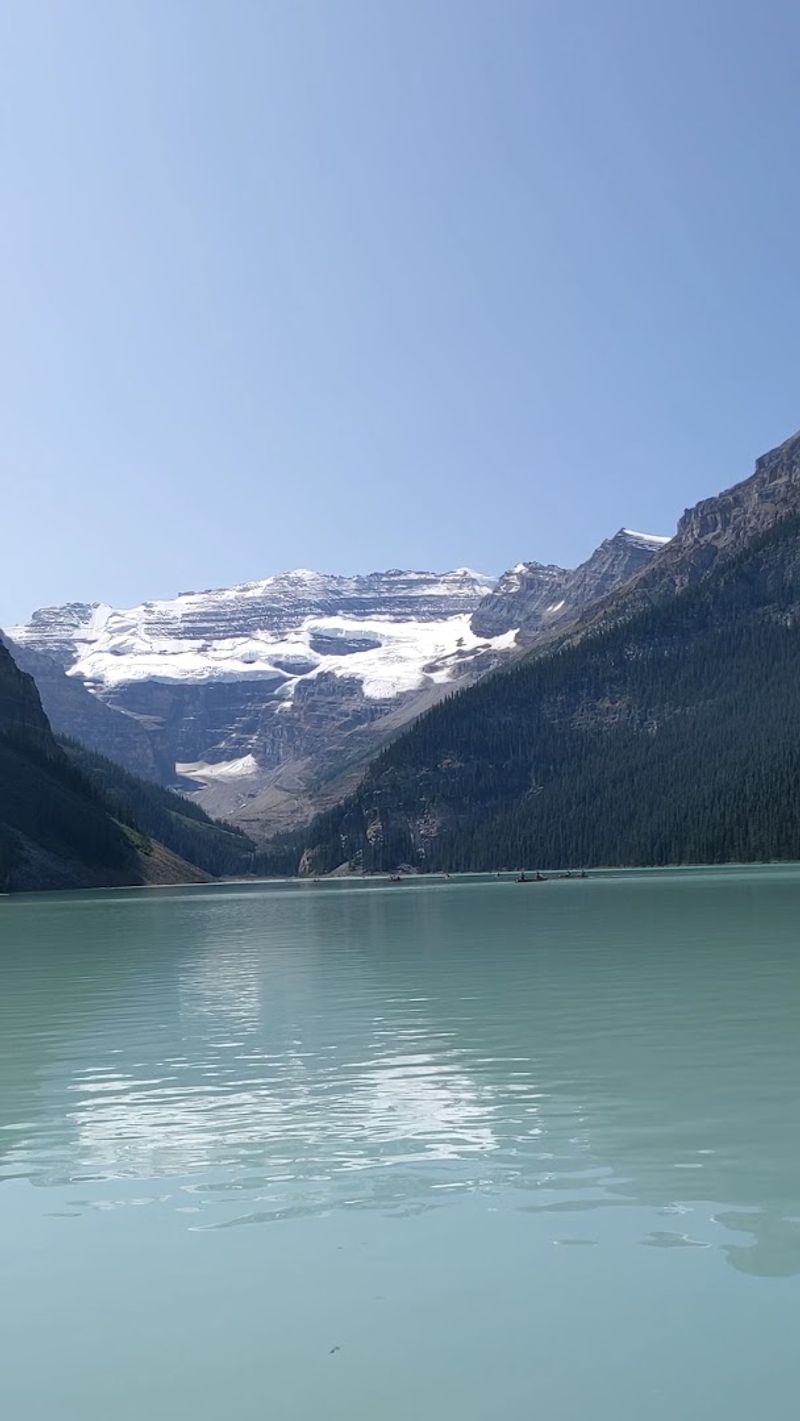
There is a moment when you first lay eyes on Lake Louise where your brain genuinely struggles to accept that the color of the water is real. That electric turquoise glow comes from glacial rock flour, tiny mineral particles ground up by the Victoria Glacier that feed the lake.
The result is one of the most photogenic bodies of water anywhere on Earth.
The Fairmont Chateau Lake Louise sits right on the shoreline like it was placed there by a movie director. In summer, bright red canoes dot the water as visitors paddle beneath towering peaks.
In winter, the lake freezes solid and becomes an outdoor skating rink surrounded by mountains, which might be the most magical ice skating experience imaginable.
Hiking trails fan out in every direction, ranging from easy lakeside strolls to challenging backcountry routes with views that reward every step. The Plain of Six Glaciers trail is a particular favorite for those willing to put in the effort.
Lake Louise sits inside Banff National Park, so you can pair it with other nearby highlights easily. Arrive early in the morning to avoid the crowds and catch the mirror-like reflections on the water.
Montreal, Quebec
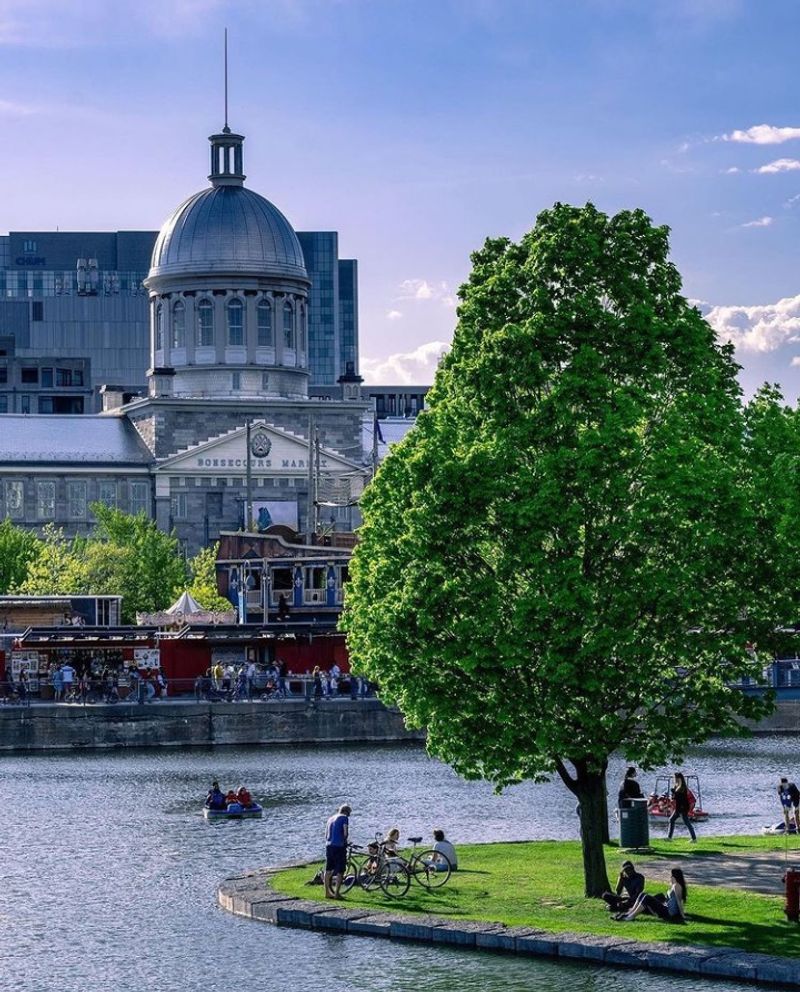
Montreal is the kind of city that stays up late, eats well, and somehow manages to make everything feel like a celebration. As the second largest French-speaking city in the world after Paris, it carries a cultural confidence that is completely its own.
The mix of French and English, old and new, creates an energy you simply cannot replicate anywhere else.
Old Montreal is a neighborhood that rewards slow walking. The cobblestone streets, historic churches like Notre-Dame Basilica, and waterfront promenades along the St. Lawrence River give it a European quality that surprises first-time visitors.
The food scene here is legendary, from classic poutine to world-class fine dining and everything in between.
Montreal also hosts some of North America’s biggest festivals, including the Jazz Festival, Just for Laughs comedy festival, and the Montreal Grand Prix. The underground city, known as RESO, is a massive network of tunnels connecting shops, restaurants, and metro stations that comes in very handy during brutal winters.
Summer is arguably the best time to visit when terraces fill up and the city truly comes alive. Montreal is endlessly entertaining, endlessly surprising, and absolutely worth the trip.
Parliament Hill, Ottawa, Ontario
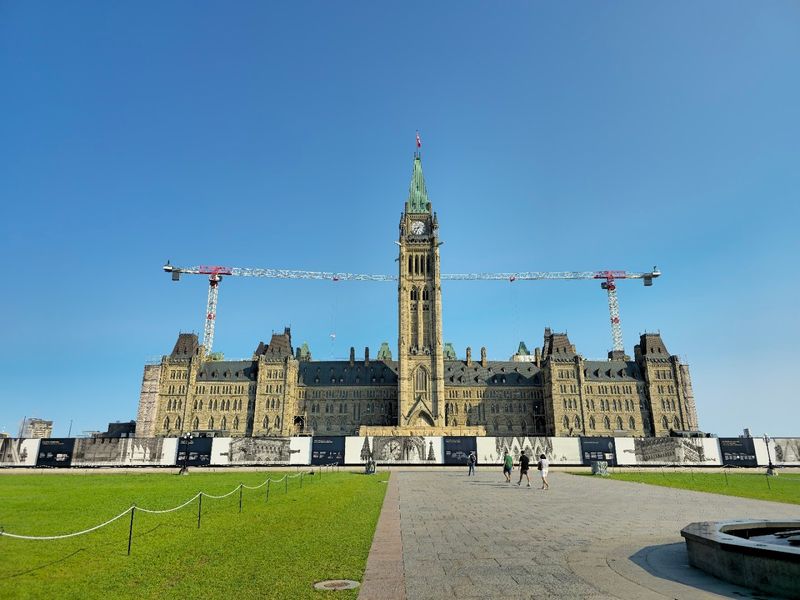
Few places in Canada carry as much national significance as Parliament Hill, the gothic limestone complex sitting high above the Ottawa River where the country’s laws are made and history is written. The copper-roofed buildings, complete with gargoyles and ornate carvings, look like something borrowed from a European capital, and that was very much the intention when they were built in the 1800s.
The Peace Tower at the center of Centre Block stands 92 meters tall and houses a 53-bell carillon that chimes throughout the day. Free tours of the grounds are available, and the Changing of the Guard ceremony on the lawn during summer mornings is a genuinely impressive spectacle.
The views of the Ottawa River from the edge of the hill are also worth the visit on their own.
Centre Block recently underwent a massive restoration project, which means some areas are off limits for now, but the surrounding grounds and West Block remain open to visitors. Canada Day celebrations on July 1st transform Parliament Hill into the country’s biggest national party, with concerts, fireworks, and crowds from coast to coast.
For anyone wanting to understand what Canada is all about, this is the place to start.
Whistler, British Columbia
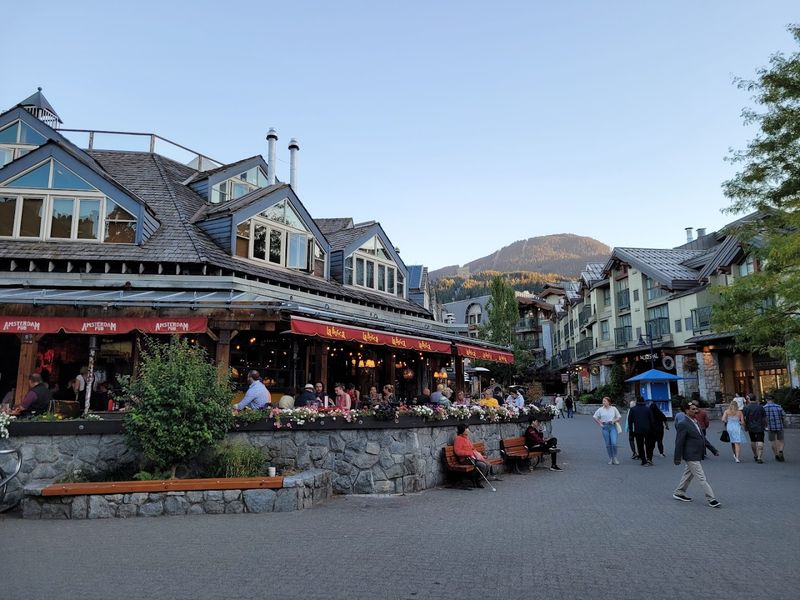
Consistently ranked as one of the top ski resorts in North America, Whistler is the kind of place that serious snow lovers talk about with a dreamy look in their eyes. Two mountains, Whistler and Blackcomb, combine to offer over 8,000 acres of skiable terrain, which is a staggering amount of snow-covered fun.
The PEAK 2 PEAK Gondola connecting the two peaks is an engineering marvel that holds several world records.
But Whistler is not just a winter destination. When the snow melts, the mountains transform into one of the world’s top mountain biking destinations, with hundreds of kilometers of purpose-built trails for all skill levels.
Hiking, zip-lining, and ATV tours fill the summer calendar with adventures.
The village at the base is lively and walkable, packed with restaurants, shops, and live music venues that keep the energy going well after the lifts close. Whistler sits about two hours north of Vancouver along the famously scenic Sea-to-Sky Highway, which is itself a destination worth savoring.
Regardless of the season you visit, Whistler delivers an outdoor experience that is hard to match anywhere in the country. Come ready to move.
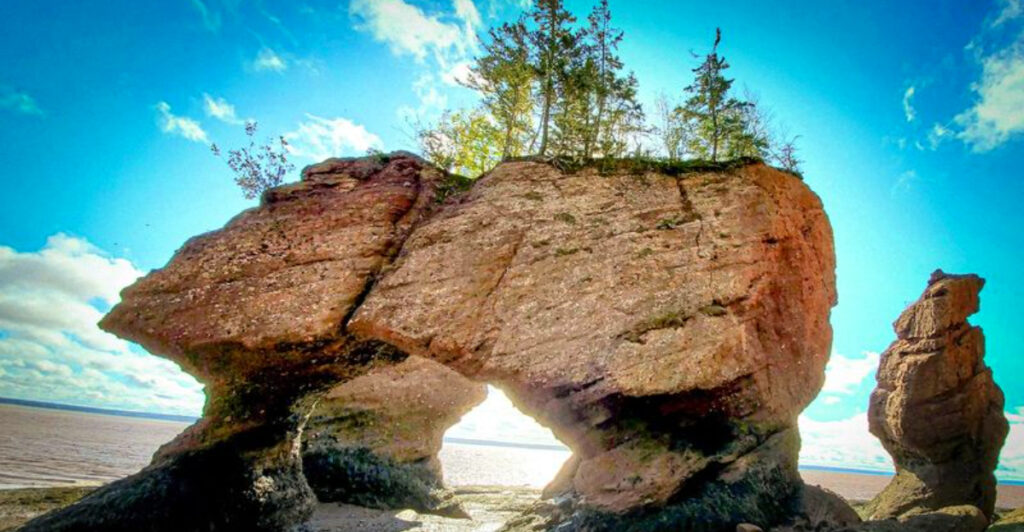
Hopewell Rocks, New Brunswick
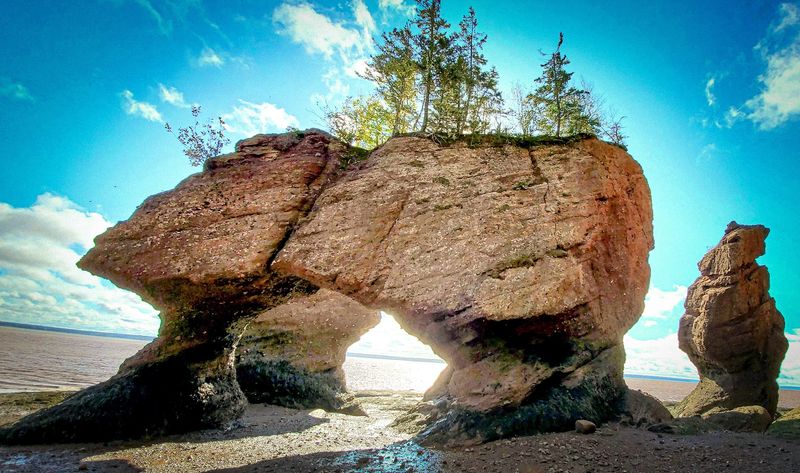
Twice a day, the Bay of Fundy pulls off the most dramatic tidal trick on the planet. At low tide, you can walk on the ocean floor and stand beside towering rock formations called flowerpot rocks, some rising over 15 meters tall.
A few hours later, those same formations are completely submerged under up to 16 meters of seawater. Nowhere else in the world can you experience this kind of transformation.
The Hopewell Rocks are sculpted by these extreme tides, which are the highest recorded tides on Earth. The rocks have been carved into wild shapes over thousands of years, draped in seaweed and perched on narrow bases that make them look impossibly top-heavy.
Kayaking at high tide around these formations is an experience that feels genuinely surreal.
The site is well set up for visitors with interpretive centers, guided tours, and great viewpoints from the clifftops above. Timing your visit around low tide is essential to get the full walking-on-the-ocean-floor experience, so check the tide charts before you go.
Hopewell Rocks sits about 40 minutes from Moncton, making it an easy day trip. This is one of those places that photographs cannot fully prepare you for.
The Northern Lights, Northwest Territories and Yukon
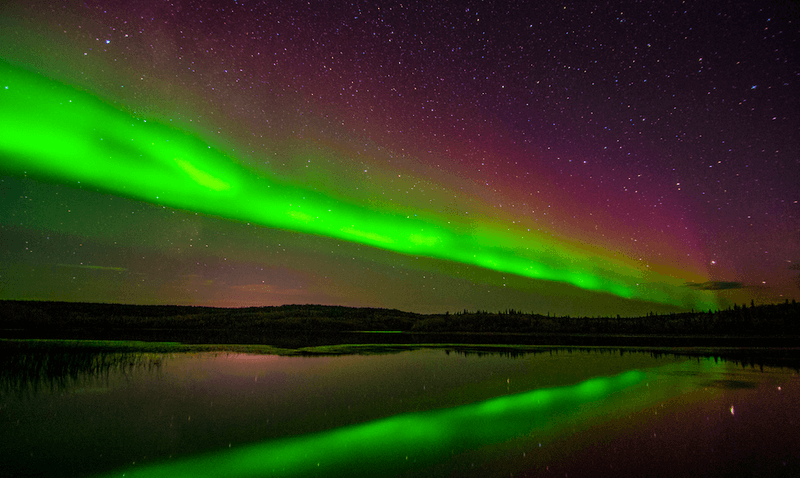
Watching the Northern Lights dance across the sky is the kind of experience that makes grown adults gasp out loud and reach for their phones all at once. Canada’s northern territories, particularly Yukon and the Northwest Territories, sit directly under the auroral oval, meaning the sky puts on a show here more reliably than almost anywhere else on Earth.
Green, purple, and pink ribbons of light twist and shimmer overhead in a performance that no screen can do justice.
The best viewing season runs from late August through April, when the nights are long and dark enough to catch the aurora. Yellowknife in the Northwest Territories is one of the top aurora-viewing destinations in the world, with clear skies and minimal light pollution working in your favor.
Many tour operators offer guided aurora hunts that take you deep into the wilderness for the best possible view.
Dressing in serious winter layers is non-negotiable since temperatures can drop well below freezing on prime viewing nights. Bring a tripod if you want to photograph the lights properly because long exposure shots capture colors the naked eye sometimes misses.
Seeing the Northern Lights in Canada is one of those bucket list moments that genuinely lives up to the hype.
Capilano Suspension Bridge, British Columbia
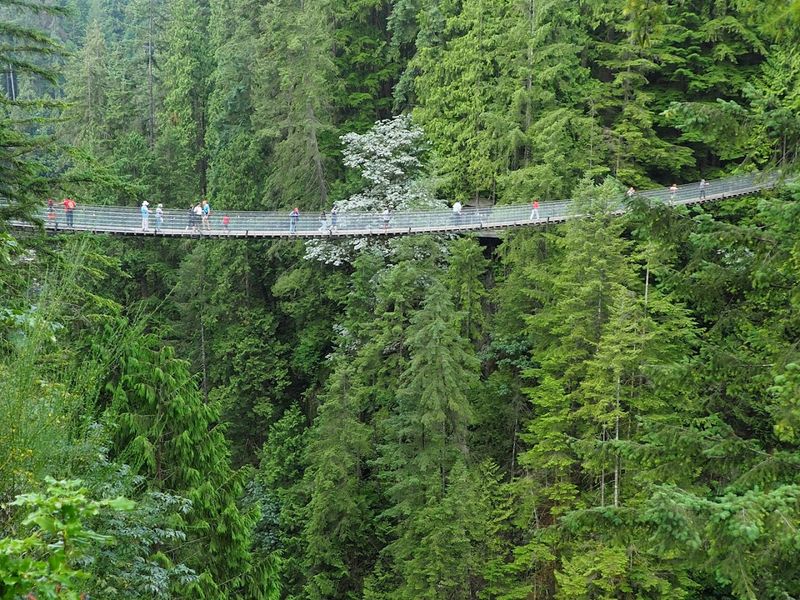
Stretching 137 meters across and hanging 70 meters above the Capilano River, this suspension bridge has been wobbling the knees of visitors since 1889. That makes it one of the oldest tourist attractions in British Columbia, which is impressive for something that still manages to feel thrilling every single time.
The bridge sways gently underfoot as you cross, and looking down through the grating at the rushing river far below is not for the faint-hearted.
The surrounding rainforest park adds layers of adventure beyond just the main bridge. The Treetops Adventure sends you across a series of smaller suspension bridges attached high in the Douglas fir canopy.
Cliffwalk, another highlight, is a series of cantilevered walkways and bridges bolted directly into the granite cliff face above the river.
Located in North Vancouver, the park is just a short drive or shuttle ride from downtown, making it an easy half-day outing. The park is beautifully maintained and offers guided nature walks, Indigenous cultural exhibits, and excellent food options on site.
Visiting during the winter Canyon Lights event, when thousands of lights illuminate the forest, is a magical bonus experience. Capilano is thrilling, beautiful, and genuinely fun for all ages.
Icefields Parkway, Alberta
Driving the Icefields Parkway might be the single greatest road trip experience in Canada, and there is some serious competition for that title. The 232-kilometer route connecting Banff and Jasper winds through a landscape so relentlessly stunning that pulling over every few minutes becomes completely unavoidable.
Glaciers, waterfalls, emerald lakes, and wildlife sightings line the route from start to finish.
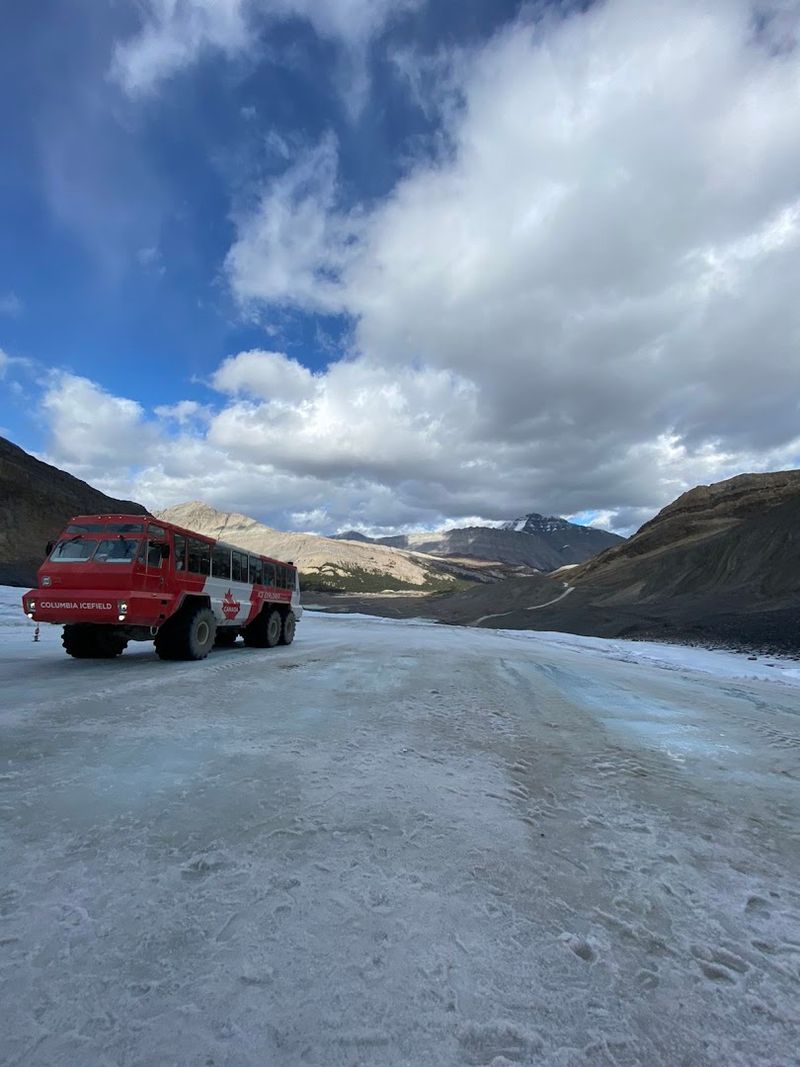
The Columbia Icefield is the crown jewel of the drive, a massive ancient glacier sitting at the boundary of Banff and Jasper National Parks. You can step out onto the glacier itself on a guided Ice Explorer tour, standing on ice that is hundreds of meters deep and thousands of years old.
The Glacier Skywalk nearby offers a glass-floored viewing platform hanging over the valley below.
Athabasca Falls, Peyto Lake, and Bow Lake are just a few of the stops along the way that deserve more than a quick glance. The road is open year-round but winter driving requires caution and proper tires.
Summer and early fall offer the best conditions and the fullest range of activities. Budget a full day for this drive at minimum, and resist the urge to rush.
The Icefields Parkway is one of those roads that makes you fall in love with Canada all over again.
Share this story