Some places on Earth are so jaw-dropping that just seeing a photo of them makes you want to pack your bags immediately. From ancient wonders built by hand to natural landscapes carved over millions of years, these destinations have earned their legendary status for good reason.
Whether you are a curious explorer, a history lover, or someone who simply wants to witness something extraordinary, this list has something for everyone. Get ready to discover 15 places around the world that truly deserve a spot on your travel bucket list.
Great Wall of China – China
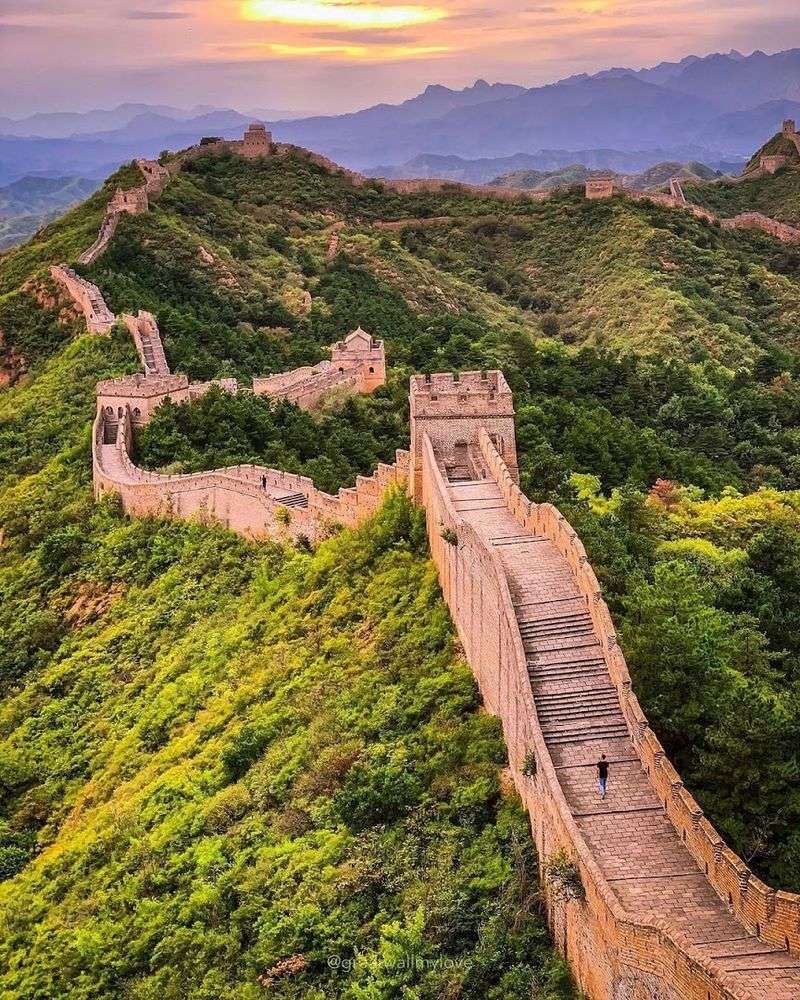
Thirteen thousand miles of stone, sweat, and sheer human willpower — that is the Great Wall of China in a nutshell. Built over many centuries by millions of workers, this colossal structure was designed to keep invaders out of ancient China.
Today, it stands as one of the most powerful symbols of human determination ever created.
Walking along the wall feels surreal, like the ground beneath your feet has its own heartbeat. The most popular section, Badaling, is well-restored and easy to visit, while quieter stretches like Jinshanling reward adventurous visitors with wild, untouched scenery.
Whichever section you choose, the views of mountains rolling endlessly into the horizon are absolutely worth the trip.
Fun fact: the wall was not built all at once — different dynasties added sections over nearly 2,000 years. Some parts are crumbling and overgrown, which somehow makes them even more dramatic.
Visiting in autumn, when the surrounding trees turn golden and red, makes the whole experience feel like something out of a painting.
Machu Picchu – Peru
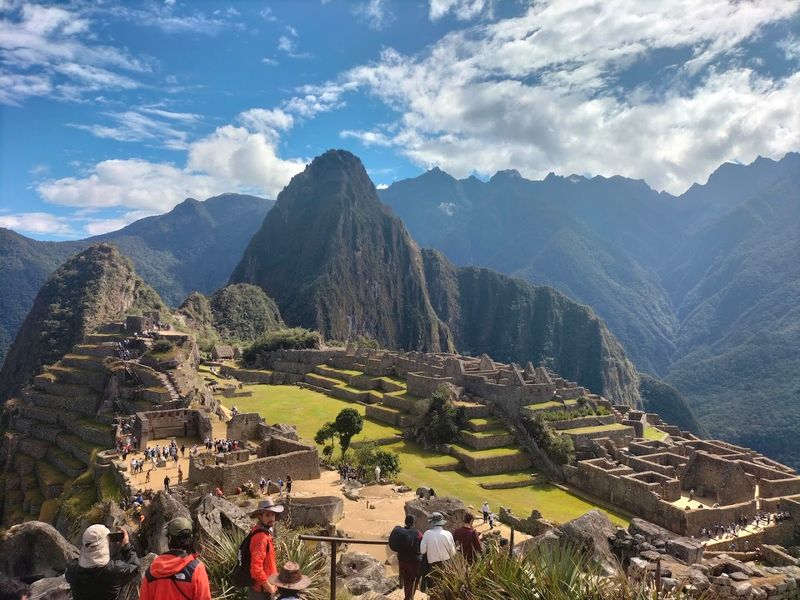
Perched at nearly 8,000 feet above sea level, Machu Picchu sits hidden among clouds like a secret the Andes Mountains kept for centuries. This ancient Incan citadel was built around 1450 and then mysteriously abandoned, only to be rediscovered by the outside world in 1911.
Nobody is entirely sure why it was left behind, which only adds to its magnetic mystery.
Getting there is half the adventure. The famous Inca Trail is a four-day trek through cloud forests and mountain passes, rewarding hikers with one of the most dramatic arrivals imaginable.
If trekking is not your style, a scenic train ride through the Sacred Valley drops you close to the entrance with far less sweat involved.
Once inside, the stone architecture is staggeringly precise — huge blocks fitted together without a drop of mortar, yet still standing after 600 years. Llamas wander freely through the ruins, completely unbothered by the thousands of wide-eyed tourists snapping photos around them.
Arriving early in the morning, before the mist burns off, gives you a view that feels almost too beautiful to be real.
Eiffel Tower – Paris, France
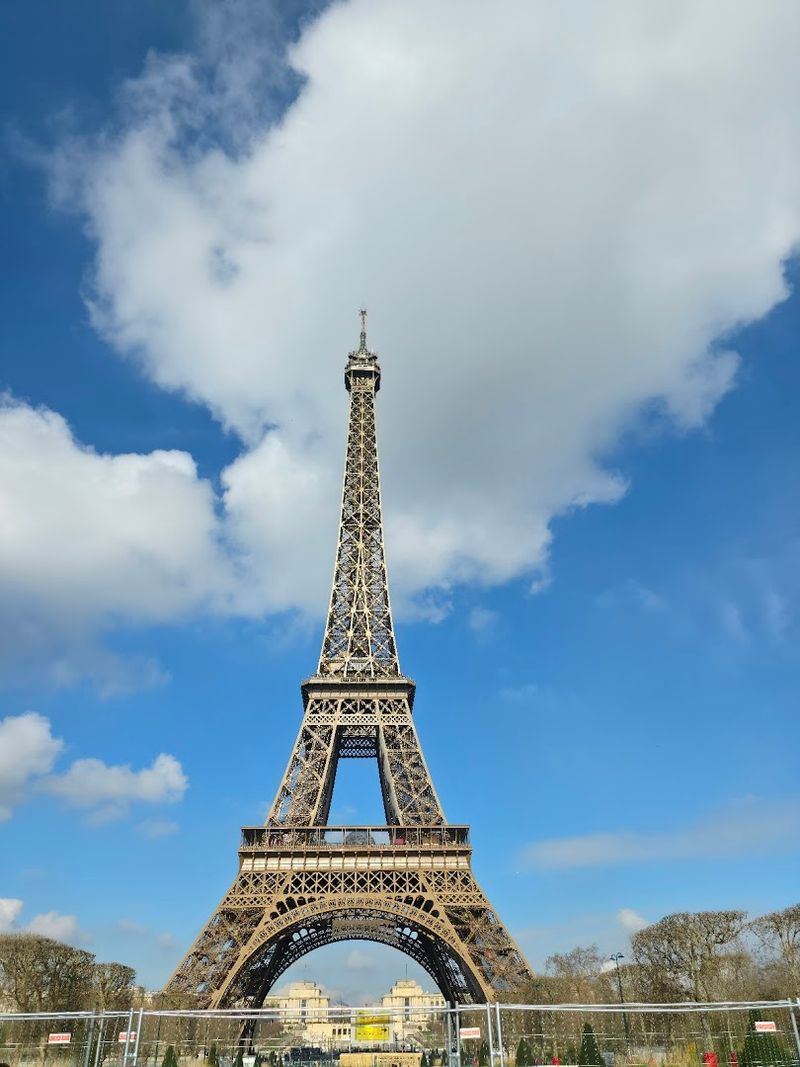
When it was first built in 1889, Parisians actually hated the Eiffel Tower, calling it an eyesore. Fast forward to today, and it is one of the most visited monuments on the entire planet, welcoming around seven million people every year.
Funny how opinions change when something becomes absolutely iconic.
Standing 1,083 feet tall, the tower was originally meant to be a temporary structure for a World’s Fair. Lucky for travelers everywhere, it was never torn down.
Riding the elevator to the top floor rewards you with a panoramic view of Paris that stretches for miles, from Notre-Dame to the distant hills of Montmartre.
The best time to visit is either early morning, when crowds are thinner, or at night, when the tower sparkles with thousands of twinkling lights every hour on the hour. Sitting on the Champ de Mars lawn below with a baguette and watching the light show is a perfectly Parisian experience.
The surrounding city is equally magical, packed with world-class museums, charming cafes, and streets that feel designed specifically to make you fall in love with travel all over again.
Grand Canyon – United States
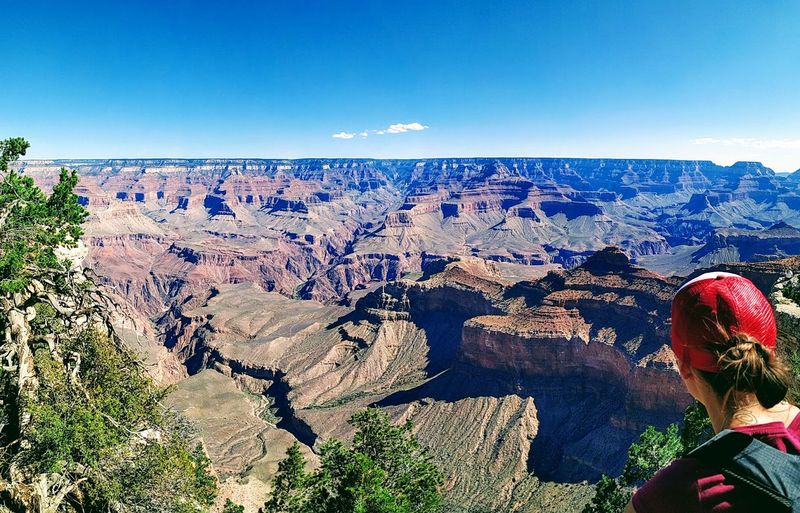
No photograph has ever done the Grand Canyon justice — and that is not an exaggeration. Standing at the rim for the first time and staring into a gorge that drops over a mile straight down genuinely makes your brain struggle to process what your eyes are seeing.
It is that overwhelming, and that magnificent.
Carved by the Colorado River over roughly five to six million years, the canyon stretches 277 miles long and up to 18 miles wide. The layers of rock visible in its walls tell a geological story spanning nearly two billion years of Earth’s history.
Geologists consider it one of the most complete natural records of time found anywhere on the planet.
Visitors can explore the canyon from the South Rim, which offers the most accessible trails and viewpoints, or venture to the wilder North Rim for fewer crowds and equally stunning scenery. Hiking down into the canyon changes the experience entirely, revealing hidden waterfalls, ancient fossils, and a surprising variety of plant and animal life.
Watching sunrise paint the canyon walls in shades of pink, gold, and deep red is the kind of moment that stays with you long after you return home.
Taj Mahal – India
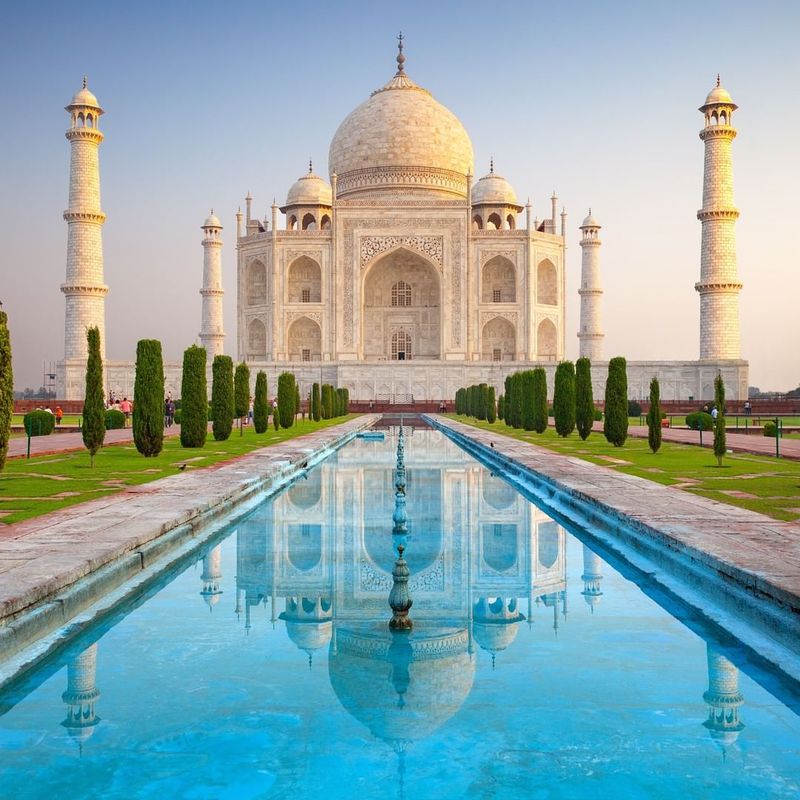
Built by a grieving emperor for his beloved wife, the Taj Mahal is arguably the most romantic structure ever created. Mughal Emperor Shah Jahan commissioned it in 1632 after the death of Mumtaz Mahal, and it took over 20,000 workers and 22 years to complete.
Every inch of this monument was designed to express love on a scale most people can barely imagine.
The white marble exterior is not just beautiful — it is engineering genius. The stone changes color depending on the time of day, appearing pinkish at dawn, dazzling white at noon, and softly golden at sunset.
Tiny semi-precious stones are inlaid into the marble in intricate floral patterns that remain remarkably vivid after nearly 400 years.
The reflection pool stretching in front of the main structure creates a perfect mirror image, which is why nearly every famous photo of the Taj Mahal looks almost too symmetrical to believe. Arriving at sunrise, before the heat and crowds build up, gives you the most serene experience.
Agra, the surrounding city, also offers excellent food and a bustling local market scene that makes the whole trip feel richly layered and deeply memorable.
Great Barrier Reef – Australia
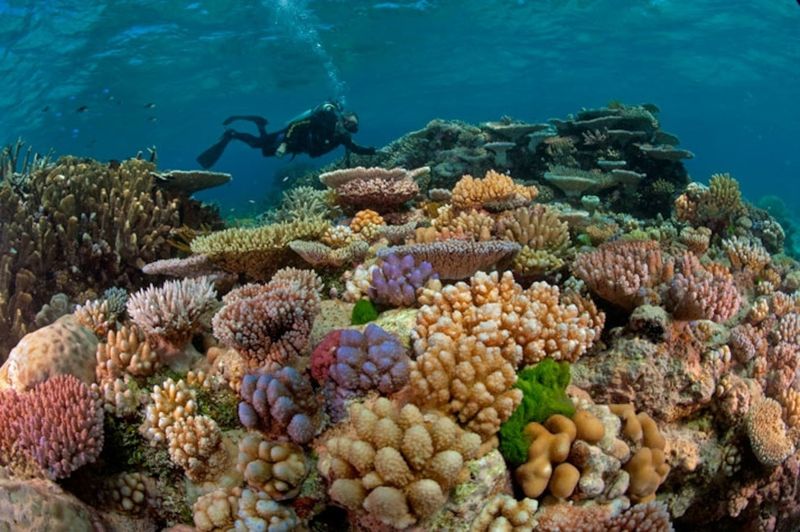
Stretching over 1,400 miles along the northeastern coast of Australia, the Great Barrier Reef is so massive it can be seen from outer space. It is the largest living structure on Earth, made up of nearly 3,000 individual reefs and 900 islands.
What looks like a colorful underwater carpet from above is actually a thriving city of marine life below the surface.
Snorkeling or scuba diving here puts you face-to-face with sea turtles, reef sharks, clownfish, manta rays, and over 1,500 species of fish. The colors of the coral are almost unbelievably vivid in person — electric blues, neon oranges, and deep purples that no screen can fully capture.
Even a glass-bottom boat tour gives non-swimmers a window into this extraordinary underwater world.
Sadly, rising ocean temperatures have caused significant coral bleaching in recent decades, making a visit feel both thrilling and urgent. Conservation efforts are ongoing, and many tour operators now focus on eco-friendly experiences that minimize environmental impact.
Visiting the reef today is not just a travel highlight — it is a chance to witness something precious that future generations may only know through photographs and old documentary footage.
Petra – Jordan
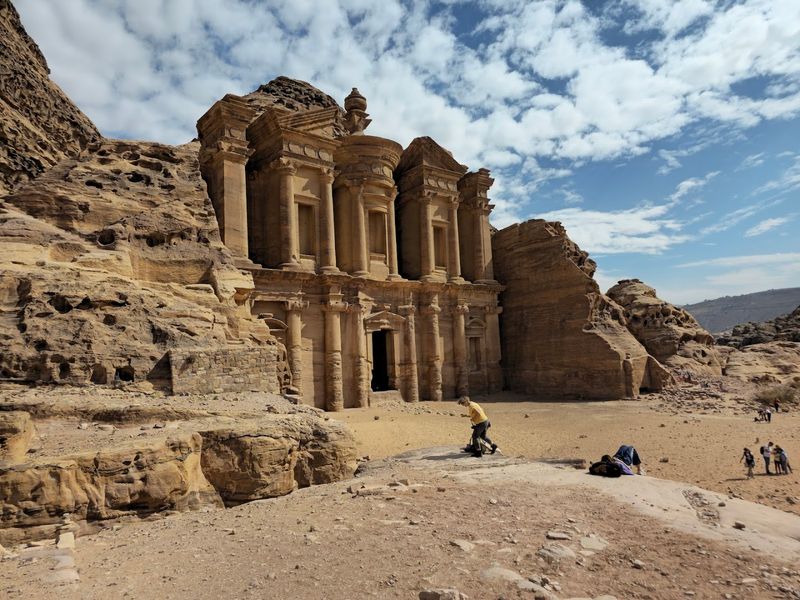
Imagine walking through a narrow canyon for nearly a mile, with towering rose-red rock walls closing in on either side, and then — suddenly — a massive carved temple appears before you. That is the moment every visitor to Petra experiences, and it never gets old no matter how many times you have seen it in photos.
The reveal of the Treasury is one of the most cinematic moments in all of travel.
Petra was the capital city of the Nabataean people roughly 2,000 years ago, and they carved their entire civilization directly into sandstone cliffs. The city includes tombs, temples, a colonnaded street, and even an ancient amphitheater — all chiseled by hand from rock.
At its peak, Petra was a thriving trade hub connecting Arabia, Egypt, and the Mediterranean world.
Beyond the famous Treasury, most visitors only see a fraction of what Petra has to offer. The Monastery, a larger and even more dramatic carved structure, requires a steep hike of 800 steps to reach — but the view from the top is absolutely worth every single one of them.
Visiting at night, when hundreds of candles light the path through the Siq, transforms the whole experience into something genuinely magical.
Colosseum – Rome, Italy
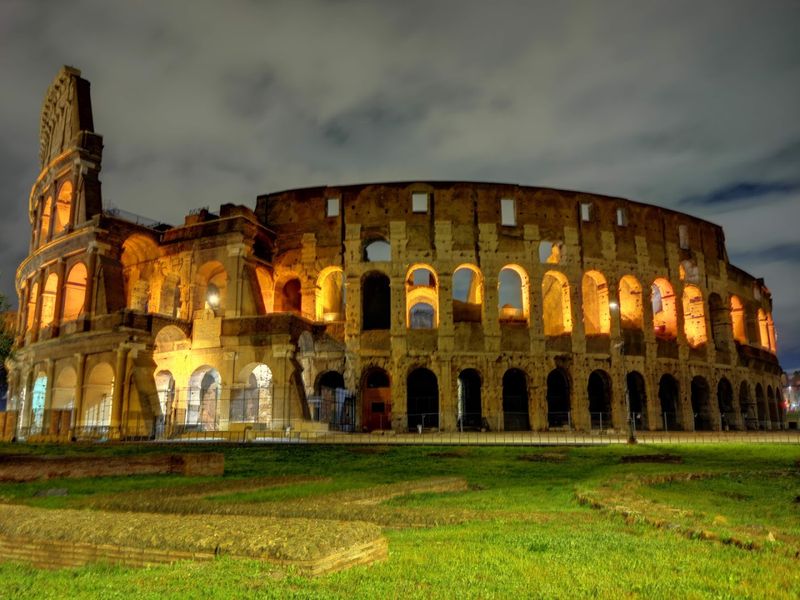
Nearly 2,000 years old and still standing in the heart of Rome, the Colosseum is proof that the ancient Romans built things to last. Completed in 80 AD, this massive amphitheater could hold up to 80,000 spectators at a time, making it the largest arena of the ancient world.
Gladiators fought here, wild animals were released into the arena, and the crowd roared loud enough to shake the stones.
Walking through its arched corridors today, you can almost hear the echoes of that ancient noise. The sheer scale of the structure is humbling — even with sections missing due to centuries of earthquakes and stone-looting, it remains one of the most impressive buildings ever constructed.
Engineers still study its design for clues about Roman construction techniques.
Booking tickets in advance is strongly recommended, as lines can stretch for hours during peak tourist season. An audio guide or guided tour adds enormous value, bringing the history to life with vivid stories about the emperors, gladiators, and everyday Romans who filled these seats.
Rome itself surrounds the Colosseum with centuries of history at every turn, making the entire city feel like one giant open-air museum you could spend weeks exploring.
Mount Everest – Nepal
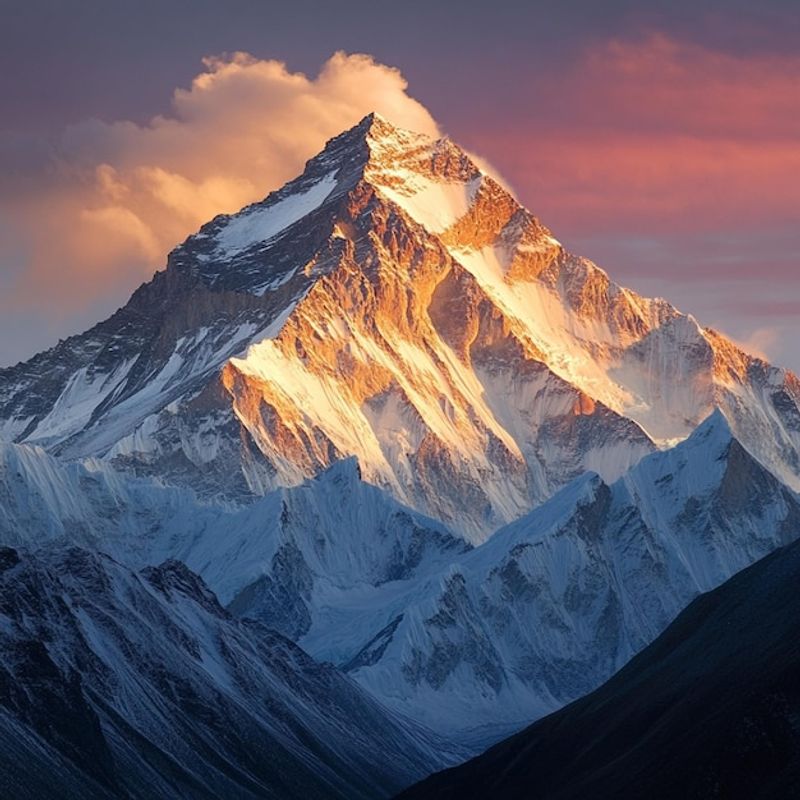
At 29,032 feet above sea level, Mount Everest does not just touch the sky — it practically owns it. The highest point on Earth sits on the border between Nepal and Tibet, surrounded by a cluster of other enormous Himalayan peaks that would be world-famous anywhere else but are simply overshadowed here.
Even from a distance of many miles, Everest commands your complete attention.
You do not need to be a climber to experience its magic. The Everest Base Camp trek is one of the most popular long-distance hikes in the world, taking trekkers through Sherpa villages, ancient monasteries, and high-altitude landscapes that feel like another planet entirely.
The trek typically takes about two weeks and requires solid fitness, but no technical climbing skills.
The Sherpa people, who have lived in the shadow of Everest for generations, are an essential part of any visit here. Their knowledge, culture, and extraordinary physical ability at high altitude have made countless expeditions possible.
Namche Bazaar, the main trading town along the trekking route, is a surprisingly lively hub packed with gear shops, bakeries, and travelers from every corner of the world all sharing the same wide-eyed wonder about the mountain looming above.
Santorini – Greece
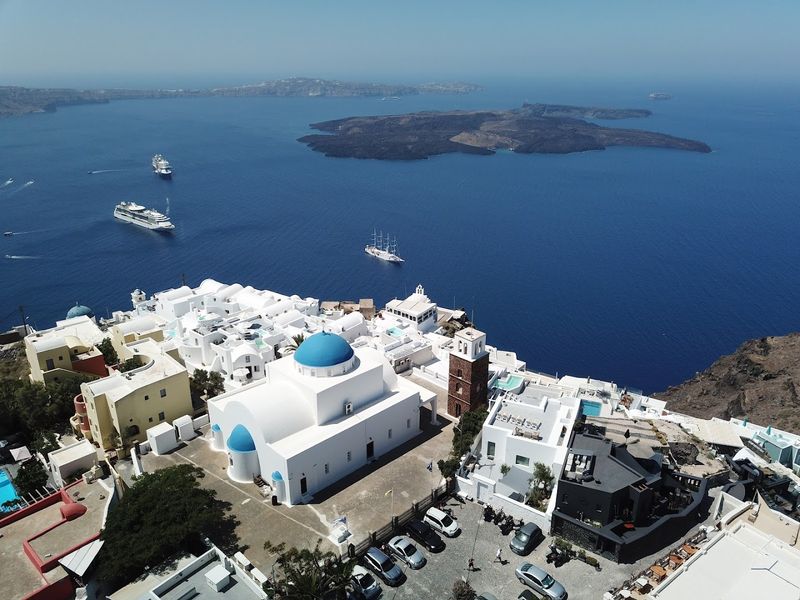
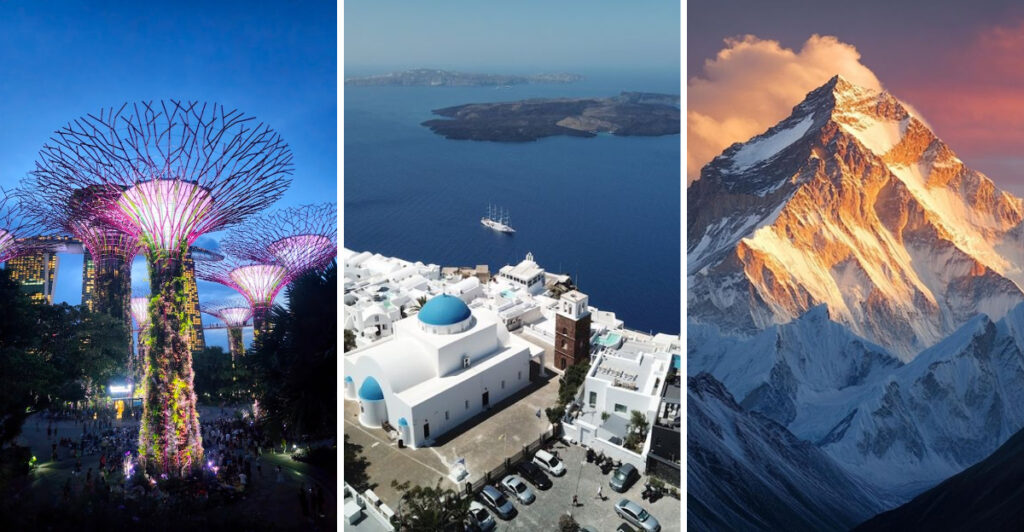
There is a reason Santorini appears on more screensavers, travel magazines, and Instagram feeds than almost any other place on Earth. The combination of blinding white buildings, cobalt blue domes, and a shimmering sea dropping hundreds of feet below the cliffs creates a scene that looks almost too perfect to be real.
And yet, there it is, waiting for you in the southern Aegean Sea.
The island was formed by one of the largest volcanic eruptions in recorded history, which collapsed the center of the island and created the dramatic caldera you see today. That same violent geological event may have inspired the legend of the lost city of Atlantis.
The dark volcanic beaches, including the famous Red Beach and Black Beach, are unlike anything you will find in the typical Mediterranean.
Oia, the most photographed village on the island, is famous for its sunset views that draw enormous crowds every evening to the castle ruins. Arriving a few minutes early to claim a good spot is practically a competitive sport.
Beyond the views, Santorini offers exceptional local wine made from grapes grown in volcanic soil, fresh seafood, and a relaxed pace of life that makes every hour feel luxuriously long.
Serengeti National Park – Tanzania
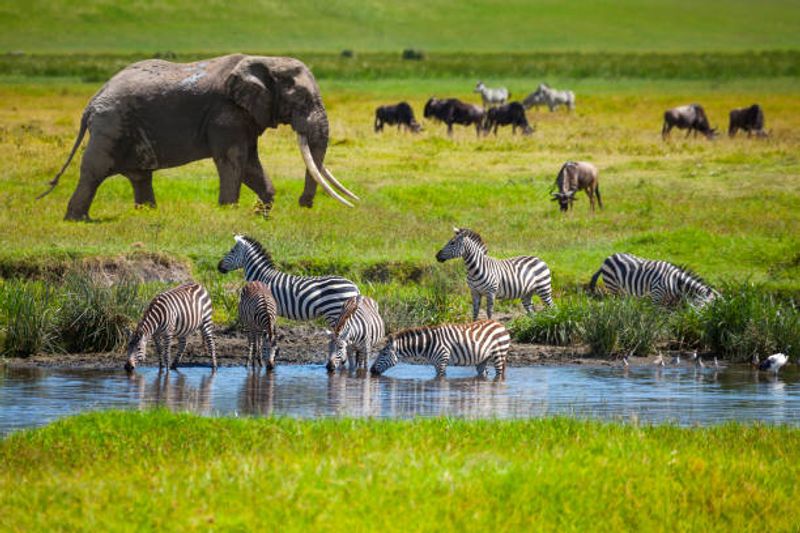
Every year, roughly 1.5 million wildebeest, 400,000 zebras, and 200,000 gazelles thunder across the Serengeti in what scientists call the greatest wildlife spectacle on Earth. The Great Migration follows the rains across Tanzania and Kenya in an enormous circular route, driven purely by the animals’ instinct to find fresh grass and water.
Witnessing even a small part of this movement feels like watching nature at full volume.
The Serengeti covers nearly 5,700 square miles of open savanna, woodland, and river ecosystems, supporting one of the densest concentrations of wildlife anywhere on the planet. Lions, leopards, cheetahs, elephants, giraffes, and hippos all call this landscape home.
Game drives at dawn are particularly extraordinary, with the golden light turning every animal sighting into a photograph worth framing.
Hot air balloon safaris over the Serengeti offer a completely different perspective, floating silently above herds of animals with a bird’s-eye view that no vehicle can replicate. The experience typically ends with a champagne breakfast on the savanna, which sounds absurdly glamorous and somehow feels completely natural out there.
Tanzania also offers nearby attractions like the Ngorongoro Crater, a collapsed volcano teeming with wildlife, making the whole region worth a longer stay.
Sydney Opera House – Australia
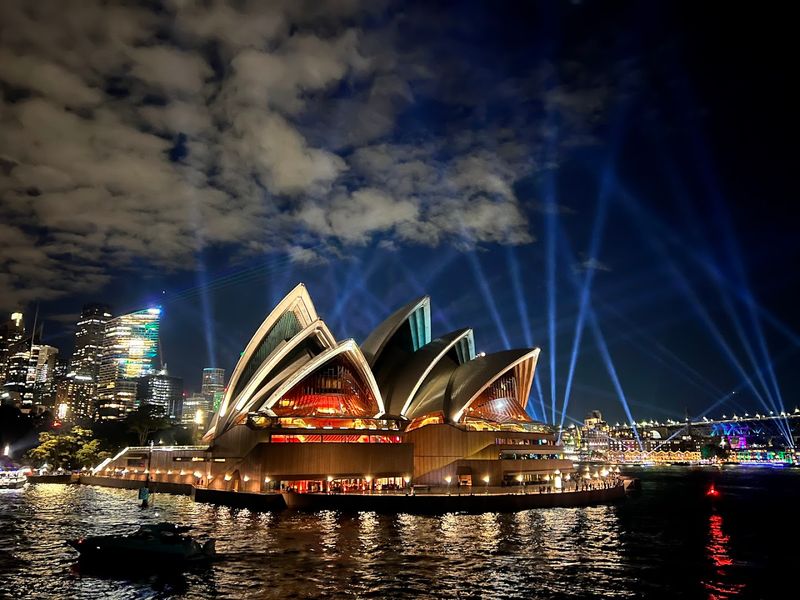
Danish architect Jorn Utzon submitted his winning design for the Sydney Opera House on a napkin-sized sketch, and construction crews had no idea how to actually build it for years. What followed was one of the most complicated and controversial building projects of the 20th century, taking 14 years and costing 14 times the original budget.
The result was so extraordinary that it earned a spot on the UNESCO World Heritage List in 2007 — one of the youngest buildings ever to receive that honor.
The sail-like roof shells that define the building’s silhouette are covered in over one million tiles that catch the light differently throughout the day, shifting from brilliant white to soft cream depending on the angle of the sun. Inside, the venue hosts over 1,500 performances every year, ranging from opera and ballet to comedy and contemporary music.
The acoustics are world-renowned, and attending a live performance here is an experience that combines architecture, art, and atmosphere in a way few venues anywhere can match.
Even just walking around the building’s exterior on the Bennelong Point waterfront is deeply satisfying. The views across Sydney Harbour, with the iconic bridge arching overhead, make the Opera House the centerpiece of one of the most photogenic urban landscapes in the world.
Niagara Falls – USA/Canada
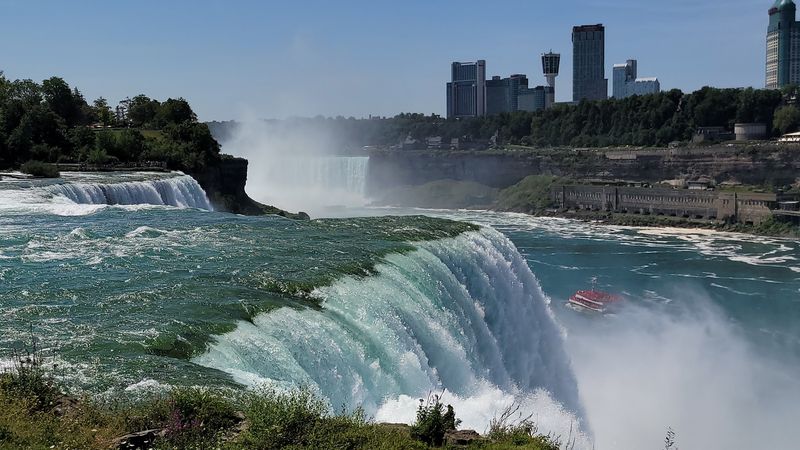
The roar reaches you before you even see the water. Standing anywhere near Niagara Falls, the ground vibrates slightly beneath your feet, and a permanent cloud of mist drifts through the air like nature’s own fog machine.
It is one of those rare places where the physical sensation of being there matters just as much as the visual spectacle.
Niagara is actually made up of three separate waterfalls — Horseshoe Falls, American Falls, and Bridal Veil Falls — straddling the border between the United States and Canada. Horseshoe Falls on the Canadian side is the most powerful, sending roughly 168,000 cubic meters of water over its edge every single minute during peak flow.
That number is almost impossible to picture until you are standing right in front of it.
The Maid of the Mist boat tour has been taking visitors directly into the spray at the base of the falls since 1846, and it remains one of the most thrilling tourist experiences in North America. Ponchos are provided, but expect to get genuinely soaked regardless.
Visiting in winter is a surprisingly underrated choice — frozen ice formations transform the falls into something that looks like a fantasy landscape, and the crowds thin out dramatically compared to the busy summer season.
Acropolis – Athens, Greece
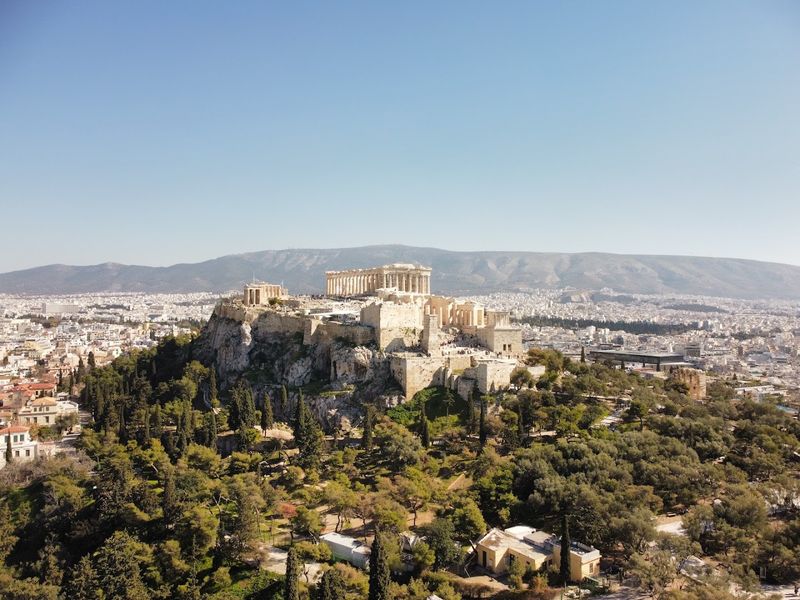
Climbing the rocky hill of the Acropolis in Athens feels like ascending into the birthplace of Western civilization itself. At the top, the Parthenon stands exactly where it has stood for nearly 2,500 years, its marble columns still managing to look both powerful and elegant despite centuries of wars, earthquakes, and the occasional explosion.
The Venetians accidentally blew up part of it in 1687 when they fired a cannonball into an Ottoman gunpowder stockpile stored inside, which is the kind of historical detail that makes ancient history genuinely riveting.
The Parthenon was built between 447 and 432 BC as a temple dedicated to the goddess Athena, patron of the city that bears her name. Its designers used subtle optical tricks — slightly curved columns and a gently arched floor — to make the building look perfectly straight to the human eye.
Without those corrections, the columns would appear to lean outward and the floor would seem to sag in the middle.
The Acropolis Museum at the base of the hill is equally worth visiting, housing original sculptures and artifacts removed from the site for preservation. Athens itself is a city of extraordinary energy, where ancient ruins sit casually between modern coffee shops and busy street markets, creating an atmosphere unlike anywhere else in Europe.
Gardens by the Bay – Singapore
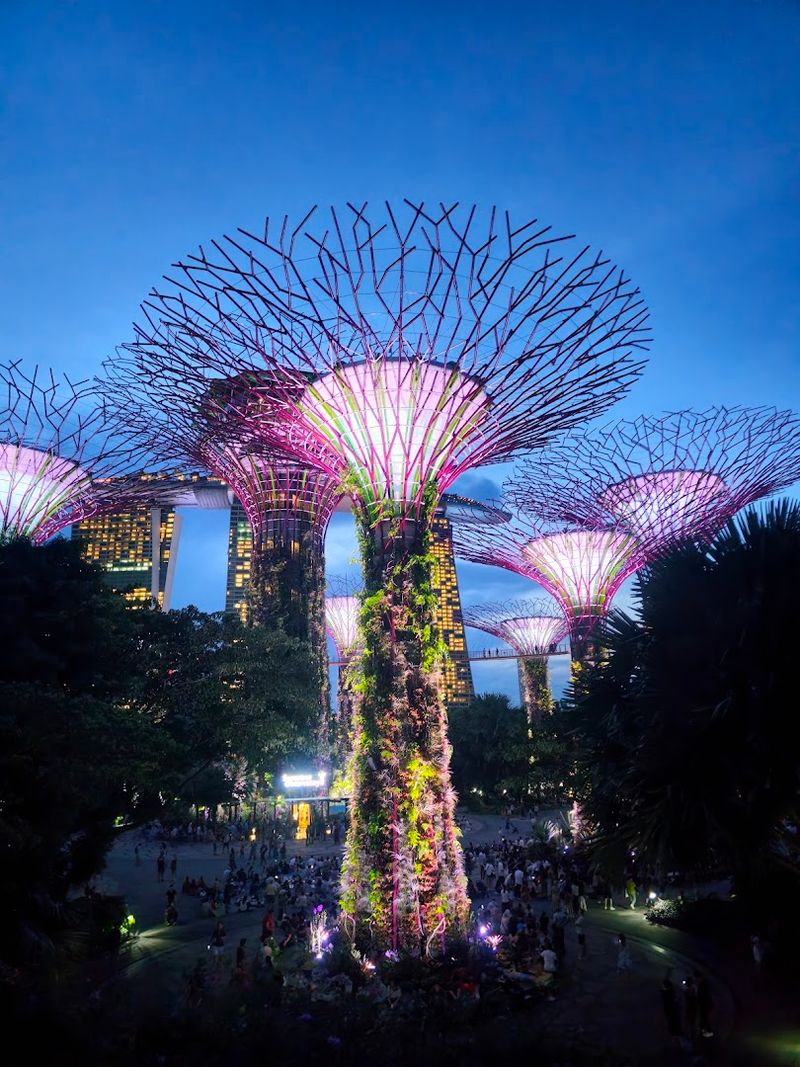
What happens when a city decides to grow a forest of giant metal trees covered in living plants and then lights them up like a sci-fi movie set every night? You get Gardens by the Bay, Singapore’s most spectacularly weird and wonderful attraction.
Opened in 2012, this 250-acre nature park on reclaimed land has become one of the most visited sites in Southeast Asia in record time.
The Supertrees are the stars of the show — vertical gardens standing between 82 and 164 feet tall, covered in over 162,000 plants, ferns, and orchids. Some of them are fitted with solar panels that power the evening light show, called the Garden Rhapsody, which runs twice nightly and fills the air with music as the trees pulse with color.
Walking the OCBC Skyway bridge between two of the tallest Supertrees gives you a bird’s-eye view of the entire garden glowing below.
Inside the park, two massive glass conservatories house ecosystems from entirely different parts of the world. The Flower Dome recreates a cool Mediterranean climate, while the Cloud Forest contains a 115-foot indoor mountain draped in tropical plants and a real waterfall.
Singapore is already one of the most fascinating cities in Asia, and Gardens by the Bay gives it one of the most genuinely unforgettable attractions anywhere on Earth.
Share this story