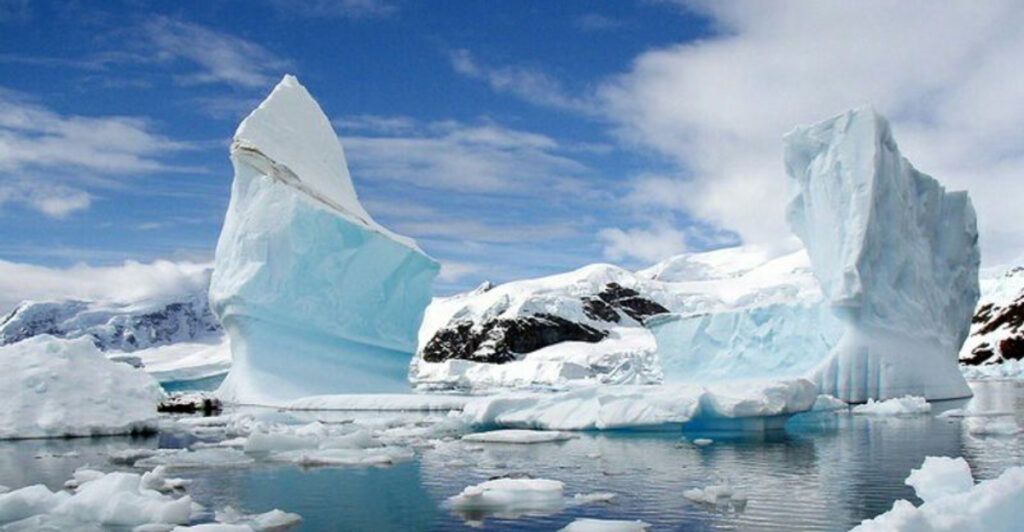
Antarctica is one of the most extreme places on Earth, and honestly, it makes the rest of the planet look pretty tame. Sitting at the bottom of the world, this frozen continent is full of surprises that most people never learn about in school.
From record-breaking cold to hidden mountains buried under miles of ice, Antarctica is basically nature showing off. Get ready, because these facts are going to seriously change the way you think about Earth’s wildest continent.
Antarctica Is the Windiest Continent
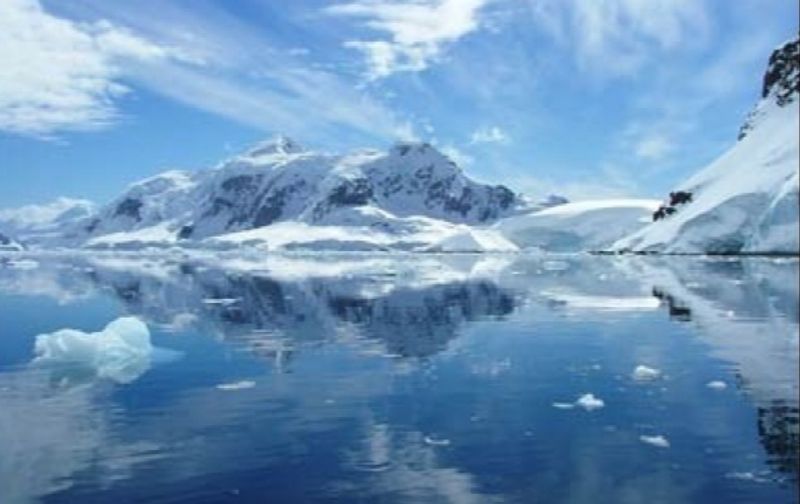
Antarctica’s winds are not just strong. They are the kind of strong that sends equipment flying and makes standing upright feel like a full-contact sport.
Katabatic winds are the culprits. Cold, dense air from the high interior of the continent slides downhill toward the coast, picking up speed as it goes.
Some of these winds have been recorded at over 300 kilometers per hour. That beats most hurricanes.
For researchers stationed near the coast, wind is a constant companion and not a friendly one. It drives windchill temperatures so far below zero that exposed skin can suffer frostbite in minutes.
The term “breezy” does not exist in the Antarctic vocabulary. Even on relatively calm days, gusts can appear without warning and turn a routine outdoor task into a survival situation.
Antarctica keeps everyone on their toes, usually while blowing them sideways.
Almost the Entire Continent Is Covered in Ice
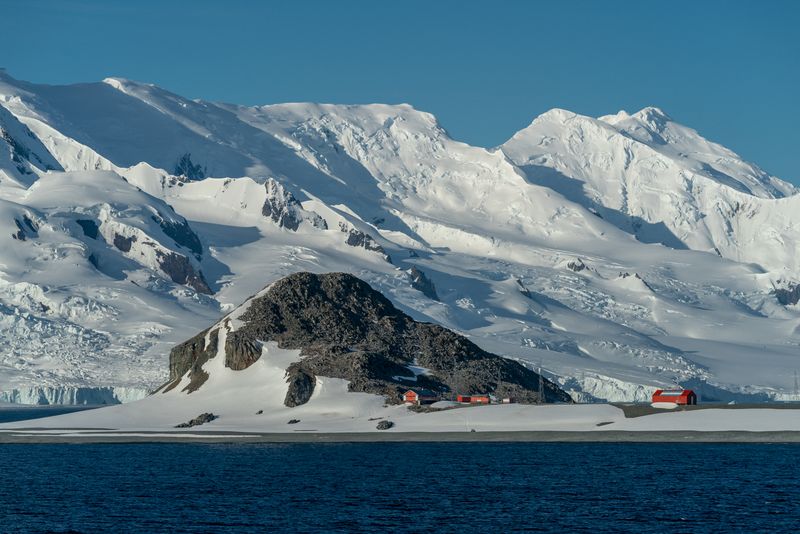
About 98% of Antarctica is buried under ice. That leaves just 2% of actual exposed rock, which means the continent is basically wearing the world’s largest ice costume.
In some places, that ice sheet is nearly 5 kilometers thick. That is thicker than many mountains are tall.
Underneath all that frozen weight sits an actual rocky continent with mountain ranges, valleys, and hidden lakes that have not seen sunlight in millions of years.
Scientists use radar and sonar equipment to map the land beneath the ice, and what they find keeps surprising them. There are entire mountain ranges hidden under there that rival the Alps in size.
Antarctica is not just a flat frozen wasteland. It is a complex, dramatic landscape wearing a very thick disguise.
Knowing that makes every photograph of its surface feel like you are only seeing the tip of a very large iceberg. Literally.
Antarctica Is the Coldest Continent on Earth
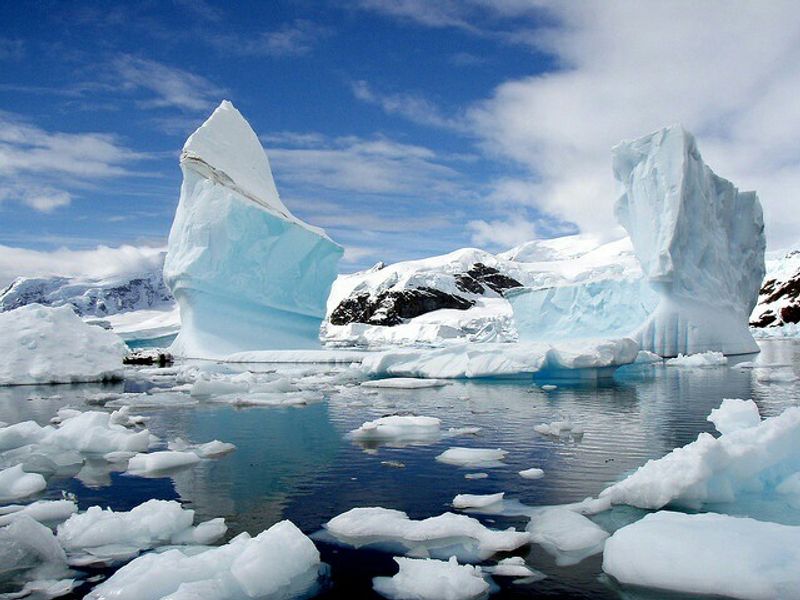
Hold on to your mittens, because Antarctica once hit -89 degrees Celsius at Vostok Station. That is not a typo.
That is the coldest temperature ever officially recorded on the surface of our planet.
I once complained about a cold morning that was around 0 degrees. Vostok Station would laugh at me.
Even during Antarctic summer, the deep interior stays brutally cold in ways that are hard to wrap your head around.
Coastal areas are slightly milder, but the center of the continent is on a completely different level of cold. Scientists who work there wear layers upon layers of specialized gear just to survive outdoors for short periods.
Antarctica does not mess around. It holds its cold weather record like a trophy and has no plans to give it up anytime soon.
It Is Also the Driest Continent
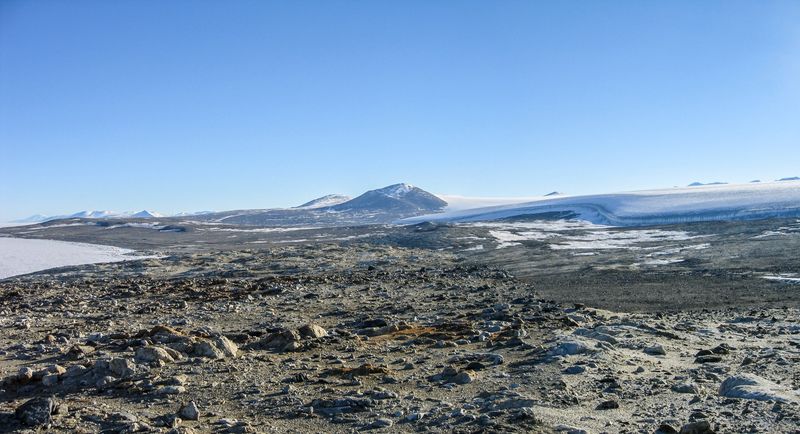
Here is a fact that messes with your brain: Antarctica is technically a desert. Yes, a desert.
A place buried in ice is officially one of the driest places on the planet.
Deserts are defined by how little precipitation they receive, not by how hot they are. Large parts of Antarctica get less annual snowfall than the Sahara gets rain.
The snow that does fall just sits there for centuries, slowly packing into ancient ice.
The McMurdo Dry Valleys are the most extreme example, with almost no snow or ice at all. They look more like Mars than anything you would expect in Antarctica.
Scientists actually study them to understand what life might look like on other planets. So Antarctica is not just Earth’s coldest spot, it is also one of its most unexpectedly parched.
Deserts come in all temperatures, apparently.
Antarctica Holds Most of the World’s Fresh Water
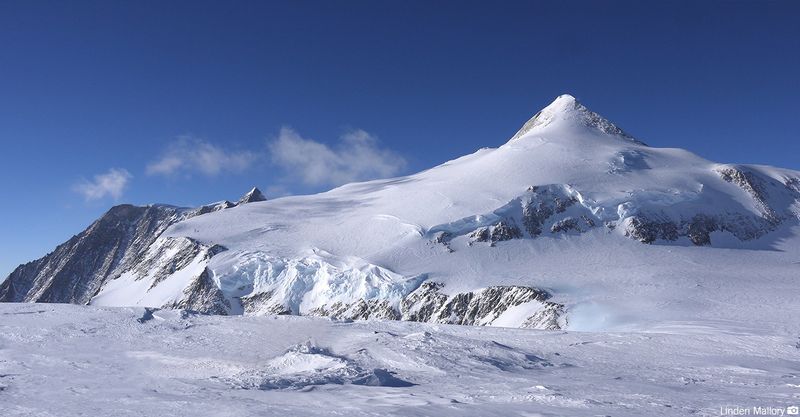
Antarctica is sitting on roughly 90% of the world’s surface fresh water, all locked up in its enormous ice sheet. That makes it the planet’s largest freshwater reserve by a massive margin.
To put that in perspective, if Antarctica’s ice melted completely, global sea levels would rise by around 60 meters. Entire coastal cities would vanish.
That is not a fun fact so much as a very important reminder of how much rides on that frozen continent staying frozen.
Climate scientists track Antarctic ice loss very closely because even small changes have big consequences far from the continent. Melting glaciers contribute to rising seas that affect millions of people living in coastal areas worldwide.
Antarctica is not just a faraway frozen curiosity. It is a critical part of Earth’s water system.
What happens at the bottom of the world echoes all the way to your nearest beach.
It Has No Permanent Native Human Population
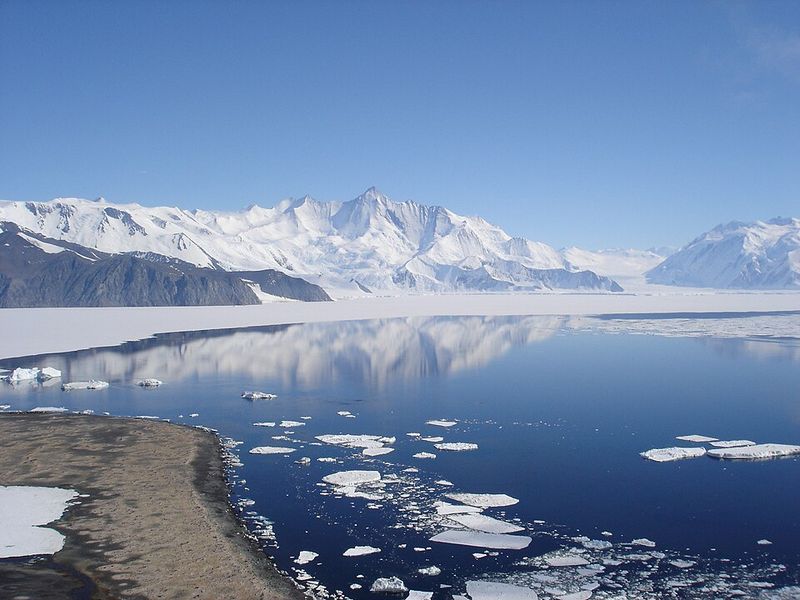
Antarctica is the only continent on Earth with zero native human population. No one grew up there, no ancient civilization called it home, and no indigenous group has ever lived there permanently.
It is the one place humans never truly settled.
Today, a few thousand scientists and support staff live there during summer, with numbers dropping sharply in winter when conditions become brutal. Research stations from over 30 countries operate on the continent, turning it into a kind of international scientific community.
I find it fascinating that in a world where humans have colonized nearly every corner of the planet, Antarctica just said no. The continent has no cities, no towns, no schools, and no permanent residents. Babies have been born there, which technically gives a handful of people the wildest birthplace on any resume.
But Antarctica remains, at heart, a place where humans are always just visiting.
Antarctica Has Only Two Main Seasons
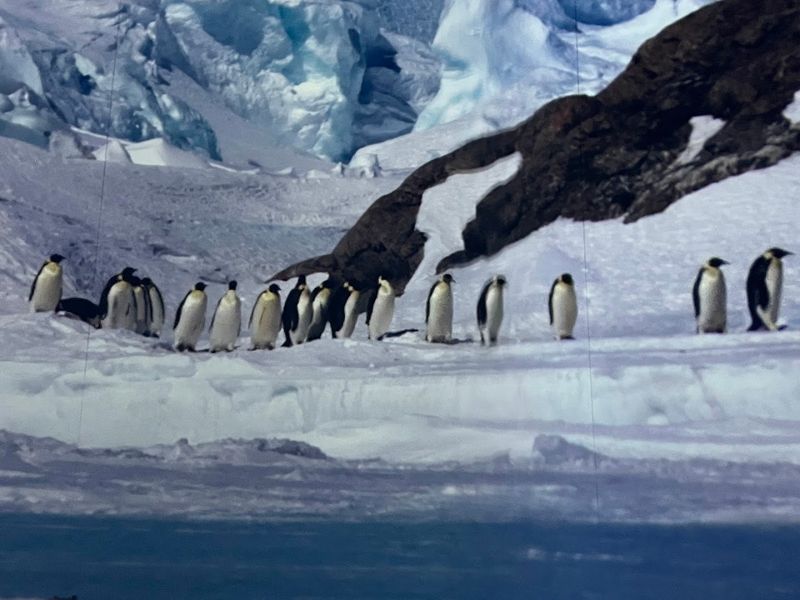
Forget spring cleaning and autumn leaves. Antarctica operates on a two-season schedule: summer and winter.
That is the whole calendar, and both seasons go to extremes that make regular seasons look mild.
During summer, parts of Antarctica experience continuous daylight for months. The sun never sets.
For researchers living there, sleeping becomes a creative challenge involving very good blackout curtains. During winter, the opposite happens, and the continent plunges into weeks or months of complete darkness.
The midnight sun of Antarctic summer is genuinely disorienting. Scientists report that after a few weeks, the constant daylight starts messing with sleep schedules and moods in ways that require real adjustment.
Winter darkness brings its own psychological challenges. The two-season system shapes everything on the continent, from wildlife behavior to research schedules.
Antarctica keeps it simple: bright and cold, or dark and colder. There is no in-between.
The South Pole Is Far From the Coast
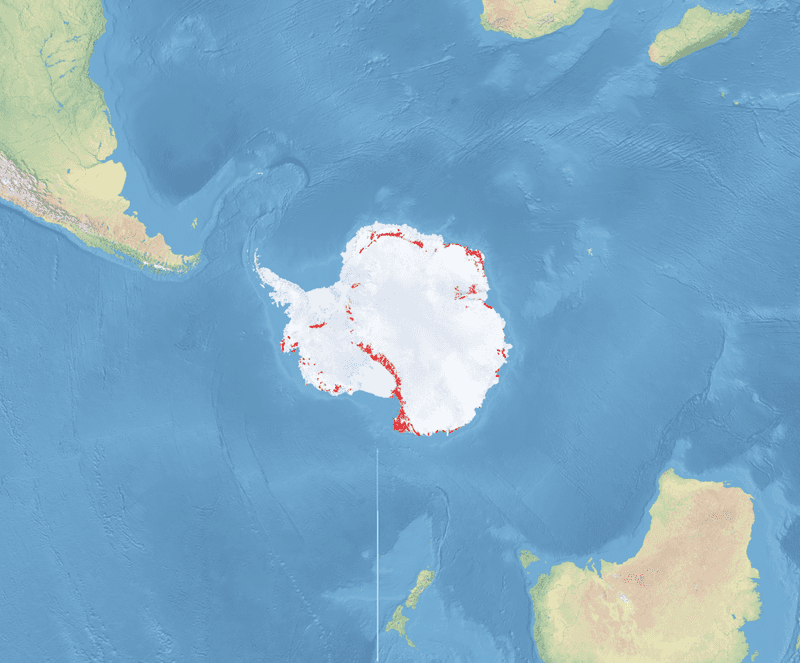
The geographic South Pole is not sitting conveniently near the shore. It is planted more than 1,000 kilometers from the nearest coastline, on a high icy plateau nearly 2,800 meters above sea level.
That elevation and inland location make it significantly colder than coastal Antarctica, which is already plenty cold. The Amundsen-Scott South Pole Station sits right on top of it, making it one of the most isolated research bases on Earth.
Getting supplies there is a major logistical operation every single season.
Early explorers like Amundsen and Scott raced to reach the South Pole in 1911, and the journey nearly killed Scott’s entire team on the way back. Today, visitors can fly in, but the trip is still no casual outing.
Standing at the actual bottom of the world is one of those experiences that sounds simple on paper and is absolutely not simple in practice.
Antarctica Is Bigger Than the United States
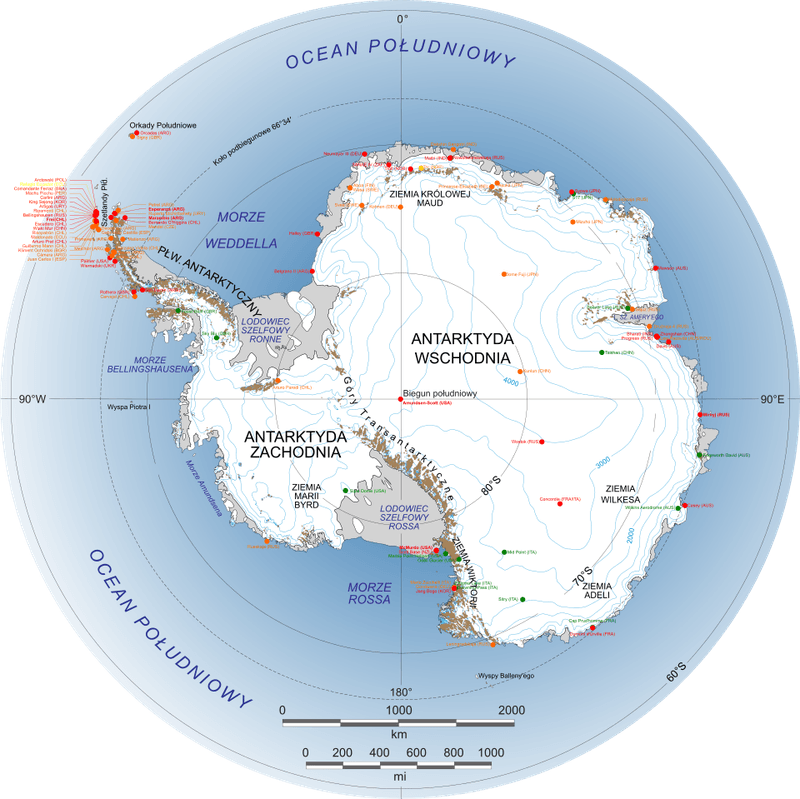
Antarctica covers about 14 million square kilometers, which makes it the fifth-largest continent on Earth. Combined, the United States and Mexico would still not fill it.
That is a staggering amount of frozen real estate.
The tricky part is that most maps make Antarctica look even bigger than it is, or sometimes weirdly flat and distorted, because standard map projections struggle with polar regions. Either way, the continent is genuinely enormous and most people have no real sense of its scale.
Flying across Antarctica takes hours, even in modern aircraft. Ground expeditions crossing the continent are multi-week ordeals that require serious planning and physical toughness.
Antarctica is not a dot at the bottom of the map. It is a continent-sized chunk of the planet that just happens to be frozen, remote, and largely unexplored compared to every other landmass.
Size-wise, it absolutely earns its place on the list.
The Highest Mountain Is Mount Vinson
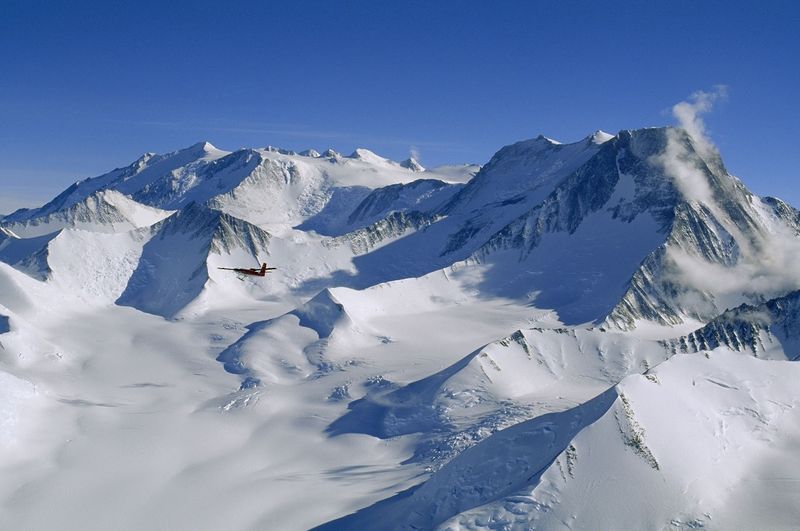
Mount Vinson is Antarctica’s tallest peak, rising nearly 4,900 meters above sea level. It sits in the Ellsworth Mountains and is considered one of the Seven Summits, the highest mountains on each continent.
Climbers who want to bag all Seven Summits have to tackle Vinson, which is no small task. Getting to the mountain alone requires a special flight to a remote airstrip on the ice.
From there, climbers face extreme cold, unpredictable weather, and one of the most isolated environments on the planet.
First climbed in 1966 by an American expedition, Vinson remained unknown to the outside world until the 1950s because Antarctica’s interior was so poorly mapped. There are mountains buried under the ice that may be taller, but Vinson holds the official title.
For mountaineers, reaching its summit means standing on top of the coldest continent in the world, which honestly sounds like bragging rights worth every frostbitten step.
Penguins Live There, But Polar Bears Do Not
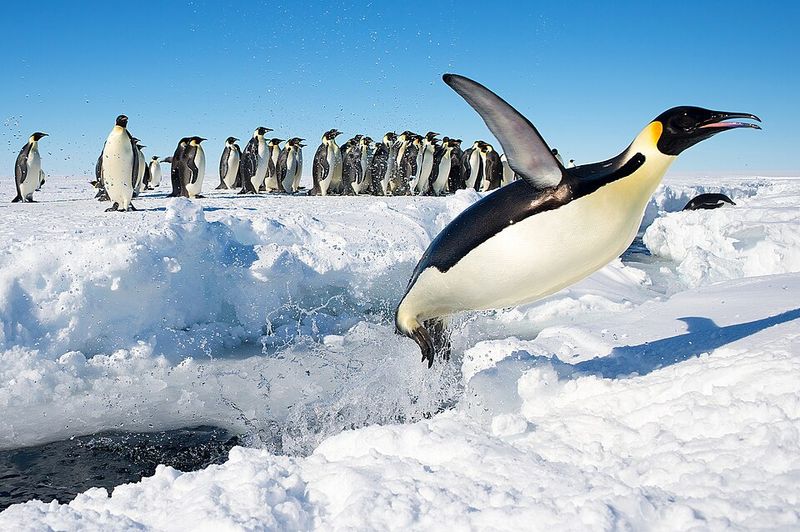
Emperor penguins are the rockstars of Antarctica. They breed during the Antarctic winter, which is arguably the most extreme parenting choice any animal has ever made.
Temperatures drop below -60 degrees Celsius and winds howl, yet emperors huddle together and incubate their eggs through all of it.
Polar bears, despite what holiday greeting cards might suggest, do not live anywhere near Antarctica. They are Arctic animals, living at the opposite end of the planet around the North Pole.
The two species have never shared a habitat in the wild.
This mix-up is one of the most common geographical mistakes people make. Antarctica has penguins, seals, whales, and seabirds.
The Arctic has polar bears, walruses, and Arctic foxes. Putting a polar bear in Antarctica would be geographically wrong and also very confusing for the polar bear.
Penguins have the southern ice all to themselves, and based on their attitude, they seem perfectly fine with that arrangement.
Antarctica Is Protected by an International Treaty
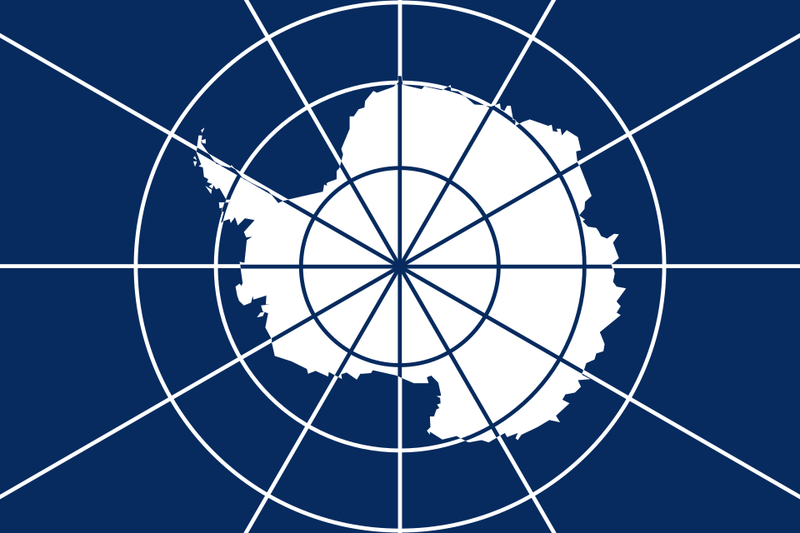
Back in 1959, a remarkable thing happened: twelve nations sat down and agreed that Antarctica would belong to no one and be used for peaceful purposes only. The Antarctic Treaty was born, and it remains one of the most successful international agreements in history.
The treaty bans military activity, prohibits nuclear testing, and encourages scientific cooperation across national borders. Over 50 countries have now signed on.
It is the rare example of countries setting aside competition in favor of protecting a place that benefits everyone.
The treaty also includes environmental protections that limit what researchers and visitors can do on the continent. Drilling for oil, dumping waste, and introducing non-native species are all prohibited.
Antarctica has no government, no flag, and no citizens, yet it is arguably one of the most carefully governed places on Earth. The treaty proves that when the stakes are high enough, international cooperation is genuinely possible.
Scientists Study Space by Studying Antarctica
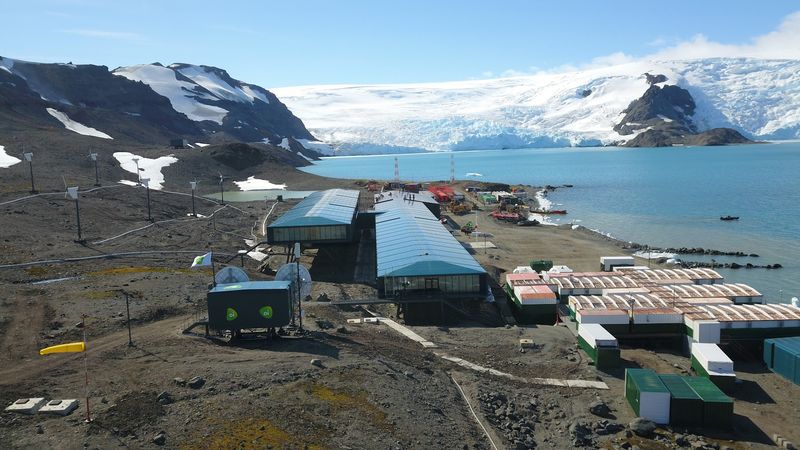
Antarctica doubles as an unlikely space lab. Because the ice sheet is white and featureless across huge areas, dark meteorites that fall from space stand out like a raisin on a white tablecloth.
Researchers have collected tens of thousands of meteorites there.
The cold, dry conditions also act as a natural preservation system. Meteorites found in Antarctica are often in better condition than those found elsewhere, sometimes preserved for hundreds of thousands of years.
That makes the continent a treasure chest for planetary scientists.
Some of these space rocks have come from Mars and the Moon, giving scientists physical samples from other worlds without ever launching a spacecraft. One famous Martian meteorite found in Antarctica even sparked a debate about whether it contained signs of ancient microbial life.
That question is still not fully settled. Antarctica, it turns out, is one of the best places on Earth to study what lies beyond it.
NASA Studies Antarctica From Space
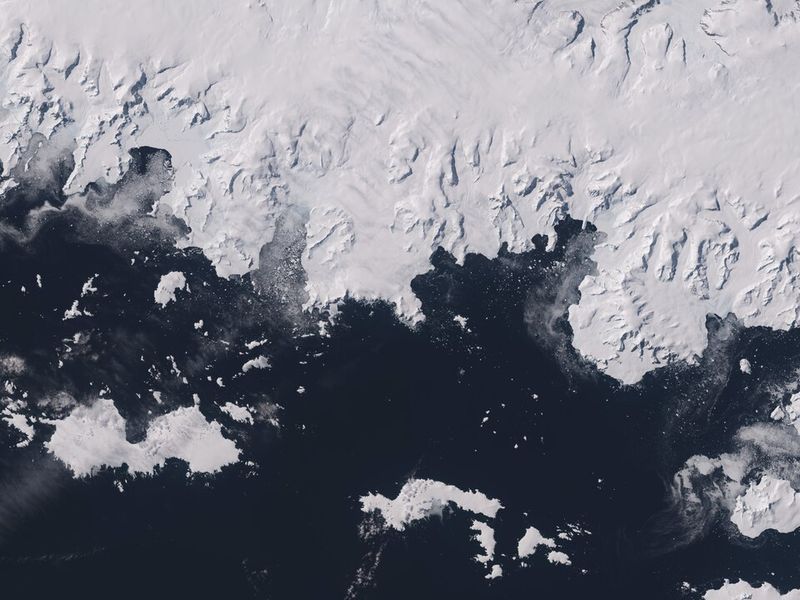
NASA does not just look outward at stars and planets. It also keeps a very close eye on Antarctica from orbit.
Satellites track ice sheet thickness, measure melt rates, and monitor the health of ice shelves that hold back massive glaciers.
The data collected from space has revealed some alarming trends. Certain glaciers in West Antarctica are retreating faster than earlier models predicted.
Ice shelves that once acted as natural brakes for glacial flow have collapsed, allowing ice to slide into the ocean more quickly.
From hundreds of kilometers above the Earth, NASA can see changes happening in Antarctica that would take ground teams years to document on foot. The satellite perspective gives scientists a complete picture of a continent that is too large and too harsh to survey any other way.
What happens in Antarctica does not stay in Antarctica. Rising seas and shifting weather patterns connect that remote ice to the daily lives of billions of people.
Tourism Is Carefully Managed
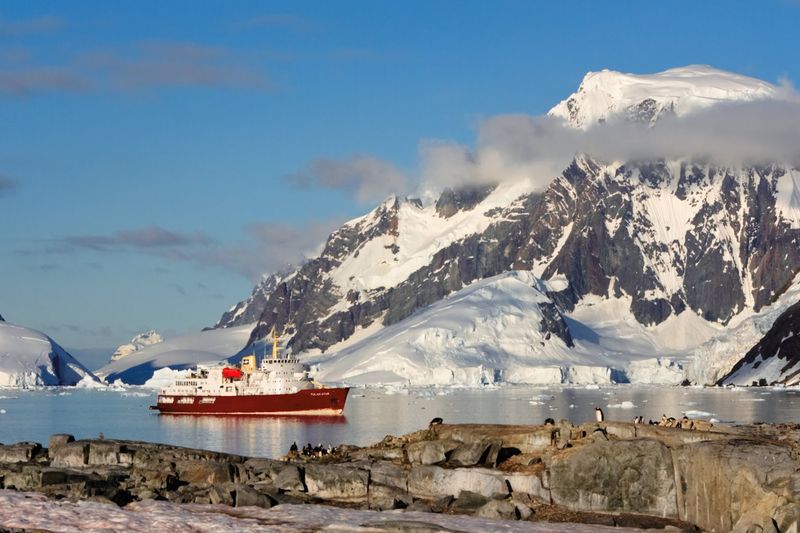
Antarctica actually gets tourists. Around 75,000 visitors make the trip each year, most arriving by ship from Argentina during the brief summer window.
It is not a cheap or easy journey, but the demand keeps growing.
Visits are tightly regulated under the Antarctic Treaty framework. Tourists must follow strict environmental rules: stay a set distance from wildlife, disinfect boots before going ashore to avoid introducing foreign seeds or microbes, and leave absolutely nothing behind.
The rules exist because Antarctica’s ecosystem is fragile and slow to recover from disturbance.
Tour operators must be members of the International Association of Antarctica Tour Operators, which enforces responsible practices. Even with all the rules, seeing emperor penguins up close or standing on the world’s most remote continent is an experience that visitors describe as genuinely life-changing.
Antarctica is open for visitors, but only on its terms. The continent sets the rules, and honestly, that is exactly how it should be.
Share this story