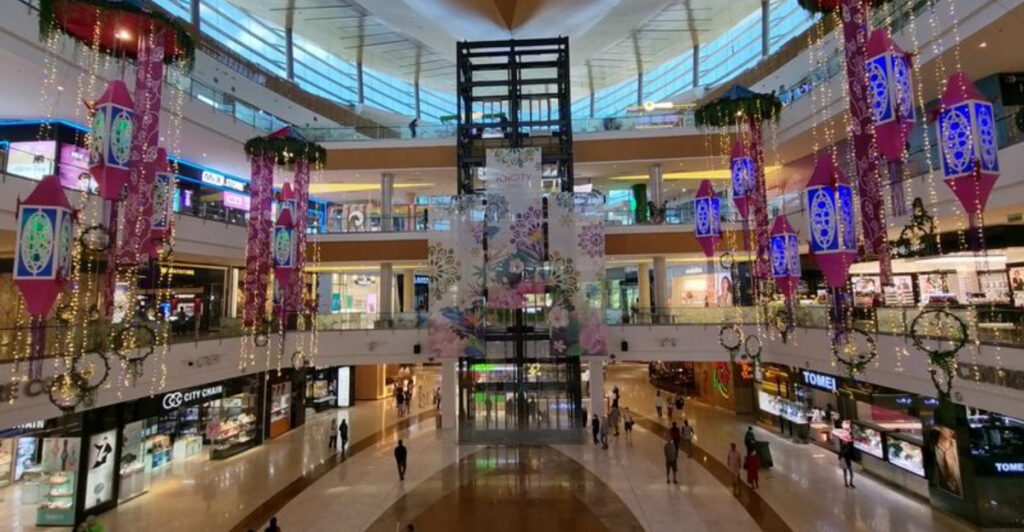
Shopping malls have come a long way from simple rows of stores under one roof. Today’s largest malls are practically small cities, packed with theme parks, aquariums, ice rinks, hotels, and thousands of shops spread across mind-blowing amounts of space.
Ranked by gross leasable area, the standard measure of retail space, these mega malls are the undisputed champions of commerce and entertainment. Get ready to explore 15 of the most jaw-dropping shopping destinations on the planet.
Iran Mall — Tehran, Iran
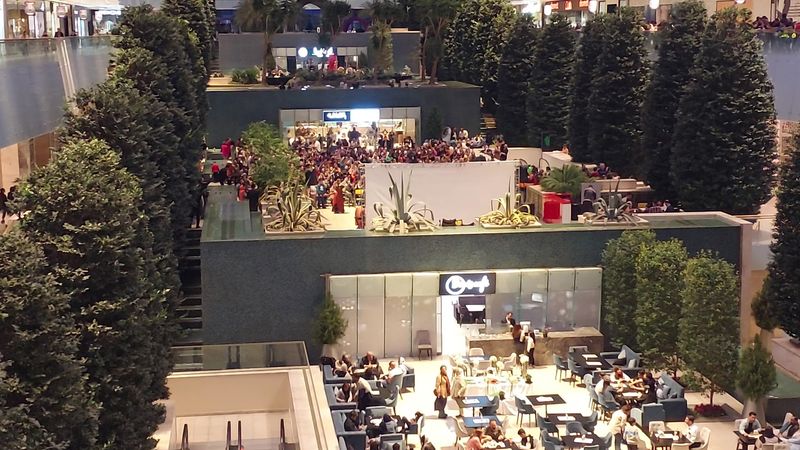
Holding the title of the world’s largest shopping mall is no small feat, and Iran Mall wears that crown with serious style. Stretching across an almost unbelievable 1.95 million square meters of leasable space, this Tehran titan makes most other malls look like corner stores.
Opened in 2018, it took years of construction and enormous investment to bring this retail giant to life.
Iran Mall is not just about shopping, though it certainly delivers on that front. The complex includes museums, a grand library, lush gardens, sports facilities, luxury hotels, and sprawling exhibition halls.
Visitors can spend days exploring the place without seeing everything.
The architecture alone is worth the trip. Inspired by Persian cultural heritage, the design blends modern materials with traditional motifs, creating an experience that feels both futuristic and deeply rooted in history.
With restaurants serving food from around the world and entertainment options for every age group, Iran Mall has redefined what a shopping destination can actually be. It is truly in a league of its own.
The Avenues Mall — Al Rai, Kuwait
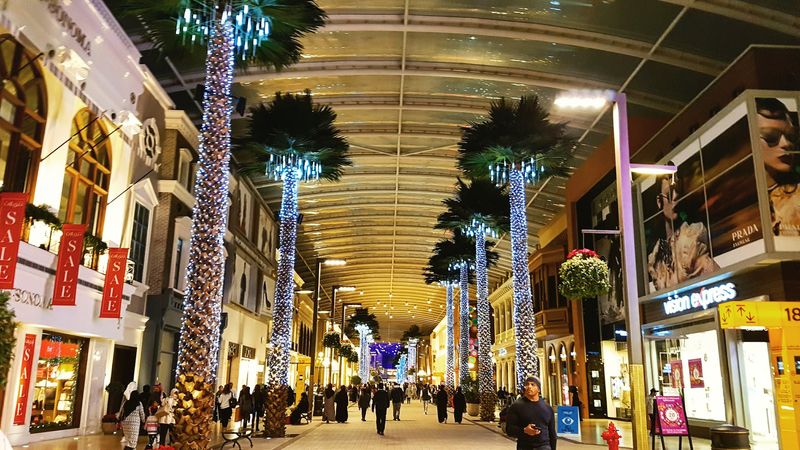
Walking through The Avenues Mall feels less like shopping and more like touring a miniature world. Kuwait’s largest retail destination is divided into distinct themed districts, each designed to recreate a different architectural style and atmosphere.
One section might feel like a European boulevard while another channels a sleek, ultra-modern vibe.
With over 1,400 stores packed into its enormous footprint, The Avenues offers something for every type of shopper. From international luxury brands to local Kuwaiti retailers, the variety is genuinely impressive.
Dining options are just as diverse, with restaurants ranging from casual street food to upscale fine dining experiences.
What really sets this mall apart is how thoughtfully it was designed. Rather than cramming everything into one generic space, the architects created distinct zones that give shoppers a sense of discovery as they move through the complex.
Outdoor plazas, water features, and carefully landscaped areas break up the indoor spaces and make the experience feel surprisingly refreshing. For locals and tourists alike, The Avenues is not just a shopping trip but a full day out that rarely disappoints.
Kuwait’s pride in this mall is completely understandable.
IOI City Mall — Putrajaya, Malaysia
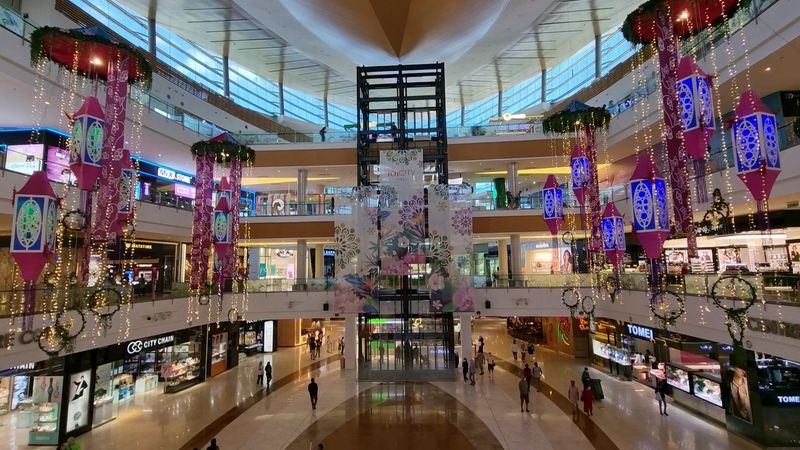
Southeast Asia’s largest mall sits just outside Kuala Lumpur in the planned city of Putrajaya, and it means business. IOI City Mall is a retail powerhouse with over 650 retailers spread across two connected phases, offering everything from fast fashion to high-end luxury goods.
The sheer scale of the place can feel overwhelming at first, but in the best possible way.
Beyond shopping, IOI City Mall pulls in visitors with some seriously fun attractions. An Olympic-sized ice skating rink sits at the heart of the complex, drawing families and skating enthusiasts year-round.
Indoor adventure attractions add another layer of excitement, making it a popular weekend destination for people of all ages.
The mall also connects to hotels and convention facilities, turning it into a full-scale destination rather than just a retail stop. Foodies will be thrilled by the enormous variety of dining options, which cover cuisines from across Asia and beyond.
Natural lighting floods many areas of the mall through large glass panels, giving the space an airy, open feel that prevents the usual underground-bunker sensation many giant malls produce. IOI City Mall proves that bigger really can be better when the planning is done right.
Isfahan City Center — Isfahan, Iran
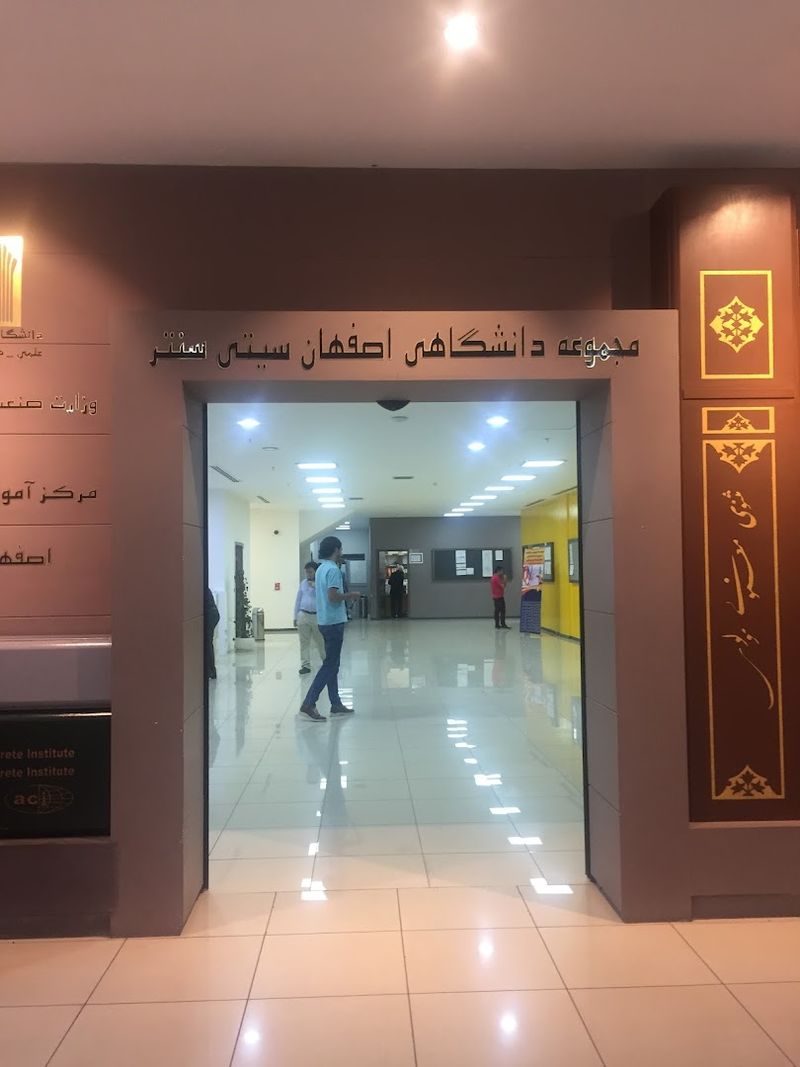
Isfahan has long been celebrated as one of Iran’s most beautiful cities, and Isfahan City Center adds a modern chapter to that storied legacy. This massive retail complex ranks among the Middle East’s largest malls, blending hundreds of stores with cultural attractions that reflect the city’s rich heritage.
It is a place where history and modernity share the same address.
The entertainment offerings here are genuinely spectacular. One of the region’s largest indoor amusement parks sits inside the complex, complete with rides and attractions that keep younger visitors buzzing with excitement.
Cinemas, museums, and hotels round out an experience that goes well beyond anything a typical shopping trip could offer.
Shoppers will find a broad mix of international brands and local retailers, catering to a wide range of tastes and budgets. The food court and restaurant areas are equally impressive, serving traditional Persian cuisine alongside international favorites.
The interior design draws inspiration from classical Iranian architecture, with intricate tile work and decorative elements that remind visitors they are in one of the world’s great cultural cities. Isfahan City Center manages to feel grand without losing its local identity, which is a genuinely rare achievement for a mall of this enormous scale.
South China Mall — Dongguan, China
Few malls have a story quite as dramatic as South China Mall. When it opened in 2005, it was the largest shopping mall in the world by gross leasable area, but it quickly earned a different kind of fame: the world’s biggest ghost mall.
For years, most of its storefronts sat empty, a surreal spectacle that attracted journalists and curious visitors from around the globe.
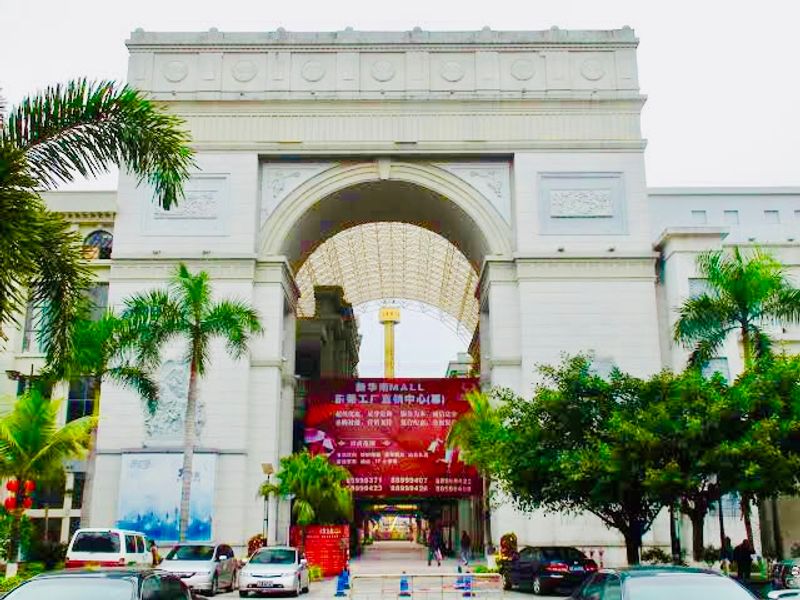
Redevelopment efforts eventually breathed new life into the complex, and today South China Mall has shed much of its ghost-town reputation. The themed shopping zones remain its most visually striking feature, with sections designed to evoke the feel of Paris, Venice, Amsterdam, and other iconic cities.
A replica Arc de Triomphe and actual canals give the place a theatrical, almost theme-park quality.
Located in Dongguan, a major manufacturing hub in Guangdong Province, the mall serves a large and growing population. Its revival is a fascinating retail comeback story that few industry observers predicted.
While it may never fully reach its original ambitious vision, South China Mall today offers a genuinely unique shopping experience that you simply cannot find anywhere else. The themed zones alone make it worth a visit for the sheer novelty factor.
SM Mall of Asia — Pasay, Philippines
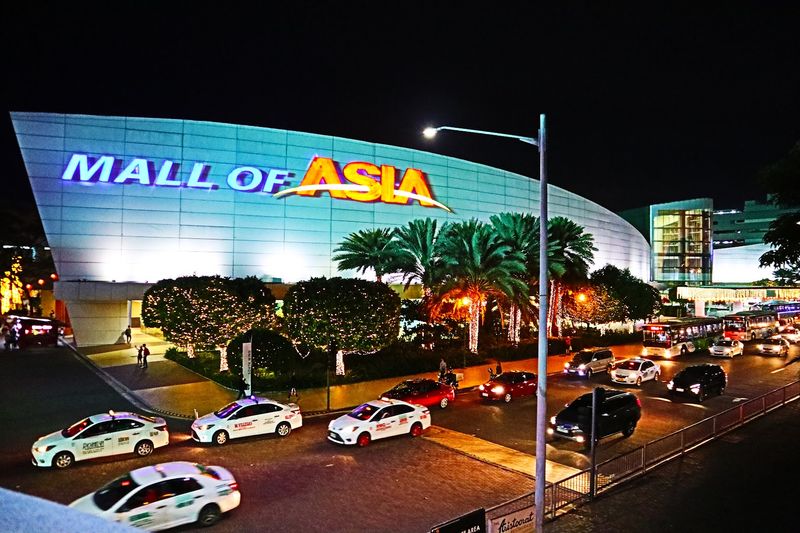
Stretching along the shores of Manila Bay, SM Mall of Asia is one of those places that genuinely earns the word “mega.” With over 3,500 stores, this Filipino retail landmark is not just the largest mall in the Philippines but also one of the biggest in the entire world. On a clear evening, the bay views from the outdoor areas are absolutely stunning.
Entertainment here operates on a grand scale. The SM Mall of Asia Arena hosts major concerts and sporting events, drawing massive crowds from across the country.
IMAX theaters, an Olympic-sized ice skating rink, and a science discovery center ensure that non-shoppers have plenty to keep themselves busy for an entire day.
The food scene matches the scale of everything else, with hundreds of dining options ranging from local Filipino favorites to international chains. Waterfront restaurants offer breezy outdoor seating with views of Manila Bay, making dinner feel like a mini vacation.
SM Mall of Asia also serves as a community hub for Metro Manila, hosting seasonal events, fairs, and public gatherings that bring the city together. It is a mall, an arena, a dining district, and a community gathering place all rolled into one spectacular location.
Golden Resources Mall — Beijing, China
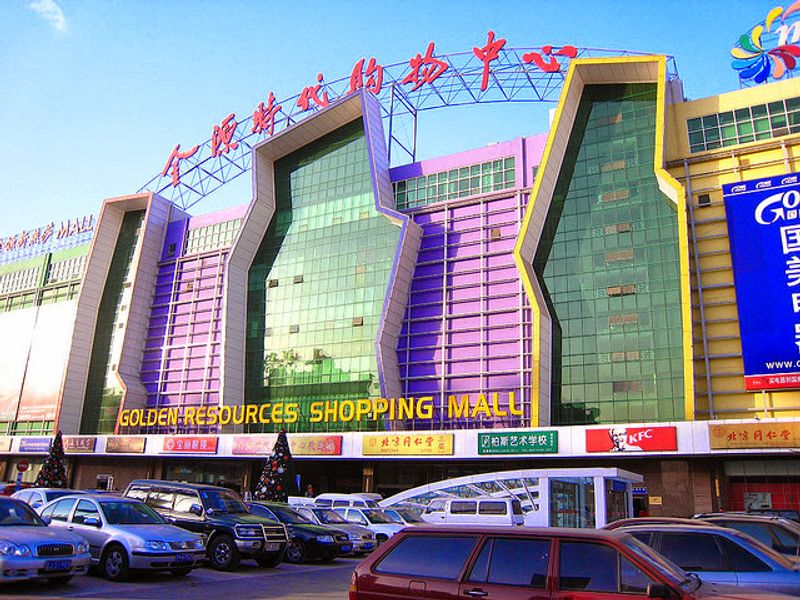
Before Iran Mall stole the crown, Golden Resources Mall in Beijing was the undisputed king of retail real estate. Nicknamed the “Great Mall of China” by international media, it claimed the title of the world’s largest shopping mall when it opened in 2004.
That nickname alone tells you everything about the ambition behind this project.
Spread across six floors with hundreds of retailers, the mall covers an area so vast that some shoppers reportedly needed bicycles to get around efficiently in its early days. Whether that story is entirely true or slightly exaggerated, it perfectly captures the scale of the place.
Today, Golden Resources Mall continues to draw millions of shoppers annually and remains one of Beijing’s major retail landmarks.
The tenant mix covers a wide spectrum, from affordable everyday brands to higher-end fashion labels, making it accessible to a broad range of shoppers. Dining options, entertainment facilities, and a bustling food court add to the appeal.
While newer and flashier malls have emerged in Beijing over the years, Golden Resources Mall holds its ground through sheer size and an established loyal customer base. History, scale, and a legendary nickname give this mall a personality that newer competitors are still working hard to match.
Central WestGate — Nonthaburi, Thailand
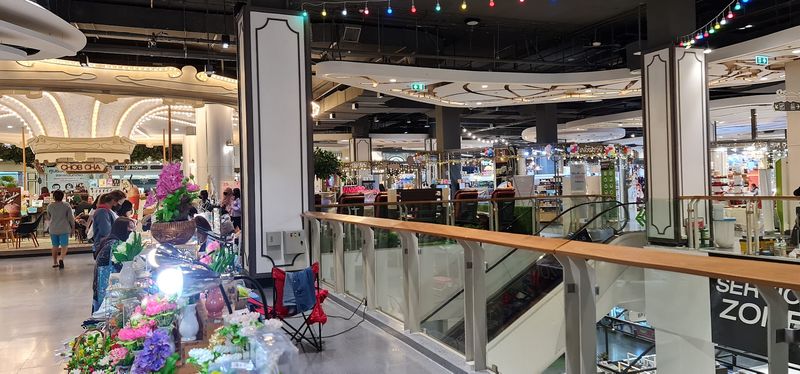
Just northwest of Bangkok in Nonthaburi Province, Central WestGate quietly became one of Southeast Asia’s most impressive retail destinations. The mall was designed to serve the rapidly growing communities on Bangkok’s expanding western edge, and it has done exactly that with remarkable success.
From the moment you approach the complex, the sheer footprint of the building makes an impression.
One of its biggest draws is its IKEA location, which ranks among the largest in Southeast Asia. For furniture lovers and home decor enthusiasts, that alone is worth the trip.
Beyond IKEA, the mall houses hundreds of stores across a wide range of categories, from fashion and electronics to health and beauty.
Cinemas, a bowling alley, a kids’ play zone, and a well-stocked food court round out the entertainment options. Central WestGate also regularly hosts community events, weekend markets, and seasonal festivals that keep the atmosphere lively and fresh throughout the year.
The parking facilities are enormous, which matters a great deal in car-heavy suburban Bangkok. Locals from surrounding neighborhoods have embraced the mall as their go-to destination for practically everything, from weekly grocery runs to full-day family outings.
Central WestGate proves that suburban malls can absolutely compete with their flashier city-center counterparts.
CentralWorld — Bangkok, Thailand
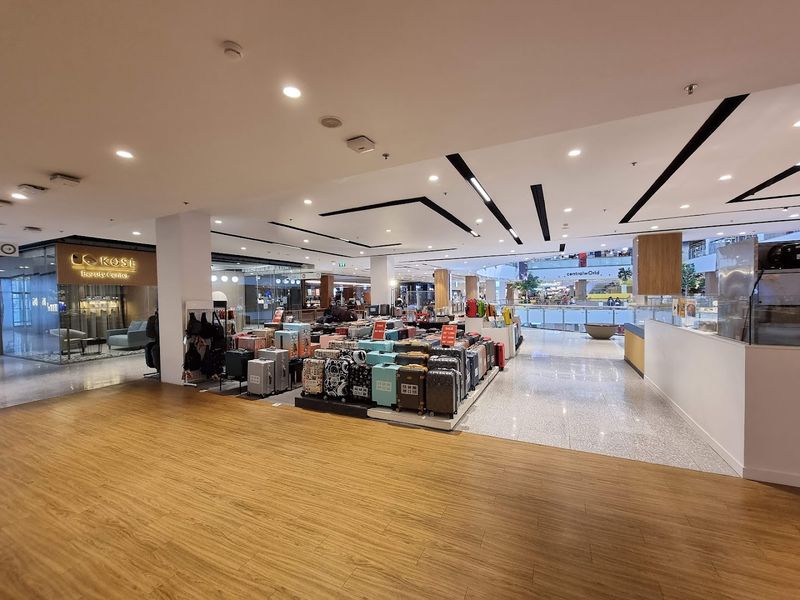
Right in the beating heart of Bangkok’s commercial district stands CentralWorld, one of the largest shopping complexes in all of Asia. Surrounded by luxury hotels, office towers, and some of the city’s busiest intersections, this mall is essentially the epicenter of Bangkok’s retail universe.
Locals and tourists alike treat it as a landmark, not just a place to shop.
Over 600 stores fill the complex, covering everything from fast fashion to international luxury labels. A dedicated gourmet supermarket, specialty food halls, and dozens of restaurants make CentralWorld a serious destination for food lovers as well.
The variety of dining options is genuinely staggering, spanning Thai, Japanese, Korean, Italian, and countless other cuisines.
The outdoor event plaza in front of CentralWorld is one of Bangkok’s most famous public spaces, hosting the city’s massive New Year’s Eve countdown celebration every year, which draws hundreds of thousands of people. Major concerts, product launches, and cultural festivals regularly take over this space throughout the year.
Inside, the mall feels surprisingly easy to navigate despite its enormous size, thanks to clear signage and well-organized floor layouts. CentralWorld is not just a shopping mall.
It is a genuine piece of Bangkok’s urban identity, woven into the daily life of millions of residents.
ICONSIAM — Bangkok, Thailand
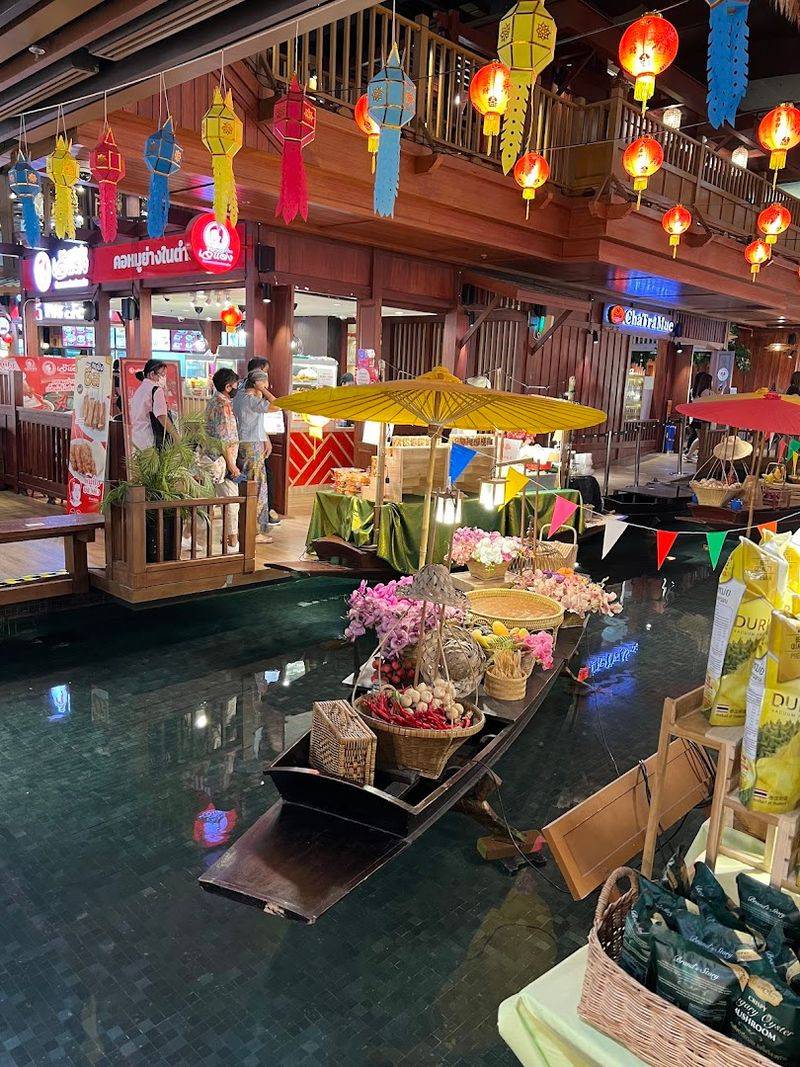
Perched along the legendary Chao Phraya River, ICONSIAM is the kind of mall that makes you forget you came in looking for a new pair of shoes. Opened in 2018, it instantly became one of Bangkok’s most talked-about destinations, blending world-class luxury retail with authentic Thai cultural experiences in a way that had never been done before at this scale.
The indoor floating market is the crown jewel of the complex. Modeled after Thailand’s famous outdoor floating markets, it brings traditional vendors, local crafts, and street food into an air-conditioned riverside setting.
It sounds like it should not work, but it absolutely does, drawing massive crowds of both locals and international visitors daily.
Luxury brands fill the upper floors, with many flagship stores designed specifically for this location. Fine dining restaurants line the riverside, offering stunning views of the Chao Phraya and the glittering Bangkok skyline across the water.
A dedicated boat pier connects ICONSIAM to the river ferry network, making it accessible without fighting Bangkok’s notorious traffic. The overall experience feels less like visiting a mall and more like attending a cultural event that happens to have incredible shopping attached.
ICONSIAM set a new standard for what a modern retail destination can aspire to be.
Dubai Mall — Dubai, United Arab Emirates
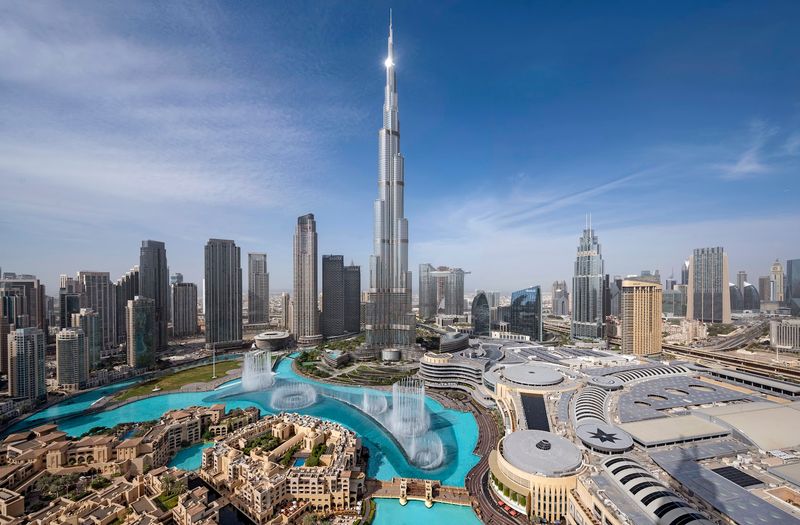
Ask almost anyone to name a famous shopping mall and Dubai Mall will likely top the list. While it may not hold the record for sheer leasable square footage, it has an argument for being the most famous retail destination on Earth.
Over 1,200 stores, a massive aquarium, an Olympic ice rink, and a direct connection to the world’s tallest building make for a pretty convincing resume.
The Dubai Aquarium and Underwater Zoo is one of the mall’s most spectacular features, housing tens of thousands of aquatic animals behind one of the largest acrylic viewing panels in the world. Visitors can walk through a tunnel completely surrounded by sharks and rays, which is every bit as thrilling as it sounds.
Virtual reality attractions and a full-sized dinosaur skeleton add further wow factor.
On busy evenings, the outdoor fountain show at the base of the Burj Khalifa draws enormous crowds who gather to watch water jets and lights dance in perfect choreography. Dubai Mall handles over 100 million visitors annually, making it one of the most visited destinations anywhere on Earth, not just among malls but among all tourist attractions globally.
The combination of luxury, entertainment, and spectacle here is simply unmatched anywhere in the world.
Mall of America — Bloomington, Minnesota, USA
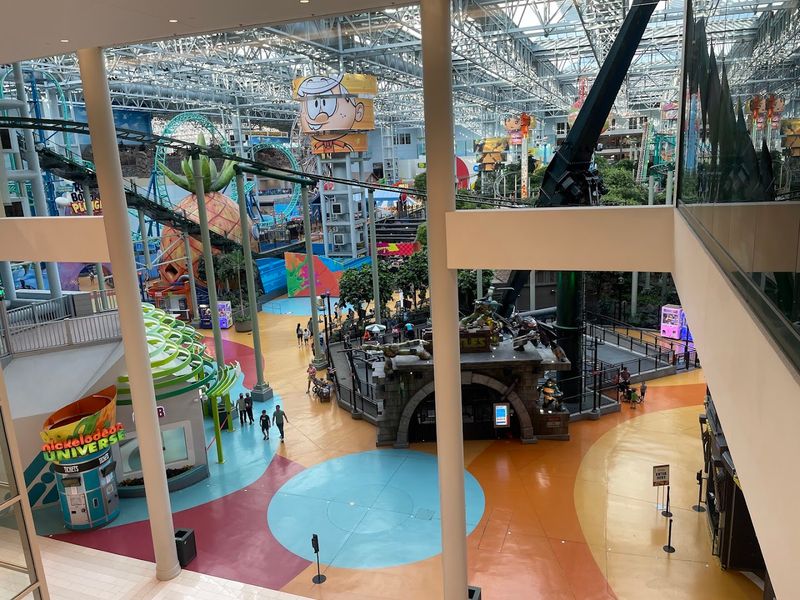
Somewhere in suburban Minnesota, a mall decided it wanted to be an amusement park when it grew up, and nobody stopped it. Mall of America in Bloomington has been defying expectations since it opened in 1992, offering an indoor experience so packed with entertainment that many visitors barely notice the 500-plus stores surrounding them.
That indoor amusement park in the center of the building? It has actual roller coasters.
Nickelodeon Universe, the theme park at the heart of Mall of America, is the largest indoor amusement park in the United States. Rides loop and plunge through multiple levels of the mall, visible from practically every angle of the building.
SEA LIFE Aquarium, mini golf, an escape room, and a comedy club add to the entertainment lineup.
Despite Minnesota’s brutal winters, Mall of America draws around 40 million visitors per year, more than Disney World, Yellowstone, and the Grand Canyon combined. It pays no property taxes, a deal struck with Bloomington when the mall was first developed, which remains one of the most controversial real estate agreements in American history.
Shopping here genuinely feels secondary to the experience, which is exactly what the designers intended. Mall of America is less a retail center and more a full-scale American entertainment institution.
King of Prussia Mall — Pennsylvania, USA
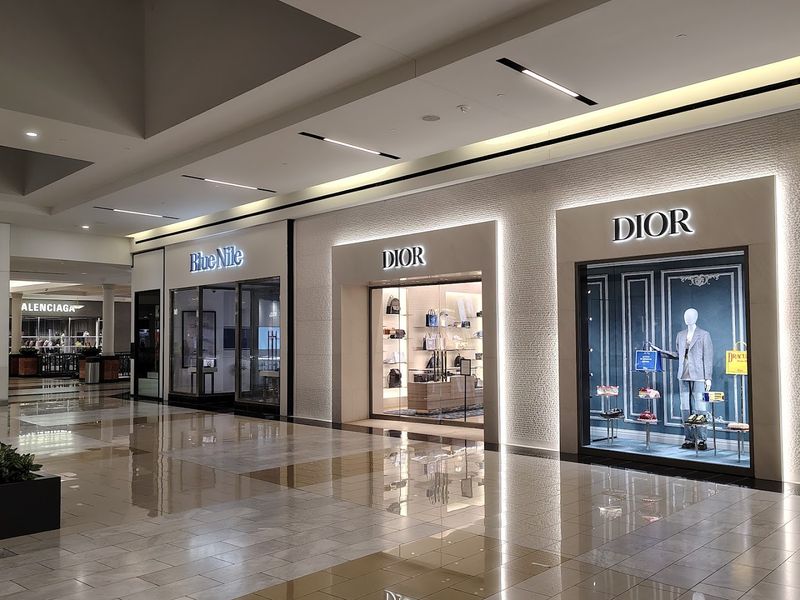
On the East Coast of the United States, one mall has quietly held the title of largest in the region for decades, and its name alone raises eyebrows among first-time visitors. King of Prussia Mall in Pennsylvania is named after the surrounding township, which itself was named after an old inn that bore the Prussian royal coat of arms.
The name is quirky but the mall is serious business.
With two distinct sections connected by a central corridor, the mall spans an enormous area and houses an impressive collection of luxury retailers alongside popular national brands. Neiman Marcus, Nordstrom, and Bloomingdale’s anchor the upscale wing, while a broader mix of stores fills the other sections, giving shoppers across all budget ranges plenty to explore.
Dining options have expanded significantly in recent years, with a growing roster of full-service restaurants complementing the traditional food court. The mall draws shoppers from Philadelphia and the surrounding region, as well as tourists who make it a deliberate stop on Pennsylvania visits.
Renovation efforts over the years have kept the space feeling relatively fresh and modern despite its long history. King of Prussia Mall may not have roller coasters or aquariums, but its combination of retail range and sheer scale keeps it firmly among America’s most important shopping destinations.
American Dream — East Rutherford, New Jersey, USA
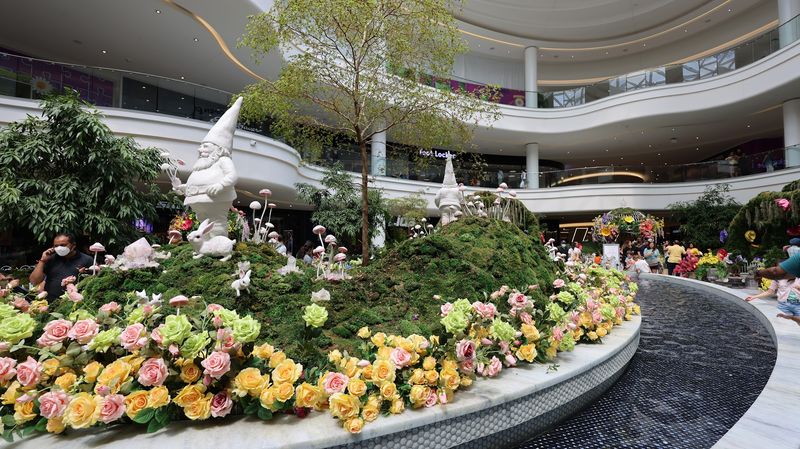
American Dream in New Jersey took about 16 years and multiple failed ownership groups to finally open, making its 2019 debut one of the most anticipated and improbable retail launches in American history. The project was so troubled for so long that locals nicknamed the perpetually unfinished structure “the eyesore on the meadows.” Today, it is one of the most ambitious entertainment complexes in North America.
The numbers are staggering. An indoor ski slope with real snow, a massive water park, a Nickelodeon theme park, an aquarium, an ice skating rink, a miniature golf course, and hundreds of retail stores all exist under one enormous roof.
American Dream allocates more of its space to entertainment than to shopping, flipping the traditional mall model almost completely on its head.
Located just minutes from New York City via public transit, it targets both New Jersey residents and Manhattan visitors looking for a day trip unlike anything available in the city itself. The retail mix includes luxury brands, mid-range staples, and specialty stores catering to a wide audience.
Ski-slope tickets, water park passes, and theme park wristbands generate significant revenue alongside traditional retail. Whether American Dream ultimately succeeds as a long-term business model remains a fascinating open question, but as a spectacle, it delivers something genuinely unlike anything else in the country.
Share this story