Asia is a continent that never runs out of surprises. From ancient temples swallowed by jungle vines to crystal-clear waters that seem almost too blue to be real, it holds some of the most breathtaking places on Earth.
Whether you love history, nature, adventure, or just want to sit on a beautiful beach and do absolutely nothing, Asia has something for you. Pack your bags, because these 15 destinations might just change the way you see the world.
Angkor Wat, Cambodia
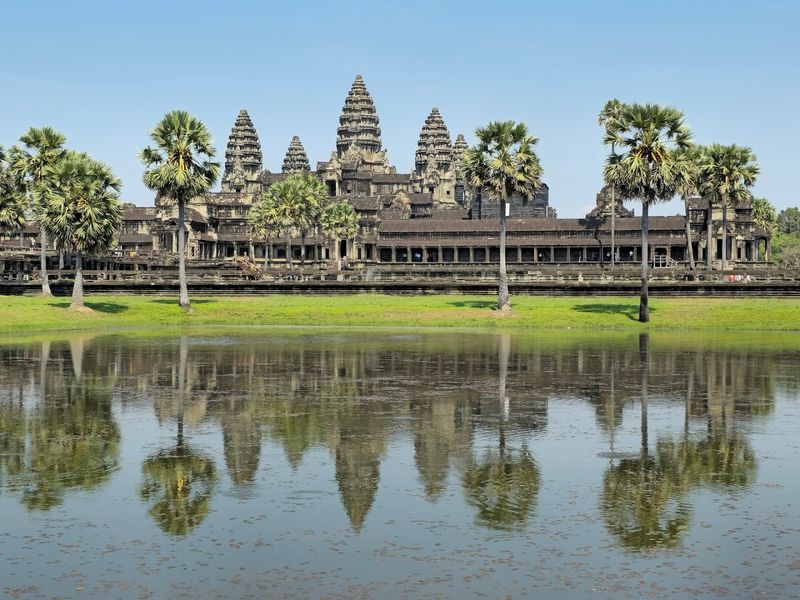
Built over 900 years ago, Angkor Wat is so massive that it took an estimated 300,000 workers and 6,000 elephants to construct. That alone should tell you this place is something extraordinary.
The main temple complex spans over 400 acres, making it the largest religious monument ever built on Earth.
Every wall is covered in detailed carvings telling stories of gods, battles, and ancient legends. Walking through the stone corridors feels like flipping through a history book, except the pages are made of rock and stretch for miles.
Arriving at sunrise is the move here, when the temple glows pink and gold over its reflection pools.
Beyond the main temple, the Angkor Archaeological Park holds dozens of other ruins swallowed by jungle roots. Ta Prohm, where massive tree roots wrap around ancient stone walls, is especially unforgettable.
Rent a tuk-tuk, hire a local guide, and give yourself at least two to three days to explore. You will not regret a single step.
Ha Long Bay, Vietnam
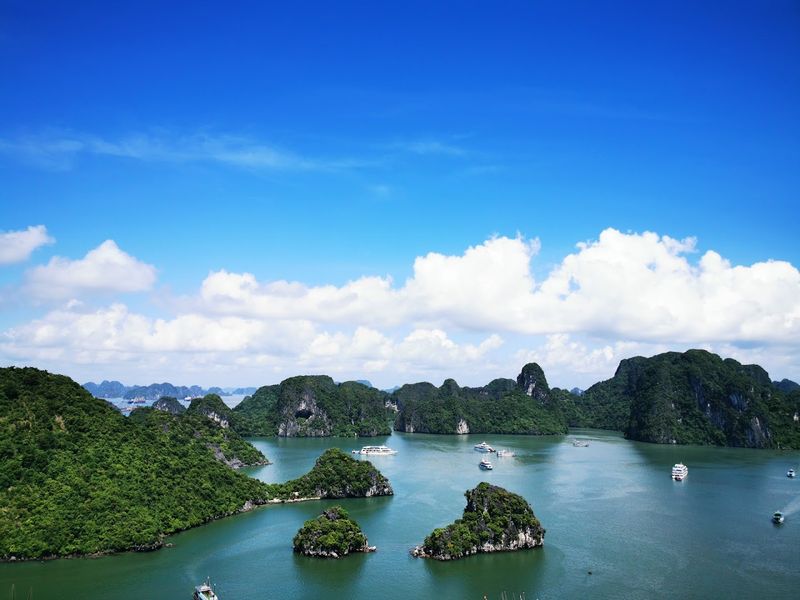
Imagine sailing through a sea dotted with nearly 2,000 limestone islands, each one jutting straight up from the water like a giant green tooth. That is Ha Long Bay, and yes, it looks exactly as wild as it sounds.
This UNESCO World Heritage Site in northern Vietnam is one of Southeast Asia’s most jaw-dropping natural wonders.
Overnight cruises are the best way to experience it. You wake up surrounded by mist-covered cliffs with nothing but the sound of water lapping against the boat.
Kayaking through hidden caves and floating villages adds another layer of adventure to the whole trip.
The bay is also home to a surprisingly rich ecosystem, with colorful fish, coral, and sea turtles living beneath the surface. Snorkeling here is a real treat for anyone who loves marine life.
The best time to visit is between October and April, when the weather is clear and the water is calm. Ha Long Bay is the kind of place that makes you stare at your photos afterward and think, wait, was that actually real?
Kyoto, Japan
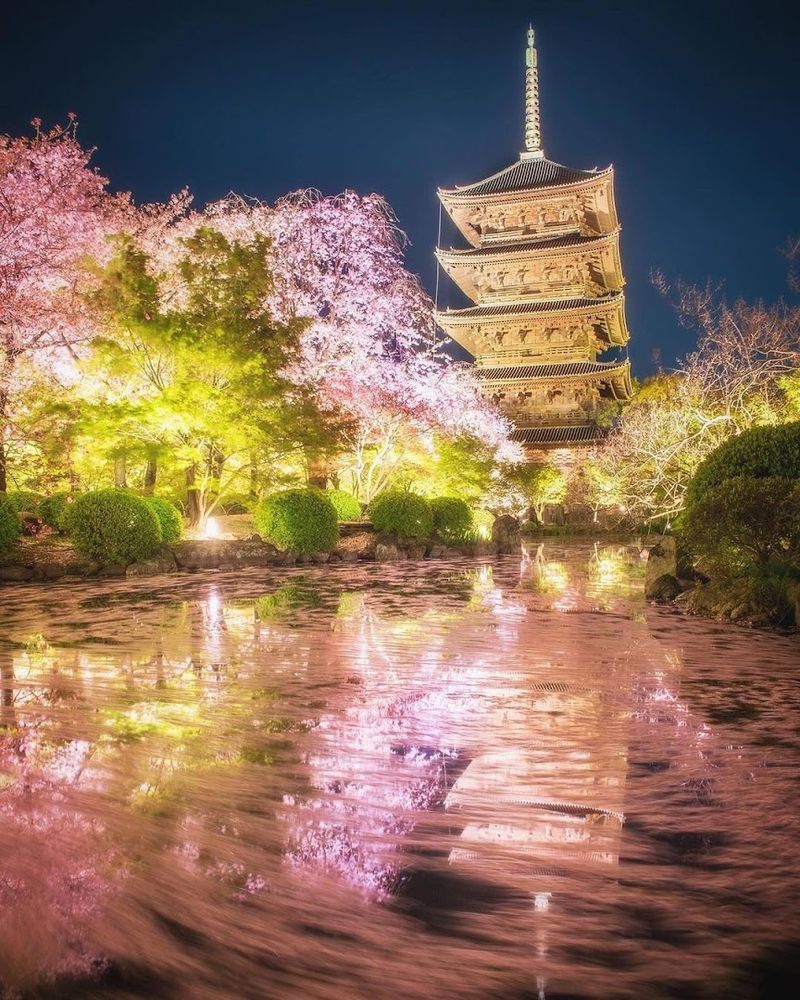
Kyoto smells like incense, cedar wood, and history all at once. This city was Japan’s imperial capital for over 1,000 years, and it shows in every corner, from ancient shrines tucked behind bamboo groves to traditional wooden machiya townhouses lining quiet streets.
It is the kind of place where the past feels genuinely alive.
Spring brings the famous cherry blossoms, turning parks and riverbanks into pink dreamscapes. Autumn is equally stunning, with fiery red and orange maple leaves framing temple rooftops.
The Arashiyama bamboo grove, the golden pavilion of Kinkaku-ji, and the thousands of torii gates at Fushimi Inari are all must-sees.
The Gion district is where you might spot a geisha slipping quietly into a tea house at dusk. Local food here is exceptional too, with kaiseki multi-course meals and matcha everything being absolute highlights.
Kyoto rewards slow travel, so resist the urge to rush. Wander without a set plan, get a little lost, and let the city reveal itself at its own pace.
Few places in the world offer this kind of layered, unhurried beauty.
Taj Mahal, India
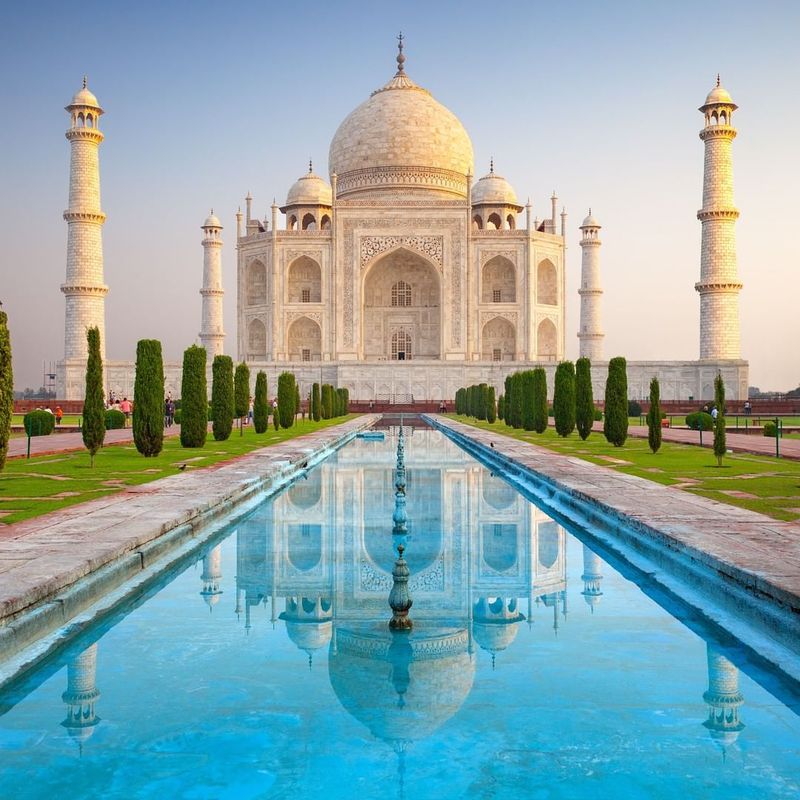
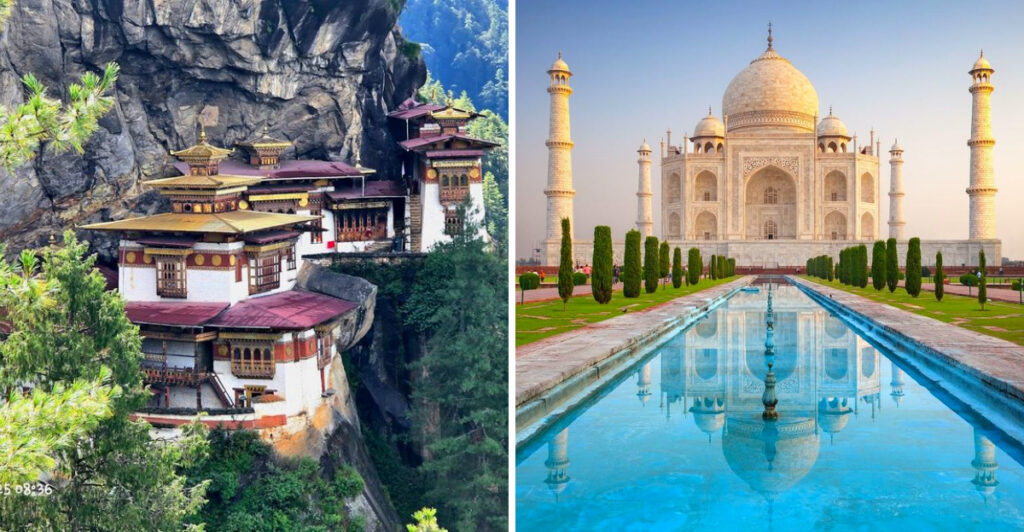
A grieving emperor built one of the world’s most beautiful buildings. That is the story behind the Taj Mahal, constructed by Mughal Emperor Shah Jahan in memory of his beloved wife Mumtaz Mahal, who died in 1631.
Over 20,000 workers spent more than 20 years completing this white marble masterpiece in Agra, India.
The building is famous for changing color throughout the day. At dawn it blushes pink, at midday it shines bright white, and at sunset it turns a warm shade of gold.
The level of detail in the inlaid gemstone work and carved marble screens is almost impossible to believe up close.
The surrounding gardens, fountains, and reflecting pool are designed to create perfect symmetry, which makes every angle photogenic. Visiting early in the morning helps you avoid the largest crowds and catch that dreamy soft light.
The nearby Agra Fort and the lesser-visited Mehtab Bagh garden, which offers a direct view of the Taj across the river, are great additions to your itinerary. The Taj Mahal is one of those rare places that genuinely exceeds the hype.
Bali, Indonesia
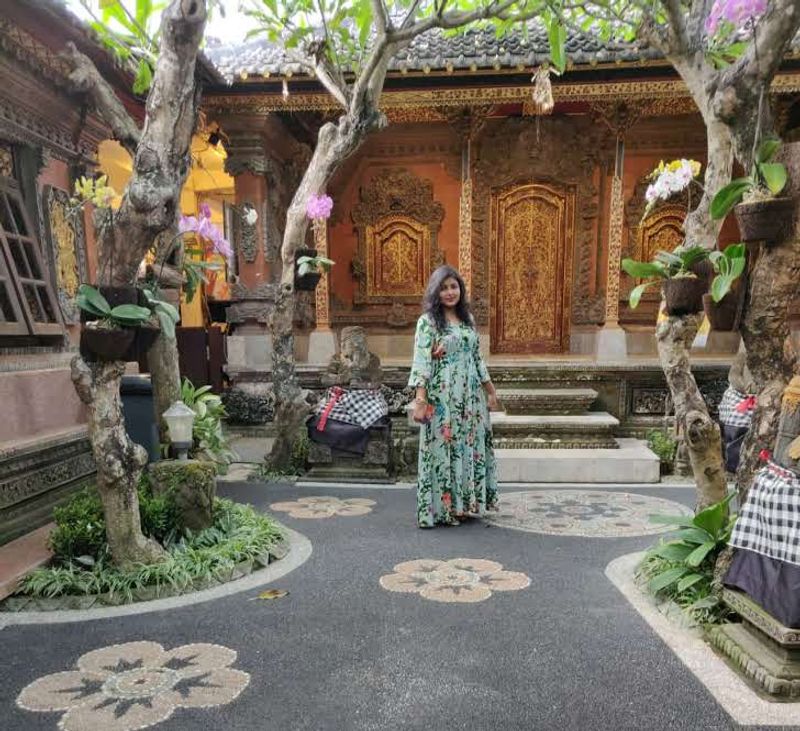
Bali has this rare ability to make you feel relaxed and excited at the same time. The island is a sensory overload in the best possible way, with colorful temple offerings on every doorstep, the sound of gamelan music drifting through open-air restaurants, and the smell of frangipani flowers everywhere you turn.
It is genuinely hard not to fall in love with it.
The Tegallalang rice terraces near Ubud are a stunning sight, especially in the early morning when mist clings to the valley. The sacred Tanah Lot temple perched on a rock in the sea is another iconic stop.
For adventure seekers, surfing at Kuta or Seminyak, volcano trekking on Mount Batur at dawn, and chasing waterfalls in the jungle all deliver serious thrills.
Bali is also a food lover’s paradise. From fresh grilled seafood at Jimbaran Bay to traditional babi guling roast pork in Ubud, the local cuisine is bold and unforgettable.
Balinese Hindu culture adds a spiritual depth to the whole experience that sets this island apart from typical beach destinations. Stay a little longer than you planned.
Everyone does.
The Maldives
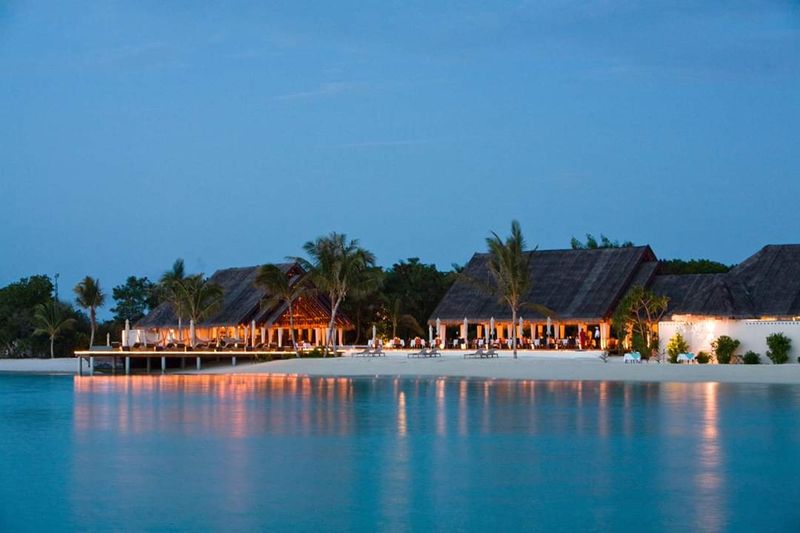
The water in the Maldives is so clear you can watch fish swimming from the deck of your overwater villa without even getting wet. This tiny island nation in the Indian Ocean sits so low above sea level that most of its islands are only about 1.5 meters above water, making it one of the most climate-vulnerable places on the planet.
That adds a bittersweet urgency to visiting sooner rather than later.
The Maldives is made up of 26 atolls and over 1,000 coral islands, each surrounded by lagoons that range in color from pale turquoise to deep electric blue. Snorkeling and scuba diving here are world-class, with manta rays, whale sharks, and vibrant coral gardens putting on a constant show beneath the surface.
Overwater bungalows are the iconic accommodation choice, offering direct ocean access and unobstructed sunset views from your private deck. Budget-friendly guesthouses on local islands like Maafushi have made the Maldives more accessible in recent years.
Whether you are celebrating something special or just need to completely switch off, few places do tropical paradise better. The silence here, broken only by waves, is its own kind of luxury.
The Great Wall of China
Here is a fun fact that surprises most people: the Great Wall of China is not one continuous wall. It is actually a series of walls, fortifications, and trenches built over many centuries by different dynasties, stretching a combined distance of over 13,000 miles.
That is roughly the distance from New York to Sydney and back again.
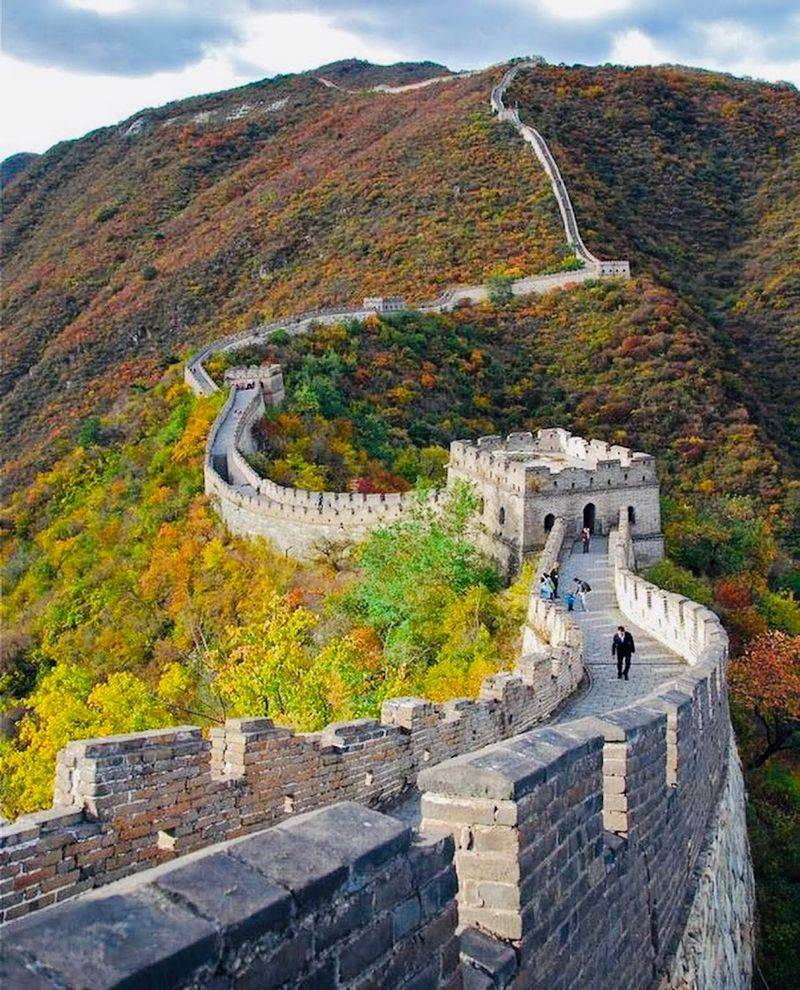
Walking along the restored sections at Mutianyu or Badaling near Beijing gives you sweeping views of mountains rolling endlessly into the distance. The wall climbs steep ridges and dips into valleys, and the physical effort of walking it makes reaching each watchtower feel genuinely satisfying.
Early mornings and weekdays are best for avoiding large tour groups.
The less-restored sections, like Jiankou or Gubeikou, attract hikers who want a more rugged and atmospheric experience, with crumbling stone and wild vegetation reclaiming the ancient structure. Autumn is the most stunning time to visit, when the hillsides turn fiery red and gold.
Standing on a centuries-old watchtower, looking out at the landscape stretching to the horizon, gives you a sense of scale and history that very few places in the world can match.
Mount Fuji, Japan
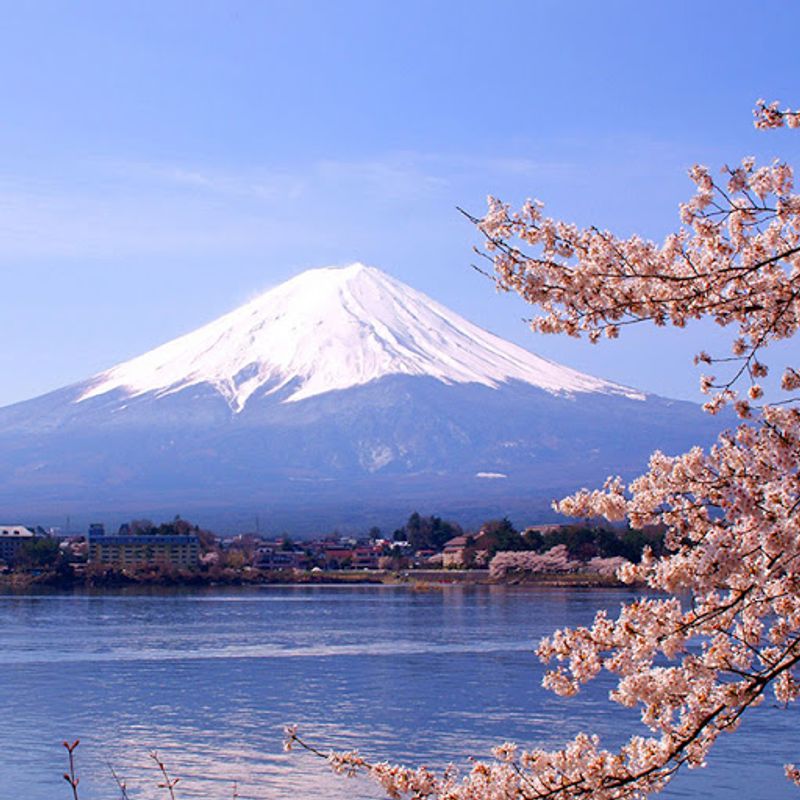
Mount Fuji has been painted, photographed, and worshipped for centuries, and the moment you see it in person, you completely understand why. Standing at 3,776 meters, it is Japan’s highest peak and one of the most perfectly shaped mountains on Earth.
The symmetrical cone, often dusted with snow, looks almost too perfect to be natural.
The official climbing season runs from early July to mid-September, and thousands of hikers make the overnight climb to watch the sunrise from the summit each year. It is not a technical climb, but it is long and steep, and altitude sickness is a real possibility if you rush.
Most hikers start at the fifth station and reach the top in about five to eight hours.
If hiking is not your thing, the views from the Fuji Five Lakes region are spectacular, especially from Lake Kawaguchiko during cherry blossom season in spring. The town of Hakone also offers stunning views of the mountain from hot spring resorts and open-air museums.
Mount Fuji appears in countless works of Japanese art, literature, and film, and standing at its base, you feel that cultural weight in a very tangible way. It is simply magnificent.
Palawan, Philippines
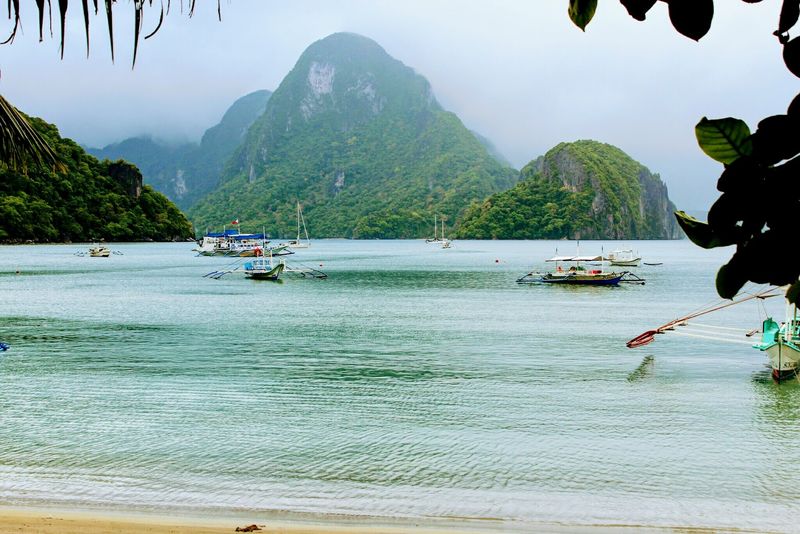
Travel magazines have called Palawan the most beautiful island in the world so many times it almost sounds like an exaggeration. Then you actually get there and realize they were underselling it.
This long, narrow island in the western Philippines has limestone cliffs, hidden lagoons, turquoise water, and coral reefs that feel completely untouched.
El Nido is the star attraction, with island-hopping tours weaving through dramatic rock formations and secret beaches accessible only by boat at low tide. Big Lagoon and Small Lagoon are particular highlights, their emerald water enclosed by towering limestone walls.
Coron, at the northern end of Palawan, is famous for its World War II shipwrecks sitting on the seafloor, making it one of the best wreck-diving spots in Asia.
The Puerto Princesa Subterranean River is another must-see, a UNESCO-listed underground river navigable by boat through cathedral-like cave chambers. Palawan is also home to rich biodiversity, including dugongs, sea turtles, and the rare Philippine cockatoo.
Getting here takes some effort, usually involving a domestic flight and a boat ride, but the reward is a place that still feels genuinely wild and unspoiled. Palawan earns every single superlative thrown at it.
Petra, Jordan
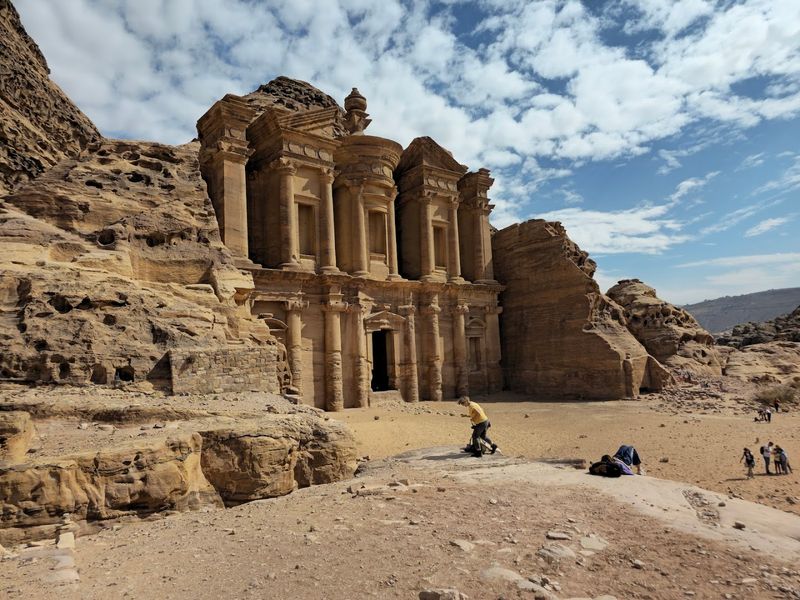
Walking through the narrow canyon called the Siq in Petra, with towering rose-red rock walls pressing in on either side, and then suddenly seeing the Treasury building emerge at the end is one of the most theatrical moments in all of travel. Petra was carved directly into sandstone cliffs by the Nabataean people over 2,000 years ago, and it served as a thriving trade city long before it was rediscovered by a European explorer in 1812.
The Treasury is just the beginning. Petra is enormous, with over 800 individual monuments carved into the rock, including tombs, temples, a Roman-style amphitheater, and the impressive Monastery perched high in the hills after an 800-step climb.
The colors in the rock, which shift from deep red to lavender to gold depending on the light, make the whole place feel otherworldly.
Petra by Night is a special experience offered three times a week, where the Siq and Treasury are lit entirely by candles, creating an atmosphere that is hard to describe and impossible to forget. Comfortable shoes are essential since you will cover several miles of uneven ground.
Petra sits in the southwestern corner of Jordan, which is technically part of Western Asia. It is extraordinary in every sense.
Bagan, Myanmar
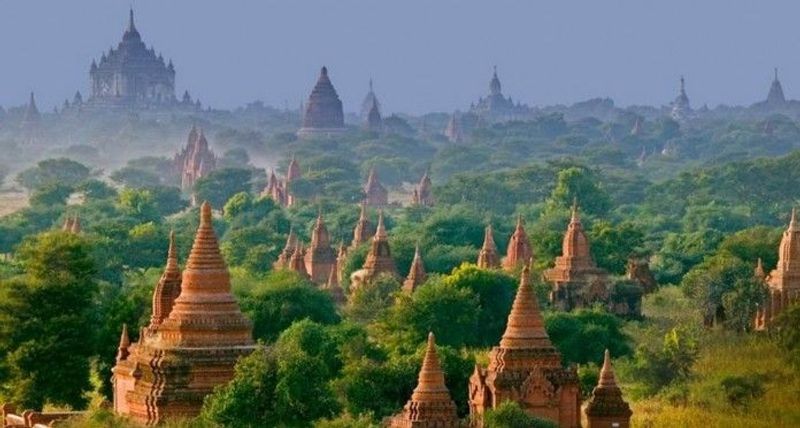
At sunrise in Bagan, hot air balloons drift silently over a plain covered with thousands of ancient temples, their brick spires poking through a golden morning haze. It is one of the most visually arresting scenes in all of Asia, and it has been drawing travelers and photographers for decades.
There are over 2,000 Buddhist temples, pagodas, and monasteries spread across this plain in central Myanmar, all built between the 9th and 13th centuries.
Renting an e-bike and weaving between the temples at your own pace is the best way to explore. Some temples allow you to climb to upper terraces for panoramic views, especially magical at sunset when the light turns everything amber.
The Ananda Temple, Dhammayangyi Temple, and Sulamani Temple are among the most impressive, each with its own architectural character and history.
The surrounding village of Nyaung-U has good local restaurants and affordable guesthouses, making Bagan easy to use as a base. A balloon ride over the temples at dawn is a splurge worth considering if your budget allows.
Bagan does not have the same tourist infrastructure as some other Asian destinations, which actually adds to its raw, undiscovered charm. This is history on a truly humbling scale.
Tiger’s Nest Monastery, Bhutan
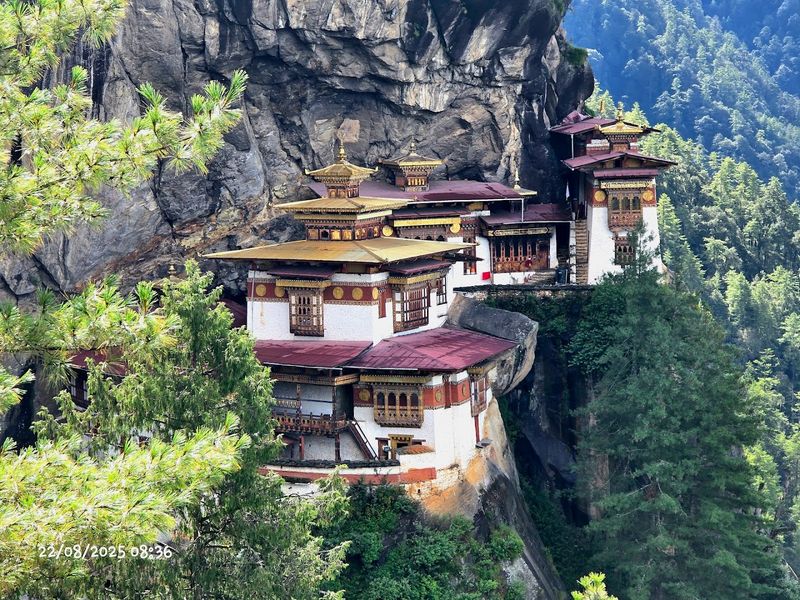
Clinging to a sheer cliff 900 meters above the Paro Valley floor, Tiger’s Nest Monastery looks like it was placed there by someone with a very dramatic sense of design. Officially known as Paro Taktsang, this sacred Buddhist site in Bhutan is said to be built on the spot where Guru Rinpoche landed after flying from Tibet on the back of a tigress in the 8th century.
Whether or not you buy the legend, the location is absolutely breathtaking.
Getting there requires a two to three hour uphill hike through pine forests, with the monastery teasing you from above for most of the climb. A waterfall halfway up offers a perfect rest stop and photo opportunity.
The final stretch involves steep stone stairs carved into the cliff face, and the reward at the top is a series of interconnected temple rooms filled with butter lamps, murals, and the quiet hum of monks chanting.
Bhutan itself has a strict daily tourism fee that limits visitor numbers, which keeps the entire country feeling peaceful and uncrowded. This policy also means your visit directly supports conservation and local communities.
Tiger’s Nest is not just a hike or a photo opportunity. It is genuinely one of the most moving places you can stand on this planet.
Zhangjiajie National Forest Park, China
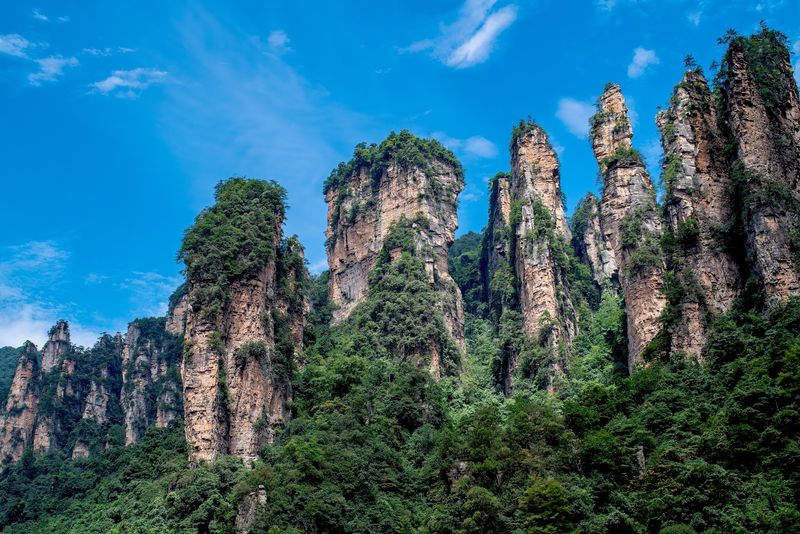
Some places look like they were designed by a special effects team, and Zhangjiajie is firmly in that category. This national park in Hunan Province, China, is home to over 3,000 towering sandstone pillars that shoot straight up from the forest floor, many of them hundreds of meters tall.
The filmmakers behind Avatar were so inspired by these formations that they named a floating mountain in the movie after one of the local peaks.
The Bailong Elevator, the world’s tallest outdoor elevator built into a cliff face, whisks visitors up 326 meters in under two minutes for a view that will make your jaw drop. The Tianmen Mountain glass walkway lets you shuffle along a transparent path bolted to a sheer cliff, staring straight down at the forest far below.
It is terrifying and thrilling in equal measure.
Mist rolls through the pillars most mornings, giving the whole park a mystical, ancient quality that photographs cannot fully capture. The Zhangjiajie Grand Canyon Glass Bridge, once the world’s longest glass bridge, is another engineering marvel worth crossing.
Autumn brings golden and red foliage that makes the already dramatic scenery even more spectacular. China has no shortage of incredible natural landscapes, but Zhangjiajie stands in a category entirely its own.
Luang Prabang, Laos
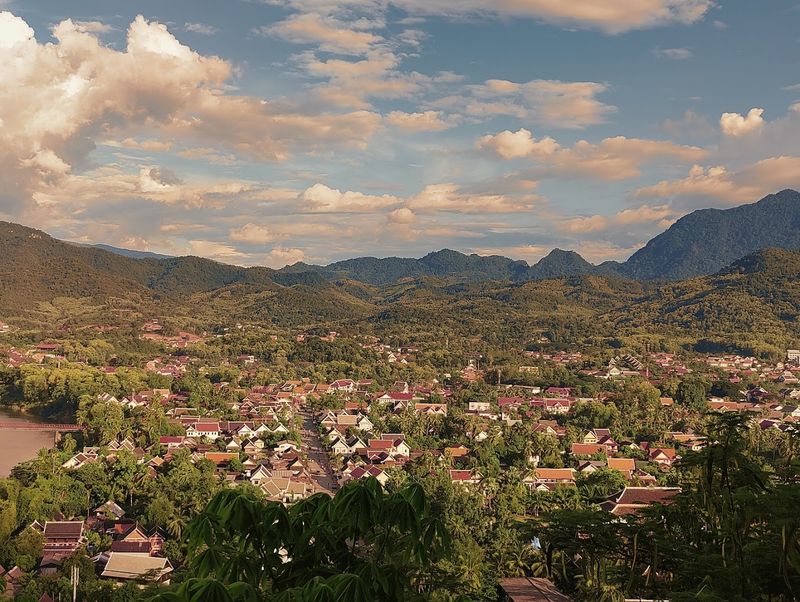
Every morning before sunrise in Luang Prabang, barefoot monks in saffron robes walk silently through the streets collecting alms from local residents. This centuries-old ritual, called Tak Bat, sets the tone for an entire town that seems to exist at a slower, gentler frequency than the rest of the world.
Luang Prabang is a UNESCO World Heritage town in northern Laos, and it wears that status with quiet grace.
The town sits at the confluence of the Mekong and Nam Khan rivers, surrounded by forested mountains that glow green in the humid air. Over 30 temples are scattered throughout the compact town center, including the gilded Wat Xieng Thong, which is widely considered the most beautiful temple in Laos.
The night market on the main street is a relaxed, low-pressure affair selling handmade textiles, paper lanterns, and local snacks.
The Kuang Si waterfall, about 30 kilometers outside town, is a series of turquoise terraced pools perfect for swimming on a hot afternoon. The food scene is excellent, with French-influenced baguettes sold alongside traditional Lao dishes like sticky rice and laap salad.
Luang Prabang is the rare destination that makes you genuinely rethink your pace of life. It is calm, beautiful, and completely unforgettable.
Komodo National Park, Indonesia
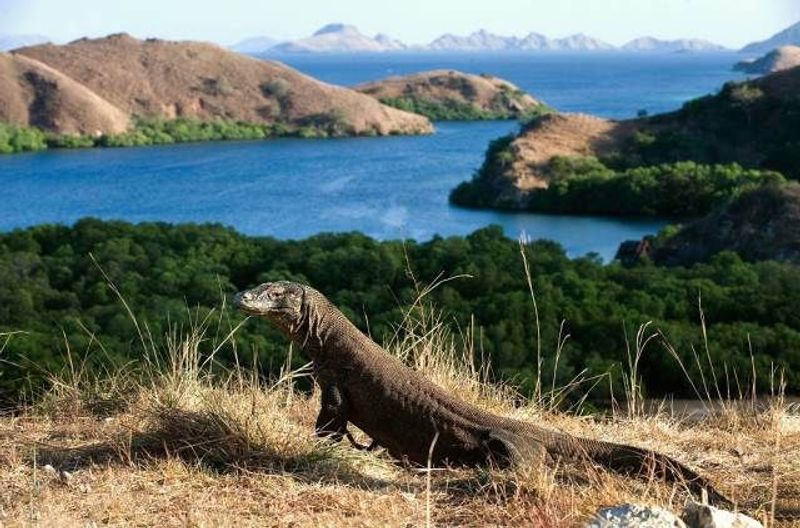
Komodo dragons are the largest lizards on Earth, and they are genuinely prehistoric-looking creatures that can grow up to three meters long and weigh as much as 70 kilograms. Komodo National Park in eastern Indonesia is the only place in the world where you can see them in the wild, and sharing a hillside with one is an experience that sits somewhere between thrilling and mildly terrifying.
Rangers accompany all visitors, which is reassuring.
The park is spread across several islands, including Komodo, Rinca, and Padar, each with its own dramatic landscape of dry savanna, volcanic hills, and turquoise bays. The view from the top of Padar Island, looking down at three differently colored bays meeting in a single panorama, is one of the most photographed spots in all of Indonesia for very good reason.
Pink Beach is another standout, its unusual rosy sand created by tiny fragments of red coral mixed with white sand. The snorkeling and diving around the park are exceptional, with strong currents bringing in nutrients that support manta rays, sea turtles, and enormous schools of fish.
Komodo is the kind of place that keeps delivering surprises around every corner. It is wild, weird, and absolutely wonderful.
Share this story