 Unearth The Voyage
Some of the most breathtaking places on Earth never make it onto the average traveler’s bucket list. While millions flock to the Eiffel Tower or the Grand Canyon, countless other destinations sit quietly, waiting to be discovered.
From glowing pink lakes to ancient underground cities, these hidden gems are every bit as spectacular as the world’s most celebrated landmarks. Get ready to rethink everything you thought you knew about must-see travel destinations.
1. Zhangye Danxia Landform, China
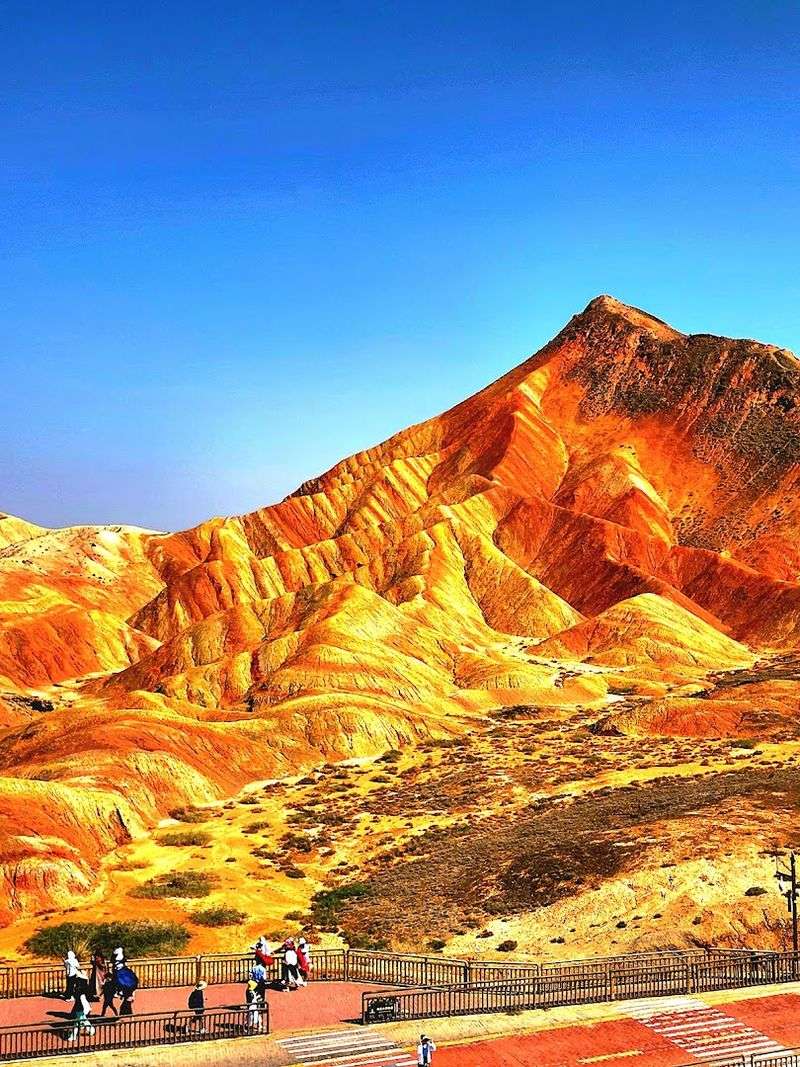
Imagine a mountain range that looks like it was painted by an artist using every color in the box. That is exactly what the Zhangye Danxia Landform in Gansu Province, China, feels like in person.
The swirling bands of red, orange, yellow, and green rock have been forming for over 24 million years.
Minerals deposited in ancient sandstone layers slowly compressed and shifted over time, creating the stunning striped effect visible today. Despite being named a UNESCO World Heritage Site in 2010, most international travelers have never heard of this place.
Domestic Chinese tourists make up the vast majority of visitors.
The best time to visit is after rainfall, when the colors appear most vivid and saturated. Viewing platforms are set up so visitors can take in panoramic views across the entire landscape.
It genuinely has to be seen to be believed.
2. Socotra Island, Yemen
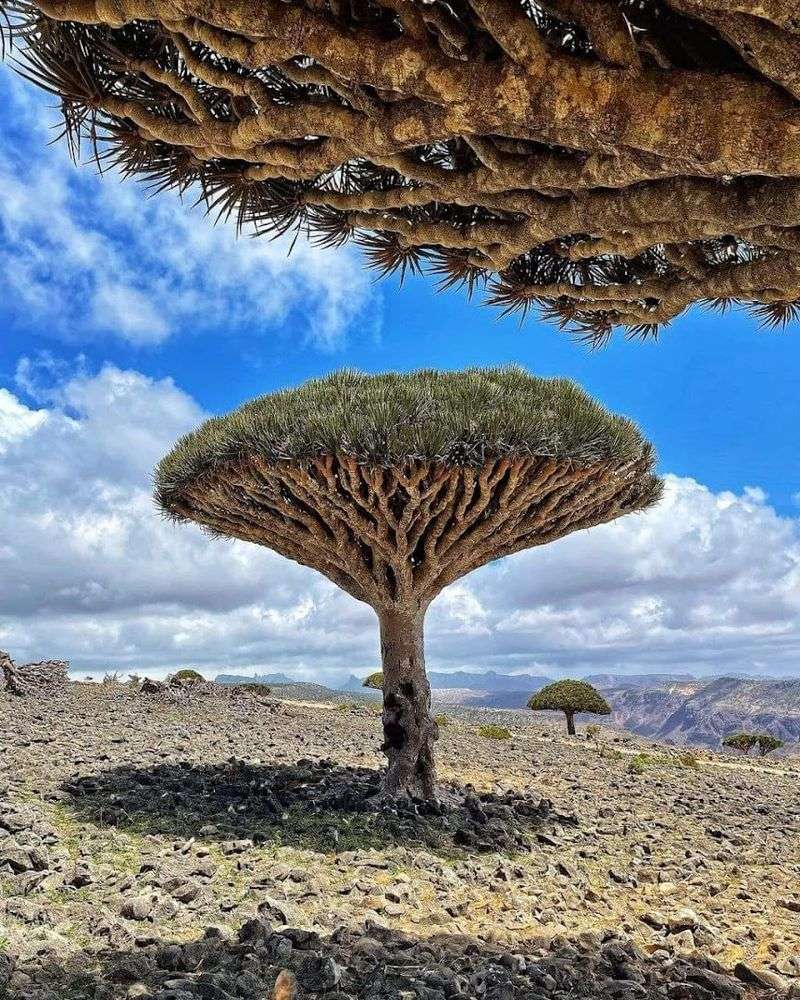
There is a place on this planet where the trees look like they belong on another world entirely. Socotra Island, located in the Arabian Sea off the coast of Yemen, is home to the dragon blood tree, a species found nowhere else on Earth.
Its wide, umbrella-shaped canopy is unlike anything you have ever seen in a forest.
Around one-third of Socotra’s plant life is completely unique to the island, earning it the nickname the “Galapagos of the Indian Ocean.” The island was isolated for millions of years, allowing its flora and fauna to evolve in extraordinary ways. UNESCO added it to the World Heritage List in 2008.
Political instability in Yemen has kept tourist numbers extremely low, which means the island remains largely untouched. For adventurous travelers willing to make the effort, Socotra offers an experience that is genuinely unlike anywhere else on Earth.
3. Lake Hillier, Australia
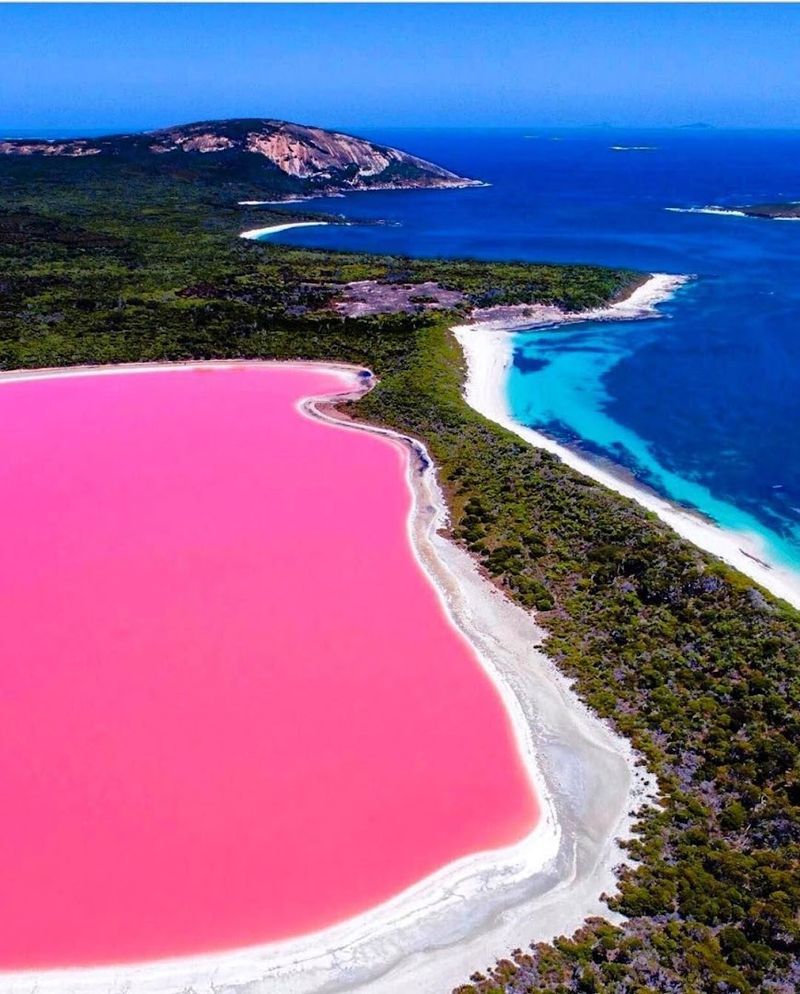
Most people assume a bright pink lake must be the result of some kind of pollution or digital photo editing. Lake Hillier on Middle Island in Western Australia is completely natural, and its vivid bubblegum-pink color holds up in real life just as well as it does in photographs.
Scientists believe the color comes from a combination of salt-loving algae and bacteria.
The lake sits right next to the Southern Ocean, making the contrast between its pink surface and the deep blue sea absolutely striking from above. Middle Island is part of the Recherche Archipelago Nature Reserve, which limits public access and helps preserve the ecosystem.
Most visitors experience it via scenic flights or boat tours.
Interestingly, the water is completely safe to touch, though swimming is generally discouraged to protect the delicate ecosystem. Lake Hillier remains one of Australia’s most photogenic and least-visited natural wonders.
4. Huacachina, Peru
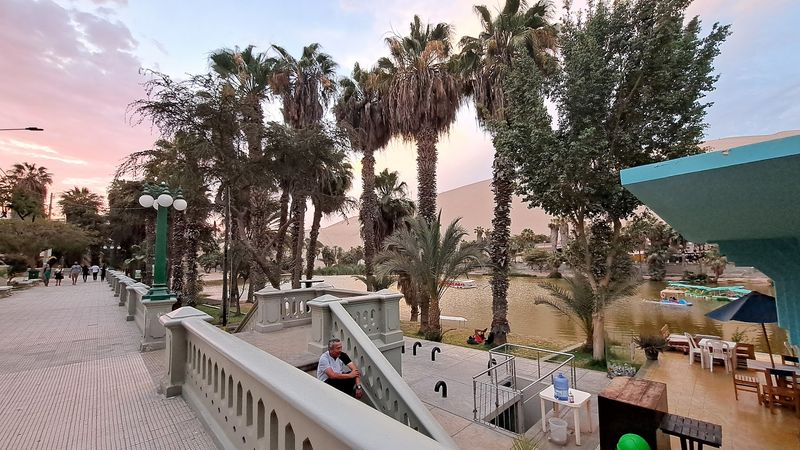
Tucked inside a natural hollow surrounded by some of South America’s tallest sand dunes, Huacachina looks like something straight out of a fairy tale. This tiny oasis in southwestern Peru is home to fewer than 100 permanent residents, yet it draws visitors from across the globe who come for sandboarding and dune buggy rides.
The lagoon at the center of the oasis has been there for thousands of years, fed by underground water sources from the Andes Mountains. Ancient Peruvians believed the lake was formed when a beautiful princess was interrupted while bathing, and her pool of water became the oasis.
Local legend says she still swims there as a mermaid.
Nearby Ica city serves as the main base for travelers heading to Huacachina. The oasis is just a short taxi ride away and can be explored in a single day, making it a perfectly manageable side trip while traveling through Peru.
5. Lençóis Maranhenses, Brazil
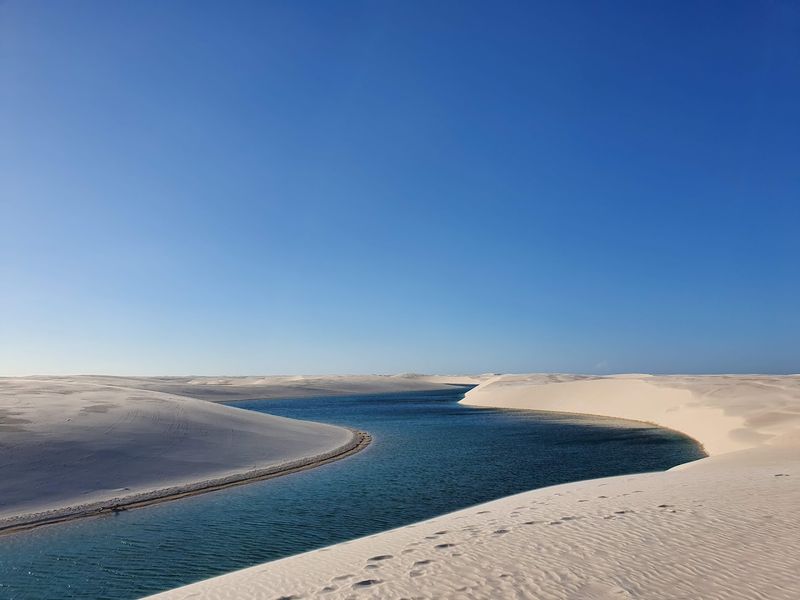
Brazil is famous for its beaches and rainforests, but far fewer people know about the extraordinary landscape hiding in its northeastern corner. Lençóis Maranhenses National Park covers roughly 1,500 square kilometers of white sand dunes that fill with sparkling turquoise lagoons every rainy season.
The result is one of the most surreal and beautiful scenes imaginable.
What makes this place scientifically fascinating is that it technically should not support lagoons at all. The sand is so fine and compact that rainwater cannot seep through, so it collects in the valleys between dunes from January through June each year.
Fish and other aquatic life somehow find their way into these temporary pools, baffling researchers for years.
The best months to visit are between July and September, when the lagoons are full and the weather is dry. Very few international tourists make the journey, which means those who do visit enjoy a largely crowd-free experience in an absolutely stunning setting.
6. The Door to Hell, Turkmenistan
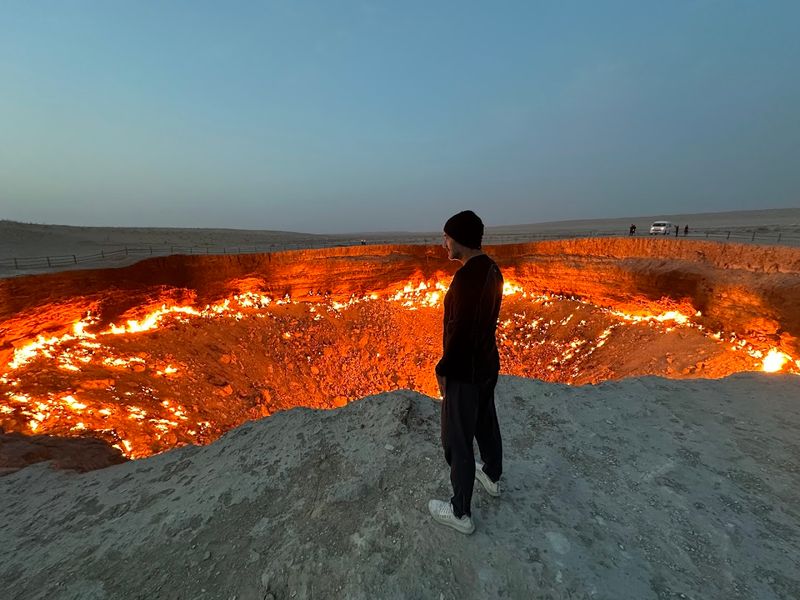
Picture a hole in the middle of a desert that has been on fire for more than 50 years straight. That is exactly what the Darvaza gas crater in Turkmenistan is, and locals have appropriately nicknamed it the Door to Hell.
The crater measures about 69 meters wide and 30 meters deep, and the flames never stop burning.
Soviet geologists accidentally created it in 1971 while drilling for natural gas. The ground collapsed into an underground cavern, and engineers decided to set the escaping gas on fire, expecting it to burn off within a few weeks.
Decades later, the fire is still going strong.
The Karakum Desert is remote and not easy to reach, which keeps visitor numbers low. Travelers who do make the trip often camp overnight near the crater to watch the glow under a starlit sky.
Turkmenistan’s government has discussed filling it in, but for now it remains one of the world’s most bizarre and unforgettable sights.
7. Meteora, Greece
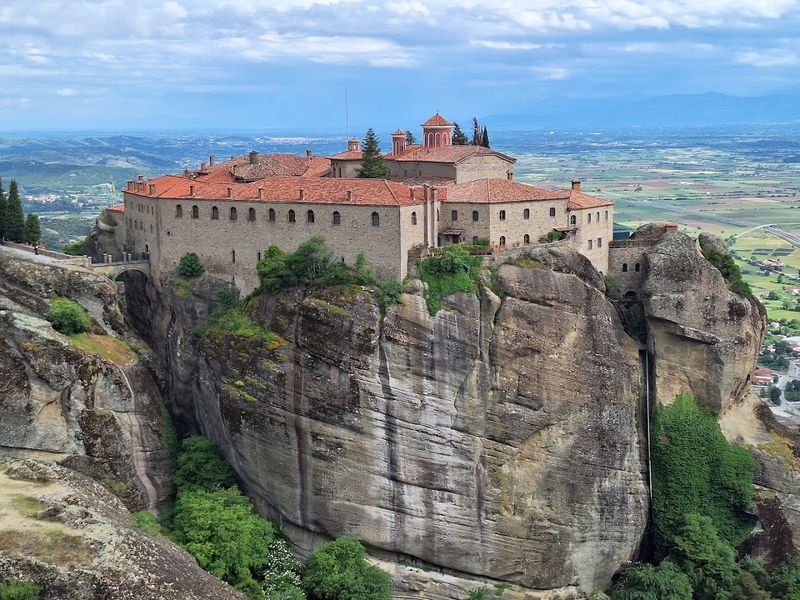
Balancing ancient monasteries on top of sheer rock towers hundreds of meters above the ground sounds impossible, yet that is precisely what monks accomplished in Meteora, Greece. The name itself means “suspended in the air,” and standing at the base of these pillars makes it easy to understand why.
Monks began building their retreats here as far back as the 14th century.
Originally, the only way to reach the monasteries was by rope ladders or nets hauled up by the monks themselves. Today, carved steps make the climb accessible to visitors, and six of the original 24 monasteries remain active.
Meteora was declared a UNESCO World Heritage Site in 1988.
While it has appeared in films and travel guides, Meteora remains far less crowded than other Greek attractions like Santorini or Athens. The surrounding Thessaly valley adds to the drama, especially at sunrise when mist settles between the rock formations.
It is genuinely one of Europe’s most awe-inspiring landscapes.
8. Pamukkale, Turkey
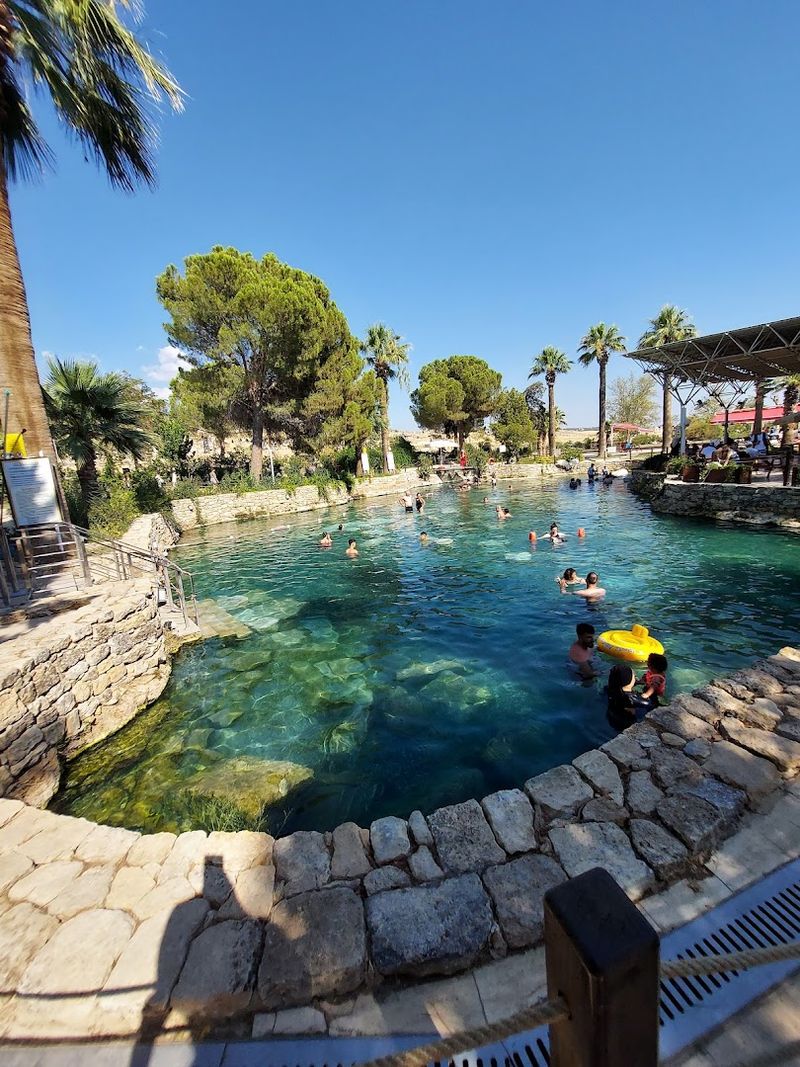
Gleaming white terraces filled with warm, mineral-rich water cascading down a hillside sounds like a scene from a fantasy novel. Pamukkale in southwestern Turkey is the real thing, and its name actually translates to “cotton castle” in Turkish.
The dazzling white formations are made of travertine, a type of limestone deposited by the thermal springs over thousands of years.
People have been soaking in these natural pools since ancient Roman times. The nearby ruins of Hierapolis, an ancient Roman spa city, sit at the top of the terraces and are part of the same UNESCO World Heritage Site designation earned in 1988.
Visitors can still walk barefoot through the shallow, warm water in designated areas.
Overcrowding and wear from tourists caused significant damage to the terraces in the late 20th century. Authorities have since restricted access to certain sections and redirected water flow to help the formations recover.
Despite this, Pamukkale remains one of the most visually stunning natural landmarks in all of Turkey.
9. Aogashima Island, Japan
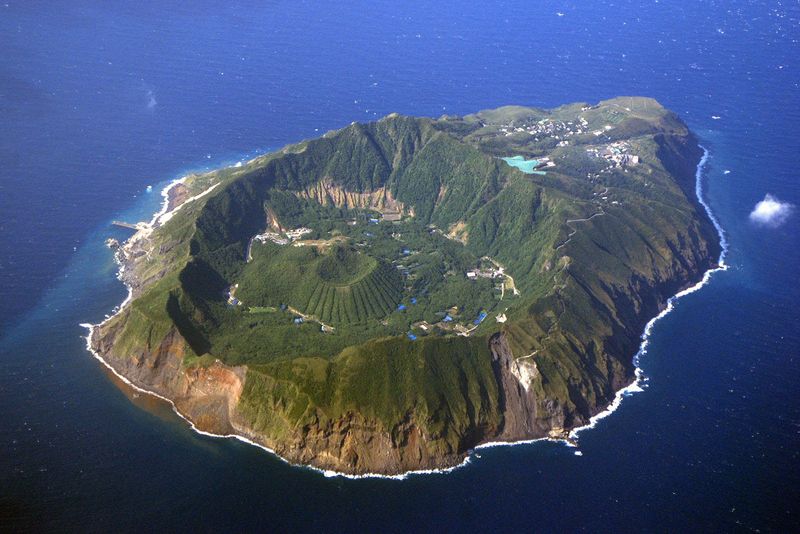
Aogashima is the kind of place that makes you do a double-take on a map. This tiny volcanic island sits about 358 kilometers south of Tokyo in the Philippine Sea, and what makes it truly extraordinary is its structure: a volcano inside a volcano.
The outer rim of an ancient caldera forms the island’s perimeter, and a newer volcanic cone rises from the center.
Only around 170 people live on Aogashima permanently, making it one of the least populated inhabited islands in Japan. Reaching it requires either a helicopter ride or a ferry journey that is frequently cancelled due to rough seas.
That unpredictability keeps tourist numbers remarkably low.
Residents use geothermal vents from the inner volcano to heat saunas and cook food, giving daily life on the island a uniquely self-sufficient quality. The views from the outer rim looking down into the green, crater-filled interior are absolutely extraordinary.
Aogashima rewards those patient enough to get there.
10. The Marble Caves, Chile
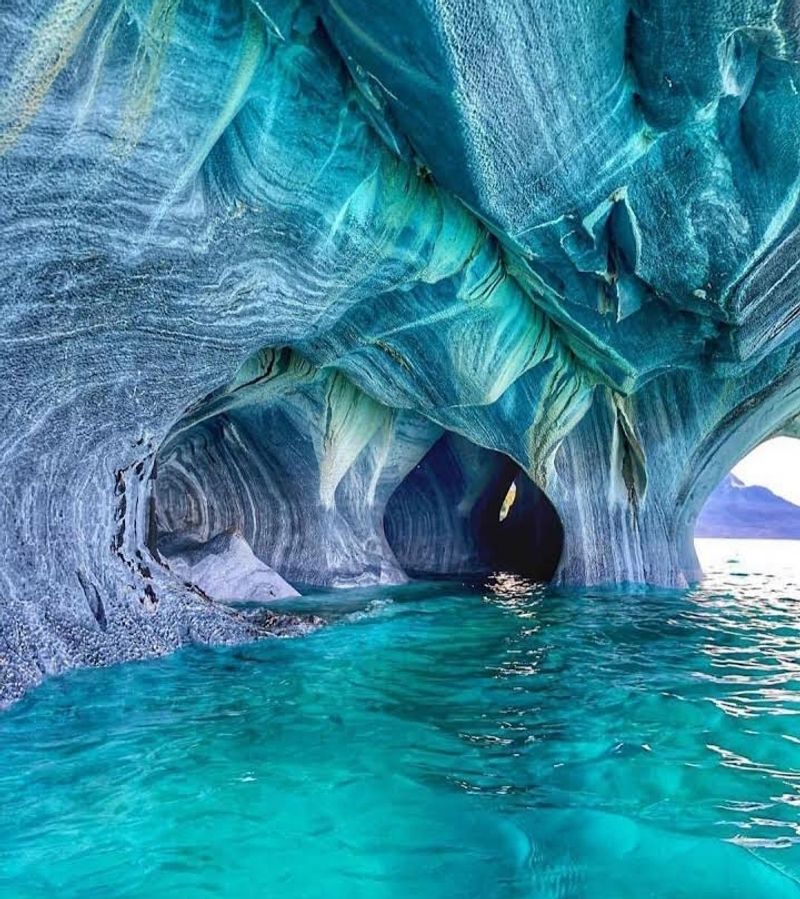
Carved by water over thousands of years, the Marble Caves of Chilean Patagonia are among the most beautiful geological formations anywhere on the planet. Located on a peninsula of solid marble jutting into General Carrera Lake, the caves feature swirling patterns of white, grey, and blue that shift and shimmer as the lake water reflects light onto the walls.
The caves were shaped by the constant movement of waves against the marble over roughly 6,000 years. General Carrera Lake itself is the second-largest lake in South America and sits on the border between Chile and Argentina.
The water’s intense turquoise color, caused by glacial sediment, makes the reflections inside the caves even more vivid.
Reaching the Marble Caves requires a boat tour from the small town of Puerto Rio Tranquilo, which lies along the famous Carretera Austral road. The remoteness of the location has kept mass tourism at bay, preserving the caves in near-pristine condition for those willing to travel to the end of the world to see them.
11. Cappadocia Underground Cities, Turkey
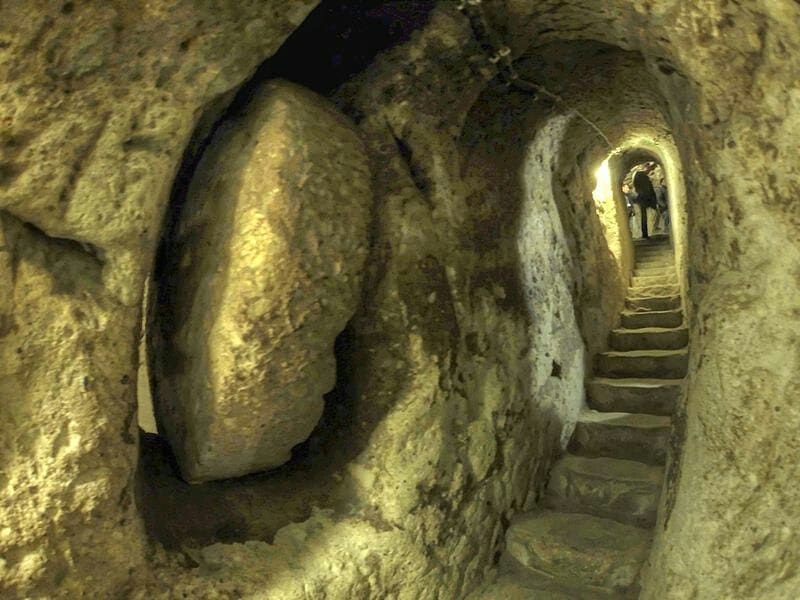
Most people have heard of Cappadocia’s famous hot air balloons floating above fairy-chimney rock formations, but fewer know about what lies beneath the surface. Hidden underground are entire cities carved into the soft volcanic rock, some of which plunge as deep as 18 stories below ground.
The most famous of these, Derinkuyu, could shelter up to 20,000 people at a time.
These subterranean cities were likely first carved by the Phrygians around 800 BCE and later expanded by early Christians seeking refuge from Roman and then Arab invasions. The underground complexes included stables, kitchens, churches, wine cellars, and ventilation shafts that stretched all the way to the surface.
Rolling stone doors could seal off entire sections from invaders.
Archaeologists believe there may be hundreds more undiscovered underground settlements throughout the region. Only a fraction of Derinkuyu’s total area is open to the public, yet it still manages to leave visitors completely speechless.
It is history carved literally into the earth.
12. Tsingy de Bemaraha, Madagascar
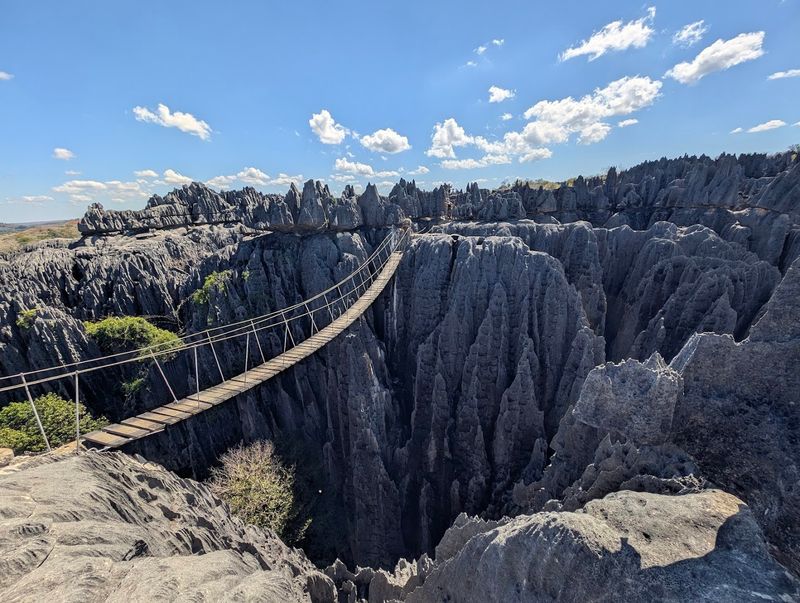
Walking through Tsingy de Bemaraha feels like stepping onto the surface of a completely alien planet. This UNESCO World Heritage Site in western Madagascar is filled with thousands of razor-sharp limestone spikes that rise from the ground like a stone forest.
The word “tsingy” in the local Malagasy language means “where one cannot walk barefoot,” which gives a clear sense of what the terrain is like.
The limestone formations were shaped over millions of years by rainwater dissolving and eroding the rock from above and below. Unique species of lemurs, chameleons, and birds have adapted to live within this jagged environment, navigating the spires with remarkable agility.
Many of these species are found nowhere else on Earth.
Visiting requires hiring a local guide and using suspension bridges and harnesses to move through the more extreme sections of the park. The effort involved keeps casual tourists away, which means those who do visit enjoy an extraordinarily raw and unfiltered natural experience in one of Africa’s most spectacular landscapes.
13. Mount Roraima, Venezuela/Brazil/Guyana
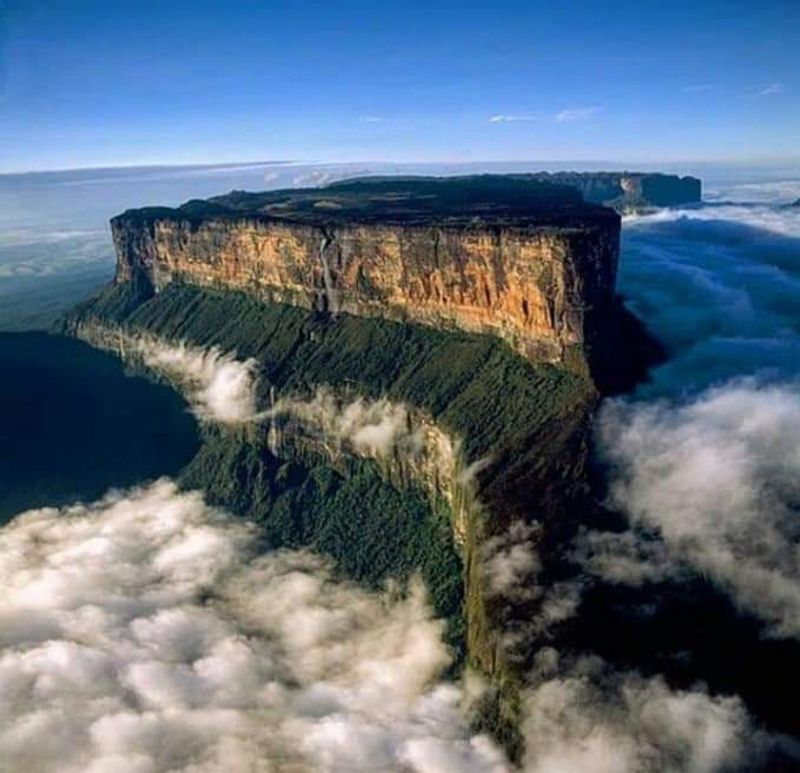
Few mountains on Earth carry as much mystery as Mount Roraima, the ancient flat-topped giant that straddles the borders of Venezuela, Brazil, and Guyana. Rising nearly 2,810 meters above sea level, its vertical cliffs drop straight down into the surrounding jungle, making it look like a fortress built by nature itself.
Arthur Conan Doyle used it as inspiration for his 1912 novel “The Lost World.”
The summit plateau is so isolated that many of the plant and animal species living there evolved completely independently from those on the ground below. Carnivorous plants, unique frog species, and strange crystal formations cover the rocky surface.
Clouds frequently wrap around the summit, giving it a permanently mystical atmosphere.
Trekking to the top takes around six days round trip from the Venezuelan side, typically starting at the village of Paraitepui. No ropes or technical climbing skills are needed, but the journey demands good physical fitness and a reliable guide.
The reward is a landscape that genuinely looks prehistoric.
14. Salar de Uyuni, Bolivia
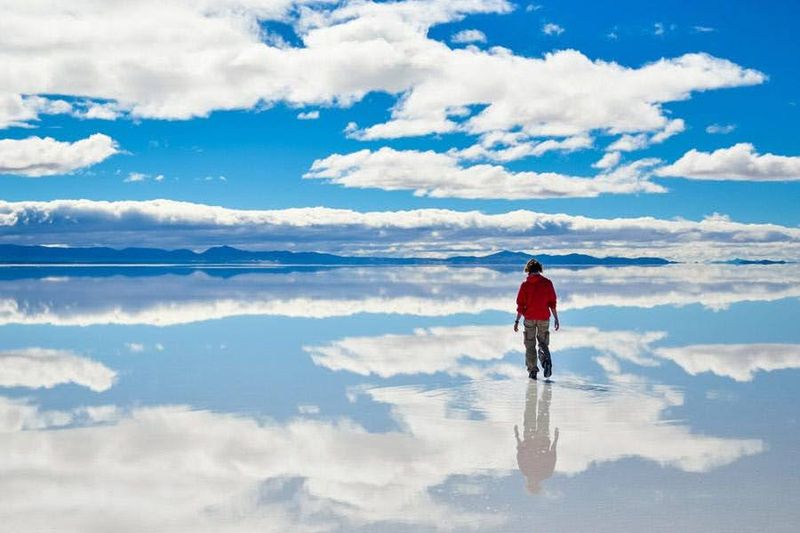
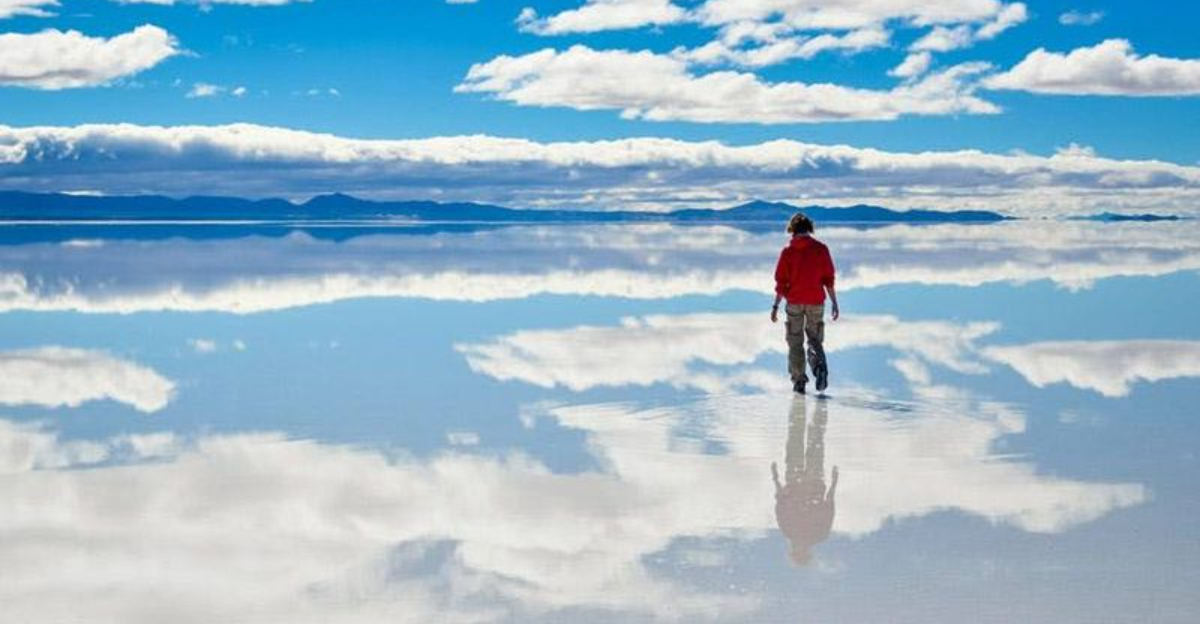
Standing on the Salar de Uyuni during the rainy season feels like standing on the edge of the sky. This is the world’s largest salt flat, stretching across more than 10,500 square kilometers in southwestern Bolivia at an altitude of about 3,656 meters above sea level.
When a thin layer of water covers the surface, it creates a mirror so perfect that the boundary between earth and sky completely disappears.
The salt flat was formed by the evaporation of prehistoric lakes thousands of years ago, leaving behind a thick crust of salt estimated to contain 10 billion tons of the mineral. Bolivia uses the site to extract lithium, one of the most valuable resources in the modern world given its use in batteries.
The area holds roughly half of the world’s known lithium reserves.
Flamingos, cacti-covered islands, and geothermal geysers dot the surrounding area, making this far more than just a flat stretch of white. Tours depart regularly from the town of Uyuni and range from day trips to multi-day adventures across the altiplano.



