 Unearth The Voyage
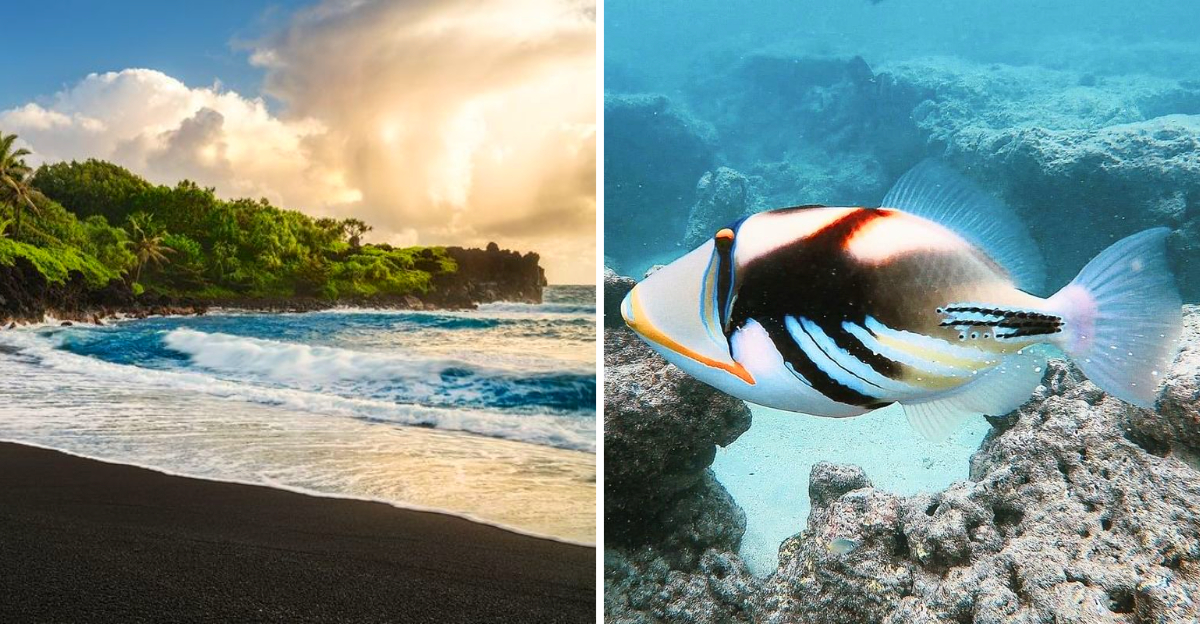
Hawaii is one of those places that makes you wonder if you accidentally stumbled into a postcard. From fiery volcanoes and lush rainforests to crystal-clear waters and ancient cultural traditions, the islands offer something truly spectacular at every turn.
Whether you’re an adventure seeker, a history buff, or someone who just wants to plant their feet in the sand, Hawaii delivers. Get ready to explore 15 incredible experiences spread across this breathtaking island chain.
Explore Hawai’i Volcanoes National Park (Big Island)
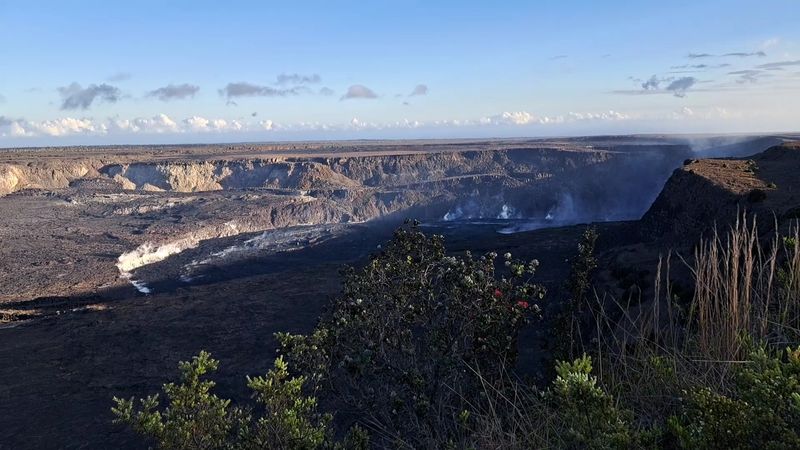
Few places on Earth let you watch a planet being built in real time, but Hawai’i Volcanoes National Park does exactly that. Home to Kīlauea, one of the most continuously active volcanoes on the planet, this park is a geological wonder that has been reshaping the Big Island for thousands of years.
The landscape here looks like something straight out of a science fiction film.
Visitors can walk across hardened lava fields, peer into massive craters, and explore lava tubes that once carried molten rock underground. The Thurston Lava Tube is a fan favorite — you actually walk through a tunnel formed by flowing lava.
At night, the glow from the crater creates an eerie, unforgettable atmosphere that photos can barely capture.
Bring sturdy shoes, sunscreen, and plenty of water because the terrain is rugged and exposed. The park covers over 300,000 acres, so plan for a full day.
Rangers offer free guided talks and walks that add serious depth to the experience. Whether you’re a science nerd or just love jaw-dropping scenery, this park ranks among the most awe-inspiring places in the entire United States.
Snorkel at Hanauma Bay (O’ahu)
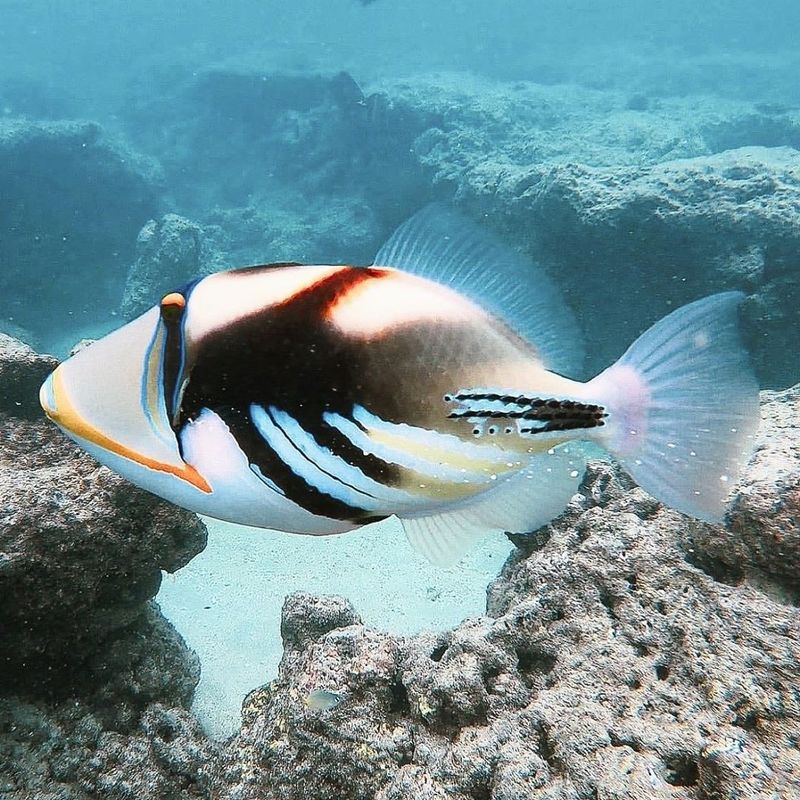
Slip on a mask, put your face in the water, and suddenly you’re surrounded by hundreds of colorful fish swimming close enough to almost touch. That’s the Hanauma Bay experience, and it never gets old.
Tucked inside an ancient volcanic crater on O’ahu’s southeastern shore, this bay is one of the most beloved snorkeling destinations in the entire Pacific.
The reef here is protected, meaning marine life thrives in abundance. Expect to see parrotfish, triggerfish, Moorish idols, and the occasional sea turtle drifting lazily past.
The water is calm and shallow in many areas, making it a fantastic spot for first-timers who have never snorkeled before. Even young kids can enjoy the shallows safely.
Reservations are required, and visitor numbers are capped to protect the reef — so book ahead. Before entering the water, everyone watches a short educational video about reef safety.
Feeding the fish is strictly prohibited, which keeps the ecosystem healthy. Arrive early in the morning for the clearest water and fewer crowds.
Snorkel gear rentals are available on-site, so you don’t need to bring your own equipment. Hanauma Bay is simply one of O’ahu’s crown jewels.
Drive the Road to Hāna (Maui)
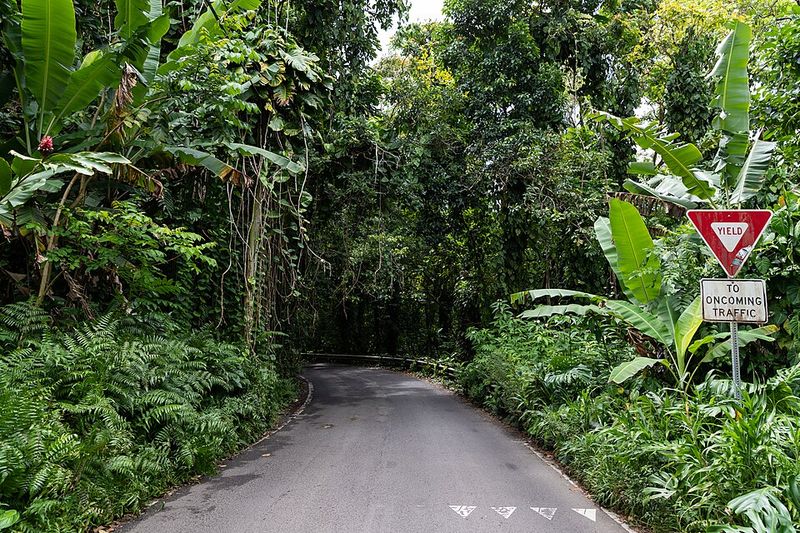
Buckle up, because the Road to Hāna is not your average Sunday drive. This legendary 64-mile route along Maui’s northeastern coastline winds through more than 600 curves, crosses over 50 bridges, and passes some of the most jaw-dropping scenery you will ever see from a car window.
The journey takes about three hours without stops — but stopping is absolutely the point.
Along the way, pull over for cascading waterfalls like Wailua Falls, hike through bamboo forests, and snack on fresh banana bread sold from roadside stands. Twin Falls is an easy early stop with a short trail and beautiful swimming holes.
The black sand beach at Wai’ānapanapa State Park is another must-see — the contrast of the dark sand against bright blue waves is stunning.
A few practical tips: start early to avoid traffic, fill up your gas tank before you leave, and download an offline map since cell service disappears frequently. Some rental car companies restrict certain vehicles from completing the full loop, so check your rental agreement first.
The town of Hāna itself is quiet and small, but the journey to get there is the real adventure. Pace yourself and enjoy every curve.
Watch the Sunrise at Haleakalā (Maui)
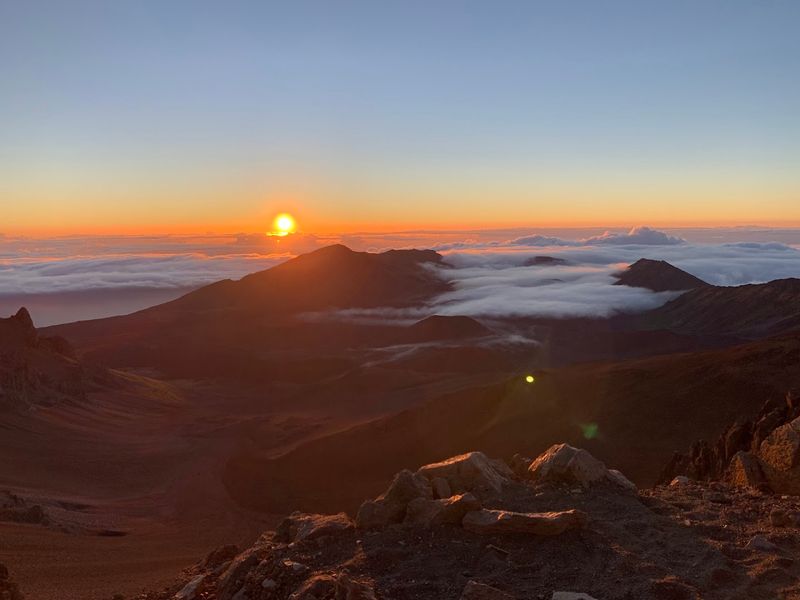
Standing nearly 10,000 feet above sea level while clouds drift far below you and the sky explodes in shades of orange, pink, and gold — that’s a Haleakalā sunrise, and people genuinely cry at the sight of it. This dormant volcano on Maui’s eastern side is home to one of the most extraordinary natural spectacles in the world, and it draws early risers from across the globe.
Because the summit sits above most of the island’s cloud cover, you’re essentially watching the sun rise above a fluffy white sea. The temperature up top can drop into the 30s Fahrenheit even when it’s warm below, so layers are essential.
Bring a blanket, a warm jacket, and a thermos of something hot. The cold is worth every shiver.
Reservations are required well in advance for sunrise entry — the park fills up fast and spots sell out weeks ahead. Aim to arrive at least 30 minutes before sunrise.
Stargazing the night before at the summit is equally spectacular if you want to make a full experience of it. Rangers are on hand to answer questions and share the science behind the volcanic landscape.
Haleakalā is the kind of place that quietly changes your perspective on life.
Visit Pearl Harbor & USS Arizona Memorial (O’ahu)
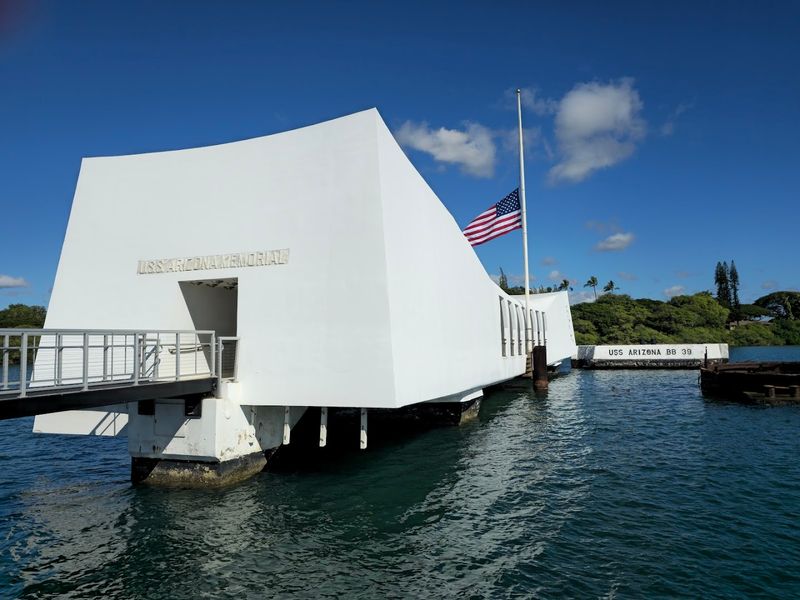
There’s a quiet, powerful stillness at Pearl Harbor that hits you the moment you step off the boat onto the USS Arizona Memorial. Below the white structure, the sunken battleship still rests where it sank on December 7, 1941 — and oil still slowly rises to the surface after more than 80 years.
It’s one of the most moving experiences in all of Hawaii.
The attack on Pearl Harbor pulled the United States into World War II, and this site tells that story with honesty and depth. The visitor center includes a museum, documentary films, and exhibits featuring personal accounts from survivors and eyewitnesses.
Plan to spend at least half a day to absorb everything properly.
Tickets to the USS Arizona Memorial boat tour are free but timed, so reserve them early through the National Park Service website. Bags must be stored in paid lockers, and there are strict rules about photography near the memorial out of respect for those who lost their lives.
The nearby USS Missouri battleship and USS Bowfin submarine are additional paid attractions worth visiting. Pearl Harbor is not just a tourist stop — it’s a place where history feels immediate, personal, and deeply important to understand.
Relax on Waikīkī Beach (O’ahu)
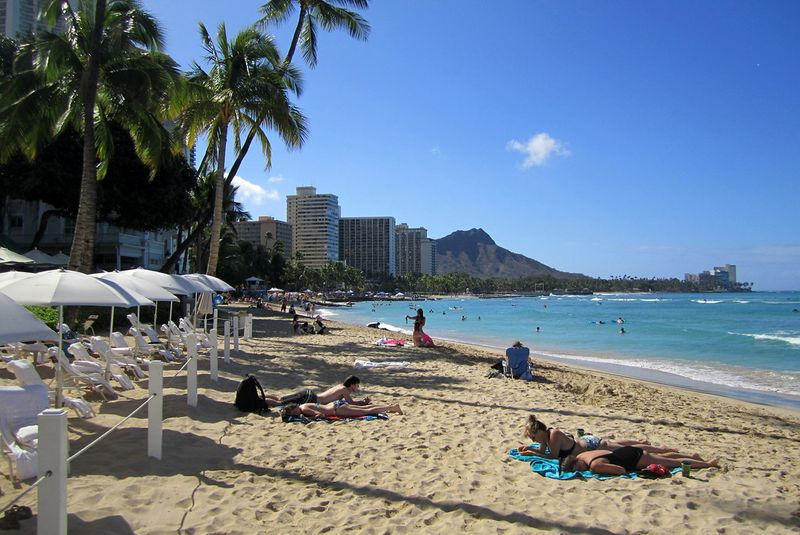
Waikīkī is the kind of beach that shows up in your imagination before you’ve ever visited — soft golden sand, gentle rolling waves, Diamond Head standing watch in the background, and a warm breeze carrying the faint smell of sunscreen and tropical flowers. It lives up to every expectation.
This stretch of shoreline on O’ahu’s south side is arguably the most famous beach in the entire Pacific.
Beyond sunbathing, Waikīkī is one of the best places in Hawaii to learn how to surf. The waves here are consistent, forgiving, and perfect for beginners.
Surf lessons are offered right on the beach by experienced instructors, and board rentals are easy to find. Even if surfing isn’t your thing, watching skilled longboarders glide across the waves is entertainment in itself.
The surrounding neighborhood buzzes with energy — restaurants, shops, and hotels line the streets just steps from the water. Grab shave ice from a nearby stand, browse local art at the outdoor markets, or catch a free hula performance on the beachfront.
Waikīkī also comes alive at sunset, when the sky turns brilliant shades of red and purple behind Diamond Head. It’s laid-back, lively, and completely unforgettable all at once.
Explore Nā Pali Coast (Kaua’i)
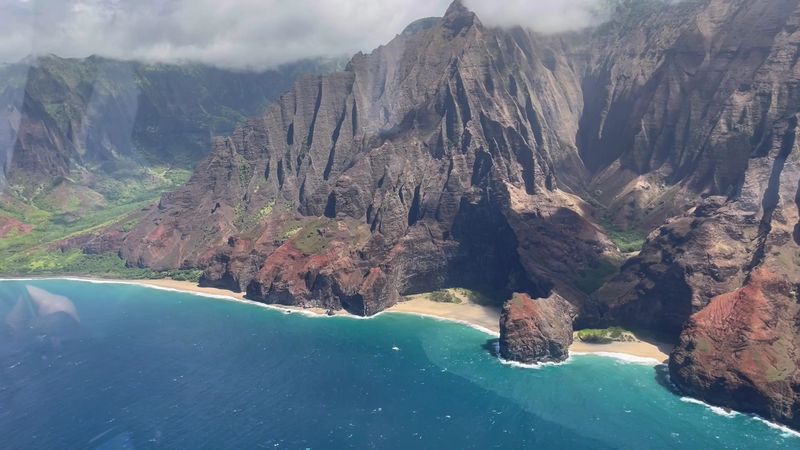
Imagine cliffs rising 4,000 feet straight out of the ocean, draped in emerald green and laced with silver waterfalls — that’s Nā Pali, and no photo truly does it justice. Located along Kaua’i’s northwestern shore, this 17-mile stretch of coastline is so dramatic and remote that it has served as the backdrop for multiple Hollywood films, including Jurassic Park.
Getting there is part of the adventure. You can kayak along the coast in summer when seas are calmer, take a boat tour year-round, or fly over it by helicopter for a truly cinematic perspective.
For the truly ambitious, the Kalalau Trail offers an 11-mile hike with stunning views — but it’s considered one of the most challenging trails in Hawaii, so experience and preparation are essential.
Hidden sea caves, pristine beaches reachable only by water, and schools of spinner dolphins accompanying boats make every Nā Pali trip feel special. Sunset cruises along the coast are especially popular and romantic.
Wildlife is abundant here — monk seals, sea turtles, and nesting seabirds all call these cliffs home. Whether you view it from the water, the air, or the trail, Nā Pali Coast delivers the kind of beauty that leaves people speechless and eager to come back.
Hike Waimea Canyon (Kaua’i)
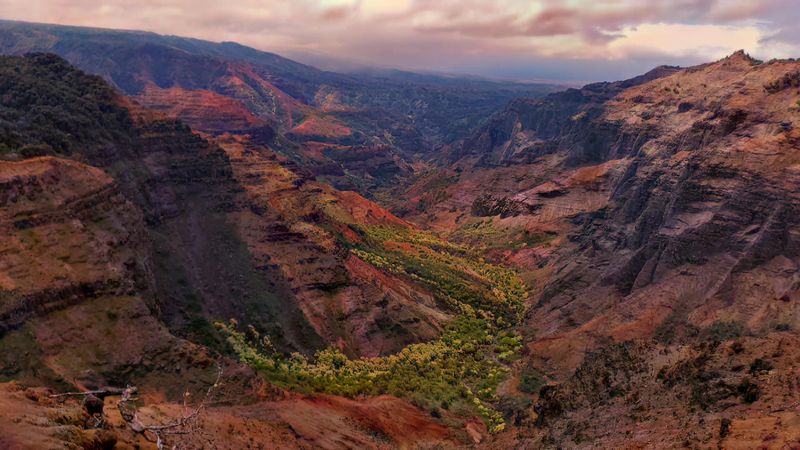
Mark Twain reportedly called it the Grand Canyon of the Pacific, and honestly, the nickname sticks. Waimea Canyon on Kaua’i stretches roughly 14 miles long, reaches one mile wide, and plunges 3,600 feet deep — carved over millions of years by rivers and volcanic activity.
Standing at the main overlook and staring into that massive, colorful gorge is one of those moments that makes your brain recalibrate what “big” actually means.
Unlike its Arizona counterpart, Waimea Canyon is covered in lush tropical vegetation, giving the red and orange rock walls a vivid, almost surreal contrast. The Waimea Canyon Lookout and Pu’u Hinahina Lookout are the most popular stops and require no hiking at all — just drive up and marvel.
For those who want to get closer, trails like the Kukui Trail wind down into the canyon floor.
The canyon is part of Kōke’e State Park, which also offers access to trails overlooking the Nā Pali Coast. Weather can change quickly at higher elevations, so bring a light rain jacket even on sunny mornings.
Entrance to the canyon area is free, making it one of Kaua’i’s best deals. Pack a picnic, bring binoculars, and take your time — Waimea Canyon rewards those who linger.
Attend a Traditional Luau
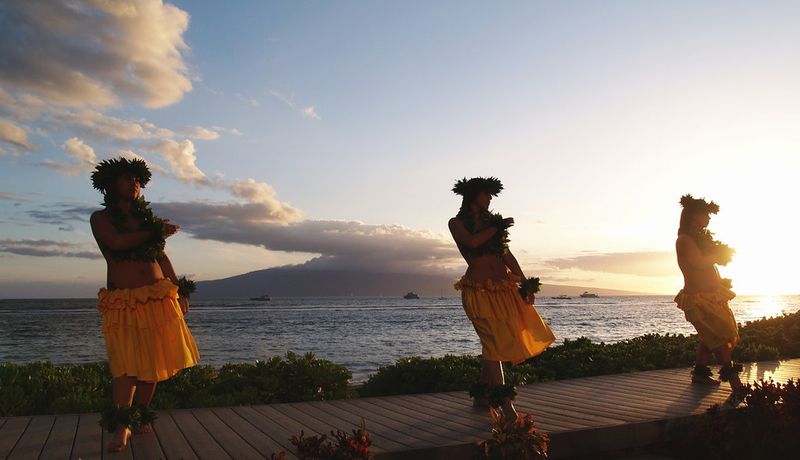
The moment you walk into a luau and someone places a fragrant flower lei around your neck, something shifts — you’re no longer just a tourist passing through. You’re a guest being welcomed into something genuinely meaningful.
The luau has roots going back centuries in Hawaiian culture, originally a feast held to celebrate births, victories, and the lifting of ancient sacred laws called kapu.
Modern luaus bring this tradition to life with imu ceremonies, where a whole pig is slow-roasted underground in a pit lined with hot lava rocks. The result is impossibly tender, smoky kalua pork that tastes like nothing you’ve had before.
Tables overflow with poi, lomi salmon, haupia coconut pudding, and fresh tropical fruit. The food alone is worth showing up for.
After dinner, hula performances take center stage — and these aren’t just dances. Hula is a living language, telling stories of gods, nature, and Hawaiian history through every movement of the hands and body.
Fire knife dancing usually closes the night in spectacular fashion, with performers spinning flaming batons at dizzying speeds. The Old Lahaina Luau on Maui and Paradise Cove on O’ahu are both highly regarded options.
Book ahead because popular luaus sell out weeks in advance.
Snorkel with Manta Rays (Big Island)
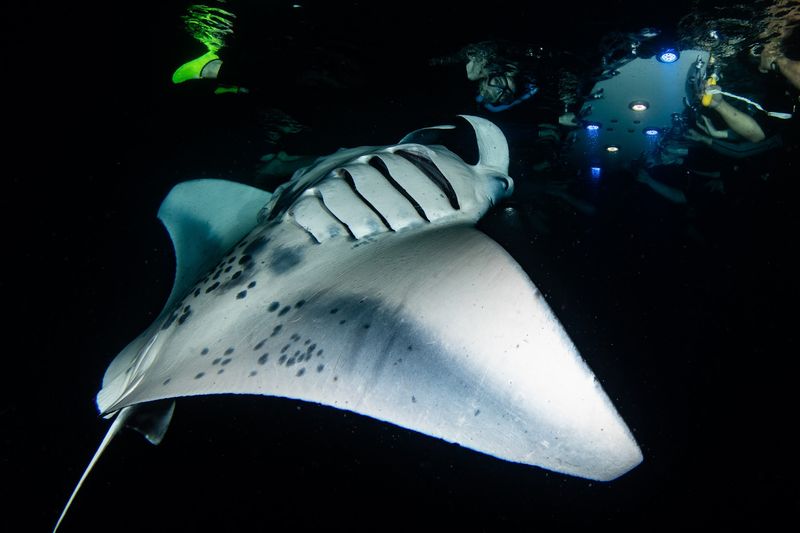
Floating in dark ocean water at night while a creature with a 14-foot wingspan silently glides inches beneath you sounds terrifying — until it actually happens and you realize it’s one of the most peaceful things you’ve ever experienced. Manta ray night snorkels off the Kona Coast on the Big Island have become one of Hawaii’s most sought-after adventures, and the hype is completely justified.
Manta rays are filter feeders, meaning they eat tiny plankton and pose zero threat to humans. Tour operators use underwater lights to attract plankton, which in turn draws the mantas in massive, graceful loops directly below the floating snorkelers.
You hold onto a flotation board and watch the show unfold just feet beneath the surface.
Tours typically last about two hours and include snorkel gear, wetsuits, and guides who explain manta ray behavior and biology throughout the experience. The Manta Ray Village near Garden Eel Cove is one of the most reliable spots on the island.
Some nights bring just two or three rays, while other nights attract a dozen or more. Seeing them barrel-roll through the water, scooping plankton with their wide, open mouths, is both surreal and oddly calming.
This is genuinely one of Hawaii’s most unforgettable wildlife encounters.
Take a Helicopter Tour
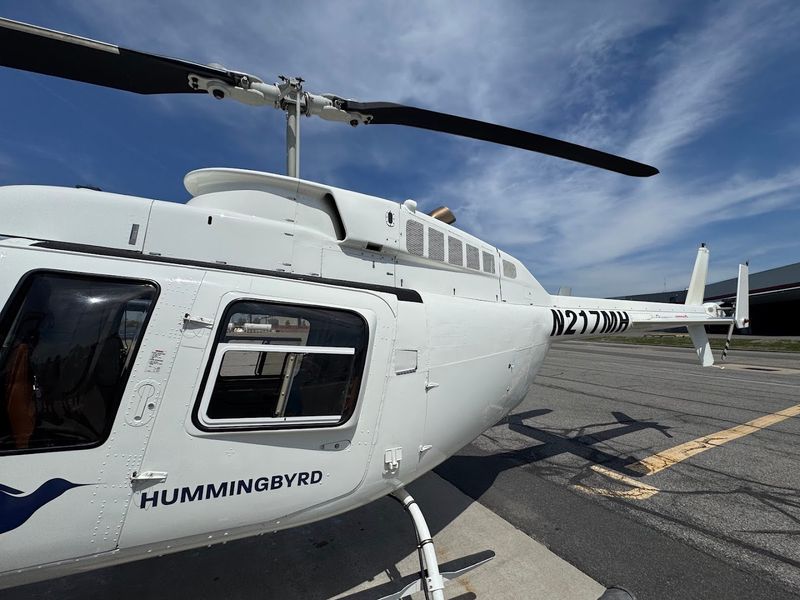
Some of Hawaii’s most spectacular scenery is locked behind walls of jungle, hidden inside volcanic craters, or perched on clifftops that no road can reach. That’s where a helicopter comes in — and suddenly, the islands reveal an entirely different side of themselves.
Helicopter tours in Hawaii are genuinely transformative experiences, not just expensive sightseeing rides.
Kaua’i is the top destination for aerial tours, largely because over 70 percent of the island is inaccessible by road. From the air, you’ll glide over the Nā Pali Coast, hover near Waimea Canyon, and fly past Wai’ale’ale, one of the wettest spots on Earth with waterfalls cascading from nearly every angle.
On the Big Island, helicopter tours fly directly over active lava flows and Kīlauea’s crater — a view that simply cannot be replicated any other way.
Tours range from about 45 minutes to two hours depending on the route and island. Doors-off tours are available for photographers who want unobstructed shots.
Prices are significant — expect to pay $250 to $500 or more per person — but most visitors consider it the highlight of their entire trip. Book early, as seats fill quickly, especially during peak travel seasons.
Weight and seating arrangements are assigned for balance and safety by the operators.
Visit Polynesian Cultural Center (O’ahu)
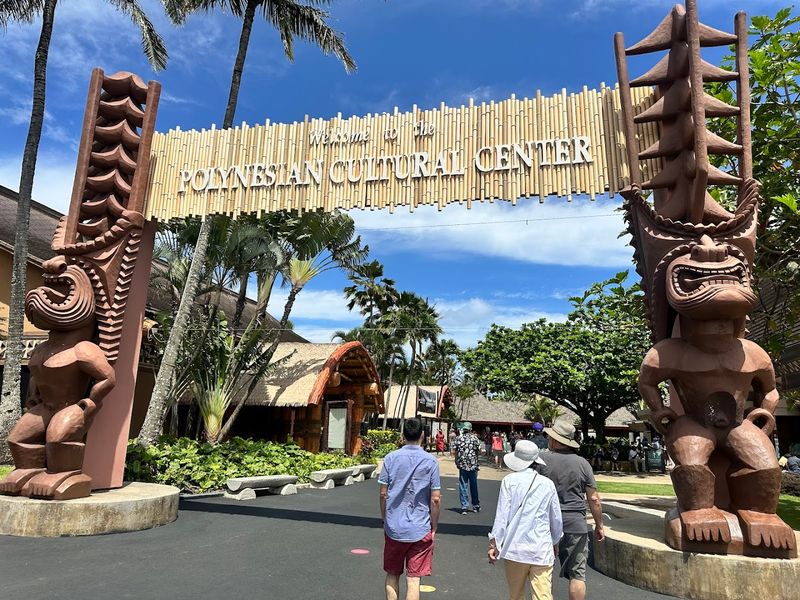
Covering six distinct island cultures in a single afternoon sounds ambitious, but the Polynesian Cultural Center on O’ahu’s North Shore pulls it off beautifully. Spread across 42 acres, this living cultural park lets visitors experience the traditions of Hawaii, Samoa, Tonga, Fiji, Tahiti, and Aotearoa (New Zealand) all in one immersive setting.
It’s been welcoming guests since 1963 and remains one of O’ahu’s top attractions.
Each village is staffed by students from Brigham Young University Hawaii, many of whom are native to the cultures they represent. That authenticity makes a real difference.
Watch a Samoan student shimmy up a coconut tree to retrieve a fresh coconut. Try your hand at traditional weaving or fire-making.
Paddle a canoe through the lagoon that winds between the villages.
The evening show, Ha: Breath of Life, is a full-scale theatrical performance featuring more than 100 performers, elaborate costumes, and special effects. It tells the story of a young Polynesian man’s journey from childhood to adulthood through music, dance, and fire.
The all-inclusive package includes the village tours, a buffet dinner, and the night show. Plan for a full day here — there’s genuinely too much to rush through.
The cultural depth offered here is rare and worth every minute.
Go Whale Watching (Seasonal)
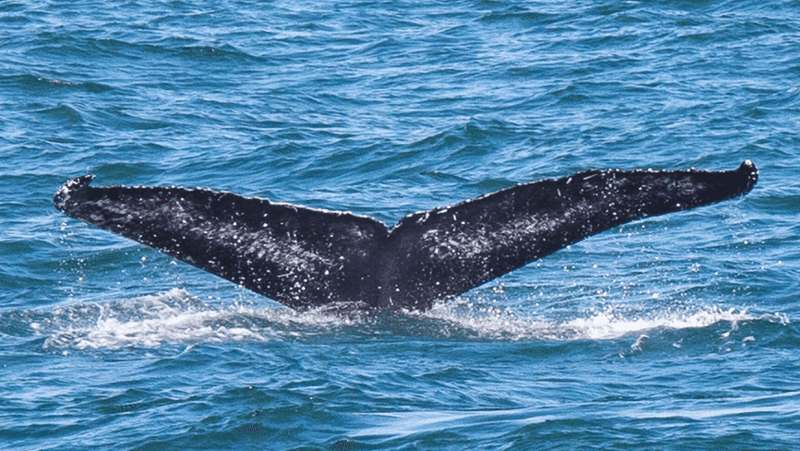
Every winter, about 10,000 North Pacific humpback whales make an extraordinary 3,000-mile journey from Alaska to Hawaii’s warm waters to mate and give birth — and watching them is nothing short of spectacular. From December through April, Hawaii becomes one of the best whale-watching destinations on the planet, and Maui’s Auau Channel between Maui, Moloka’i, and Lana’i is considered the heart of humpback territory.
Boat tours depart from Lahaina Harbor and Ma’alaea Harbor on Maui, as well as ports on O’ahu and the Big Island. On a good day, you might see full breaches, tail slaps, pec fin waves, and even mothers swimming alongside their calves.
Hydrophones on some boats let you actually hear the haunting, melodic songs the males sing underwater during breeding season.
Tours typically run two to three hours, and most companies offer a guarantee — if you don’t see whales, you get a free return trip. The Pacific Whale Foundation runs excellent educational tours with marine naturalists on board who explain humpback behavior and conservation efforts in real time.
Binoculars are helpful, but honestly, these whales often surface close enough that you won’t need them. Whale season is one of the most magical times to be in Hawaii, full stop.
Discover Black Sand Beaches (Big Island & Maui)
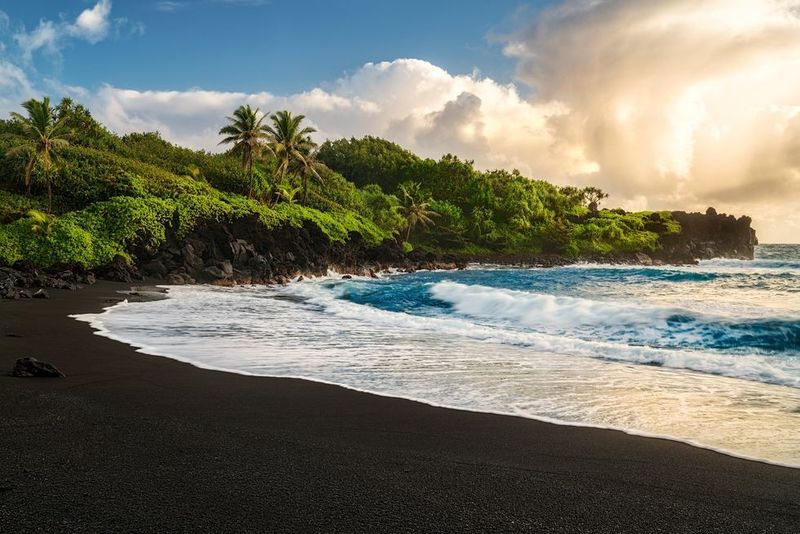
Black sand beaches look like something a fantasy novelist invented — jet-black volcanic grains, impossibly blue water, and green sea turtles hauled out in the sun like they own the place. But they’re completely real, and the Big Island has some of the finest examples anywhere on Earth.
Punalu’u Black Sand Beach on the Big Island is the most famous and accessible, making it a top stop for visitors exploring the southern part of the island.
The black sand forms when hot lava flows into the ocean and shatters instantly on contact with cold seawater, creating tiny fragments of basalt. The process is ongoing, which means these beaches are relatively young in geological terms.
At Punalu’u, Hawaiian green sea turtles — called honu — regularly bask on the sand, and spotting one up close is a genuinely magical moment. Maintain a respectful distance, as they are protected by federal law.
On Maui, Wai’ānapanapa State Park near Hāna offers another striking black sand beach surrounded by lava arches and sea caves. The contrast between the dark sand and vivid turquoise waves creates scenes that look digitally enhanced but are completely natural.
Swimming conditions vary at black sand beaches, so check for posted warnings. These beaches aren’t just beautiful — they’re living proof of Hawaii’s volcanic origins.
Hike Diamond Head Crater (O’ahu)
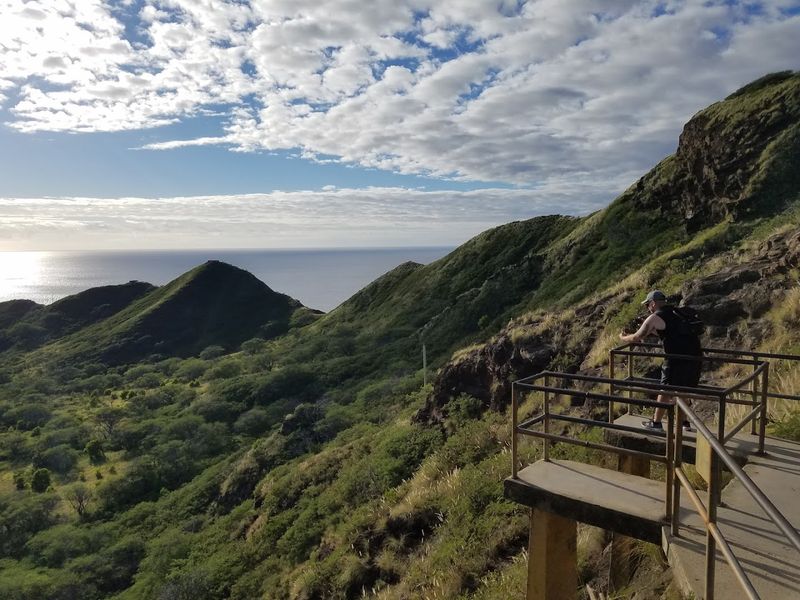
Diamond Head got its name from British sailors in the 1800s who mistook calcite crystals in the rock for diamonds — a classic case of wishful thinking. The volcano itself hasn’t erupted in about 150,000 years, which makes hiking inside its crater considerably more relaxing than it sounds.
This iconic O’ahu landmark is one of the most recognizable silhouettes in all of Hawaii and one of the most rewarding short hikes on the island.
The trail is about 1.6 miles round trip and gains roughly 560 feet in elevation. It’s considered moderate in difficulty — there are some steep sections, a few staircases carved into the rock, and a short tunnel to navigate.
Most reasonably fit hikers complete the round trip in about 90 minutes. The payoff at the summit is a sweeping panoramic view of Honolulu, Waikīkī Beach, and the vast Pacific stretching to the horizon.
Reservations are required and can be made online through the Hawaii State Parks website. Parking inside the crater is limited, so arriving early or taking a rideshare is strongly recommended.
Bring water, sunscreen, and comfortable shoes with grip. The trail is mostly exposed with little shade, so the early morning slot is by far the most comfortable.
Diamond Head is proof that some of the best things in Hawaii don’t require a boat, helicopter, or full day to experience.



