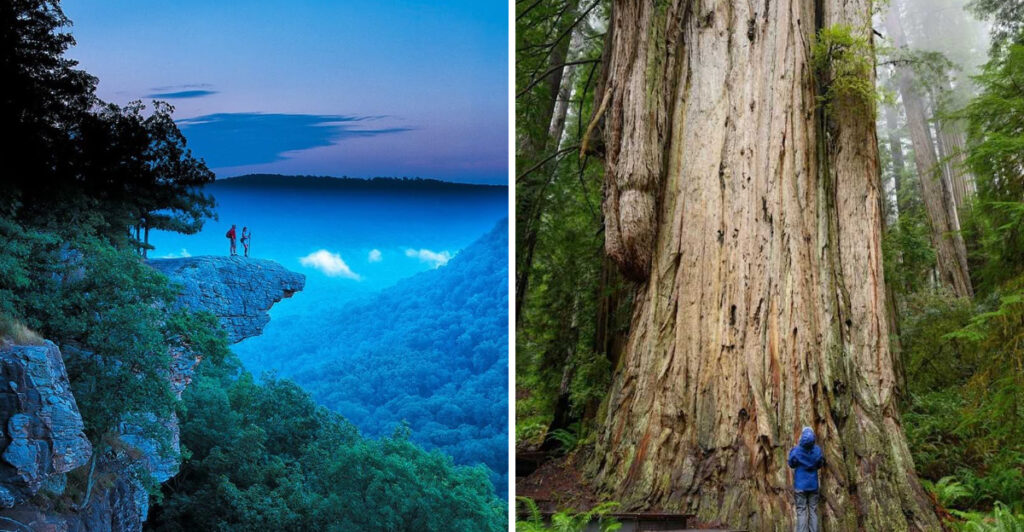
America’s forests are some of the most jaw-dropping places on the planet, packed with towering trees, roaring waterfalls, and wildlife that will leave you speechless. From misty rainforests along the Pacific coast to ancient swamps in the Deep South, each forest has its own personality and charm.
Whether you’re a hardcore hiker or someone who just loves a good scenic drive, there’s a forest on this list for you. Get ready to discover 15 of the most spectacular forests the United States has to offer.
Redwood National and State Parks — California
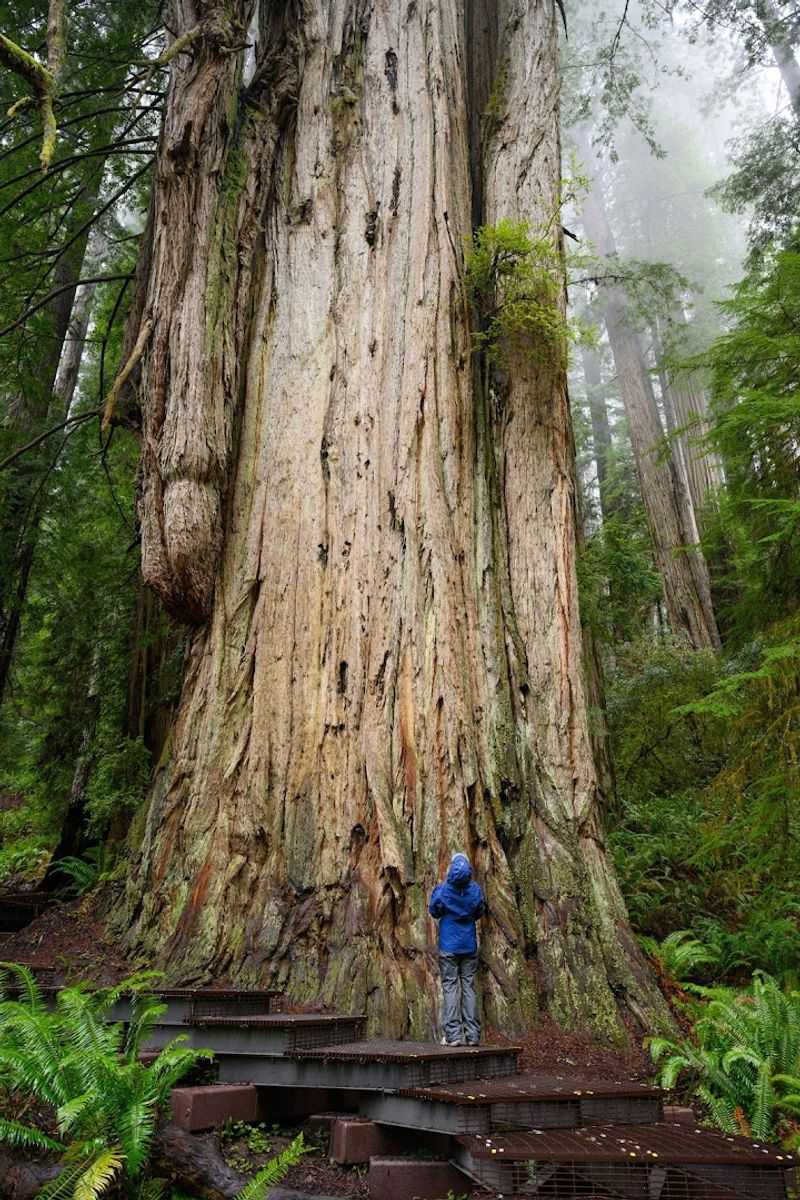
Standing at the base of a 370-foot redwood tree and craning your neck upward is a humbling experience that very few places on Earth can offer. Redwood National and State Parks protect nearly half of the world’s remaining old-growth coast redwoods, and walking among them feels like stepping into another era entirely.
These trees have been alive for over a thousand years, quietly watching centuries pass by.
The parks aren’t just about the trees, though. Elk wander through fern-covered canyons, the Pacific coastline stretches dramatically along the park’s edge, and misty mornings give everything a magical, storybook quality.
Trails like the Lady Bird Johnson Grove loop are perfect for families and casual walkers.
If you’re planning a visit, the best time to go is late spring or early fall to avoid summer crowds. Camping is available at several spots, and free ranger-led programs make learning about the forest fun for all ages.
Pack layers because the coastal weather can shift quickly. Seeing these ancient giants up close is the kind of experience that sticks with you for life.
Tongass National Forest — Alaska
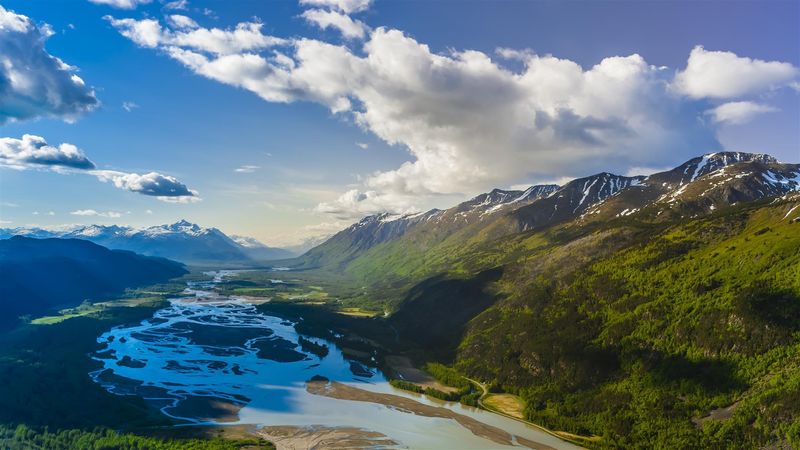
Nearly 17 million acres of wild, untamed wilderness sounds almost unbelievable until you actually look at a map of Tongass National Forest. Covering a massive swath of southeastern Alaska, Tongass is the largest national forest in the entire United States, and it feels every bit as enormous as that title suggests.
Glaciers carve through mountain ranges, fjords slice into the coastline, and ancient temperate rainforests drip with moisture year-round.
Wildlife here is extraordinary. Brown bears fish for salmon in rushing streams, bald eagles circle overhead, humpback whales breach in the icy waters offshore, and Sitka black-tailed deer move quietly through the trees.
Few places in North America offer this concentration of raw, dramatic nature.
Getting to Tongass usually means flying into cities like Juneau, Ketchikan, or Sitka, which are accessible by plane or ferry. Once there, kayaking through calm fjords is one of the most popular ways to explore.
Flightseeing tours give you a bird’s-eye view of the glaciers and coastline. Tongass is not a casual weekend trip destination, but for those willing to make the journey, it delivers an experience that is genuinely unlike anywhere else.
Olympic National Forest — Washington
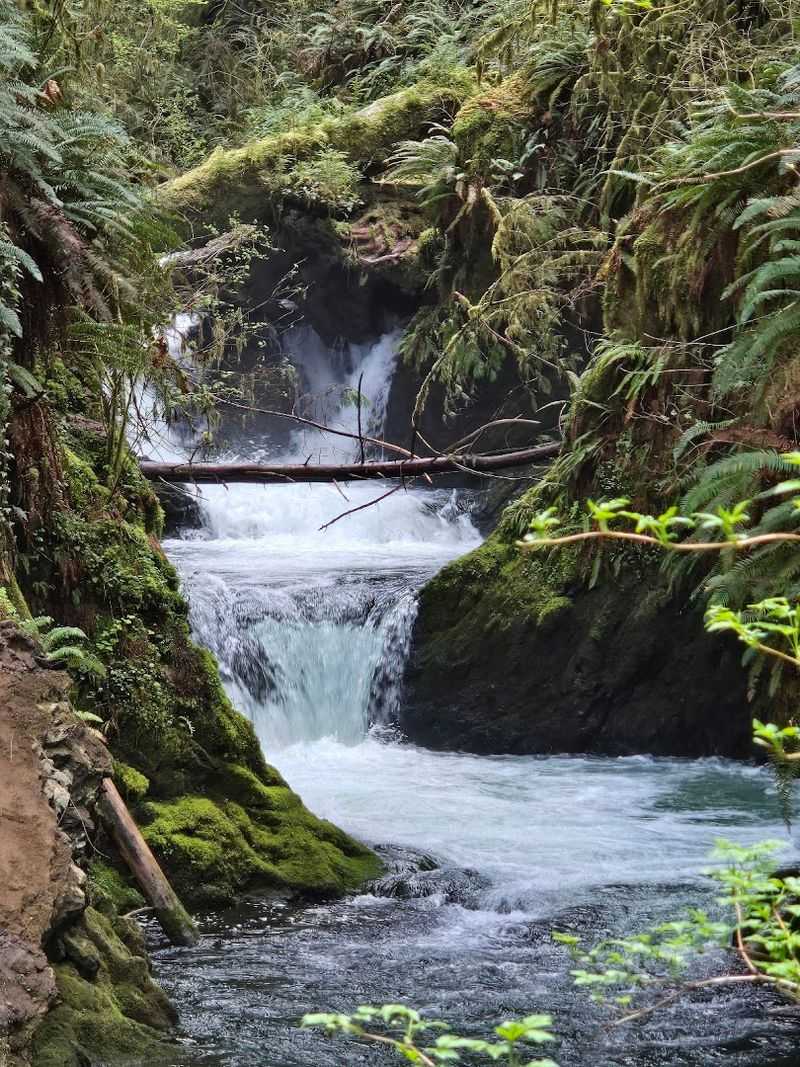
Somewhere between a fairytale and a nature documentary, Olympic National Forest drapes its trees in thick green moss and fills its valleys with the sound of rushing rivers. Bordering the famous Olympic National Park, this forest gives visitors access to one of the most diverse ecosystems in the country.
In a single day, you can walk through a temperate rainforest, hike to a mountain meadow, and watch the sun set over the Pacific Ocean.
The Hoh Rain Forest is the crown jewel here, receiving up to 14 feet of rainfall each year and producing a landscape so green and layered it almost looks painted. Massive Sitka spruce and Douglas fir trees tower overhead while elk graze peacefully in the open meadows nearby.
The silence in the Hoh is remarkable, broken only by birdsong and the occasional distant waterfall.
Trails range from easy riverside walks to challenging backcountry routes, so hikers of all experience levels find something worthwhile. The Quinault Rain Forest area is slightly less visited and equally stunning.
Wildlife sightings, including Roosevelt elk, black bears, and river otters, are common throughout the forest. Olympic is one of those places where every trail seems to reward you with something breathtaking.
Pisgah National Forest — North Carolina
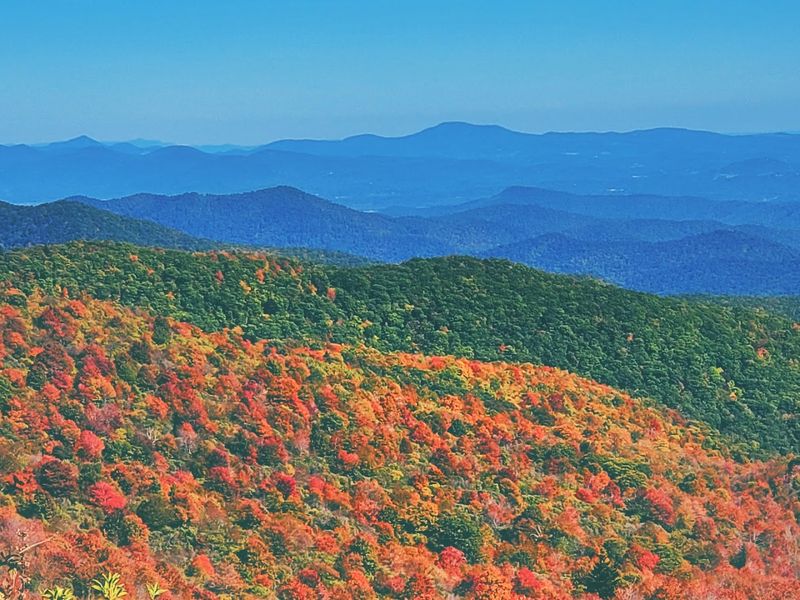
Tucked into the folds of the Blue Ridge Mountains, Pisgah National Forest has been making hikers and nature lovers very happy for well over a century. The forest spreads across more than 500,000 acres of western North Carolina, offering a mix of hardwood forests, mountain streams, stunning waterfalls, and ridgeline views that stretch for miles.
Parts of the beloved Blue Ridge Parkway wind directly through Pisgah’s scenery, making scenic drives just as rewarding as the trails.
Waterfalls are a major highlight here. Looking Glass Falls, one of the most photographed in the state, drops 60 feet into a crystal-clear pool and is just steps from a parking area, making it accessible for everyone.
Sliding Rock, a natural waterslide worn smooth by centuries of flowing water, draws crowds of laughing visitors every summer.
Hikers have hundreds of miles of trails to choose from, including sections of the famous Mountains-to-Sea Trail. Mountain bikers flock to the Bent Creek area for its well-maintained singletrack.
Fall is arguably the best season to visit, when the hardwood canopy erupts in shades of orange, red, and gold. Pisgah proves that the southern Appalachians are every bit as spectacular as their northern counterparts.
White Mountain National Forest — New Hampshire and Maine
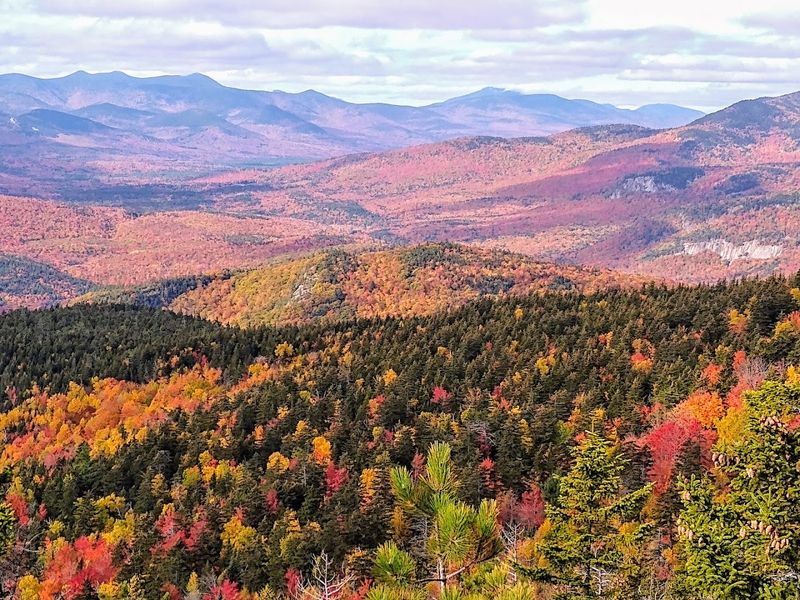
Every October, something almost magical happens in White Mountain National Forest. The entire landscape ignites in blazing shades of red, orange, and gold, drawing visitors from across the country to witness one of New England’s greatest annual shows.
The Kancamagus Highway, a 34-mile scenic byway cutting through the heart of the forest, offers front-row seats to this spectacular display without even leaving your car.
Outside of fall, the White Mountains offer year-round adventure. Summer hikers tackle the Presidential Range, including Mount Washington, which holds the record for the highest wind speed ever recorded on Earth’s surface at a surface station.
Winter brings excellent skiing, snowshoeing, and ice climbing. Spring reveals rushing cascades fed by snowmelt, including the iconic Flume Gorge.
The forest covers nearly 800,000 acres across northern New Hampshire and a small portion of Maine. There are over 1,200 miles of hiking trails, dozens of campgrounds, and several scenic covered bridges tucked into the valleys.
The Appalachian Mountain Club maintains a network of backcountry huts that let hikers travel the high ridges without carrying heavy camping gear. White Mountain is proof that New England’s forests punch well above their weight in terms of sheer natural drama.
Sequoia National Forest — California
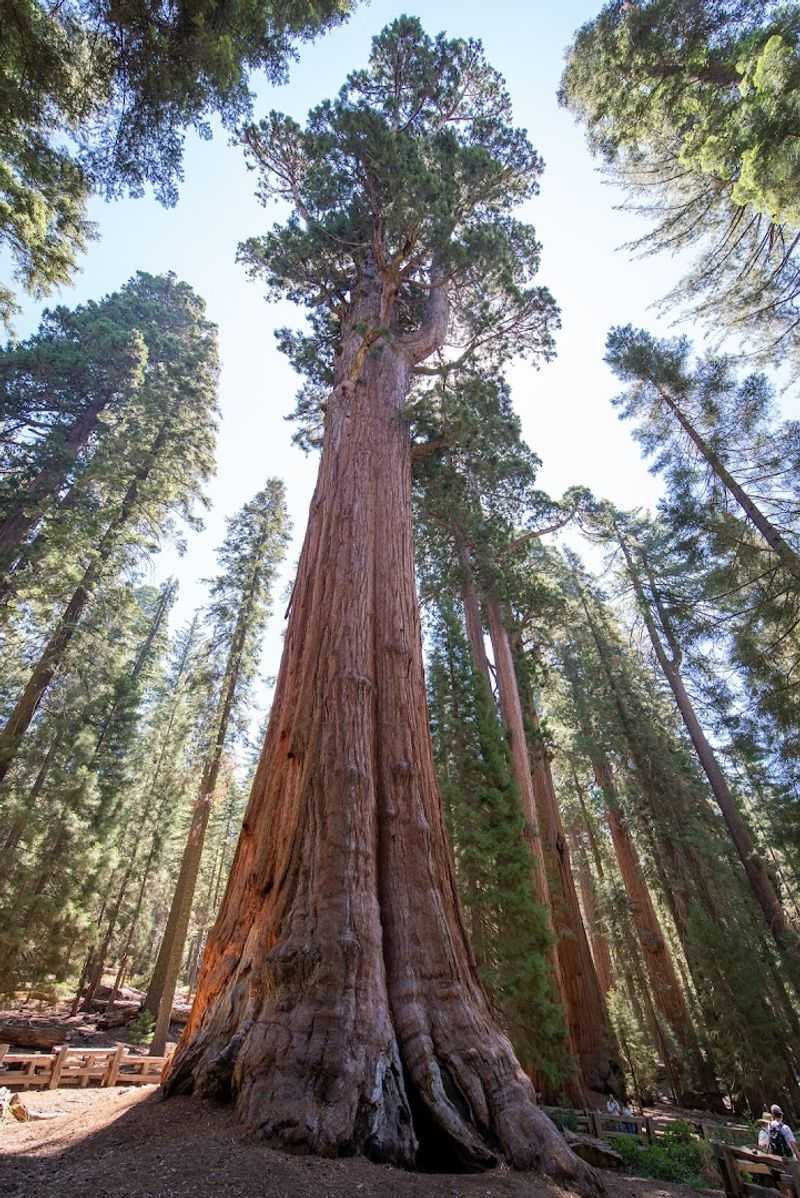
Giant sequoias are the largest trees on Earth by volume, and Sequoia National Forest is one of the best places in the world to stand next to one and feel absolutely tiny. Unlike their tall coastal cousins the redwoods, sequoias are defined by their incredible girth, with some trunks measuring more than 30 feet across at the base.
The Boole Tree, located within the forest, is one of the largest individual trees on the planet and sits in a grove accessible by a short hike.
Beyond the famous giants, the forest spreads across a spectacular Sierra Nevada landscape of granite peaks, alpine meadows, clear mountain lakes, and dense conifer forests. Elevations range dramatically, creating diverse ecosystems within a relatively short distance.
Wildflower blooms in the meadows during late spring are genuinely stunning.
Sequoia National Forest surrounds Sequoia and Kings Canyon National Parks, offering a quieter alternative with less crowding and more freedom to explore. Off-highway vehicle trails, fishing spots, and backcountry routes attract a wide range of outdoor enthusiasts.
Summer is the most popular season, but fall brings cooler temperatures and fewer visitors. Camping among the sequoias under a sky full of stars is an experience that earns its place on any nature lover’s bucket list.
Coconino National Forest — Arizona
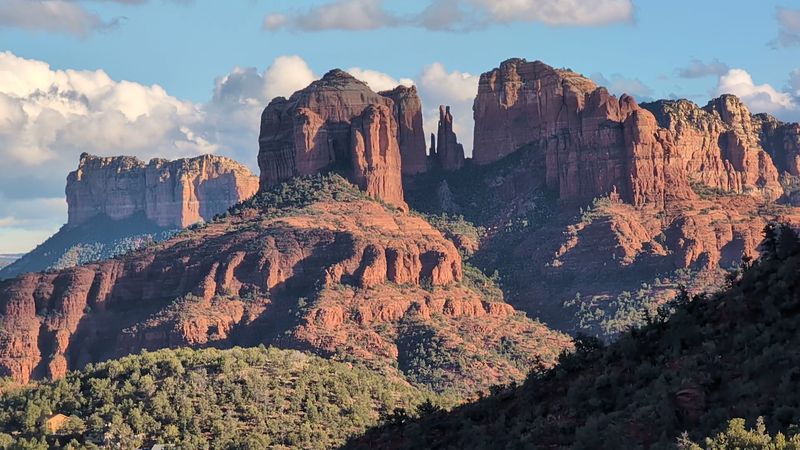
Red rocks, pine forests, volcanic craters, and one of Arizona’s most stunning canyons all exist within the same national forest, which is exactly what makes Coconino such a fascinating place to explore. Stretching across nearly 1.9 million acres of north-central Arizona, Coconino is one of the largest national forests in the country and one of the most visually dramatic.
The landscape shifts so dramatically between zones that it feels like visiting several different places in a single trip.
Sedona sits at the forest’s edge, surrounded by iconic red sandstone formations that glow brilliant orange and crimson at sunrise and sunset. Oak Creek Canyon, often called Arizona’s answer to Zion, carves a dramatic path through the forest with swimming holes, hiking trails, and scenic overlooks.
Near Flagstaff, the forest transitions into alpine terrain with ponderosa pine stands and the towering San Francisco Peaks.
Birding is exceptional here, with species ranging from canyon wrens to Mexican spotted owls. Mountain biking on the Sedona trail network is world-class and attracts riders from across the country.
Stargazing near Flagstaff is outstanding thanks to the area’s dark skies and high elevation. Coconino rewards curious visitors who take time to explore beyond the obvious highlights and discover its quieter, more remote corners.
Gifford Pinchot National Forest — Washington
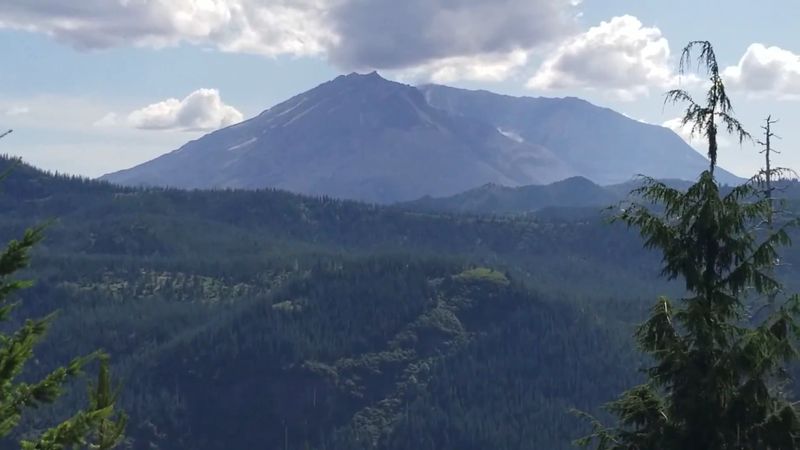
Mount St. Helens blew its top in 1980 and forever changed the landscape of southwestern Washington, but what grew back around it is a testament to nature’s incredible resilience. Gifford Pinchot National Forest surrounds the volcano and blends dramatic volcanic terrain with some of the Pacific Northwest’s most lush and beautiful old-growth forest.
The contrast between barren lava fields and dense green evergreen stands is striking and unlike anything most forests can offer.
Dozens of waterfalls tumble through the forest, fed by volcanic snowfields and abundant rainfall. Spirit Lake, visible from the flanks of Mount St. Helens, still carries floating logs from trees toppled by the 1980 eruption.
Trails around the volcano offer front-row views of the ongoing recovery process, which scientists have studied closely for decades.
Beyond the volcano, the forest features crystal-clear lakes perfect for kayaking and fishing, miles of trails through old-growth Douglas fir and western red cedar, and meadows bursting with wildflowers in summer. The Indian Heaven Wilderness and Goat Rocks Wilderness areas offer outstanding backcountry experiences for more adventurous visitors.
Gifford Pinchot is a place where geology and ecology intertwine in fascinating ways, making every hike feel like a lesson in how the natural world works.
Chattahoochee National Forest — Georgia
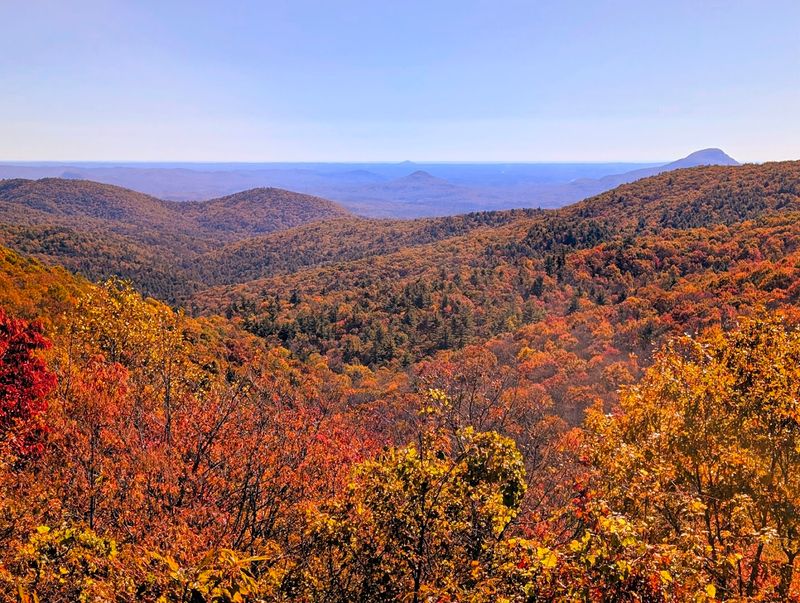
Georgia might not be the first state that comes to mind when you think of spectacular forests, but Chattahoochee National Forest in the state’s northern mountains is ready to change that assumption immediately. Covering nearly 750,000 acres of the southern Blue Ridge Mountains, this forest packs in waterfalls, wild rivers, scenic overlooks, and enough Appalachian Trail miles to keep any hiker busy for weeks.
Amicalola Falls, one of the tallest cascading waterfalls east of the Mississippi, sits right at the forest’s edge.
Autumn transforms Chattahoochee into a canvas of deep reds, burnt oranges, and bright yellows as the hardwood canopy changes with the season. The timing is usually a week or two behind the peak in the North Carolina mountains, giving leaf-peepers an extended window to catch the show.
Brasstown Bald, Georgia’s highest point at 4,784 feet, offers 360-degree panoramic views from its summit observation deck.
White-water rafting on the Chattooga River, which forms part of the forest’s eastern boundary, is a beloved tradition for adventure seekers. Fishing for trout in the cold mountain streams is excellent throughout the year.
Camping options range from developed campgrounds to primitive backcountry sites deep in the wilderness areas. Chattahoochee consistently surprises visitors who didn’t realize Georgia had mountains this beautiful.
Daniel Boone National Forest — Kentucky
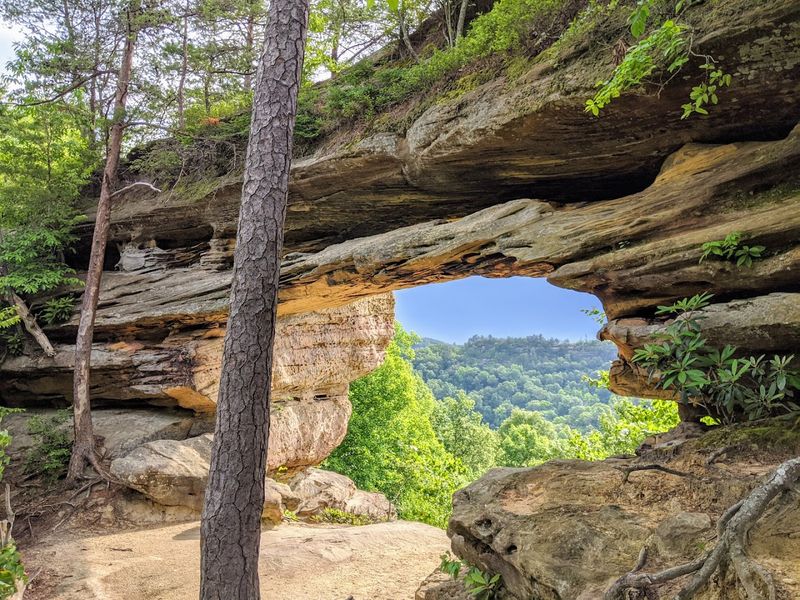
Kentucky’s Daniel Boone National Forest keeps a low profile compared to some of the country’s flashier forests, but geologists and outdoor enthusiasts who know it consider it one of the most geologically fascinating places in the eastern United States. Spanning more than 700,000 acres across the eastern part of the state, the forest is riddled with towering sandstone arches, sheer cliff faces, natural bridges, and dramatic rock shelters carved by centuries of erosion.
The Red River Gorge Geological Area is the crown jewel, drawing rock climbers and hikers from across the country.
The Natural Bridge State Resort Park, located within the forest, offers a cable car ride to one of Kentucky’s most iconic rock formations. Nearby, the Clifty Wilderness protects some of the most rugged terrain in the state, with trails that wind through hemlock groves and along canyon rims.
Wildflowers carpet the forest floor each spring in remarkable variety.
Paddlers love the Red River and the Cumberland River for flatwater and mild whitewater experiences. Fishing for bass and catfish in Cave Run Lake is popular with families.
Fall color in the hardwood forests is excellent, though less publicized than in neighboring states. Daniel Boone rewards visitors who seek out its hidden hollows and canyon overlooks with scenery that genuinely earns a second visit.
Ozark-St. Francis National Forests — Arkansas
Arkansas has a way of sneaking up on you, and nowhere is that more true than in the Ozark-St. Francis National Forests, where rolling mountains, clear limestone streams, hidden waterfalls, and ancient caves create a landscape that feels completely off the beaten path. Together, the two forests cover more than 1.5 million acres of the Ozark Plateau and the Arkansas Delta region, offering dramatically different experiences within a single state.
The Ozark section alone contains some of the finest float fishing rivers in the entire country.
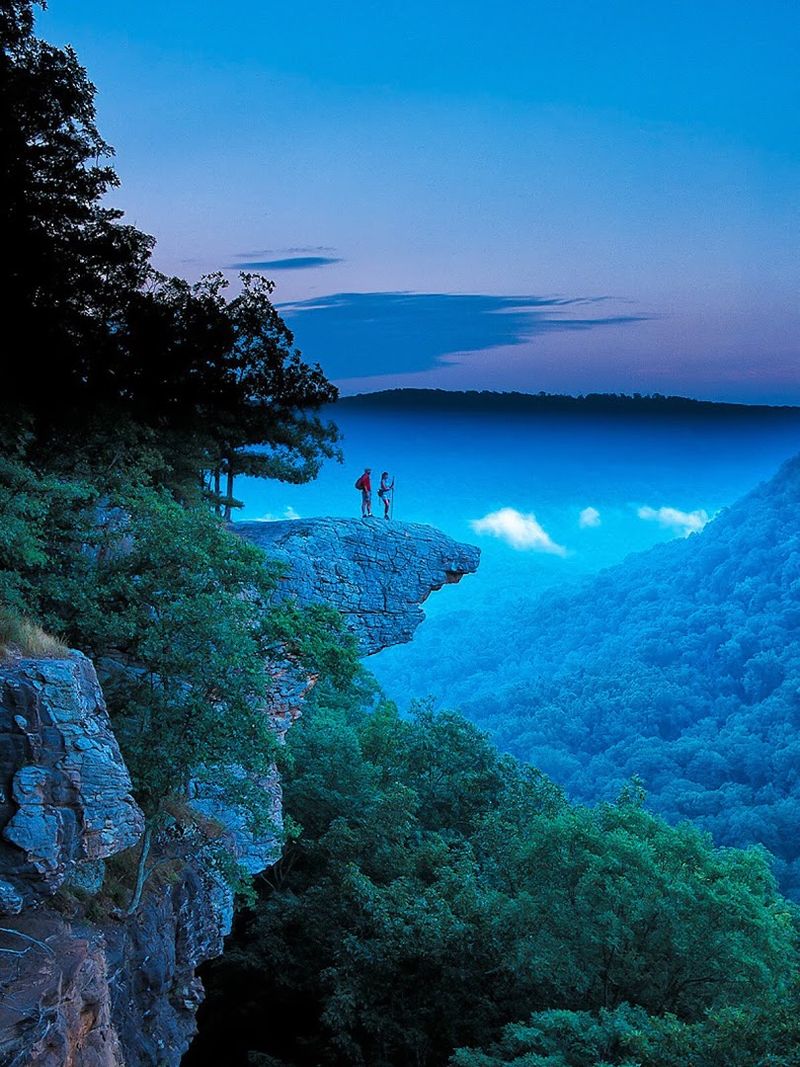
Buffalo National River, which flows through and near the Ozark forest, is one of the last undammed rivers in the lower 48 states, and floating its clear waters beneath towering limestone bluffs is an experience that converts casual visitors into lifelong Arkansas fans. Whitaker Point, also called Hawksbill Crag, is one of the most photographed overlooks in the South, jutting dramatically over a forested valley.
Caves are abundant throughout the karst landscape, with several open for guided tours that reveal stunning formations. The forest’s hardwood canopy puts on a respectable fall color show each October.
Camping is plentiful and affordable, with dozens of developed and primitive sites. Wildlife including black bears, elk, wild turkey, and river otters thrive in these forests, giving patient observers plenty to watch.
Allegheny National Forest — Pennsylvania
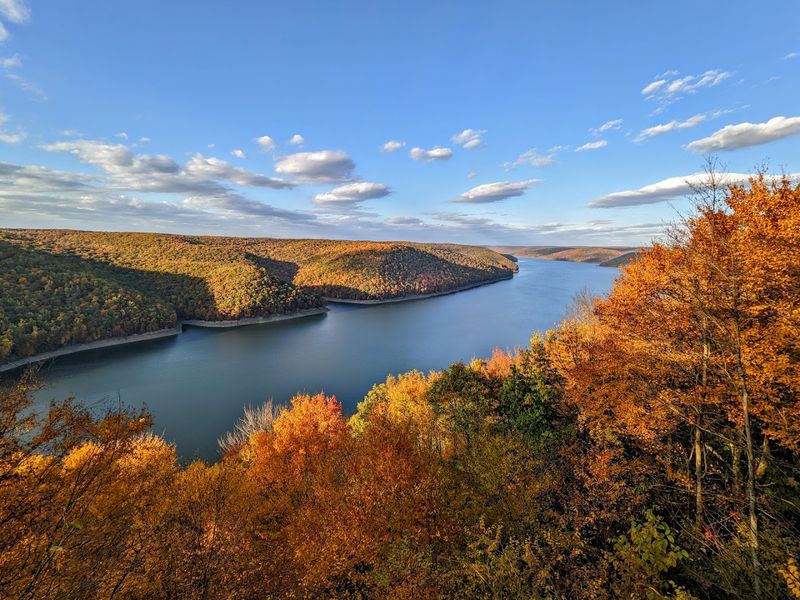
Pennsylvania’s only national forest punches well above its weight in terms of natural beauty, historical significance, and outdoor recreation variety. Allegheny National Forest covers about 517,000 acres of the northwestern part of the state, sheltering some of the finest old-growth hardwood stands remaining in the eastern United States.
The Tionesta Scenic and Research Natural Area protects trees that were already old when the American Revolution began.
Kinzua Bridge State Park sits adjacent to the forest and features the twisted wreckage of a 19th-century railroad viaduct toppled by a tornado in 2003, now preserved as a haunting and fascinating piece of industrial history. The Allegheny Reservoir stretches for 27 miles through the forest, offering boating, fishing, and shoreline camping that feels surprisingly remote.
Motorboats and kayaks share the calm waters in summer.
Snowmobiling and cross-country skiing make the forest a popular winter destination, while spring brings trout fishing season and a wave of wildflowers across the forest floor. The Allegheny River, which runs along the forest’s western edge, is excellent for multi-day canoe trips.
Fall foliage here is genuinely outstanding, with sugar maple and black cherry trees producing particularly vivid colors. Allegheny is a forest that rewards repeat visits across all four seasons.
Black Hills National Forest — South Dakota and Wyoming
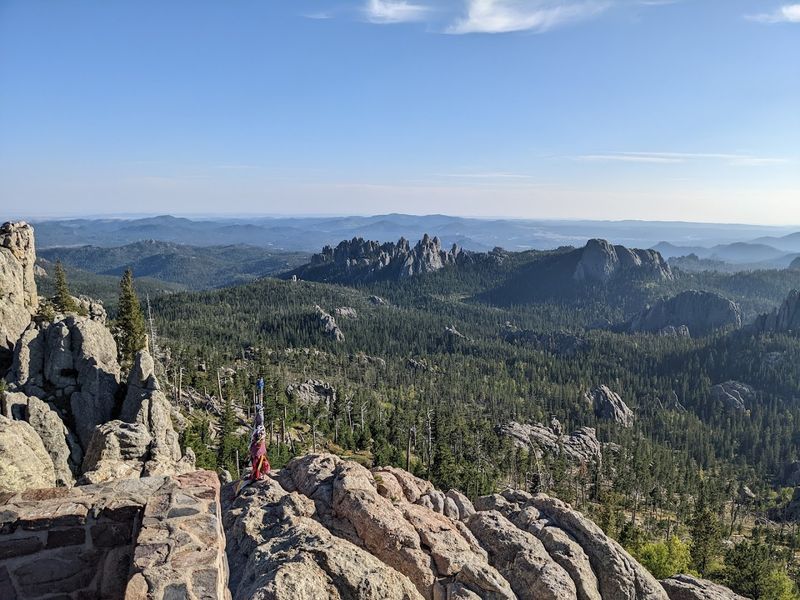
The Lakota Sioux called them Paha Sapa, meaning hills that are black, a reference to the dark ponderosa pines that blanket the granite peaks and give this remarkable landscape its distinctive appearance from a distance. Black Hills National Forest spreads across 1.2 million acres of western South Dakota and a sliver of Wyoming, surrounding some of the most culturally significant landmarks in the American West.
Mount Rushmore and Crazy Horse Memorial sit within or near the forest’s boundaries, adding historical weight to an already impressive natural destination.
Custer State Park, adjacent to the forest, hosts one of the largest free-roaming bison herds in the world, and the Wildlife Loop Road through the park is one of the best wildlife drives in the country. Pronghorn, mountain goats, bighorn sheep, and burros also roam the area.
Sylvan Lake, tucked among dramatic granite formations, is one of the most scenic spots in the entire region.
Rock climbing on the granite spires around Needles Highway draws climbers from across the country. The forest contains more than 350 miles of trails, including the challenging Sunday Gulch Trail.
Gold was discovered in the Black Hills in 1874, and the old mining town of Deadwood nearby adds a colorful historical dimension to any visit. Black Hills is a forest where nature and history are genuinely inseparable.
Francis Marion National Forest — South Carolina
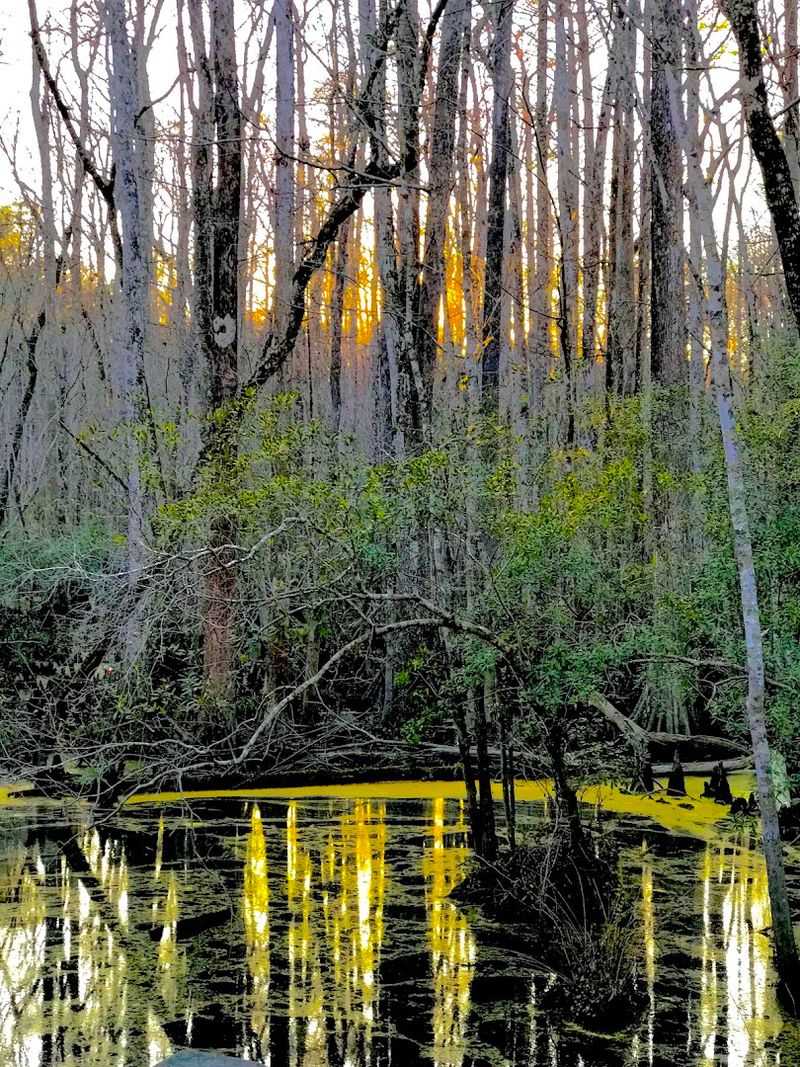
Not every spectacular forest reaches for the sky with towering peaks. Francis Marion National Forest spreads across the South Carolina coastal plain in a low, mysterious landscape of cypress swamps, tidal creeks, pitcher plant bogs, and longleaf pine savannas that hum with a biodiversity most visitors never expect to find.
Named after Revolutionary War hero Francis Marion, the Swamp Fox, this forest carries deep historical roots alongside its ecological richness.
Birdwatching here is exceptional by any standard. The forest is one of the few remaining strongholds for the endangered red-cockaded woodpecker, and its coastal location makes it a prime spot during spring and fall migration.
Herons, egrets, wood storks, and painted buntings are regular sights. The Sewee Visitor and Environmental Education Center offers excellent exhibits on the local ecosystems.
Paddling the blackwater creeks and rivers that thread through the forest is one of the most atmospheric experiences in the Southeast. The water runs dark with tannins from decaying leaves, creating a moody, almost prehistoric ambiance.
Fishing for bass and bream in the lakes and rivers is popular year-round. History enthusiasts can explore remnants of old rice plantations and Civil War earthworks scattered throughout the forest.
Francis Marion offers a completely different kind of forest magic, quiet, ancient, and deeply Southern.
Green Mountain National Forest — Vermont
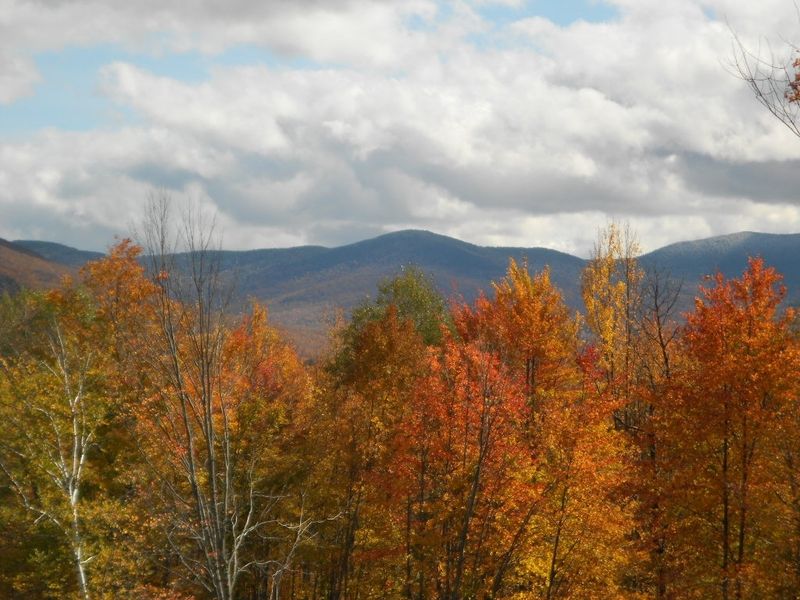
Vermont in October is the stuff of postcards and paintings, and Green Mountain National Forest is responsible for much of that legendary autumn beauty. Maple trees dominate the hillsides, and when they turn in early fall, the forest becomes an overwhelming display of scarlet, gold, and orange that draws visitors from around the world.
The Long Trail, America’s oldest long-distance hiking path, runs the entire length of the forest along the mountain ridges.
Green Mountain National Forest covers about 400,000 acres across central and southern Vermont, with two separate sections divided near the middle of the state. Ski resorts including Killington, Mad River Glen, and Sugarbush operate within or adjacent to the forest, making it a major winter destination.
Summer hiking, swimming in cold mountain streams, and fishing for trout keep the trails busy long after the snow melts.
Covered bridges are scattered throughout the region, adding a charming historical touch to the landscape that feels authentically Vermont. The Moosalamoo National Recreation Area within the forest offers particularly rewarding hiking, mountain biking, and snowshoeing trails.
Wildlife including moose, black bears, and white-tailed deer roam the forest throughout the year. Green Mountain proves that a smaller forest can still deliver an outsized punch of natural beauty, seasonal drama, and genuine New England character.
Share this story