 Unearth The Voyage
If you have ever stared at a horizon and wondered what lies beyond, this list is for you. These places sit far from highways, crowds, and the endless buzz of notifications. You will feel the scale of our planet in the wind, the silence, and the raw textures of rock and ice. Keep reading to find those rare edges where travel becomes pure discovery.
Easter Island — Chile (Rapa Nui)
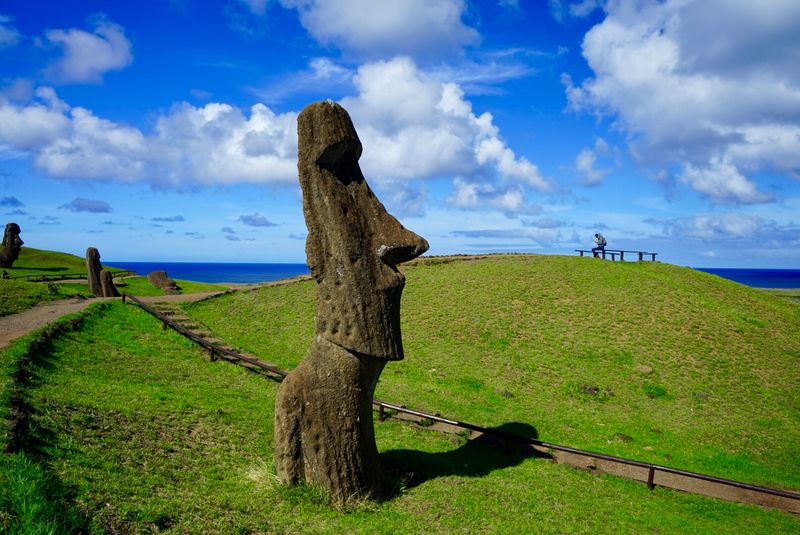
Easter Island, known locally as Rapa Nui, floats in the Pacific Ocean like a tiny speck on a giant blue canvas. The island’s famous Moai statues — those enormous stone heads carved by ancient Polynesian people — stand watch over volcanic hills and dramatic coastlines, creating an atmosphere that feels both mystical and haunting.
Visitors often describe an overwhelming sense of isolation here, amplified by endless ocean views stretching in every direction. The journey itself requires long flights and careful planning, reinforcing just how distant this place really is. Walking among the weathered statues at sunset, with waves crashing below and wind whipping across the grass, you can’t help but feel you’ve traveled to the absolute edge of civilization.
The island’s history adds another layer of intrigue — how did these ancient people transport and erect such massive monuments without modern technology? That mystery, combined with the sheer remoteness, makes Easter Island a bucket-list destination for anyone seeking adventure far from the ordinary.
Kerguelen Islands — Southern Indian Ocean
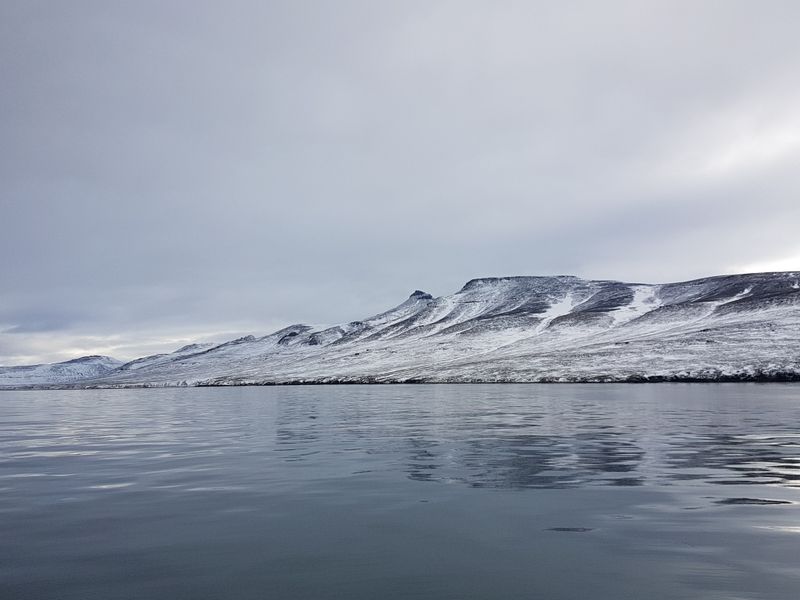
Nicknamed the Desolation Islands, Kerguelen couldn’t have a more fitting name. Located nearly 2,800 miles from Cape Town in the roaring Southern Ocean, this French territory experiences relentless winds that regularly exceed 60 miles per hour. The landscape is harsh and beautiful in equal measure — jagged cliffs, icy plateaus and beaches teeming with elephant seals and penguins create scenes straight out of a nature documentary.
Only a handful of scientists and researchers live here at any given time, stationed at Port-aux-Français, the only settlement. There are no commercial flights or cruise ships making regular stops; reaching Kerguelen requires boarding a supply vessel on a weeks-long voyage. Once you arrive, you’re greeted by an environment that feels utterly untouched by modern life, where nature rules absolutely.
The weather can change in minutes, bringing snow, rain and sunshine all in one afternoon. Despite the challenging conditions, the islands support surprising biodiversity, including unique plant species found nowhere else on Earth. For those brave enough to venture here, Kerguelen offers a glimpse into what our planet looked like before humans reshaped it.
Bouvet Island — South Atlantic Ocean
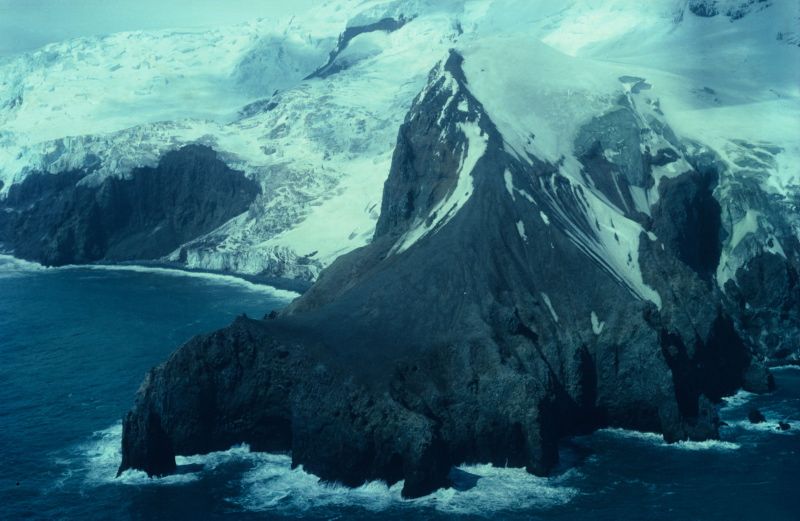
Bouvet Island holds the title of the world’s most remote uninhabited island, and one look at its frozen, forbidding landscape explains why no one lives there. Sitting roughly 1,600 miles from the nearest land in the South Atlantic, this Norwegian territory is almost entirely covered by glaciers and surrounded by treacherous seas that make landing nearly impossible.
No airports, no harbors, no villages — just ice, rock and relentless ocean. The few expeditions that have successfully landed reported howling winds, sub-zero temperatures and waves that could crush a small boat in seconds. A mysterious abandoned lifeboat discovered on the island in 1964 added an eerie layer to its already haunting reputation, though the boat’s origin remains unknown.
Scientists occasionally visit to study the island’s unique ecosystem and geology, but these trips are rare and require exceptional planning and weather conditions. For armchair adventurers, Bouvet represents the ultimate frontier — a place so isolated that even satellite images struggle to capture clear views through the perpetual cloud cover. It’s hard to imagine anywhere on Earth feeling more like the edge of the world.
Ittoqqortoormiit — Greenland
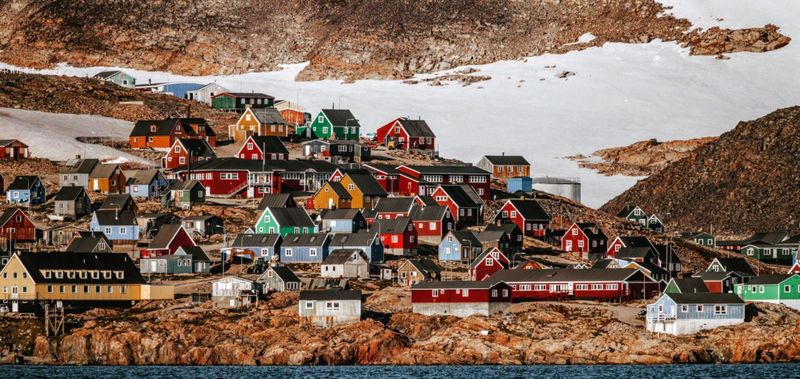
With a population hovering around 350, Ittoqqortoormiit ranks among the most isolated towns anywhere on the planet. Perched on Greenland’s eastern coast, this tiny settlement sits at the edge of the world’s largest national park, where polar bears outnumber people and sea ice dictates when boats can come and go.
Life here follows rhythms set by nature rather than clocks. Winters bring months of darkness and temperatures that plunge well below freezing, while summers offer endless daylight and slightly milder conditions. Residents hunt seals and narwhals, travel by dog sled and snowmobile, and maintain traditions passed down through generations of Inuit culture.
Reaching Ittoqqortoormiit requires either a helicopter ride from Iceland or a boat journey through ice-choked waters — neither option is simple or cheap. Once you arrive, the silence is profound, broken only by howling Arctic winds and the occasional bark of sled dogs. The landscape stretches endlessly in every direction, with glaciers, mountains and frozen seas creating vistas that feel primordial and untouched. It’s a place where modern conveniences fade into the background, replaced by raw survival and breathtaking natural beauty.
Tristan da Cunha — South Atlantic
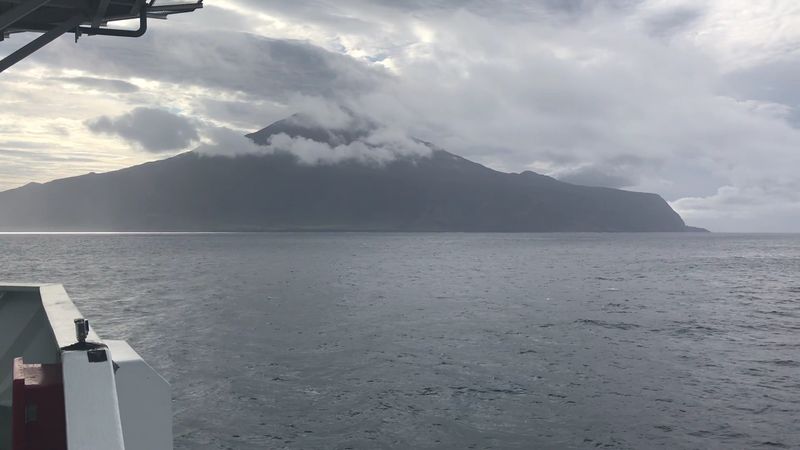
Ask any geography enthusiast about the world’s most remote inhabited island, and they’ll probably mention Tristan da Cunha. This British territory sits over 1,500 miles from the nearest continent, with just one settlement called Edinburgh of the Seven Seas, home to roughly 250 people. No airport exists here — the only way in or out is by boat, and even that depends heavily on weather and sea conditions.
The island’s volcanic peak dominates the landscape, rising dramatically from the ocean and creating a backdrop that’s both beautiful and intimidating. Residents live simple lives, farming potatoes, fishing crayfish for export, and maintaining tight-knit community bonds that come from shared isolation. Everyone knows everyone, and cooperation isn’t just encouraged — it’s essential for survival.
Visitors are rare, with only a handful of ships calling at the island each year. Those who do make the journey describe an overwhelming sense of disconnection from the outside world, where internet is slow and expensive, television is limited, and the nearest hospital capable of major surgery is days away by sea. Yet despite these challenges, the people of Tristan da Cunha cherish their remote home.
St. Matthew Island — Alaska, USA
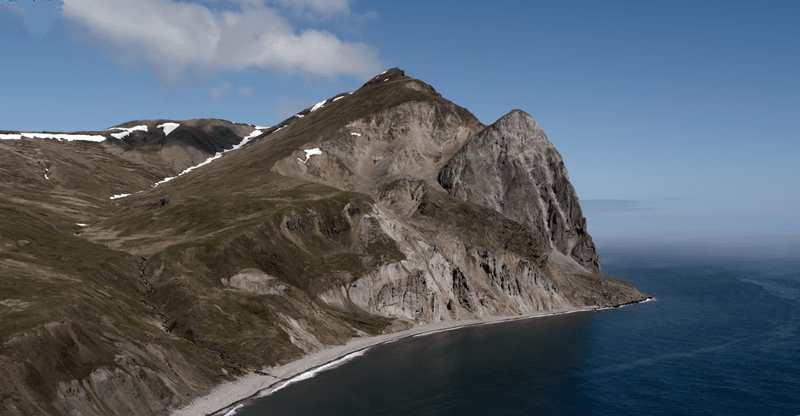
St. Matthew Island exists as a windswept wildlife sanctuary in the middle of the Bering Sea, completely uninhabited by humans and virtually untouched by modern civilization. Part of Alaska’s Maritime National Wildlife Refuge, this remote island serves as critical habitat for millions of seabirds, Arctic foxes and occasional polar bears, all thriving in an environment free from human interference.
The island’s history includes a tragic ecological experiment from the 1940s when reindeer were introduced and, without natural predators, overgrazed the vegetation before dying off en masse. Today, the landscape has recovered somewhat, though reminders of that disaster remain. Visiting St. Matthew requires special permits, a seaworthy vessel and ideal weather conditions — all of which rarely align, making landings extremely uncommon.
Those fortunate enough to step foot here describe an almost alien landscape of rolling tundra, towering sea cliffs and beaches littered with driftwood carried by ocean currents from distant lands. The isolation is absolute; you could scan the horizon in every direction and see nothing but ocean and sky. It’s nature at its most raw and unforgiving, a place where survival depends on adaptation and resilience.
French Island — Australia
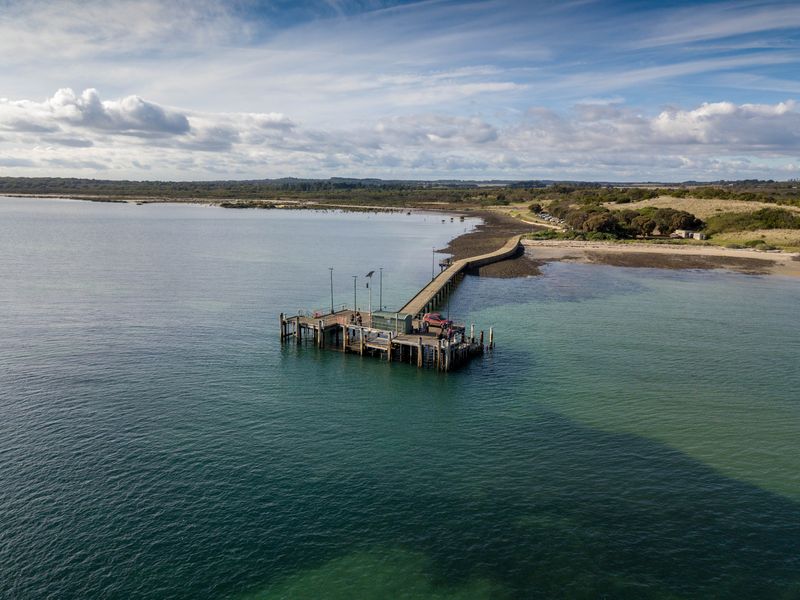
Here’s something unusual — an island just 40 miles from Melbourne that feels more remote than places thousands of miles from civilization. French Island has no mains electricity, no town water supply, no police station, and barely any sealed roads. Most of its 120 or so residents generate their own power and collect rainwater, living a lifestyle that seems borrowed from a century ago.
The island’s lack of development has created an accidental paradise for native Australian wildlife. Koalas thrive here without the threats they face on the mainland, and rare bird species nest undisturbed in eucalyptus forests. Visitors arrive by passenger ferry, bringing bicycles to explore the quiet dirt tracks that wind through bushland and past small farms.
What makes French Island truly special isn’t geographic distance but philosophical remoteness — a deliberate choice by residents to live simply and sustainably. There are no cafes or shops beyond a small general store, no nightlife, no hustle. Instead, you’ll find organic farms, artists’ studios and people who’ve opted out of conventional suburban life. It proves that feeling far from the world doesn’t always require traveling to the ends of the Earth.
Corvo — Azores, Portugal

Corvo might be Europe’s most remote inhabited island, but calling it Europe almost feels like a stretch. This tiny volcanic speck in the Atlantic sits far west of mainland Portugal, closer to North America than to Lisbon. With only around 400 residents and an area of just seven square miles, Corvo feels like a secret the rest of the world forgot.
The island’s centerpiece is a stunning volcanic crater filled with a lake, surrounded by lush green slopes that plunge toward the sea. Black sand beaches, dramatic cliffs and endemic plant species create landscapes that feel both ancient and pristine. Getting here requires either a small propeller plane from neighboring Flores Island or a ferry that only operates when seas cooperate — neither runs daily.
Locals live quiet lives centered around fishing, farming and maintaining traditions that have persisted for generations. Tourism is minimal, with most visitors being Portuguese mainlanders or adventurous backpackers seeking something off the beaten path. Wandering Corvo’s single village, you’ll encounter more chickens than cars, more silence than noise. It’s a place where time moves differently, where isolation breeds contentment rather than loneliness, and where the Atlantic’s vastness reminds you how small we really are.
Foula — Shetland Islands, Scotland
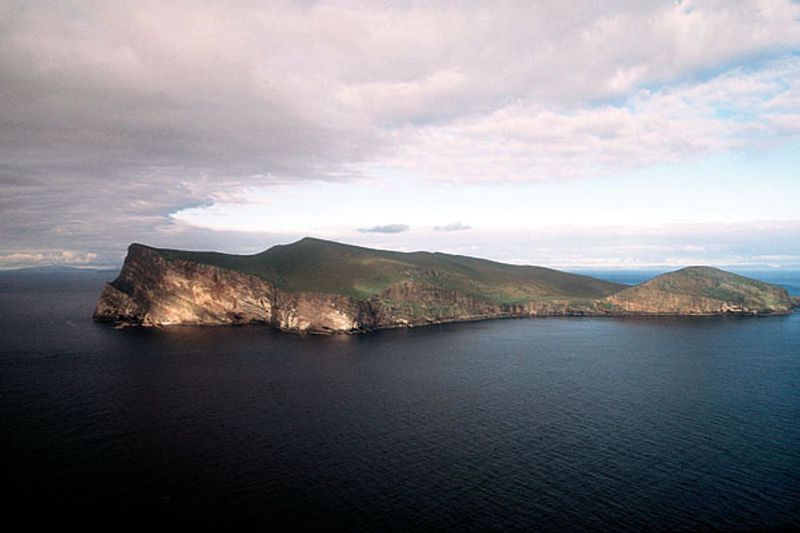
Foula’s name literally means bird island in Old Norse, and one visit makes the reason crystal clear. This tiny Shetland island is home to some of Britain’s tallest sea cliffs, rising over 1,200 feet above the churning North Atlantic and hosting massive colonies of puffins, gannets and great skuas. With a population of just 30 people, Foula feels like stepping into a different era entirely.
The island’s remoteness is legendary — rough seas frequently cancel ferry service, leaving residents cut off for days or even weeks at a time. Supplies arrive irregularly, and medical emergencies require helicopter evacuation when weather permits. Despite these challenges, Foula’s small community maintains sheep farms, generates their own electricity and preserves traditions that mainland Scotland has long forgotten.
Interestingly, Foula still observes the old Julian calendar, celebrating Christmas on January 6th. The 1937 film The Edge of the World was inspired by life here, capturing the harsh beauty and isolation that defines the island. Visitors who brave the journey encounter landscapes of stunning wildness — windswept moors, ancient stone ruins and seabird colonies so vast they darken the sky. It’s Britain’s ultimate edge, where civilization yields to nature’s raw power.
Þrídrangaviti Lighthouse — Iceland
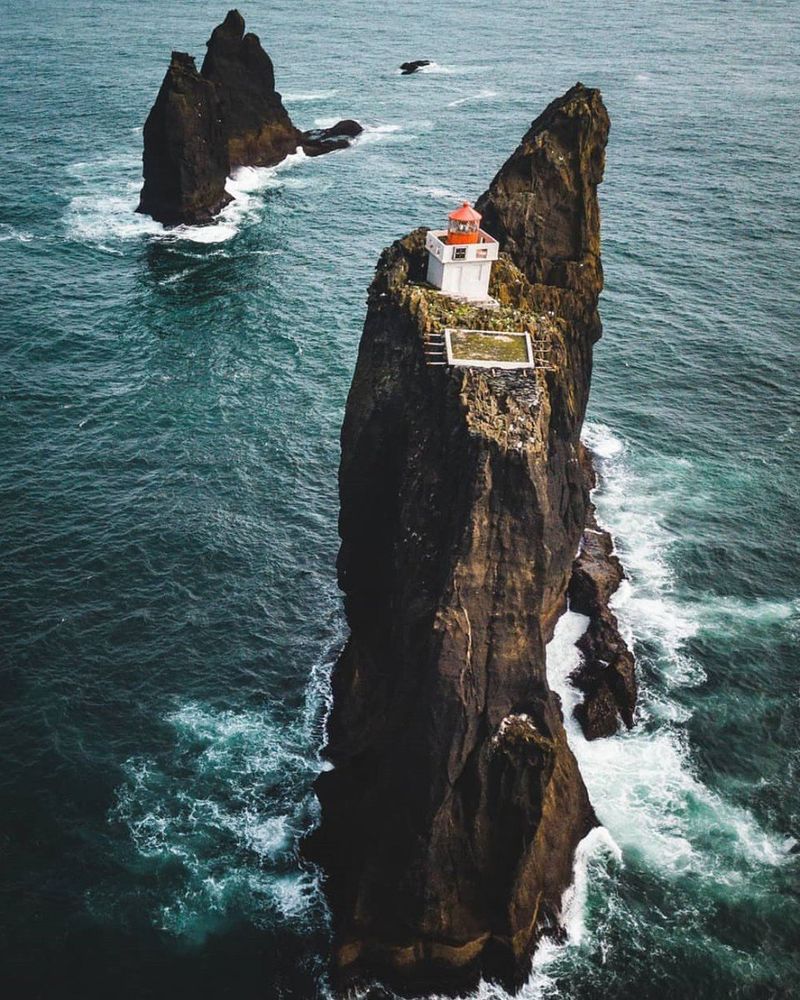
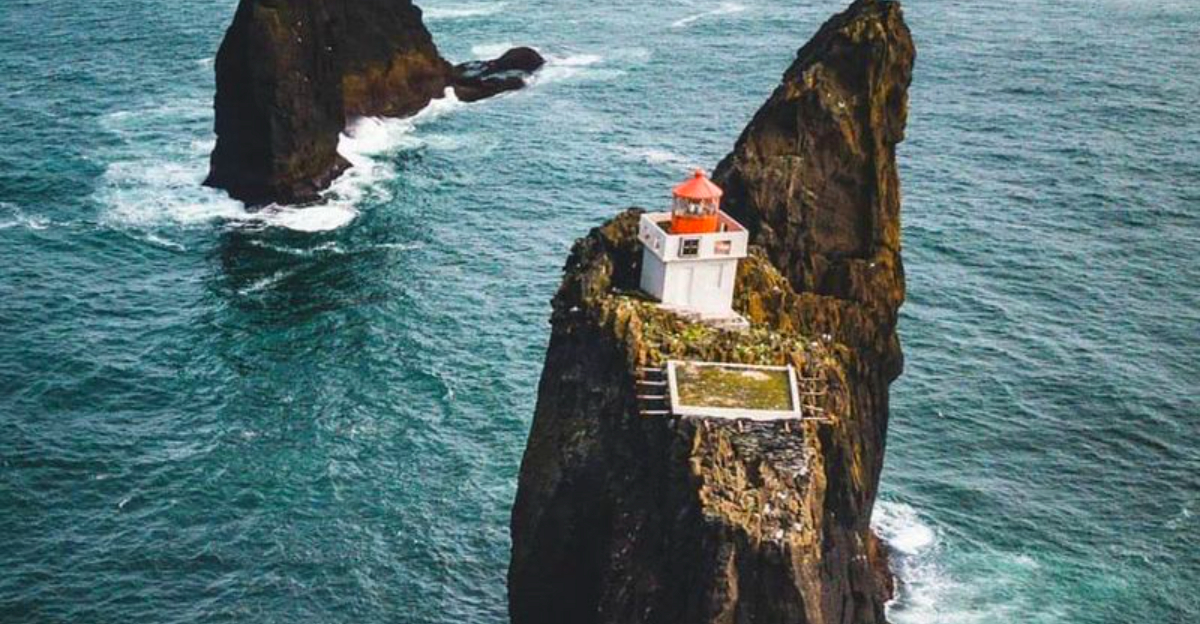
Perched atop a narrow rock pillar jutting from the North Atlantic, Þrídrangaviti Lighthouse might be the world’s most dramatically located beacon. The sea stack it sits on is so small and steep that the only way to reach it is by helicopter or an extremely dangerous rock climb — even experienced mountaineers consider the ascent nerve-wracking.
Built in 1939, the lighthouse originally required keepers to live in isolation for weeks at a time, enduring storms so violent that waves would crash over the top of the 120-foot-high rock. Today it’s automated, but the structure remains as a testament to human determination in the face of nature’s fury. Photos of the lighthouse show it surrounded by towering waves and spray, looking impossibly fragile against the ocean’s power.
Iceland is famous for dramatic landscapes, but Þrídrangaviti takes remoteness to another level entirely. There’s no land nearby to provide shelter, no harbor for boats to safely approach, just a lonely column of rock and a small white building clinging to its summit. It’s hard to imagine a more isolated structure anywhere on Earth, or one that better captures the feeling of standing at the absolute edge of the world.
South Pole — Antarctica

Standing at the South Pole means you’re literally at the bottom of the world, surrounded by hundreds of miles of ice in every direction. The nearest coastline lies over 800 miles away, and the nearest city with actual amenities is thousands of miles distant. At an elevation exceeding 9,000 feet on the Antarctic ice cap, the air is thin, the temperatures brutal and the isolation absolute.
The Amundsen-Scott South Pole Station houses scientists and support staff who endure months of darkness in winter and constant daylight in summer. Temperatures regularly drop below minus 70 degrees Fahrenheit, and the wind chill can make it feel even colder. Supplies arrive only during the brief summer season when aircraft can safely land; once winter sets in, the station is completely cut off from the rest of humanity.
Reaching the South Pole requires either joining a research program or paying a small fortune for a specialized expedition. Those who make it describe an overwhelming sense of accomplishment mixed with the humbling realization of Earth’s vastness. There’s no vegetation, no wildlife, no natural features to break the monotony — just endless white ice and sky. It’s remoteness in its purest form.
Kerlingarfjöll — Iceland Highlands
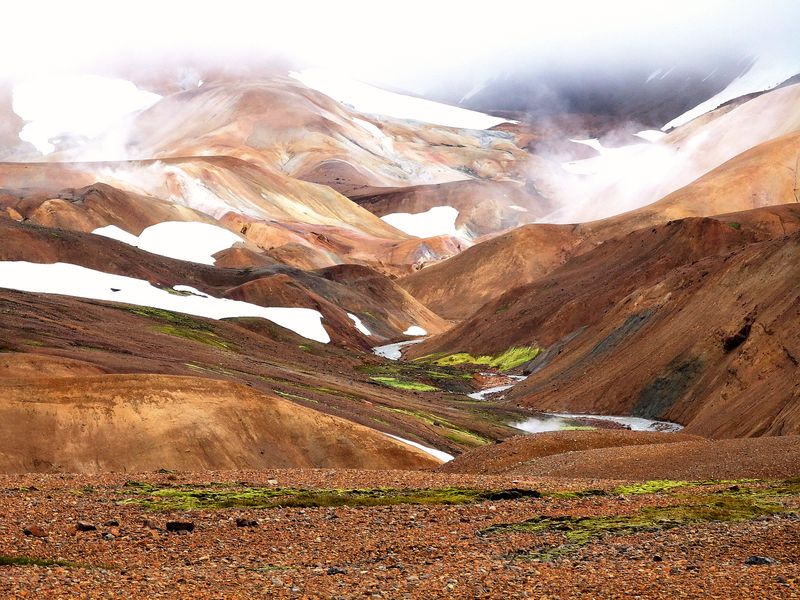
Deep in Iceland’s uninhabited central highlands lies Kerlingarfjöll, a geothermal mountain range so alien-looking that visitors often compare it to Mars. Red and yellow rhyolite peaks streaked with snow rise above steaming fumaroles and bubbling hot springs, creating landscapes that seem plucked from science fiction rather than Earth.
This area remains inaccessible for much of the year, with highland roads closed from September through June due to snow and ice. Even in summer, reaching Kerlingarfjöll requires a four-wheel-drive vehicle capable of crossing unbridged rivers and navigating rough tracks. Once you arrive, you’ll find yourself in nearly complete solitude — a small mountain hut serves as the only permanent structure for miles around.
Hiking through Kerlingarfjöll feels like exploring a planet before life took hold. Steam rises from cracks in the ground, sulfur scents the air, and the silence is broken only by wind and the occasional hiss of geothermal activity. The remoteness here isn’t just physical; it’s sensory and psychological, too. You’re surrounded by raw geological forces that dwarf human timescales and concerns, reminded that Earth is still very much a living, changing planet beneath our feet.
Guyana’s Interior — South America
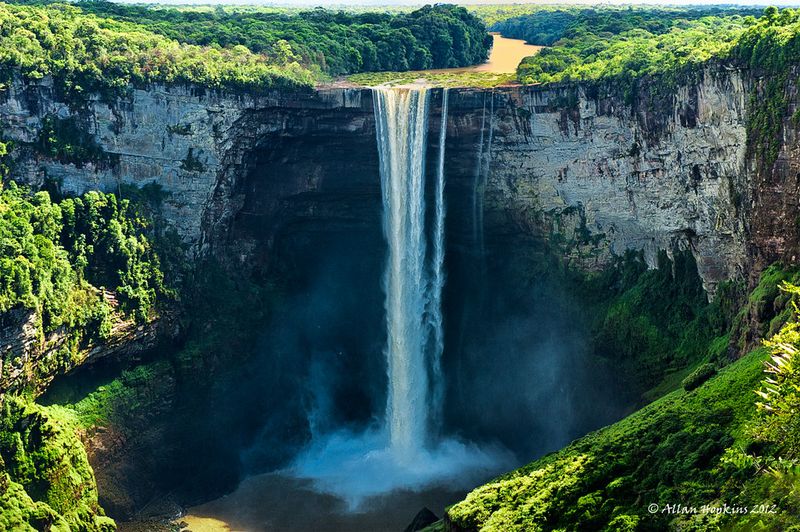
Guyana’s interior remains one of South America’s best-kept secrets — a vast expanse of pristine rainforest, towering waterfalls and indigenous communities living much as their ancestors did centuries ago. Unlike the heavily touristed Amazon regions of Brazil and Peru, Guyana sees very few visitors, keeping its wilderness genuinely wild and unspoiled.
Kaieteur Falls, one of the world’s most powerful single-drop waterfalls, plunges nearly 750 feet into a remote gorge accessible only by small aircraft or multi-day jungle trek. The surrounding forest teems with jaguars, giant otters, harpy eagles and countless other species rarely seen by human eyes. There are no roads penetrating deep into the interior, no hotels or tourist infrastructure — just rivers, trees and silence.
Indigenous peoples including the Wai Wai and Wapishana maintain traditional lifestyles in scattered villages, hunting, fishing and farming in harmony with the forest. Visiting these areas requires special permits, local guides and a genuine spirit of adventure. The remoteness here is both physical and cultural, offering a rare glimpse into ways of life that have resisted globalization’s homogenizing influence. It’s a place where nature still holds dominion, where humans are visitors rather than conquerors.
Remote Arctic Outposts — Alert, Canada
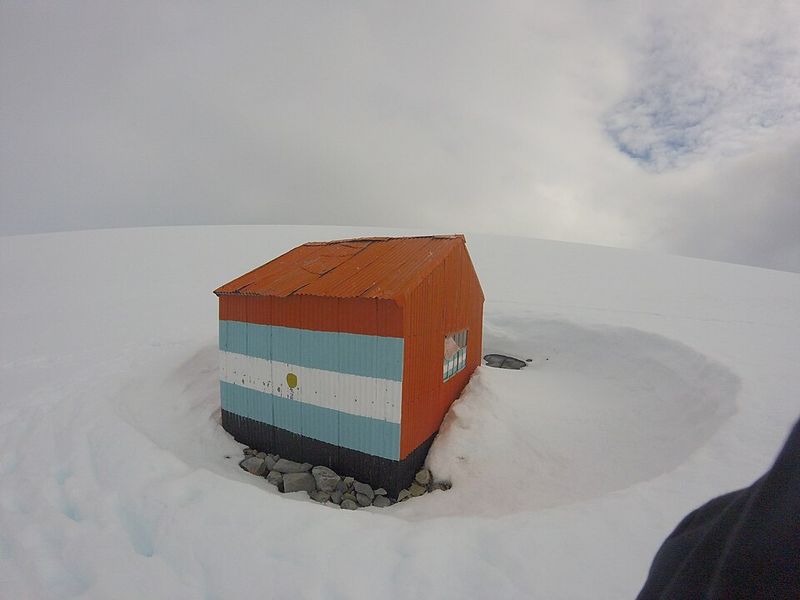
Alert, located on the northern tip of Ellesmere Island in Canada’s Nunavut territory, holds the distinction of being the world’s northernmost permanently inhabited place. Just 500 miles from the North Pole, this military and research station experiences temperatures that regularly plunge below minus 40 degrees and endures months of complete darkness each winter.
Fewer than 100 people live at Alert at any given time, mostly military personnel and scientists conducting weather and environmental research. There are no civilians, no families, no children — just rotating staff enduring one of Earth’s harshest environments. Supplies arrive by military aircraft when weather permits, but flights can be delayed for weeks during winter storms.
The landscape around Alert is stark beyond imagination — flat white tundra stretching to the horizon, broken only by ice ridges and the occasional polar bear. During the polar night, which lasts from October through February, darkness is absolute except for aurora borealis displays and starlight reflected off endless snow. Residents describe a profound sense of isolation, knowing that the rest of humanity lies thousands of miles south. It’s living at the very edge of human habitation, where survival depends on technology, teamwork and mental resilience.
Antarctica’s Outlying Islands — Polar Wilderness
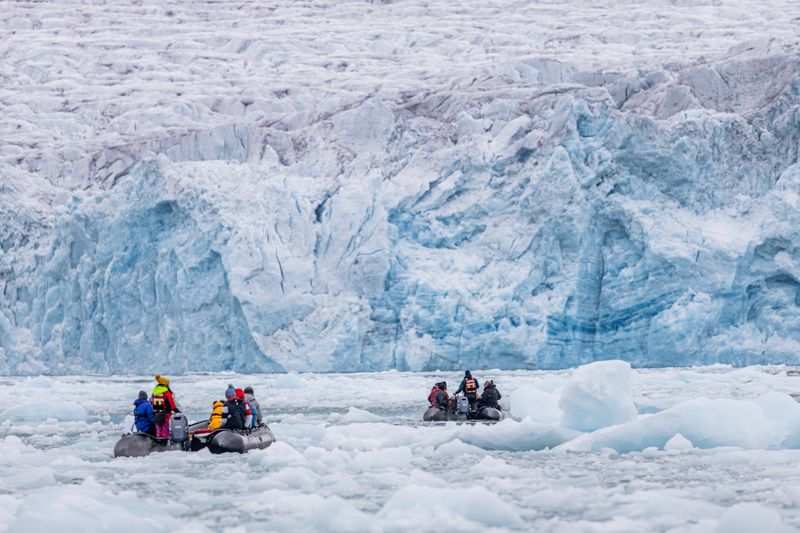
Beyond Antarctica’s main continent lie scattered sub-Antarctic islands and research outposts that push the definition of remote to its absolute limit. Places like South Georgia, the South Sandwich Islands and various isolated research stations cling to existence in some of the planet’s most hostile environments, where howling winds, freezing temperatures and mountainous seas are the norm rather than the exception.
These islands support surprising wildlife populations — millions of penguins, seals and seabirds thrive in the nutrient-rich waters surrounding them — but human presence is minimal and temporary. Research stations operate with skeleton crews, often cut off from resupply for months at a time. The landscape is hauntingly beautiful: glaciers calving into steel-gray seas, volcanic peaks wreathed in clouds, and beaches covered in more wildlife than most zoos.
Reaching these outposts requires either joining a scientific expedition or booking passage on one of the few expedition cruise ships that venture into Antarctic waters. Even then, landings depend entirely on weather and sea conditions. Standing on these frozen shores, with nothing but ocean stretching toward other continents thousands of miles away, delivers an almost spiritual sense of Earth’s vastness and your own insignificance within it.



