 Unearth The Voyage
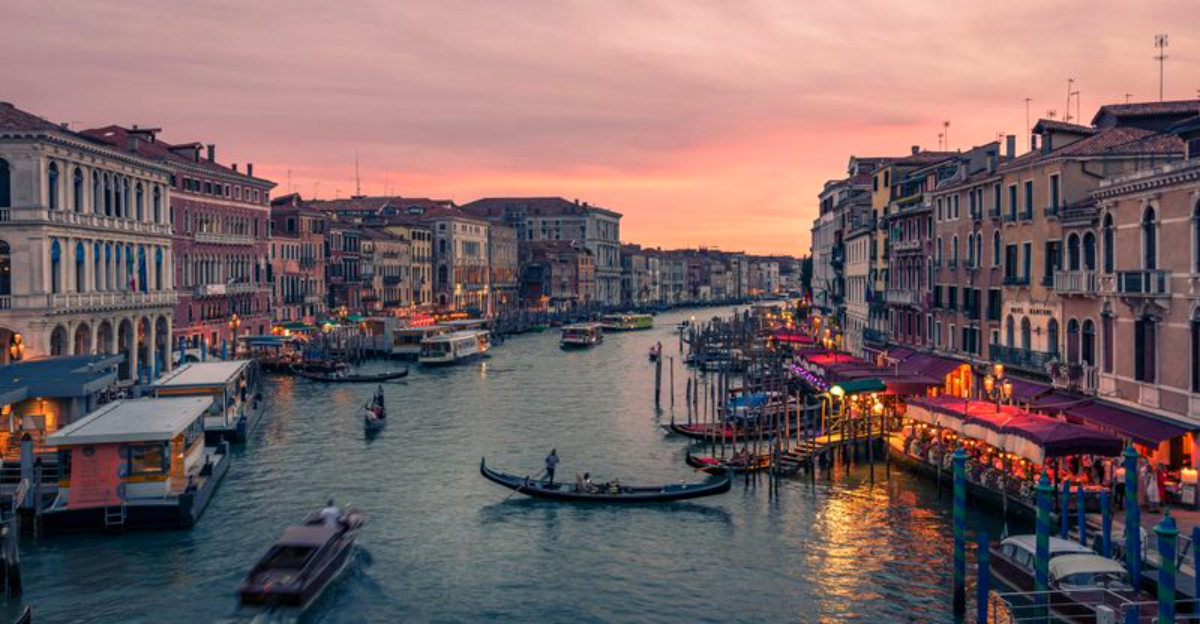
Venice is one of those rare places that feels almost too magical to be real. Built on water, threaded with canals, and packed with centuries of history, it draws millions of visitors every year.
But knowing a few insider secrets can mean the difference between a frustrating, crowded trip and a truly unforgettable one. Whether it’s your first visit or your fifth, these tips will help you experience Venice the way it was meant to be explored.
Visit During the Shoulder Season
Here is a little secret most travel guides bury at the bottom of the page: Venice in summer is absolutely packed. Think shoulder-to-shoulder crowds on narrow bridges, hour-long queues, and restaurants that see you more as a transaction than a guest.
The shoulder season flips that script entirely.
April through June and September through October are the sweet spots. The weather is genuinely pleasant, the canals smell better than in July, and you can actually stop in the middle of a bridge to take a photo without causing a human traffic jam.
Accommodation prices also drop noticeably compared to peak summer rates.
Winter visits, from November through March, take things even further. Yes, there is occasional flooding called acqua alta, but Venice wrapped in morning mist has an almost eerie, cinematic beauty.
Locals are more relaxed, restaurants are less rushed, and you start to feel like you actually belong there. Packing a good waterproof jacket and a pair of rubber boots handles most of winter’s challenges easily.
Timing your trip right costs nothing extra but pays off enormously in comfort, atmosphere, and the kind of memories that actually stick with you long after you get home.
Explore Early Morning or Late Evening
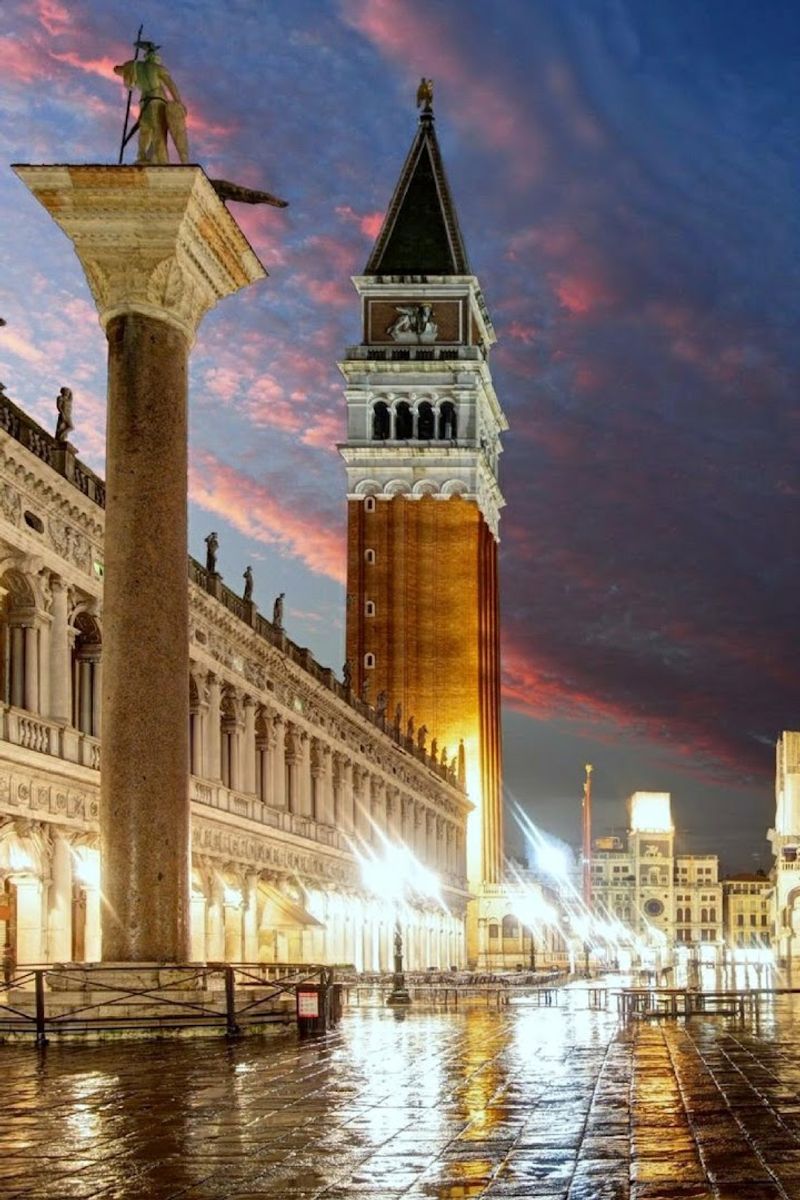
St. Mark’s Square at 7 a.m. is one of the most breathtaking sights in all of Europe. By 10 a.m., it is a completely different story.
The trick to seeing Venice at its most stunning is simply waking up earlier than everyone else at your hotel.
Early mornings give you wide, quiet streets, perfect golden light for photos, and the genuine sounds of Venice waking up. You hear water lapping against stone, distant church bells, and the occasional shout of a delivery worker unloading goods from a boat.
It feels real in a way that midday crowds simply cannot offer.
Late evenings work just as beautifully from the other direction. Once the day-trippers catch their trains and buses back to the mainland, the city exhales.
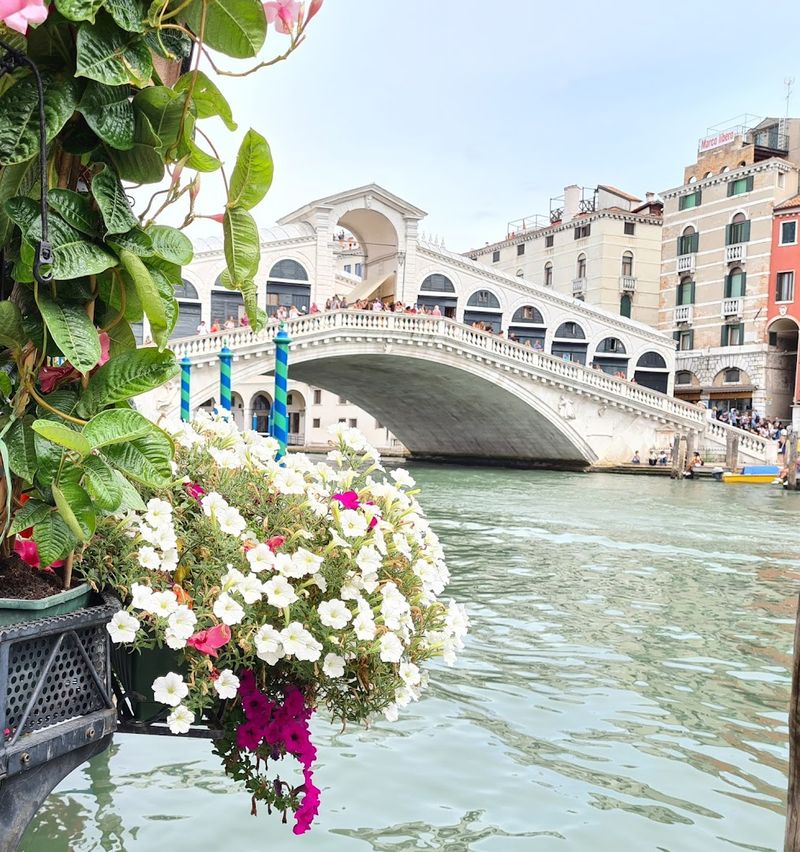
Restaurants become more relaxed, locals reappear on the streets, and the canals shimmer with reflected lamplight in a way that feels almost cinematic. Walking across the Rialto Bridge at 10 p.m. with almost nobody around is a completely different experience from the daytime chaos.
Adjusting your schedule by just a couple of hours in either direction genuinely transforms your entire Venice experience without costing a single extra euro.
Stay Overnight Instead of Day-Tripping
Thousands of visitors arrive in Venice by train each morning and leave before dinner. That means they miss the whole point.
Day-tripping through Venice is like watching a movie but only seeing the trailer. You get the highlights, but none of the depth.
Staying overnight changes everything. Once the day crowds thin out around early evening, Venice becomes quieter, more local, and far more enjoyable to wander.
You can linger over a proper Venetian dinner without feeling rushed, explore neighborhoods at your own pace, and wake up the next morning to a city that belongs almost entirely to you for a couple of golden hours.
Accommodation in Venice can feel pricey, but booking in advance during shoulder season brings costs down significantly. Even a single night makes a huge difference in how much you absorb and enjoy.
Consider staying in neighborhoods like Cannaregio or Dorsoduro instead of right next to St. Mark’s Square. You will pay less, sleep better, and feel far more connected to everyday Venetian life.
The overnight experience is not just a convenience upgrade. It is genuinely the difference between visiting Venice and actually experiencing it in a way worth remembering for years.
Wander Beyond St. Mark’s Square
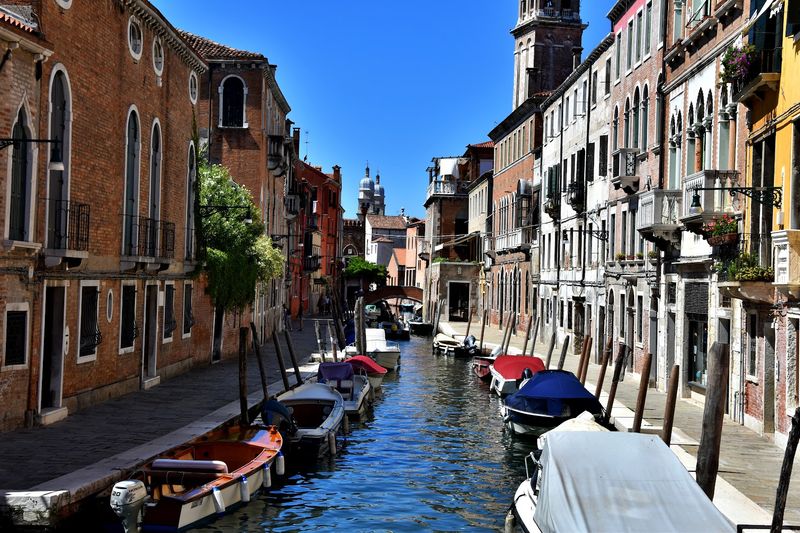
Cannaregio does not care about being famous, and that is exactly what makes it wonderful. While most visitors are elbowing their way through the crowds around St. Mark’s Square and the Rialto Bridge, entire neighborhoods of Venice sit peacefully waiting to be discovered just a short walk away.
Dorsoduro is beloved by art lovers, home to the Peggy Guggenheim Collection and the stunning Punta della Dogana gallery. San Polo buzzes with local market energy and has some of the best cicchetti bars in the city.
Cannaregio offers long, quiet waterfront promenades and an authentic residential feel that feels genuinely lived-in rather than tourist-polished.
Exploring beyond the obvious landmarks is not just about avoiding crowds, though that is a very real bonus. It is about discovering the Venice that actually exists outside the postcard version.
You find family-run bakeries, cats sleeping on doorsteps, children playing football in small campos, and elderly men arguing cheerfully over card games. These neighborhoods feel honest and unhurried.
Getting a little lost in them is practically required. The famous sights are absolutely worth seeing, but the soul of Venice lives in the quieter streets that most visitors walk straight past without a second glance.
Get Lost on Purpose
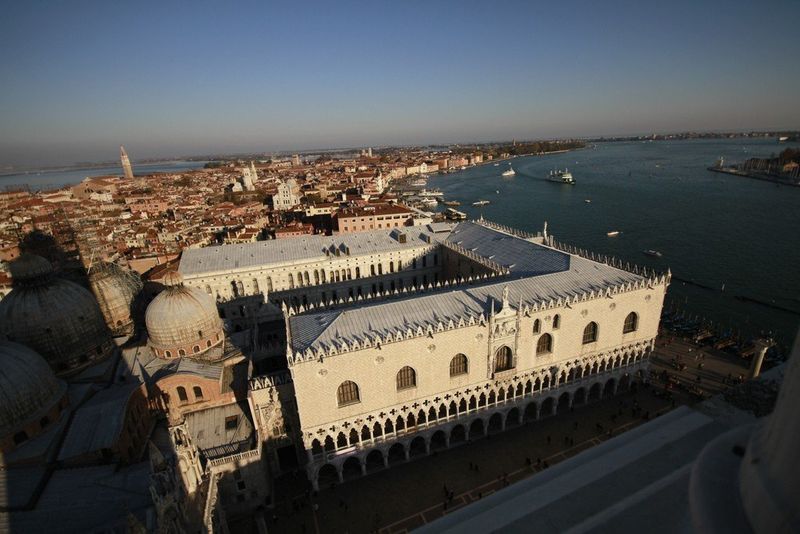
Venice was practically designed to confuse you, and honestly, that is one of its greatest gifts. The city’s streets twist, dead-end, loop back on themselves, and occasionally stop at a canal with no bridge in sight.
Fighting that logic is exhausting. Leaning into it is an absolute joy.
Put your phone away for an hour. Pick a direction and walk.
You will stumble across a tiny courtyard with a crumbling Renaissance fountain, a canal so narrow you can almost touch both walls at once, or a hidden church with an unlocked door and breathtaking artwork inside that almost nobody visits. These are the moments people mean when they say Venice changed them.
A few practical notes for wandering wisely: carry a small paper map as a backup, note the nearest landmark before you fully commit to getting lost, and wear comfortable shoes because the uneven stone streets are relentless on feet. Also, do not panic when you realize you have been walking in circles.
That is just Venice being Venice. The best strategy is to treat every wrong turn as a discovery rather than a mistake.
You are not lost. You are just finding parts of the city that the guidebooks forgot to mention.
That is a privilege, not a problem.
Book Skip-the-Line Tickets in Advance
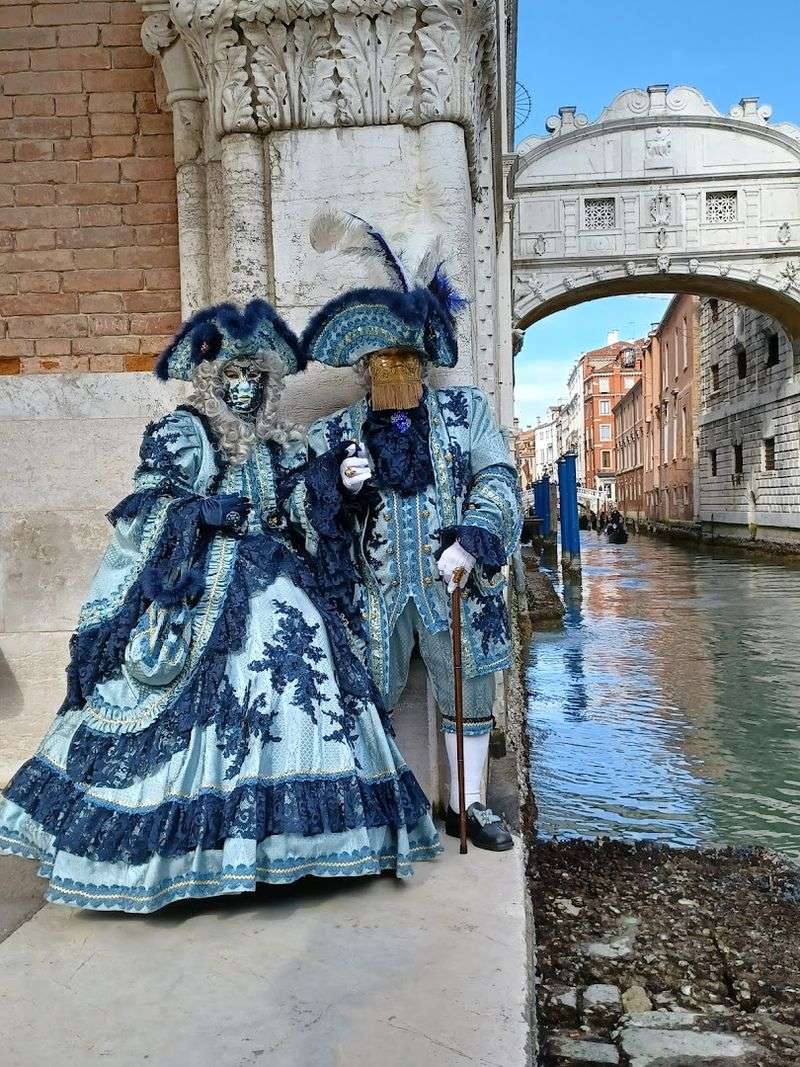
Standing in a two-hour queue outside Doge’s Palace when it is 85 degrees in July is not sightseeing. It is suffering.
Booking tickets online in advance is one of the simplest upgrades you can make to your Venice itinerary, and it costs nothing extra beyond the standard entry price.
St. Mark’s Basilica, Doge’s Palace, the Correr Museum, and the Campanile tower all offer timed entry slots that you can reserve weeks ahead. Booking online takes about five minutes and saves you from standing in queues that can stretch for an hour or more during peak season.
Some attractions even offer early morning time slots that come with far fewer people inside.
One extra tip worth knowing: St. Mark’s Basilica offers a free luggage storage service for ticket holders, which means you can drop your bags and explore the interior without carrying everything on your back. That alone makes advance booking worthwhile.
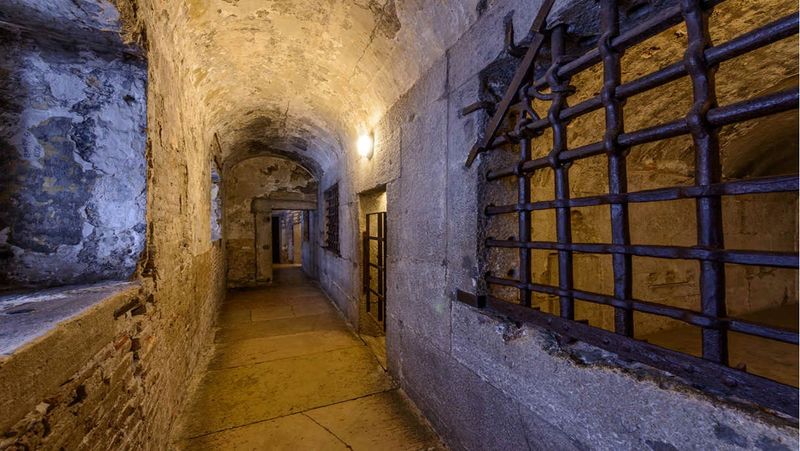
For Doge’s Palace, consider the Secret Itineraries tour, which takes you through rooms not normally open to the public, including the attic prison where Casanova famously escaped. These insider experiences are only available to those who plan ahead.
A little preparation before your trip removes the biggest sources of frustration once you actually arrive in the city.
Take a Gondola Ride Outside Tourist Hotspots
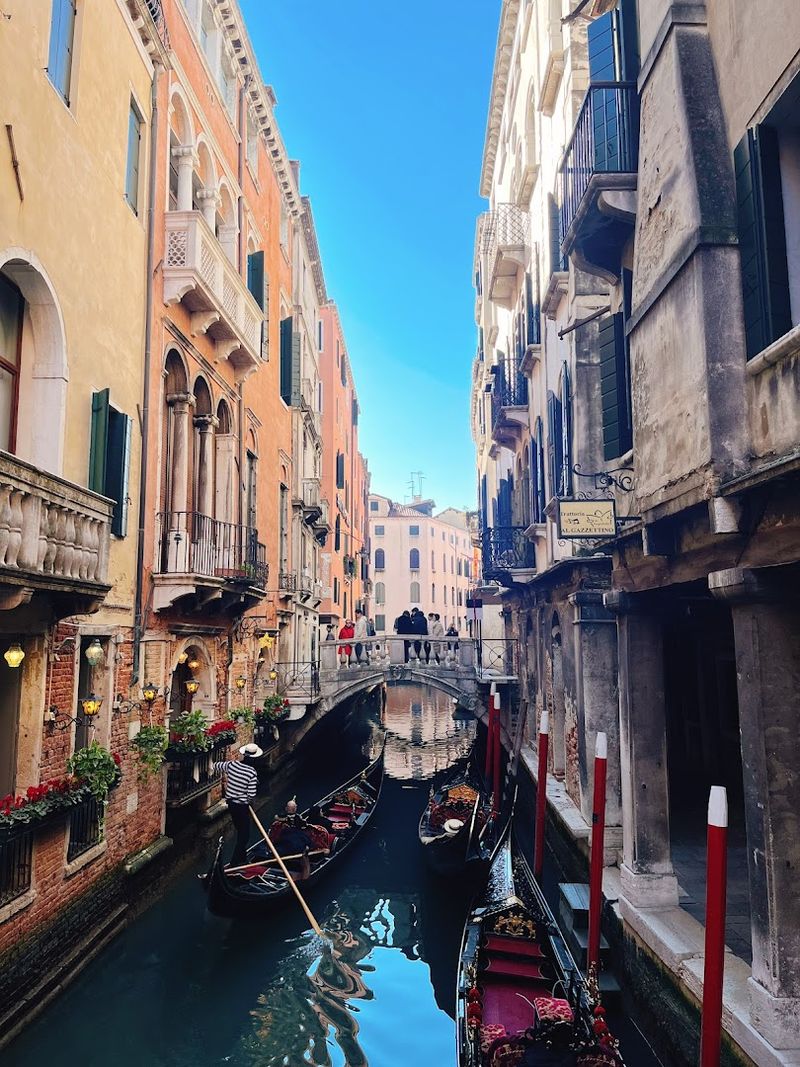
A gondola ride near St. Mark’s Square on a busy Saturday afternoon is not the romantic experience the brochures promise. It is an overpriced float through a traffic jam of other gondolas, complete with someone else’s gondolier singing loudly three feet away.
The gondola experience you actually want requires a short walk away from the main tourist drag.
Head to San Polo, Cannaregio, or the quieter back canals of Dorsoduro. Gondoliers in these areas are often more relaxed, the canals are narrower and more atmospheric, and you get a genuine sense of how the city actually functions on water.
The price is typically the same, but the experience is dramatically different and far more memorable.
Negotiating the route before you get in is always a smart move. Ask your gondolier to take you through the smaller canals rather than the main waterways.
Many gondoliers are happy to customize the route if you ask politely and show genuine interest. Going at dusk adds another layer of magic, when the light turns golden and the canals go quiet.
A gondola ride is not cheap regardless of where you board, so making sure you get the most atmospheric version of it is simply good travel sense. Choose your starting point wisely and the experience delivers completely.
Try a “Traghetto” Instead of a Gondola
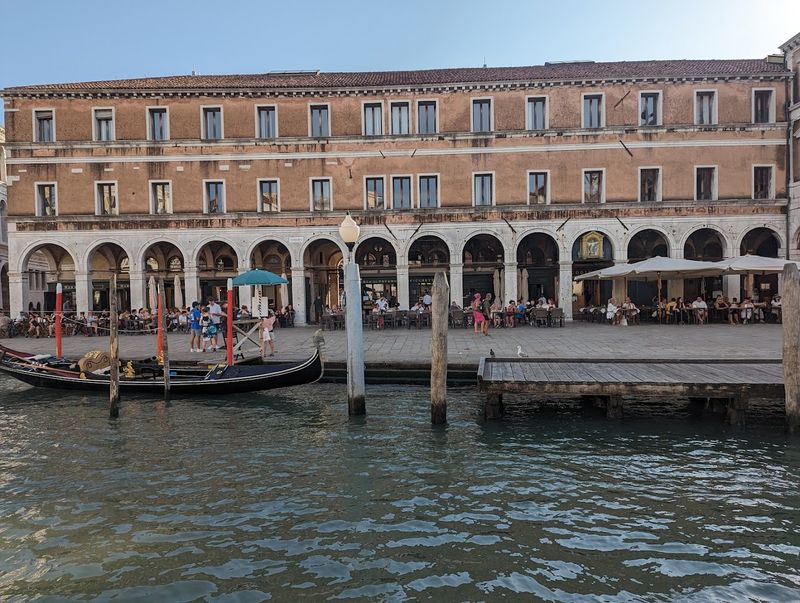
For roughly two euros, you can do something most tourists never even realize is an option. The traghetto is a no-frills gondola used by locals to cross the Grand Canal at points where there is no nearby bridge.
You stand up, hold your balance, and cross in about ninety seconds. It is wonderfully, absurdly Venetian.
There are several traghetto crossings along the Grand Canal, including near the Ca’ d’Oro, Santa Sofia, and San Toma. Locals barely glance up from their phones during the crossing.
Tourists, meanwhile, are quietly thrilled. It is one of those small, genuine moments that feels more authentic than almost anything else you will do in the city.
The traghetto is also a fantastic way to observe Venetian daily life up close. You are sharing a boat with people heading to the market, going to work, or picking up their dry cleaning.
Nobody is performing for you. It is just ordinary life happening on water, which is extraordinary when you think about it for more than a second.
Wear flat shoes, keep your balance by slightly bending your knees, and resist the urge to take seventeen photos mid-crossing. Just stand there, look around, and enjoy being part of something genuinely local for two whole euros.
Bargain of the century.
Visit Lesser-Known Islands
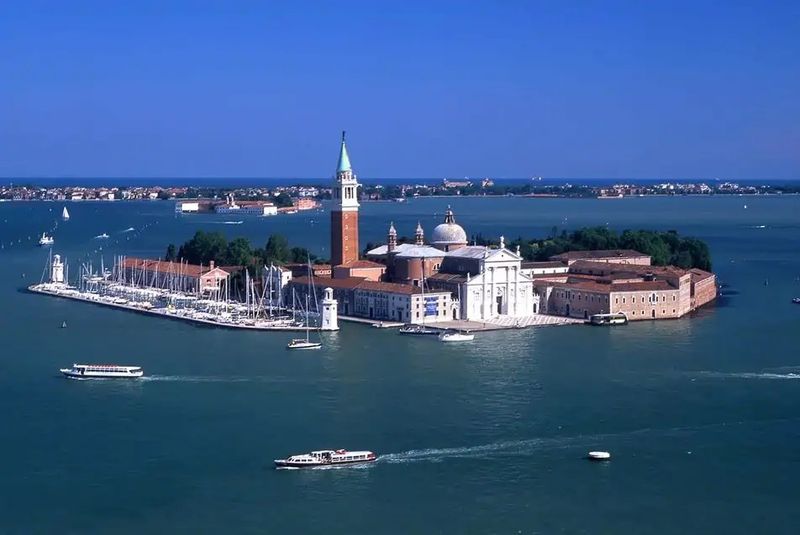
Everyone knows Murano for its glass and Burano for its colorful houses, and both are genuinely worth visiting. But if you want to go one step further off the beaten path, the islands of Torcello and San Giorgio Maggiore offer something even more rewarding: space, quiet, and a real sense of discovery.
Torcello is one of the oldest inhabited islands in the Venetian lagoon and feels almost forgotten by time. Its cathedral, Santa Maria Assunta, contains some of the most spectacular Byzantine mosaics in all of Italy, yet on most days you can wander inside with barely a handful of other visitors.
The island has almost no permanent residents, which gives it an eerie, peaceful atmosphere unlike anywhere else in the lagoon.
San Giorgio Maggiore sits just across the water from St. Mark’s Square but feels miles away in terms of crowds. The church designed by Palladio is stunning, and the bell tower offers panoramic views of Venice that rival the Campanile without the queues.
The island also hosts cultural exhibitions and art installations throughout the year. Catching a vaporetto to any of these lesser-known islands takes no more than thirty minutes from central Venice and costs only a standard transport ticket.
The payoff in atmosphere and authenticity is completely out of proportion to the effort involved.
Eat Where Locals Eat

The restaurant directly facing the Grand Canal with the laminated photo menu and the host waving you in from the street is not where you want to eat. It exists purely for tourists who do not know better yet.
After reading this, you know better.
Look for bacari, which are traditional Venetian wine bars that serve cicchetti, the local version of tapas. These small bites include things like creamy baccala mantecato on toast, sardines in a sweet and sour marinade called saor, and tiny meatballs called polpette.
They are delicious, cheap, and eaten standing up at the bar with a small glass of local wine called an ombra. This is how Venetians actually eat lunch.
A few reliable signs that you have found a good spot: the menu is handwritten or on a chalkboard, the staff are not standing outside trying to pull you in, and there are actual locals eating there. Neighborhoods like Cannaregio and Santa Croce have excellent bacari that see very few tourists.
Rialto market is also surrounded by great lunch spots popular with vendors and locals. Eating well in Venice does not require spending a fortune.
It just requires walking a few streets past the obvious options and being willing to point at things on the counter without knowing exactly what they are. That is half the fun.
Explore Venice at Night
Something genuinely strange and beautiful happens to Venice after dark. The tour groups vanish.
The souvenir shops pull down their shutters. The streets go quiet in a way that makes your footsteps echo off the stone, and the canals turn into long mirrors reflecting the warm glow of streetlights.
It feels like a completely different city, and in many ways it is.
An evening stroll with no particular destination is one of the best things you can do in Venice. Cross bridges slowly.
Peer down alleys. Stop on a fondamenta and just listen to the water.
The absence of daytime noise makes the city feel intimate and almost private, as if it is letting you see something it keeps hidden during business hours.
Venice at night is also the best time to visit the area around the Rialto Bridge, which is spectacular lit up and far less crowded after 9 p.m. Campo Santa Margherita in Dorsoduro comes alive in the evening with students, locals, and a handful of travelers who figured out the secret.
Grab a drink, find a bench, and watch the city unwind. Restaurants serve later than you might expect, so there is no need to rush dinner.
Taking the city slowly after sunset is not laziness. It is arguably the smartest thing you can do with your evening hours in Venice.
Visit Alternative Viewpoints
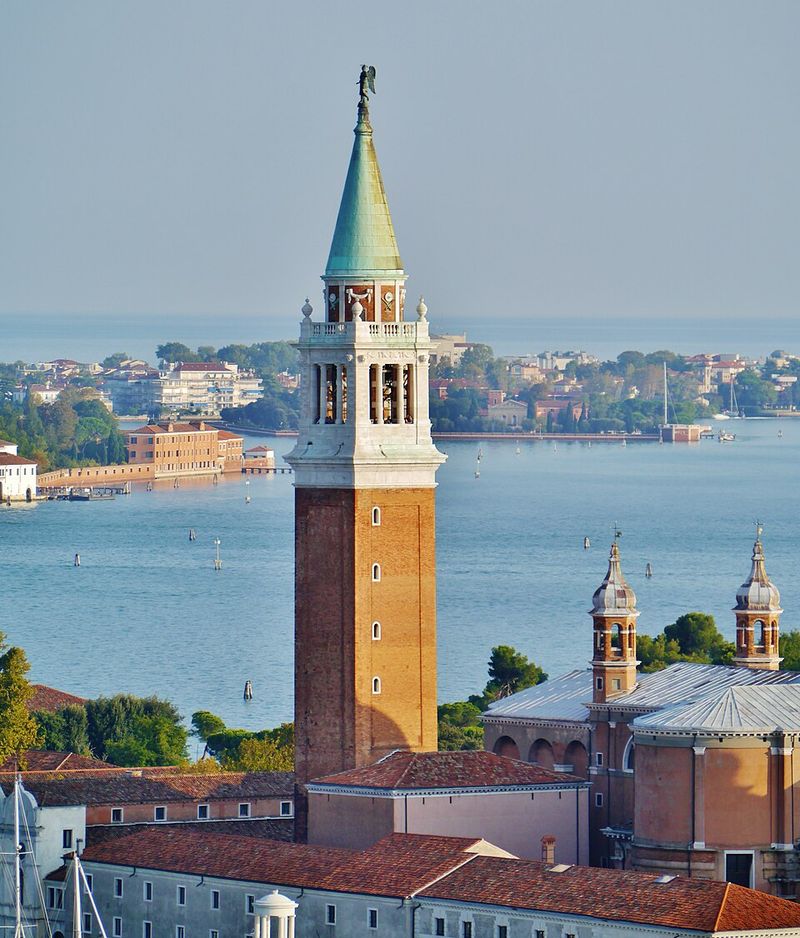
The Campanile in St. Mark’s Square is the obvious choice for a bird’s-eye view of Venice, and the view from the top is genuinely stunning. However, the queue to get up there during peak season can eat an hour of your day.
The bell tower on San Giorgio Maggiore offers the same sweeping panorama with a fraction of the wait and a slightly different, arguably better angle.
From San Giorgio Maggiore, you look directly across the water toward St. Mark’s Square, which means you get the iconic Venetian skyline in your frame rather than looking out from inside it. It is a subtle but meaningful difference for photography, and the views in every other direction are equally spectacular.
The lift to the top is fast, cheap, and almost always accessible without a long wait.
Another underrated viewpoint is the Fondaco dei Tedeschi rooftop terrace, a department store near the Rialto Bridge that offers free rooftop access with a timed reservation booked online in advance. The views across the Grand Canal from there are spectacular and completely free.
Punta della Dogana at the tip of Dorsoduro also provides a beautiful vantage point across the water at ground level, perfect for photos at golden hour. Venice rewards those who look for angles the average visitor walks straight past without stopping.
Take Public Transport on the Grand Canal
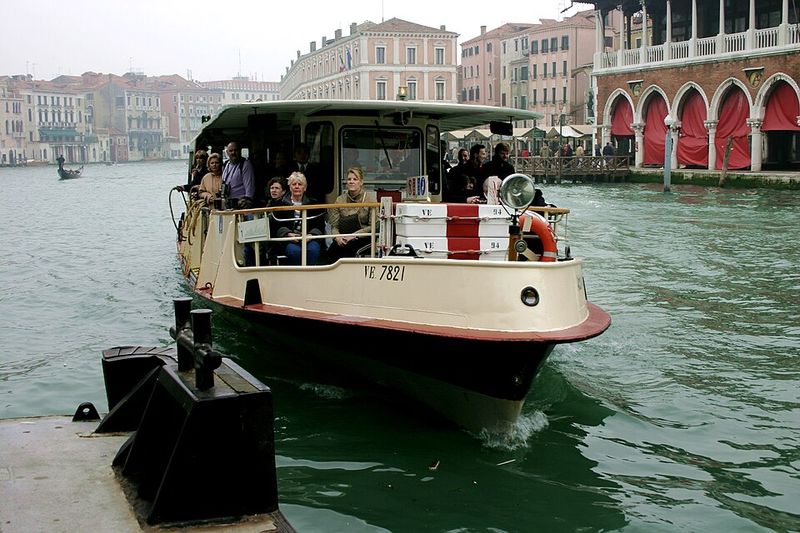
Nobody tells you this before your first visit, but the vaporetto Line 1 along the Grand Canal is one of the greatest sightseeing experiences in Europe, and it costs the same as a regular bus ticket. For just a few euros, you get a slow, scenic journey past centuries of Venetian palaces, churches, and waterfront architecture that would cost you hundreds on a private boat tour.
Line 1 stops at almost every landing along the Grand Canal, making it the slower but more scenic option compared to the express Line 2. Sitting at the front or back of the boat on the open deck gives you unobstructed views and plenty of fresh air.
Early morning rides are particularly magical when the canal is calm and the light is soft.
The vaporetto system covers not just the Grand Canal but the entire city and the surrounding islands. A 24-hour or 48-hour travel pass makes financial sense if you plan to use it multiple times per day, which you almost certainly will.
Validate your ticket before boarding to avoid a fine. Also, be aware that vaporettos get crowded during rush hour, so traveling slightly off-peak makes the experience more comfortable.
As a way to see Venice affordably while actually getting somewhere, it is genuinely hard to beat. Practical and scenic is a rare combination anywhere in the world.
Visit Midweek if Possible
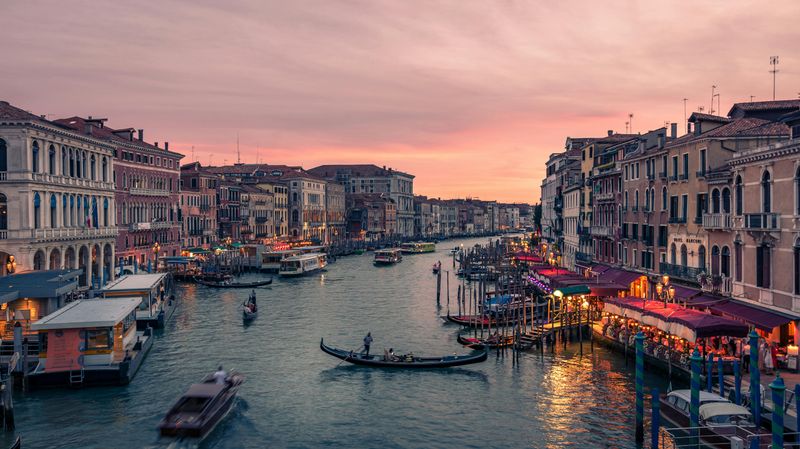
Friday afternoon through Sunday in Venice is a different experience from Tuesday morning, and not in a good way. Weekend visitors pour in from Padua, Verona, Milan, and beyond, adding thousands of extra people to streets that were already busy.
If your schedule has any flexibility at all, midweek visits pay off in a very noticeable way.
Tuesday, Wednesday, and Thursday tend to be the quietest weekdays. Museum queues are shorter, restaurant reservations are easier to get, and walking across the Rialto Bridge does not require the patience of a saint.
Even the vaporettos are less packed, which makes the whole city feel more navigable and less stressful to move around in.
The Rialto market, which sells fresh fish and produce every morning except Sunday, is at its liveliest and least crowded on weekday mornings. Arriving there around 8 a.m. on a Wednesday puts you shoulder to shoulder with actual chefs and local shoppers rather than tour groups.
It is a vivid, sensory experience that feels completely removed from the tourist version of Venice. If you are booking flights and have some flexibility on travel days, choosing to arrive on a Sunday evening and leave on a Friday morning captures the quietest stretch of the week.
Small scheduling decisions like this have an outsized impact on how relaxed and enjoyable your trip actually feels day to day.
Slow Down and Embrace the Atmosphere
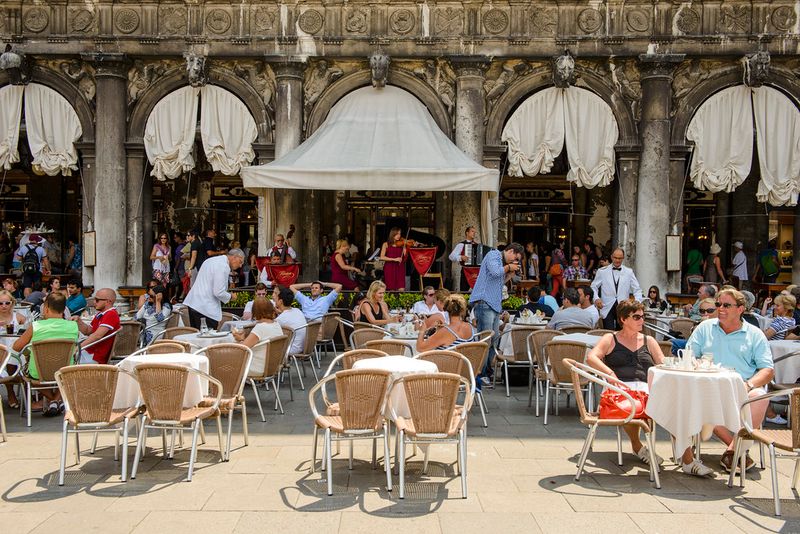
Venice has a pace of its own, and the worst thing you can do is fight it. Rushing from landmark to landmark with a checklist mentality is how people end up exhausted, slightly resentful, and wondering why Venice did not live up to the hype.
The city reveals itself slowly, to people who are willing to sit still for a moment.
Find a campo, which is what Venetians call their neighborhood squares, and just sit. Order a coffee.
Watch a grandmother argue with a fruit seller. Notice the way light bounces off the canal at the end of the alley.
Let a full hour pass without accomplishing anything on your itinerary. This is not wasted time.
This is actually the whole point of being in Venice.
The details are where the real magic lives. The worn grooves in the stone steps of a bridge.
The sound of a church bell echoing across water. A cat watching you from a windowsill three floors up.
These are the things you remember five years later, not which museum you checked off on day two. Venice does not ask much of you.
It just asks that you show up with your phone in your pocket, your eyes open, and your schedule loose enough to let something unexpected happen. That willingness to slow down is what transforms a good trip into a genuinely unforgettable one.



