 Unearth The Voyage
Some life changing ideas never came with paperwork, and yet they rewired how you cook, travel, clean, and even count. The best part is you use them daily without ever wondering who owns them.
Today you will meet the quiet champions of everyday living, from ancient breakthroughs to modern viral gadgets. By the end, you will see how open ideas can move faster, spread wider, and sometimes shape entire industries without a signature on a form.
1. The Wheel
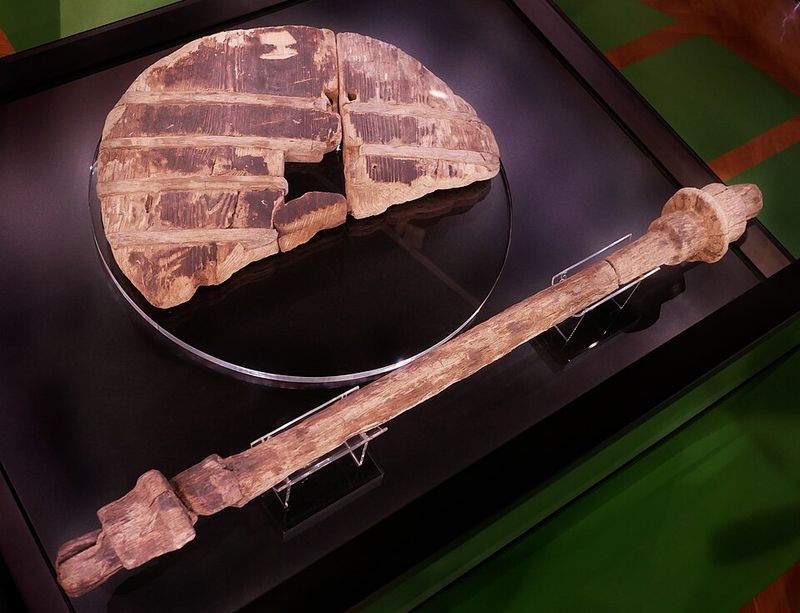
The wheel looks deceptively simple, yet it rewired movement, trade, and time itself. Picture carts loaded with grain rolling from farms to markets, turning hard distance into manageable routine.
Because it predates patent law by millennia, the wheel spread freely along rivers and roads.
You still feel its impact when you push a stroller, wheel luggage through an airport, or ride a bike to work. Logistics and manufacturing rely on it, from conveyor rollers to turbine assemblies.
Its open status accelerated adoption, the way open protocols speed the internet today. Sometimes, freedom beats exclusivity.
2. Fire Making Techniques
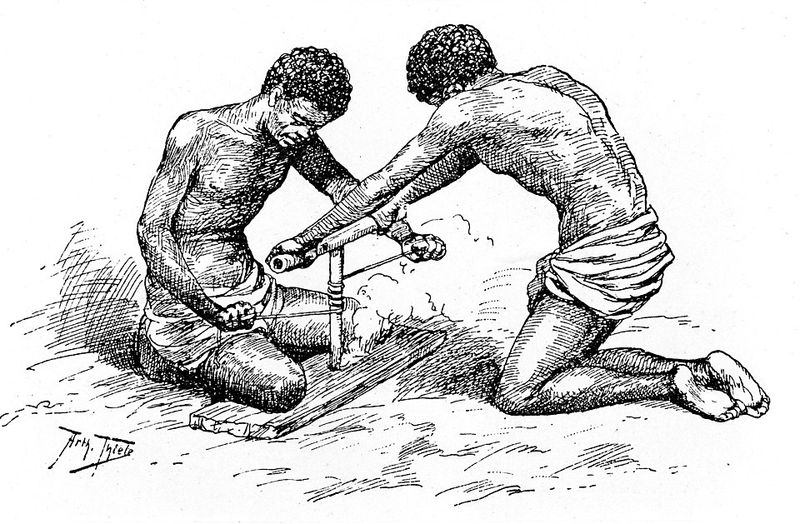
Fire turned cold caves into homes and raw meat into energy dense meals. Early techniques like the bow drill and hand drill gave people portable, repeatable ignition without flint from a specific place.
No one could patent friction or ember nurturing, so knowledge traveled with families and traders.
Today, you still benefit when your stove lights instantly or your emergency kit includes stormproof matches. Cooking made calories safer, warmth extended lifespans, and smoke deterred predators.
Archaeologists tie hearth use to social bonding and longer waking hours. That communal know how seeded everything from metallurgy to modern electricity.
3. Written Language
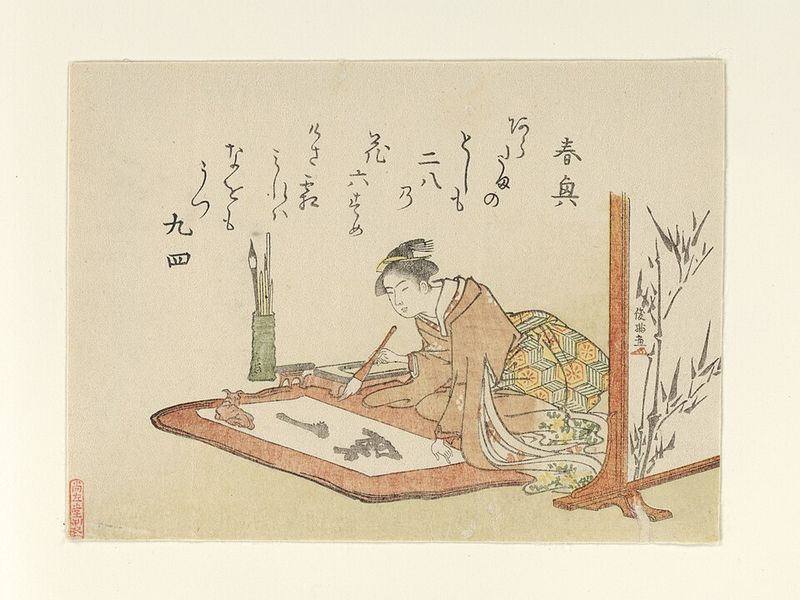
Writing let people outsource memory to clay, papyrus, and paper, transforming spoken promises into contracts and stories into history. Cuneiform tablets tracked barley and wages, while hieroglyphs mapped rituals and power.
Because symbols evolved across cultures, no single owner could claim exclusive rights.
You use this inheritance every time you text, sign, or search. Written systems turned education into an institution and law into a record.
UNESCO estimates literacy now tops 86 percent worldwide, unlocking earnings and health outcomes. Shared scripts enabled collaboration at scale, like open standards do online.
Your daily notes echo ancient marks.
4. The Calendar
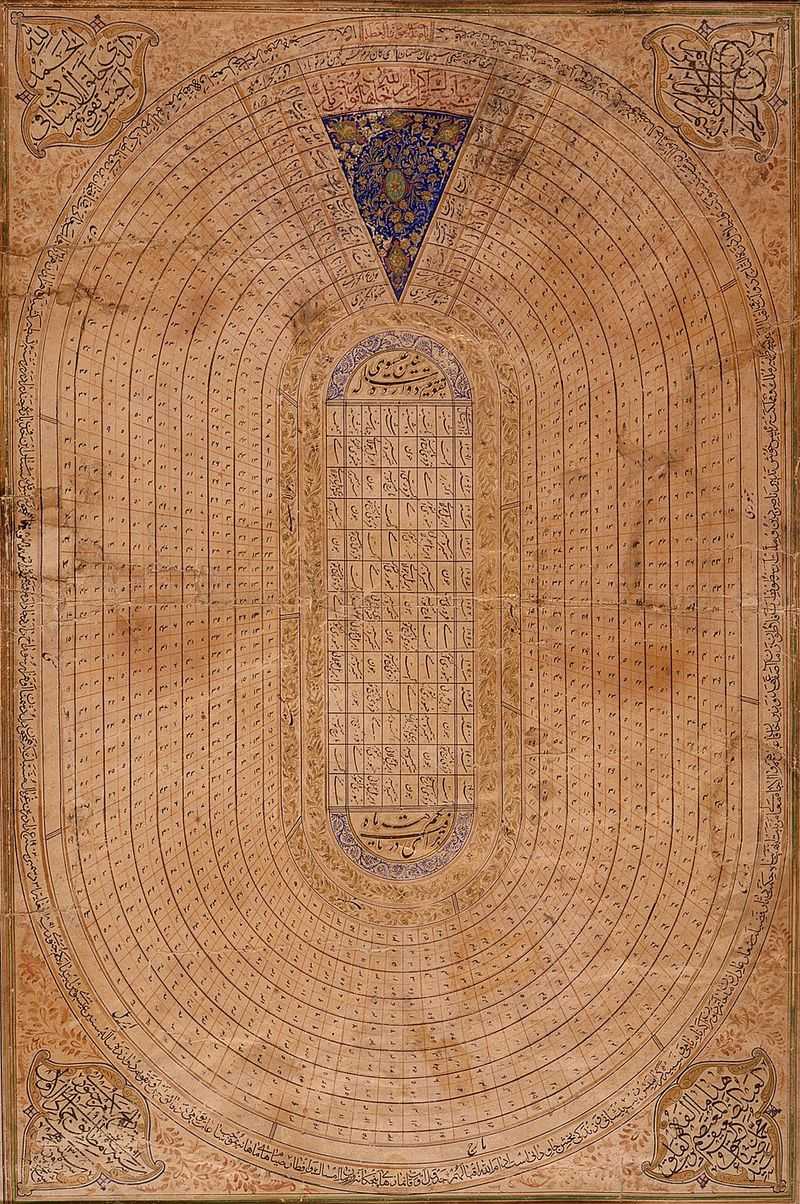
Calendars turned the sky into a schedule, telling farmers when to sow and sailors when to depart. From lunar cycles to solar alignments, communities refined timekeeping together, testing observations against harvests and floods.
No single inventor owned the method, so improvements spread across empires.
You still live by this shared clock, from project deadlines to holidays. School years, pay periods, and medical appointments all depend on predictable cycles.
Astronomers refined leap years to keep seasons aligned. Today, calendar apps sync across devices, but their backbone remains ancient math and ritual wisdom you inherited for free.
5. The Compass
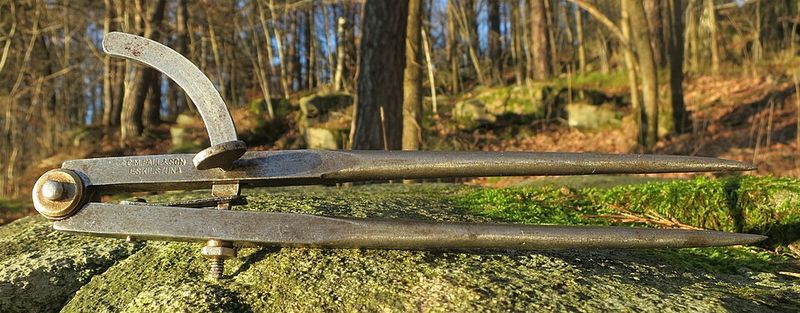
A floating needle turned the unknown into a route. Ancient Chinese navigators exploited Earth’s magnetic field using lodestone, then refined iron needles for reliability.
The concept traveled along trade routes without legal fences, letting mariners cross open oceans more safely and consistently.
Every time your phone snaps north, you are echoing that insight with silicon and satellites. The compass cut shipping costs, opened new markets, and reshaped cuisines and languages.
Economists still link navigation to global GDP growth. Its openness meant faster standardization, so crews could coordinate across cultures.
Direction became a public good.
6. Soap
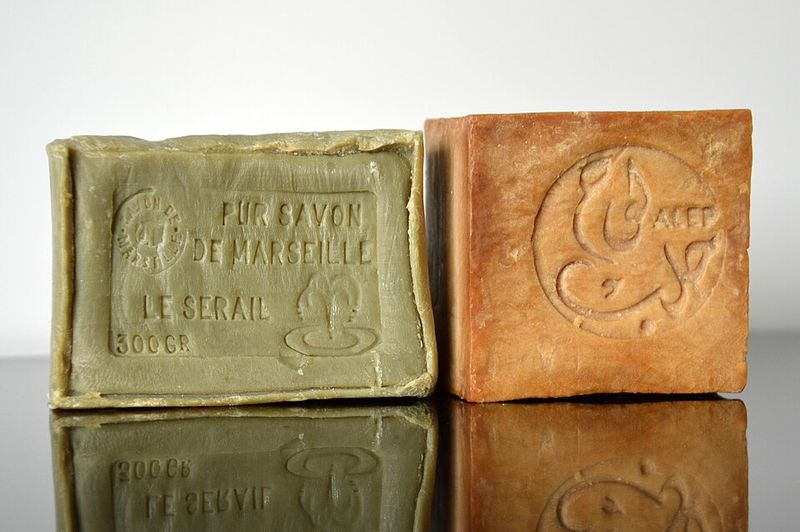
Early soap makers boiled fat with ash, discovering a chemistry trick that lifted oils from skin and cloth. Babylonians, Egyptians, and Romans iterated recipes, adding herbs and salts without claiming ownership.
Cleanliness spread as a cultural norm, not a licensed product line.
You practice this legacy each morning at the sink, breaking disease transmission with simple lather. Public health data credits handwashing with reducing diarrheal disease by up to 40 percent according to the CDC.
Open formulas allowed local variations, from olive oil Castile bars to laundry soap flakes. Clean hands remain everyone’s business.
7. Paper

Paper made thoughts portable and cheap. While Cai Lun is often credited, historians show techniques evolved over generations as artisans refined fibers, pulping, and pressing.
Because guilds shared methods regionally, knowledge diffused without patents, accelerating literacy and accounting.
Your notebooks, receipts, and packaging trace back to those vats. Even in a digital world, global paper production tops hundreds of millions of tons annually, supporting education and logistics.
Archival paper preserves treaties and family records. Its low cost lowered barriers to learning, much like free software lowers barriers today.
Paper democratized permanence.
8. The Toothbrush

Before minty gels, people used twigs, frayed fibers, and bristle brushes to scour plaque. Egypt, China, and India all had versions, proving good ideas emerge in parallel.
No patent walled off the core concept, so techniques merged with local materials and habits.
You follow that tradition twice a day, trading minutes for healthier gums and fewer bills. Dental studies tie regular brushing to reduced cavities and improved heart health indicators.
Mass adoption came from affordability and familiarity, not legal exclusivity. From bamboo sticks to nylon bristles, the principle stayed the same: gentle abrasion beats decay.
9. The Umbrella
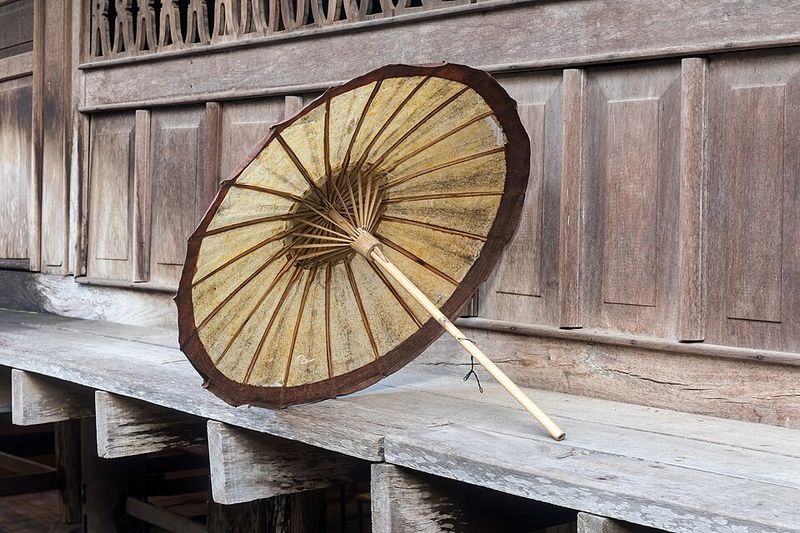
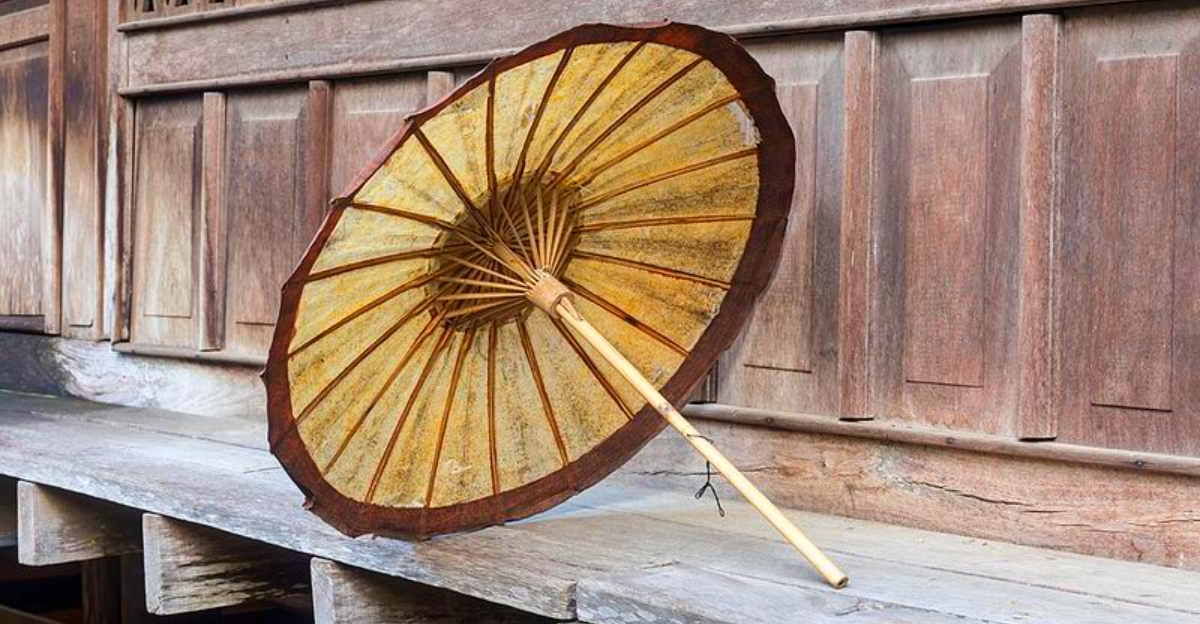
Umbrellas began as shade, then graduated to rain defense as materials improved. Egypt, Assyria, India, and China each contributed designs, from ceremonial parasols to practical folding frames.
Without patents, styles blended through trade and fashion, turning status symbols into daily shields.
When you pop one open at a bus stop, you are using centuries of trial and error. Urban planners even measure foot traffic shifts during storms where umbrellas keep shoppers moving.
The simplicity makes repair easy, too. A snapped rib and a spare screw can revive usefulness.
Shelter, democratized and portable.
10. Zero

The symbol for nothing unlocked everything. Indian mathematicians formalized zero as both placeholder and number, letting arithmetic scale beyond tally marks.
Trade and scholarship carried the insight westward, reshaping algebra, physics, and computing. No patent could fence an idea so fundamental.
You rely on zero when dialing phone numbers, calculating interest, or storing data. Binary code turns electricity into logic by switching between one and zero.
Economists, engineers, and statisticians all treat it as bedrock. The biggest breakthroughs often hide in plain sight, freely shared, because concepts want room to breathe and multiply.
11. The Stirrup
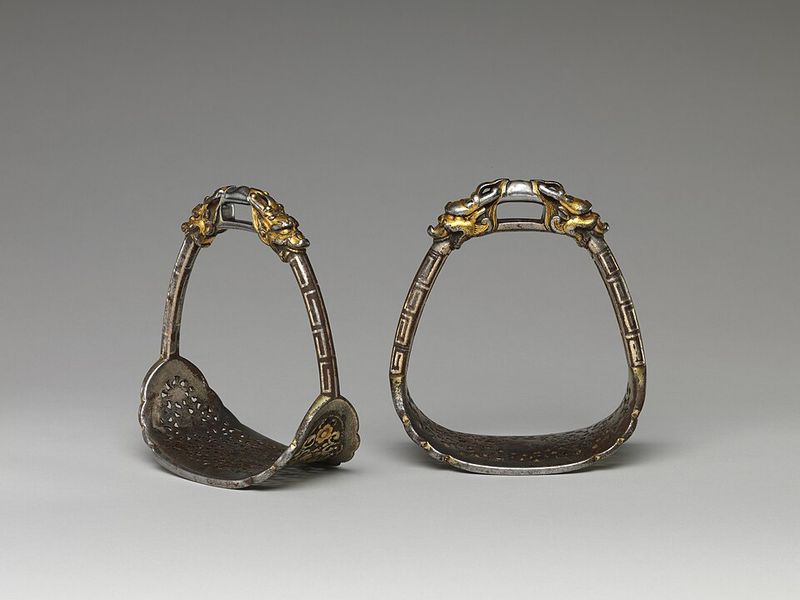
Two small loops changed warfare and travel. Stirrups stabilized riders, letting them stand, absorb shock, and wield weapons with control.
Originating in Asia and spreading along cavalry networks, the idea moved faster than any legal claim could pin it down.
You benefit when riding becomes accessible to beginners or when police mounts hold steady in crowds. Military historians credit stirrups with enabling heavy cavalry tactics that remapped borders.
The modern analog is stability control in bikes and scooters. Better balance equals more speed, safety, and endurance.
Simple supports, massive leverage.
12. Roads

Roads braided towns into economies, letting goods, news, and armies move with predictability. Romans layered stone for drainage and durability, while Andean builders set tight joints across mountains.
Because roads served publics, not proprietors, standards spread across territories without patent tolls.
You use this inheritance when pavement under tires tells your shocks what to expect. Retail prices drop when trucking is reliable, and ambulances save minutes on smooth links.
World Bank analyses still tie transport infrastructure to GDP growth and poverty reduction. A line of stones can redraw maps and lifespans.
13. Musical Scales
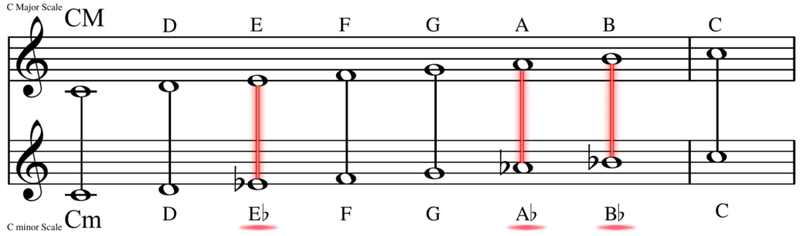
Scales are recipes for pitch, discovered by ear and refined in halls and temples. From pentatonic folk songs to diatonic church modes, patterns emerged across continents.
No patent can claim intervals arranged by physics and perception, so musicians shared and remixed freely.
You hear that openness in pop hooks and classical cadences alike. Tuning systems like equal temperament traded purity for portability, letting keyboards play in any key.
Streaming’s global charts show cross cultural blends thriving because fundamentals are common property. When structure belongs to everyone, creativity compounds quickly.
14. The Chair
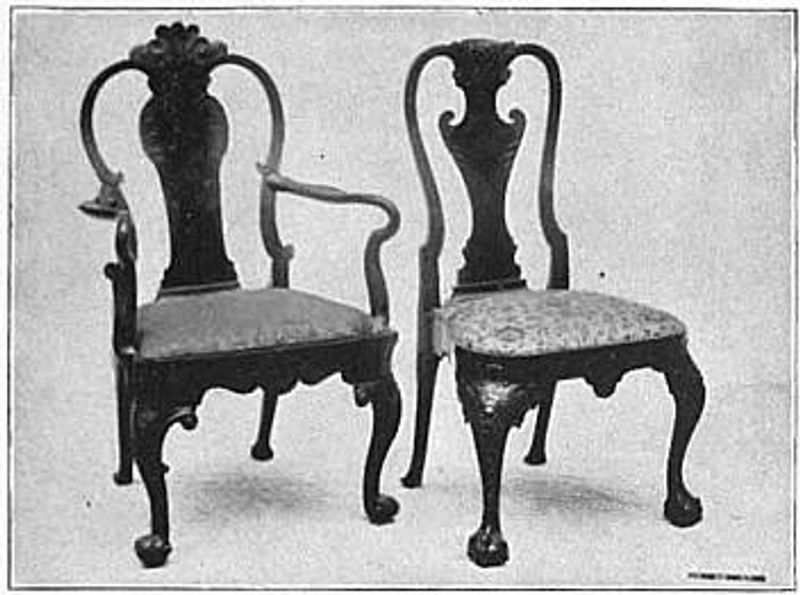
Something to sit on sounds obvious until you imagine a day without it. From stools carved from logs to framed chairs with woven seats, designs spread through workshops and households without ownership papers.
The function stayed constant: rest your back, free your hands, extend your attention.
You choose different chairs for work, meals, and reflection. Ergonomics now guide lumbar curves and seat heights, cutting fatigue and injury.
Office studies link supportive chairs to fewer musculoskeletal complaints and higher productivity. Yet the core idea remains ancient and open.
Comfort is a shared pursuit.
15. Friction Match
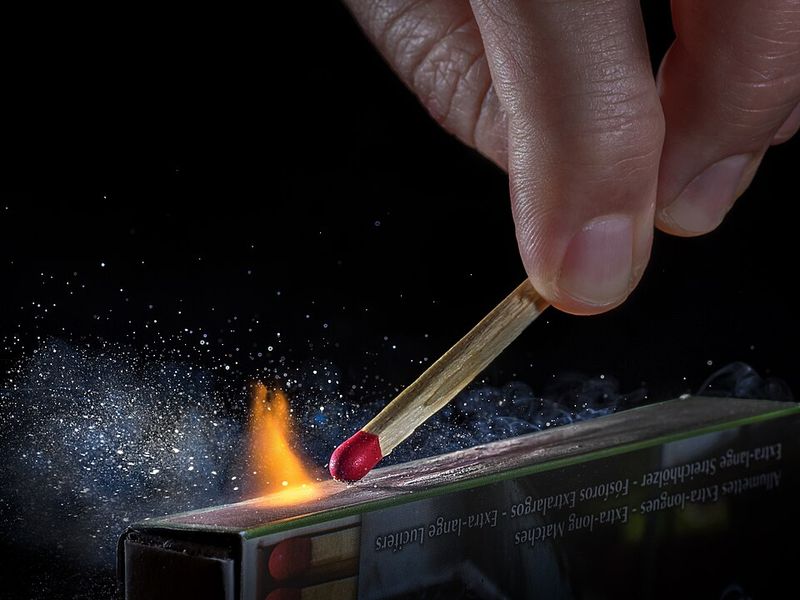
In 1826, John Walker struck convenience into being with the friction match. He chose not to patent it, and imitators raced ahead commercially.
The real victory was for daily life, where fire became a pocket habit instead of a ritual.
You channel that leap when a camp stove lights instantly or a candle saves a blackout evening. By mid nineteenth century, match factories scaled production, cutting ignition time to seconds.
Modern safety standards address past phosphorus hazards, proving openness pairs best with responsible iteration. One scrape changed kitchens, industry, and survival kits worldwide.



