Somewhere deep in the Amazon rainforest, a group of people moves through the trees, leaving behind only footprints. On a remote island in the Indian Ocean, anyone who approaches by boat is turned away with arrows.
These are not scenes from a movie. Around the world, there are still communities living almost entirely cut off from modern civilization, some by choice and some by geography.
Their stories raise big questions about culture, survival, and what it really means to be connected. From the jungles of South America to the frozen tundra of Siberia, these groups have held onto ways of life that most of the world has long forgotten.
Some have never spoken to an outsider. Others are only beginning to make cautious contact.
Each one has something remarkable to teach us about human resilience and the diversity of life on Earth.
1. Sentinelese – North Sentinel Island, India
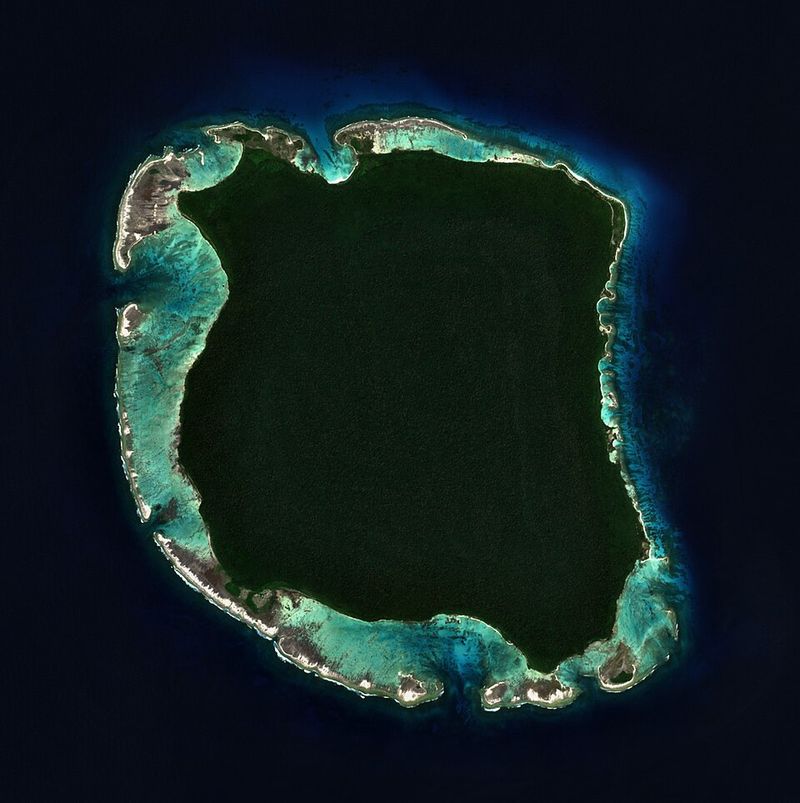
No group on Earth guards its isolation more fiercely than the Sentinelese. Living on North Sentinel Island in the Bay of Bengal, they have turned away every attempt at outside contact for centuries, sometimes with bows and arrows, sometimes with fire.
Their exact population is unknown, with estimates ranging from a few dozen to a few hundred people.
The Indian government has declared the island off-limits to protect both the Sentinelese and any outsiders who might approach. In 2018, an American missionary who illegally traveled to the island was killed, a grim reminder of how seriously this community enforces its boundaries.
Scientists believe the Sentinelese have lived on the island for up to 60,000 years, making them one of the oldest surviving populations on the planet. Their language, customs, and beliefs remain entirely unknown to the outside world.
2. Mashco-Piro – Peru
Along the remote rivers of Peru’s Madre de Dios region, the Mashco-Piro occasionally emerge from the forest to stand at the water’s edge. These brief appearances have fascinated researchers and worried conservationists alike.
They are considered one of the largest uncontacted Indigenous groups in the Amazon, with an estimated population of several hundred people.
The Mashco-Piro have historically avoided sustained contact with outsiders, and for good reason. Many of their ancestors were killed or enslaved during the rubber boom of the late 19th and early 20th centuries.
That violent history has shaped generations of distrust.
Peru’s government officially recognizes their right to live without interference, and the area is designated as a protected reserve. Still, illegal logging and drug trafficking continue to push into their territory, creating dangerous pressure on a community that simply wants to be left alone.
3. Korubo – Brazil
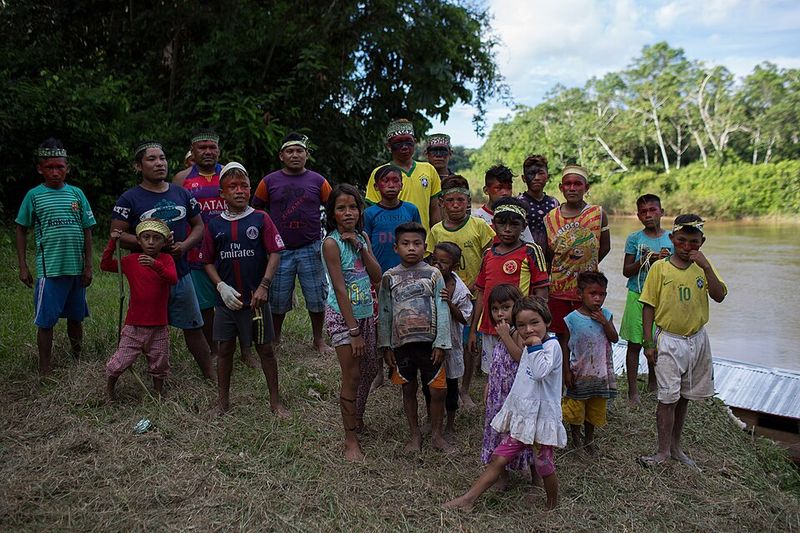
The Korubo live deep in Brazil’s Javari Valley, one of the most biodiverse and least accessible regions of the Amazon. Their story is complicated because the group is not entirely uniform.
Some bands have made limited contact with Brazil’s Indigenous affairs agency, FUNAI, while others remain completely uncontacted and actively avoid outsiders.
Known historically for their wariness of strangers, the Korubo gained a reputation that made early contact attempts difficult and sometimes dangerous. FUNAI workers who made peaceful contact with one group in 1996 described the process as years of patient, cautious communication.
What makes the Korubo particularly interesting to researchers is their use of hardwood clubs as weapons, a detail that sets them apart from many neighboring groups. Their territory is legally protected under Brazilian law, though enforcement against illegal loggers and hunters remains an ongoing challenge for authorities.
4. Kawahiva – Brazil
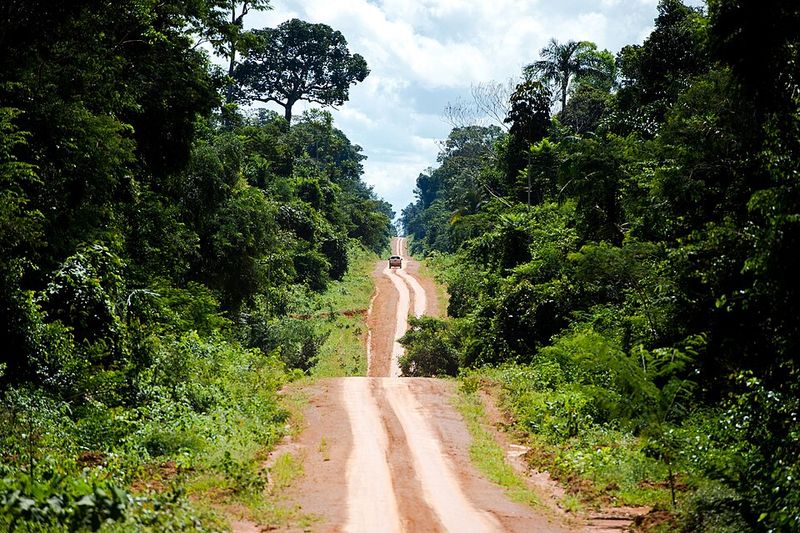
The Kawahiva are nomadic, moving constantly through the forests of Mato Grosso state in Brazil. Researchers believe they began fleeing deeper into the jungle after violent encounters with outsiders, including ranchers and loggers who expanded into their traditional lands over the past century.
Their movement patterns suggest a community in survival mode.
FUNAI teams have found evidence of their presence, abandoned campsites, woven hammocks, and food remains, but direct contact has never been confirmed. Aerial footage captured in 2011 showed a small group moving through the forest, offering a rare and striking glimpse of their existence.
Brazil’s Supreme Court has ruled in favor of protecting their territory, though the legal battles are far from over. Deforestation continues to shrink the forest around them, making the Kawahiva’s future deeply uncertain.
Their story is a stark example of what happens when development ignores the people already living on the land.
5. Ayoreo-Totobiegosode – Paraguay
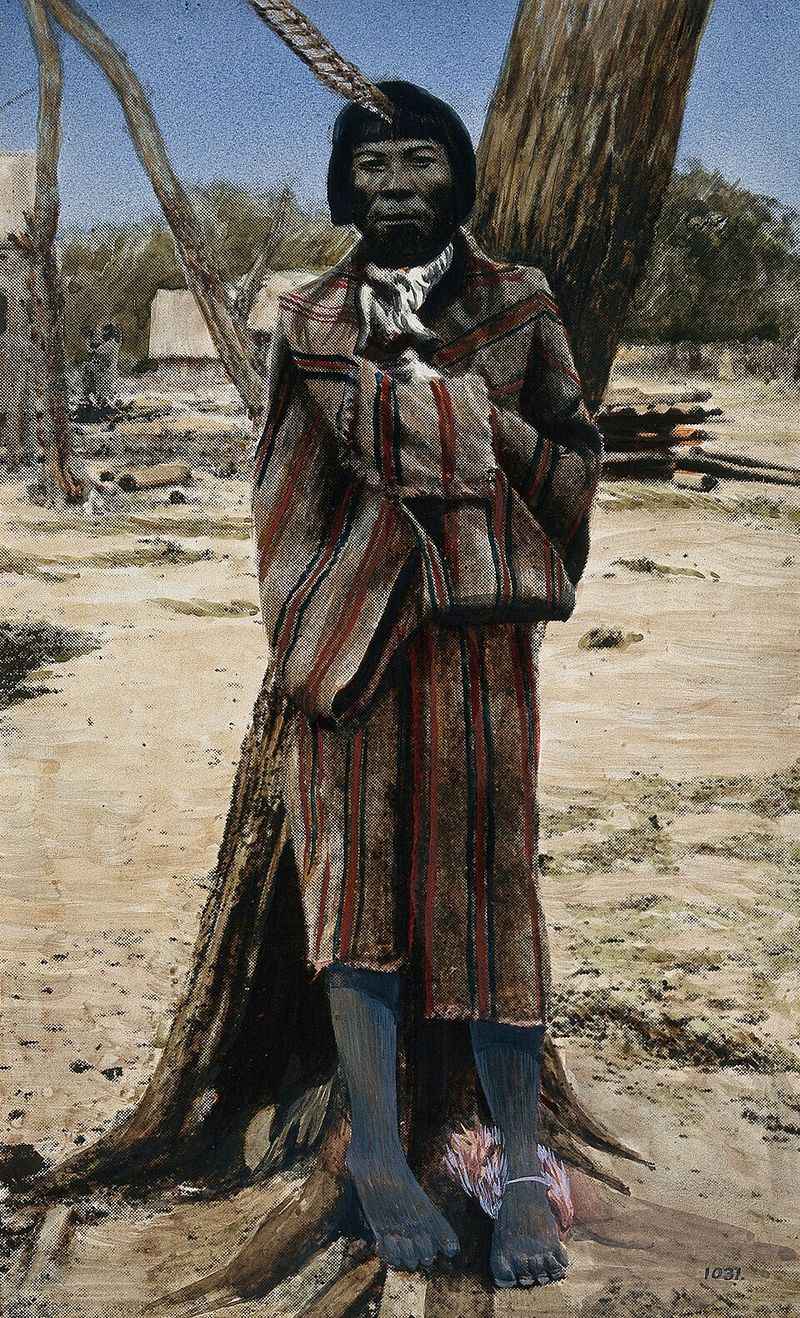
Most uncontacted peoples live in the Amazon Basin, but the Ayoreo-Totobiegosode are a striking exception. They are considered the last known uncontacted Indigenous group living outside the Amazon, making their home in the Gran Chaco, a vast dry forest shared by Paraguay and Bolivia.
Their name translates roughly to “people from the place of the wild pigs.”
Some Ayoreo-Totobiegosode have made contact with the outside world over the decades, often under difficult or forced circumstances. Those who remain in voluntary isolation do so largely because of the trauma their relatives experienced after contact, including disease outbreaks and cultural disruption.
Cattle ranching has devastated much of the Chaco, and the Ayoreo-Totobiegosode’s territory has been dramatically reduced. Advocacy groups like Survival International have campaigned for years to halt deforestation in the region.
Their fight is both a legal and moral one, centered on the right to choose one’s own way of life.
6. Yaifo – Papua New Guinea
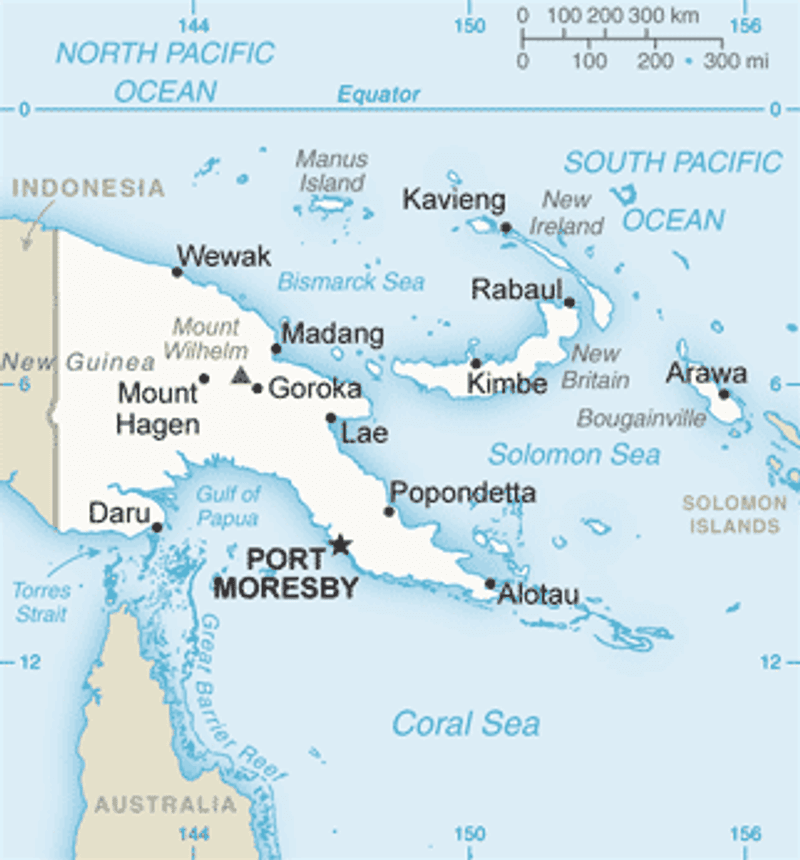
Papua New Guinea is home to extraordinary human diversity, with hundreds of distinct languages and cultures scattered across its mountains and jungles. The Yaifo are among the most remote of these groups, living in highland terrain so rugged that reaching them requires days of trekking through difficult conditions.
Very little is documented about their population size or social structure.
British explorer Benedict Allen made one of the few recorded attempts to contact the Yaifo in the 1980s, an experience he later described as one of the most challenging of his life. His account highlighted just how physically and culturally distant this group remains from the wider world.
Because so little reliable information exists about the Yaifo, researchers are careful not to make sweeping claims about their culture or customs. What is clear is that their isolation has been preserved, at least in part, by the sheer inaccessibility of the land they call home.
7. Asaro Highlands Communities – Papua New Guinea
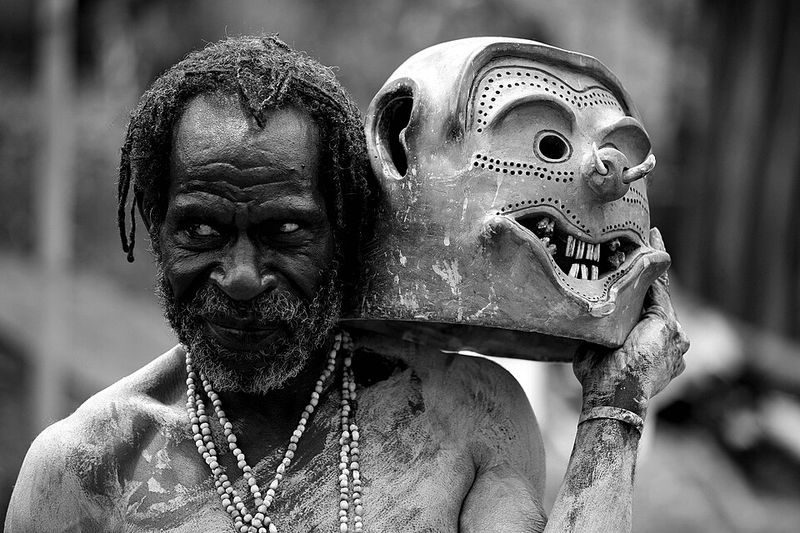
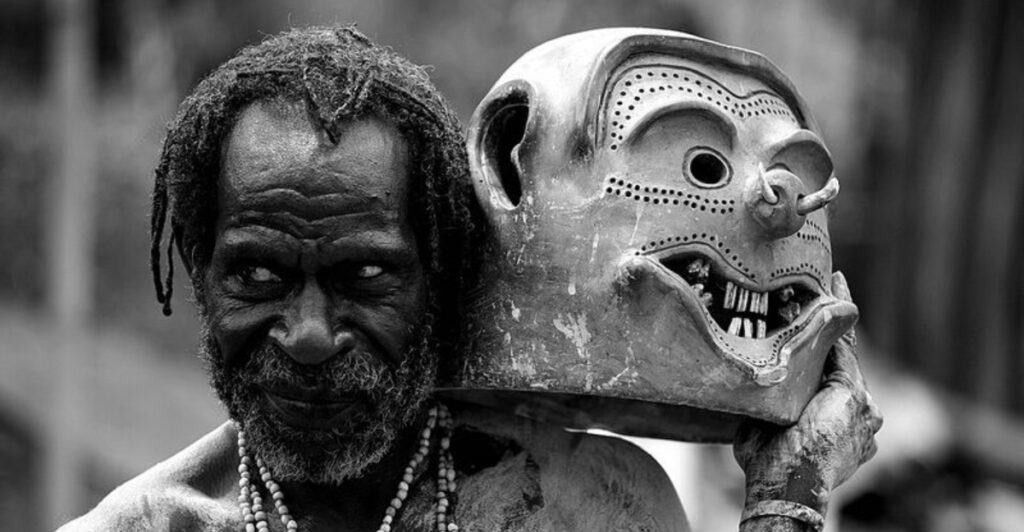
Few cultural traditions anywhere in the world are as visually striking as those of the Asaro Mudmen of Papua New Guinea. Communities in the Eastern Highlands have preserved a distinctive practice involving large clay masks and mud-covered bodies, a tradition rooted in local legend and used in ceremonial gatherings.
For centuries, the mountainous terrain kept these communities largely separate from the outside world.
The story behind the Mudmen tradition involves a battle in which warriors, fleeing to a river, emerged covered in mud and frightened their enemies into believing they were spirits. Whether history or legend, the image stuck and became central to Asaro identity.
Today, outside contact has arrived through tourism and infrastructure, but these highland communities have not simply abandoned their heritage. Ceremonies continue, languages are maintained, and cultural pride runs deep.
Their story shows that contact with the modern world does not have to mean the end of a distinct way of life.
8. Dani People – Baliem Valley, Indonesian Papua
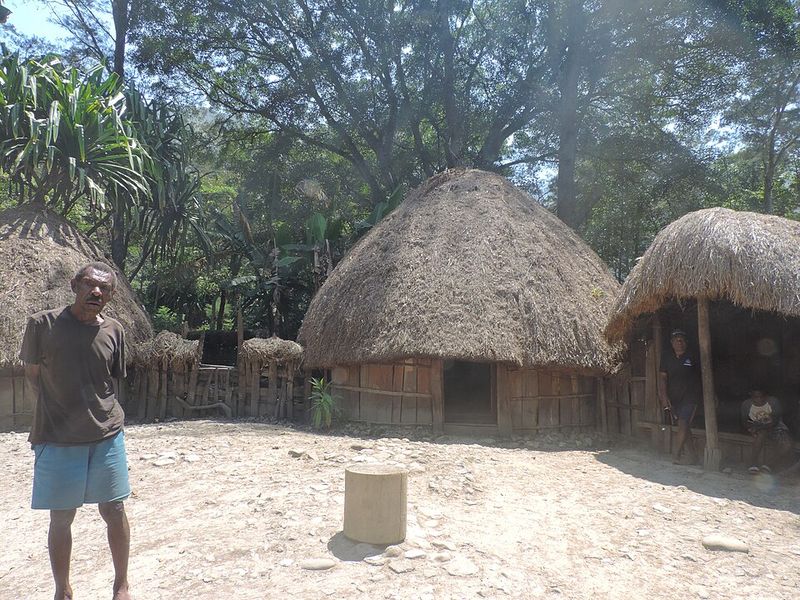
Until 1938, the Dani people of the Baliem Valley in Indonesian Papua were almost entirely unknown to the outside world. That year, American zoologist Richard Archbold flew over the valley during a scientific expedition and spotted a vast agricultural civilization below, complete with villages, fields, and an estimated population of 50,000 to 60,000 people.
It was one of the most astonishing discoveries of the 20th century.
The Dani had developed sophisticated irrigation systems and cultivated sweet potatoes as their primary crop for thousands of years. Their social structure, rituals, and traditional dress, including the koteka worn by men, became subjects of enormous anthropological interest in the decades that followed.
Today the Dani remain a vibrant community in the Baliem Valley. While many aspects of daily life have modernized, cultural festivals and traditional practices continue to draw visitors from around the world, making the valley one of Indonesian Papua’s most fascinating destinations.
9. Korowai – Indonesian Papua
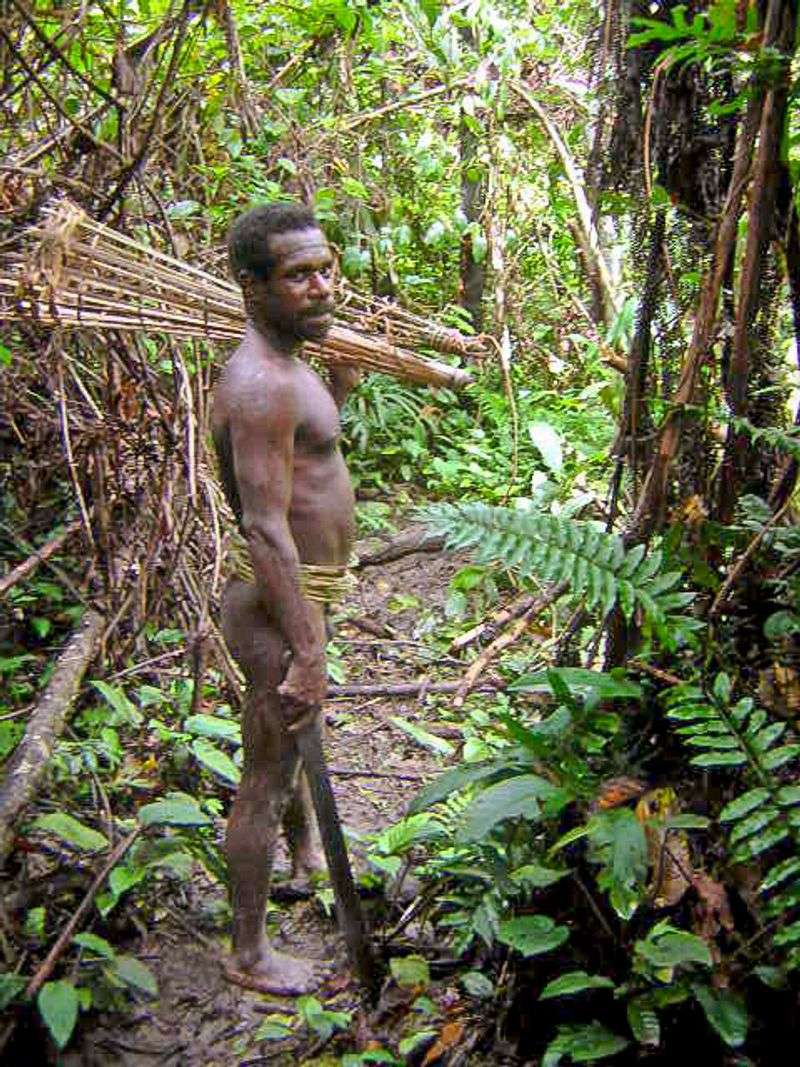
Perched high above the jungle floor on platforms of wood and palm, Korowai treehouses are one of the most remarkable architectural traditions anywhere in the world. Some structures are built 15 to 50 meters above the ground, designed both for protection from insects and as a defense against rival clans.
The Korowai live in the remote southeastern interior of Indonesian Papua.
Western researchers first made contact with the Korowai in the 1970s, and their existence drew international attention when photographs of their treehouses circulated widely. Since then, some communities have had increasing interaction with tourists and researchers, while others in more remote areas remain largely isolated.
The Korowai are skilled hunters and gatherers who rely heavily on the sago palm for food. Their knowledge of the forest ecosystem is extraordinary and has been built up over countless generations.
Their treehouses are not just homes, they are a living expression of deep environmental understanding.
10. Jarawa – Andaman Islands, India
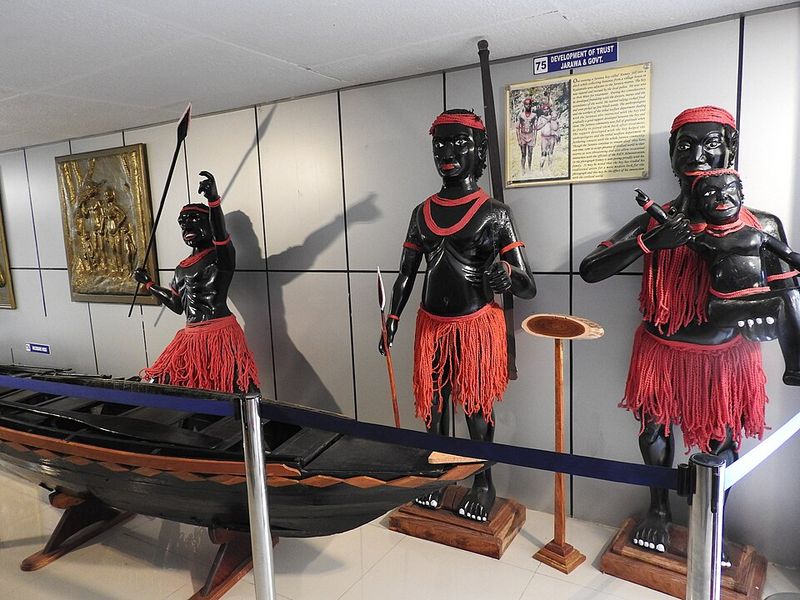
For most of the 20th century, the Jarawa of the Andaman Islands fiercely resisted any contact with the outside world. They lived as hunter-gatherers across the South Andaman and Middle Andaman islands, moving through the forest with skills honed over thousands of years.
Their resistance to contact was so strong that early government attempts were met with hostility.
That began to change in the late 1990s, when some Jarawa started making peaceful contact with road workers and later with officials. The shift was gradual and complicated, bringing both opportunities and serious risks, particularly the threat of disease from outsiders.
India has established legal protections around Jarawa territory, including restrictions on the Andaman Trunk Road that runs through their land. However, illegal tourism and unauthorized contact remain ongoing problems.
The Jarawa population is estimated at around 200 to 400 individuals, and their long-term wellbeing depends heavily on how well those legal protections are enforced.
11. Awá (Guajá) – Brazil
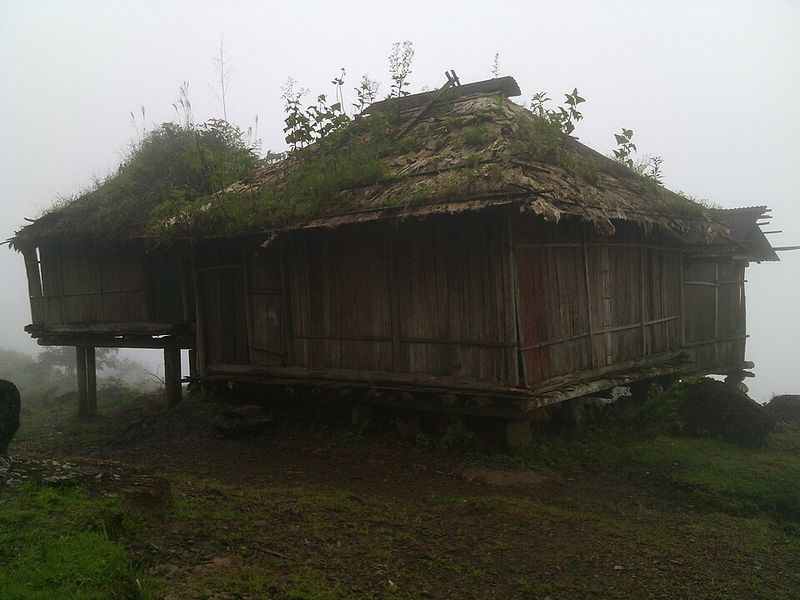
Survival International has called the Awá one of the most endangered peoples on Earth, and the numbers back that claim up. Living in the state of Maranhao in northeastern Brazil, the Awá number only around 450 people in total.
Of those, an estimated 100 remain entirely uncontacted, living deep in the forest without any interaction with the outside world.
The contacted Awá have suffered enormously from deforestation, disease, and the destruction of their land. Illegal logging operations have torn through large sections of their protected territory, and violence against the community has been documented by human rights organizations.
Their forest is not just their home, it is their food source, pharmacy, and cultural foundation.
Those who have made contact with researchers describe a culture rich in storytelling, animal knowledge, and communal bonds. Several Awá families are known to keep wild animals as companions, a practice that reflects their remarkable relationship with the natural world around them.
12. Matis – Brazil
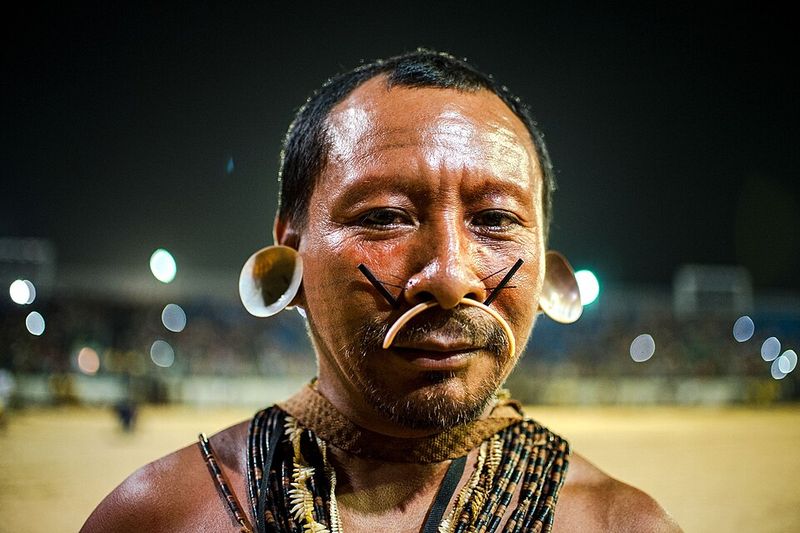
When FUNAI made contact with the Matis in the late 1970s and early 1980s, the experience proved devastating for the community. Diseases introduced by outsiders, including influenza and other illnesses, killed a significant portion of the population within a short period of contact.
It is a tragic pattern repeated across Indigenous history whenever isolated groups meet the outside world unprepared.
The Matis are known for their distinctive facial decorations, including bamboo piercings styled to resemble a jaguar’s whiskers. This connection to the jaguar runs deep in their spiritual and cultural identity.
They are also renowned hunters, using blowguns with remarkable accuracy in the dense forest of the Javari Valley.
Despite the trauma of early contact, the Matis have shown real resilience. They continue to practice many traditional customs and maintain their language.
Their population has slowly recovered, and today they actively participate in decisions about their territory and future. Their story is one of survival against serious odds.
13. Zo’é – Brazil
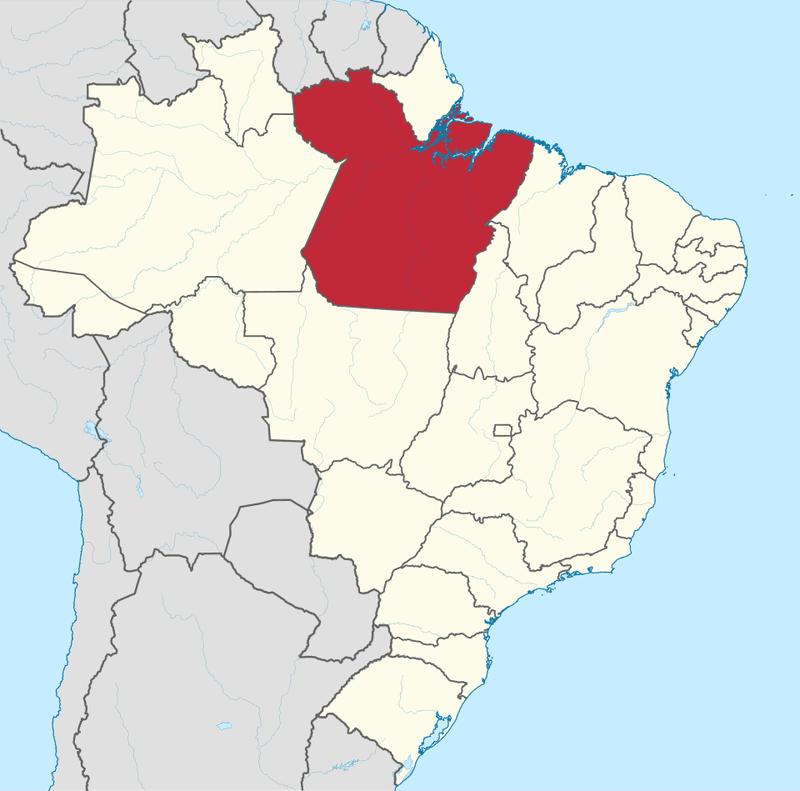
One of the most recognizable features of the Zo’e people is the poturu, a long wooden plug inserted through the lower lip that is considered a mark of beauty and identity within their culture. Living in the state of Para in northern Brazil, the Zo’e were first contacted by missionaries in the 1980s, a meeting that, like so many others, brought disease along with it.
Following early contact, Brazilian authorities intervened to remove missionaries from the area and establish a protected reserve. Since then, the Zo’e have had more controlled and limited interaction with the outside world, which has helped stabilize their population.
They number around 300 people today.
The Zo’e are skilled farmers and hunters who live in large communal structures deep in the rainforest. They grow manioc, fish in forest streams, and maintain a complex social life governed by traditions passed down through generations.
Their resilience since contact has made them a notable example in discussions about Indigenous rights and self-determination.
14. Tsimané – Bolivia
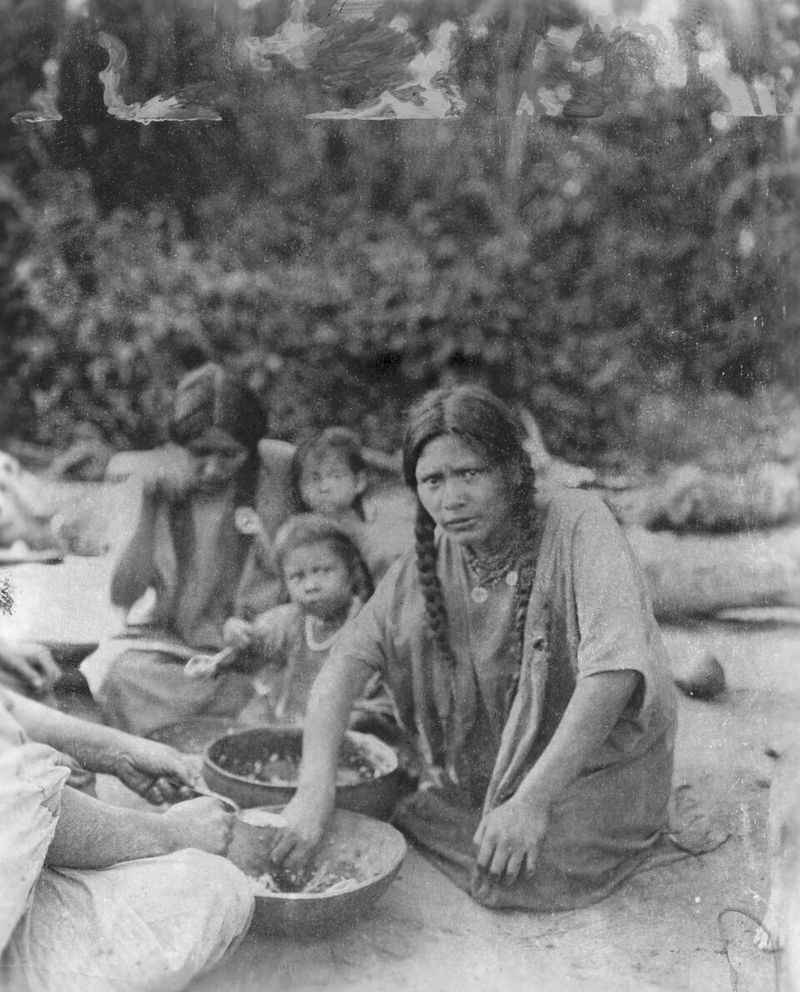
A 2017 study published in the Lancet medical journal made headlines around the world when it found that the Tsimane people of Bolivia had the healthiest hearts ever recorded in a study population. Researchers attributed this to their highly active lifestyle, low-fat diet, and minimal exposure to processed foods.
Suddenly, a community most people had never heard of was being discussed in medical schools globally.
The Tsimane live in the Bolivian Amazon lowlands, primarily along the Maniqui River. While they are not uncontacted, many communities remain geographically remote, accessible only by river or small aircraft.
They practice a mix of farming, fishing, foraging, and hunting that has sustained them for generations.
Their social structure is relatively egalitarian, and community decisions are often made collectively. Spanish missionaries made contact with the Tsimane in the 18th century, but many cultural traditions have persisted.
Their example challenges assumptions about what a healthy and fulfilling life requires in the modern world.
15. Nenets – Siberia, Russia
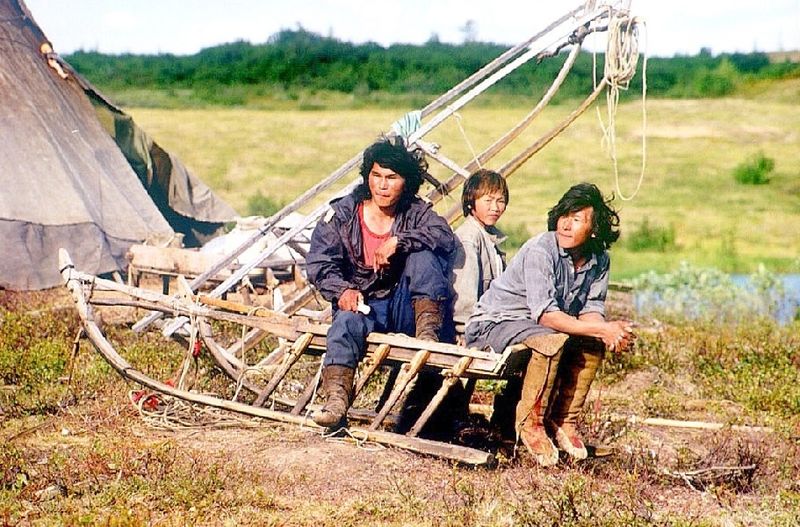
Twice a year, the Nenets people of northwestern Siberia complete one of the longest land migrations of any human group on Earth. They travel up to 1,000 kilometers across the frozen Arctic tundra, guiding their reindeer herds between seasonal grazing grounds.
The journey is physically brutal, conducted in temperatures that can drop below minus 40 degrees Celsius.
The Nenets have lived on the Yamal Peninsula and surrounding regions for thousands of years. Their traditional home is the chum, a portable tent made from reindeer hides that can be assembled and dismantled in under an hour, a necessity for a people always on the move.
Reindeer provide them with food, clothing, tools, and transportation.
Though the Nenets are connected to modern Russia in various ways, many families still choose to follow the traditional herding routes their ancestors walked. Climate change is now threatening the tundra ecosystem, making the future of this extraordinary nomadic way of life increasingly uncertain.
Share this story