 Unearth The Voyage
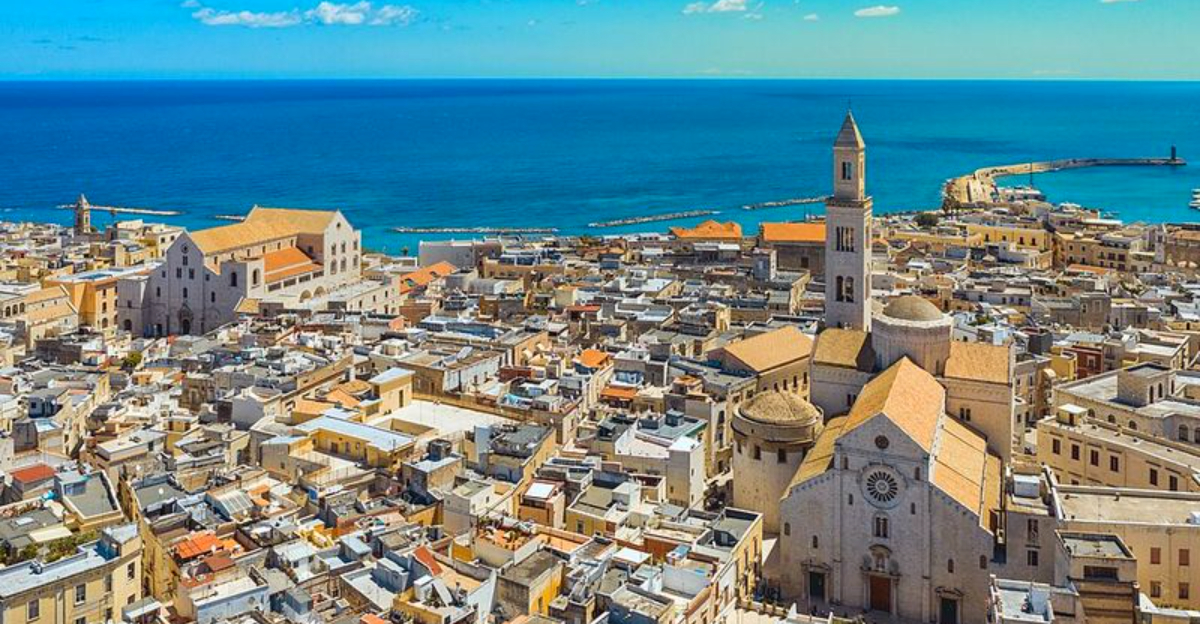
Italy captures hearts with its ancient ruins, Renaissance masterpieces, stunning coastlines, and world-class cuisine that draw millions of travelers each year. From the canals of Venice to the sun-drenched cliffs of the Amalfi Coast, each region offers its own personality, history, and unforgettable experiences.
Planning the perfect Italian adventure means choosing destinations that showcase the country’s incredible diversity and timeless beauty. These iconic locations represent the very best of what makes Italy one of the most enchanting places on Earth.
Rome — The Eternal City
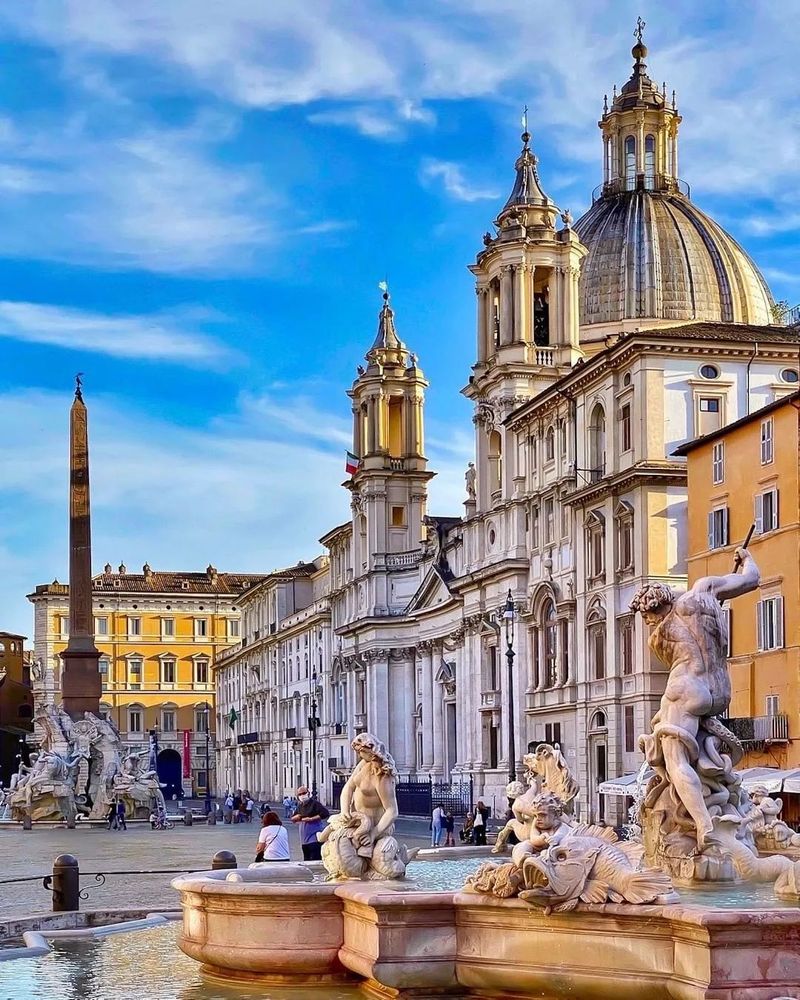
Rome stands as the starting point for countless Italian adventures, where history unfolds around every corner. The Colosseum rises as a testament to ancient engineering, while the Roman Forum whispers stories of emperors and gladiators who walked these stones two millennia ago.
The Pantheon’s perfect dome still inspires awe, and the Sistine Chapel’s ceiling reminds visitors why Michelangelo remains a household name.
Trastevere’s narrow cobblestone streets invite leisurely evening strolls past ivy-covered trattorias serving carbonara and cacio e pepe. Piazza Navona buzzes with street artists and gelato vendors, while the Spanish Steps offer a perfect perch for people-watching.
Tossing a coin into the Trevi Fountain has become a ritual for travelers hoping to return someday.
Beyond the famous landmarks, Rome pulses with contemporary energy—espresso bars fill with locals debating soccer, and modern neighborhoods blend seamlessly with baroque churches. The Vatican Museums house treasures spanning centuries, from Egyptian sarcophagi to Raphael’s frescoes.
This unique combination of ancient grandeur and vibrant modern life makes Rome an essential first chapter in any Italian story, setting the stage for everything that follows across this remarkable country.
Florence — Cradle of the Renaissance
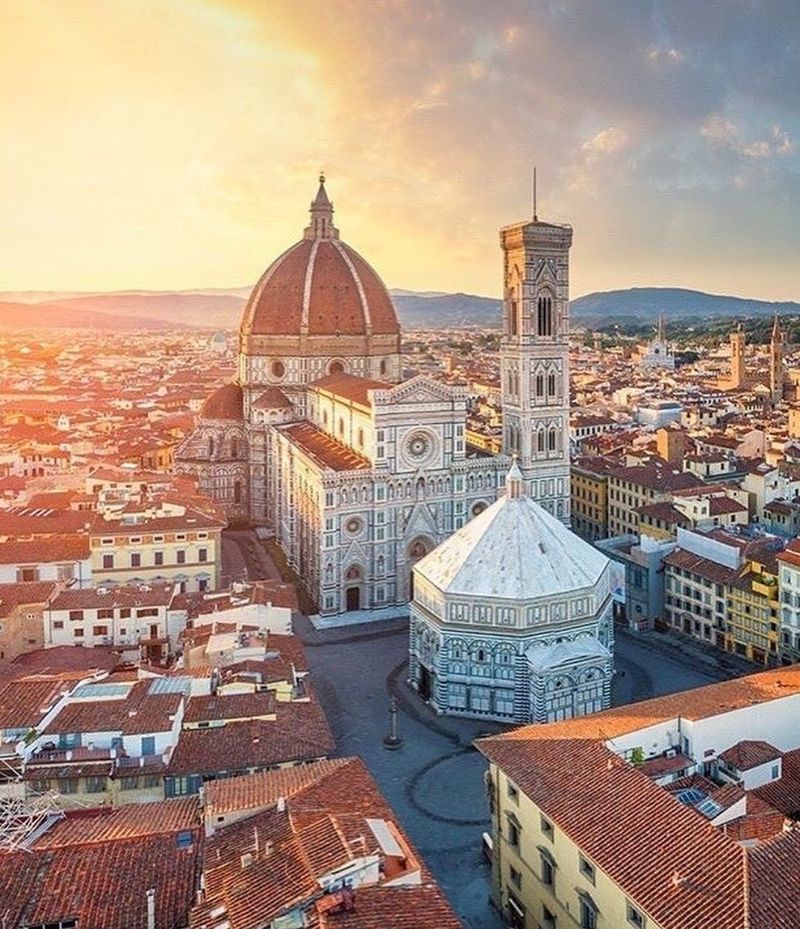
Walking through Florence feels like stepping into a living museum where Renaissance genius still breathes through every piazza and gallery. Michelangelo’s David stands in the Accademia, his marble perfection drawing gasps from visitors who’ve seen countless photographs but nothing compares to the real thing.
The Uffizi Gallery houses Botticelli’s Birth of Venus alongside works by Leonardo, Raphael, and Caravaggio, making it a pilgrimage site for art lovers worldwide.
The terracotta dome of the Duomo dominates the skyline, Brunelleschi’s architectural triumph visible from nearly every vantage point. Crossing the Ponte Vecchio at sunset, with jewelry shops glittering on either side and the Arno River reflecting golden light, captures Florence’s romantic essence perfectly.
Piazza della Signoria serves as an open-air sculpture gallery where copies of famous works mark the spots where originals once stood.
Artisan workshops still line narrow streets, where leather workers and goldsmiths practice centuries-old crafts. Tuscan cuisine shines in family-run restaurants serving bistecca alla fiorentina and ribollita soup.
Florence doesn’t just preserve history—it celebrates creativity as a living tradition, making every visitor feel connected to the artists and thinkers who transformed the world from these very streets.
Venice — City of Canals and Timeless Magic
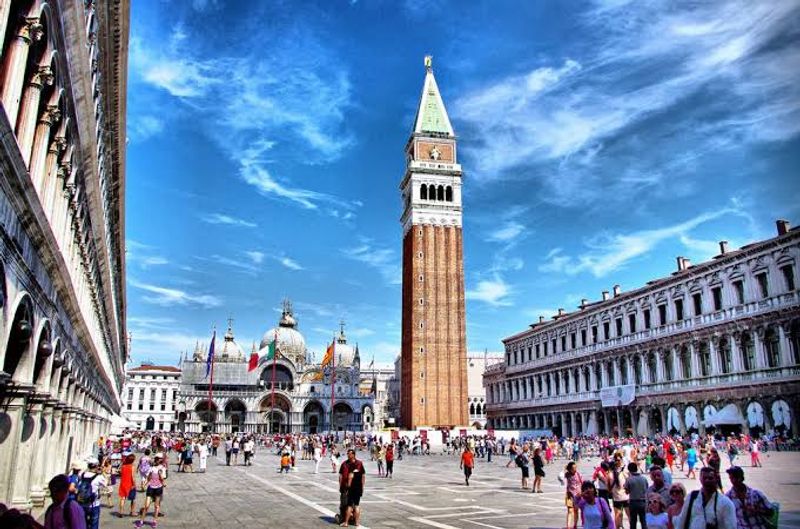
No city on Earth matches Venice’s audacious beauty—a metropolis built on wooden pilings driven into a lagoon, defying logic and gravity for over a thousand years. The Grand Canal snakes through the heart of the city, lined with Renaissance palaces whose ornate facades reflect in rippling water.
Gondolas glide beneath arched bridges while vaporetto water buses ferry locals and tourists alike through this aquatic maze.
St. Mark’s Square represents Venice at its most magnificent, with the Byzantine basilica’s golden mosaics glowing beside the pink-and-white Doge’s Palace. The Rialto Bridge arches gracefully over the canal, surrounded by market stalls selling fresh seafood and colorful produce.
But Venice’s true charm emerges in quieter sestieri like Cannaregio and Dorsoduro, where residential streets wind past neighborhood bacari serving cicchetti—small plates of marinated seafood, polenta, and local wine.
Getting lost here isn’t frustrating—it’s the whole point. Hidden campi (squares) suddenly appear, laundry fluttering overhead while cats nap on sunlit windowsills.
Sunset transforms the lagoon into liquid gold, silhouetting church domes and bell towers against amber skies. Venice demands slow exploration, rewarding those who wander without maps and discover the magic hiding between the famous landmarks that make this floating city utterly unforgettable.
Amalfi Coast — Dramatic Cliffs and Sea Views
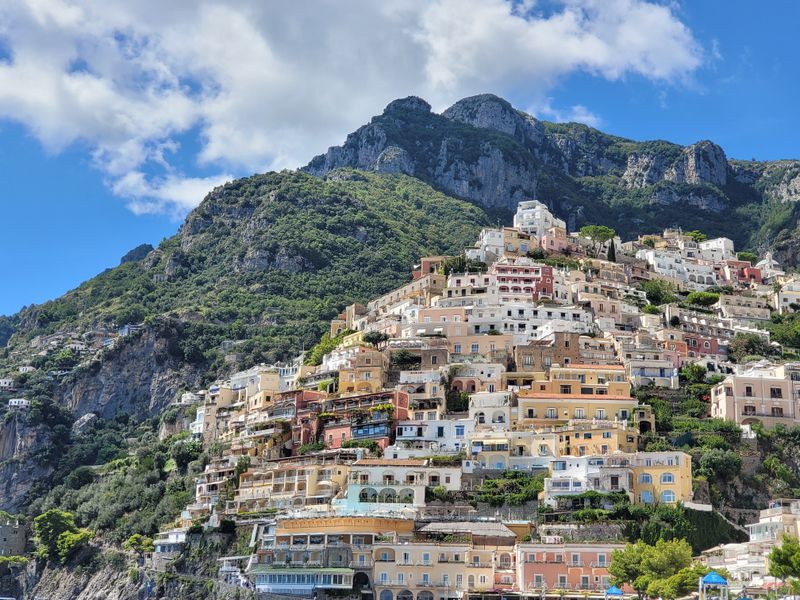
The Amalfi Coast stretches along southern Italy like a masterpiece painted by nature and refined by centuries of human habitation. Pastel-colored villages cling impossibly to nearly vertical cliffs, their terraced gardens cascading toward the sapphire Mediterranean below.
The coastal road winds through dramatic scenery, each hairpin turn revealing another breathtaking vista of sea meeting sky.
Positano tumbles down the hillside in a cascade of peach, pink, and yellow buildings, its pebble beach backed by waterfront restaurants serving fresh seafood and local white wine. Ravello perches high above the coast, its Villa Cimbrone gardens offering panoramic views that inspired Wagner and countless other artists.
The town of Amalfi itself features a stunning cathedral and historic paper mills tucked into a narrow valley.
Lemon groves perfume the air with citrus blossoms, their fruit destined for the region’s famous limoncello liqueur. Boat excursions reveal hidden grottoes and secluded coves accessible only from the water.
Hiking the Path of the Gods trail connects villages while offering jaw-dropping coastal panoramas. The Amalfi Coast embodies la dolce vita—that sweet Italian life where natural splendor, cultural richness, and culinary excellence combine into an experience that defines Mediterranean dreaming at its absolute finest.
Cinque Terre — Colorful Cliffs by the Sea
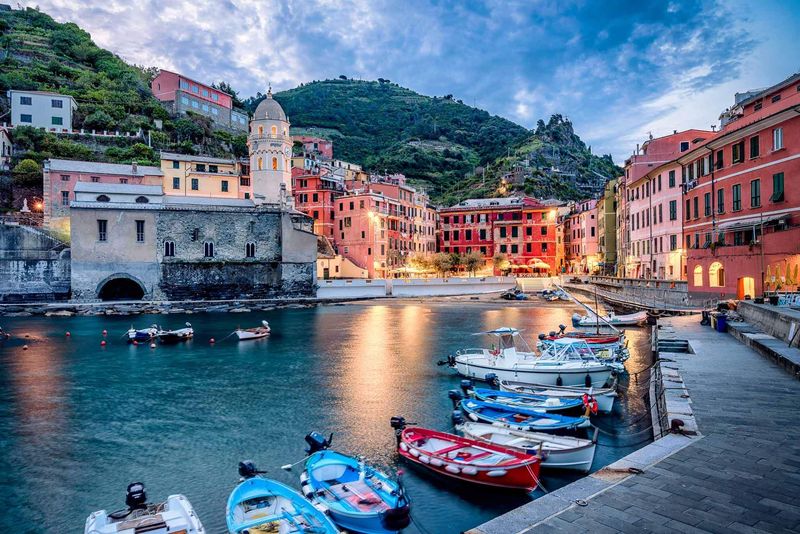
Five fishing villages paint the Ligurian coastline with impossible colors—ochre, terracotta, pink, and yellow buildings stacked vertically against rugged cliffs that plunge into turquoise water. Cinque Terre earned UNESCO World Heritage status for preserving centuries-old traditions of terraced agriculture and car-free village life.
Each settlement maintains its distinct personality while sharing the region’s commitment to authentic coastal living.
Monterosso offers the only proper beach, its golden sand backed by striped umbrellas and seafood restaurants. Vernazza’s tiny harbor creates one of Italy’s most photographed scenes, especially when sunset bathes the piazza in warm light.
Corniglia sits highest, perched atop a promontory reached by climbing hundreds of steps. Manarola’s harbor glows at dusk when lights twinkle from houses built directly into rock.
Riomaggiore’s steep streets lead down to a small marina where fishing boats still set out each morning.
Hiking trails connect all five villages, the famous Sentiero Azzurro offering spectacular coastal views between olive groves and vineyards clinging to impossibly steep terraces. Local white wine, especially the sweet Sciacchetrà, pairs perfectly with anchovies, pesto, and focaccia.
Trains zip through tunnels carved into cliffsides, making village-hopping easy. Cinque Terre captures Italy’s coastal essence—timeless beauty, authentic culture, and landscapes that seem almost too perfect to be real.
Tuscany Countryside — Rolling Hills & Hilltop Towns
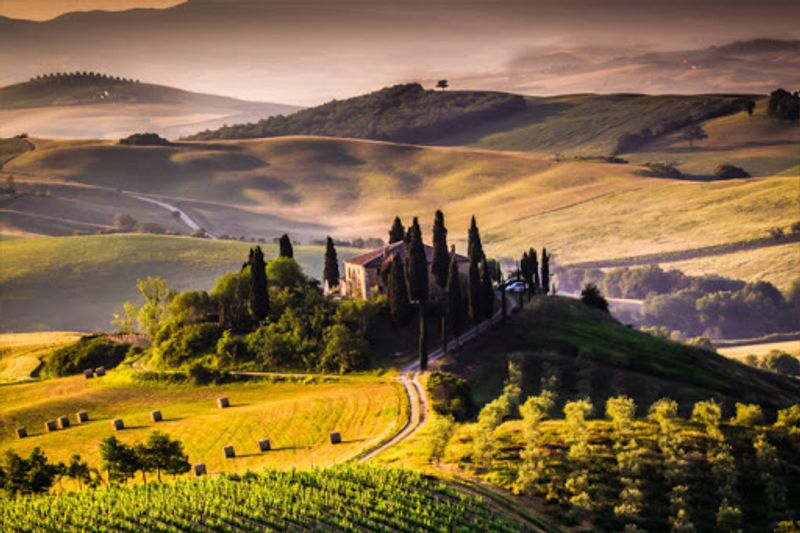
Tuscany’s countryside unfolds like a Renaissance painting brought to life—gentle hills roll toward horizons lined with cypress trees, vineyards stretch in geometric patterns, and medieval towns crown distant peaks. This landscape has inspired artists for centuries, and it still captures hearts with its timeless beauty and agricultural traditions rooted in centuries of careful cultivation.
Agriturismi—working farms offering accommodation—let travelers experience authentic rural life. Mornings might begin with fresh bread, local cheese, and homemade preserves before joining a cooking class or wine tasting.
Evenings bring farm-to-table dinners featuring wild boar ragù, handmade pappardelle, and Chianti from nearby vineyards. The pace slows to match the rhythm of seasons and harvests.
Siena’s shell-shaped Piazza del Campo hosts the famous Palio horse race twice each summer, while its Gothic cathedral showcases intricate marble floors and Michelangelo sculptures. San Gimignano’s medieval towers pierce the sky, earning it the nickname “Medieval Manhattan.” Montepulcino produces robust red wines, and Pienza offers pecorino cheese aged in traditional caves.
Val d’Orcia’s UNESCO-protected landscape features those iconic cypress-lined roads photographed endlessly but never adequately captured. The Tuscan countryside isn’t just scenery—it’s a complete immersion into Italian culture where food, wine, history, and natural beauty blend into something approaching perfection.
Milan — Fashion, Design, and Dynamic Streets
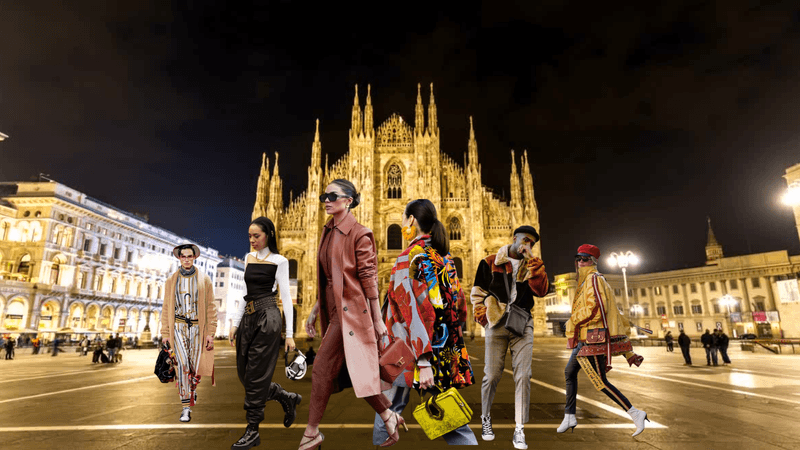
Milan breaks the Italian stereotype—instead of ancient ruins and sleepy piazzas, this northern metropolis pulses with contemporary energy, high fashion, and cutting-edge design. The Gothic Duomo cathedral dominates the city center, its thousands of marble spires reaching skyward in elaborate detail that took nearly six centuries to complete.
Climbing to the rooftop terraces offers panoramic views across this dynamic urban landscape.
Leonardo da Vinci’s Last Supper adorns the refectory wall of Santa Maria delle Grazie, requiring advance reservations to witness this Renaissance masterpiece up close. The Galleria Vittorio Emanuele II connects the Duomo to La Scala opera house, its glass-vaulted arcade housing luxury boutiques and historic cafes.
Via Montenapoleone anchors the Quadrilatero della Moda, where fashion houses display their latest collections in elegant showrooms.
Beyond haute couture, Milan offers substance—world-class museums, innovative restaurants pushing Italian cuisine forward, and vibrant neighborhoods like Brera with art galleries and aperitivo culture. The Navigli district’s canals come alive at night with bars and live music.
Design showrooms showcase furniture and lighting that influence global trends. Milan represents modern Italy—ambitious, stylish, and forward-thinking while still honoring its Renaissance heritage.
For travelers seeking urban sophistication alongside cultural depth, Milan delivers an Italian experience completely different from anywhere else in the country.
Naples — Flavorful and Historic
Naples explodes with life—chaotic, passionate, and utterly authentic in ways that polished tourist cities can never match. This is where pizza was born, and tasting a true Neapolitan Margherita from a wood-fired oven at legendary pizzerias like Da Michele or Sorbillo constitutes a genuine pilgrimage for food lovers worldwide.
The combination of San Marzano tomatoes, buffalo mozzarella, fresh basil, and perfectly charred crust achieves simple perfection.
Beyond pizza, Naples serves as the gateway to some of Italy’s most significant historical sites. Pompeii’s remarkably preserved ruins lie just a short train ride away, frozen in time by Vesuvius’s catastrophic eruption in 79 AD.
The volcano itself looms over the bay, still active and climbable for those seeking adventure and panoramic views. Herculaneum offers another window into ancient Roman life, often less crowded than its famous neighbor.
The city itself rewards exploration—Spaccanapoli cuts straight through the historic center, lined with churches holding Caravaggio paintings and artisan workshops crafting nativity scenes. The waterfront Lungomare offers stunning bay views, while the National Archaeological Museum houses treasures excavated from Pompeii and Herculaneum.
Naples doesn’t polish itself for tourists—it remains gloriously, messily itself, offering travelers willing to embrace its intensity an experience of genuine Italian urban culture that feels thrillingly real.
Sicily — Ancient Ruins and Island Culture
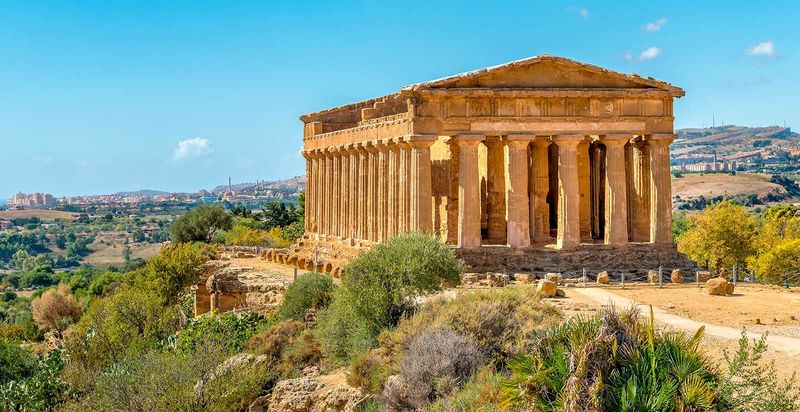
Sicily sprawls as Italy’s largest island and perhaps its most complex, layered with influences from Greeks, Romans, Arabs, Normans, and Spanish rulers who each left indelible marks on architecture, cuisine, and culture. Greek temples at Agrigento rival anything in Athens, their honey-colored columns standing against azure skies for over two millennia.
Roman mosaics at Villa Romana del Casale showcase hunting scenes and mythological tales in stunning detail.
Palermo’s chaotic markets overflow with swordfish, blood oranges, and street food like arancini and panelle that blend Italian and North African flavors. Baroque towns such as Noto and Ragusa glow golden in afternoon light, their ornate churches and palaces rebuilt after devastating earthquakes.
Taormina perches dramatically above the sea, its ancient Greek theater framing Mount Etna’s smoking cone in one of Europe’s most spectacular views.
Etna itself dominates eastern Sicily, Europe’s most active volcano offering guided hikes across lunar landscapes of hardened lava flows and steaming vents. The Aeolian Islands scatter offshore, each with distinct character—Stromboli erupts regularly, Lipari offers beaches and nightlife, Salina produces sweet Malvasia wine.
Sicilian cuisine deserves its own journey, from Catania’s fish markets to Marsala’s wine cellars. Sicily rewards extended exploration, revealing depth and diversity that captures Mediterranean history’s full sweep in one remarkable island.
Lake Como — Elegance on the Water
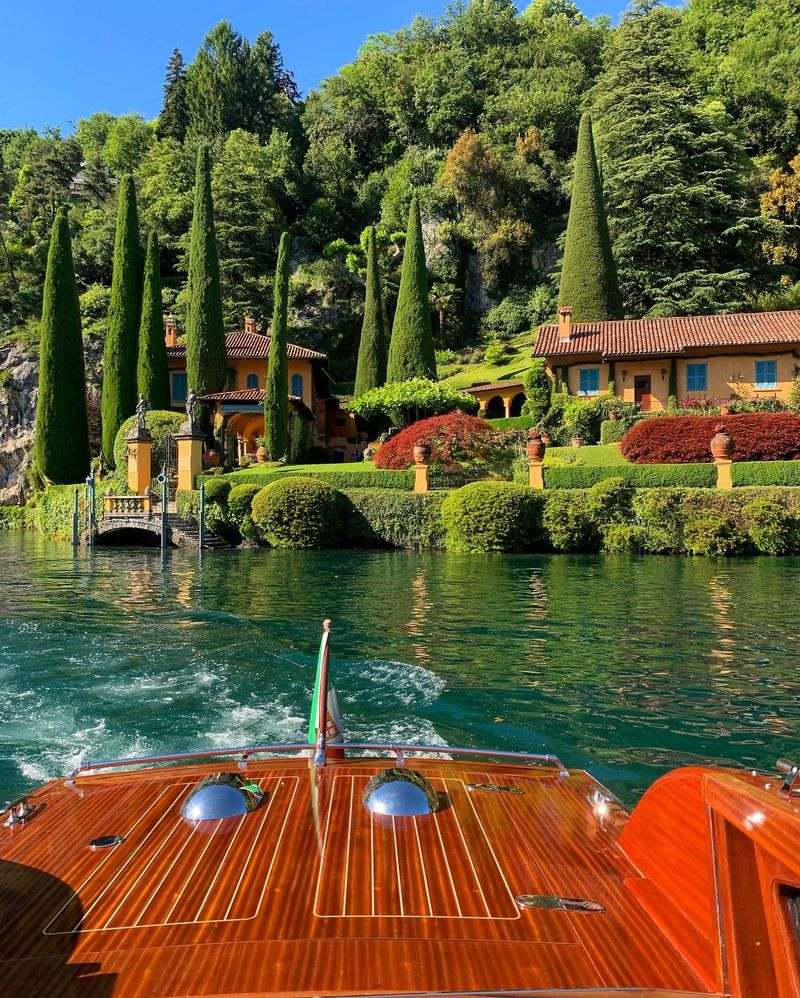
Lake Como has captivated nobility, artists, and travelers for centuries with scenery that seems almost impossibly beautiful—Alpine peaks rise dramatically from sapphire water, while elegant villas and manicured gardens line shores that have hosted everyone from Roman emperors to Hollywood celebrities. The Y-shaped lake offers different moods in each branch, from quiet villages to sophisticated resort towns.
Bellagio occupies the promontory where the lake divides, its cobblestone streets climbing steep hillsides past silk shops and gelaterias. Villa Melzi and Villa Serbelloni showcase the grand estates that made Como synonymous with refined luxury.
Varenna charms with pastel buildings tumbling toward the water, while Menaggio offers a more relaxed atmosphere. Como town itself provides urban amenities and the funicular to Brunate for panoramic lake views.
Villa del Balbianello’s terraced gardens appear in countless films, its loggia overlooking water framed by cypress and azaleas. Villa Carlotta’s botanical gardens explode with rhododendrons and camellias in spring.
Ferry boats connect lakeside communities, turning transportation into sightseeing as passengers glide past waterfront promenades and mountain backdrops. Como represents northern Italy’s elegant side—sophisticated without being stuffy, naturally beautiful yet refined by centuries of cultivation.
It’s where travelers come to slow down, breathe Alpine air, and understand why this lake has inspired poetry and envy for generations.
Bologna — Italy’s Gastronomic Heartbeat
Bologna earned its nickname “La Grassa” (the fat one) through culinary excellence that makes even food-obsessed Italians acknowledge this city’s supremacy. Tagliatelle al ragù—what the rest of the world mistakenly calls “spaghetti Bolognese”—achieves perfection here, slow-simmered meat sauce clinging to ribbon pasta made fresh that morning.
Tortellini swim in rich brodo (broth), mortadella gets sliced thick at market counters, and Parmigiano-Reggiano ages in nearby dairies.
The city’s medieval character remains remarkably intact—two leaning towers (Torre degli Asinelli and Torre Garisenda) tilt at precarious angles, survivors of dozens that once defined the skyline. Nearly 40 kilometers of porticoes create covered walkways throughout the historic center, earning UNESCO recognition.
Piazza Maggiore serves as Bologna’s living room, surrounded by the Basilica di San Petronio and Palazzo d’Accursio.
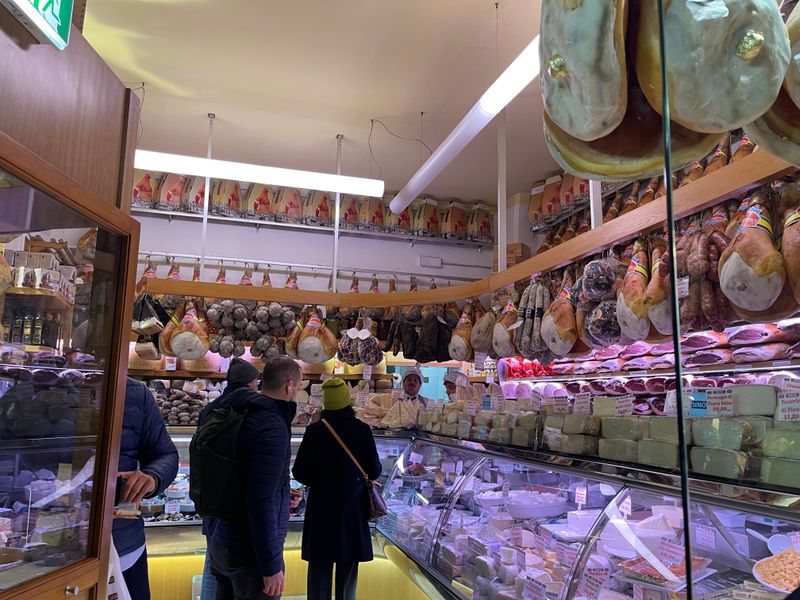
The University of Bologna, founded in 1088, claims status as Europe’s oldest, its presence filling streets with students and intellectual energy. The Quadrilatero market district has sold food for centuries—vendors arrange glossy eggplants beside wheels of cheese and hanging prosciutto.
Osterie serve traditional dishes in convivial atmospheres where locals debate politics over wine. Bologna offers substance over flash, rewarding travelers who appreciate authentic culture, serious food, and cities that prioritize living well over looking perfect for Instagram.
Verona — Shakespearean Romance and Roman Ruins
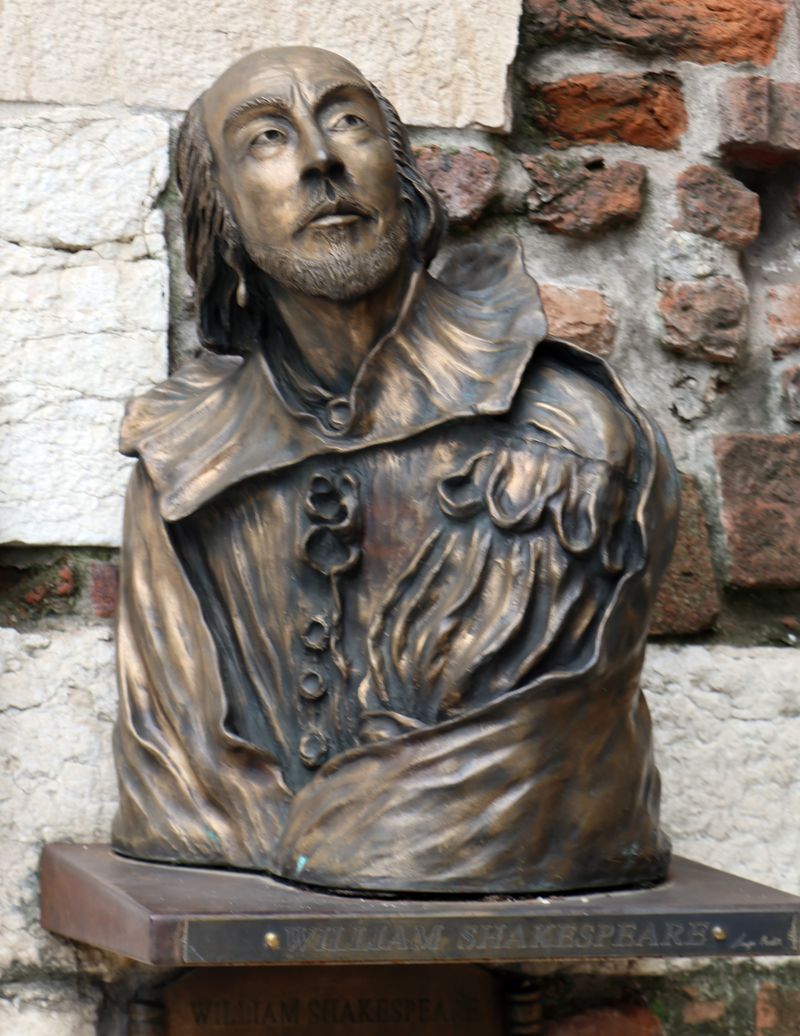
Verona wears its romantic reputation proudly, thanks to Shakespeare setting his star-crossed lovers’ tragedy here despite never visiting the city himself. Juliet’s supposed balcony draws crowds who leave love notes on courtyard walls, while a bronze statue of the heroine receives countless touches for luck.
The romance extends beyond literary fiction—Verona’s elegance and walkable historic center genuinely inspire affection.
The Roman Arena dominates Piazza Bra, one of the best-preserved amphitheaters from antiquity and still hosting world-class opera performances each summer. Watching Aida or Carmen under stars within walls that held gladiatorial contests two millennia ago creates unforgettable theatrical magic.
The Roman Theater across the Adige River offers another ancient venue, its hillside setting providing natural acoustics and city views.
Piazza delle Erbe occupies the former Roman forum, now filled with market stalls selling produce and souvenirs beneath frescoed buildings. Medieval palaces line elegant streets, while the Castelvecchio fortress houses an art museum spanning Venetian and Veronese masters.
Verona balances its tourist-friendly attractions with genuine local life—Veronese families still gather for aperitivo in neighborhood squares, and traditional restaurants serve risotto all’Amarone made with the region’s robust red wine. The city manages to be both romantically appealing and authentically lived-in, making it one of northern Italy’s most satisfying destinations.
Sardinia — Pristine Beaches and Rugged Interior
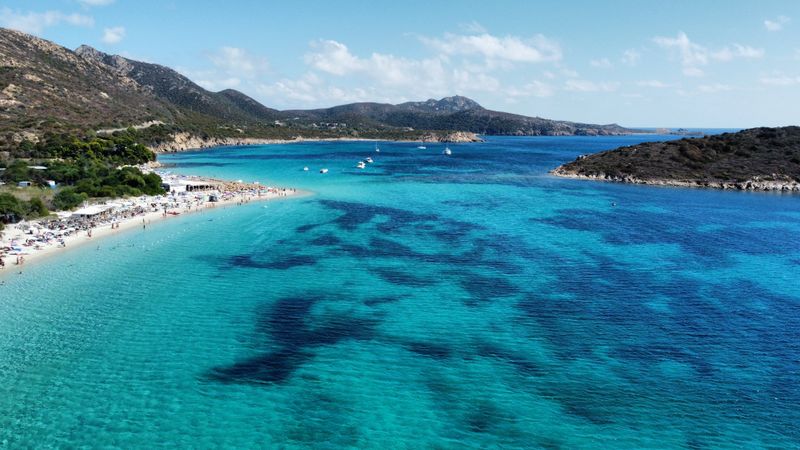
Sardinia floats in the Mediterranean with fierce independence, maintaining cultural traditions and a distinct language that set it apart from mainland Italy. The Costa Smeralda’s crystalline waters and white-sand beaches attract yacht owners and beach lovers to some of Europe’s most stunning coastline.
Cala Goloritzé’s limestone arch and pebble beach, accessible by boat or hiking trail, exemplifies the island’s natural drama.
Beyond beaches, Sardinia’s interior reveals ancient mysteries—over 7,000 nuraghe stone towers dot the landscape, Bronze Age structures whose exact purpose still puzzles archaeologists. Traditional villages maintain pastoral traditions, with shepherds producing pecorino cheese using methods unchanged for generations.
The Barbagia region’s mountain towns celebrate local festivals with traditional costumes, music, and food that feel worlds away from coastal resorts.
Cagliari, the capital, blends beach access with urban culture—its Castello district climbs a hilltop, offering Roman ruins, Pisan towers, and panoramic views. Alghero retains Catalan influence in architecture and language, its old town perched beside the sea.
Sardinia’s cuisine emphasizes seafood, roasted meats, and distinctive breads like pane carasau. The island rewards those who venture beyond beach resorts to discover its archaeological treasures, mountain villages, and cultural depth.
Sardinia offers beach paradise without sacrificing substance, combining relaxation with exploration in uniquely Sardinian style.
Puglia — Whitewashed Towns and Coastline Charm
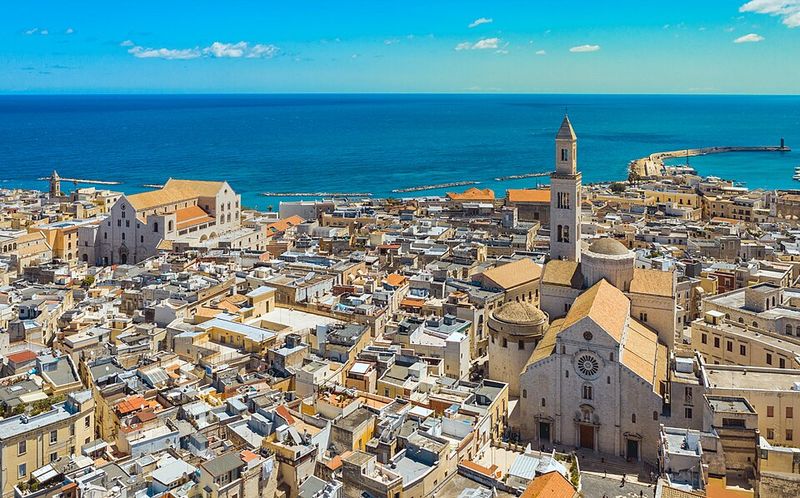
Puglia stretches along southeastern Italy’s heel and spur, remaining blissfully less touristy than Tuscany or the Amalfi Coast while offering equally compelling experiences. Whitewashed towns gleam under intense southern sun—Ostuni cascades down a hillside, its buildings painted brilliant white and topped with terracotta roofs.
Baroque architecture flourishes in Lecce, the “Florence of the South,” where soft local stone enabled sculptors to create extraordinarily detailed church facades.
Alberobello’s trulli houses create a fairy-tale landscape—conical stone roofs top cylindrical buildings constructed without mortar, a unique architectural tradition earning UNESCO protection. Over 1,500 trulli cluster in the town, some converted into shops and restaurants where visitors can dine beneath ancient stones.
The Valle d’Itria countryside surrounding Alberobello continues the trulli tradition among olive groves and vineyards.
Puglia’s coastline alternates between sandy beaches and dramatic limestone cliffs. The Gargano peninsula juts into the Adriatic with beach resorts and the pilgrimage town of Monte Sant’Angelo.
Polignano a Mare perches on cliffs above turquoise water, its restaurants built into sea caves. Puglian cuisine emphasizes orecchiette pasta, burrata cheese, fresh seafood, and vegetables from the fertile plains.
Olive trees, some over a thousand years old, produce exceptional oil. Puglia offers authentic southern Italian culture, stunning landscapes, and excellent food without the crowds—making it perfect for travelers seeking off-the-beaten-path beauty.
Capri & Burano — Island Jewels
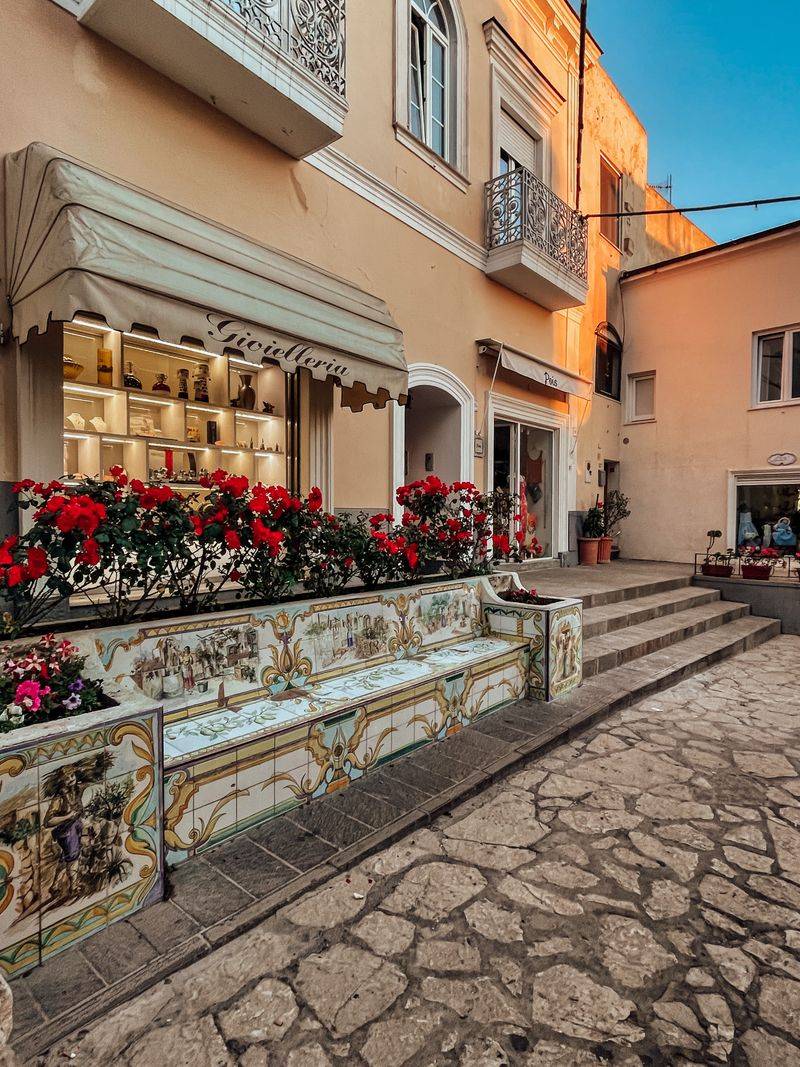
Two islands—one near Naples, one in the Venetian lagoon—offer completely different but equally enchanting experiences that round out an Italian journey with distinctive character. Capri rises dramatically from the Tyrrhenian Sea, its limestone cliffs and glamorous reputation attracting visitors since Roman emperors built villas here.
The Faraglioni rock formations pierce the water offshore, creating one of Italy’s most iconic coastal views.
Capri town’s piazzetta serves as an outdoor salon where visitors sip espresso at premium prices while watching the human parade. The Blue Grotto’s electric-blue water glows with otherworldly light filtering through underwater cavities.
Villa Jovis preserves Emperor Tiberius’s clifftop palace, while the Gardens of Augustus offer panoramic views. Anacapri sits higher up the island, accessible by chairlift to Monte Solaro for 360-degree vistas.
Capri embodies Mediterranean luxury and natural beauty in compact, accessible form.
Burano, meanwhile, enchants with cheerful simplicity—fishermen’s houses painted in brilliant primary colors line narrow canals, creating one of photography’s most beloved subjects. The tradition originated to help fishermen find home in fog, but now serves pure aesthetic joy.
Lace-making remains the island’s craft heritage, with shops selling intricate handmade pieces. Burano offers a quieter, more authentic alternative to Venice’s crowds, its colorful charm and artistic traditions providing a perfect counterpoint to Capri’s sophistication in completing Italy’s diverse destination portfolio.



