Italy has a way of making every glass of wine taste better when paired with a stunning view. Whether you’re gazing over rolling Tuscan hills, volcanic Sicilian slopes, or sparkling alpine lakes, the scenery becomes part of the experience.
From world-famous regions to hidden gems, Italian wine country offers something truly special for every kind of traveler. Pack your bags, bring your appetite, and get ready to explore some of the most beautiful wine destinations on the planet.
Chianti, Tuscany
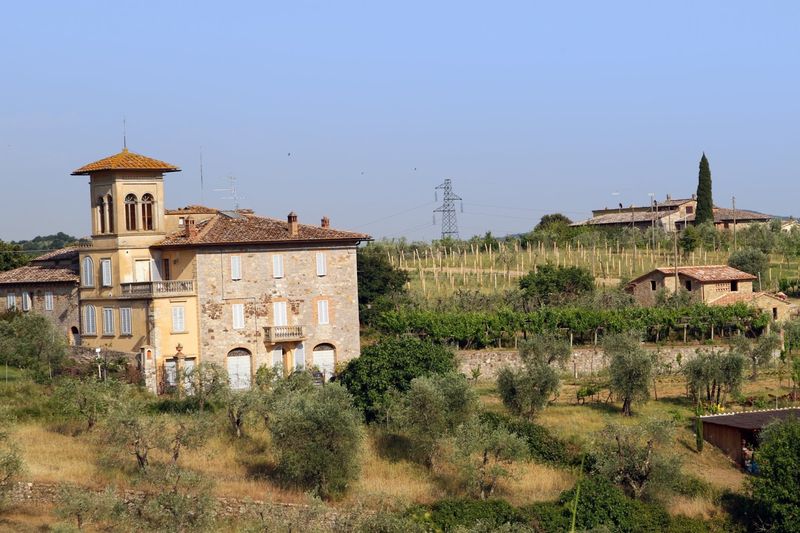
Few places on Earth make you feel like you’ve stepped inside a Renaissance painting quite like Chianti. Nestled between Florence and Siena, this iconic region is draped in orderly rows of vines, silver-green olive trees, and terracotta-roofed farmhouses that seem frozen in time.
Every winding road feels like it was designed specifically for scenic drives.
Chianti Classico is the star wine here, a bold yet elegant red made from Sangiovese grapes. Look for the iconic black rooster symbol on bottles, which marks authentic Chianti Classico wines.
Most wineries welcome visitors for tastings, and many pair their pours with local cured meats, aged pecorino, and freshly pressed olive oil.
The region is busiest in summer, but autumn brings golden light and harvest energy that feels almost magical. Staying at an agriturismo, a working farm with guest rooms, puts you right in the middle of vineyard life.
Sunsets from a hilltop terrace with a glass of Riserva in hand? Honestly, that alone is worth the plane ticket.
Barolo, Piedmont
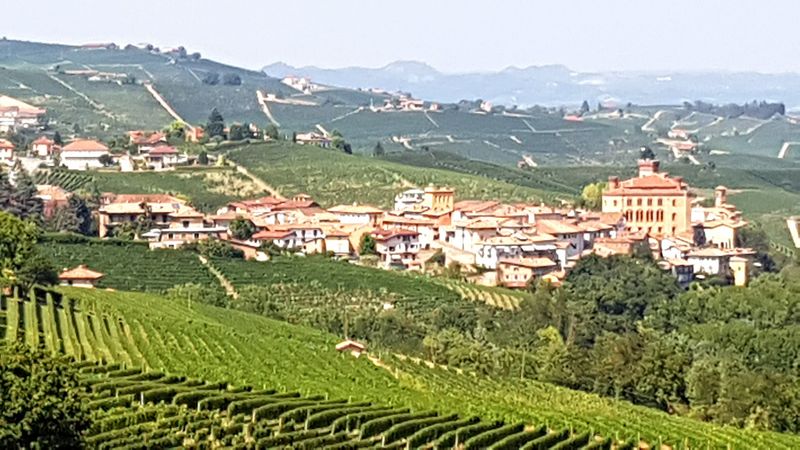
They call Barolo the King of Italian wines, and one visit to Piedmont will show you exactly why that crown fits. The Langhe hills are blanketed in Nebbiolo vines that turn fiery shades of orange and red each autumn, creating a landscape so stunning it earned UNESCO World Heritage status.
Small, elegant villages like La Morra and Castiglione Falletto sit on ridgelines like jewels in a crown.
Barolo wine is powerful, tannic, and built for aging. A good bottle needs years in the cellar before it truly opens up, which makes every sip feel like a reward for patience.
Wineries here range from historic family estates to sleek modern cellars, and most offer guided tastings with knowledgeable staff who genuinely love talking about their craft.
Beyond wine, Piedmont is a food lover’s paradise. White truffles, tajarin pasta, and braised beef in Barolo are just a few reasons to linger longer than planned.
The region stays quieter than Tuscany, which means better restaurant reservations, fewer crowds, and a more relaxed pace that suits savoring every moment.
Montalcino, Tuscany
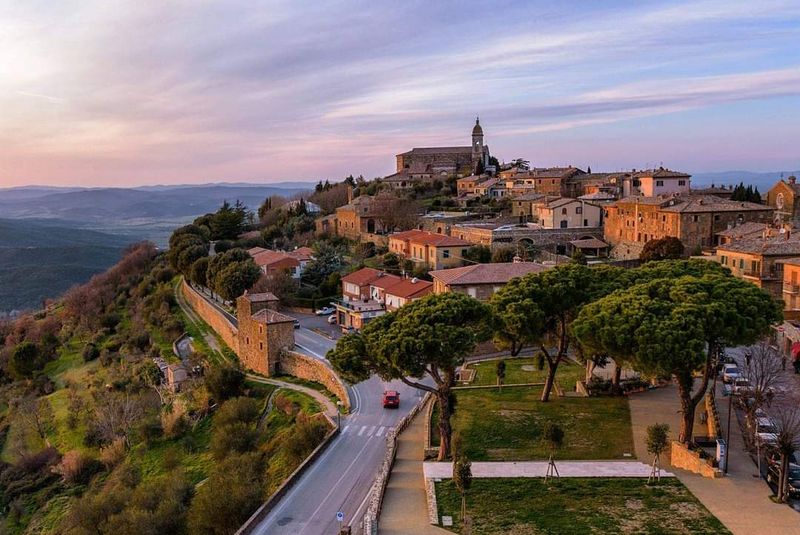
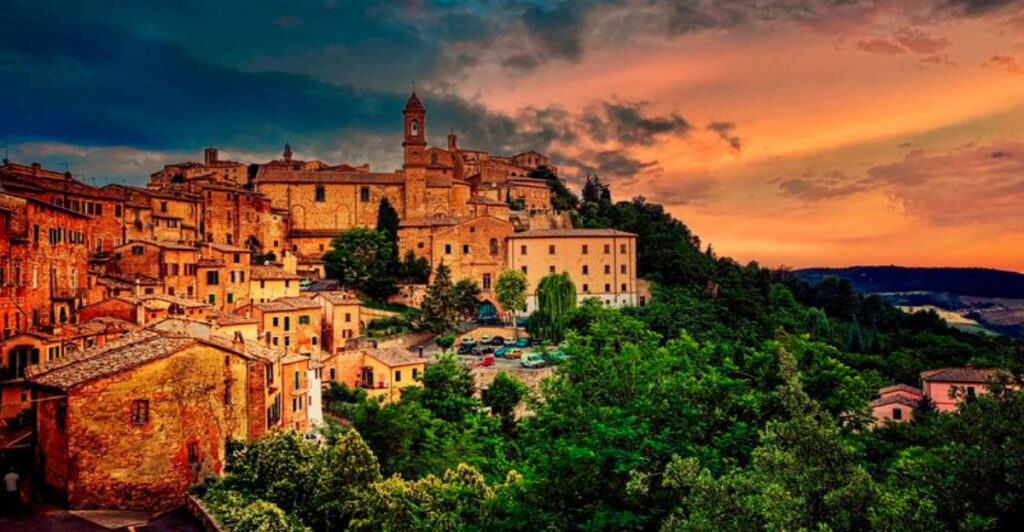
Montalcino sits on a hilltop like it owns the entire Val d’Orcia valley, which, honestly, it kind of does. The town produces Brunello di Montalcino, one of Italy’s most prestigious and age-worthy red wines.
A single sip can reveal layers of cherry, dried herbs, leather, and earth that take years of barrel aging to develop fully.
The views from Montalcino’s medieval fortress are breathtaking, stretching across golden fields, vineyards, and cypress-dotted hills that seem to roll on forever. Many wineries are family-owned and have been producing wine for generations, which gives tastings a personal, intimate quality you rarely find in bigger wine regions.
Booking ahead is recommended, especially during harvest season in September and October.
Nearby, the Val d’Orcia landscape is a UNESCO treasure on its own, and combining a wine tour with drives through that countryside feels genuinely indulgent. Local restaurants pair Brunello beautifully with slow-cooked wild boar, hand-rolled pici pasta, and rich ribollita soup.
Budget travelers can also enjoy younger, more affordable Rosso di Montalcino from the same producers without sacrificing quality.
Franciacorta, Lombardy
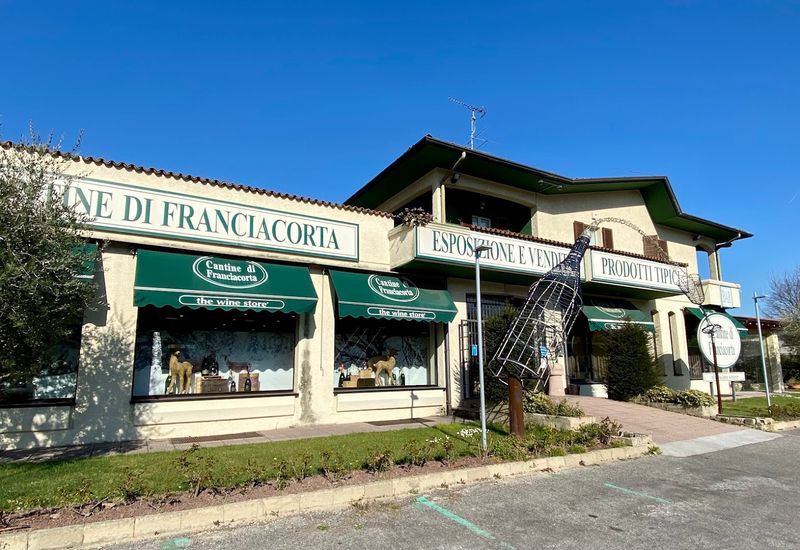
Forget everything you think you know about Italian sparkling wine, because Franciacorta is about to rewrite the rulebook. Located in Lombardy near the serene shores of Lake Iseo, this region produces metodo classico sparkling wines that rival Champagne in quality and complexity.
Locals are fiercely proud of that comparison and will happily prove it glass by glass.
The vineyards here are immaculate, spread across gently rolling hills with the Alps visible on clear days. Luxury estates welcome visitors into sleek modern tasting rooms where you can sample Blanc de Blancs, Rosé, and vintage-dated Satèn wines with surprising depth and fine bubbles.
Pairing options often include local cheeses, fresh lake fish, and house-made charcuterie.
Lake Iseo itself adds another dimension to any visit, with boat trips, charming lakeside villages, and the fascinating floating installation island of Monte Isola nearby. Franciacorta tends to attract a sophisticated, relaxed crowd rather than tour-bus traffic, giving the whole region a calm, upscale atmosphere.
If sparkling wine and lake views sound like your ideal afternoon, this region delivers that combination better than almost anywhere else in Italy.
Montepulciano, Tuscany
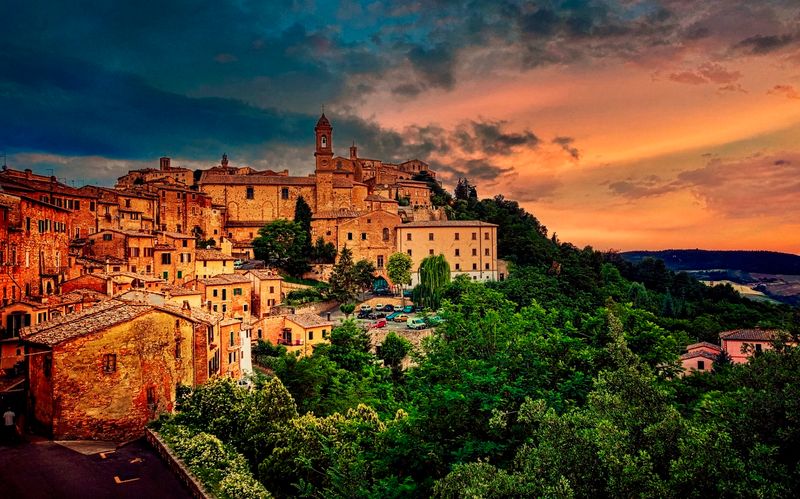
Walking into Montepulciano feels like stepping into a perfectly preserved Renaissance stage set, complete with cobblestone streets, honey-colored stone palaces, and the faint smell of aging wine drifting up from underground cellars. The town has been producing Vino Nobile di Montepulciano since at least the 8th century, making it one of Italy’s oldest wine traditions still thriving today.
Vino Nobile is made primarily from Prugnolo Gentile, a local Sangiovese clone, and offers a slightly softer, more approachable character than Brunello while still aging gracefully. Many wine shops and cellars are built directly into the town’s medieval foundations, so tastings happen in atmospheric stone rooms lit by candlelight.
It’s genuinely hard to resist buying an extra bottle or two in that setting.
The views from Montepulciano’s main square and church steps are absolutely worth the steep uphill climb through town. Vineyards stretch out in every direction below, framed by distant hills and the occasional lone farmhouse.
Local restaurants serve Chianina beef steak, pici pasta, and porcini mushroom dishes that pair beautifully with a glass of Vino Nobile poured generously at the table.
Valdobbiadene, Veneto
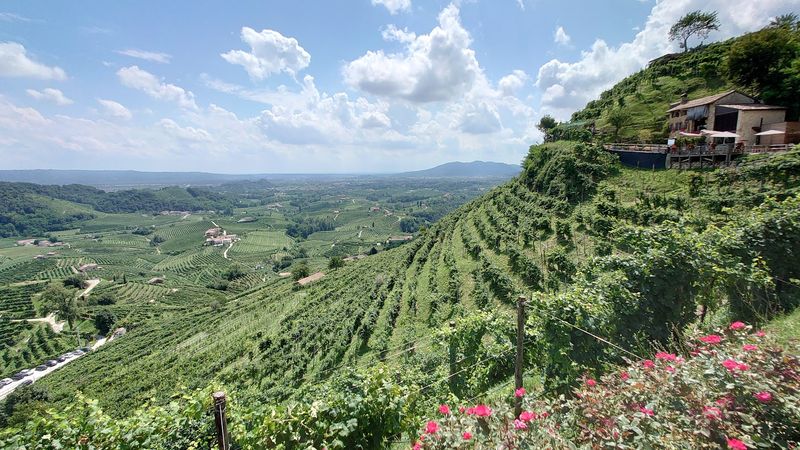
The hills around Valdobbiadene look like they were carved by someone with an obsessive love of geometry. Steep, narrow terraces of Glera vines climb impossibly sharp slopes, creating a UNESCO-listed landscape that is both visually dramatic and genuinely hard to farm.
Every bottle of Conegliano Valdobbiadene Prosecco Superiore carries a little bit of that human effort inside it.
Prosecco here is lighter and more delicate than many mass-produced versions, with floral aromas, green apple freshness, and a gentle fizz that feels perfectly suited for outdoor sipping. The Rive designation highlights single-village wines with even more specific terroir character, and tasting through different Rive wines is a surprisingly educational experience.
Producers are generally welcoming and love explaining what makes each hillside unique.
The Strada del Prosecco is one of Italy’s most scenic wine routes, winding through villages like Follina, Refrontolo, and San Pietro di Barbozza. Cycling sections of this route between tastings is a popular option for the adventurous, though the hills will definitely test your legs.
Pair your Prosecco with local cicchetti snacks, creamy risotto, or grilled polenta for a true Veneto afternoon.
Etna, Sicily
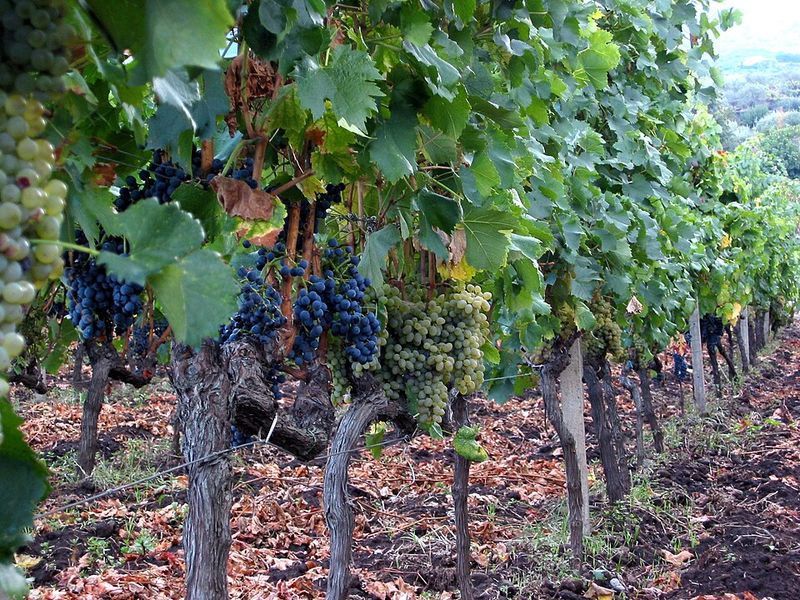
There is something wonderfully absurd about growing grapes on the slopes of an active volcano, and yet Etna produces some of Italy’s most exciting and distinctive wines. The mountain’s black lava soils give Nerello Mascalese wines a mineral intensity and earthy depth that is almost impossible to replicate anywhere else.
Add a dramatic smoking crater as a backdrop and you have a wine region like no other on Earth.
Etna Rosso wines are often compared to Burgundy’s Pinot Noir for their elegance and complexity, which surprises many visitors who expect something heavier from Sicily. The altitude keeps temperatures cooler than coastal Sicily, preserving freshness and acidity in both reds and whites.
Etna Bianco from Carricante grapes is equally impressive, crisp and volcanic with a long, mineral finish.
Visiting the volcano itself is part of the experience, with cable cars, guided hikes, and lava field walks available at different elevations. Many wineries are built from the same dark lava stone as the surrounding landscape, giving them a raw, dramatic visual character.
Pair your wines with arancini, swordfish carpaccio, or pistachio-crusted lamb for a Sicilian feast that matches the scenery’s intensity.
Roero, Piedmont
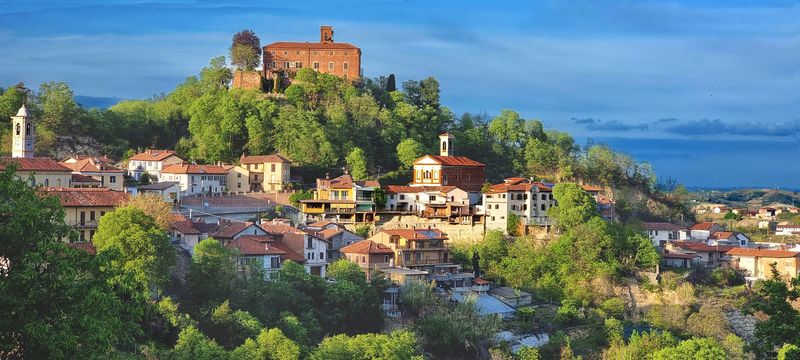
Roero sits directly across the Tanaro River from the famous Langhe hills, yet somehow most wine tourists walk right past it. That’s their loss and your gain.
This quieter corner of Piedmont offers gorgeous scenery, exceptional wines, and a relaxed pace that feels refreshingly unhurried compared to its more famous neighbors just across the river. Fewer crowds mean more genuine conversations at family-run wineries.
The region’s signature white wine, Arneis, is a floral, lightly textured white that pairs brilliantly with antipasti, fresh pasta, and grilled vegetables. Roero also produces elegant Nebbiolo-based reds under the Roero DOCG label, offering a slightly different expression of the grape than Barolo or Barbaresco.
The contrast between the two styles in a single afternoon tasting is genuinely eye-opening.
The landscape itself is more varied than neighboring Langhe, with deep ravines called Rocche cutting dramatically through vineyard-covered slopes and ancient forests. This creates a wilder, more textured visual experience than the manicured Barolo hills.
Local restaurants serve outstanding tajarin pasta with butter and sage, bagna cauda dipping sauce, and seasonal mushroom dishes that showcase Piedmont’s incredible food culture without the premium price tags of more tourist-heavy villages.
Bolgheri, Tuscany
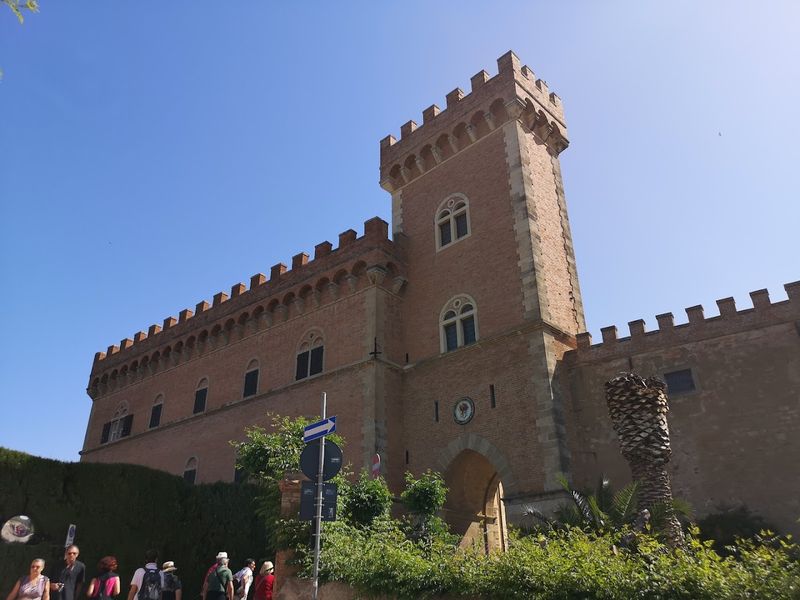
The cypress-lined road leading into Bolgheri is so famously beautiful that Italian poet Giosue Carducci wrote an entire poem about it in 1874. Today, that same road is flanked by some of Italy’s most prestigious wine estates, including Sassicaia and Ornellaia, names that wine collectors around the world recognize immediately.
Arriving here for the first time feels like entering a very exclusive postcard.
Bolgheri is the birthplace of Super Tuscans, a category of wines made outside traditional DOC rules using Cabernet Sauvignon, Merlot, and Cabernet Franc alongside local varieties. The resulting wines are bold, polished, and often aged for years before release.
Tastings at top estates can feel almost ceremonial, with each glass poured with evident reverence and pride.
The nearby Tyrrhenian coast adds a Mediterranean dimension to the visit, with beaches, fresh seafood restaurants, and salty sea breezes that balance out all that serious wine drinking. Castagneto Carducci, the village perched above Bolgheri, offers charming streets, local shops, and hilltop views across vineyards toward the sea.
Even budget-friendly Bolgheri DOC wines from smaller producers deliver impressive quality at a fraction of the flagship estate prices.
Colli di Luni, Liguria and Tuscany
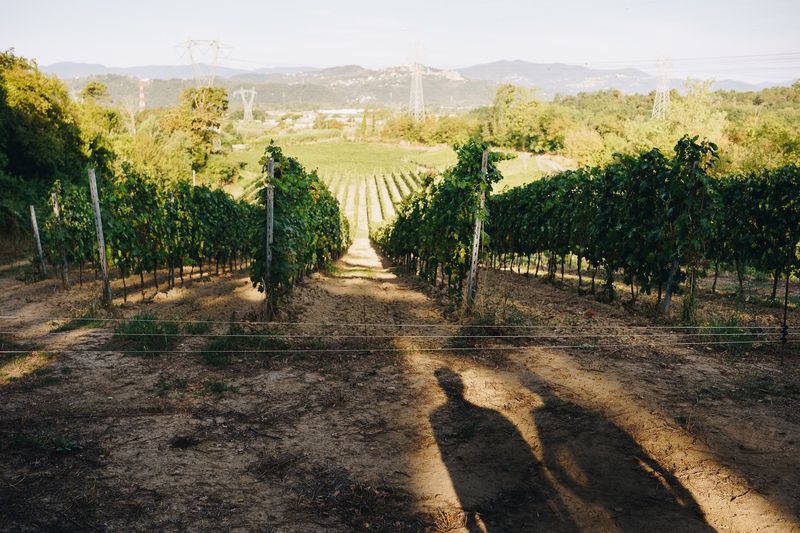
Wedged between the mountains and the Ligurian Sea, Colli di Luni is one of those wine regions that feels like a well-kept secret shared only among people who really know their Italian geography. Straddling the border of Liguria and Tuscany, it produces some of Italy’s most characterful Vermentino whites, with a salty, citrusy edge that seems to carry the sea breeze right into the glass.
Vermentino from Colli di Luni pairs spectacularly with the local seafood, particularly the fresh anchovies, grilled branzino, and trofie pasta with pesto that define Ligurian cuisine. The wines are crisp, aromatic, and refreshing without being simple, making them ideal for long lunches on a terrace with water views stretching to the horizon.
Few wine and food combinations in Italy feel this naturally matched.
The region also has serious history, with Roman ruins at Luni just minutes from the vineyards providing an unexpected archaeological detour. Nearby Cinque Terre is the obvious tourist draw, but Colli di Luni offers a quieter, more local experience with equally beautiful scenery.
Marble from Carrara is quarried in the hills above, giving the landscape a distinctive white-capped drama that sets it apart from any other Italian wine region.
Trentino, Trentino-Alto Adige
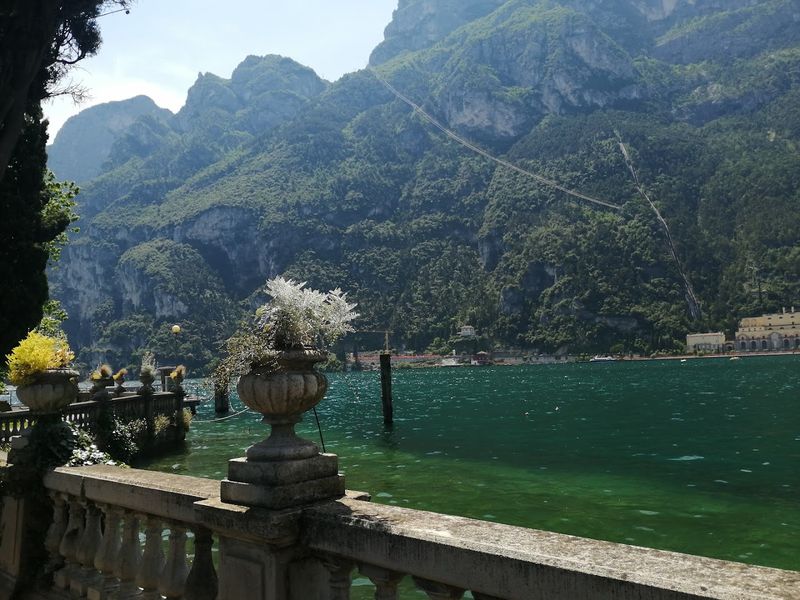
Imagine sipping a glass of fine sparkling wine while staring at the jagged peaks of the Dolomites reflected in a crystal-clear alpine lake. That is not a fantasy but a completely achievable Tuesday afternoon in Trentino.
This northern Italian region combines mountain grandeur with serious winemaking in a way that feels almost unfairly spectacular.
Trentodoc is the region’s flagship sparkling wine, made using the same traditional method as Champagne and aged on its lees for remarkable complexity. Ferrari Trento, the region’s most famous producer, has supplied Italian state banquets and Formula One podium celebrations for decades.
Beyond bubbles, Trentino also produces excellent Pinot Noir, Chardonnay, and the indigenous Teroldego grape with great success.
The landscape shifts dramatically as you travel through the region, from sun-drenched valley floors lined with apple orchards and vineyards to pine forests and high-altitude passes leading into the Dolomites. Adventure travelers can hike, cycle, or ski between wine stops depending on the season.
Local dishes like canederli bread dumplings, speck-wrapped meats, and apple strudel reflect the region’s Austrian cultural influence and pair wonderfully with both still and sparkling local wines.
Valpolicella, Veneto
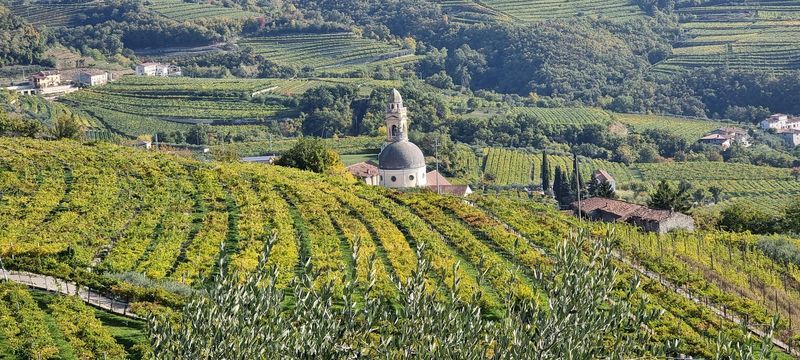
Amarone della Valpolicella is one of those wines that demands your full attention. Rich, velvety, and intense, it is made from partially dried grapes, a process called appassimento, that concentrates sugars and flavors into something almost otherworldly.
The hills northwest of Verona where these grapes grow are equally worthy of attention, covered in ancient stone terraces and dotted with historic estates.
The appassimento process involves laying harvested Corvina, Rondinella, and Molinara grapes on bamboo racks in well-ventilated lofts for three to four months. Visiting during this drying period in autumn fills the air with an intoxicating sweet-spicy aroma that you will not forget quickly.
Lighter, fruitier Valpolicella Classico and the sweet Recioto dessert wine round out a fascinating range of styles from the same grapes.
Verona sits just twenty minutes away, making Valpolicella a natural add-on to a city visit. After exploring Romeo and Juliet’s balcony and the magnificent Roman Arena, escaping into the quiet vineyard hills feels like a genuine reward.
Local restaurants serve slow-braised beef in Amarone sauce, horse meat dishes for the adventurous, and perfectly aged local cheeses that match the wine’s depth without apology.
Langhe, Piedmont
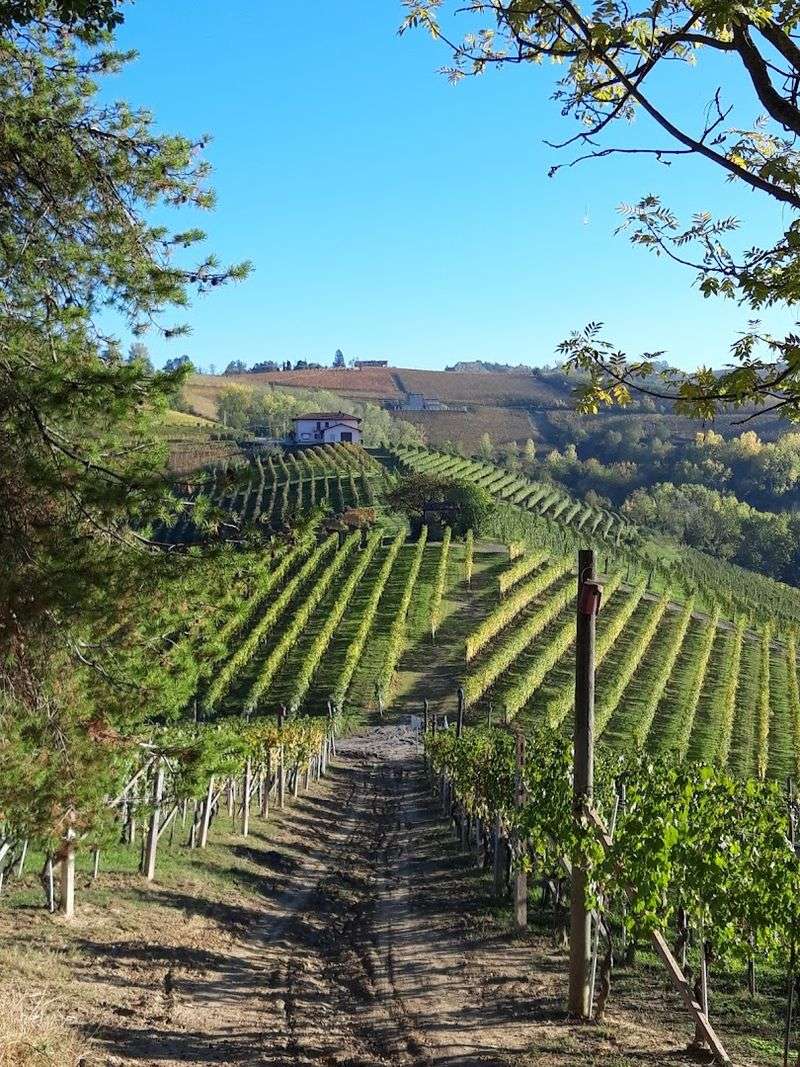
Come October, the Langhe hills pull off what might be Italy’s greatest seasonal transformation. Neat rows of Nebbiolo vines shift from deep green to blazing copper and gold, creating a landscape so photogenic that even people who never photograph food suddenly become passionate about their camera settings.
The white truffle season kicks in at exactly the same time, which pushes the whole experience into genuinely legendary territory.
The Langhe is home to both Barolo and Barbaresco, two of Italy’s most celebrated wine zones, but the broader region offers much more variety. Dolcetto, Barbera, and Freisa provide more approachable everyday drinking options, while the Moscato d’Asti vineyards around Canelli add a sweet, delicate counterpoint to all that tannic power.
Mixing styles across a tasting day keeps things interesting without overwhelming the palate.
Michelin-starred restaurants are surprisingly concentrated here, and many are housed in converted farmhouses with vineyard terrace dining. The combination of world-class food, exceptional wine, and one of Europe’s most beautiful rural landscapes makes Langhe a destination that justifies a longer trip than most people initially plan.
Visitors consistently extend their stays once they realize how much there is to explore beyond the obvious highlights.
Pantelleria, Sicily
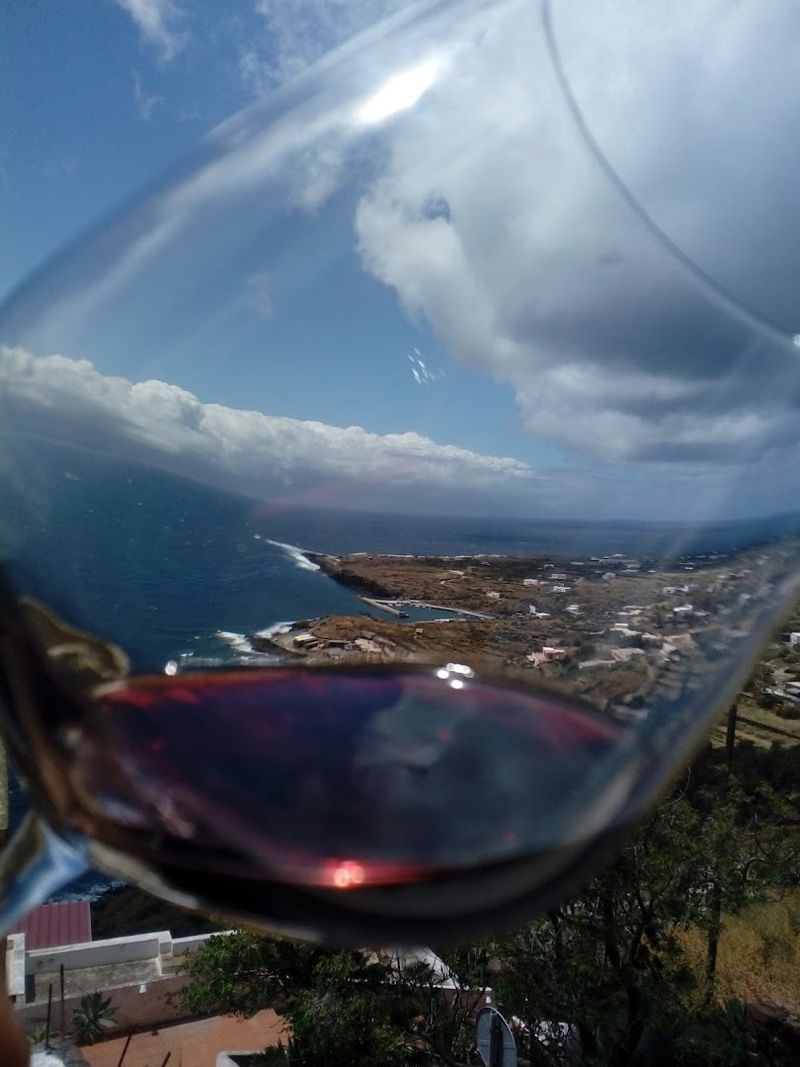
Pantelleria is the kind of place that makes you wonder why you wasted previous holidays anywhere else. This tiny volcanic island floats in the Mediterranean between Sicily and Tunisia, closer to Africa than to mainland Italy, and it produces one of the world’s most extraordinary sweet wines from sun-withered Zibibbo grapes.
Passito di Pantelleria is thick, amber-colored, and tastes like concentrated apricots, honey, and orange blossom all at once.
The island’s vines grow in a unique low-training style called alberello pantesco, where each vine is trained into a small bush close to the ground to shelter from fierce sea winds. This ancient technique earned UNESCO recognition as an intangible cultural heritage practice, making every vineyard visit feel historically significant.
The black lava walls that divide terraced plots add another layer of stark, dramatic beauty to the landscape.
Pantelleria has attracted artists, celebrities, and chefs seeking its raw, unspoiled atmosphere for decades. Giorgio Armani famously owns a property here, drawn by the same volcanic coastlines and natural hot springs that enchant regular visitors.
Pair your Passito with local almond pastries, aged tuna bottarga, or fresh capers preserved in sea salt, all produced on the island with the same fierce, sun-drenched intensity as the wine itself.
Soave, Veneto
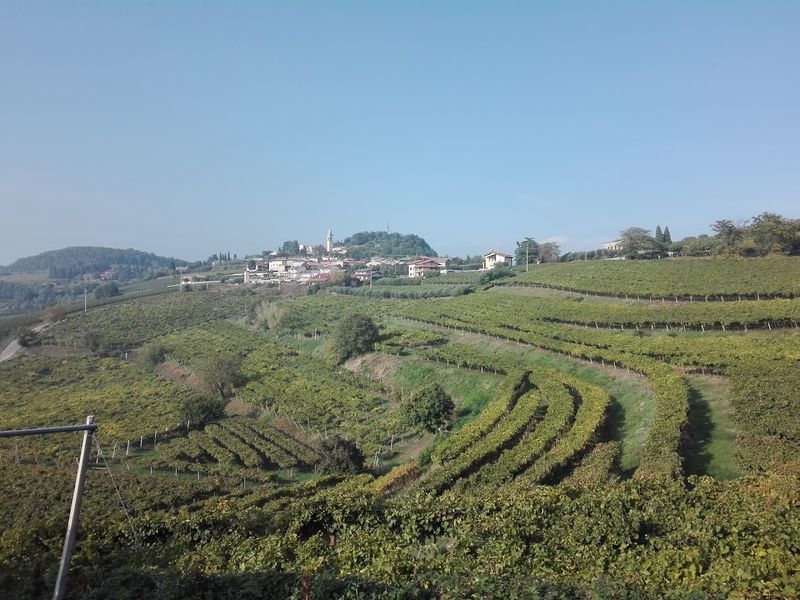
Soave’s medieval walls and clifftop castle make it look like a fairy tale village that someone accidentally surrounded with excellent white wine vineyards. The town itself is compact, walkable, and beautifully preserved, with the Scaligero Castle standing guard above vine-covered slopes that produce one of Veneto’s most food-friendly white wines.
Best of all, the crowds here are a fraction of what you’ll find in nearby Verona.
Soave Classico, from the original hillside zone, is far more complex than the mass-produced versions that gave the wine a bland reputation in the 1970s. Made from Garganega and Trebbiano di Soave grapes grown on volcanic basalt soils, quality Soave has a nutty, almond-tinged richness with bright citrus freshness underneath.
Single-vineyard bottlings from producers like Pieropan and Gini have quietly built international reputations among serious white wine lovers.
Visiting Soave on a weekday almost guarantees a peaceful experience, with winery appointments easily arranged and restaurant tables available without advance planning. The surrounding countryside is gentle and green, ideal for cycling between producers at a comfortable pace.
Pair your Soave with grilled trout, risotto with local Monte Veronese cheese, or simple bruschetta topped with fresh tomatoes and basil for a lunch that feels effortlessly right.
Share this story