 Unearth The Voyage
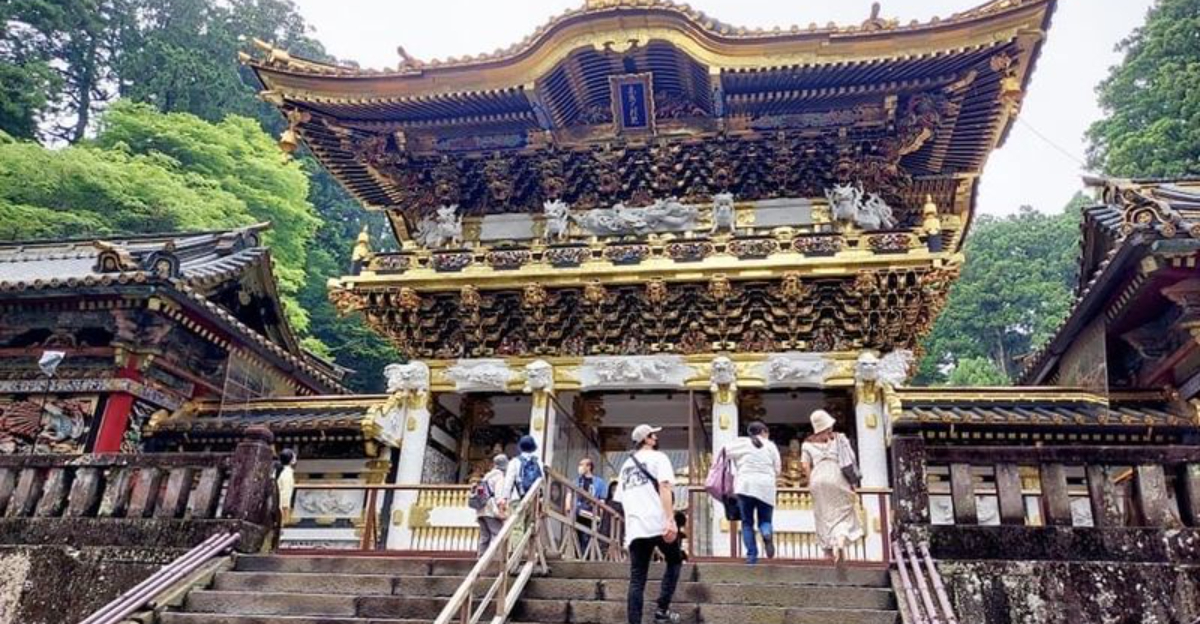
Japan stretches far beyond the bright lights and busy streets of Tokyo. Across the country, you’ll find peaceful temple towns, steaming hot spring villages, remote mountain hamlets, and tropical island beaches. Whether you’re craving ancient culture, outdoor adventure, or a relaxing soak, these 15 destinations show off Japan’s incredible variety.
1. Kyoto (Kansai)
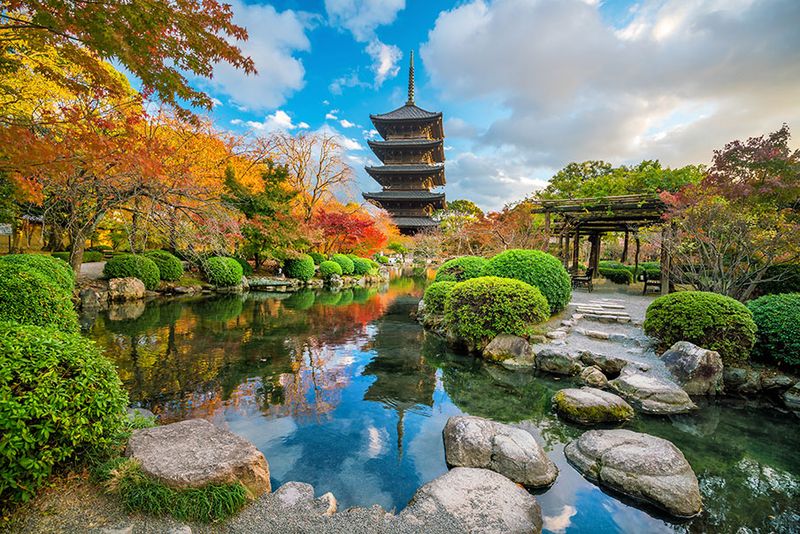
Wandering through Kyoto feels like stepping back in time. Ancient wooden temples line quiet hillsides, and the famous Arashiyama bamboo grove towers overhead like a green cathedral.
Fushimi Inari’s thousands of red torii gates wind up the mountainside, creating one of Japan’s most photographed trails. Traditional geisha districts and peaceful Zen gardens complete the experience.
Spring brings cherry blossoms to every corner, while fall paints the maple trees brilliant red and gold.
2. Osaka (Kansai)
Osaka’s nickname is “Japan’s kitchen,” and one bite of takoyaki or okonomiyaki proves why. The Dotonbori district explodes with neon signs, street vendors, and excited crowds every evening.
This city keeps things lively and unpretentious compared to Tokyo. Locals are famously friendly and quick to crack a joke.
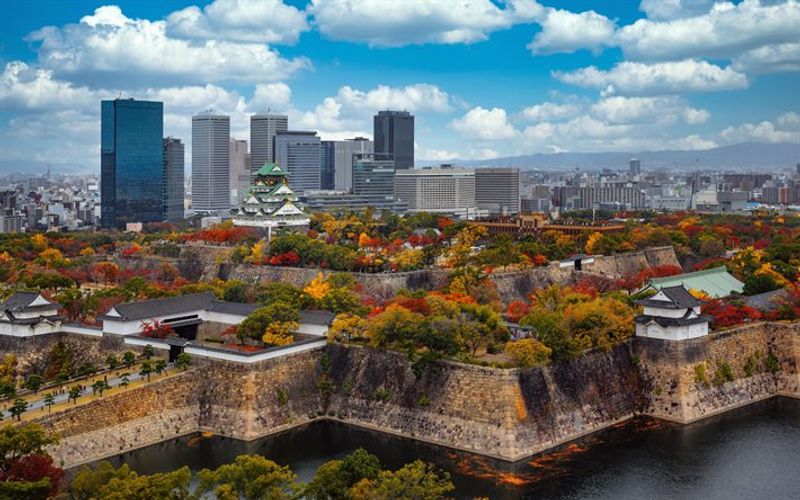
Osaka Castle stands proud in the middle of the modern sprawl. Plus, you can hop a quick train to Kyoto or Nara for a day trip.
3. Nara (Kansai)
More than 1,000 deer roam freely around Nara Park, bowing politely to visitors who offer special crackers. These animals are considered sacred messengers and have lived here for centuries.
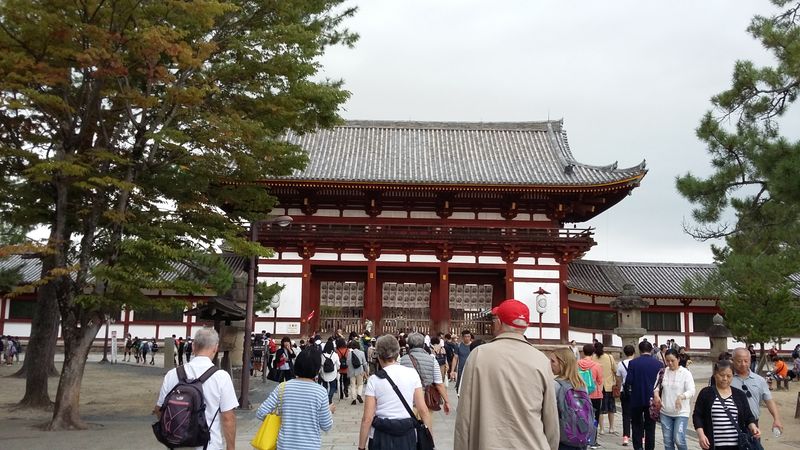
Todaiji temple houses a giant bronze Buddha statue that towers over visitors inside its massive wooden hall. Kasuga Taisha shrine features thousands of stone and bronze lanterns lining its pathways.
The whole park feels magical, especially in early morning mist.
4. Hiroshima & Miyajima

Hiroshima’s Peace Memorial Park and Museum tell a powerful story that changed the world forever. The experience is moving and essential for understanding modern history.
Just a short ferry ride away, Miyajima island offers something completely different. Itsukushima Shrine’s enormous red torii gate appears to float on water during high tide, creating one of Japan’s most iconic views.
Friendly deer wander the island streets, and Mount Misen’s hiking trails reward climbers with stunning coastal panoramas.
5. Kanazawa (Hokuriku)
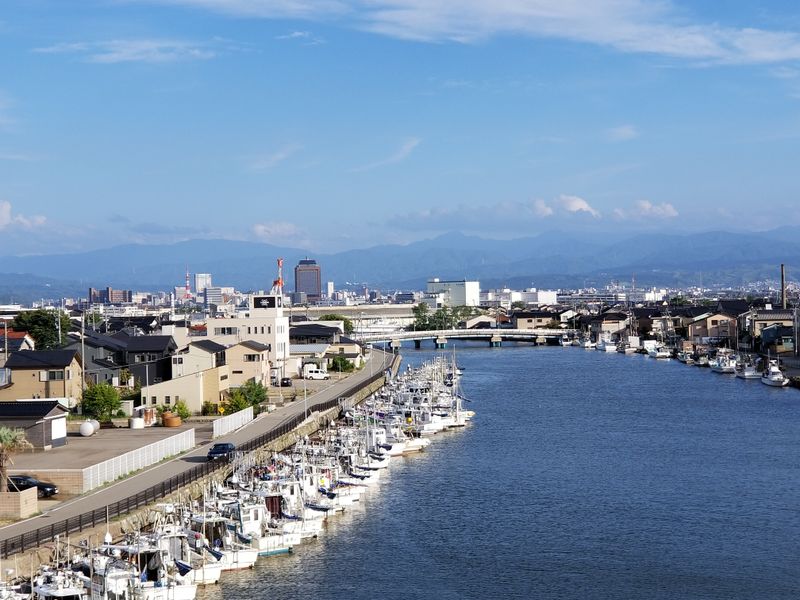
Kenrokuen Garden ranks among Japan’s three most beautiful landscape gardens, and it truly earns that reputation. Every season brings different colors, from pink cherry blossoms to fiery autumn maples and snow-covered pine trees.
The Maeda clan ruled here for generations, leaving behind samurai districts and a thriving gold leaf craft tradition. The Nagamachi district preserves earthen walls and narrow lanes where warriors once walked.
Fresh seafood from the Sea of Japan makes Kanazawa’s morning market a foodie paradise.
6. Hida-Takayama (Gifu)
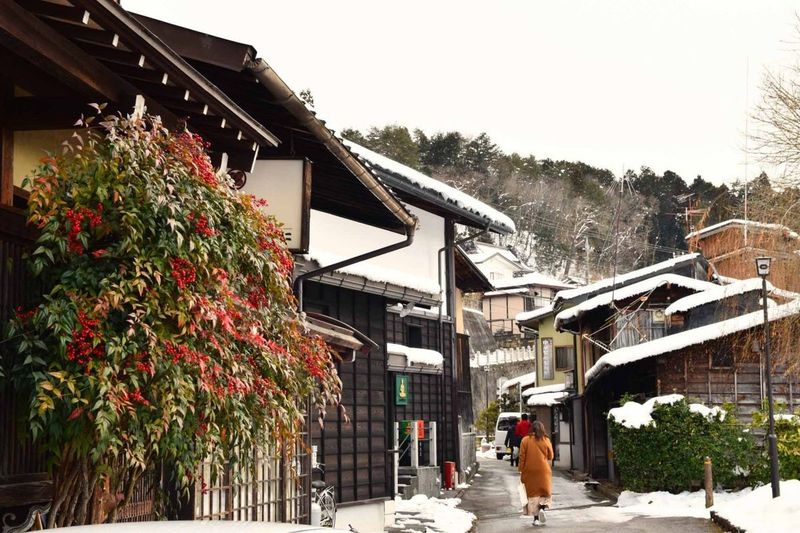
Takayama’s old merchant quarter looks almost exactly as it did 300 years ago. Dark wooden buildings line narrow streets, housing sake breweries, craft shops, and cozy cafes.
Twice yearly, the famous Takayama Festival brings elaborate floats and mechanical puppets through town in a celebration that dates back centuries. The surrounding Japanese Alps provide a stunning backdrop year-round.
Local Hida beef rivals Kobe’s reputation, and morning markets sell mountain vegetables and handmade crafts.
7. Shirakawa-go & Gokayama
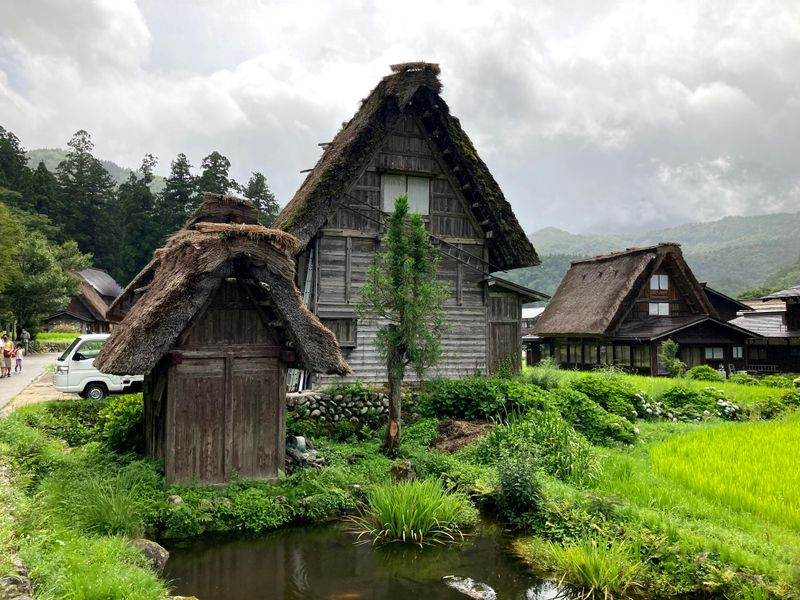
These remote mountain villages look like something from a fairy tale. Massive thatched roofs shaped like praying hands top traditional farmhouses that have stood for centuries.
UNESCO recognized these settlements for preserving a unique architectural style developed to handle heavy snowfall. Some houses are over 250 years old and still inhabited by families.
Winter illuminations make the snow-covered village glow like a Christmas card. The steep roofs shed snow naturally, protecting residents through harsh mountain winters.
8. Hakone (Kanagawa)
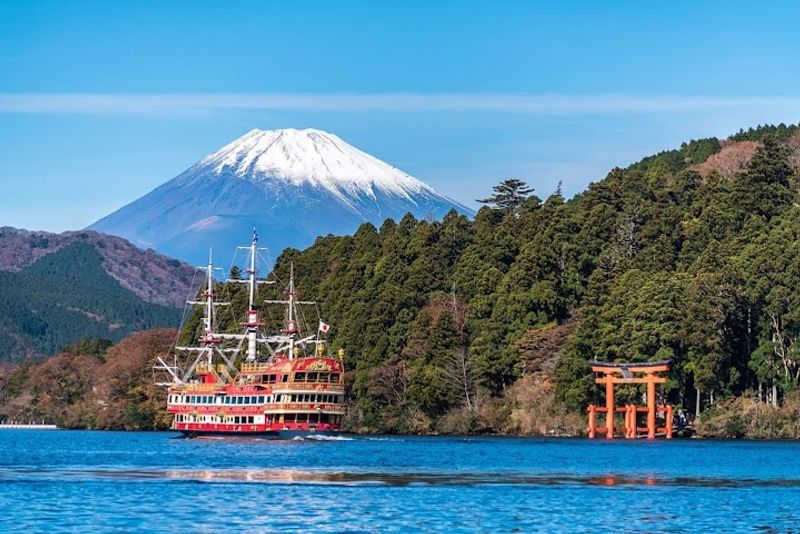
On clear days, Mount Fuji’s perfect cone reflects in Lake Ashi’s calm waters, creating a view that’s graced countless postcards. Pirate ships cruise the lake while tourists snap photos from every angle.
Hakone’s volcanic activity feeds dozens of natural hot springs where you can soak tired muscles. The outdoor sculpture museum combines art with mountain scenery in unexpected ways.
Riding the switchback train through the mountains offers thrilling views of valleys and volcanic vents releasing sulfur steam.
9. Nikko (Tochigi)
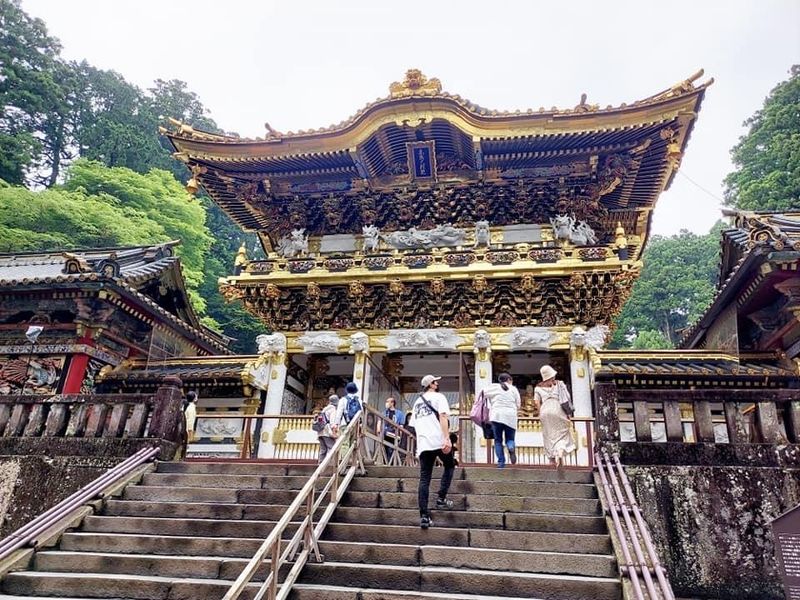
Gold leaf, intricate carvings, and brilliant colors cover every surface of Toshogu Shrine. The famous “see no evil, hear no evil, speak no evil” monkey carving has become an icon of Japanese art.
This UNESCO site honors Tokugawa Ieyasu, the shogun who unified Japan. Sacred cedar trees centuries old surround the temple complex, adding to the spiritual atmosphere.
Nearby waterfalls and Lake Chuzenji make Nikko perfect for combining cultural sights with nature hikes.
10. Koyasan (Wakayama)
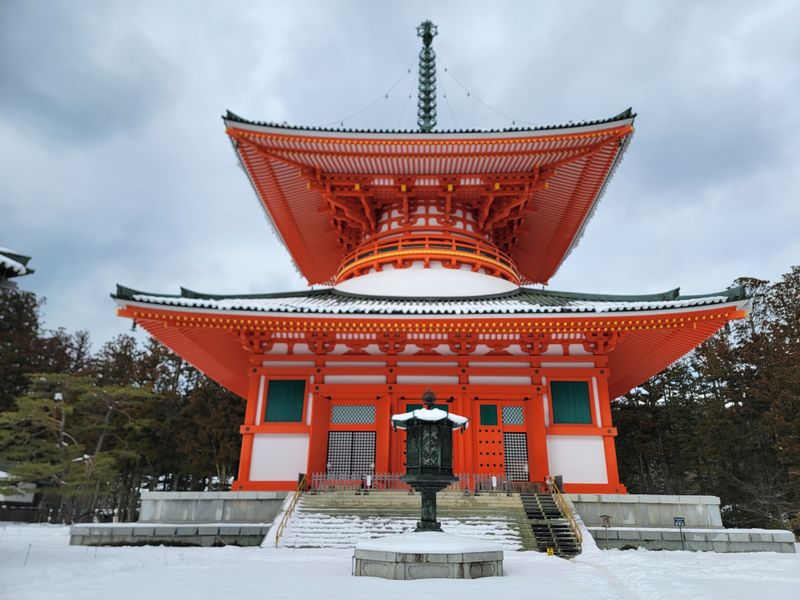
Over 100 temples dot this sacred mountain town founded by the monk Kobo Daishi in 816. Many temples offer shukubo lodging where visitors sleep on tatami mats and join morning prayer ceremonies.
Okunoin cemetery contains over 200,000 graves beneath towering cedar trees, with stone lanterns lighting the mystical path. The atmosphere feels otherworldly, especially when morning mist rolls through the forest.
Vegetarian Buddhist cuisine served at temple lodgings turns simple ingredients into artistic, delicious meals.
11. Naoshima (Seto Inland Sea)
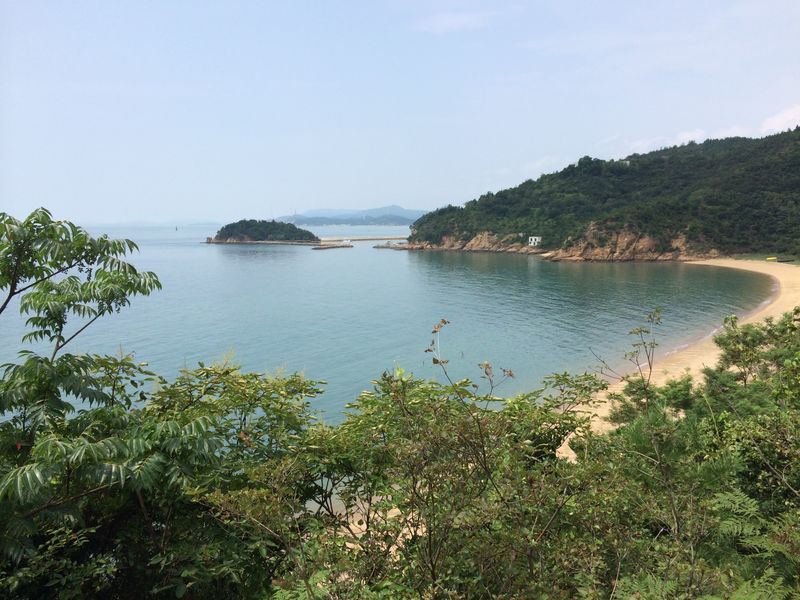
Giant polka-dot pumpkin sculptures greet ferry passengers arriving at this tiny art island. Yayoi Kusama’s works have become symbols of Naoshima’s transformation into a contemporary art destination.
Tadao Ando designed the stunning Chichu Art Museum, built mostly underground to preserve the island’s natural landscape. Inside, Monet’s water lilies glow in specially designed natural light.
Art installations pop up in abandoned houses and along beaches, turning the entire island into an open-air gallery.
12. Fukuoka (Kyushu)
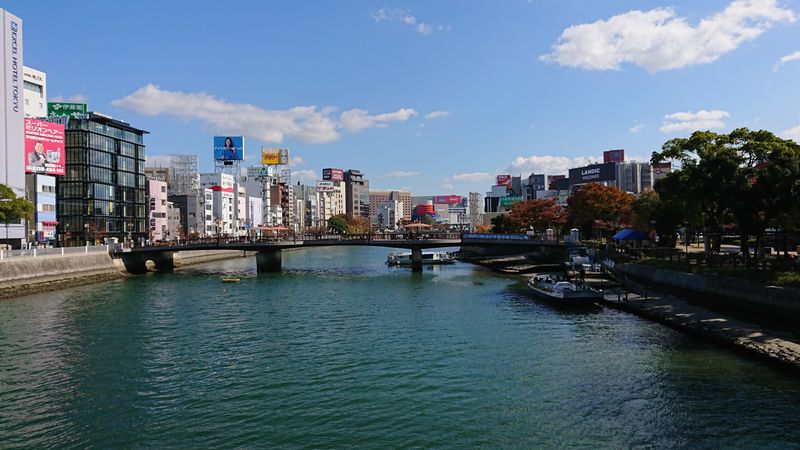
Fukuoka’s yatai food stalls line the streets after dark, serving steaming bowls of rich tonkotsu ramen. The pork bone broth simmers for hours, creating a creamy soup that locals swear is Japan’s best.
Dazaifu Tenmangu shrine attracts students praying for exam success, honoring the deity of learning. The approach to the shrine crosses a distinctive red bridge shaped like a rainbow.
Beach parks along Hakata Bay let you enjoy city life with sandy shores and ocean breezes.
13. Beppu (Oita)
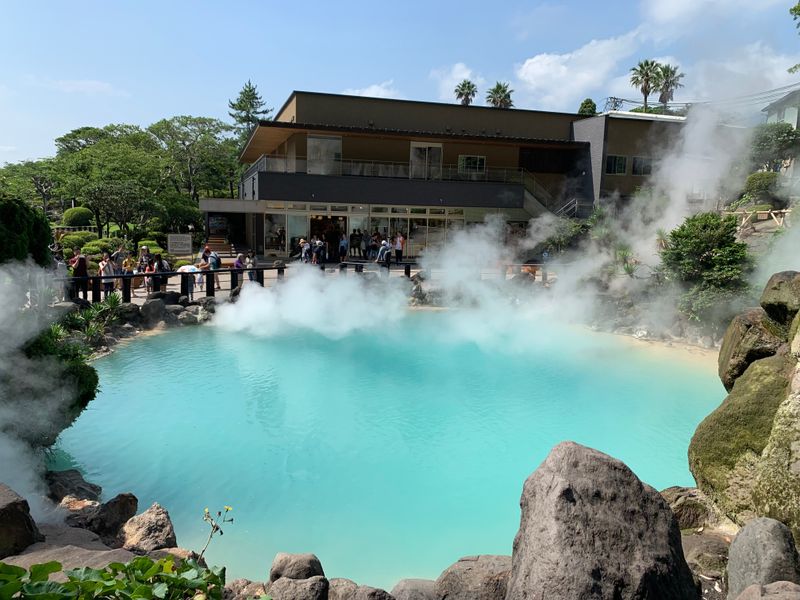
More hot spring water gushes from Beppu’s ground than almost anywhere else on Earth. Eight distinct onsen areas called “Beppu Hatto” each offer different bathing experiences, from mud baths to sand baths.
The “hells” are boiling hot springs too hot for bathing but spectacular to view. Cobalt blue, blood red, and milky white pools bubble and steam in otherworldly colors.
You can even try a bath where you’re buried in naturally heated sand on the beach.
14. Hokkaido (Sapporo & Hakodate)
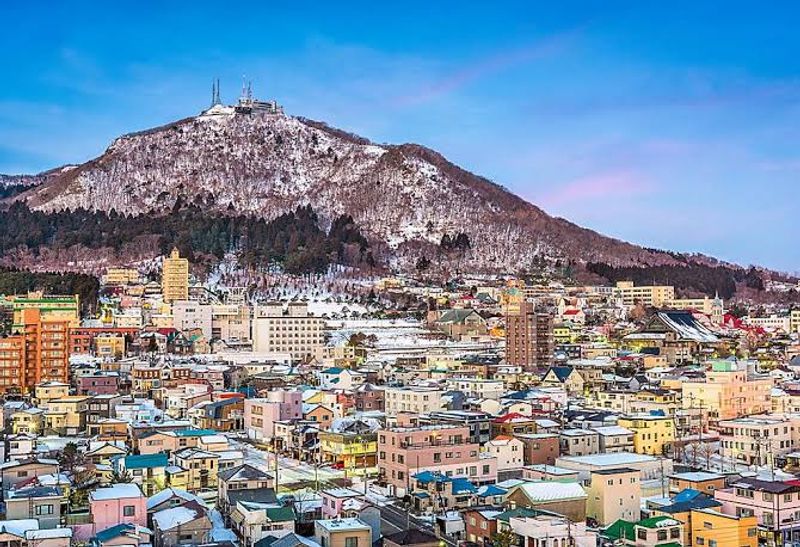
Hokkaido’s powder snow draws skiers and snowboarders from around the world to resorts like Niseko. Winter transforms the island into a snowy wonderland perfect for winter sports.
Sapporo’s February Snow Festival showcases enormous ice sculptures that light up the night. The city also claims fame for its distinctive miso ramen and fresh seafood.
Historic Hakodate offers stunning night views from Mount Hakodate and a charming waterfront district with Western-influenced architecture from the 1800s.
15. Okinawa (incl. Ishigaki/Yaeyama)
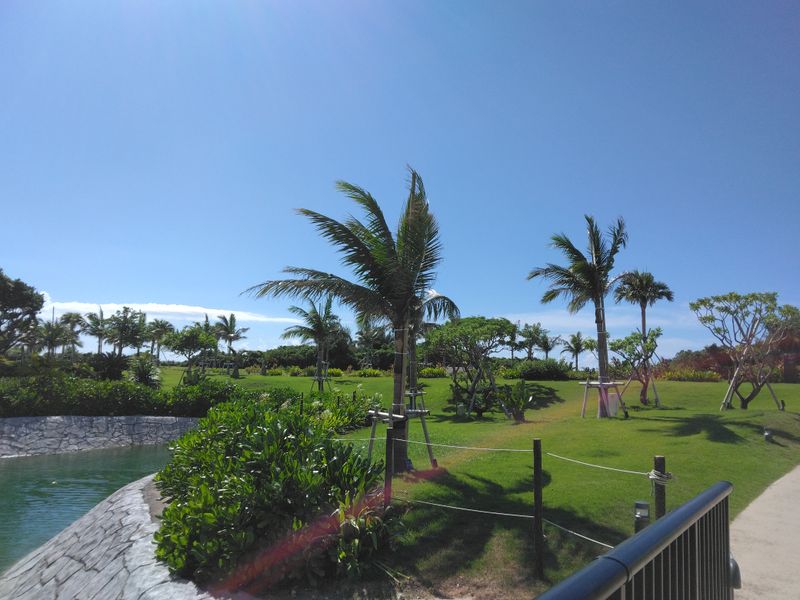
Okinawa feels more like Southeast Asia than mainland Japan. Palm trees sway over white sand beaches, and the turquoise water stays warm enough for swimming most of the year.
The Ryukyu Kingdom ruled these islands for centuries, developing a unique culture with its own language, food, and traditions. Shisa lion statues guard doorways, and Okinawan folk music has a distinct tropical rhythm.
Ishigaki and the Yaeyama islands offer world-class diving among vibrant coral reefs teeming with tropical fish.



